
Should You Invite an Estranged Sibling to Your Wedding?
Few guest-list decisions carry as much emotional weight as figuring out what to do about an estranged sibling. Whether you've been distant for years or had a serious falling-out, the question follows you straight to your seating chart. There's no single right answer, but there is a clear-headed way to think it through—so you can make a choice you'll feel good about long after the wedding day.
Start With Your Honest Reason for Inviting (or Not)
Before you decide anything, ask yourself why you're considering each option. Are you inviting your sibling because you genuinely want them there, or because you're afraid of family backlash if you don't? Are you leaning toward not inviting them because the relationship is truly toxic, or because it's just awkward and uncomfortable?
Obligation and guilt are poor reasons to extend—or withhold—a wedding invitation. Your wedding is one of the most meaningful days of your life, and the guest list should reflect the people you actually want surrounding you. If your honest answer is "I'd feel safer and happier without them there," that's valid. If it's "I'd regret it if they weren't there," that's equally valid.
Consider the Specific Nature of the Estrangement
Not all estrangements are the same, and the details matter when making this call.
- Drifted apart over time: If you've simply grown distant—different cities, different lives—an invitation can actually be a meaningful olive branch. Many couples find that a wedding naturally reconnects people.
- A specific conflict or fallout: If there was a clear incident, consider whether it has been addressed, even partially. Inviting someone before any repair work has been done can put both of you in an uncomfortable position on the day itself.
- Ongoing toxic or harmful behavior: If your sibling has a history of creating drama, substance issues, or has been abusive or disrespectful toward you or your partner, protecting your peace is a completely legitimate priority.
- A partner's estranged sibling: Support your partner's lead. This is their family relationship to navigate, and your role is to back whatever decision they make.
Think About the Ripple Effects on Other Guests
Your decision doesn't exist in a vacuum. Consider how inviting—or not inviting—your sibling will affect the rest of your family dynamic on the day.
If you invite them, will there be tension with your parents, other siblings, or your partner's family? If you don't invite them, will other family members feel they have to choose sides, or will your parents be upset? Neither scenario is automatically a dealbreaker, but you deserve to walk into your wedding with a realistic picture of what the day might look like.
One practical move: have a direct, private conversation with your sibling before sending invitations. A simple, honest message—"I'd love for you to be there, but I want us both to be comfortable. Can we talk?"—can clear the air or at least help you gauge where things stand before you seal any envelopes.
How to Handle the Invitation Itself
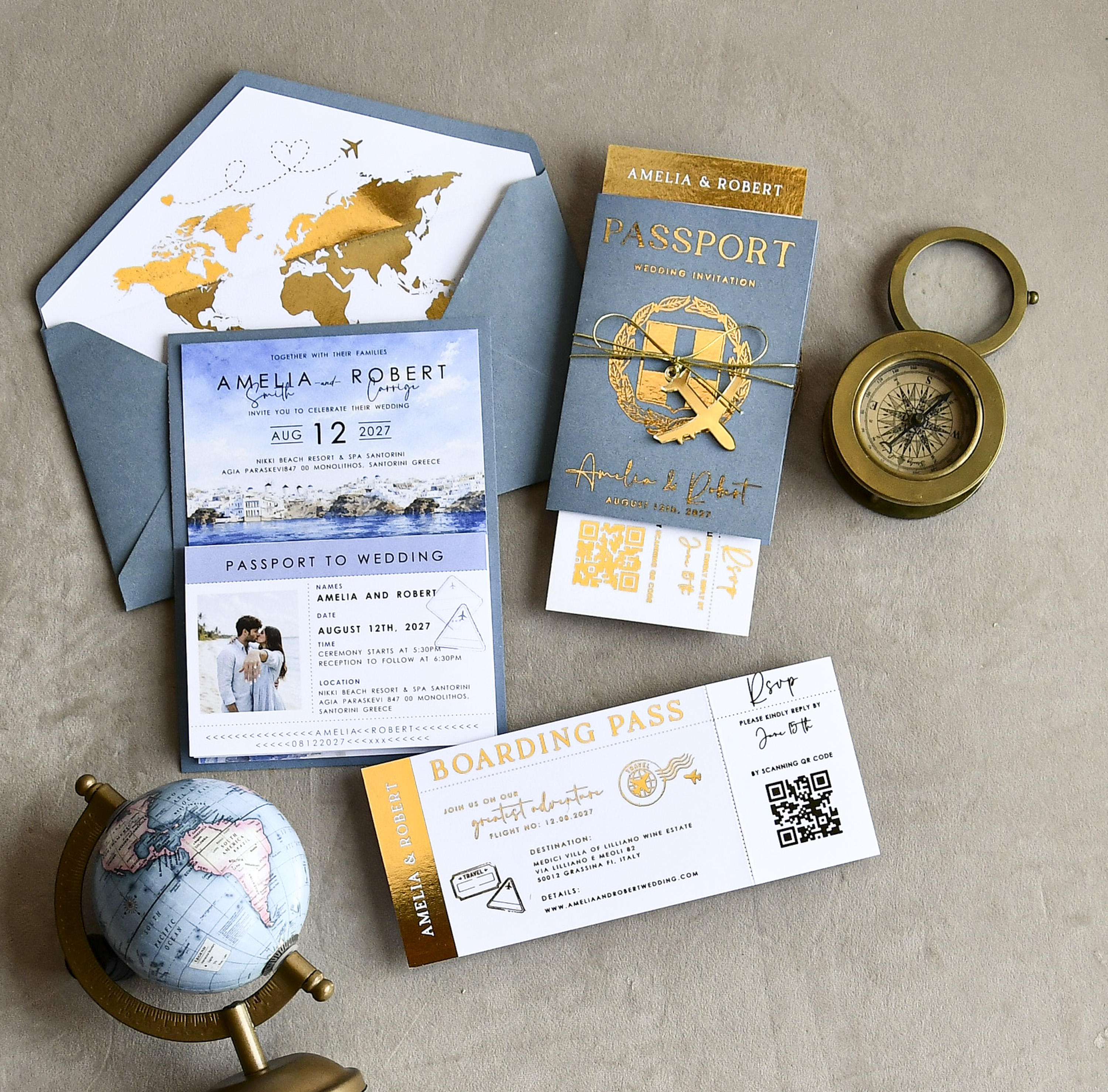
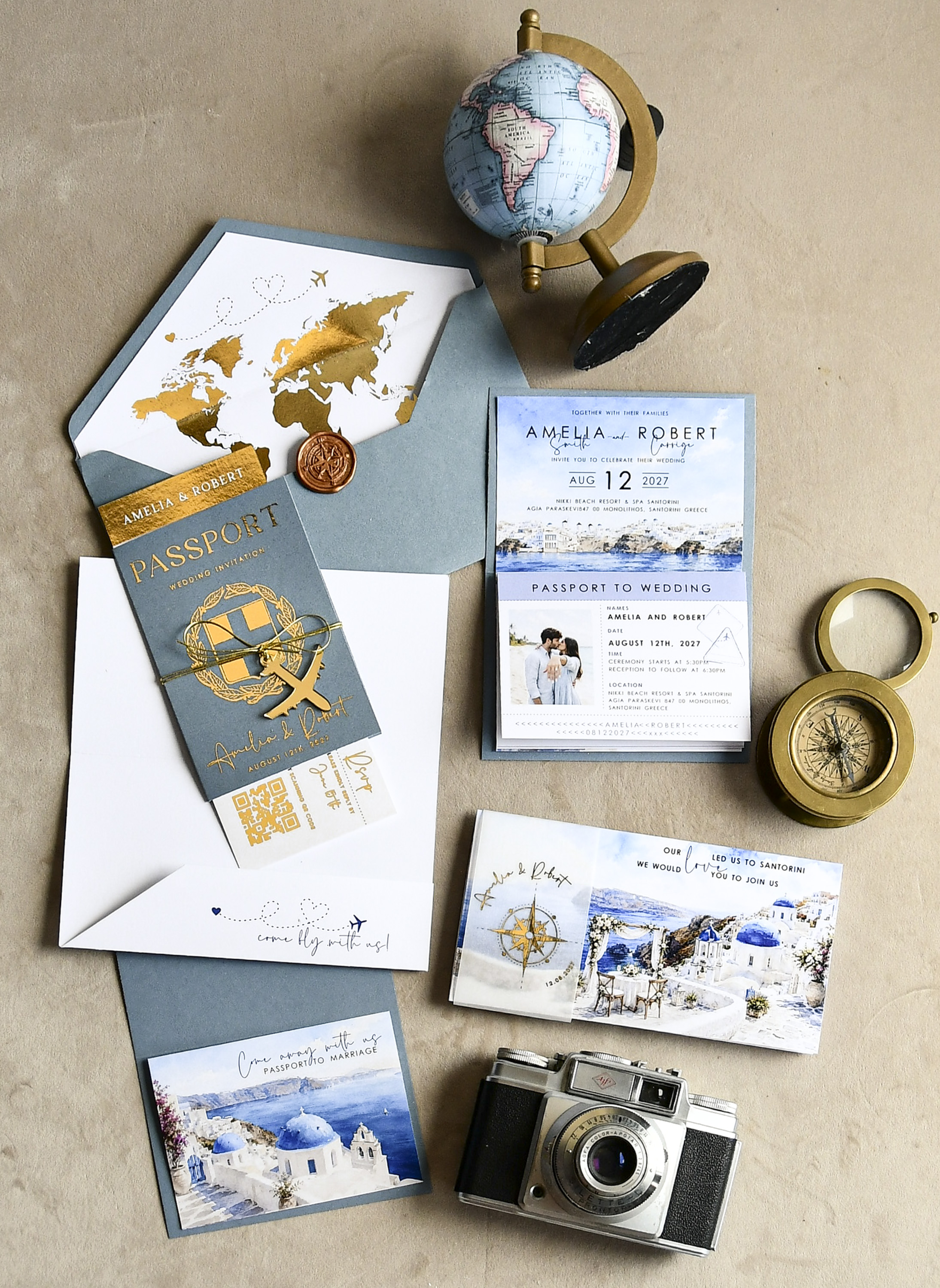
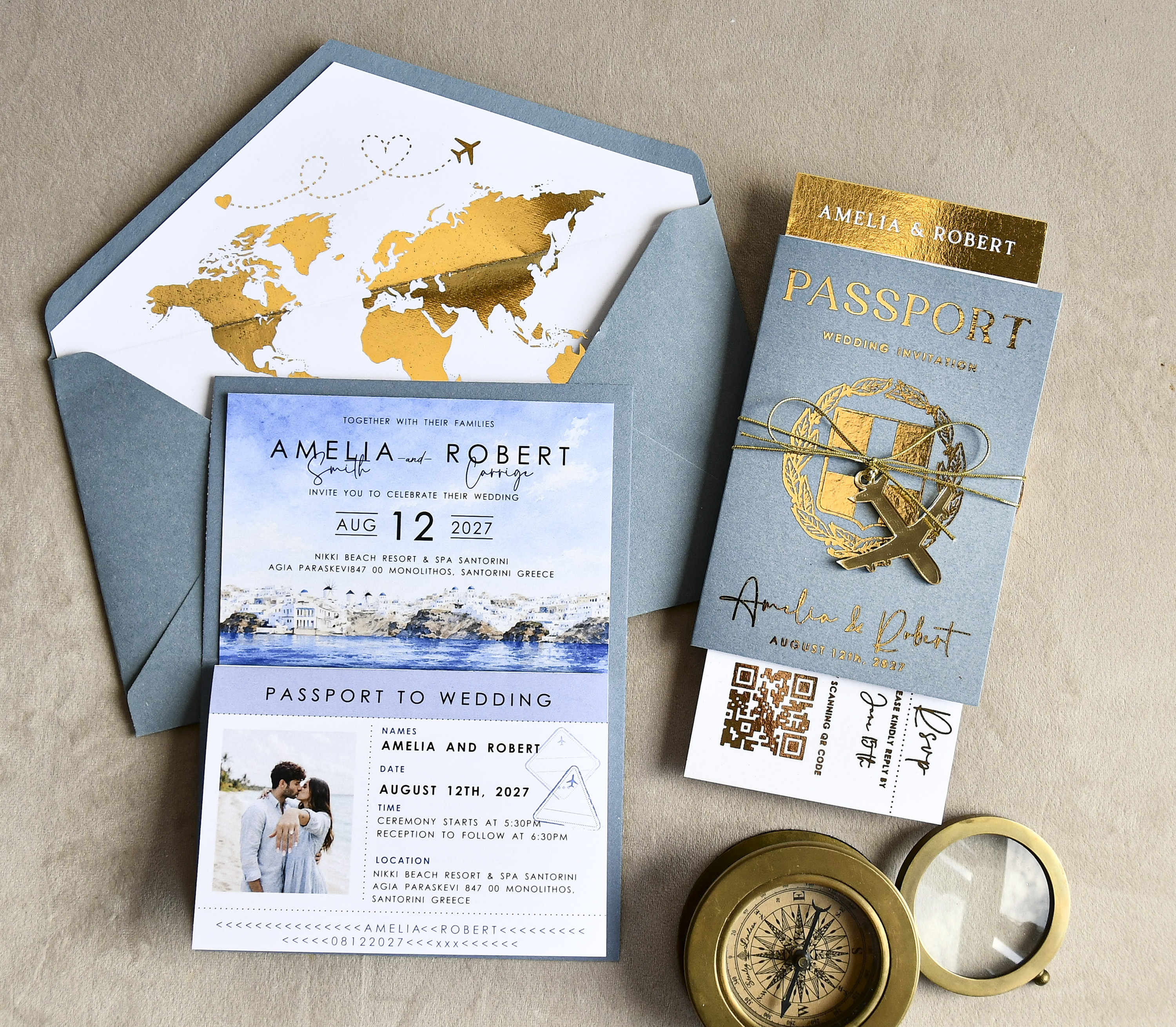
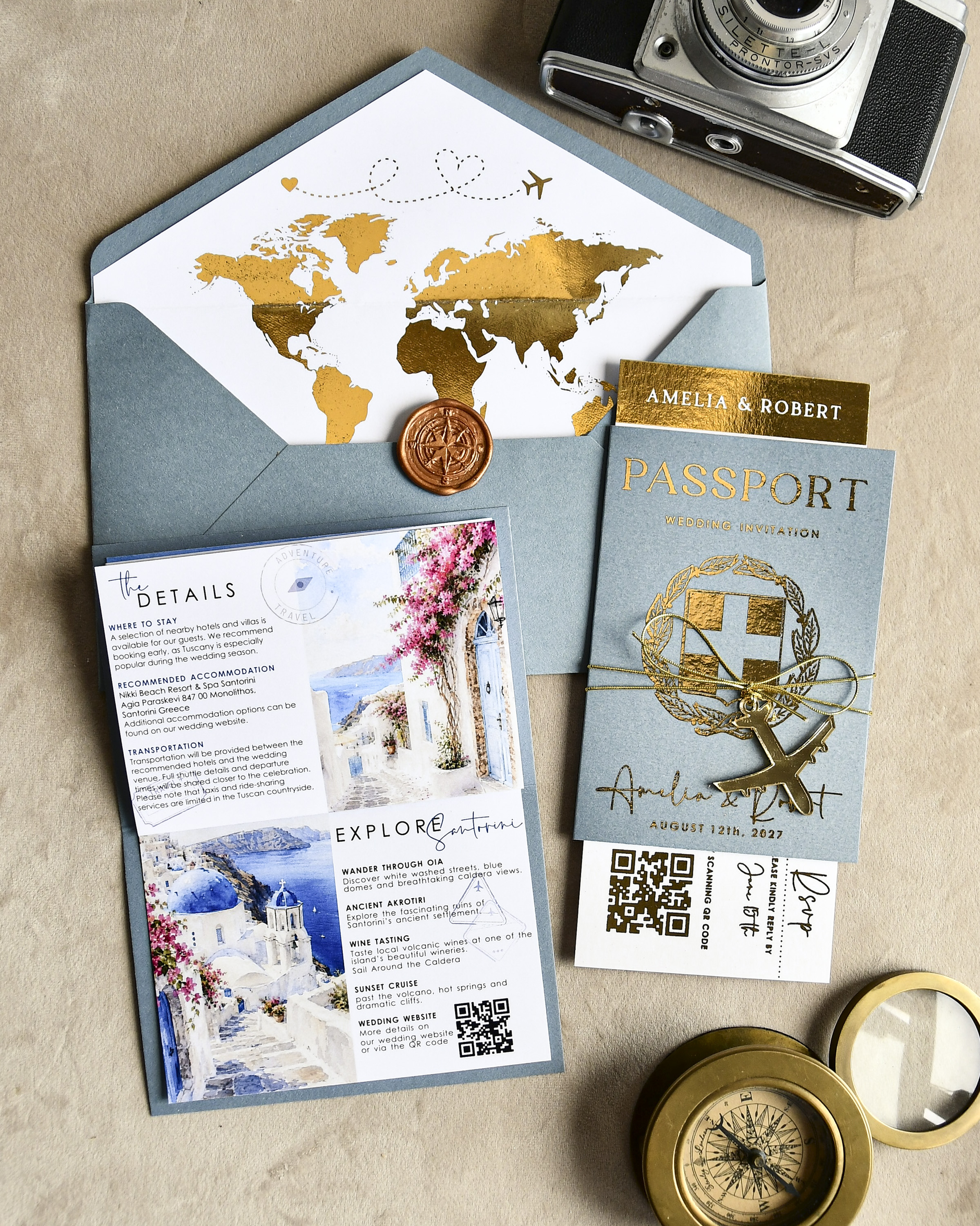
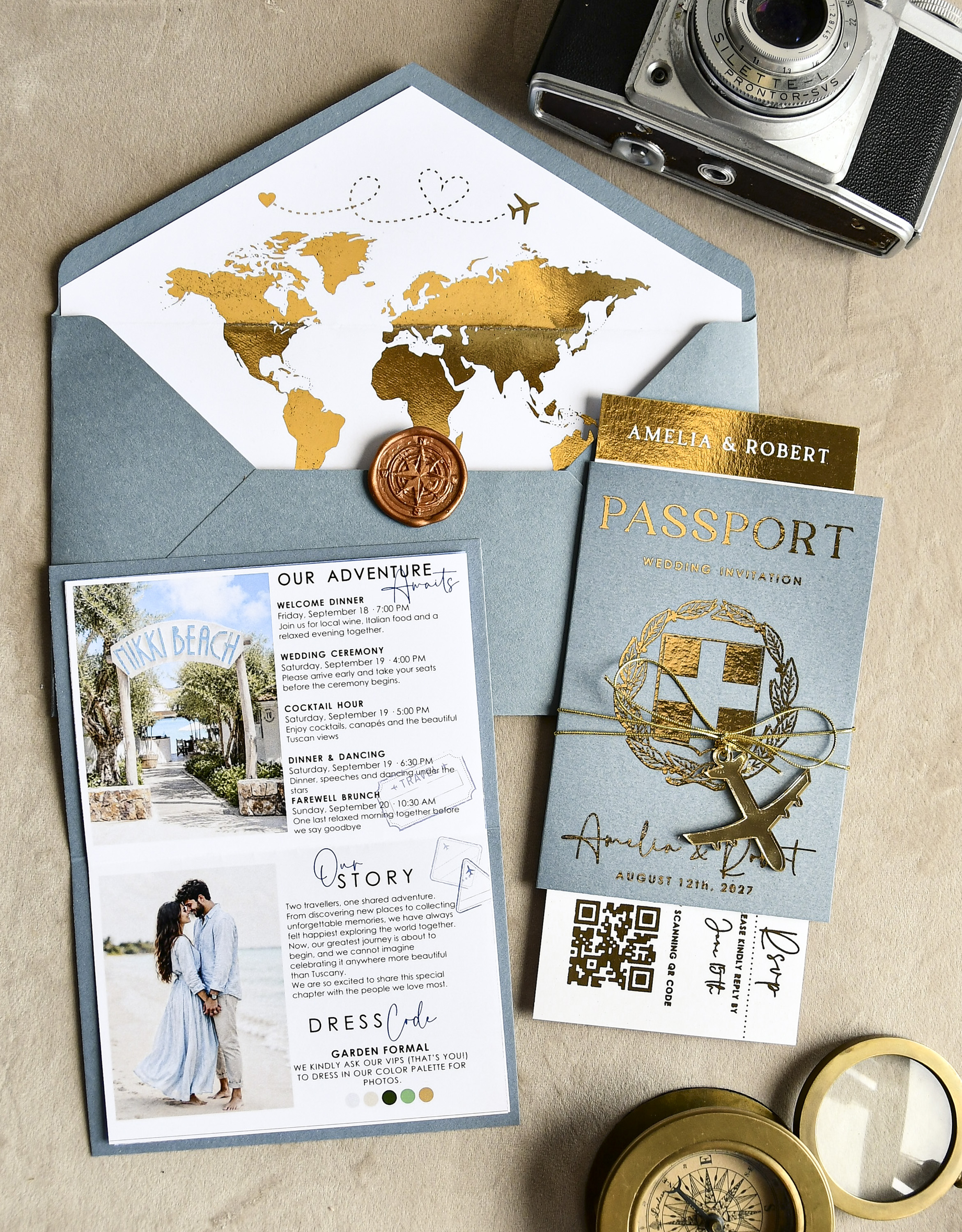
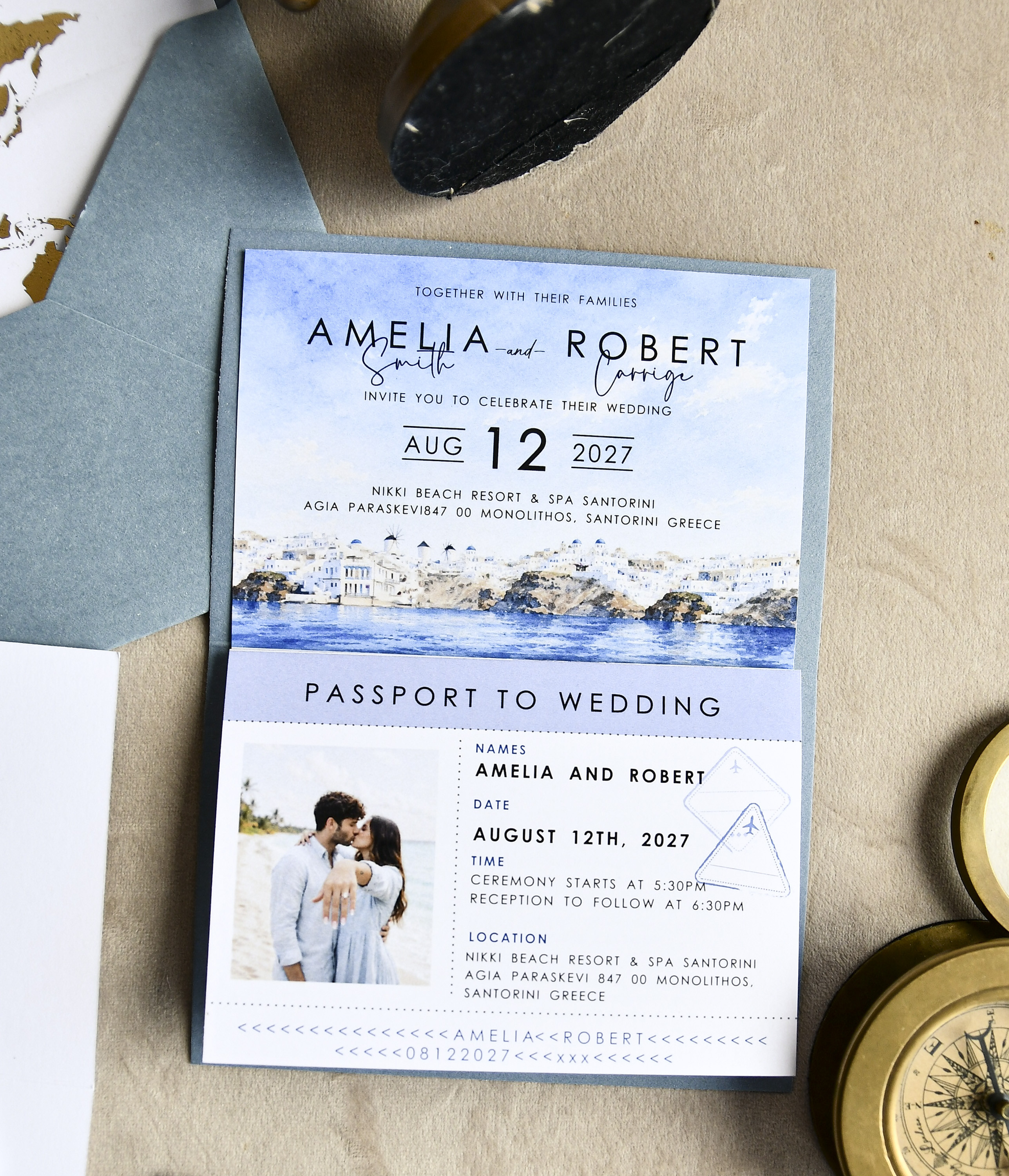
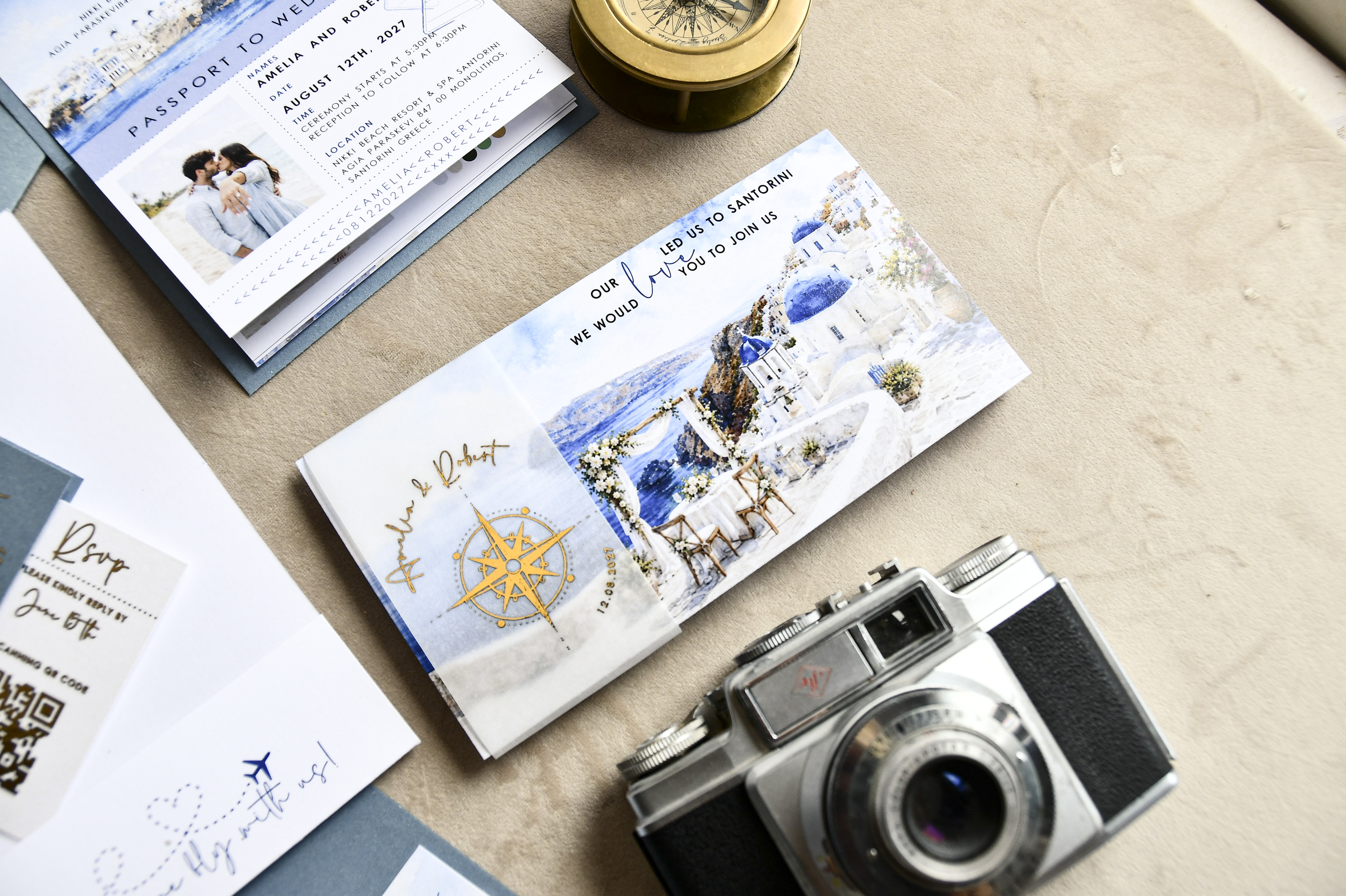
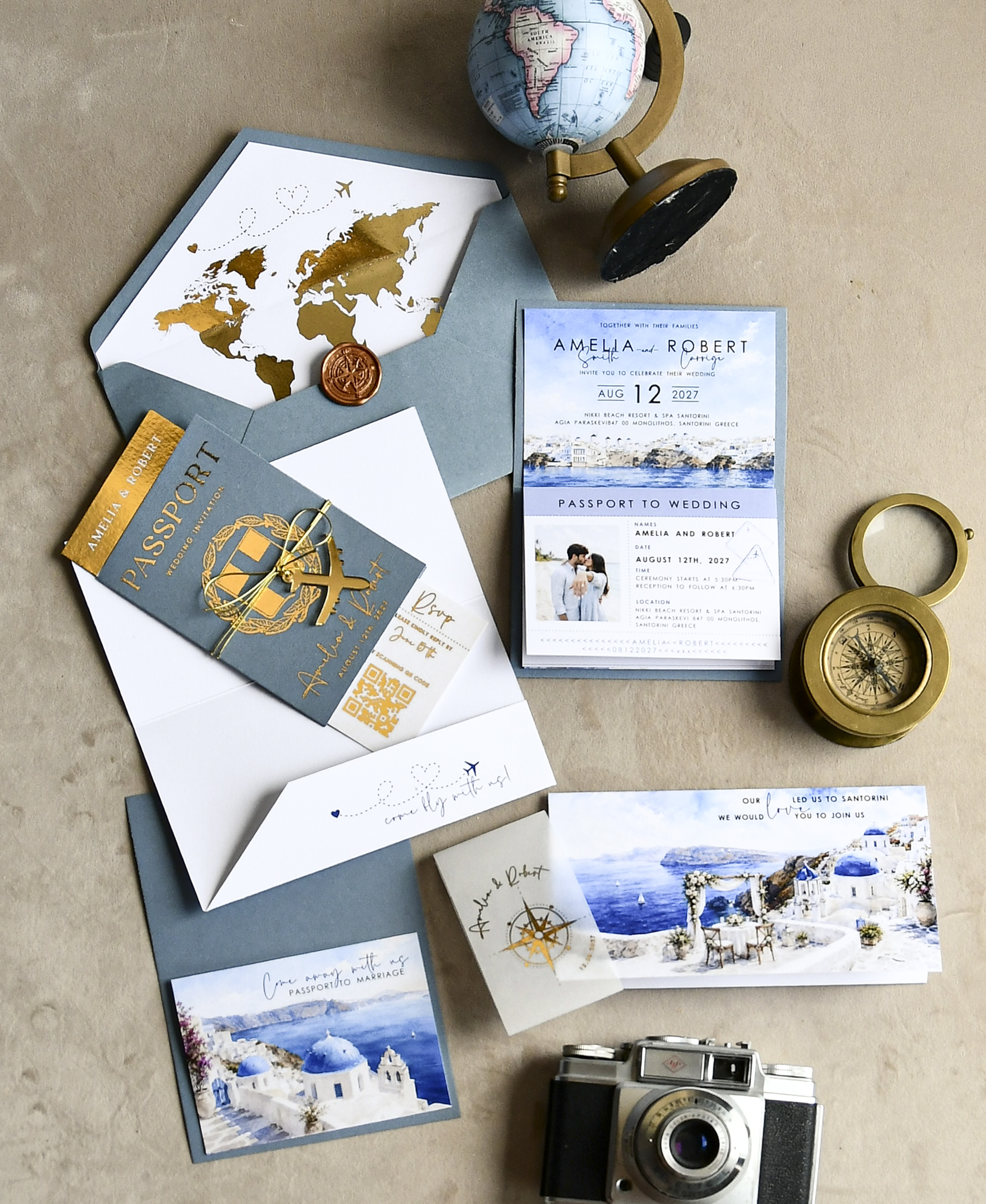
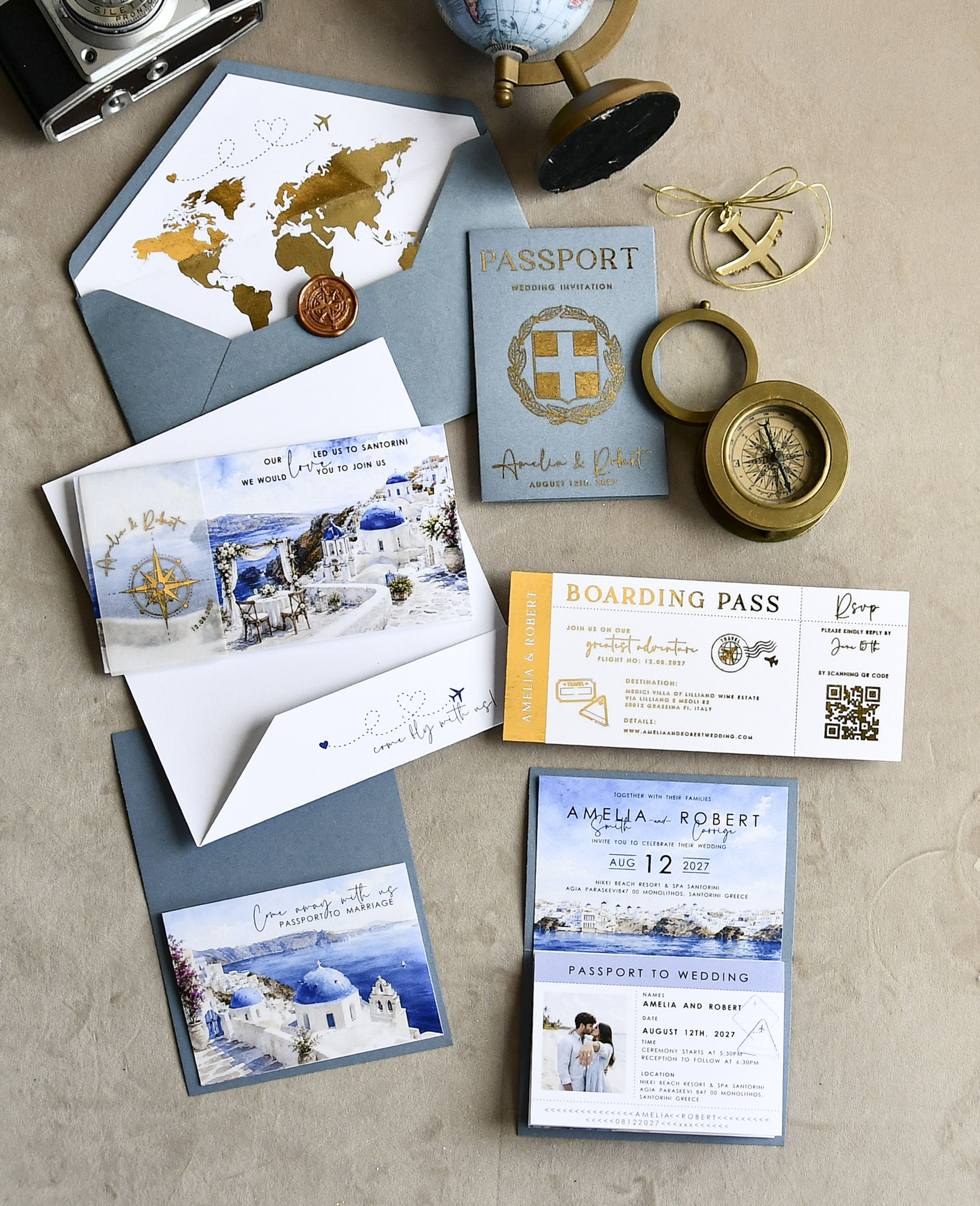
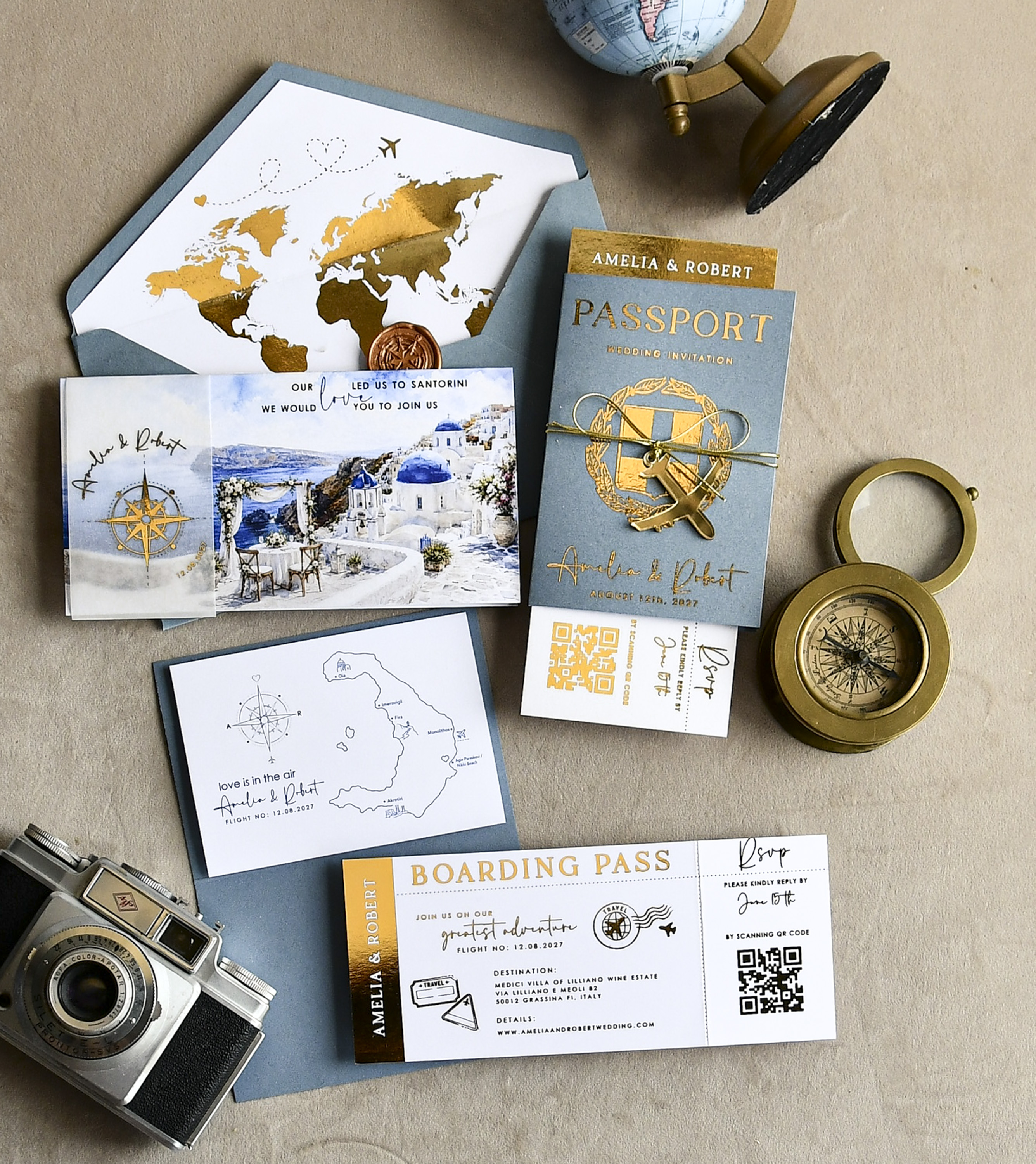
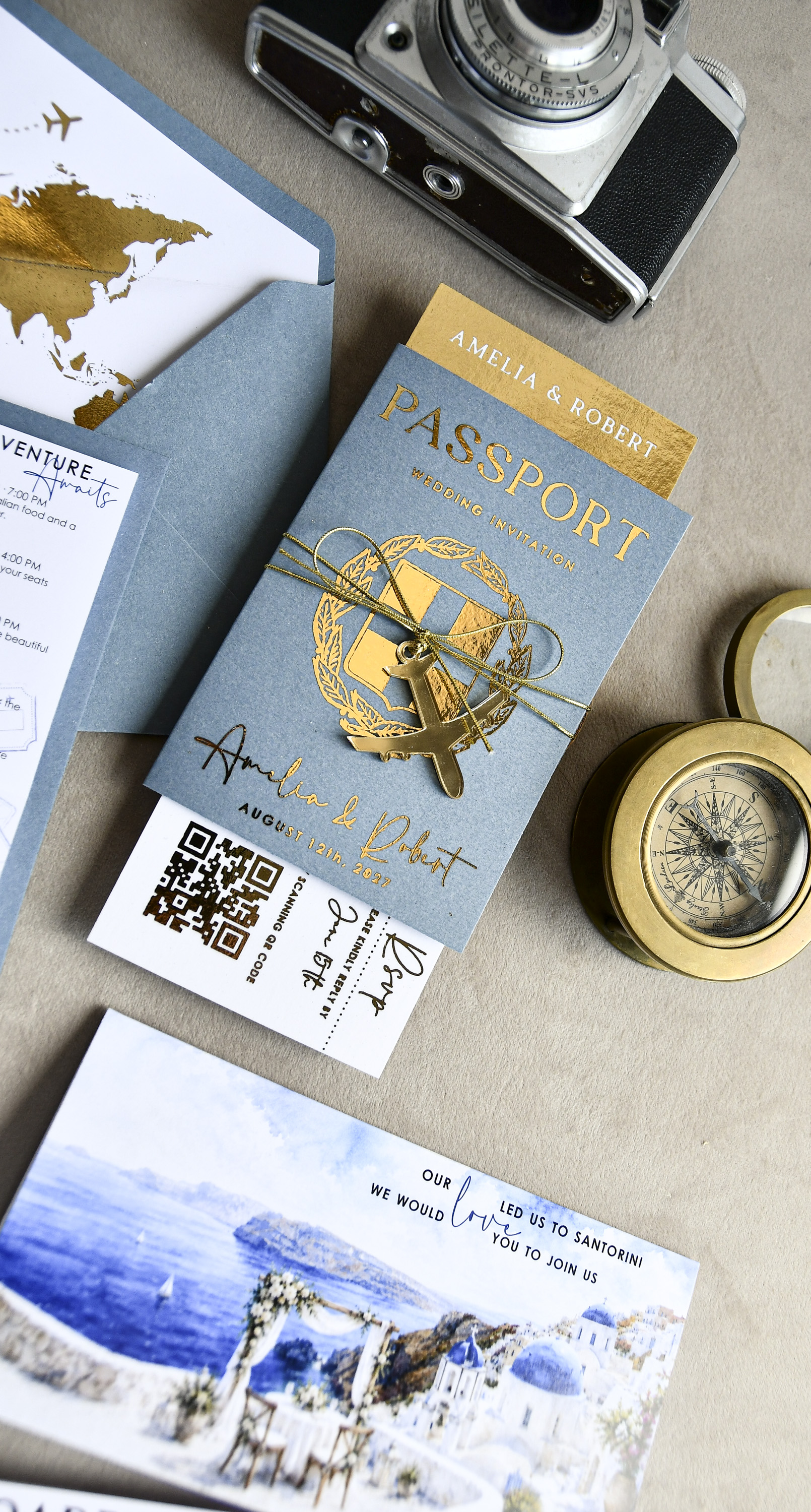
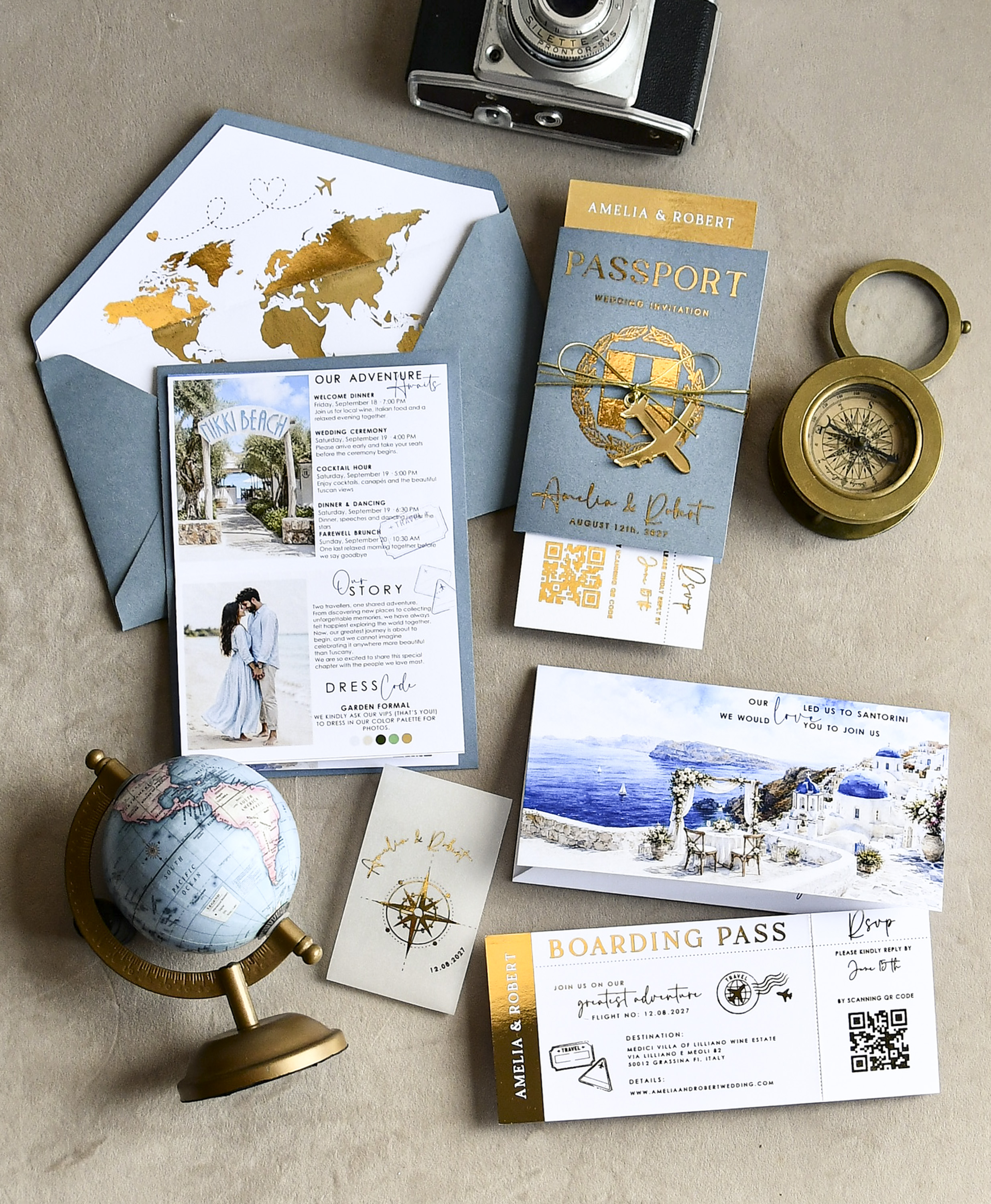
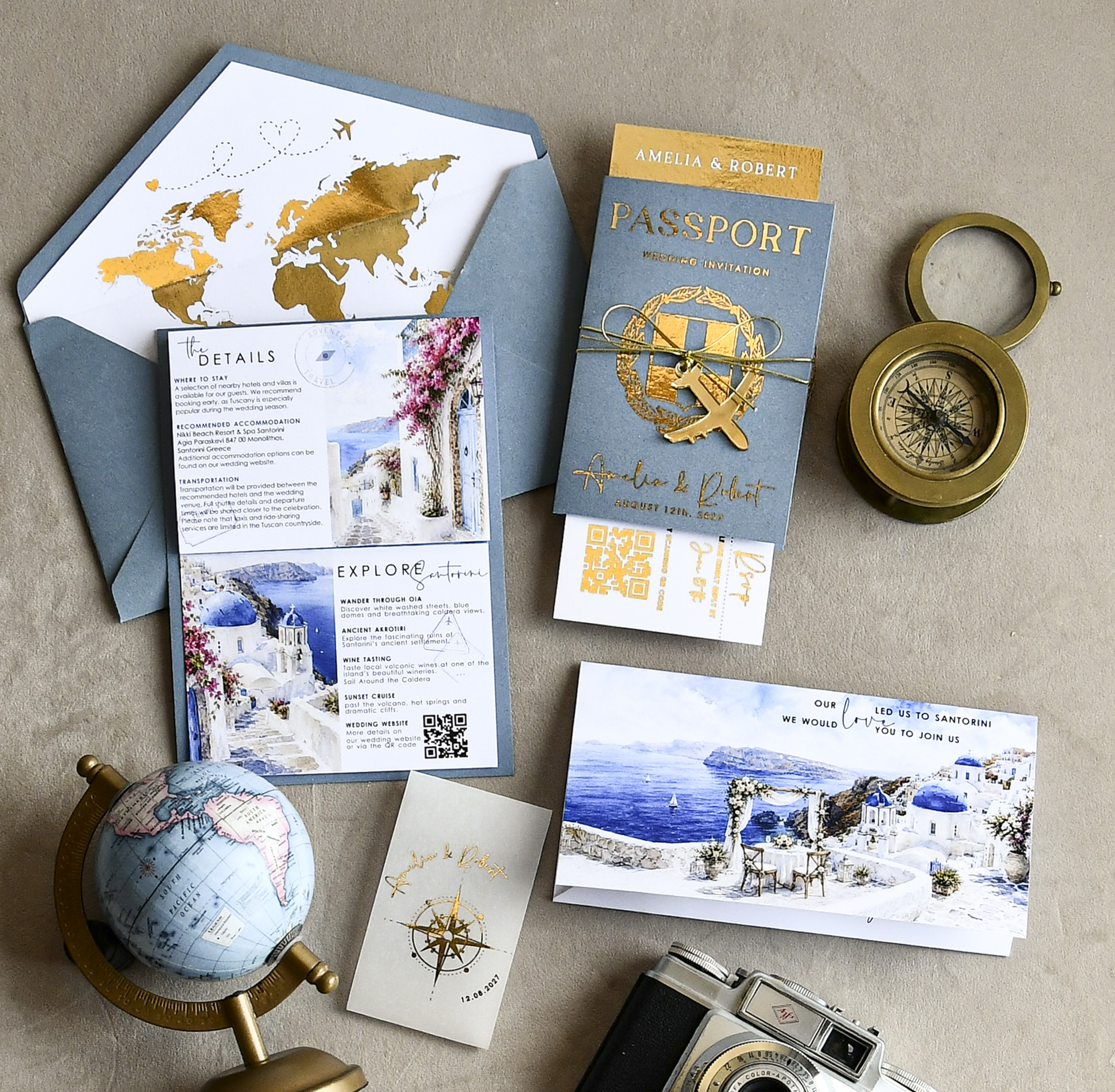
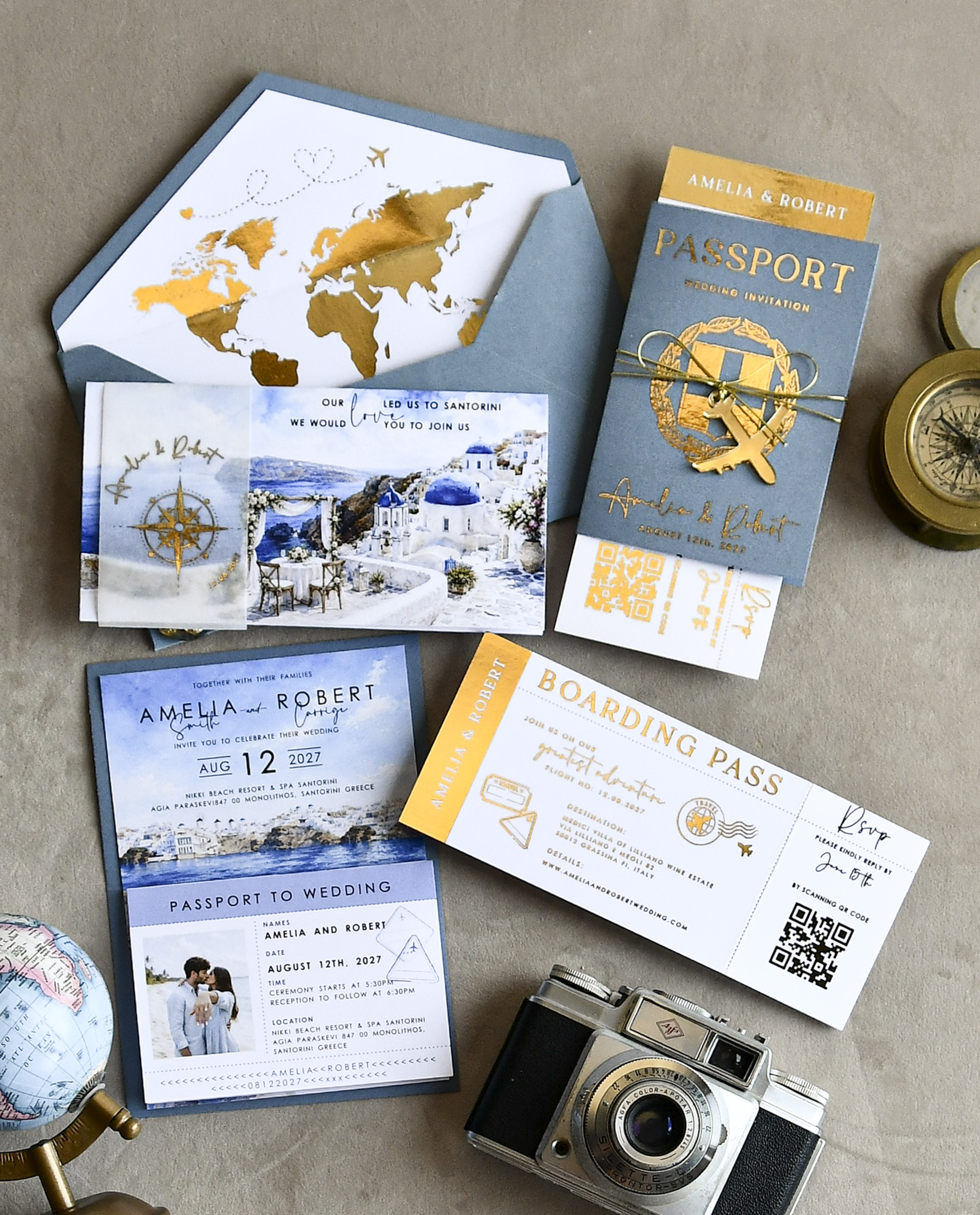
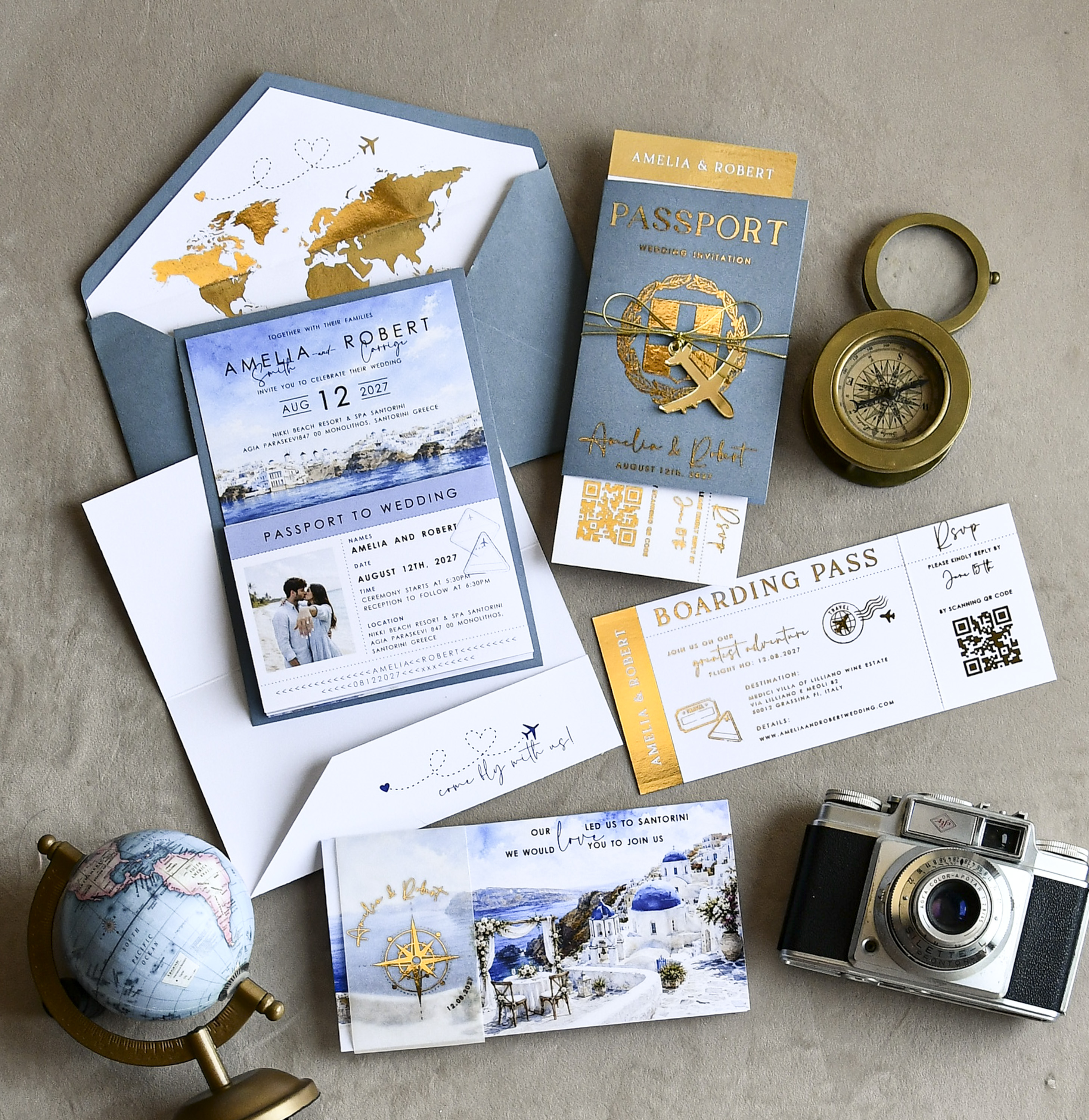
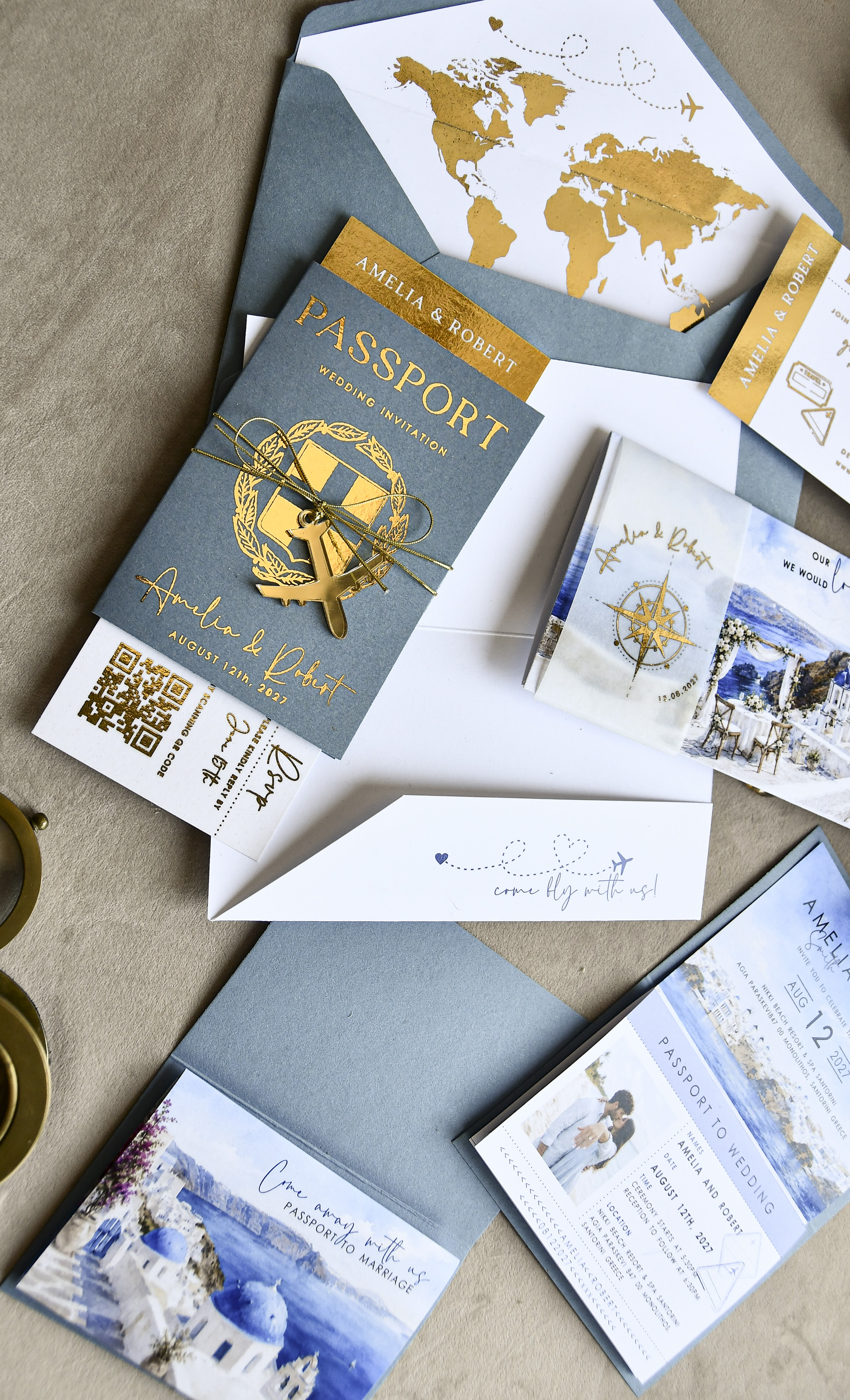
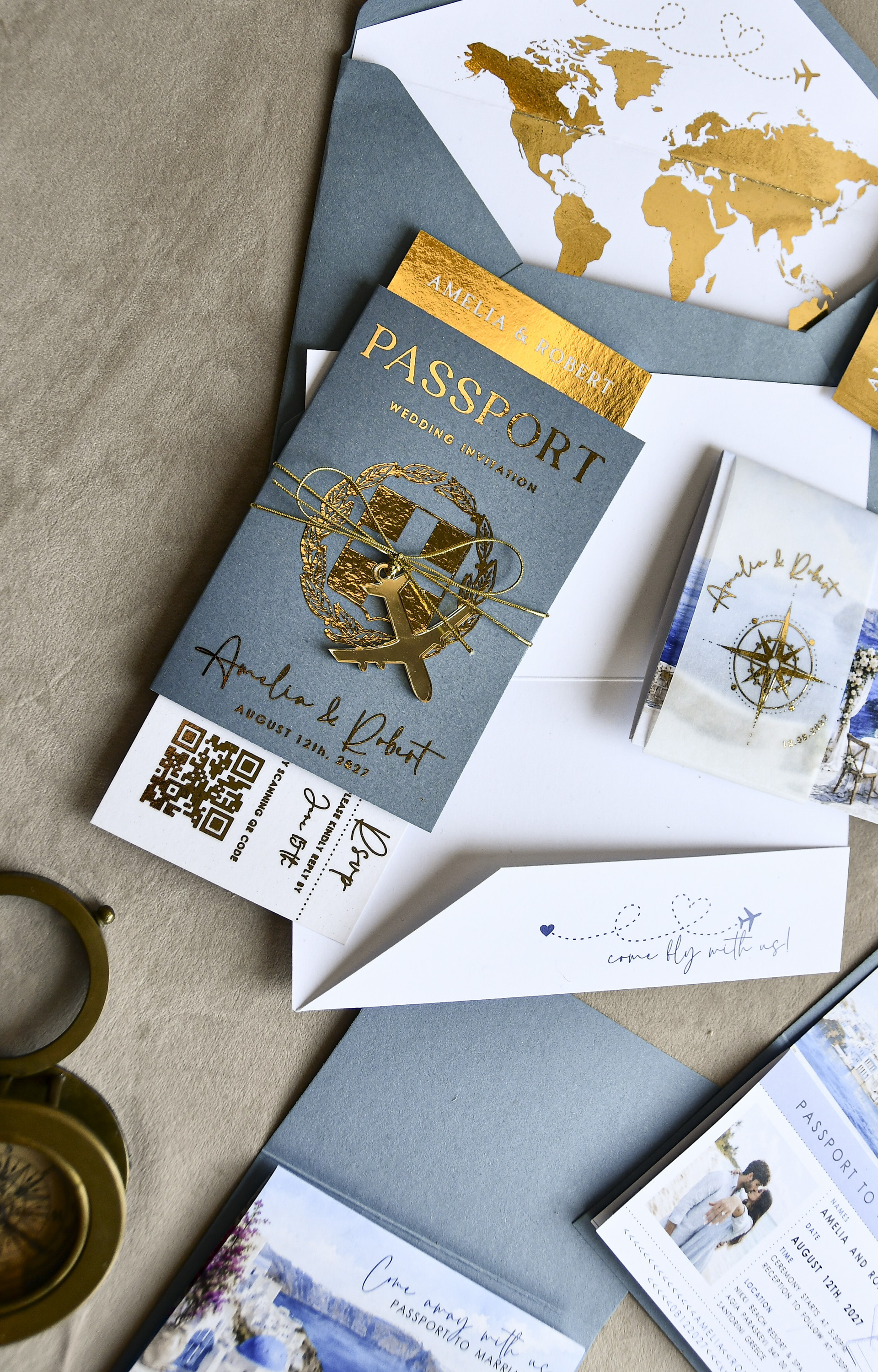
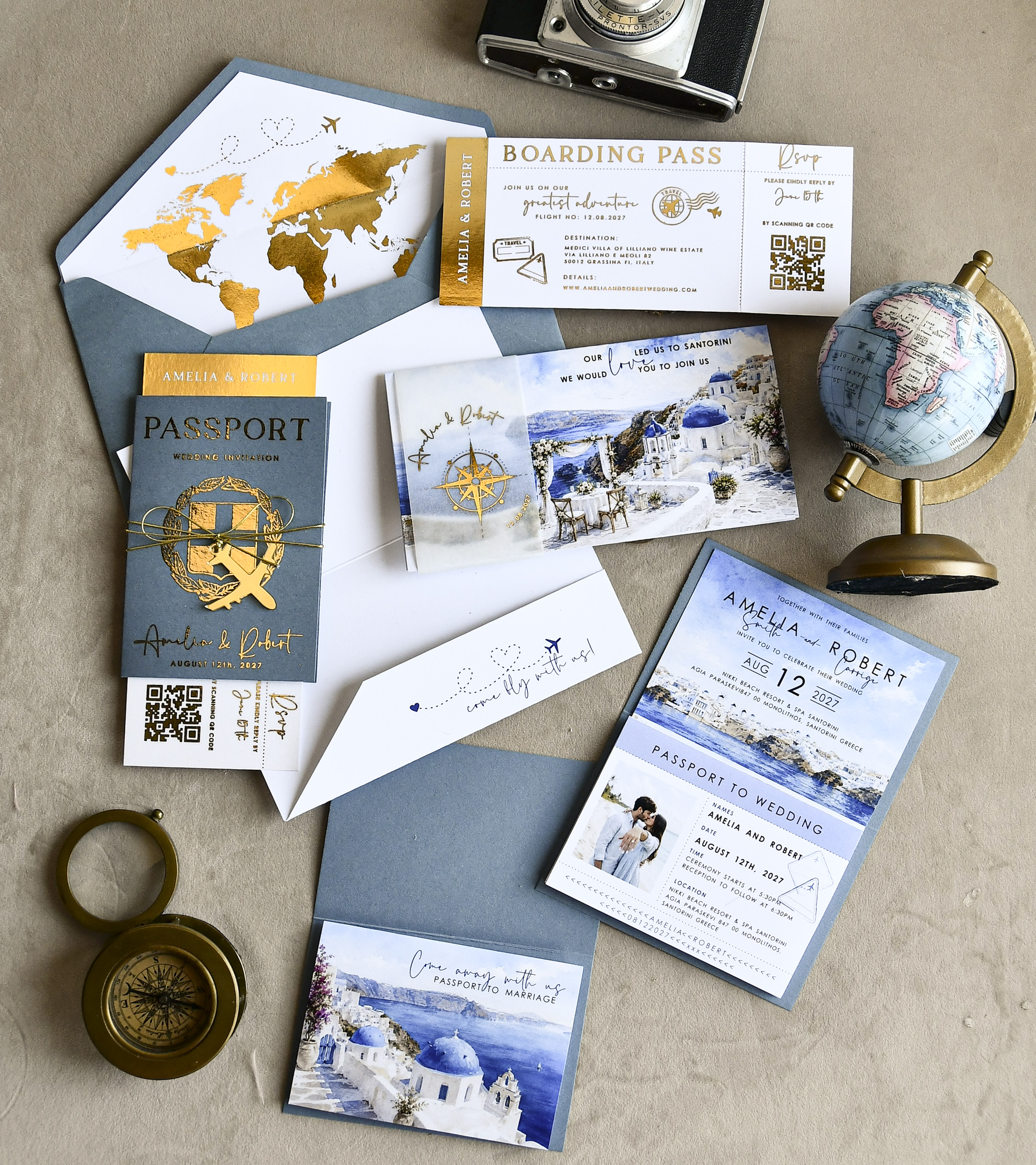
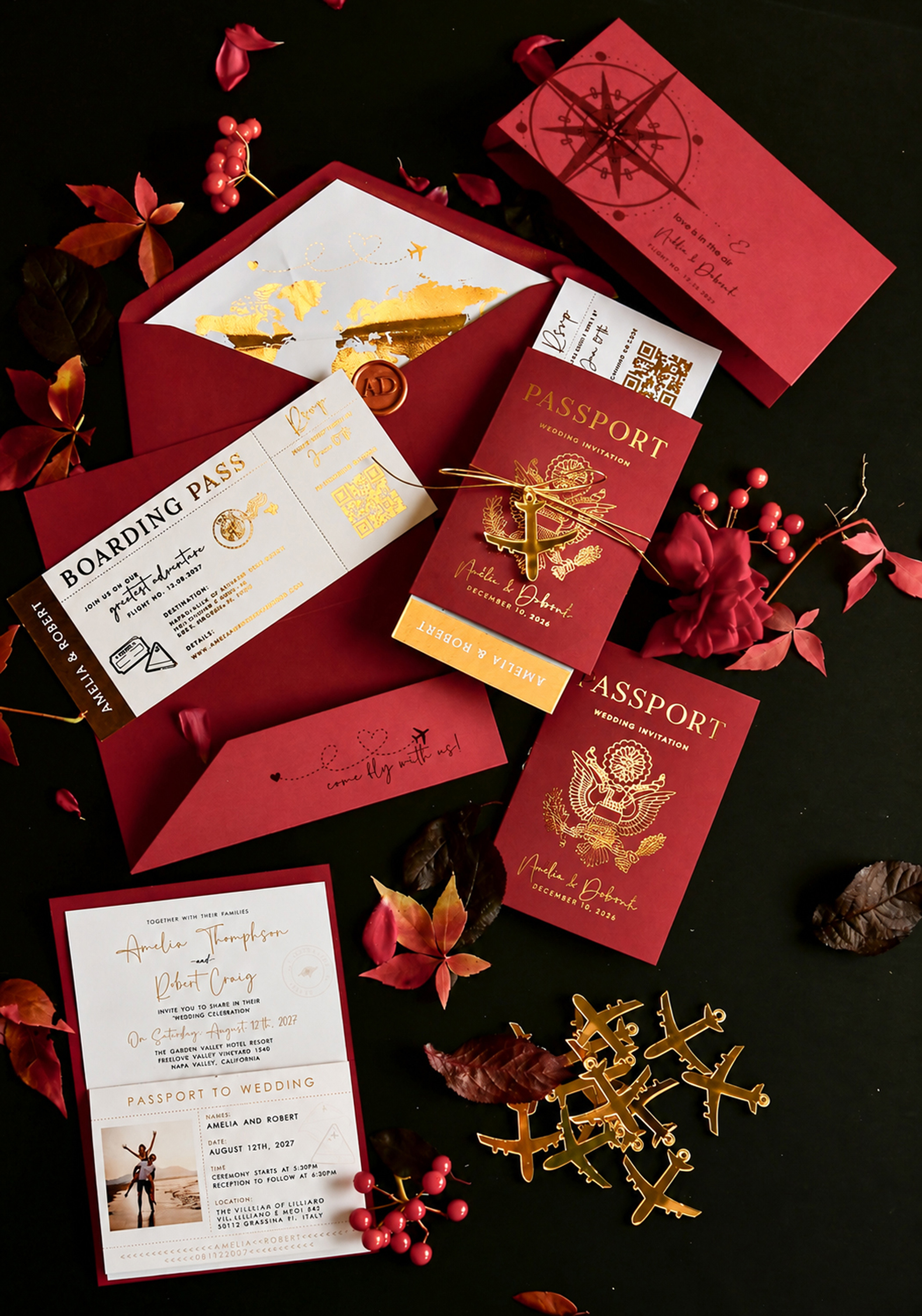
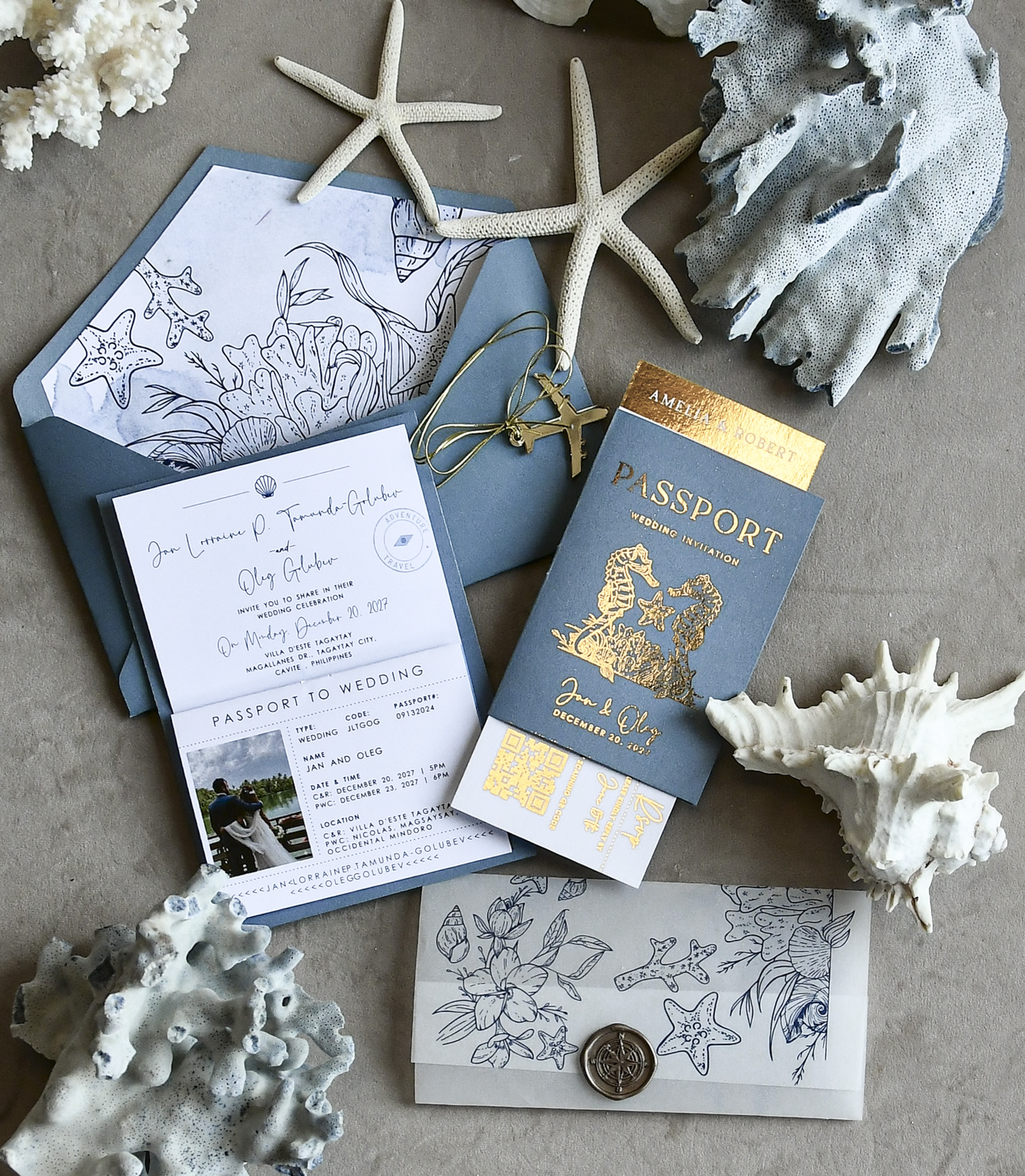
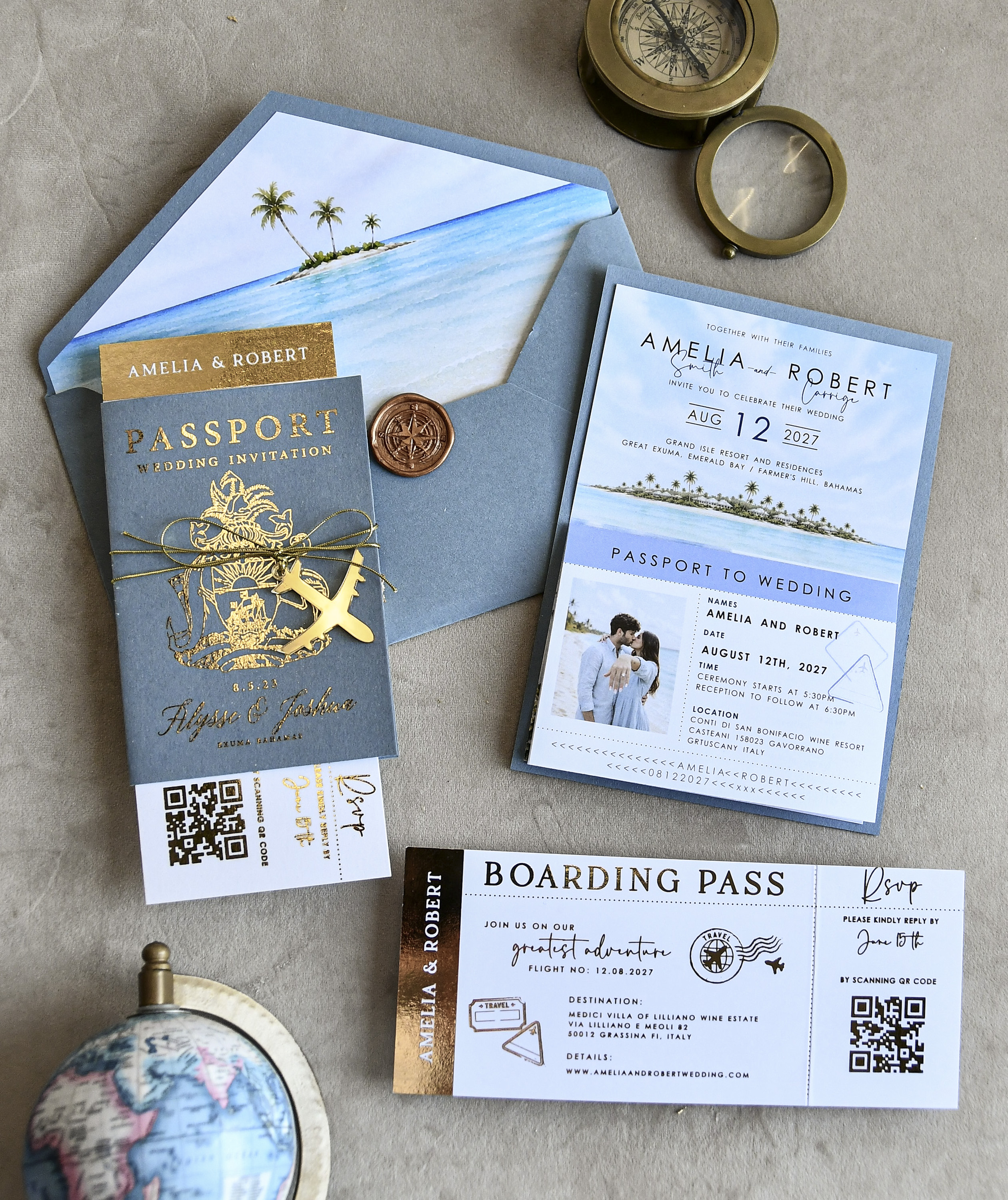
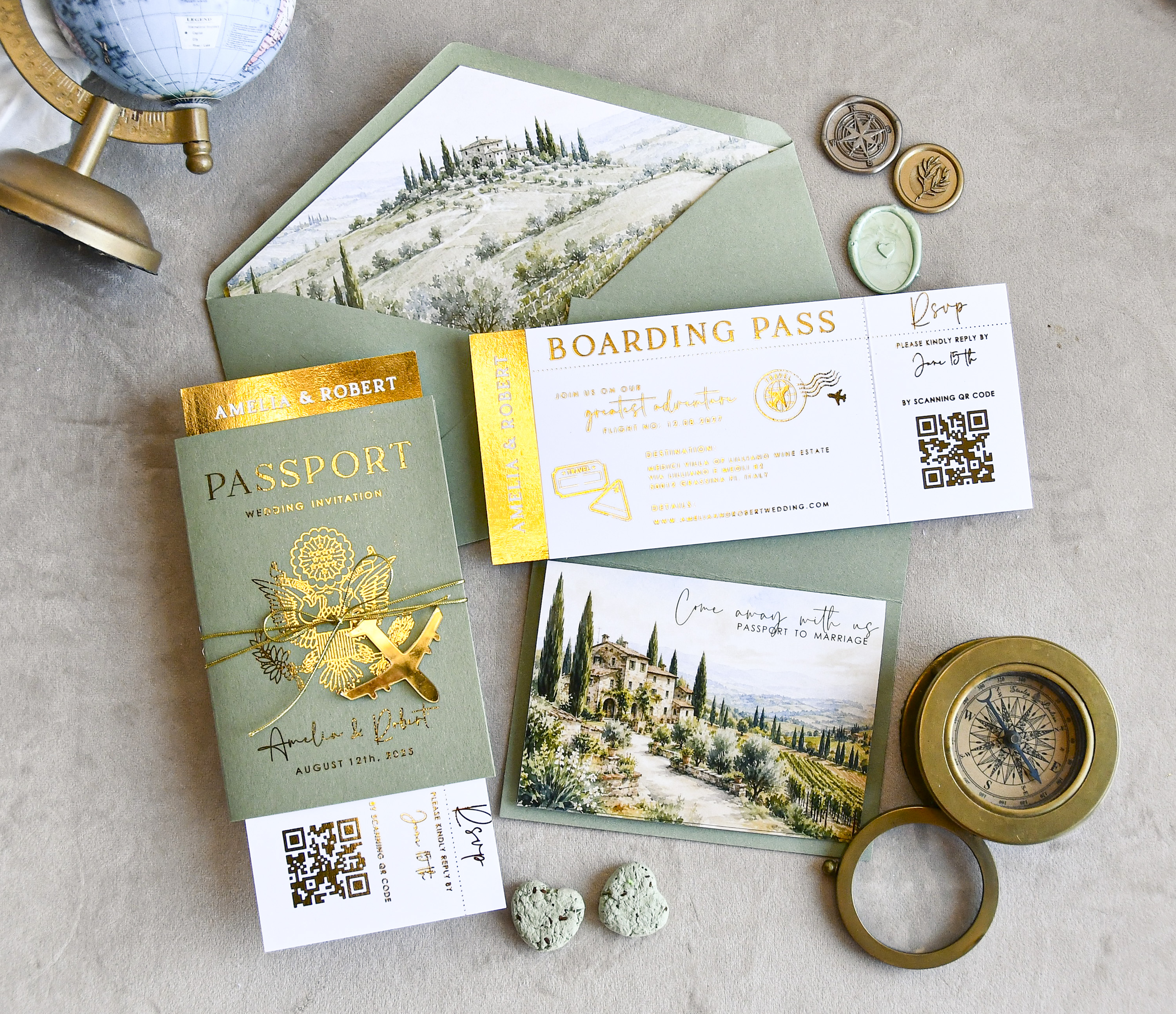
If you decide to invite your estranged sibling, send their invitation with the same care you'd give any important guest. A destination or beach wedding invitation—like those in the Passport to Love collection from Margo&Bees—sets a warm, celebratory tone that can help signal a fresh start rather than a loaded obligation.
You don't need to write a long personal note explaining the history. A brief, sincere handwritten line inside the card—something like "We'd truly love to have you there"—goes a long way. Keep it genuine and low-pressure.
If you've decided not to invite them, you are not obligated to send a formal explanation. However, if you expect them to hear about the wedding through family, a short, kind message ahead of time—delivered privately, not by text—is the more gracious route. Keep it brief: "We're keeping the wedding very small, and I wanted you to hear it from me directly."
Give Yourself Permission to Protect Your Day
Here's the part no one says out loud enough: you are allowed to prioritize your own wellbeing on your wedding day. Choosing not to invite a sibling who has caused real harm is not cruel—it's a boundary. And inviting a sibling despite an imperfect relationship, because family matters to you, is not naive—it's generous.
Whatever you decide, make the choice from a place of clarity rather than fear. Talk it through with your partner, and if needed, with a therapist or trusted friend who knows your full history. Once you've made your decision, commit to it—and then let yourself enjoy the process of planning the celebration you actually want.
Frequently Asked Questions
No—there's no rule that says every family member must receive an invitation. Your guest list should reflect the relationships that feel right for your wedding day, not just biological ties. Many couples make thoughtful decisions to exclude certain family members without it being considered rude.
Acknowledge their feelings without letting them override yours: "I understand this is hard for you, and I've thought about it carefully." You can listen to their perspective without changing your decision. Ultimately, this is your wedding and your relationship to navigate.
In many cases, yes—especially if the estrangement isn't rooted in serious harm. A brief, private conversation can help you get a read on where things stand and whether an invitation would be welcomed or awkward. It also shows good faith if other family members ask questions later.
Assign a trusted friend or family member to keep an eye on the situation so you don't have to manage it yourself. Brief your wedding coordinator if you have one. Having a quiet plan in place lets you stay present and enjoy the day rather than staying on edge.
Yes, though it's worth thinking through how you'll handle questions about it. If the reason is clear—one relationship is healthy, the other is genuinely harmful—most reasonable family members will understand, even if they're not thrilled. Be consistent and prepared to briefly explain your reasoning if asked.
Send it on the same timeline as the rest of your guests—save-the-dates six to twelve months out for destination weddings, formal invitations eight to ten weeks before the date. Giving your sibling the same consideration as other guests signals that the invitation is genuine, not an afterthought.
See This Design Up Close




You May Also Like
More Wedding Planning Guides
- → The Complete Guide to What Goes on a Wedding Invitation
- → Plus One Etiquette: Exactly Who Makes the Cut at Your Wedding
- → How to Navigate a Wedding When Your Divorced Parents Are at War
- → Inviting Guests to the Ceremony But Not the Reception: What You Need to Know
- → The Case for a Small Wedding: Everything You Need to Know
- → When to Send Wedding Invitations: A Complete Timeline Guide
- → Who Gets Cut First When Your Guest List Is Too Long?
- → Wedding Invitation Addressing: Etiquette Rules Every Couple Should Know
- → Do You Have to Invite Your Future In-Laws' Friends to Your Wedding?
- → Coworkers and the Wedding Guest List: How to Decide Who Gets an Invite
- → Yes, Guests Can RSVP Online — Here's How to Make It Work Beautifully
- → More Guests or a More Memorable Wedding? How to Choose What's Right for You
- → Inviting Your Ex to Your Wedding: A Practical Guide to Making the Right Call
- → Do You Have to Invite Your Cousins to Your Wedding?
- → How to Figure Out the Right Number of Wedding Invitations to Order
- → Going Digital: Everything You Need to Know About Sending Online Wedding Invitations
- → No-Shows After a Yes RSVP: How to Handle It Gracefully
- → Navigating the 'Them or Me' Wedding Guest Ultimatum
- → When Parents Want to Add Friends to the Guest List: A Practical Guide
- → No Kids at Your Wedding: Navigating the Etiquette With Confidence
- → How to Defuse Family Arguments Without Losing Your Mind Before the Wedding
- → Uninvited Plus-Ones and Tag-Alongs: How to Keep Your Guest List Intact
- → When Family Feuds Threaten Your Wedding Plans: A Practical Peacekeeper's Guide
- → Inviting an Estranged Brother or Sister: Finding Clarity Before You Seal the Envelope
- → Cousins, Invites, and Hard Choices: A Practical Guest List Guide