
Who Gets Cut First When Your Guest List Is Too Long?

You've got a venue capacity of 80 and a rough list of 140 names. Sound familiar? Trimming a wedding guest list is one of the most stressful parts of planning — but it doesn't have to be arbitrary. There's actually a logical, fair order for making cuts that most couples don't know about. Follow this sequence and you'll reach your number faster, with far fewer awkward conversations.
Start With the 'Obligation Only' Guests
The very first names to evaluate are people you feel pressured to invite but genuinely don't have a real relationship with. This includes:
- Coworkers you rarely speak to outside of work — a friendly office dynamic doesn't require an invitation.
- Your parents' friends you've never met — unless your parents are contributing significantly and specifically request them, these are negotiable.
- Distant relatives you haven't seen in over five years — a great-aunt you met once at a funeral is not a wedding guest; she's a courtesy.
A useful test: Would you feel comfortable calling this person to catch up right now? If the answer is no, they're likely an obligation invite, not a genuine one.
Next, Revisit the 'Plus-One' Decisions
Plus-ones are one of the fastest ways a guest list balloons. Before you cut anyone by name, audit your plus-one policy. Common guidelines that help:
- Only give plus-ones to guests who are married, engaged, or in a long-term relationship (typically 1+ year together).
- If a guest doesn't know anyone else at the wedding, a plus-one is a kindness — but it's still optional.
- Single friends in large friend groups where they know multiple guests do not automatically need a plus-one.
Cutting plus-ones for the right guests can remove 10–20 names without removing a single person you actually care about.
Then Look at Children and the 'Kids' Policy
Deciding on an adults-only wedding is completely acceptable and can trim your list significantly — especially if you have large extended families. If you go this route, be consistent: no exceptions for nieces and nephews if you're excluding other children, or you'll create real family tension. The only typical carve-outs are infants who are still breastfeeding or children in the wedding party itself.
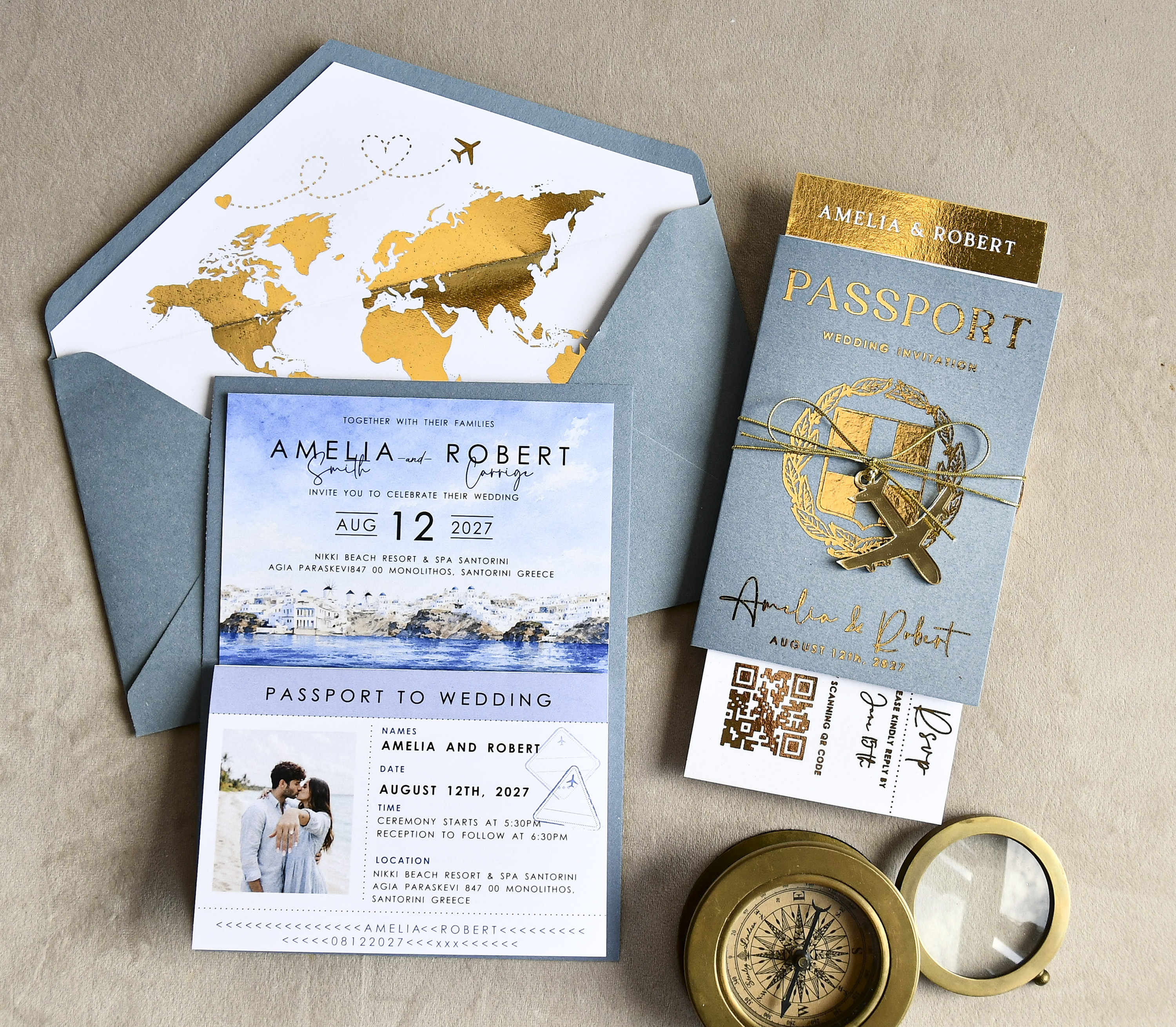
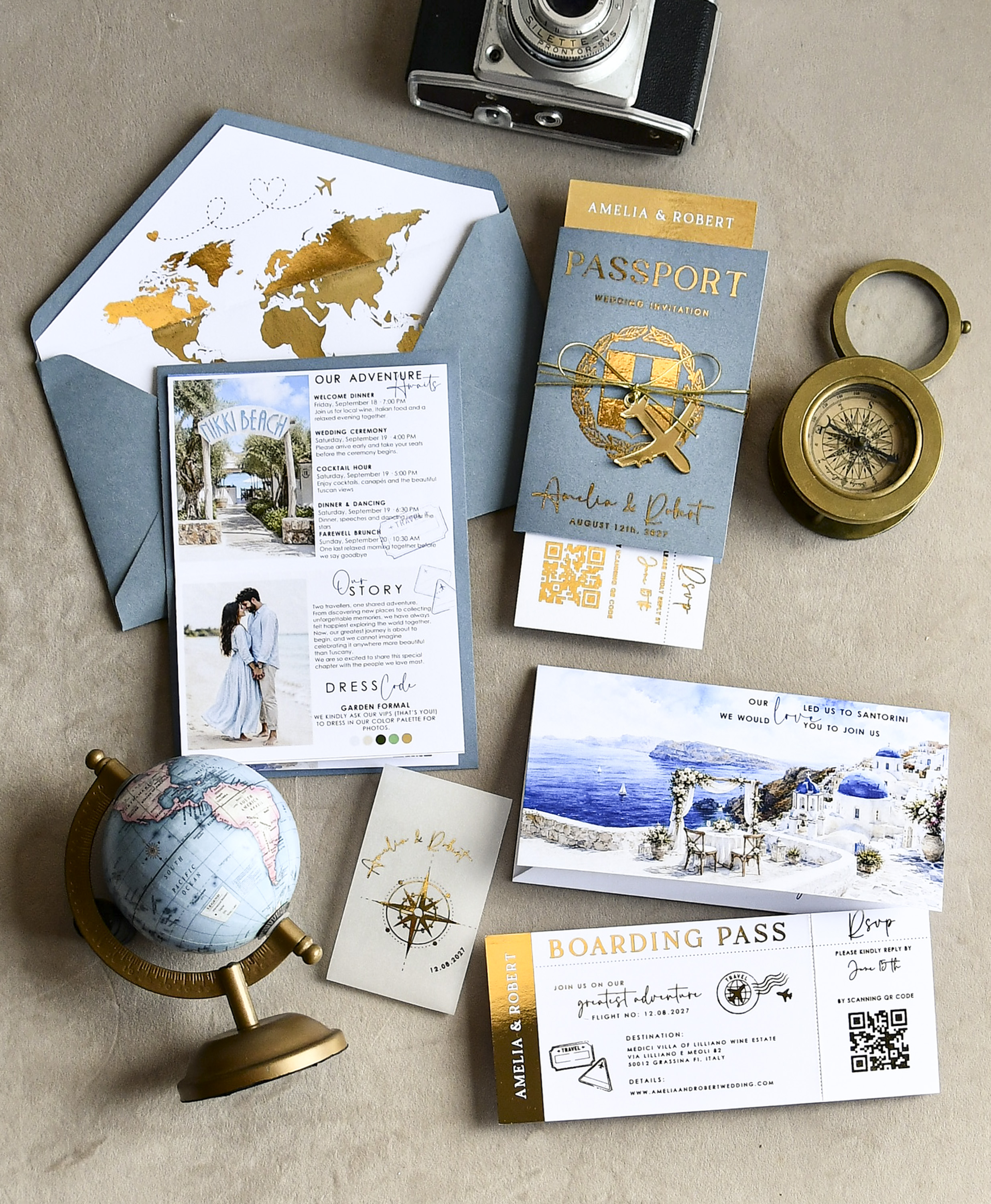
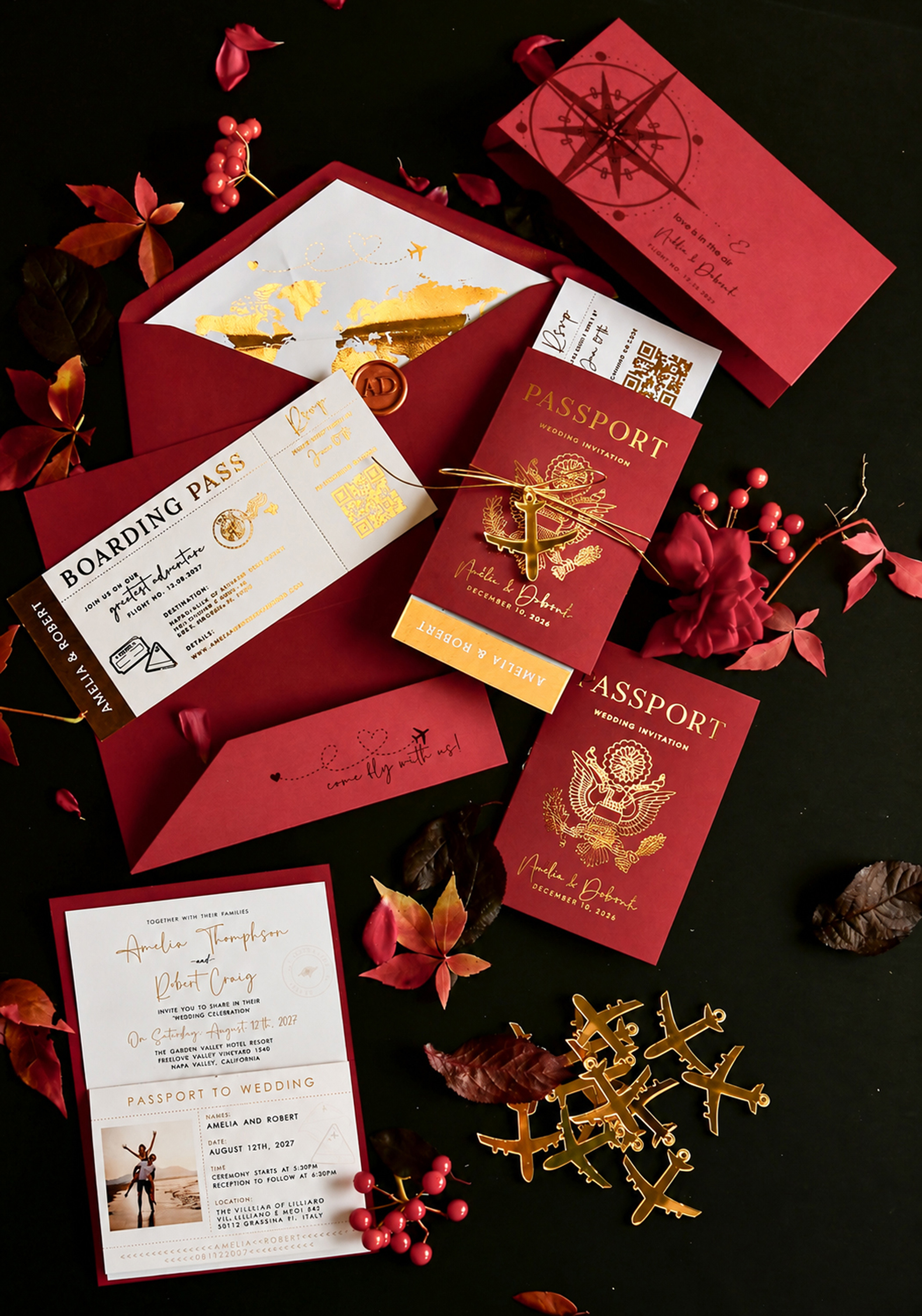
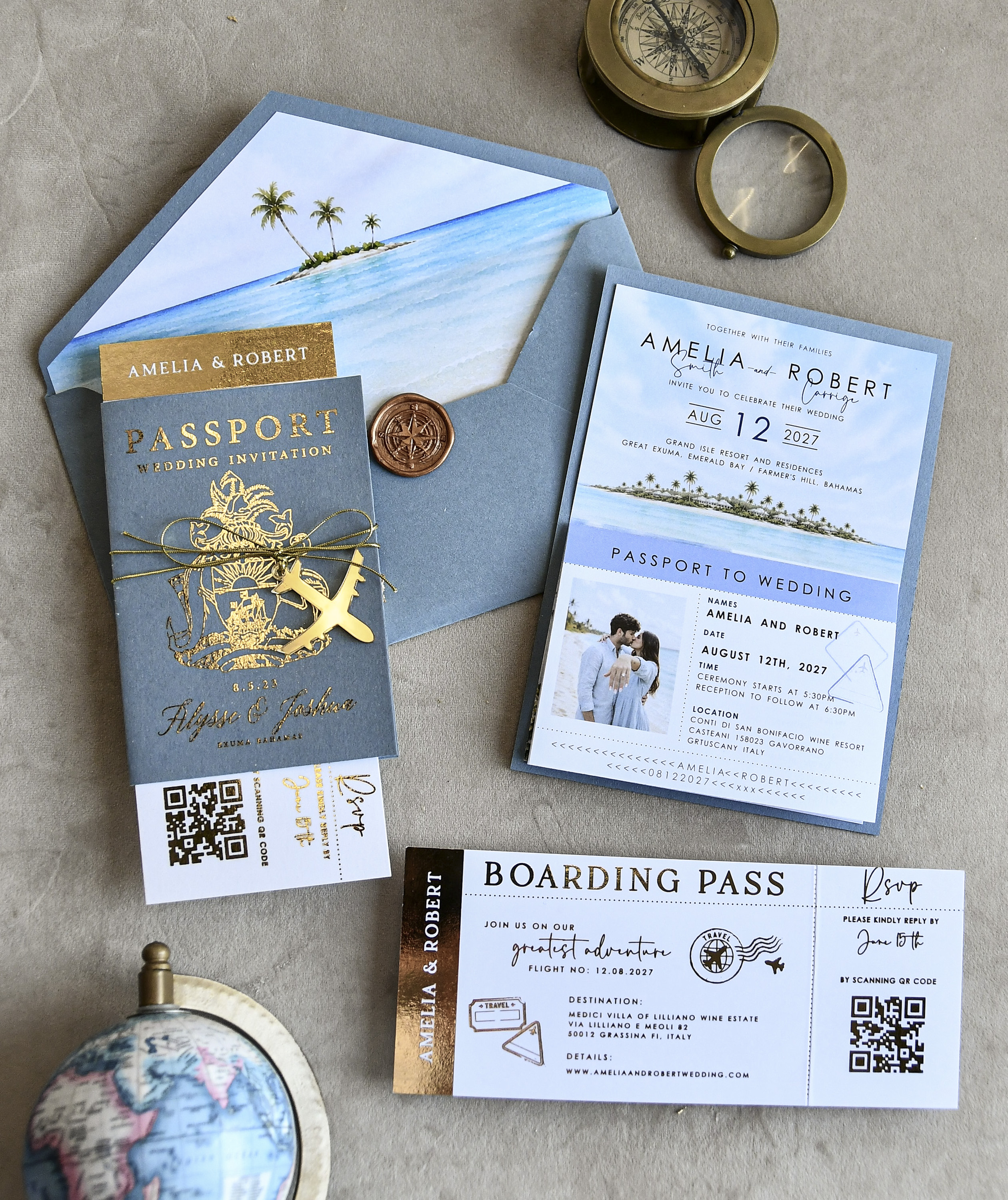
Communicate your child-free policy clearly on your wedding website so guests can arrange childcare well in advance. Your invitations — whether you choose classic formal cards or something more relaxed like a destination-style design such as the Passport to Love beach wedding invites — should be addressed specifically to the named adults only, which signals no children without requiring a separate note.
After That, Apply the 'Two-Year Rule'
For anyone still on the fence after the steps above, try the two-year rule: Have you spoken to this person — meaningfully, not just liked their Instagram post — in the last two years? If not, it's fair to leave them off the list. This applies to:
- Old college friends you've drifted from
- Former coworkers from a job you left years ago
- Childhood friends your parents still mention but you no longer see
Your wedding is a snapshot of your life right now, not an obligation to everyone who was ever in it.
Finally, Have a Tiered 'B-List' Ready
Once you've made your cuts, don't throw those names away entirely. Create a B-list of 10–20 people you'd genuinely love to have there if space opens up. As regrets come in (and they will — typically 10–20% of invited guests decline), you can send additional invitations. The key is timing: send B-list invitations as soon as you receive a decline so the new guests have adequate notice and don't feel like an afterthought.
If you're sending destination-style invitations — like the Passport to Love beach wedding invites — send your A-list invites 10–12 weeks out for a destination event, which gives you enough runway to reach your B-list guests in time. For local weddings, 6–8 weeks out is standard, with B-list invites following within a week or two of each decline.

Frequently Asked Questions
No — it's actually a smart and considerate approach, as long as B-list guests still receive their invitations with enough time to RSVP and make arrangements. The key is that they should never find out they were on a B-list, so send their invitations promptly and warmly.
Only invite coworkers you consider genuine friends outside of the office. If you invite one person from a team, be prepared to consider the whole group — or keep it to close work friends you socialize with regularly — to avoid workplace awkwardness.
If parents are contributing financially, it's reasonable to give them a set number of invites — say, 10 or 15 — and let them choose within that allocation. If they're not contributing, it's fair to ask that any additions come with a cut elsewhere on their suggested list.
No — there's no hard etiquette rule requiring reciprocal invitations, especially if your friendship has changed since their wedding. If you're genuinely close, invite them; if you've drifted apart, it's okay to leave them off without guilt.
You don't need to proactively tell people they weren't invited — most adults understand weddings have limits. If someone asks directly, a simple 'We had to keep it very small' is honest and kind without requiring further explanation.
Aim to have your final A-list locked in at least 2–3 months before invitations go out, which means roughly 5–6 months before the wedding for a local event. This gives you time to gather addresses, finalize your stationery order, and address envelopes without rushing.
See This Design Up Close


















You May Also Like


More Wedding Planning Guides
- → The Complete Guide to What Goes on a Wedding Invitation
- → Plus One Etiquette: Exactly Who Makes the Cut at Your Wedding
- → How to Navigate a Wedding When Your Divorced Parents Are at War
- → Inviting Guests to the Ceremony But Not the Reception: What You Need to Know
- → The Case for a Small Wedding: Everything You Need to Know
- → When to Send Wedding Invitations: A Complete Timeline Guide
- → Wedding Invitation Addressing: Etiquette Rules Every Couple Should Know
- → Do You Have to Invite Your Future In-Laws' Friends to Your Wedding?
- → Coworkers and the Wedding Guest List: How to Decide Who Gets an Invite
- → Yes, Guests Can RSVP Online — Here's How to Make It Work Beautifully
- → More Guests or a More Memorable Wedding? How to Choose What's Right for You
- → Inviting Your Ex to Your Wedding: A Practical Guide to Making the Right Call
- → Do You Have to Invite Your Cousins to Your Wedding?
- → How to Figure Out the Right Number of Wedding Invitations to Order
- → Should You Invite an Estranged Sibling to Your Wedding?
- → Going Digital: Everything You Need to Know About Sending Online Wedding Invitations
- → No-Shows After a Yes RSVP: How to Handle It Gracefully
- → Navigating the 'Them or Me' Wedding Guest Ultimatum
- → When Parents Want to Add Friends to the Guest List: A Practical Guide
- → No Kids at Your Wedding: Navigating the Etiquette With Confidence
- → How to Defuse Family Arguments Without Losing Your Mind Before the Wedding
- → Uninvited Plus-Ones and Tag-Alongs: How to Keep Your Guest List Intact
- → When Family Feuds Threaten Your Wedding Plans: A Practical Peacekeeper's Guide
- → Inviting an Estranged Brother or Sister: Finding Clarity Before You Seal the Envelope
- → Cousins, Invites, and Hard Choices: A Practical Guest List Guide