
Plus One Etiquette: Exactly Who Makes the Cut at Your Wedding
The plus-one question is one of the most stress-inducing parts of building a guest list. Give too many and your intimate beach ceremony turns into a crowd; give too few and you risk hurt feelings from your closest people. The good news: there's a clear, fair framework that most couples can follow — and once you set your rules, you apply them consistently across the board. Here's exactly how to decide who gets a plus one.
Start With a Hard Guest Count, Not a Feeling
Before you decide who gets a plus one, you need to know how many you can actually afford to add. Pull up your venue capacity and your budget per head, then do the math. If your venue holds 100 people and your family alone fills 70 seats, you have 30 spots left — and that shapes every plus-one decision you make.
Set your total guest count first, allocate seats to must-have guests, and only then figure out how many plus-one slots remain. This turns an emotional conversation into a practical one, which is much easier to navigate with family.
The Core Rules Most Couples Should Follow
Consistency is the key to avoiding drama. Pick a set of rules and apply them the same way to every guest — no exceptions based on how much you like someone's partner. Here are the most common and widely accepted guidelines:
- Married couples always get a plus one. Inviting someone without their spouse is considered a breach of etiquette and should be avoided in almost every case.
- Engaged couples always get a plus one. If someone is engaged, their fiancé or fiancée is essentially family — they come together.
- Long-term partners (typically 1+ year) should get a plus one. If a guest has a serious, established partner, leaving that person off the invitation feels exclusionary.
- People in the wedding party get a plus one. Bridesmaids, groomsmen, and other attendants spend significant time and money supporting your wedding — extending this courtesy is a genuine thank-you.
- Out-of-town guests traveling a long distance may warrant a plus one. If someone is flying across the country solo, a plus one makes the trip more worthwhile and shows appreciation for their effort.
When It's Okay to Skip the Plus One
You are not obligated to give every single guest a plus one, especially when your guest list is tight. Here are situations where it's generally acceptable to decline:
- Casual daters or new relationships. If a guest has been seeing someone for only a few weeks or months, it's perfectly reasonable not to extend a plus one — you'd essentially be inviting a stranger.
- Single guests who know many other attendees. If a solo guest will be surrounded by mutual friends, they're unlikely to feel isolated without a date.
- Children's plus ones. Kids don't typically need a guest of their own — this one is simple to decline across the board if you're having a child-friendly wedding anyway.
The most important thing is to be consistent. If you give plus ones to some single guests but not others at the same level of closeness to you, feelings will get hurt.
How to Communicate Your Plus-One Decisions Clearly
Once you've made your decisions, your invitations do the heavy lifting. Address each envelope precisely — if a guest is getting a plus one, address the envelope to "[Guest Name] and Guest" or to the partner by name if you know them. If a guest is not getting a plus one, address the envelope to that person alone. This signals your intention without a single awkward conversation.
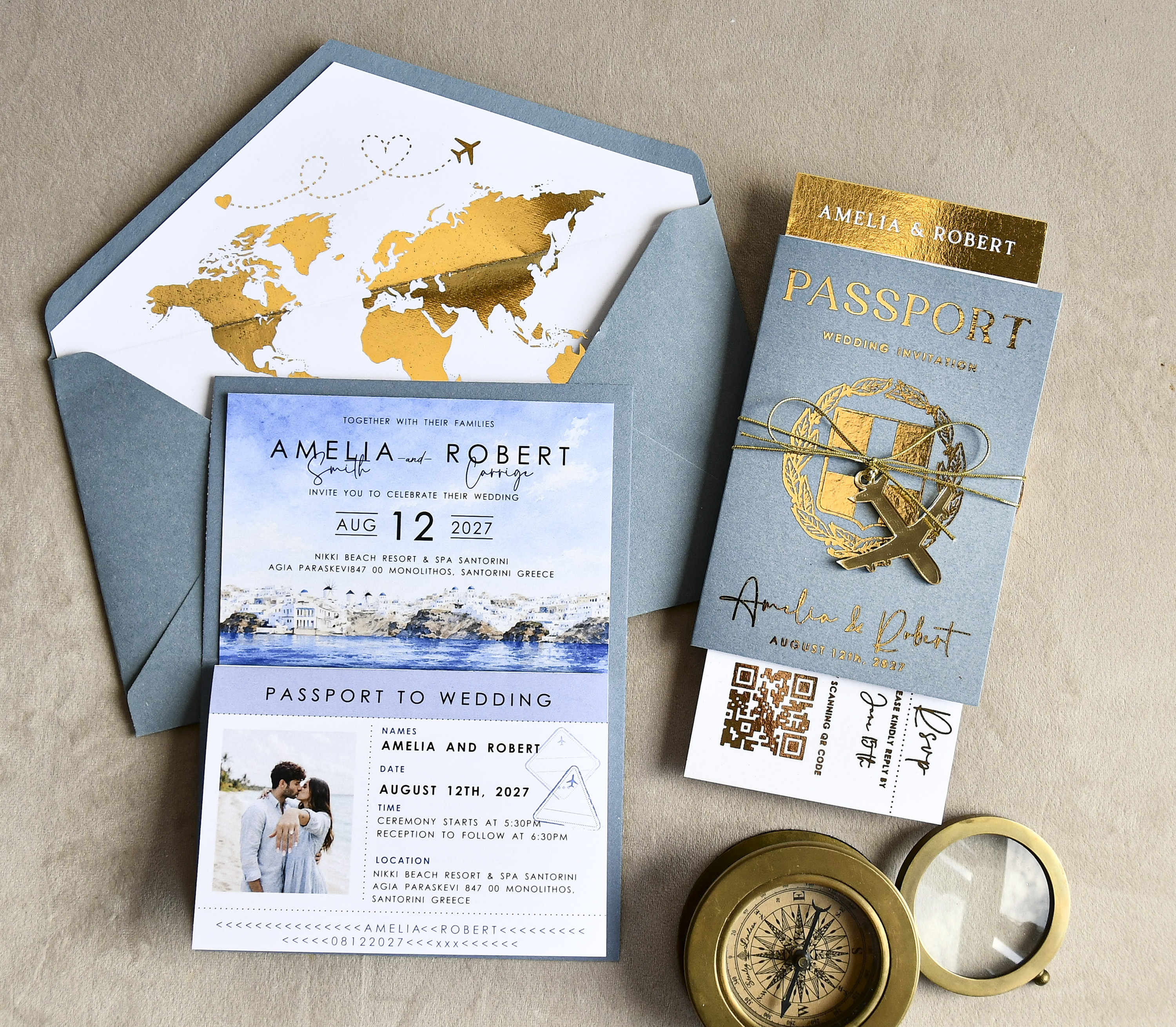
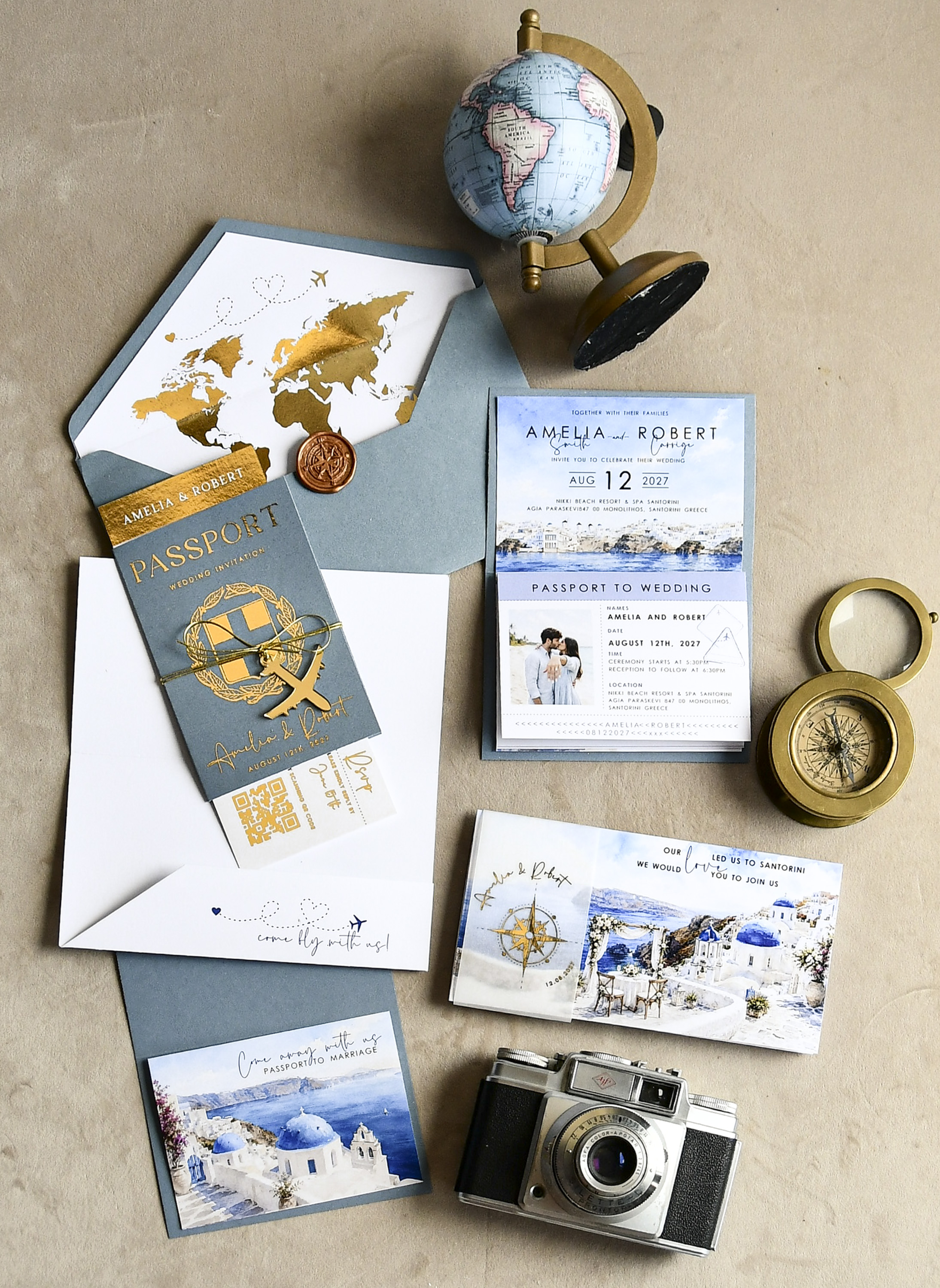
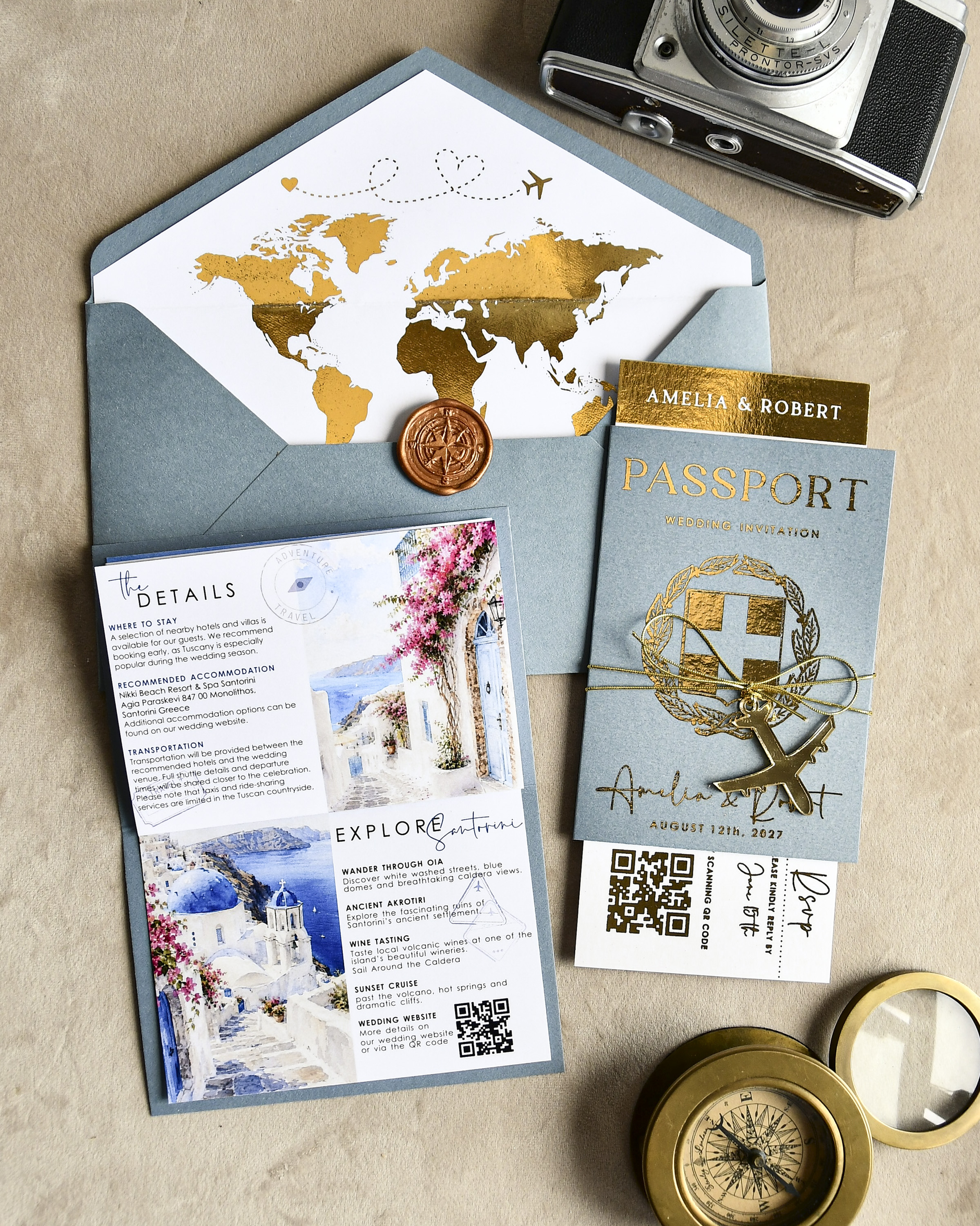
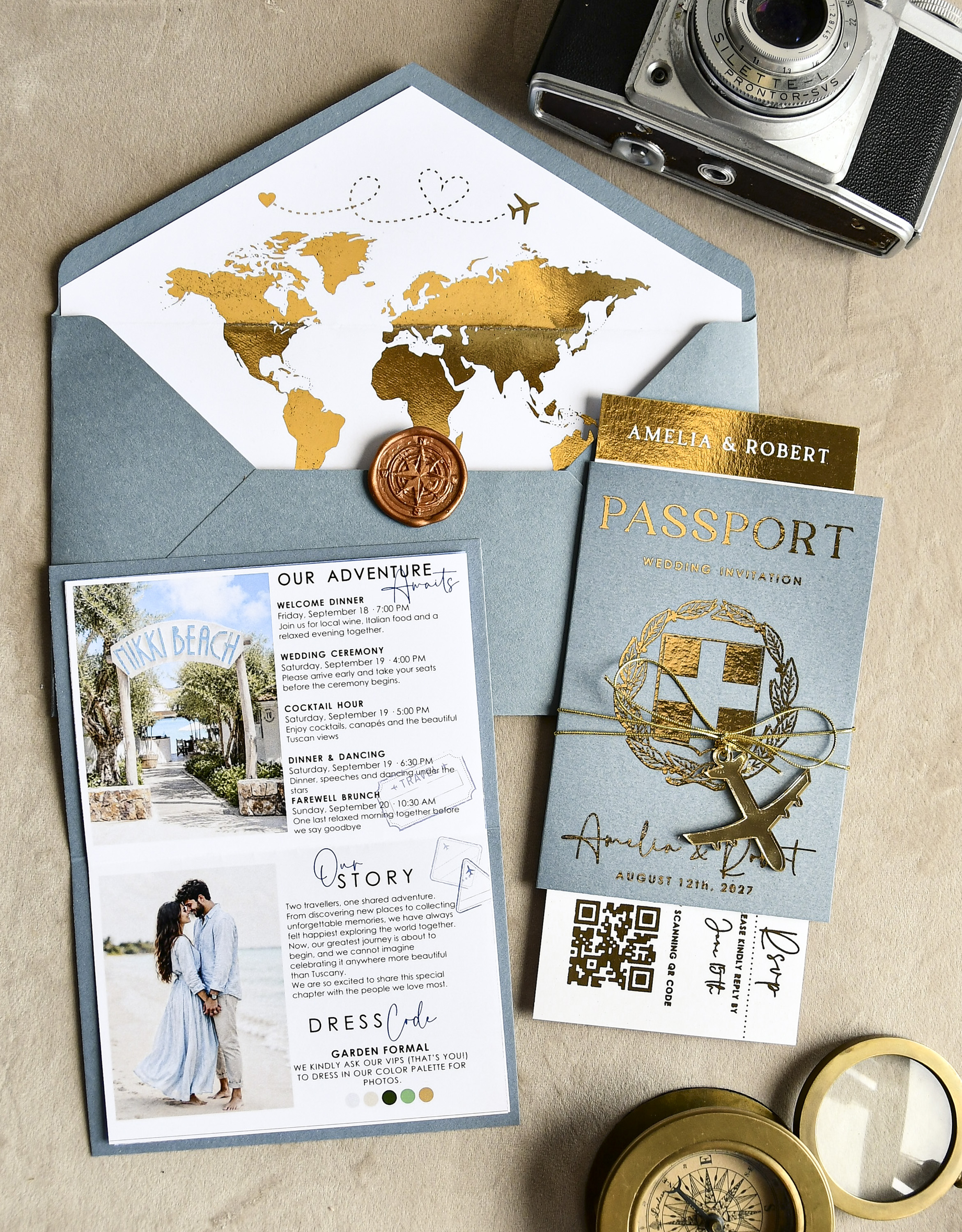
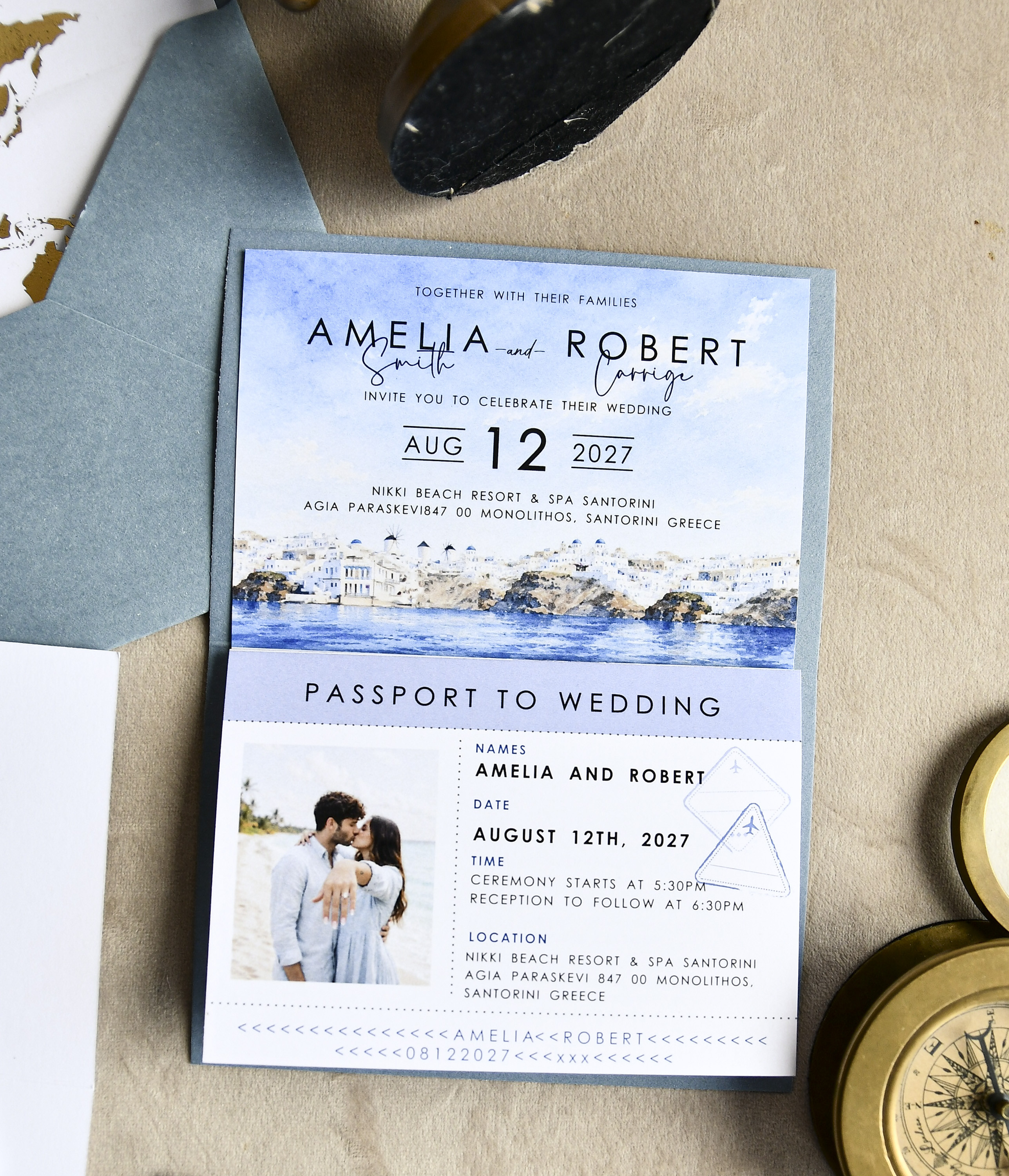
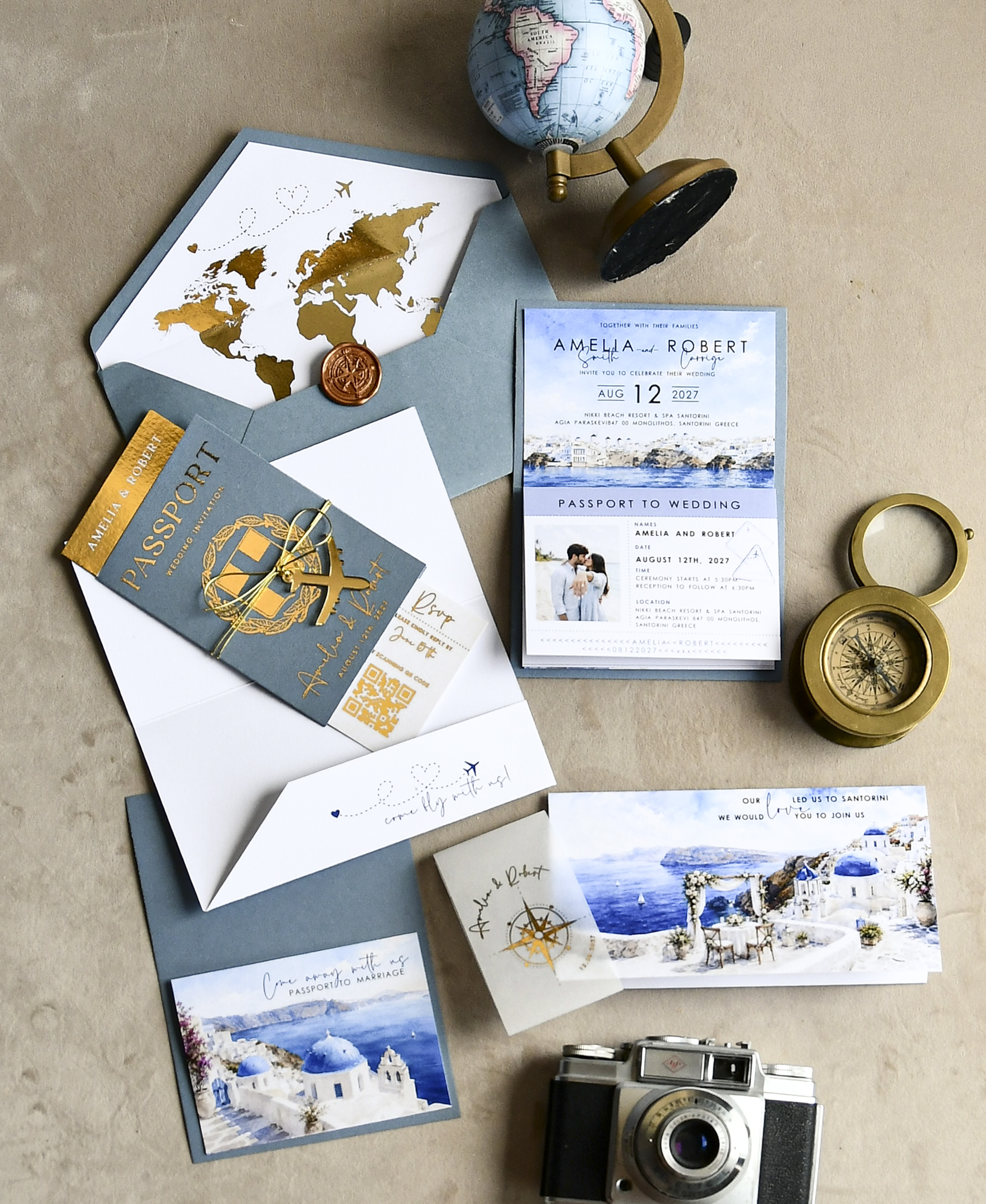
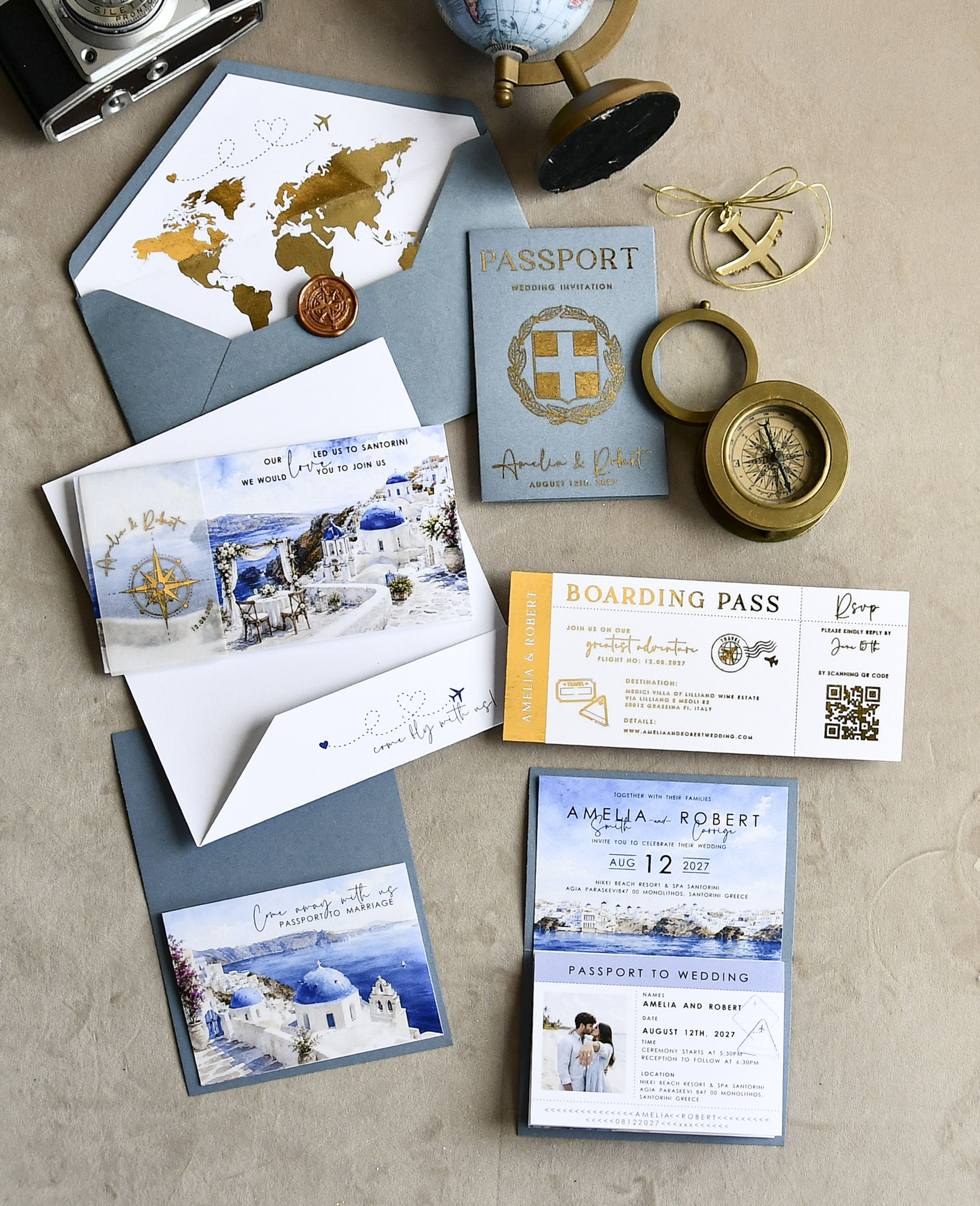
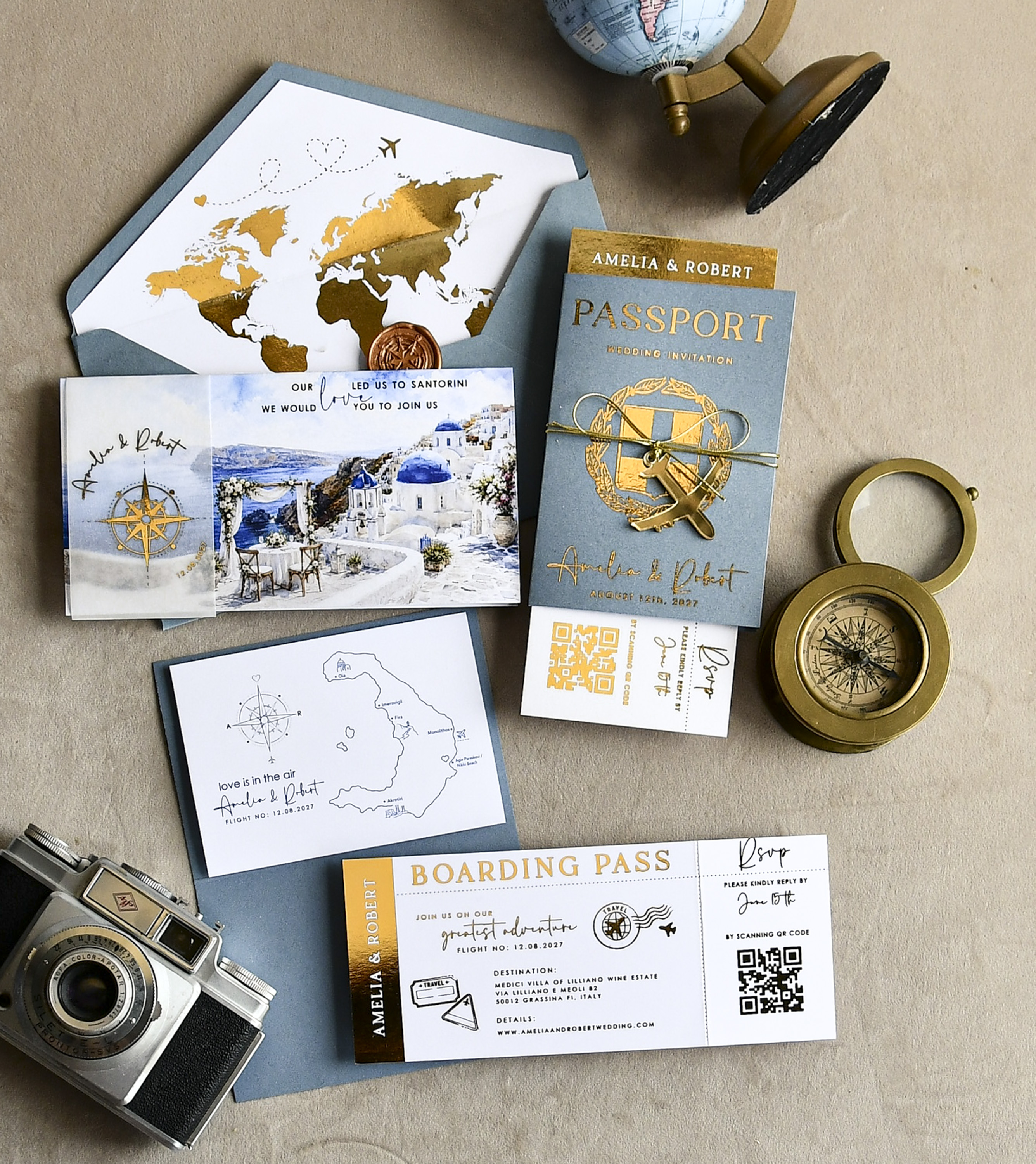
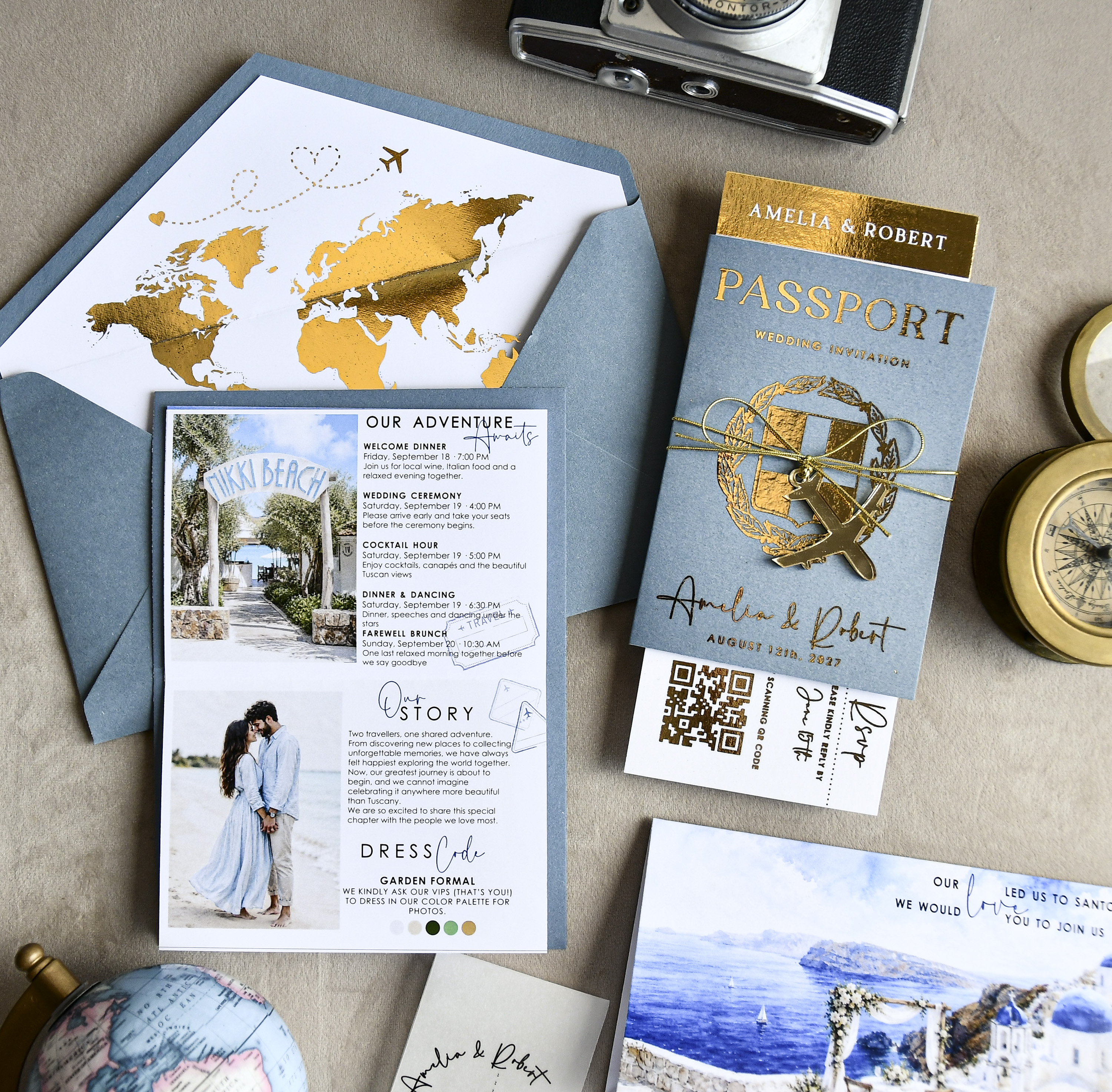
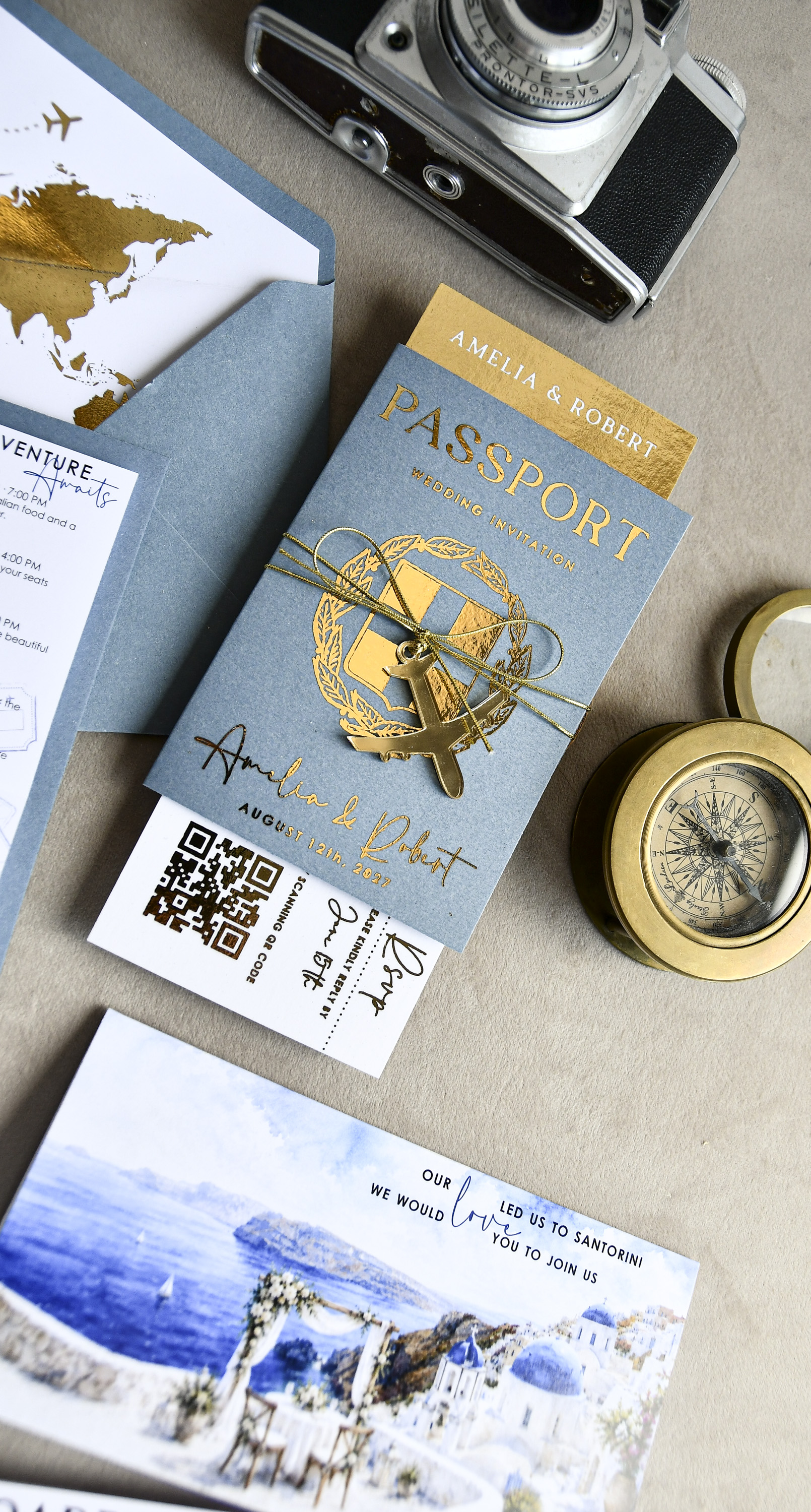
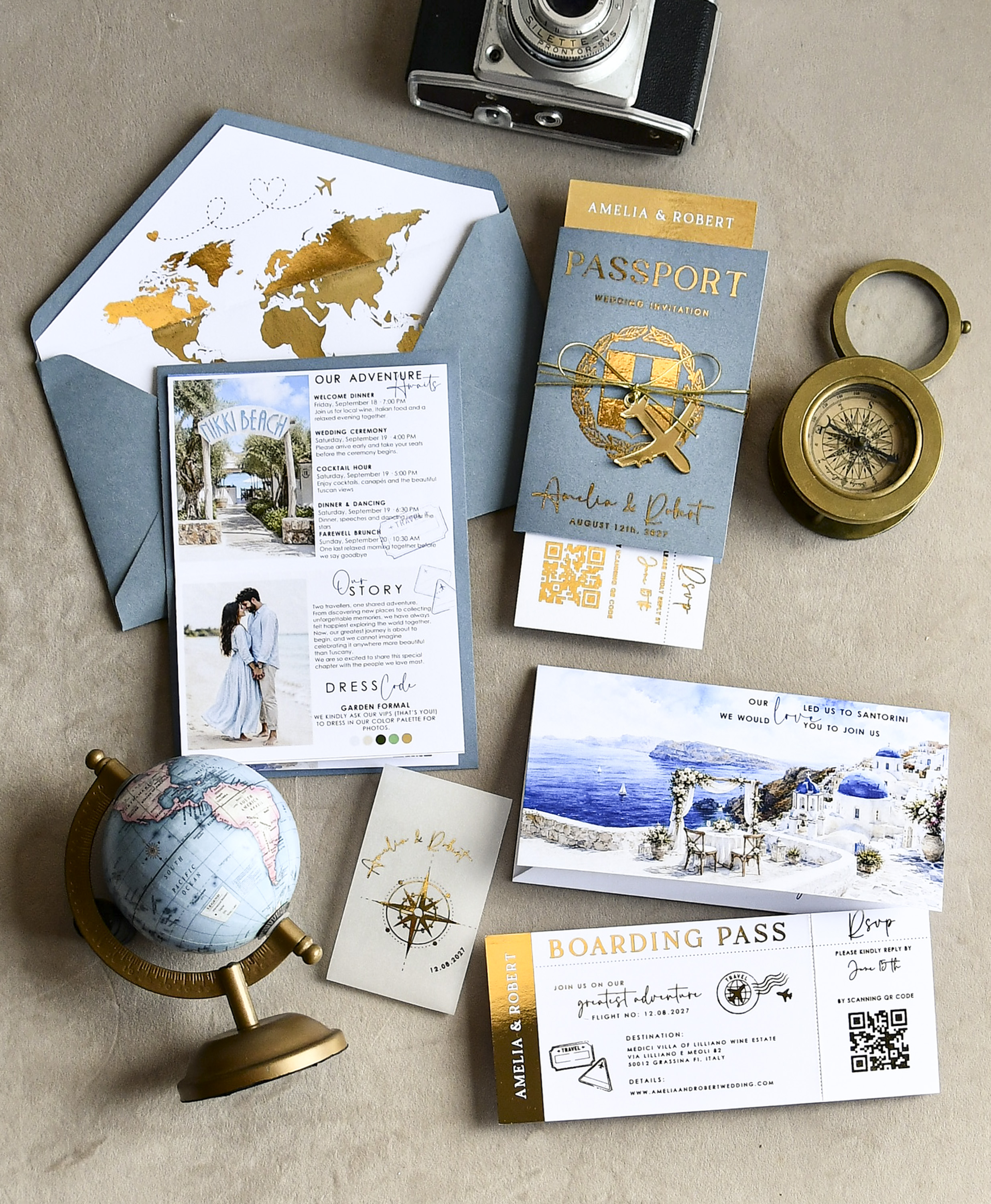
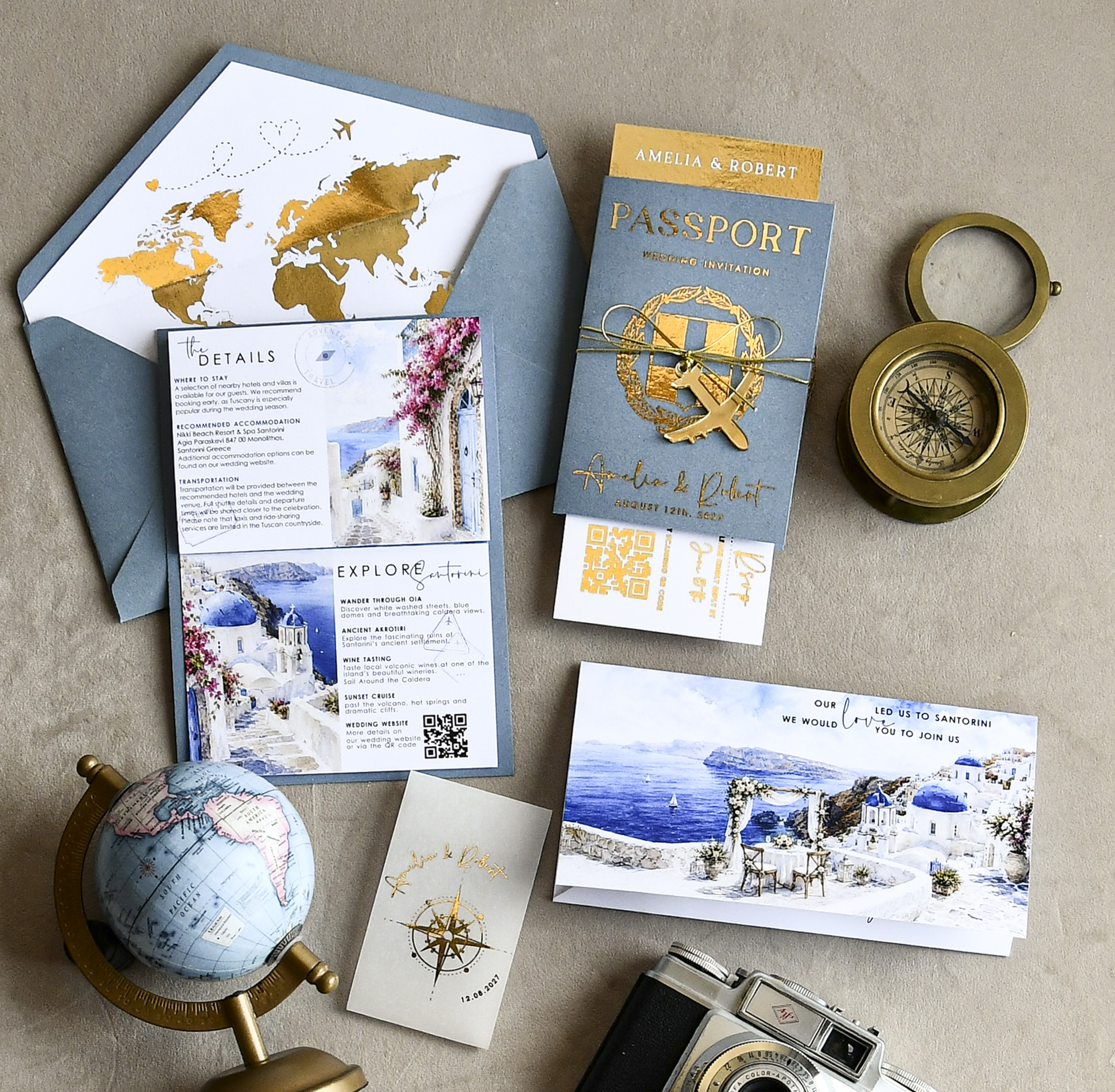
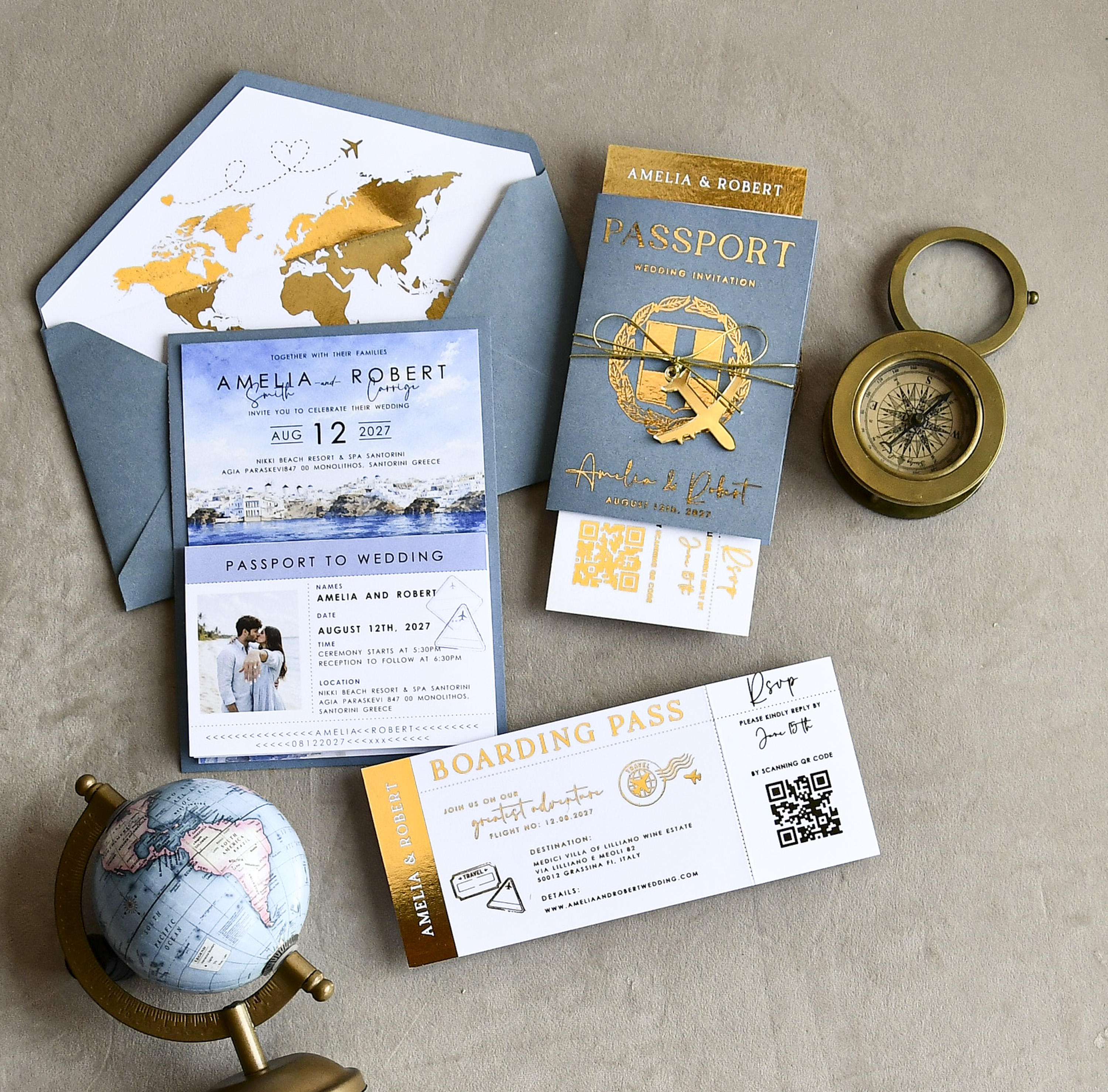
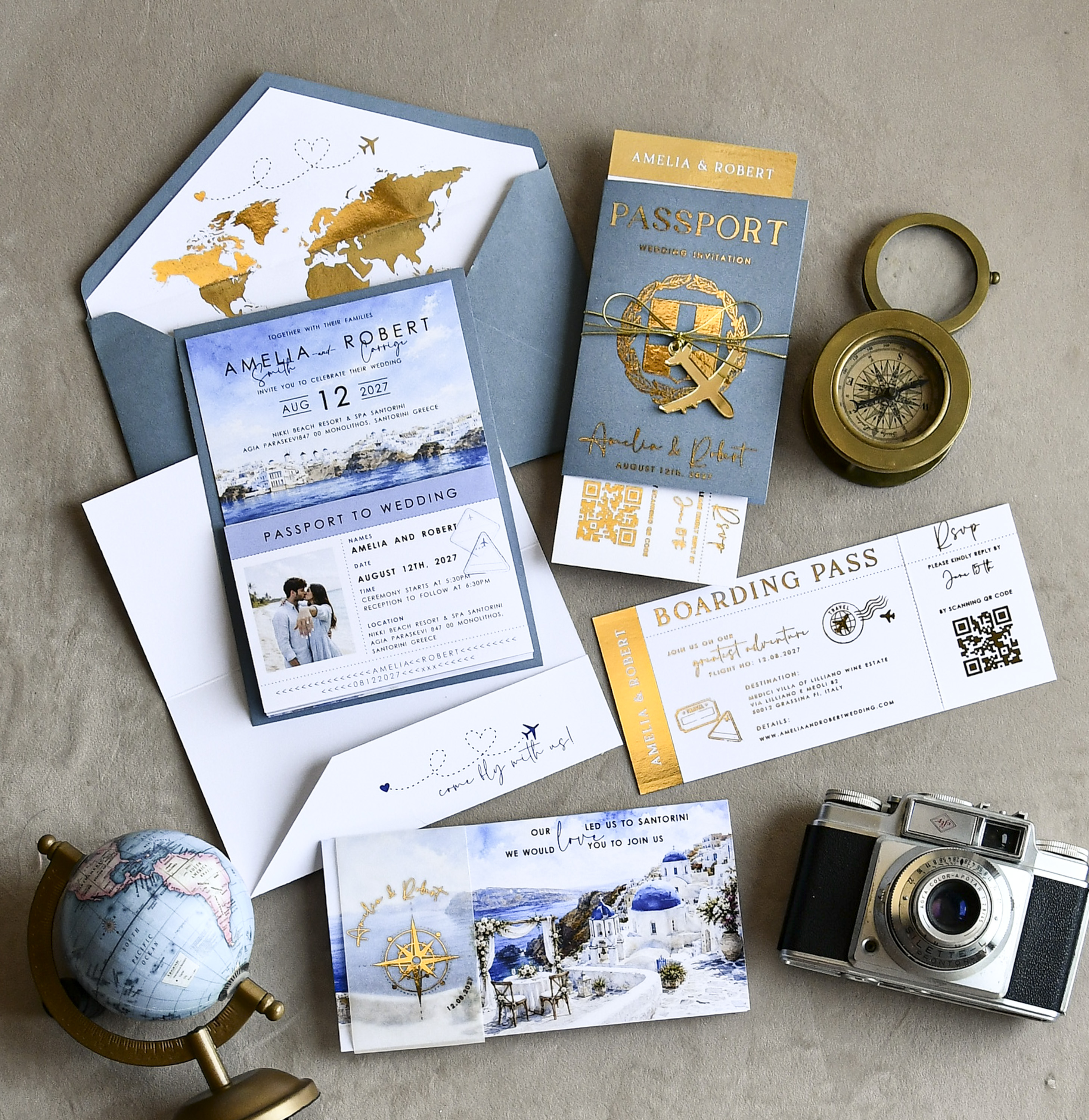
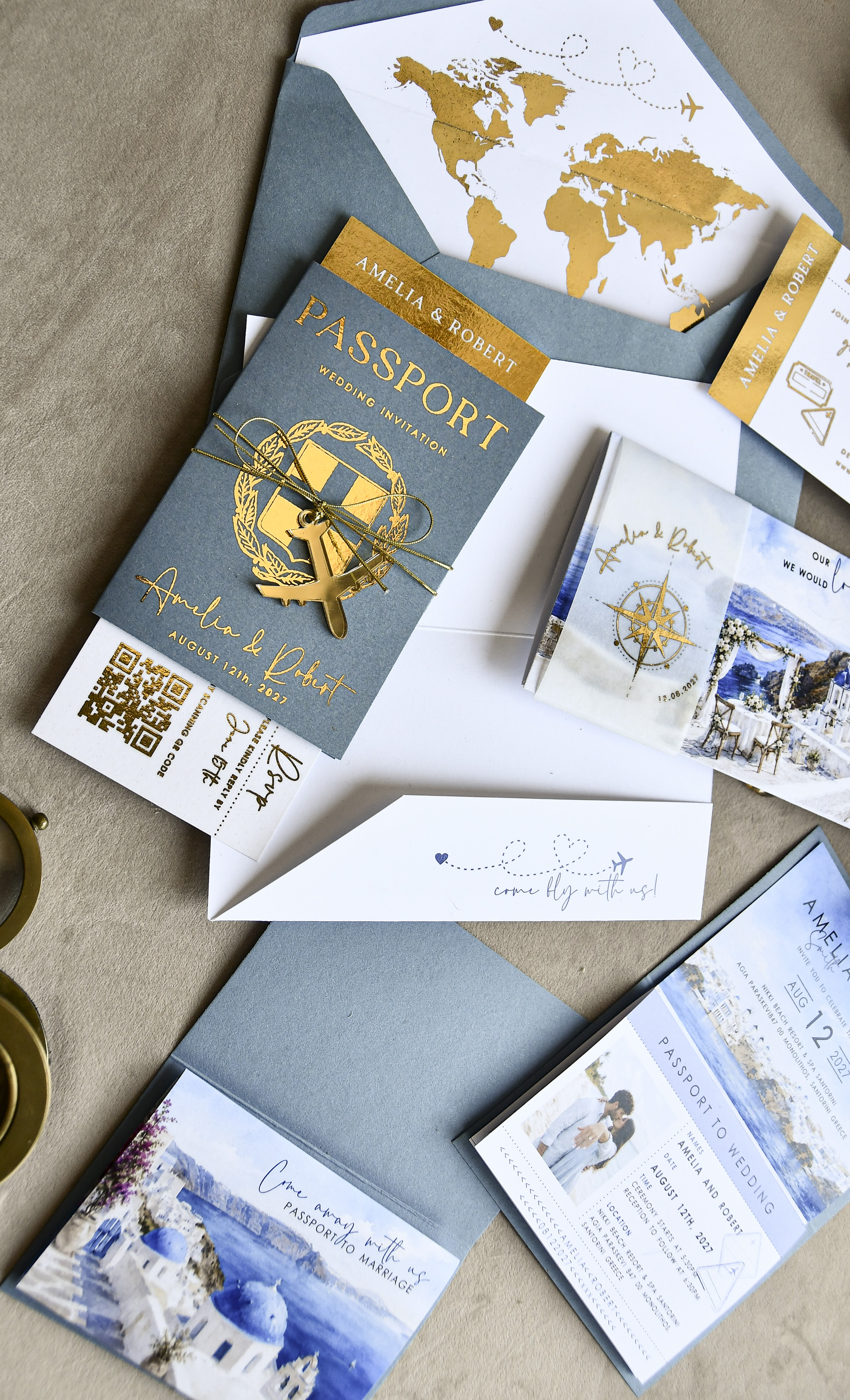
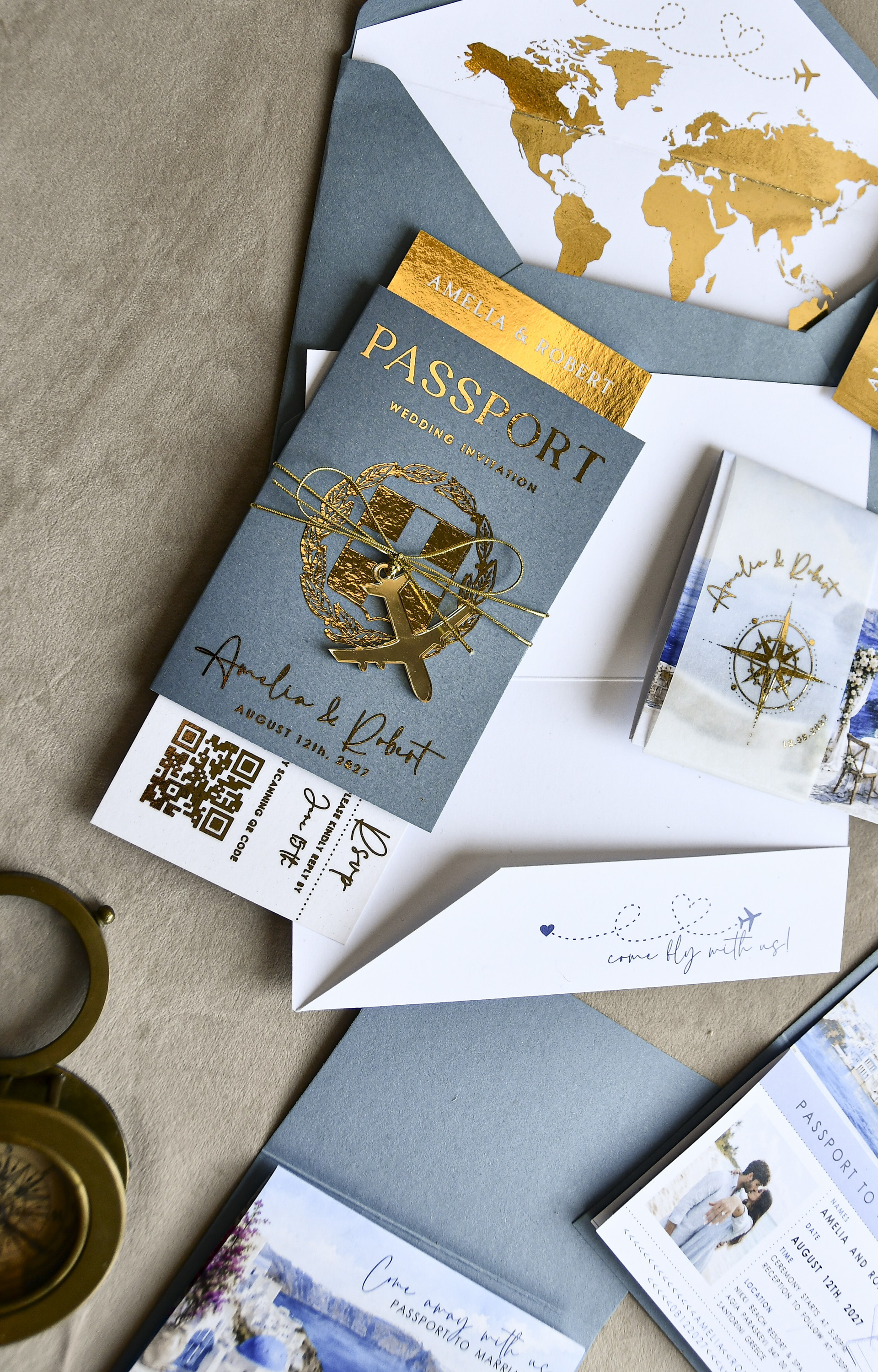
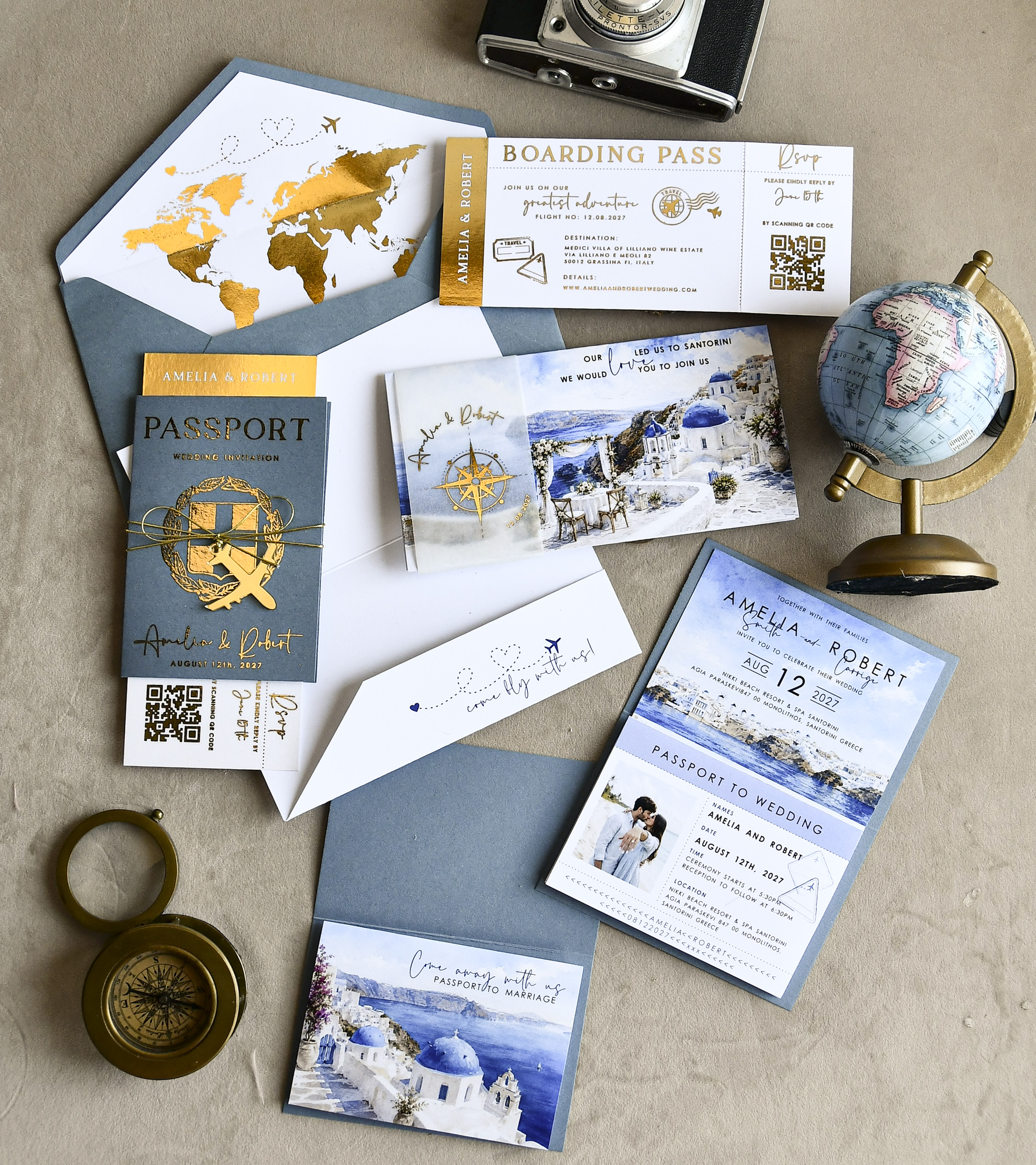
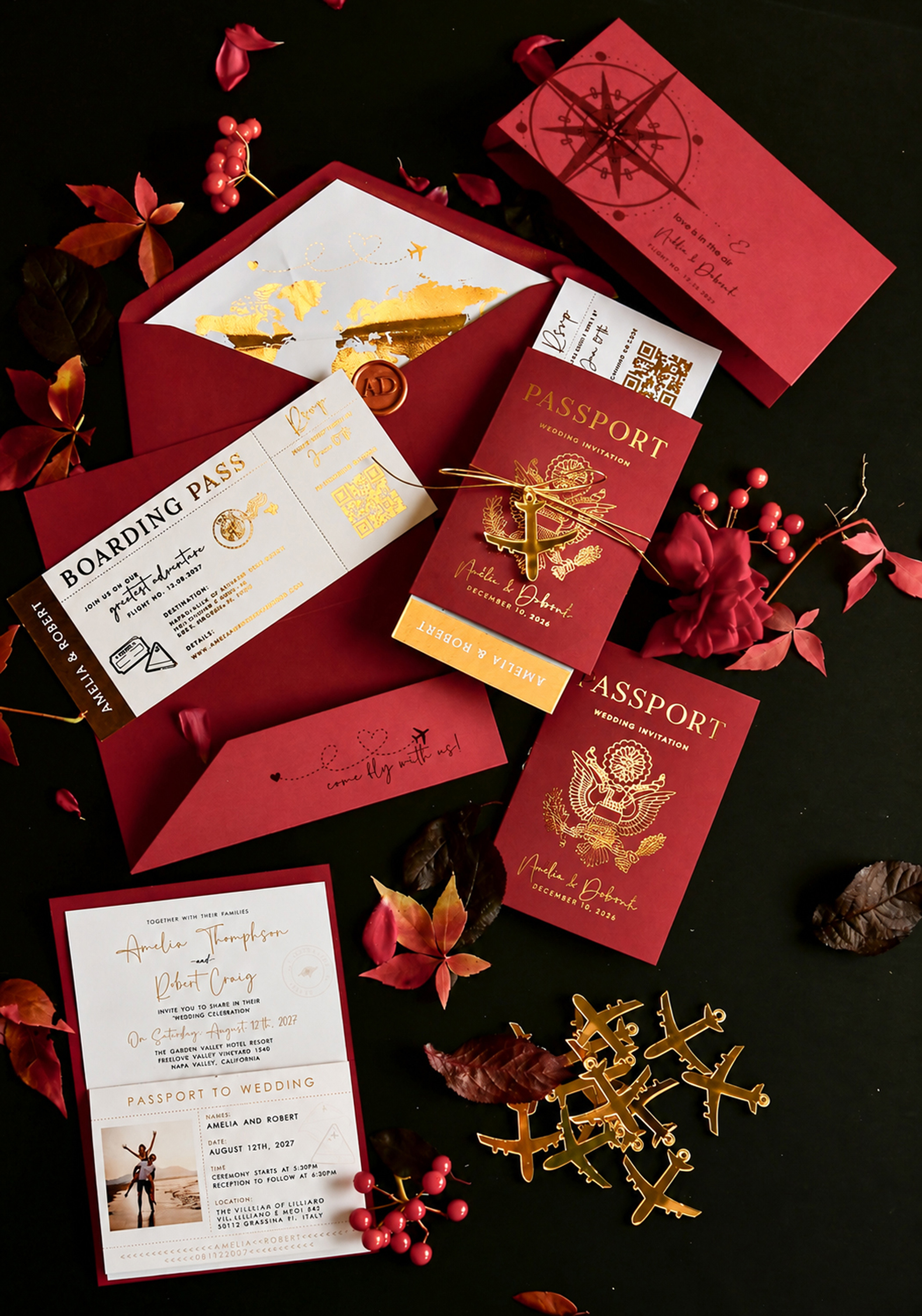
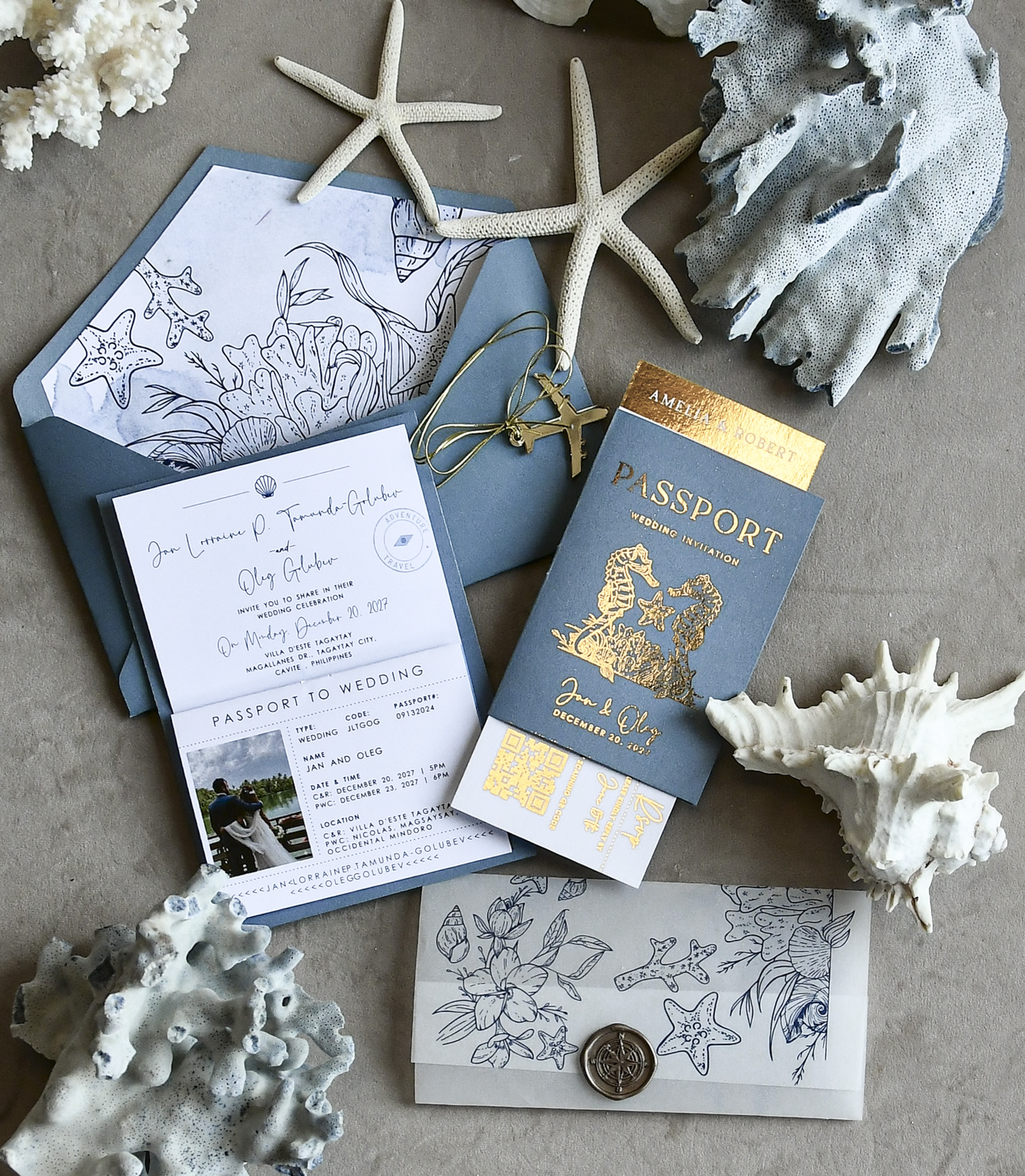
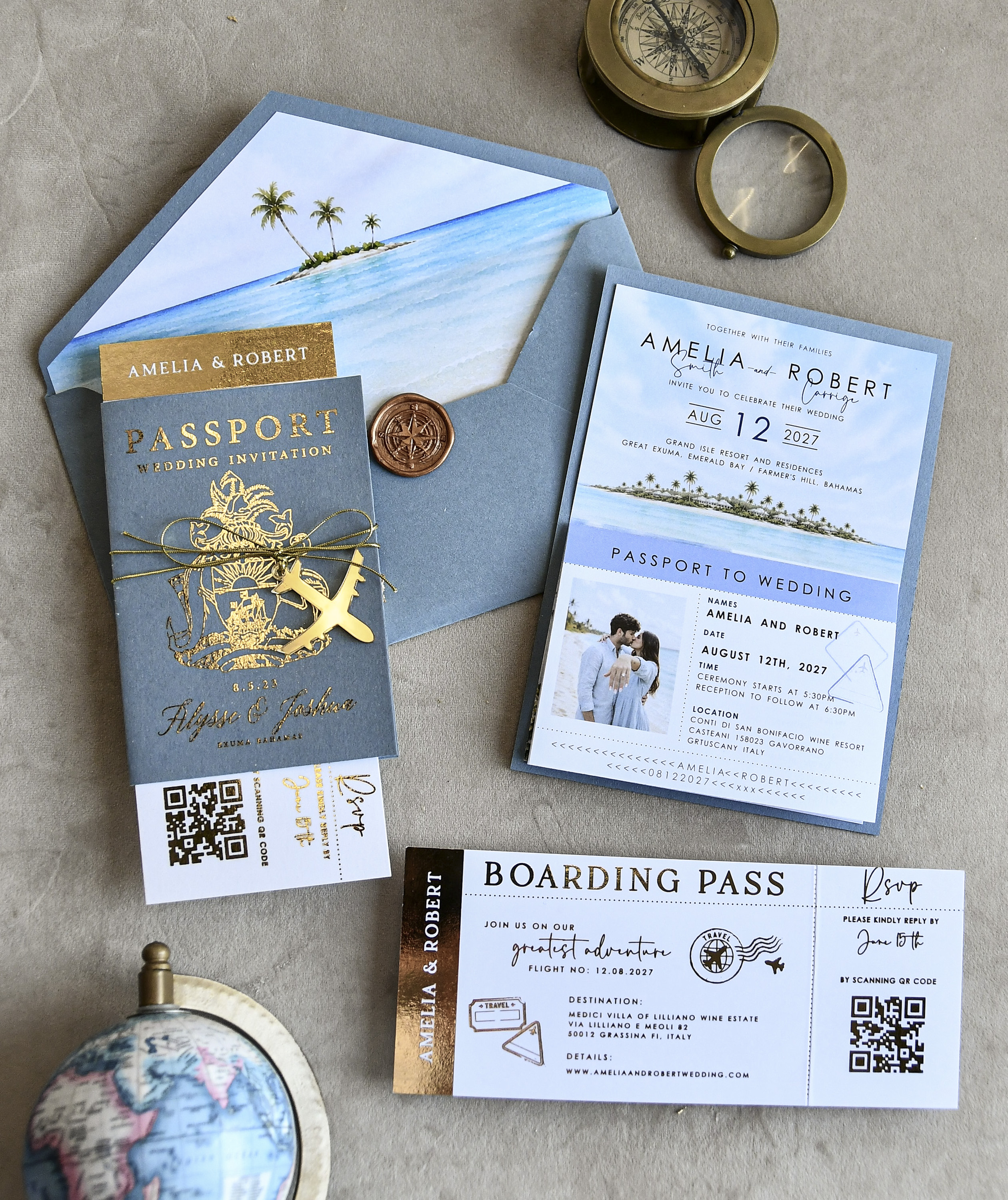
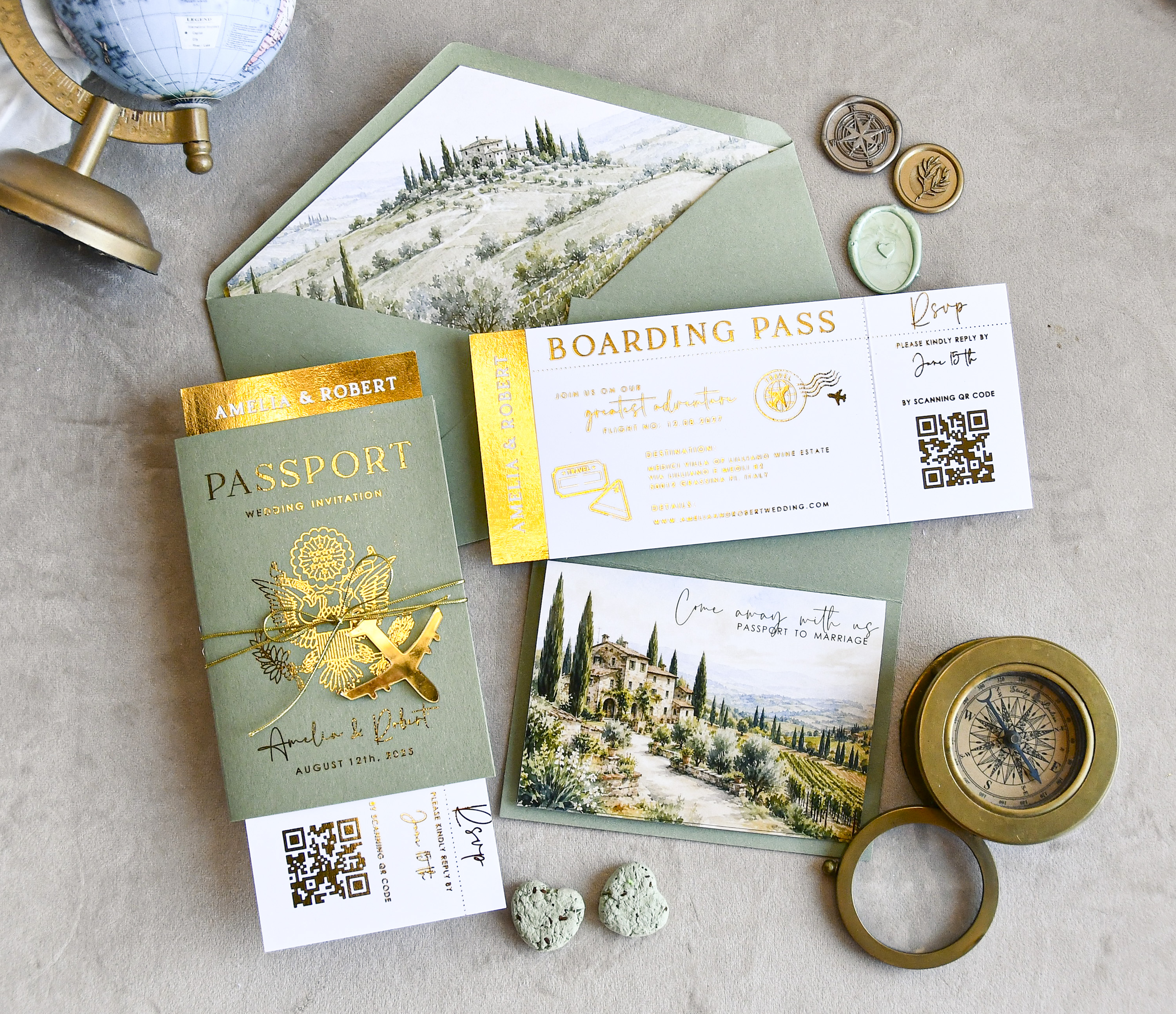
For destination or beach weddings — where you're likely sending something more festive, like a passport-style invite such as the 03/passDest/z from Margo&Bees — the envelope addressing is even more important because guests are making travel decisions early. Be crystal clear on who is invited so no one books a flight for two when only one seat is available.
If you anticipate pushback, a brief note on your wedding website explaining that seating is limited can soften the message before anyone even calls to ask.
Handling the Inevitable Requests
Even with clear rules, someone will ask for a plus one you didn't plan to give. Have a kind but firm response ready: "We'd love to include everyone, but we're working with a strict guest limit and have had to make some tough calls across the board. We hope you'll still come and celebrate with us!"
Avoid making exceptions unless you're genuinely willing to open the door for everyone at that same tier — because word travels fast at weddings. If you bend the rule for one cousin, you may find yourself fielding calls from three more.
Frequently Asked Questions
No — being single doesn't automatically qualify someone for a plus one. The key factors are whether they're in a serious long-term relationship and whether they'll know other guests at the event. Casual daters or newly single guests who have plenty of friends attending can typically come solo without issue.
It depends on how close you are and whether they're in a serious relationship. If a coworker is a genuine friend who also happens to be your colleague, apply the same rules you'd use for any other guest. If they're more of a work acquaintance, it's generally fine to invite them solo.
Not knowing someone's partner isn't a reason to withhold a plus one if the relationship is serious and established. Your guest will appreciate the gesture, and your wedding is actually a great chance to finally meet the person they've been talking about. Address the invite to them by name if you know it.
Reach out promptly and politely clarify that the invitation was intended for them alone due to space constraints. Most guests will understand if you're honest and consistent — frame it as a venue limitation rather than a personal slight.
Yes, in almost every case. Members of your wedding party invest significant time, money, and energy into your big day, and extending a plus one is a standard and appreciated way to acknowledge that. Even if budget is tight, prioritize this group.
Ideally, your invitations — sent 6 to 8 weeks before the wedding, or earlier for destination events — make this clear through how they're addressed. For destination weddings where guests need to book travel well in advance, consider giving a heads-up 4 to 6 months out so people can plan accordingly.
See This Design Up Close





You May Also Like
More Wedding Planning Guides
- → The Complete Guide to What Goes on a Wedding Invitation
- → How to Navigate a Wedding When Your Divorced Parents Are at War
- → Inviting Guests to the Ceremony But Not the Reception: What You Need to Know
- → The Case for a Small Wedding: Everything You Need to Know
- → When to Send Wedding Invitations: A Complete Timeline Guide
- → Who Gets Cut First When Your Guest List Is Too Long?
- → Wedding Invitation Addressing: Etiquette Rules Every Couple Should Know
- → Do You Have to Invite Your Future In-Laws' Friends to Your Wedding?
- → Coworkers and the Wedding Guest List: How to Decide Who Gets an Invite
- → Yes, Guests Can RSVP Online — Here's How to Make It Work Beautifully
- → More Guests or a More Memorable Wedding? How to Choose What's Right for You
- → Inviting Your Ex to Your Wedding: A Practical Guide to Making the Right Call
- → Do You Have to Invite Your Cousins to Your Wedding?
- → How to Figure Out the Right Number of Wedding Invitations to Order
- → Should You Invite an Estranged Sibling to Your Wedding?
- → Going Digital: Everything You Need to Know About Sending Online Wedding Invitations
- → No-Shows After a Yes RSVP: How to Handle It Gracefully
- → Navigating the 'Them or Me' Wedding Guest Ultimatum
- → When Parents Want to Add Friends to the Guest List: A Practical Guide
- → No Kids at Your Wedding: Navigating the Etiquette With Confidence
- → How to Defuse Family Arguments Without Losing Your Mind Before the Wedding
- → Uninvited Plus-Ones and Tag-Alongs: How to Keep Your Guest List Intact
- → When Family Feuds Threaten Your Wedding Plans: A Practical Peacekeeper's Guide
- → Inviting an Estranged Brother or Sister: Finding Clarity Before You Seal the Envelope
- → Cousins, Invites, and Hard Choices: A Practical Guest List Guide