
Wedding Invitation Addressing: Etiquette Rules Every Couple Should Know
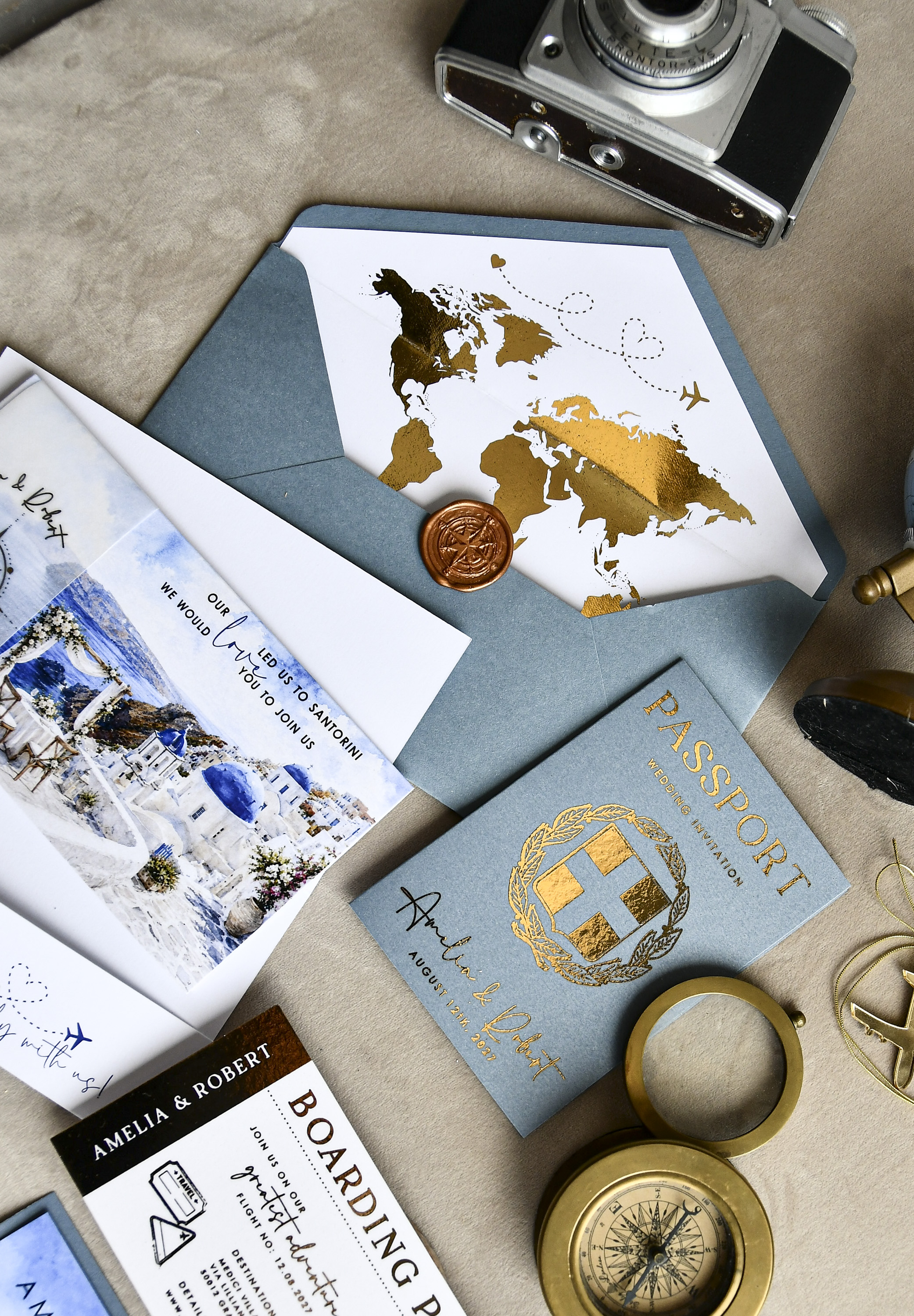
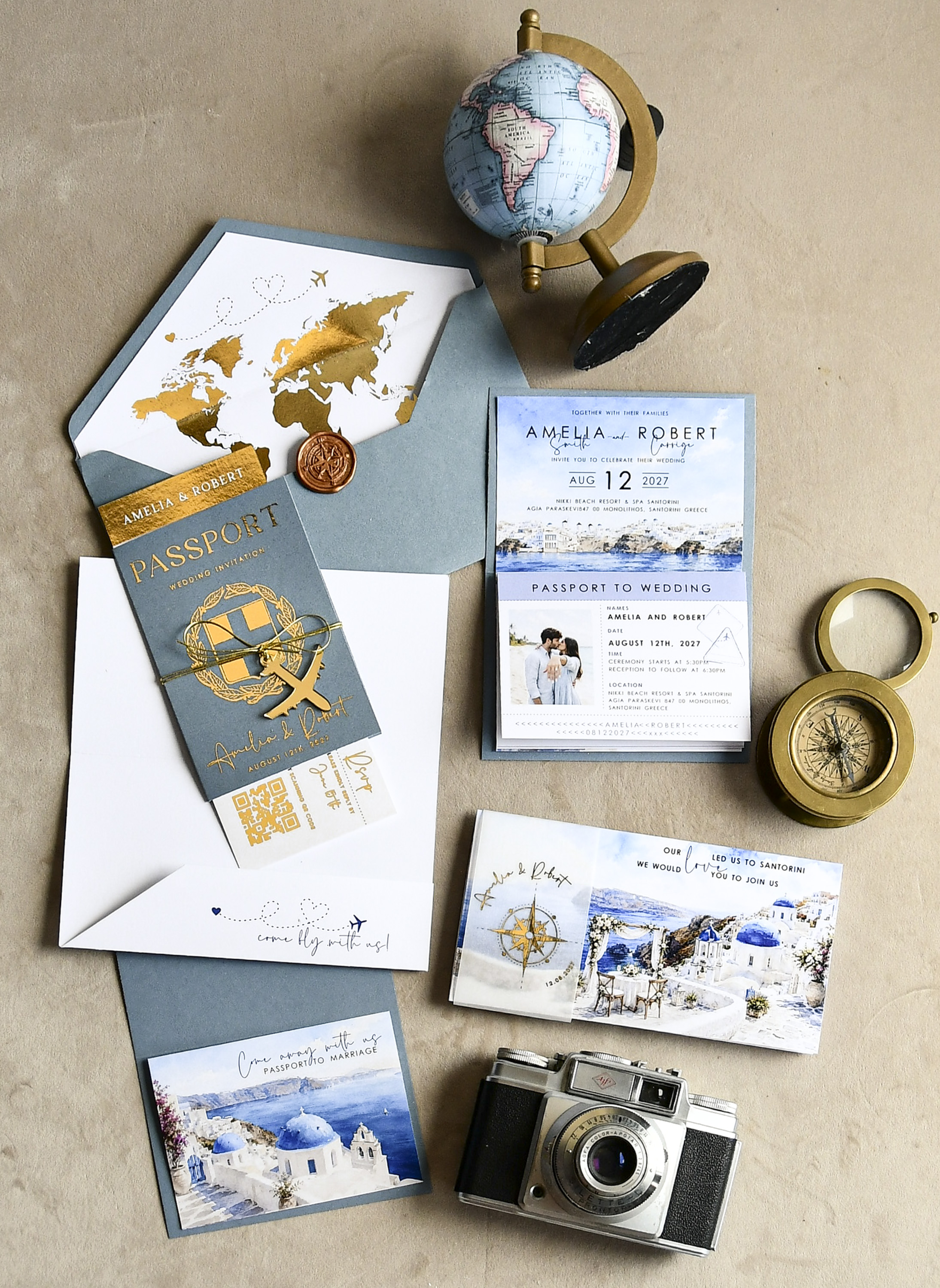
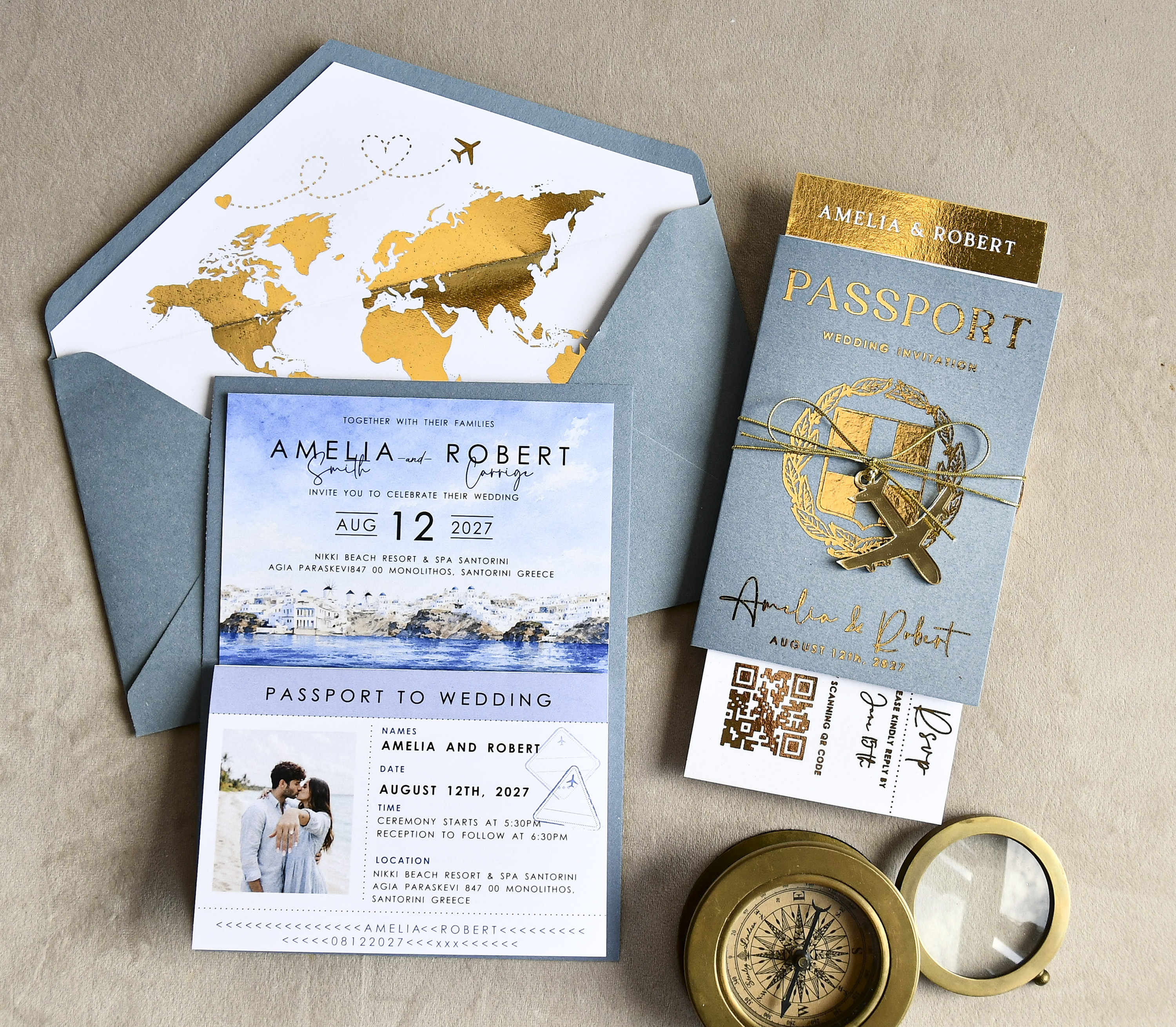
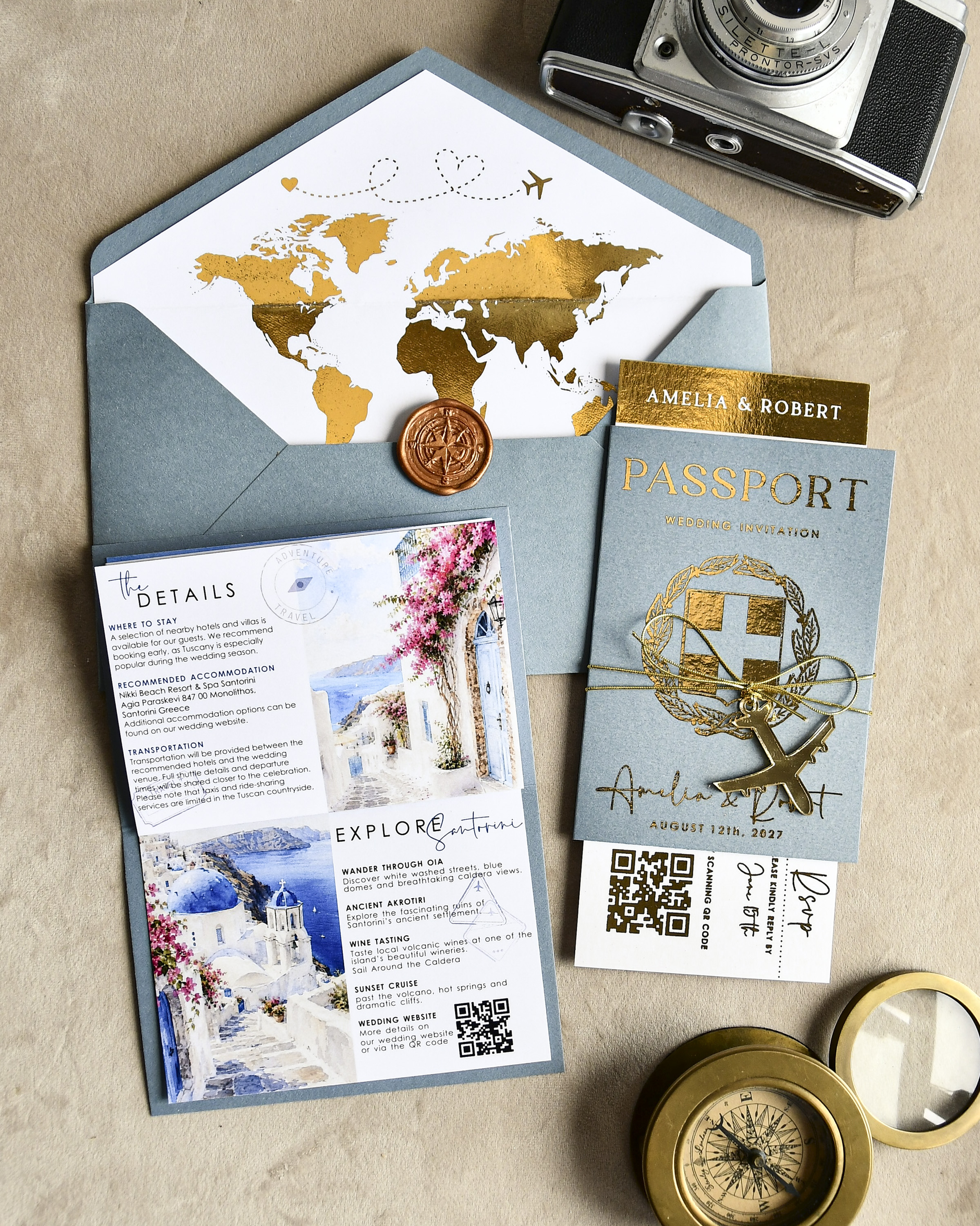
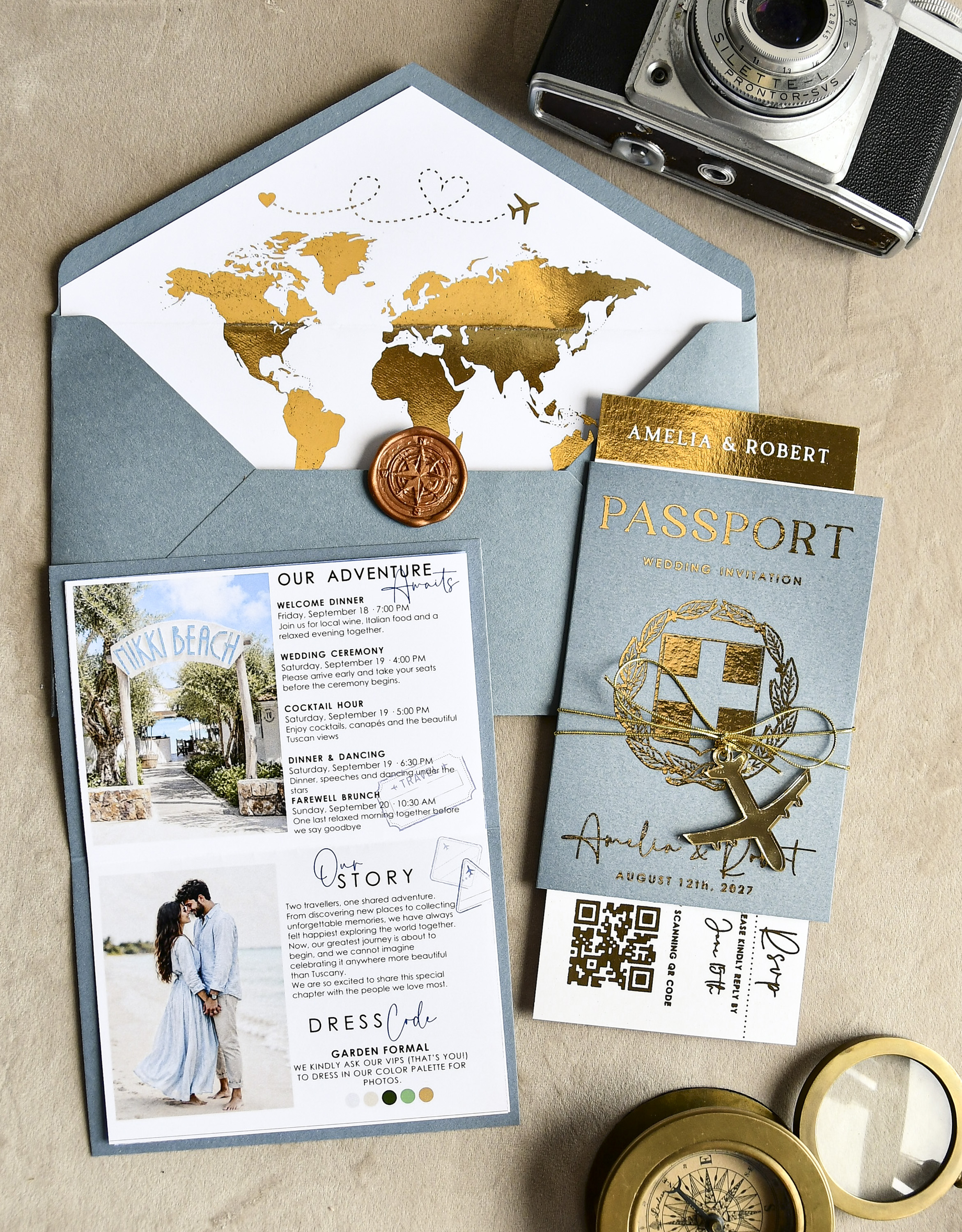
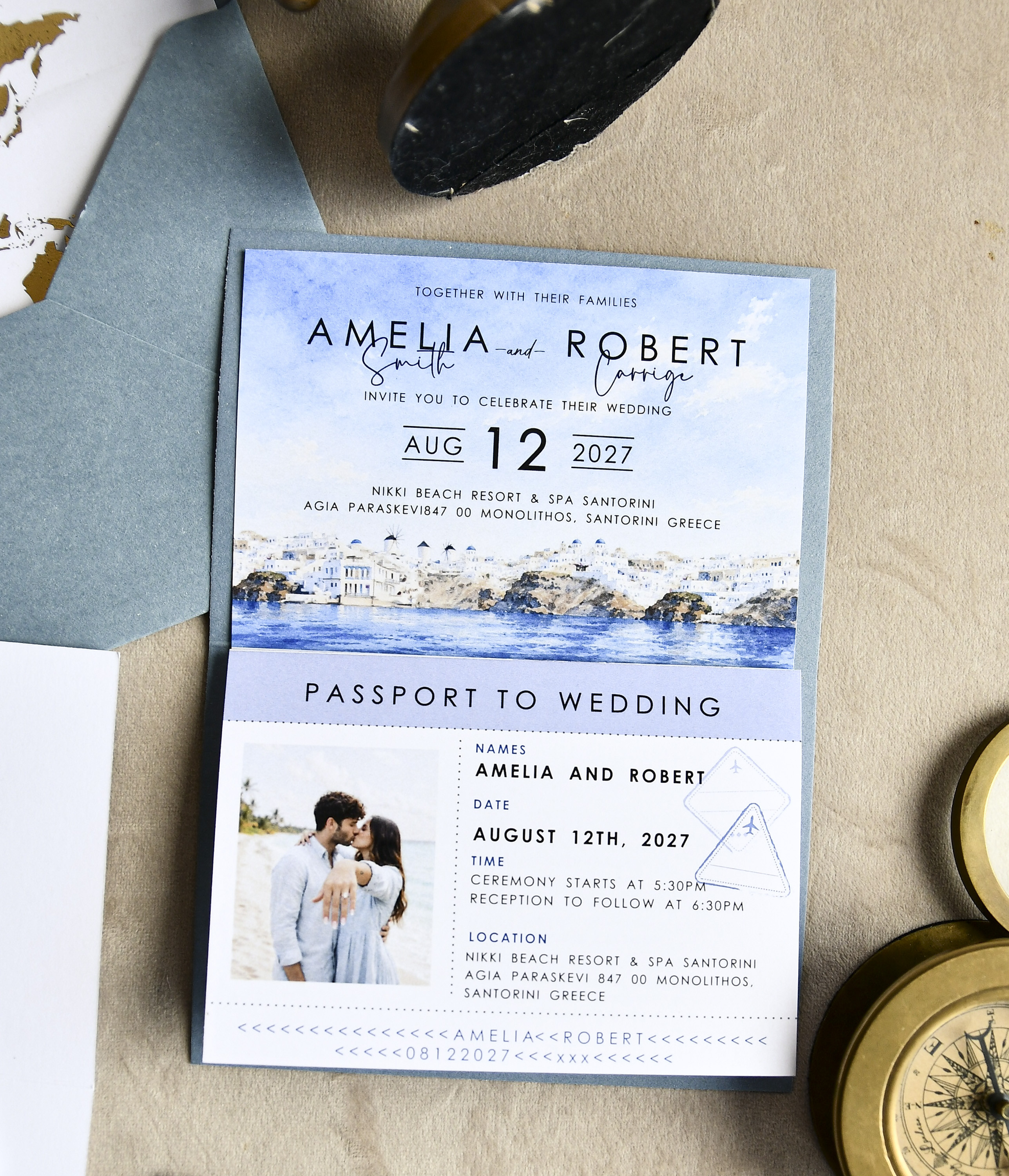
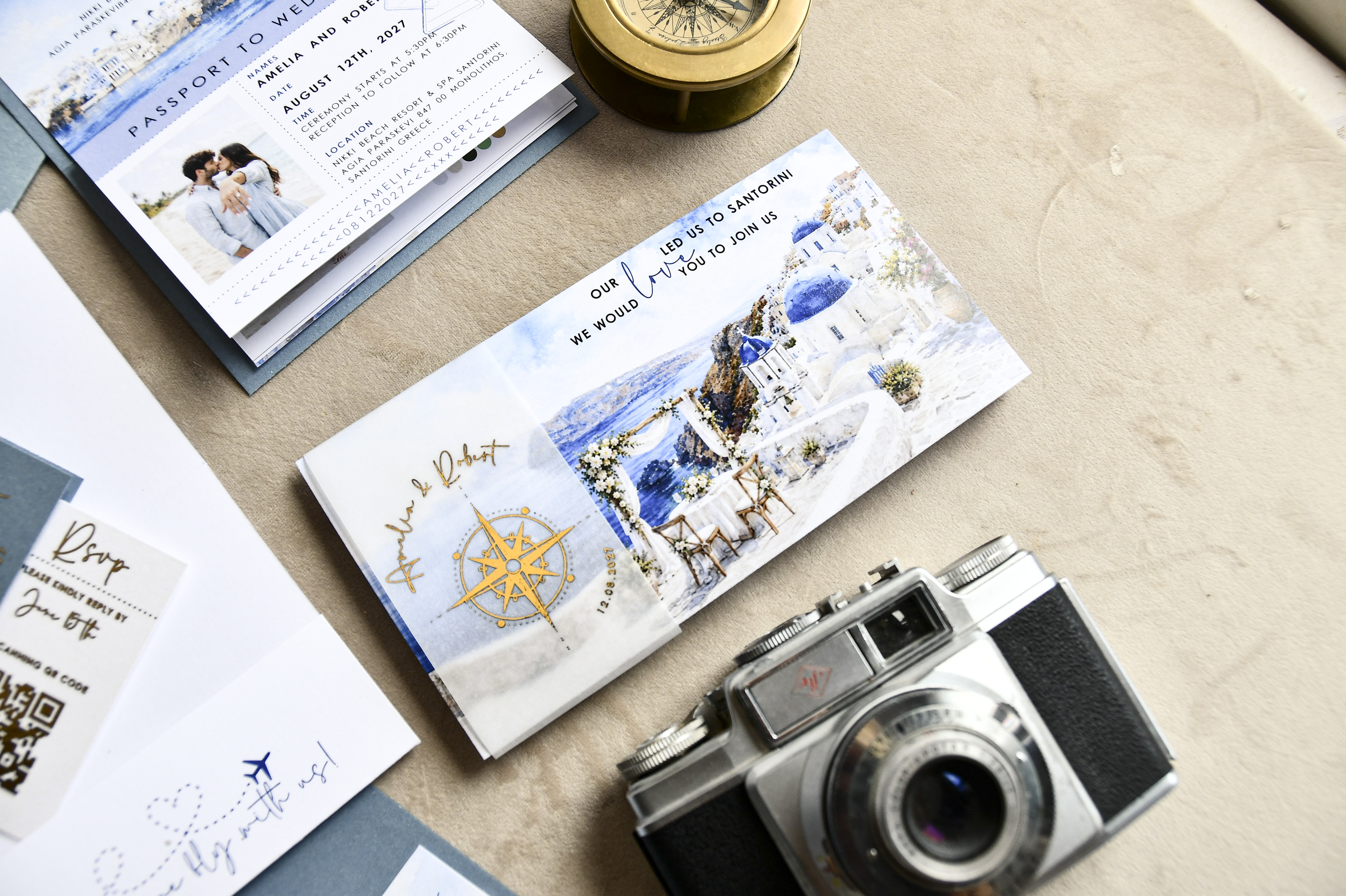
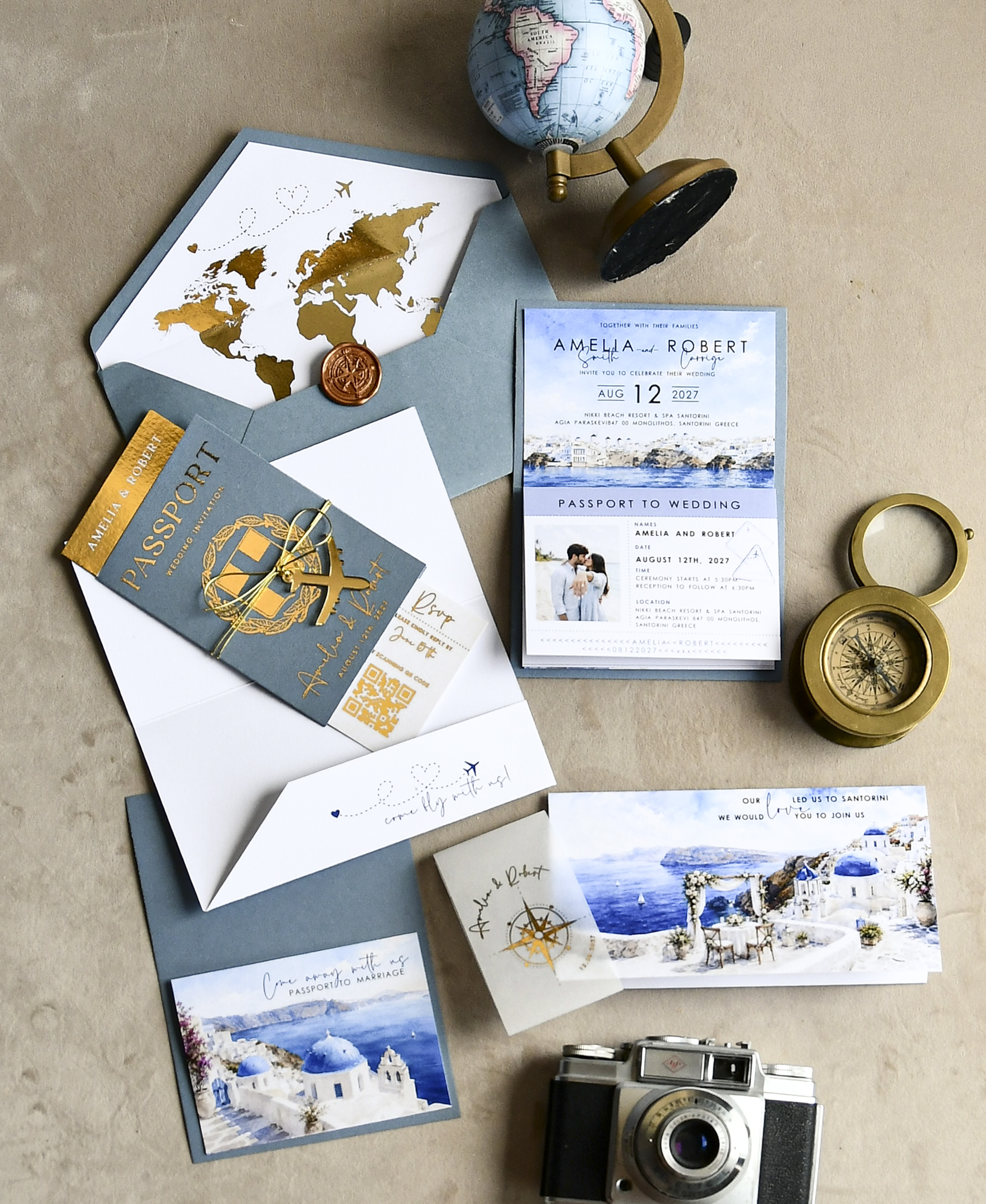
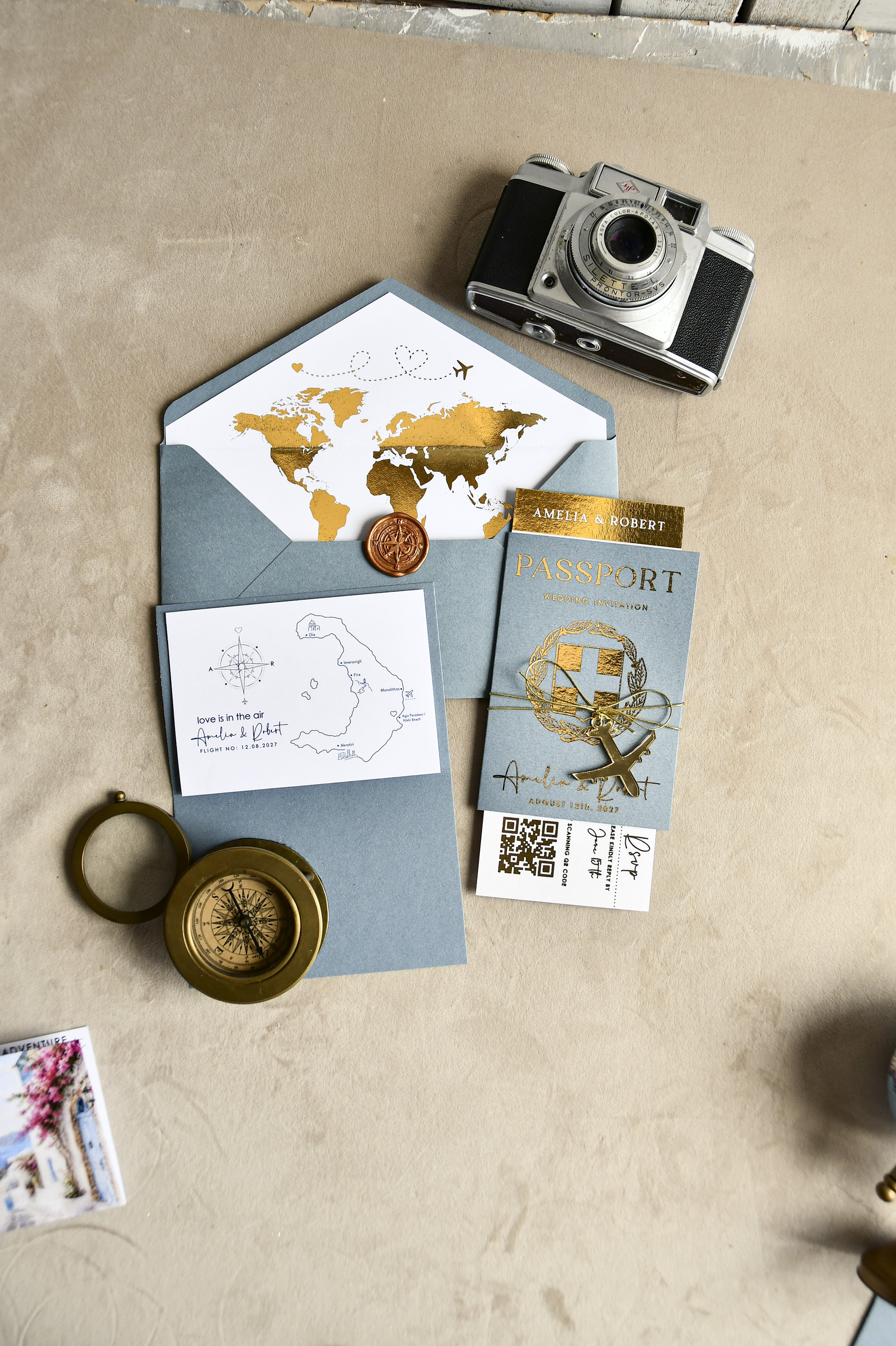
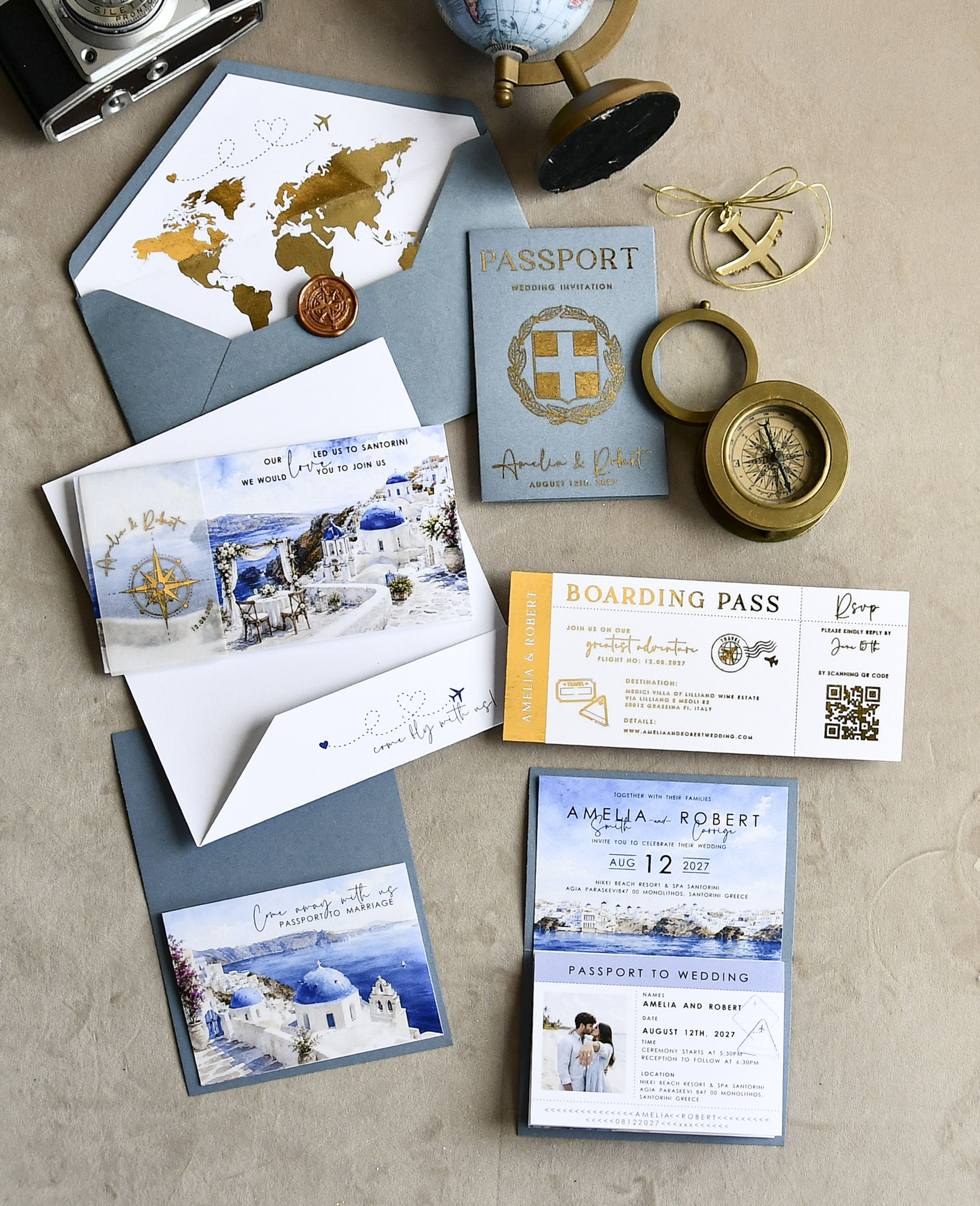
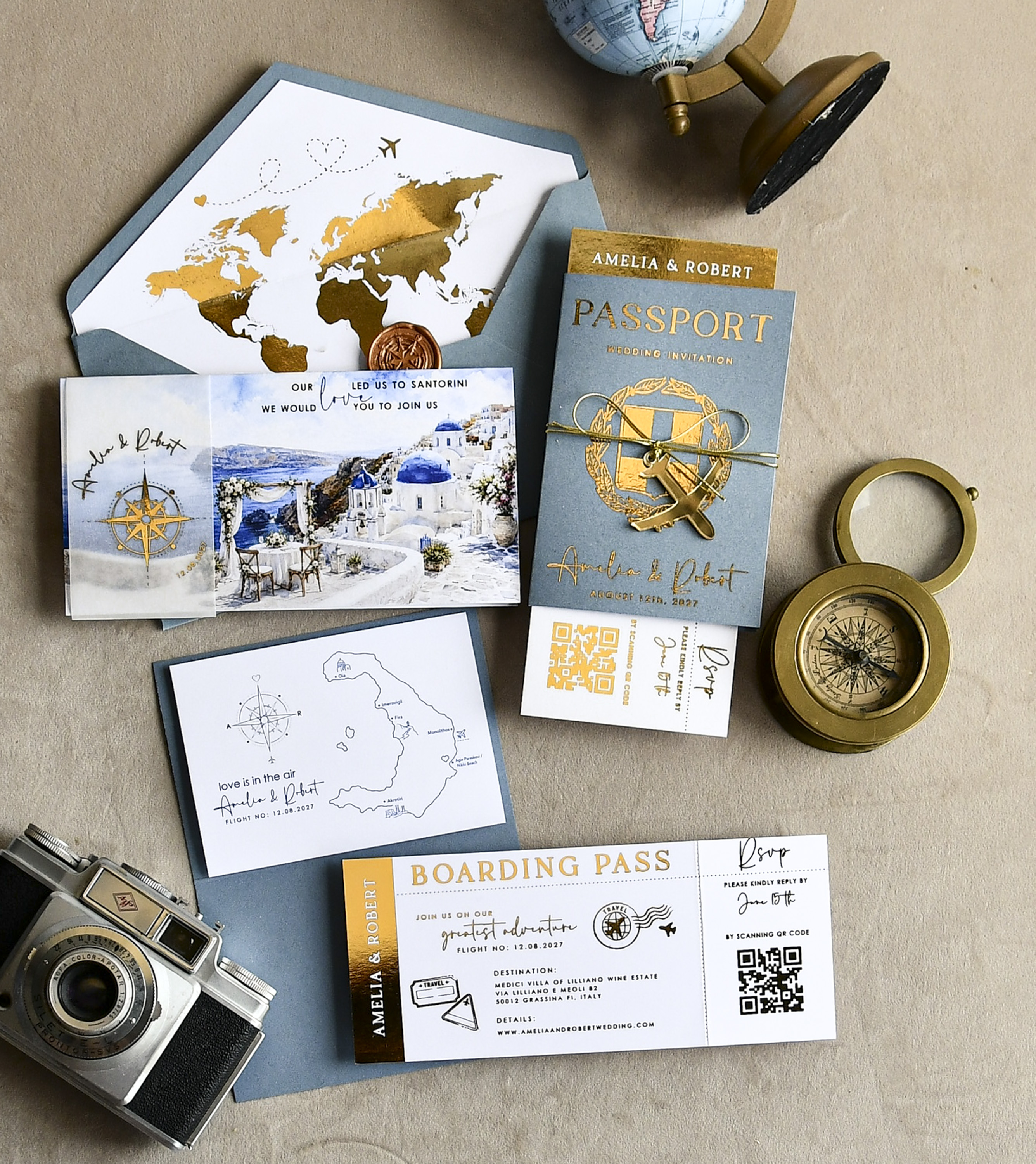
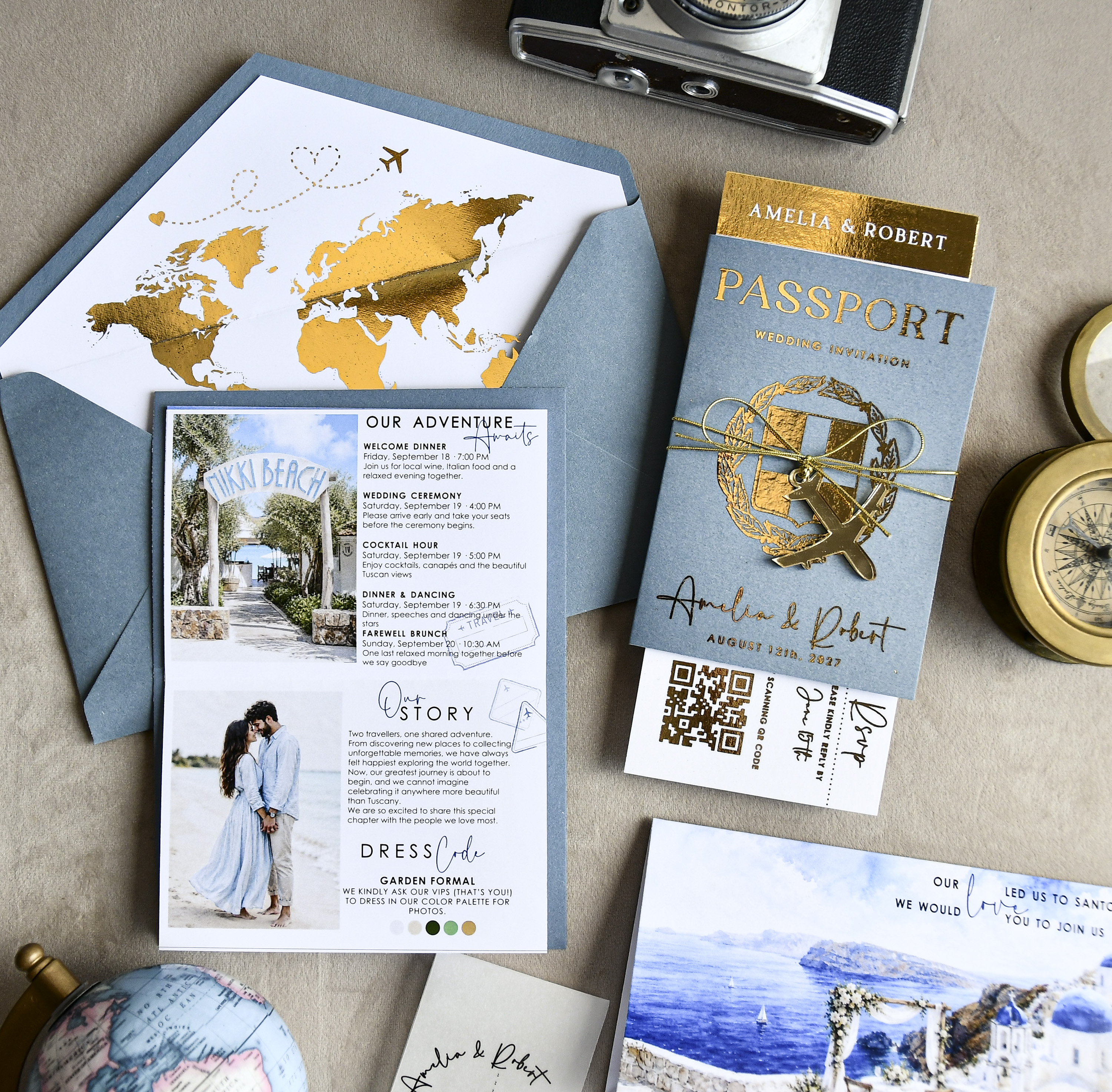
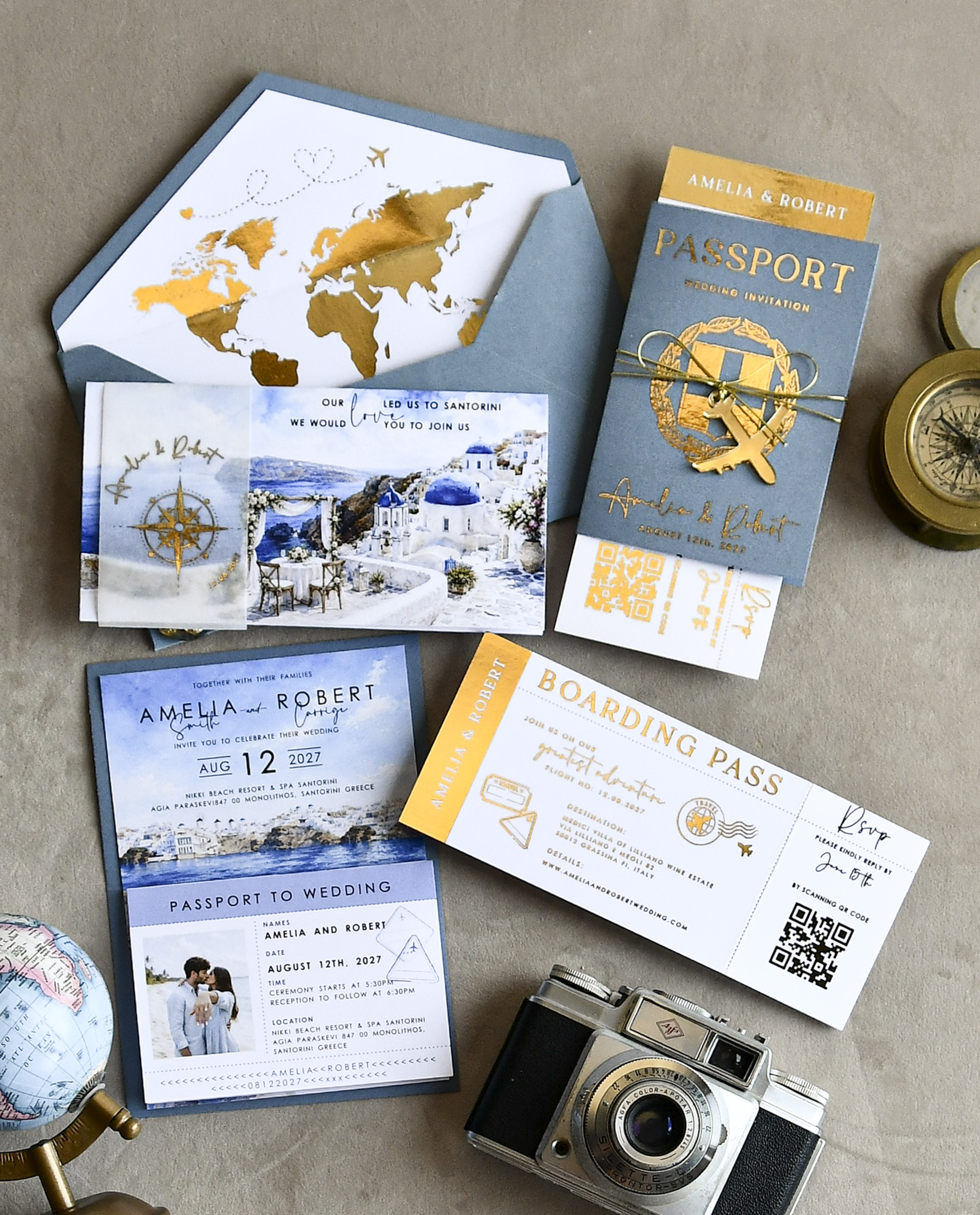
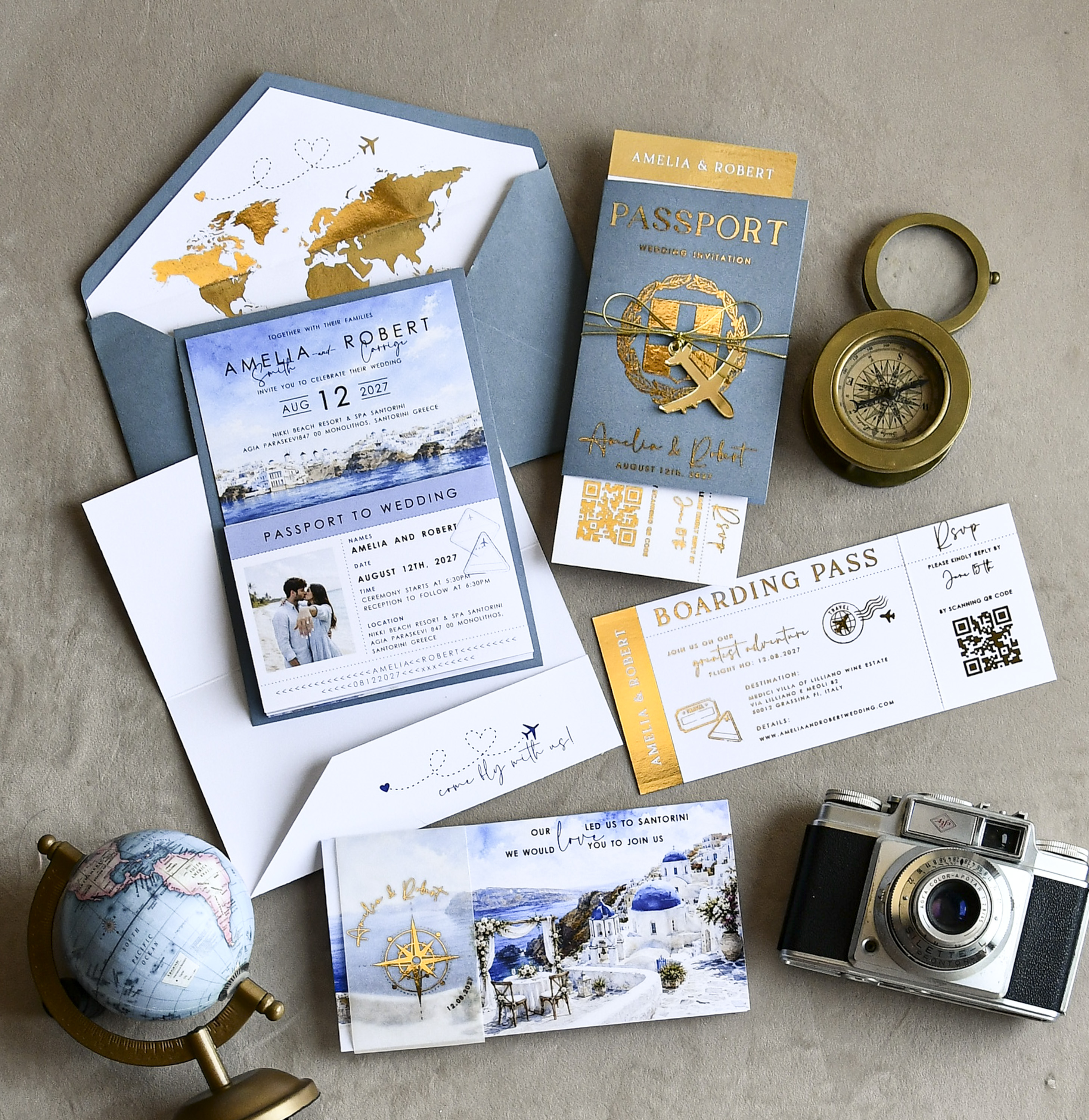
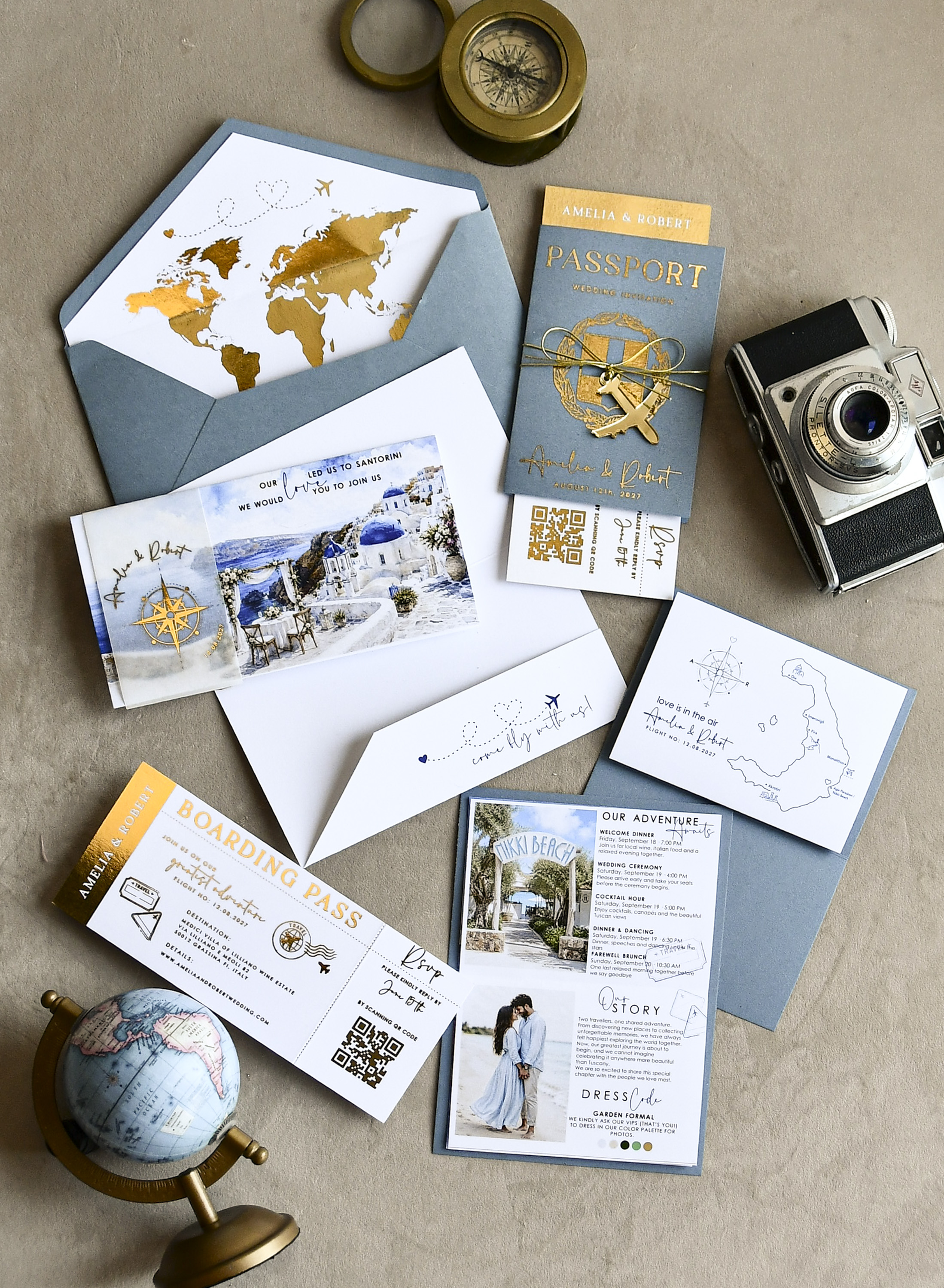
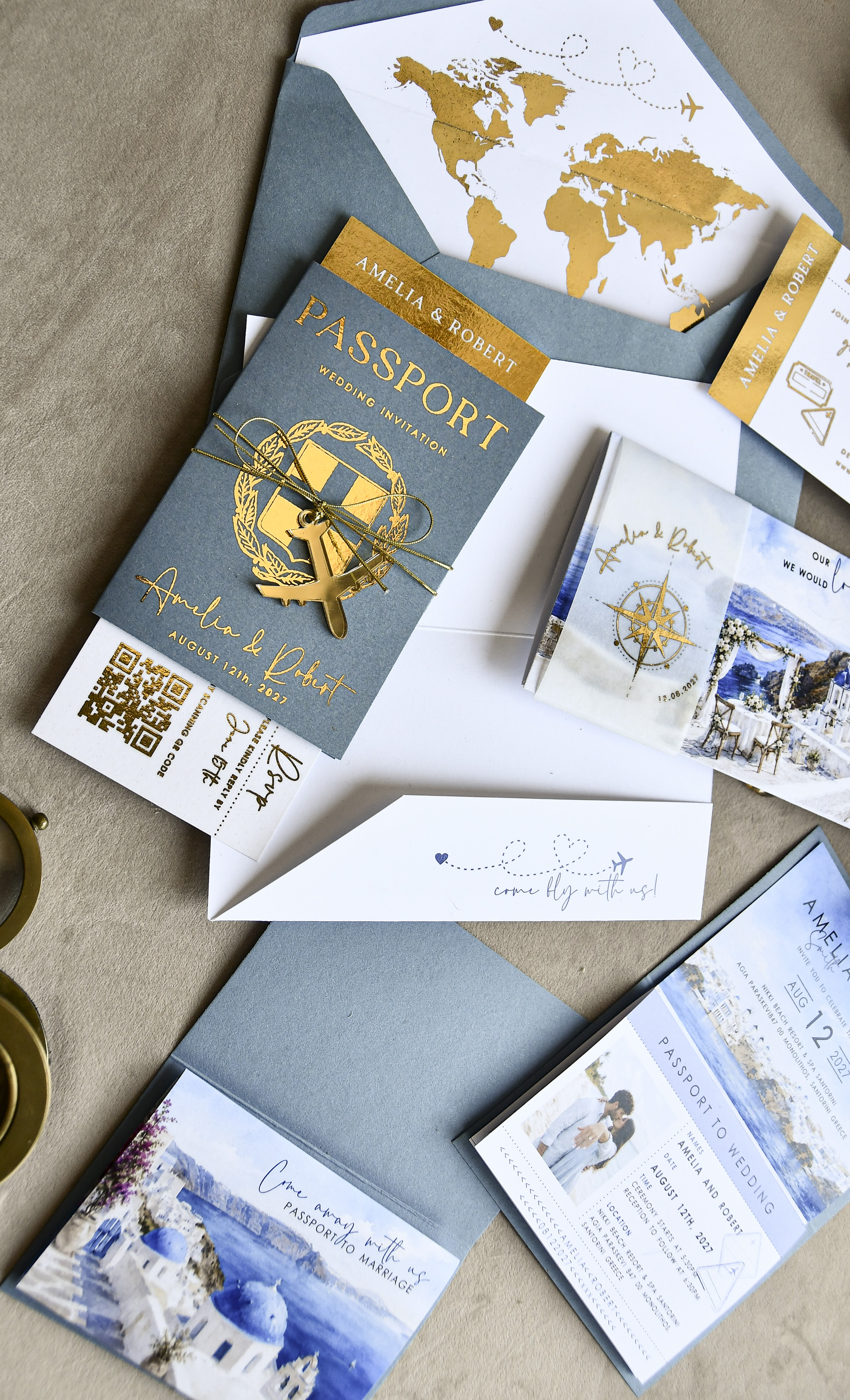
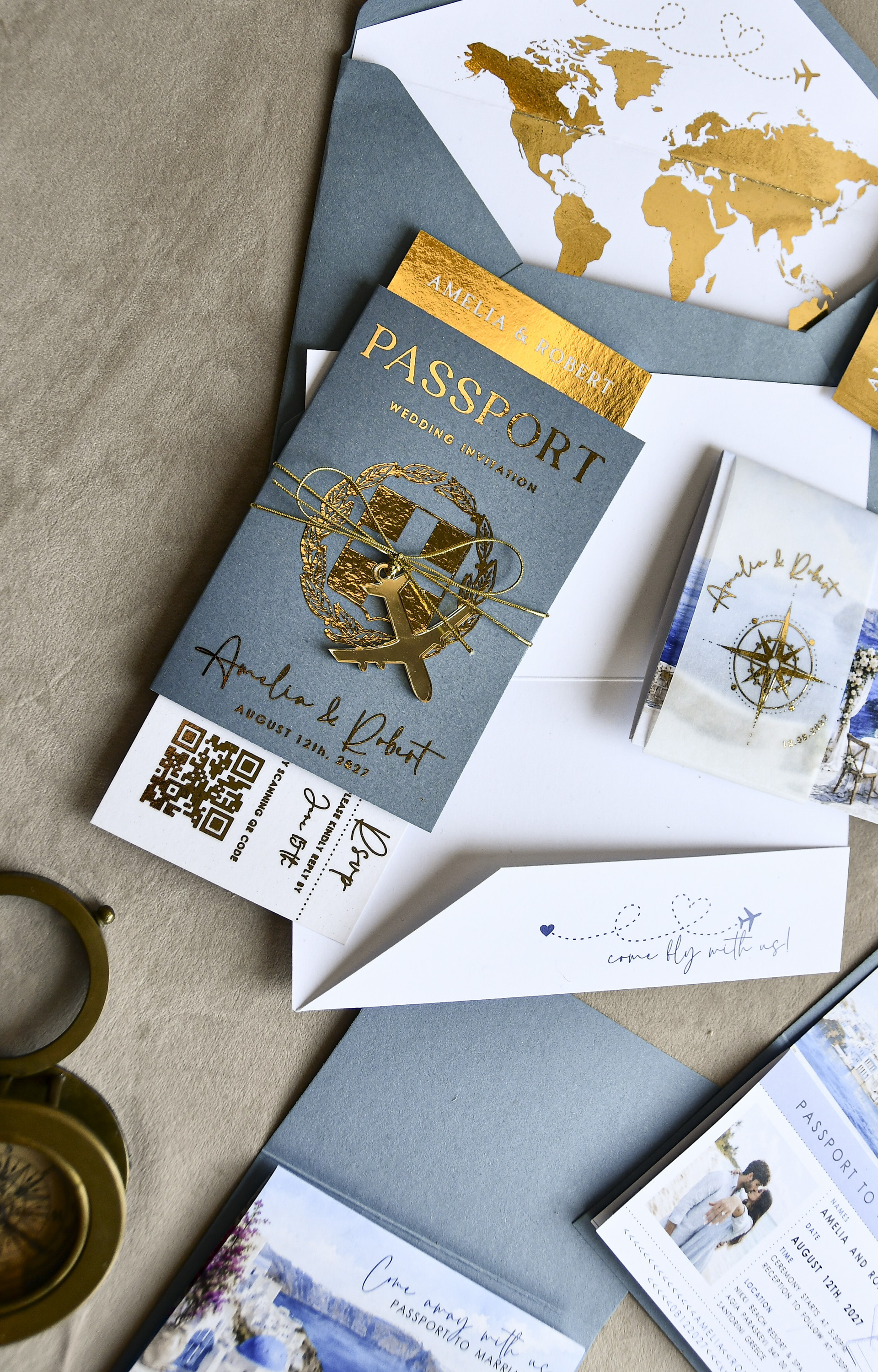
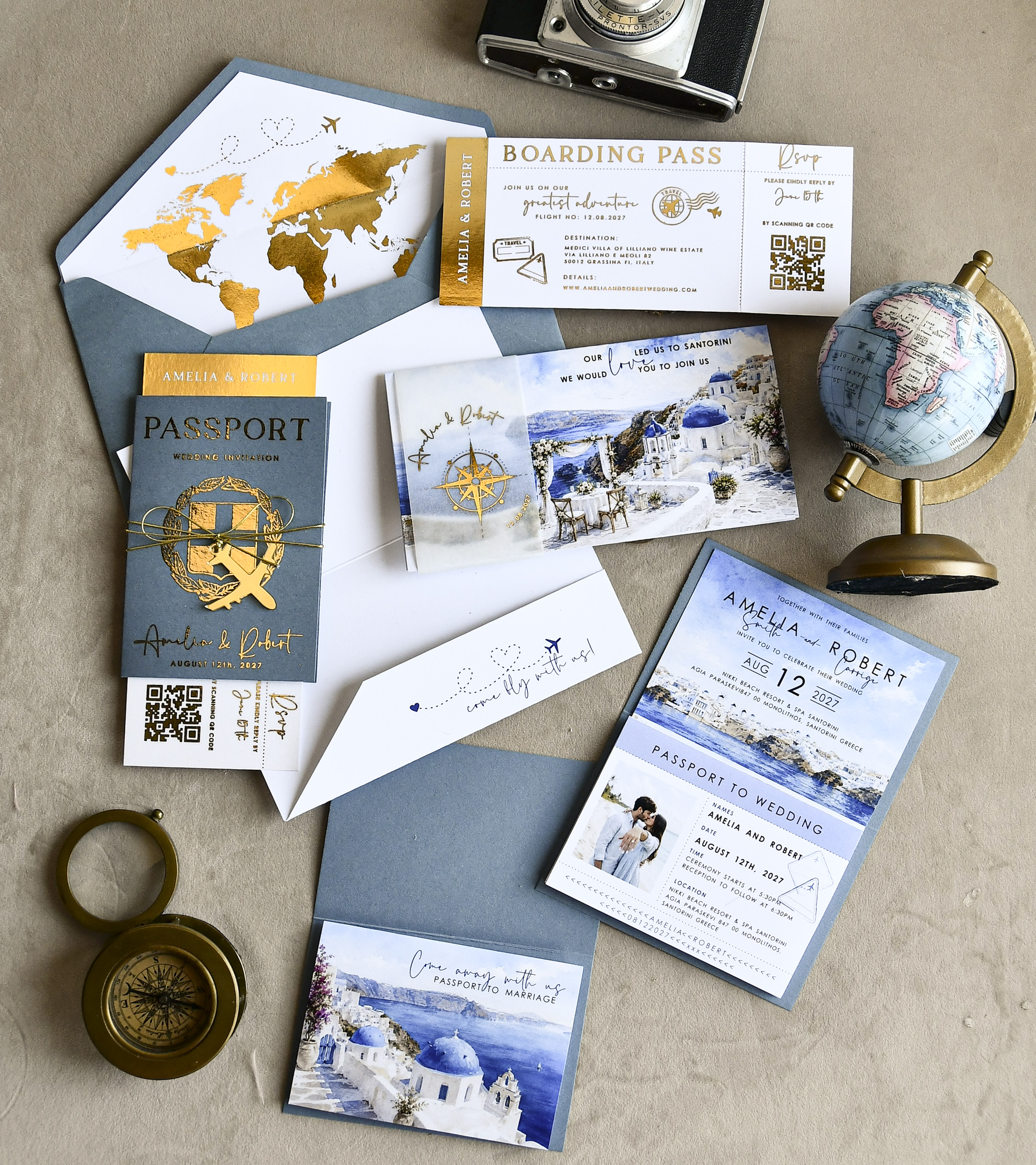
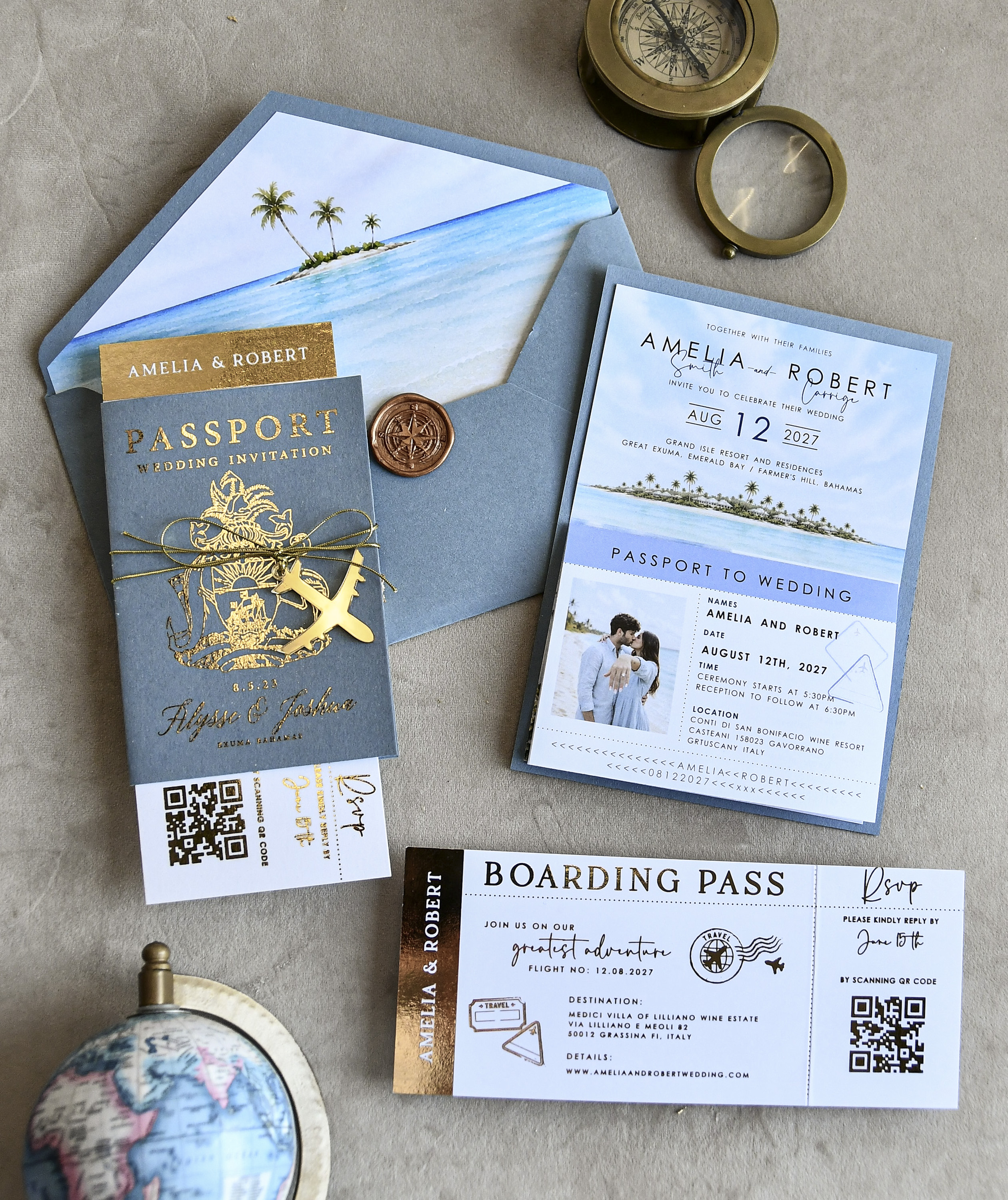
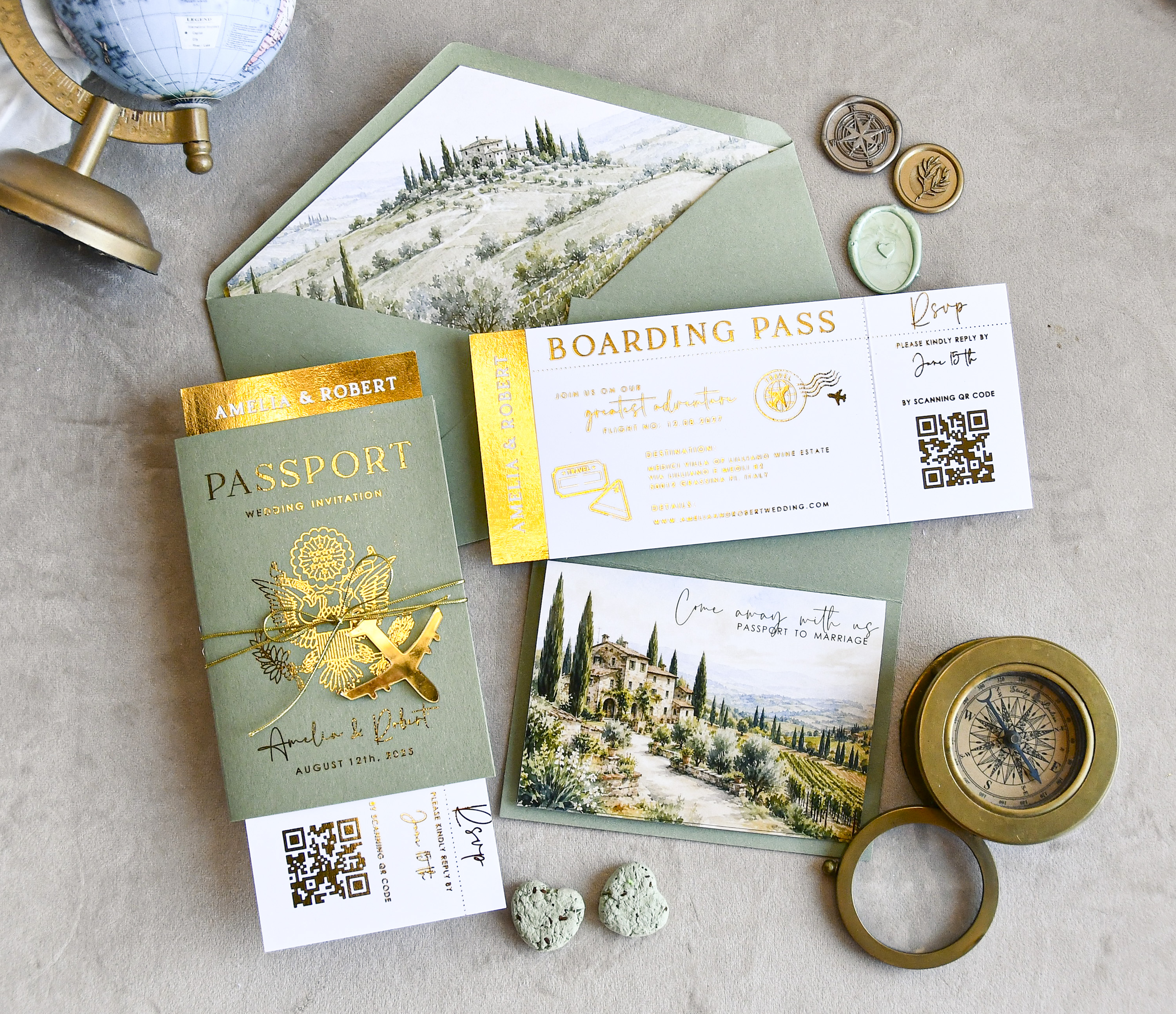
Addressing wedding invitations correctly is one of those details that feels small but speaks volumes. A properly addressed envelope signals care, respect, and attention to detail — qualities that set the tone for your entire celebration. Whether you're sending classic formal invites or destination-ready designs like our passport-style beach wedding invites, the addressing rules remain the same. This guide walks you through every scenario you'll encounter, with real examples you can copy.
The Basics: Inner vs. Outer Envelopes
Traditional wedding invitations include two envelopes: an outer envelope (the mailing envelope with full formal names and address) and an inner envelope (which lists exactly who is invited, including children or plus-ones). Many modern couples skip the inner envelope, and that's perfectly acceptable — just make sure all invited guests are named clearly on the outer envelope.
- Outer envelope: Use full names, titles, and complete mailing address. No abbreviations except standard state codes.
- Inner envelope: Use first names or titles only — this is where you specify who exactly is welcome (e.g., "Mr. and Mrs. Chen" on the outer, "James and Lily" on the inner).
Addressing Married Couples, Partners, and Singles
Use these formats as your go-to reference for the most common household types:
- Married couple, same last name: Mr. and Mrs. James Chen
- Married couple, different last names: Ms. Olivia Park and Mr. James Chen (list the person you know better first, or go alphabetically)
- Same-sex married couple: Follow the same rules — list names alphabetically or by closeness to you: Mrs. and Mrs. Sofia and Elena Ruiz
- Unmarried couple living together: List both names on one line if space allows, or on two separate lines — never combine with "and Mrs."
- Single guest with a plus-one: Outer envelope: Ms. Taylor Brooks and Guest
- Single guest, no plus-one: Ms. Taylor Brooks (one name signals one invitation)
When in doubt, write out both full names. It's always more respectful to be specific than to assume.
Including Children and Families
If children are invited, how you list them depends on their ages and your envelope style.
- Children under 18 (inner envelope only): List their first names below the parents' names — "Mr. and Mrs. Chen / Emma and Noah"
- Outer envelope with children invited: "The Chen Family" is acceptable, but listing all names is clearer and avoids confusion about whether kids are included.
- Adult children (18+) living at home: Send them their own separate invitation — they deserve to be addressed as individuals.
If children are not invited, address the envelope only to the parents by name. Most guests will understand the cue, though a polite note on your wedding website can help clarify your adults-only policy.
Titles, Degrees, and Special Circumstances
Professional titles and academic degrees matter to many guests — acknowledging them shows thoughtfulness.
- Medical doctor: Dr. Sarah Patel and Mr. Raj Patel (the titled person is listed first regardless of gender)
- Both doctors: Drs. Sarah and Raj Patel, or The Doctors Patel
- Military titles: Use the full rank — Captain James Monroe and Mrs. Monroe
- Ordained clergy: Reverend and Mrs. Daniel Walsh
- Widowed guests: Continue using "Mrs." with her late husband's name unless you know she has returned to her maiden name
- Divorced guests: Use her current preferred name — never assume she kept her married name
When you're unsure of someone's preferred title or pronouns, it's always okay to ask a mutual friend or simply use their full name without a title.
Handwriting, Printing, and Final Checks
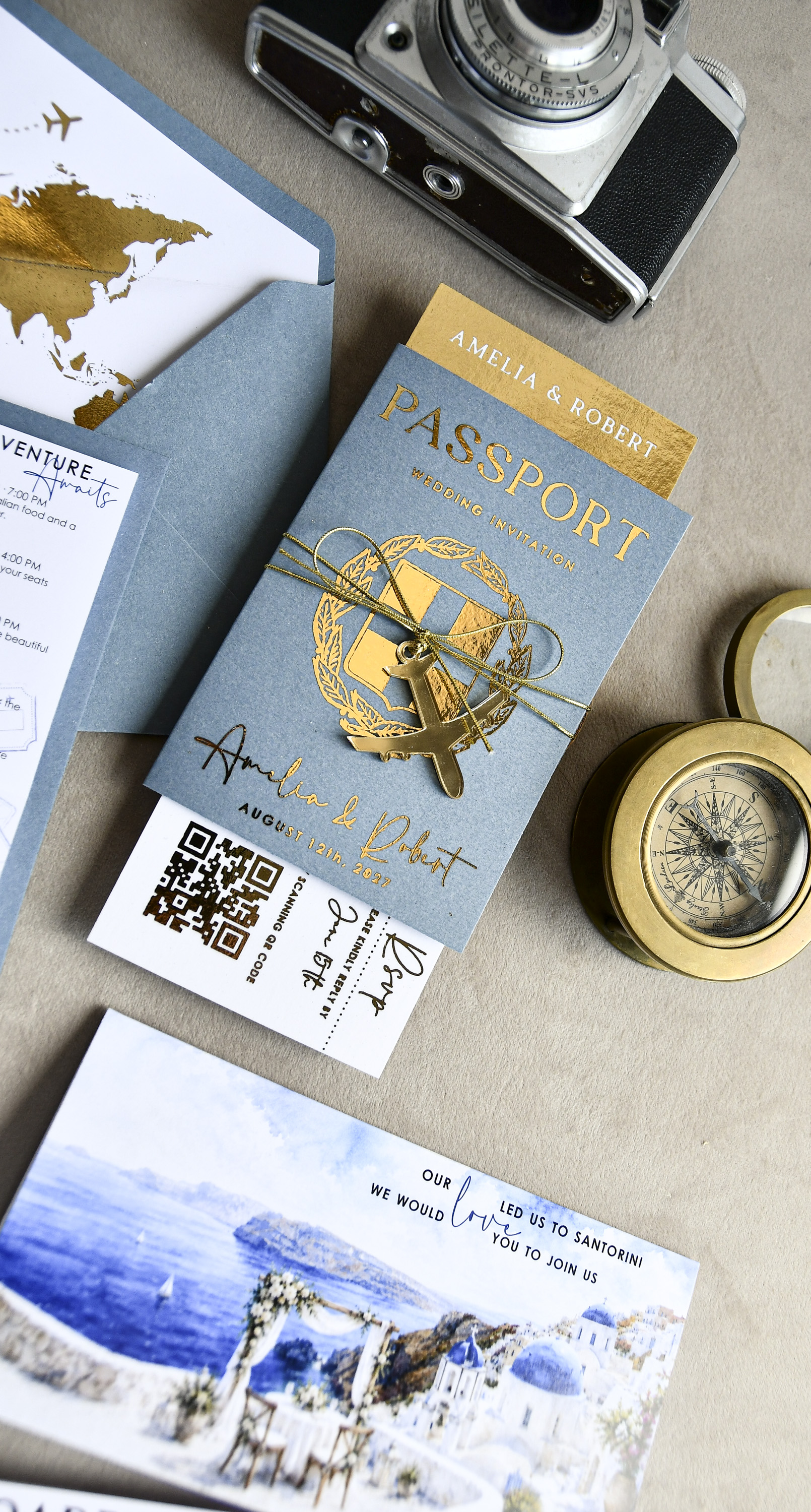
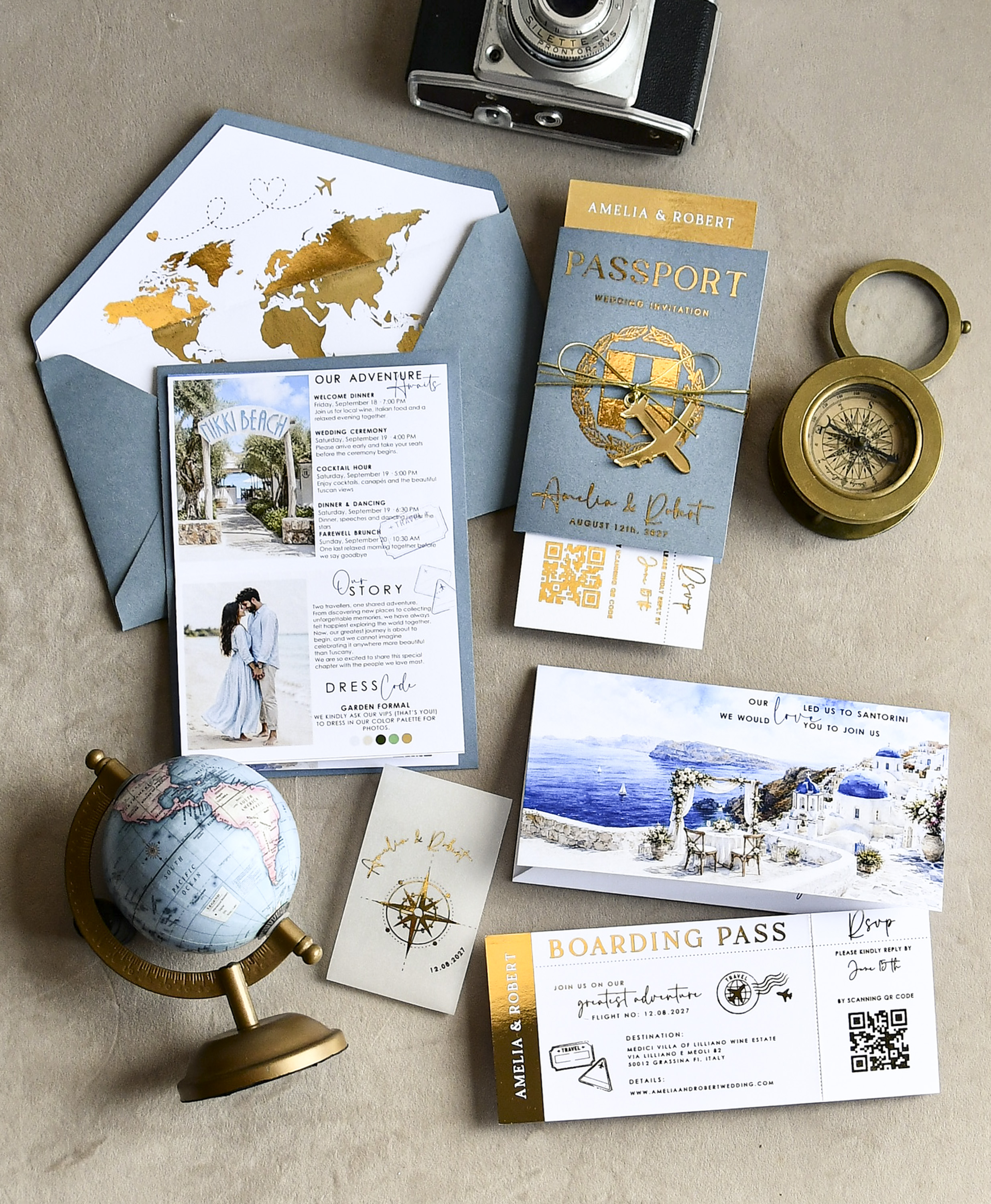
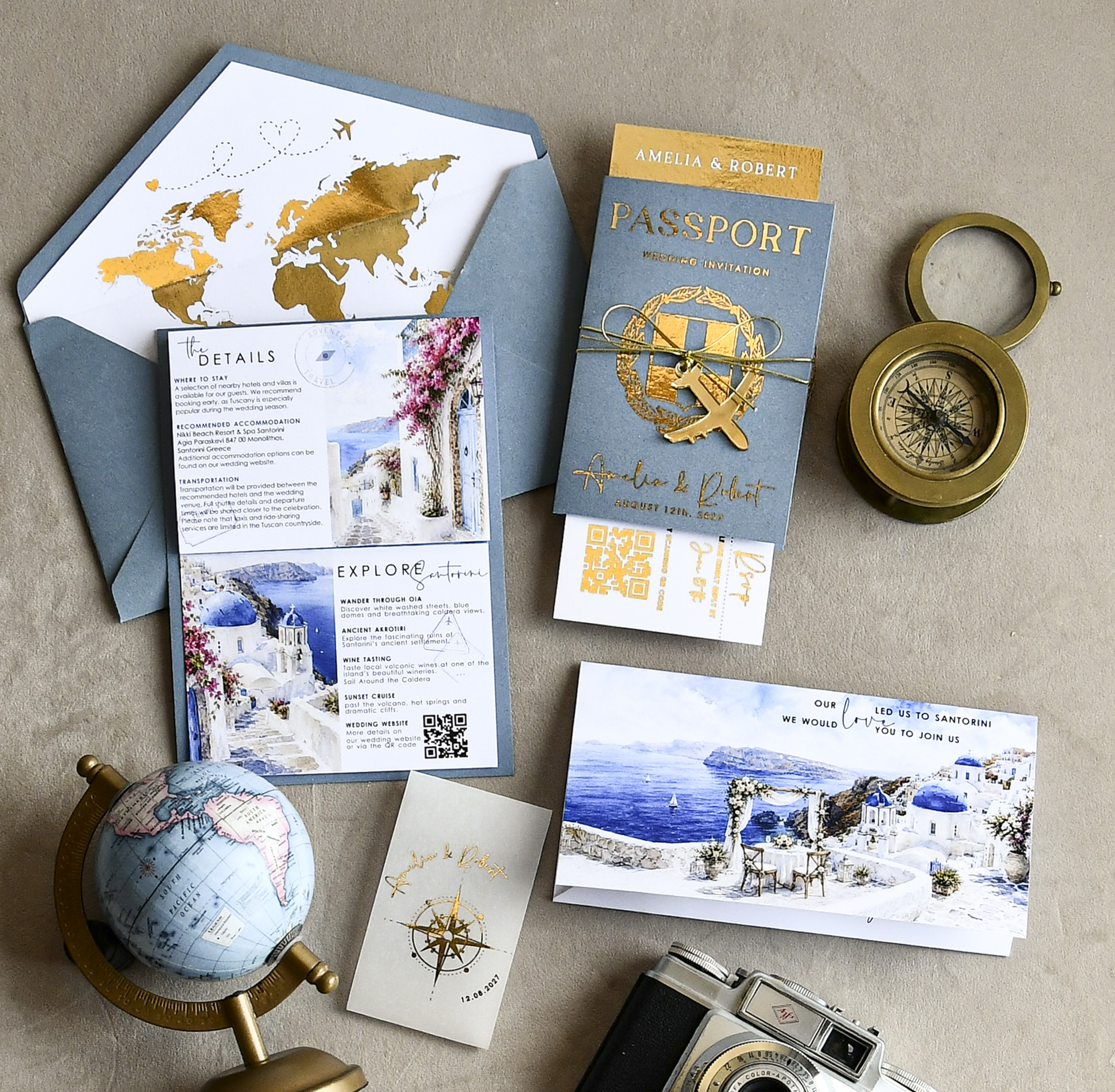
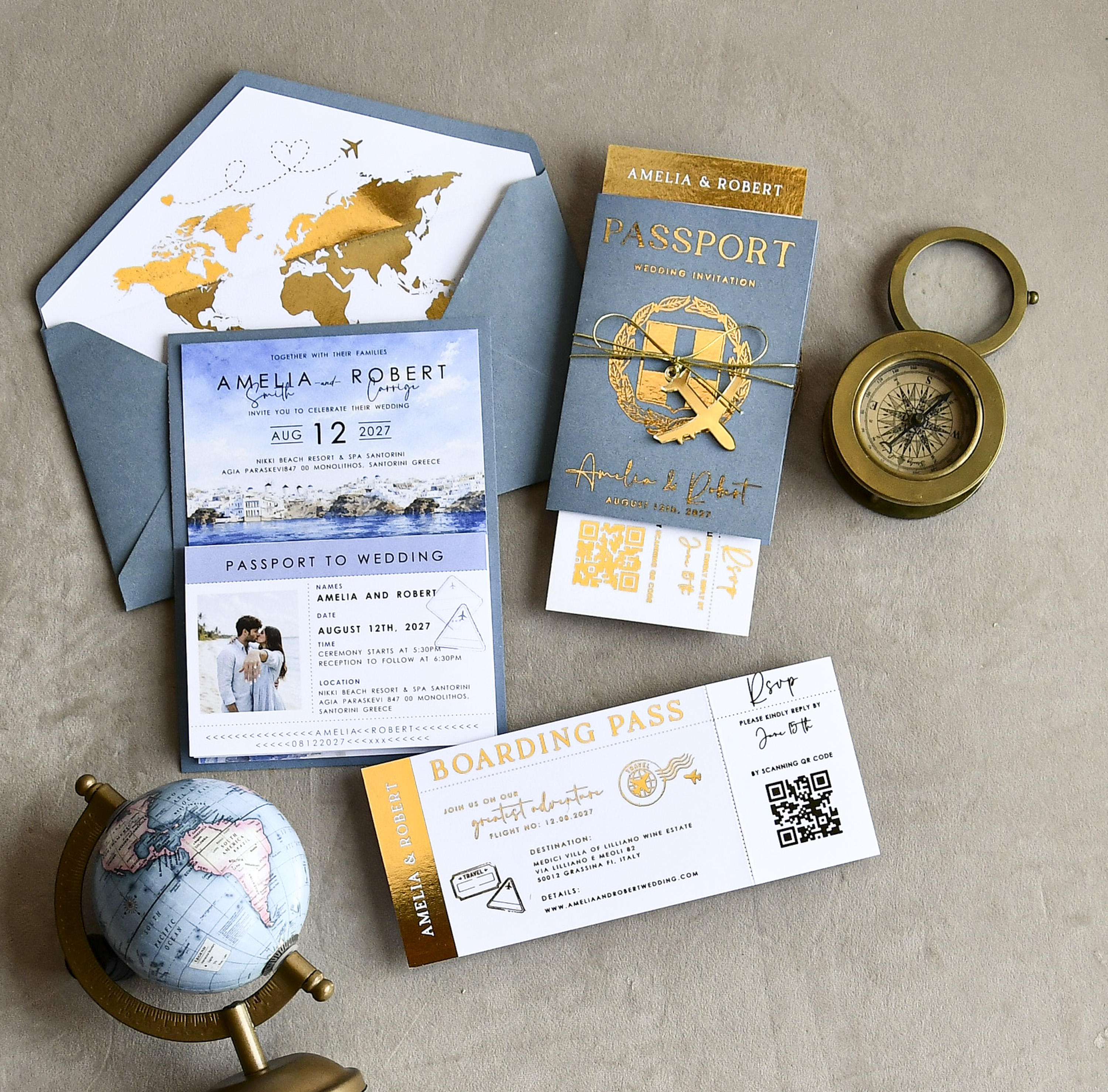
Once you've mastered the rules, the presentation matters just as much. Whether your invitations are classic letterpress or destination-themed designs — like our passport-to-love beach wedding invites that set a perfectly adventurous tone — the envelope addressing should match the formality and style of your suite.
- Handwritten calligraphy is the gold standard for formal weddings. Hire a calligrapher 6–8 weeks before your mail date.
- Printed labels are practical and look polished if done in a matching font. Avoid generic label sheets — use clear or kraft labels that complement your stationery.
- Printed directly on envelopes gives a clean, modern look and is increasingly popular for destination and casual weddings.
- Always order 15–20% extra envelopes to account for mistakes and last-minute additions.
- Do a final proofread pass — check every spelling, zip code, and apartment number before sealing.
Mail invitations 6–8 weeks before your wedding date, or 10–12 weeks for destination weddings, to give guests enough time to RSVP and make travel arrangements.
Frequently Asked Questions
It's better to avoid "and family" because it's vague and can cause confusion about whether children or extended relatives are invited. Either list every invited person by name or use "The [Last Name] Family" only when you're certain every member of that household is included.
This is traditional but increasingly considered outdated because it erases the wife's identity. A more respectful modern approach is "Mr. and Mrs. James and Olivia Chen" or simply "Olivia and James Chen." Follow the preference of the couple you're inviting if you know it.
Use "Mx." as the title — for example, "Mx. Jordan Riley." If you're unsure what title a guest prefers, it's completely appropriate to use their full name with no title at all, which is always respectful and neutral.
On formal wedding invitation envelopes, tradition calls for spelling out the full state name ("California" not "CA"). However, using the two-letter postal abbreviation is widely accepted today and causes no delivery issues — choose whichever matches the formality of your stationery.
Always double-check spelling before addressing — a misspelled name is one of the most noticeable etiquette slip-ups. Check social media profiles, ask a mutual friend, or reach out to the guest directly; most people appreciate the effort and won't mind being asked.
For destination weddings, mail invitations 10–12 weeks in advance so guests have ample time to arrange travel, accommodations, and time off work. It's also a good idea to send save-the-dates 9–12 months ahead for destination celebrations.
See This Design Up Close
You May Also Like
More Wedding Planning Guides
- → The Complete Guide to What Goes on a Wedding Invitation
- → Plus One Etiquette: Exactly Who Makes the Cut at Your Wedding
- → How to Navigate a Wedding When Your Divorced Parents Are at War
- → Inviting Guests to the Ceremony But Not the Reception: What You Need to Know
- → The Case for a Small Wedding: Everything You Need to Know
- → When to Send Wedding Invitations: A Complete Timeline Guide
- → Who Gets Cut First When Your Guest List Is Too Long?
- → Do You Have to Invite Your Future In-Laws' Friends to Your Wedding?
- → Coworkers and the Wedding Guest List: How to Decide Who Gets an Invite
- → Yes, Guests Can RSVP Online — Here's How to Make It Work Beautifully
- → More Guests or a More Memorable Wedding? How to Choose What's Right for You
- → Inviting Your Ex to Your Wedding: A Practical Guide to Making the Right Call
- → Do You Have to Invite Your Cousins to Your Wedding?
- → How to Figure Out the Right Number of Wedding Invitations to Order
- → Should You Invite an Estranged Sibling to Your Wedding?
- → Going Digital: Everything You Need to Know About Sending Online Wedding Invitations
- → No-Shows After a Yes RSVP: How to Handle It Gracefully
- → Navigating the 'Them or Me' Wedding Guest Ultimatum
- → When Parents Want to Add Friends to the Guest List: A Practical Guide
- → No Kids at Your Wedding: Navigating the Etiquette With Confidence
- → How to Defuse Family Arguments Without Losing Your Mind Before the Wedding
- → Uninvited Plus-Ones and Tag-Alongs: How to Keep Your Guest List Intact
- → When Family Feuds Threaten Your Wedding Plans: A Practical Peacekeeper's Guide
- → Inviting an Estranged Brother or Sister: Finding Clarity Before You Seal the Envelope
- → Cousins, Invites, and Hard Choices: A Practical Guest List Guide