
How to Navigate a Wedding When Your Divorced Parents Are at War

You're engaged, you're excited, and then reality sets in: your divorced parents can't be in the same room without tension thick enough to cut with a cake knife. You're not alone — this is one of the most common stressors couples face when planning a wedding. The good news is that with clear communication, smart logistics, and firm boundaries, you can absolutely have a beautiful, drama-free celebration. Here's exactly how to do it.
Have the Hard Conversation Early — With Each Parent Separately
Don't wait until the week of the wedding to address the elephant in the room. As soon as you get engaged, have a private, one-on-one conversation with each parent. Be direct but kind: "I need you to promise me that whatever is between you and [other parent] stays completely separate from our wedding day."
Set clear expectations upfront:
- No snide comments, eye-rolls, or cold shoulders in front of guests
- No recruiting siblings, step-parents, or relatives to take sides
- No drama during photos, toasts, or the reception
Frame it around love, not ultimatums — but be honest that you will make hard decisions (including limiting their involvement) if boundaries aren't respected. Most parents, when spoken to privately and seriously, will rise to the occasion.
Use Your Stationery and Seating Plan as Your First Line of Defense
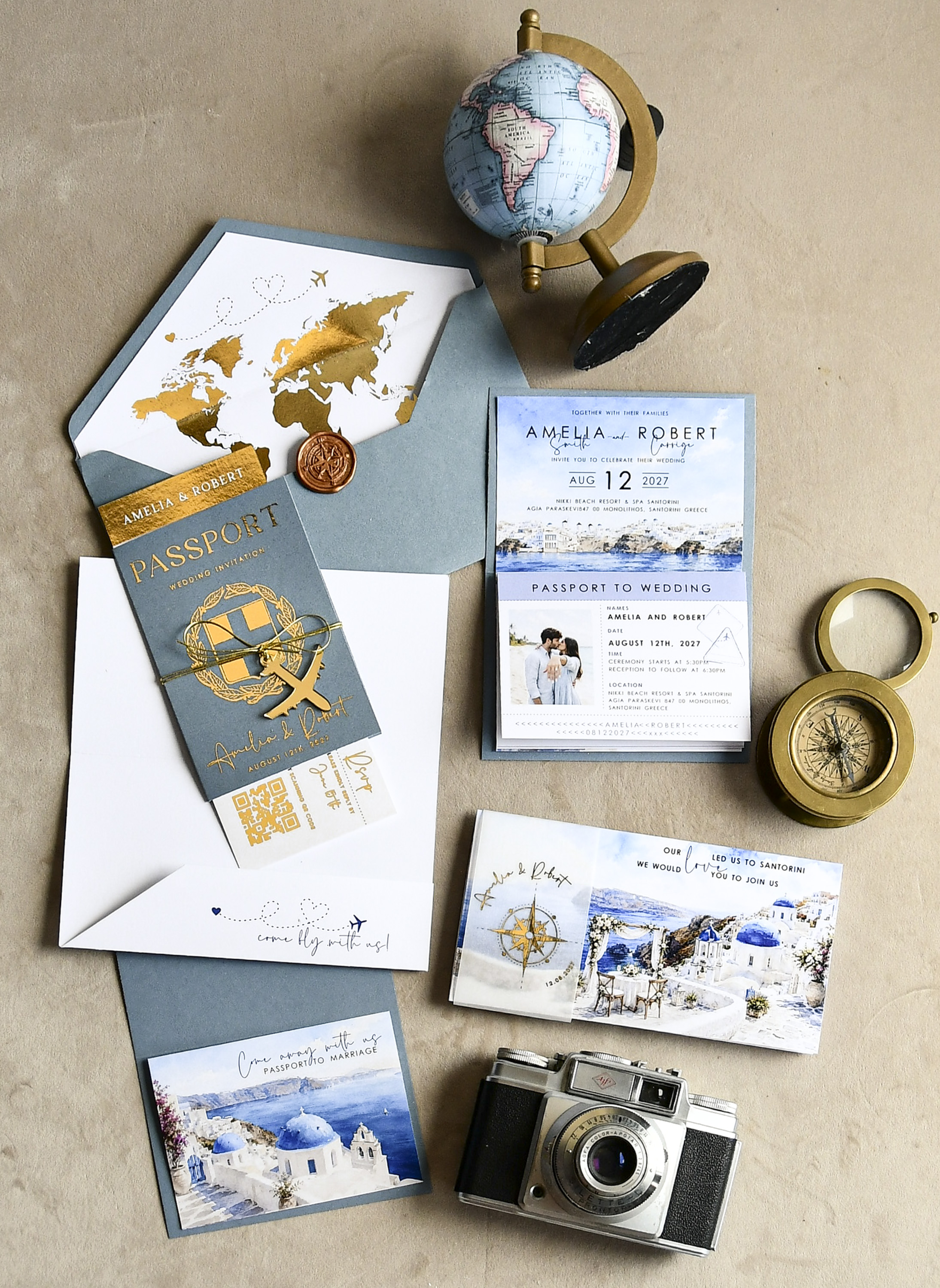
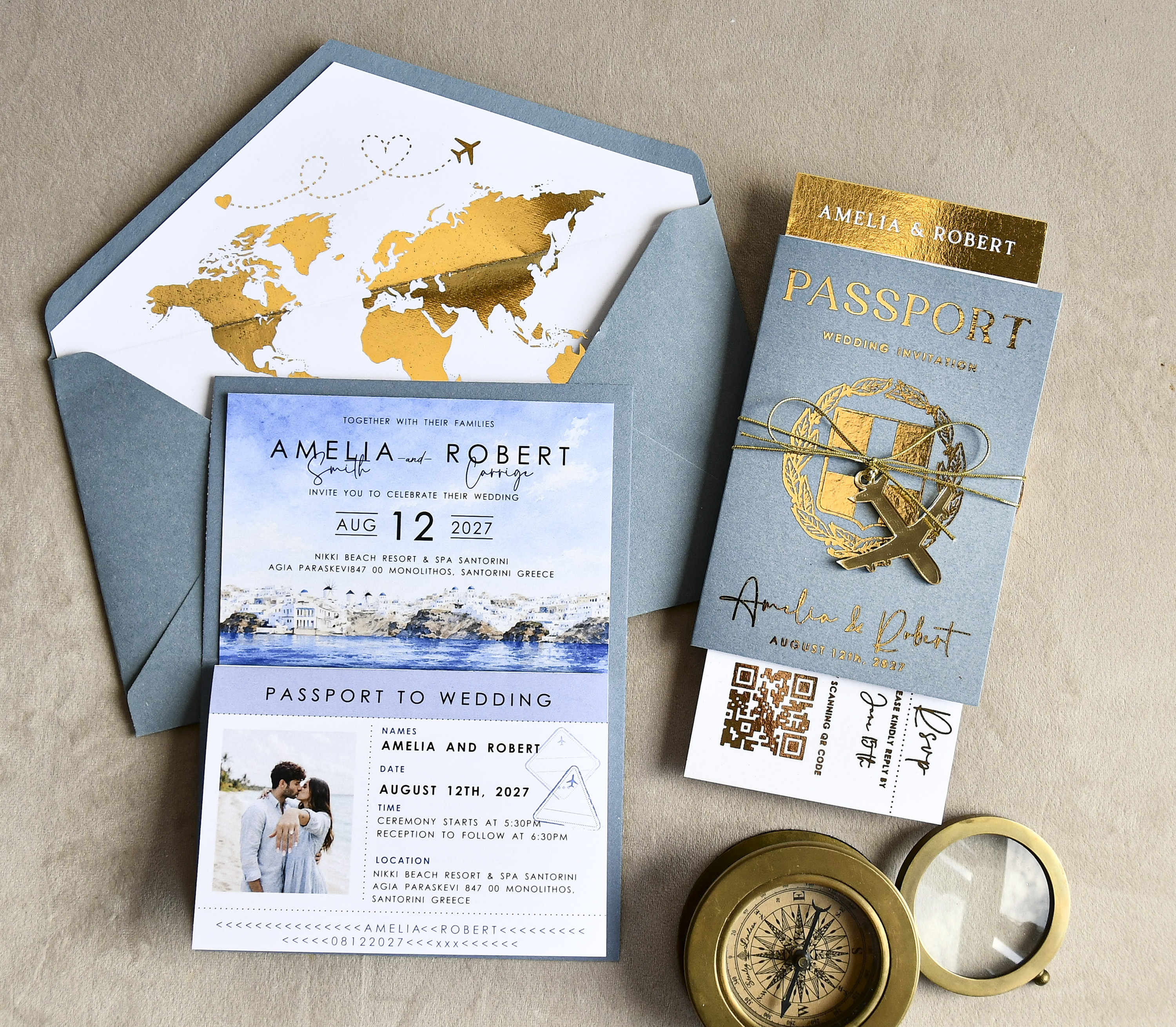
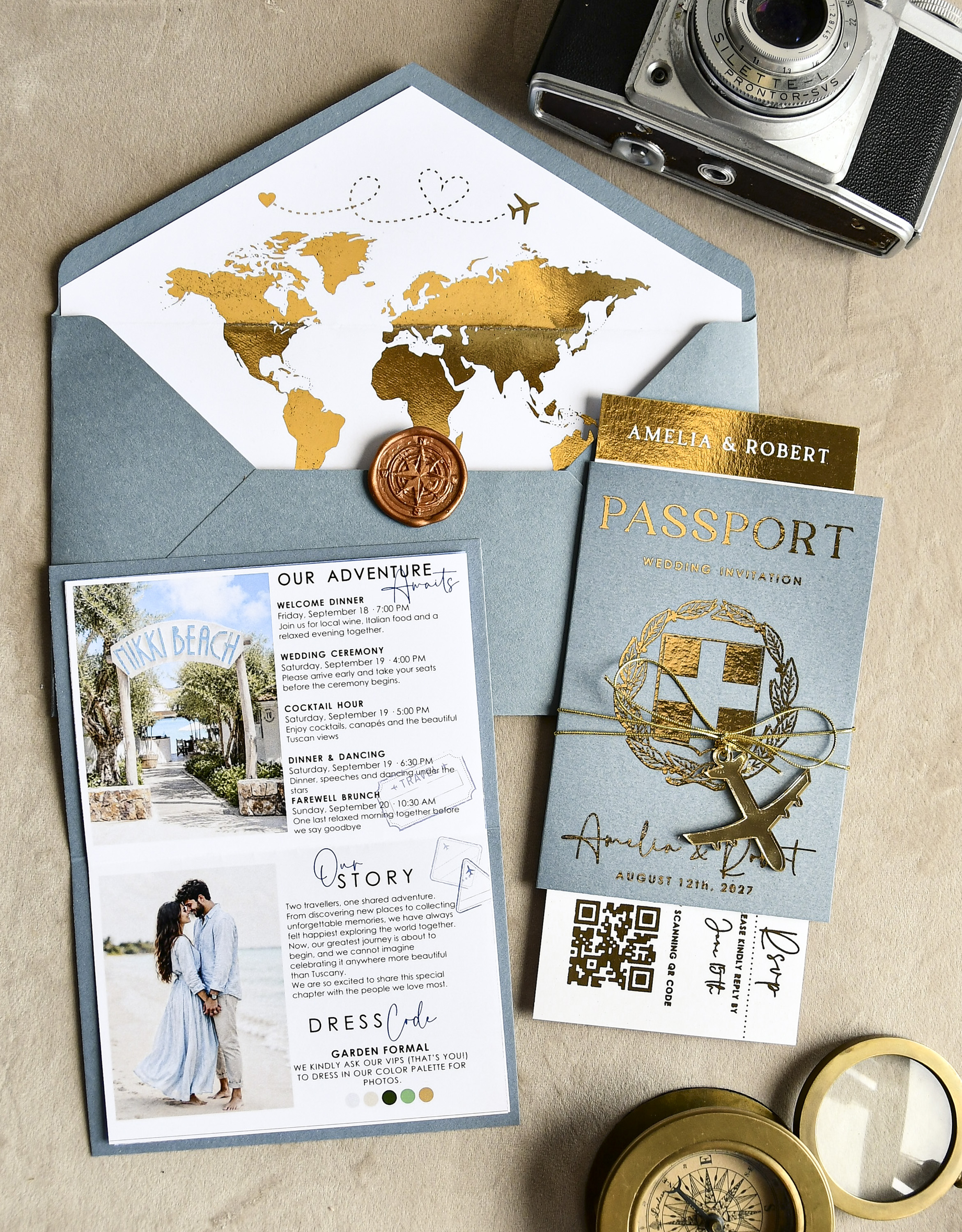
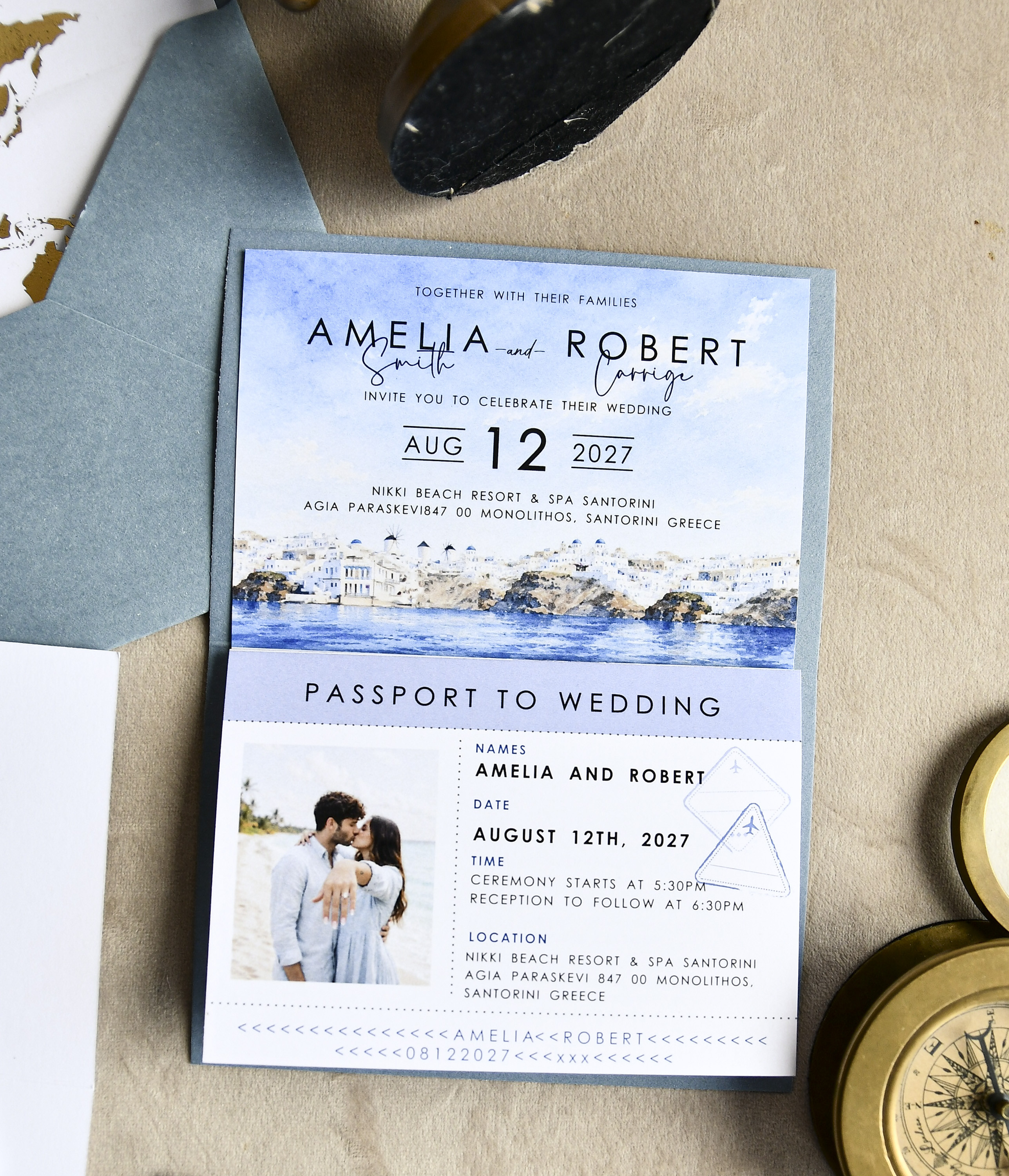
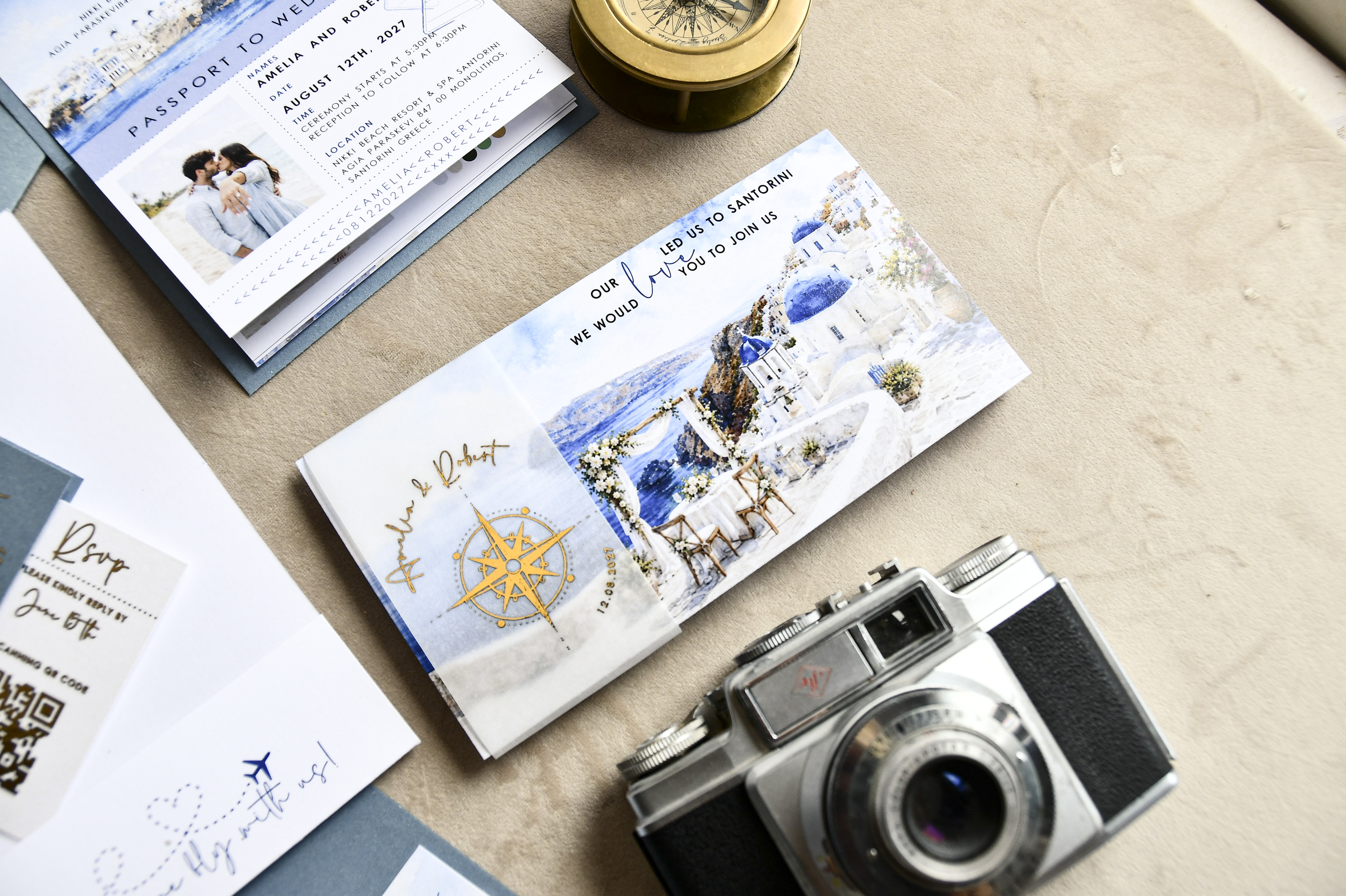
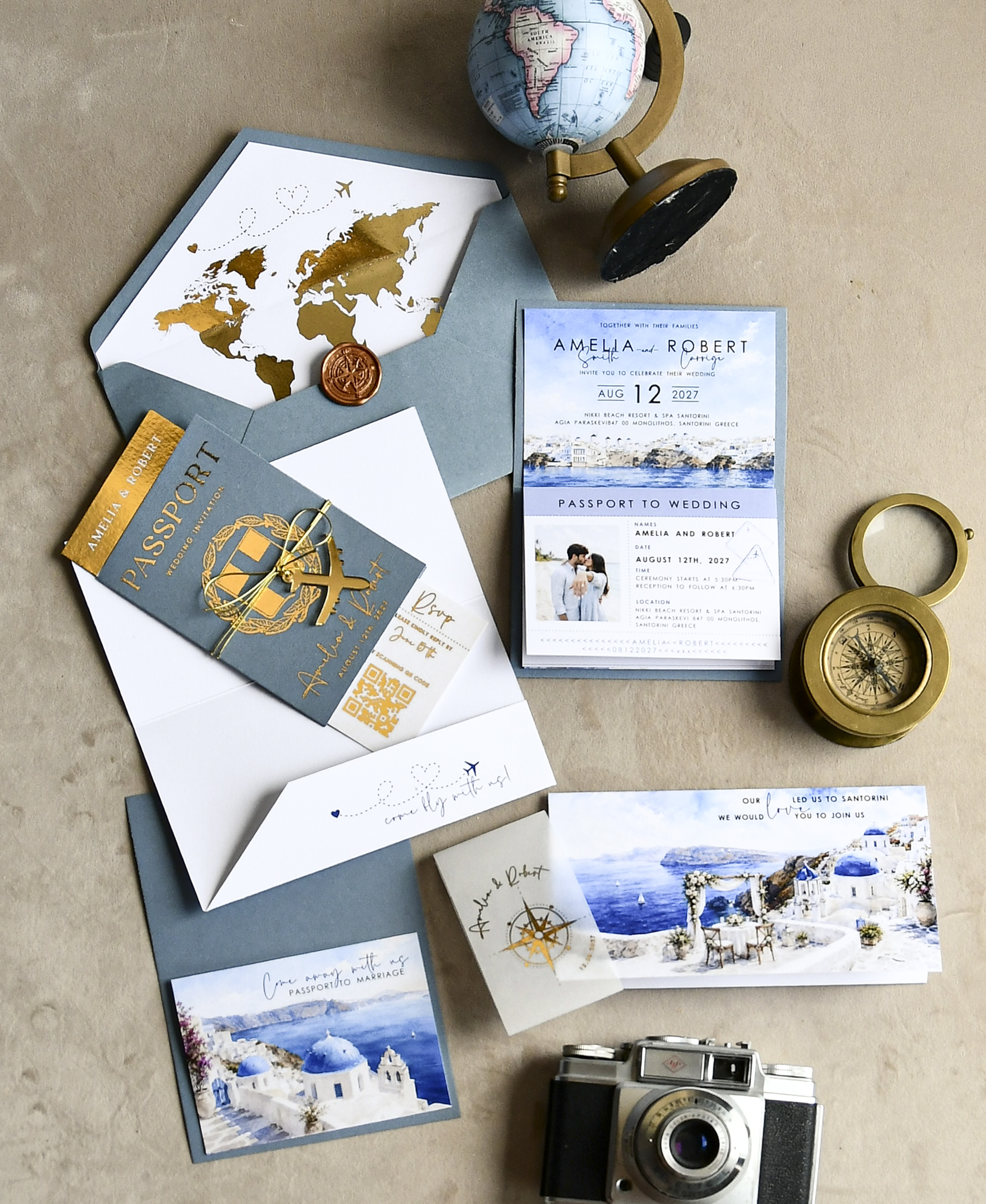
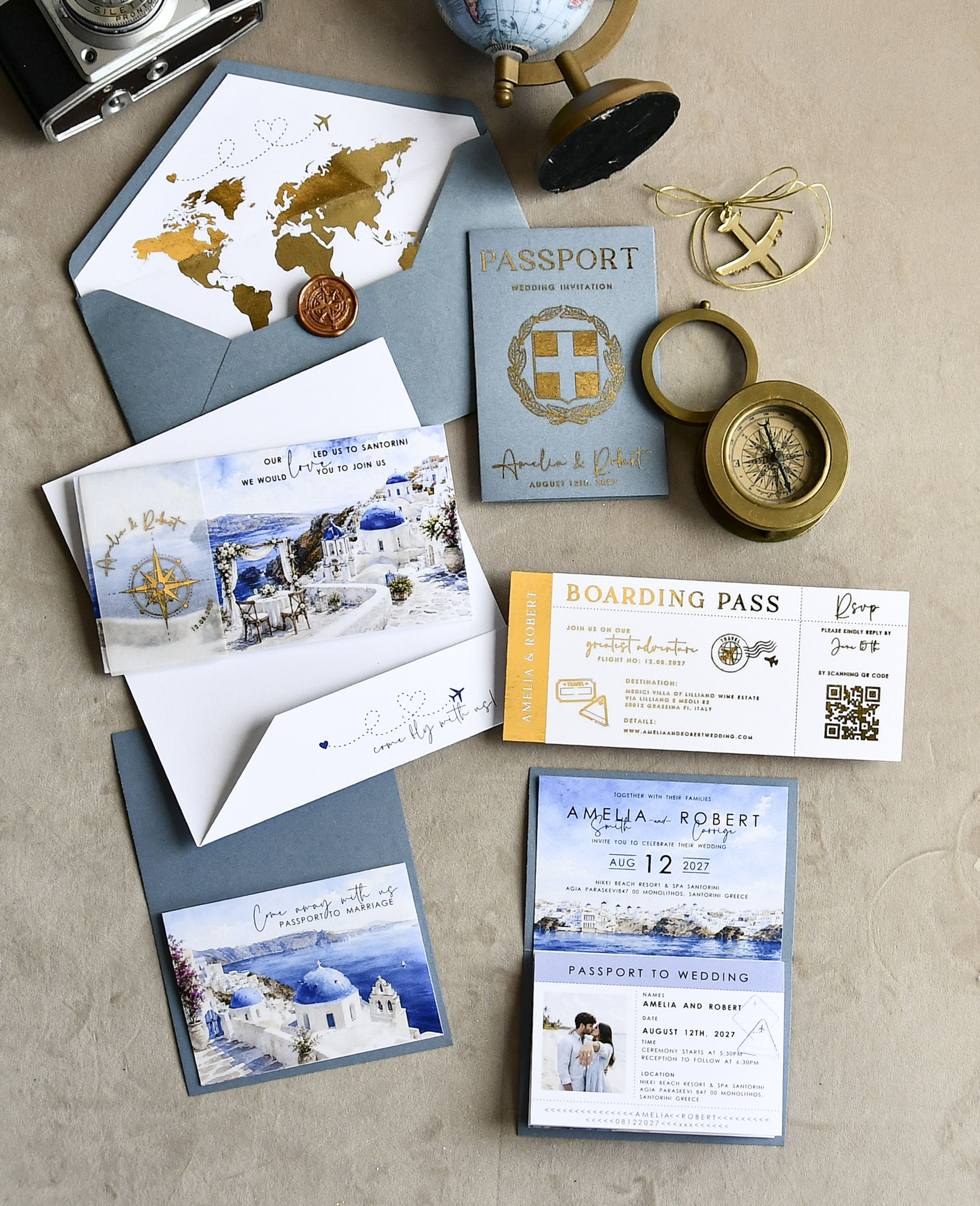
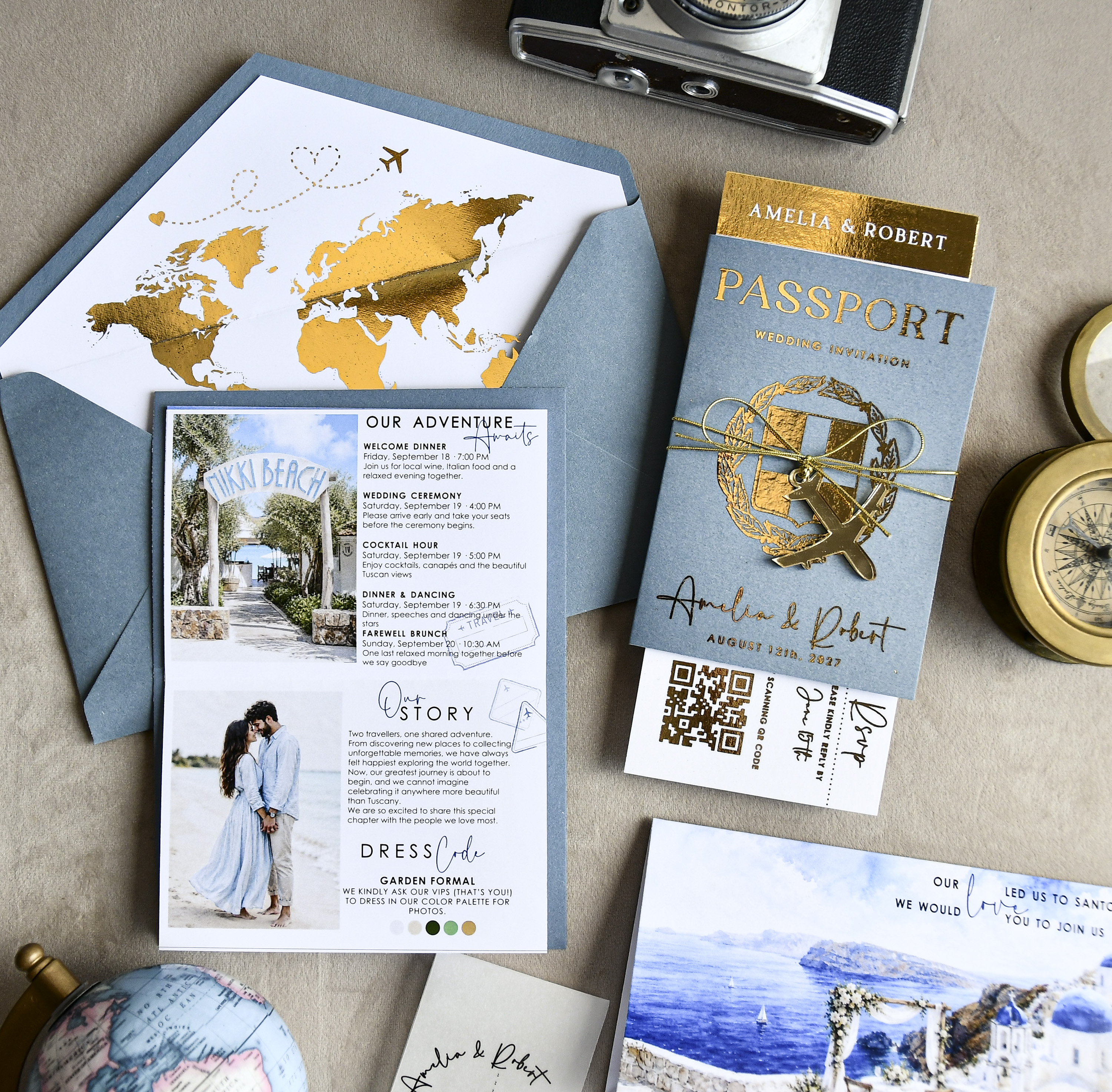
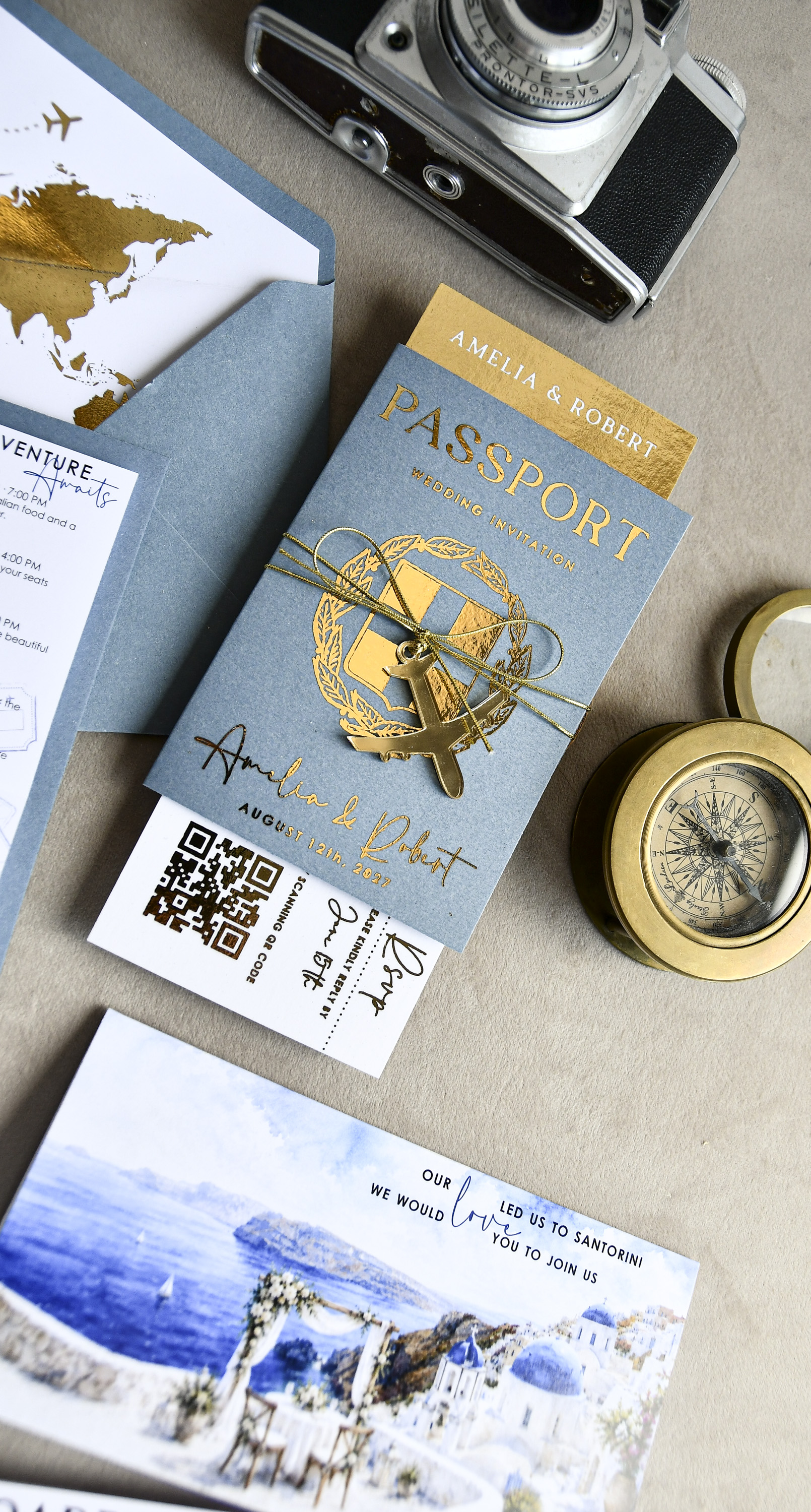
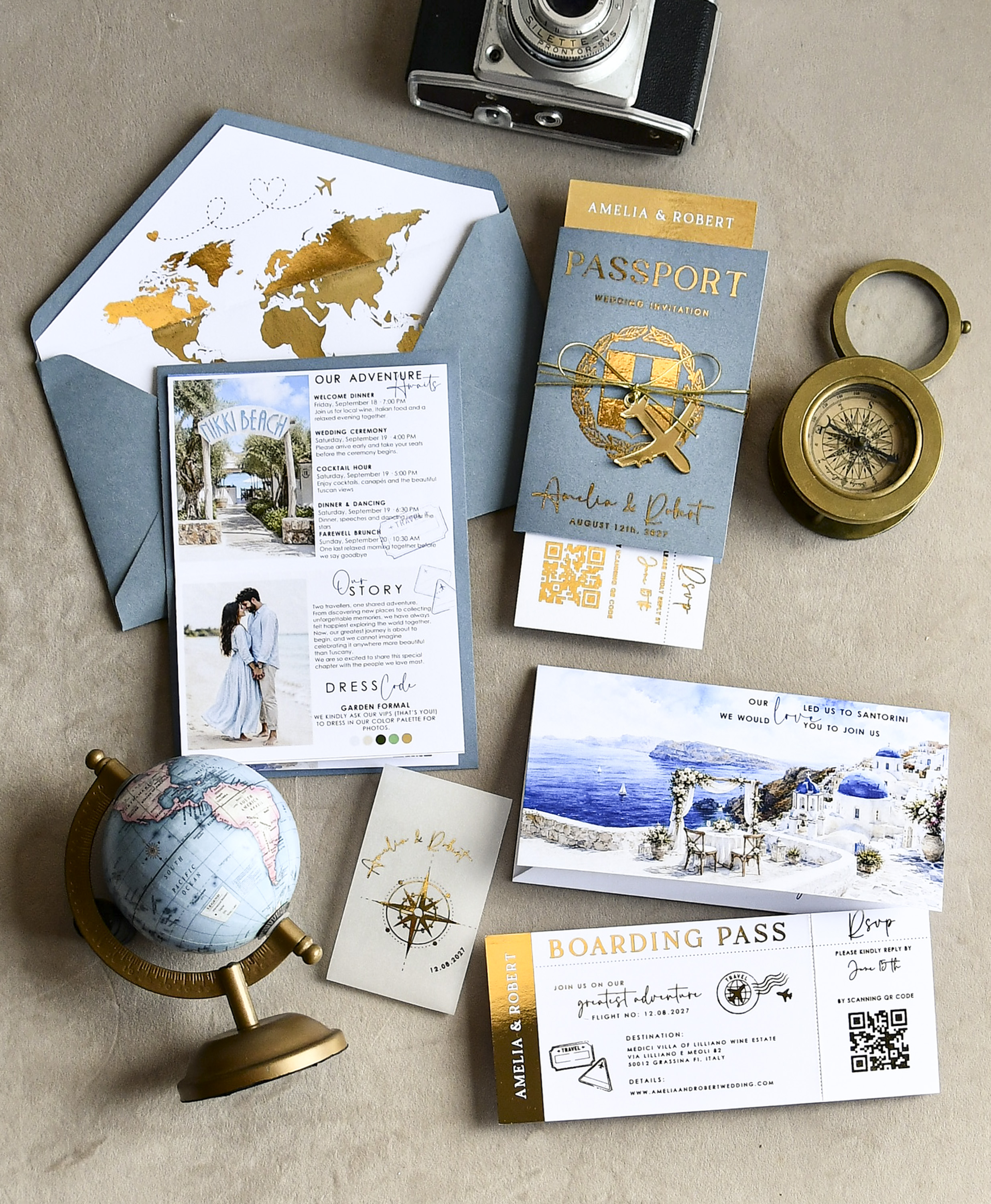
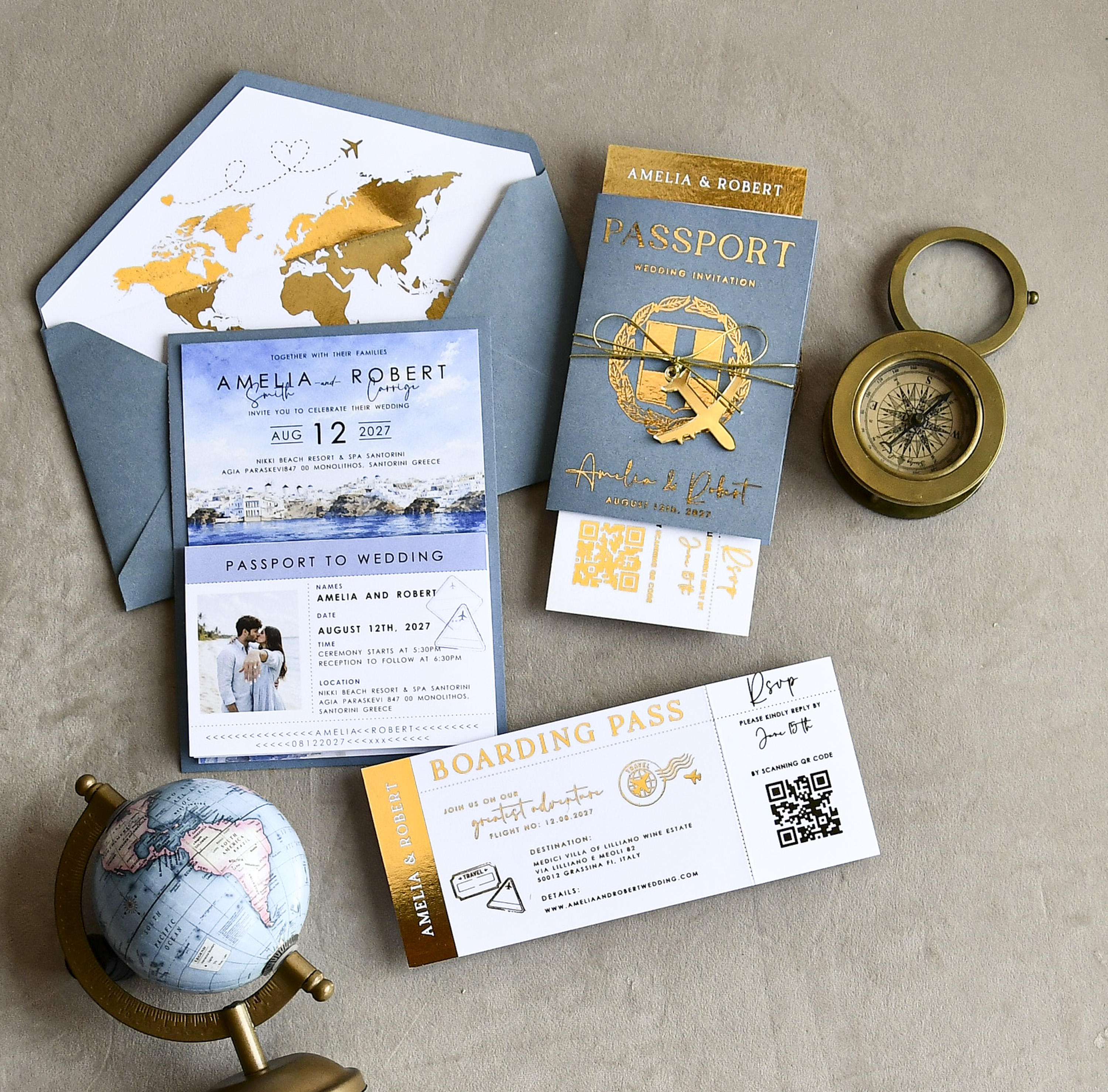
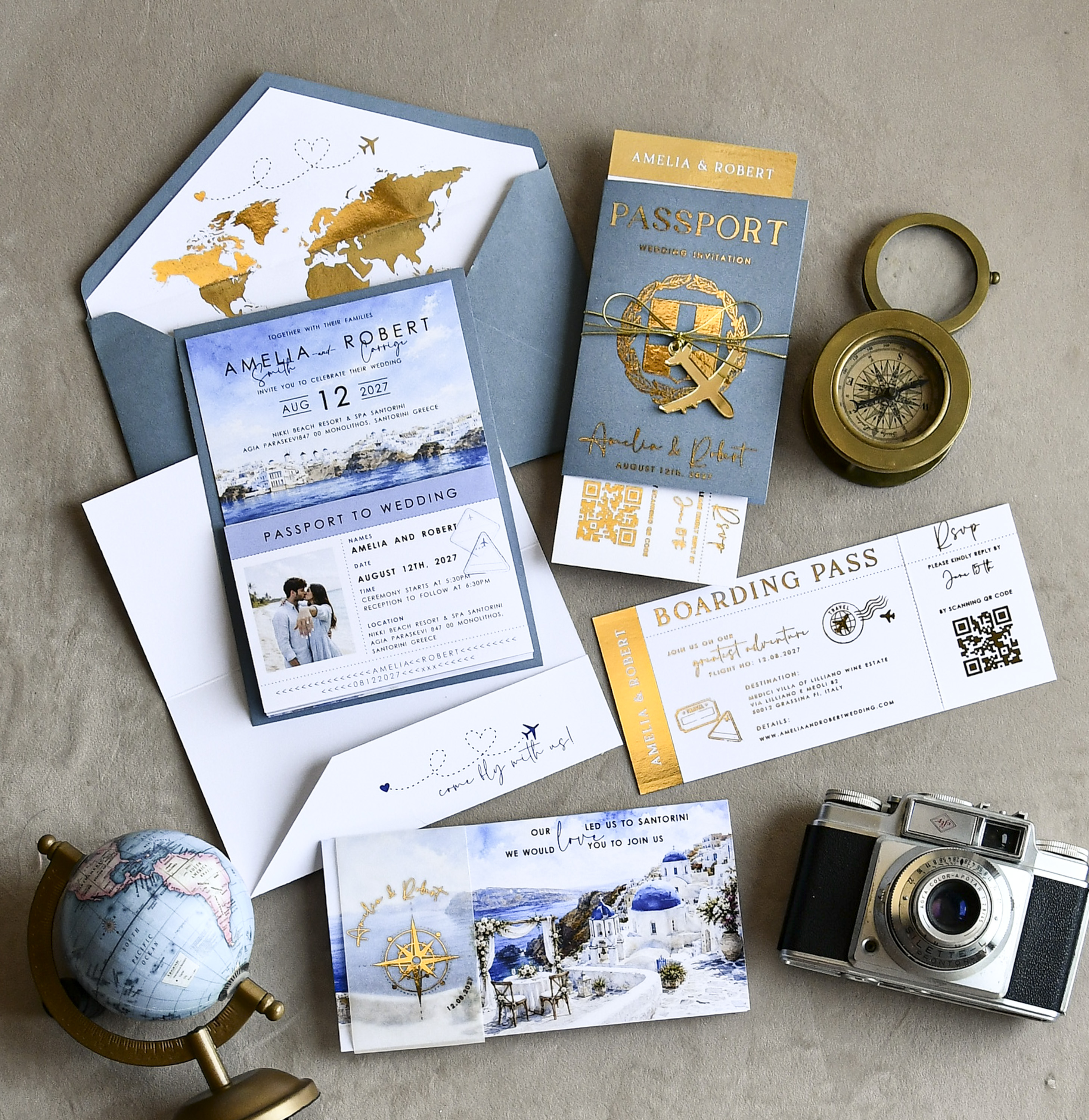
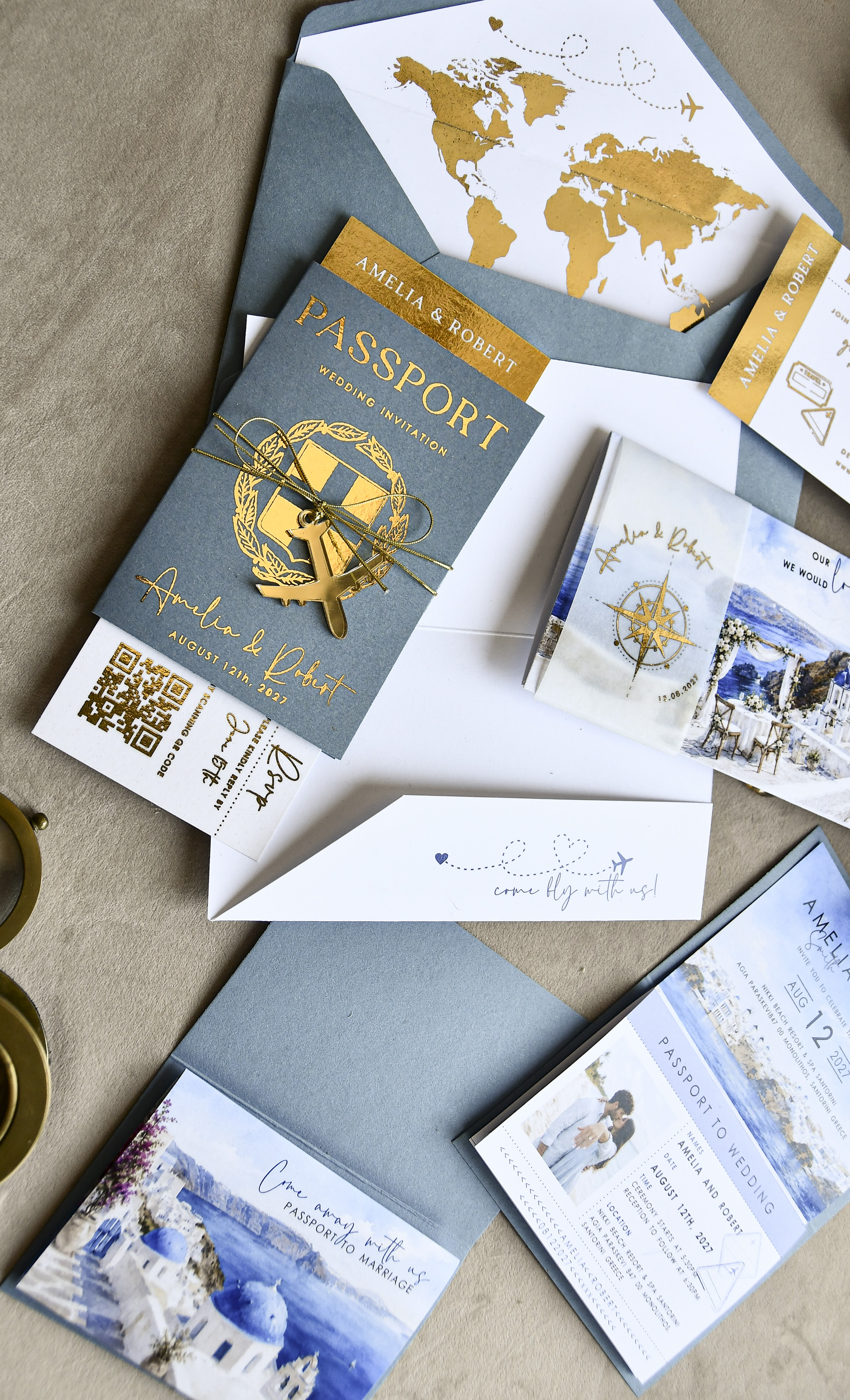
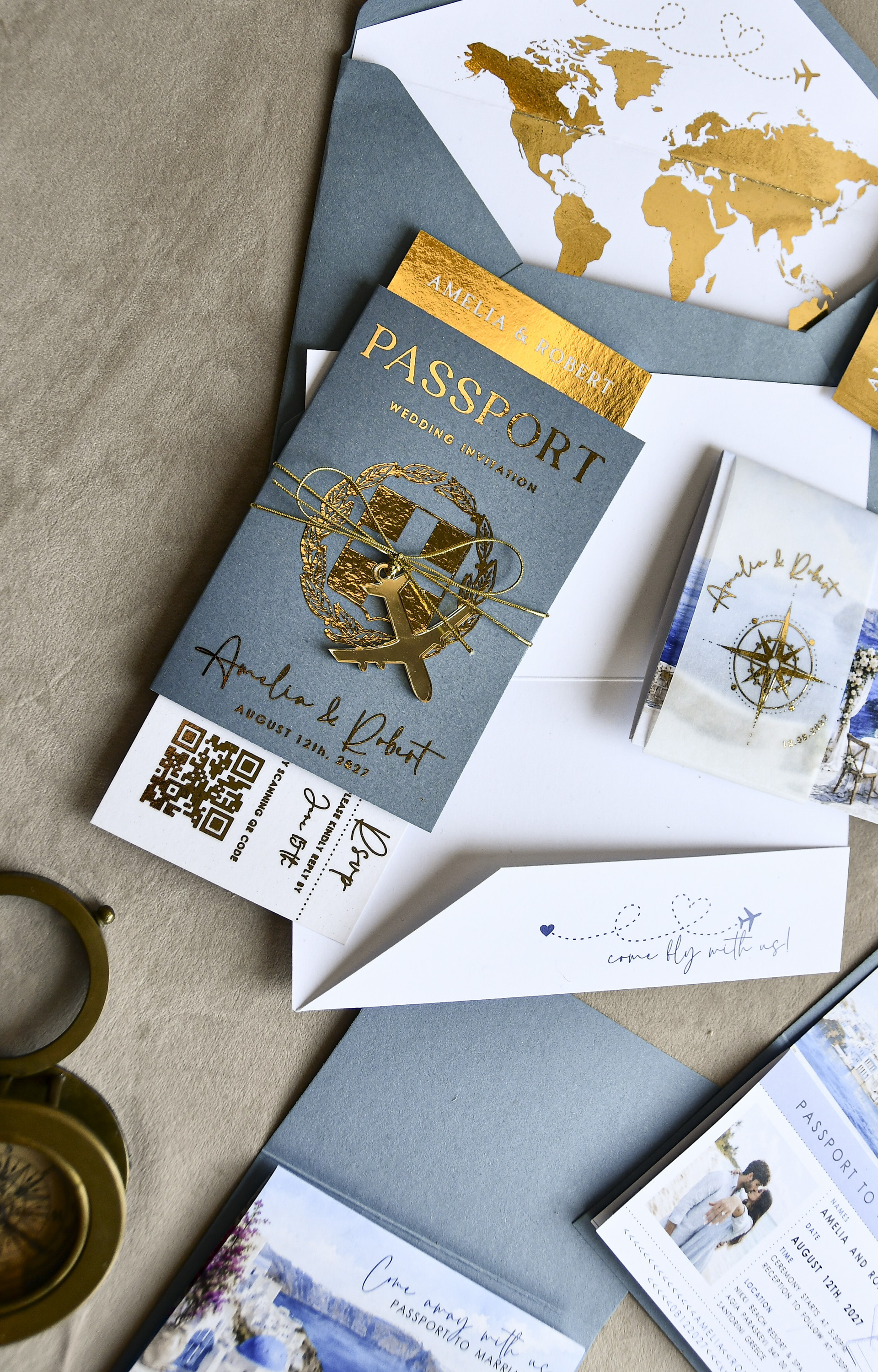
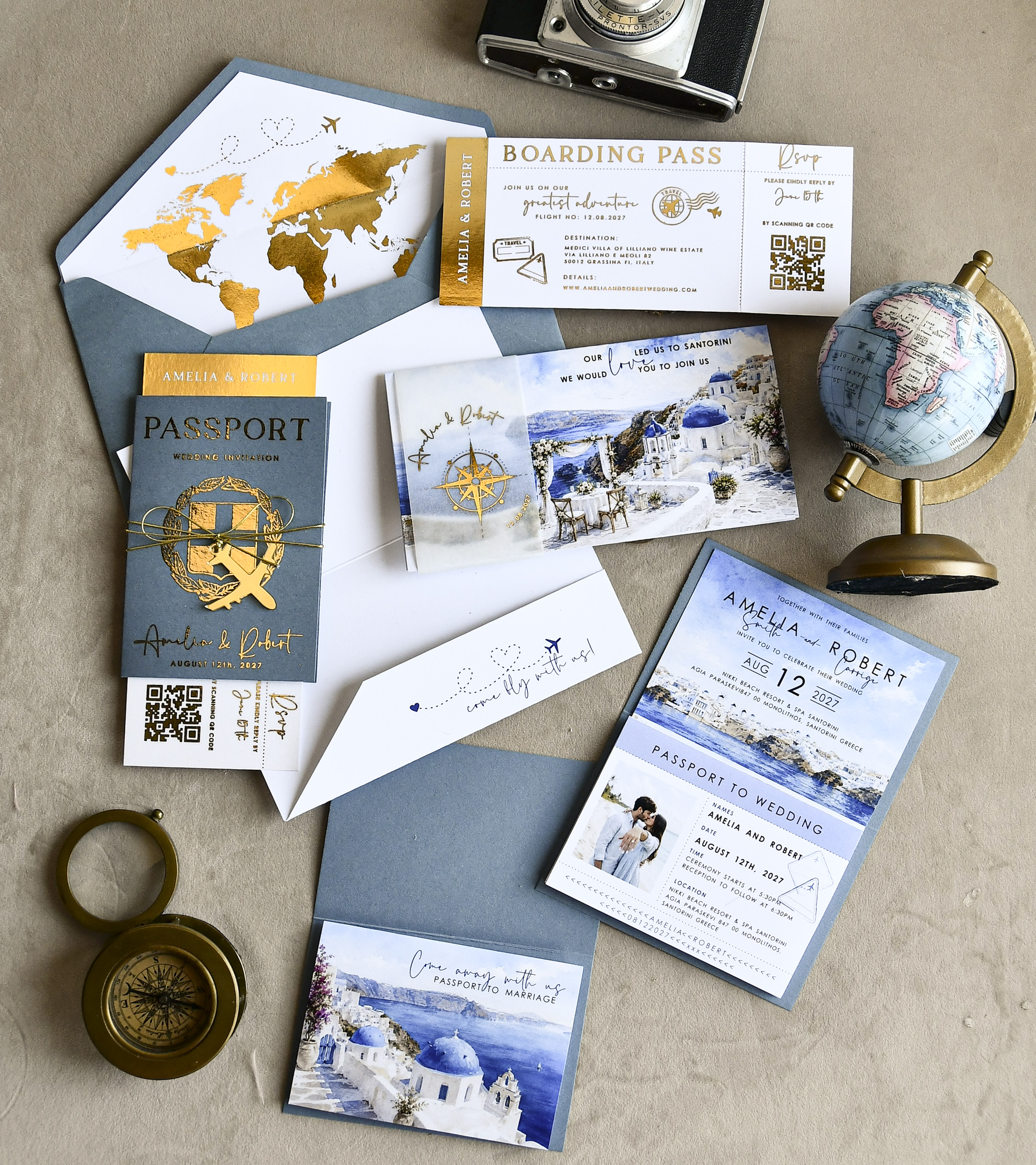
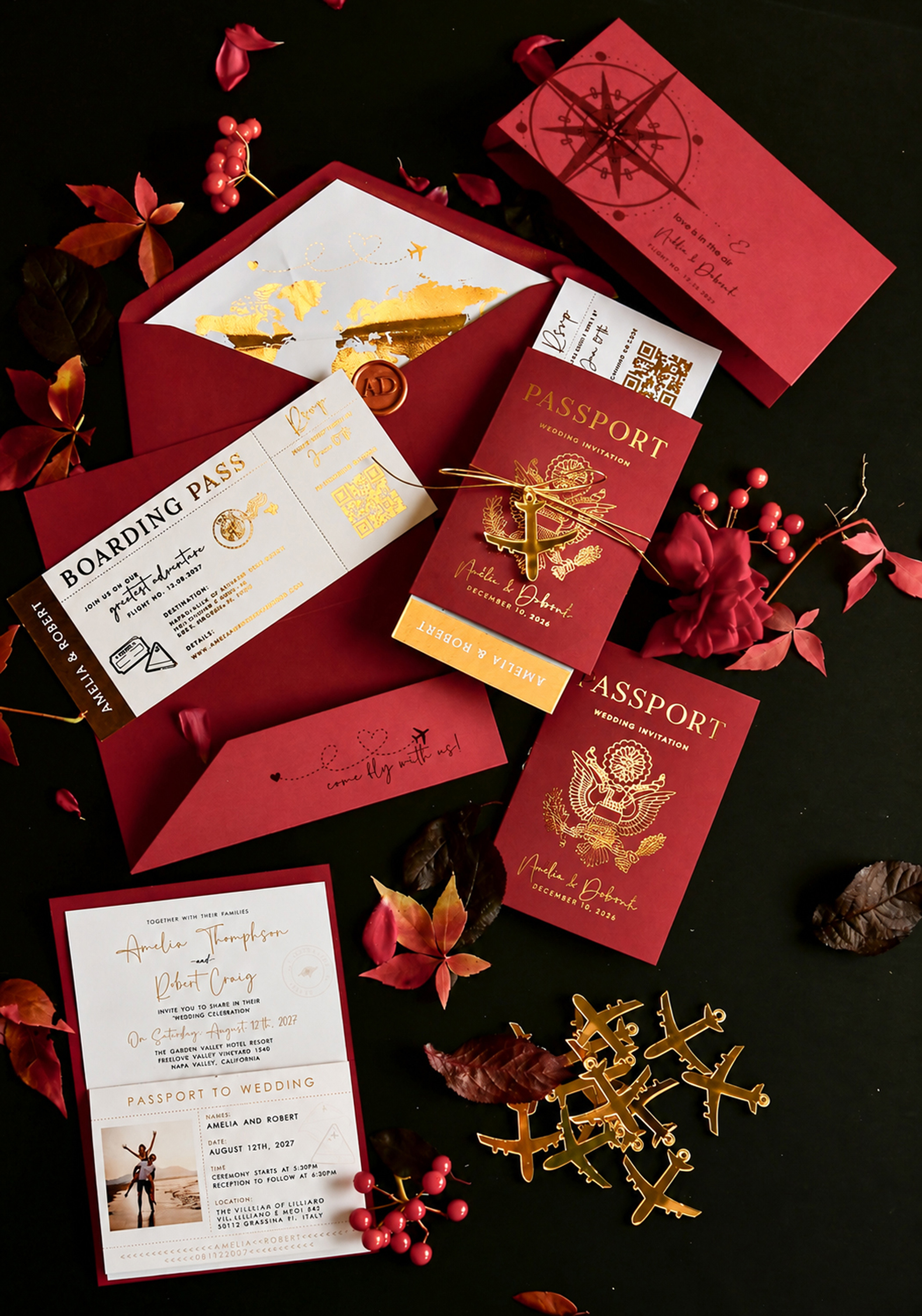
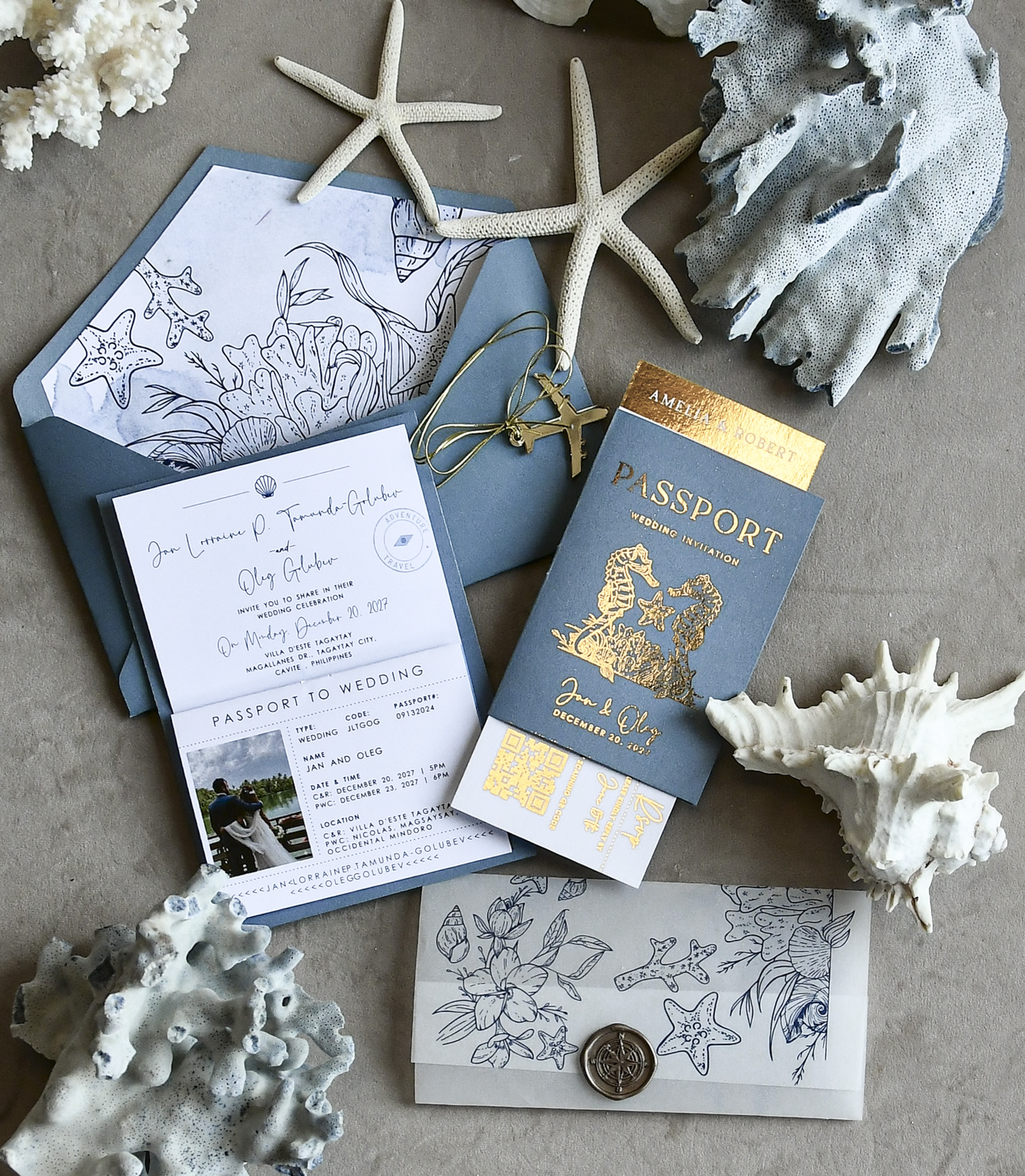
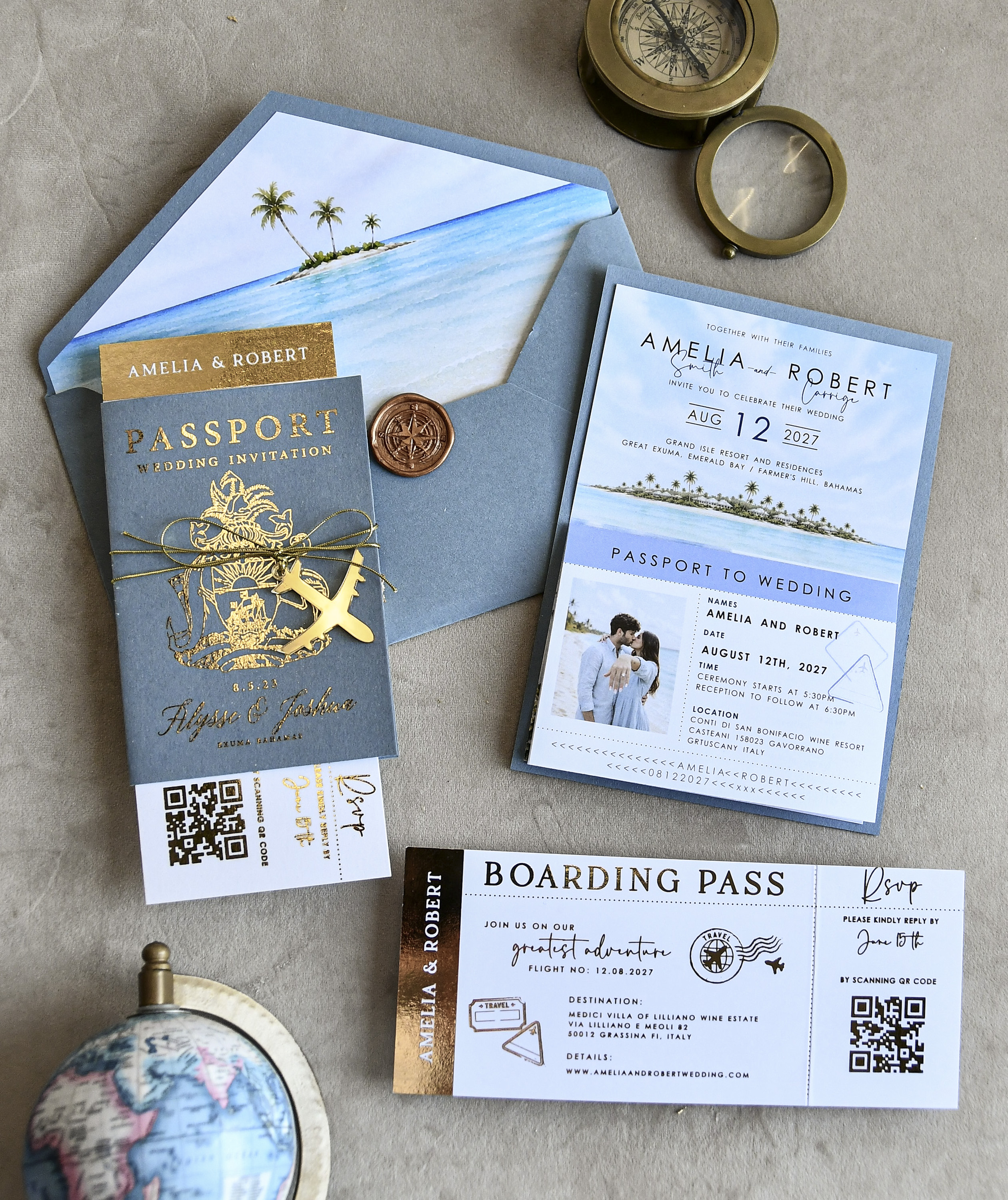
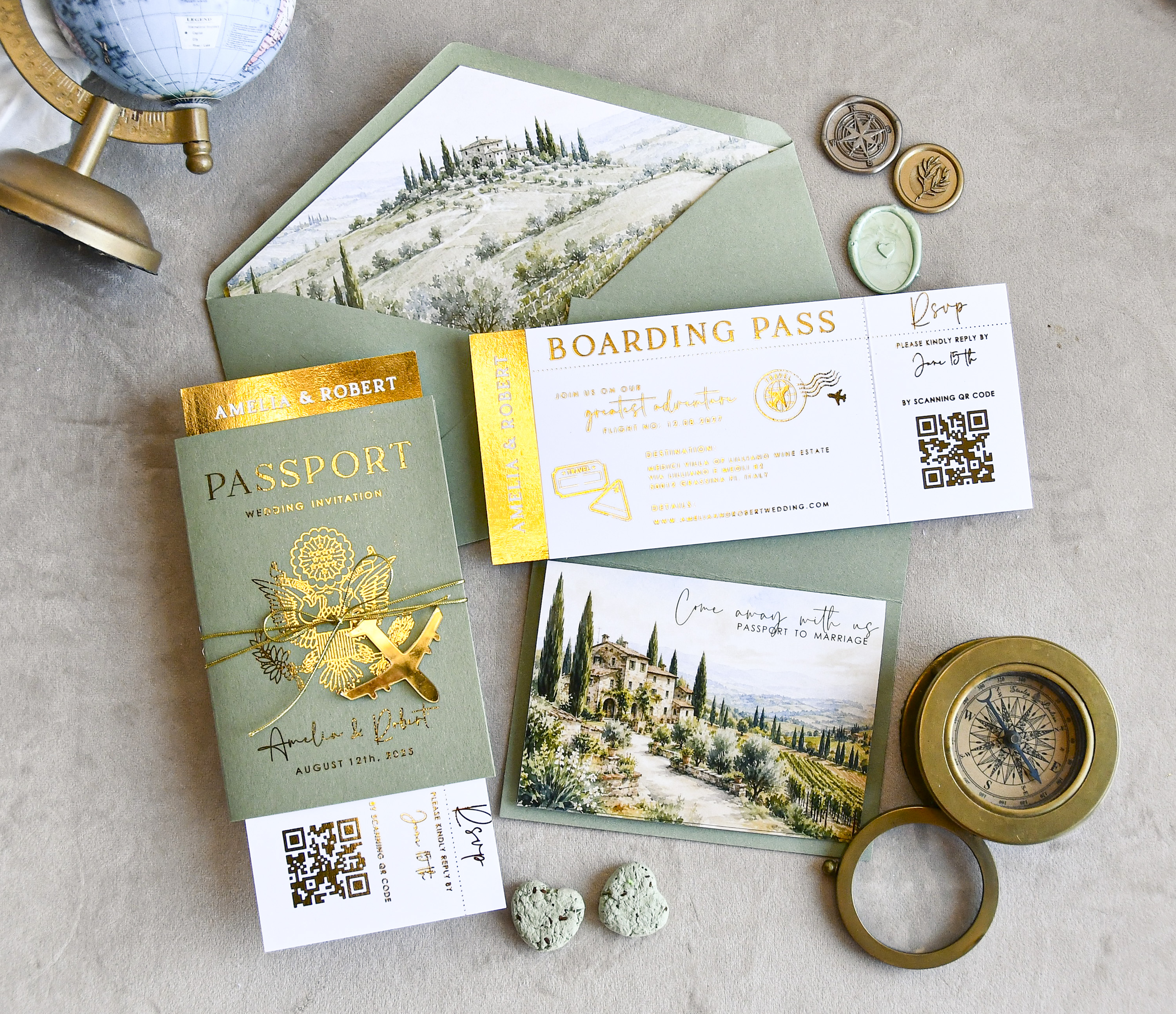
Logistics are your best friend. Thoughtful planning can prevent most conflicts before they ever start. Begin with your wedding invitations — if your parents have different households and different plus-ones, make sure each receives their own invitation addressed correctly to their household. A polished, destination-style invite like the Passport to Love beach wedding invite sets a festive, joyful tone that signals: this day is about celebration, not history.
For seating, the standard approach is:
- Ceremony: Seat divorced parents on the same side (traditionally both on the bride's or groom's side) but in different rows — first row for the custodial or closer parent, second or third row for the other.
- Reception: Place each parent at their own table with their own support system (their partner, close friends, or family members who are loyal to them). Never seat feuding exes at the same table.
Assign a trusted bridesmaid, groomsman, or wedding coordinator to be the point person for each parent during the day, so neither feels neglected — and neither has a reason to seek out the other.
Rethink Traditions That Force Proximity
Some classic wedding moments assume an intact family — and it's completely okay to adapt them. Here are common situations and practical solutions:
- The processional: Both parents can walk you down the aisle, or you can walk alone. If tension is high, choose whichever option feels safest and most meaningful to you.
- Family photos: Schedule separate family photo sessions. Do photos with your mom's side, then your dad's side. Your photographer has done this before — just give them a heads-up.
- Parent dances: You can do two separate parent dances, or skip them entirely if they feel forced. Many couples now do a single "family dance" that opens the floor to everyone.
- Toasts: If you're worried about what either parent might say, have a trusted person review toasts beforehand, or simply don't include a toast from the more volatile parent.
There are no rules you must follow. Your wedding, your choices.
Protect Your Partner and Yourselves
Here's the part couples often forget: you and your partner are the priority. Not your parents' feelings, not their history, not their need to "win" the day. Before the wedding, agree together on a plan for what happens if things go sideways. Who will step in? What's the exit strategy if one parent causes a scene?
A few protective measures worth taking:
- Designate a point-of-contact (a sibling, wedding planner, or close friend) who can intercept drama so you don't have to deal with it yourself on your wedding day.
- Brief your officiant — they've seen it all and can help manage awkward processional or ceremony moments.
- Give yourself permission to feel whatever you feel. It's okay to grieve that your family doesn't look the way you wished. It's also okay to have a genuinely joyful day anyway.
The couples who handle this best are the ones who accept the situation as it is — not as they wish it were — and plan accordingly.
Frequently Asked Questions
No — it's perfectly acceptable to seat one parent in the first row and the other in the second or third row. Many couples seat the parent they're closer to, or the one who raised them primarily, in the front row, with no explanation needed.
Yes, absolutely. Each divorced parent should receive their own invitation addressed to their own household. This avoids any awkwardness about who "owns" the invitation and ensures each parent feels individually honored.
Stay calm and don't negotiate with ultimatums. Gently but firmly let them know that both parents are invited and you hope they'll choose to be there. The decision is ultimately theirs, and you shouldn't have to choose between them.
Simply schedule two separate family photo sessions — one with each parent's side of the family. Let your photographer know in advance so they can build it into the timeline. This is extremely common and any experienced wedding photographer will handle it smoothly.
Completely okay. Many couples skip formal parent dances entirely or replace them with an open family dance that includes everyone. Choose what feels right for your family dynamic, not what tradition dictates.
It's worth seriously considering. A day-of coordinator or full wedding planner can act as a neutral buffer, manage logistics, and handle any conflicts so you don't have to. Think of it as an investment in your own peace of mind.
See This Design Up Close






You May Also Like
More Wedding Planning Guides
- → The Complete Guide to What Goes on a Wedding Invitation
- → Plus One Etiquette: Exactly Who Makes the Cut at Your Wedding
- → Inviting Guests to the Ceremony But Not the Reception: What You Need to Know
- → The Case for a Small Wedding: Everything You Need to Know
- → When to Send Wedding Invitations: A Complete Timeline Guide
- → Who Gets Cut First When Your Guest List Is Too Long?
- → Wedding Invitation Addressing: Etiquette Rules Every Couple Should Know
- → Do You Have to Invite Your Future In-Laws' Friends to Your Wedding?
- → Coworkers and the Wedding Guest List: How to Decide Who Gets an Invite
- → Yes, Guests Can RSVP Online — Here's How to Make It Work Beautifully
- → More Guests or a More Memorable Wedding? How to Choose What's Right for You
- → Inviting Your Ex to Your Wedding: A Practical Guide to Making the Right Call
- → Do You Have to Invite Your Cousins to Your Wedding?
- → How to Figure Out the Right Number of Wedding Invitations to Order
- → Should You Invite an Estranged Sibling to Your Wedding?
- → Going Digital: Everything You Need to Know About Sending Online Wedding Invitations
- → No-Shows After a Yes RSVP: How to Handle It Gracefully
- → Navigating the 'Them or Me' Wedding Guest Ultimatum
- → When Parents Want to Add Friends to the Guest List: A Practical Guide
- → No Kids at Your Wedding: Navigating the Etiquette With Confidence
- → How to Defuse Family Arguments Without Losing Your Mind Before the Wedding
- → Uninvited Plus-Ones and Tag-Alongs: How to Keep Your Guest List Intact
- → When Family Feuds Threaten Your Wedding Plans: A Practical Peacekeeper's Guide
- → Inviting an Estranged Brother or Sister: Finding Clarity Before You Seal the Envelope
- → Cousins, Invites, and Hard Choices: A Practical Guest List Guide