
No Kids at Your Wedding: Navigating the Etiquette With Confidence

One of the most common guest-list dilemmas engaged couples face is whether to include children — and whether leaving them out is considered bad manners. The short answer: no, it is not rude to have an adults-only wedding. It is a completely accepted, widely practiced choice in the United States. What matters most is how you communicate the decision, how consistently you apply it, and how much grace you extend to families who may need to make alternate arrangements.
Why Child-Free Weddings Are Completely Acceptable
Your wedding guest list is one of the few things you have full authority over, and choosing an adults-only celebration is a legitimate decision — not a slight against the children in your life. Couples opt for child-free weddings for many practical reasons:
- Venue capacity: Many reception spaces have strict headcount limits, and every child takes up a seat.
- Budget: Catering costs are typically per head. Cutting children can save hundreds or even thousands of dollars.
- Atmosphere: Some couples envision an elegant, late-night reception that simply isn't the right environment for young kids.
- Simplicity: Fewer variables means a smoother event for everyone, including parents who may actually enjoy a rare night out.
None of these reasons require an apology. Etiquette experts widely agree that as long as the rule is applied consistently and communicated clearly, an adults-only wedding is entirely appropriate.
The One Rule You Absolutely Must Follow: Be Consistent
The only scenario where a child-free wedding starts to feel genuinely rude is when the rule is applied selectively. If you invite your college friend's toddler but exclude your cousin's kids, you will create hurt feelings — and rightfully so. Consistency is everything.
Common exceptions couples make (and how to handle them):
- Breastfeeding infants: Many couples make an exception for nursing babies, which is widely understood. Just communicate this privately and directly to the parent.
- Immediate family children: If you want nieces, nephews, or flower girls included but no other kids, that's generally accepted — but be prepared to explain it gently if asked.
- Out-of-town family: If distant relatives are traveling with young children, consider whether childcare options are realistic for them, and offer suggestions proactively.
Whatever exceptions you make, apply them with a clear, explainable logic and communicate them one-on-one rather than through the invitation itself.
How to Communicate an Adults-Only Wedding Without Offending Anyone
Clear, early communication is the kindest thing you can do for families on your guest list. Here is a practical timeline and approach:
- Address invitations correctly: The single most effective method is to address envelopes only to the adults invited — for example, "Mr. and Mrs. James Carter" rather than "The Carter Family." This signals the adults-only nature without requiring extra wording.
- Add a line to your wedding website: A brief, warm note such as "To allow all guests to fully relax and celebrate, we have chosen to host an adults-only reception. We appreciate your understanding." is perfectly sufficient.
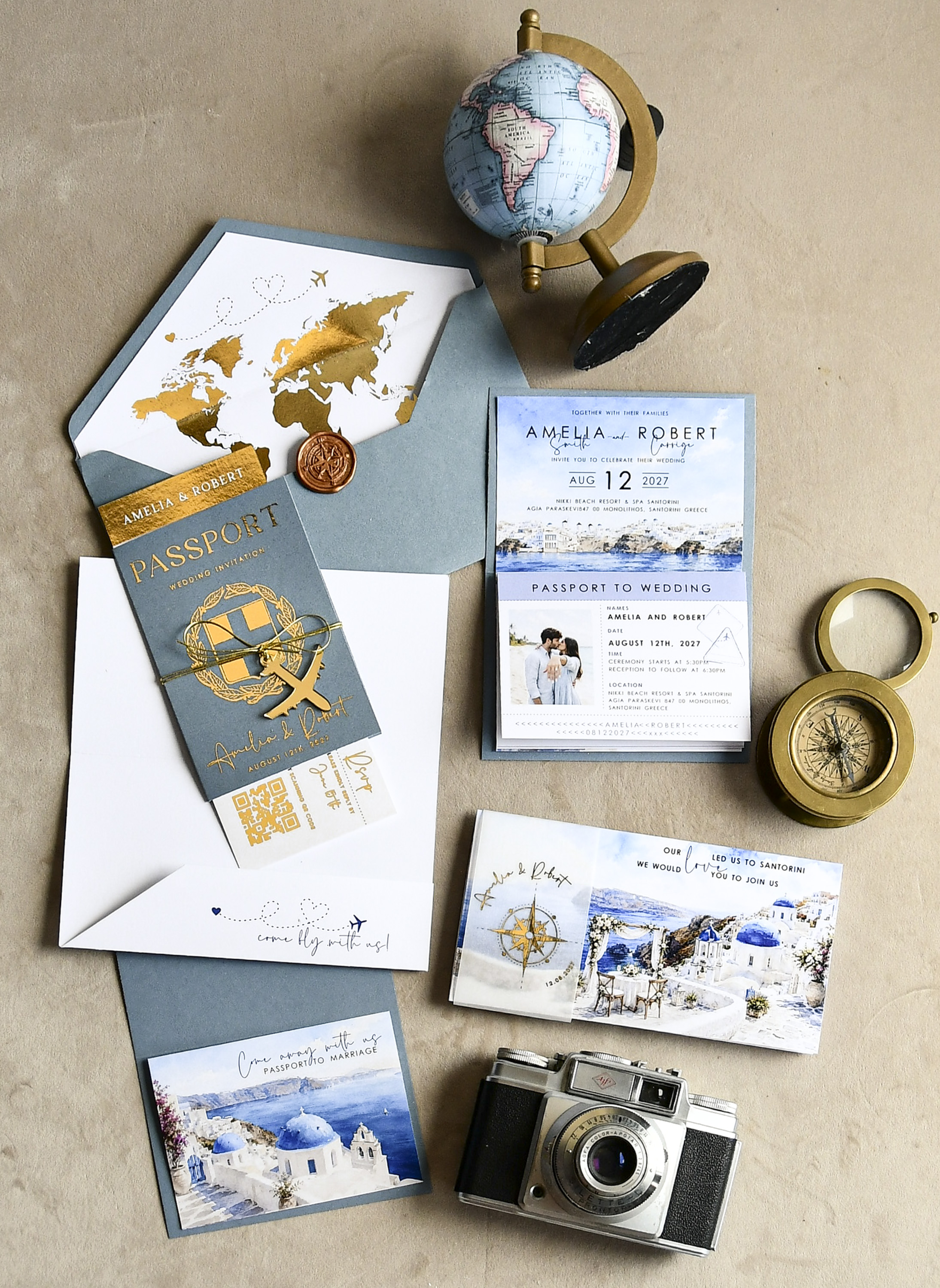
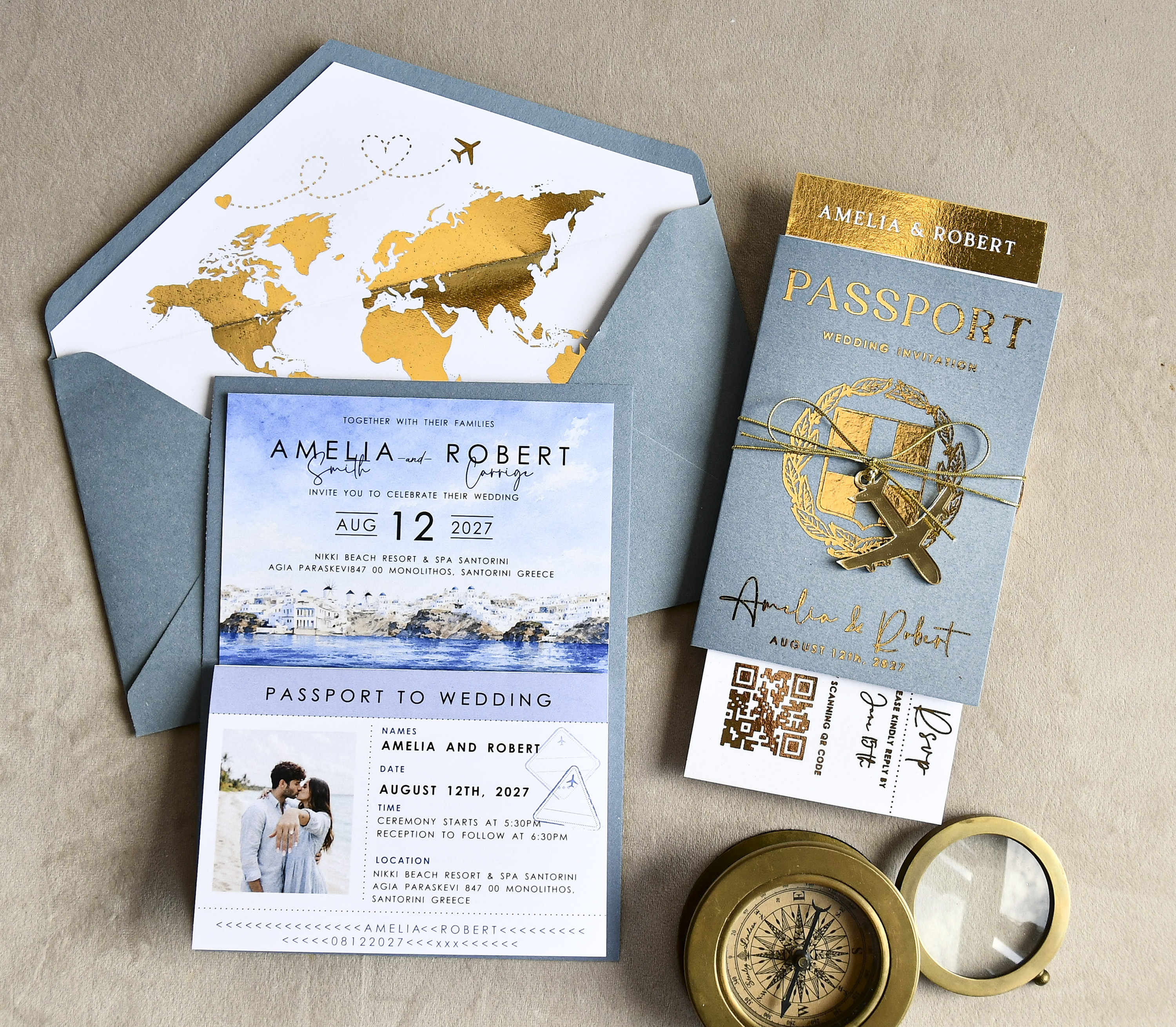
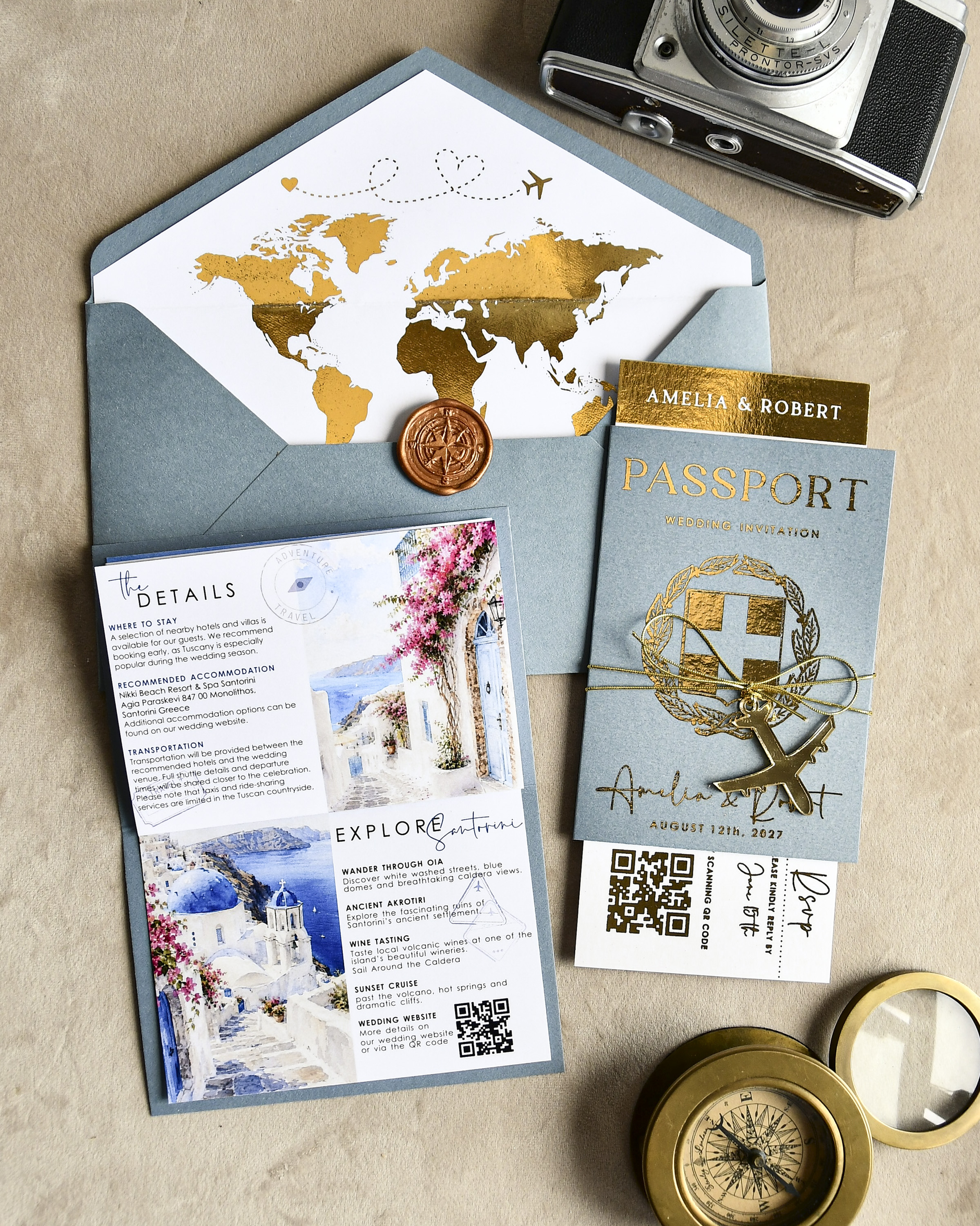
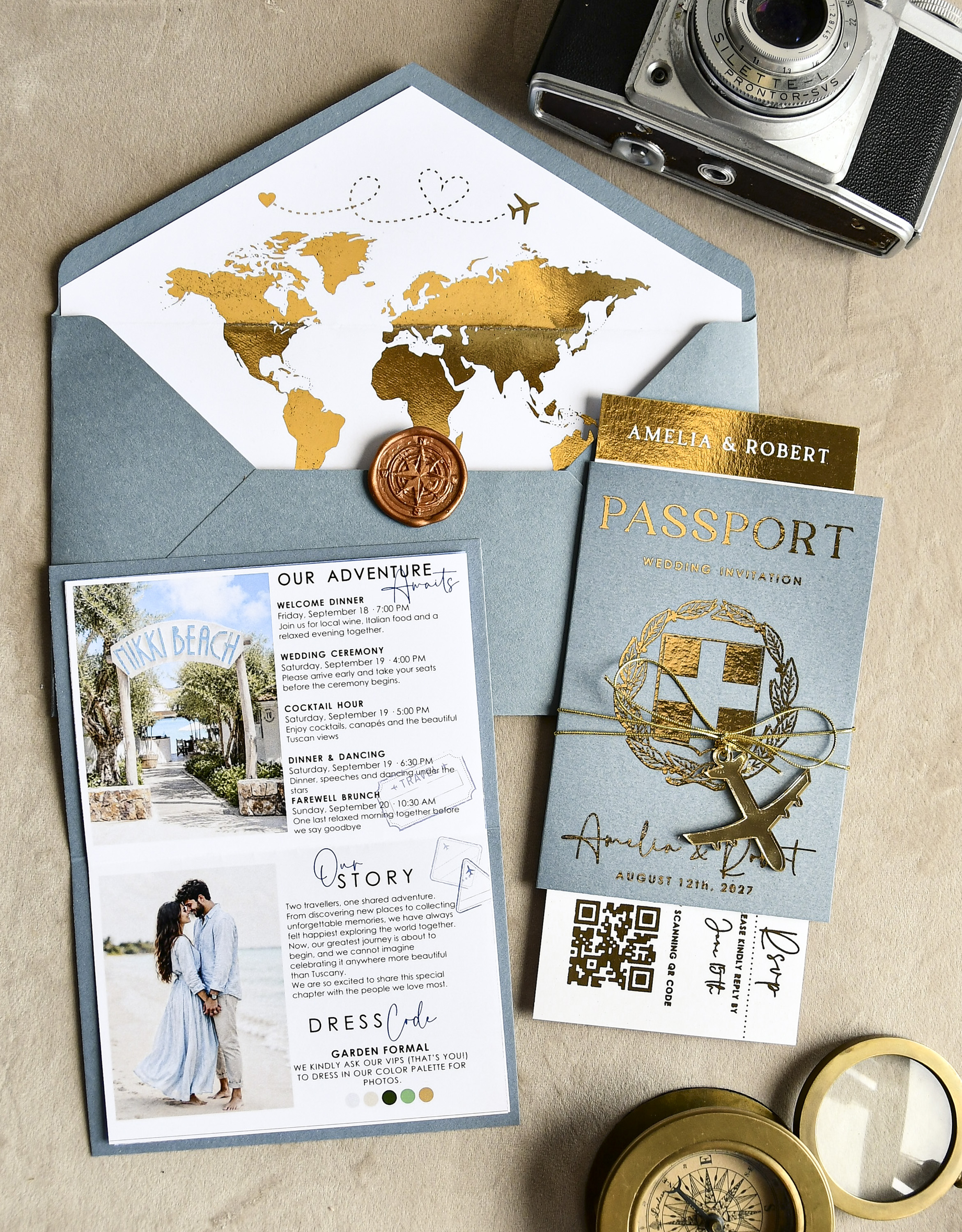
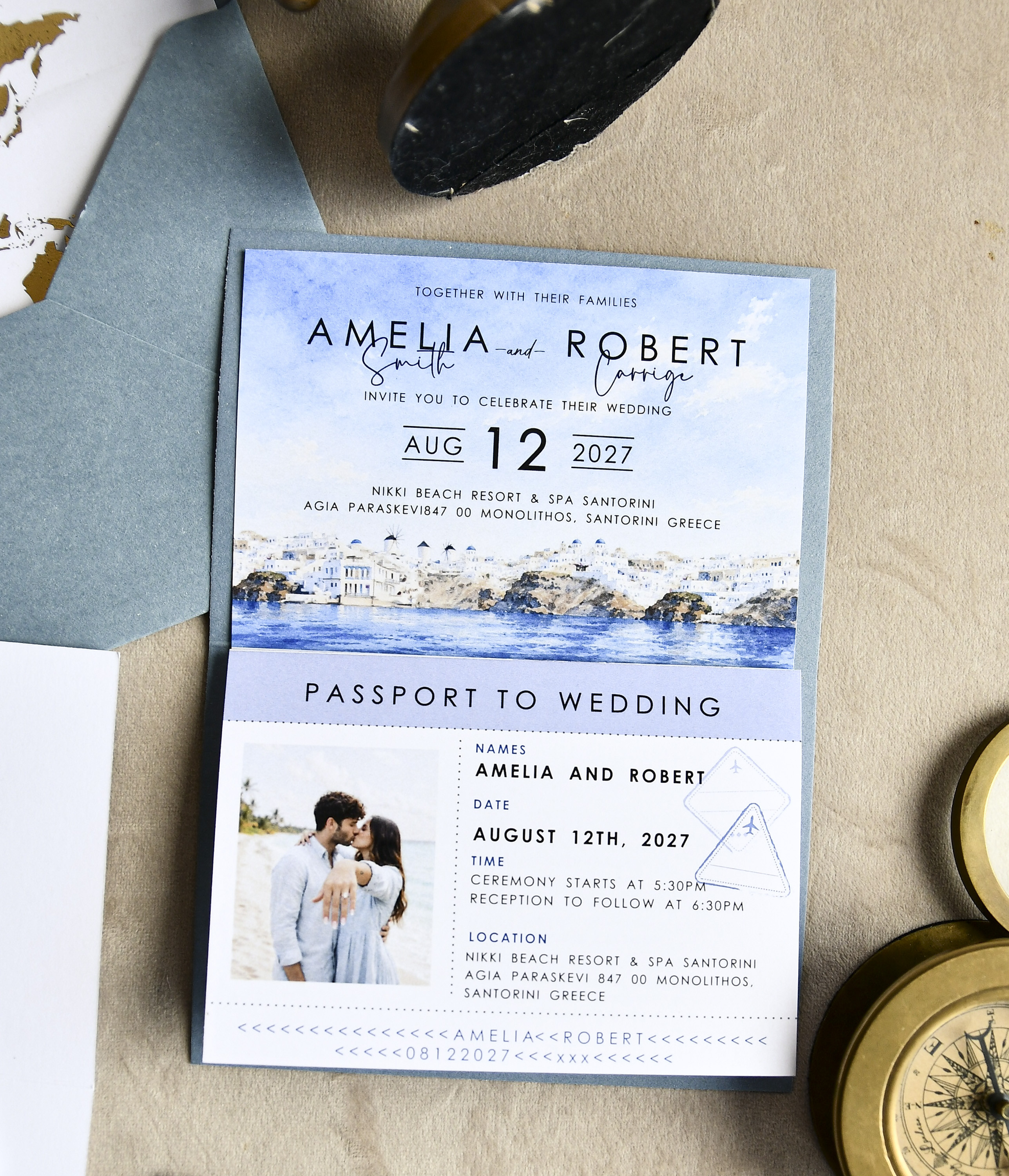
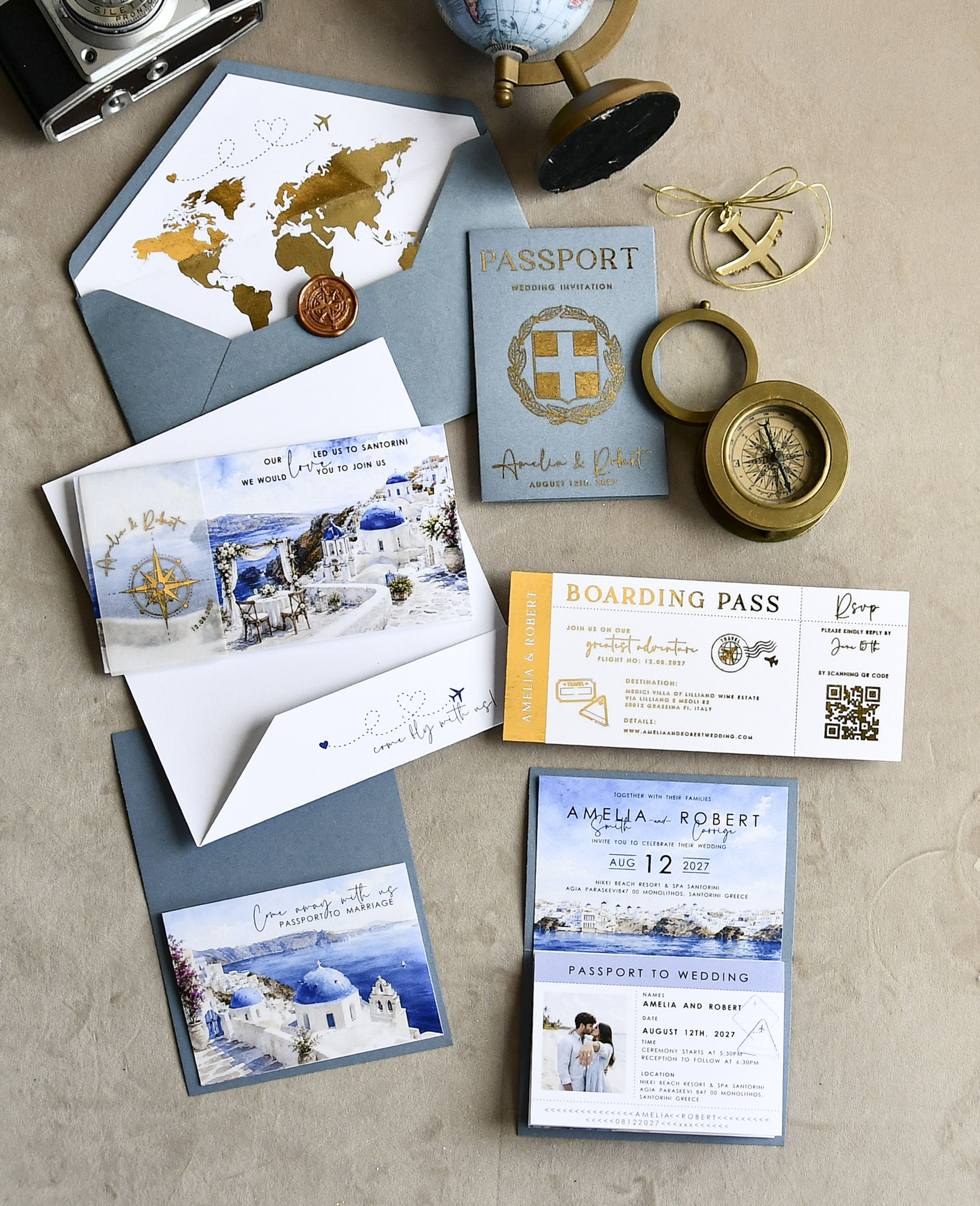
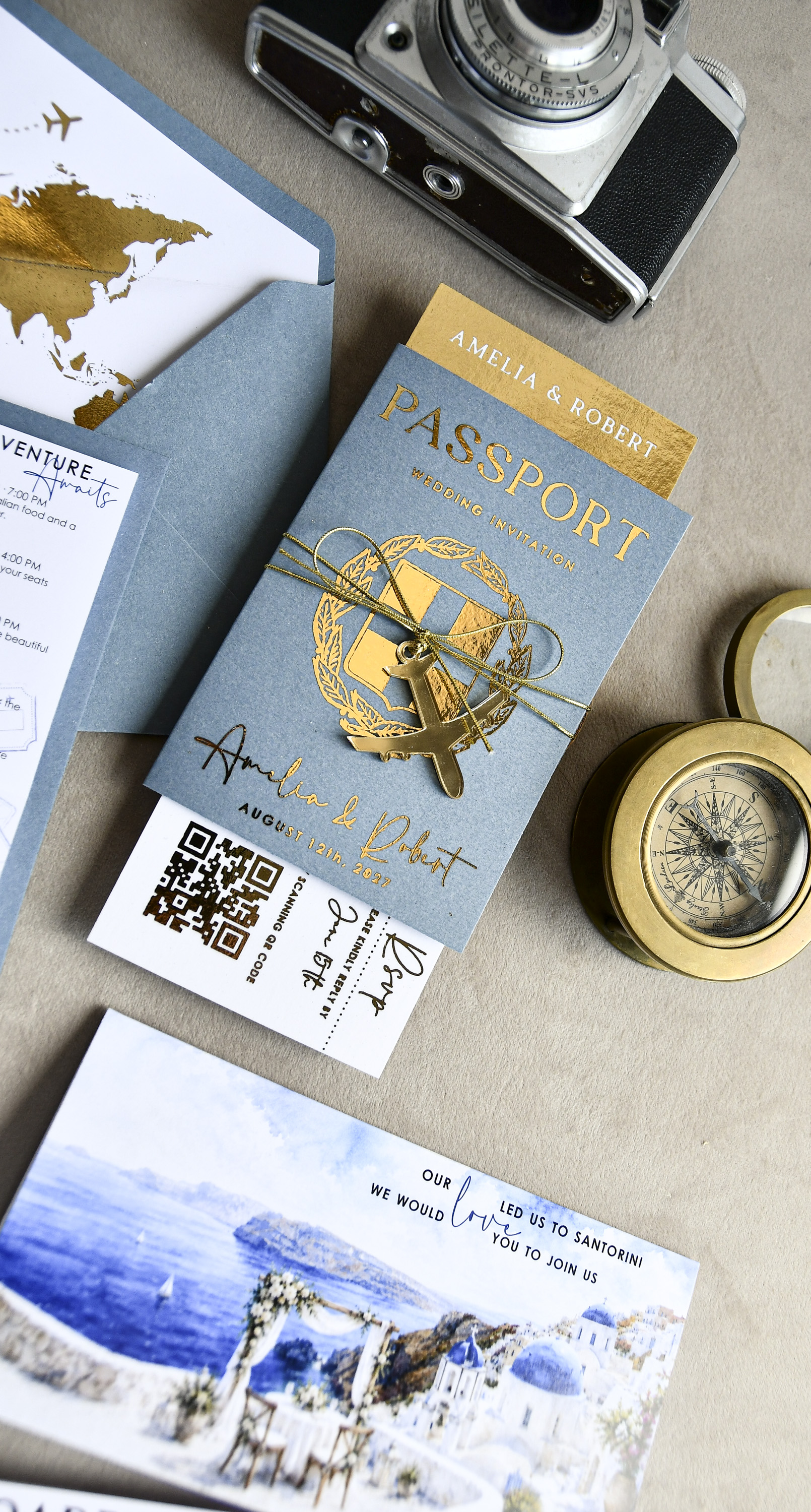
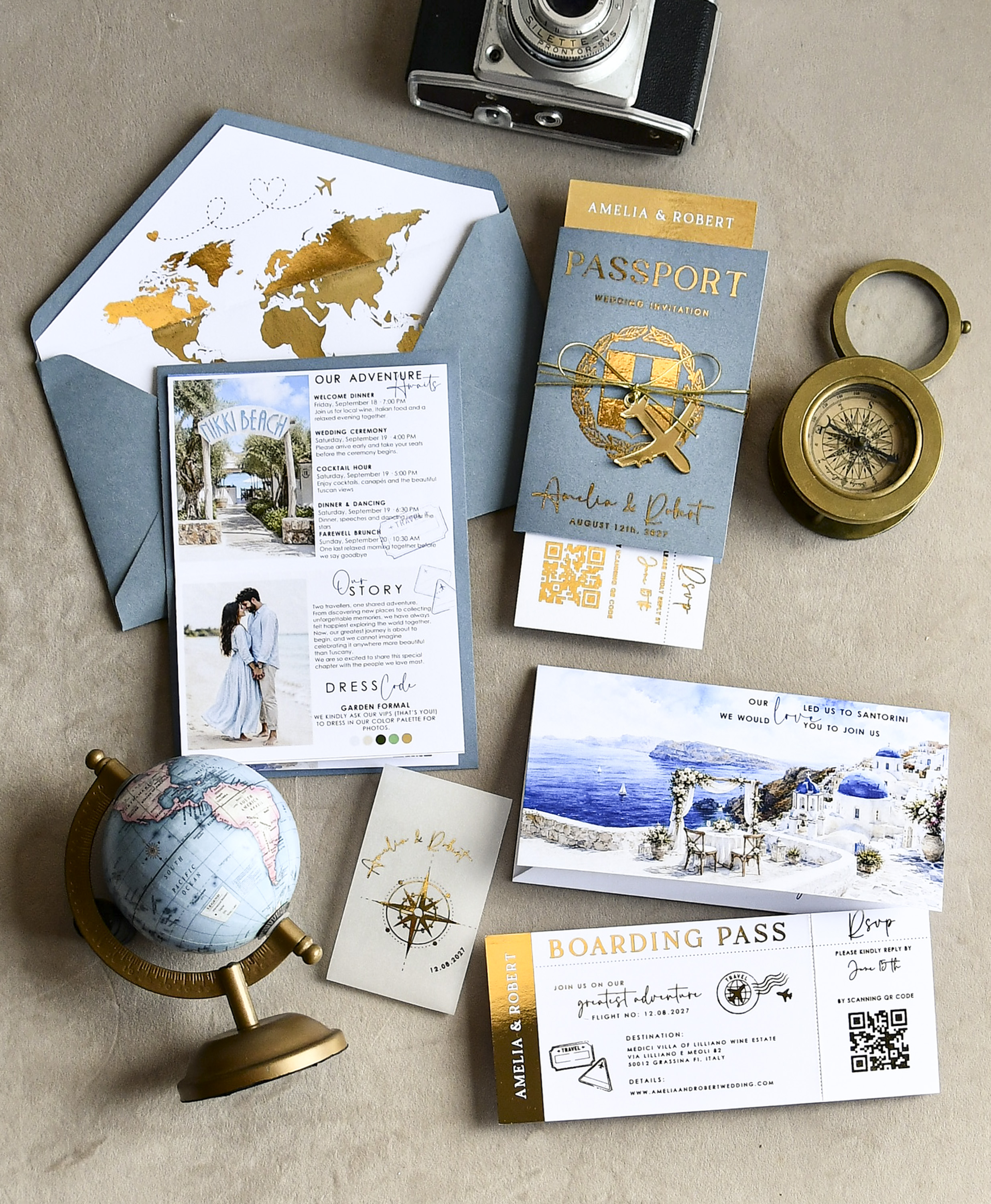
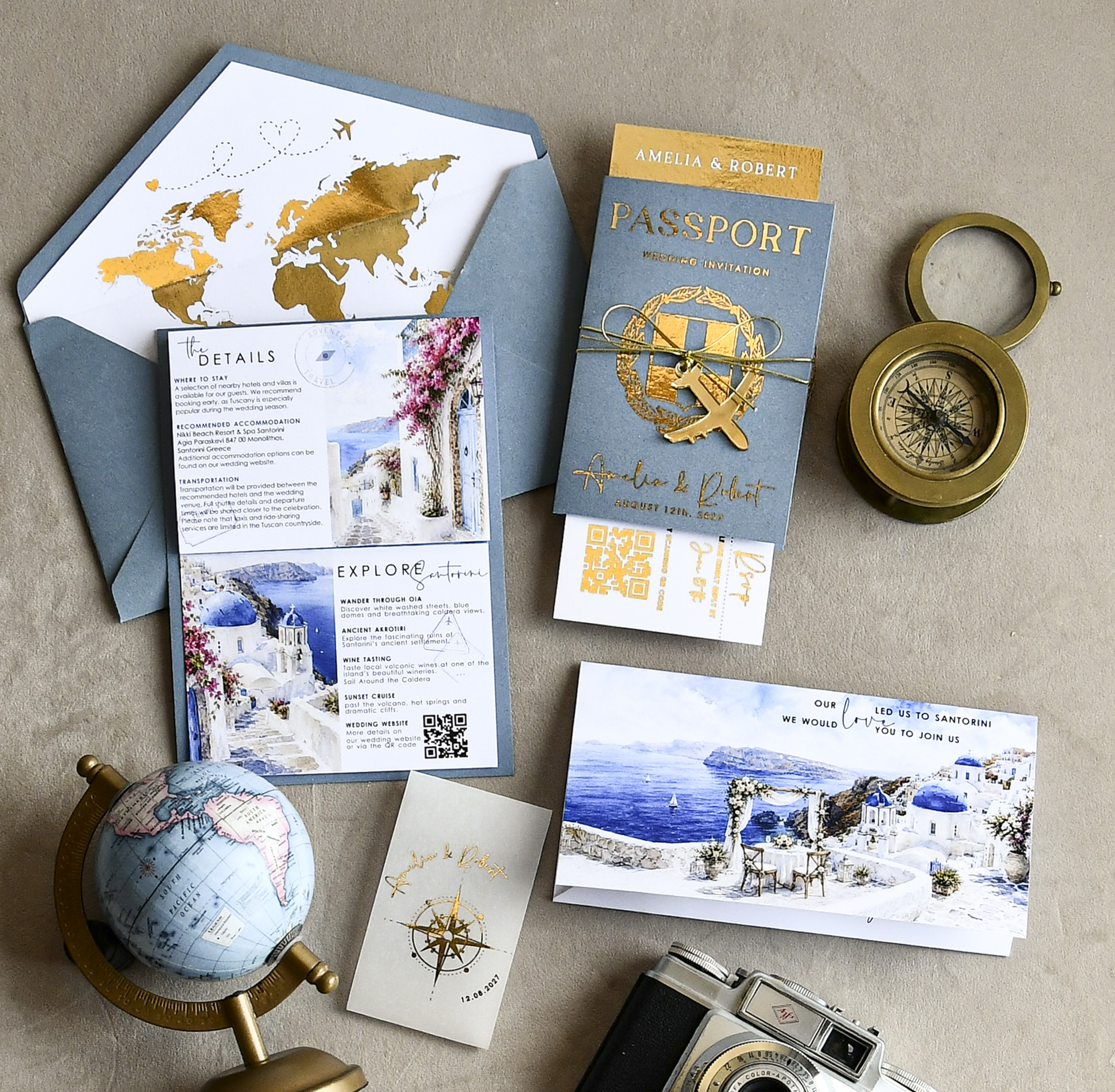
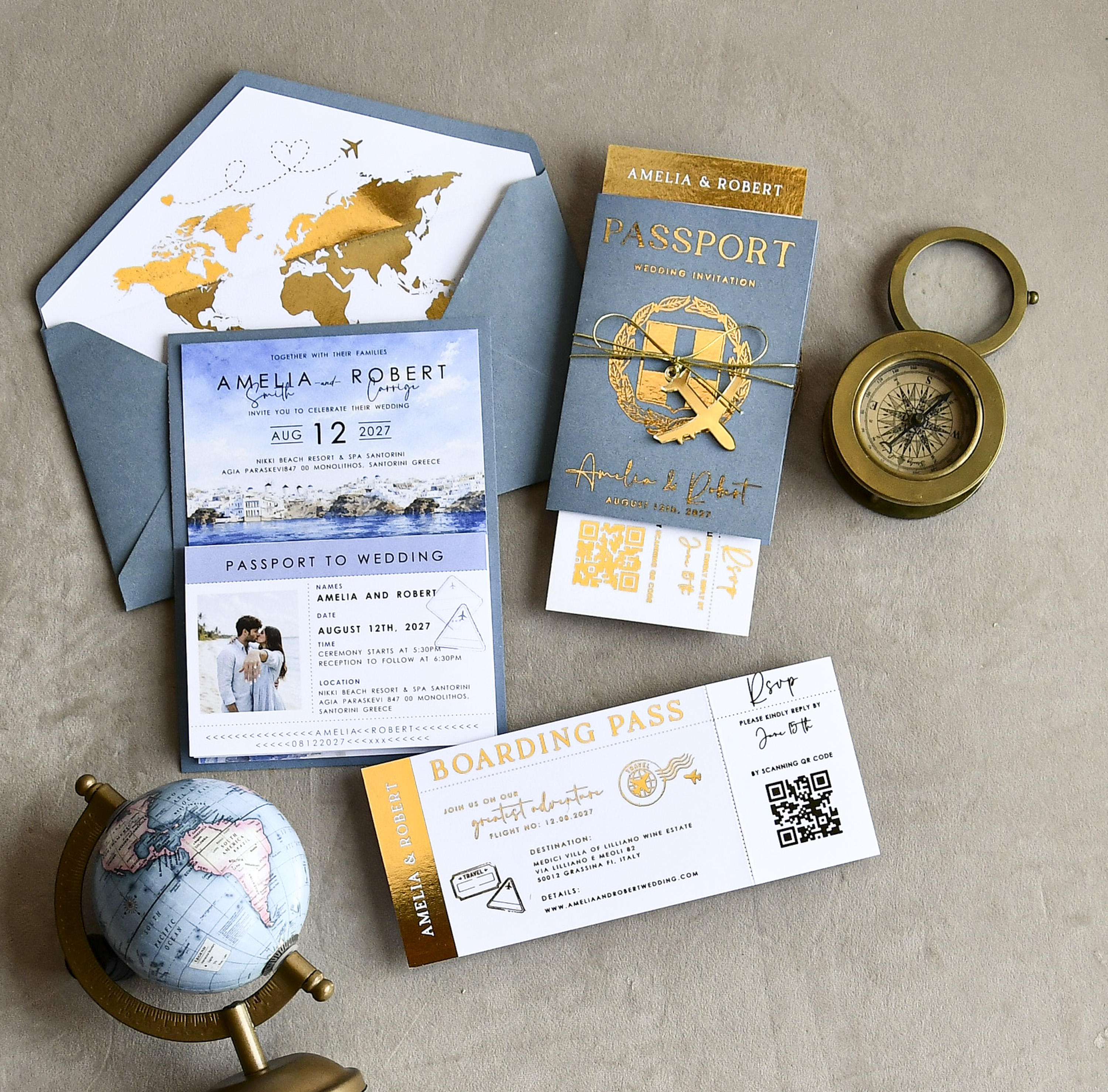
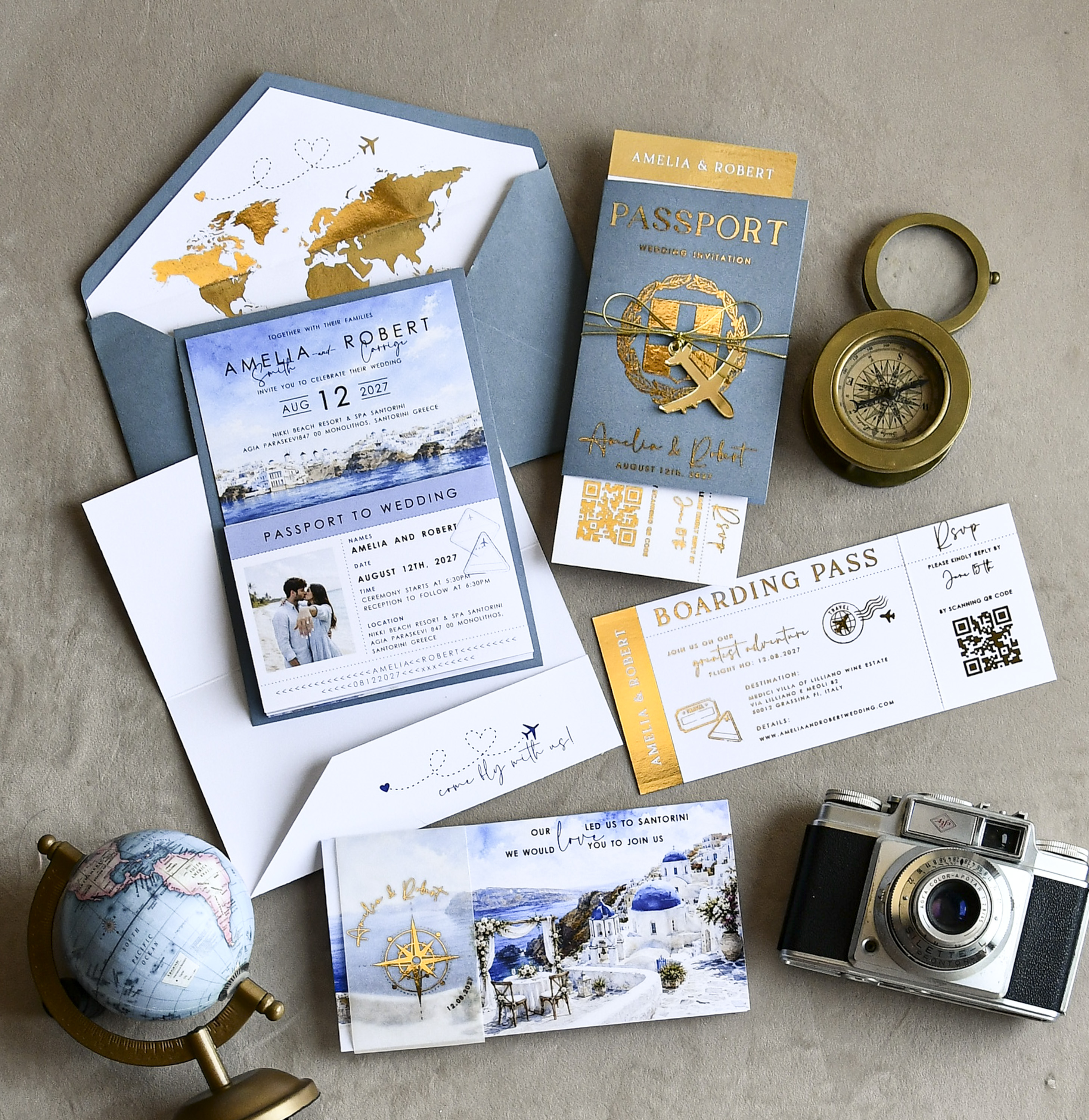
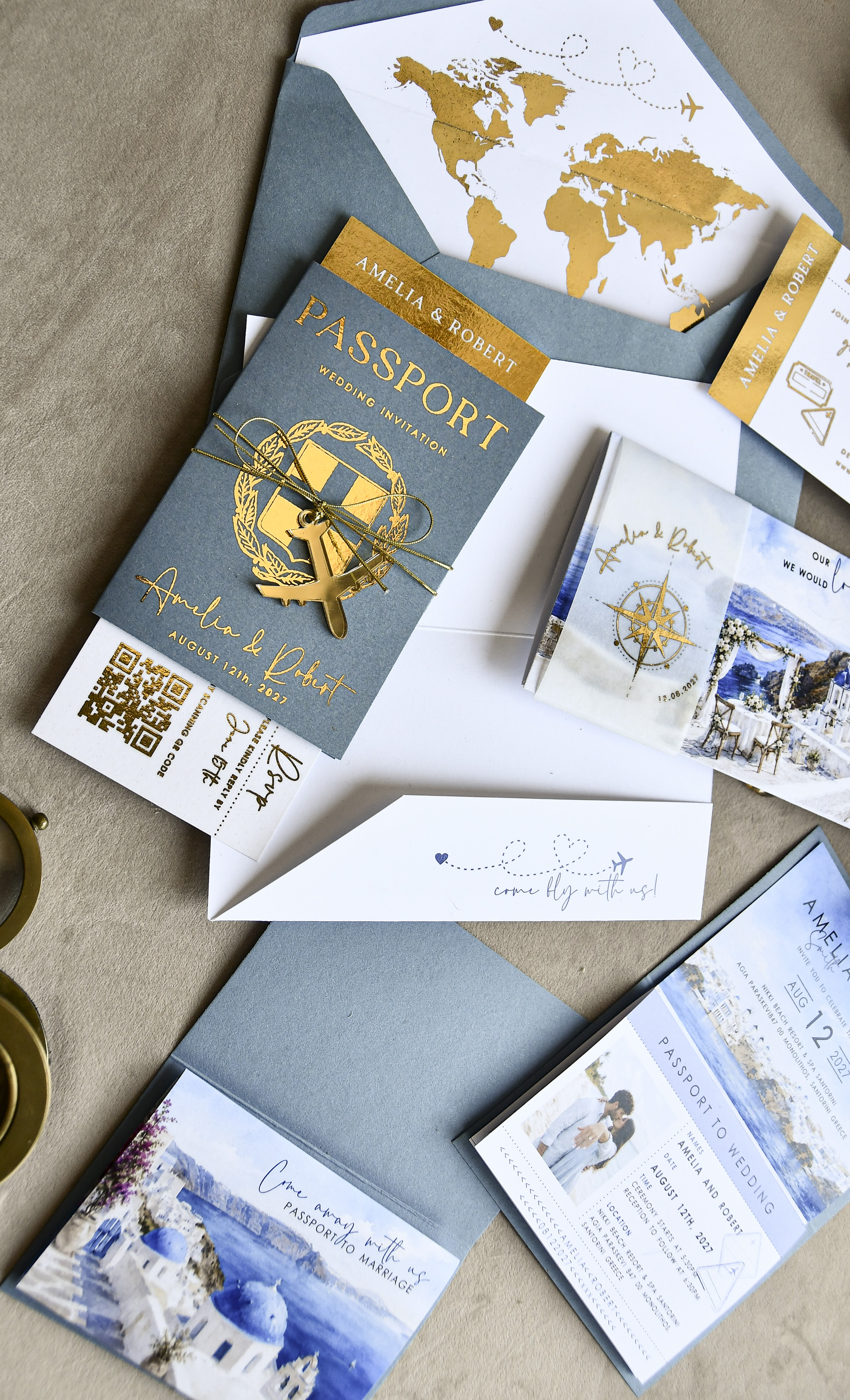
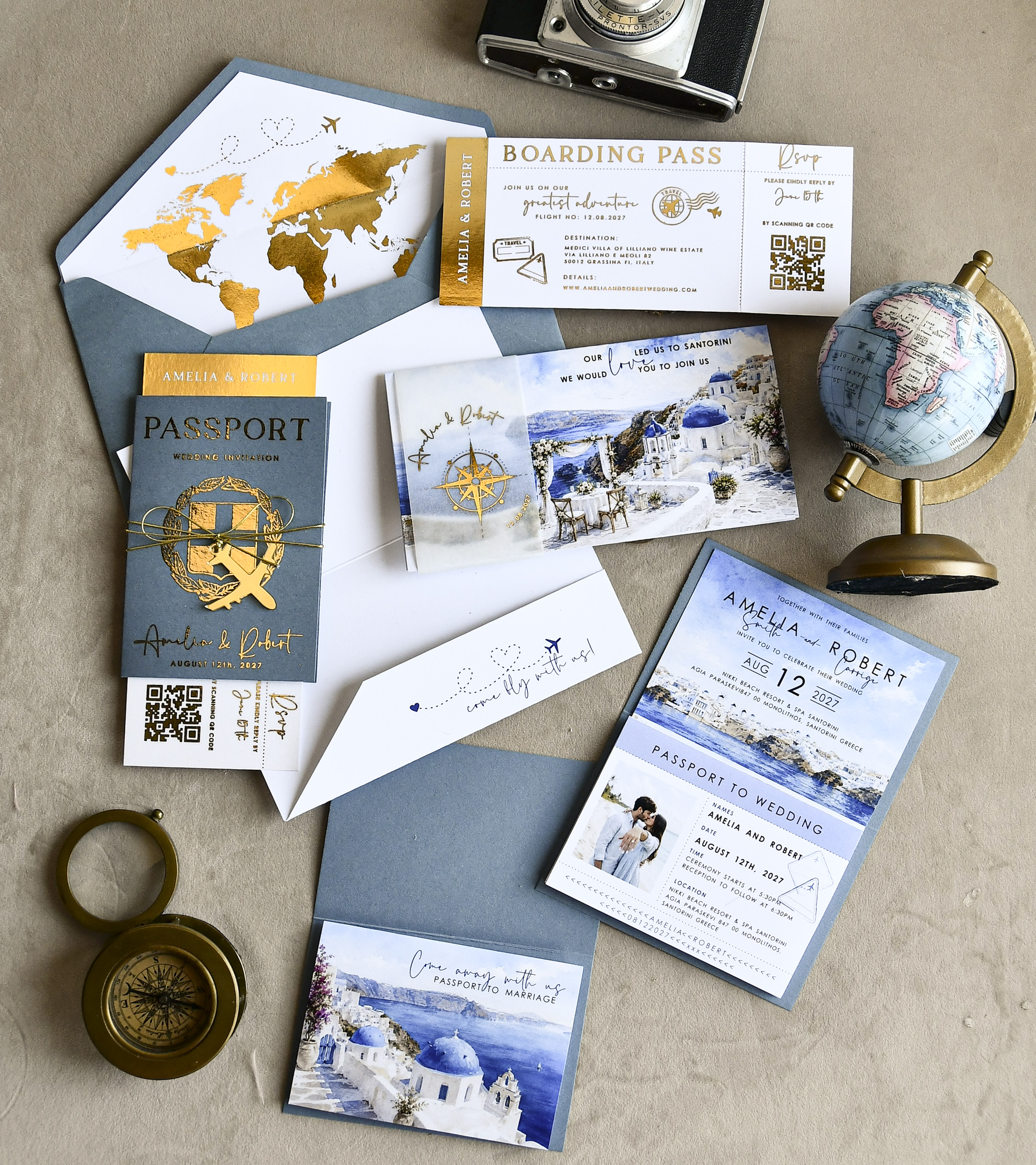
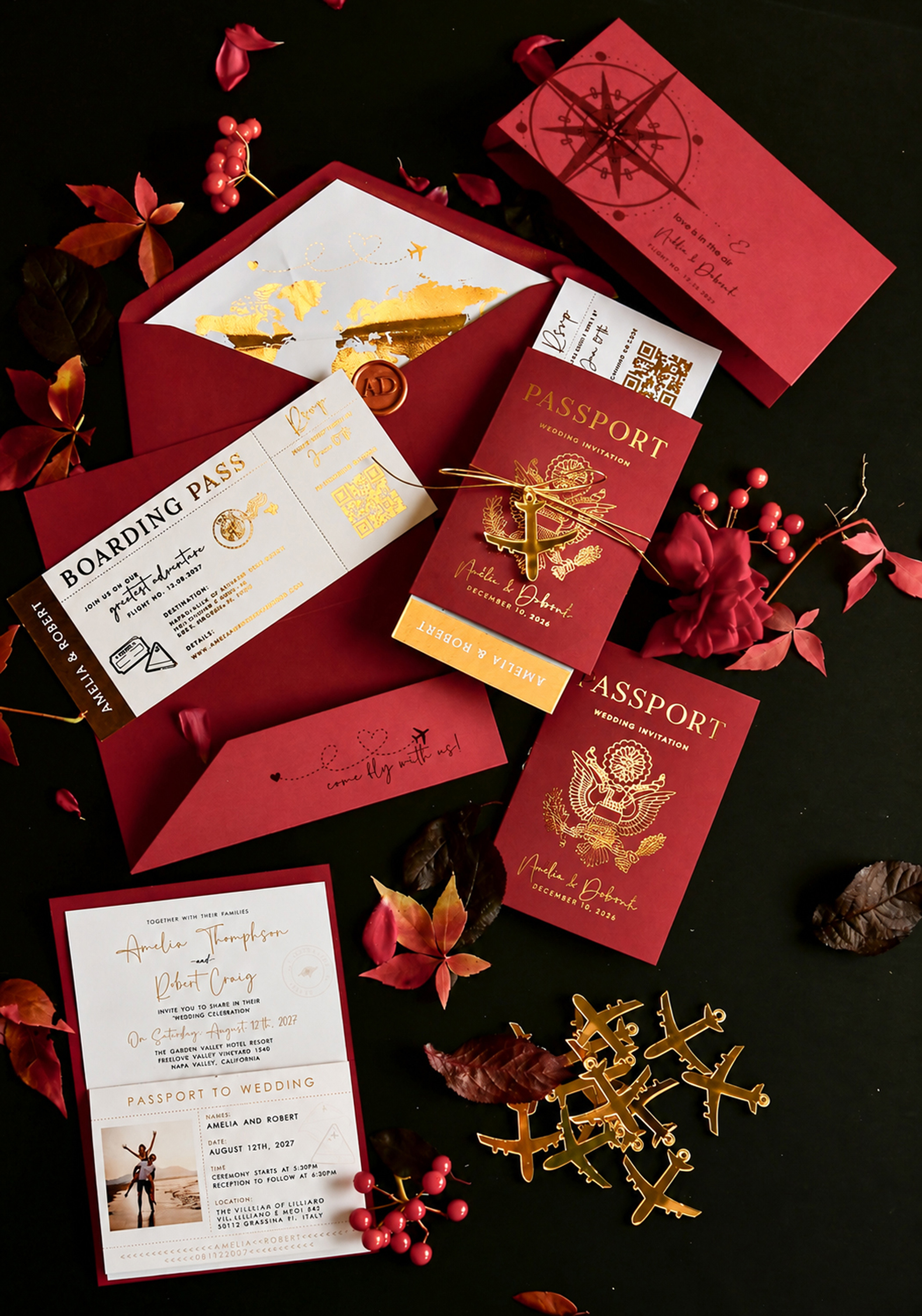
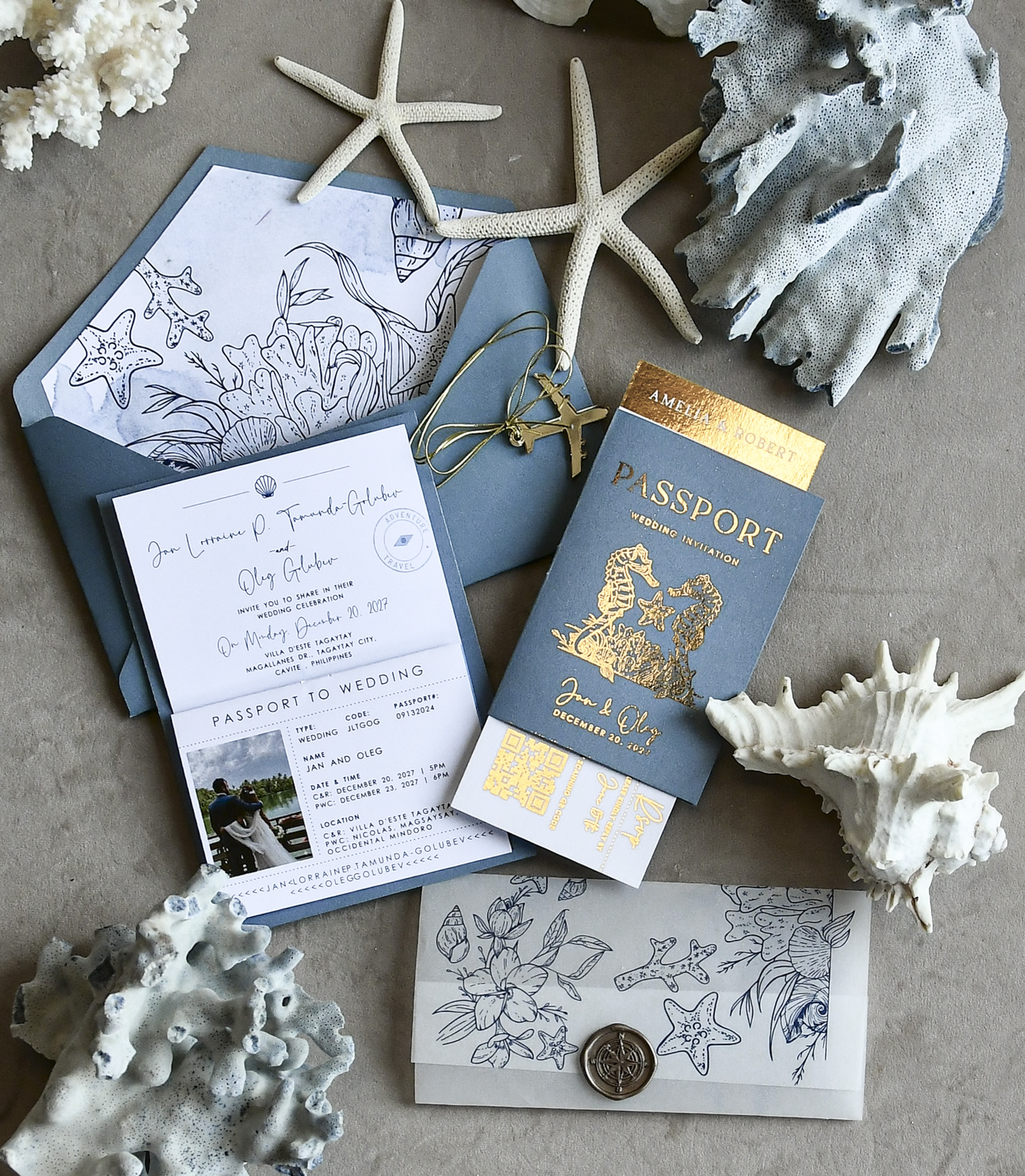
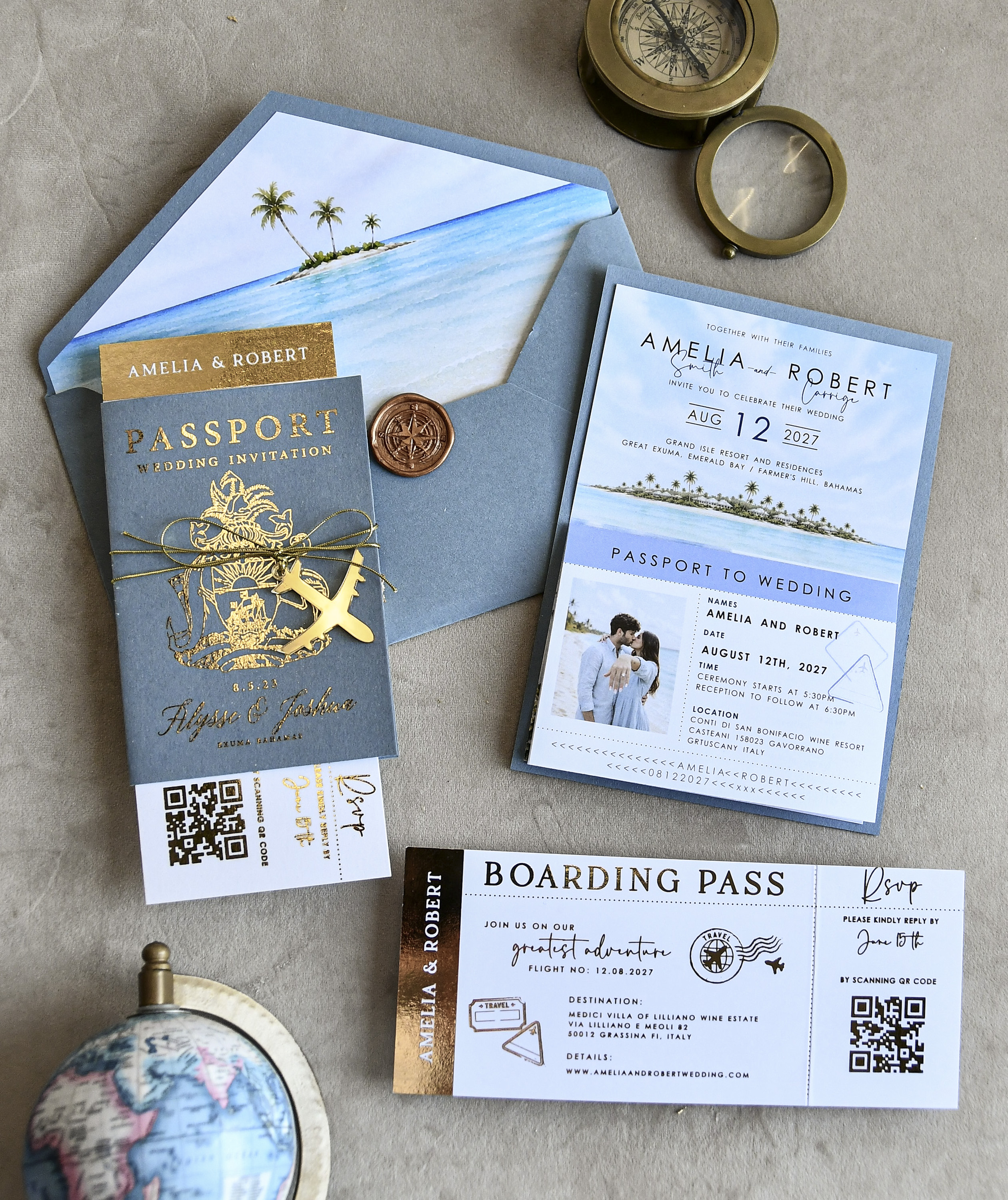
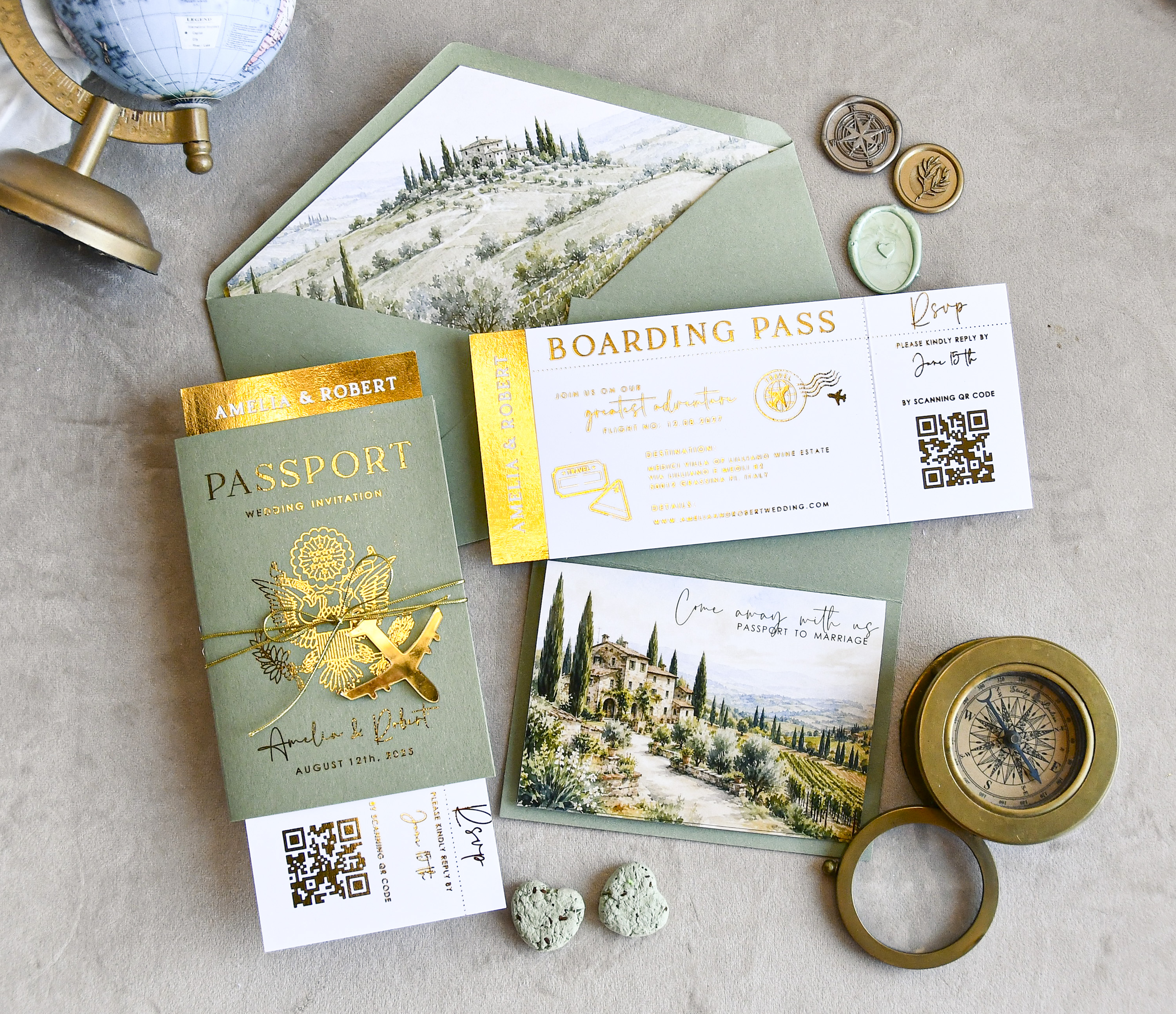
- Give plenty of notice: Send your save-the-dates 6–8 months out so families have time to arrange childcare. Your invitations — like our passport-to-love beach wedding invites — should follow 6–8 weeks before the wedding.
- Spread the word through family: Ask parents or siblings to gently let family members know early so no one is surprised when the invitation arrives.
Avoid putting "adults only" or "no children" in bold on the invitation itself — it can read as blunt. Envelope addressing and your wedding website do the heavy lifting more graciously.
Supporting Guests Who Have Children
Going the extra mile for your guests with kids shows thoughtfulness and goes a long way toward preventing any hard feelings. Consider these gestures:
- Recommend local babysitters or childcare agencies on your wedding website, especially if many guests are traveling to your destination.
- Look into on-site childcare: Some venues allow a supervised kids' room staffed by a professional sitter — a great option for destination or resort weddings.
- Acknowledge the effort in conversation: A simple "We know arranging childcare is a lot — we really appreciate you making it work" means more than couples realize.
For couples planning a beach or destination celebration, destination-style stationery — like the passport-to-love beach wedding invites — sets the tone beautifully while giving guests all the logistical details they need well in advance, including links to your wedding website where childcare resources can live.
Frequently Asked Questions
No, you are not obligated to justify your guest list decisions. A simple, warm acknowledgment on your wedding website is sufficient. If a guest asks directly, a brief explanation like "we're keeping the celebration intimate and adult-focused" is all you need.
Reach out promptly and privately — a phone call is kinder than a text or email in this situation. Gently clarify that the reception is adults-only and offer to help them find childcare options if needed. Most guests will appreciate the direct communication.
This is an unusual approach and can actually cause more confusion than a blanket adults-only policy. If you go this route, communicate it very clearly on your wedding website and through direct conversations with affected families.
Yes, this is a universally understood exception and no one will find it strange. Just make sure the children in those roles are clearly identified in your communications so other parents understand why those specific kids are present.
The earlier the better — ideally when you send save-the-dates, which should go out 6–8 months before the wedding. For destination weddings, aim for even earlier so families have maximum time to plan childcare or travel logistics.
It can feel more sensitive when the children are nieces, nephews, or close family friends, but it is still acceptable. A personal phone call to those family members before invitations go out shows respect and gives them time to prepare without feeling blindsided.
See This Design Up Close








You May Also Like
More Wedding Planning Guides
- → The Complete Guide to What Goes on a Wedding Invitation
- → Plus One Etiquette: Exactly Who Makes the Cut at Your Wedding
- → How to Navigate a Wedding When Your Divorced Parents Are at War
- → Inviting Guests to the Ceremony But Not the Reception: What You Need to Know
- → The Case for a Small Wedding: Everything You Need to Know
- → When to Send Wedding Invitations: A Complete Timeline Guide
- → Who Gets Cut First When Your Guest List Is Too Long?
- → Wedding Invitation Addressing: Etiquette Rules Every Couple Should Know
- → Do You Have to Invite Your Future In-Laws' Friends to Your Wedding?
- → Coworkers and the Wedding Guest List: How to Decide Who Gets an Invite
- → Yes, Guests Can RSVP Online — Here's How to Make It Work Beautifully
- → More Guests or a More Memorable Wedding? How to Choose What's Right for You
- → Inviting Your Ex to Your Wedding: A Practical Guide to Making the Right Call
- → Do You Have to Invite Your Cousins to Your Wedding?
- → How to Figure Out the Right Number of Wedding Invitations to Order
- → Should You Invite an Estranged Sibling to Your Wedding?
- → Going Digital: Everything You Need to Know About Sending Online Wedding Invitations
- → No-Shows After a Yes RSVP: How to Handle It Gracefully
- → Navigating the 'Them or Me' Wedding Guest Ultimatum
- → When Parents Want to Add Friends to the Guest List: A Practical Guide
- → How to Defuse Family Arguments Without Losing Your Mind Before the Wedding
- → Uninvited Plus-Ones and Tag-Alongs: How to Keep Your Guest List Intact
- → When Family Feuds Threaten Your Wedding Plans: A Practical Peacekeeper's Guide
- → Inviting an Estranged Brother or Sister: Finding Clarity Before You Seal the Envelope
- → Cousins, Invites, and Hard Choices: A Practical Guest List Guide