
The Graceful Art of Telling Someone They're Not on the Guest List
One of the hardest parts of wedding planning isn't choosing centerpieces or finding the perfect venue—it's navigating the guest list. Nearly every couple faces the uncomfortable moment when someone assumes they're invited and they're simply not. Whether it's a coworker, a distant relative, or an old friend you've grown apart from, delivering this news with grace is absolutely possible. Here's how to handle it honestly, kindly, and without unnecessary drama.
Understand Why This Conversation Is So Hard
First, give yourself permission to feel awkward about this. Weddings carry enormous emotional weight, and people naturally assume closeness earns them a seat at the table. The discomfort you feel is actually a sign of empathy—you care about not hurting someone. But avoiding the conversation entirely almost always makes things worse. If someone hears about your wedding through social media or mutual friends before you've said anything, the hurt is compounded by the surprise. A brief, honest exchange now prevents a much bigger fallout later.
Choose the Right Moment and Method
Timing and delivery matter enormously. As a general rule:
- Do it in person or by phone for close friends or family members. A text or email can feel cold and dismissive for someone you genuinely care about.
- A brief, warm message works fine for acquaintances, coworkers, or people you see occasionally.
- Don't wait until the last minute. If someone mentions your engagement and seems to expect an invitation, address it sooner rather than later—ideally at least two to three months before the wedding.
Avoid having this conversation in a group setting or in front of mutual friends. Give the person the dignity of a private moment.
What to Actually Say: Scripts That Work
You don't need a lengthy explanation—in fact, over-explaining can make things more uncomfortable. Keep it simple, warm, and honest. Here are a few approaches depending on the situation:
- Venue or budget constraints: "We're having a really small wedding—just immediate family and a handful of close friends. It's been such a tough call and I wanted you to hear it from me directly."
- Adults-only or couples-only event: "We're keeping the guest list to adults only, so we aren't able to include kids—even for family. I hope you completely understand."
- Grown apart: "We're keeping the wedding really intimate, just the people we see regularly. I think the world of you and I didn't want you to find out another way."
Notice what these scripts have in common: they acknowledge the person, they don't over-apologize or grovel, and they give a real reason without making the person feel personally rejected. You are not obligated to justify every guest list decision, but a brief honest reason closes the loop with kindness.
What Not to Do (Common Mistakes That Backfire)
Even well-meaning couples can accidentally make this situation worse. Avoid these common missteps:
- Don't lie about the wedding size. Saying "we're only having 20 people" when you're planning 150 will almost certainly come out—and the betrayal of the lie stings far more than the original exclusion.
- Don't hint or be vague hoping they'll figure it out. People rarely do, and ambiguity breeds false hope.
- Don't post publicly on social media before you've spoken to people who might expect an invitation.
- Don't invite someone to the reception only as a consolation prize unless it's a genuine celebration you're hosting separately. It often reads as an afterthought and can feel more insulting than a clean no.
Being direct is actually the kindest thing you can do. Most people—even if initially stung—will respect your honesty far more than they would a vague brush-off.
How Thoughtful Invitations Help Set the Right Tone
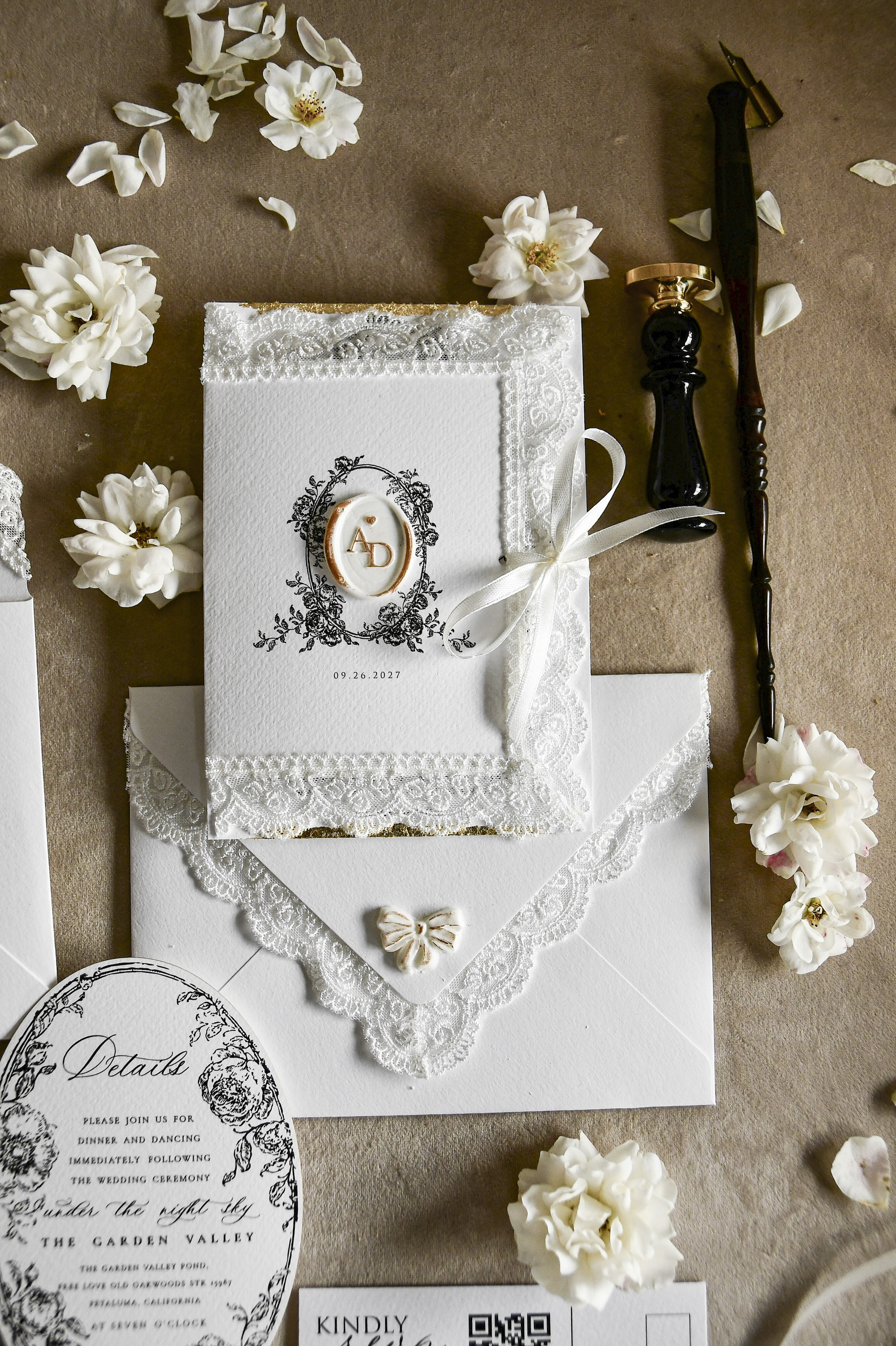
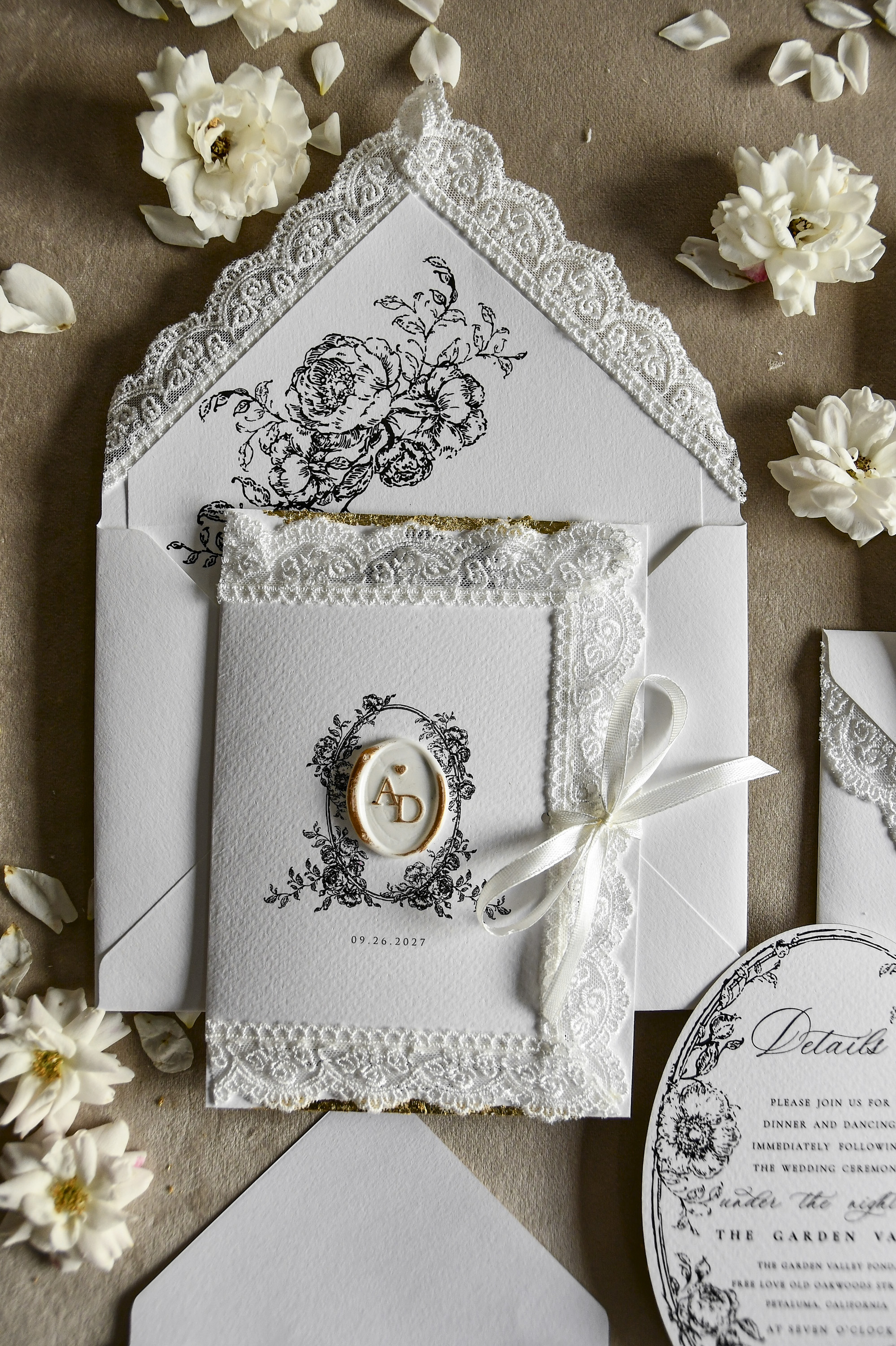
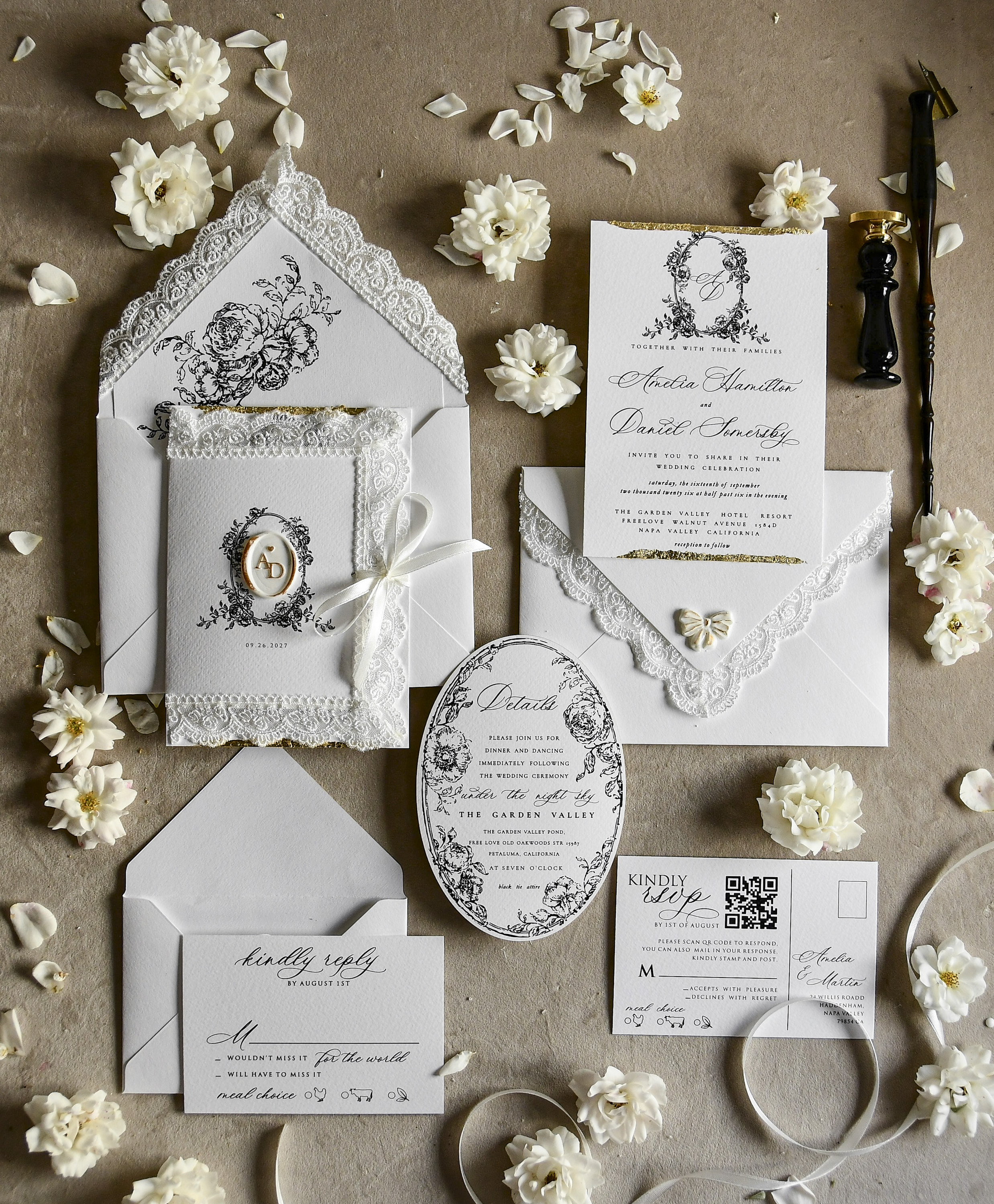
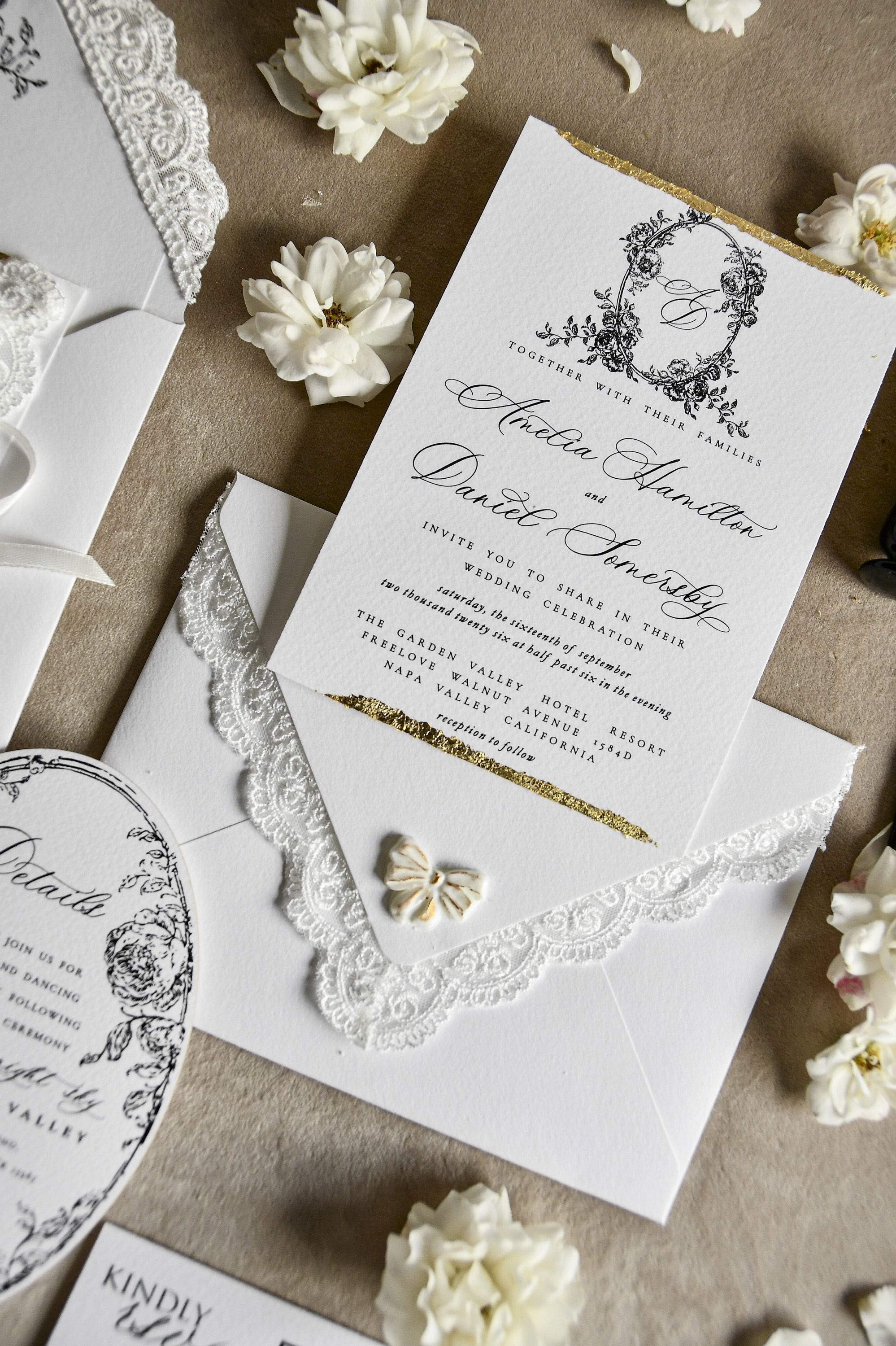
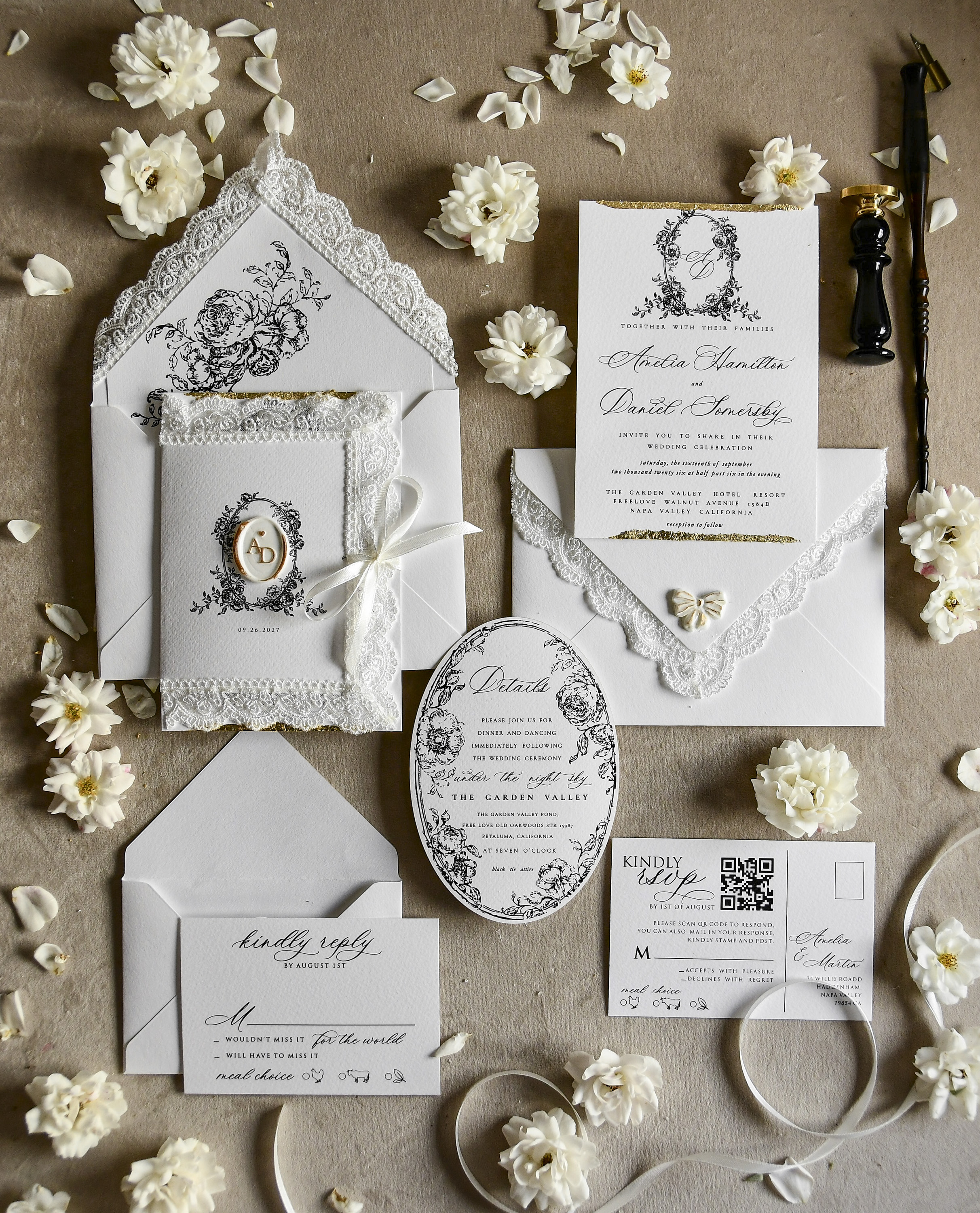
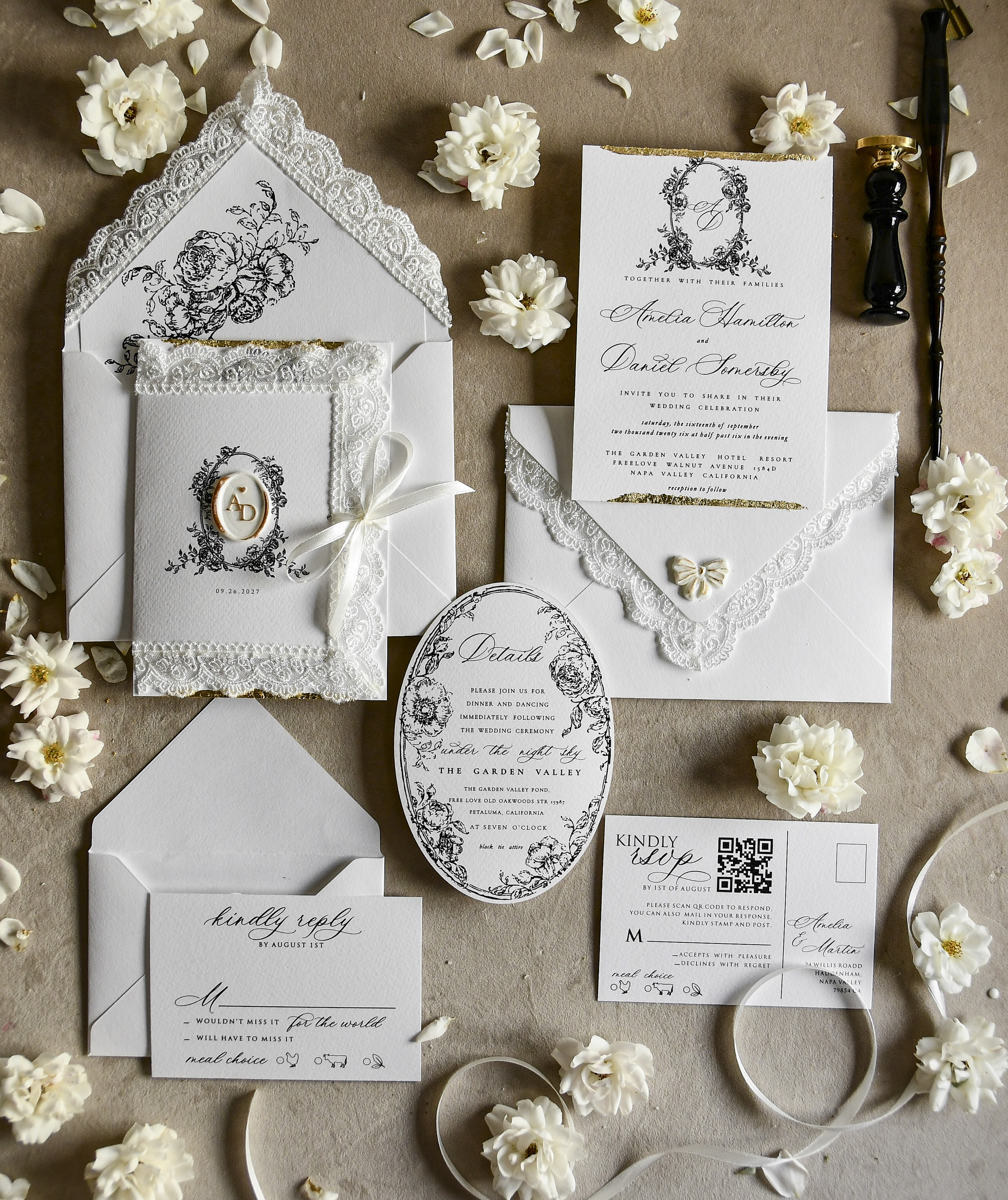
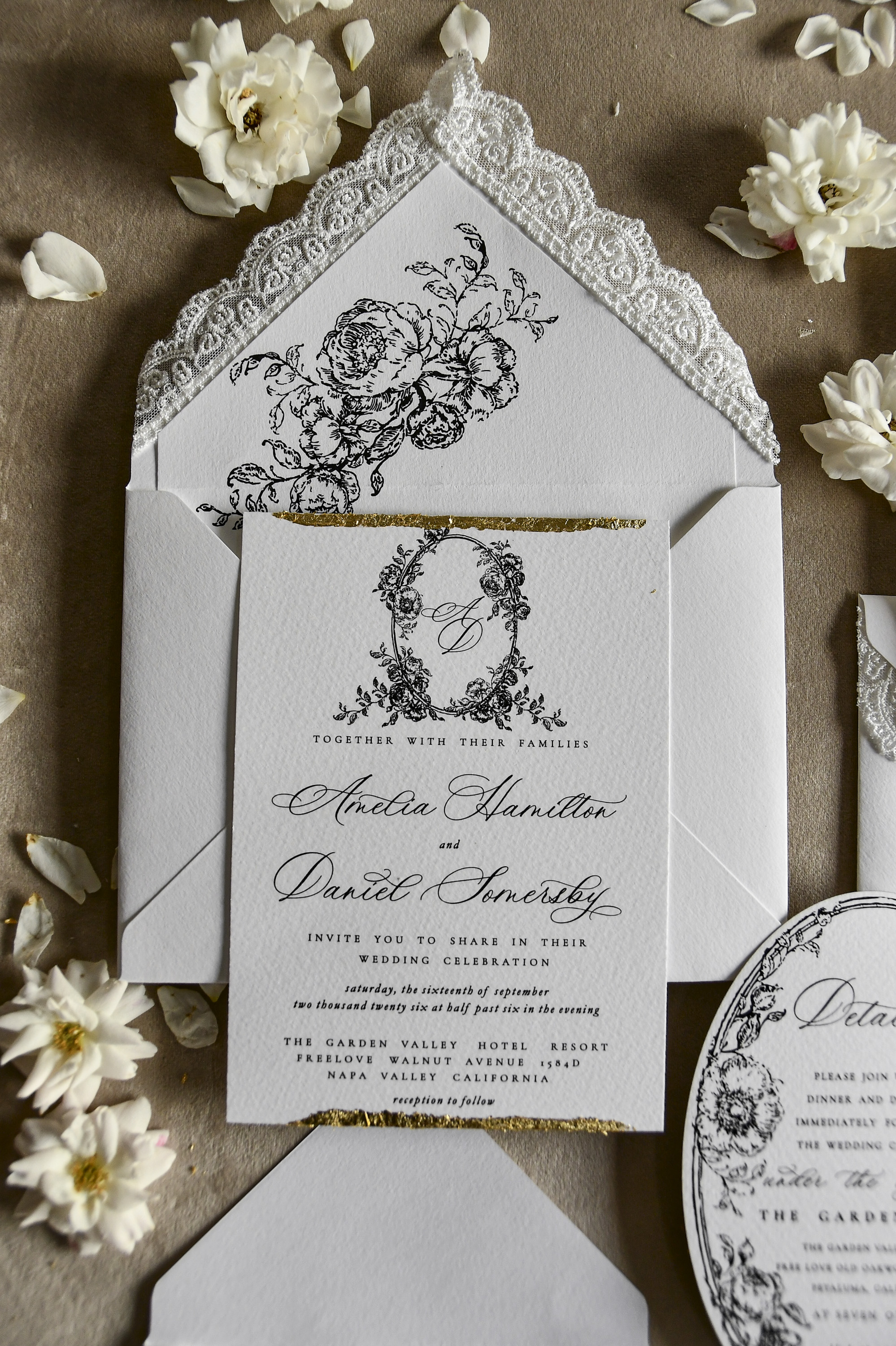
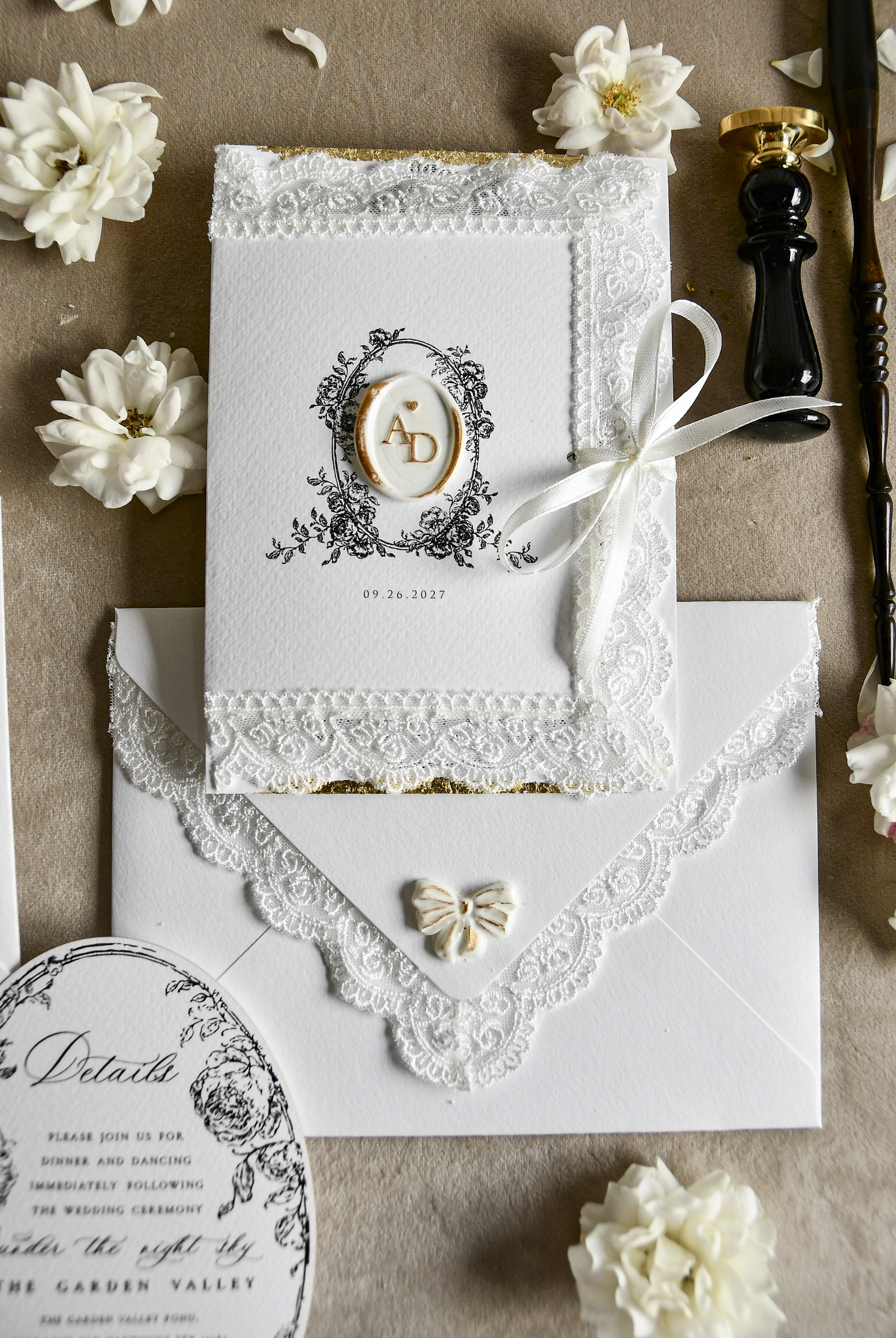
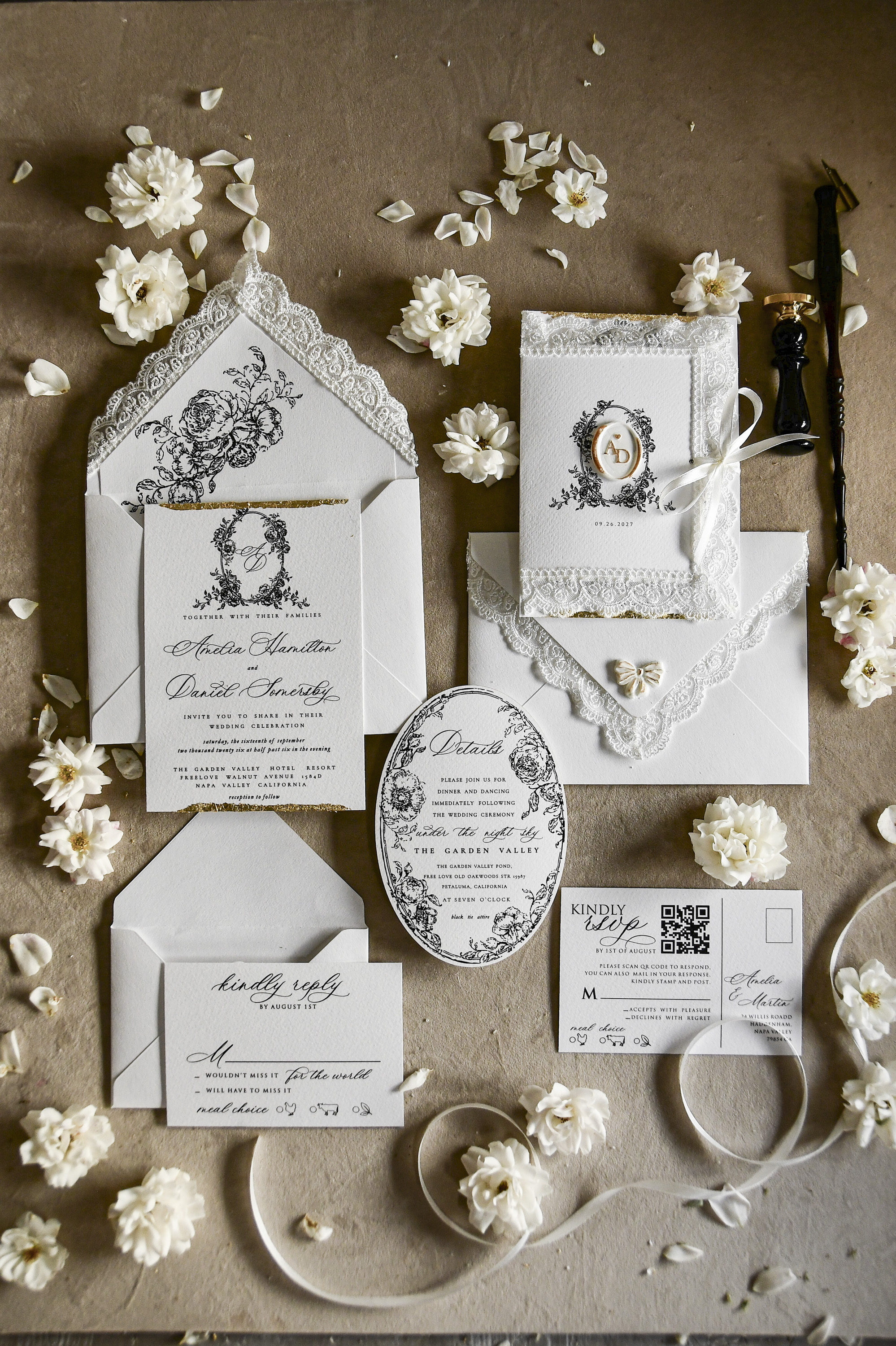
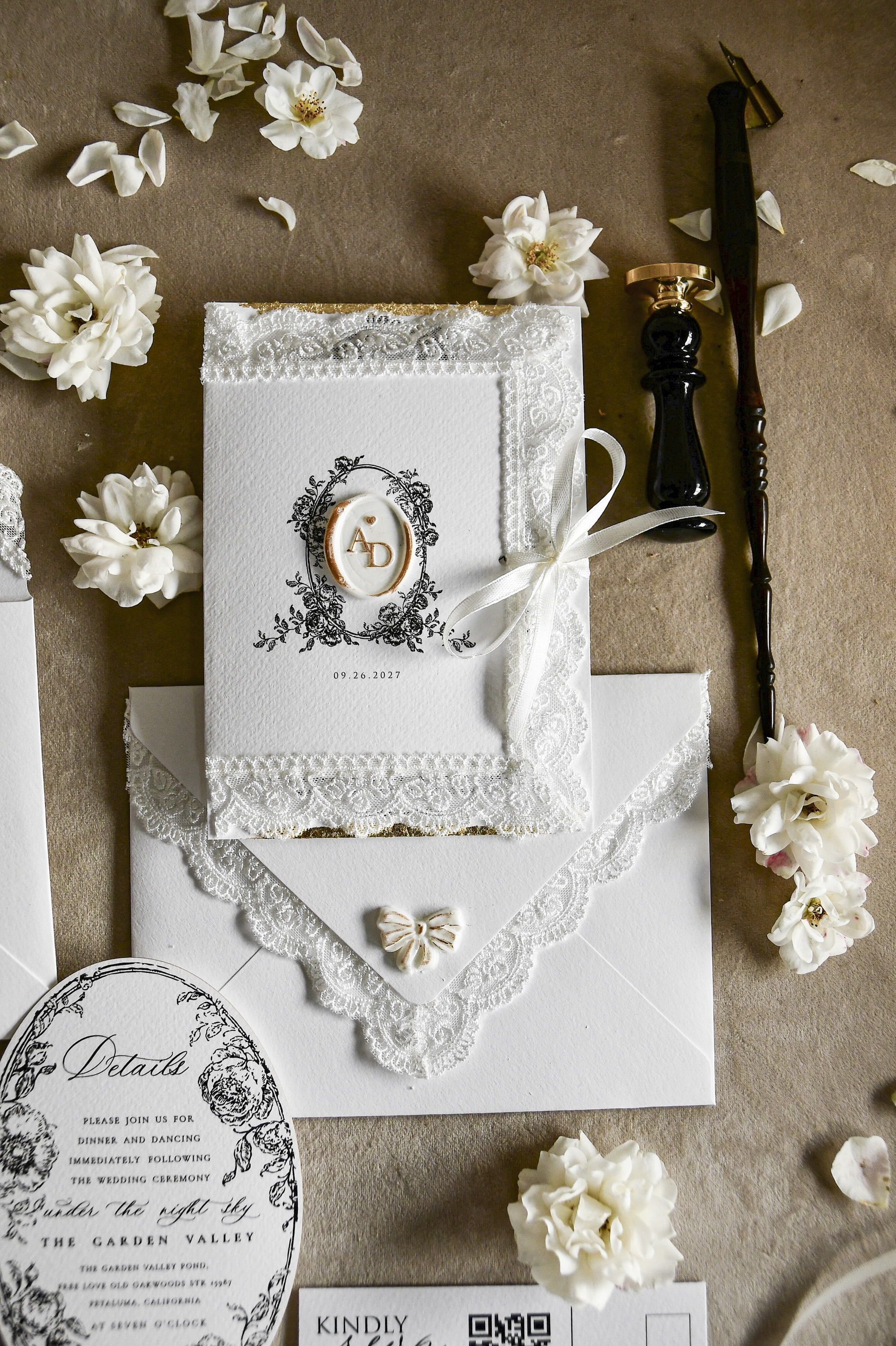
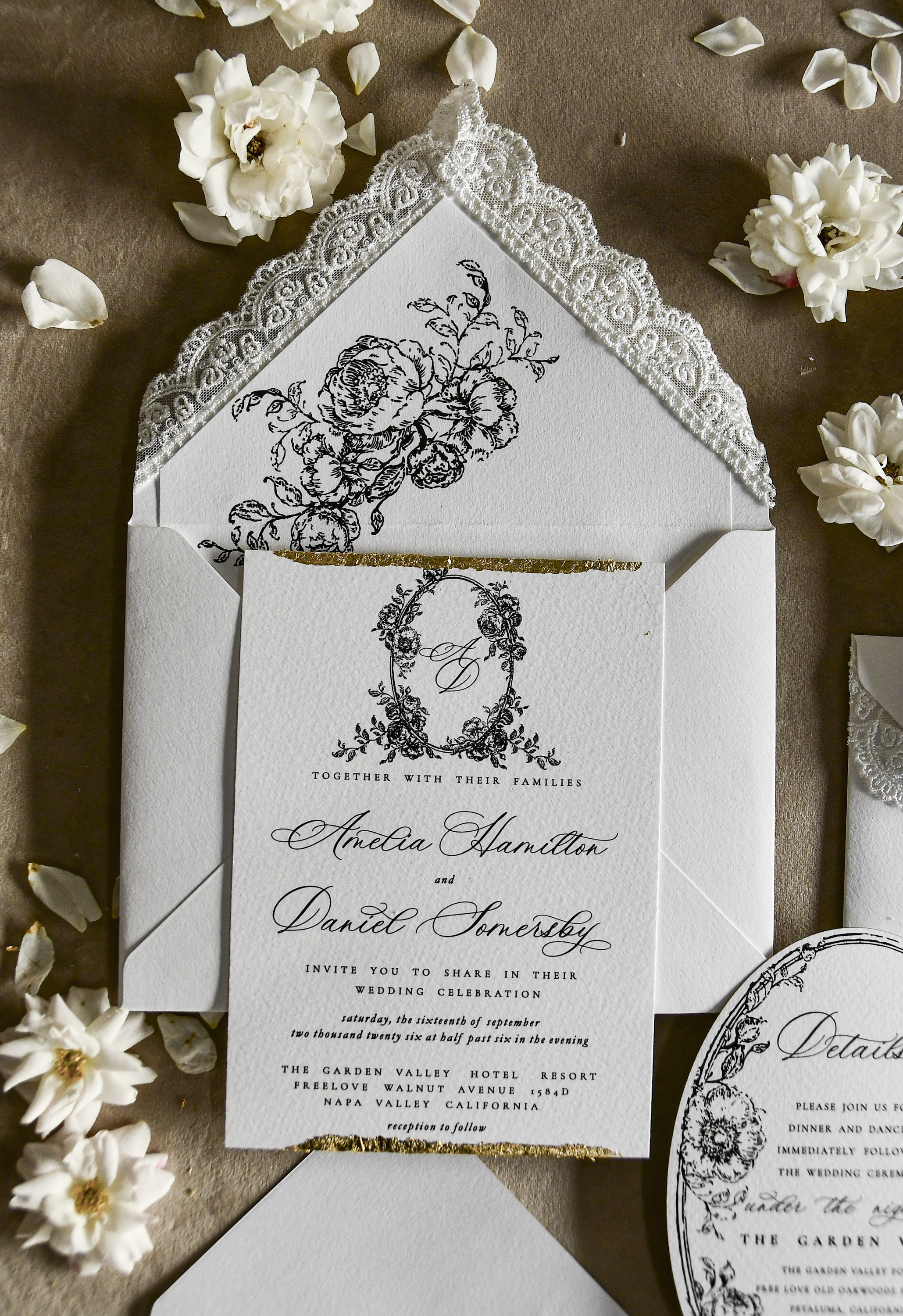
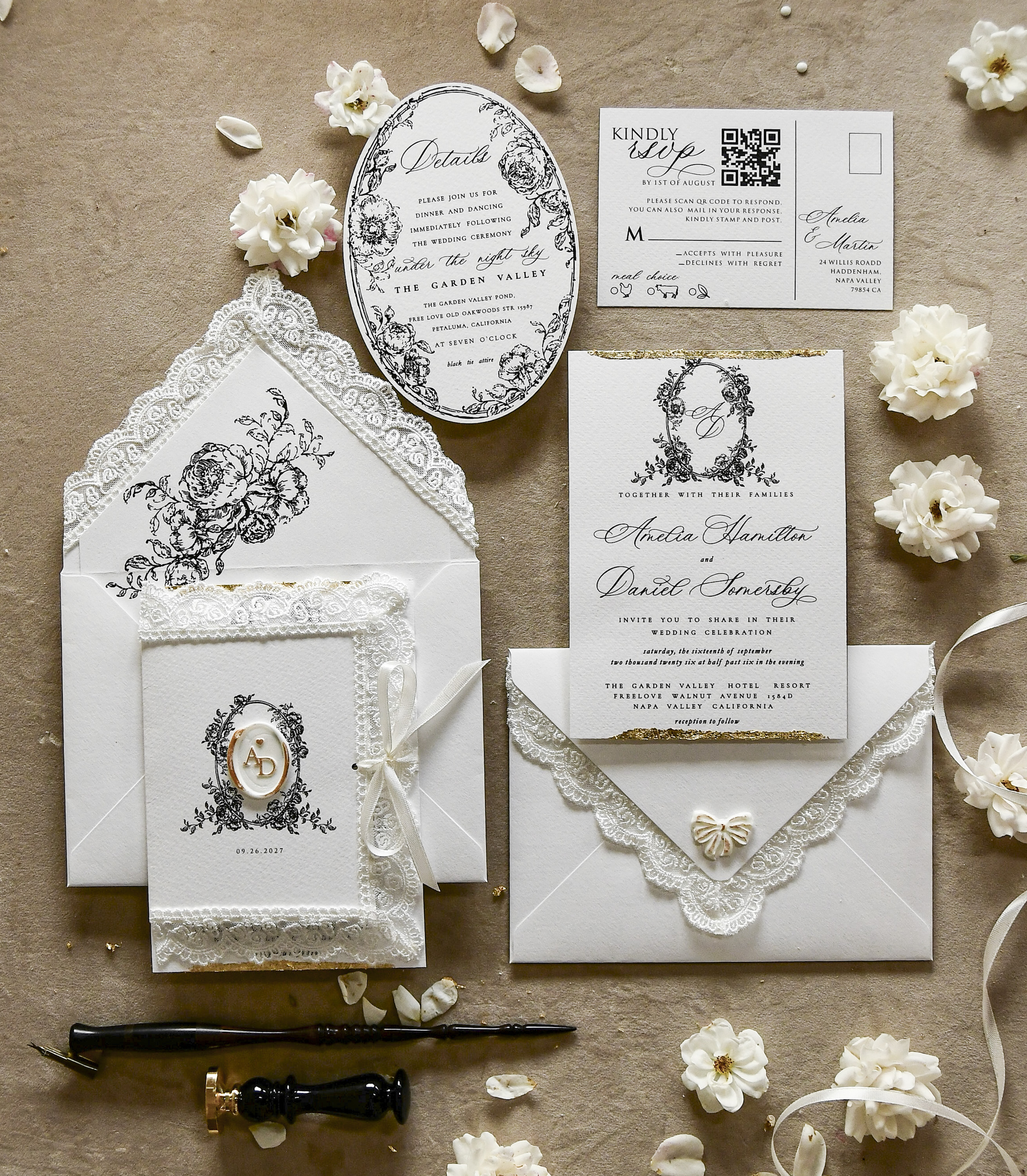
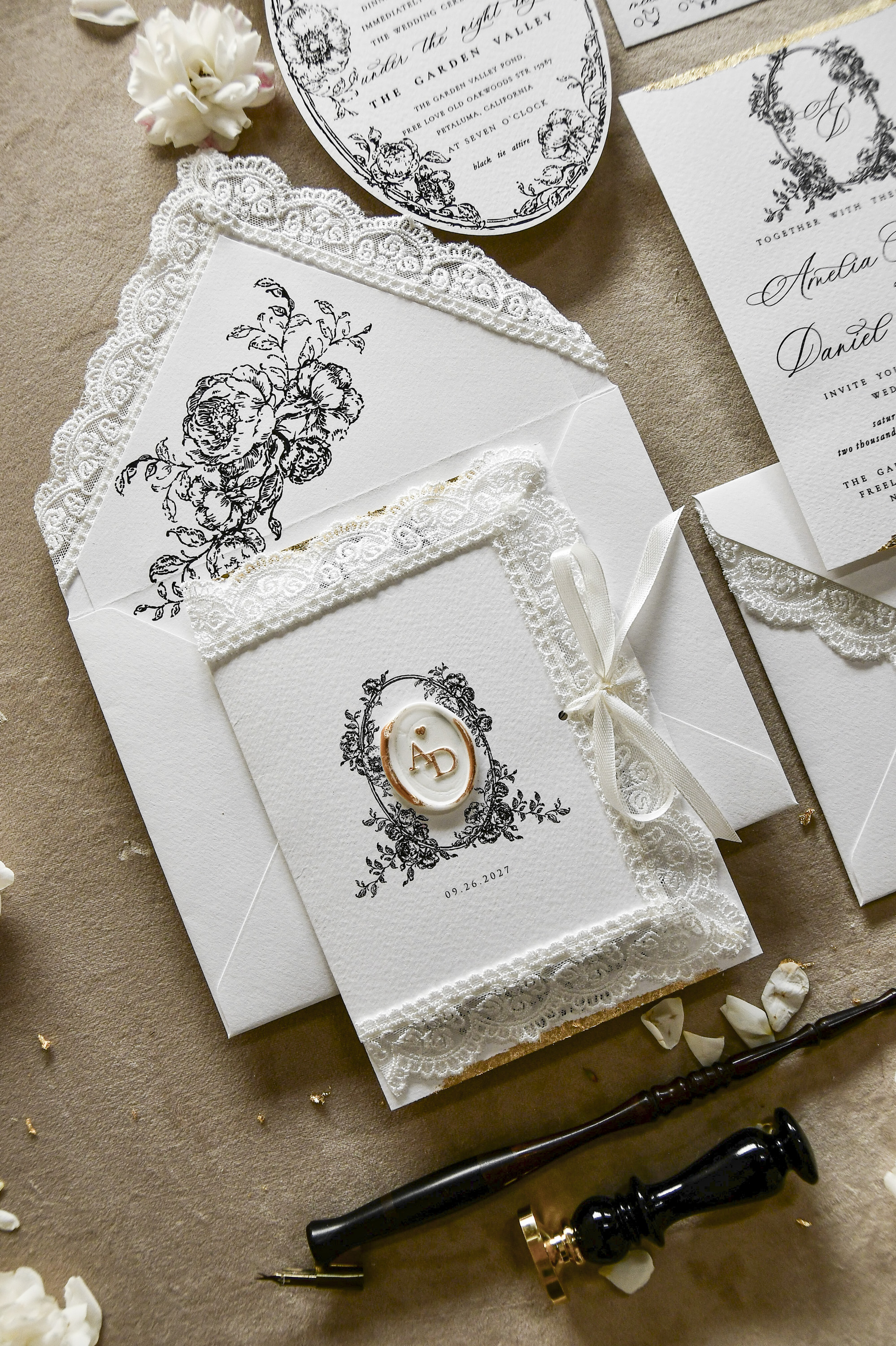
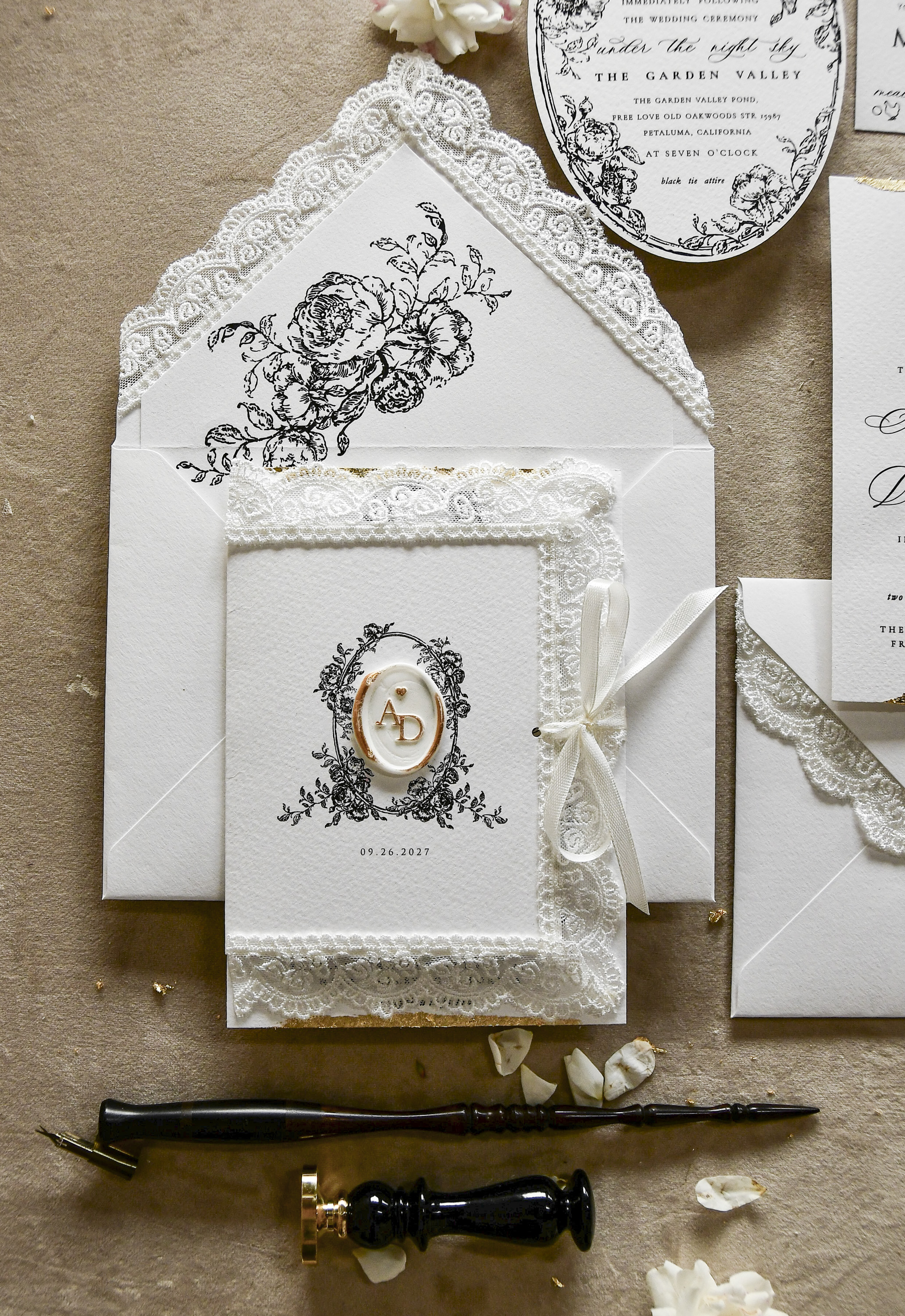
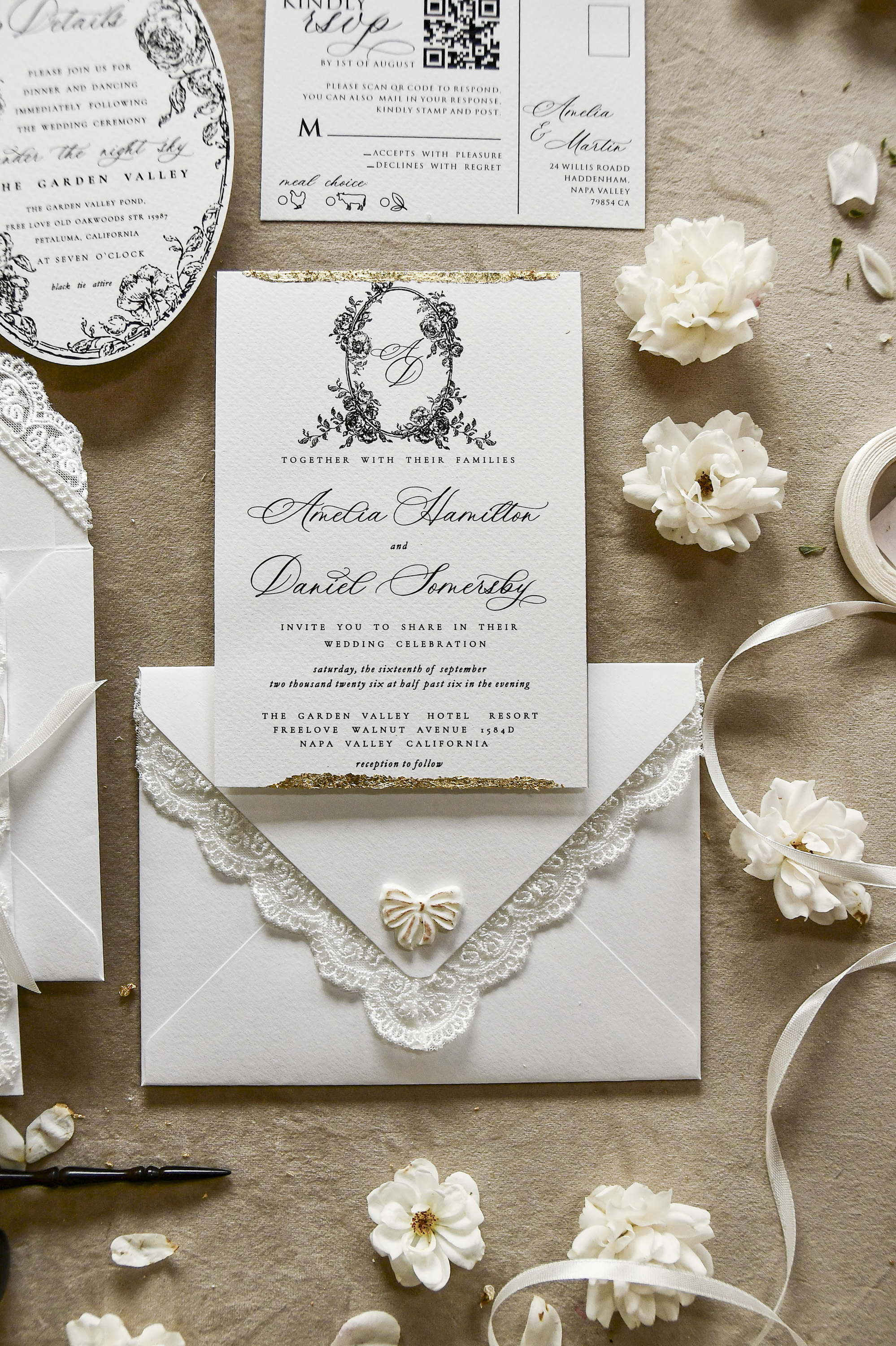
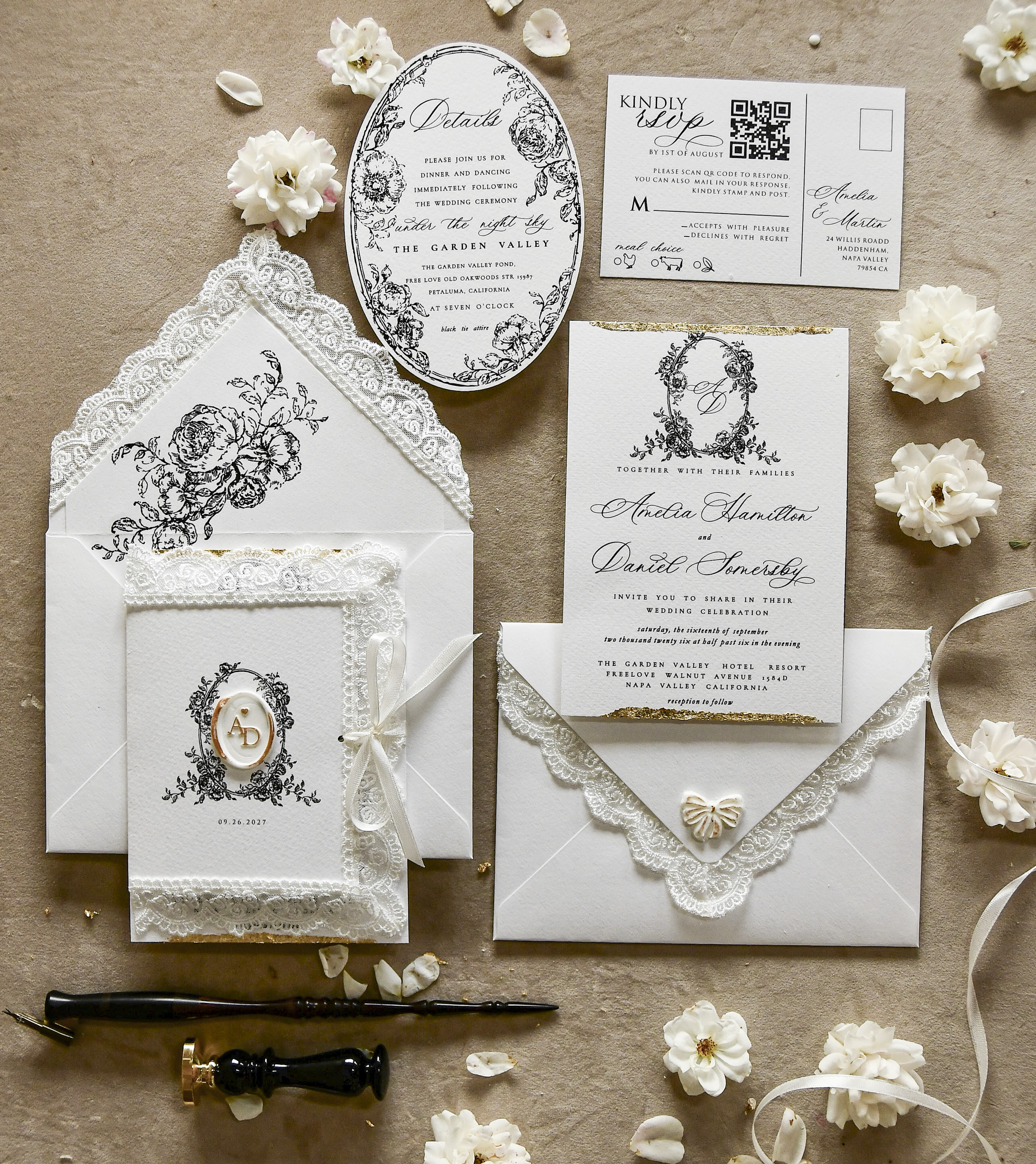
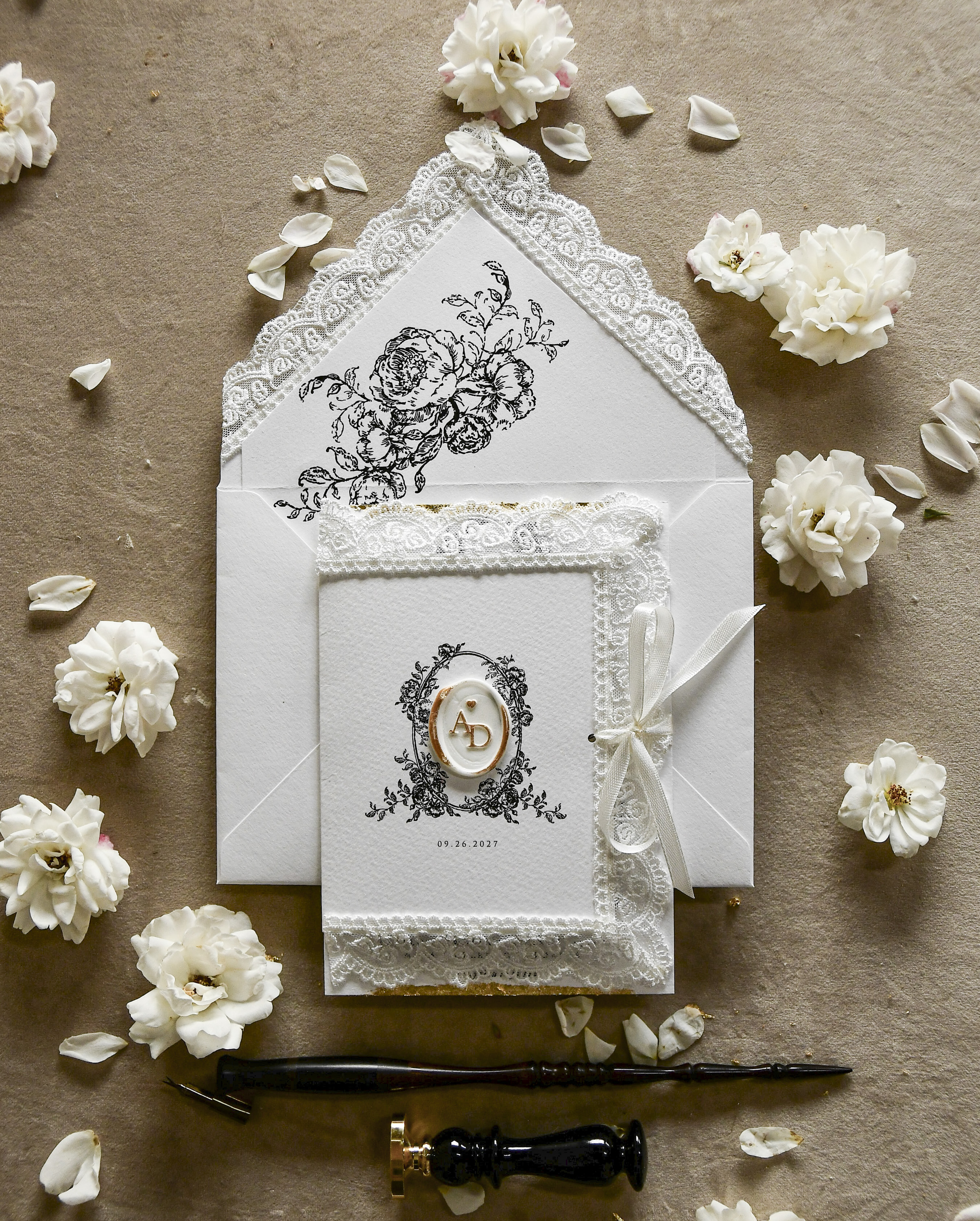
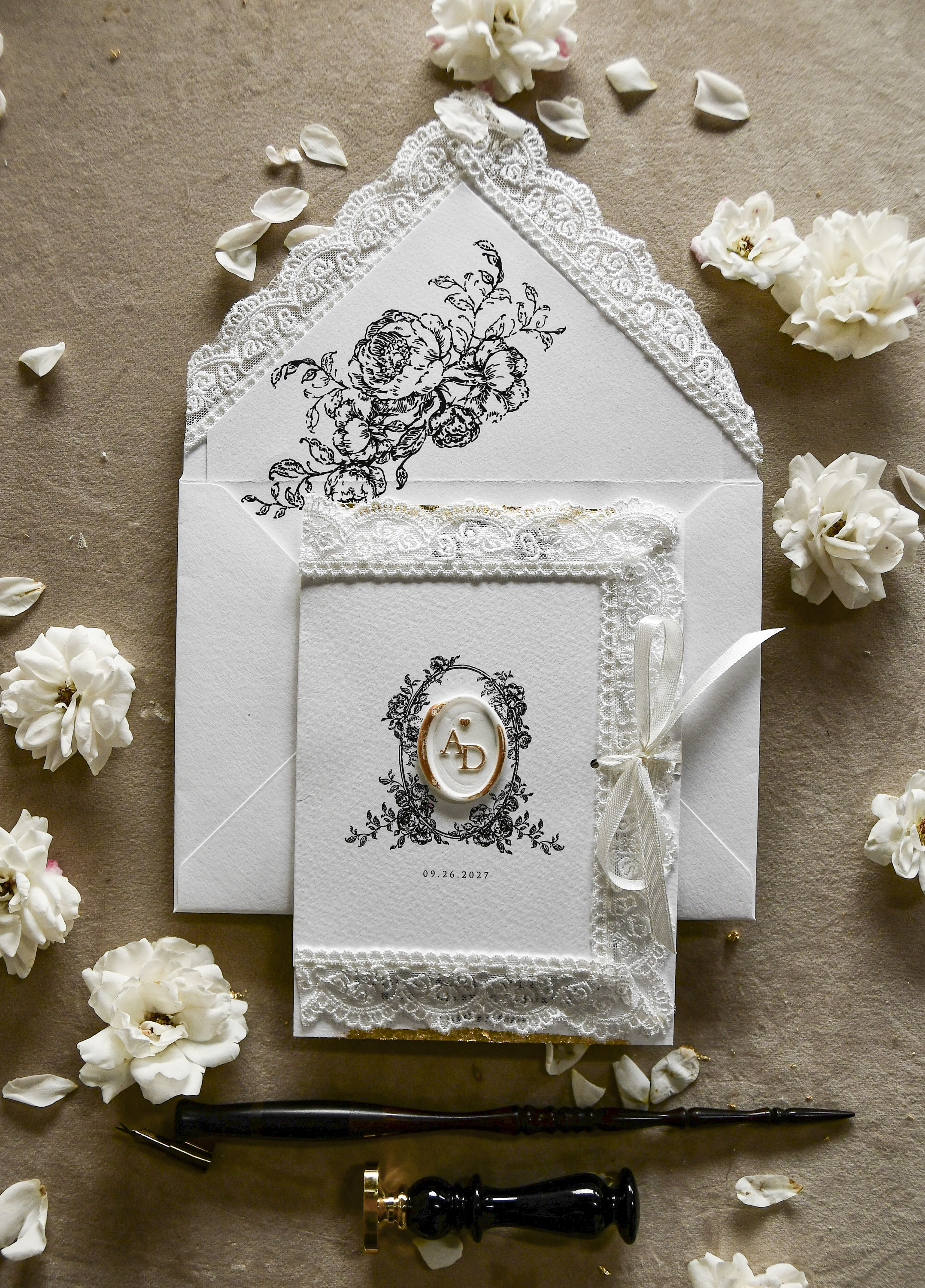
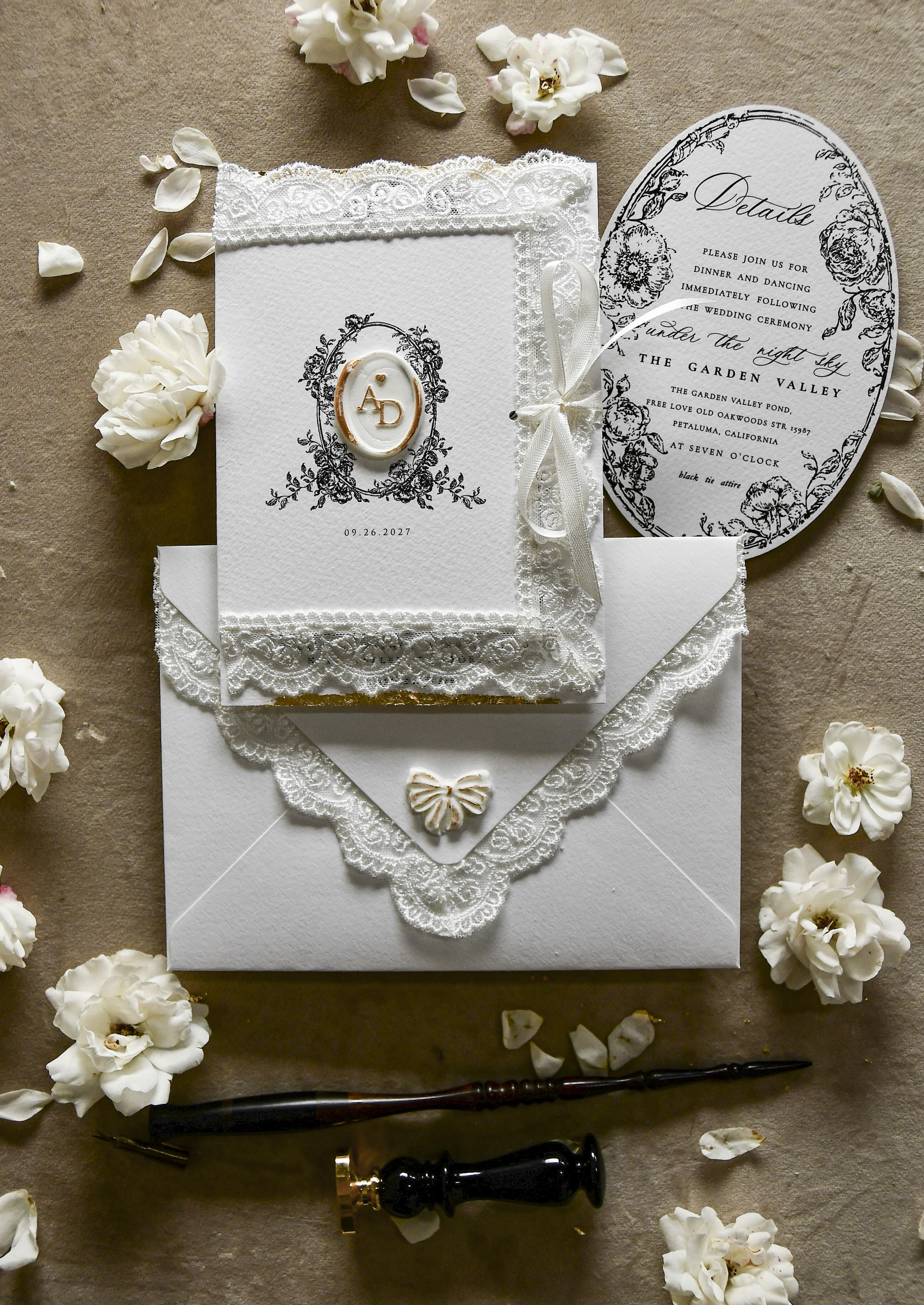
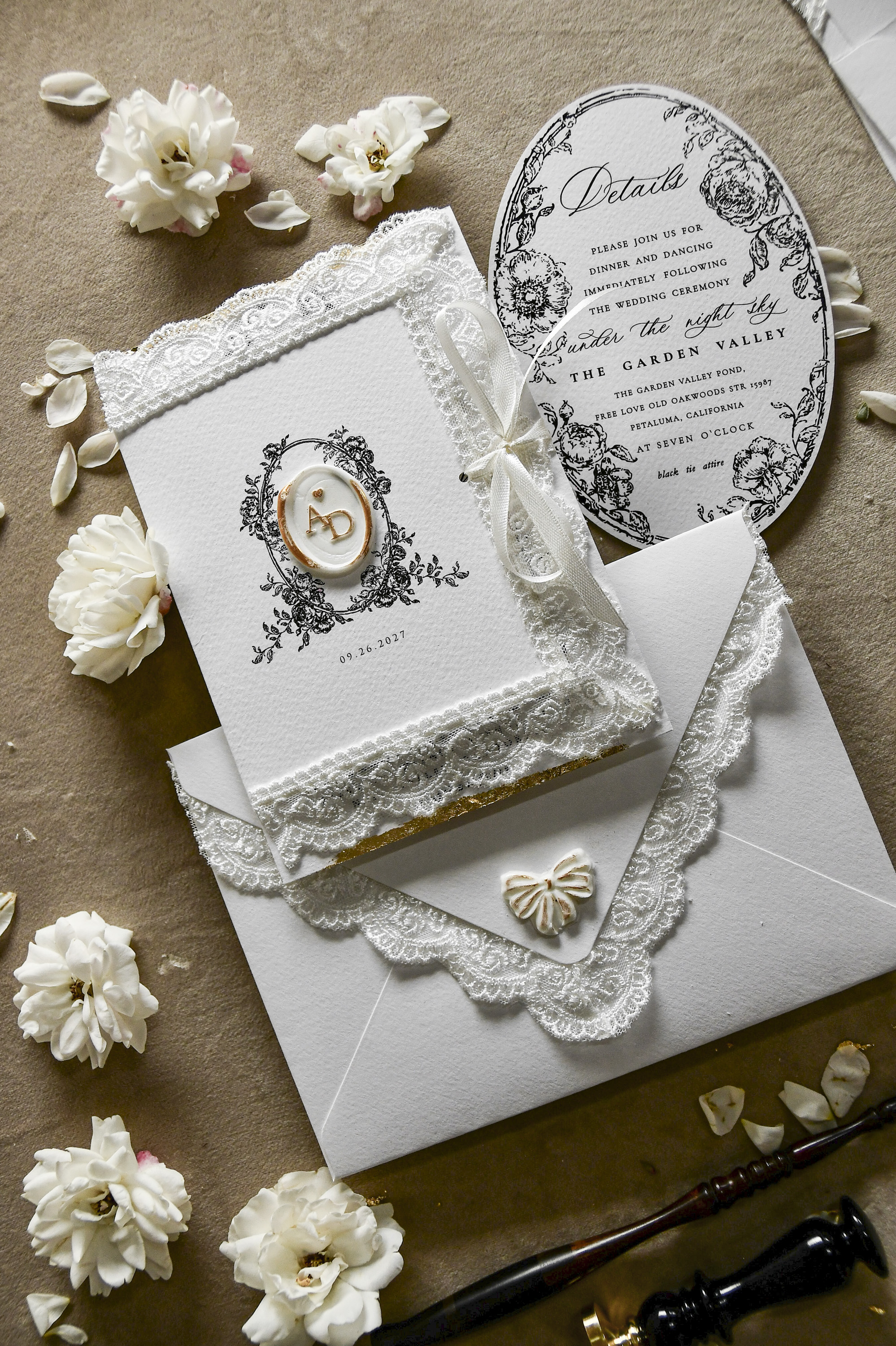
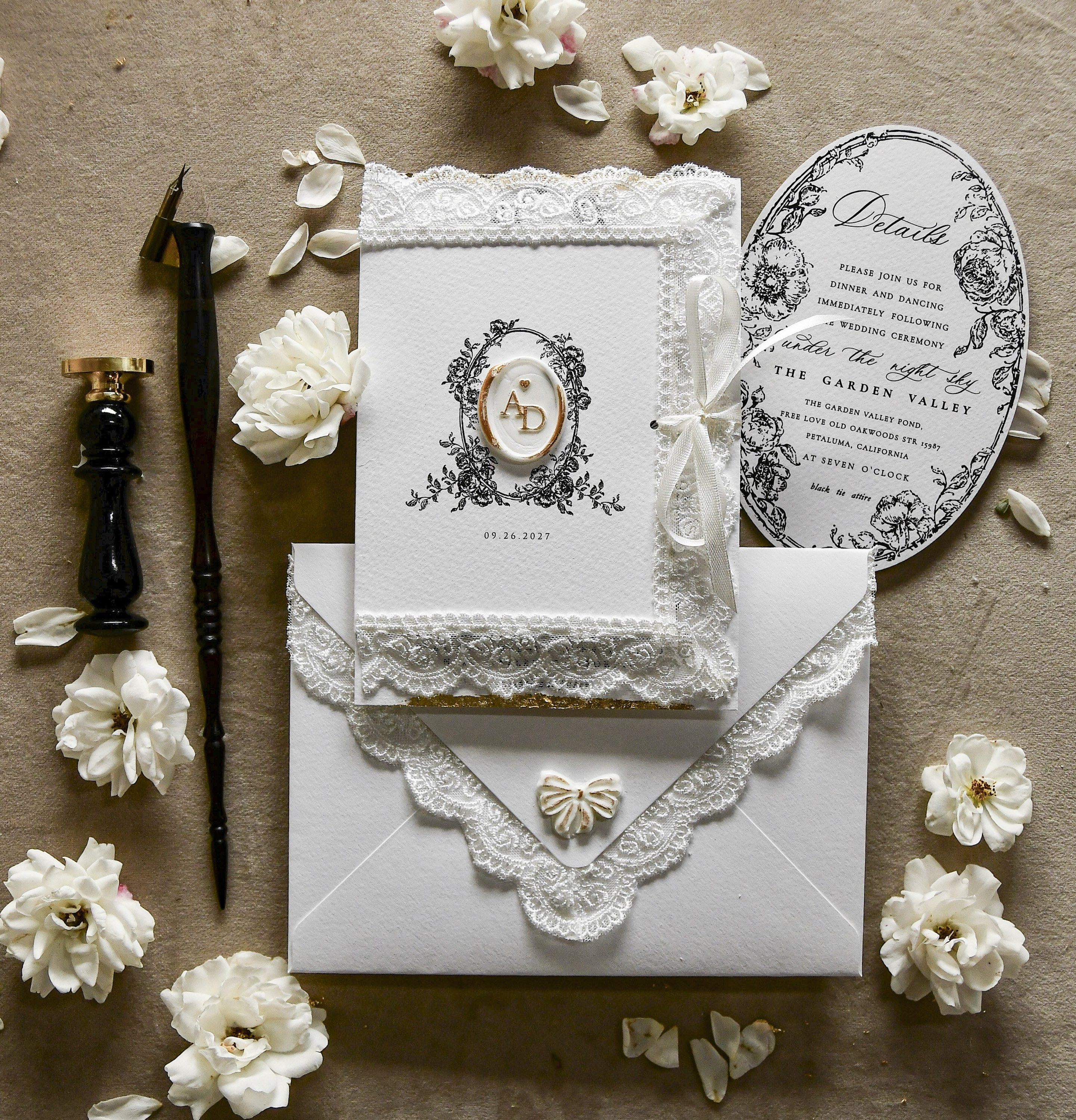
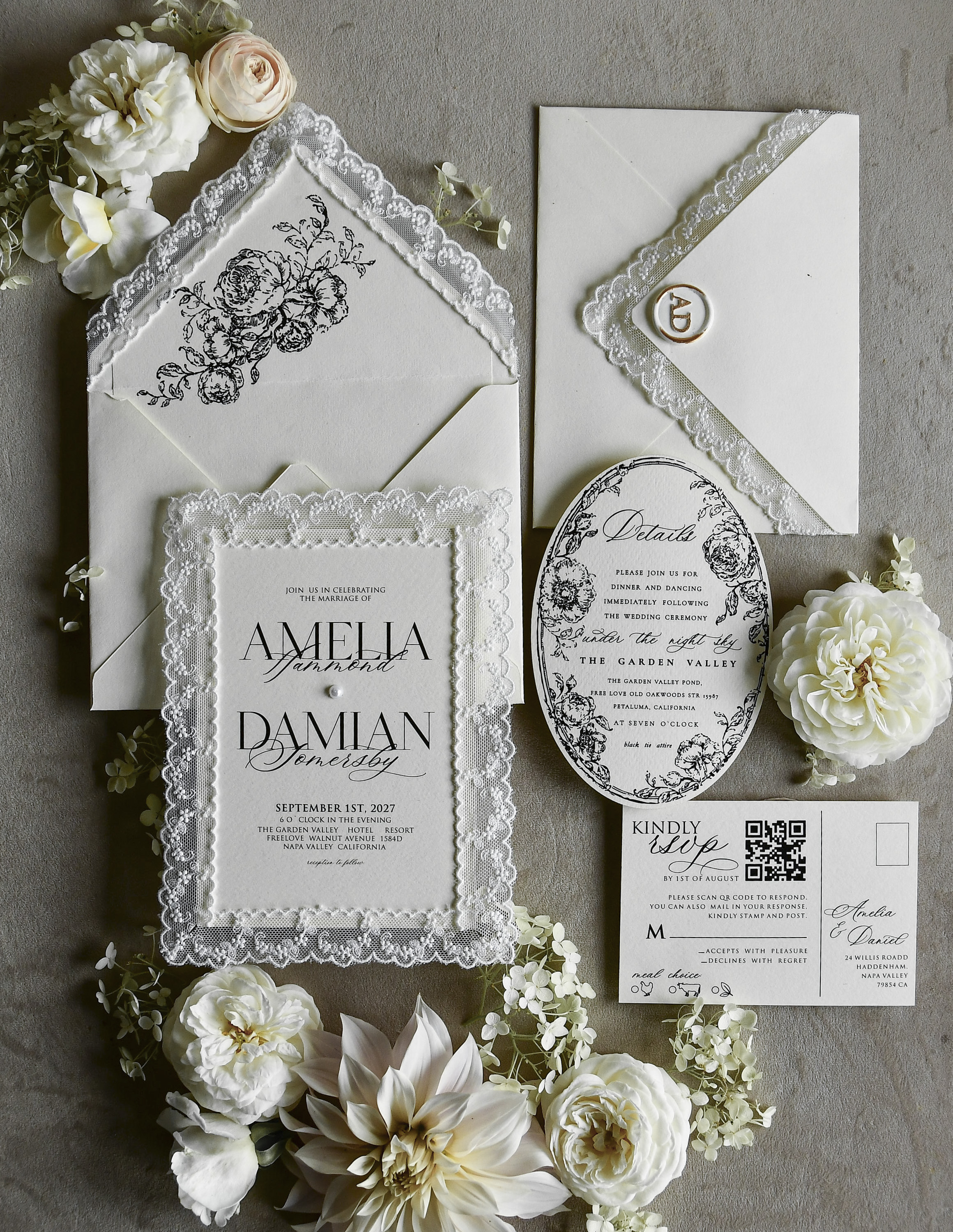
One silver lining of navigating a tight guest list is that every person who does receive an invitation feels truly chosen. That's worth celebrating. When your invitations are beautiful and intentional—like the handcrafted vintage aesthetic of the 03/laceTR/z wedding invitation—they communicate to your guests that their presence genuinely matters. A thoughtfully designed invitation isn't just paper; it's the first tangible signal that someone made the cut, that they are wanted. For the guests who do receive one, it sets a warm, meaningful tone before the wedding even begins.
Take the time to address envelopes properly, include all necessary details, and send them out on schedule—typically six to eight weeks before the wedding, or earlier for destination events. The care you put into those invitations reinforces that every guest on your list was a deliberate, loving choice.
Frequently Asked Questions
Answer honestly and gently in the moment—don't deflect or make a promise you can't keep. A simple "We're keeping it really small and I'm so sorry you won't be there" is far kinder than a vague non-answer that gives false hope.
No. A brief, honest reason is enough—venue capacity, budget, or an intimate-only policy are all legitimate and complete explanations. You are not required to justify every decision, and over-explaining can actually make the conversation feel more awkward.
Only if you genuinely mean it. Suggesting a dinner or drinks after the honeymoon is a lovely gesture if it's sincere. Don't make the offer reflexively just to soften the blow if you have no intention of following through.
Give them space to feel disappointed—that's a normal human reaction. Acknowledge their feelings calmly without backpedaling or over-apologizing. Most people come around once the initial sting fades, especially if you handled the conversation with genuine warmth.
Generally, no—it's considered polite etiquette to invite couples together or not at all. Splitting couples on a guest list is one of the most common sources of wedding-related hurt feelings and is best avoided.
As soon as you sense someone expects an invitation—don't wait until invitations have already gone out. Ideally, address it two to three months before the wedding so the person has time to process the news without the awkwardness of a last-minute revelation.
See This Design Up Close
You May Also Like
More Wedding Planning Guides
- → Kids at Your Wedding: How to Decide What's Right for Your Celebration
- → Mailing vs. Hand-Delivering Wedding Invitations: What's the Right Call?
- → When Silence Speaks: How to Handle Guests Who Never RSVP'd
- → The Plus-One Dilemma: How to Handle Dates for Single Guests
- → Ceremony-Only Guests: The Honest Guide to Partial Wedding Invitations
- → Save the Dates and Wedding Invitations: What Each One Does and Why You Need Both
- → Navigating the Parent Guest List: How to Keep the Peace Without Losing Control
- → The Honest Guide to Trimming Your Wedding Guest List Without the Guilt
- → Seating Your Divorced Parents at the Wedding: A Practical Guide
- → When Guests Ghost Your RSVP: What to Do Next
- → The Honest Guide to Deciding Who Gets a Plus One at Your Wedding
- → The Ex Factor: How to Decide Whether a Former Partner Belongs on Your Guest List
- → The Perfect Timing for Mailing Your Wedding Invitations
- → Digital vs. Paper Wedding Invitations: Which Is Right for You?
- → Child-Free Weddings: What's Rude and What's Perfectly Fine
- → Everything Your Wedding Invitation Needs to Say
- → Navigating Guest List Pressure: When Mom Wants to Invite Someone You Don't
- → When Your Partner Wants a Smaller Guest List Than You Do
- → Online RSVPs vs. Mailed Cards: What Every Couple Should Know
- → Uninvited Plus-Ones and Tag-Alongs: How to Keep Your Guest List Intact
- → When Family Feuds Threaten Your Wedding Plans: A Practical Peacekeeper's Guide
- → Inviting an Estranged Brother or Sister: Finding Clarity Before You Seal the Envelope
- → Cousins, Invites, and Hard Choices: A Practical Guest List Guide