
The Honest Guide to Deciding Who Gets a Plus One at Your Wedding
The plus-one question is one of the trickiest parts of building your guest list. Say yes to everyone and your budget balloons. Say no across the board and you risk hurt feelings. The truth is, there's no single rule that works for every couple — but there are clear guidelines that make the decision fair, consistent, and a whole lot easier to explain to your future mother-in-law.
Start With a Clear, Consistent Policy
The golden rule of plus ones: whatever you decide, apply it consistently across every group. Inconsistency is what causes drama. If your college roommate gets a plus one but your coworker doesn't, and they're in the same situation, someone is going to feel slighted. Pick a policy that can be explained in one sentence and stick to it.
Common approaches include:
- Plus ones for all guests — generous but expensive; works best for smaller, intimate weddings.
- Plus ones only for married, engaged, or cohabitating partners — the most widely accepted standard.
- Plus ones for wedding party members only — a fair compromise when the budget is tight.
- No plus ones for anyone — totally valid, especially for micro-weddings or elopements.
Write your policy down before you start addressing invitations. It will save you from making emotional, on-the-fly exceptions that you'll regret later.
Who Typically Gets an Automatic Plus One
Certain relationships make the plus-one decision easy. These guests should almost always receive one:
- Spouses and legal partners — non-negotiable. Inviting someone without their spouse is considered a serious breach of etiquette.
- Engaged couples — if you know someone is engaged, their fiancé(e) should be included.
- Long-term partners who live together — couples who share a home are considered a social unit, even without a ring.
- Wedding party members — your bridesmaids, groomsmen, and other attendants are doing you a significant favor. Giving them a plus one is a meaningful way to say thank you.
For anyone in a committed relationship that you personally know about — even if they're not yet living together — use your judgment. If you've met the partner or they've been together for a year or more, it's a kind gesture to extend the invitation.
When It's Okay to Skip the Plus One
You are not obligated to give every single guest a plus one, and most guests will understand — as long as your policy is consistent. It's perfectly reasonable to skip plus ones for:
- Single guests you know well — if your guest is single and will know plenty of people at the wedding, they'll likely have a great time without a stranger in tow.
- Casual acquaintances or work colleagues — guests you're inviting out of obligation rather than closeness don't necessarily warrant a guest of their own.
- New or casual daters — if someone has been dating a person for only a few months, it's reasonable not to include someone you've never met.
If a guest asks about bringing someone, be kind and direct: "We're keeping our guest list very intimate, so we weren't able to extend plus ones, but we'd absolutely love to have you there." Most people will respect honesty delivered warmly.
How to Communicate Plus One Decisions on Your Invitations
The way your invitation is addressed tells guests exactly who is invited — no awkward follow-up calls needed. Use the outer envelope to be specific:
- "Mr. James Carter and Guest" — signals a plus one is included for a single guest.
- "Ms. Rachel Torres" — signals the invitation is for one person only.
- "Mr. and Mrs. David Kim" — clearly addresses a couple.
Your RSVP card can also include a line that reads "We have reserved ___ seat(s) in your honor" and fill in the number. This removes all ambiguity and prevents guests from adding uninvited names to their reply cards.
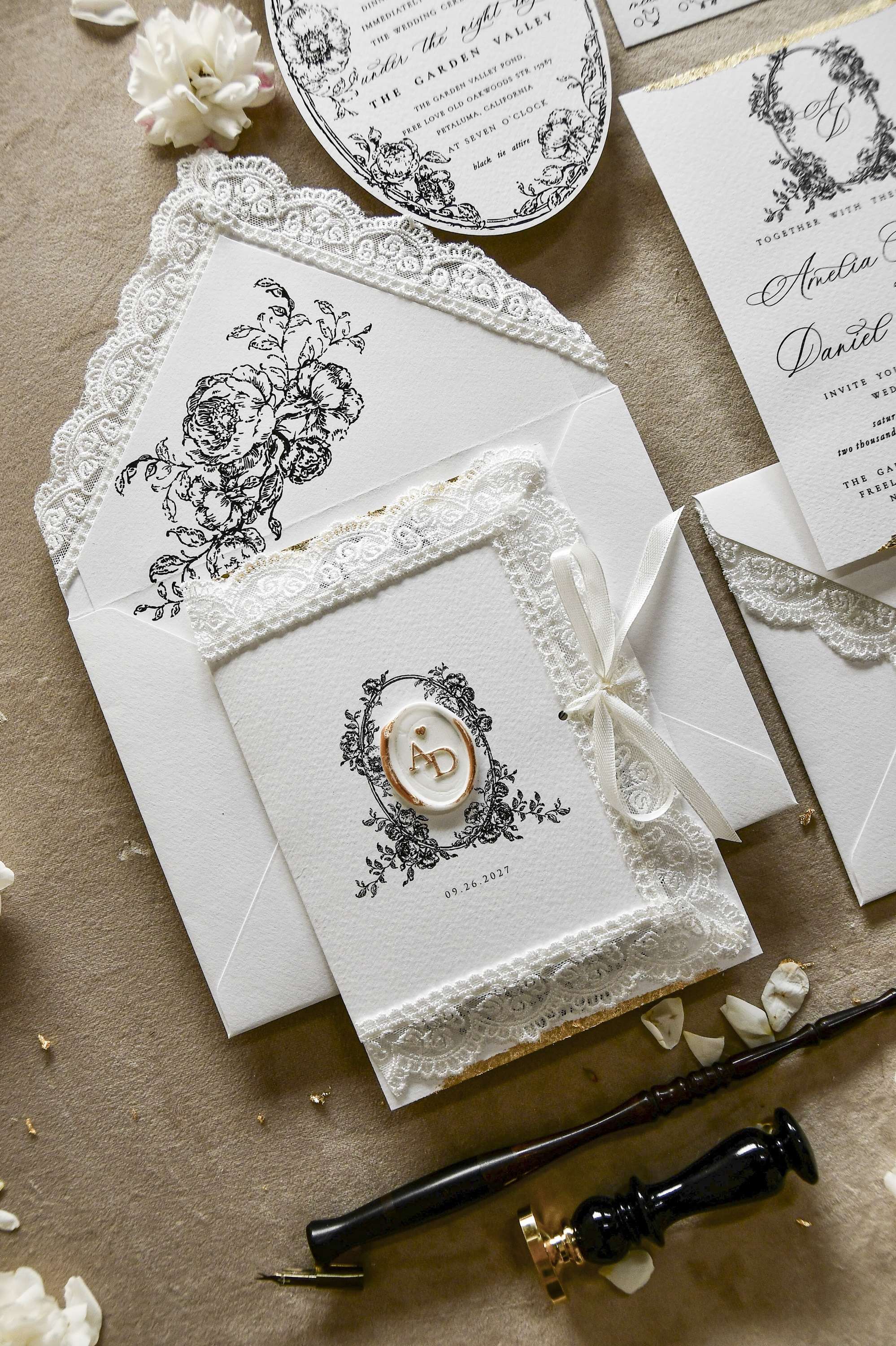
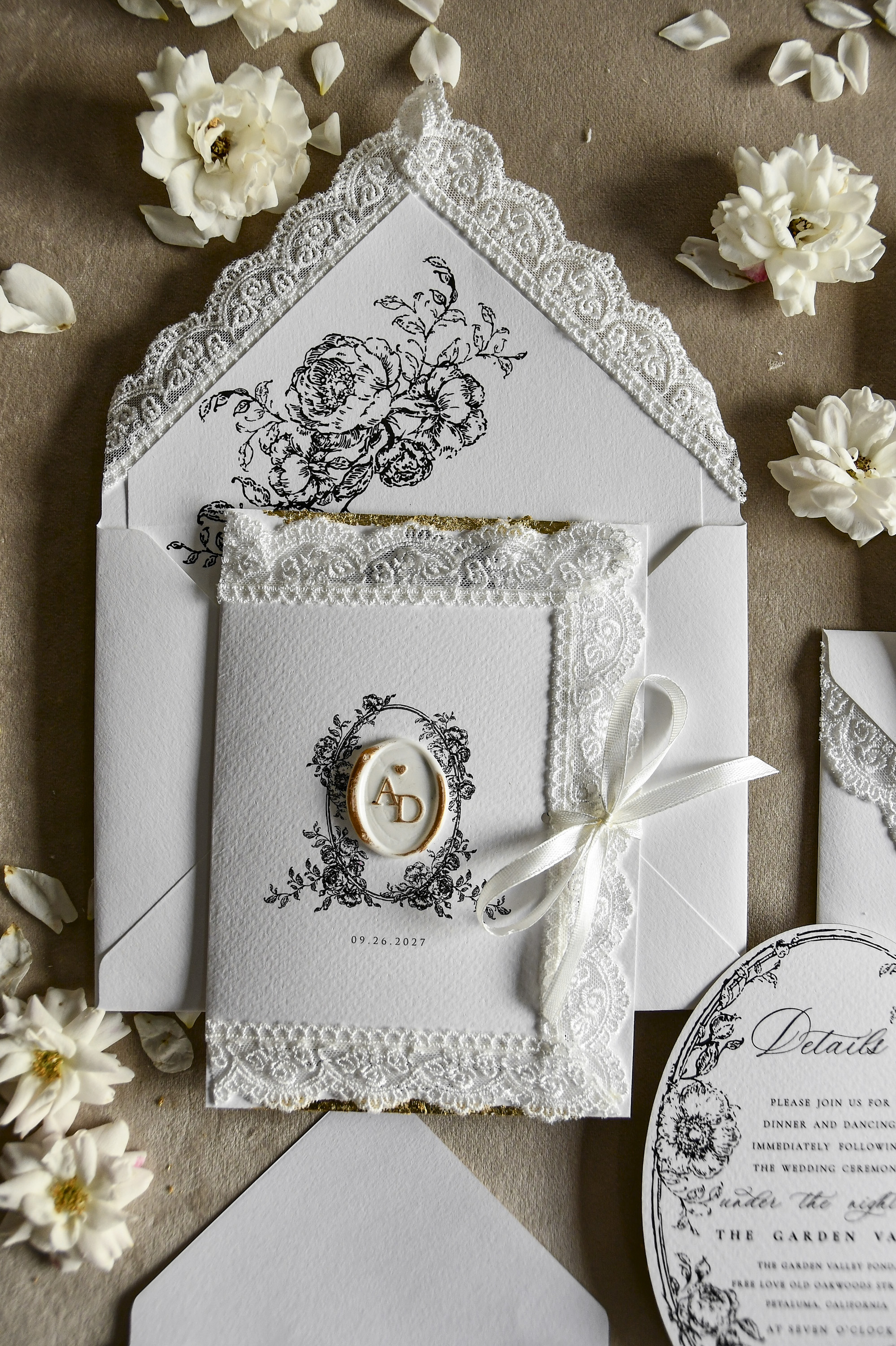
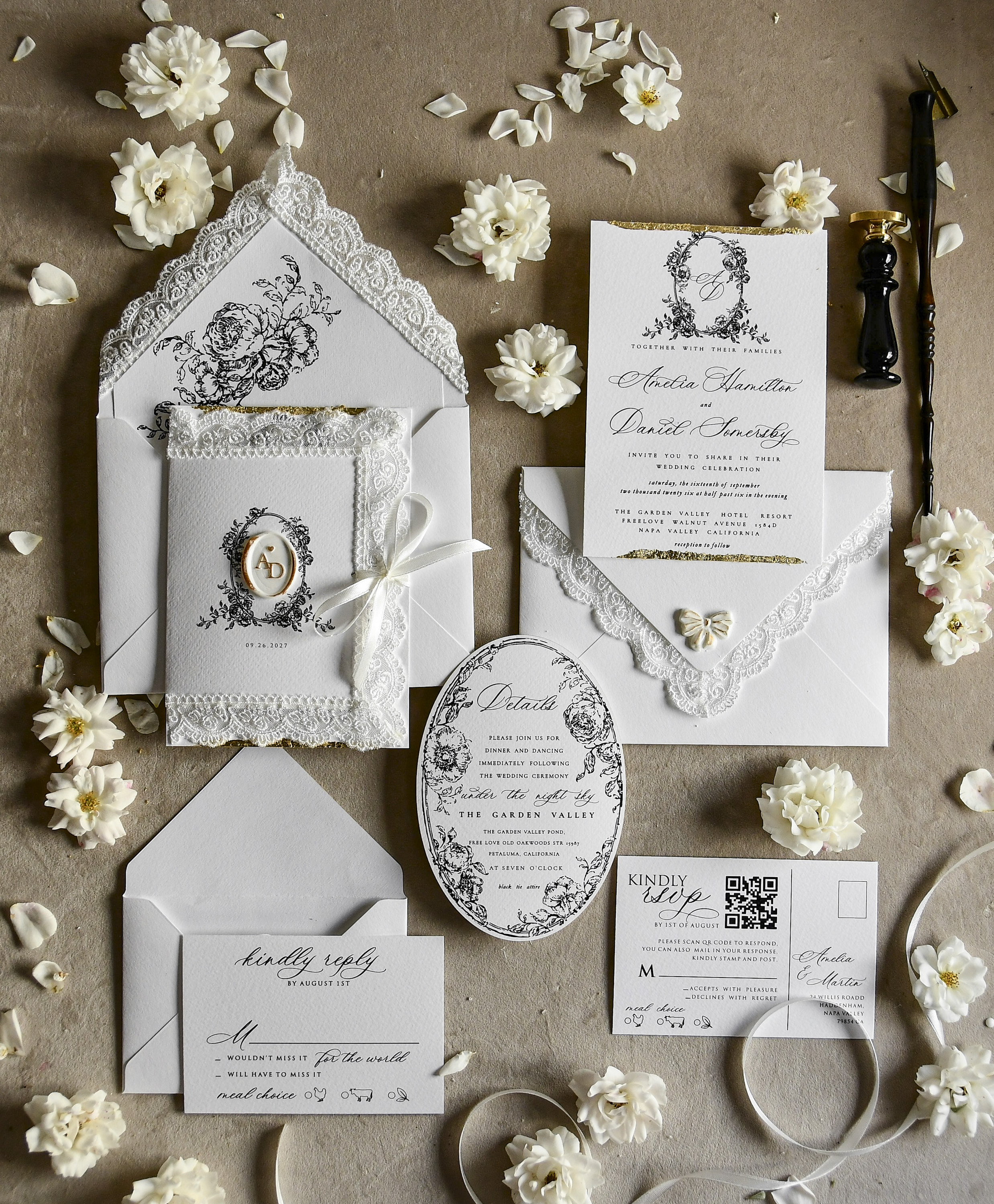
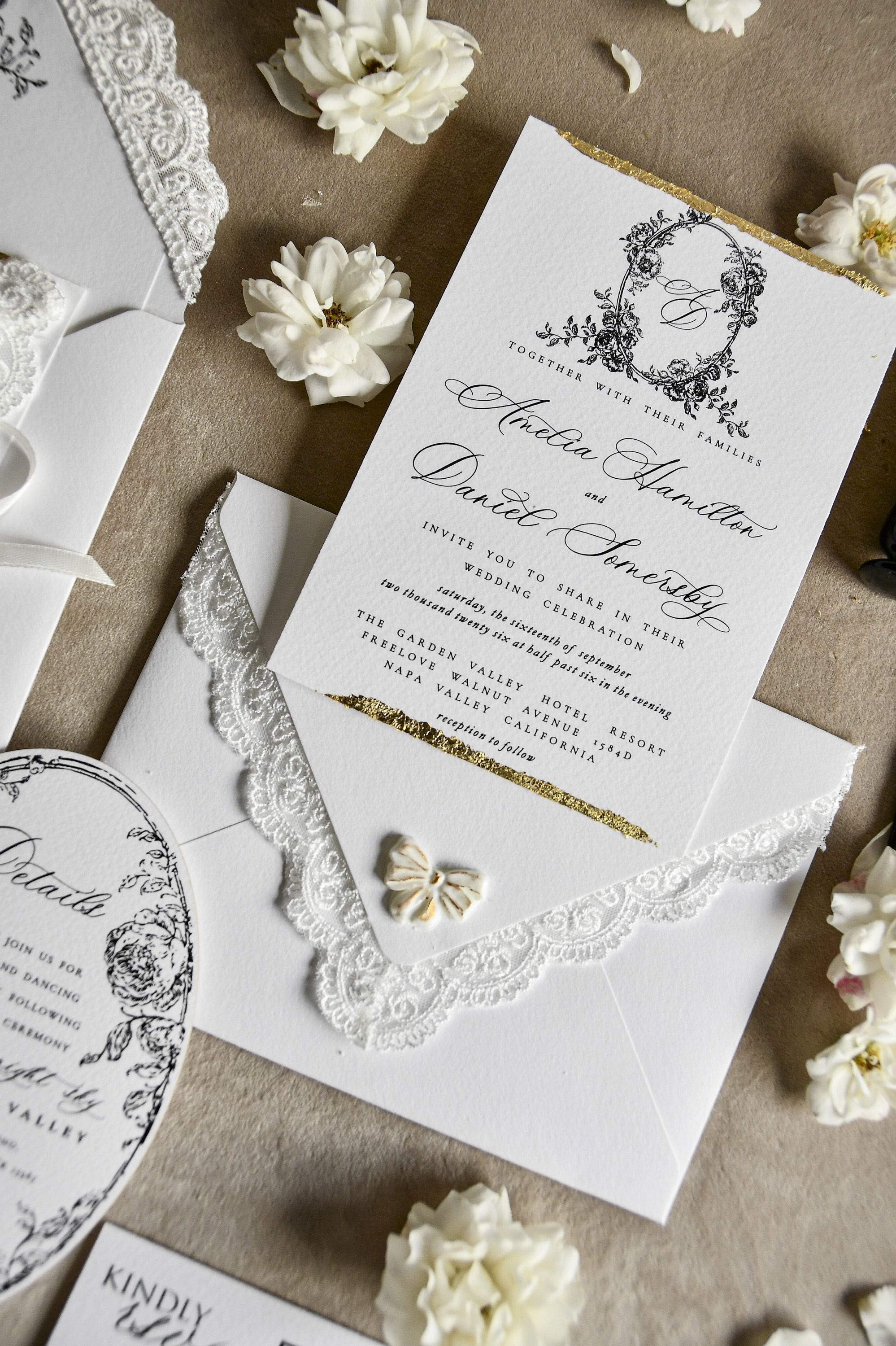
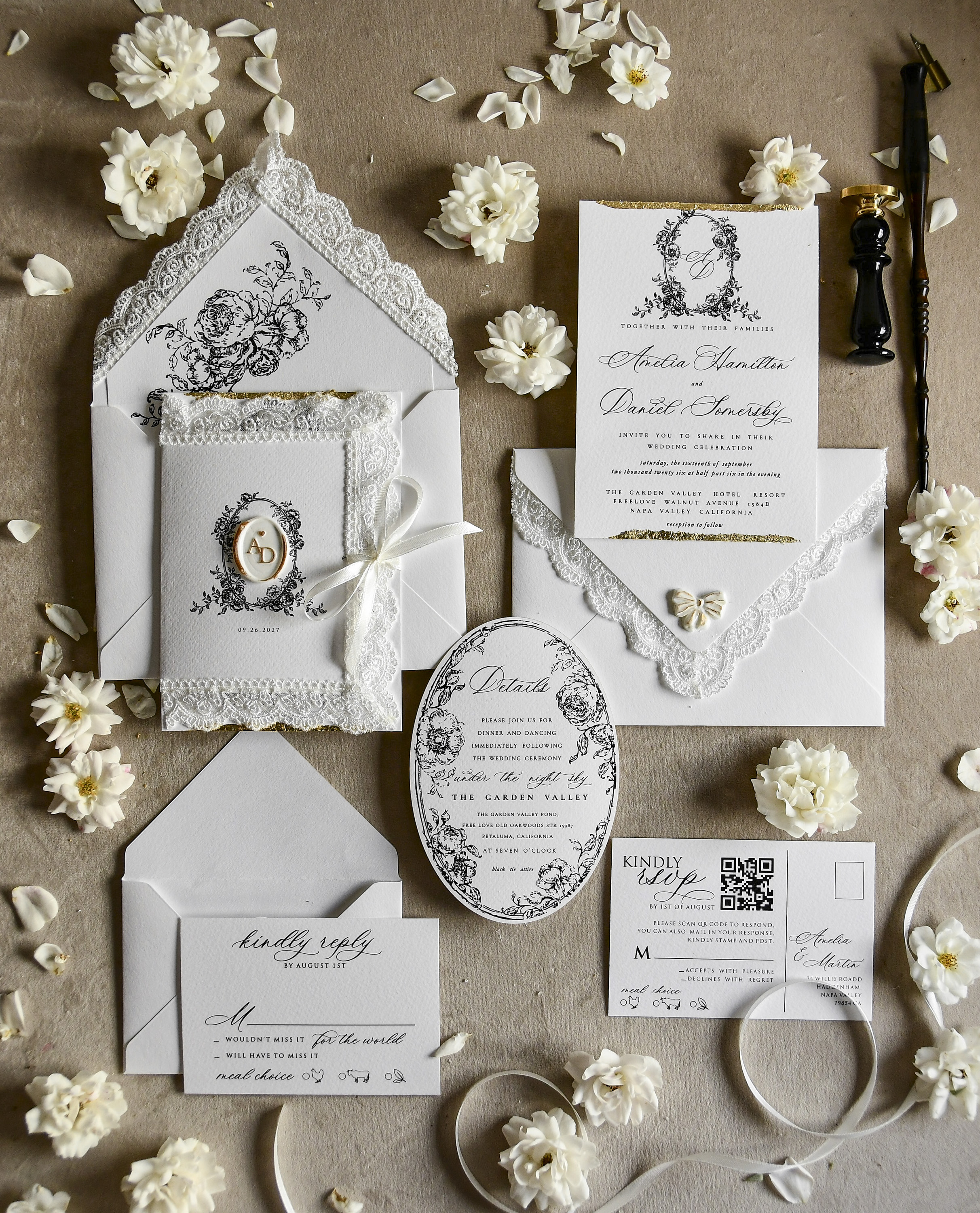
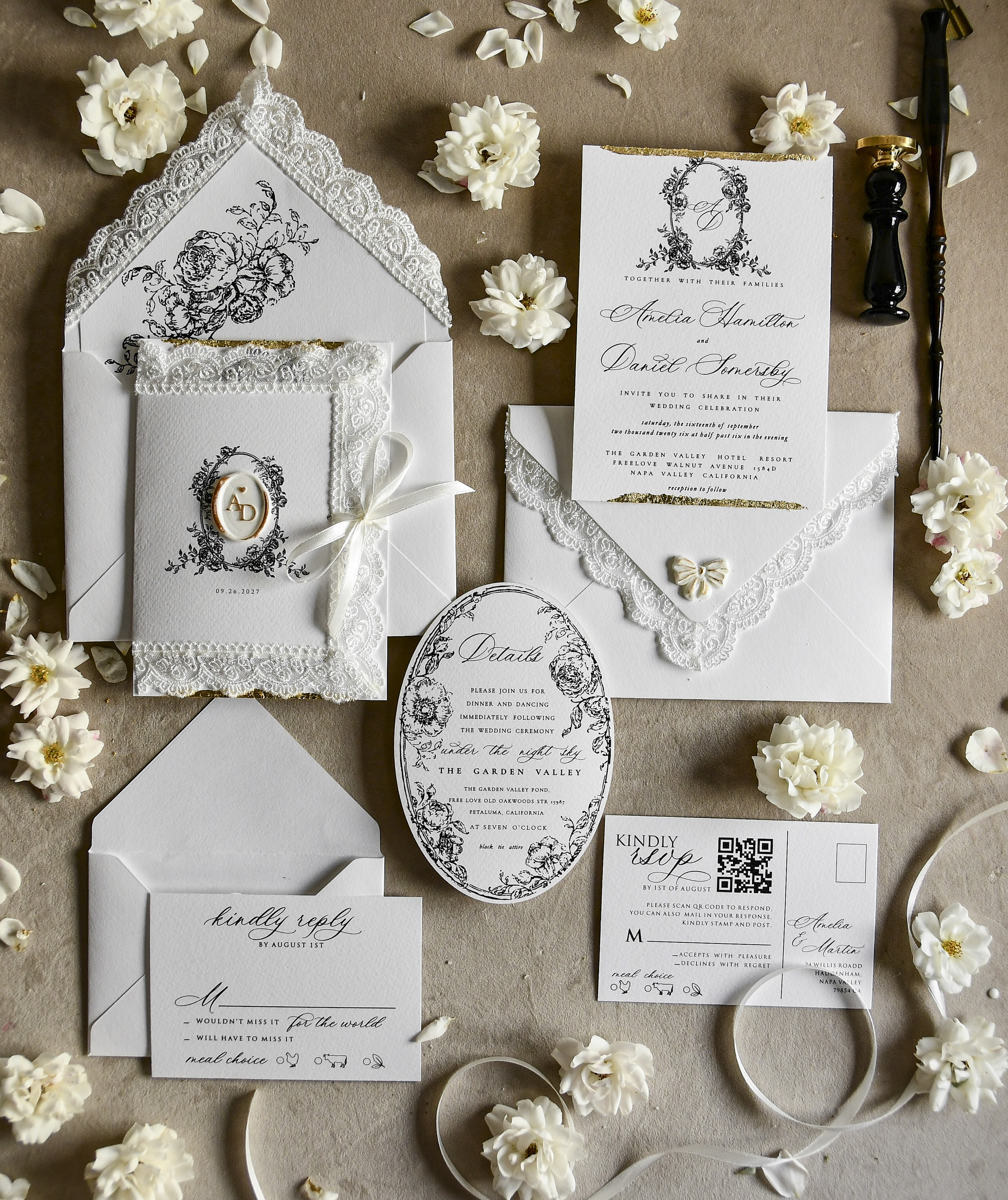
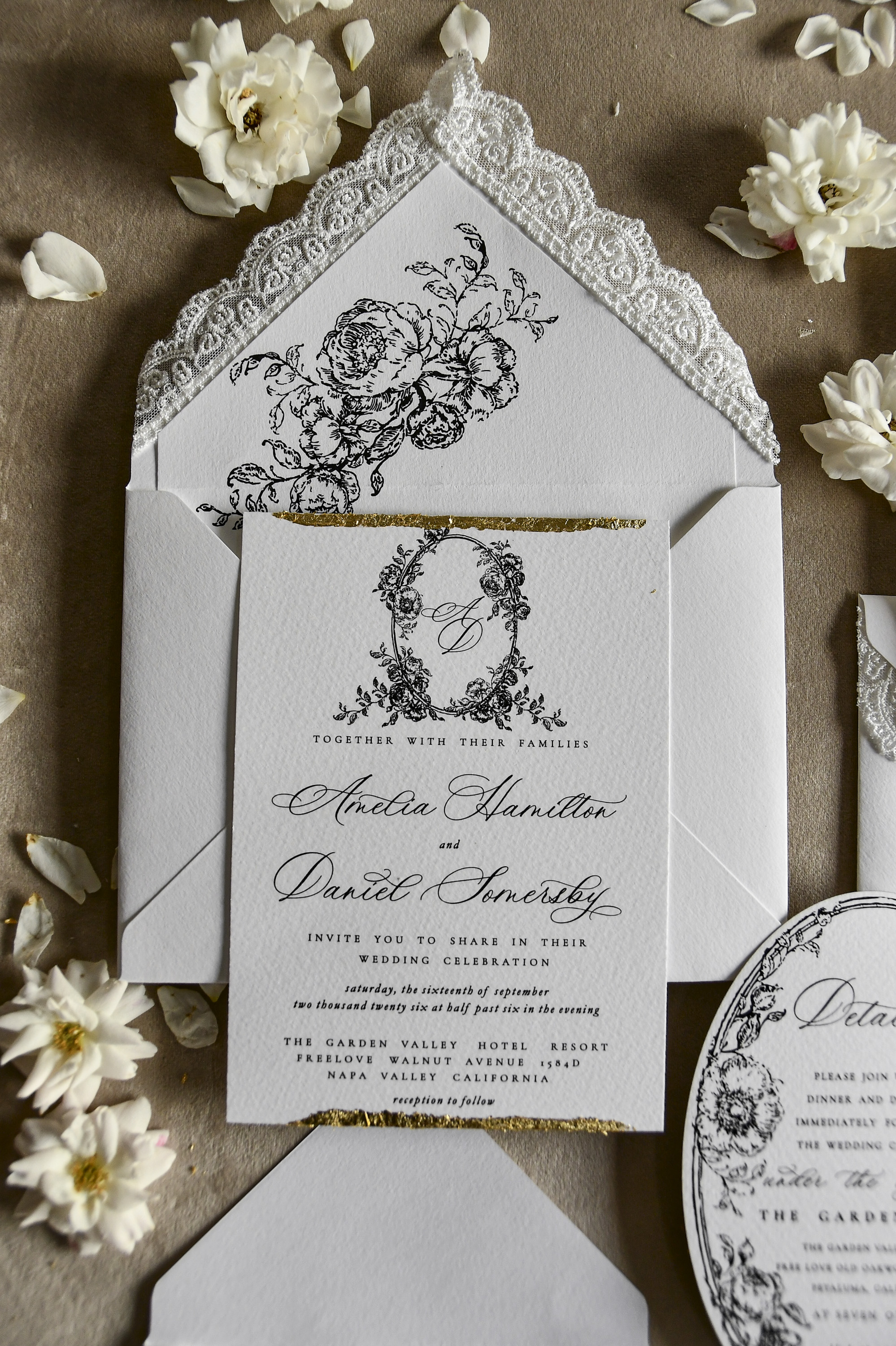
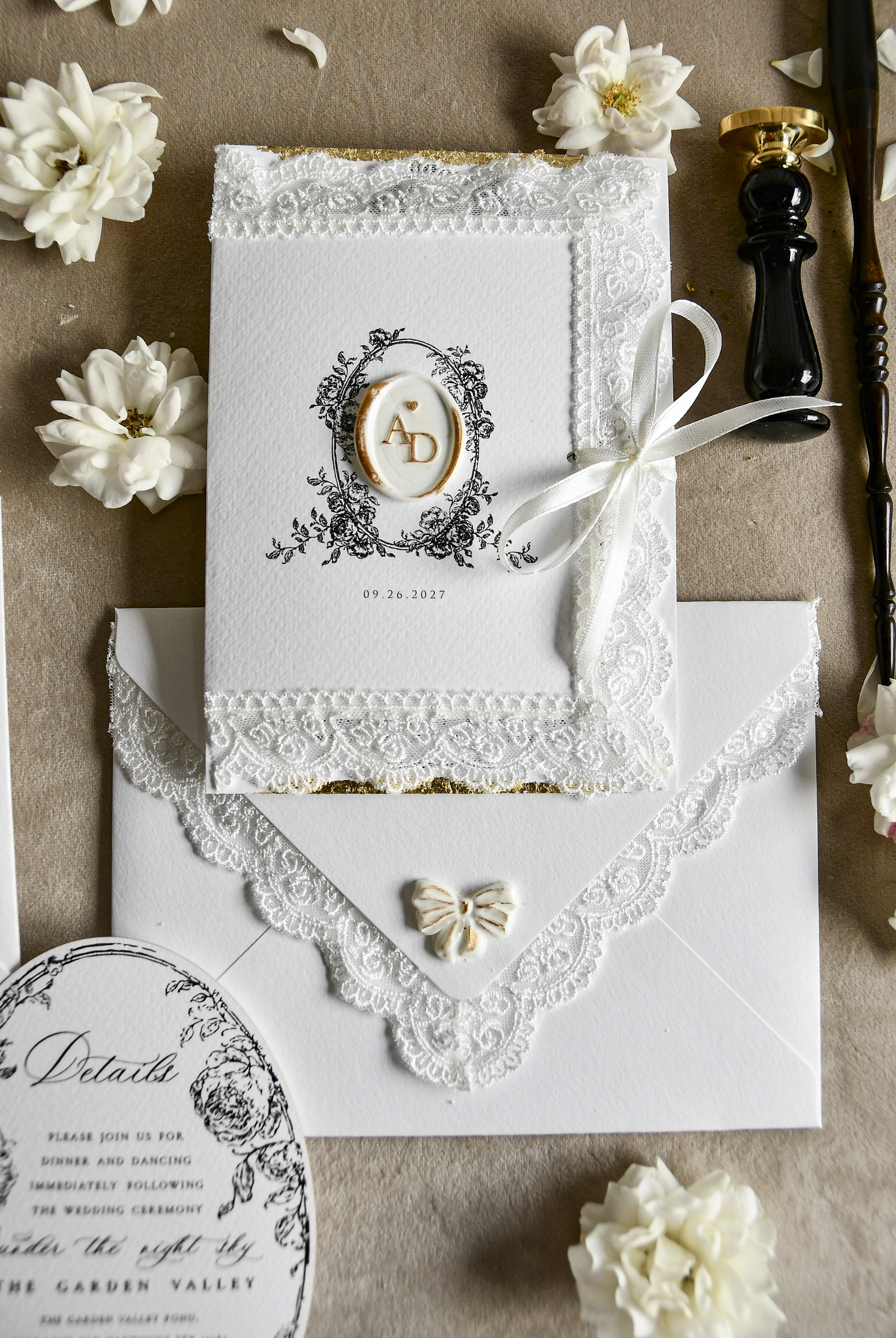
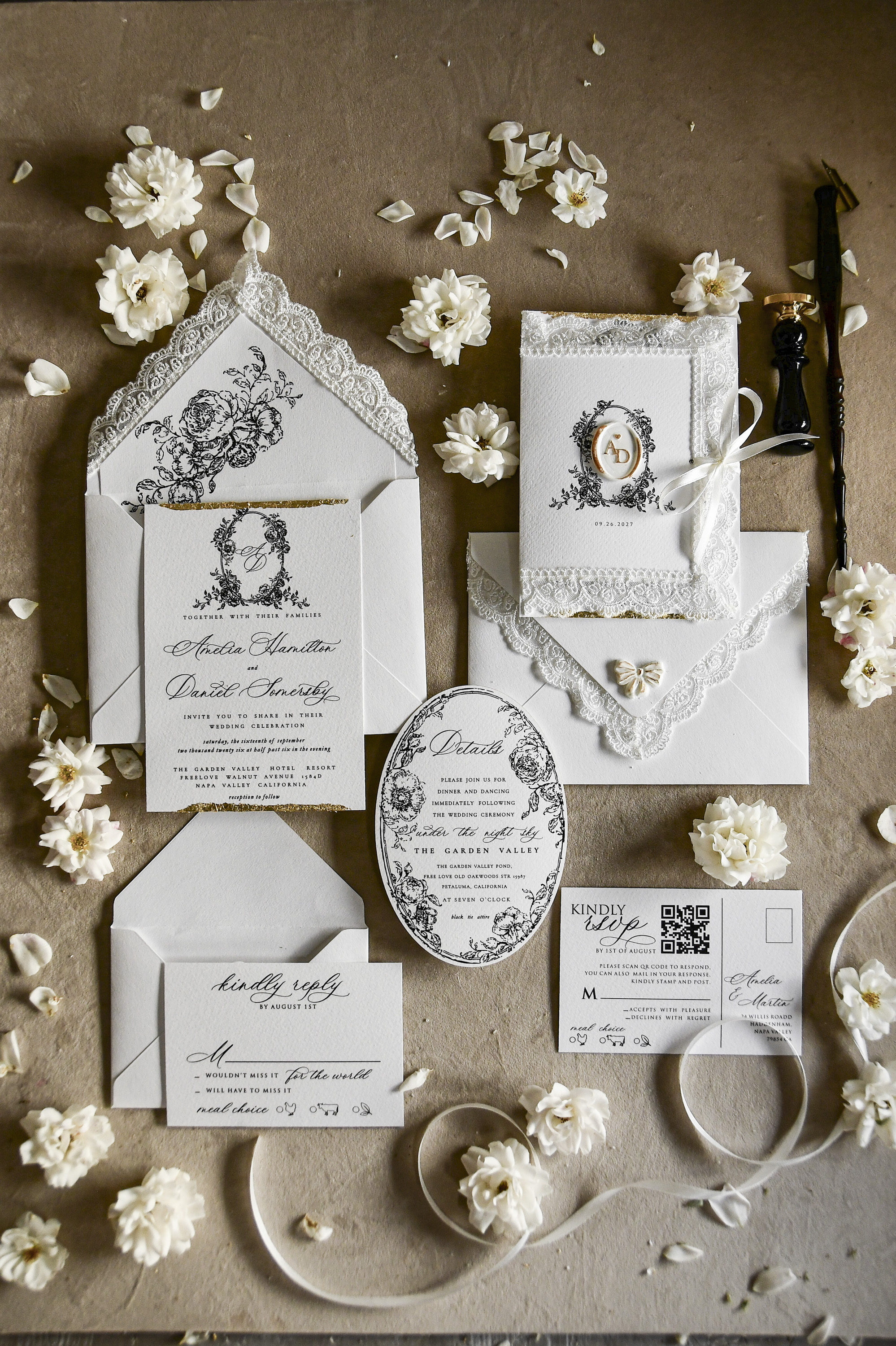
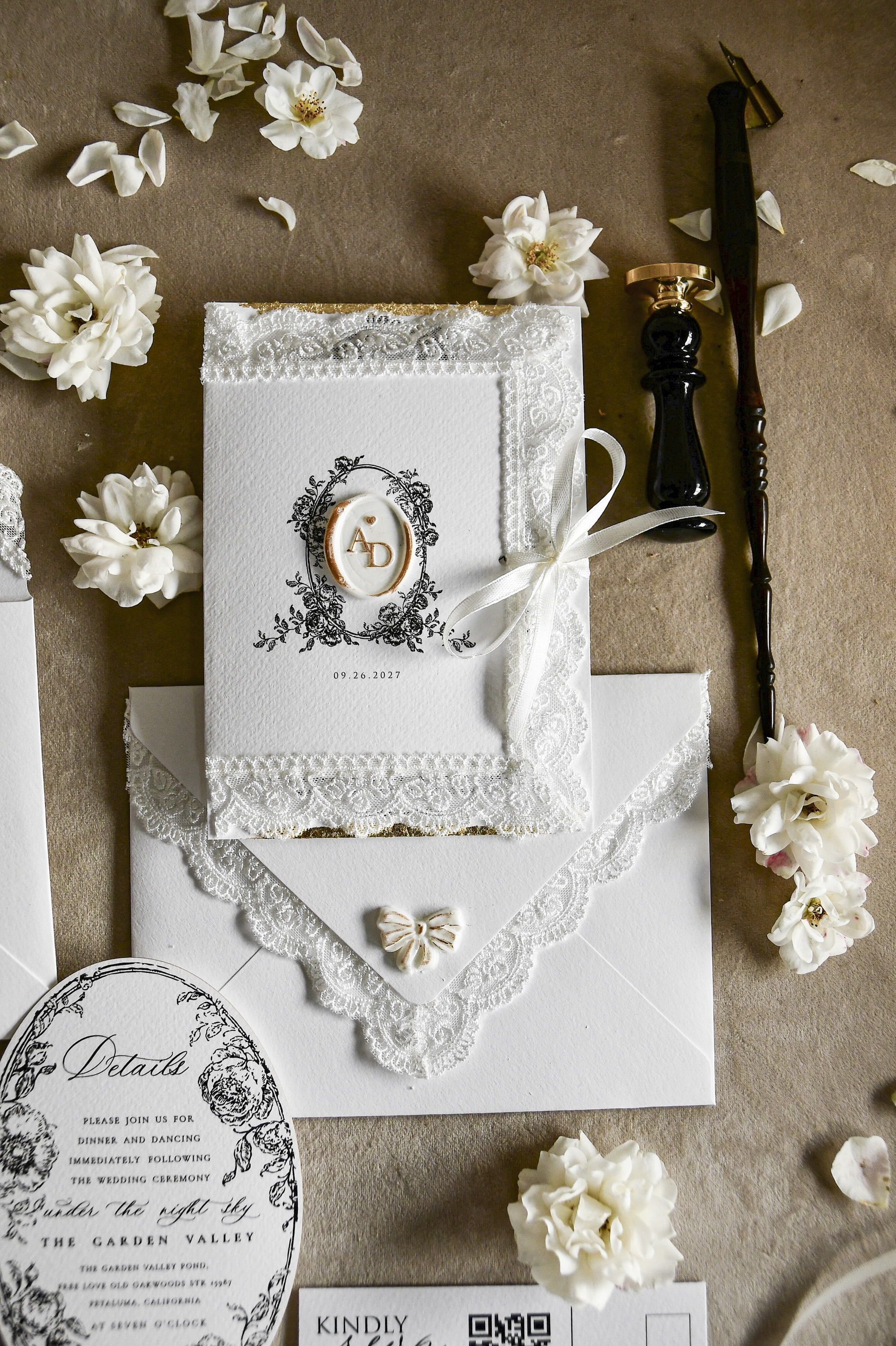
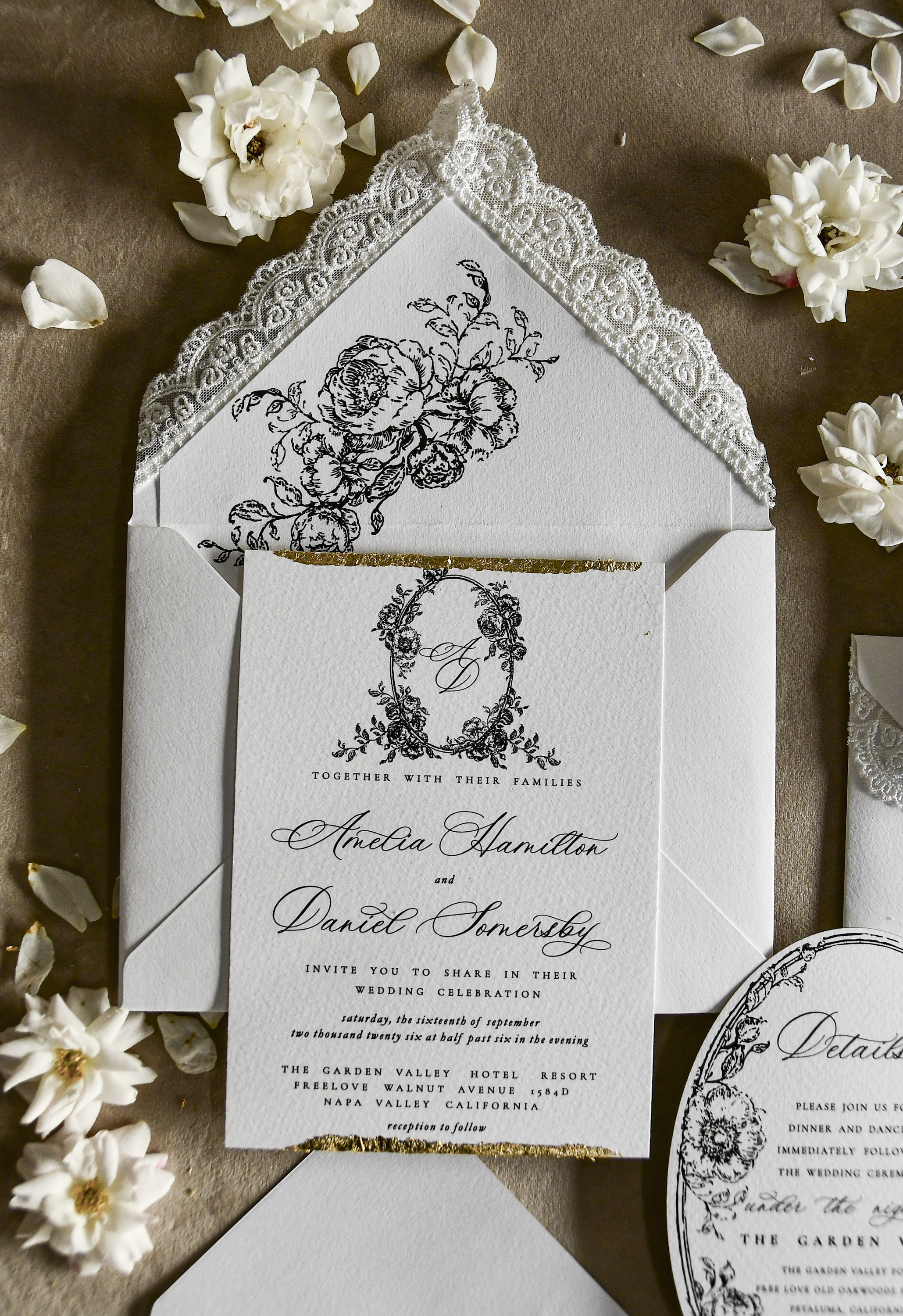
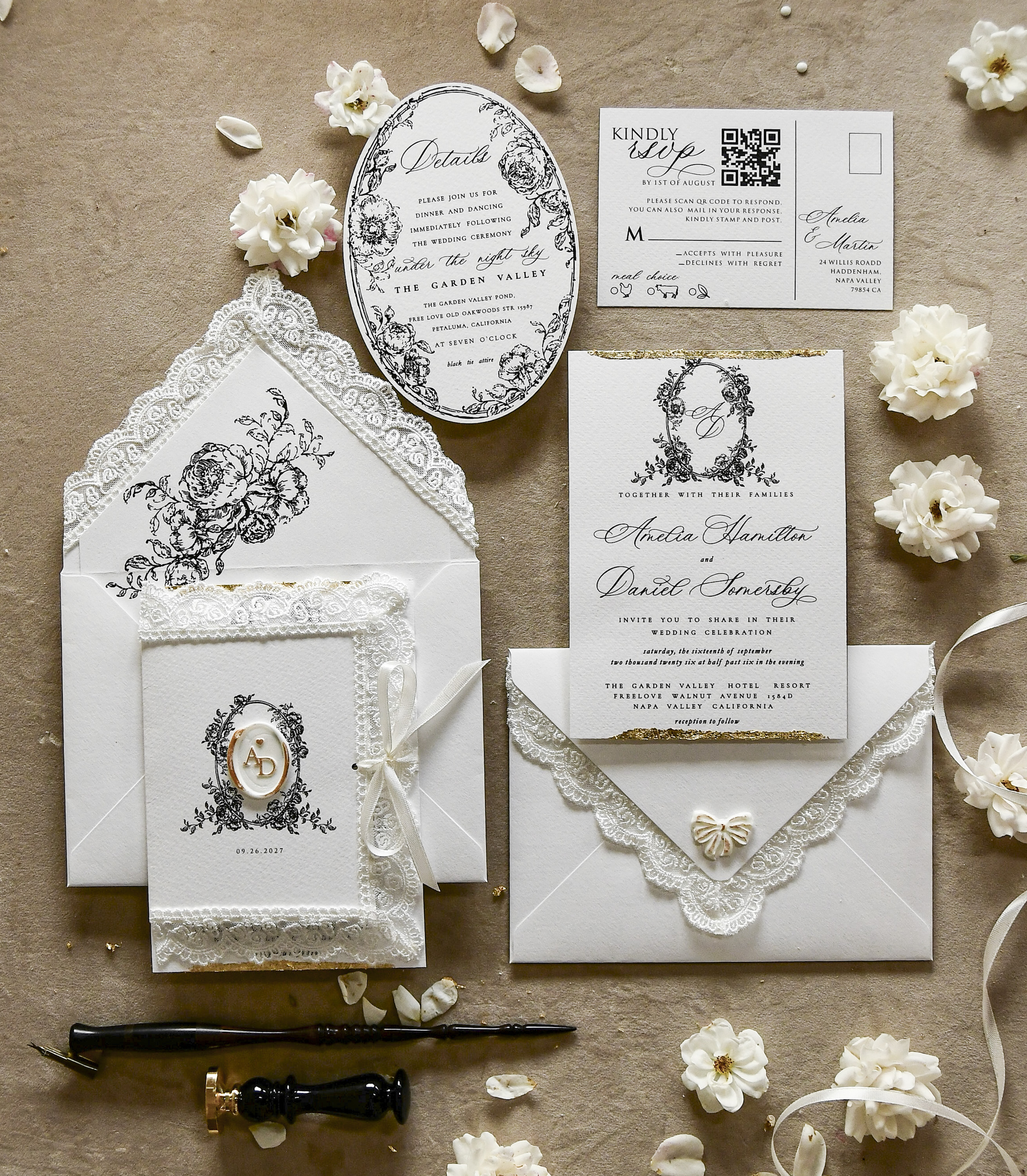
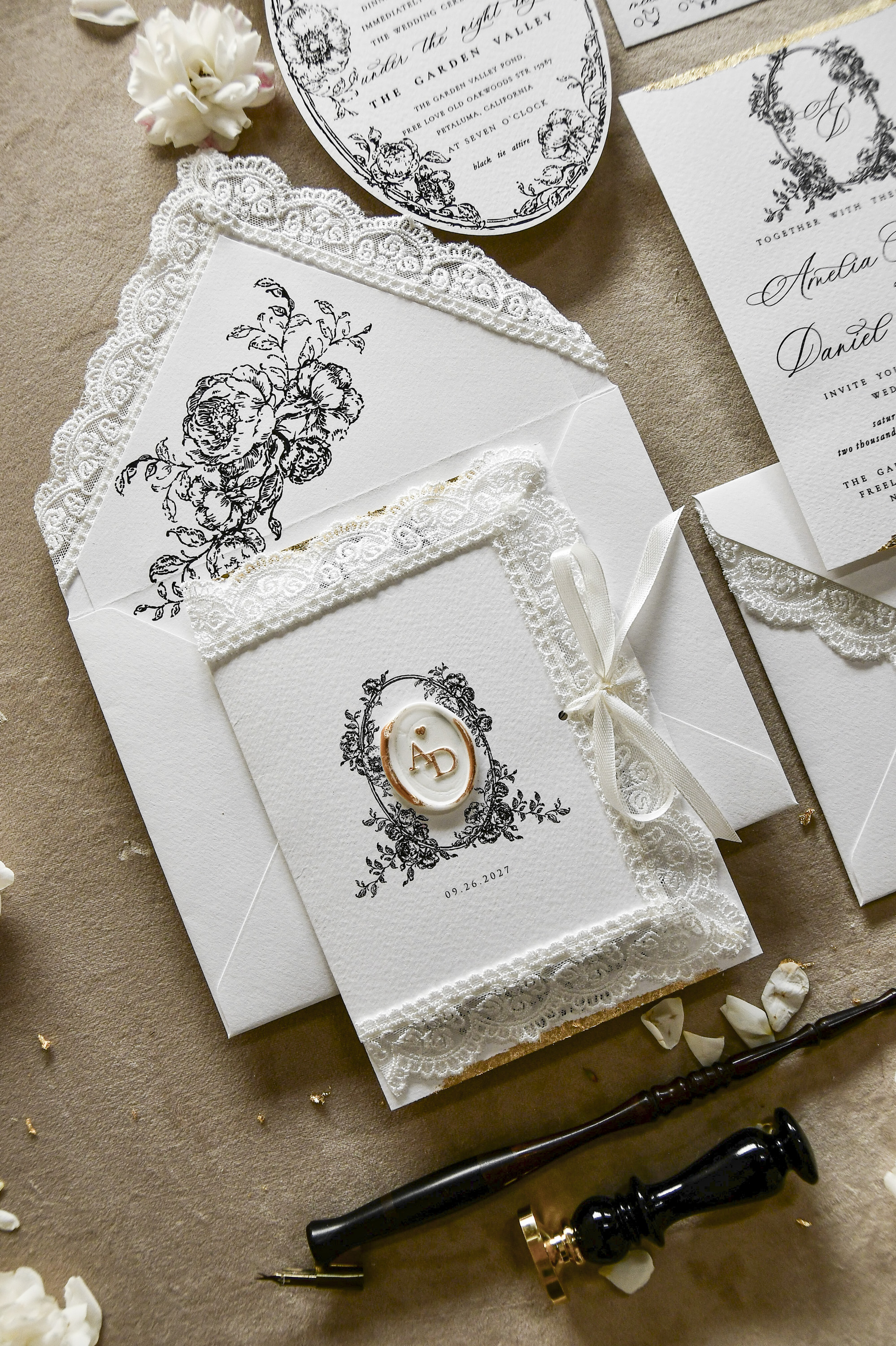
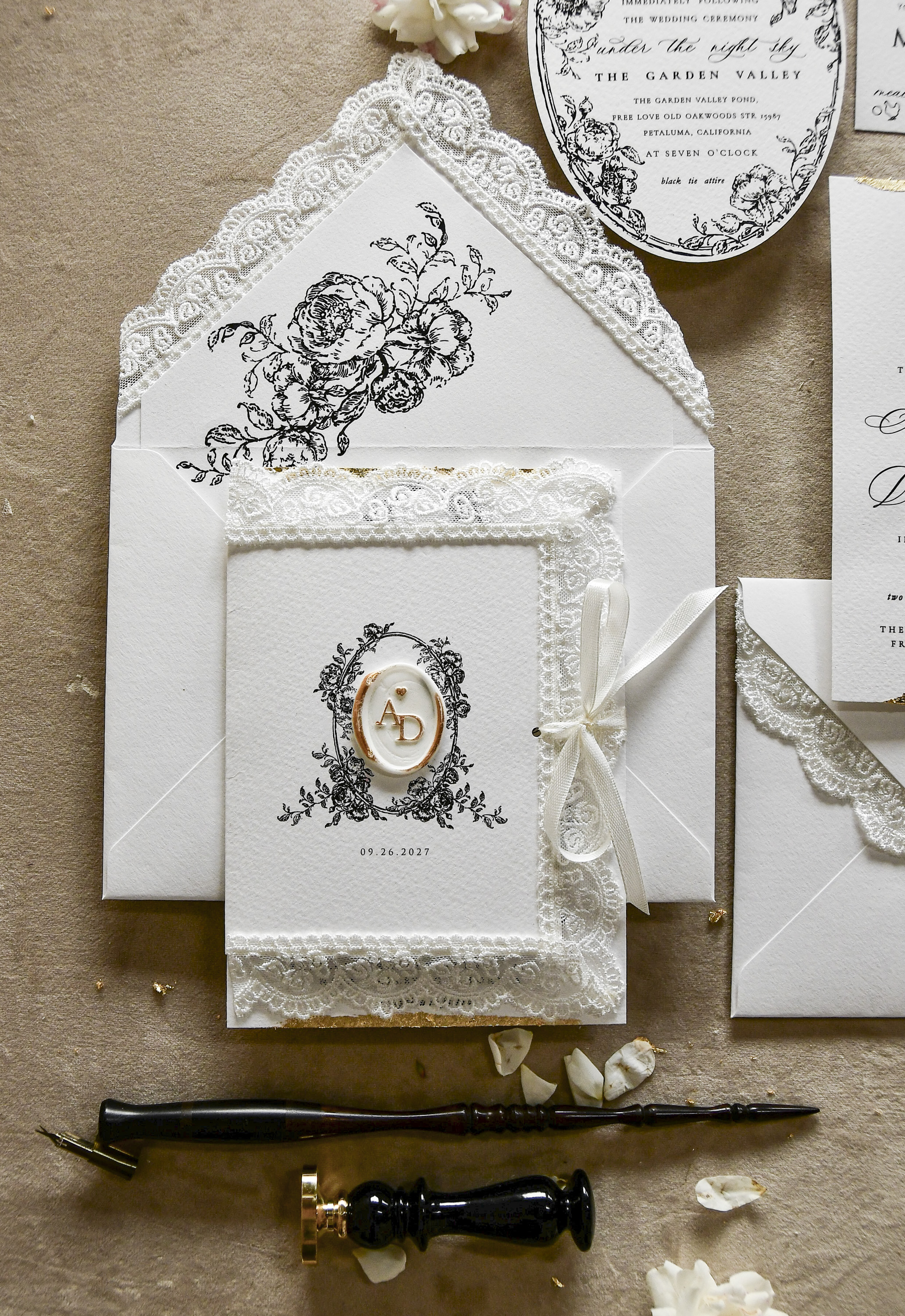
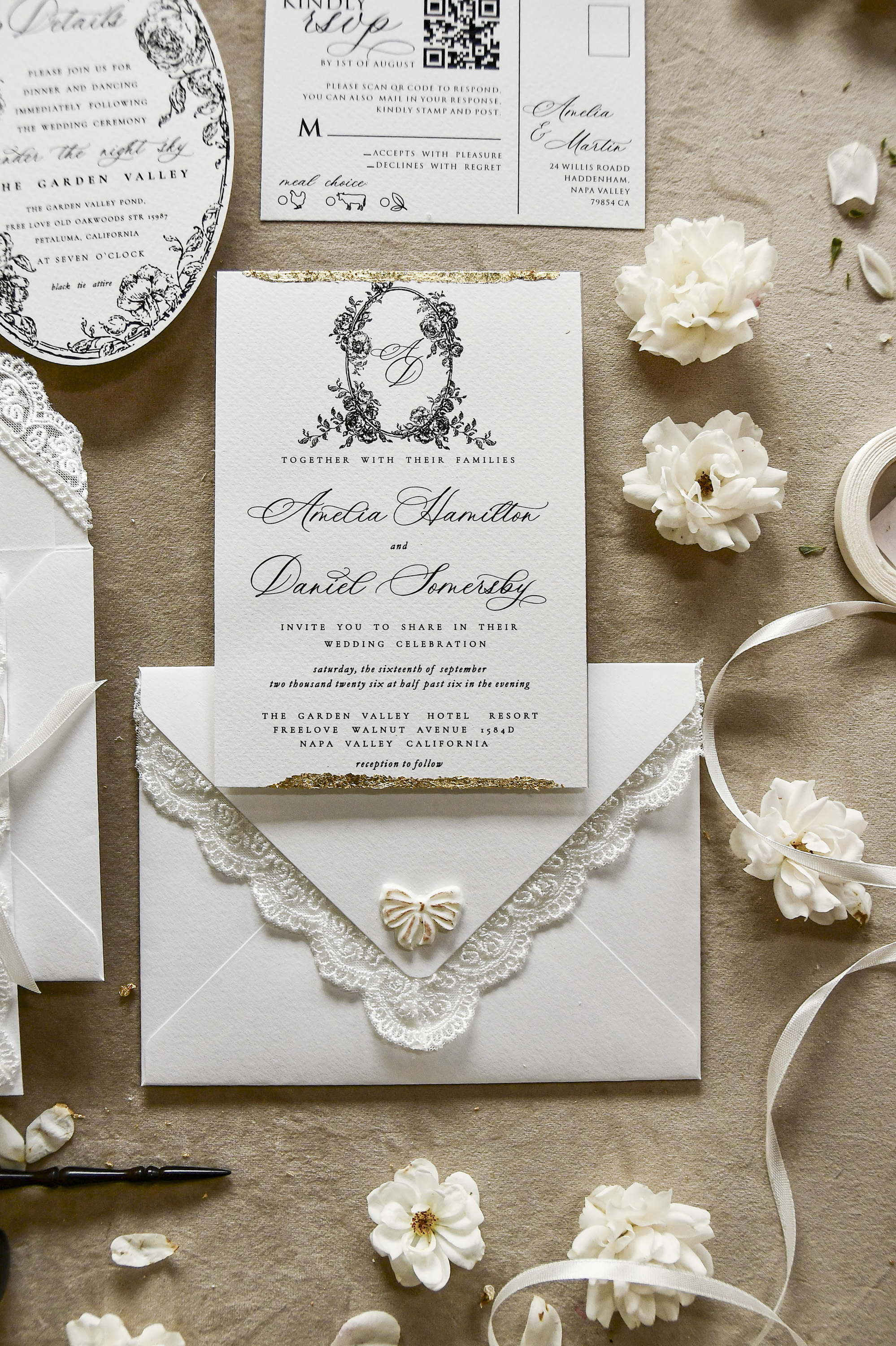
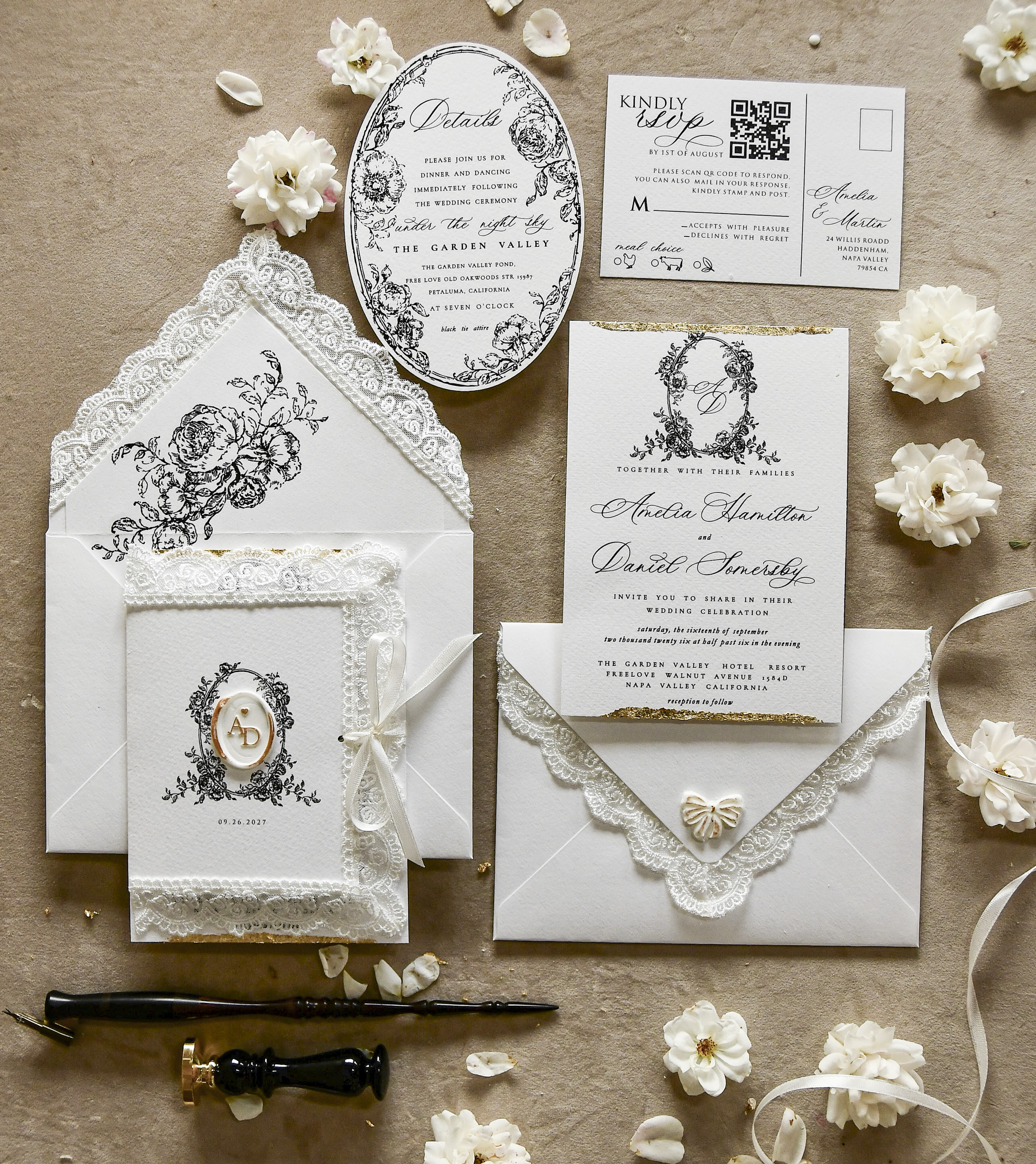
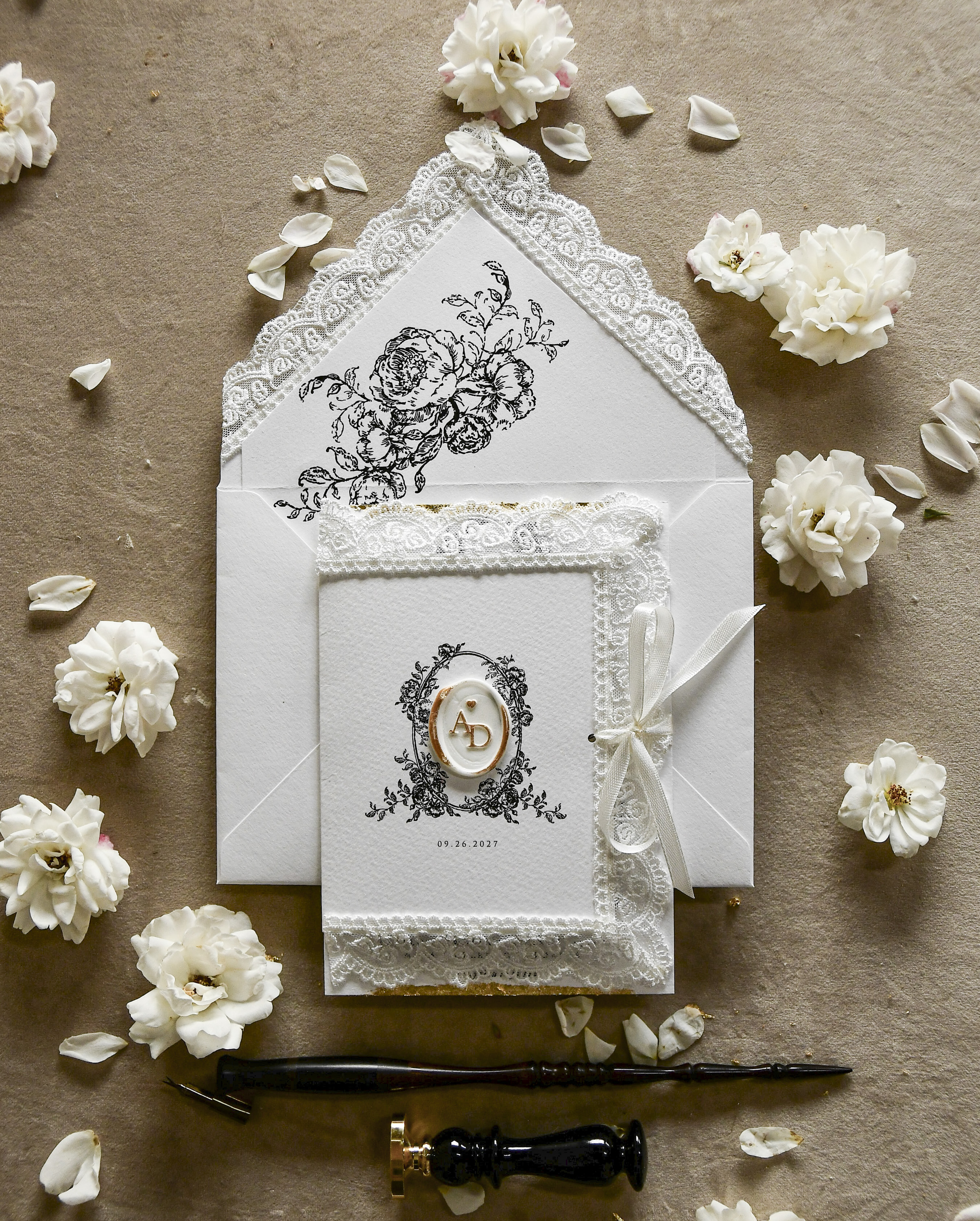
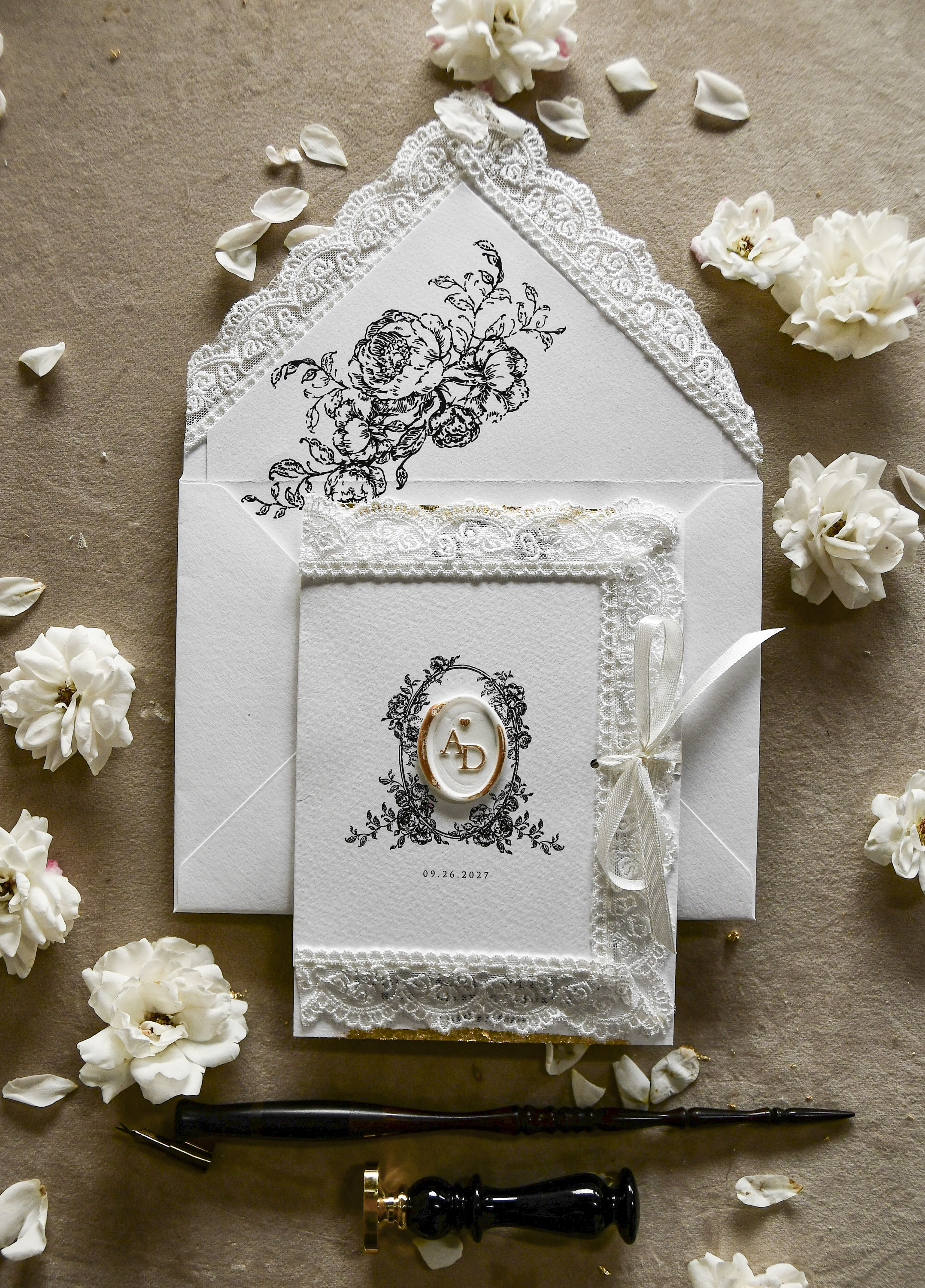
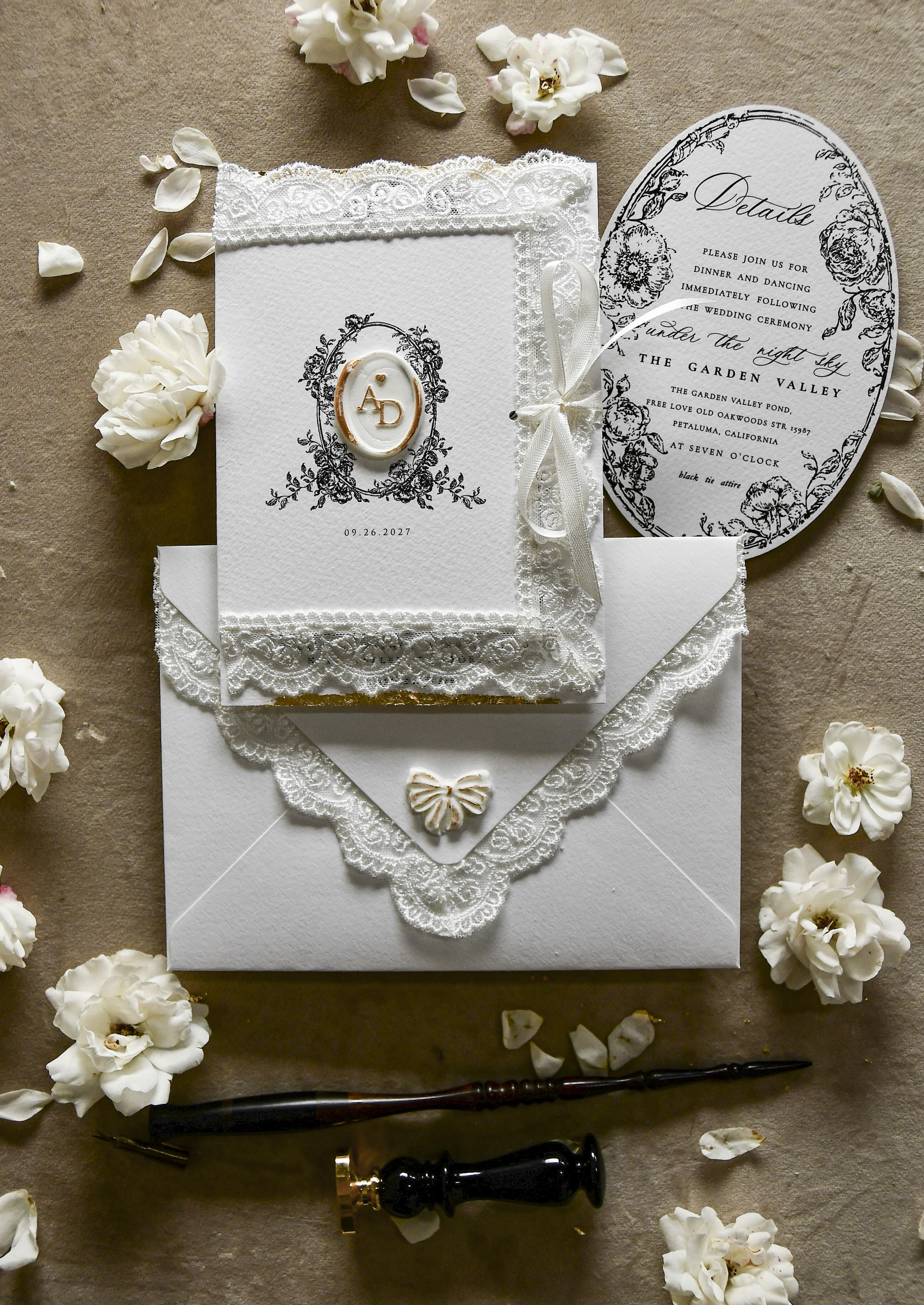
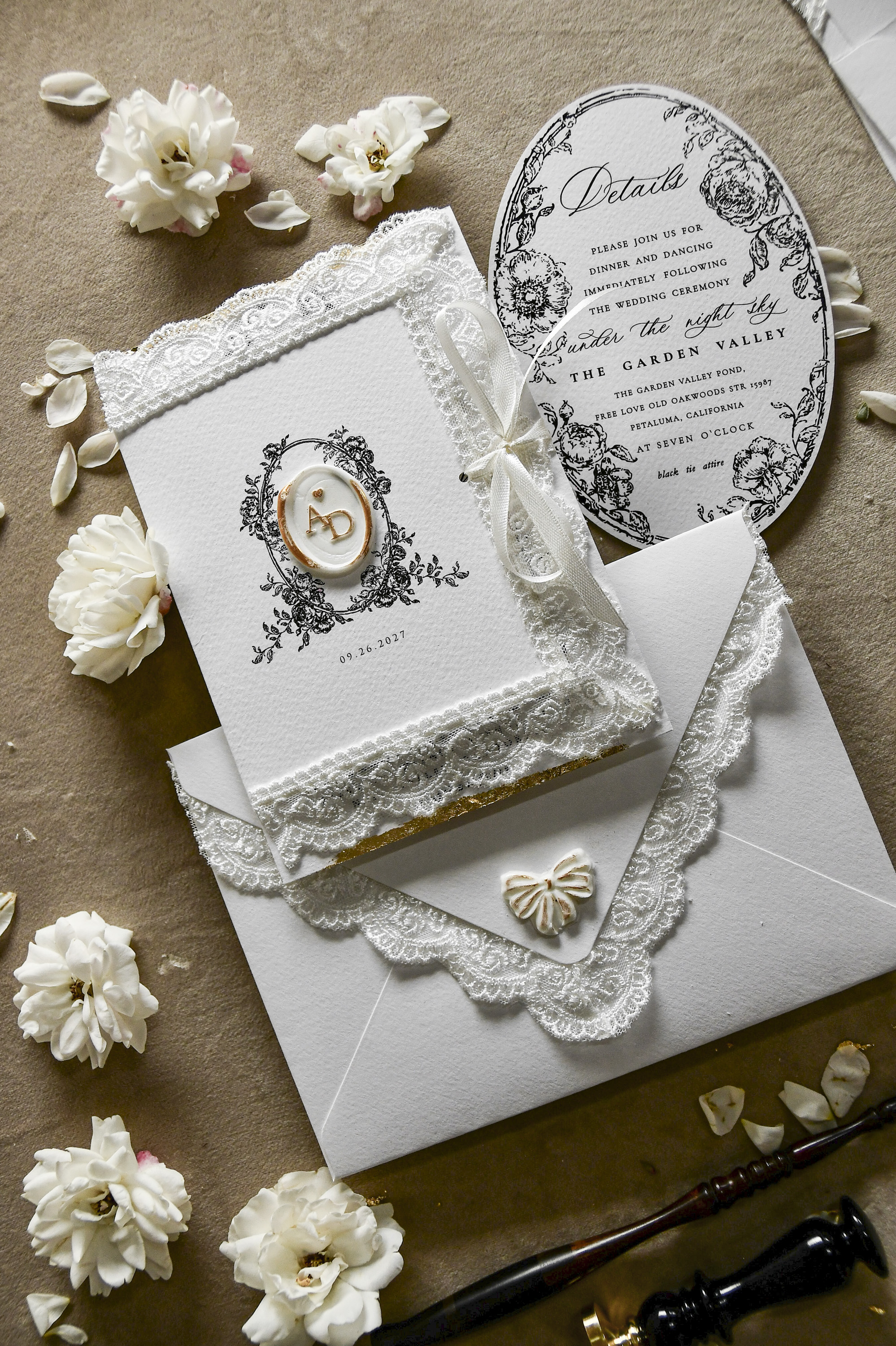
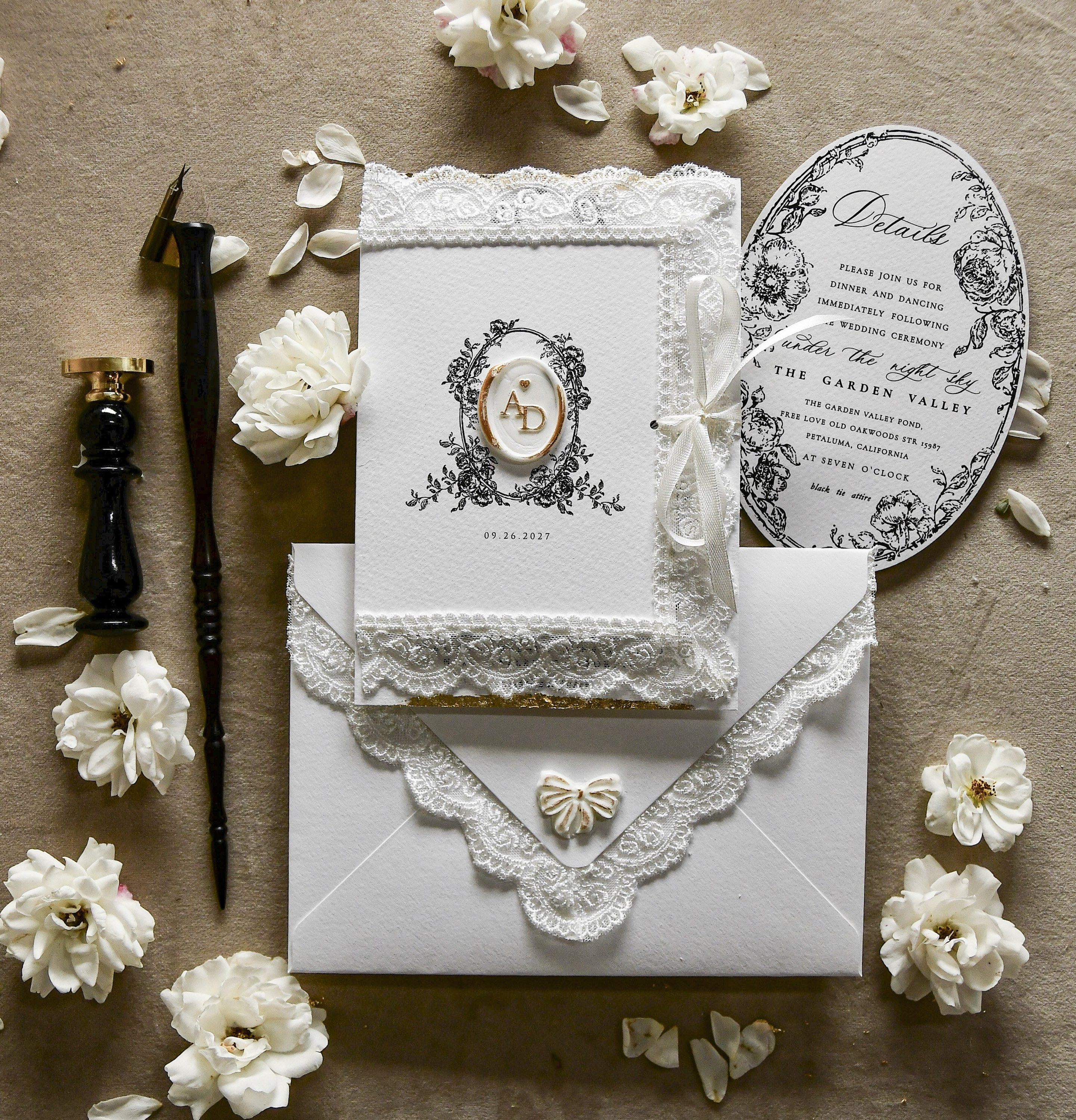
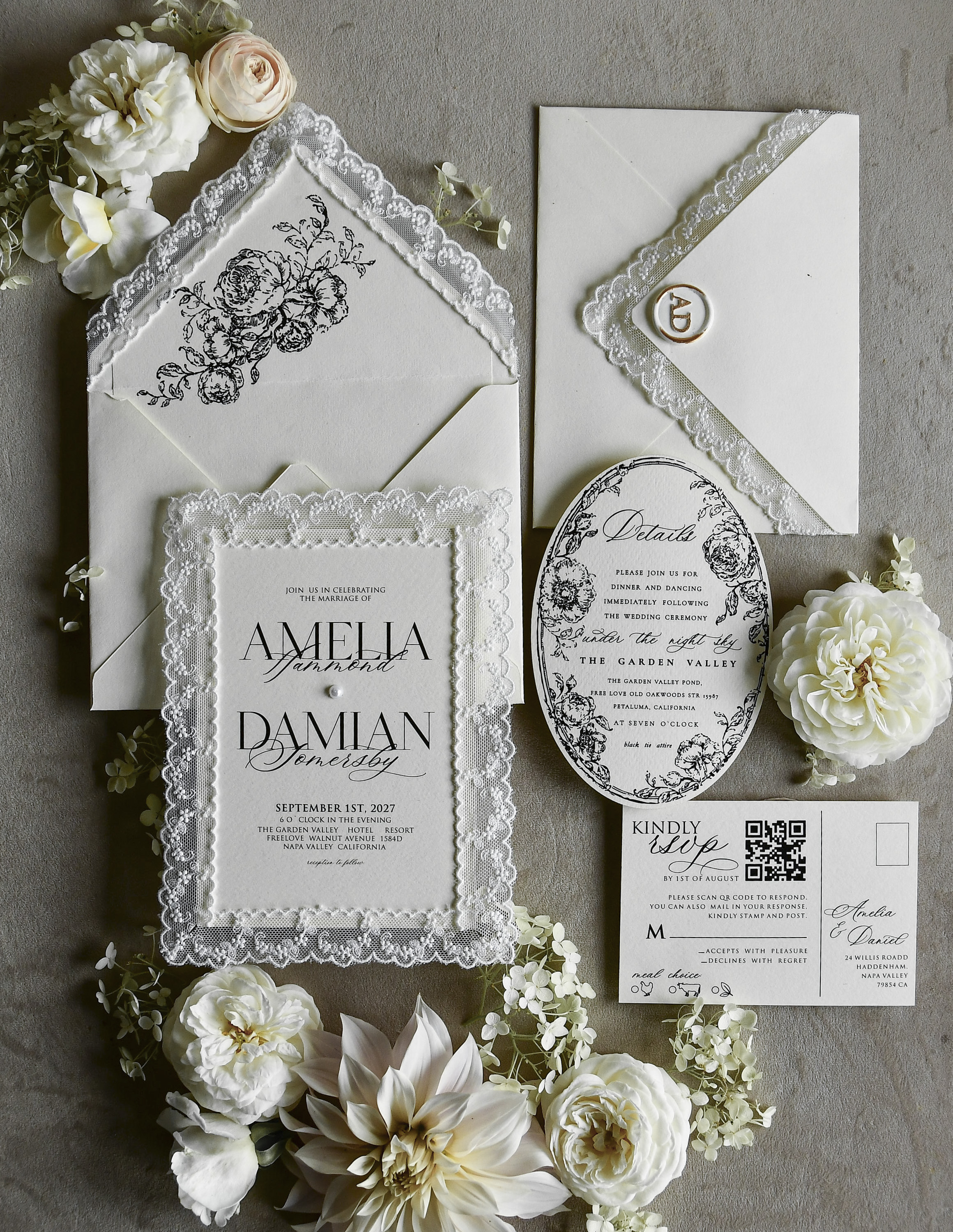
If you're sending a vintage-inspired invitation suite — like the elegant 03/laceTR/z from Margo&Bees — the formal addressing conventions pair beautifully with the classic aesthetic and give your stationery a polished, intentional feel from the very first impression.
Handling Pushback Gracefully
Even with the clearest policy, someone will ask for an exception. Here's how to handle it:
- Stay calm and empathetic. Acknowledge that it's disappointing without apologizing for your decision.
- Point to your policy, not the person. "We made the same decision for everyone in that situation" takes the personal sting out of it.
- Don't make exceptions unless you're willing to revisit your whole list. One exception often leads to five more requests.
Remember: you are hosting a celebration, not running a popularity contest. A thoughtful, consistently applied plus-one policy — communicated clearly through well-addressed invitations like the 03/laceTR/z suite — sets the right tone before guests even arrive at the door.
Frequently Asked Questions
No — you're only obligated to invite known spouses, fiancé(e)s, and live-in partners. Single friends can absolutely be invited on their own, especially if they'll know other guests at the wedding. Just make sure your policy is applied consistently so no one feels singled out.
Be warm but firm: let them know your guest list is set and you weren't able to extend plus ones broadly. Most guests will understand, especially if you frame it kindly. Avoid making exceptions unless you're prepared to revisit your entire list.
It's strongly recommended. Your wedding party is investing significant time, money, and energy into your day, and a plus one is one of the most appreciated ways to thank them. If budget is a concern, prioritize the wedding party over other guest categories.
Address the envelope only to the invited guest by name — for example, "Ms. Sarah Nguyen" rather than "Sarah Nguyen and Guest." You can also include a line on your RSVP card that pre-fills the number of reserved seats, which removes all ambiguity.
If you've never met the partner or they've been together less than six months, it's generally acceptable to invite the guest solo. Use your judgment based on how close you are to the guest and whether they'll know other people at the wedding.
Not at all — a blanket no-plus-one policy is completely acceptable, especially for smaller or budget-conscious weddings. What matters is that the policy is consistent and communicated clearly through your invitations so guests aren't caught off guard.
See This Design Up Close
You May Also Like
More Wedding Planning Guides
- → Kids at Your Wedding: How to Decide What's Right for Your Celebration
- → Mailing vs. Hand-Delivering Wedding Invitations: What's the Right Call?
- → When Silence Speaks: How to Handle Guests Who Never RSVP'd
- → The Plus-One Dilemma: How to Handle Dates for Single Guests
- → Ceremony-Only Guests: The Honest Guide to Partial Wedding Invitations
- → Save the Dates and Wedding Invitations: What Each One Does and Why You Need Both
- → Navigating the Parent Guest List: How to Keep the Peace Without Losing Control
- → The Honest Guide to Trimming Your Wedding Guest List Without the Guilt
- → The Graceful Art of Telling Someone They're Not on the Guest List
- → Seating Your Divorced Parents at the Wedding: A Practical Guide
- → When Guests Ghost Your RSVP: What to Do Next
- → The Ex Factor: How to Decide Whether a Former Partner Belongs on Your Guest List
- → The Perfect Timing for Mailing Your Wedding Invitations
- → Digital vs. Paper Wedding Invitations: Which Is Right for You?
- → Child-Free Weddings: What's Rude and What's Perfectly Fine
- → Everything Your Wedding Invitation Needs to Say
- → Navigating Guest List Pressure: When Mom Wants to Invite Someone You Don't
- → When Your Partner Wants a Smaller Guest List Than You Do
- → Online RSVPs vs. Mailed Cards: What Every Couple Should Know
- → Uninvited Plus-Ones and Tag-Alongs: How to Keep Your Guest List Intact
- → When Family Feuds Threaten Your Wedding Plans: A Practical Peacekeeper's Guide
- → Inviting an Estranged Brother or Sister: Finding Clarity Before You Seal the Envelope
- → Cousins, Invites, and Hard Choices: A Practical Guest List Guide