
The Honest Guide to Trimming Your Wedding Guest List Without the Guilt
Every engaged couple hits the same wall: the dream guest list is twice the size of the budget. Whether you're working with a intimate venue or simply trying to keep costs manageable, trimming the list is one of the most emotionally charged tasks in wedding planning. The good news? There's a logical, guilt-free order for making those tough calls — and once you know the framework, the decisions get a lot easier.
Start With the 'Obligation Only' Category
The very first people to reconsider are guests who exist on the list purely out of social obligation — not genuine connection. Ask yourself honestly: Would I feel comfortable calling this person right now, just to catch up? If the answer is no, they probably don't belong at your wedding.
- Coworkers you rarely speak to outside of work — a friendly office relationship doesn't automatically earn a wedding invite.
- Distant acquaintances from years ago — someone you haven't spoken to in three or more years is a natural cut.
- Your parents' friends you've never personally met — unless your family is contributing significantly to the guest count budget, their social circle shouldn't dominate your list.
Being polite doesn't mean being obligated. Cutting obligation guests is the single fastest way to reclaim 10–20 spots on a bloated list.
Next, Revisit the 'Plus-One' Policy
Plus-ones are generous, but they can quietly double your headcount. A clear, consistent policy protects you from hurt feelings and helps you trim fairly.
- Engaged or married guests should almost always receive a plus-one — it's considered a basic etiquette standard.
- Guests in long-term relationships (1+ year) are generally extended a plus-one as a courtesy.
- Single guests who don't know anyone else at the wedding may deserve a plus-one so they're not isolated.
- Single guests with a wide social circle at your wedding — this is where you can reasonably decline a plus-one without causing offense.
Applying your policy consistently across all friend groups and family branches is the key to avoiding drama. If cousins don't get plus-ones, neither do college friends — no exceptions.
Then Look at Children and the 'Whole Family' Assumption
Many couples assume they must invite entire family units, but an adults-only wedding is a completely acceptable and increasingly common choice. If you go this route, apply it universally — no exceptions for certain families, or you'll create real tension.
If you do allow some children, prioritize:
- Children of immediate family (siblings' kids, for example)
- Children who are in the wedding party
- Very young children who are still nursing or not yet in preschool
Beyond those tiers, it's entirely reasonable to draw the line. Communicate the policy clearly on your wedding website so parents can arrange childcare well in advance — typically 6–8 weeks before the wedding at minimum.
The 'Haven't Seen Them in Years' Test
One of the simplest and most effective filters is recency. If you haven't seen someone in person in the last two years — and there's no specific reason for the gap like a long-distance move — consider whether the wedding is truly the right reunion moment.
This applies to:
- Old college friends you've drifted from
- Childhood friends maintained only through social media likes
- Former neighbors or family friends from a previous chapter of your life
Your wedding day is a celebration of your present life and the people actively in it. Inviting someone out of nostalgia often results in an awkward interaction on a day when your attention is already stretched thin. It's kinder — to both of you — to skip the invite.
How to Handle the Final List With Care
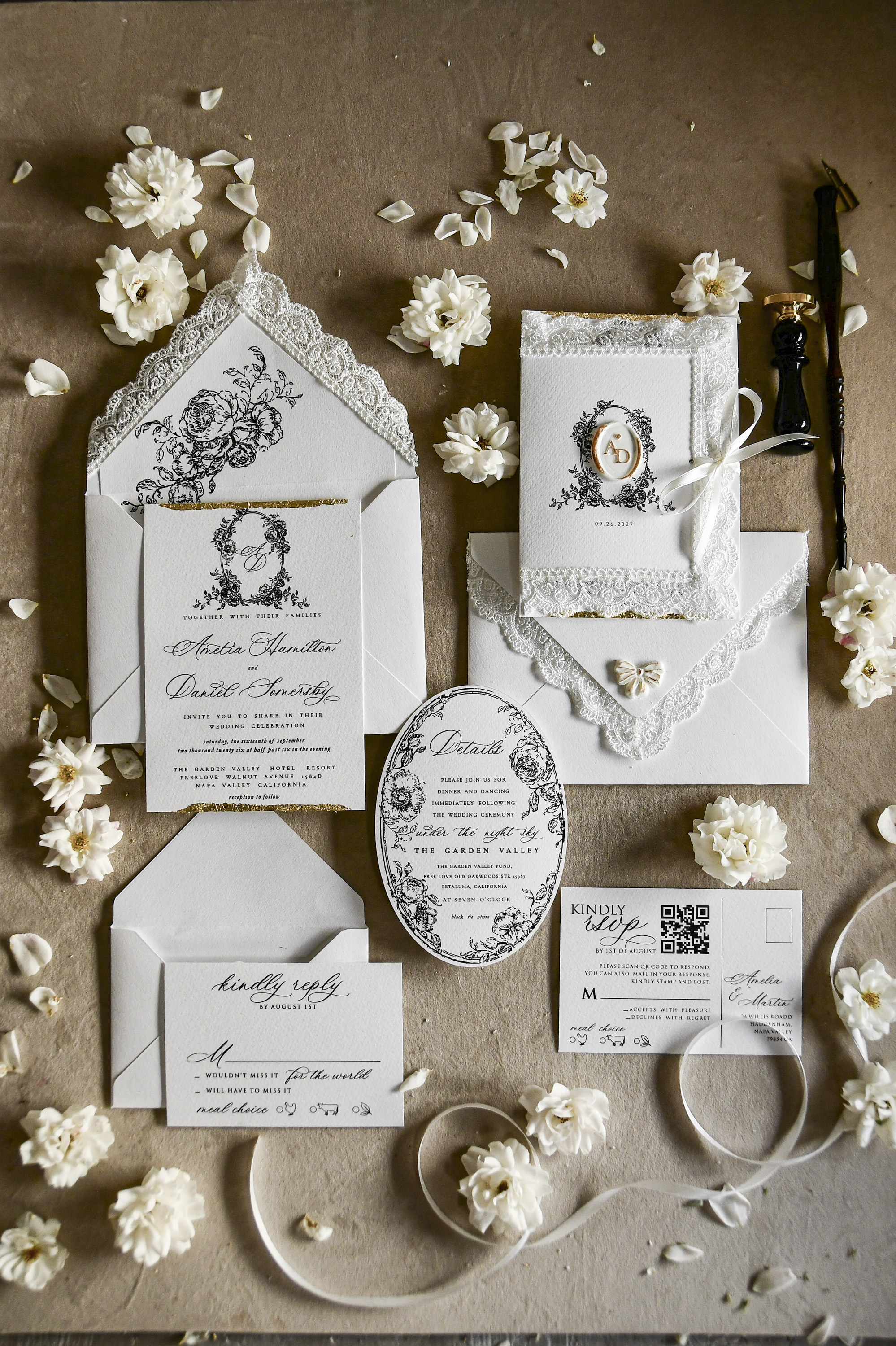
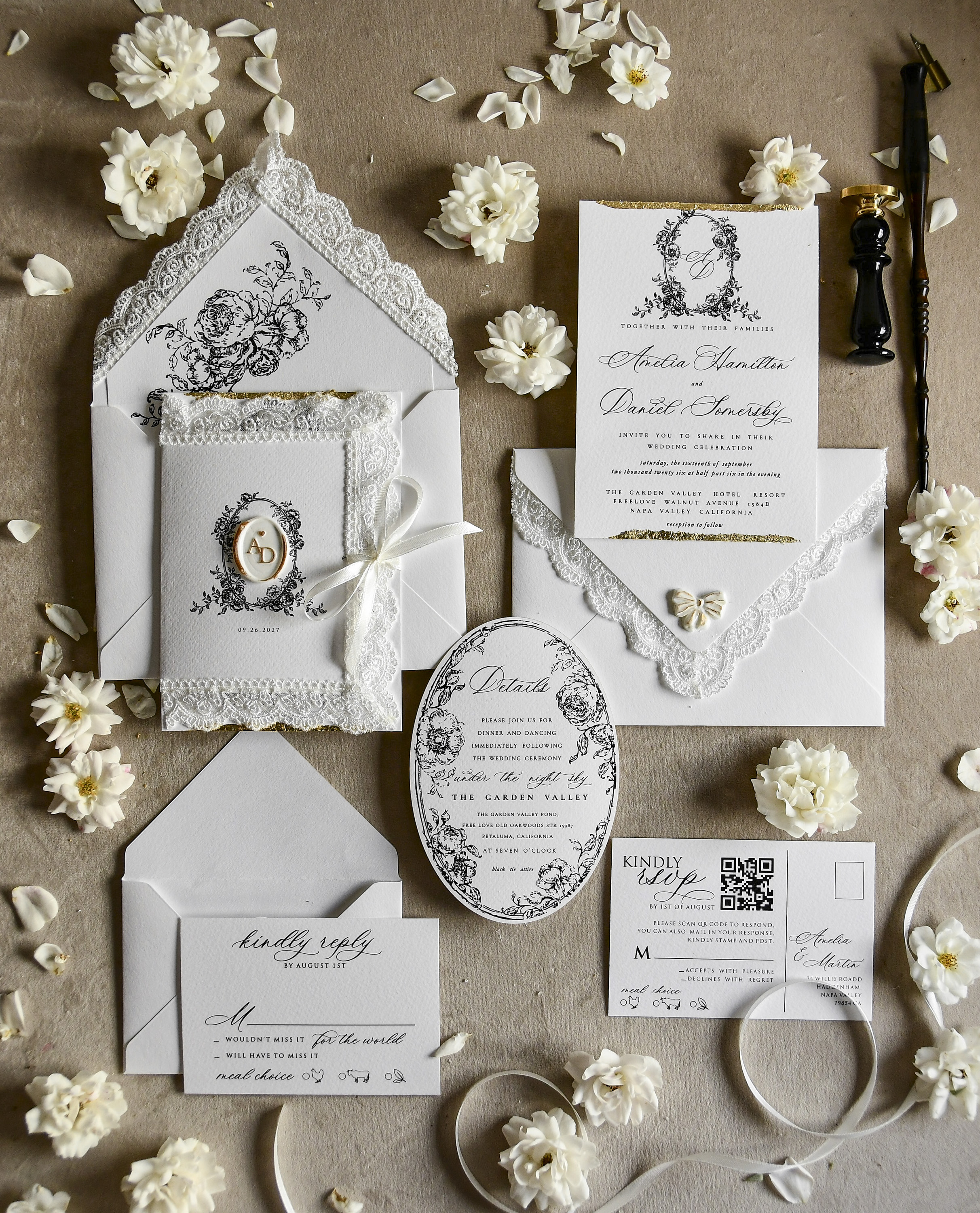
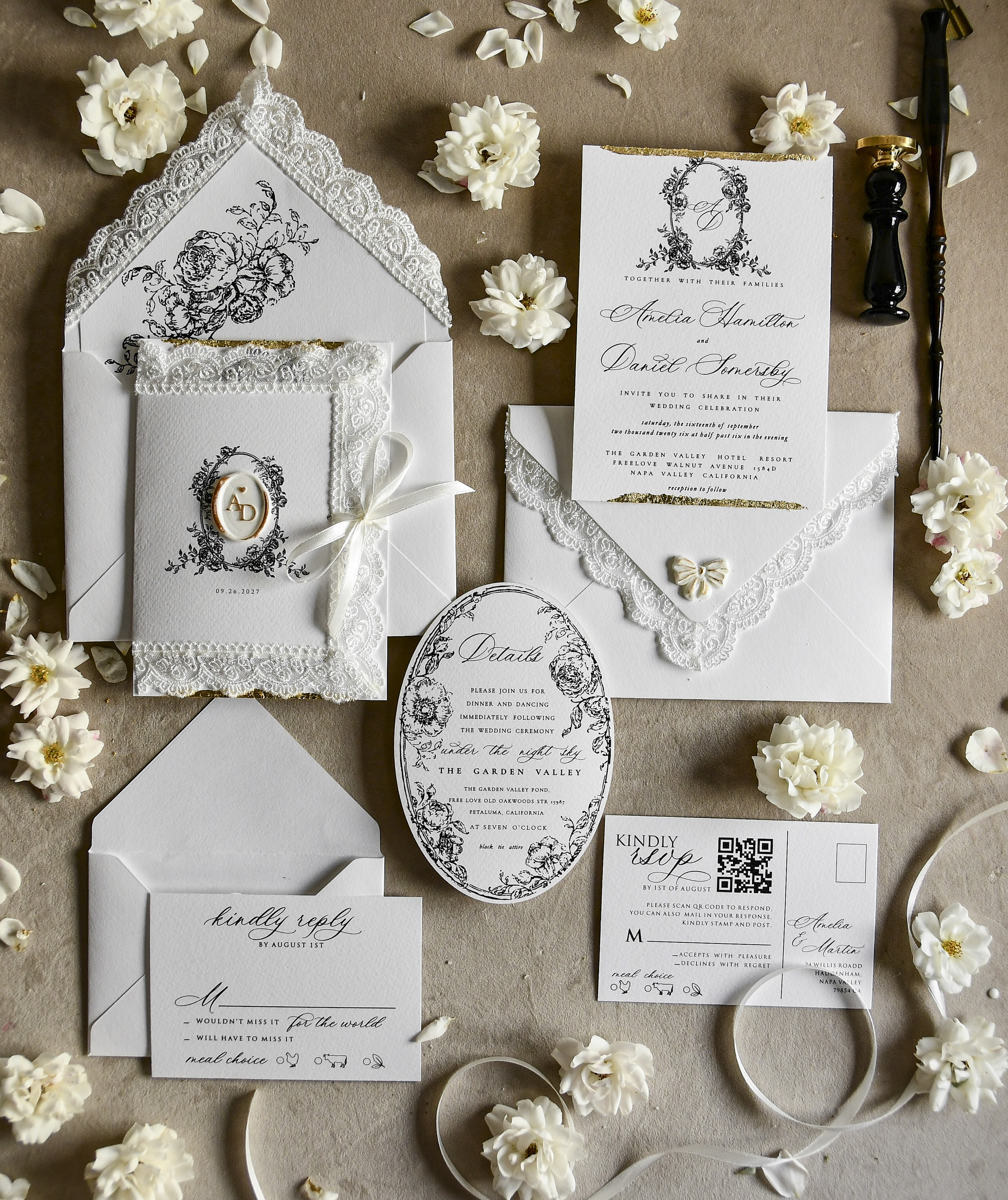
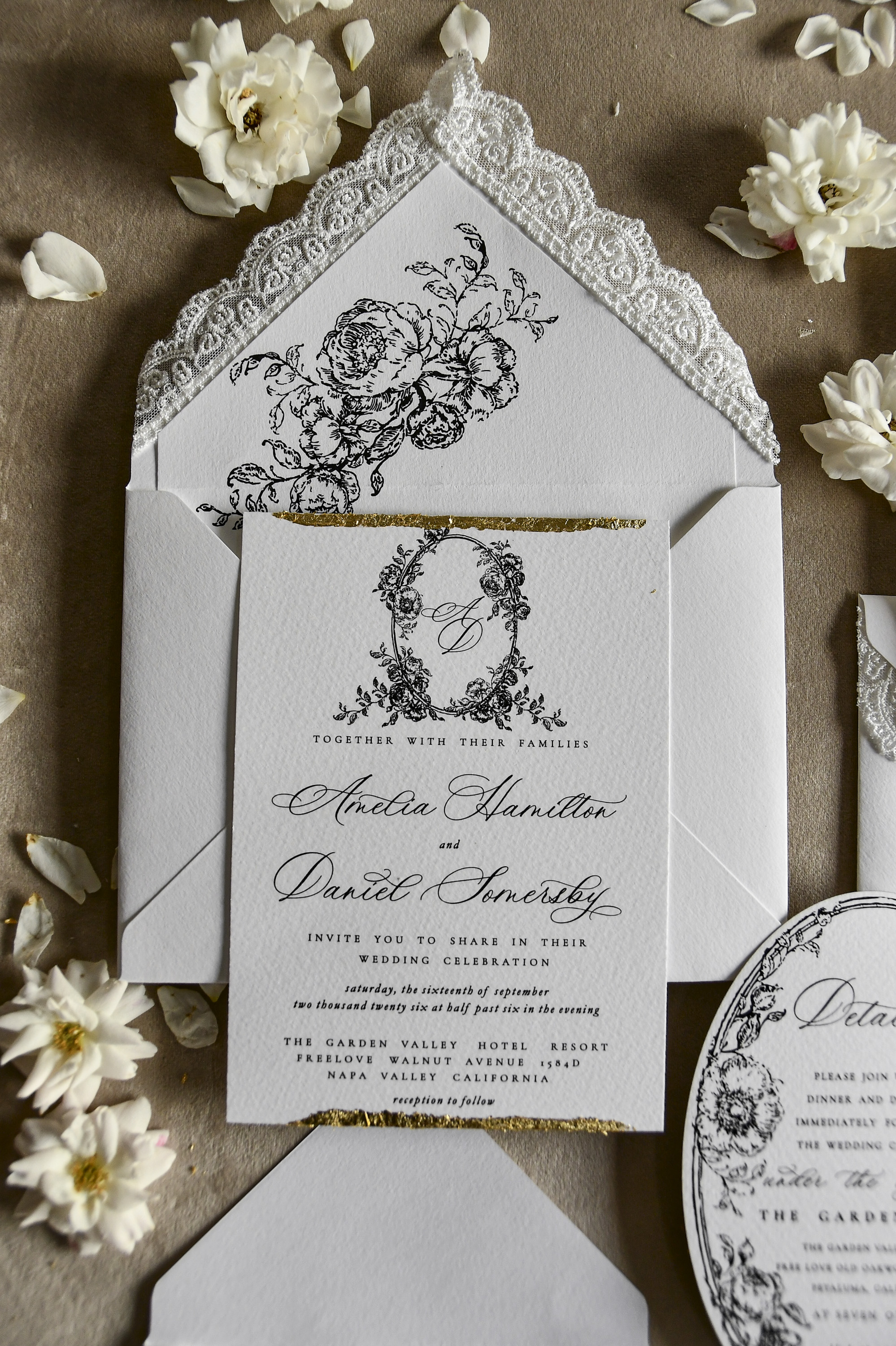
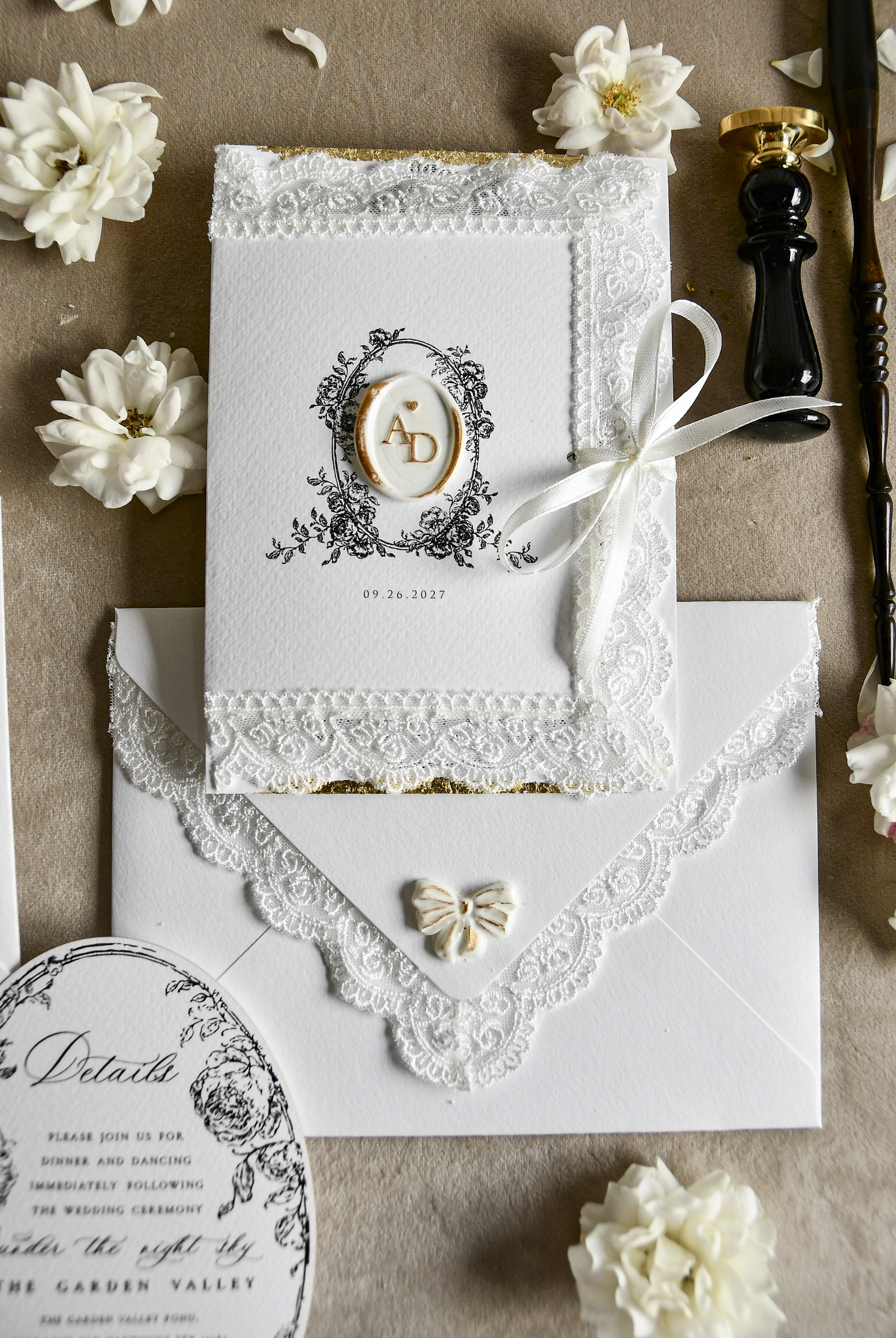
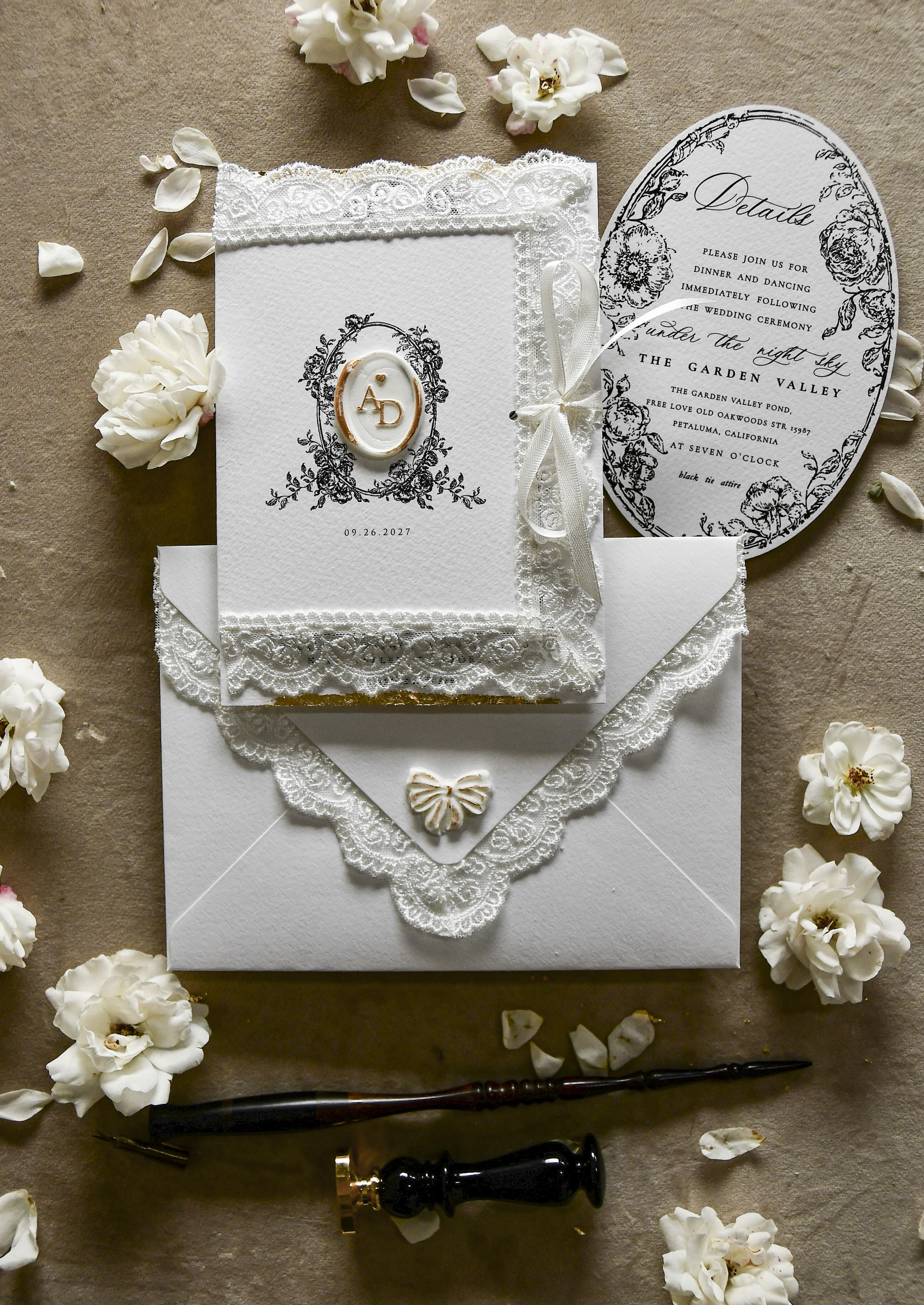
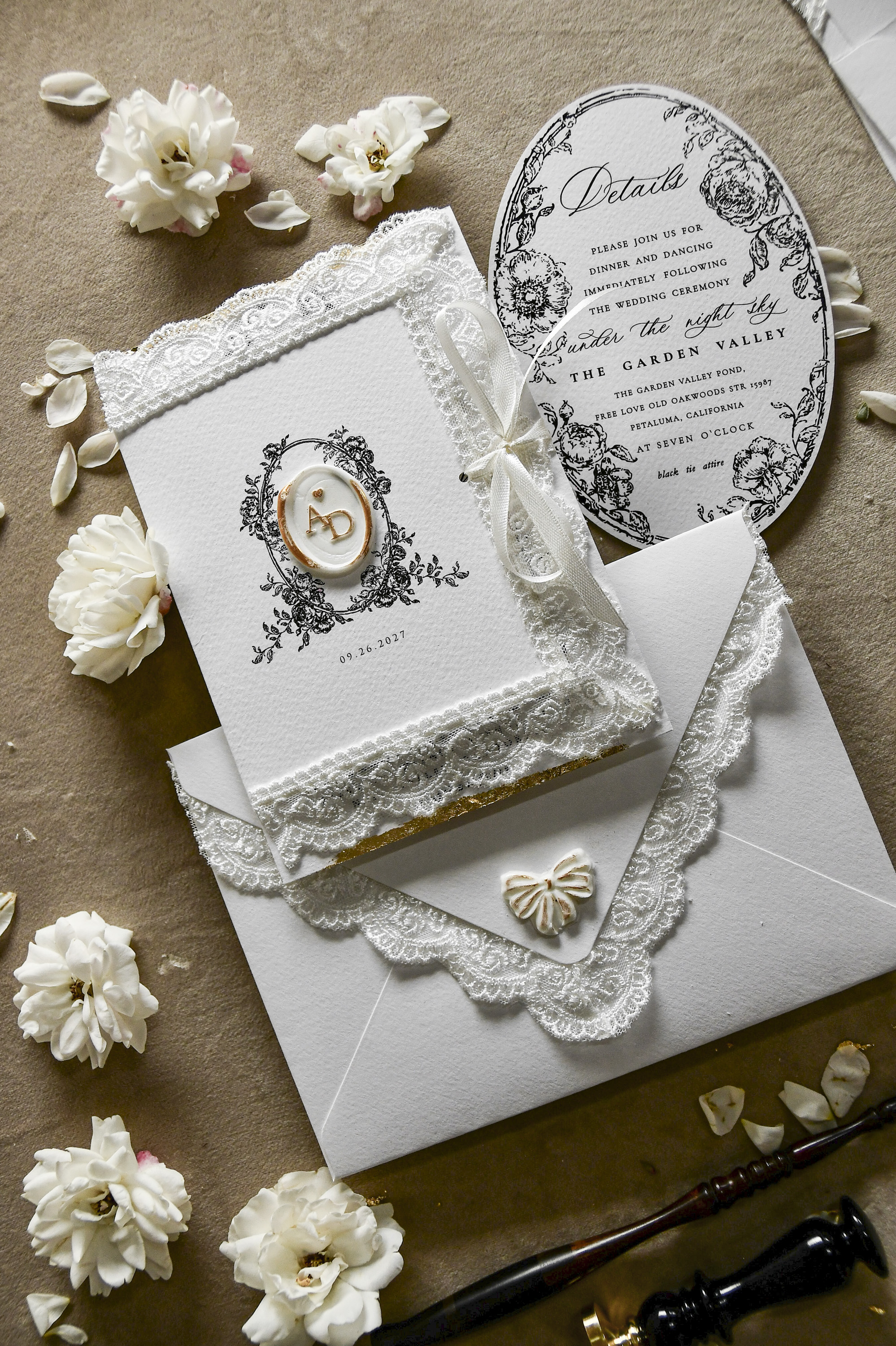
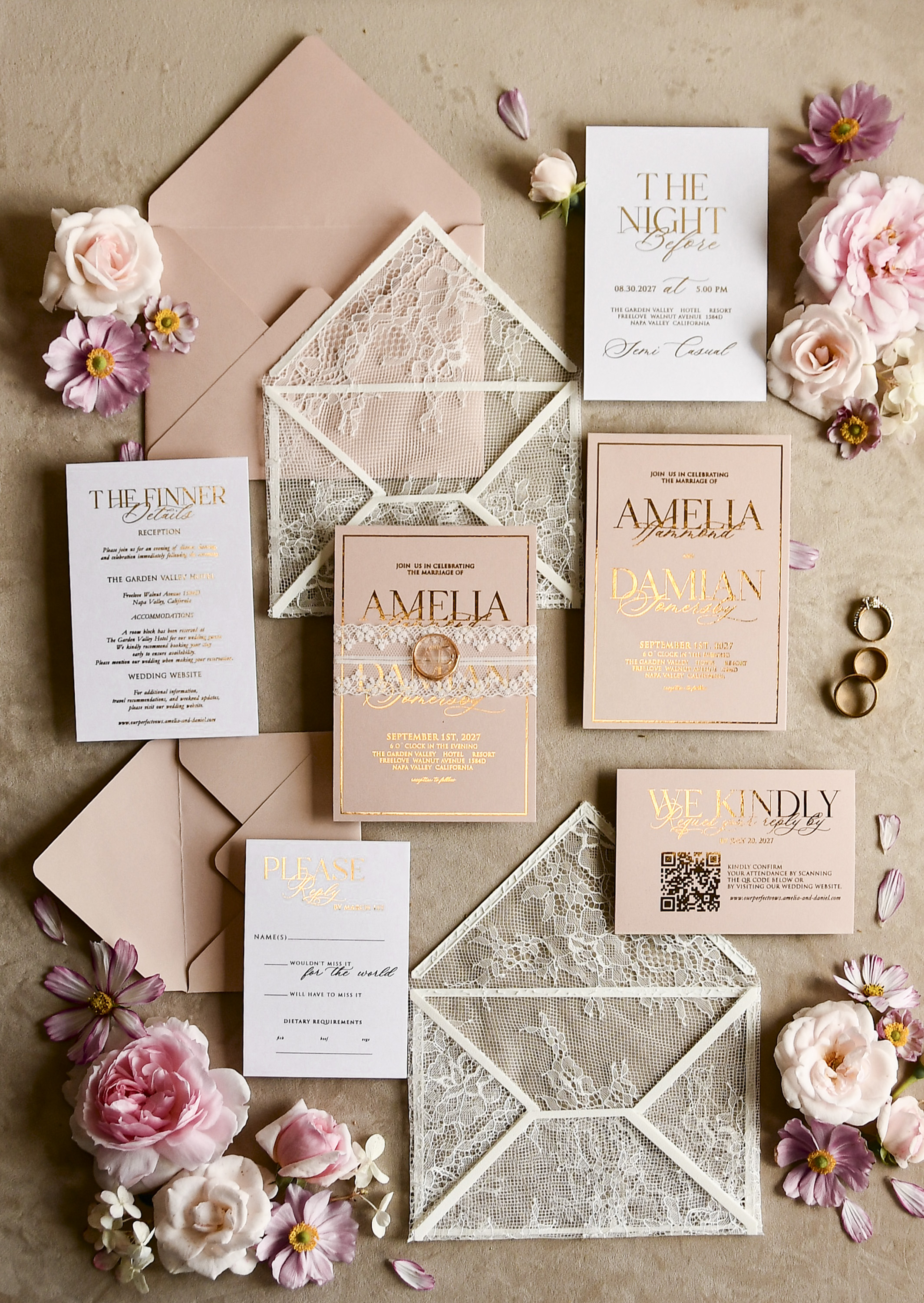
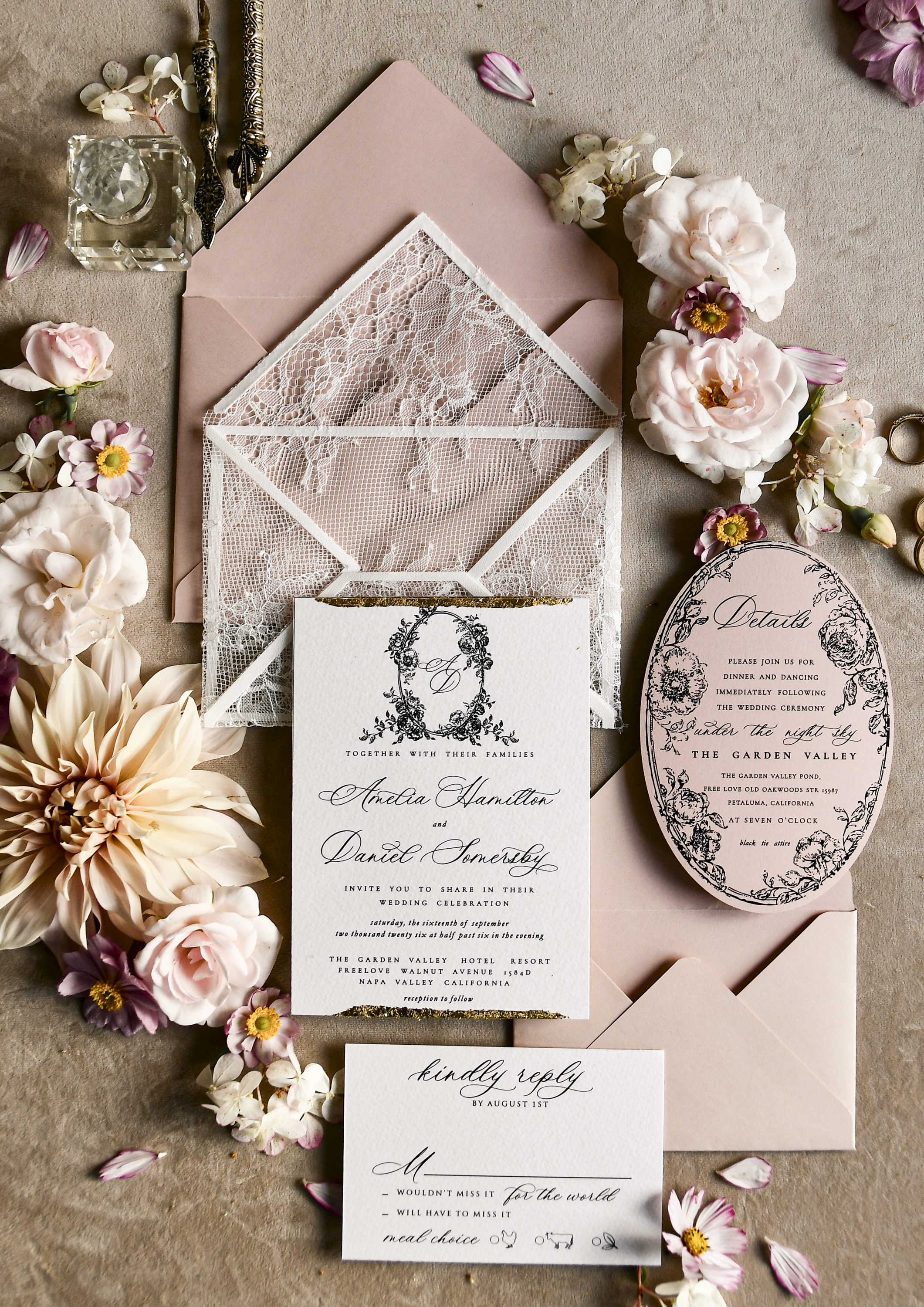
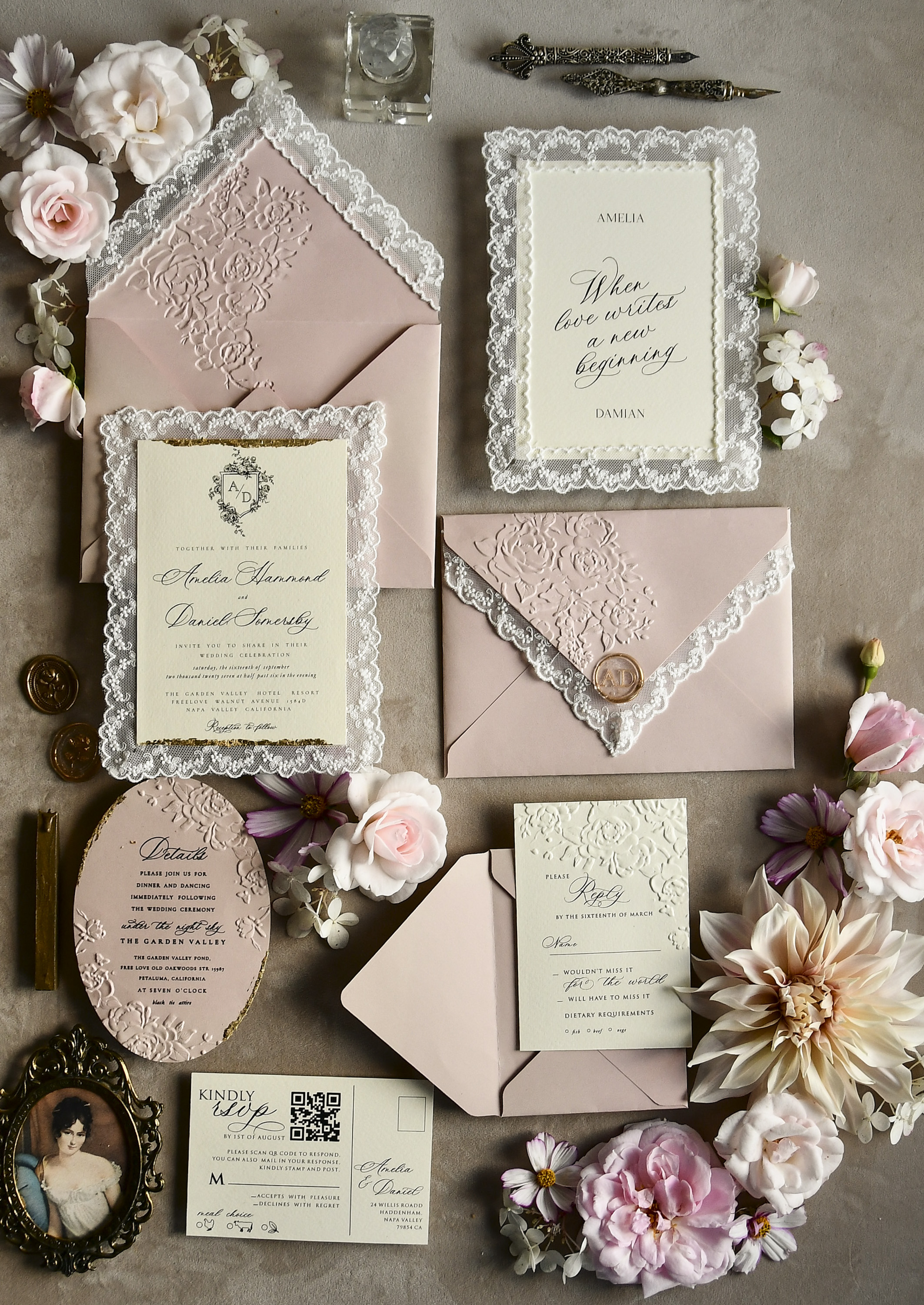
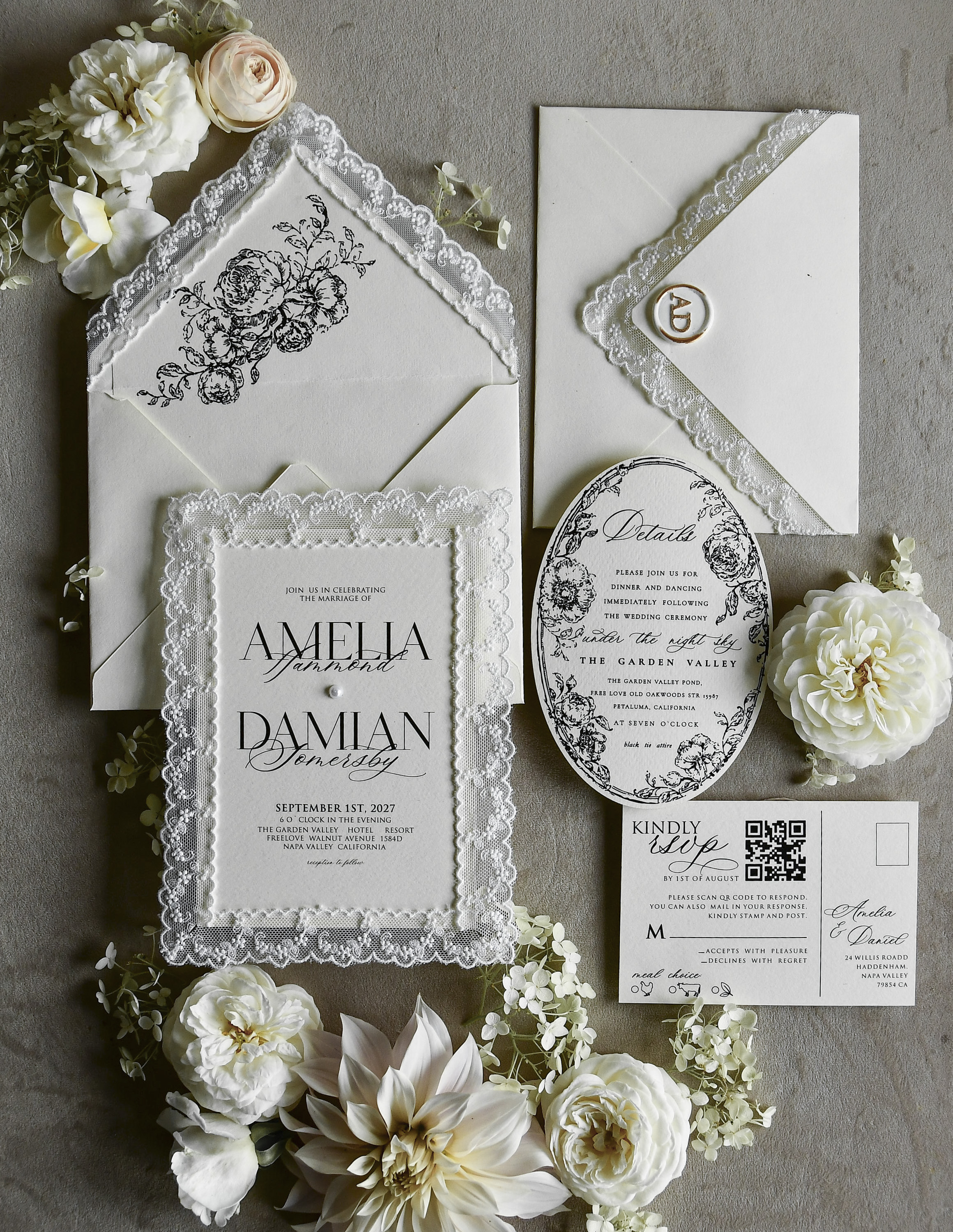
Once you've done the hard work of trimming, invest in the experience for the guests who remain. A smaller, more intentional guest list means you can spend more per head on food, atmosphere — and beautiful stationery that sets the tone from the moment the envelope arrives.
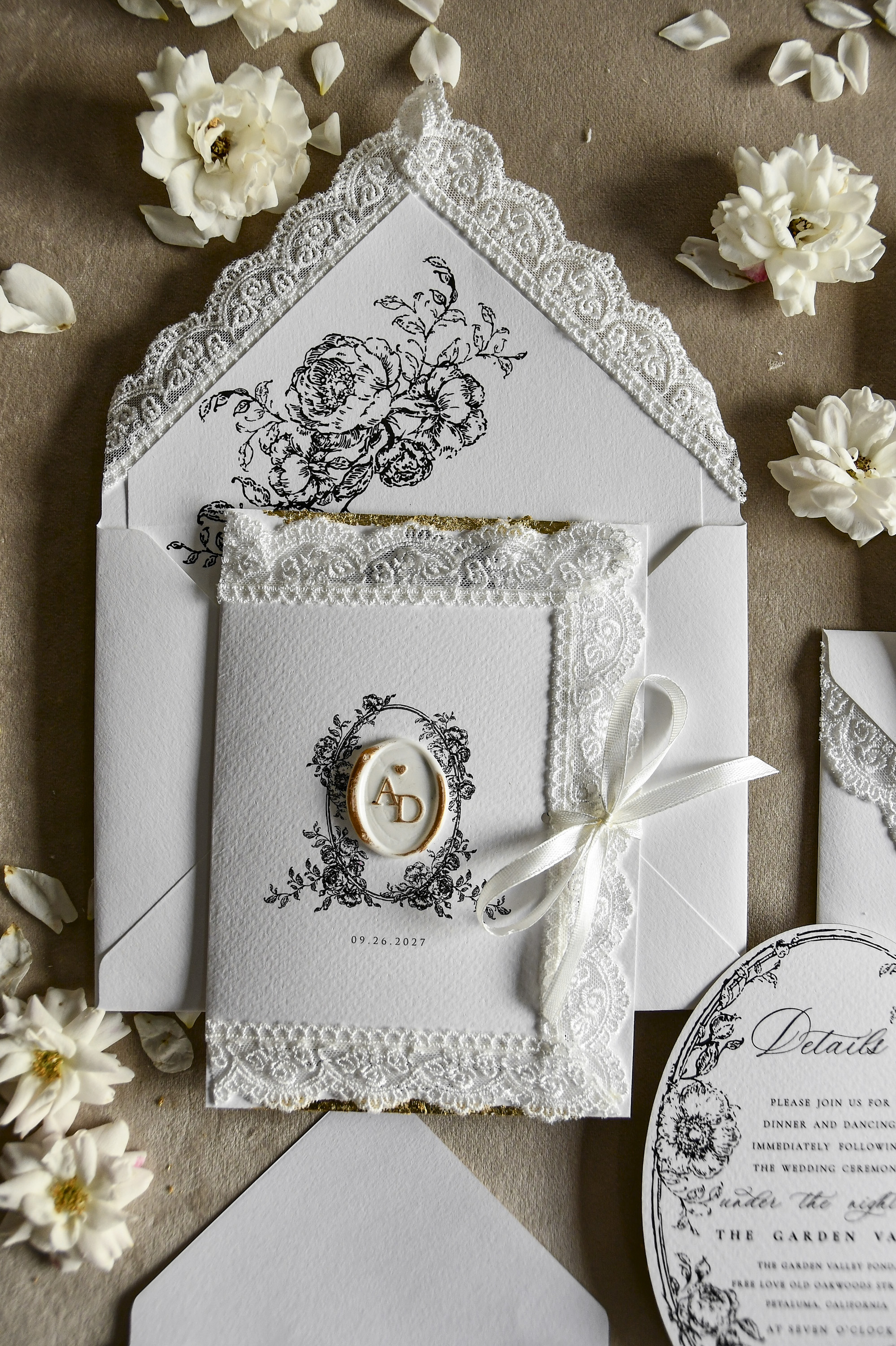
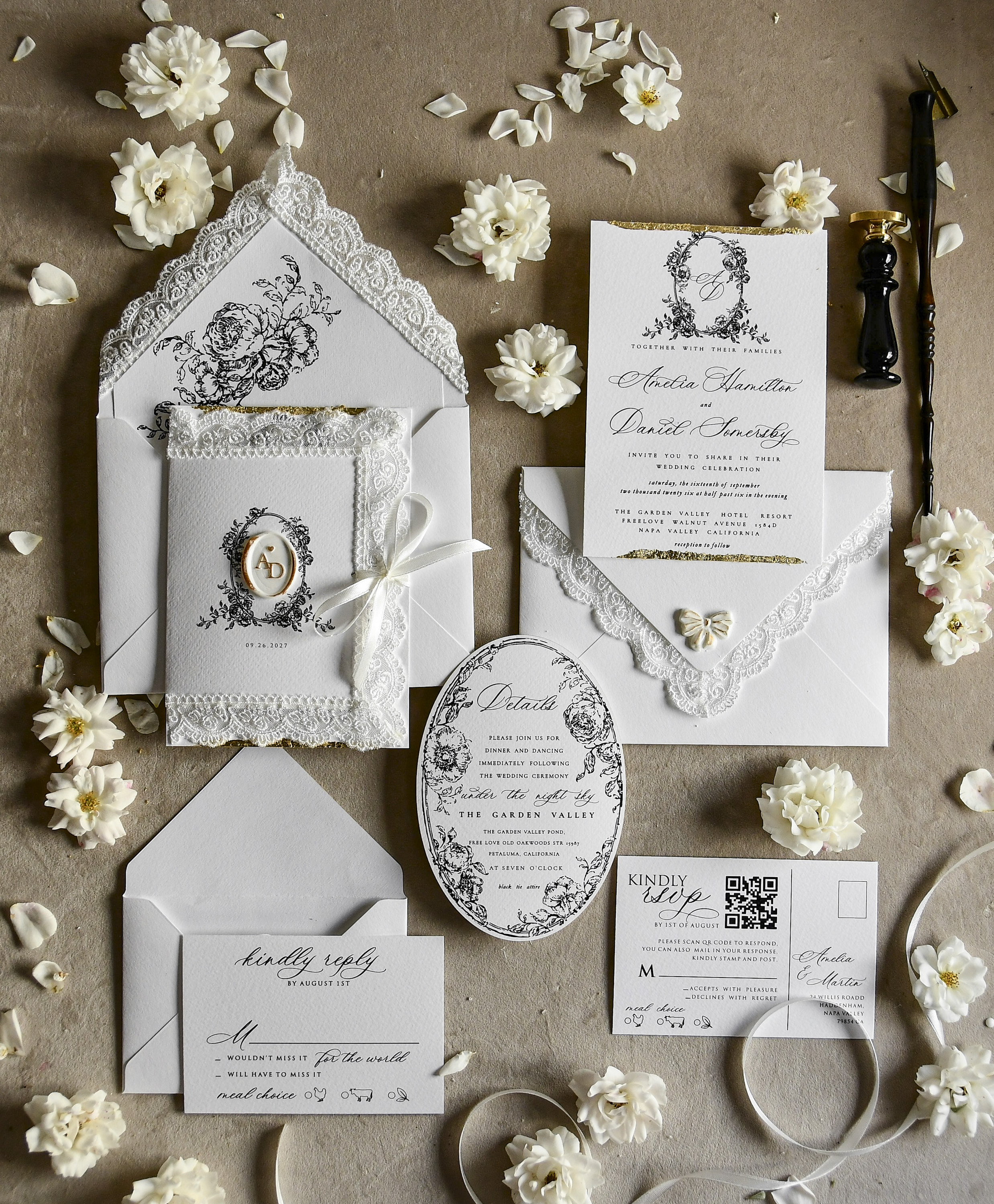
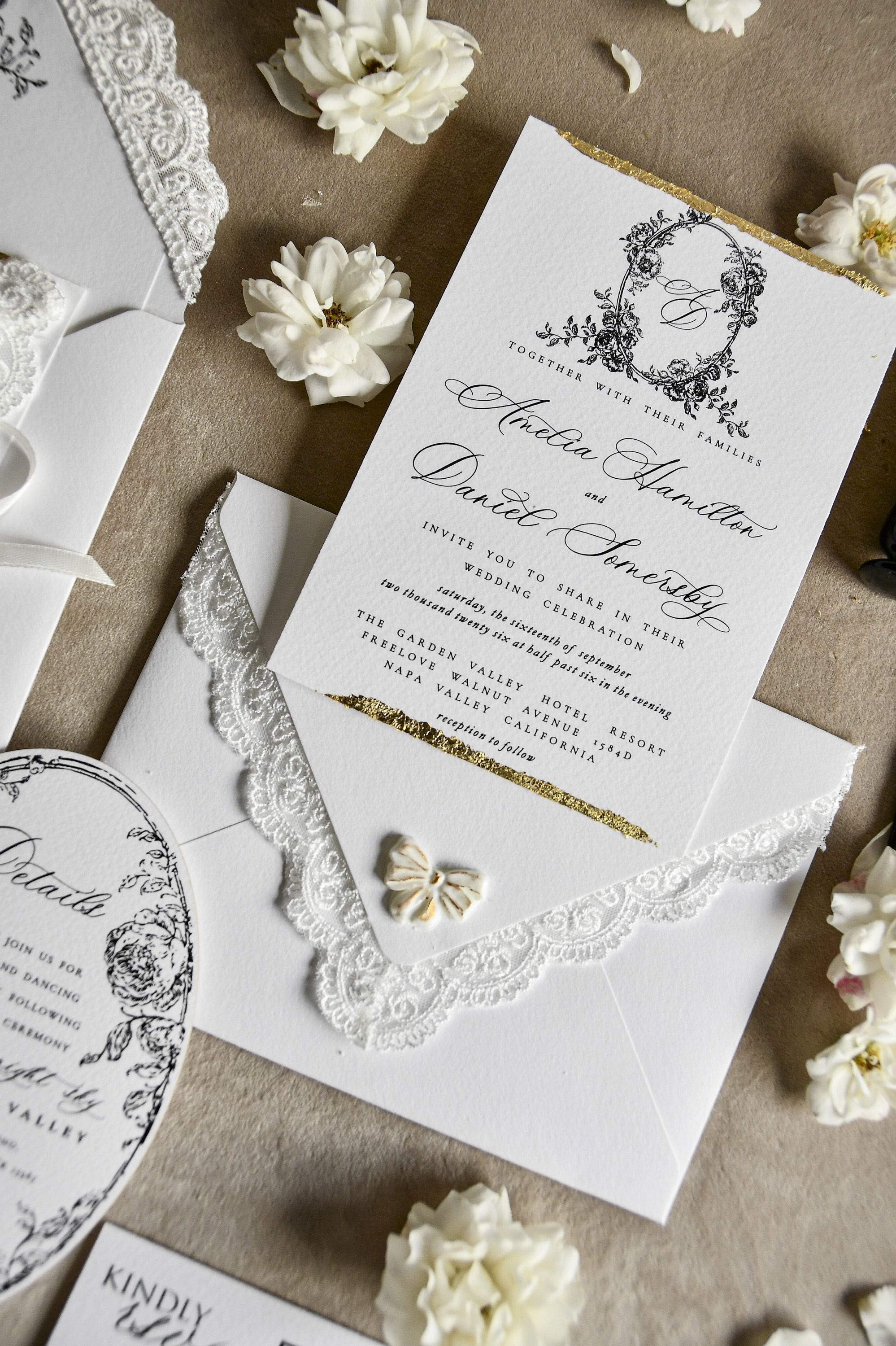
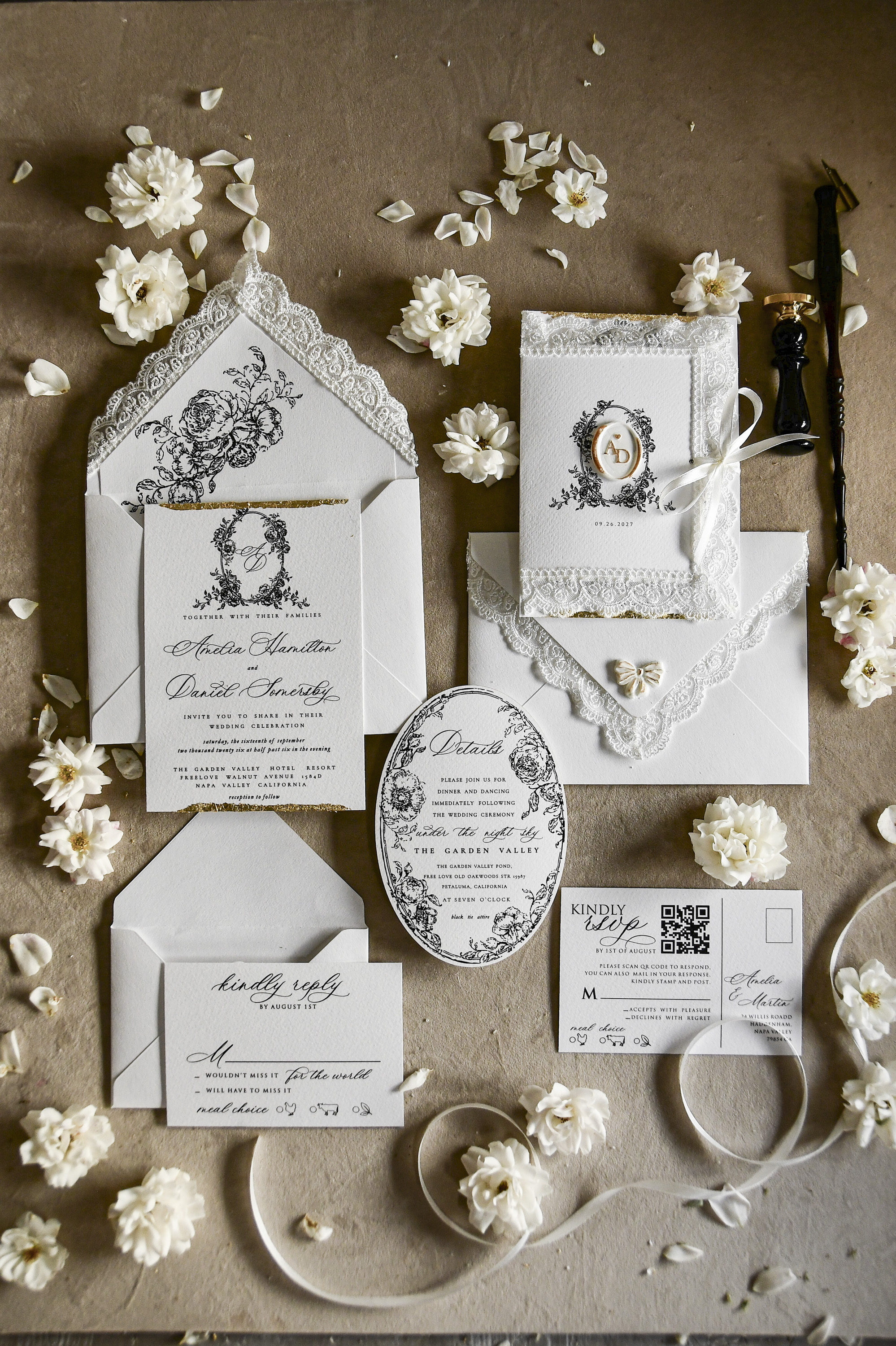
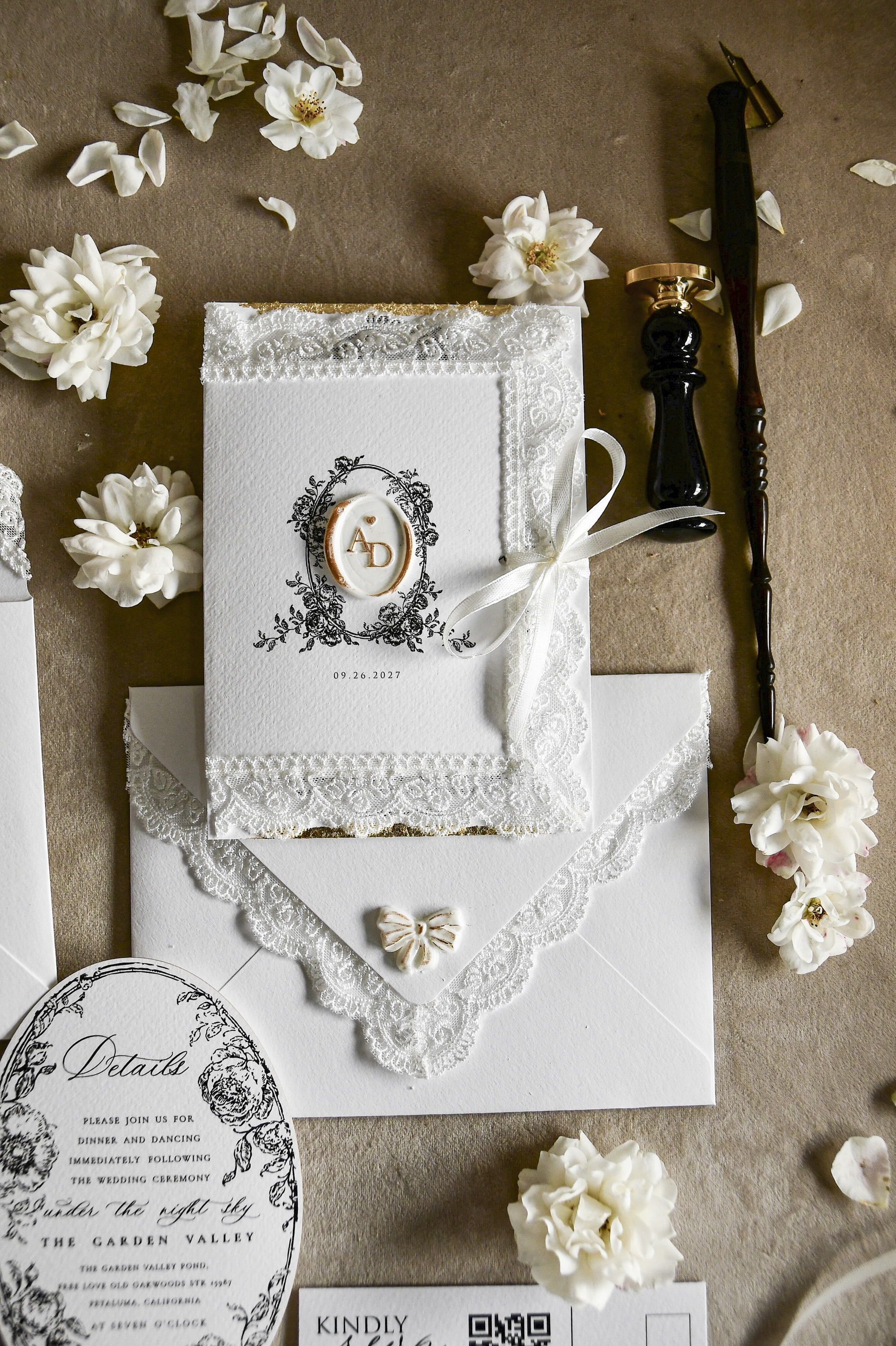
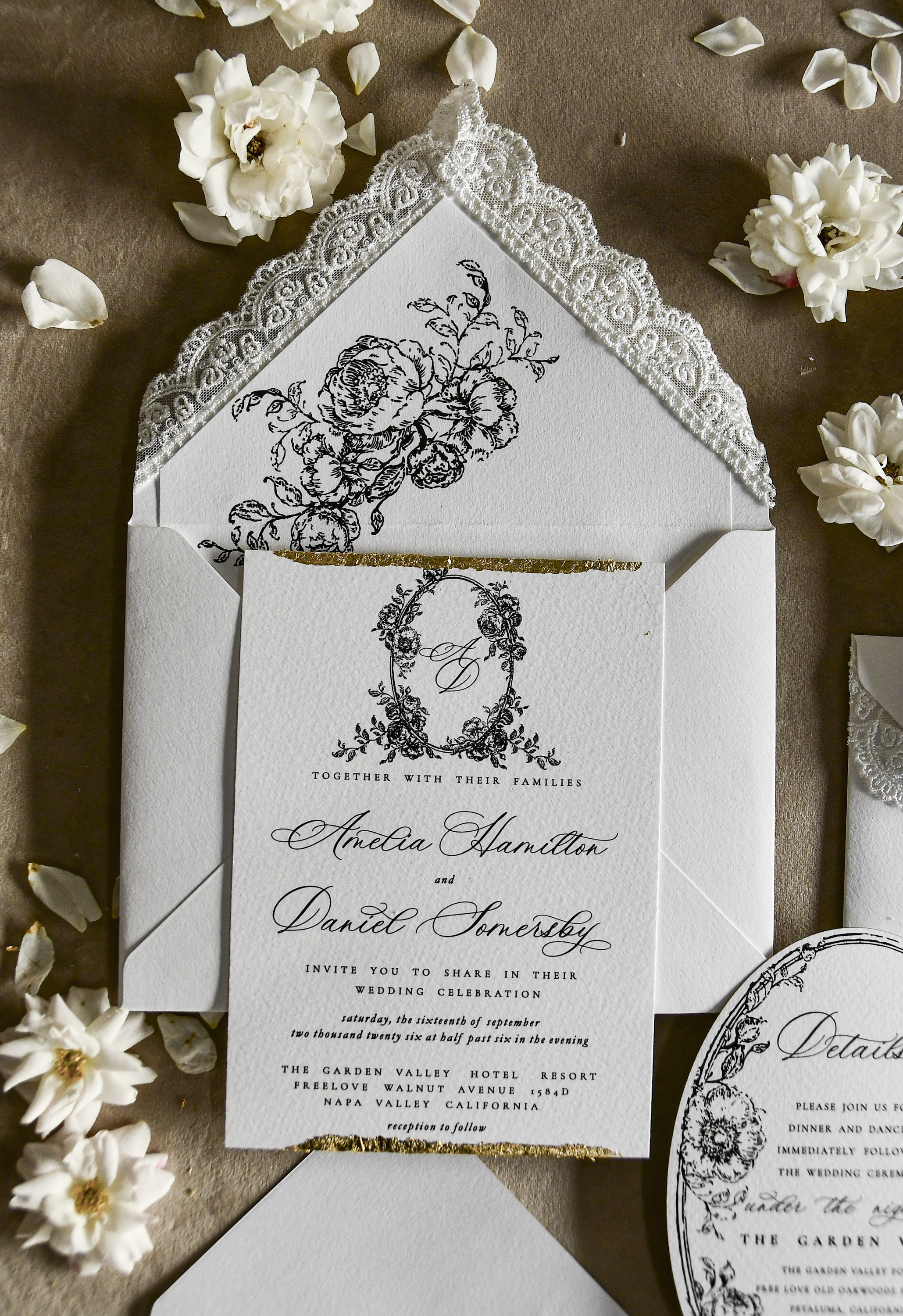
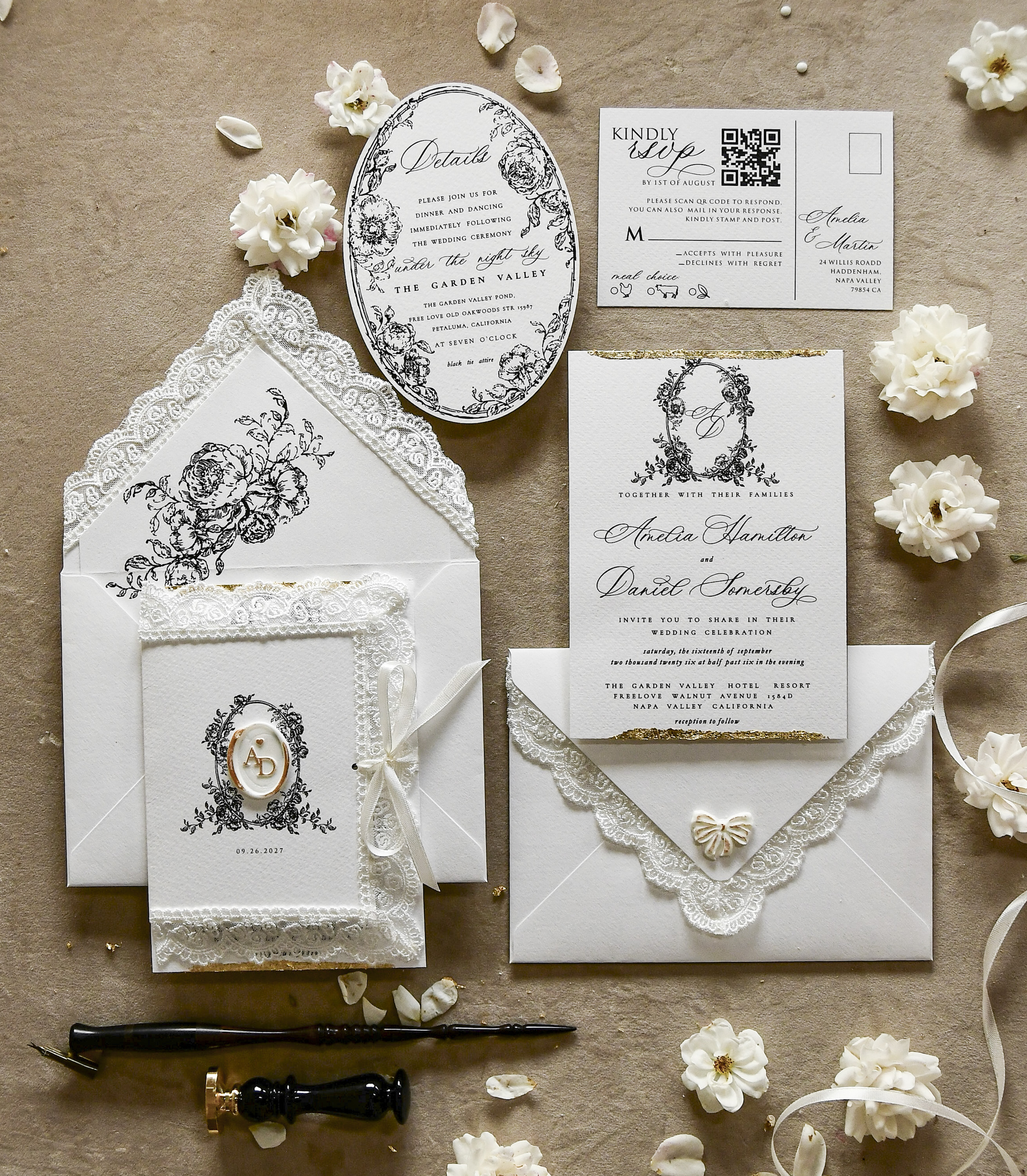
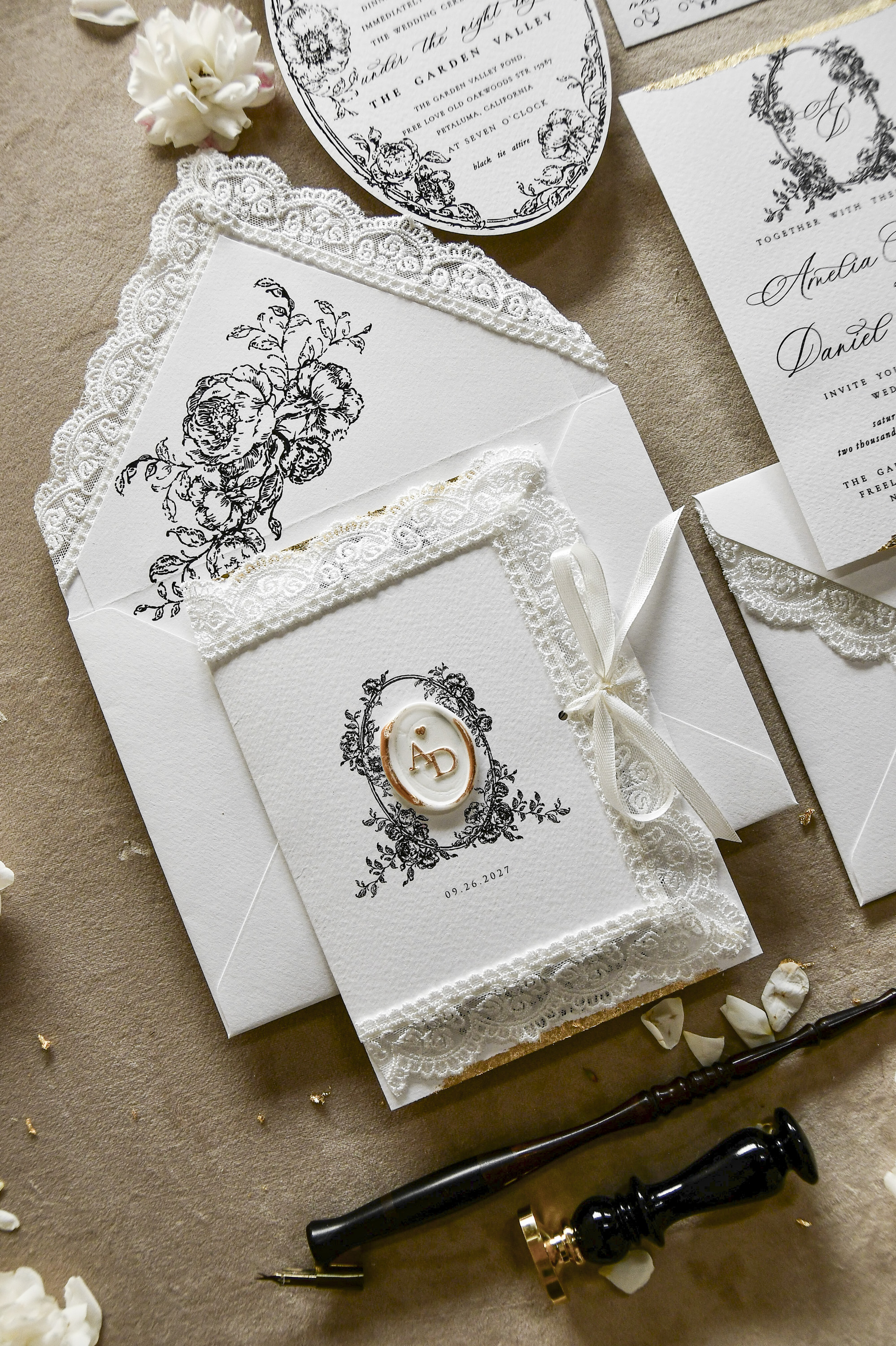
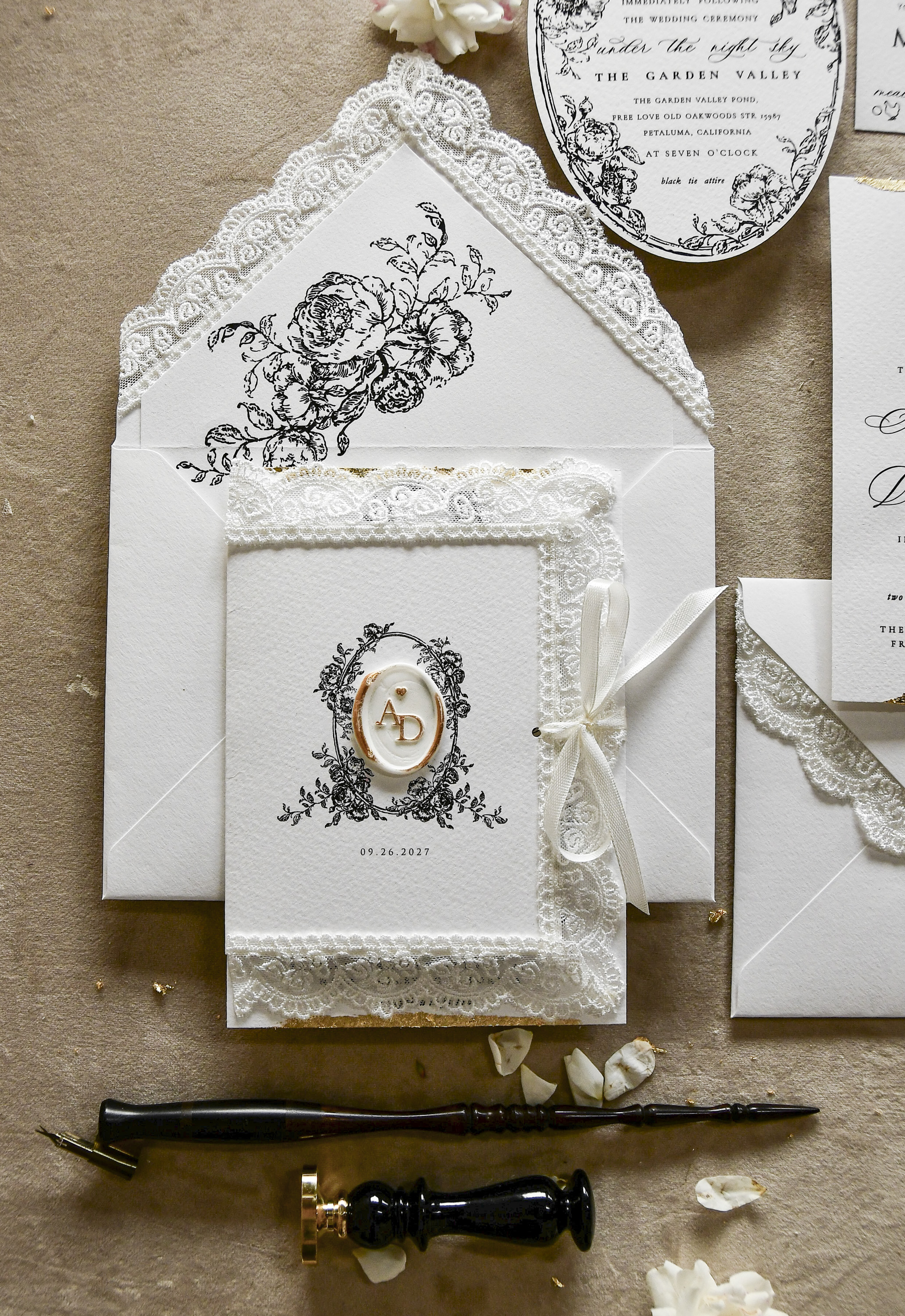
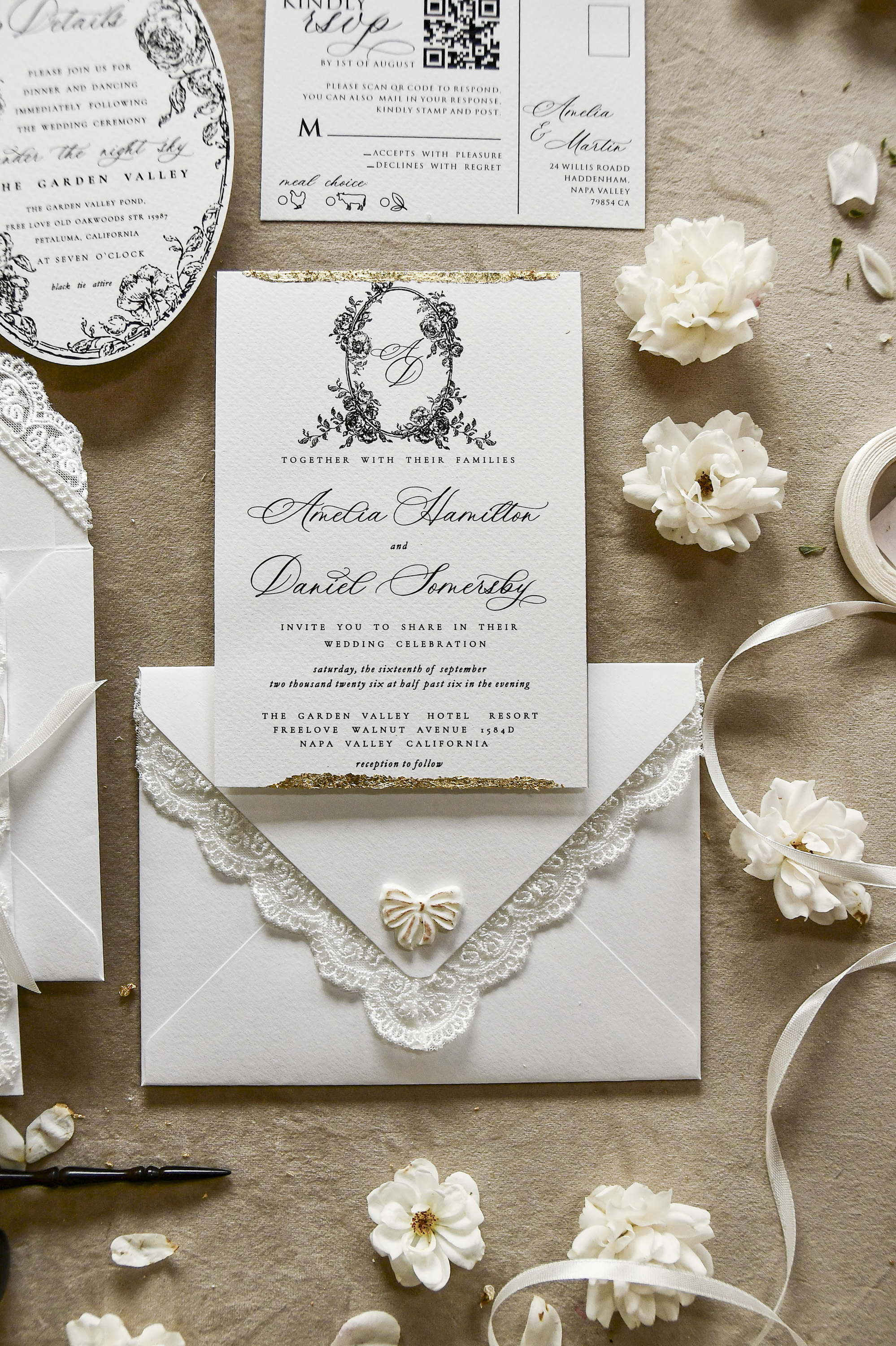
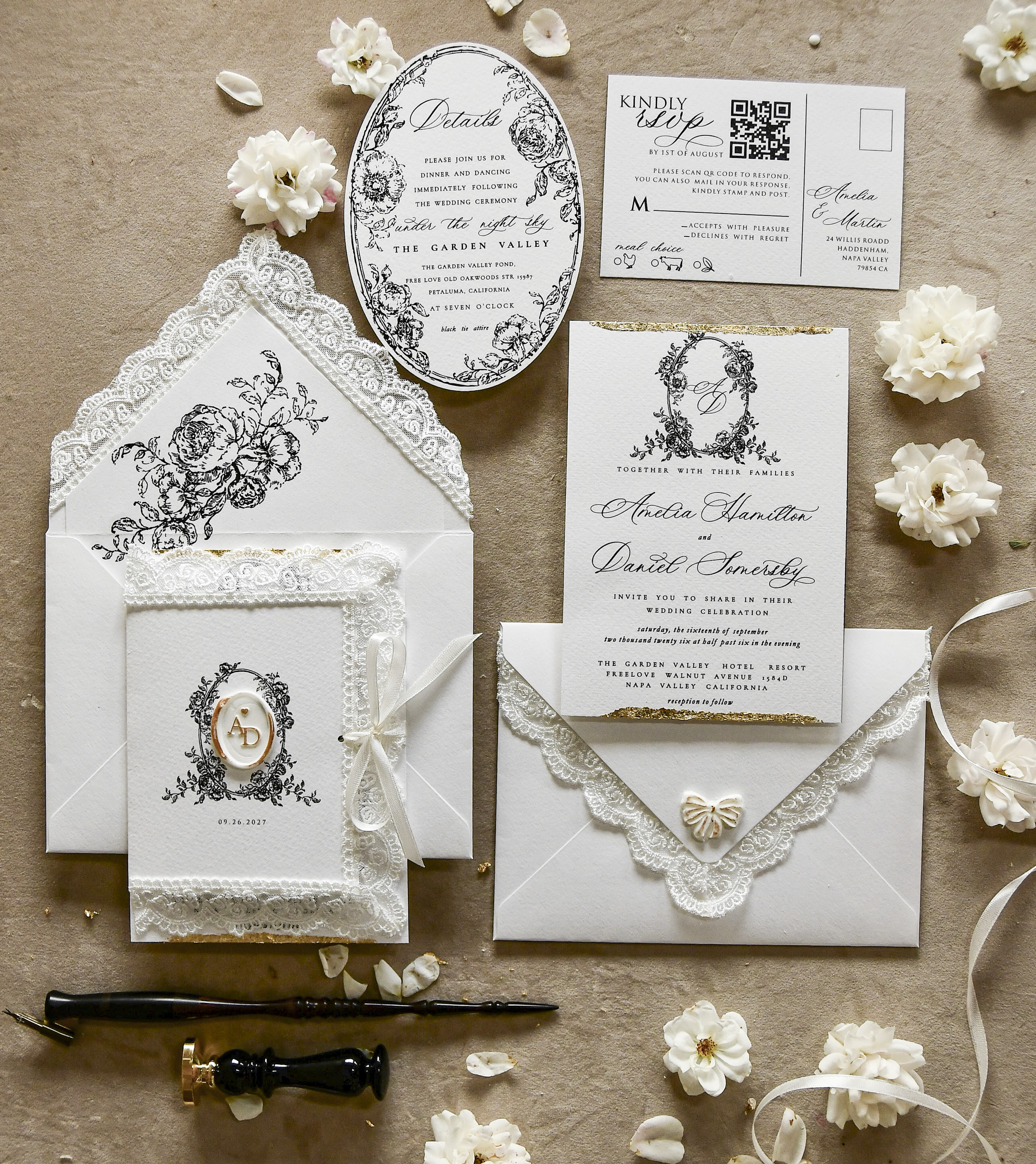
Our 03/laceTR/z vintage lace wedding invitations are a gorgeous way to signal that this is a thoughtful, curated celebration. Starting from $9.00, they bring a romantic, heirloom quality to your suite that guests will genuinely keep. When your list is tight and every guest truly matters, the invitation becomes even more meaningful.
A few final etiquette reminders as you finalize:
- Never tell a cut guest that they almost made the list — it's well-meaning but hurtful.
- If budget improves or RSVPs decline, maintain a ranked B-list and send second-wave invitations at least 6 weeks before the wedding.
- Don't post public wedding content on social media before all invitations have been received — no one should find out they weren't invited through an Instagram story.
Frequently Asked Questions
Generally, yes — etiquette holds that you shouldn't invite someone to a pre-wedding event if they're not invited to the wedding itself. The exception is a workplace shower hosted by colleagues, which is understood to be separate from the formal guest list.
Set a firm total headcount early and communicate it to both families as a non-negotiable number. If parents are contributing financially and want to invite their friends, consider allocating them a specific number of slots — say, 10 — so the decision feels shared without spiraling.
Send your A-list invitations 10–12 weeks before the wedding. As RSVPs with regrets come in, send B-list invitations promptly — ideally within a day or two of receiving a decline, so B-list guests still have 6–8 weeks' notice.
Reciprocal invitations are a courtesy, not a rule. If your life circumstances have changed significantly since their wedding — you've moved, grown apart, or your venue is much smaller — it's acceptable not to reciprocate. A kind note or gift acknowledging their milestone can soften the situation.
In most cases, you don't need to proactively tell people they're not invited — silence is the message. If someone asks directly, a simple 'We kept it very small, mostly immediate family and closest friends' is honest and inoffensive without requiring further explanation.
Aim to have your final guest list locked in at least 4–5 months before the wedding, especially if you're ordering custom stationery. This gives you time to gather mailing addresses, place your invitation order, and still send invites 8–10 weeks out.
See This Design Up Close



You May Also Like
More Wedding Planning Guides
- → Kids at Your Wedding: How to Decide What's Right for Your Celebration
- → Mailing vs. Hand-Delivering Wedding Invitations: What's the Right Call?
- → When Silence Speaks: How to Handle Guests Who Never RSVP'd
- → The Plus-One Dilemma: How to Handle Dates for Single Guests
- → Ceremony-Only Guests: The Honest Guide to Partial Wedding Invitations
- → Save the Dates and Wedding Invitations: What Each One Does and Why You Need Both
- → Navigating the Parent Guest List: How to Keep the Peace Without Losing Control
- → The Graceful Art of Telling Someone They're Not on the Guest List
- → Seating Your Divorced Parents at the Wedding: A Practical Guide
- → When Guests Ghost Your RSVP: What to Do Next
- → The Honest Guide to Deciding Who Gets a Plus One at Your Wedding
- → The Ex Factor: How to Decide Whether a Former Partner Belongs on Your Guest List
- → The Perfect Timing for Mailing Your Wedding Invitations
- → Digital vs. Paper Wedding Invitations: Which Is Right for You?
- → Child-Free Weddings: What's Rude and What's Perfectly Fine
- → Everything Your Wedding Invitation Needs to Say
- → Navigating Guest List Pressure: When Mom Wants to Invite Someone You Don't
- → When Your Partner Wants a Smaller Guest List Than You Do
- → Online RSVPs vs. Mailed Cards: What Every Couple Should Know
- → Uninvited Plus-Ones and Tag-Alongs: How to Keep Your Guest List Intact
- → When Family Feuds Threaten Your Wedding Plans: A Practical Peacekeeper's Guide
- → Inviting an Estranged Brother or Sister: Finding Clarity Before You Seal the Envelope
- → Cousins, Invites, and Hard Choices: A Practical Guest List Guide