
Mailing vs. Hand-Delivering Wedding Invitations: What's the Right Call?
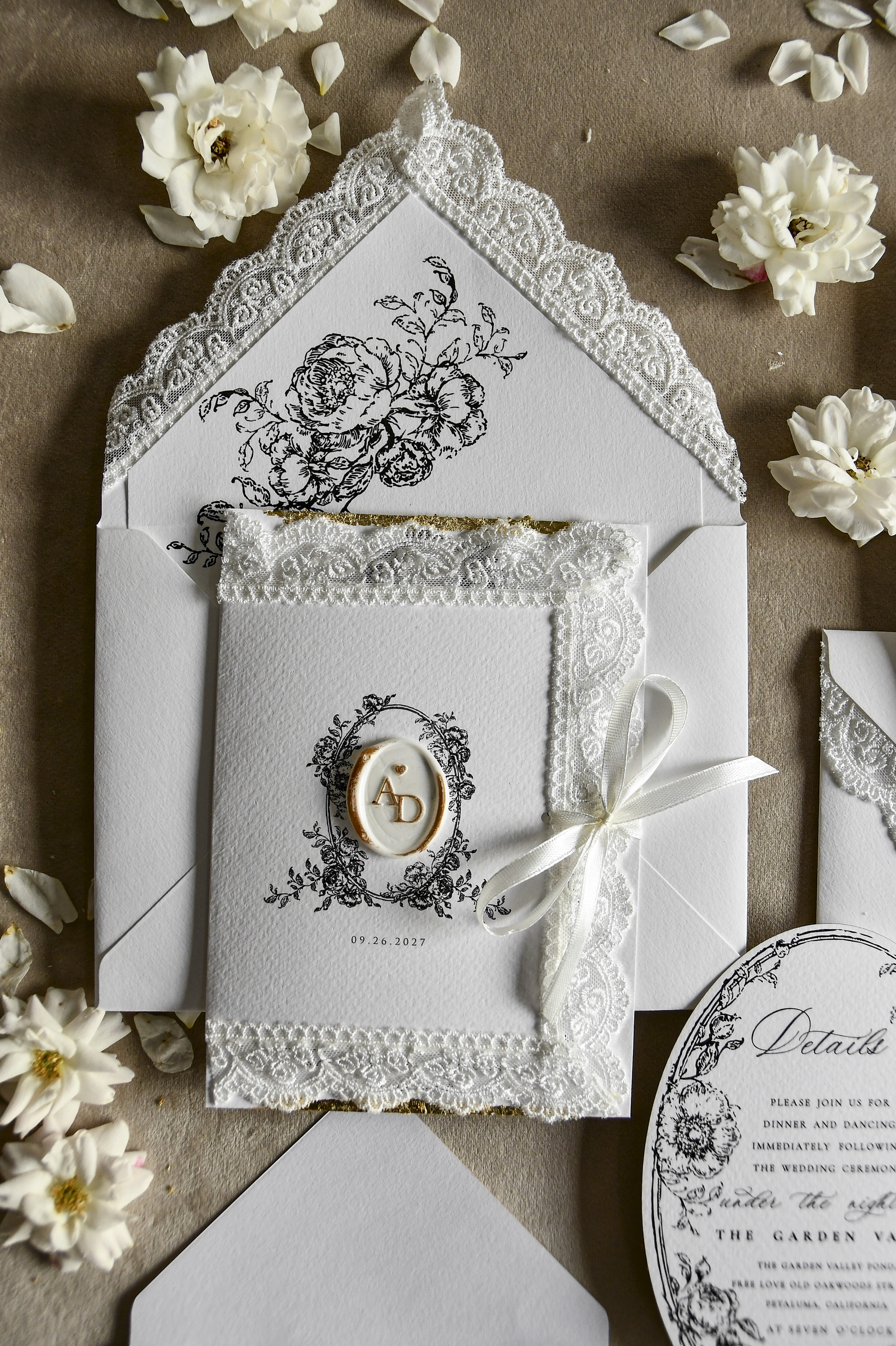
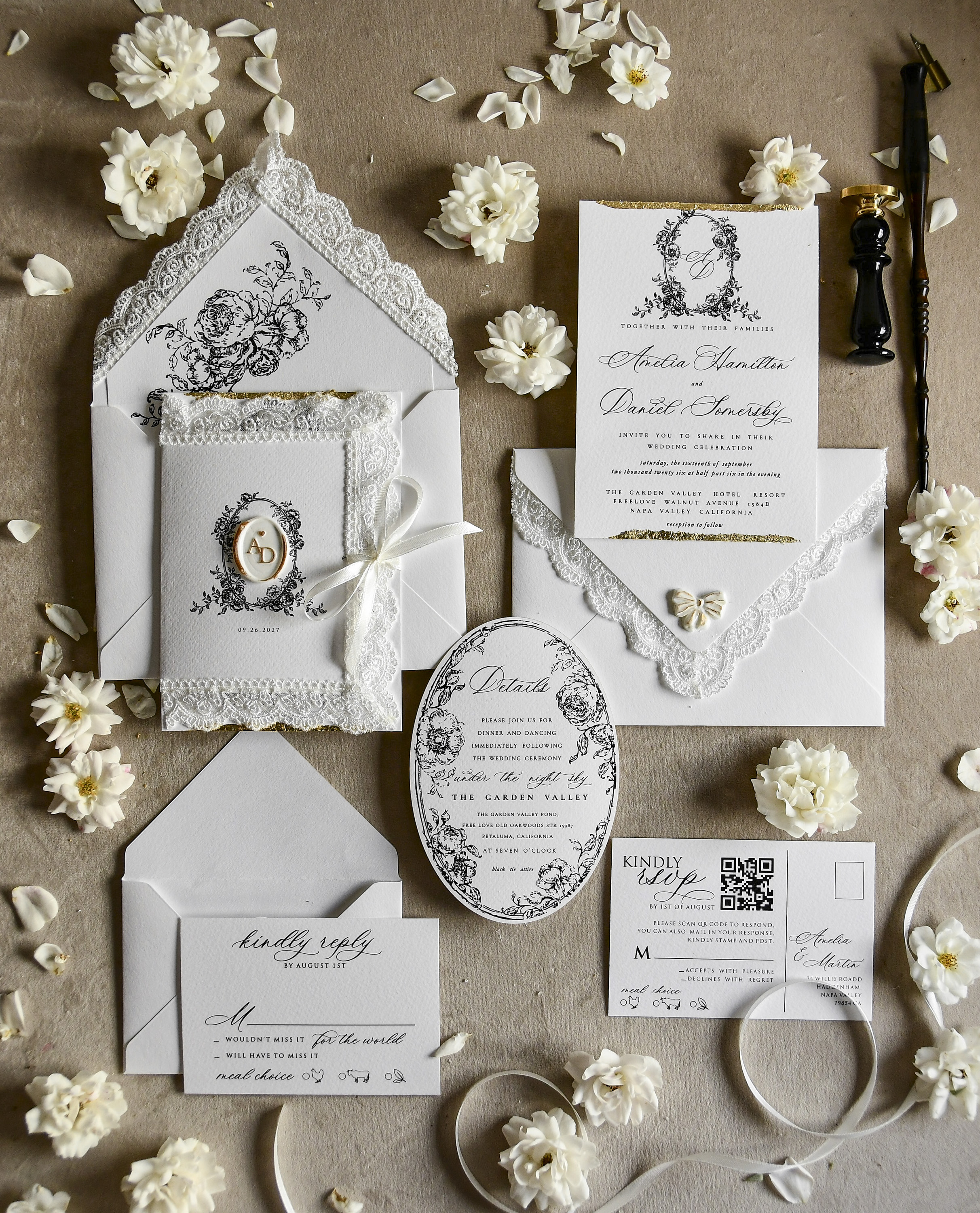
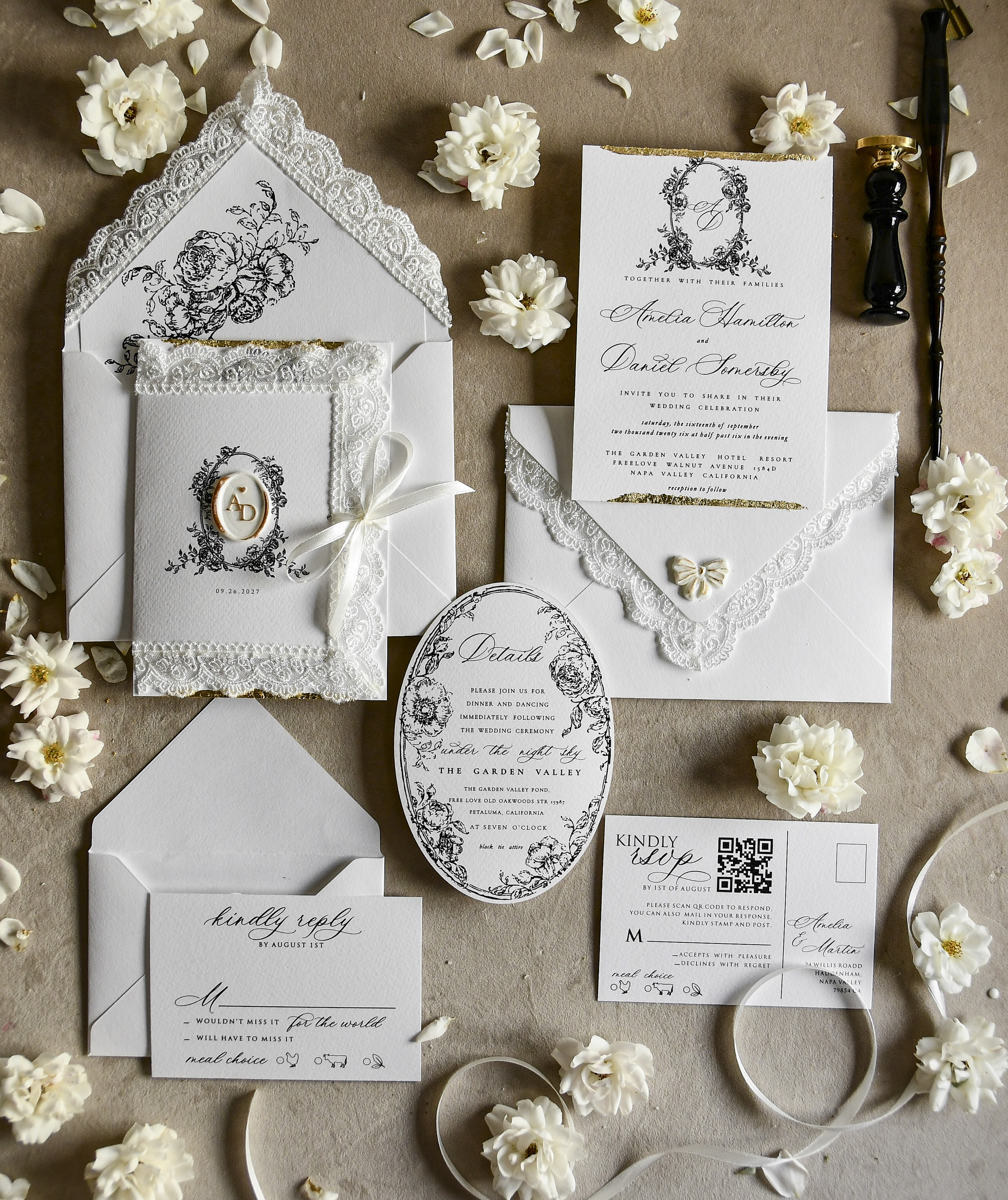
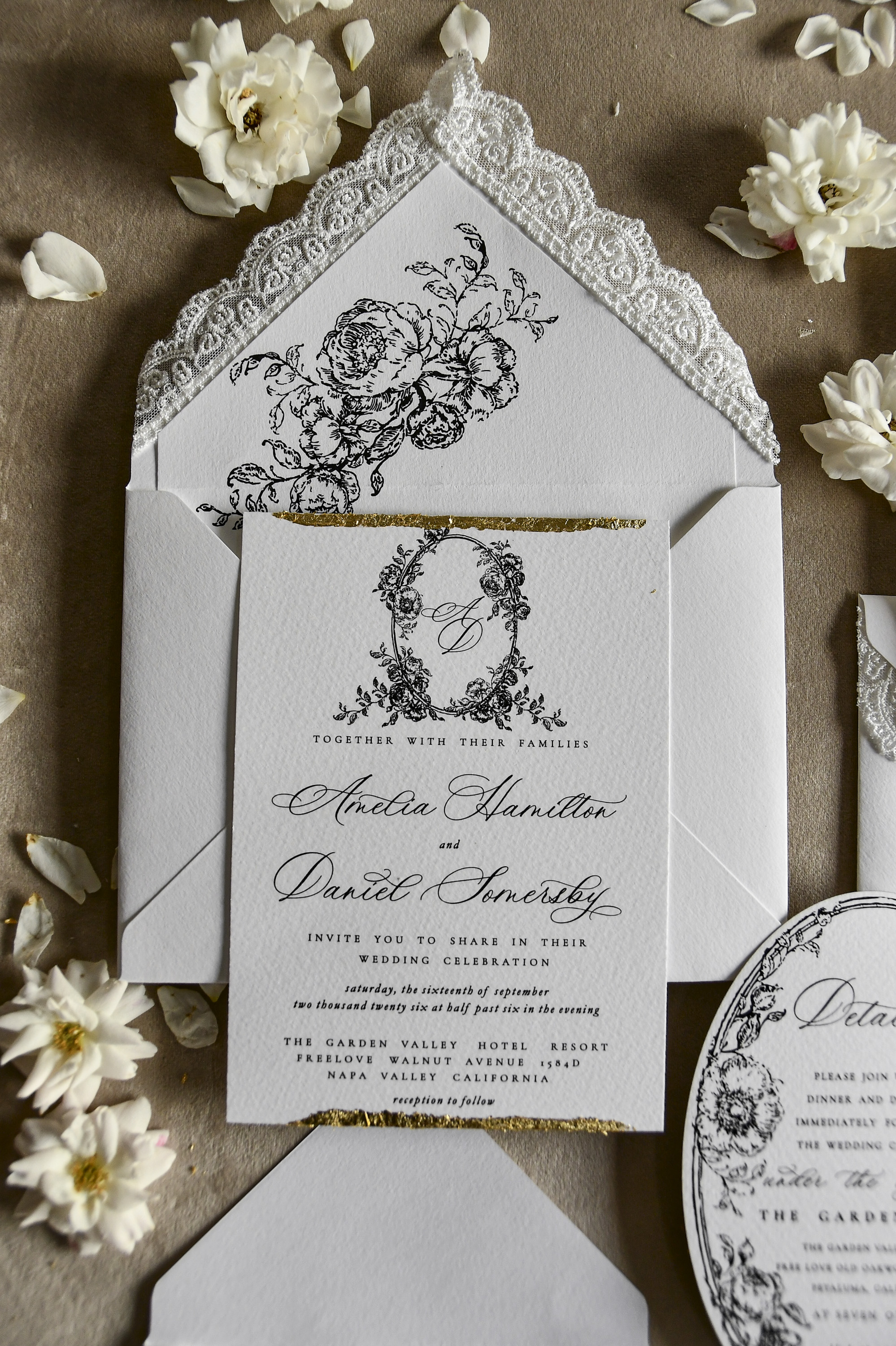
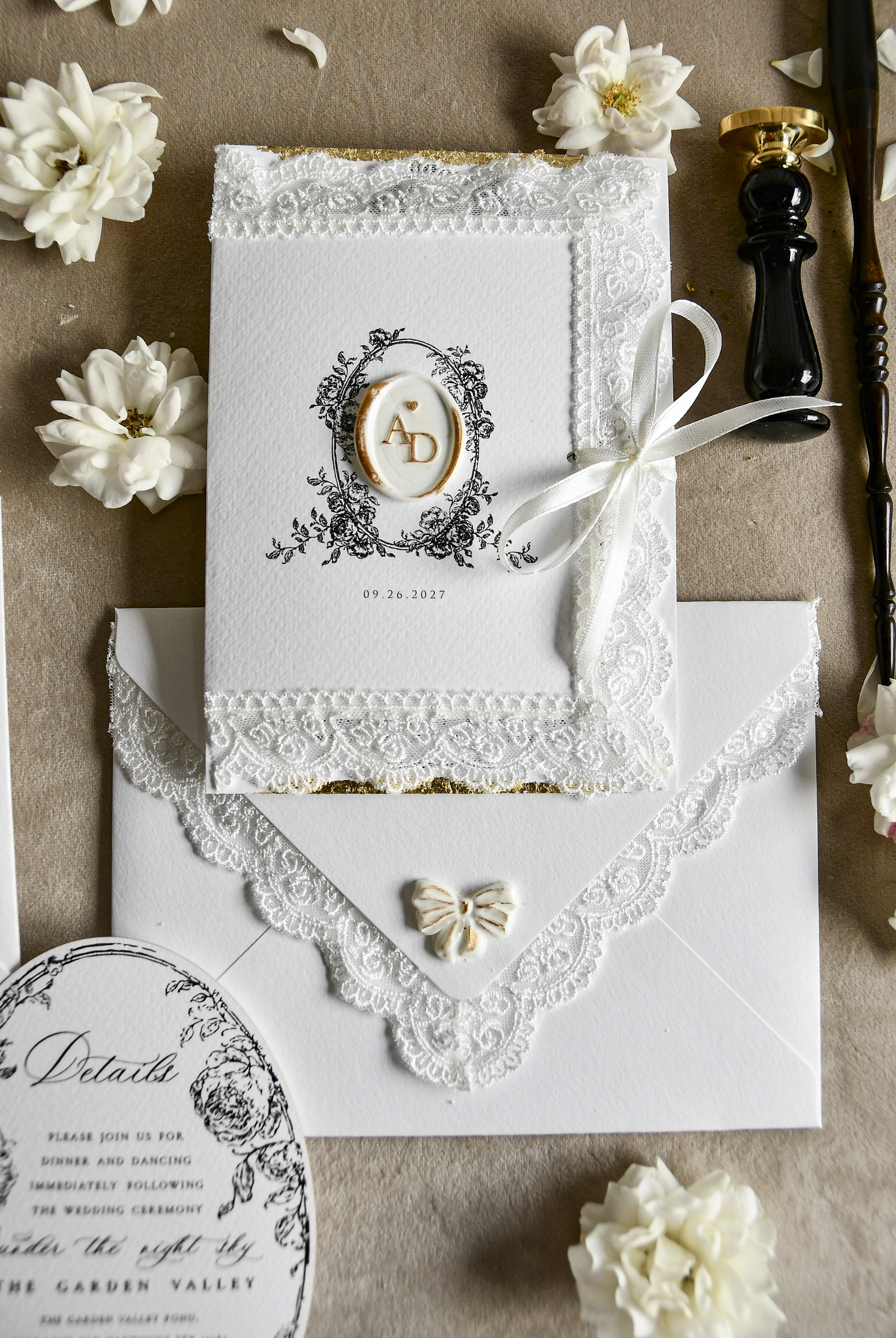
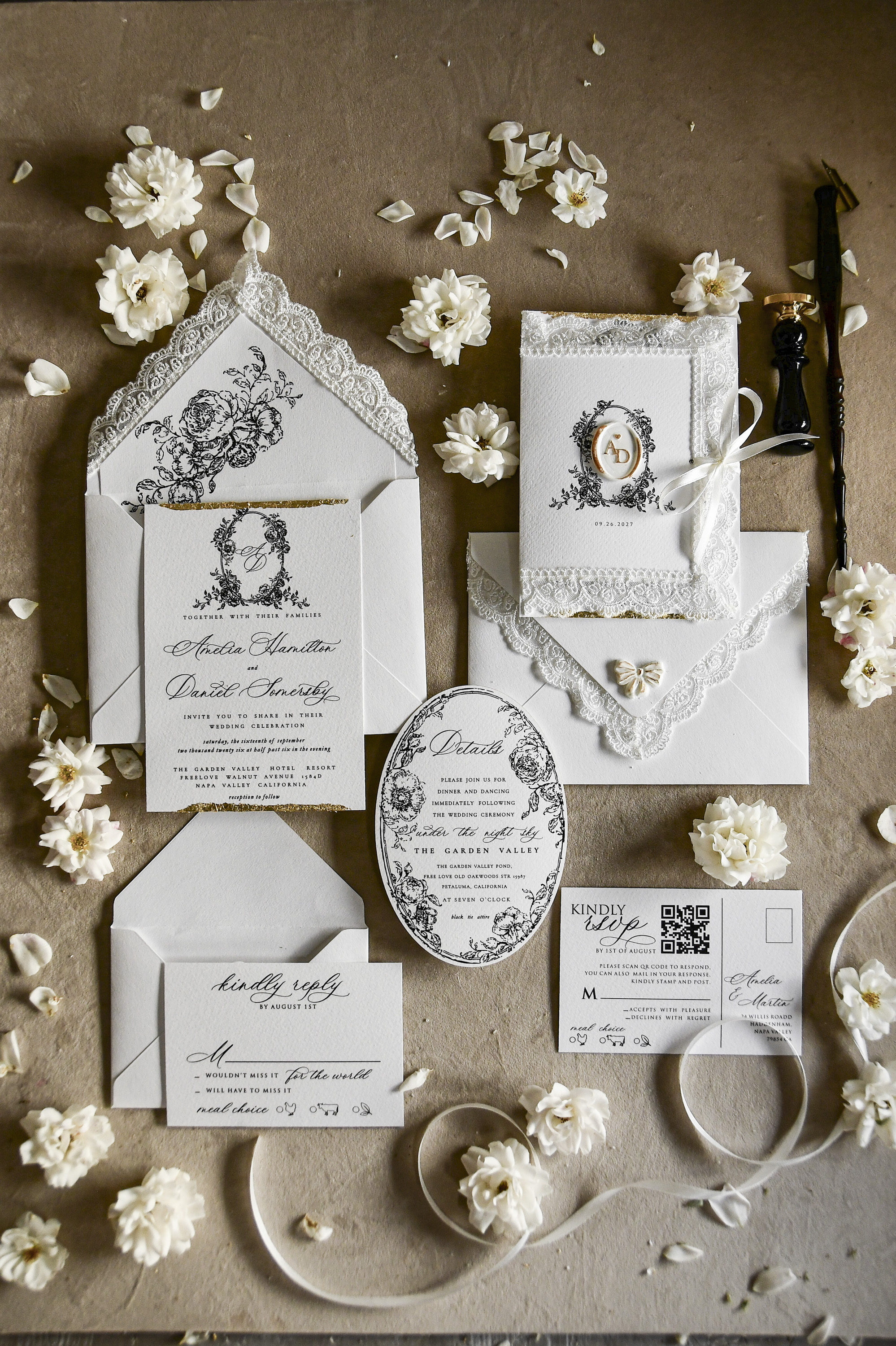
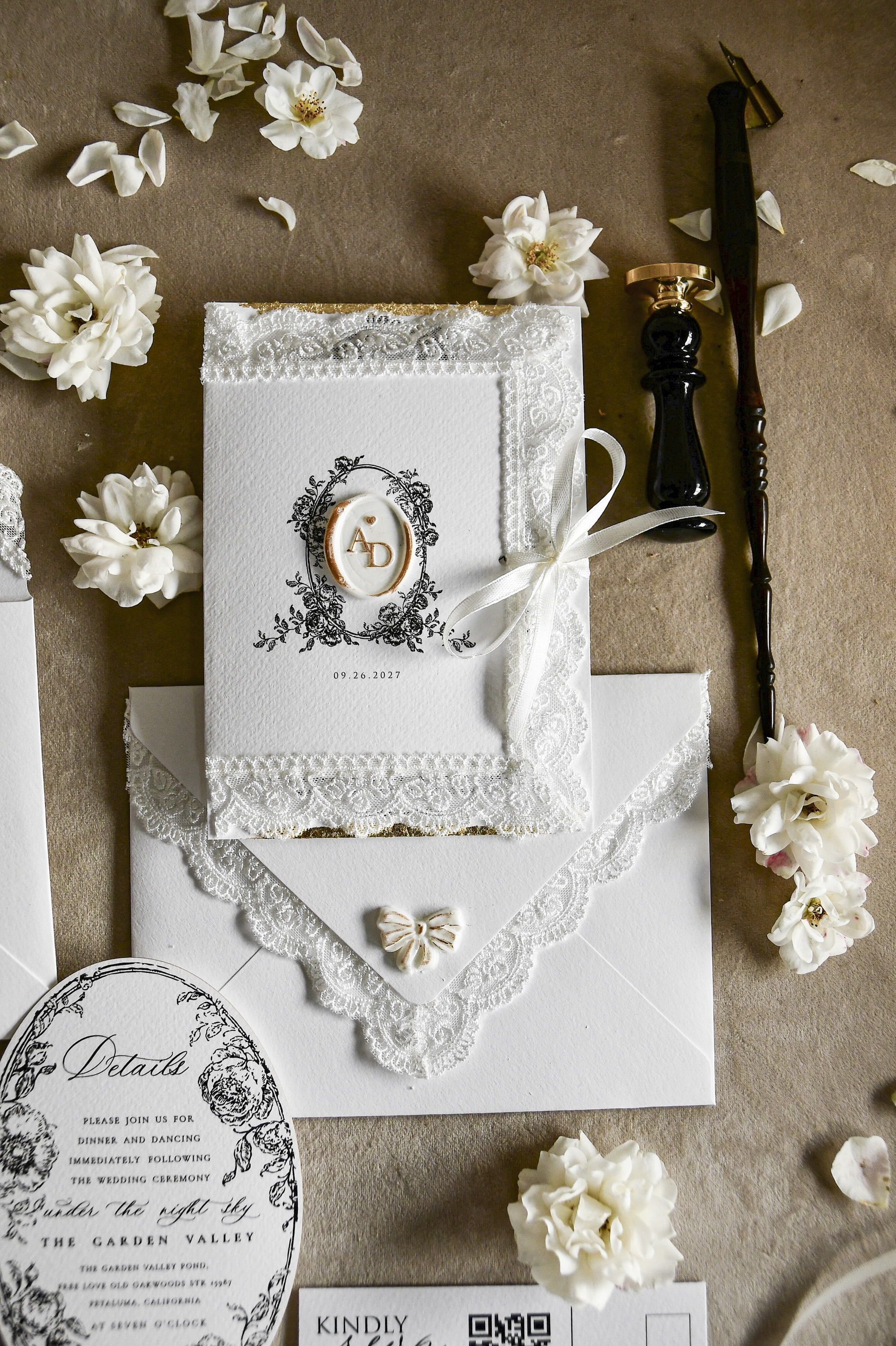
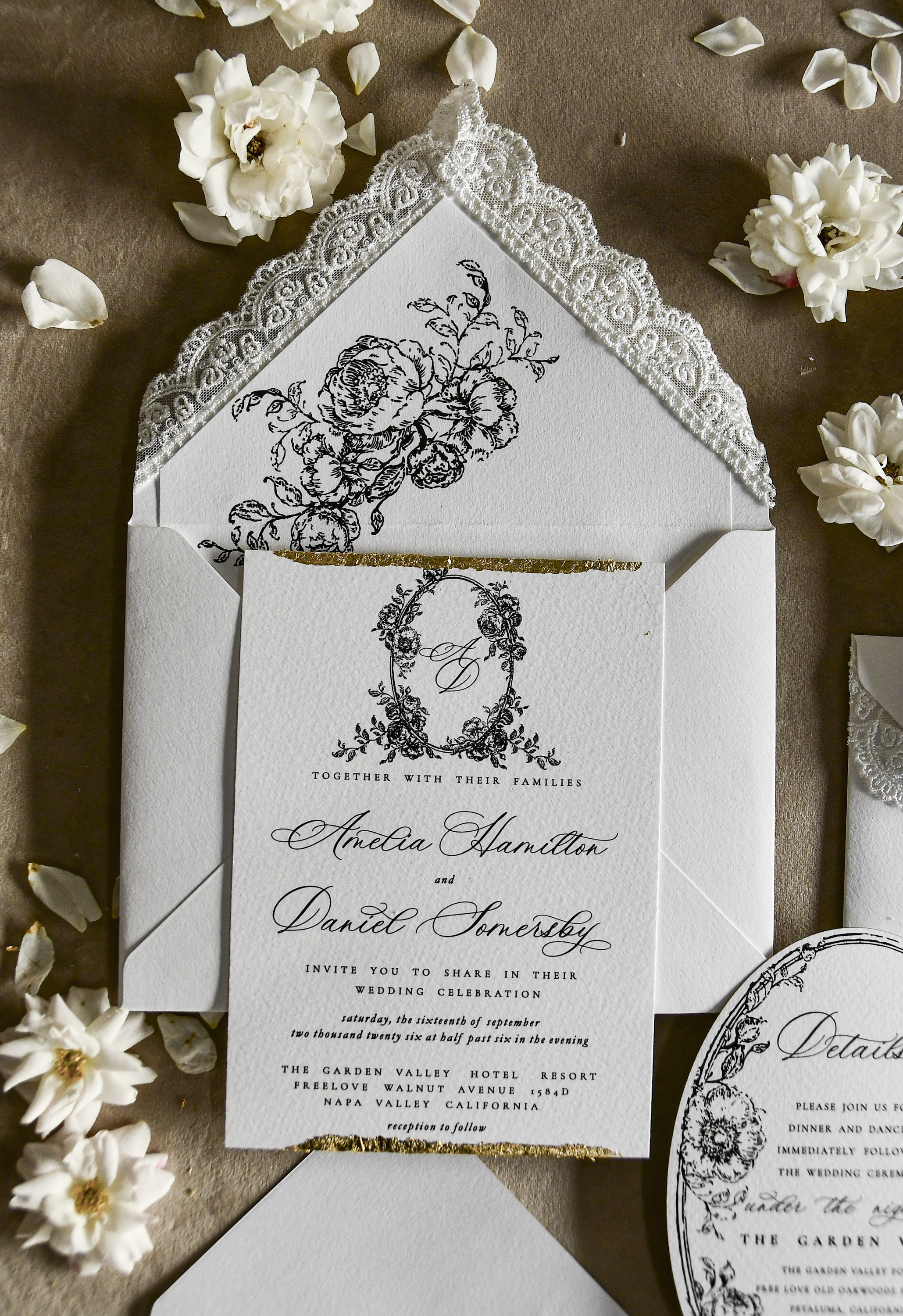
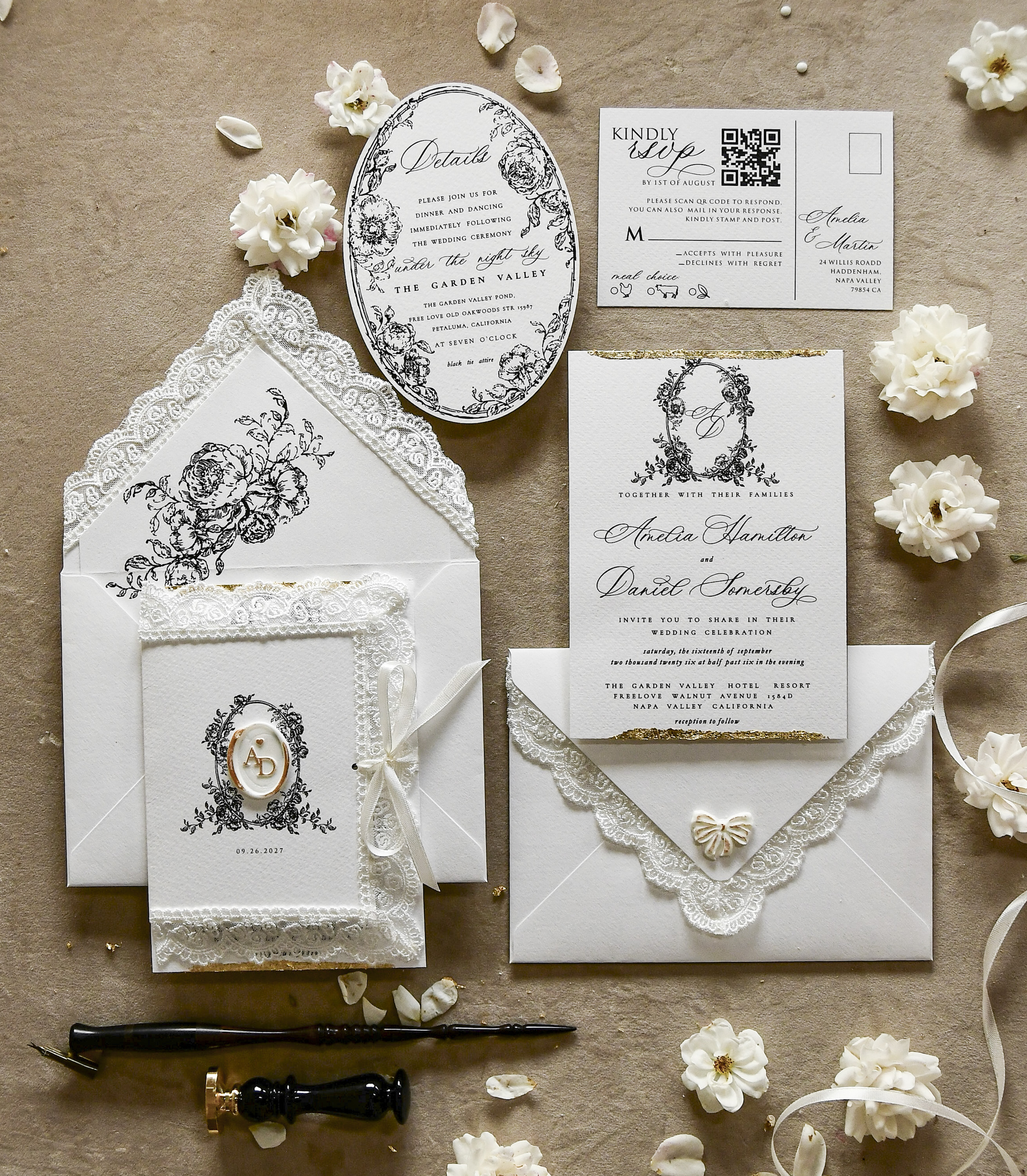
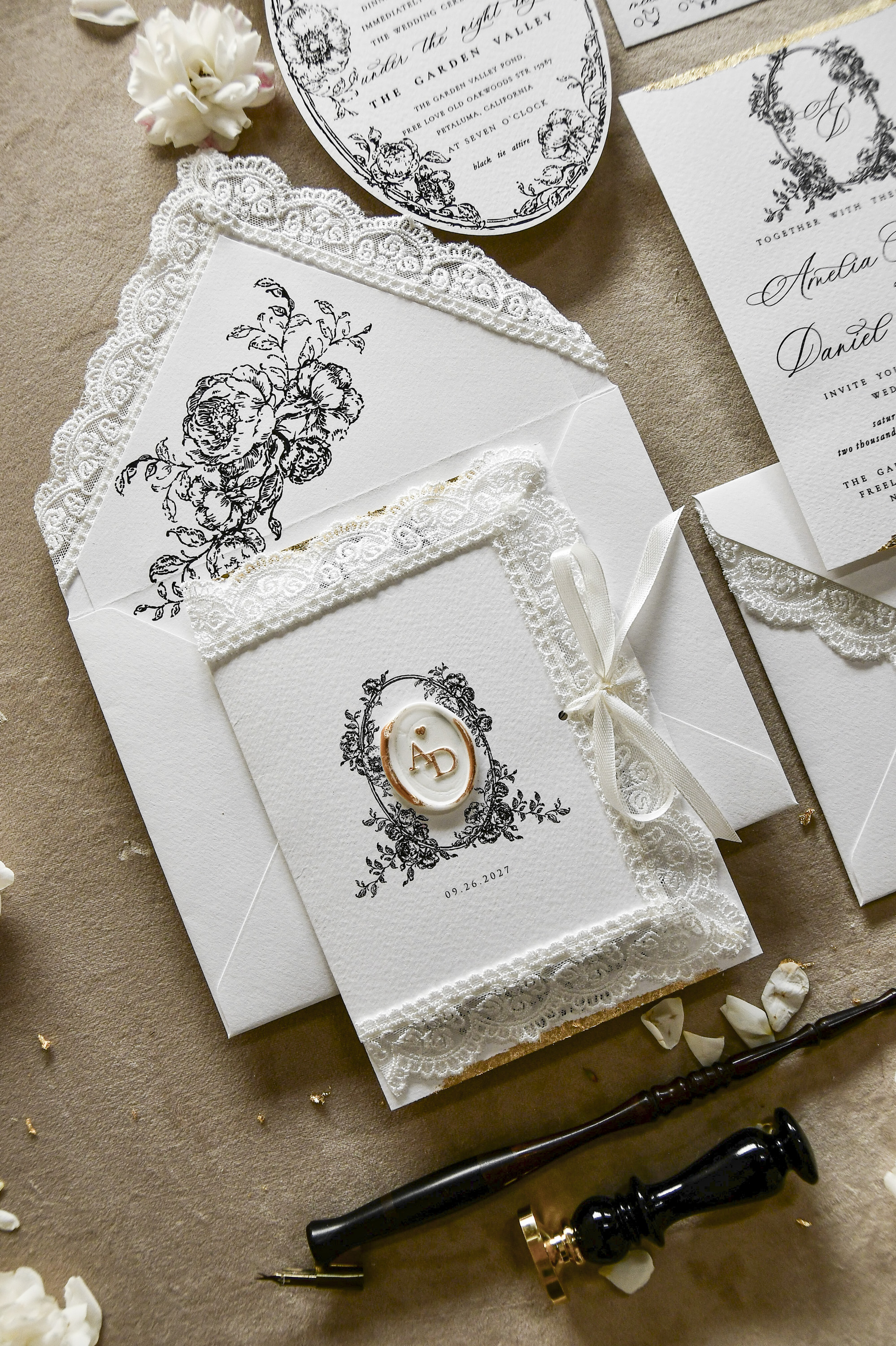
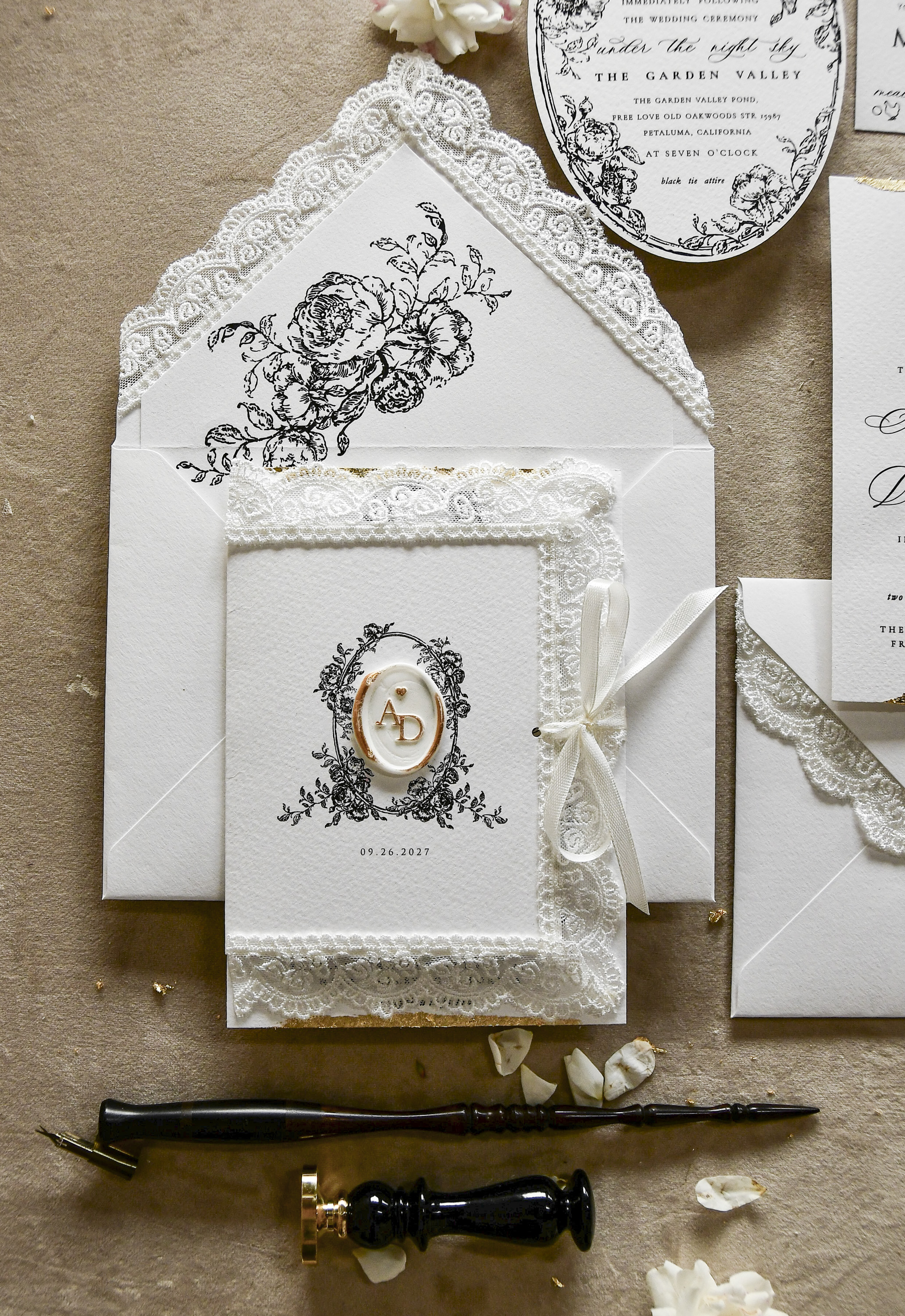
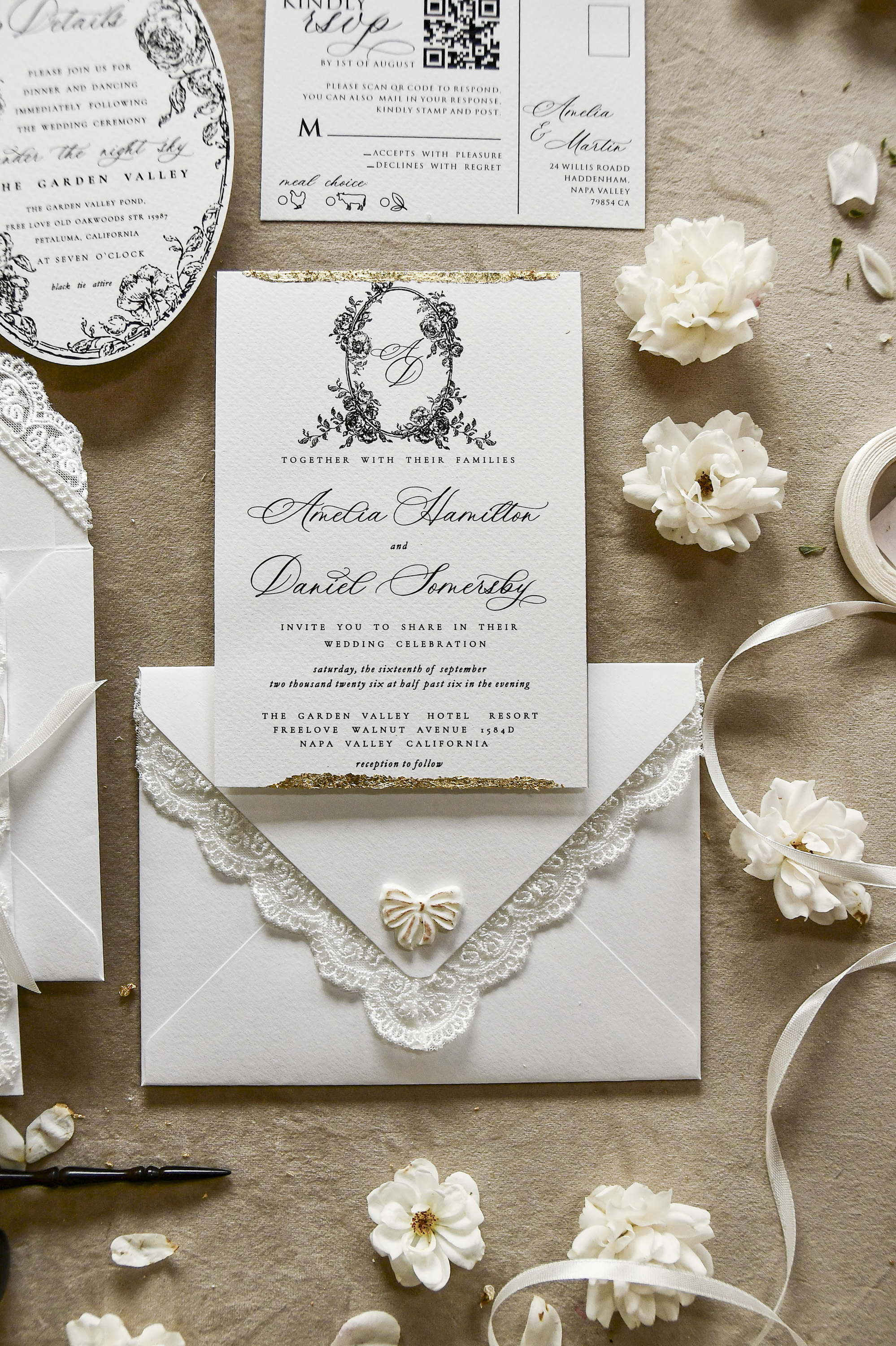
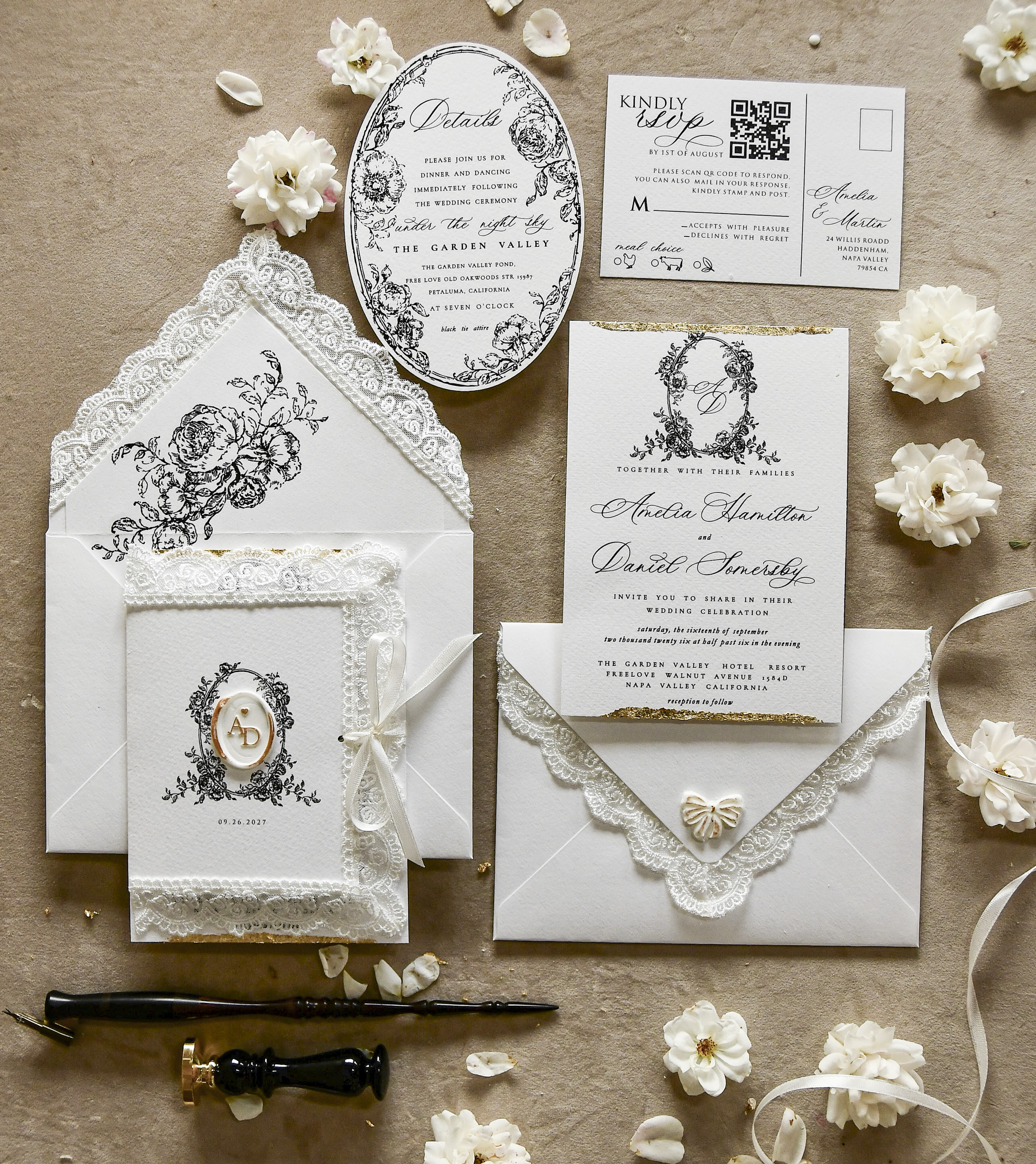
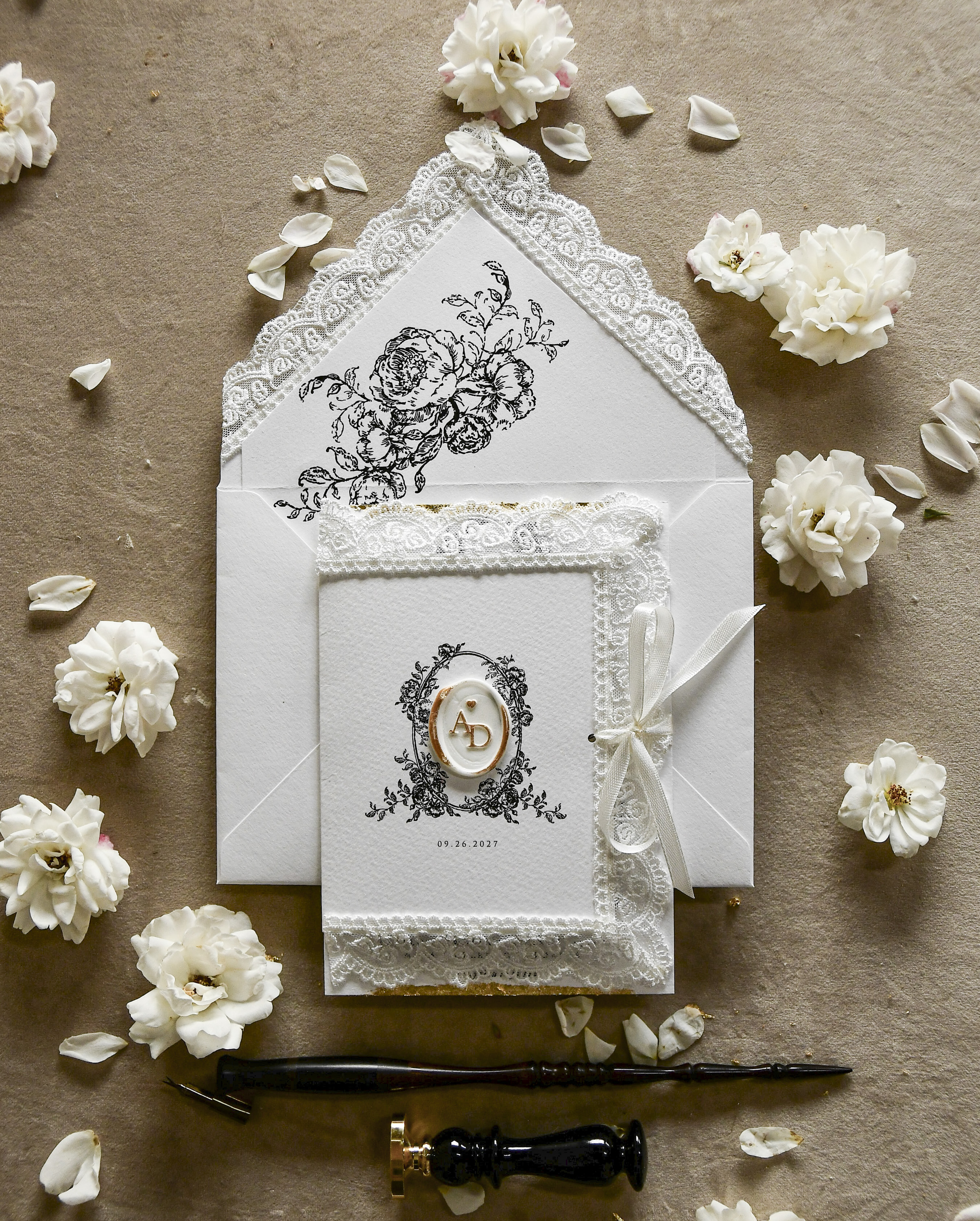
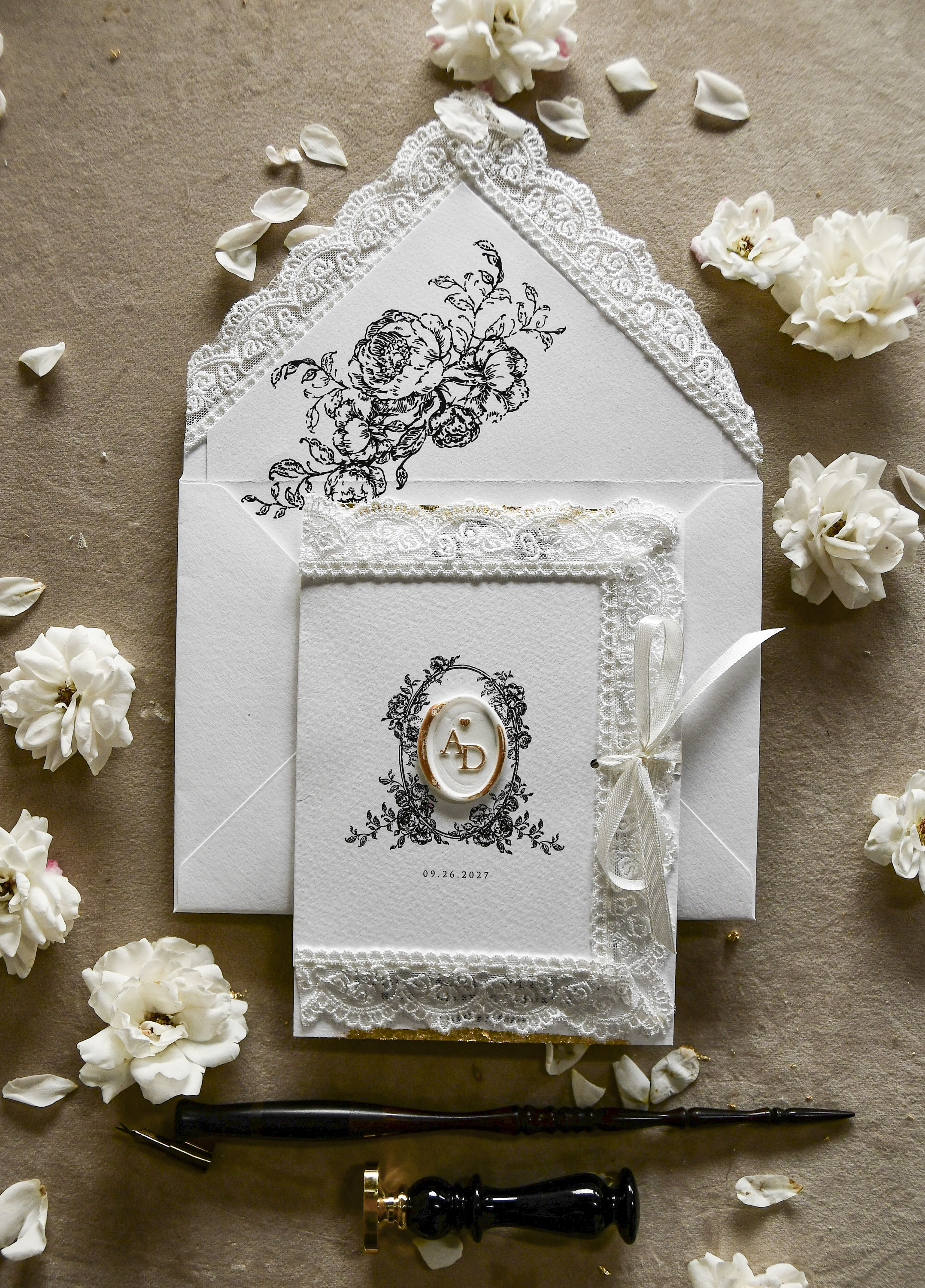
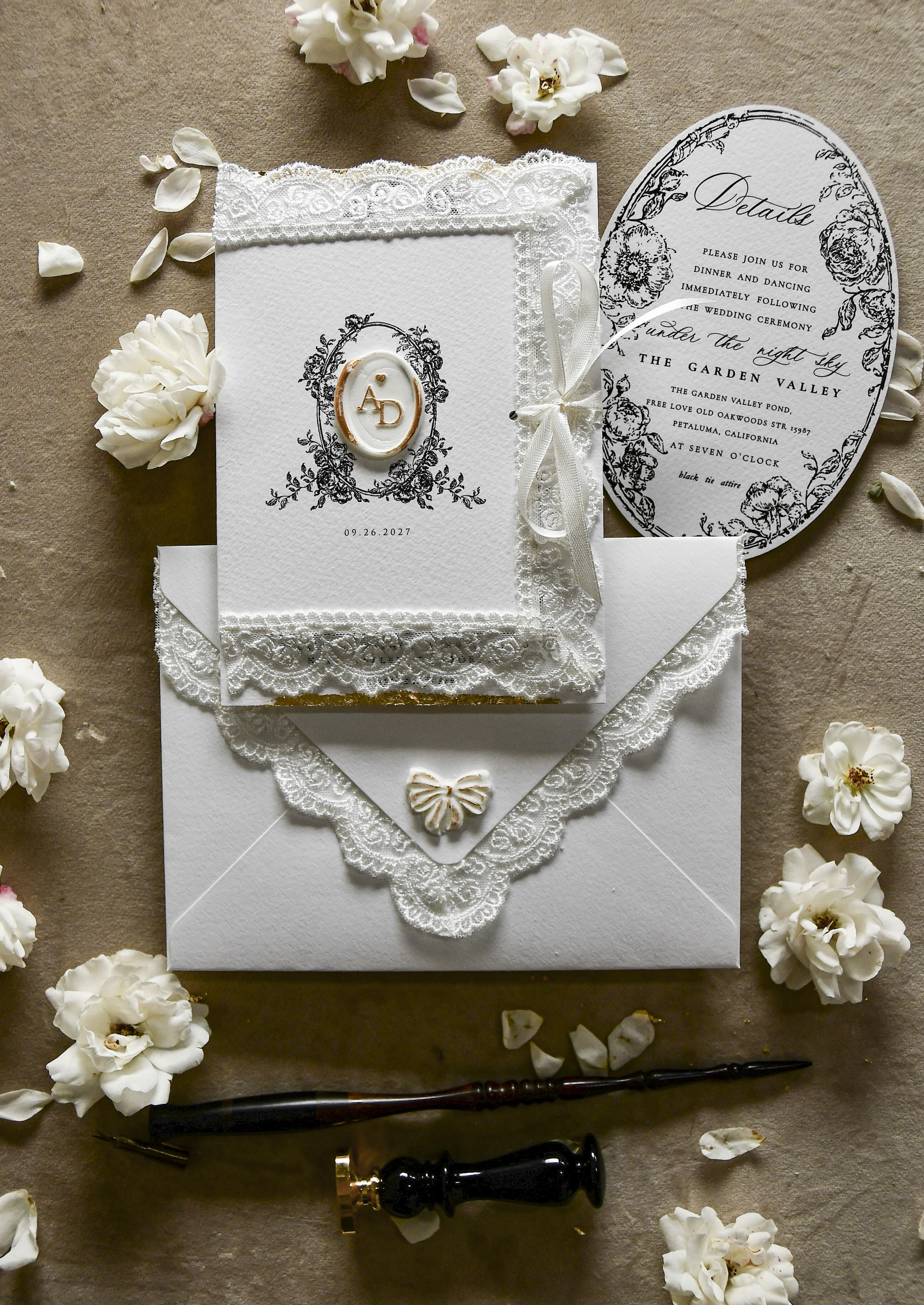
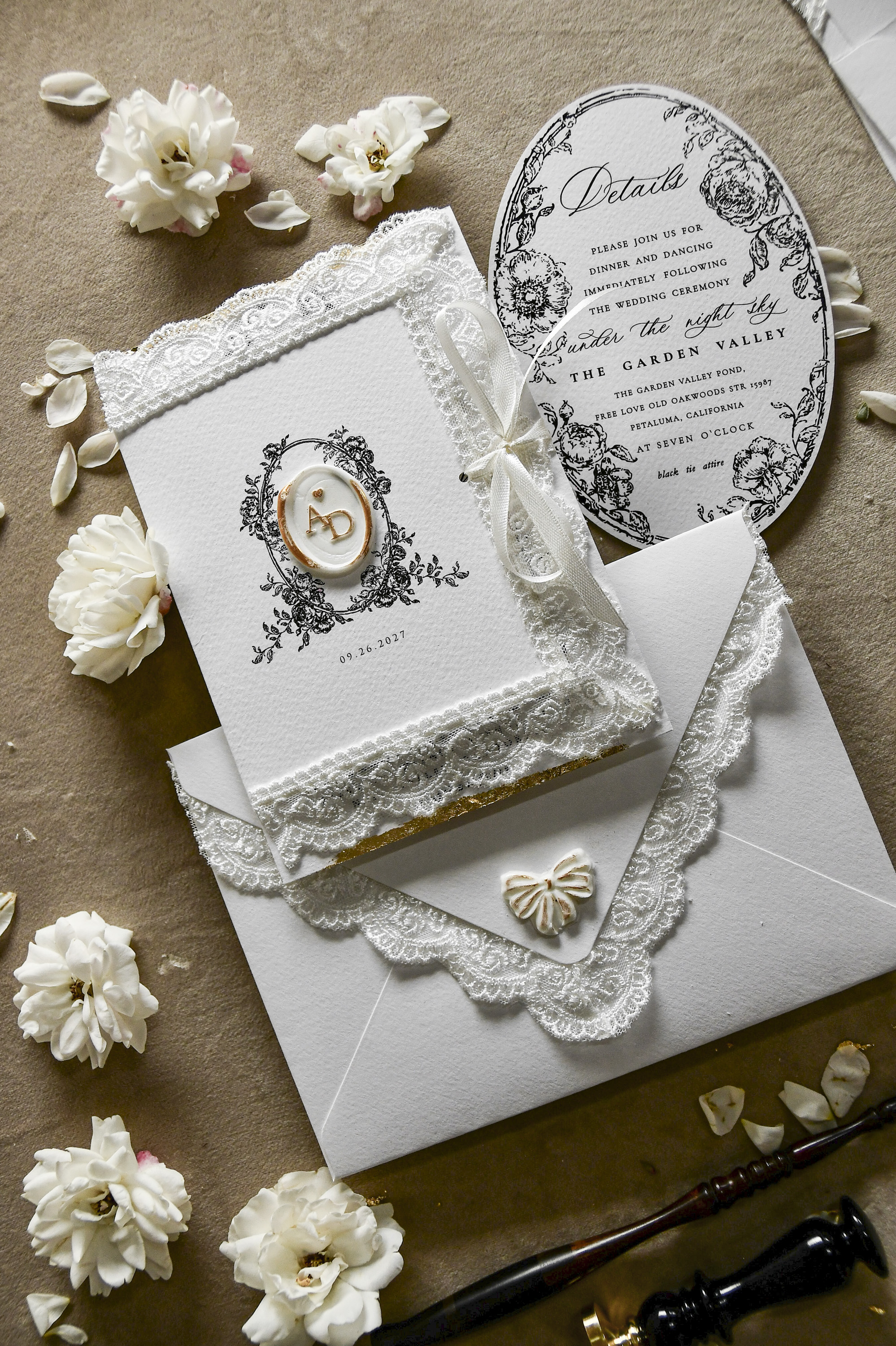
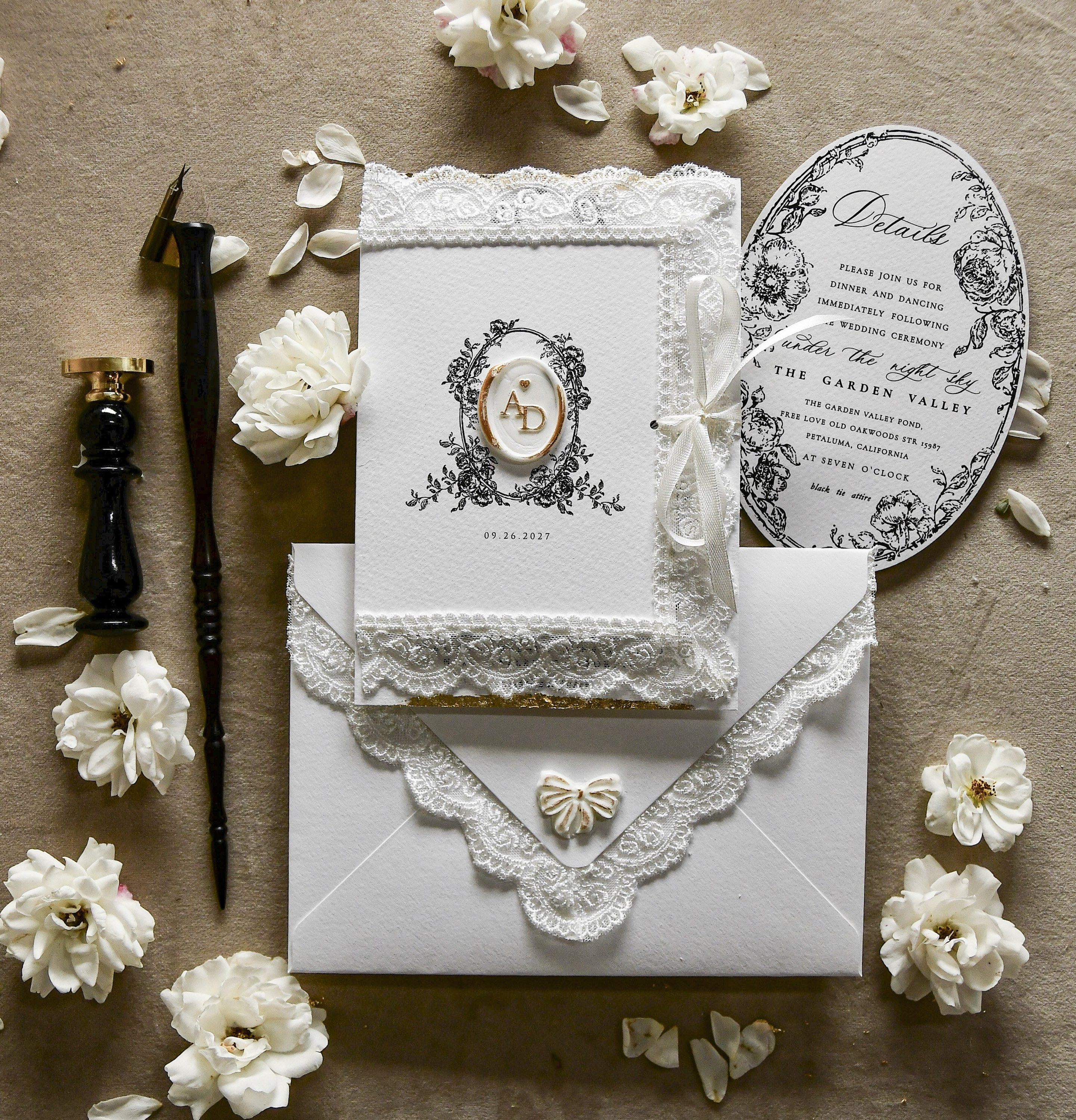
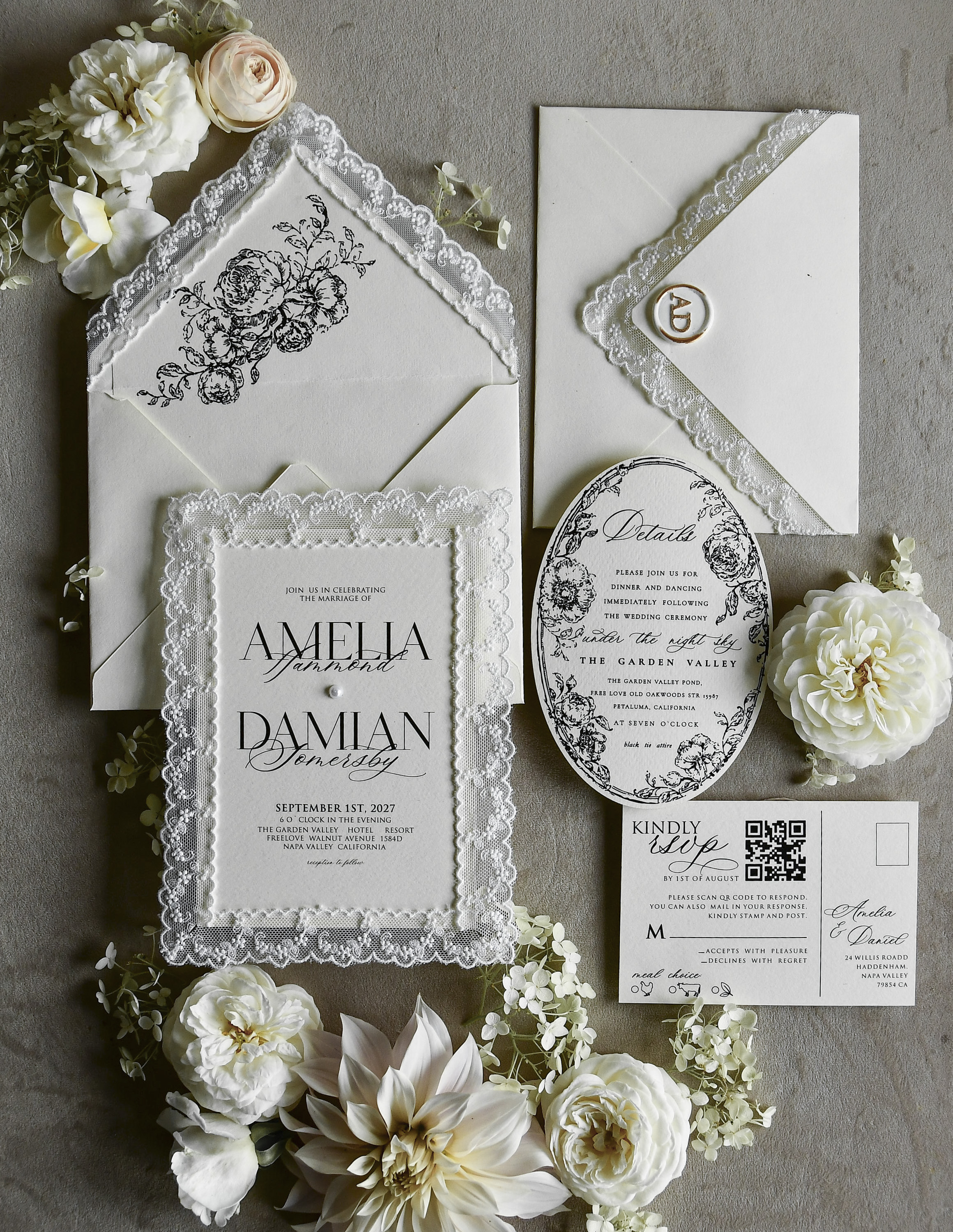
You've finally chosen the perfect invitation suite — maybe something as romantic as the 03/laceTR/z vintage lace design — and now comes a question couples don't always think about until the last minute: should you mail your invitations or hand-deliver them? Both options are completely acceptable, but the right choice depends on your guest list, timeline, and a few etiquette details worth knowing before you seal a single envelope.
The Case for Mailing Your Invitations
For most couples, mailing invitations through USPS is the standard — and for good reason. It's efficient, consistent, and creates a uniform experience for every guest, whether they live down the street or across the country. Every recipient gets their invitation at roughly the same time, which prevents the awkward situation of some guests knowing details weeks before others.
Mailing also creates a natural paper trail. When guests receive something in the mail, it feels official. It signals that this is a formal event deserving of their attention — and an RSVP. From a practical standpoint, mailing is simply the most scalable option if your guest list exceeds 30 or 40 people.
- Best for: Large guest lists, guests spread across multiple cities or states, formal weddings
- Timeline tip: Mail invitations 6–8 weeks before the wedding (8–12 weeks for destination weddings)
- Budget note: Budget for extra postage — invitation suites with multiple enclosures, wax seals, or square envelopes often require additional stamps. Always take a fully assembled invitation to the post office to be weighed before you mail the full batch.
When Hand-Delivering Makes Perfect Sense
Hand-delivering invitations is a lovely, personal gesture — and in certain situations, it's genuinely the better choice. If you're hosting a small, intimate wedding with 20–30 guests, many of whom are close family and friends you see regularly, delivering invitations in person adds a heartfelt, meaningful touch. It turns the invitation into a moment rather than just a piece of mail.
Hand-delivering is also practical when you want to save on postage costs for local guests, or when your invitation suite is particularly delicate — think intricate laser-cut designs or layered vellum wraps that might not survive the postal journey unscathed.
- Best for: Small, intimate weddings; fragile or oversized invitation suites; local guests only
- Etiquette tip: If you hand-deliver to some guests and mail to others, be thoughtful about it. Guests who receive mailed invitations shouldn't feel like a second tier — keep the distinction based on geography, not closeness.
- Practical tip: Don't just drop invitations in a bag. Present them neatly, just as they would arrive in the mail.
The Hybrid Approach: Combining Both Methods
Many couples use a combination of both — mailing invitations to out-of-town guests and hand-delivering to family members or close friends they'll see before the send date. This is perfectly acceptable and quite common. The key is consistency within your approach: make sure every guest receives the same invitation suite with the same enclosures, regardless of how it's delivered.
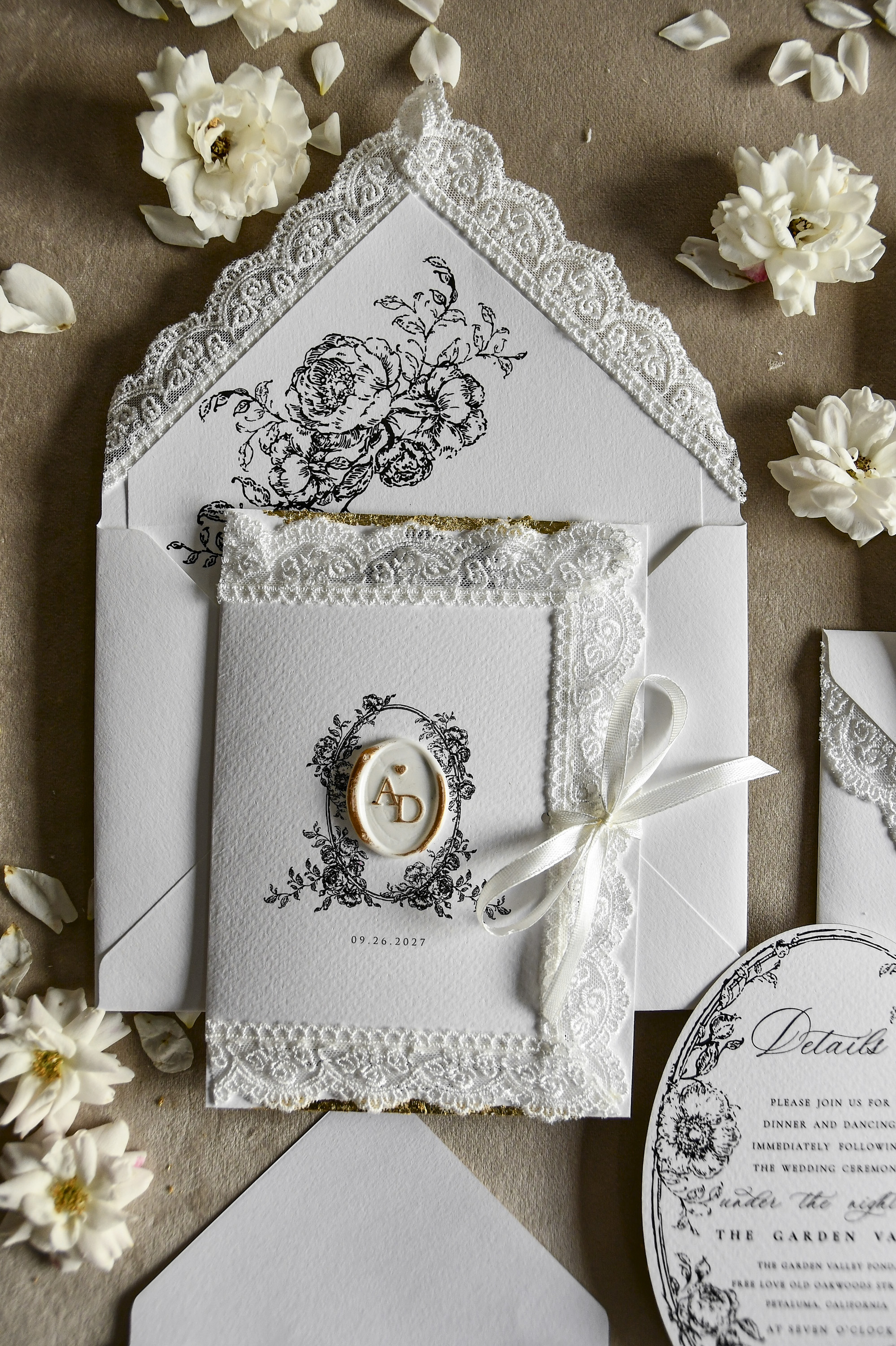
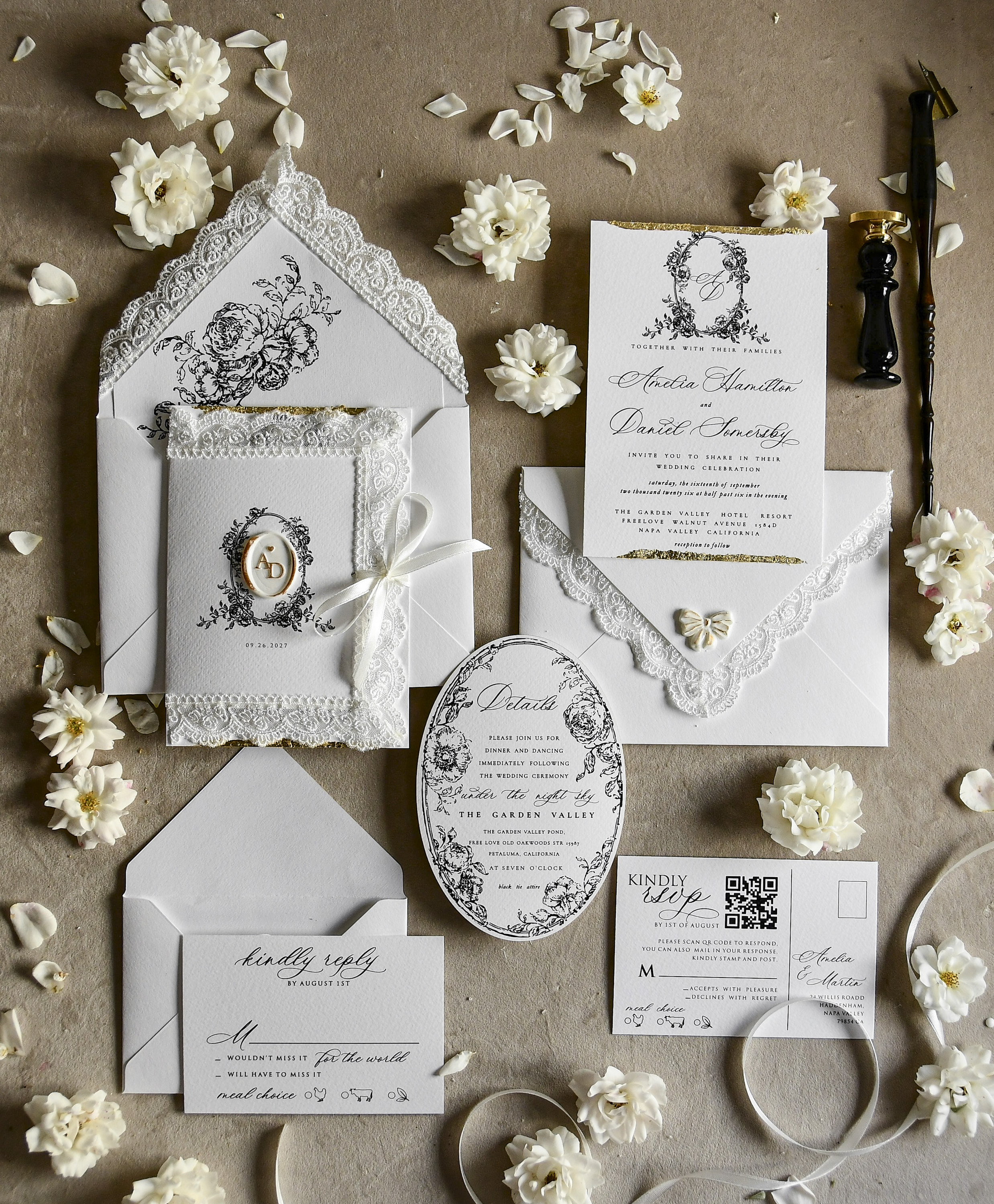
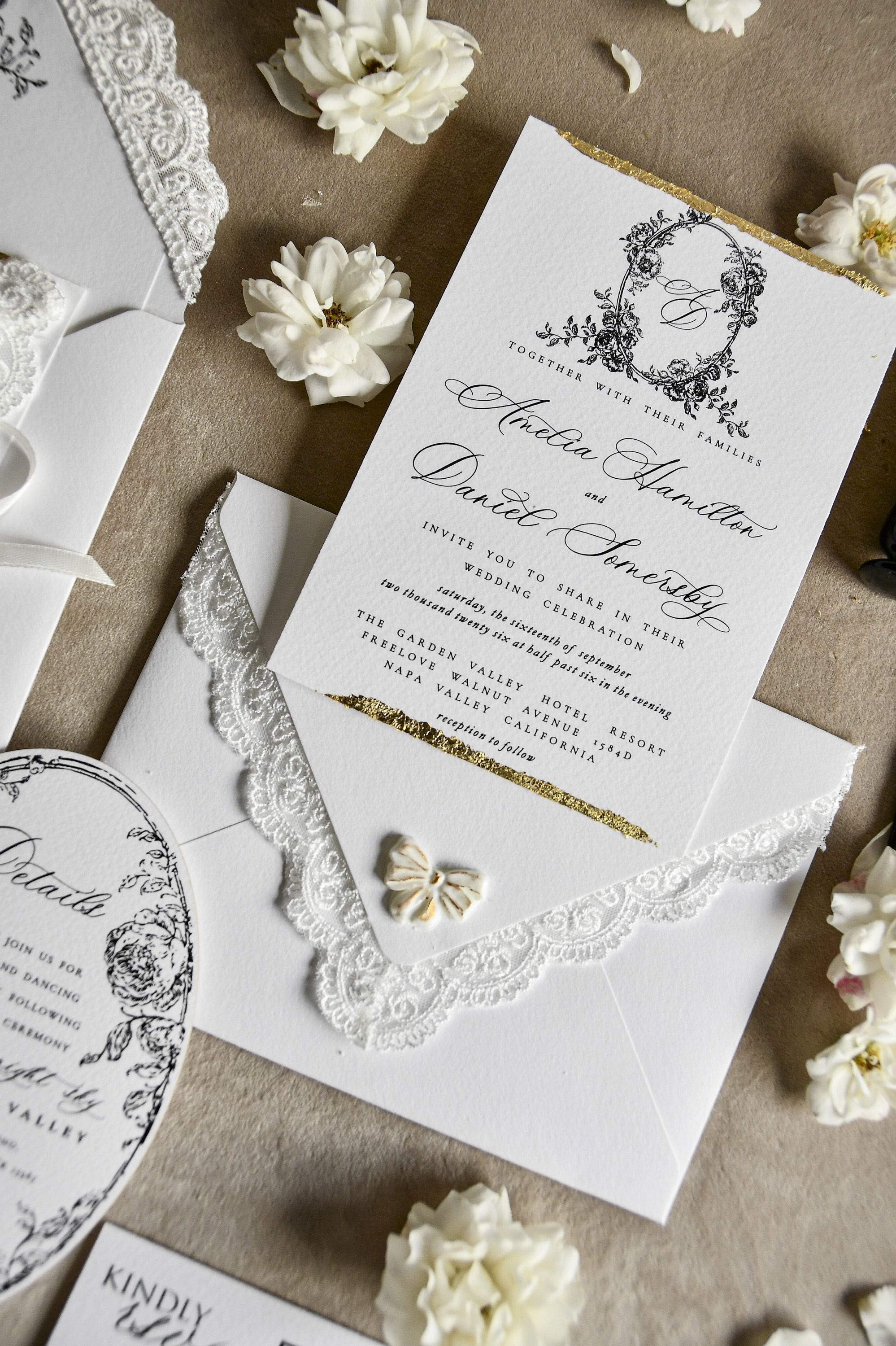
If you're using a beautifully detailed design like the 03/laceTR/z rustic lace invitation, a hybrid approach actually works well — you can personally deliver the most delicate pieces to local guests while safely mailing sturdier versions to those farther away.
Mailing Etiquette You Should Know Before You Send
Whether you mail all, some, or none of your invitations, there are a few etiquette rules that apply universally:
- Hand-address your envelopes (or use a calligraphy-style font) — printed address labels feel impersonal for wedding stationery.
- Include a return address on the outer envelope so undeliverable mail comes back to you.
- Don't fold invitations to fit a smaller envelope — use the correct envelope size for your suite.
- Send invitations to everyone on your list at the same time. Staggering send dates based on whether someone is invited to the ceremony only versus the full reception can create confusion and hurt feelings.
- Check postage requirements in person. Unusual shapes, heavy paper stock, and wax seals can all push an envelope into a higher postage bracket.
The Bottom Line: Which Method Should You Choose?
If your guest list is larger than 30 people, includes anyone outside your immediate area, or you simply want a consistent, polished experience for all your guests — mail your invitations. It's the traditional, expected approach and it works beautifully for nearly every wedding style and size.
If you're planning an intimate gathering, have a particularly fragile suite, or simply want to make the invitation delivery a special moment for your closest people — hand-deliver with intention. Just be sure every guest, regardless of delivery method, receives the same complete, carefully assembled suite. That's what they'll keep long after the wedding day is over.
Frequently Asked Questions
For most weddings, mail invitations 6–8 weeks before the wedding date. If you're planning a destination wedding or getting married over a holiday weekend, push that to 10–12 weeks so guests have enough time to make travel arrangements.
Not at all — hand-delivering is a warm, personal gesture that many guests appreciate. Just make sure every guest receives the same complete invitation suite, and avoid hand-delivering only to guests you feel closer to while mailing to others, as this can unintentionally signal a hierarchy.
No stamp is needed for hand-delivered invitations since they aren't going through the postal system. However, it's still good practice to include your return address on the envelope in case the guest needs to reference it later.
Always bring a fully assembled, sealed invitation to your local post office to be weighed and assessed before mailing the entire batch. This one step prevents the costly and stressful situation of having invitations returned or arriving postage-due at your guests' homes.
Absolutely — many couples mix delivery methods across different stationery pieces. Save-the-dates are often more casual and can be hand-delivered or even sent digitally, while the formal invitation suite is mailed to all guests for consistency.
Yes, if they're on your guest list, they should receive a proper invitation — either mailed or hand-delivered in a sealed envelope. It's a small but meaningful gesture that acknowledges them as guests in their own right, not just an afterthought.
See This Design Up Close
You May Also Like
More Wedding Planning Guides
- → Kids at Your Wedding: How to Decide What's Right for Your Celebration
- → When Silence Speaks: How to Handle Guests Who Never RSVP'd
- → The Plus-One Dilemma: How to Handle Dates for Single Guests
- → Ceremony-Only Guests: The Honest Guide to Partial Wedding Invitations
- → Save the Dates and Wedding Invitations: What Each One Does and Why You Need Both
- → Navigating the Parent Guest List: How to Keep the Peace Without Losing Control
- → The Honest Guide to Trimming Your Wedding Guest List Without the Guilt
- → The Graceful Art of Telling Someone They're Not on the Guest List
- → Seating Your Divorced Parents at the Wedding: A Practical Guide
- → When Guests Ghost Your RSVP: What to Do Next
- → The Honest Guide to Deciding Who Gets a Plus One at Your Wedding
- → The Ex Factor: How to Decide Whether a Former Partner Belongs on Your Guest List
- → The Perfect Timing for Mailing Your Wedding Invitations
- → Digital vs. Paper Wedding Invitations: Which Is Right for You?
- → Child-Free Weddings: What's Rude and What's Perfectly Fine
- → Everything Your Wedding Invitation Needs to Say
- → Navigating Guest List Pressure: When Mom Wants to Invite Someone You Don't
- → When Your Partner Wants a Smaller Guest List Than You Do
- → Online RSVPs vs. Mailed Cards: What Every Couple Should Know
- → Uninvited Plus-Ones and Tag-Alongs: How to Keep Your Guest List Intact
- → When Family Feuds Threaten Your Wedding Plans: A Practical Peacekeeper's Guide
- → Inviting an Estranged Brother or Sister: Finding Clarity Before You Seal the Envelope
- → Cousins, Invites, and Hard Choices: A Practical Guest List Guide