
When Silence Speaks: How to Handle Guests Who Never RSVP'd
You sent beautiful invitations, set a clear RSVP deadline, and waited patiently. Now the deadline has passed and a handful of guests are still radio silent. Do you call them? Text? Just assume they're not coming? This is one of the most common — and genuinely stressful — last-minute wedding planning headaches, and the answer is yes, you absolutely should follow up. Here's how to do it gracefully, efficiently, and without losing your mind.
Why Non-Responses Happen (It's Rarely Personal)
Before you take the silence personally, know that most non-responses come down to a few very ordinary reasons: the invitation got lost in the mail, it was buried under a pile of other mail and forgotten, or the guest assumed they'd respond 'later' and then life got busy. In a smaller number of cases, someone is genuinely unsure whether they can attend and feels awkward saying so. Very rarely does it mean they're ignoring you on purpose.
This matters because your follow-up tone should be warm and assumptive — act as though the oversight was accidental, because it almost always was. A gracious nudge gets a faster, friendlier response than a pointed reminder.
The Right Timeline for Following Up
Here's a practical schedule to keep you on track:
- Set your RSVP deadline 3–4 weeks before the wedding. This gives you a buffer to chase non-responders before your caterer's final headcount is due (usually 1–2 weeks out).
- Wait 2–3 days past the deadline before reaching out. Some guests mail a response card the day of the deadline — give it a moment to arrive.
- Start following up 2–3 weeks before the wedding. At this point, every unanswered invitation represents a seat and a meal that needs to be confirmed or released.
- Give yourself a hard cutoff of 10 days before the wedding to have every single response locked in.
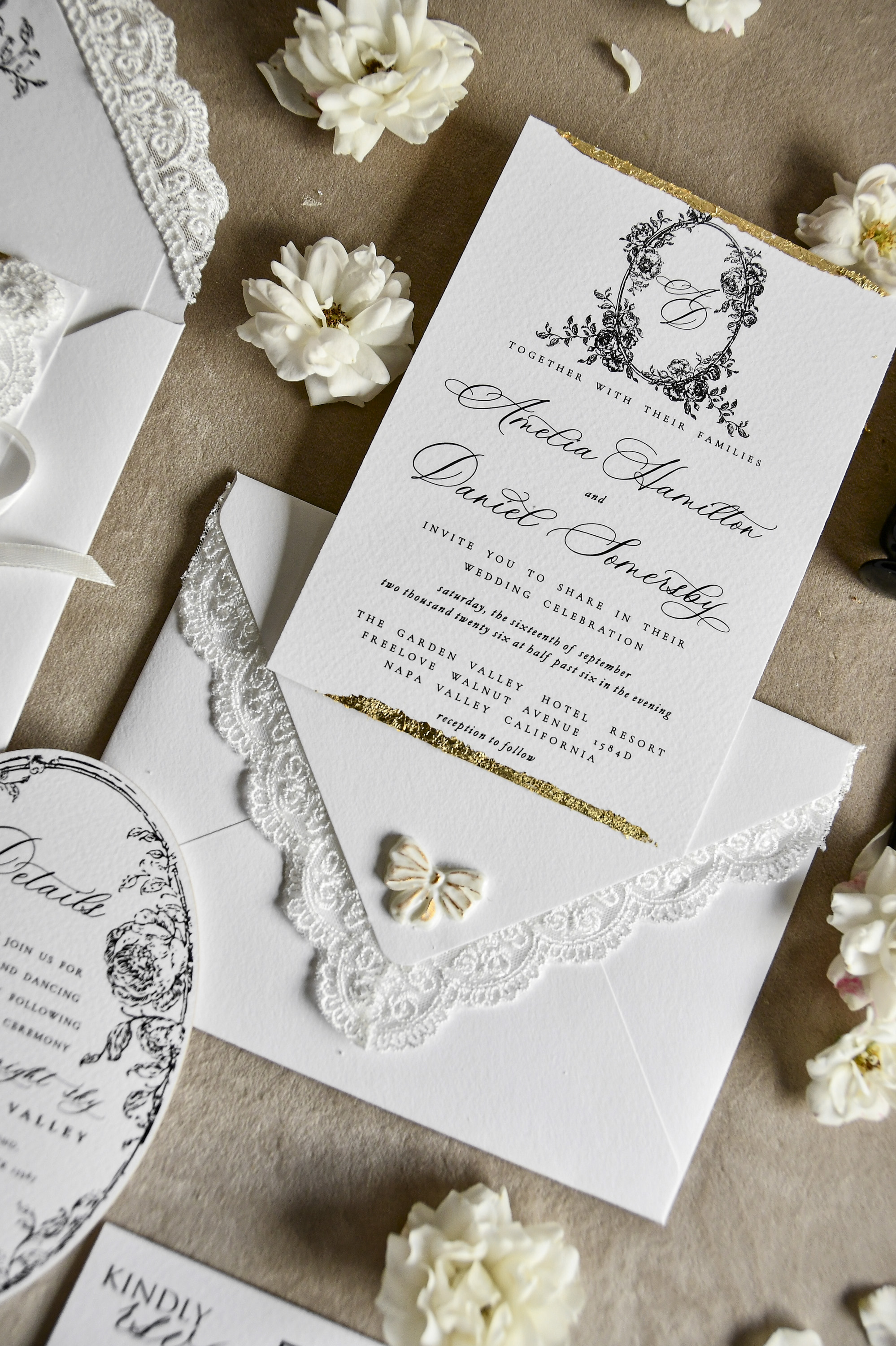
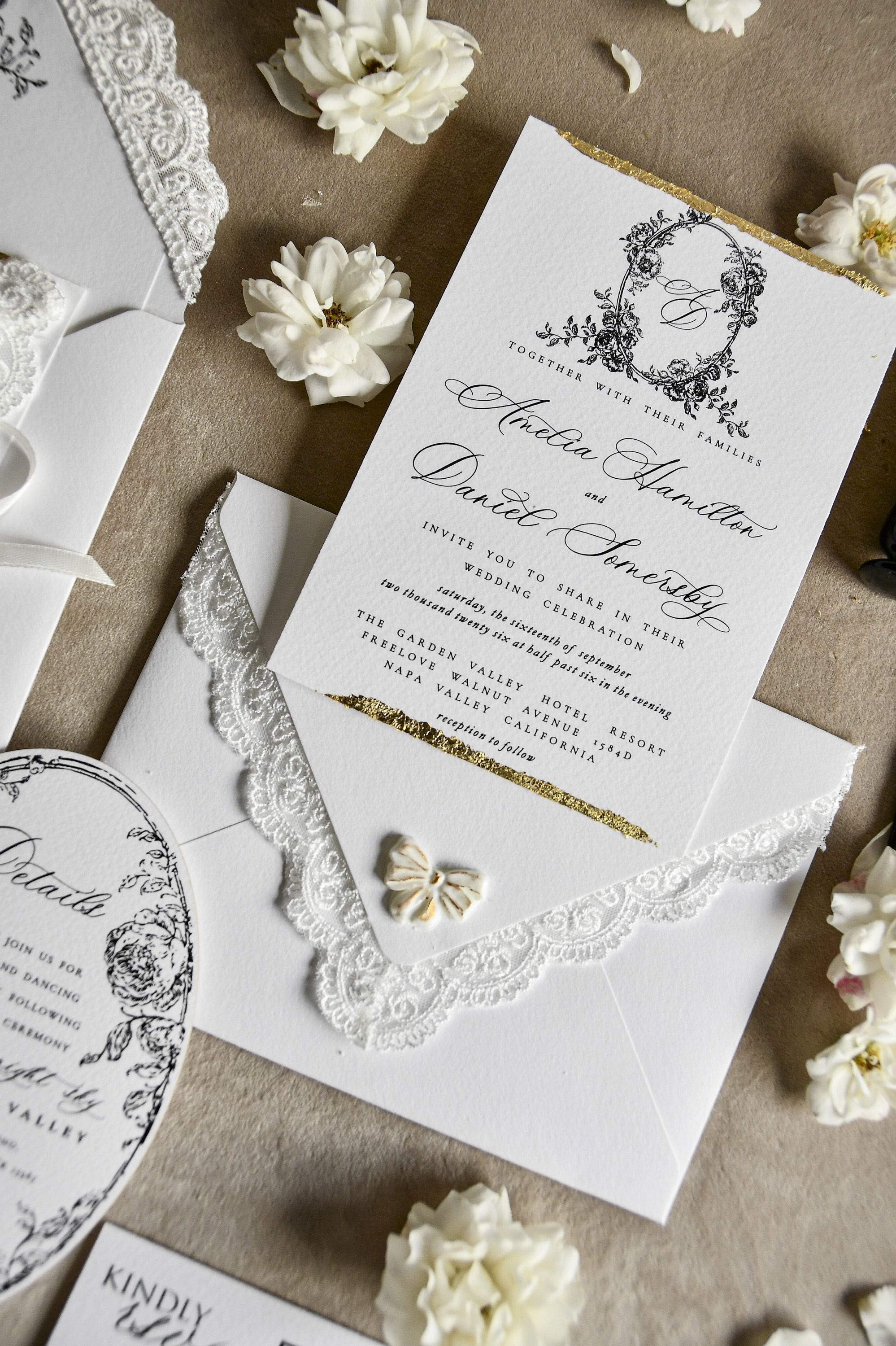
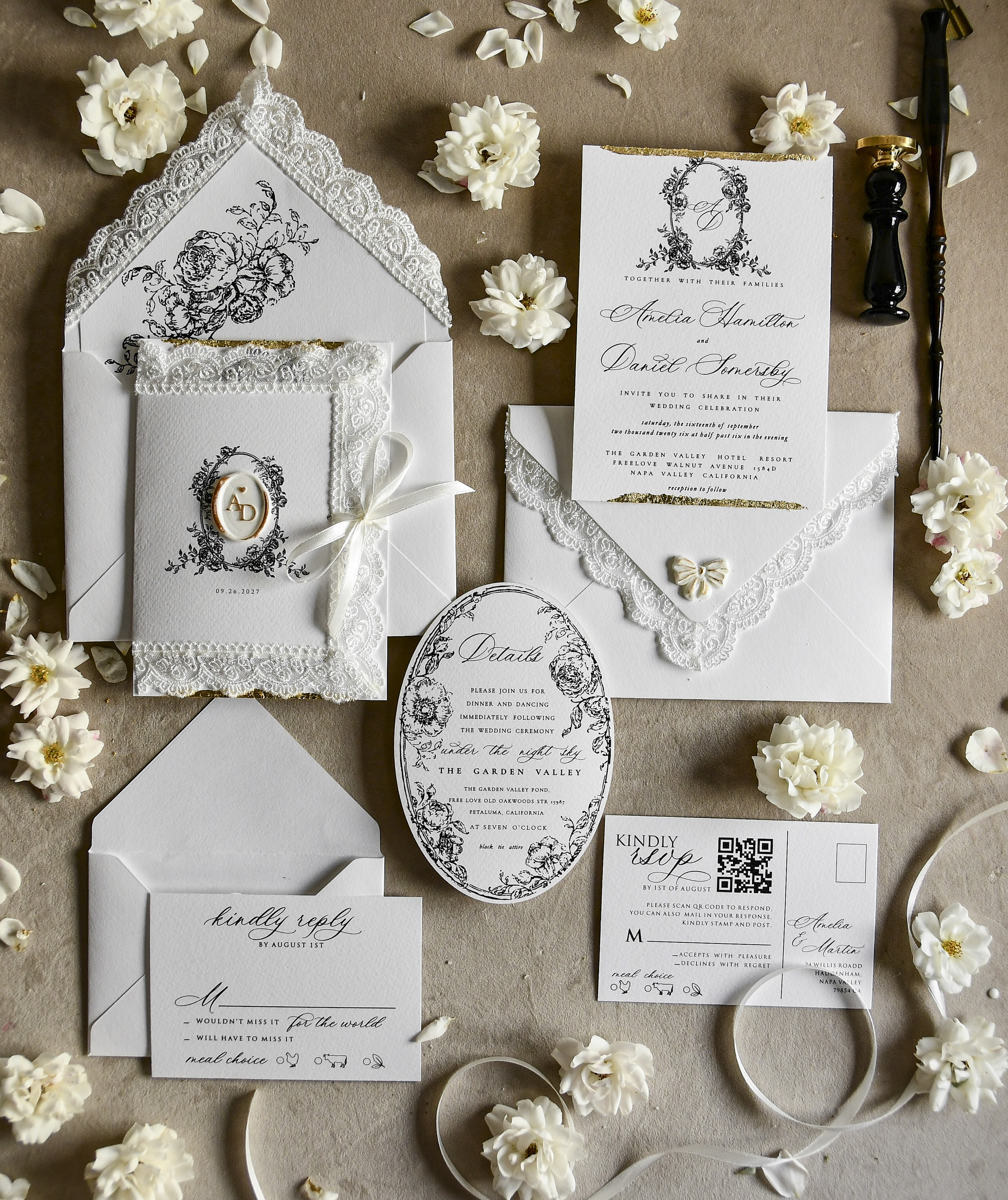
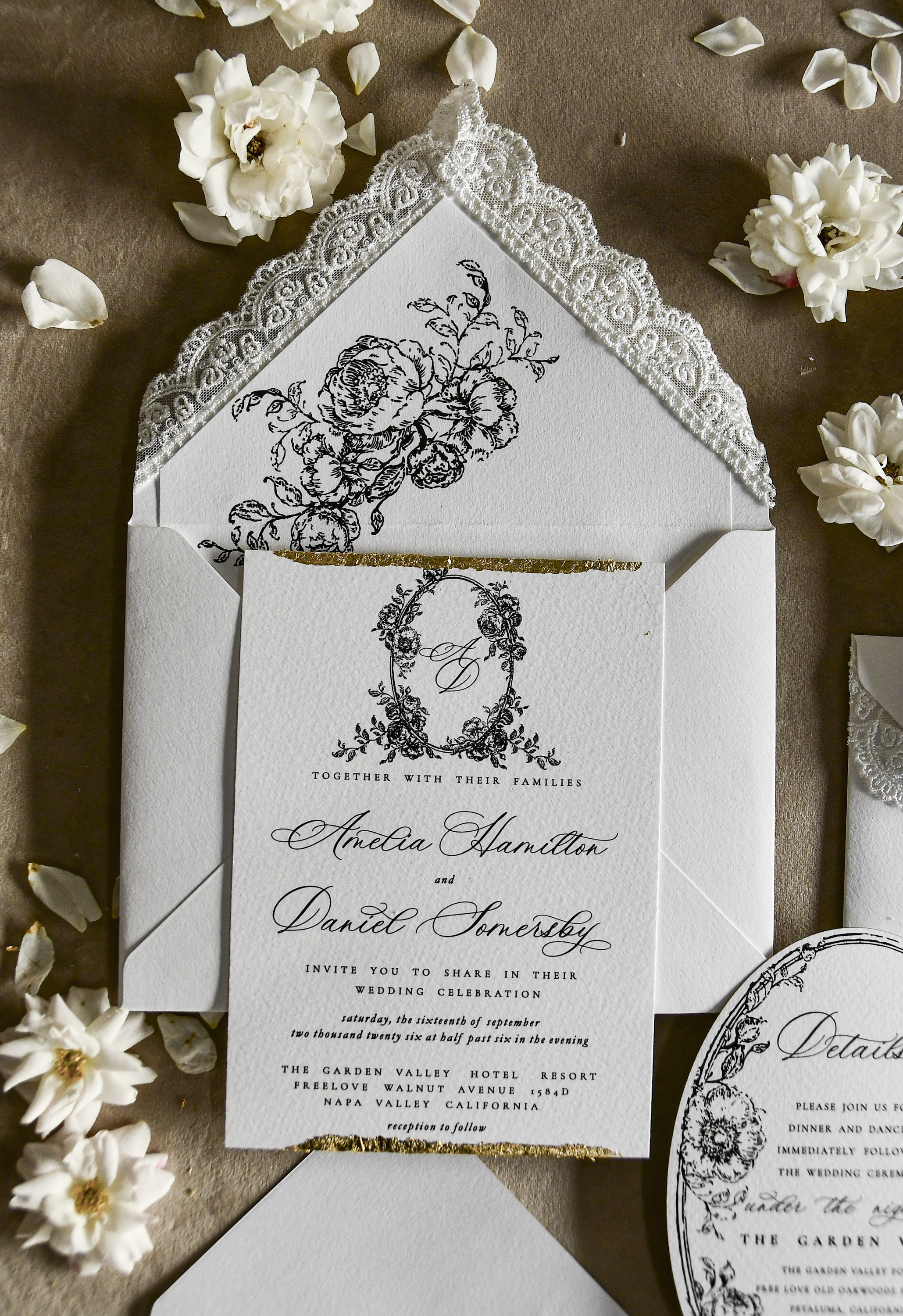
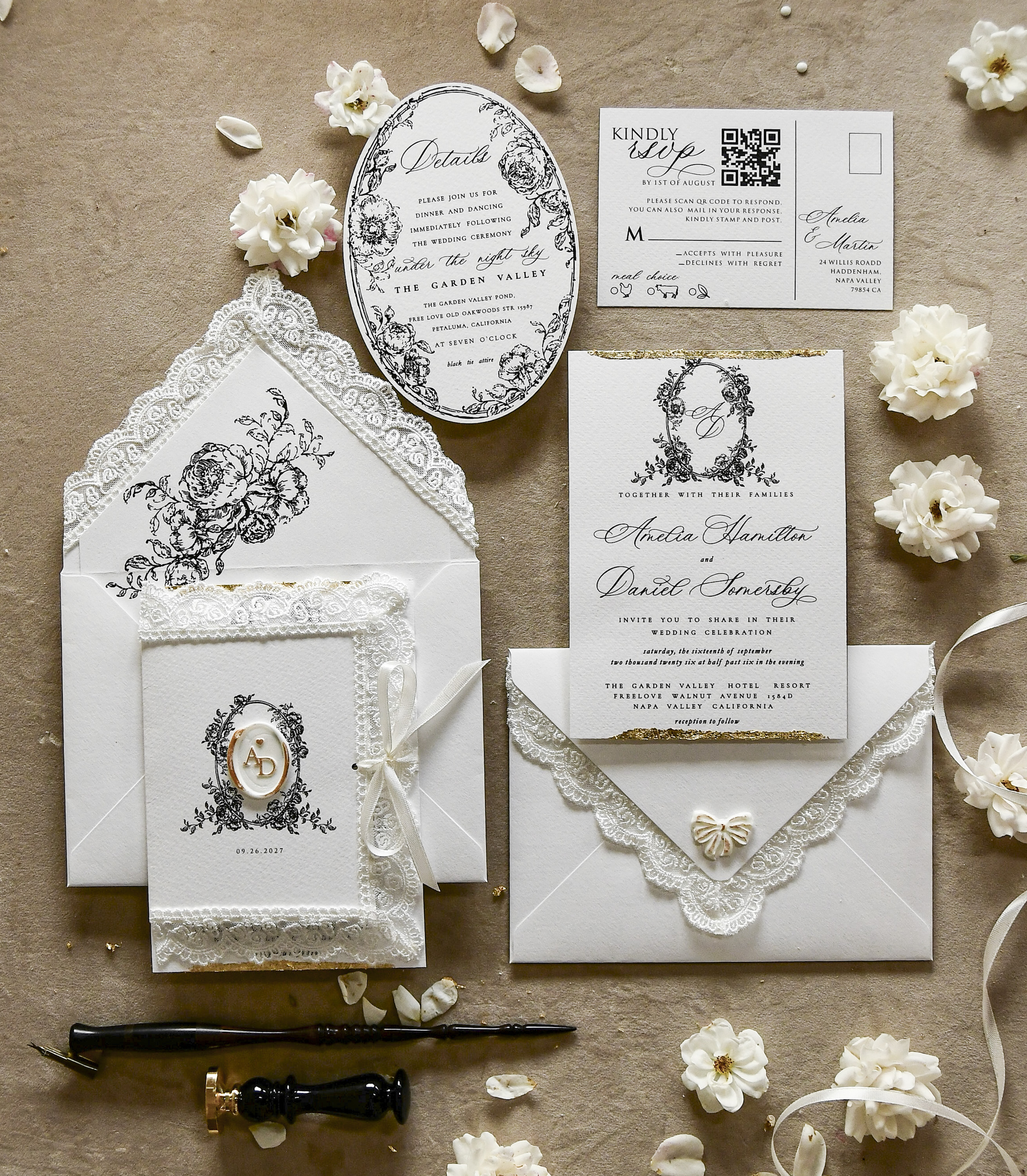
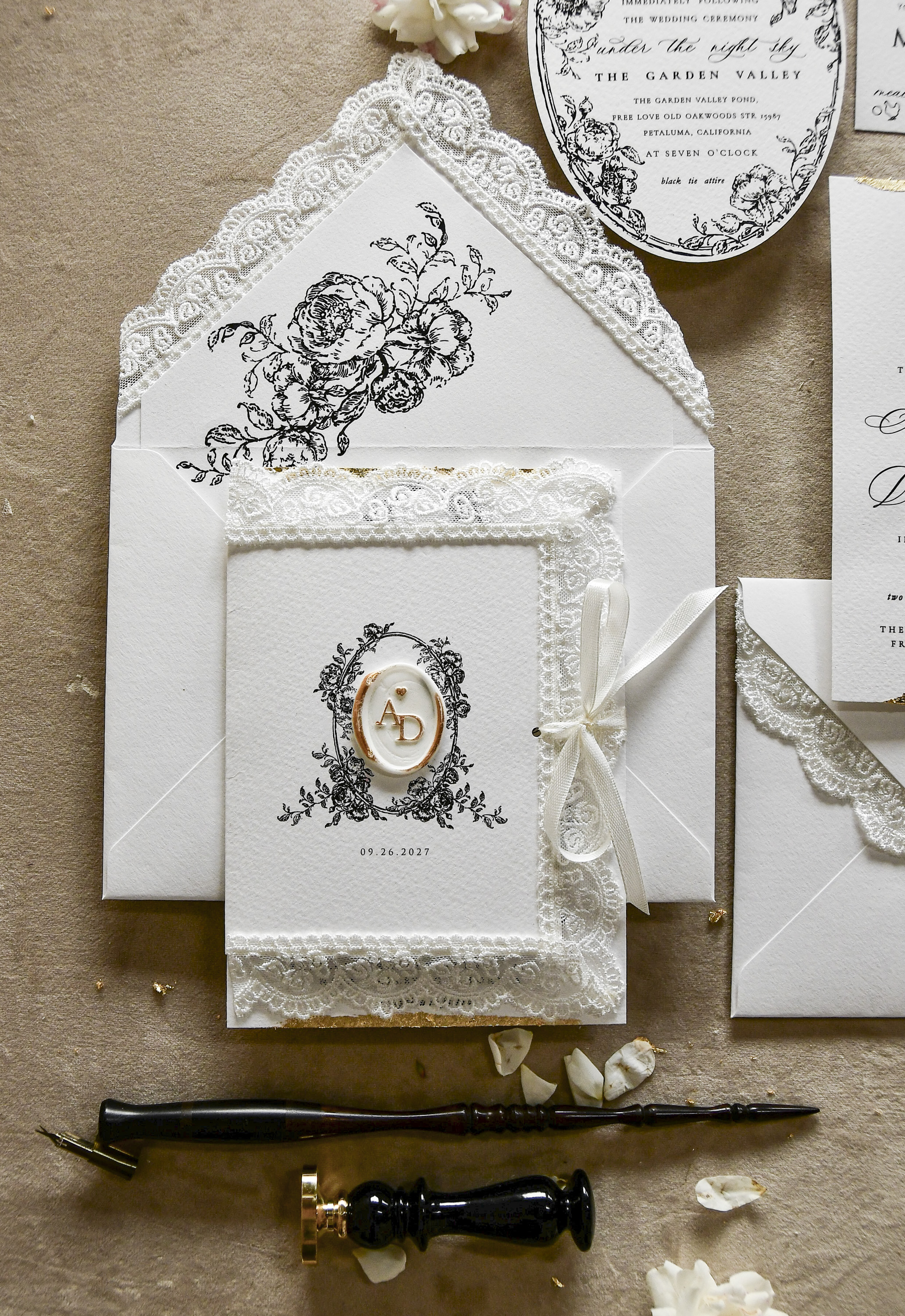
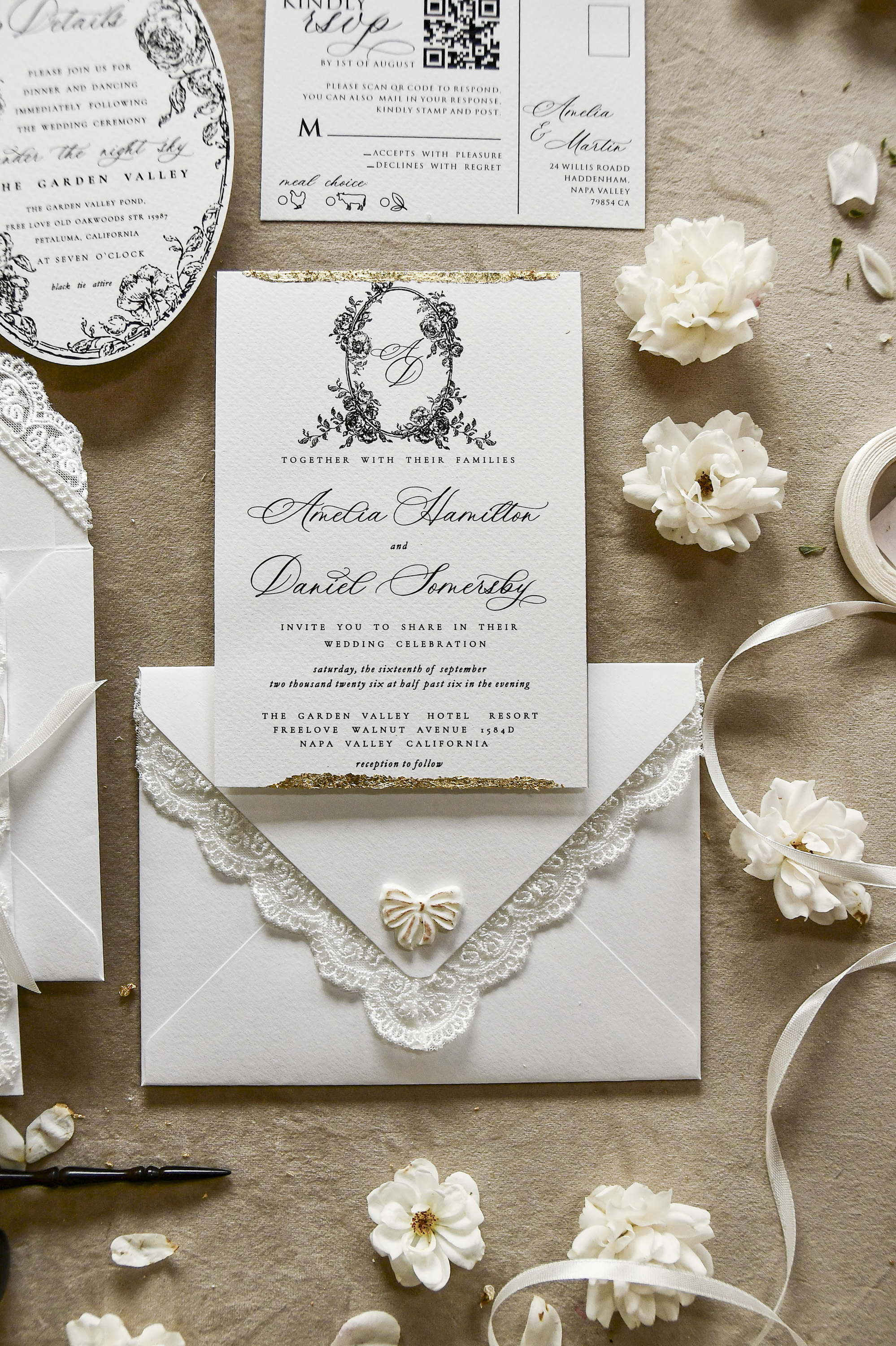
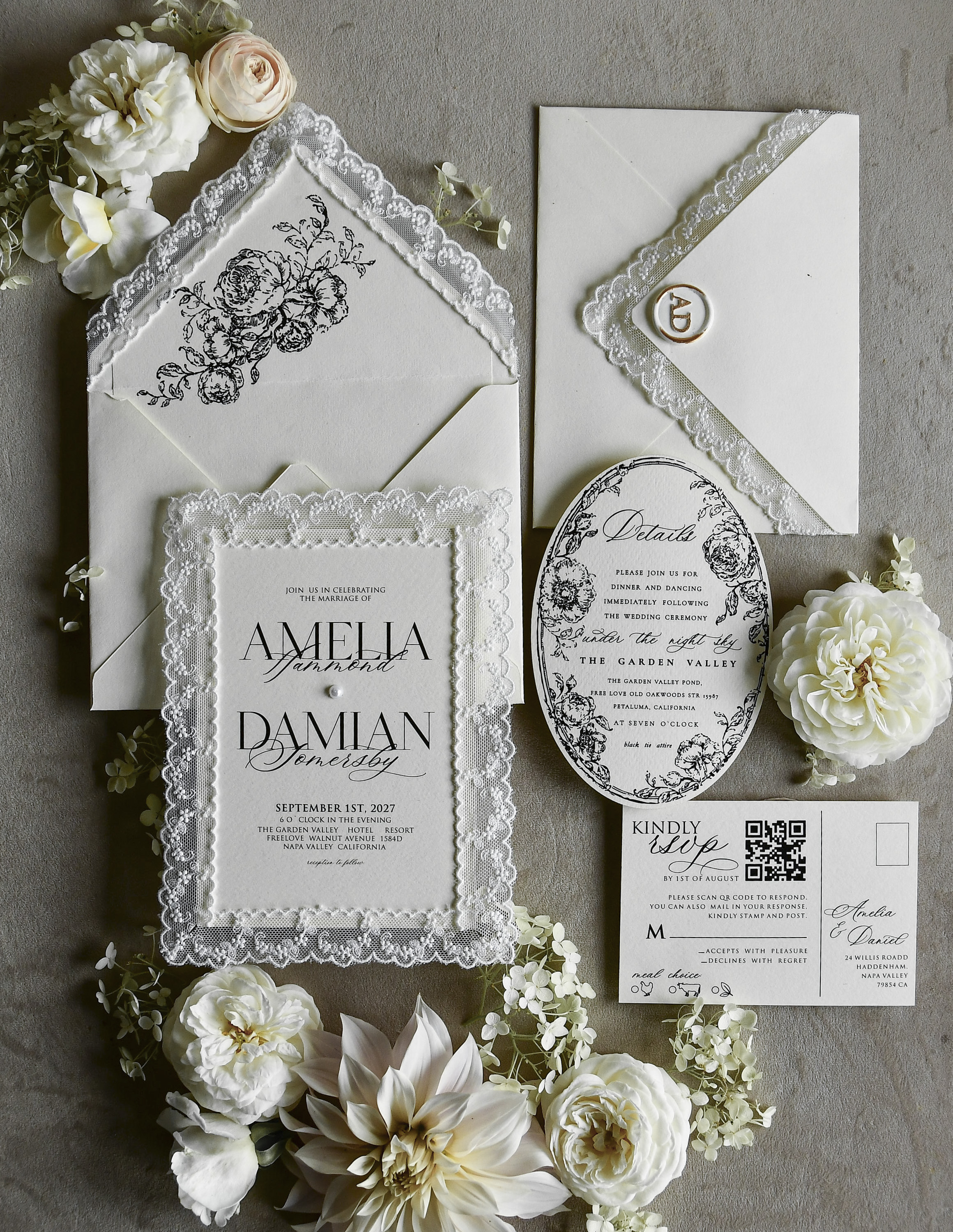
If you ordered your wedding invitations with RSVP cards — like the elegant vintage-style 03/laceTR/z collection from Margo&Bees — make sure the reply-by date printed on the card reflects this 3–4 week buffer, not a date that's too close to the event.
How to Actually Reach Out: Scripts That Work
A phone call is the most effective method for close family and older guests. A text or direct message works perfectly for friends and younger guests. Email is fine as a last resort but gets ignored most often. Here are a few ready-to-use scripts:
- Text/DM: 'Hey [Name]! We're finalizing our wedding headcount and realized we never got your RSVP. We'd love to know if you're able to join us on [date] — no worries either way, we just need to confirm numbers. Let us know!'
- Phone call: 'Hi [Name], it's [Your Name]! I'm calling because we're wrapping up our final guest count for the wedding and I wanted to check in — did you get a chance to decide if you'll be able to make it?'
Notice what these scripts have in common: they're friendly, low-pressure, and give the guest an easy out. You're not guilting anyone — you're simply getting information you need to plan properly.
Who Should Make the Calls — and What to Do with the Answers
Divide and conquer. You reach out to your side of the guest list; your partner handles theirs. This keeps things personal and prevents awkward conversations where you're calling someone you've never met. If a parent or close family member offered to help, this is a great task to delegate — especially for older relatives who may respond better to a familiar voice.
Once you have responses, update your seating chart and headcount immediately. If someone says they can't make it, a brief 'We'll miss you — thank you for letting us know' is all that's needed. If someone says they can come and you've already released their spot due to venue constraints, be honest but kind: 'We're so sorry — we had to finalize numbers and weren't sure, but let us see what we can do.' Then do your best.
For future reference: when you design your invitations — whether you choose a timeless lace design like the 03/laceTR/z or something more modern — consider including a clear, specific RSVP deadline and a phone number or email address on the invitation itself. The easier you make it to respond, the fewer follow-up calls you'll need to make.
One Rule for Your Own Sanity
Give yourself a firm deadline for caring about non-responses. Follow up once — maybe twice if it's a close friend or family member. After that, make a decision: if you haven't heard back by your cutoff date, count them as a no and move on. You cannot plan a wedding around guests who won't communicate, and you deserve to spend your final weeks before the wedding feeling excited, not chasing people down.
Most guests who go silent and then show up unannounced are genuinely embarrassed about their own lapse — that's their problem to manage, not yours. You followed up. You did your part.

Frequently Asked Questions
Follow up once, and if you don't hear back within a few days, try one more time through a different method (e.g., call if the first was a text). After two attempts, count them as a no for planning purposes — you've done your due diligence and need to move forward.
Not at all — it's actually considerate to give guests a second chance to respond rather than simply dropping them from the list. Keep your tone warm and assume the oversight was accidental, and the conversation will feel natural rather than confrontational.
Contact your venue or caterer right away — most can accommodate a small number of additions within a short window, though there may be an extra fee. If adding them truly isn't possible, be honest and kind, and consider hosting a separate celebration with them after the wedding.
Yes — building in a 1–2 week buffer between your printed RSVP deadline and your actual vendor deadline is smart planning. It gives you time to chase non-responders and still meet your caterer's and venue's headcount requirements without stress.
Absolutely, and many couples use both — a mailed card for guests who prefer it and an online option for everyone else. Just make sure whichever method you use is clearly communicated on the invitation so guests know exactly how to respond.
Reach out to the person you're closest to in that household rather than contacting everyone separately — they can relay the information internally. This avoids awkwardness and usually gets you a faster, consolidated answer.
See This Design Up Close












You May Also Like



More Wedding Planning Guides
- → Kids at Your Wedding: How to Decide What's Right for Your Celebration
- → Mailing vs. Hand-Delivering Wedding Invitations: What's the Right Call?
- → The Plus-One Dilemma: How to Handle Dates for Single Guests
- → Ceremony-Only Guests: The Honest Guide to Partial Wedding Invitations
- → Save the Dates and Wedding Invitations: What Each One Does and Why You Need Both
- → Navigating the Parent Guest List: How to Keep the Peace Without Losing Control
- → The Honest Guide to Trimming Your Wedding Guest List Without the Guilt
- → The Graceful Art of Telling Someone They're Not on the Guest List
- → Seating Your Divorced Parents at the Wedding: A Practical Guide
- → When Guests Ghost Your RSVP: What to Do Next
- → The Honest Guide to Deciding Who Gets a Plus One at Your Wedding
- → The Ex Factor: How to Decide Whether a Former Partner Belongs on Your Guest List
- → The Perfect Timing for Mailing Your Wedding Invitations
- → Digital vs. Paper Wedding Invitations: Which Is Right for You?
- → Child-Free Weddings: What's Rude and What's Perfectly Fine
- → Everything Your Wedding Invitation Needs to Say
- → Navigating Guest List Pressure: When Mom Wants to Invite Someone You Don't
- → When Your Partner Wants a Smaller Guest List Than You Do
- → Online RSVPs vs. Mailed Cards: What Every Couple Should Know
- → Uninvited Plus-Ones and Tag-Alongs: How to Keep Your Guest List Intact
- → When Family Feuds Threaten Your Wedding Plans: A Practical Peacekeeper's Guide
- → Inviting an Estranged Brother or Sister: Finding Clarity Before You Seal the Envelope
- → Cousins, Invites, and Hard Choices: A Practical Guest List Guide