
Missing RSVPs: The Right Way to Follow Up With Silent Guests

Your RSVP deadline has come and gone, and a handful of guests never responded. Now you're staring at a half-finished headcount, your caterer is calling, and you're wondering: do I actually have to track these people down? The short answer is yes — and it's not as awkward as you think. Here's how to handle missing RSVPs gracefully, efficiently, and without losing your mind.
Why Following Up Is Always Worth It
It can feel presumptuous or even rude to chase down guests, but consider this: most non-responders simply forgot, got busy, or assumed they'd replied when they hadn't. A gentle follow-up is almost always welcomed rather than resented. More importantly, your caterer, venue, and seating chart all depend on an accurate headcount — and that number can affect your final bill significantly. Every unanswered RSVP represents real money and real logistics. Don't wait and hope. Follow up.
The etiquette rule here is simple: the burden of follow-up falls on the couple, not the guest. Once your deadline passes, it's entirely appropriate — expected, even — for you or a trusted family member to reach out directly.
When to Start Following Up
Build your follow-up window into your planning timeline from the start. A good rule of thumb:
- Set your RSVP deadline 3–4 weeks before the wedding. This gives you a buffer to chase stragglers before your venue needs final numbers (usually 1–2 weeks out).
- Wait 2–3 days past your deadline before beginning outreach — sometimes cards arrive late in the mail.
- Complete all follow-ups within one week of your deadline. You should have a confirmed headcount no later than 10 days before the wedding.
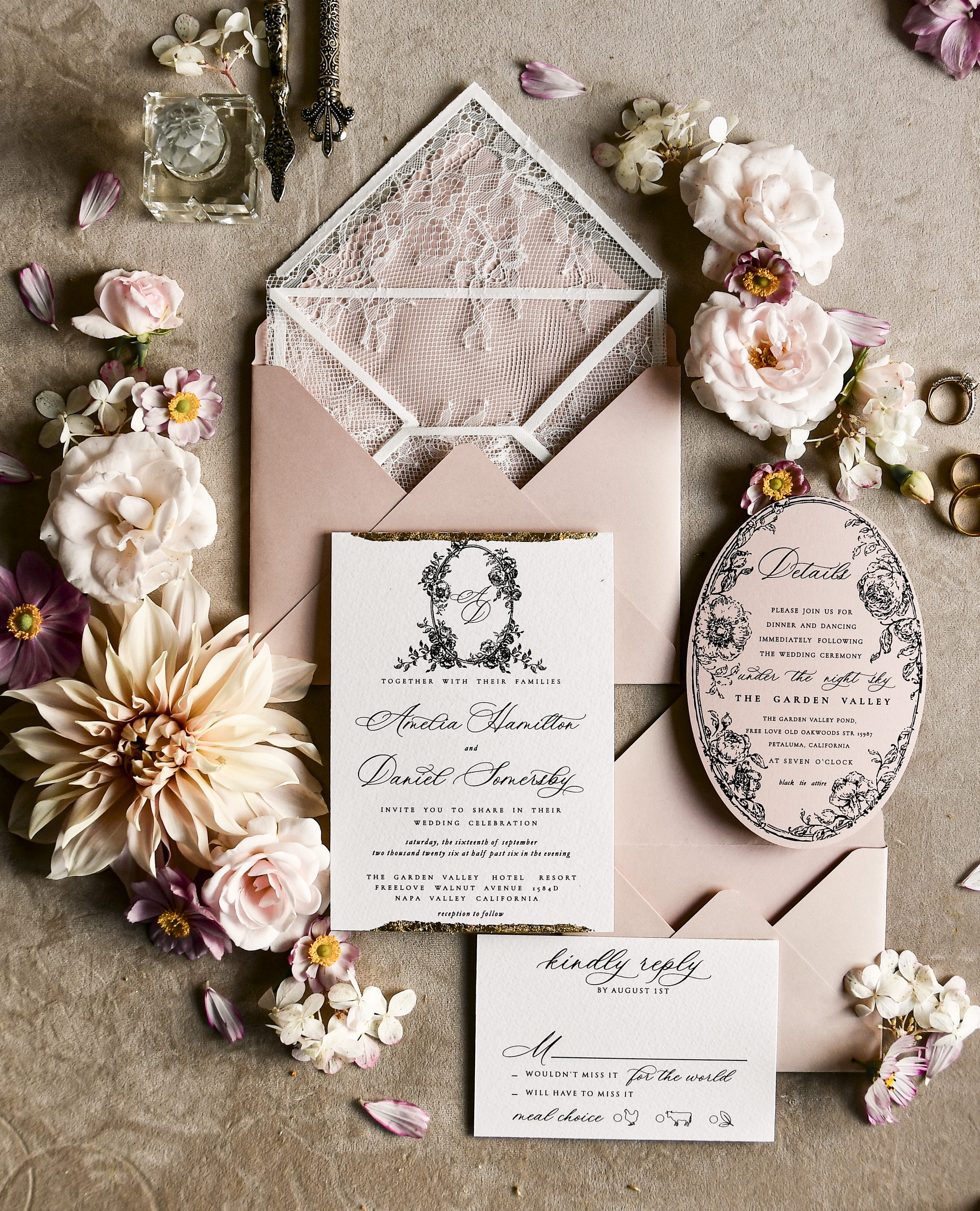
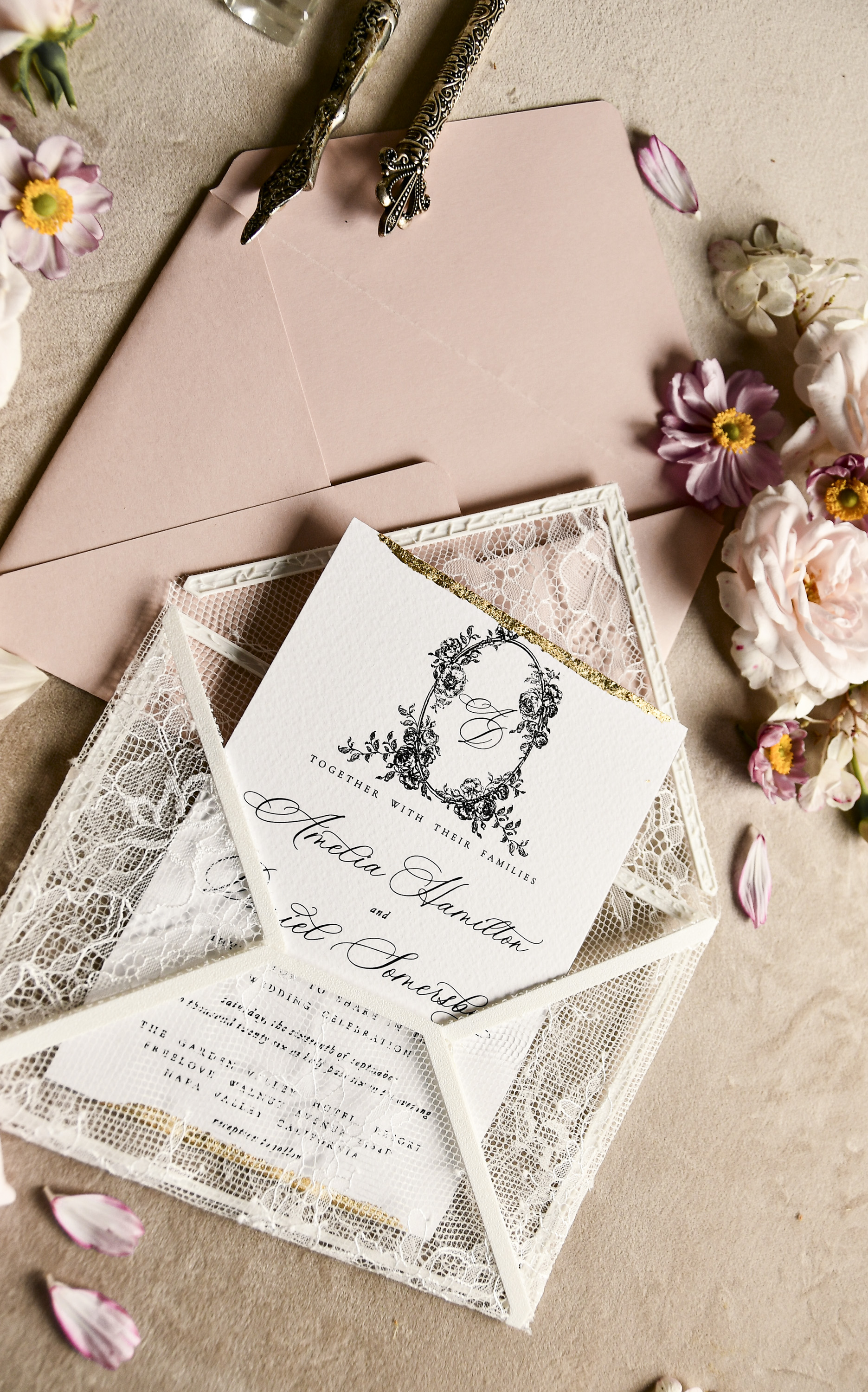
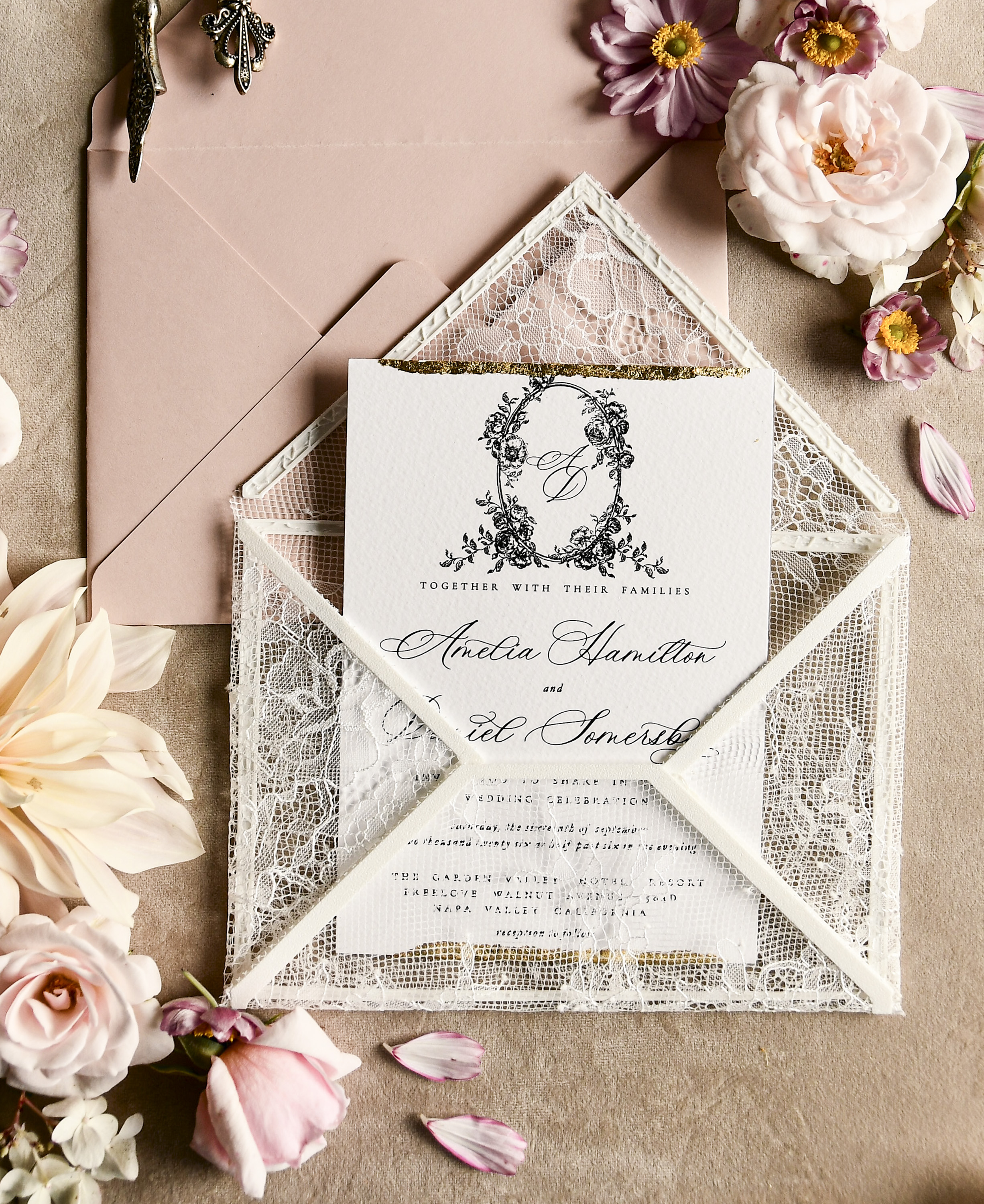
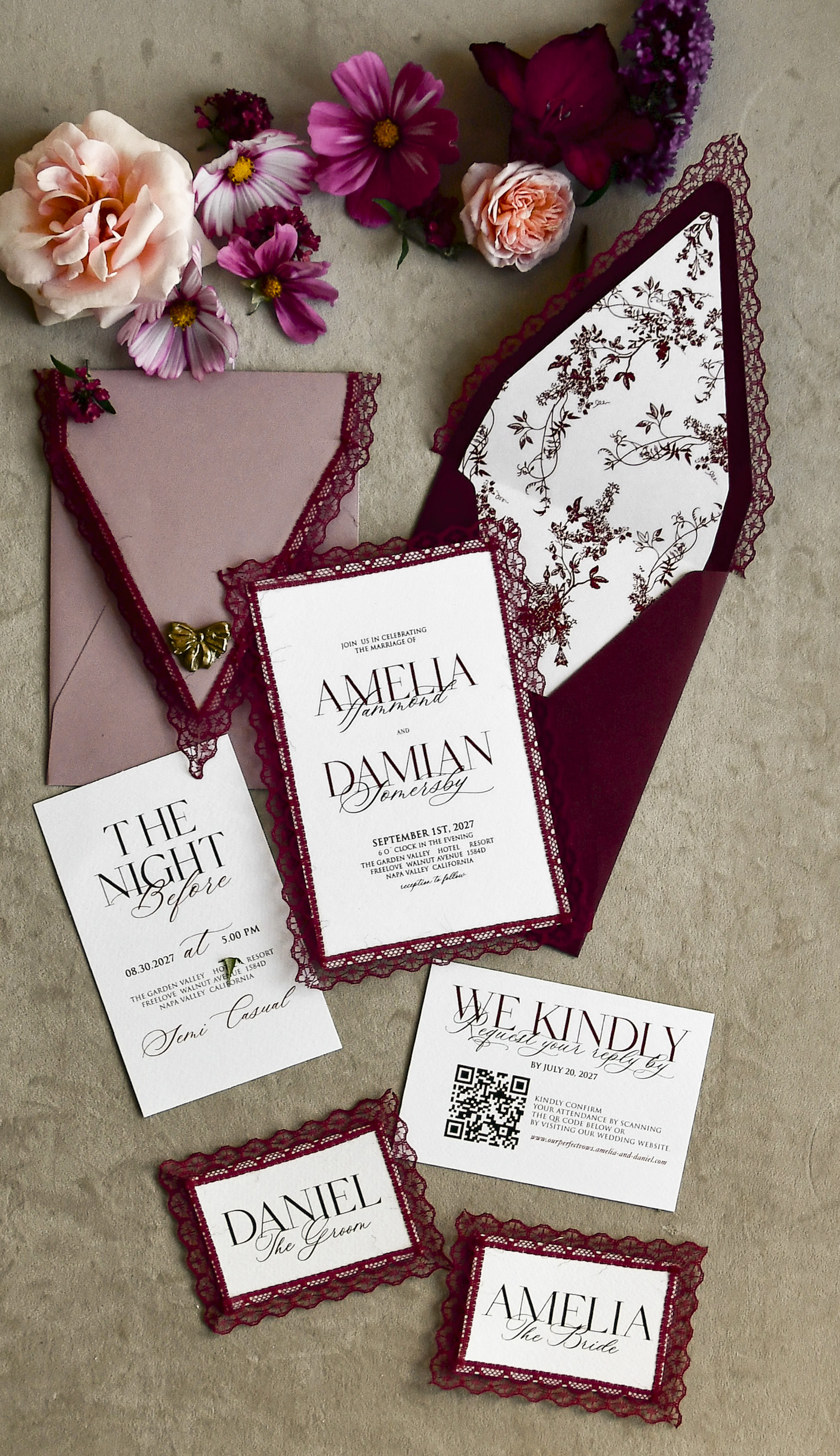
If you sent beautiful vintage lace wedding invitations — like those from our 03/lacenvD/z collection — guests received something memorable and intentional. A follow-up call or text is simply the natural next step in that same thoughtful communication.
How to Actually Reach Out (and What to Say)
You have several options, and the best one depends on your relationship with the guest:
- Text message: Ideal for friends, cousins, and younger guests. Keep it light and warm. Example: "Hey! We're finalizing our guest list and realized we may not have gotten your RSVP — totally understand things get busy! Will you be able to join us on [date]?"
- Phone call: Best for older relatives, close family, or anyone who isn't responsive to texts. A brief, friendly call takes two minutes and gets an immediate answer.
- Email: Good for acquaintances or guests you're less close to. It's low-pressure and gives them time to check their calendar before responding.
- Ask a family member: If reaching out to your future in-laws' circle feels awkward, delegate. Have your partner or a parent make those calls instead.
Keep your tone warm and assume the best — never accusatory. Most people will apologize immediately and give you an answer on the spot.
What to Do If You Still Can't Reach Someone
If you've called, texted, and emailed with no response, you have two practical options:
- Count them as not attending. After two genuine attempts, it's reasonable to remove them from your headcount. If they show up, most venues can accommodate one or two surprise guests — but that's their problem to sort out, not yours.
- Make a final decision based on your gut. If it's a close family member and you truly can't imagine them missing the wedding, hold their spot for a few more days. But set a hard cutoff and stick to it.
Whatever you decide, don't let a handful of non-responders derail your final planning week. Give yourself permission to move on once you've made a reasonable effort.
A Few Etiquette Notes to Keep in Mind
Following up on RSVPs is normal and necessary, but a few courtesies go a long way:
- Don't guilt-trip. A simple, cheerful inquiry is all you need. Avoid phrases like "we've been waiting" or "you never responded."
- Don't involve social media. A public post shaming non-responders may feel satisfying but creates unnecessary drama.
- Thank them when they do respond. A quick "So glad to hear from you — can't wait to celebrate with you!" closes the loop on a positive note.
- Keep a master list. Track every response in a spreadsheet with columns for name, response, meal choice, and contact method used. This makes follow-up calls faster and keeps you organized through the final stretch.

Frequently Asked Questions
Two attempts is the standard — try two different methods (for example, a text and then a phone call) before moving on. If there's still no response after that, it's reasonable to count them as not attending and adjust your headcount accordingly.
Not at all — it's actually expected. Most non-responders simply forgot or assumed they had already replied. A warm, casual call or text is perfectly appropriate and usually appreciated.
Absolutely. Delegating follow-ups to a parent, sibling, or maid of honor is a great idea, especially when the missing RSVPs are from the other side of the family. Just make sure your point person has the guest list and knows what information to collect.
Let your venue and caterer know as soon as possible — most can accommodate a small number of additions, though there may be an extra charge. It's always better to communicate promptly than to surprise them the day of the wedding.
It depends on the guest and your relationship with them. Texts work well for friends and younger guests, phone calls are better for older relatives, and email is a low-pressure option for acquaintances. When in doubt, a phone call gets the fastest and clearest answer.
Aim to have all RSVPs confirmed at least 10 days before your wedding. Most venues and caterers require a final headcount 1–2 weeks out, so finishing your follow-ups within one week of your RSVP deadline gives you enough buffer to meet that requirement.
See This Design Up Close












You May Also Like


More Wedding Planning Guides
- → Staying Sane When Family Tensions Rise Before Your Big Day
- → The Estranged Family Dilemma: Making Peace With Your Wedding Guest List
- → Missing RSVPs: The Exact Waiting Game You Should Play
- → Wedding Invitation Timing: The Insider's Guide to Sending on Schedule
- → Who's Really Getting Married? Managing Parent Friend Requests on Your Guest List
- → Handling Family Boycott Threats Over Your Wedding Guest List
- → The Teen Plus-One Dilemma: A Practical Guide for Couples
- → What To Do When Guests Leave You On RSVP Read
- → When an RSVP Changes at the Last Minute: A Calm, Practical Guide for Couples
- → Your Wedding, Your Choice: Deciding Whether to Include an Estranged Sibling
- → Is Skipping Kids on Your Wedding Guest List Ever Considered Rude?
- → Feuding Divorced Parents at Your Wedding: A Practical Peace Plan
- → Small Weddings, Big Meaning: Your Guide to Celebrating Intimately
- → Should You Skip Paper and Send Digital Wedding Invitations?
- → The Uninvited Guest Question: How to Respond Without Regret
- → The Smart Couple's Guide to Wedding Childcare and Kids' Entertainment
- → Uninvited Plus-Ones and Tag-Alongs: How to Keep Your Guest List Intact
- → When Family Feuds Threaten Your Wedding Plans: A Practical Peacekeeper's Guide
- → Inviting an Estranged Brother or Sister: Finding Clarity Before You Seal the Envelope
- → Cousins, Invites, and Hard Choices: A Practical Guest List Guide