
Feuding Divorced Parents at Your Wedding: A Practical Peace Plan
You're engaged, you're excited, and then reality sets in: your divorced parents cannot be in the same room without tension thick enough to cut with a cake knife. You are not alone. Millions of couples navigate this exact situation every year, and the good news is that with clear boundaries, early planning, and a few smart logistics, your wedding can be genuinely joyful — for you and for your guests. Here's how to make it work.
Have the Hard Conversation Early — With Each Parent Separately
The moment you get engaged, put this on your to-do list: a one-on-one conversation with each parent before any planning begins. Be warm but direct. Let them know that their behavior on your wedding day is non-negotiable, and that you expect them to be civil and cooperative — full stop.
A few things to say clearly:
- "This day is about us, not your history." Remind them that their conflict predates your relationship and has no place at your celebration.
- "I need you to commit to being gracious." Ask for a verbal (or even written) agreement that they will be cordial to each other and to each other's partners.
- "If conflict happens, it will affect our relationship." This is not a threat — it's an honest boundary. Say it kindly but mean it.
Having this conversation early gives each parent time to mentally prepare, seek their own support if needed, and feel heard before the planning chaos begins.
Use Smart Seating and Logistics to Reduce Flash Points
You can't control feelings, but you can control proximity. Strategic logistics are your best tool for preventing blow-ups on the day itself.
- Ceremony seating: Traditionally, the parent who raised you (or the one you're closer to) sits in the front row on your side. The other parent sits in the second or third row. If both parents are equally involved, seat one on each side of the aisle — especially if you have a blended family that fills out both sides naturally.
- Reception tables: Place each parent's table on opposite ends of the room, each with their own supportive friends or family members around them as a social buffer.
- Cocktail hour timing: If you're doing a wedding party photo session during cocktail hour, consider scheduling separate family portrait times so your parents are never waiting side by side for extended periods.
- Processional and recessional: Work with your officiant and coordinator to choreograph who walks when. A clear plan eliminates awkward hovering.
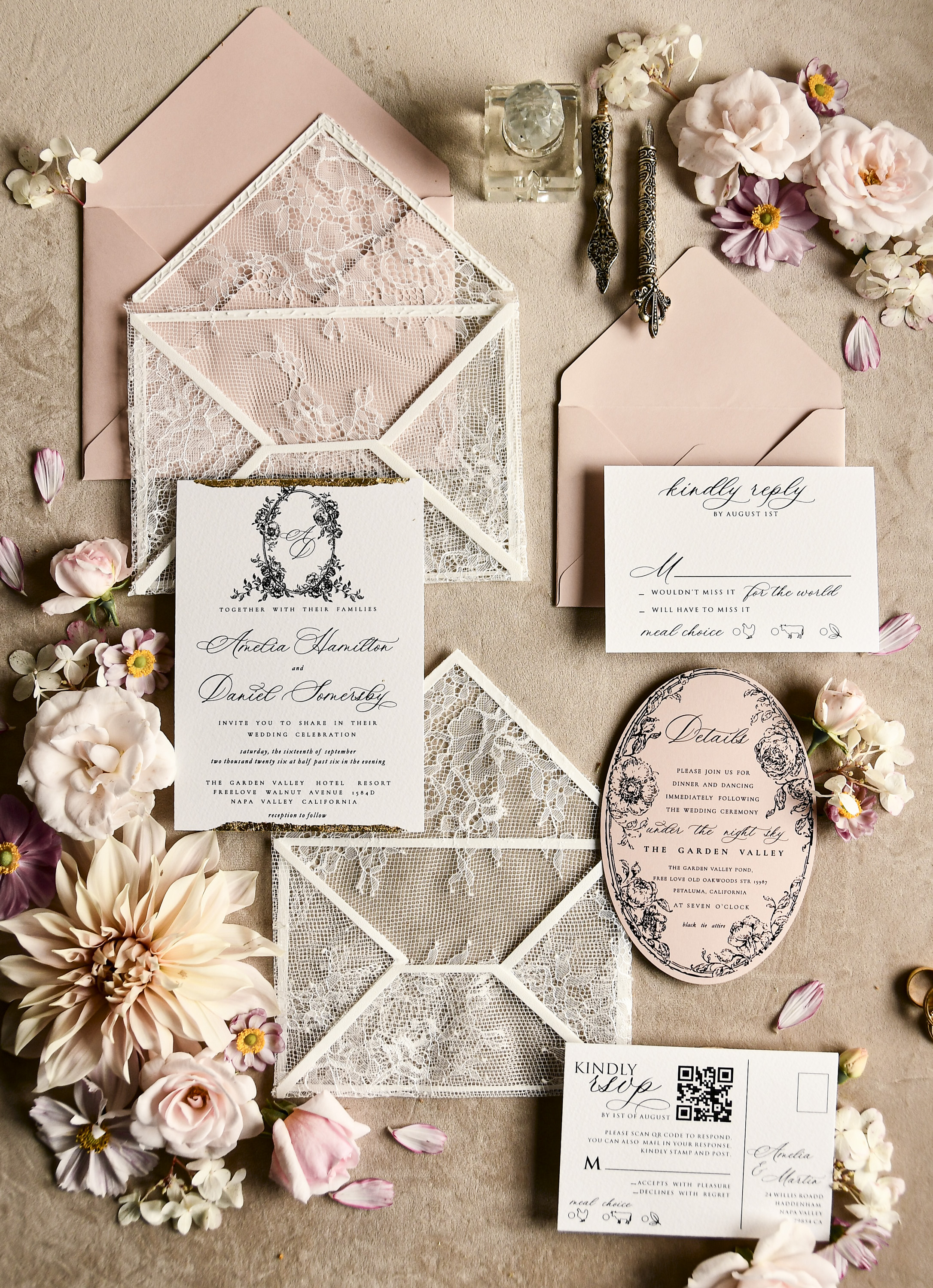
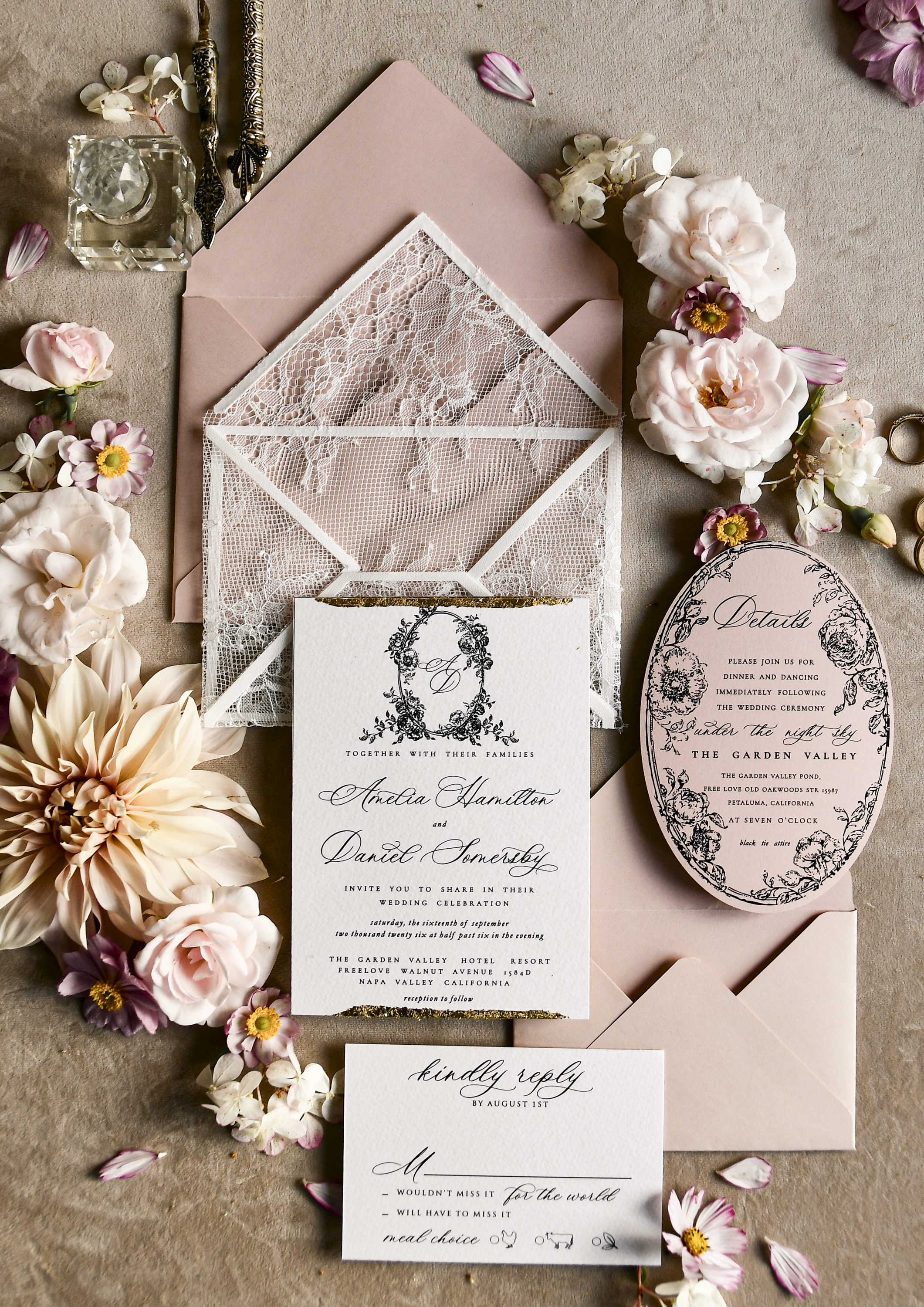
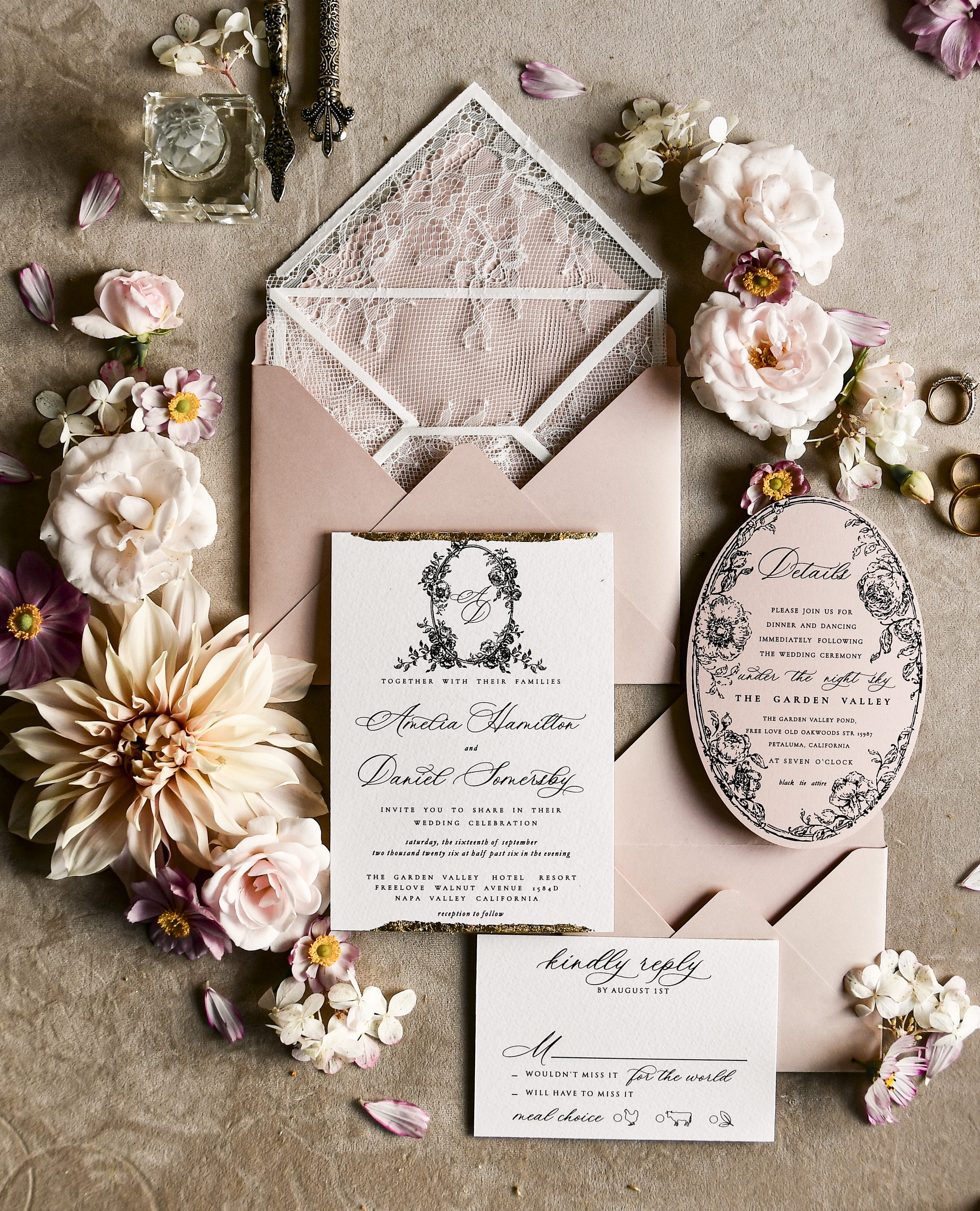
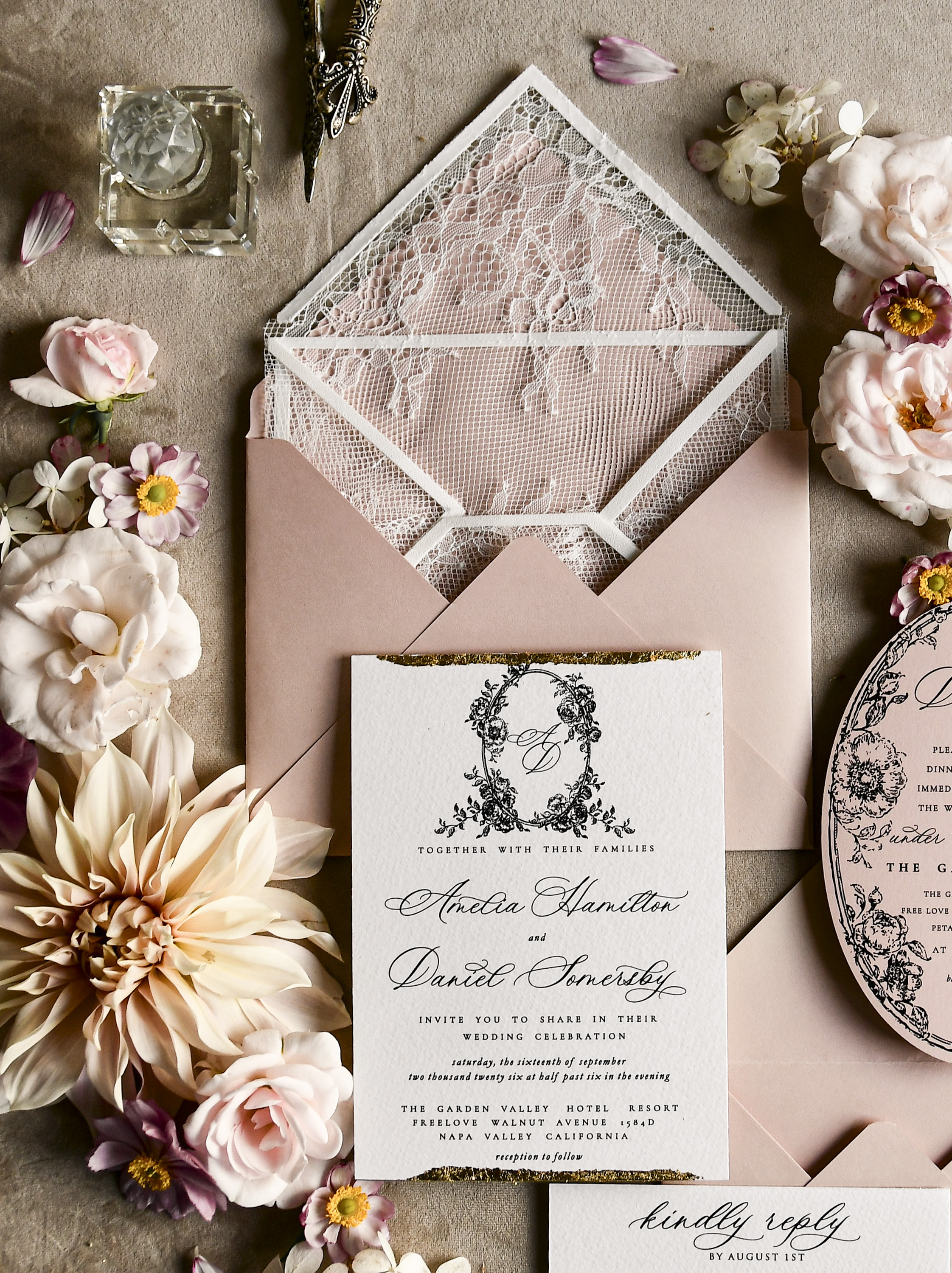
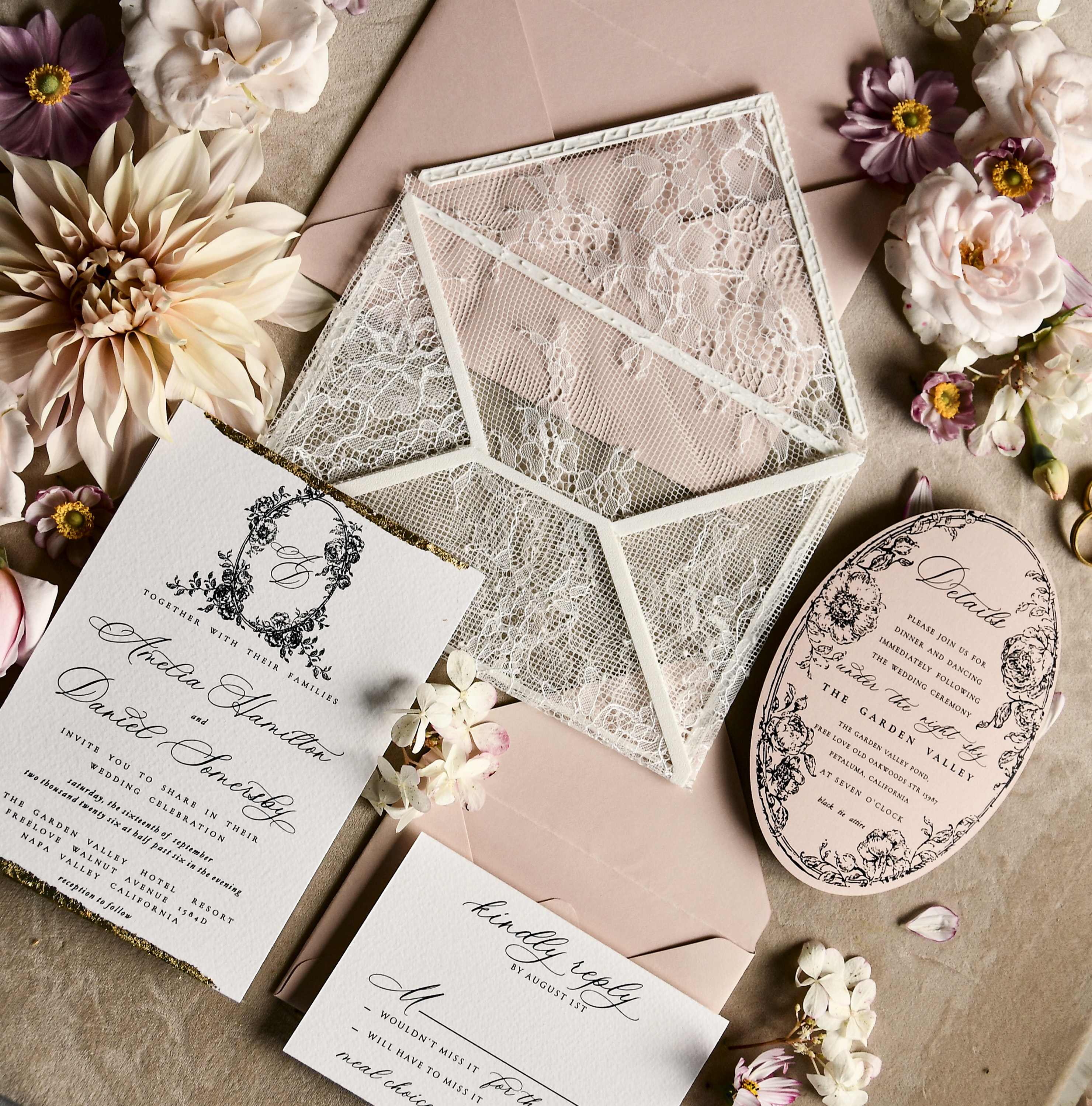
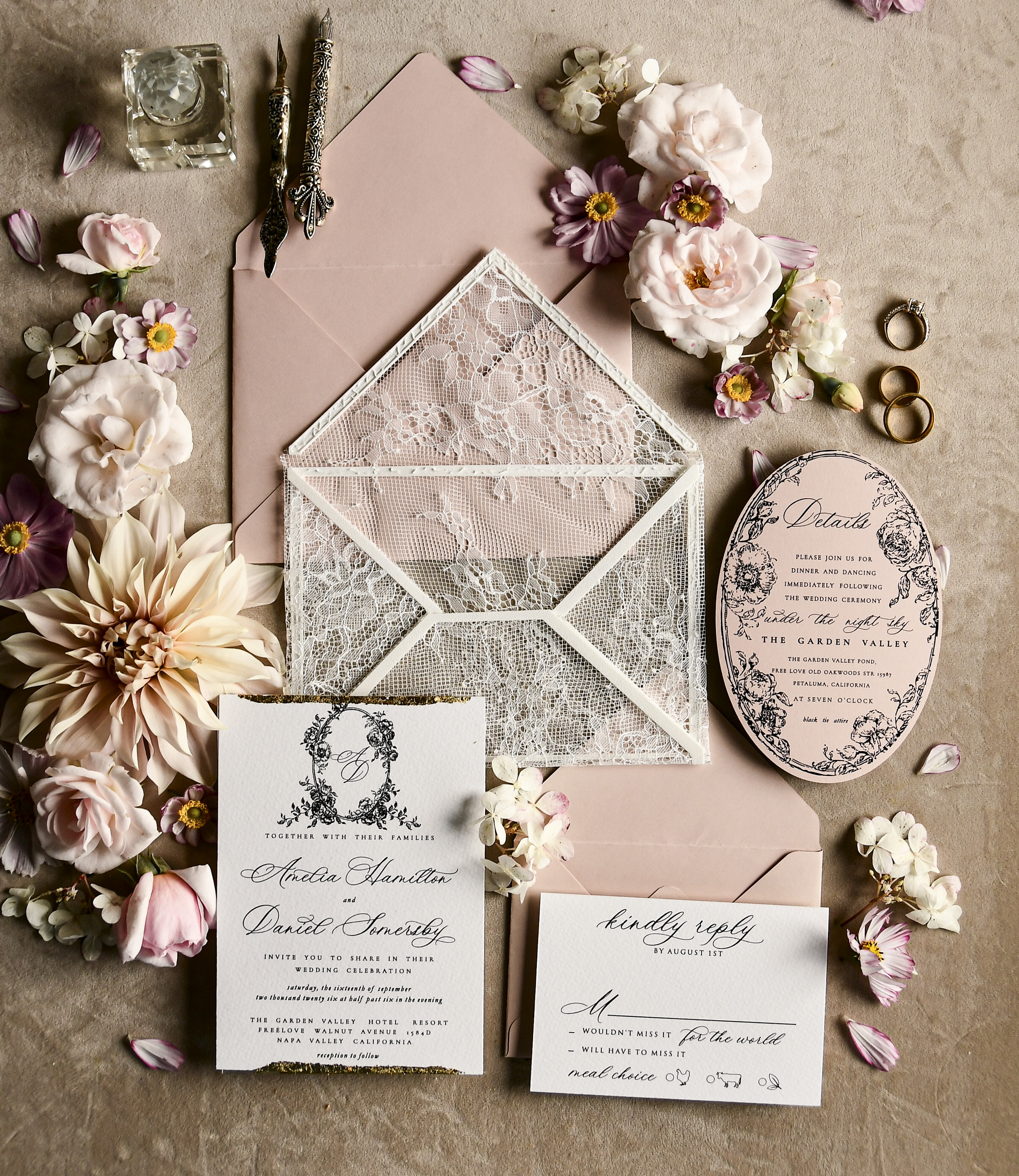
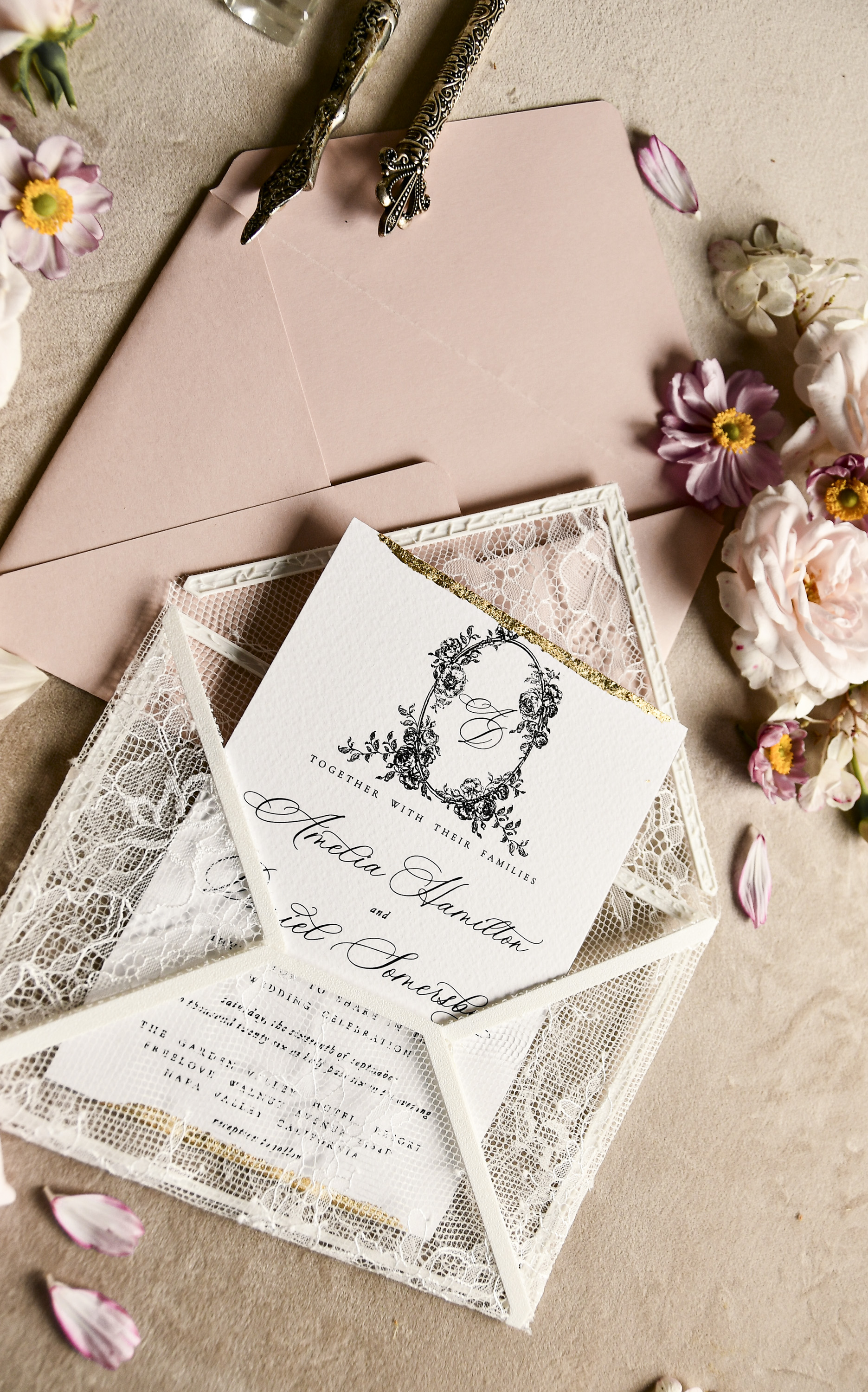
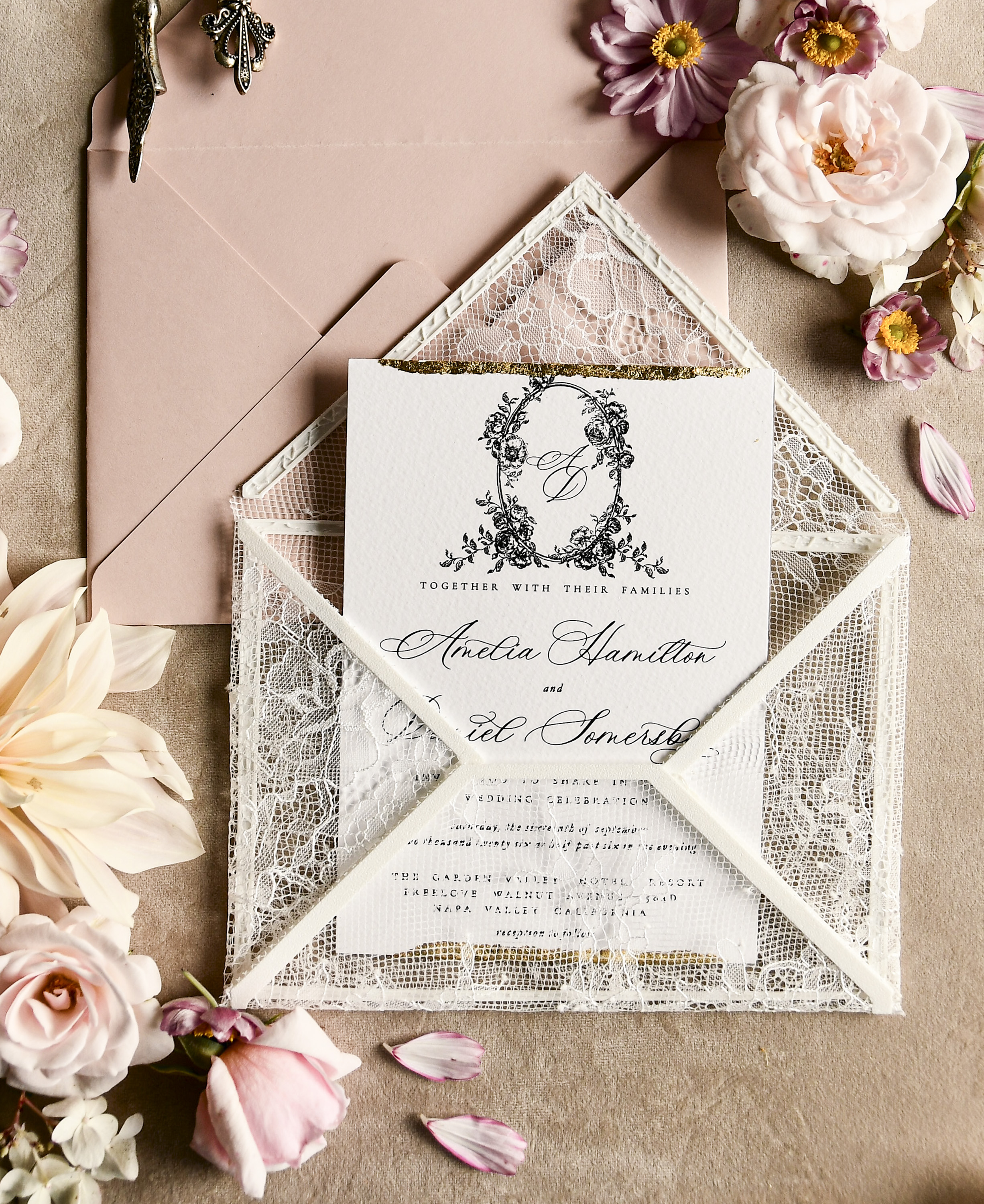
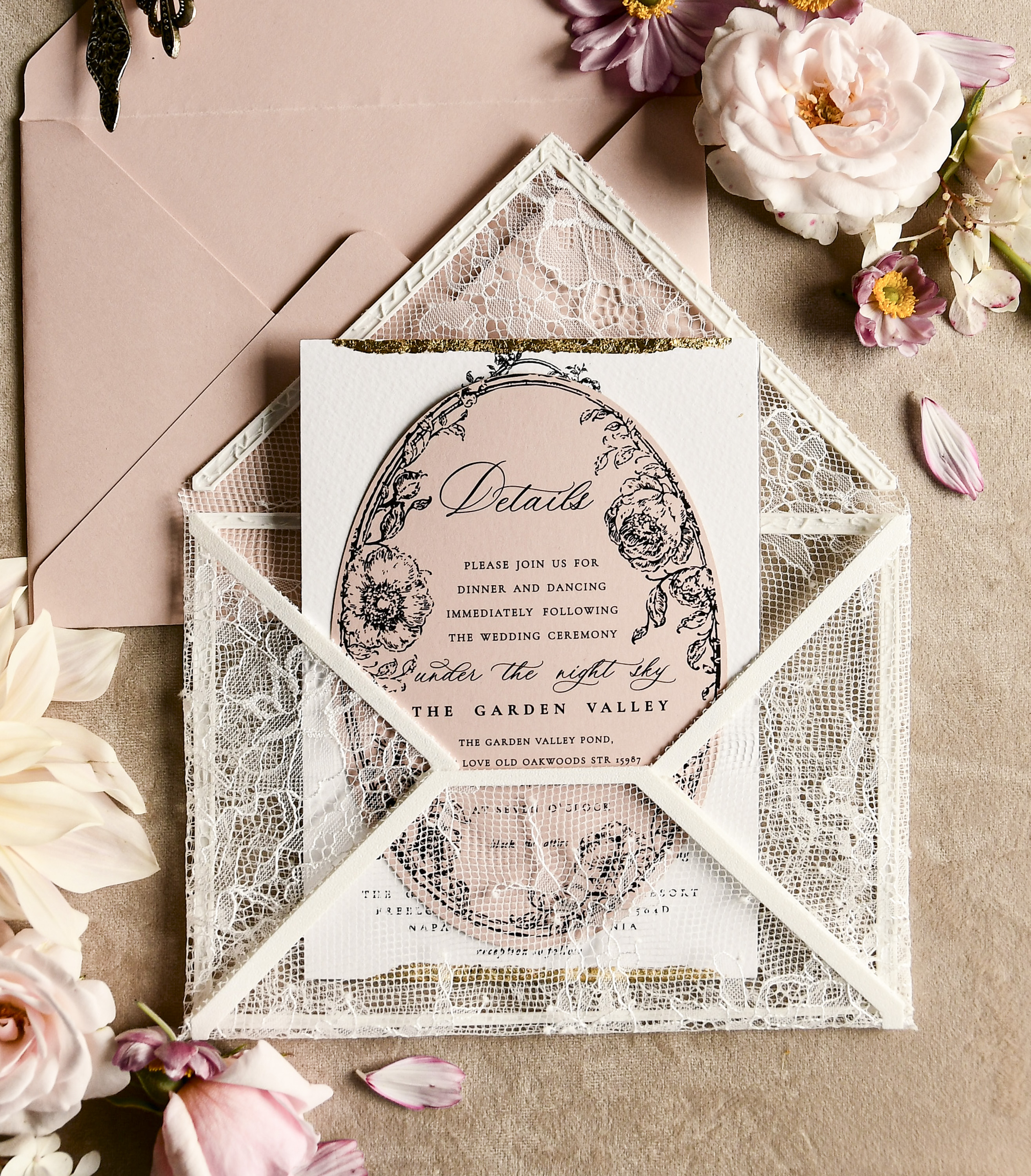
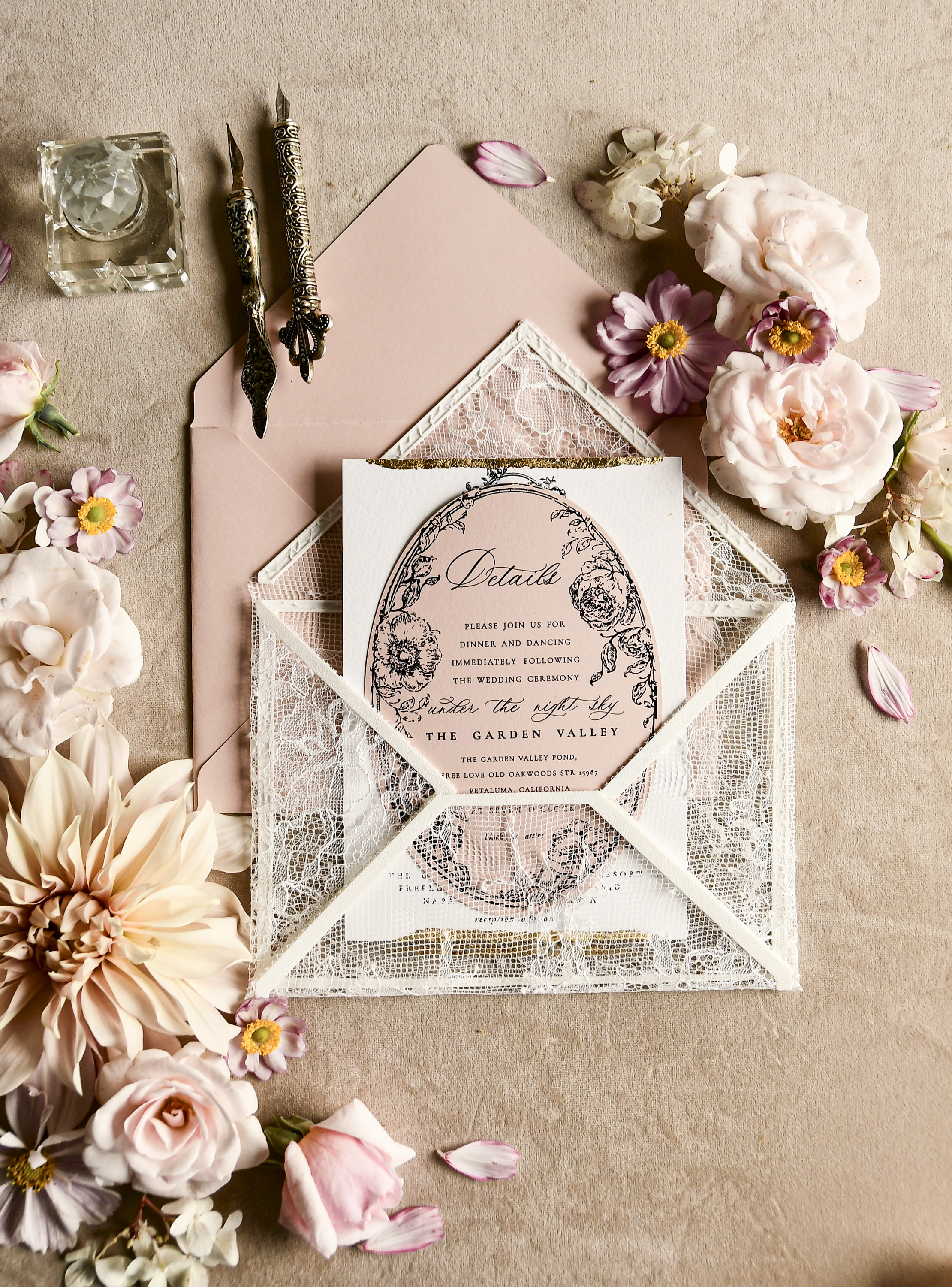
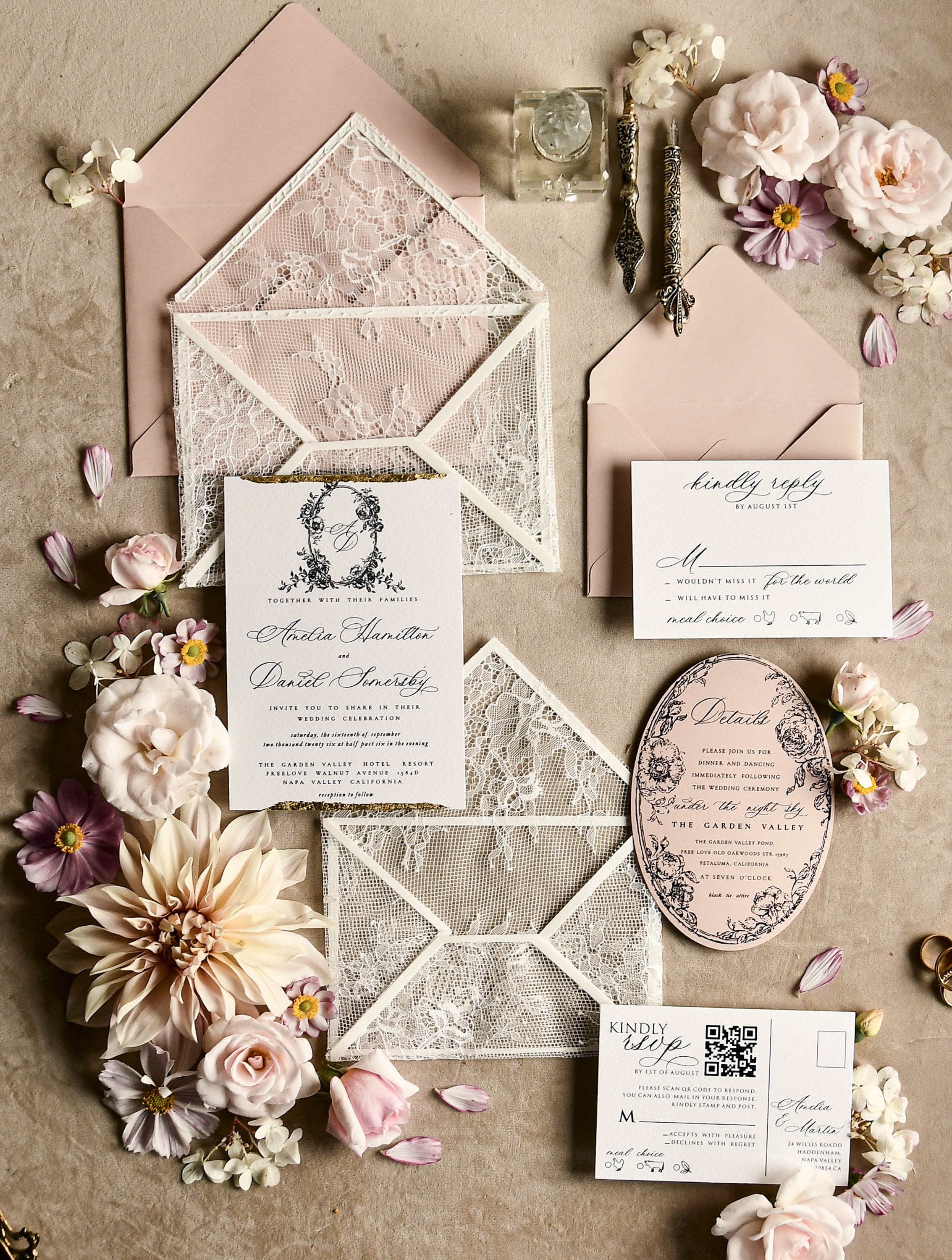
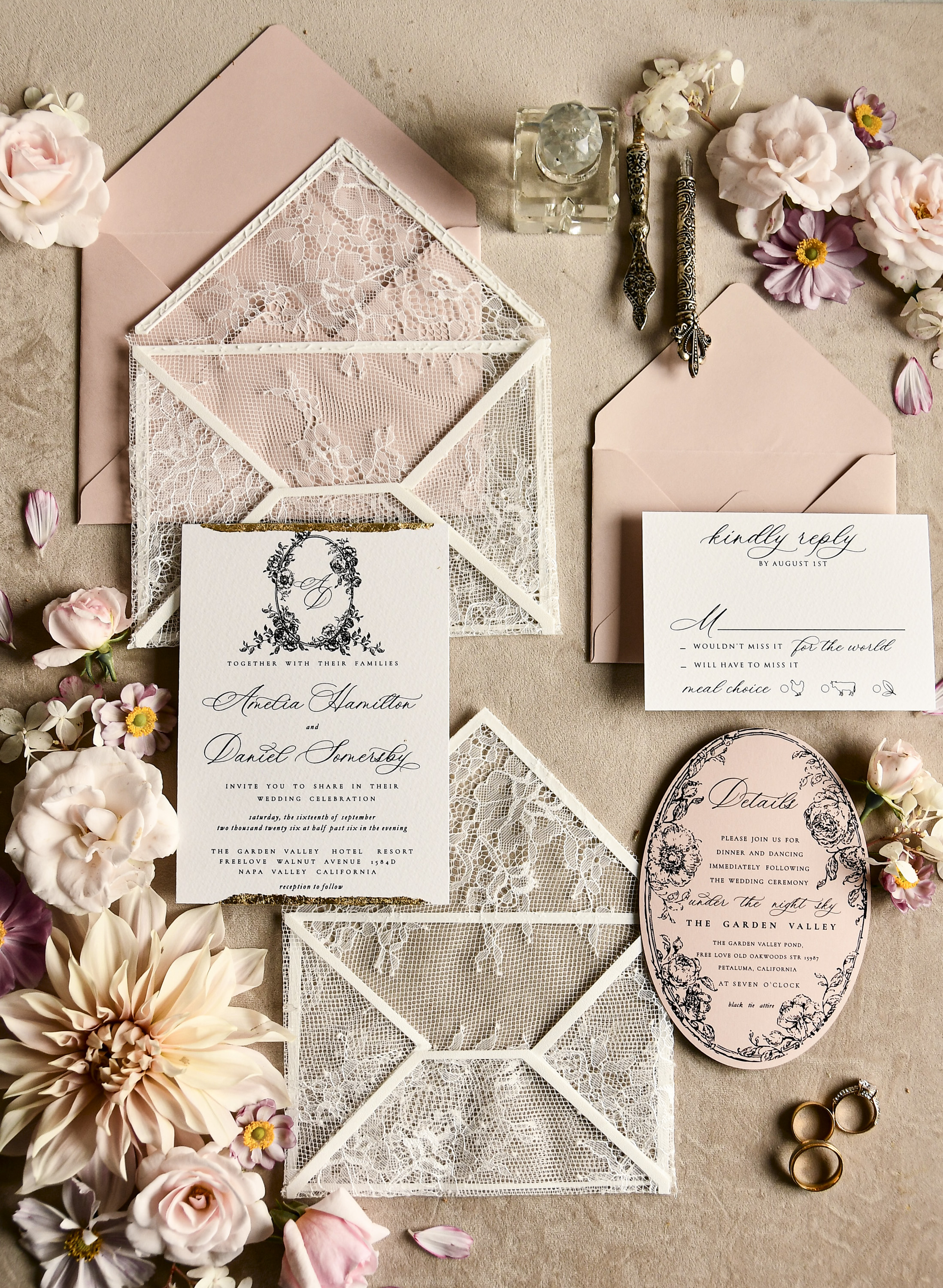
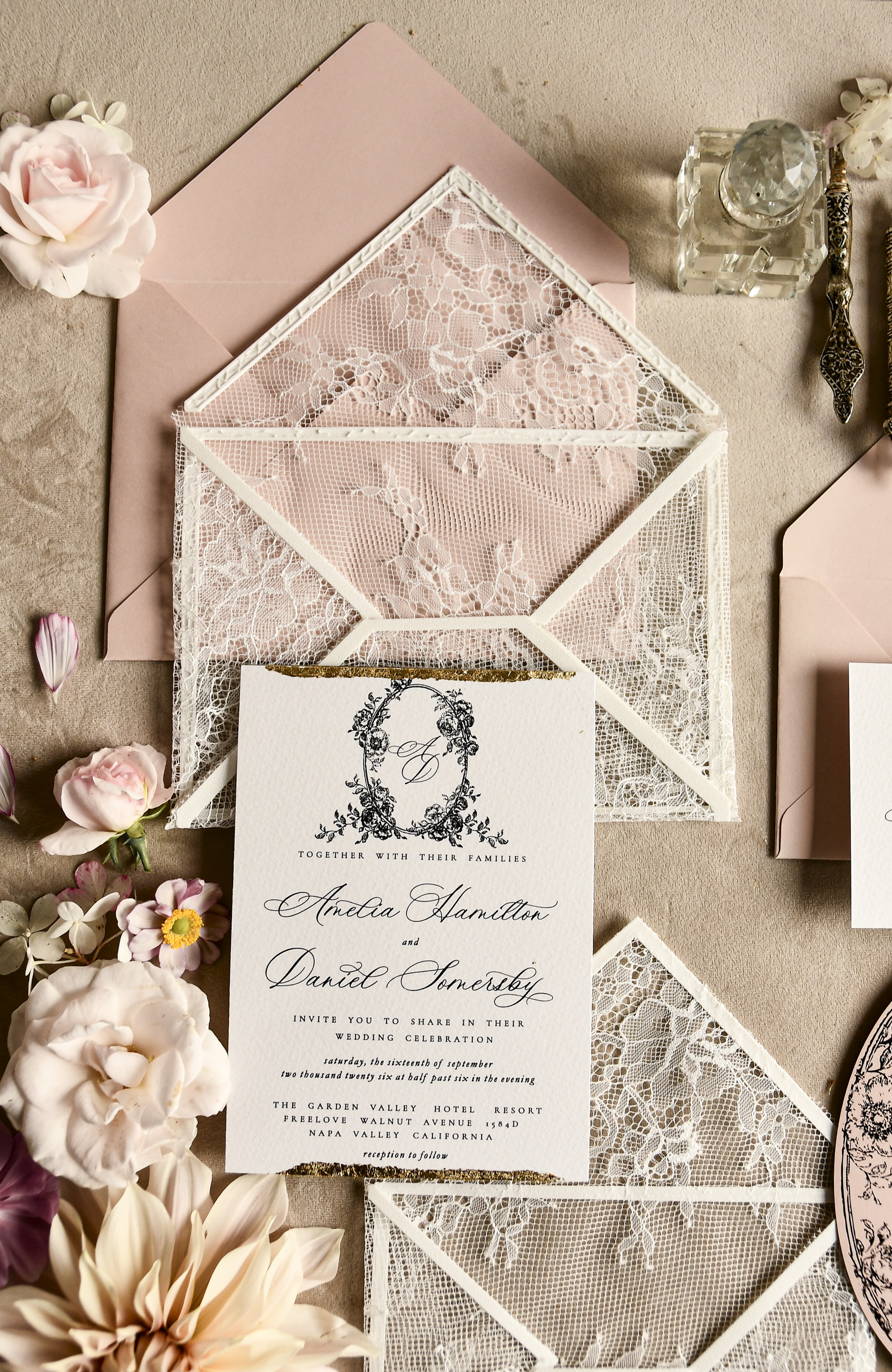
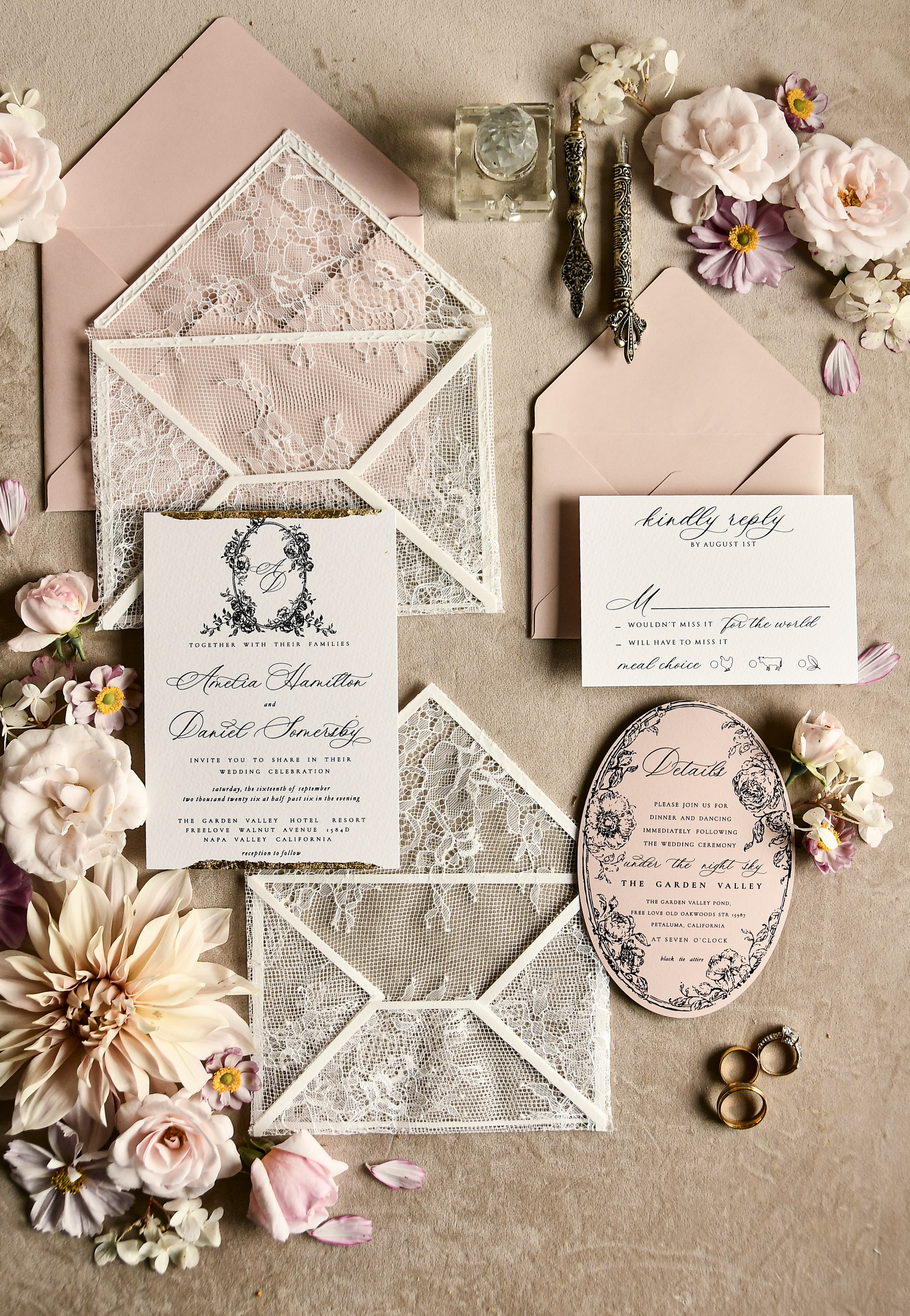
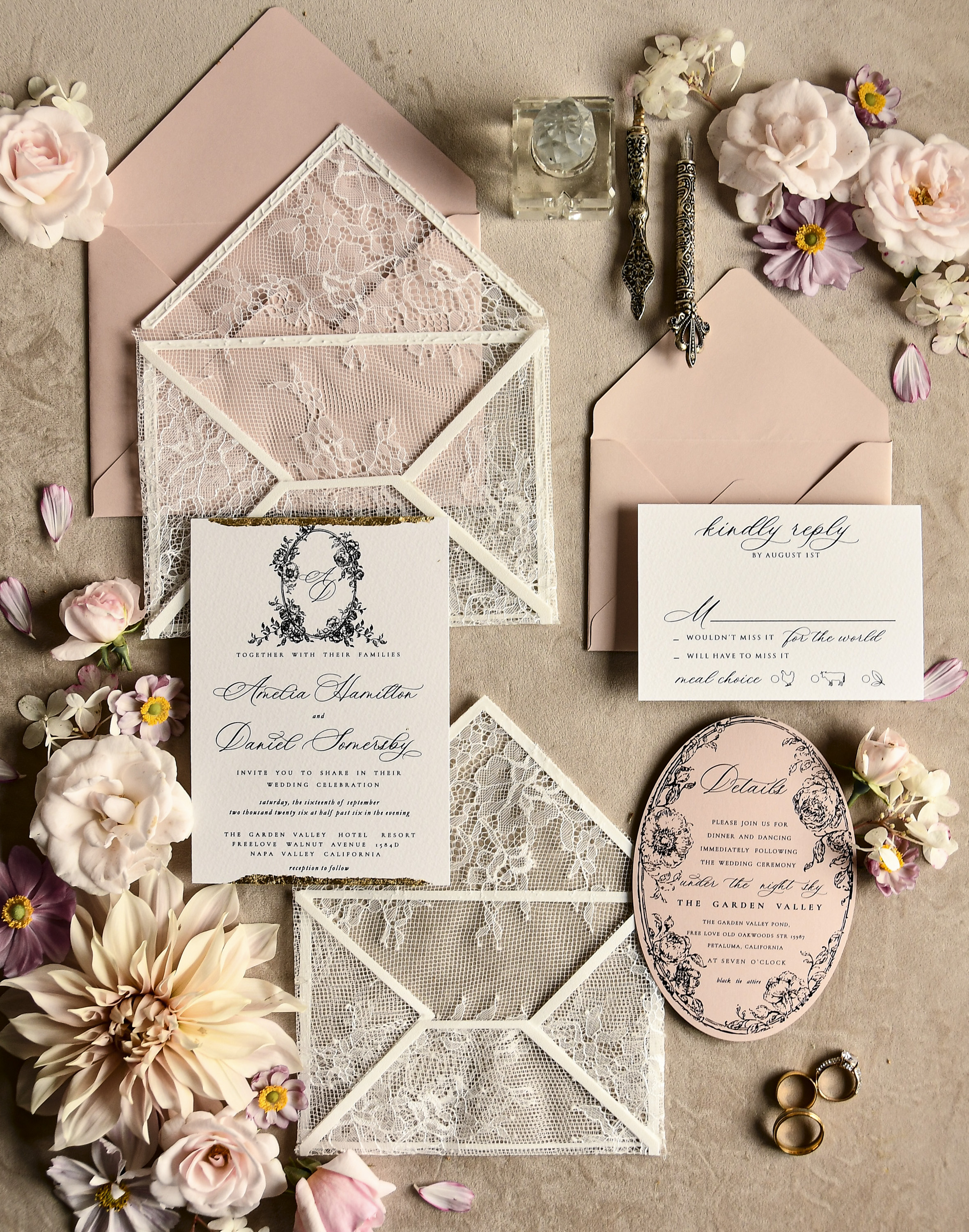
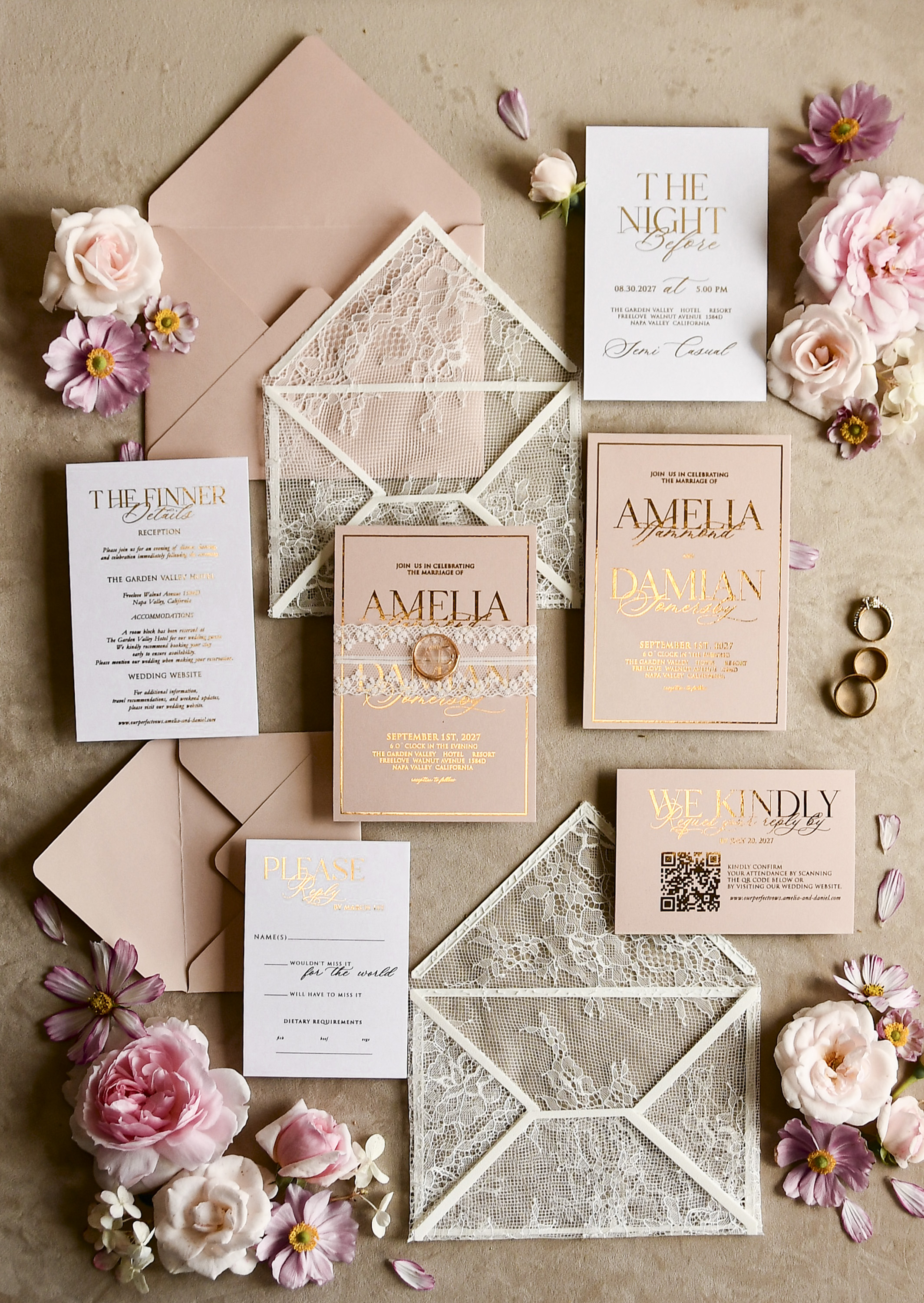
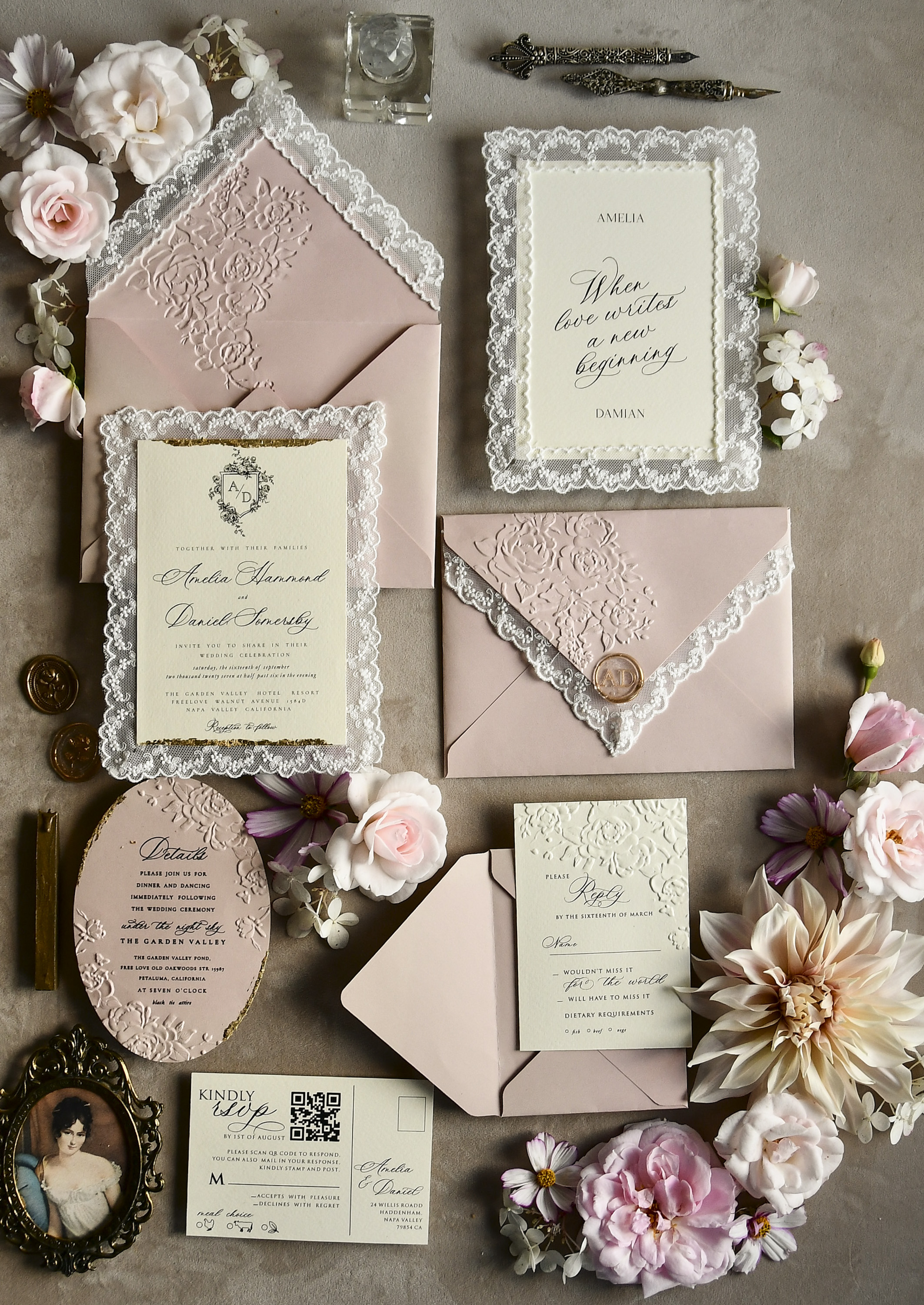
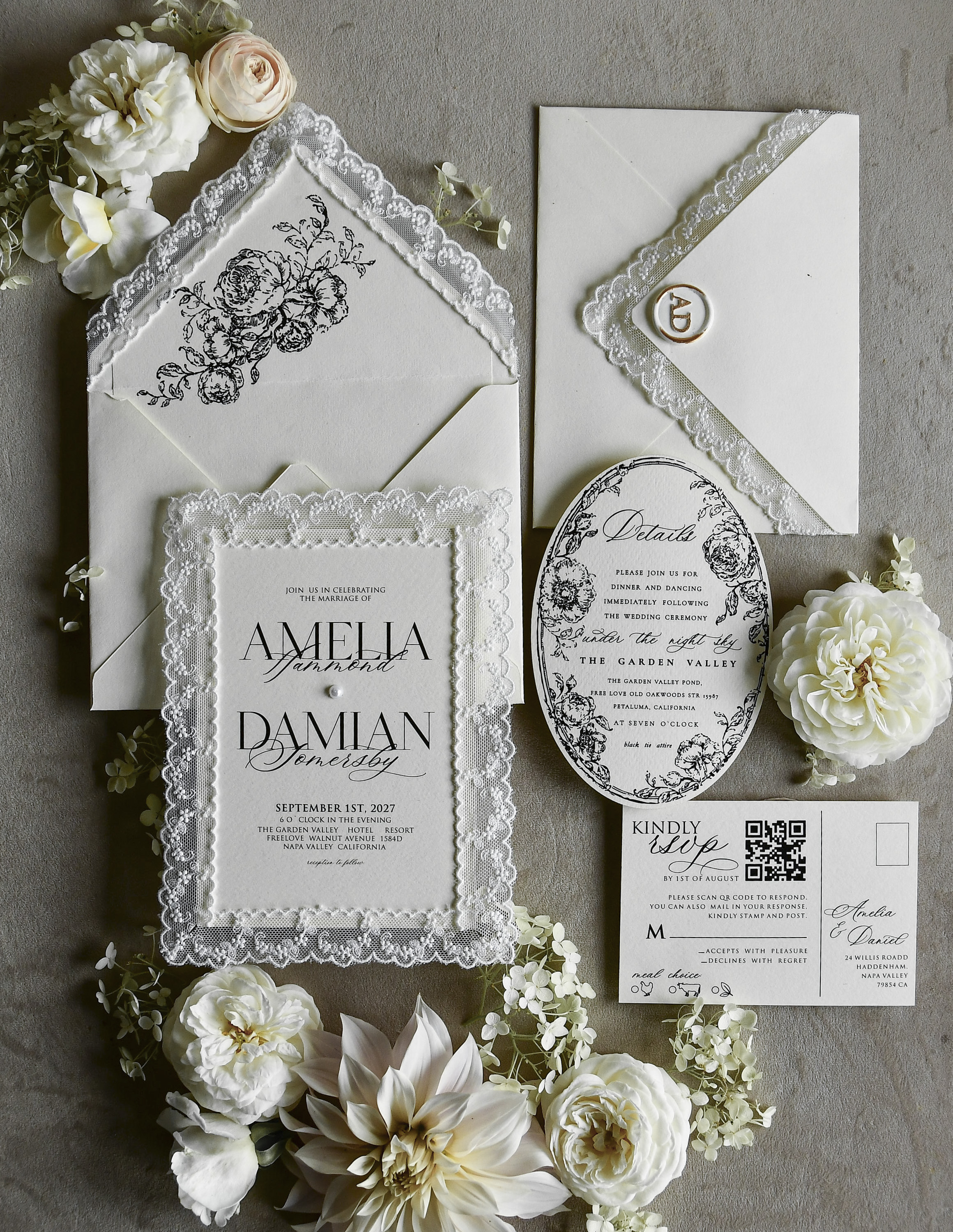
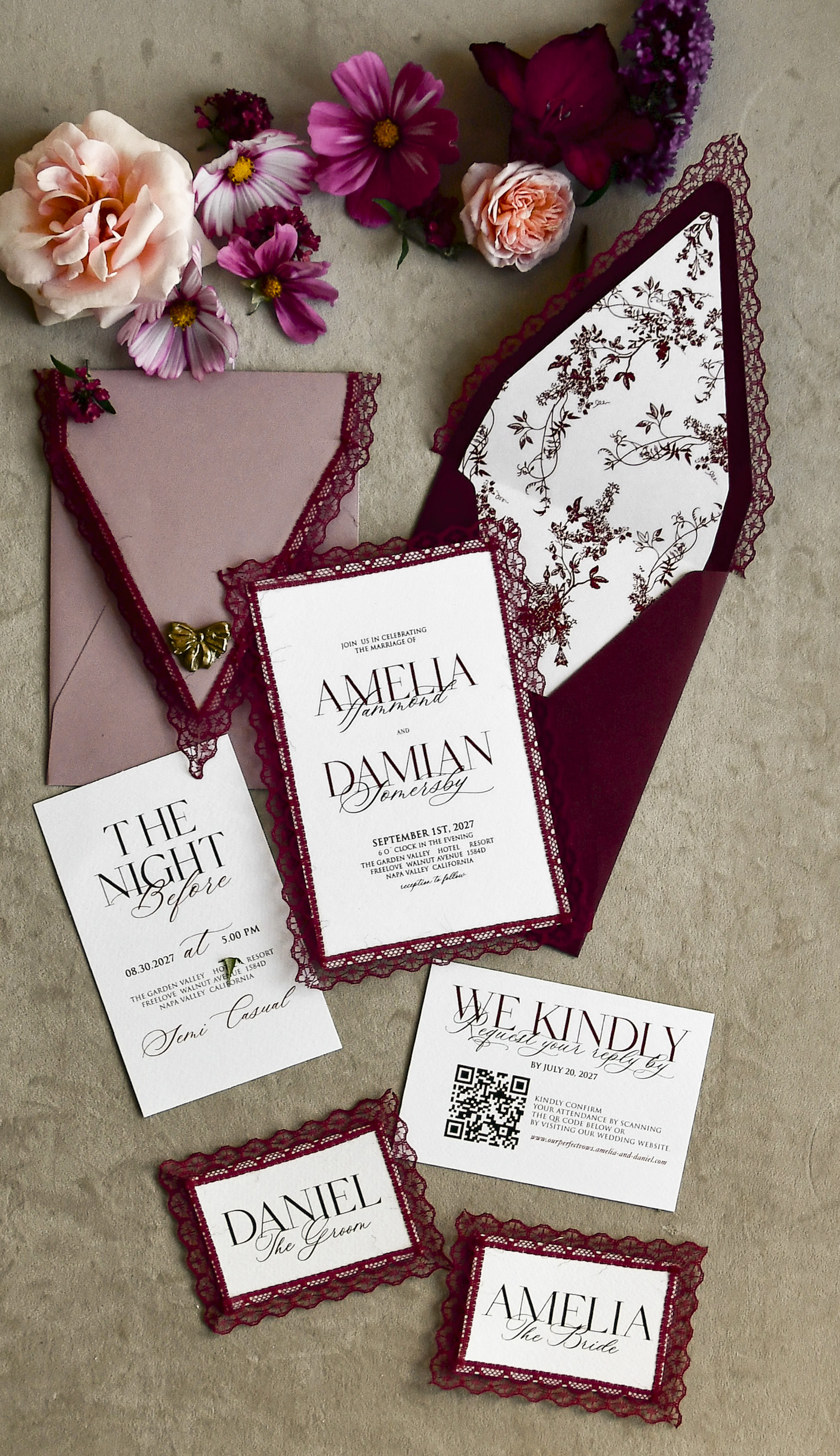
When ordering your wedding stationery — like our vintage lace wedding invitations, starting from $8.50 — send each parent their own invitation addressed to their household. This small gesture signals that you see them as separate, equally valued guests, not a unit they are no longer part of.
Assign a Trusted Point Person for Each Parent
On your wedding day, you cannot be the referee. Assign a trusted friend, sibling, or your wedding coordinator to be the unofficial "parent liaison" for each side. This person's job is to:
- Keep each parent informed of the timeline so there are no territorial moments ("Why did she get to go first?")
- Gently redirect if tension starts to rise
- Escort parents to their seats, photo spots, and tables so nothing is left to chance
Brief these people in advance. Give them a heads-up about the history, the specific triggers if you know them, and your expectations. A good coordinator has seen this a hundred times and will handle it professionally — hiring one is worth every penny in high-conflict family situations.
Set Boundaries Around Speeches, Toasts, and Family Photos
Two of the biggest flash points at receptions are toasts and family photos. Get ahead of both.
Toasts: If you're worried a parent might use their toast to take a subtle (or not-so-subtle) jab at the other, have a conversation beforehand. Ask to hear a draft if necessary. It's completely acceptable to say, "We'd love your toast to focus on the two of us and your excitement for our future."
Family photos: Decide in advance which photos will include both parents together and which will be taken separately. Many couples do one formal shot with both parents for the sake of the album, then separate shots for each family unit. Share this plan with your photographer and your parents before the day so no one is surprised.
Also consider your stationery details: if you're sending a formal program that lists family members, you can list each parent on their own line rather than grouping them as a couple. Small touches like this, available with designs like our 03/lacenvD/z vintage lace invitations, show thoughtfulness without drawing attention to the divorce.
Give Yourself Permission to Protect Your Joy
Here is the most important thing: you are allowed to prioritize your own peace. You love your parents, and you want them there — but their conflict is not your responsibility to fix, and your wedding day is not the venue for healing decades of hurt.
If one parent threatens to skip the wedding unless certain conditions are met, or tries to dictate seating, guest lists, or other details as leverage, that is a boundary violation. Address it calmly and firmly: "I hope you'll be there. The plan is set, and I need you to respect it."
Consider speaking with a therapist or counselor in the months before your wedding — not because something is wrong with you, but because having a neutral space to process the stress is genuinely helpful. Many couples in this situation find even two or three sessions makes a significant difference in how calm and centered they feel on the day itself.
Frequently Asked Questions
No — and they generally shouldn't if there's tension. Seat them in different rows on the same side, or one on each side of the aisle if your family setup allows. A clear seating plan communicated in advance prevents awkward standoffs.
Send two separate invitations, each addressed to their own household. This is both proper etiquette and a considerate gesture that acknowledges they are two distinct guests with their own lives.
Express that you hope they'll reconsider, then give them space to make their own decision. Make clear the logistics are set and you won't be changing arrangements to accommodate the conflict — and then respect whatever choice they make.
You can, but think carefully before doing so. Excluding a long-term partner or spouse can cause its own resentment. A better approach is usually to include everyone and manage the logistics so no one is forced into uncomfortable proximity.
Have a direct, private conversation ahead of time and let them know your expectations for the tone. It's completely acceptable to ask to review what they plan to say — frame it as wanting to make sure the moment is meaningful and celebratory.
Have your point person or coordinator step in immediately to de-escalate and remove the situation from the main event space. After the wedding, address it directly with the parent involved — but on your wedding day, let someone else handle it so you can stay present and enjoy your celebration.
See This Design Up Close


You May Also Like
More Wedding Planning Guides
- → Staying Sane When Family Tensions Rise Before Your Big Day
- → The Estranged Family Dilemma: Making Peace With Your Wedding Guest List
- → Missing RSVPs: The Exact Waiting Game You Should Play
- → Wedding Invitation Timing: The Insider's Guide to Sending on Schedule
- → Who's Really Getting Married? Managing Parent Friend Requests on Your Guest List
- → Handling Family Boycott Threats Over Your Wedding Guest List
- → The Teen Plus-One Dilemma: A Practical Guide for Couples
- → What To Do When Guests Leave You On RSVP Read
- → When an RSVP Changes at the Last Minute: A Calm, Practical Guide for Couples
- → Your Wedding, Your Choice: Deciding Whether to Include an Estranged Sibling
- → Is Skipping Kids on Your Wedding Guest List Ever Considered Rude?
- → Small Weddings, Big Meaning: Your Guide to Celebrating Intimately
- → Should You Skip Paper and Send Digital Wedding Invitations?
- → The Uninvited Guest Question: How to Respond Without Regret
- → Missing RSVPs: The Right Way to Follow Up With Silent Guests
- → The Smart Couple's Guide to Wedding Childcare and Kids' Entertainment
- → Uninvited Plus-Ones and Tag-Alongs: How to Keep Your Guest List Intact
- → When Family Feuds Threaten Your Wedding Plans: A Practical Peacekeeper's Guide
- → Inviting an Estranged Brother or Sister: Finding Clarity Before You Seal the Envelope
- → Cousins, Invites, and Hard Choices: A Practical Guest List Guide