
The Estranged Family Dilemma: Making Peace With Your Wedding Guest List
One of the most emotionally loaded parts of wedding planning isn't choosing a venue or a cake flavor — it's figuring out whether to invite family members you haven't spoken to in years. Maybe it's a distant cousin you've never really known, an aunt who caused drama at the last family reunion, or a sibling you've quietly drifted from. There's no single right answer, but there is a clear-headed way to think it through.
Start With the "Why" Before the Guest List
Before you write a single name down, ask yourself an honest question: Why are you considering inviting this person? There are two very different motivations at play here, and knowing which one applies will guide your decision.
- Genuine desire to reconnect: Your wedding can be a beautiful opportunity to rebuild a relationship you've let slip. If you'd genuinely welcome this person back into your life, an invitation is a meaningful olive branch.
- Social or family pressure: If you're only considering the invite because your mom will hear about it, or because you're afraid of causing offense, that's a different situation entirely. Inviting someone out of obligation — especially someone you have real conflict with — can add stress to your day and send a confusing signal to that person.
Be honest with yourself. Your wedding day is not the right venue for conflict resolution, and it's not your responsibility to manage extended family politics at the expense of your own comfort.
The Practical Rules for Distant Relatives
When it comes to relatives you simply never see — not estranged due to conflict, just genuinely out of touch — a few practical guidelines can help:
- Apply your rules consistently. If you're inviting all first cousins, invite all first cousins. Picking and choosing within the same tier of family almost always causes hurt feelings and family fallout.
- Consider your venue size and budget first. A 50-person intimate dinner gives you natural cover to keep the list tight. A 200-person ballroom makes it harder to explain why certain relatives were left out.
- Think about your parents' role. If your parents are contributing financially and have strong feelings about inviting certain relatives, that's a conversation worth having early. You may decide together that some invitations are as much about honoring your family as they are about your personal relationships.
A good rule of thumb: if you'd feel genuinely happy to see this person walk through the door on your wedding day, invite them. If your stomach drops at the thought, that's useful information.
When There's Real Estrangement or Conflict
Estrangement due to past conflict — addiction, abuse, family feuds, or simply a painful falling out — deserves much more careful consideration. Here's where to draw a firm line:
- You are never obligated to invite someone who has hurt you, regardless of how closely related they are. Your wedding is a celebration, not a reconciliation ceremony.
- Talk to your partner first. This is their day too, and they should have an equal voice in who is and isn't present.
- Prepare a simple, neutral response if you're asked why someone wasn't invited: "We kept our guest list very small" or "We went with immediate family only" are perfectly acceptable answers that don't invite debate.
If you do decide to extend an invitation as a goodwill gesture, set realistic expectations. An invitation is not a guarantee of a healed relationship — it's simply an open door. Whether they walk through it, and what happens next, is up to them.
How to Handle the Invitation Itself
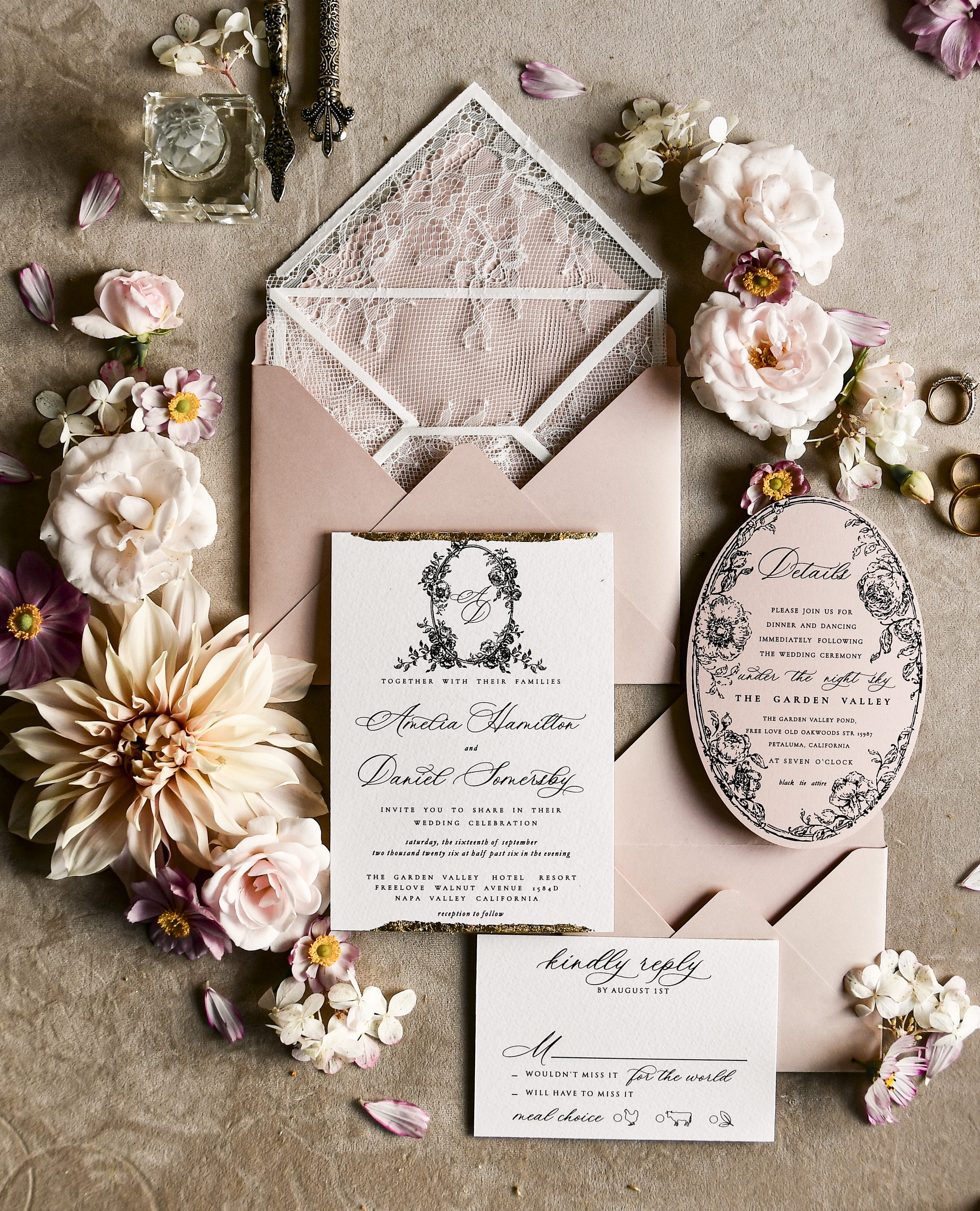
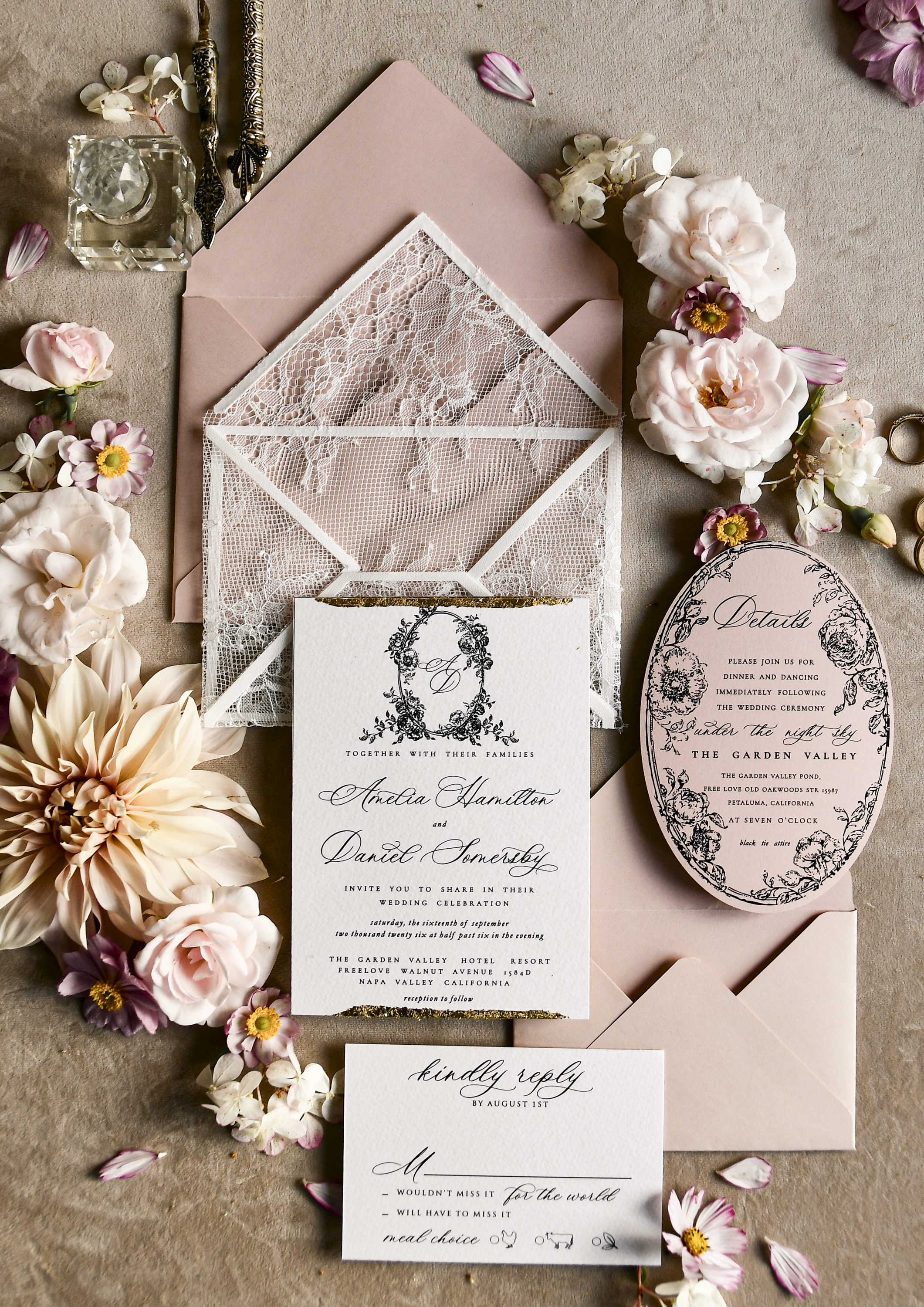
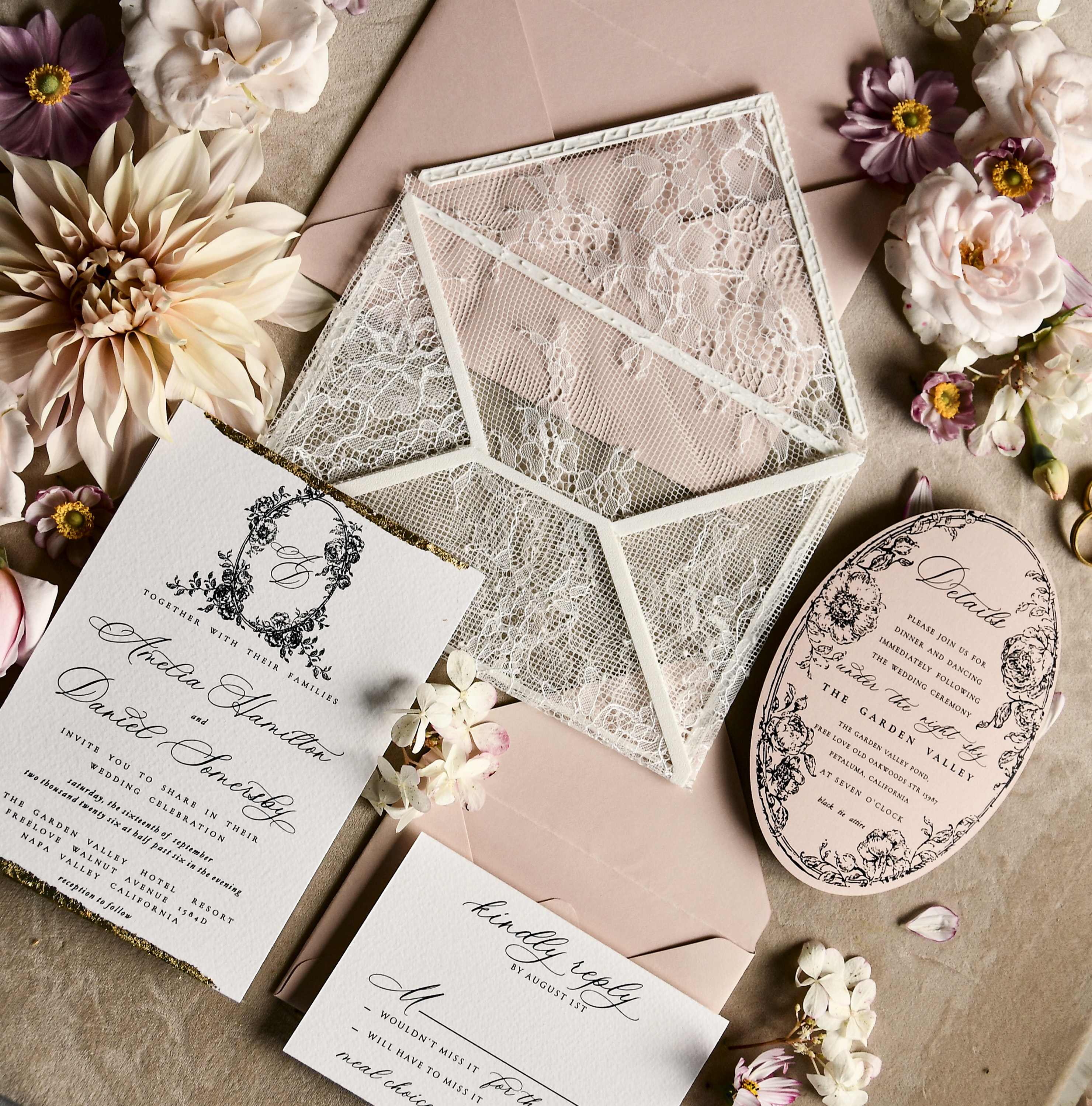
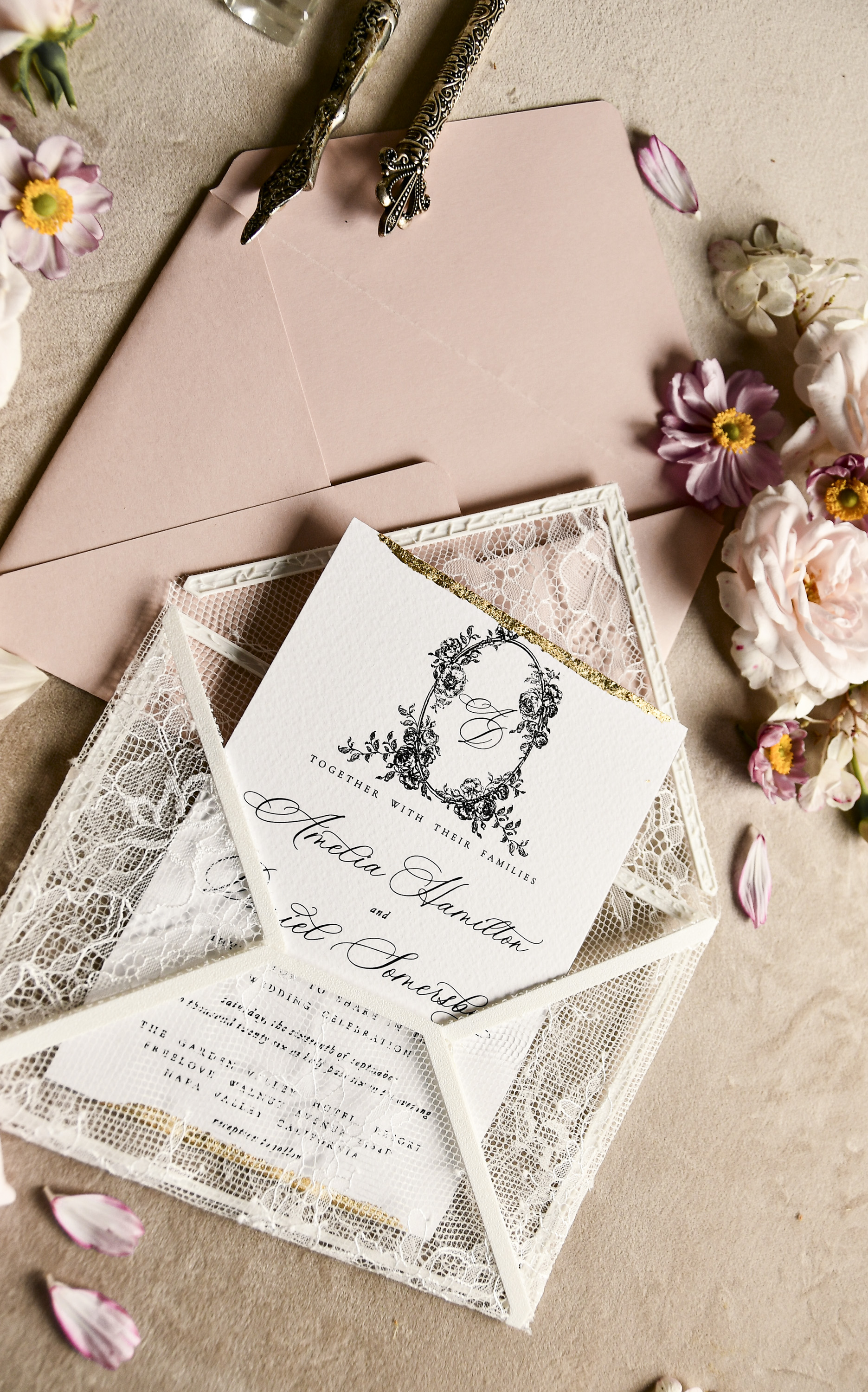
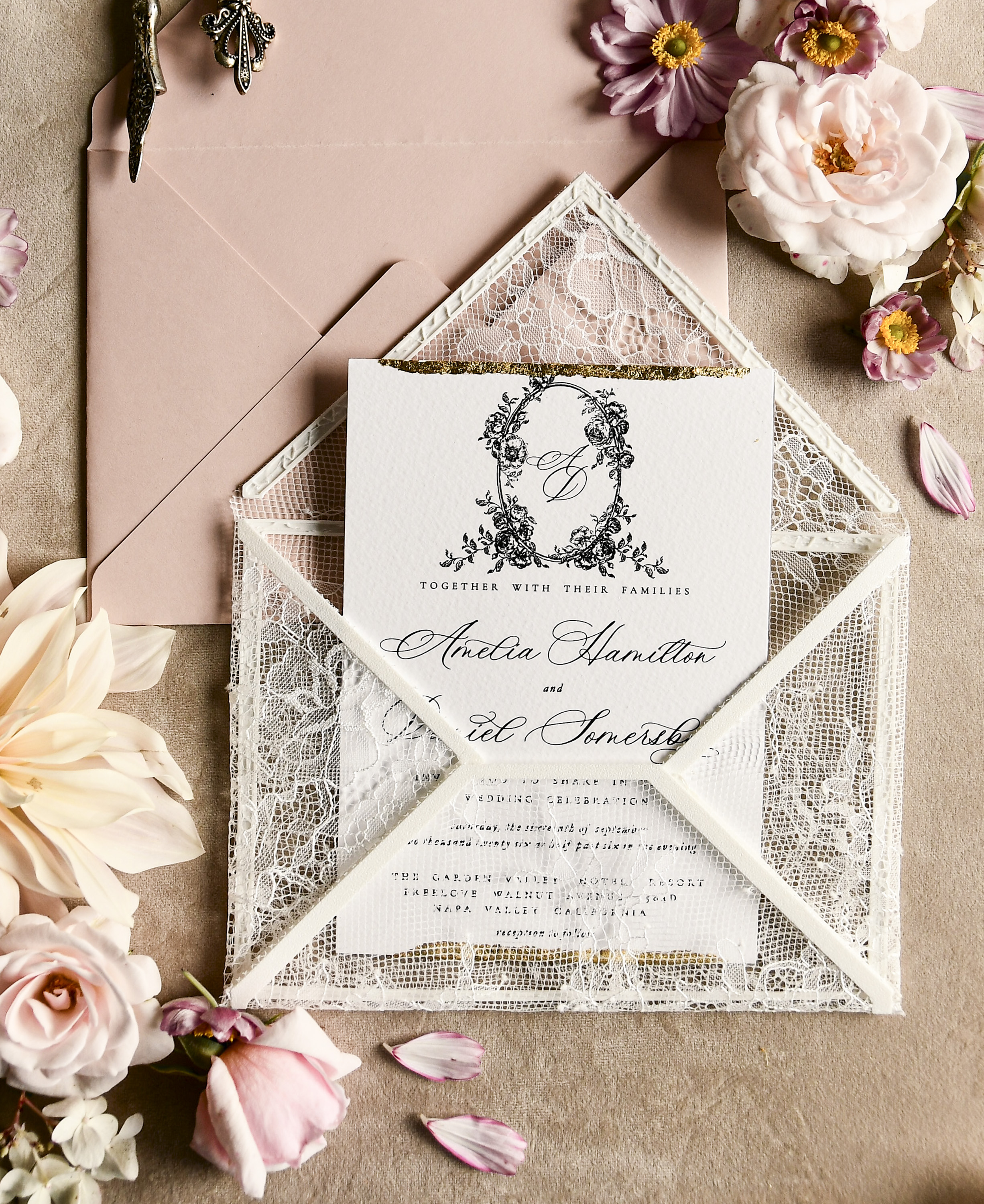
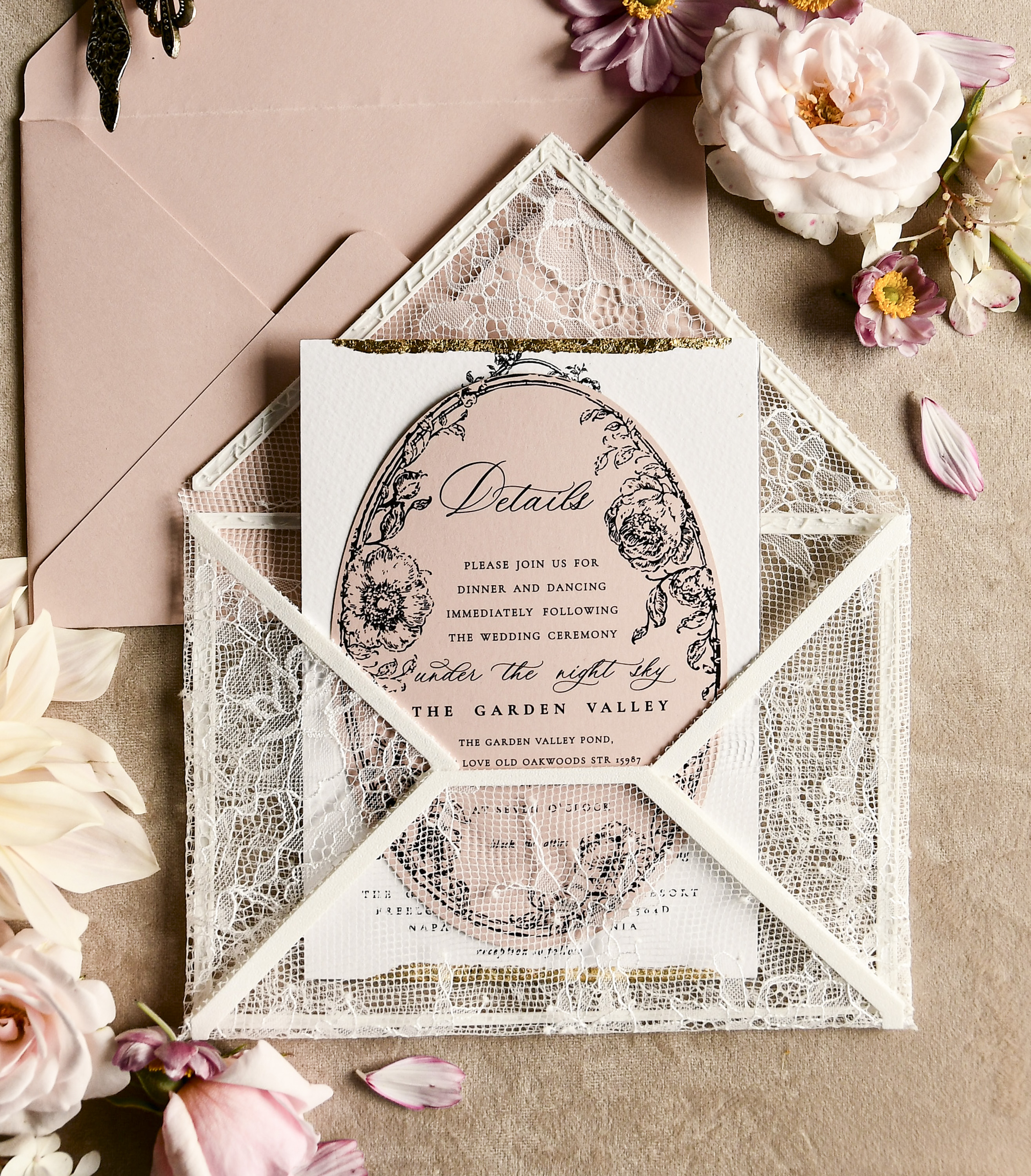
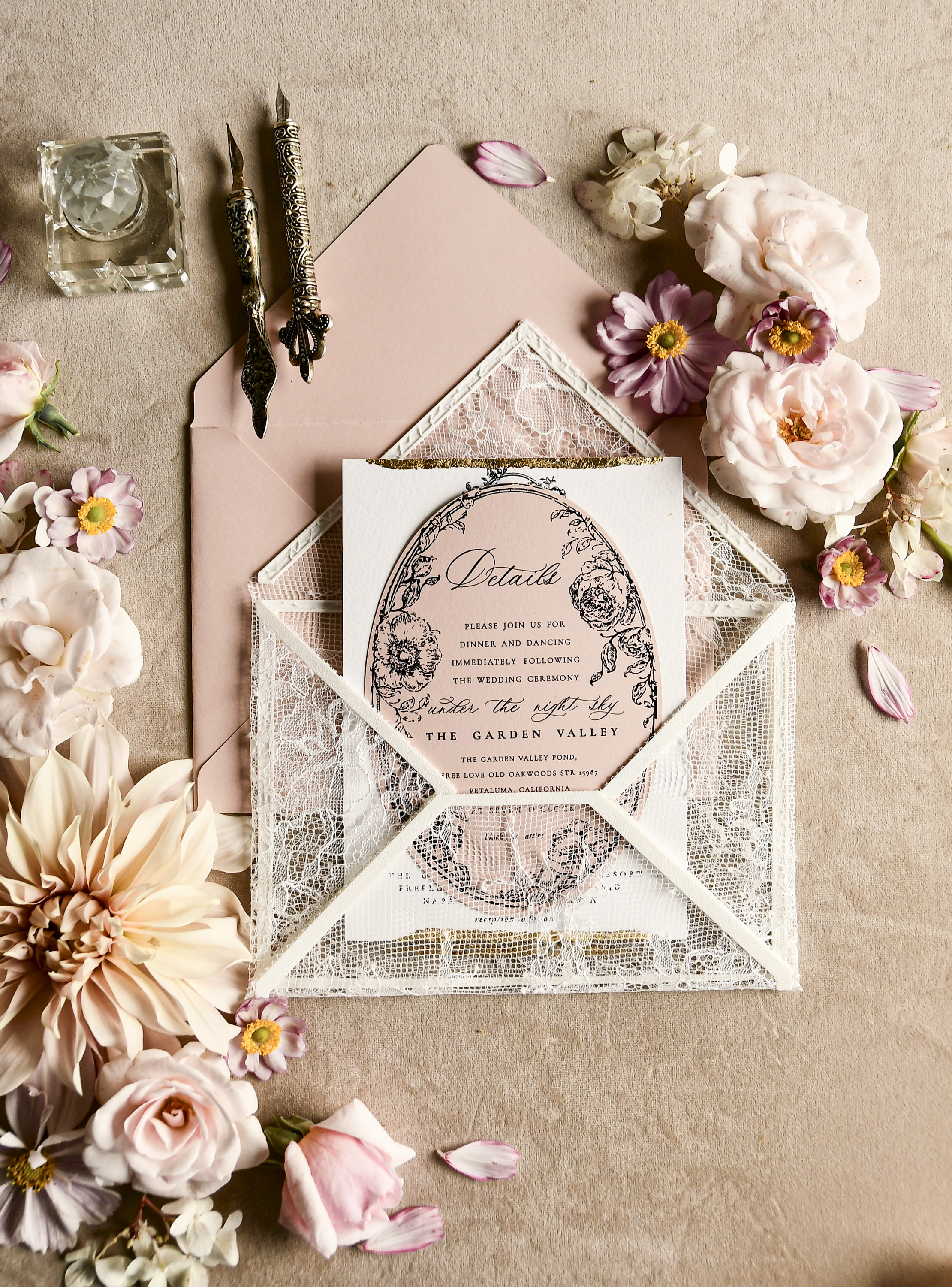
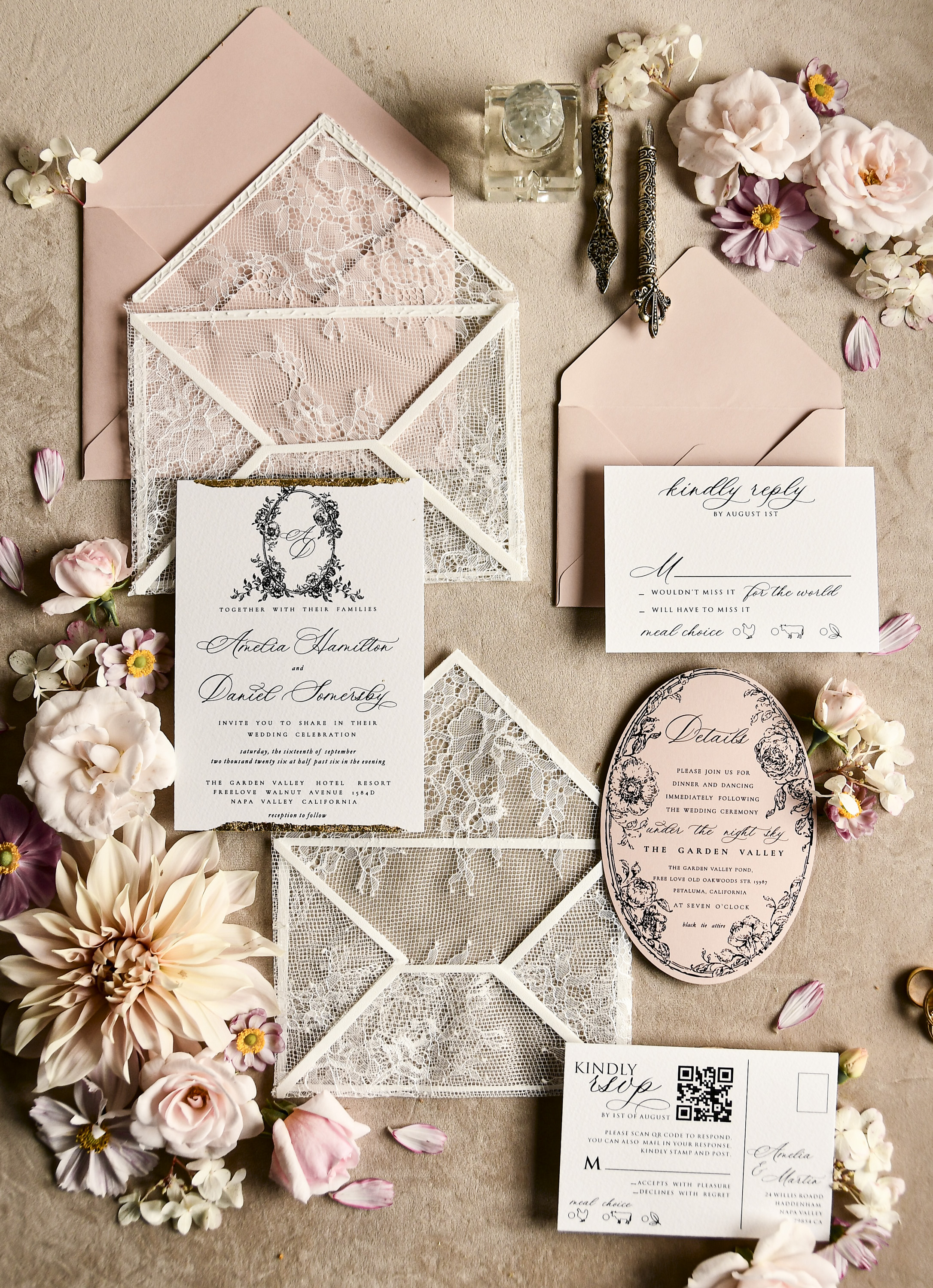
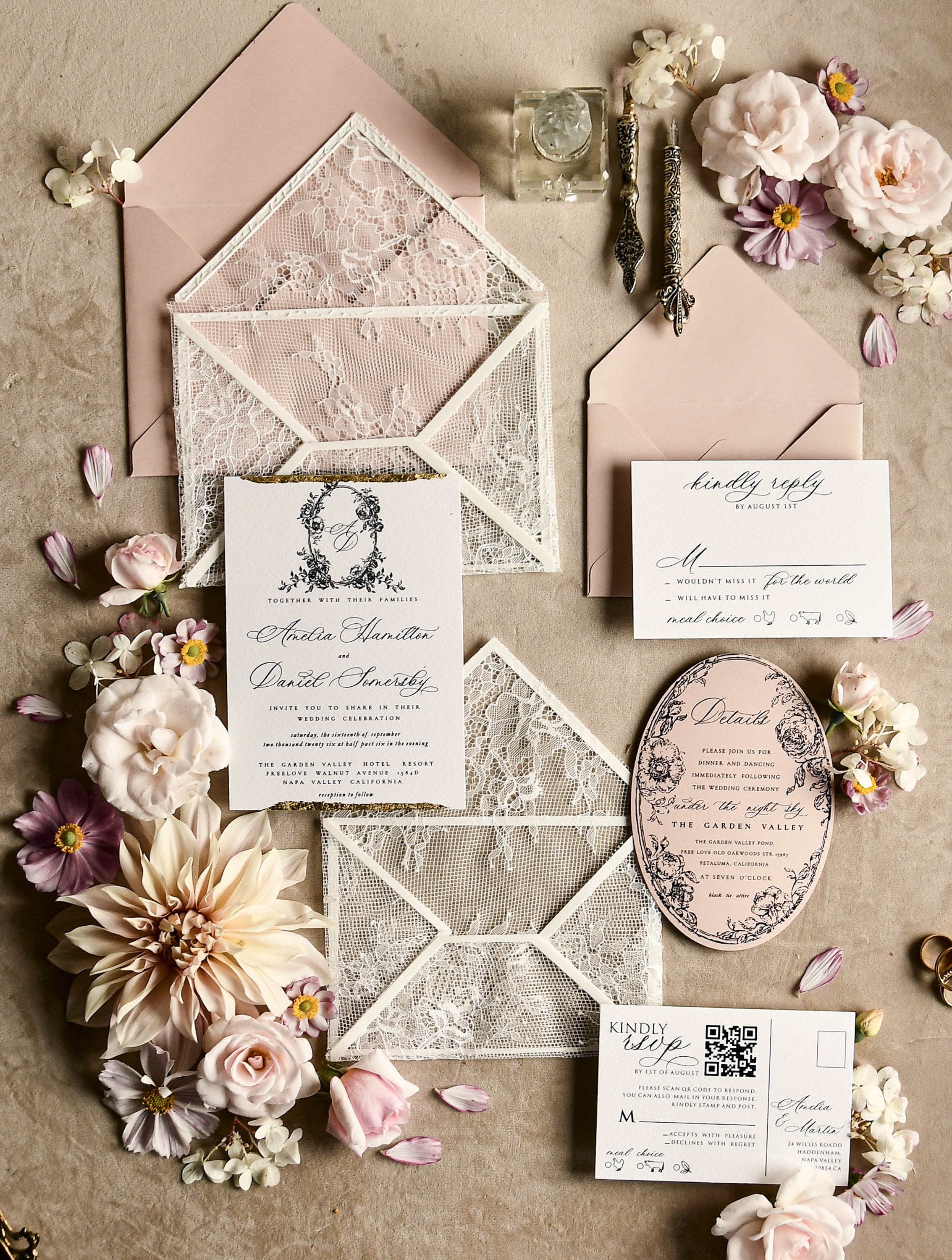
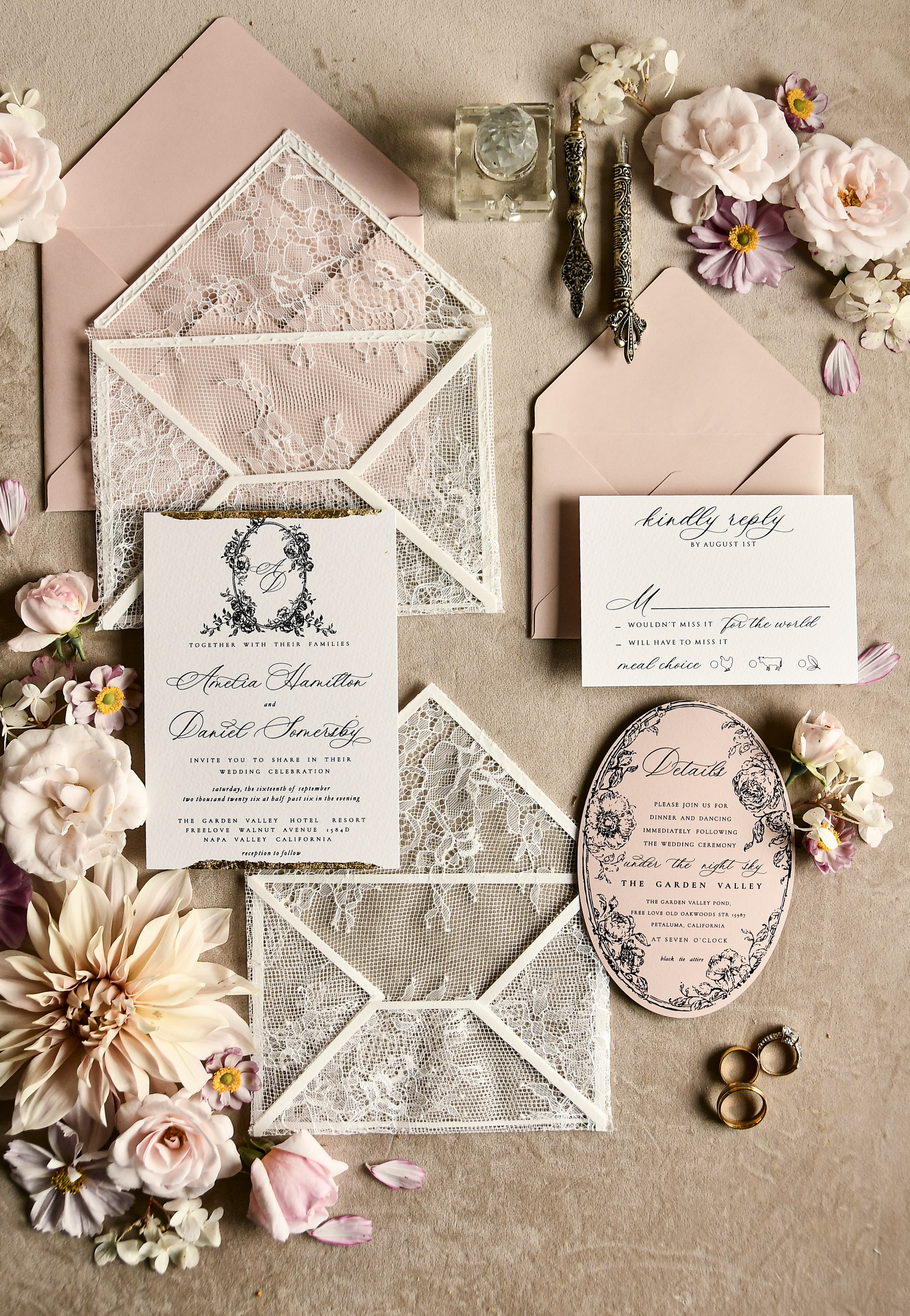
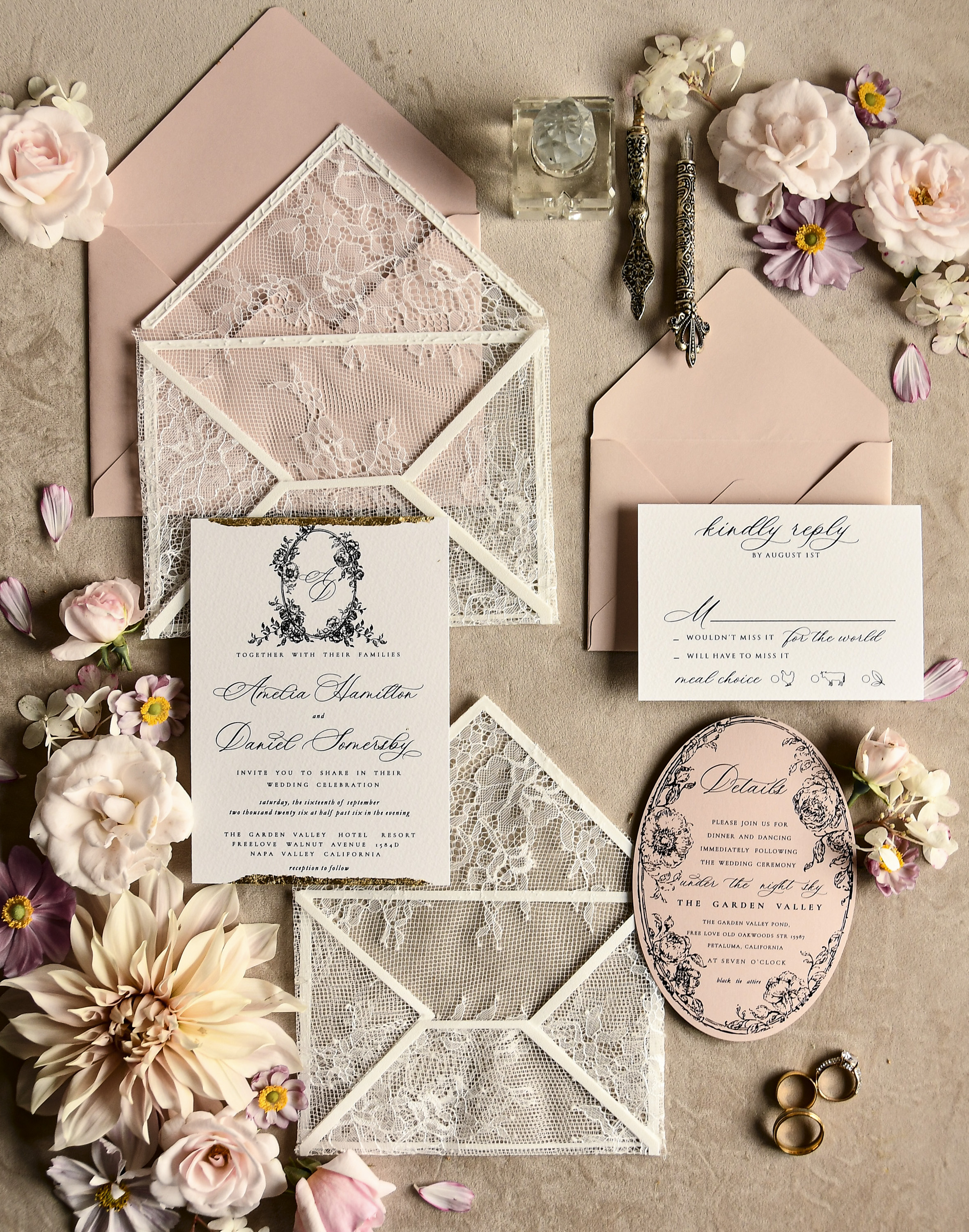
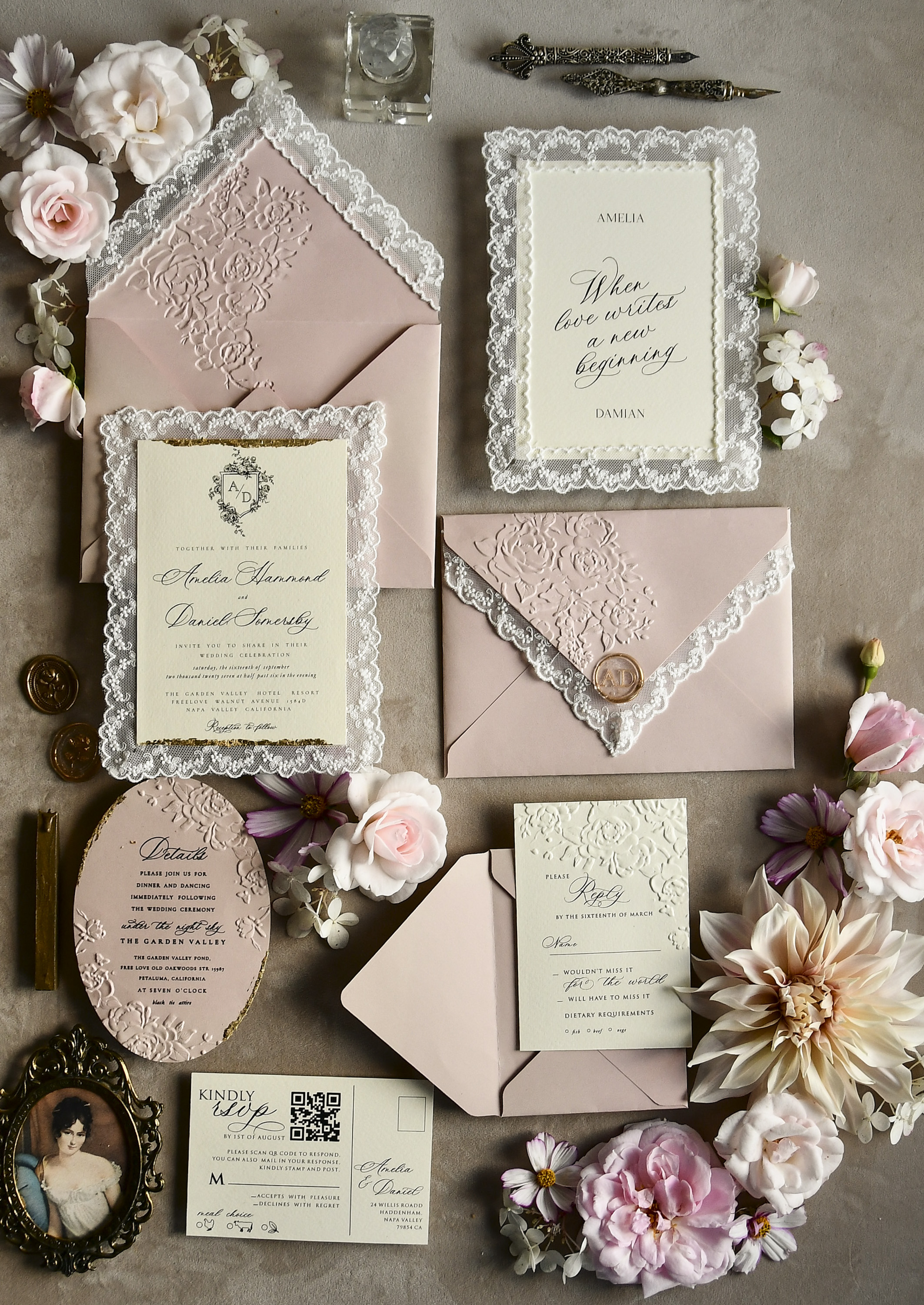
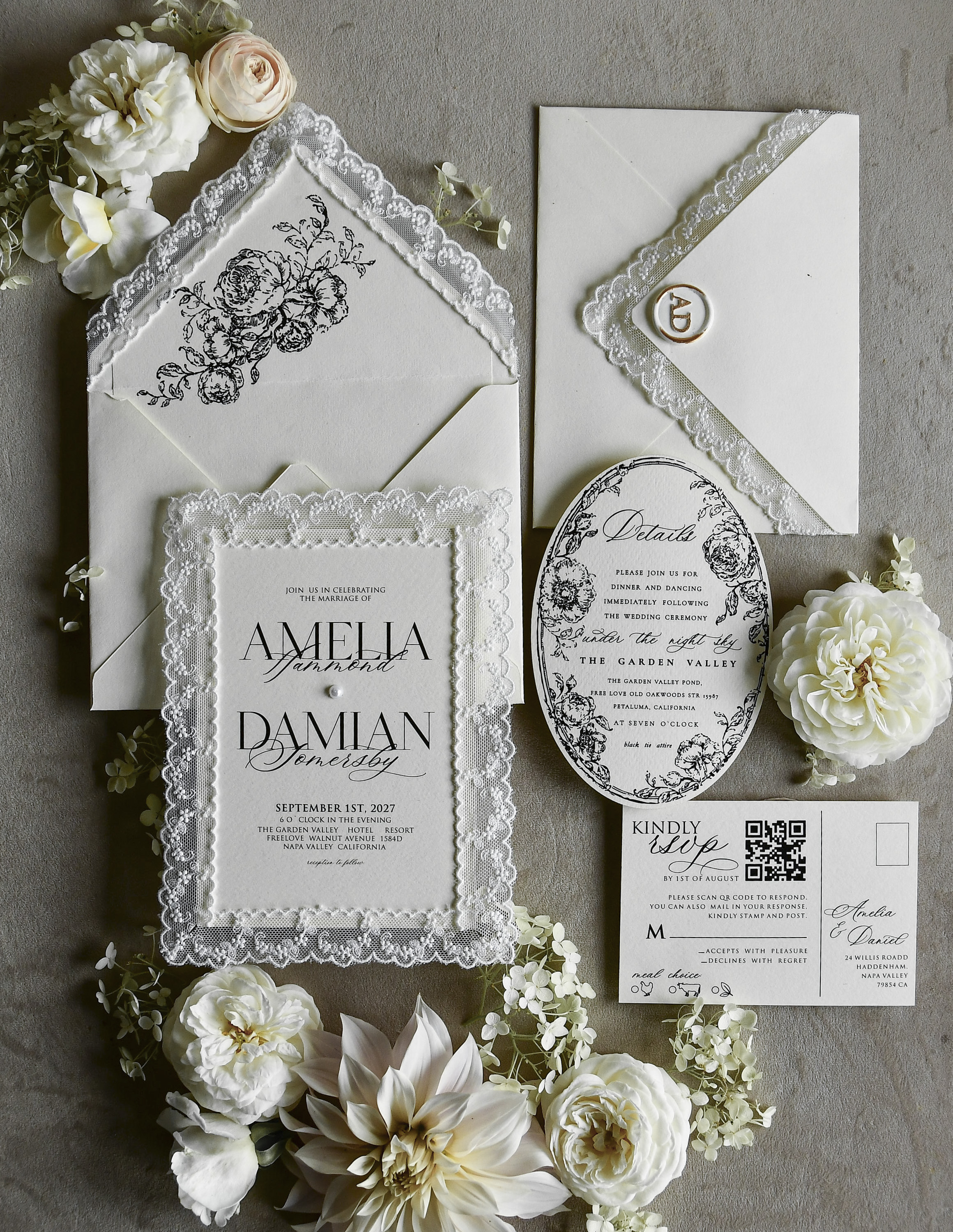
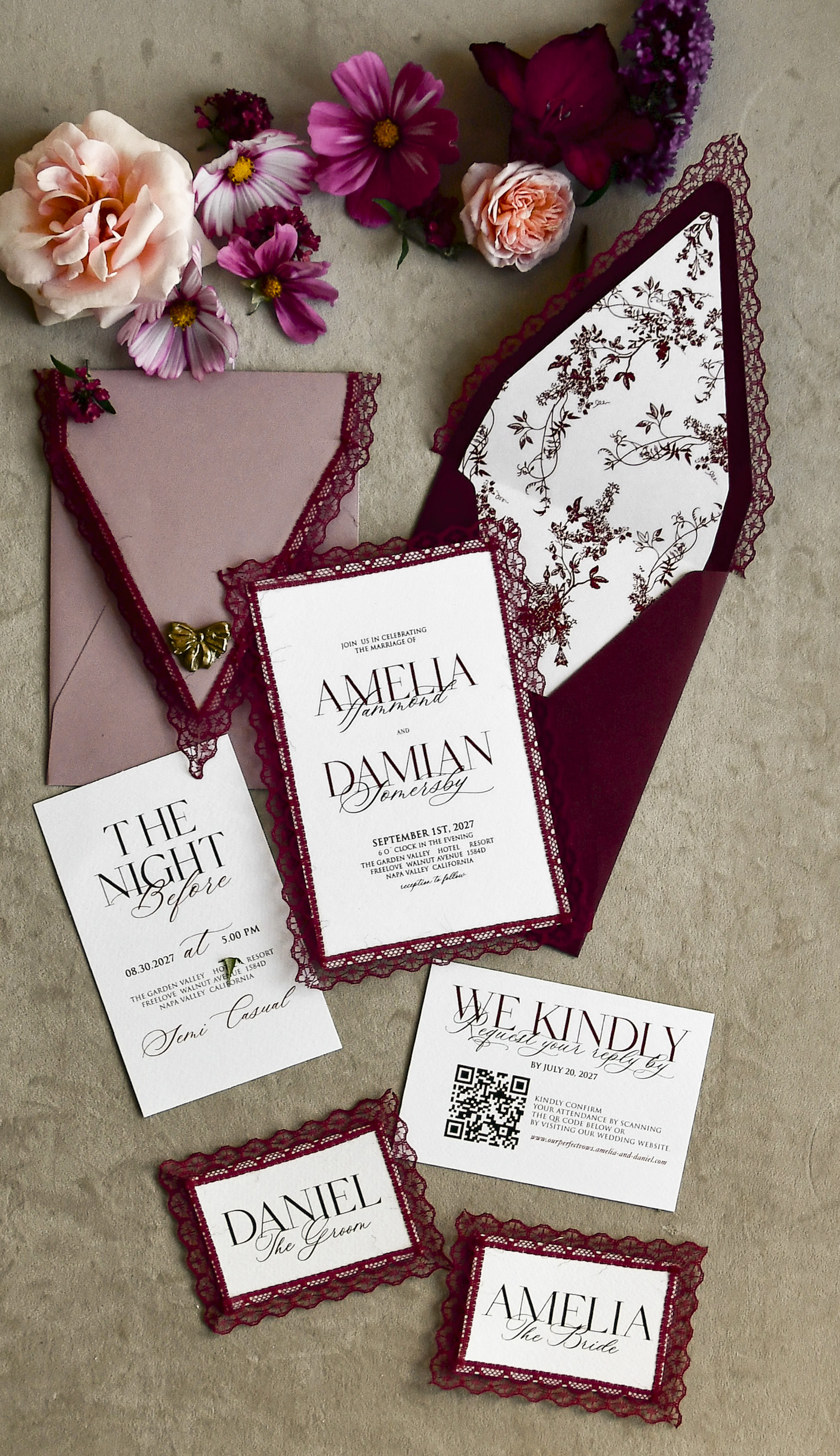
Once you've made your decision, the invitation you send sets the tone. A warm, classic design — like the vintage lace style of the 03/lacenvD/z wedding invitation from Margo&Bees — can feel welcoming without being overly casual, which is exactly the right note to strike when you're reaching out to someone you haven't seen in years. Starting from $8.50, it's an elegant way to signal that the gesture is sincere.
A few etiquette tips for sending invitations to distant or estranged relatives:
- Send on time. Mail invitations 6–8 weeks before the wedding (or 10–12 weeks for a destination wedding). Don't leave these guests to the last minute — it signals that the invite was an afterthought.
- Include a personal note if appropriate. A handwritten line inside the envelope — "We'd truly love to have you there" — can go a long way if you're genuinely trying to reconnect.
- Don't over-explain. You don't need to address the history in the invitation itself. Keep it warm and simple.
Making Peace With Your Decision Either Way
Whether you invite estranged family or keep your list tight, make the decision and then let it go. Second-guessing yourself for months leading up to the wedding is far more draining than whatever fallout might come from the choice itself. Talk it through with your partner, set your guest list criteria early, and apply them consistently. Your wedding day will be shaped by the people in that room — choose them with intention.
Frequently Asked Questions
Not necessarily. You are not obligated to invite every relative, especially those you have no real relationship with or those who have caused harm. Be consistent within family tiers and have a simple, neutral explanation ready if anyone asks.
Inviting someone purely to prevent conflict often backfires — it can create a different kind of tension on the day itself and send a mixed message to the person you're inviting. It's better to make a genuine decision and stick to it confidently.
Keep it simple and non-confrontational: "We kept the guest list to immediate family" or "We had to make some really tough calls due to our venue size" both work well. Avoid getting drawn into a detailed explanation.
It can be a positive first step if both parties are open to reconnecting, but don't go in expecting a transformation. Think of it as opening a door — the relationship-building work happens long after the wedding day.
Send wedding invitations 6–8 weeks before the date for domestic guests, or 10–12 weeks if you're hosting a destination wedding. Giving distant relatives plenty of notice shows the invitation is genuine, not a last-minute obligation.
Absolutely — this is their wedding day too. Have an open, honest conversation early in the planning process so you're aligned before any invitations go out. A united front makes it much easier to handle family pressure.
See This Design Up Close






You May Also Like
More Wedding Planning Guides
- → Staying Sane When Family Tensions Rise Before Your Big Day
- → Missing RSVPs: The Exact Waiting Game You Should Play
- → Wedding Invitation Timing: The Insider's Guide to Sending on Schedule
- → Who's Really Getting Married? Managing Parent Friend Requests on Your Guest List
- → Handling Family Boycott Threats Over Your Wedding Guest List
- → The Teen Plus-One Dilemma: A Practical Guide for Couples
- → What To Do When Guests Leave You On RSVP Read
- → When an RSVP Changes at the Last Minute: A Calm, Practical Guide for Couples
- → Your Wedding, Your Choice: Deciding Whether to Include an Estranged Sibling
- → Is Skipping Kids on Your Wedding Guest List Ever Considered Rude?
- → Feuding Divorced Parents at Your Wedding: A Practical Peace Plan
- → Small Weddings, Big Meaning: Your Guide to Celebrating Intimately
- → Should You Skip Paper and Send Digital Wedding Invitations?
- → The Uninvited Guest Question: How to Respond Without Regret
- → Missing RSVPs: The Right Way to Follow Up With Silent Guests
- → The Smart Couple's Guide to Wedding Childcare and Kids' Entertainment
- → Uninvited Plus-Ones and Tag-Alongs: How to Keep Your Guest List Intact
- → When Family Feuds Threaten Your Wedding Plans: A Practical Peacekeeper's Guide
- → Inviting an Estranged Brother or Sister: Finding Clarity Before You Seal the Envelope
- → Cousins, Invites, and Hard Choices: A Practical Guest List Guide