
When an RSVP Changes at the Last Minute: A Calm, Practical Guide for Couples
You set a deadline, you collected your RSVPs, and you submitted your final headcount to the caterer — and then a guest texts you with a change. It happens at nearly every wedding, and while it can feel stressful in the moment, it is absolutely manageable. The key is knowing in advance what your boundaries are, how to communicate them kindly, and when it's reasonable to accommodate a switch. Here's everything you need to know.
Why Last-Minute RSVP Changes Happen (and Why They're So Common)
Life genuinely does get in the way. A guest who enthusiastically said yes in February might face a family emergency, a work conflict, or a health issue by the time your June wedding arrives. On the flip side, someone who regretfully declined might find their schedule cleared up unexpectedly and hope to join the celebration after all.
Neither situation reflects bad manners on its own — it's the how and when that determines whether it creates a real problem for you. Understanding this distinction helps you respond with grace rather than frustration.
Your RSVP Deadline Is a Real Boundary — Protect It
The RSVP deadline printed on your invitation (typically 3–4 weeks before the wedding) exists for a reason: venues and caterers require a guaranteed headcount, usually 5–10 days before the event. Once you submit that number, you are financially responsible for it.
Here's what that means in practice:
- A guest who drops out after your deadline: You will likely still pay for their plate. You can choose to be gracious about it or — if you're close — gently let them know the situation.
- A guest who wants to add themselves after your deadline: This is the harder conversation. Your venue may have a strict capacity limit, and your caterer may charge full price for a late addition or may not be able to accommodate one at all.
- A guest who changes their plus-one: Swapping one person for another is usually easier to handle, but still requires a quick call to your caterer to update the meal preference if you offered a choice.
Setting clear expectations on your wedding website — something like "RSVPs received after [date] cannot be guaranteed" — gives you a polite, pre-established reason to say no if you need to.
How to Respond When Someone Cancels at the Last Minute
If a guest cancels within a week of the wedding, a warm but honest response works best. You don't need to make them feel guilty, but you also don't need to pretend there's no impact.
A simple script: "We're so sorry you won't be able to make it — we'll miss you! Just so you know, we've already submitted our final count, so we will still be charged for your seat, but please don't let that add to your stress. We hope everything is okay."
For close friends or family, you might ask them to contribute a heartfelt card or video message instead, which turns a disappointing situation into something meaningful.
How to Handle a Guest Who Wants to Add Themselves Late
This is the trickier scenario. Someone who originally declined now wants to come — perhaps a relative who thought they couldn't travel, or a friend whose plans fell through. Your response depends on a few factors:
- Venue capacity: If you are at or near your maximum, the answer has to be no, and that's completely reasonable to explain.
- Catering flexibility: Ask your caterer whether a late addition is possible and what the cost would be. Some will accommodate it; others won't.
- Your seating chart: A last-minute addition means reprinting or rearranging escort cards and adjusting your floor plan — factor in that logistical reality.
If you can accommodate them, wonderful. If not, a kind but firm response is perfectly appropriate: "We'd love to have you, but we've already finalized our numbers with the venue and unfortunately can't add guests at this stage. We hope to celebrate with you soon!"
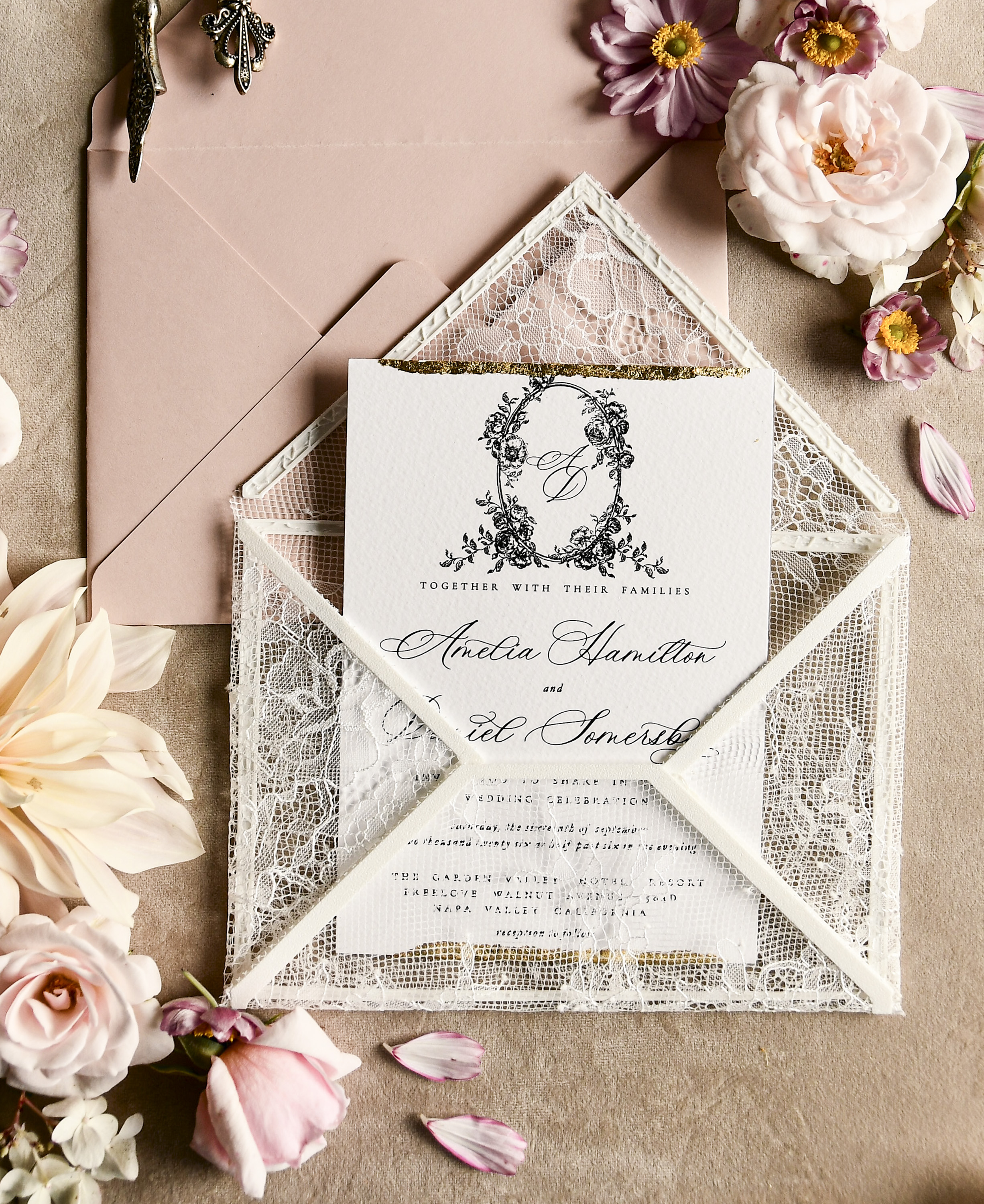
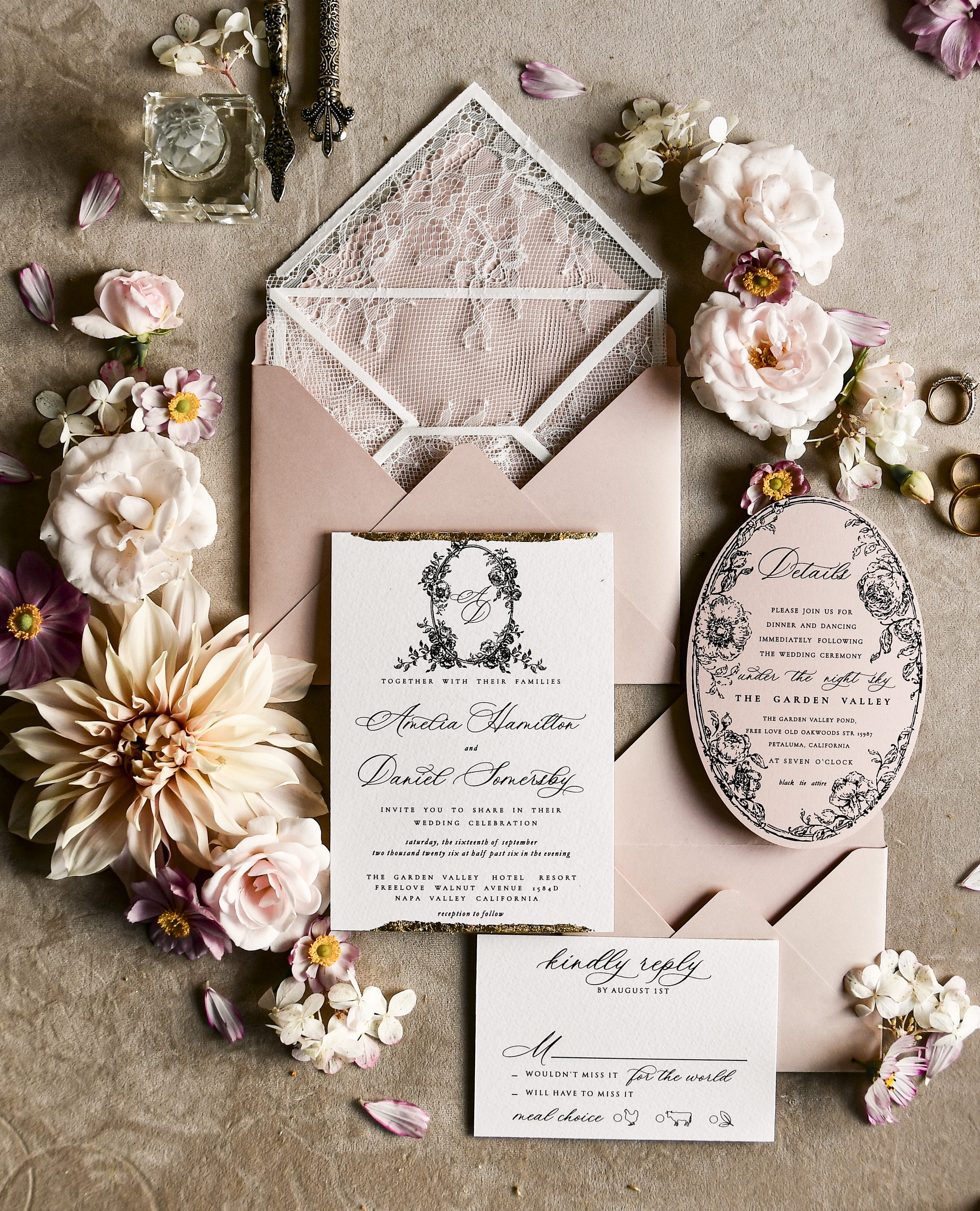
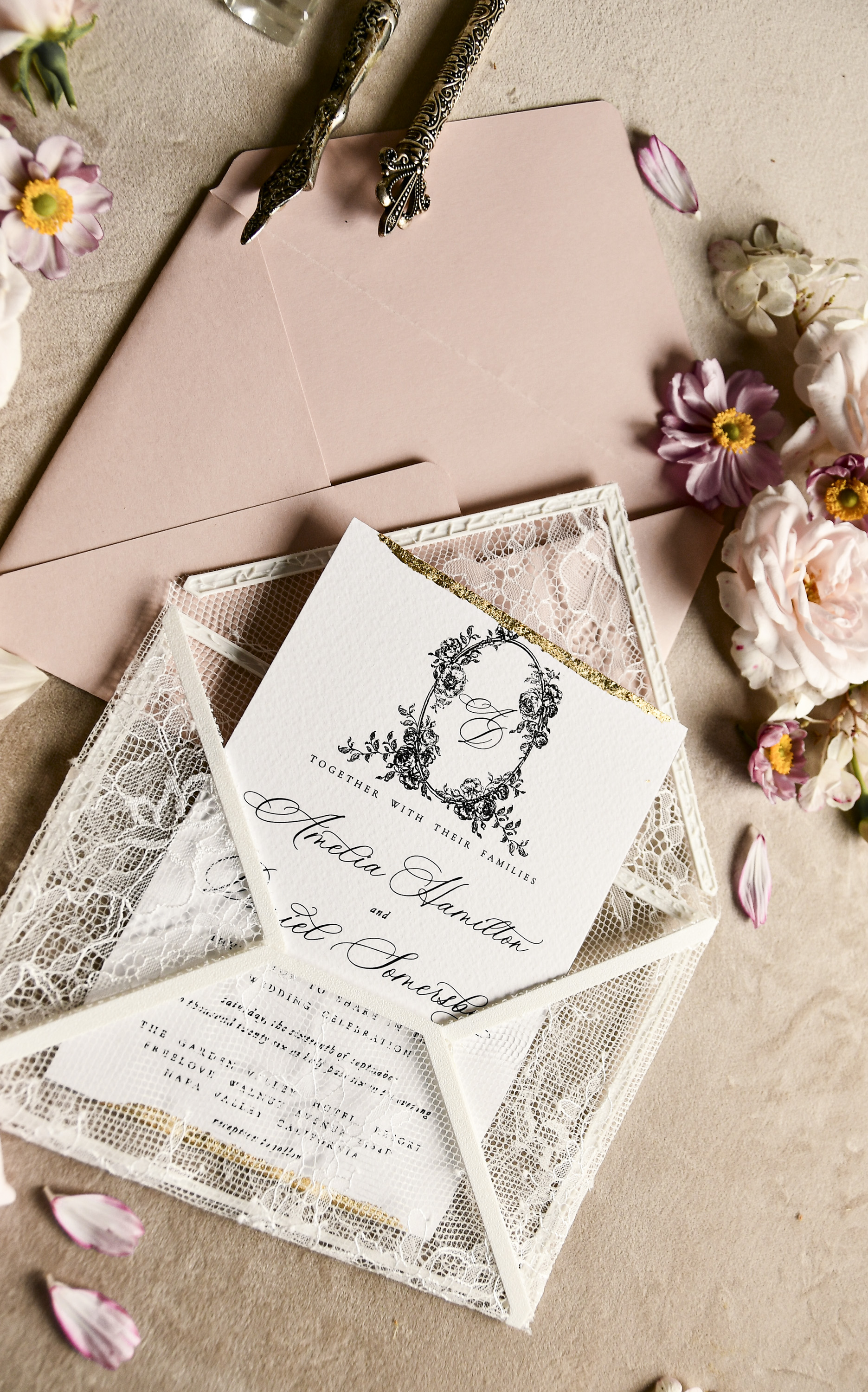
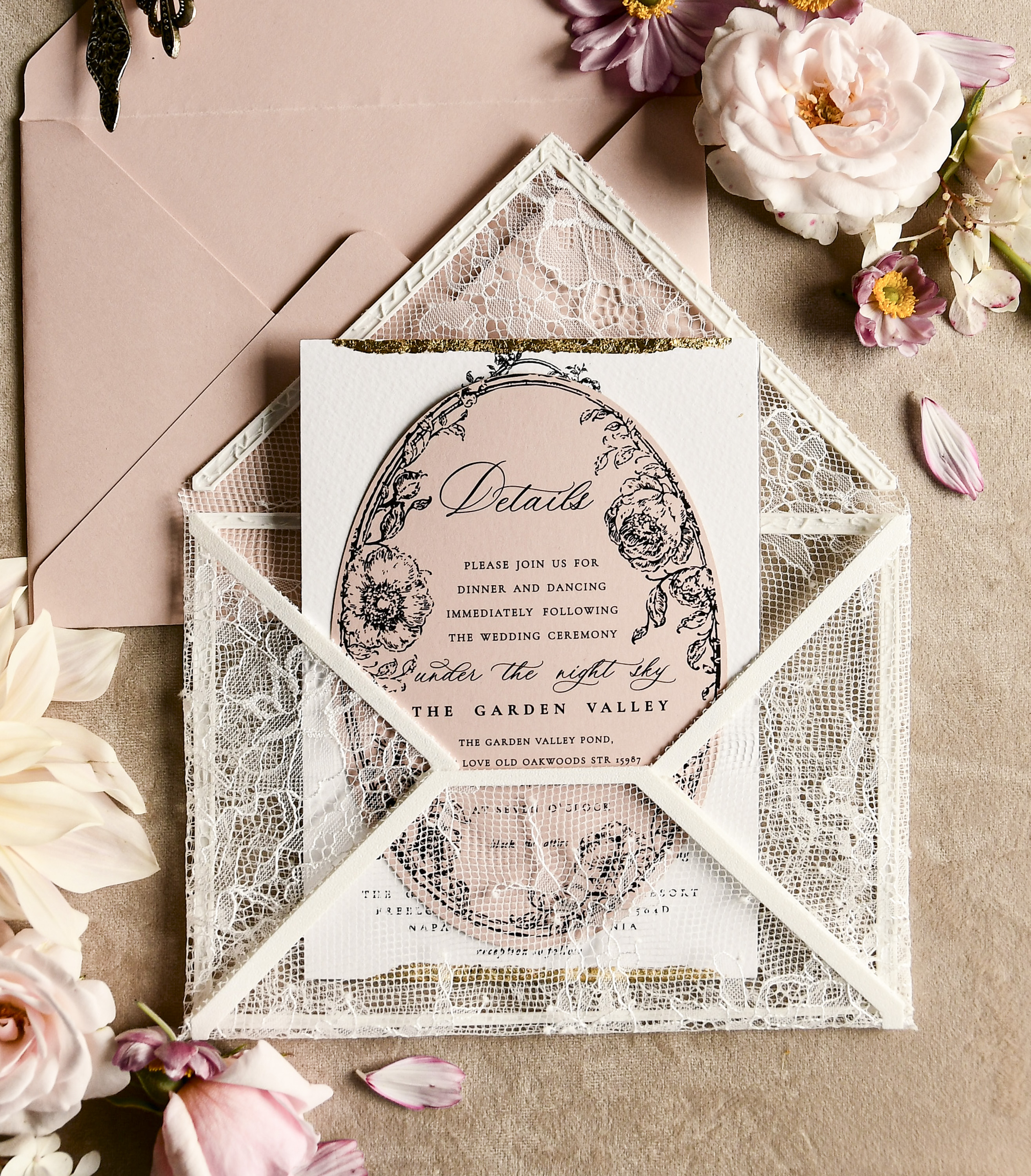
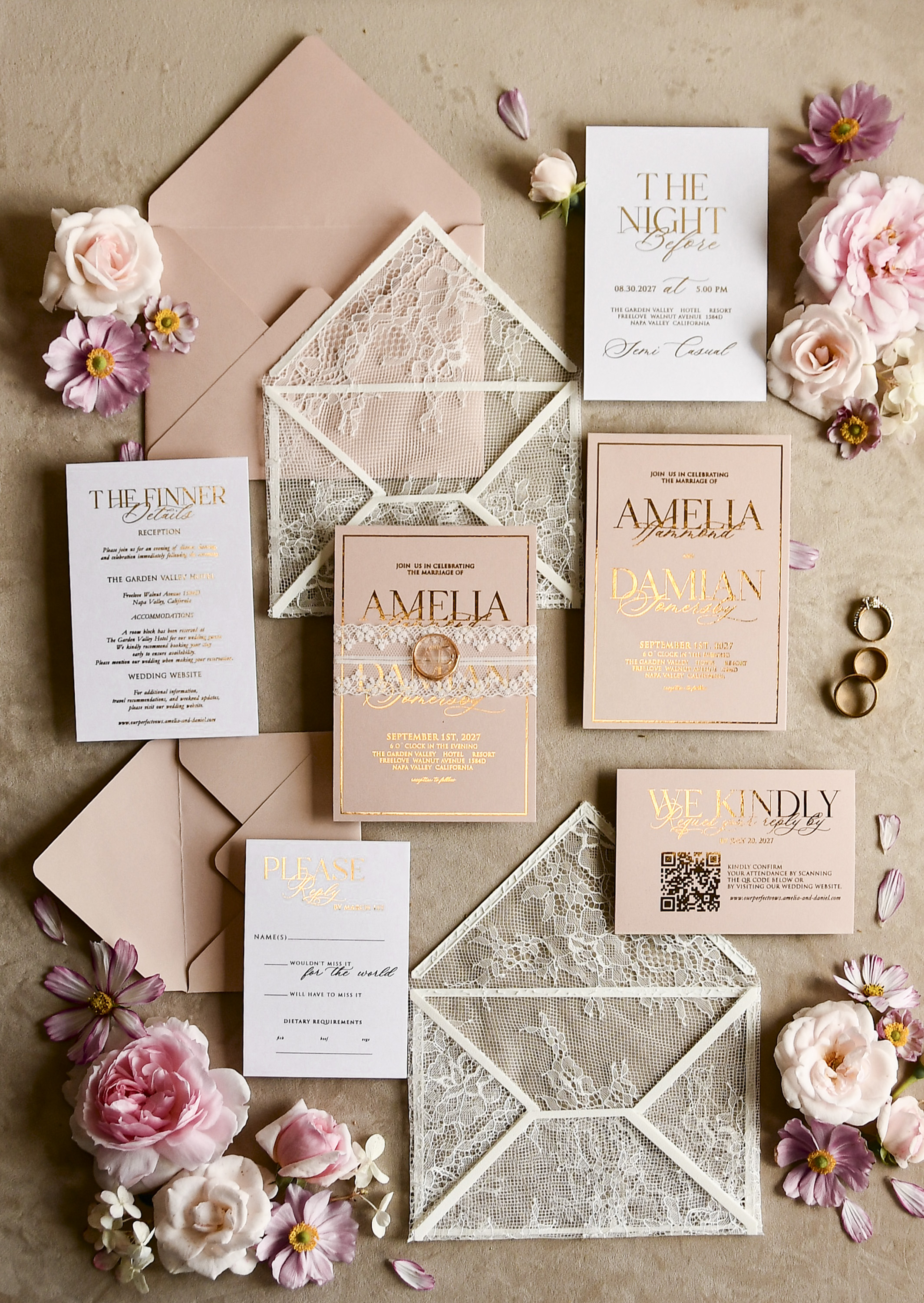
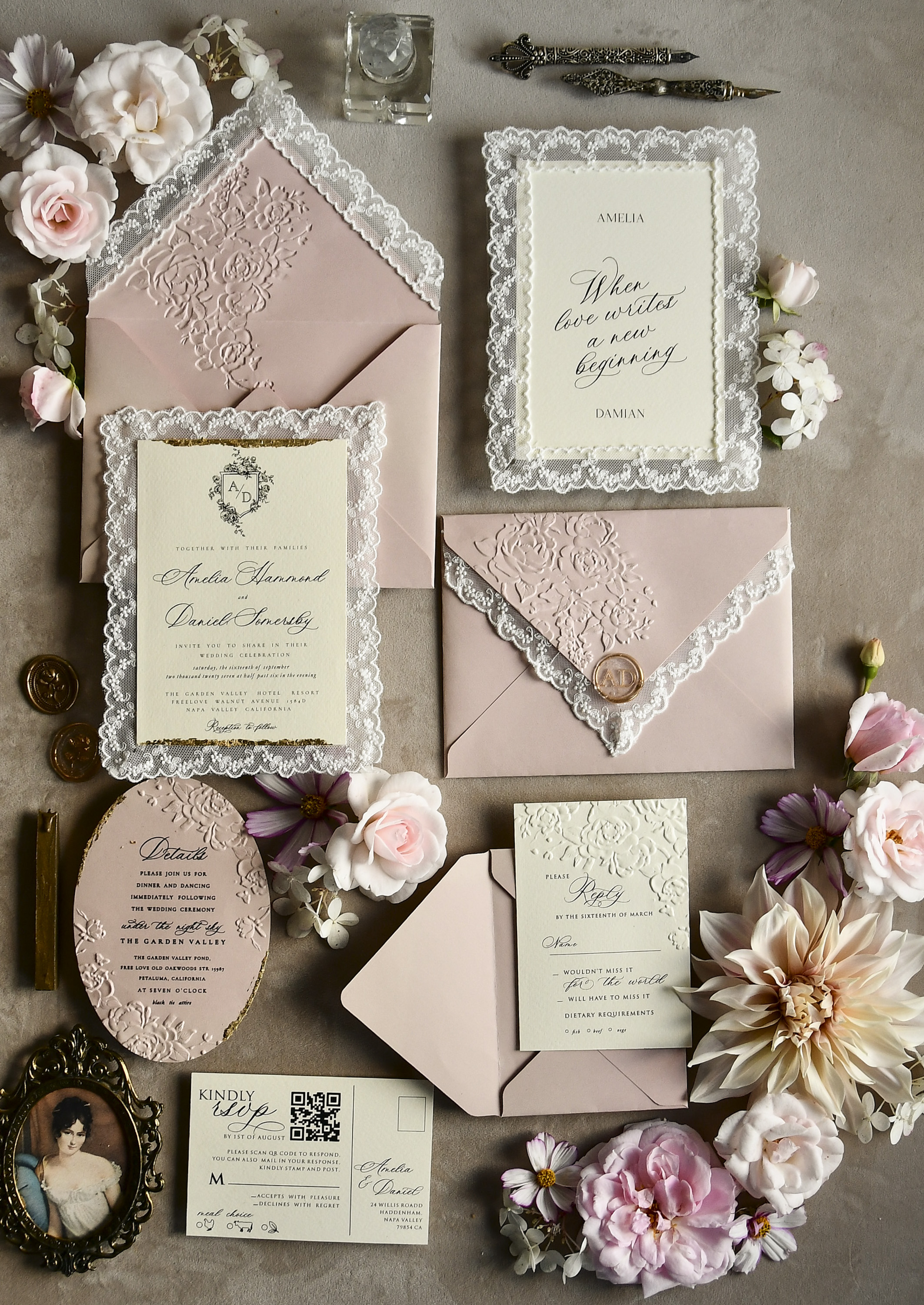
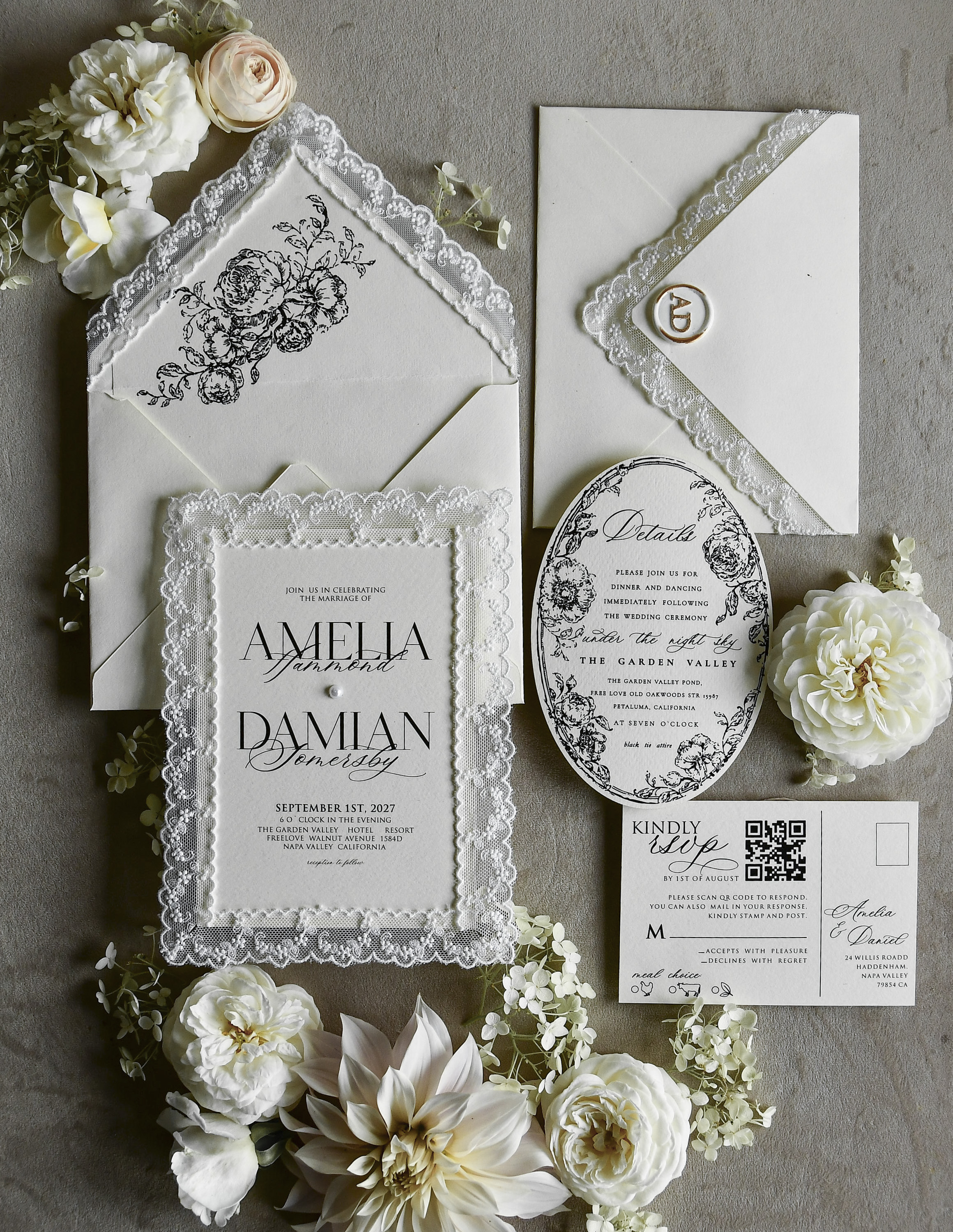
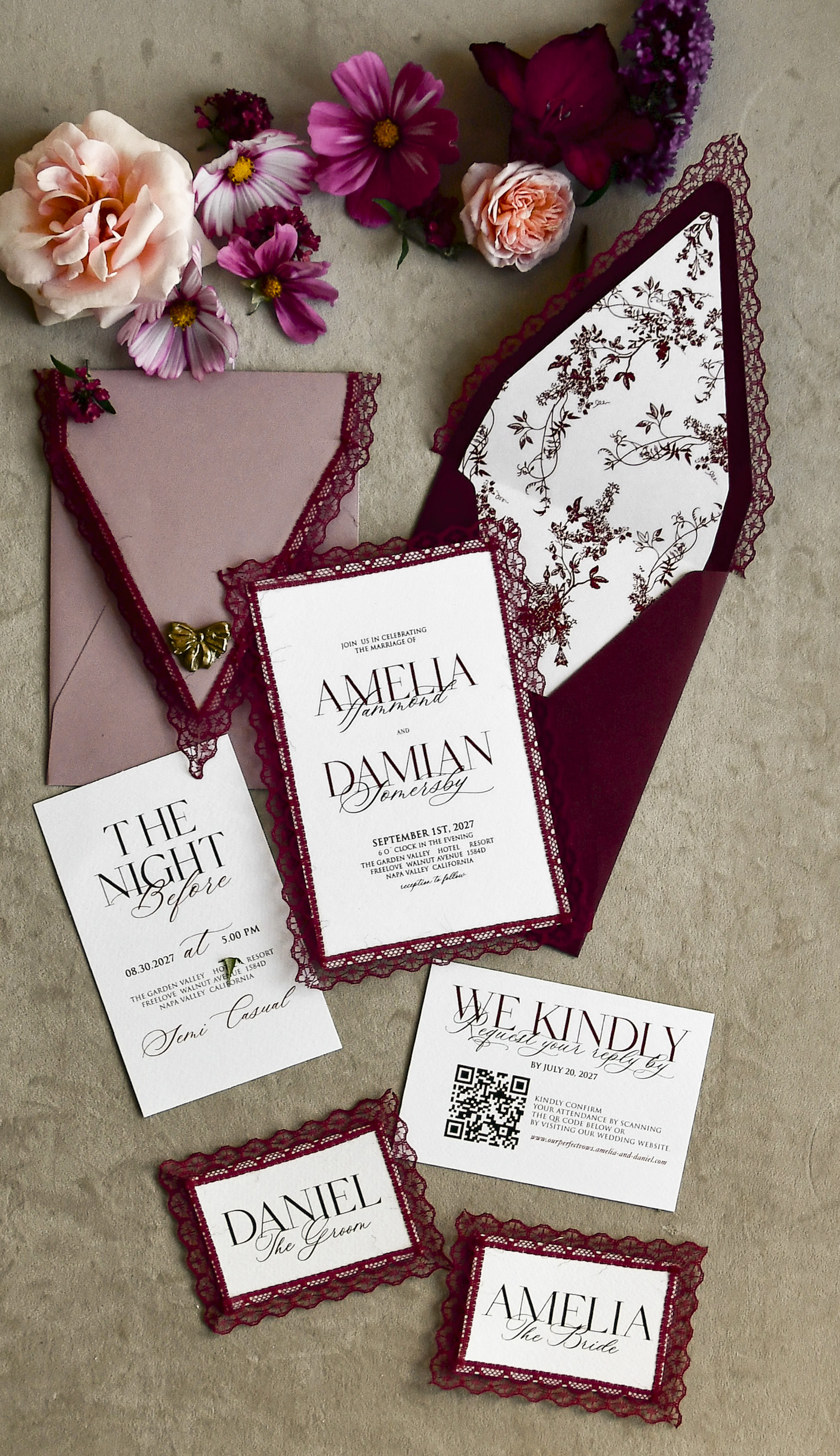
This is also a moment where having beautiful, clearly worded stationery from the start pays off — when couples use something like the 03/lacenvD/z vintage lace wedding invitation suite, they often include a details card with RSVP instructions that sets expectations early and reduces last-minute confusion.
Build a Small Buffer Into Your Planning From the Start
The best defense against last-minute RSVP chaos is a small buffer built into your headcount from day one. Most experienced planners recommend telling your caterer a number that is 3–5 guests lower than your actual expected attendance. This gives you wiggle room to add a late guest without panic, and it protects you financially if a few people drop out.
Similarly, ordering a few extra place cards and escort cards — especially if you're using a design like the 03/lacenvD/z rustic lace collection where the aesthetic is cohesive — means you're prepared to swap or add without a last-minute design emergency.
Finally, designate one person — a planner, a maid of honor, or a trusted family member — to handle RSVP communications in the final two weeks so you're not fielding stressful texts on the morning of your wedding.

Frequently Asked Questions
Express genuine understanding and let them know you'll miss them. If you've already submitted your headcount, you'll likely still pay for their meal, but there's no need to make the situation more stressful for either of you — a kind, brief message is enough.
Absolutely, and you don't need to apologize for it. Your venue capacity, catering contract, and seating chart are legitimate reasons to decline, and most guests will understand if you explain the situation politely.
Contact your caterer as soon as possible — many can accommodate a meal swap if you catch it a few days before the event. If your deadline has passed, the caterer may not be able to change it, which is a reasonable outcome to explain to the guest.
Yes, and it's one of the most effective ways to reduce last-minute confusion. A short note like "RSVPs cannot be accepted after [date]" sets clear expectations and gives you a polite, pre-established boundary to reference if needed.
Most planners suggest giving your caterer a number that is 3–5 guests below your true expected attendance. This protects you financially if people cancel and gives you flexibility to add a late guest if your venue allows it.
Not at all — a friendly reminder is completely appropriate and expected. Send a brief, warm message about two weeks before your deadline and again a few days after if you still haven't heard from them; most guests simply forget.
See This Design Up Close












You May Also Like
More Wedding Planning Guides
- → Staying Sane When Family Tensions Rise Before Your Big Day
- → The Estranged Family Dilemma: Making Peace With Your Wedding Guest List
- → Missing RSVPs: The Exact Waiting Game You Should Play
- → Wedding Invitation Timing: The Insider's Guide to Sending on Schedule
- → Who's Really Getting Married? Managing Parent Friend Requests on Your Guest List
- → Handling Family Boycott Threats Over Your Wedding Guest List
- → The Teen Plus-One Dilemma: A Practical Guide for Couples
- → What To Do When Guests Leave You On RSVP Read
- → Your Wedding, Your Choice: Deciding Whether to Include an Estranged Sibling
- → Is Skipping Kids on Your Wedding Guest List Ever Considered Rude?
- → Feuding Divorced Parents at Your Wedding: A Practical Peace Plan
- → Small Weddings, Big Meaning: Your Guide to Celebrating Intimately
- → Should You Skip Paper and Send Digital Wedding Invitations?
- → The Uninvited Guest Question: How to Respond Without Regret
- → Missing RSVPs: The Right Way to Follow Up With Silent Guests
- → The Smart Couple's Guide to Wedding Childcare and Kids' Entertainment
- → Uninvited Plus-Ones and Tag-Alongs: How to Keep Your Guest List Intact
- → When Family Feuds Threaten Your Wedding Plans: A Practical Peacekeeper's Guide
- → Inviting an Estranged Brother or Sister: Finding Clarity Before You Seal the Envelope
- → Cousins, Invites, and Hard Choices: A Practical Guest List Guide