
Should You Skip Paper and Send Digital Wedding Invitations?
Digital wedding invitations are no longer a fringe choice — millions of couples send them every year. But "can you" and "should you" are two different questions. The answer depends on your guest list, your wedding vibe, and a few etiquette realities that are worth understanding before you hit send. Here is everything you need to make a confident, informed decision.
When Digital Invitations Are a Great Fit
Digital invitations work beautifully in specific situations. Consider going fully digital if:
- Your wedding is casual or intimate. A backyard dinner, a city hall ceremony, or a small destination elopement celebration all suit a digital format naturally.
- Your guest list skews younger. If most of your guests are comfortable receiving event information via email or a wedding website, digital delivery feels seamless rather than surprising.
- You are working with a tight timeline. Digital invitations can be designed, personalized, and delivered in a matter of days — no print production or mailing time required.
- Sustainability matters to you. Eliminating paper, envelopes, and postage is a meaningful way to reduce your wedding's environmental footprint.
- You have a large out-of-country guest list. International postage is expensive and unreliable; digital delivery solves both problems instantly.
When Paper Invitations Are Still the Better Choice
There are real situations where paper is worth every penny. Be honest with yourself about your guest list before committing to digital only.
- Older guests who are not tech-savvy. If a significant portion of your guest list includes grandparents or older relatives who do not regularly use email, a digital invitation may genuinely not reach them — or may feel confusing and impersonal.
- Formal or black-tie weddings. A digital invitation sets an expectation of casualness. For a formal event, a printed invitation signals the tone guests should expect and dress for.
- Family members with strong traditional expectations. A paper invitation is still a keepsake that many family members treasure. If you know this matters to your parents or future in-laws, it is worth a conversation before deciding.
A practical middle-ground that many couples use: send printed invitations to older or more traditional guests and digital invitations to everyone else. There is no rule that says your entire guest list has to receive the same format.
Digital Invitation Etiquette You Should Know
If you decide to go digital, a few etiquette guidelines will help everything feel intentional rather than last-minute.
- Send from a personal email address, not a generic platform address. Emails from unfamiliar senders get filtered as spam. Use your own email or ask your platform to send from a recognizable address.
- Follow the same timeline as paper. Send digital invitations six to eight weeks before the wedding, or ten to twelve weeks for a destination wedding. Digital delivery does not mean you can wait until the last minute.
- Include all the same information. Your digital invitation should include the date, time, venue, dress code, RSVP deadline, and a link to your wedding website — just as a printed invitation suite would.
- Follow up personally with any guests who do not respond. RSVP tracking is easier with digital platforms, but non-responses still need a personal follow-up call or text.
- Do not announce the invitation on social media before guests receive it. Your guests should hear from you directly first.
The Best of Both Worlds: A Hybrid Approach
Many couples land on a hybrid approach, and it is more common than you might think. You might send a beautifully printed paper invitation to a core group of close family and older guests, while using digital invitations for coworkers, college friends, and younger guests who prefer everything online.
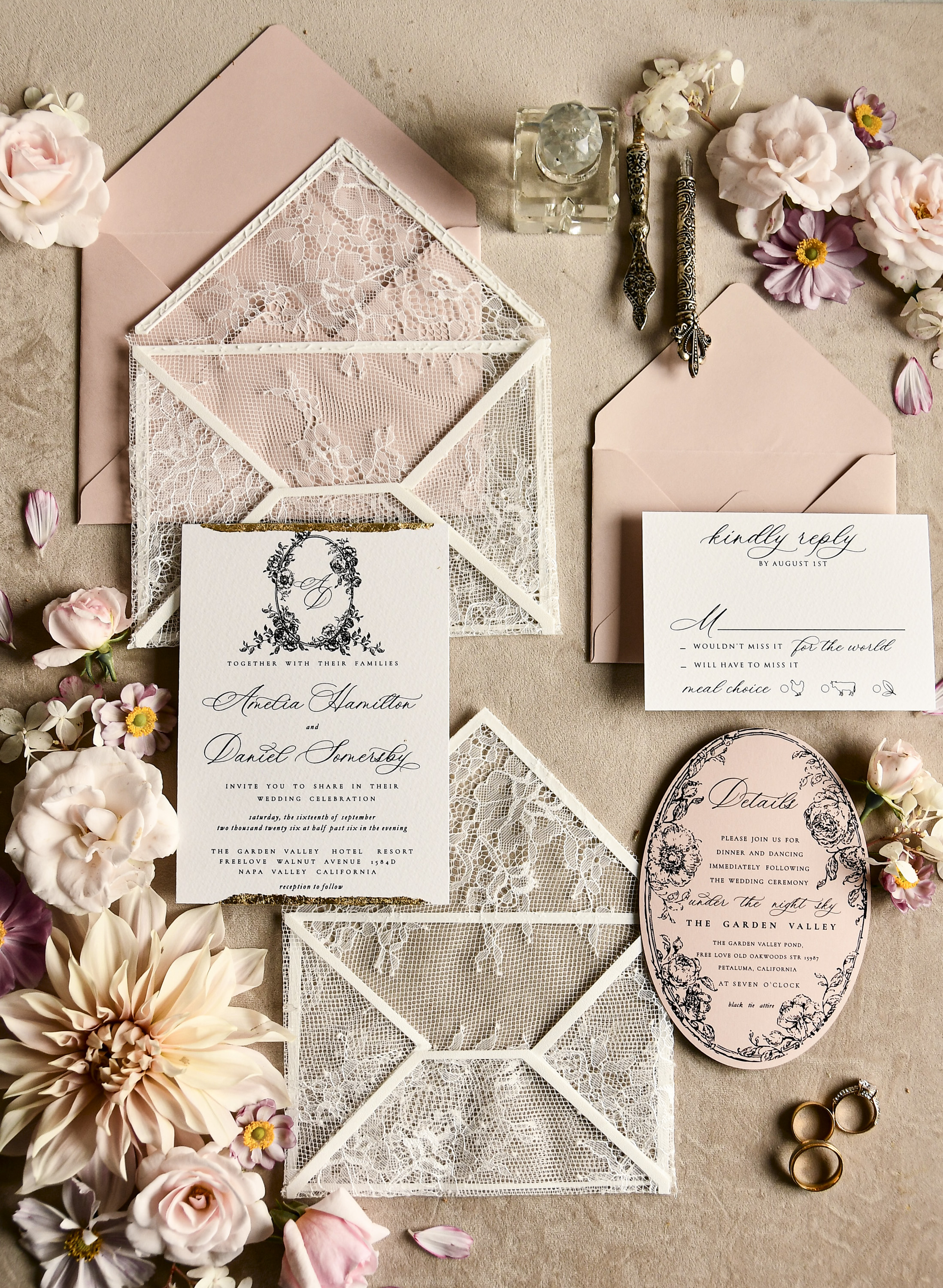
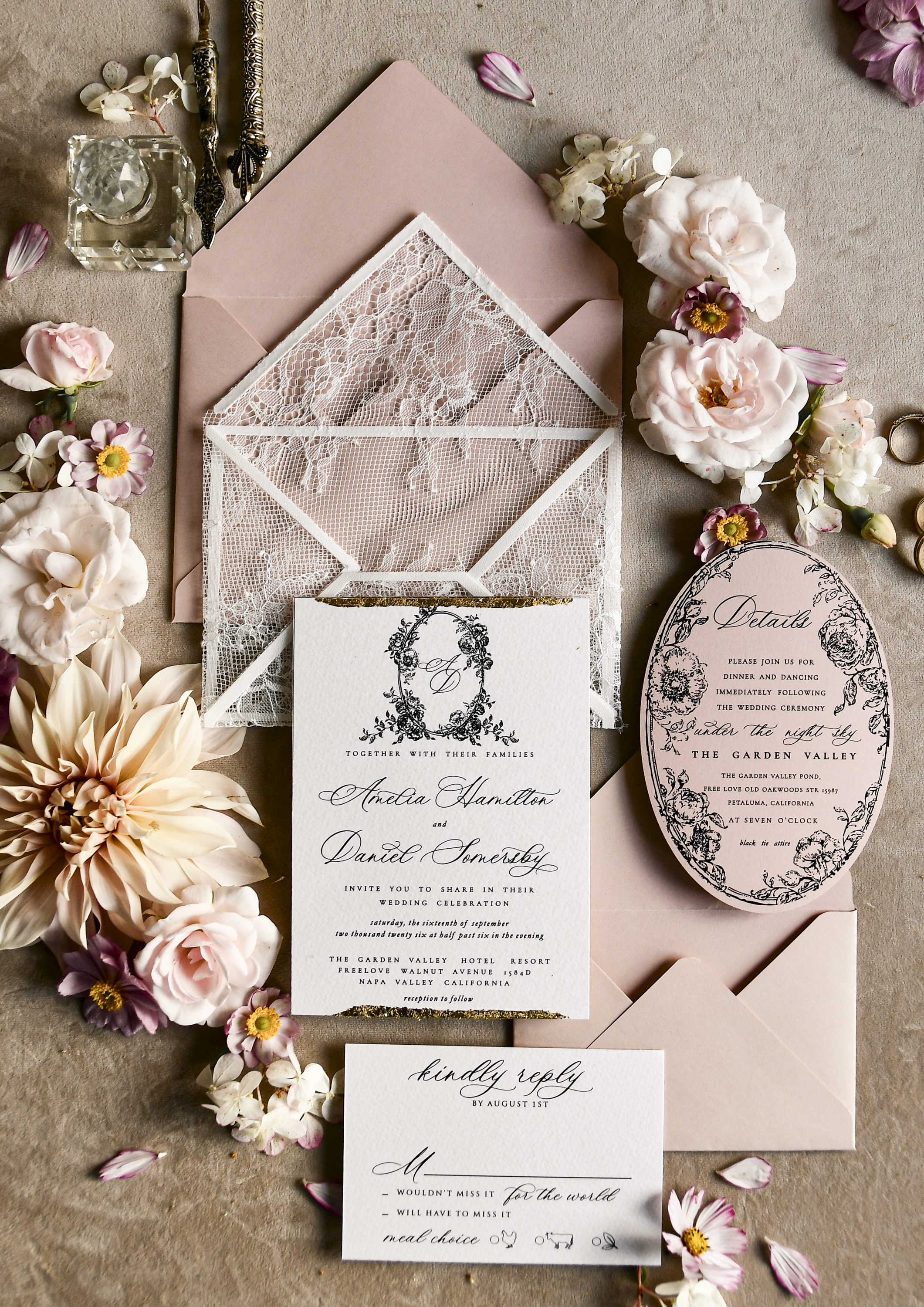
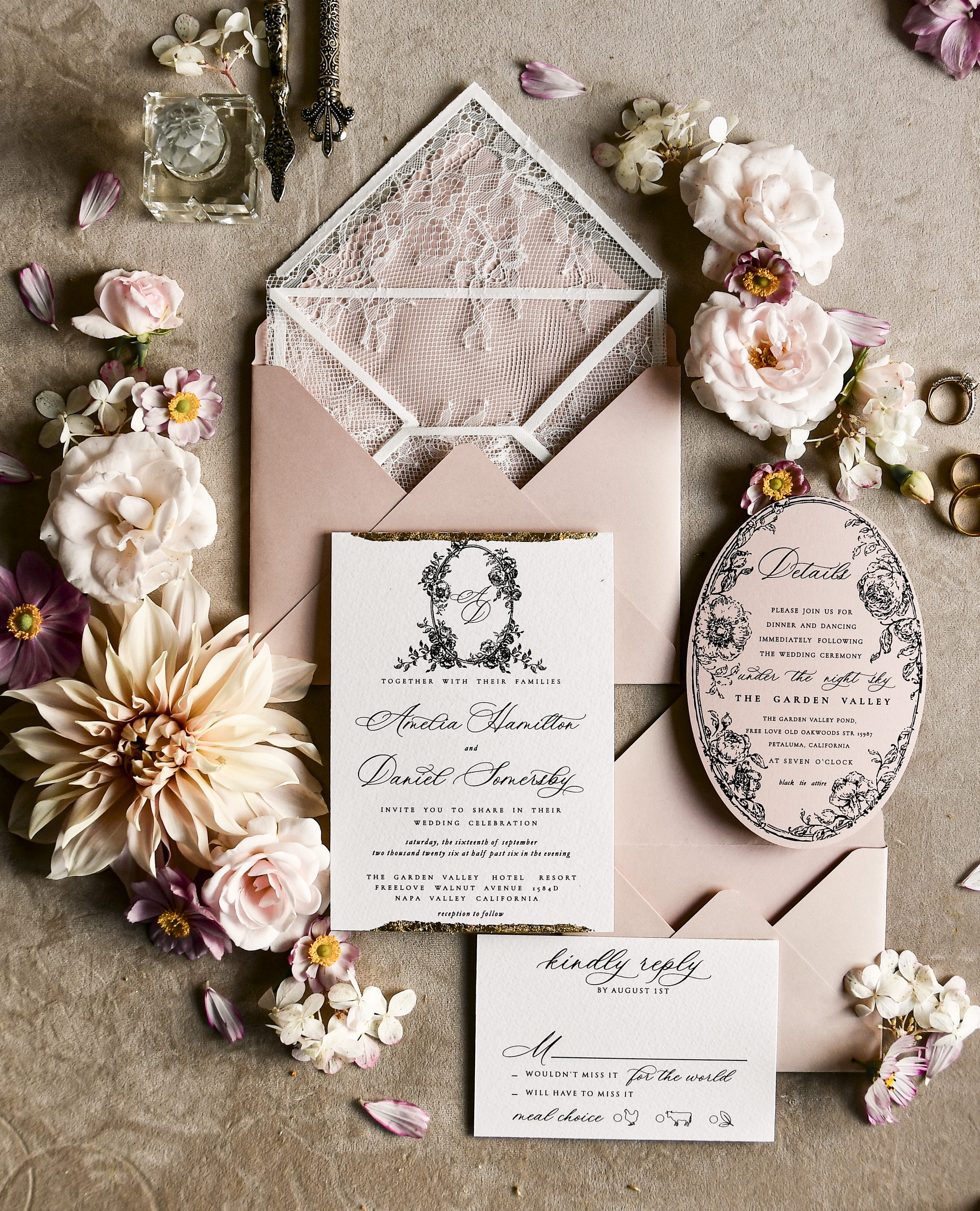
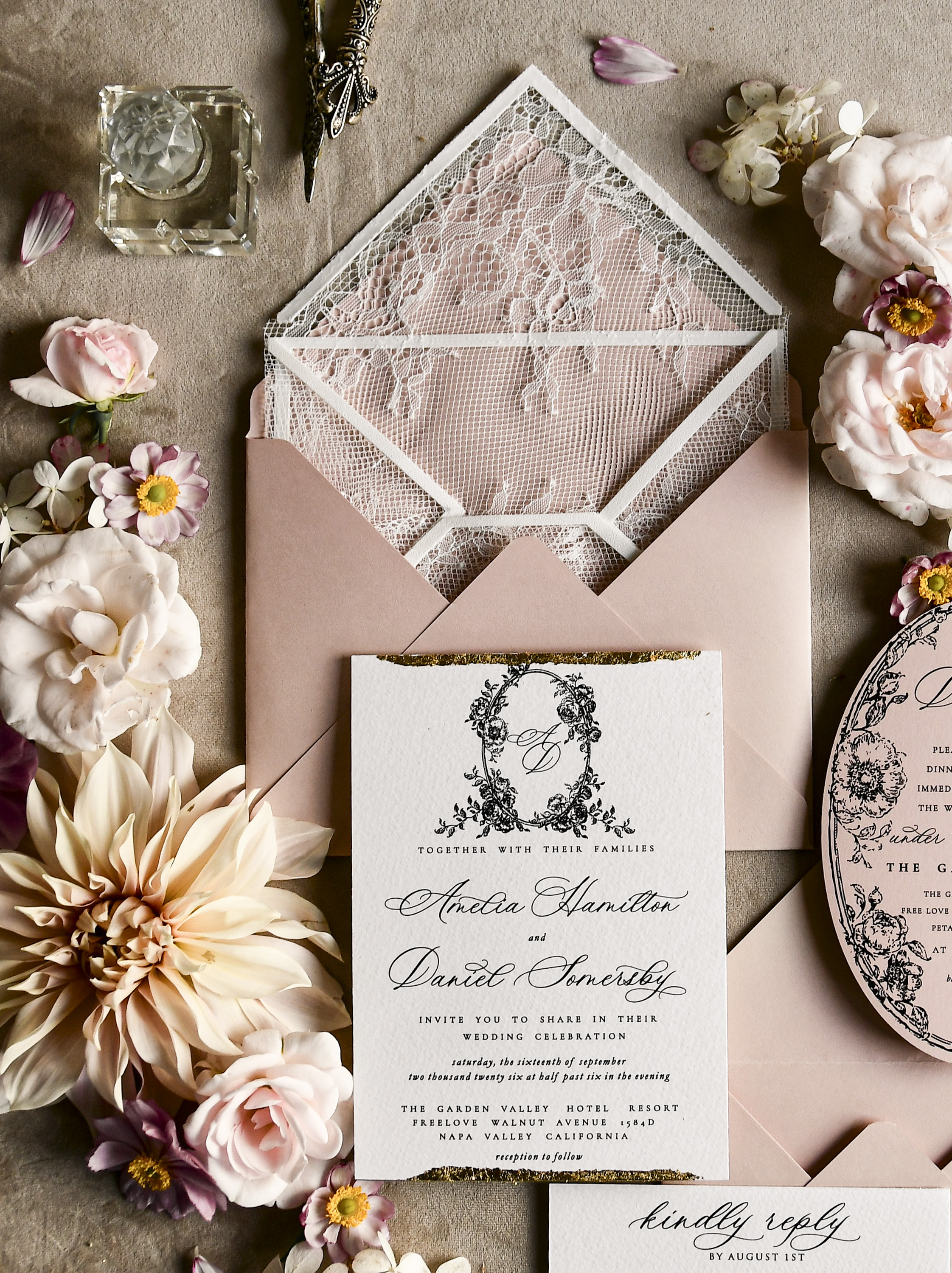
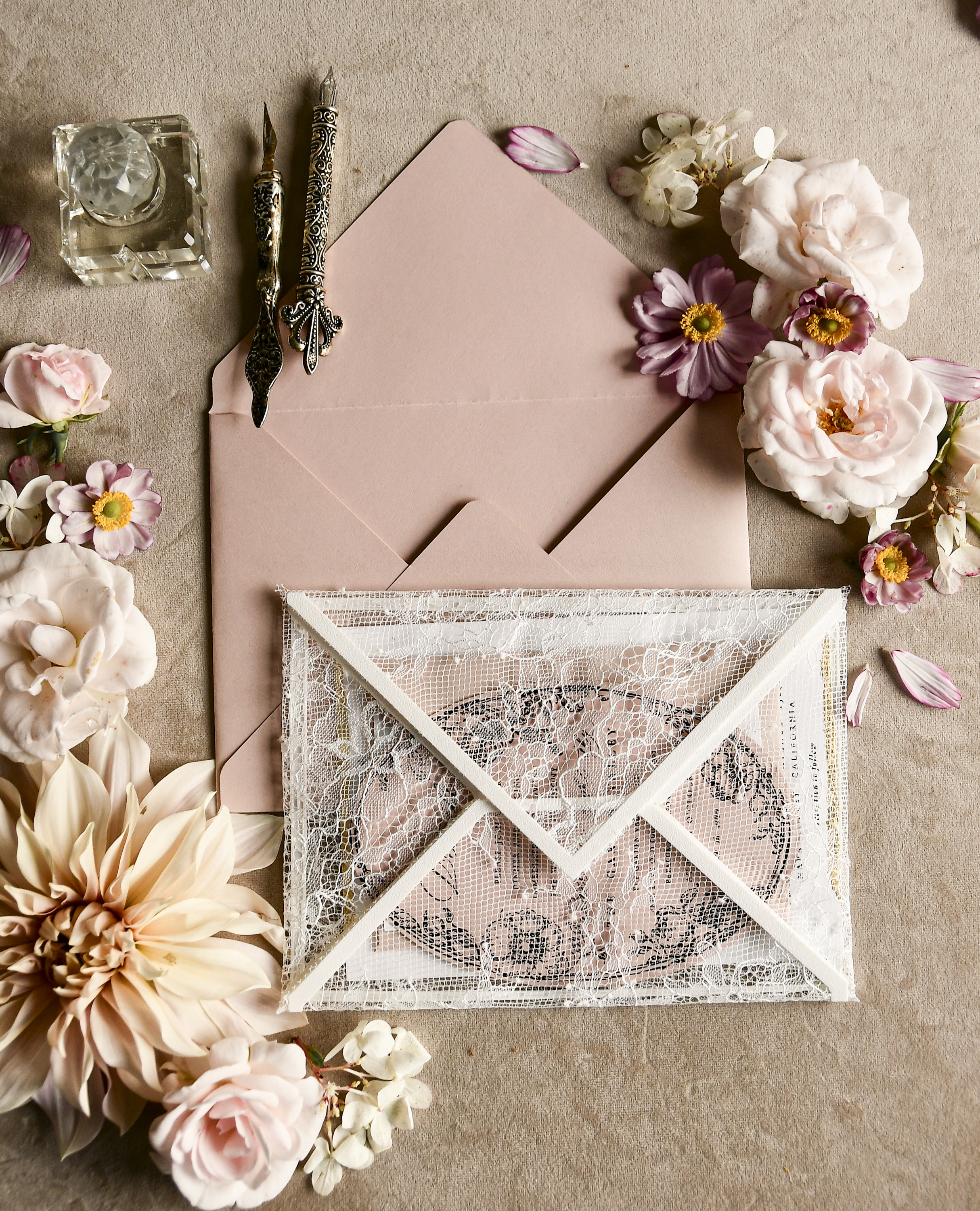
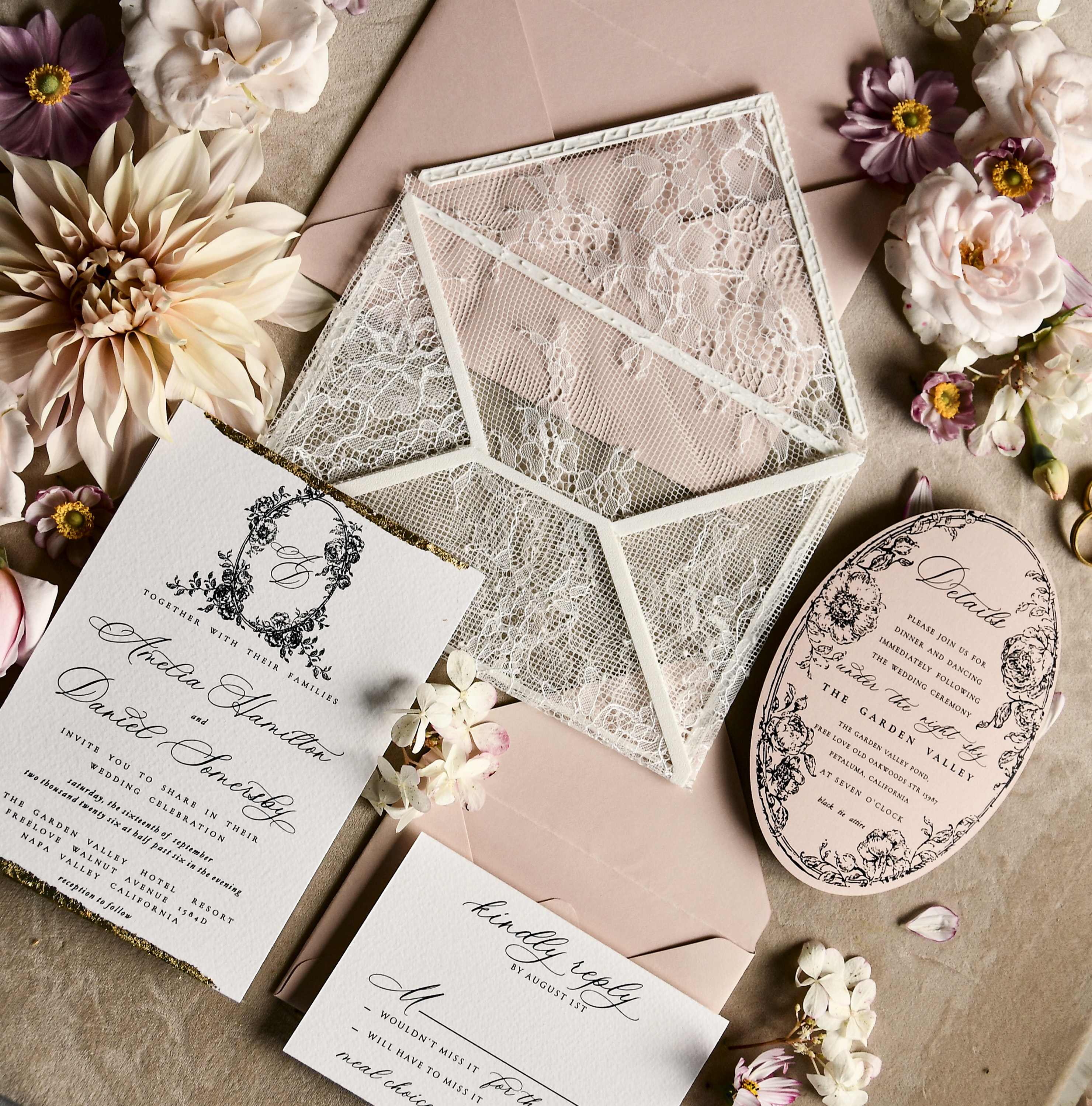
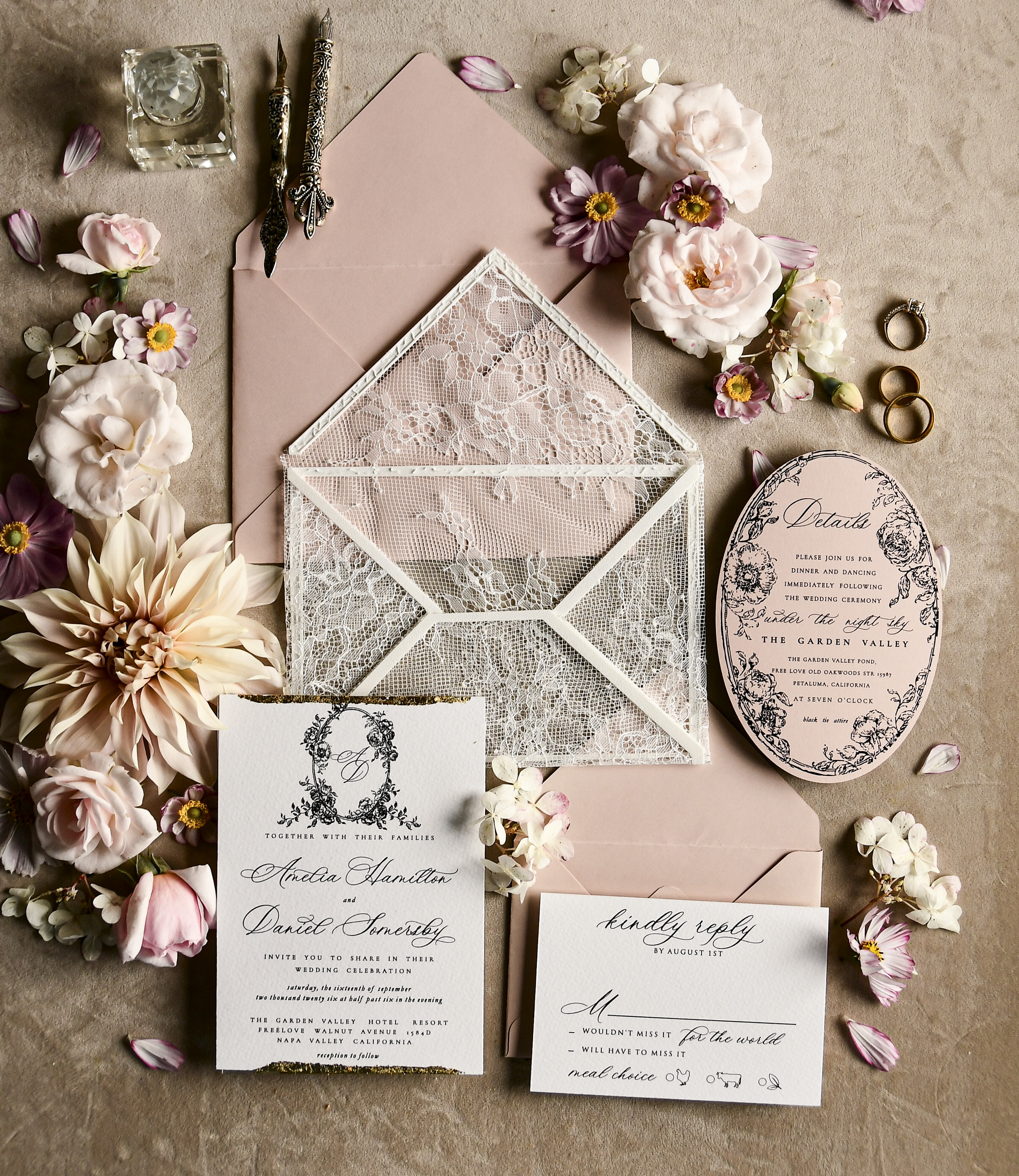
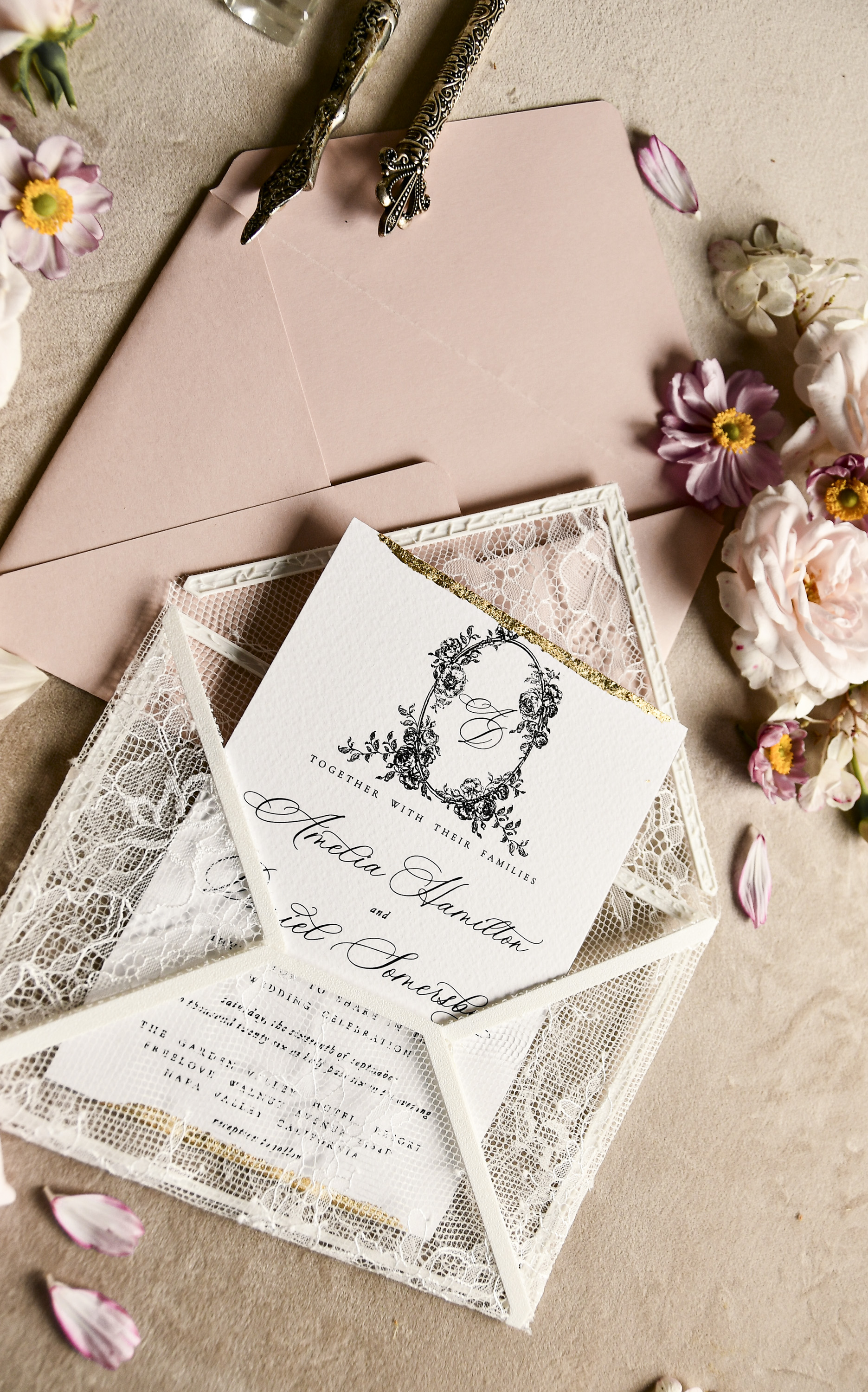
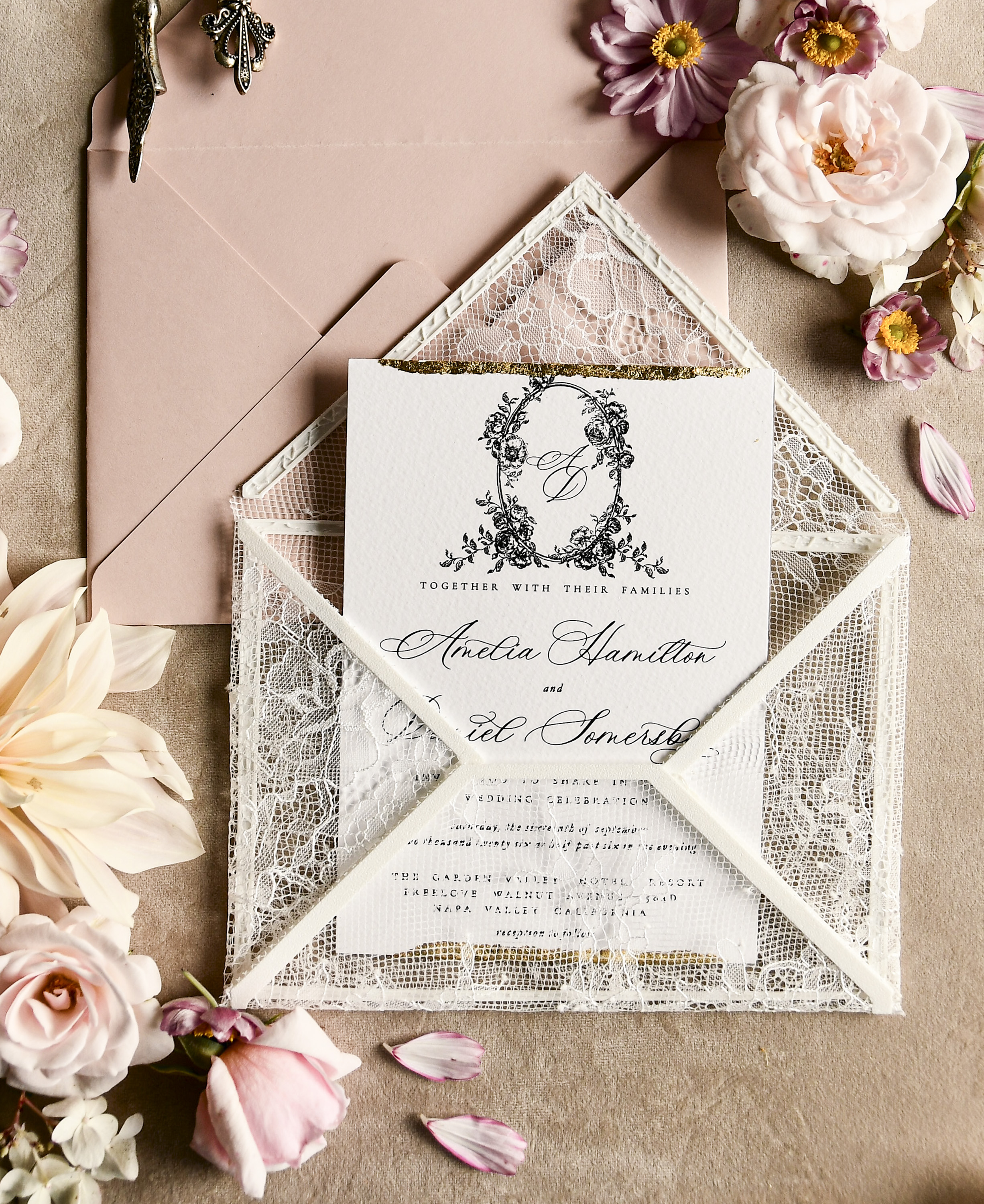
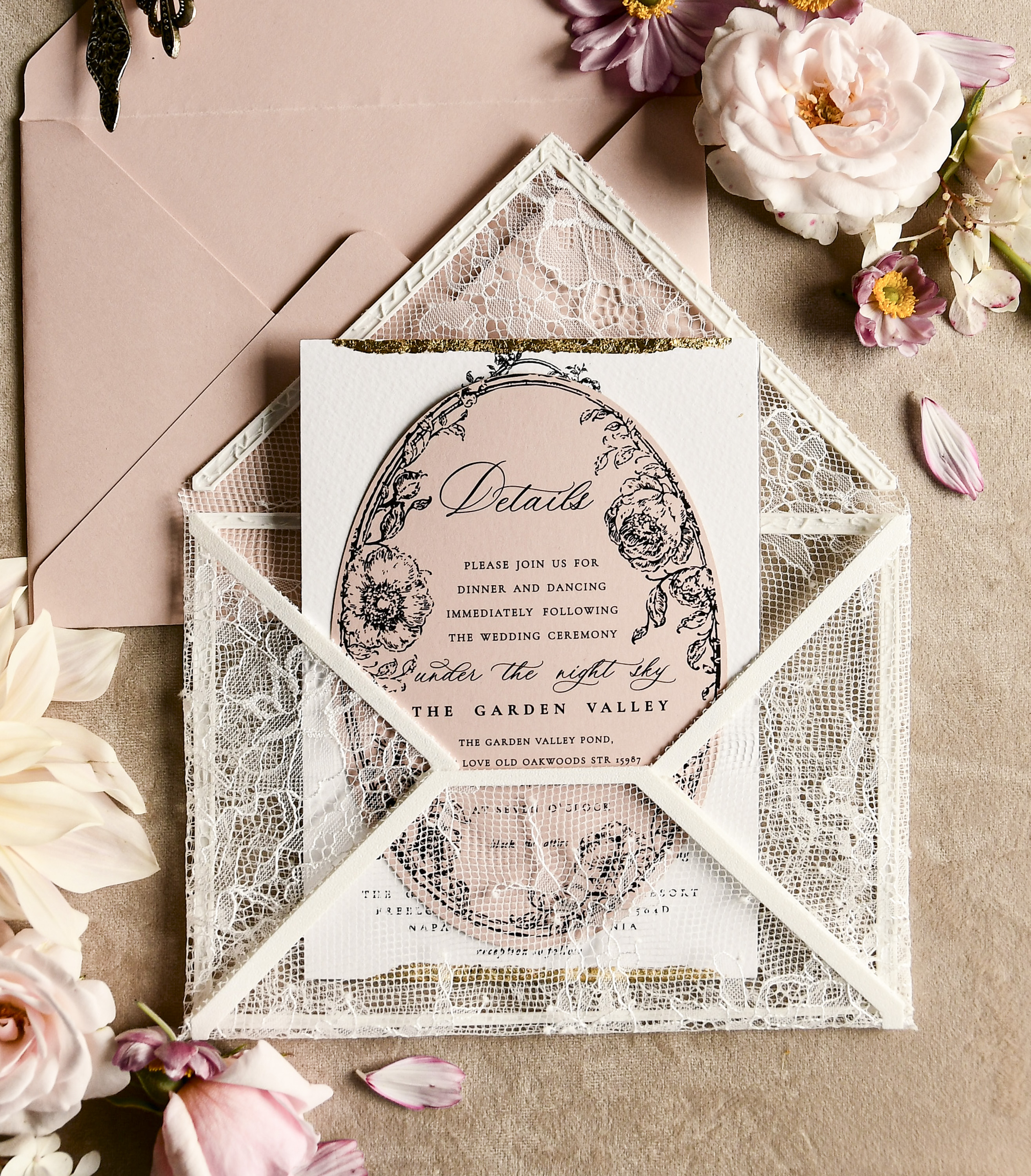
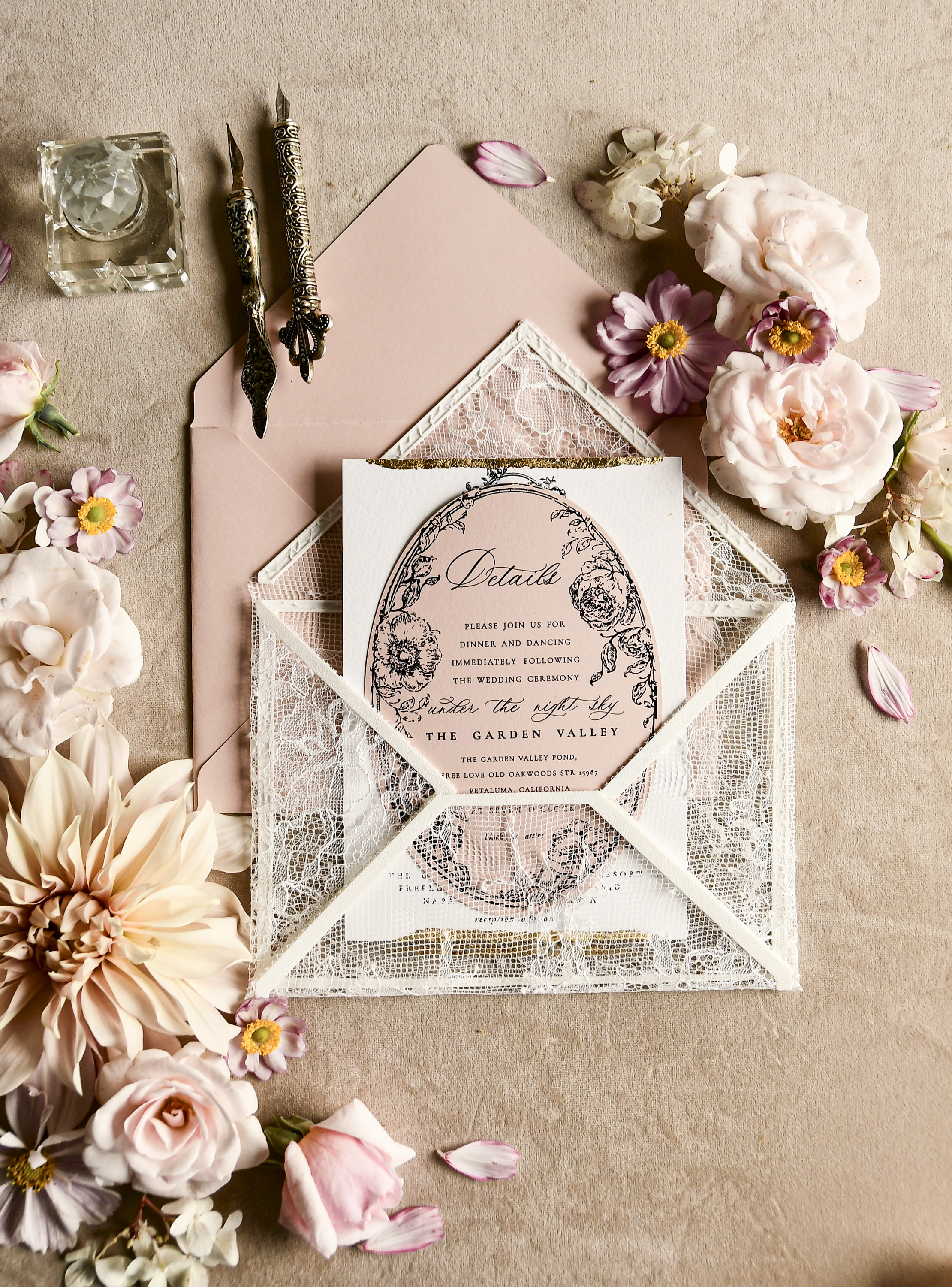
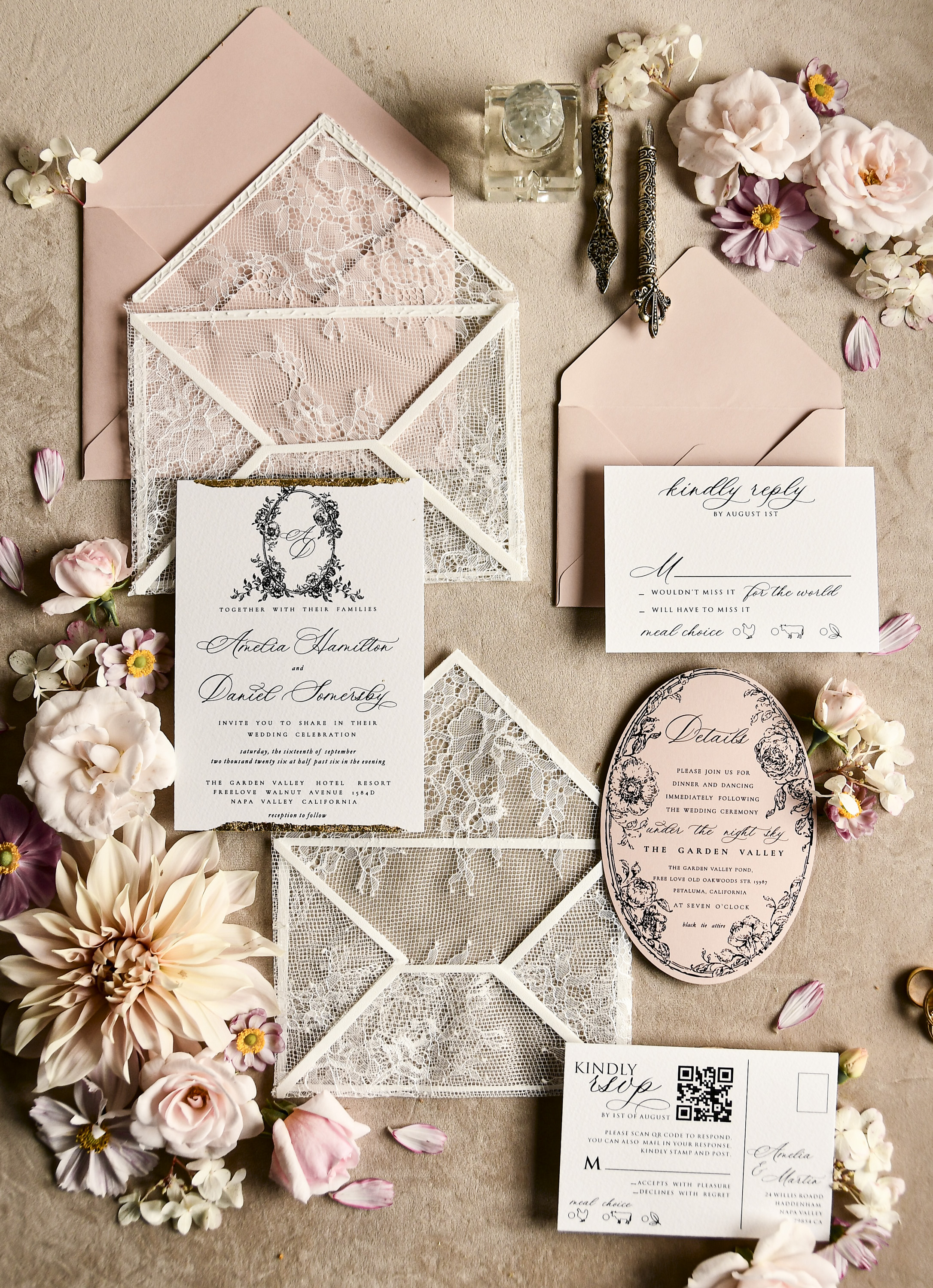
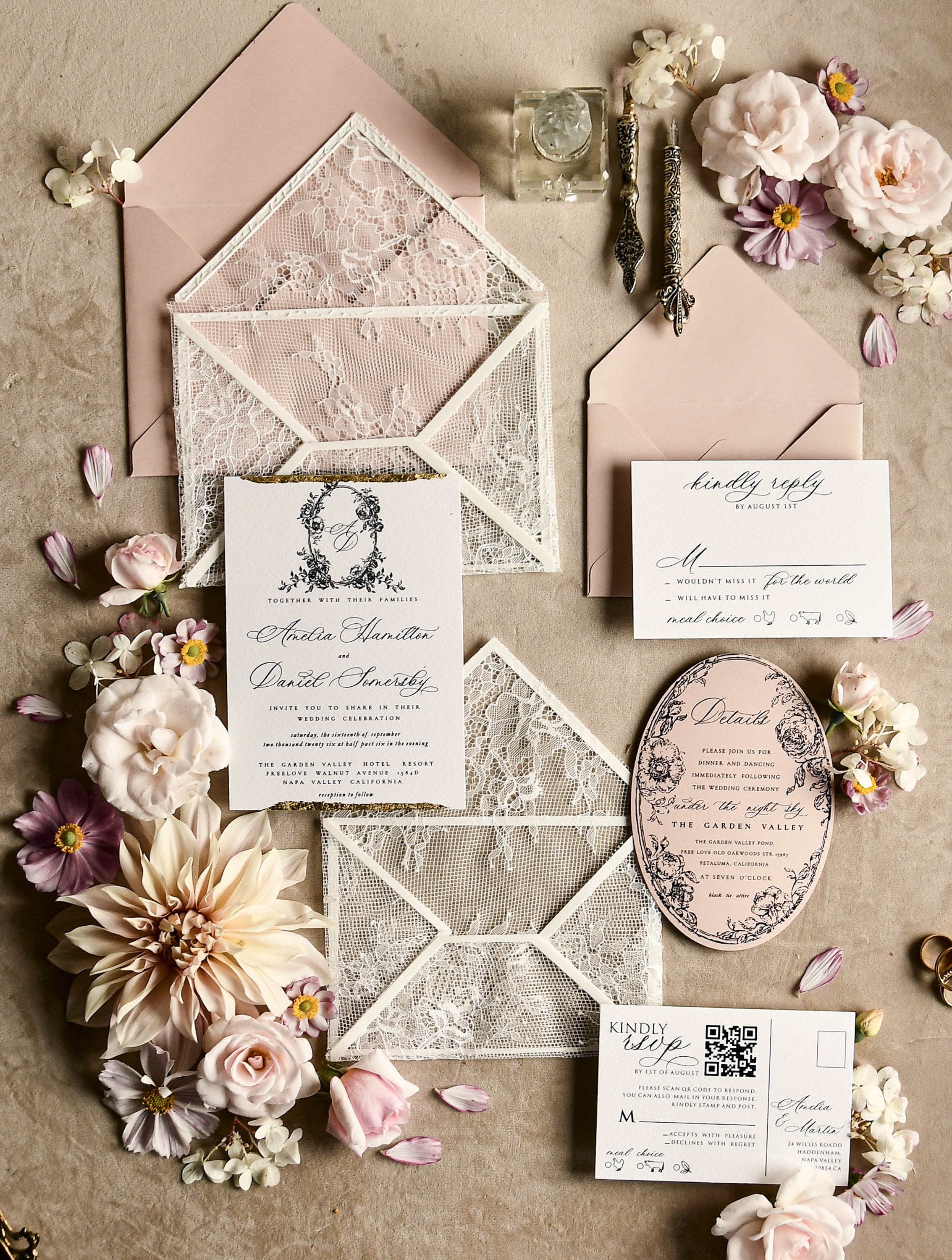
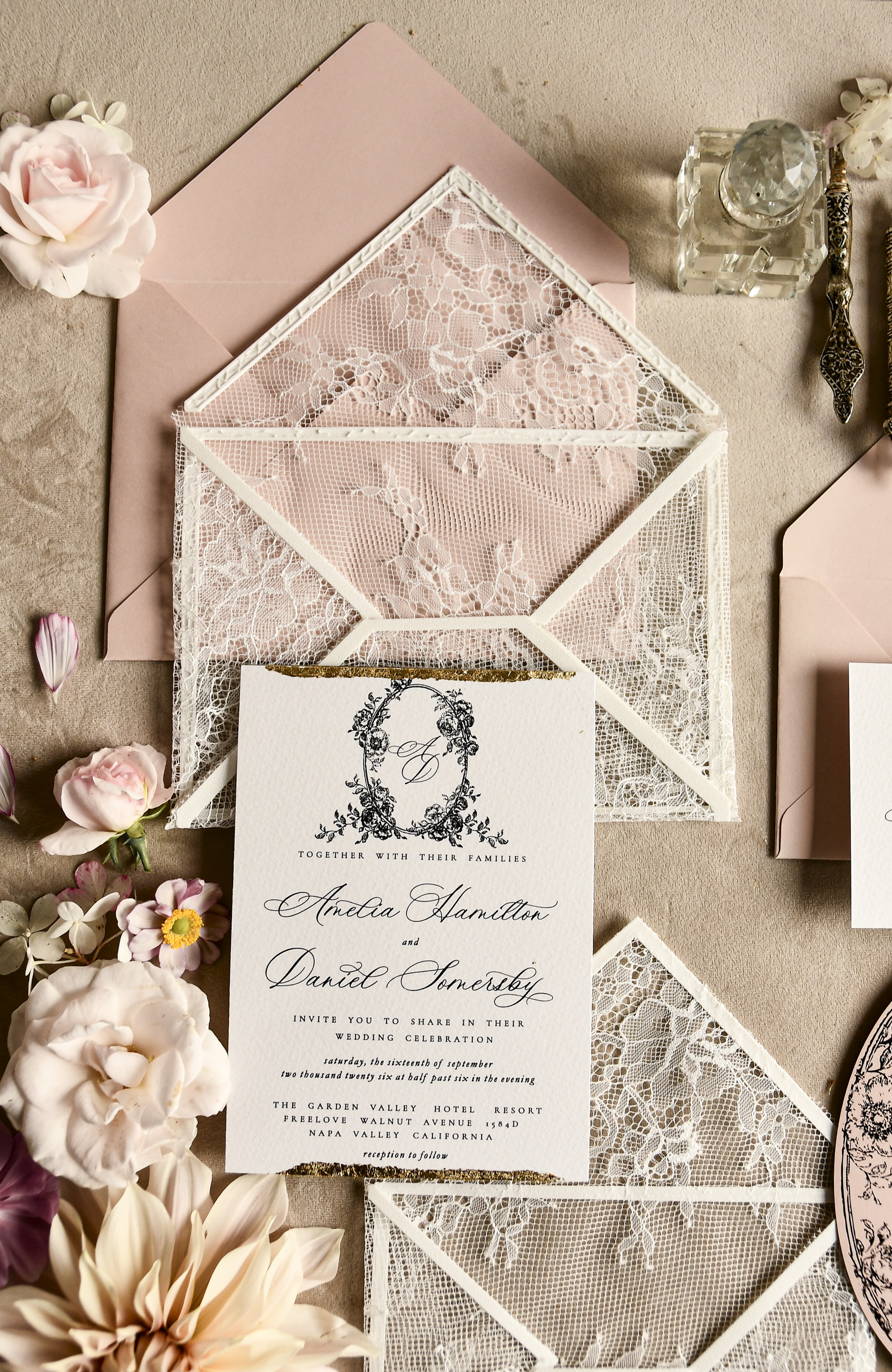
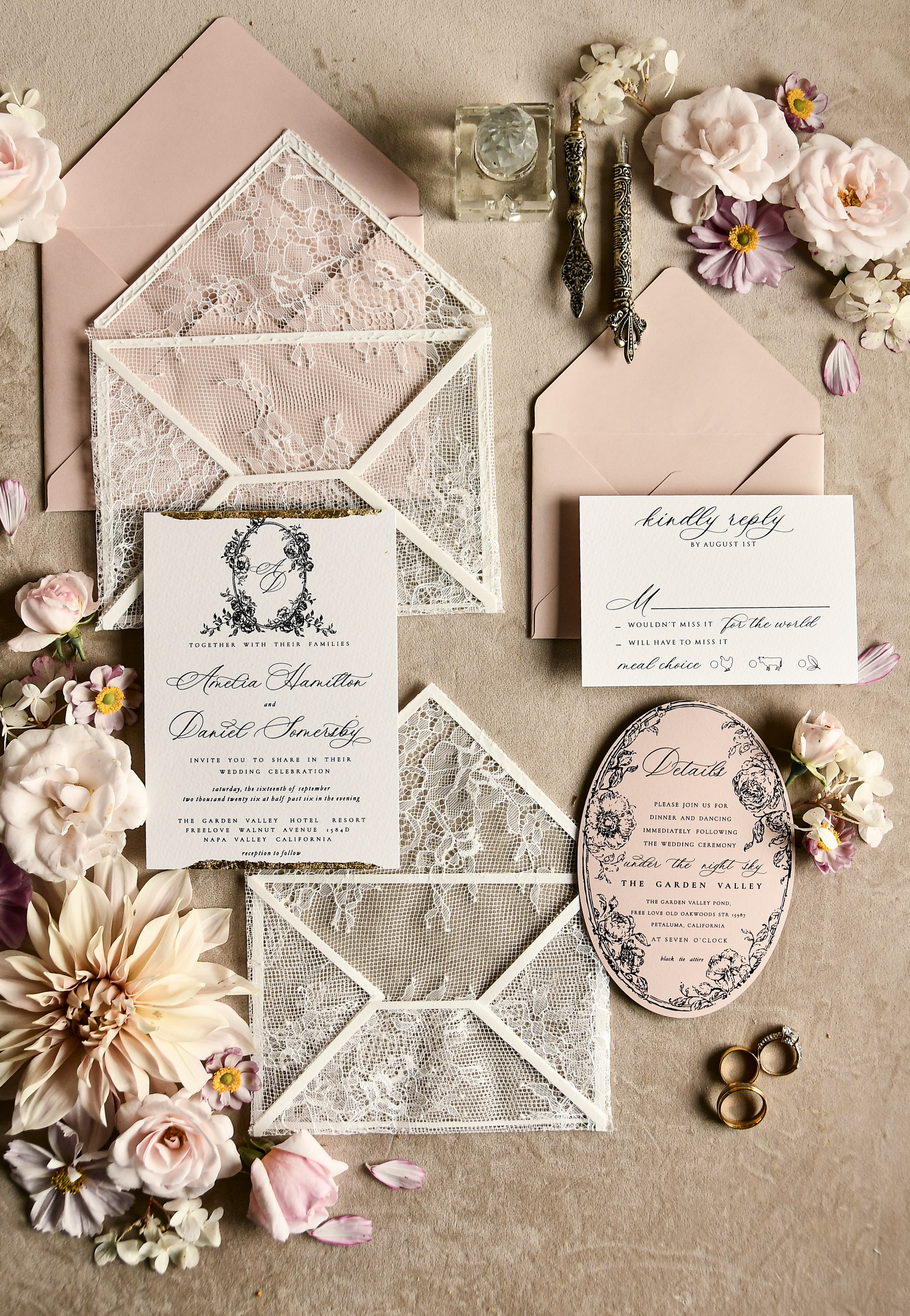
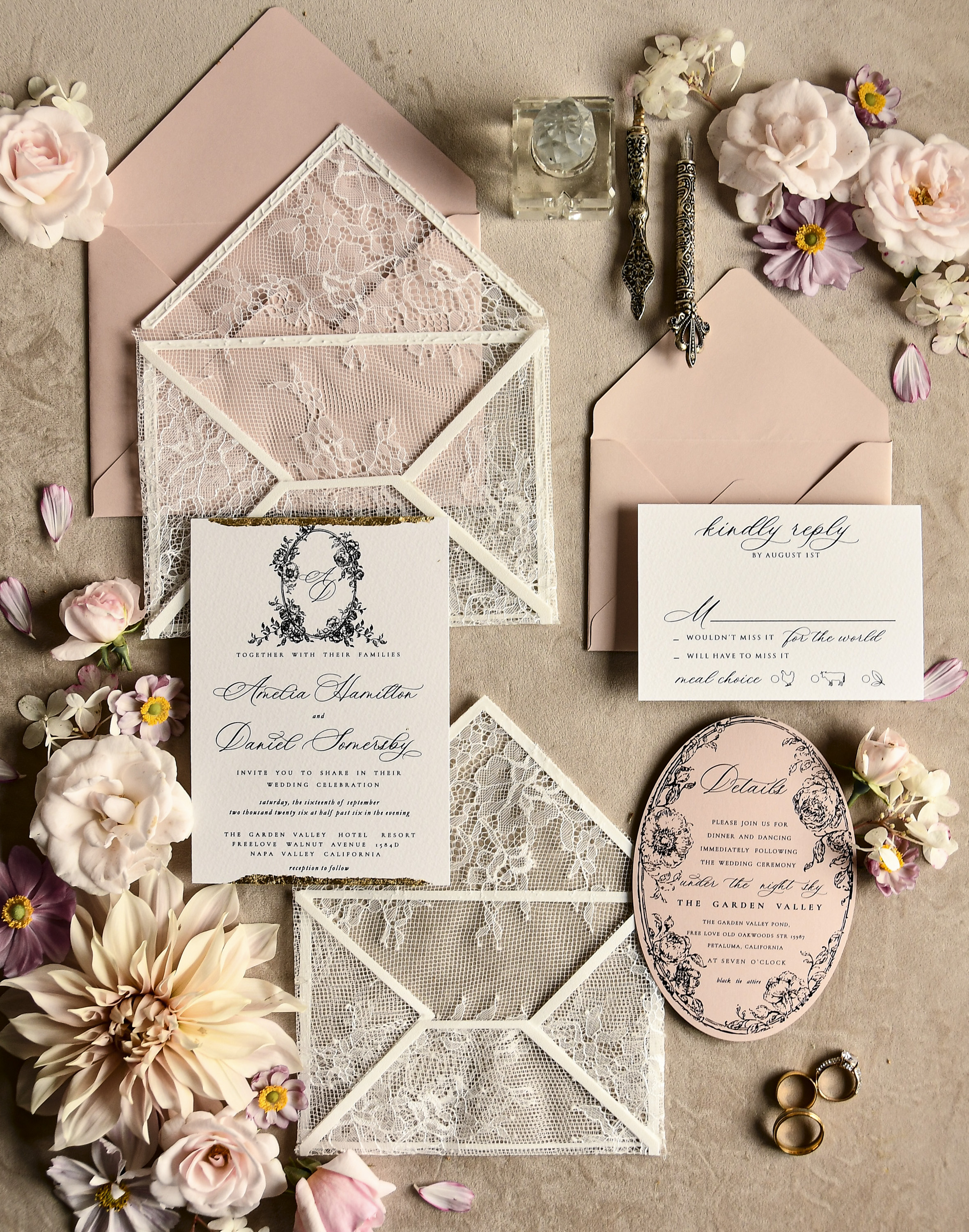
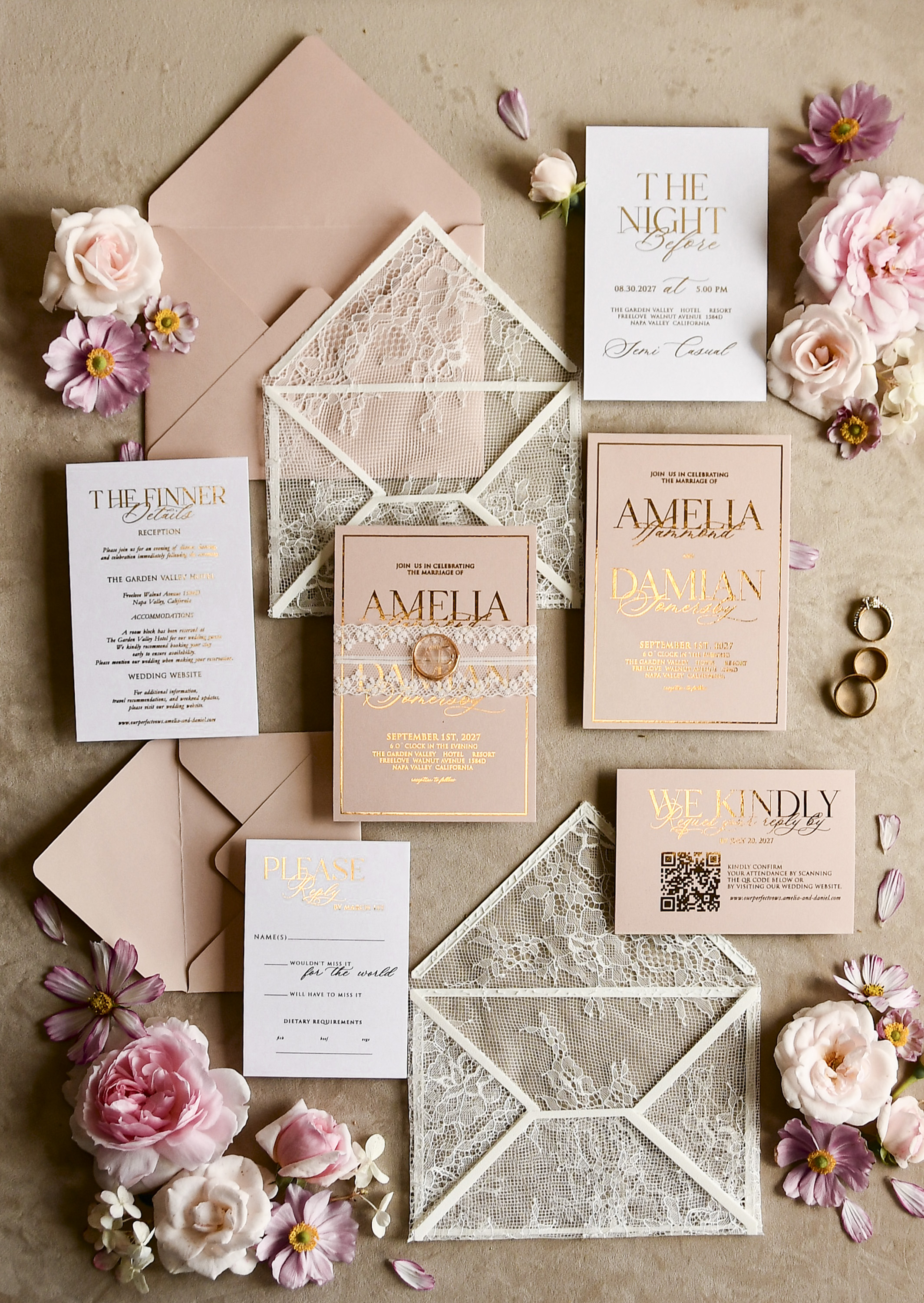
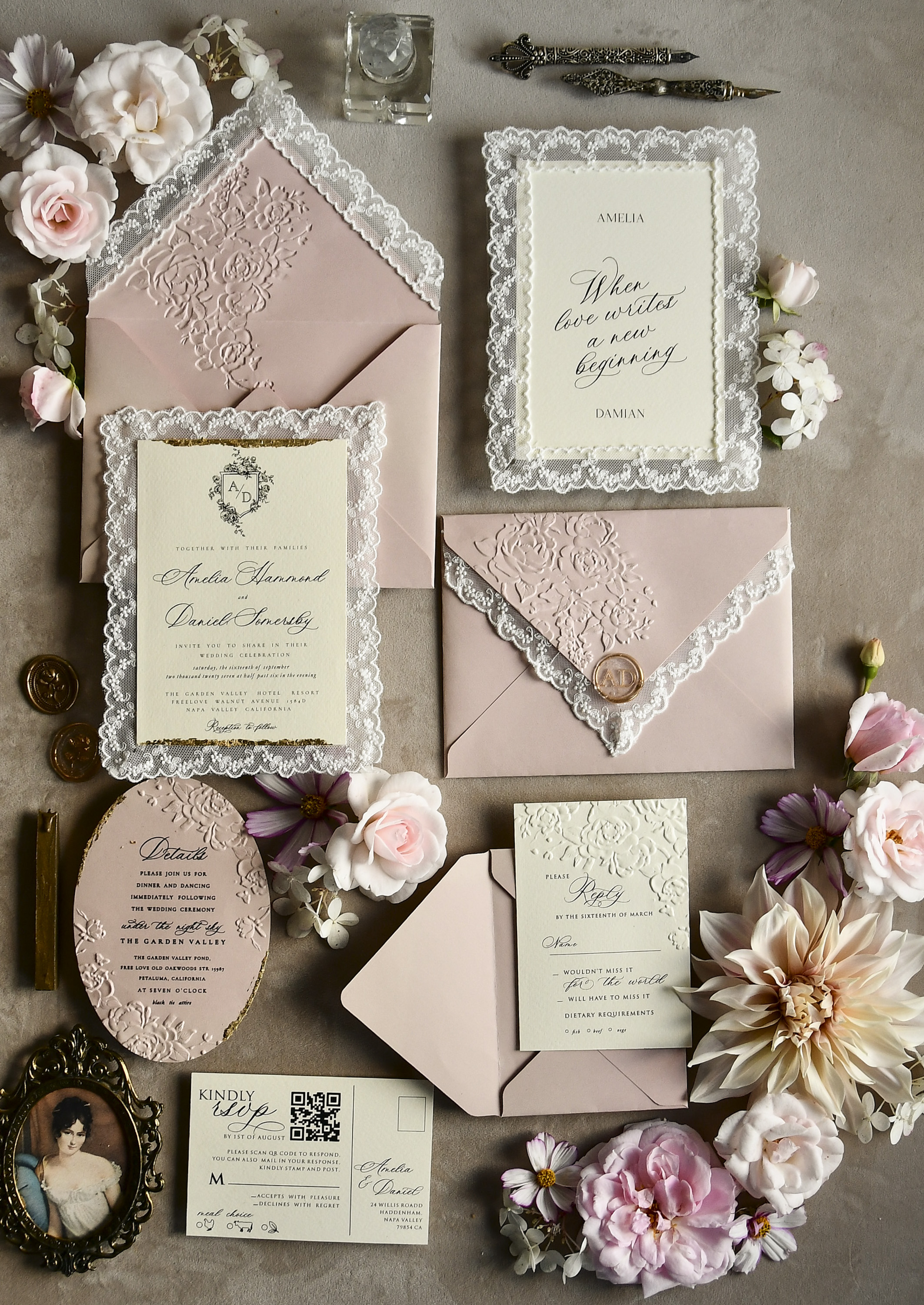
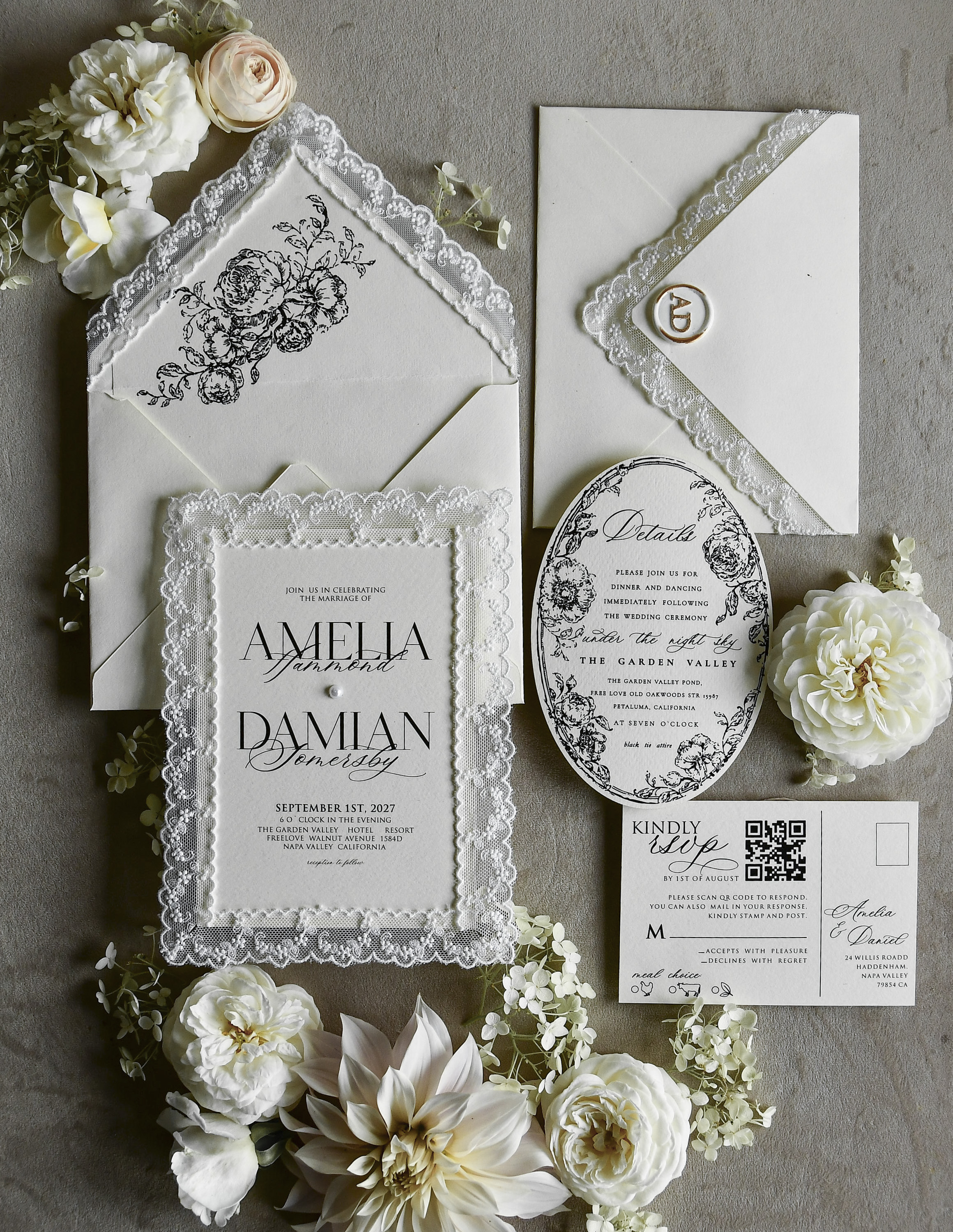
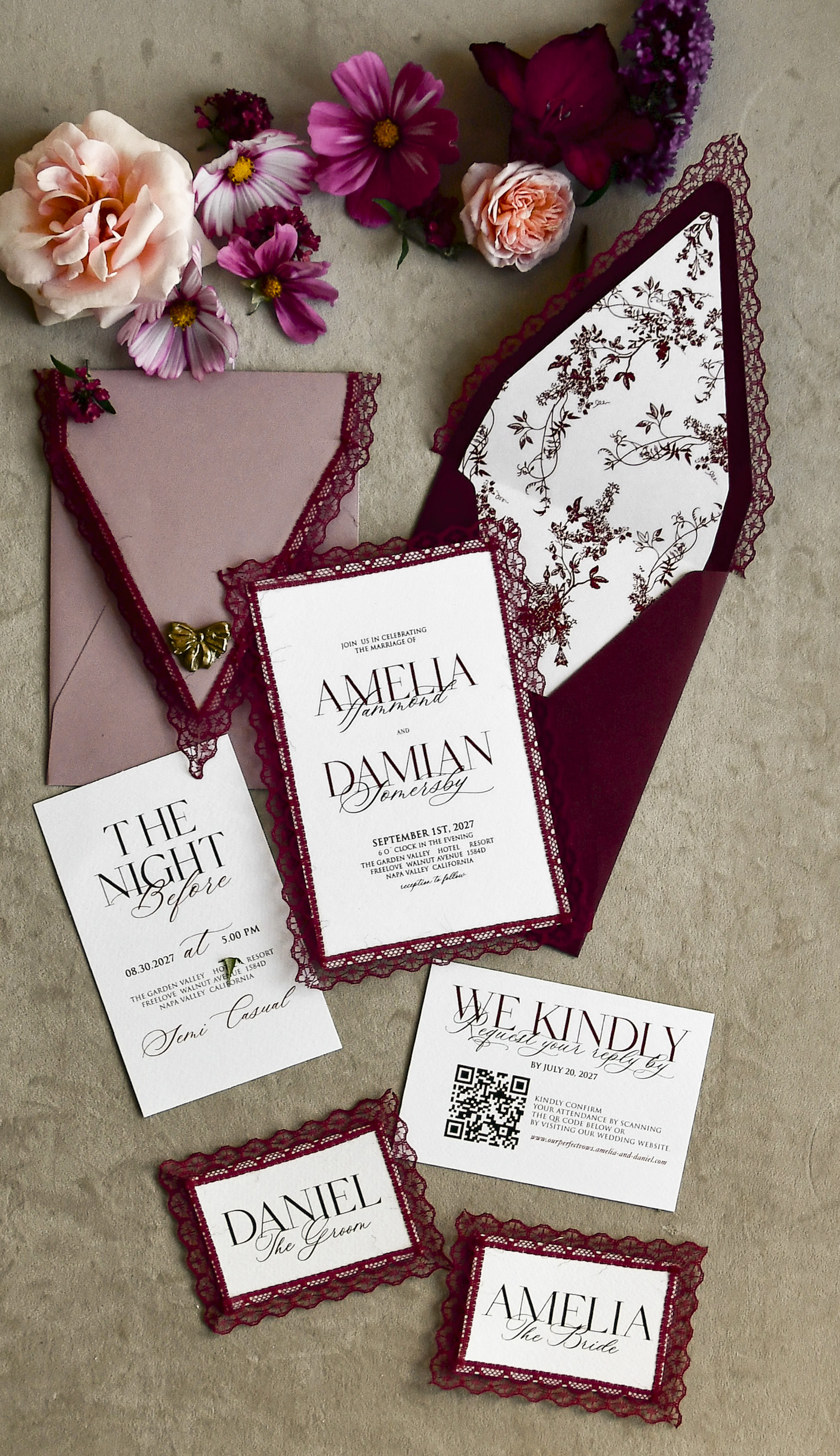
If your wedding aesthetic leans romantic or vintage, a printed invitation still does something a screen cannot — it is tactile, beautiful, and kept. Our 03/lacenvD/z vintage lace wedding invitation, starting from $8.50, is a popular choice for couples who want that heirloom-quality paper feel for at least part of their guest list without breaking the budget. Pairing a small printed run with a broader digital send is a smart, cost-effective strategy.
Whatever format you choose, consistency in design between your digital and printed materials — same colors, fonts, and overall style — keeps your wedding brand cohesive and polished.
Frequently Asked Questions
Not at all, for the right guest list and wedding style. Digital invitations are widely accepted today, especially for casual, modern, or destination weddings. The key is being thoughtful about which guests may genuinely prefer or need a paper invitation.
Popular options include Zola, Paperless Post, and Joy, all of which offer RSVP tracking and customizable designs. Choose a platform that lets you send from a recognizable email address to avoid spam filters.
Absolutely — this is one of the most popular hybrid approaches. A digital save-the-date gets the date on calendars quickly and inexpensively, while a printed invitation suite arrives closer to the wedding with all the formal details.
Plan to send those guests a printed invitation. You can order a small quantity of paper invitations specifically for older or less tech-connected guests — many stationery options, including our vintage lace designs, are available with no large minimum order requirements.
They can, depending on the platform and design you choose. A well-designed digital invitation with elegant typography and a cohesive color palette can look very polished. That said, for black-tie or very formal events, a printed invitation still sets the right tone more effectively.
Yes — a wedding website is even more important when you go digital. Your invitation can link directly to it for accommodation details, registry information, directions, and your RSVP form, making the whole process seamless for guests.
See This Design Up Close

You May Also Like
More Wedding Planning Guides
- → Staying Sane When Family Tensions Rise Before Your Big Day
- → The Estranged Family Dilemma: Making Peace With Your Wedding Guest List
- → Missing RSVPs: The Exact Waiting Game You Should Play
- → Wedding Invitation Timing: The Insider's Guide to Sending on Schedule
- → Who's Really Getting Married? Managing Parent Friend Requests on Your Guest List
- → Handling Family Boycott Threats Over Your Wedding Guest List
- → The Teen Plus-One Dilemma: A Practical Guide for Couples
- → What To Do When Guests Leave You On RSVP Read
- → When an RSVP Changes at the Last Minute: A Calm, Practical Guide for Couples
- → Your Wedding, Your Choice: Deciding Whether to Include an Estranged Sibling
- → Is Skipping Kids on Your Wedding Guest List Ever Considered Rude?
- → Feuding Divorced Parents at Your Wedding: A Practical Peace Plan
- → Small Weddings, Big Meaning: Your Guide to Celebrating Intimately
- → The Uninvited Guest Question: How to Respond Without Regret
- → Missing RSVPs: The Right Way to Follow Up With Silent Guests
- → The Smart Couple's Guide to Wedding Childcare and Kids' Entertainment
- → Uninvited Plus-Ones and Tag-Alongs: How to Keep Your Guest List Intact
- → When Family Feuds Threaten Your Wedding Plans: A Practical Peacekeeper's Guide
- → Inviting an Estranged Brother or Sister: Finding Clarity Before You Seal the Envelope
- → Cousins, Invites, and Hard Choices: A Practical Guest List Guide