
Missing RSVPs: The Exact Waiting Game You Should Play

You've sent your invitations, your RSVP deadline has come and gone, and a handful of guests have gone completely silent. Sound familiar? You're not alone. Missing RSVPs are one of the most common (and most stressful) parts of wedding planning. The good news: there's a clear, etiquette-approved timeline for following up, and it doesn't have to feel uncomfortable. Here's exactly what to do and when.
Set Your RSVP Deadline with the Follow-Up in Mind
Before you can talk about follow-up timing, your original RSVP deadline needs to be set strategically. Most couples make the mistake of setting the deadline too close to the wedding, leaving no buffer for chasing stragglers.
- Ideal RSVP deadline: 3 to 4 weeks before your wedding date
- Why it matters: Caterers and venues typically need final headcounts 1 to 2 weeks out, so you need time to follow up and still hit that vendor deadline
- Pro tip: If your venue needs numbers by, say, June 1st, set your RSVP deadline for May 10th — that gives you a full three weeks to track down non-responders
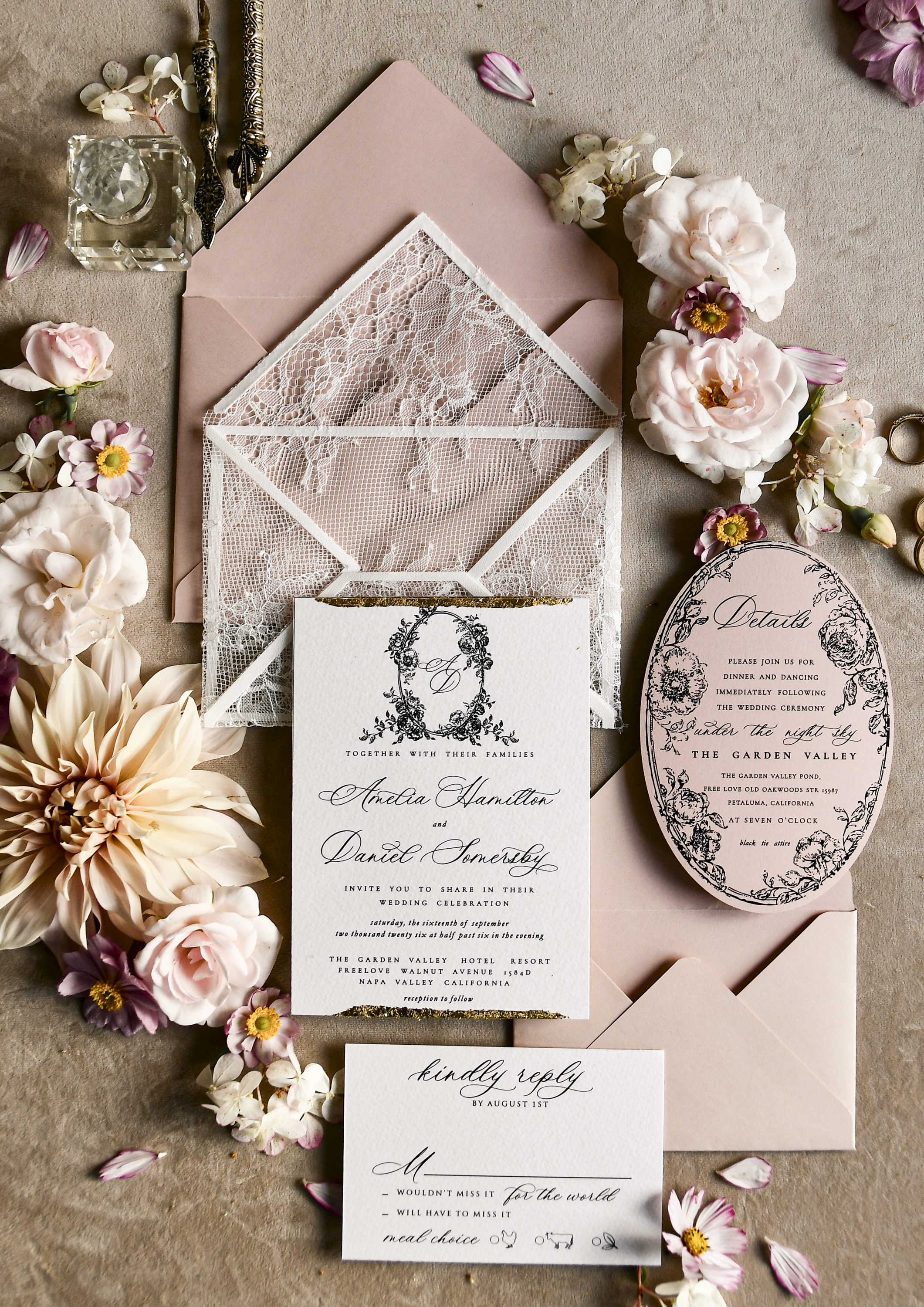
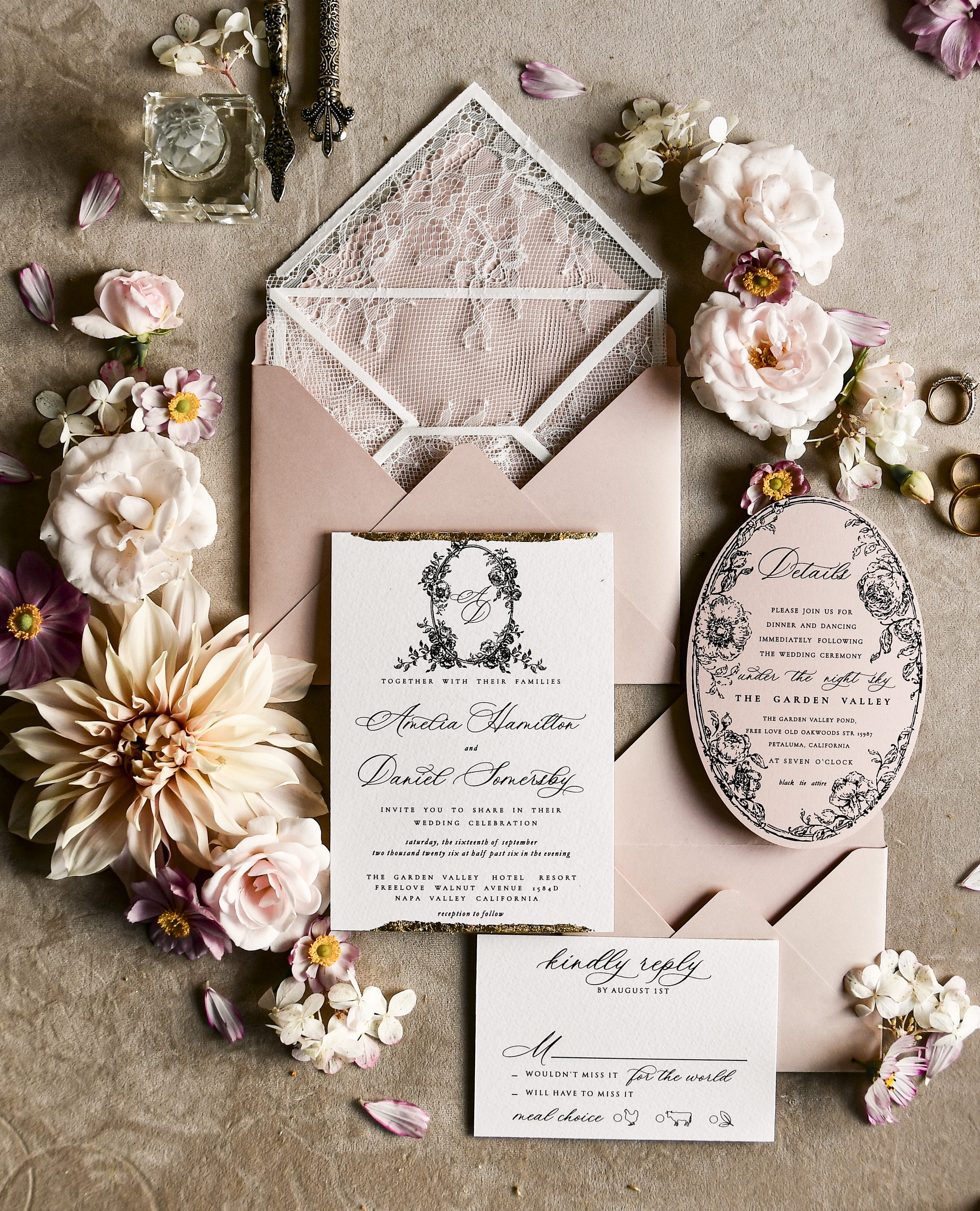
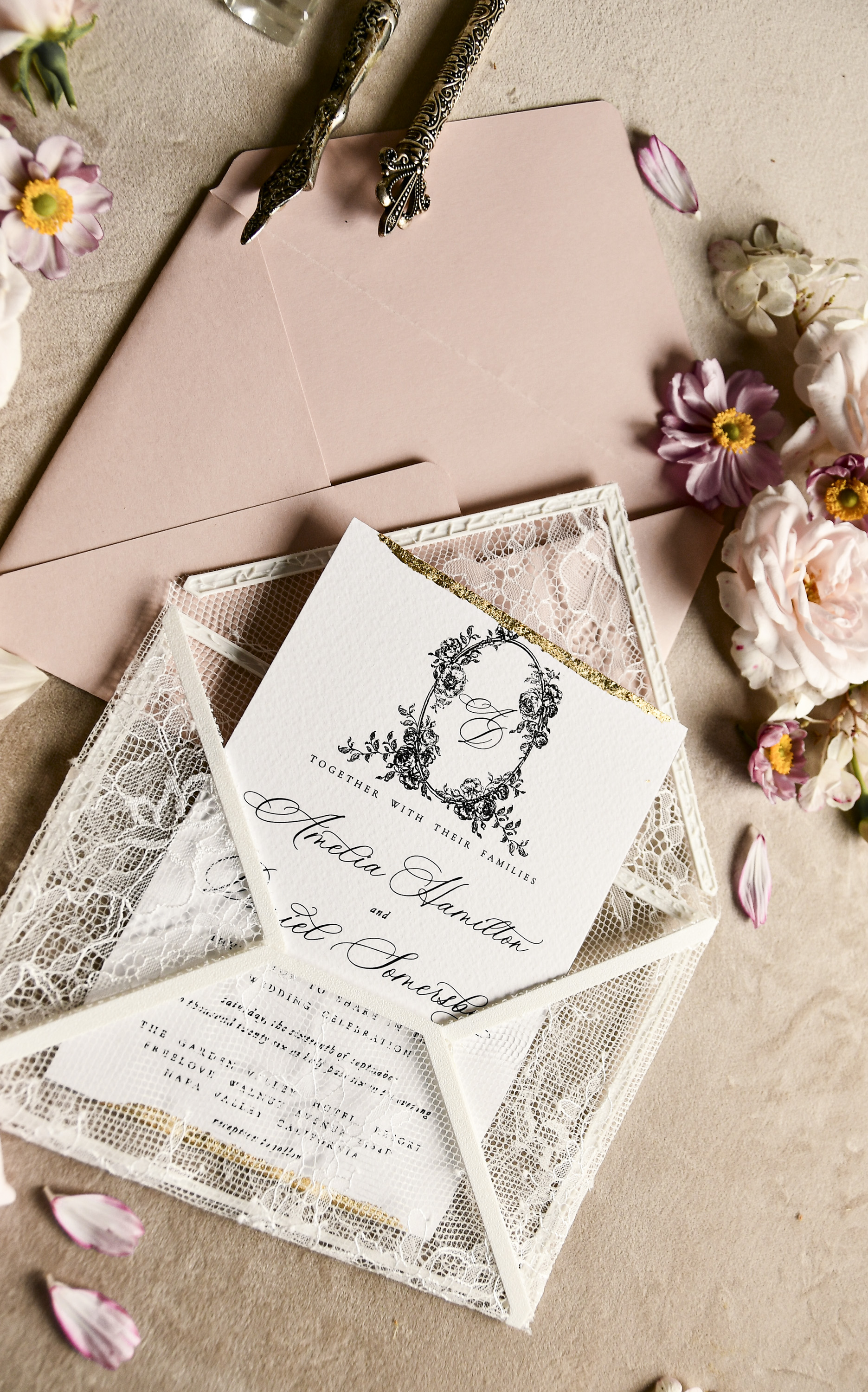
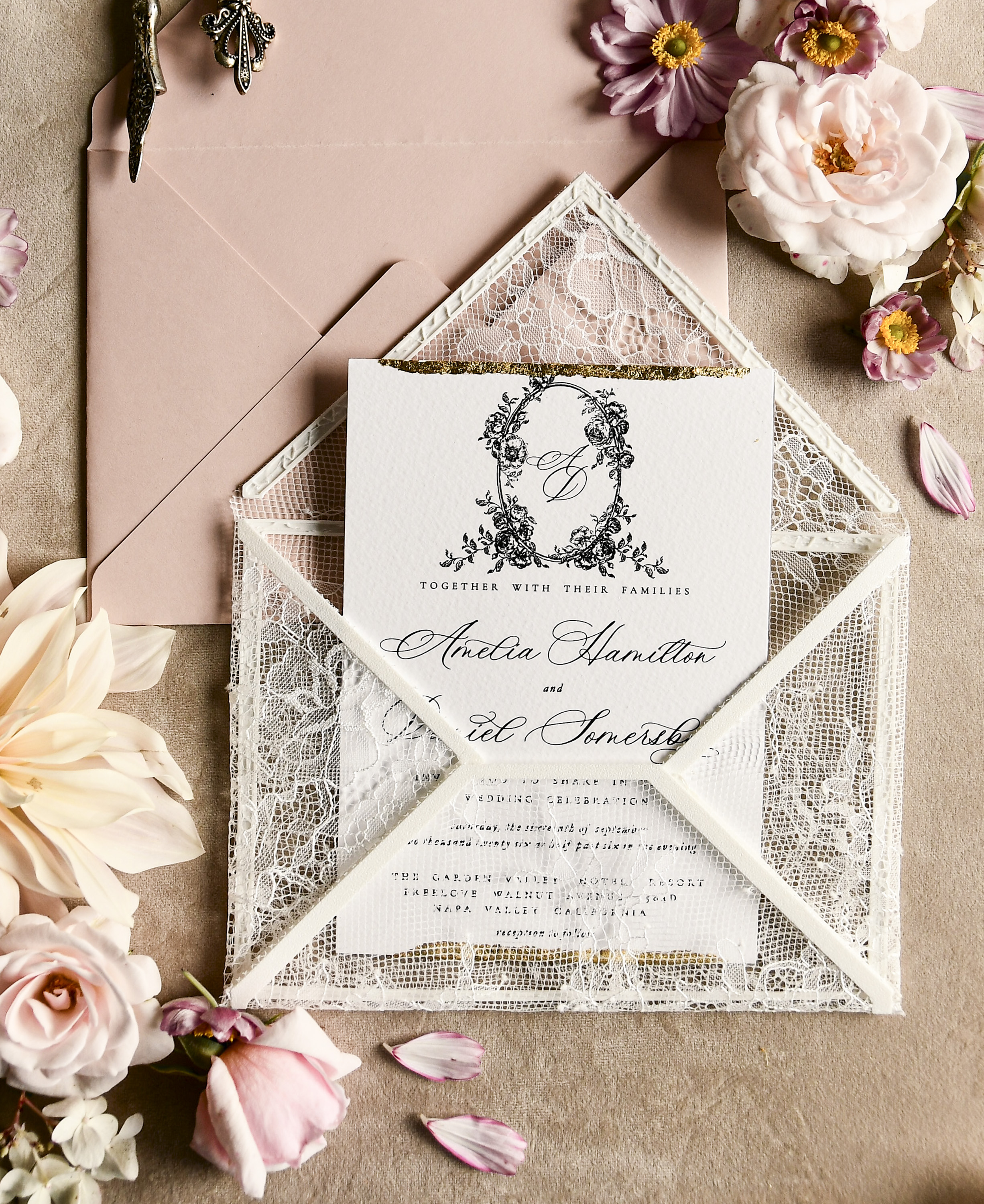
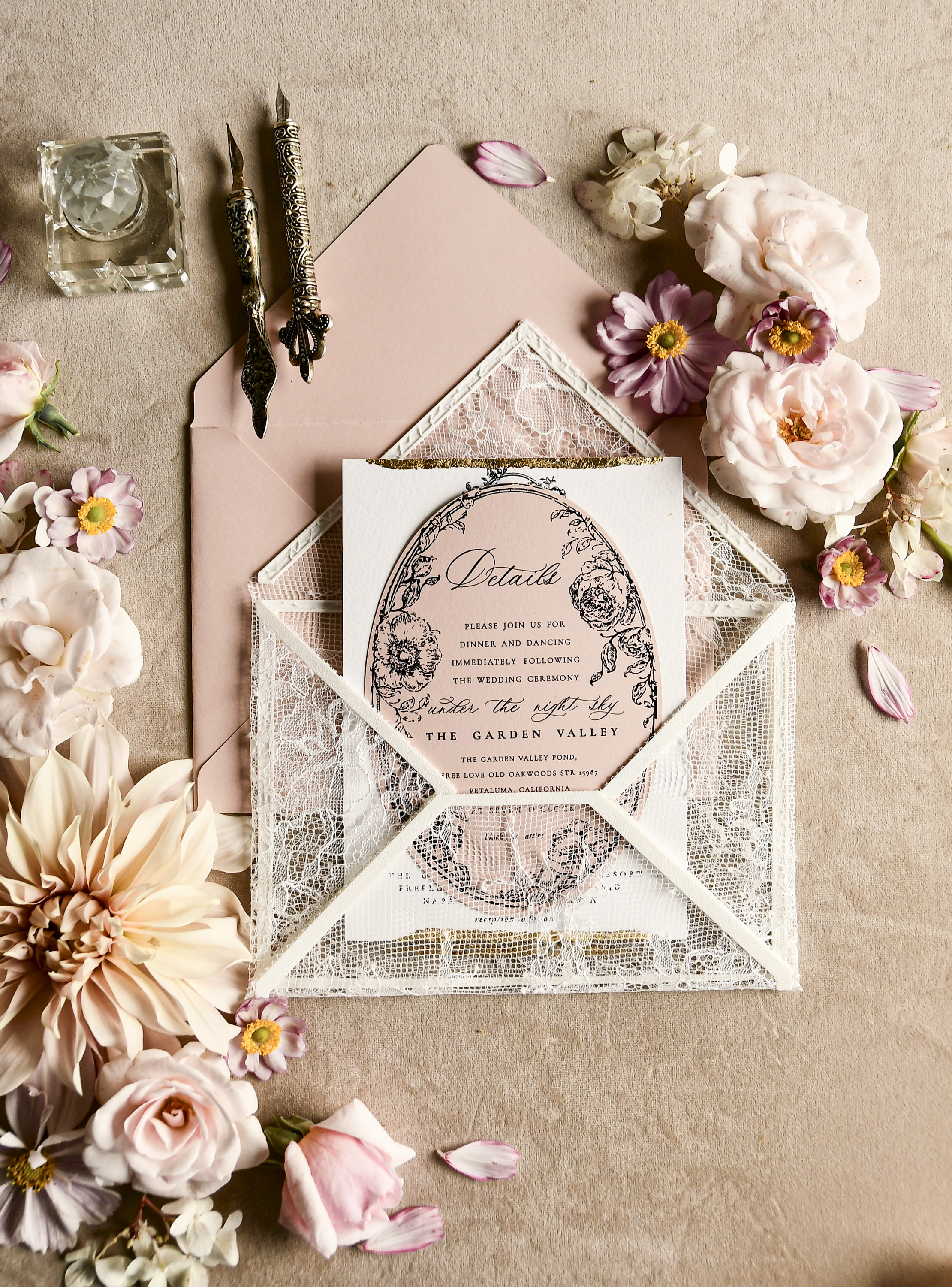
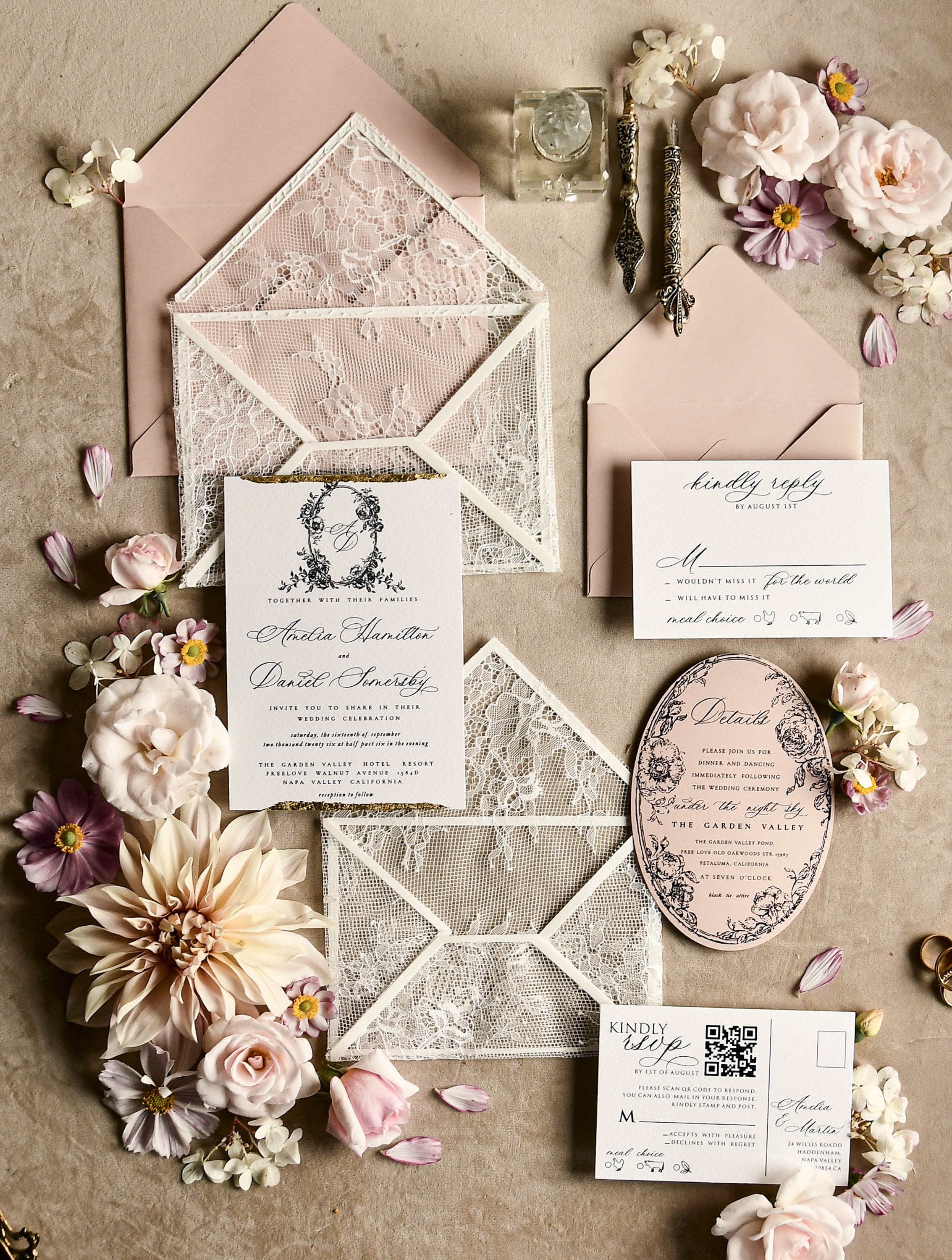
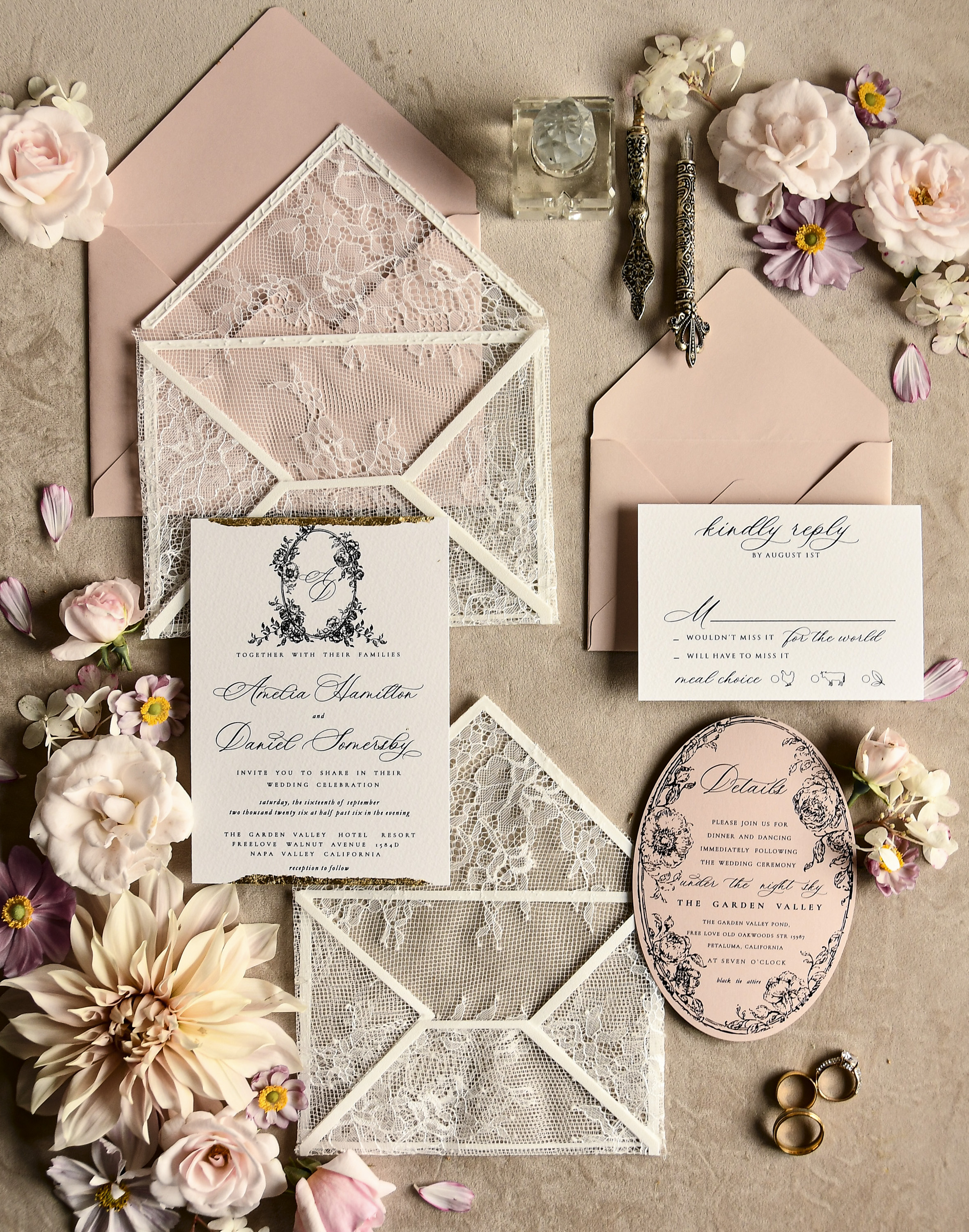
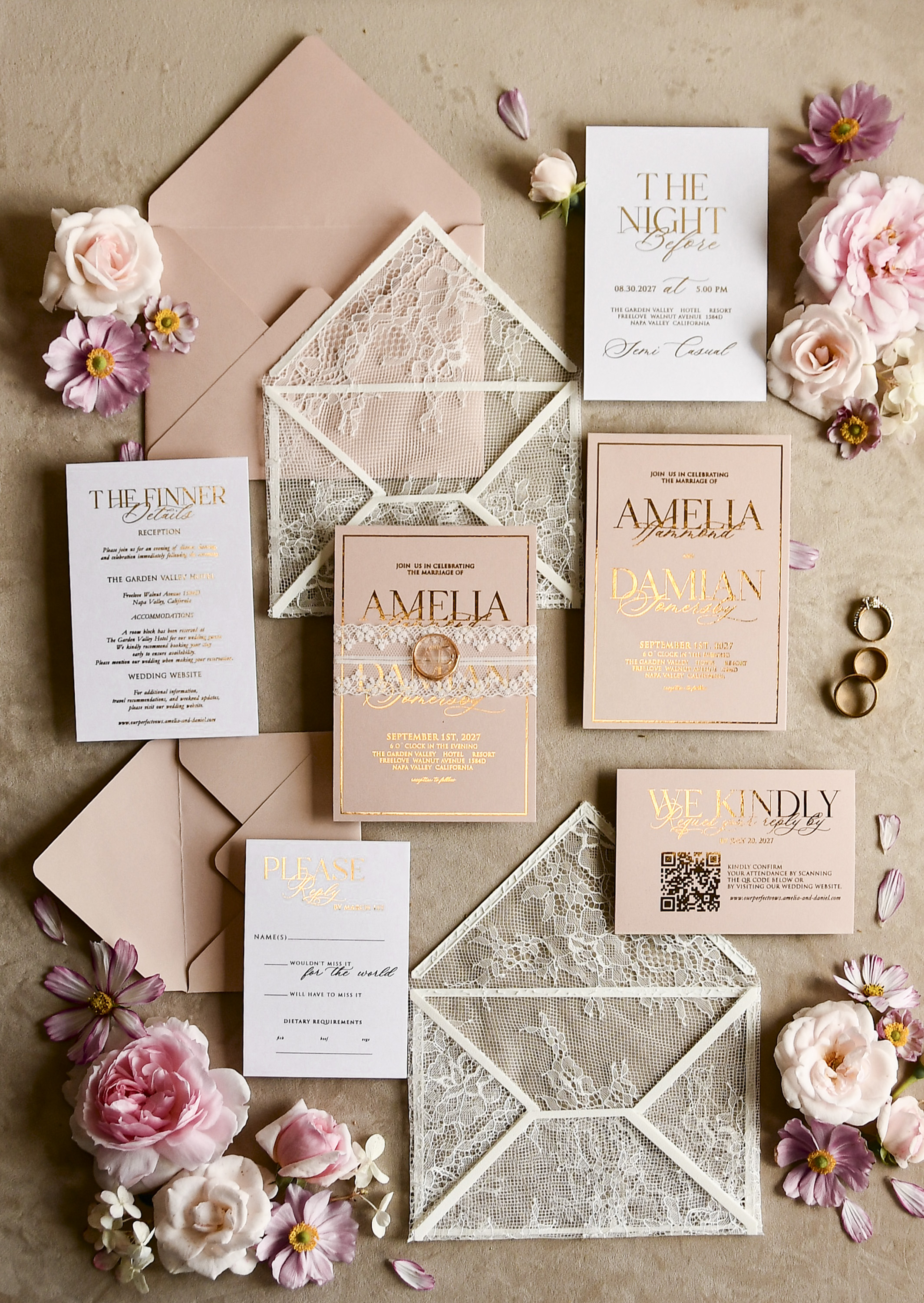
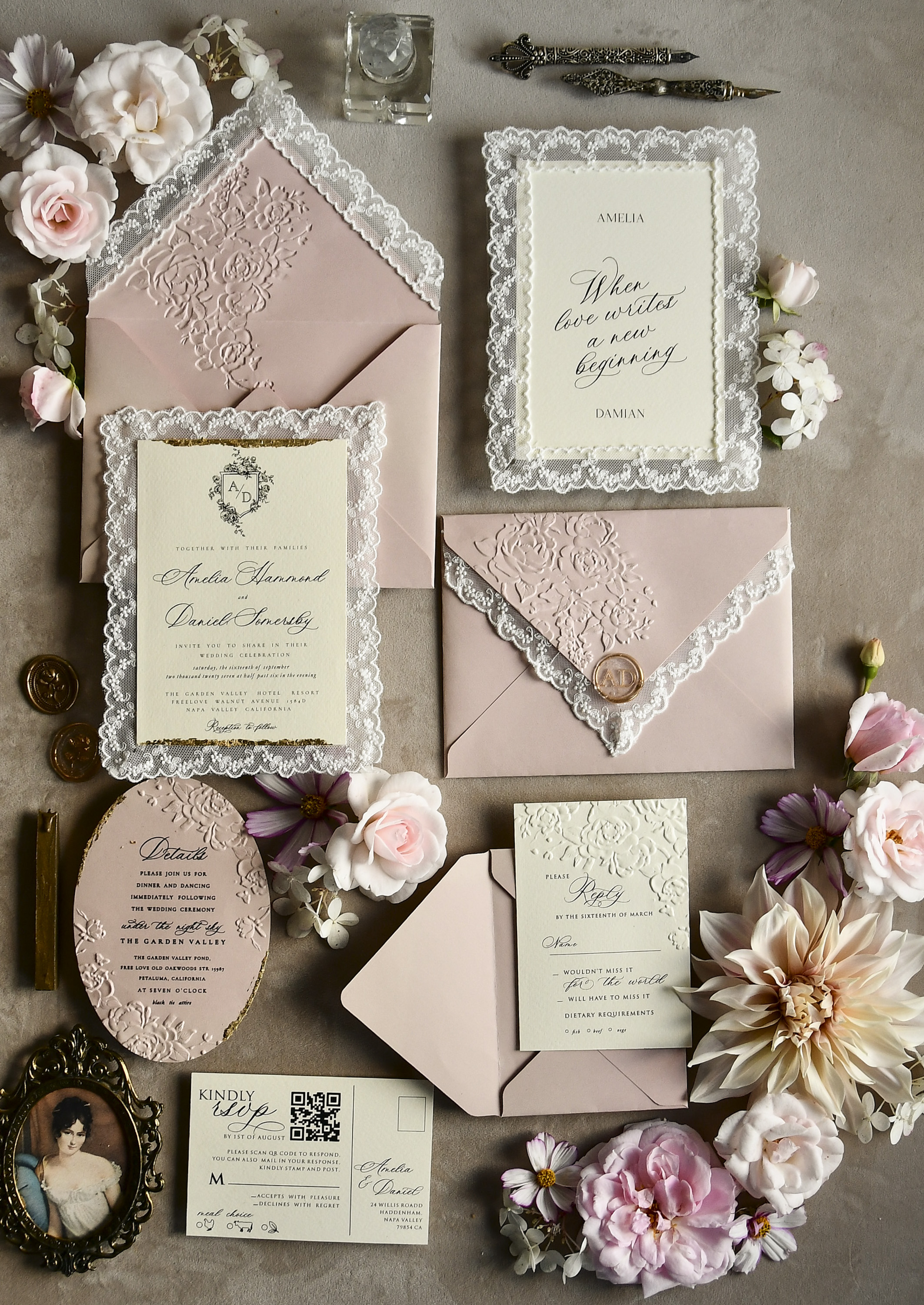
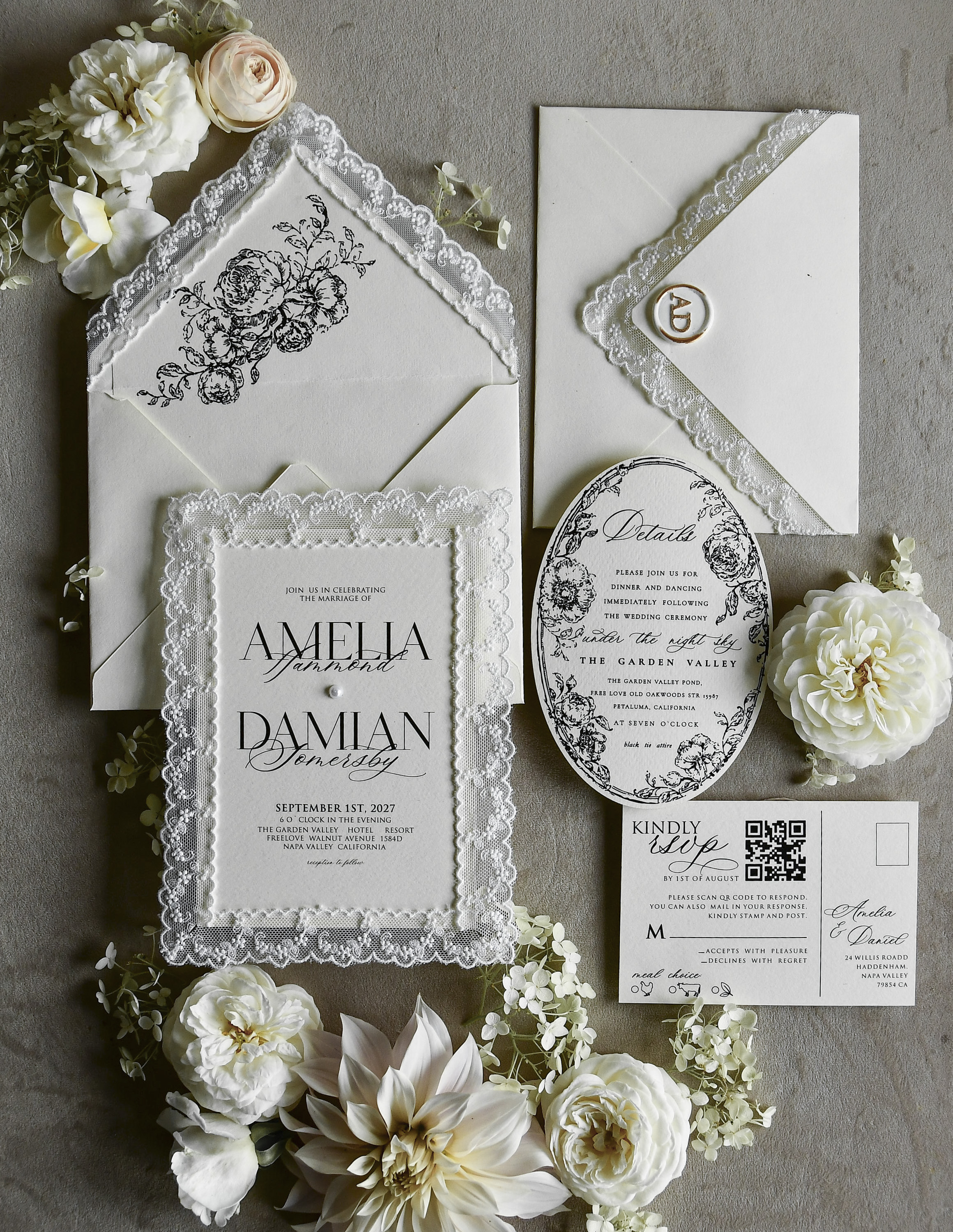
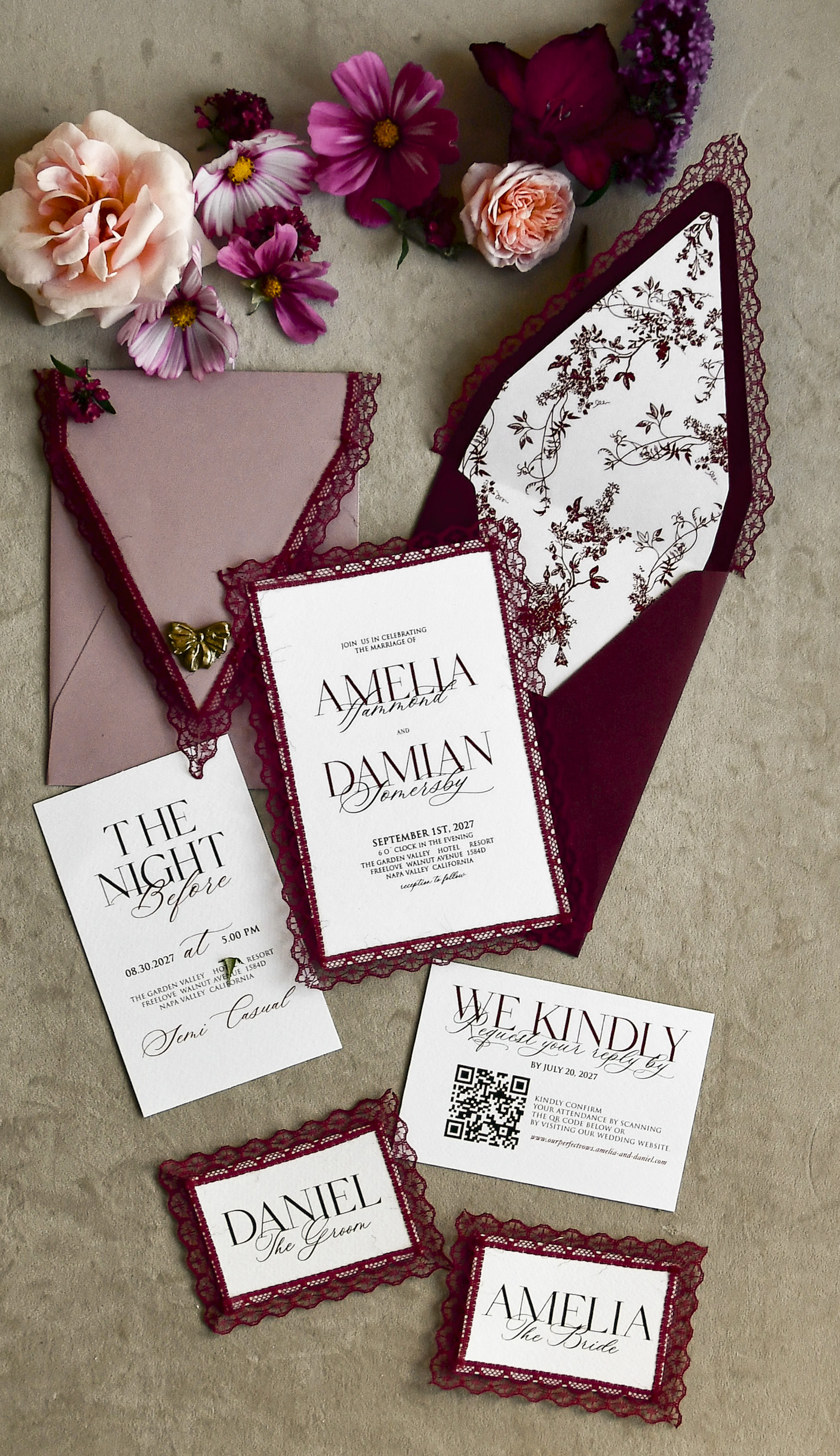
When you're designing your invitations — whether that's a romantic style like the vintage lace 03/lacenvD/z suite from Margo&Bees or something more modern — make sure the RSVP card or QR code response option clearly states the reply-by date in plain language, not just a date buried in small print.
How Long to Wait After the Deadline Passes
Here's the honest answer: don't wait long. Once your RSVP deadline passes, give guests 3 to 5 days of grace period before you start reaching out. Some people genuinely lose track of time or misplace the response card. A few extra days is courteous. Beyond that, silence starts to affect your planning.
Here's a simple timeline to follow:
- Day 1–3 after deadline: Compile your list of non-responders. Cross-check against any digital RSVPs or texts you may have already received informally.
- Day 4–5: Begin outreach. Start with the easiest relationships first — close friends and family who you can text casually.
- Day 6–10: Move to acquaintances, coworkers, and more distant relatives. A friendly email or phone call works well here.
- Day 10–14: Anyone still unresponsive gets a direct call. At this point, it's completely appropriate to be straightforward: "We need your response by [date] to finalize our headcount."
How to Follow Up Without the Awkwardness
The key to a stress-free follow-up is choosing the right method for each relationship and keeping the tone warm, not accusatory. Here are the three most effective approaches:
- Text message: Best for close friends and family. Keep it light — "Hey! Just checking if you got our wedding invite — we'd love to know if you can make it!"
- Email: Great for guests you're less close to. A short, friendly note with your RSVP link or instructions makes it easy for them to respond immediately.
- Phone call: Reserve this for older relatives or anyone who hasn't responded to a text or email. A quick two-minute call is usually all it takes.
Avoid posting passive-aggressive reminders on social media. It puts guests on blast publicly and can create unnecessary tension before your big day.
What to Do If Someone Still Doesn't Respond
After two follow-up attempts with no reply, it's reasonable to make a decision on their behalf. Most planners and etiquette experts agree: if a guest hasn't responded after multiple contacts, assume they are not attending and do not count them in your final headcount.
You can send one final note — something like: "We haven't heard back and need to finalize numbers, so we've assumed you won't be able to join us. We'll miss you and hope to celebrate together soon!" This is polite, closes the loop, and puts the responsibility back on them if they do want to attend.
If they reach out after you've submitted headcount numbers, be honest: "We've already given final numbers to our caterer, but we'll do our best to accommodate you." Most venues can handle a small last-minute addition, but you're under no obligation to rearrange everything for a late responder.
Frequently Asked Questions
Mail your invitations 6 to 8 weeks before the wedding for domestic guests, and 10 to 12 weeks for destination weddings. This gives guests enough time to make travel plans while leaving you a comfortable window to follow up before your vendor deadlines hit.
Not at all — it's actually considerate. You need accurate headcounts to plan seating, catering, and favors, and most guests simply forget. A friendly reminder is expected and appreciated by anyone who genuinely wants to attend.
It depends on your relationship with the guest. Texts work well for close friends and younger guests, while a phone call is better for older relatives or anyone who doesn't check messages regularly. Match the method to the person for the best response rate.
Two attempts is the standard. Send an initial follow-up message, wait 3 to 5 days, and then make one final contact. After that, it's reasonable to count them as not attending and move forward with your planning.
Yes, and many experienced planners recommend it. Setting your printed RSVP deadline one to two weeks before your actual vendor deadline gives you a built-in buffer to chase late responses without any real panic. Just make sure you remember your true hard deadline.
Follow up specifically about the missing detail rather than the RSVP itself — it feels less repetitive. A quick text saying "Hey, we just need to confirm your meal preference for our caterer" is easy for guests to respond to quickly.
See This Design Up Close









You May Also Like
More Wedding Planning Guides
- → Staying Sane When Family Tensions Rise Before Your Big Day
- → The Estranged Family Dilemma: Making Peace With Your Wedding Guest List
- → Wedding Invitation Timing: The Insider's Guide to Sending on Schedule
- → Who's Really Getting Married? Managing Parent Friend Requests on Your Guest List
- → Handling Family Boycott Threats Over Your Wedding Guest List
- → The Teen Plus-One Dilemma: A Practical Guide for Couples
- → What To Do When Guests Leave You On RSVP Read
- → When an RSVP Changes at the Last Minute: A Calm, Practical Guide for Couples
- → Your Wedding, Your Choice: Deciding Whether to Include an Estranged Sibling
- → Is Skipping Kids on Your Wedding Guest List Ever Considered Rude?
- → Feuding Divorced Parents at Your Wedding: A Practical Peace Plan
- → Small Weddings, Big Meaning: Your Guide to Celebrating Intimately
- → Should You Skip Paper and Send Digital Wedding Invitations?
- → The Uninvited Guest Question: How to Respond Without Regret
- → Missing RSVPs: The Right Way to Follow Up With Silent Guests
- → The Smart Couple's Guide to Wedding Childcare and Kids' Entertainment
- → Uninvited Plus-Ones and Tag-Alongs: How to Keep Your Guest List Intact
- → When Family Feuds Threaten Your Wedding Plans: A Practical Peacekeeper's Guide
- → Inviting an Estranged Brother or Sister: Finding Clarity Before You Seal the Envelope
- → Cousins, Invites, and Hard Choices: A Practical Guest List Guide