
Is Skipping Kids on Your Wedding Guest List Ever Considered Rude?
One of the most common — and most anxiety-inducing — guest list decisions couples face is whether to invite children. You want to celebrate with the people you love, but you also have a vision, a budget, and maybe a venue with a strict capacity. So is it actually rude to host an adults-only wedding? The short answer: no, not inherently. But how you handle it matters enormously.
The Etiquette Reality: Adults-Only Weddings Are Completely Acceptable
Hosting a child-free wedding is a well-established, widely accepted choice in the United States. Etiquette experts and wedding planners alike agree that couples have every right to set the tone and boundaries of their own celebration. A wedding is a hosted event — not a public gathering — and hosts get to decide who is on the guest list.
What can feel rude is inconsistency or poor communication. If you invite some children but exclude others with no clear reasoning, guests may feel singled out. The cleanest approach is a blanket policy: no guests under 18 (or under a certain age, like 12). Exceptions — such as a flower girl, ring bearer, or a nursing infant — should be kept minimal and, if possible, limited to the immediate wedding party.
How to Communicate a Child-Free Wedding Without Causing Offense
The invitation itself is your first and most important communication tool. Address invitations only to the adults you are inviting — Mr. and Mrs. James Carter, not The Carter Family. This signals clearly who is welcome without requiring an awkward explanation.
If you want to be explicit, a simple line on your wedding website or details card works well. Try wording like: "We love your little ones, but our celebration will be adults-only. We hope this gives you a chance to enjoy a night out!" Keep it warm and positive — frame it as a gift of a grown-up evening, not a rejection of their kids.
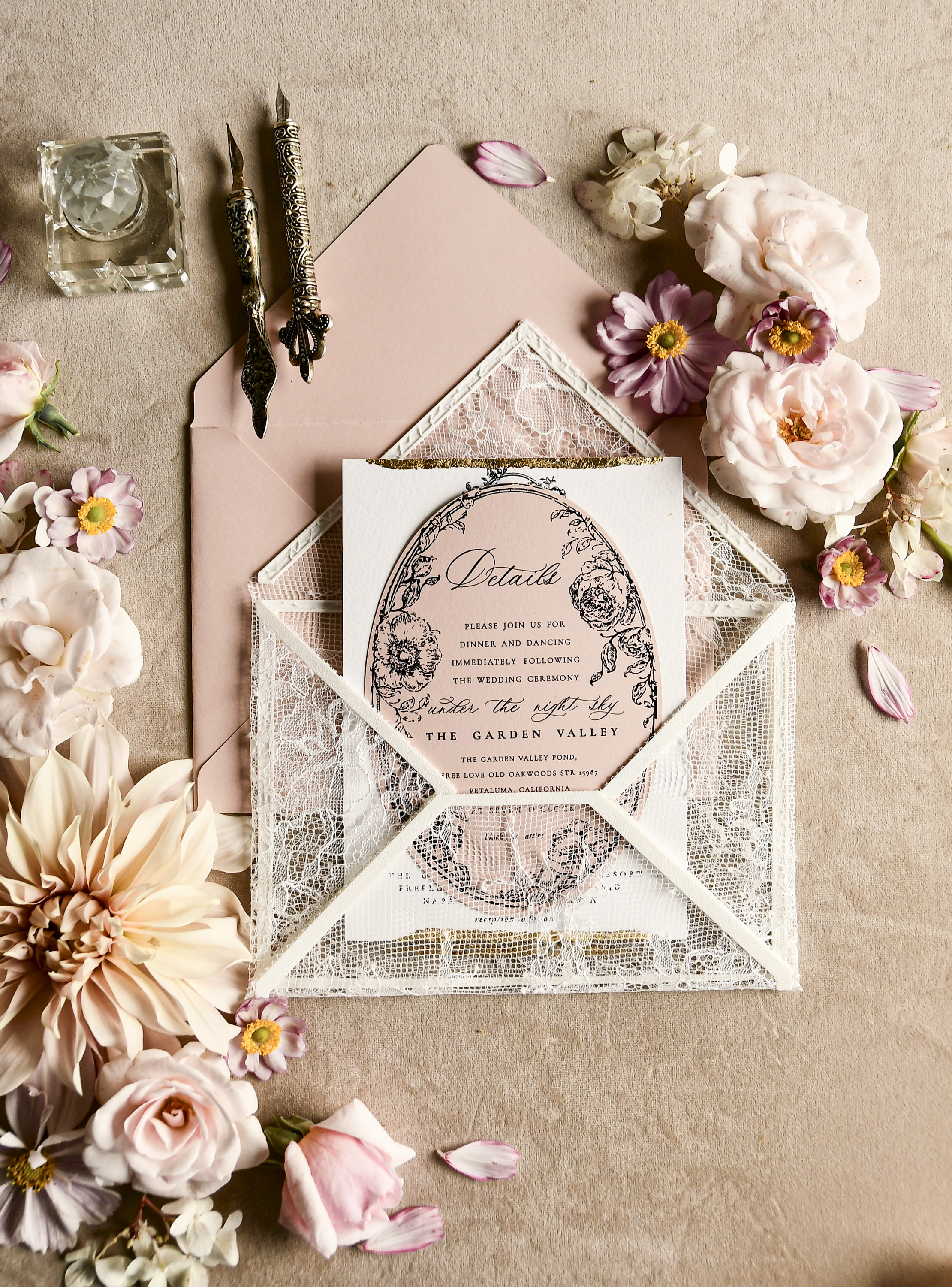
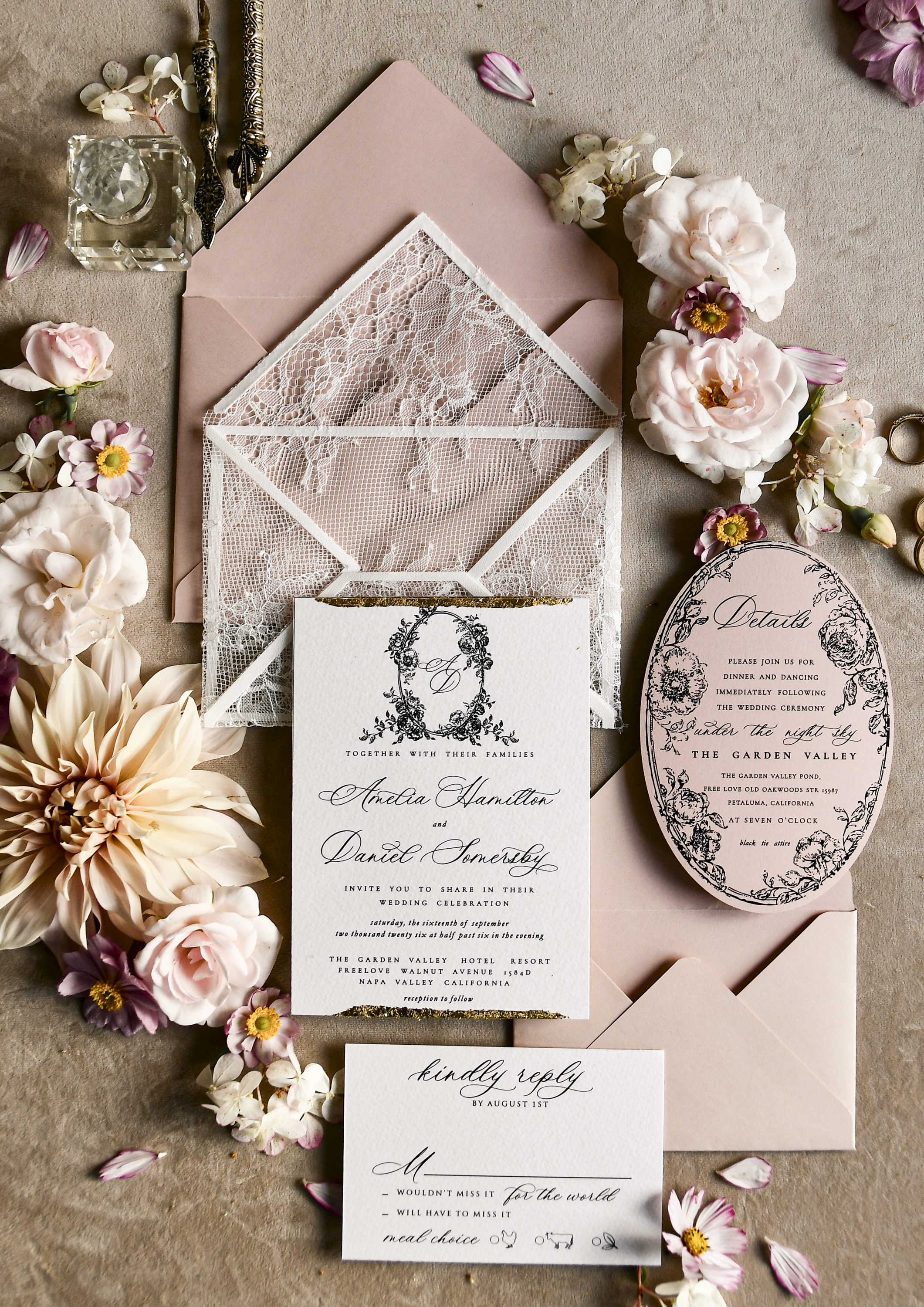
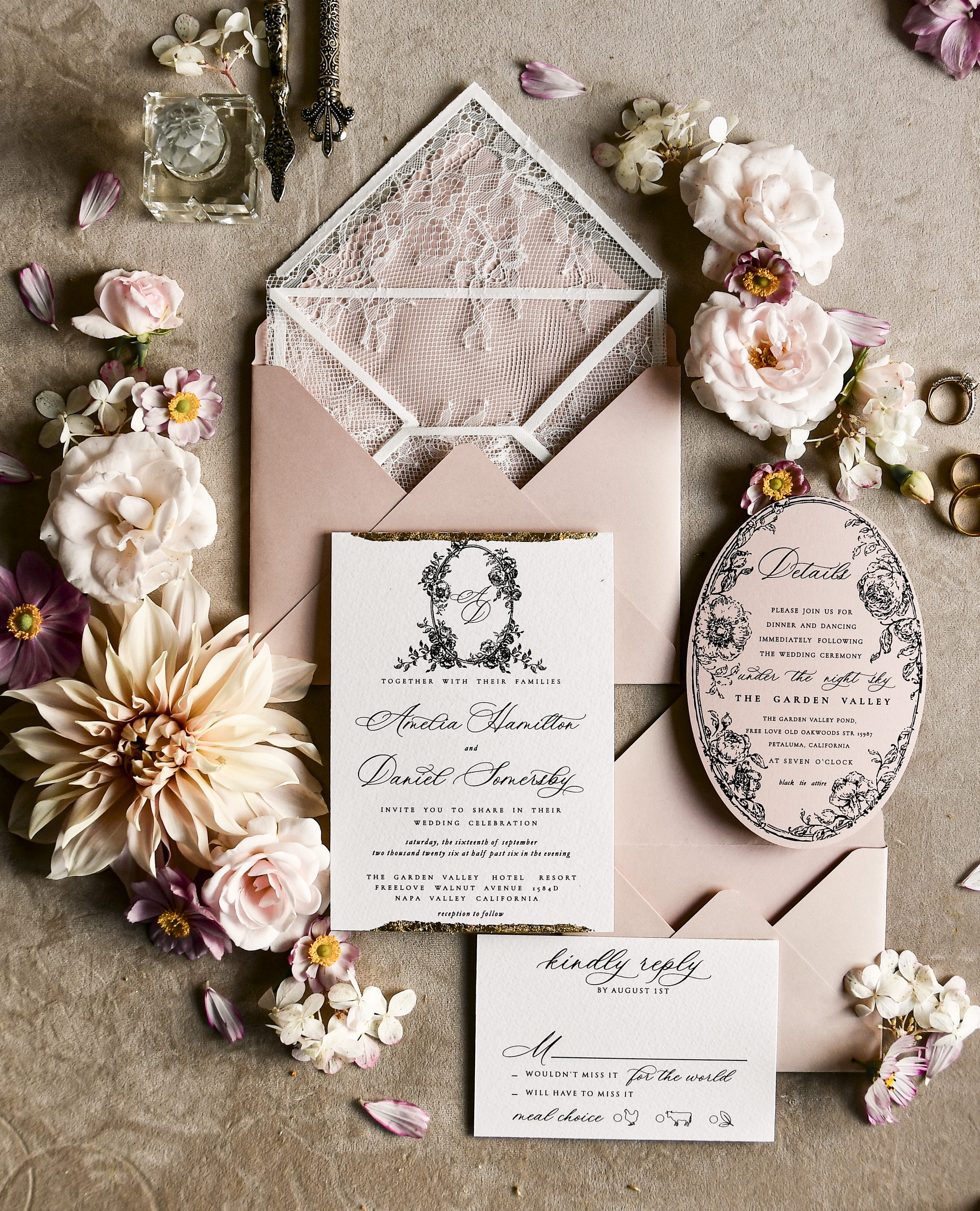
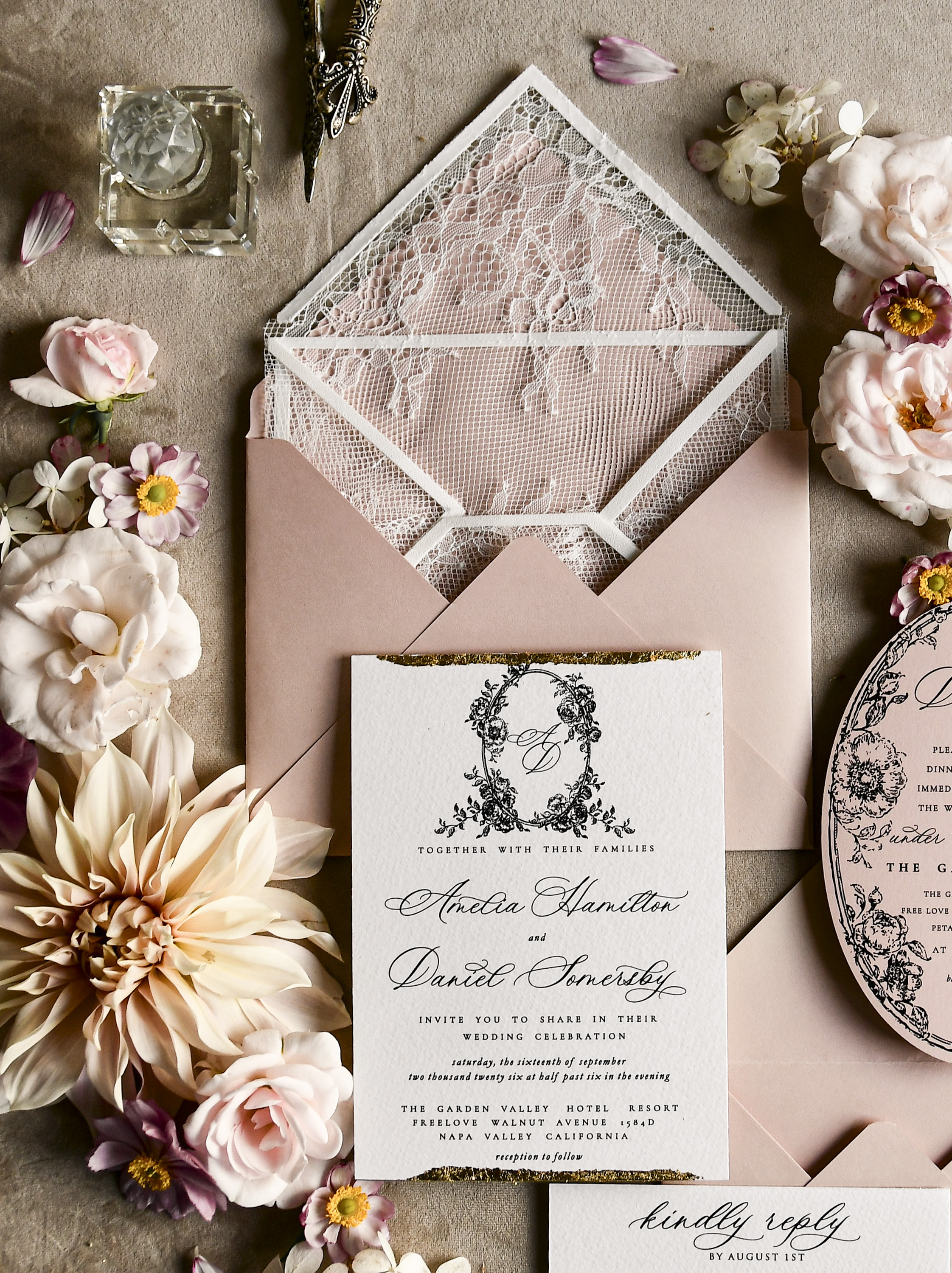
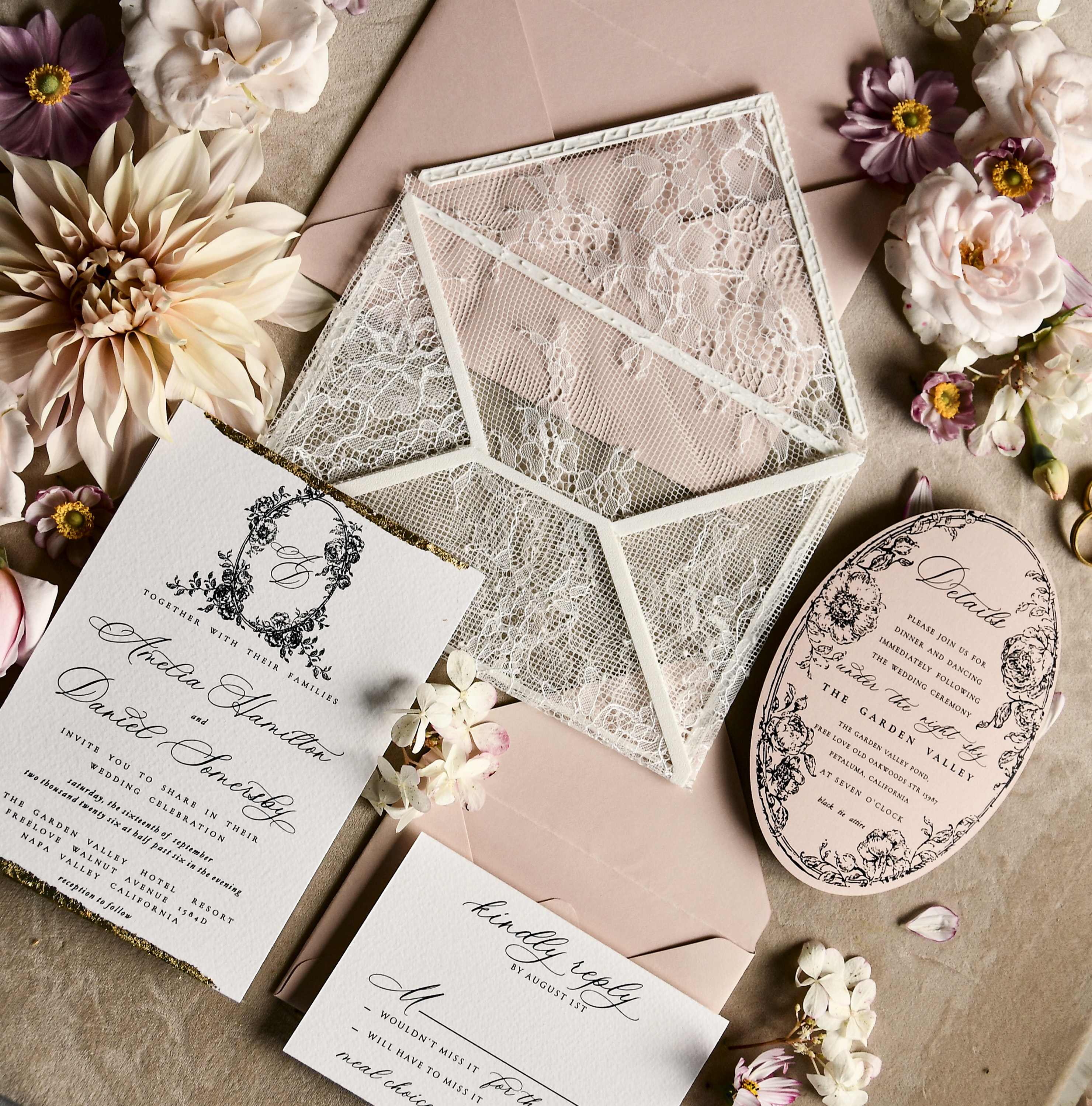
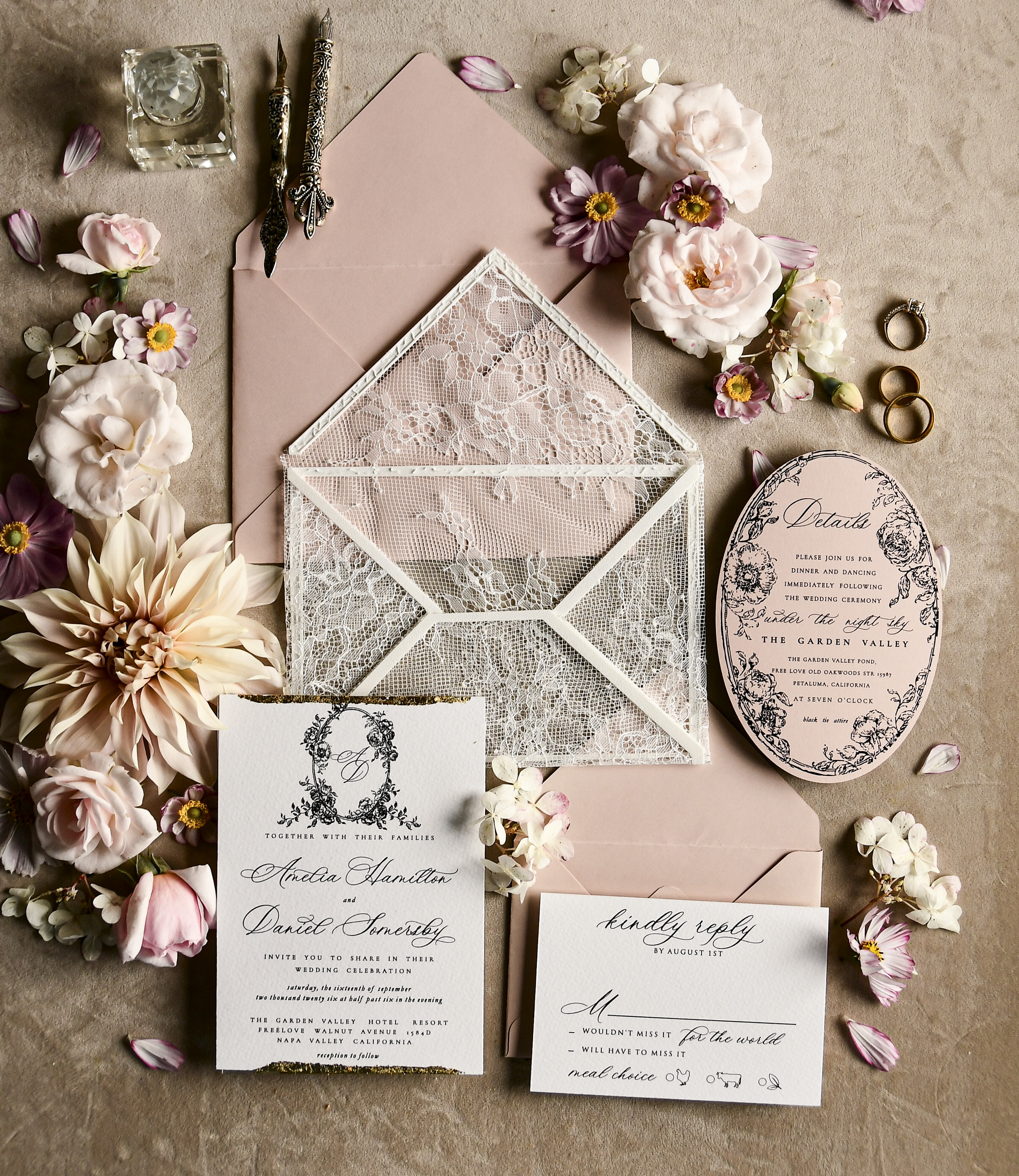
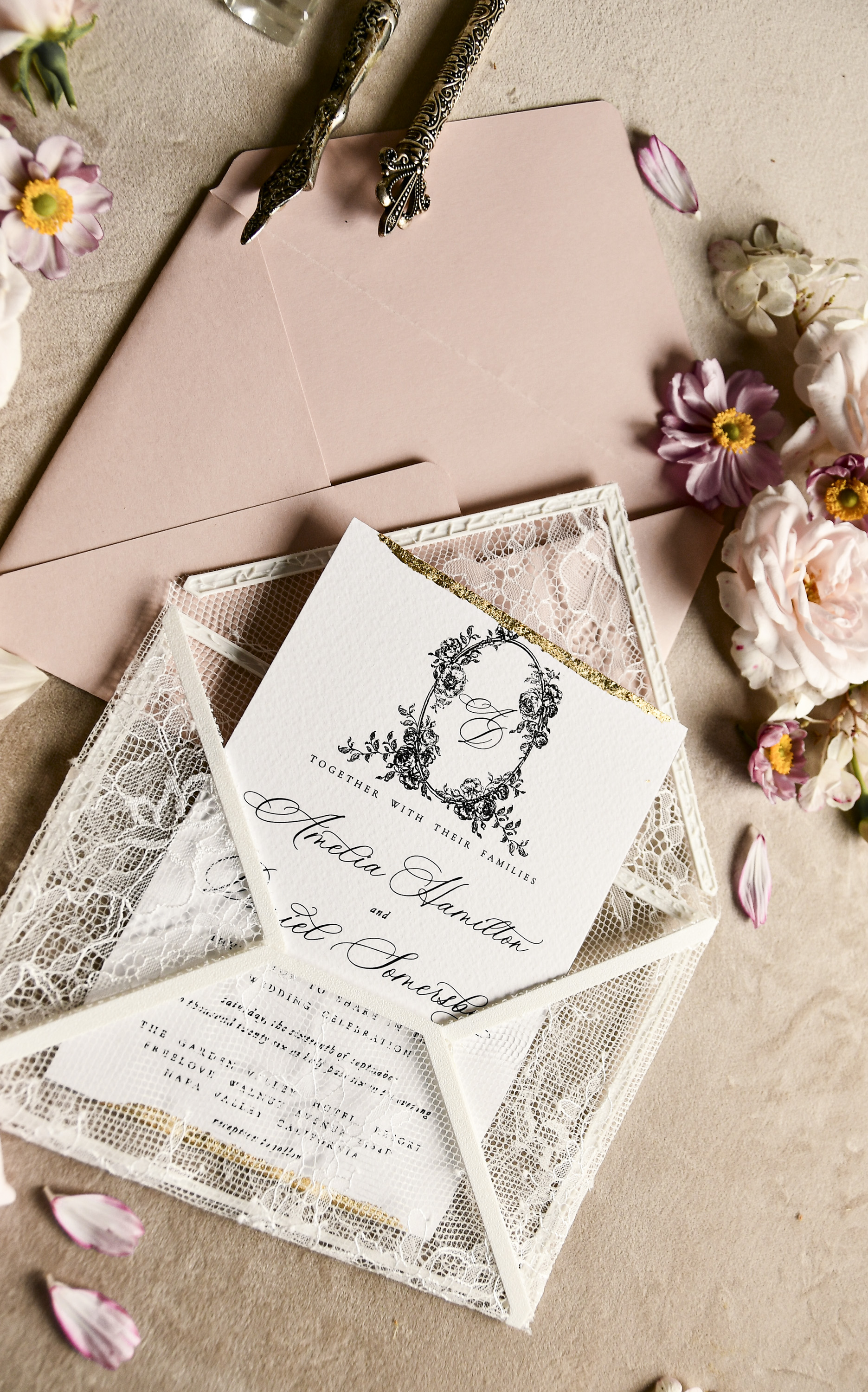
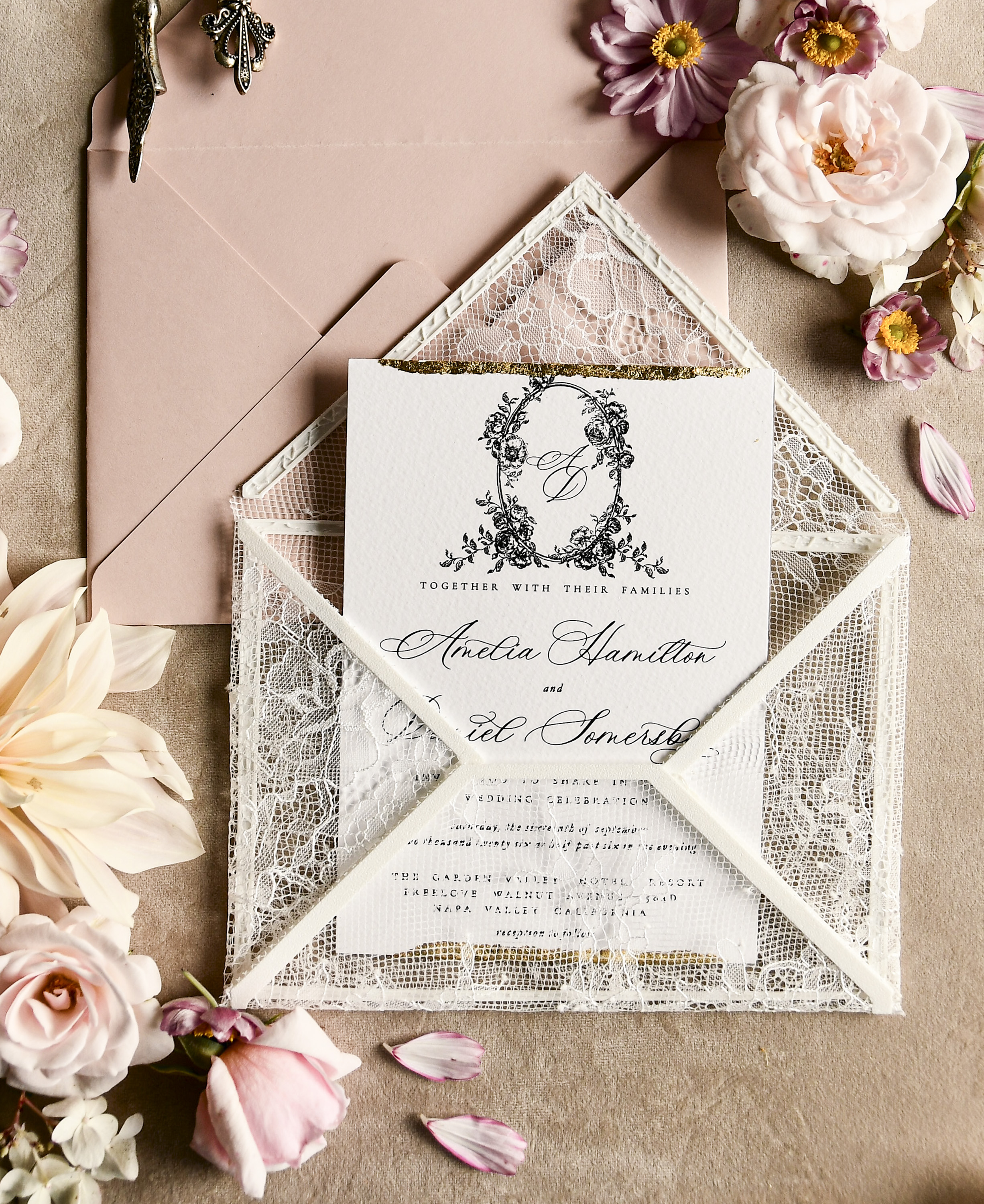
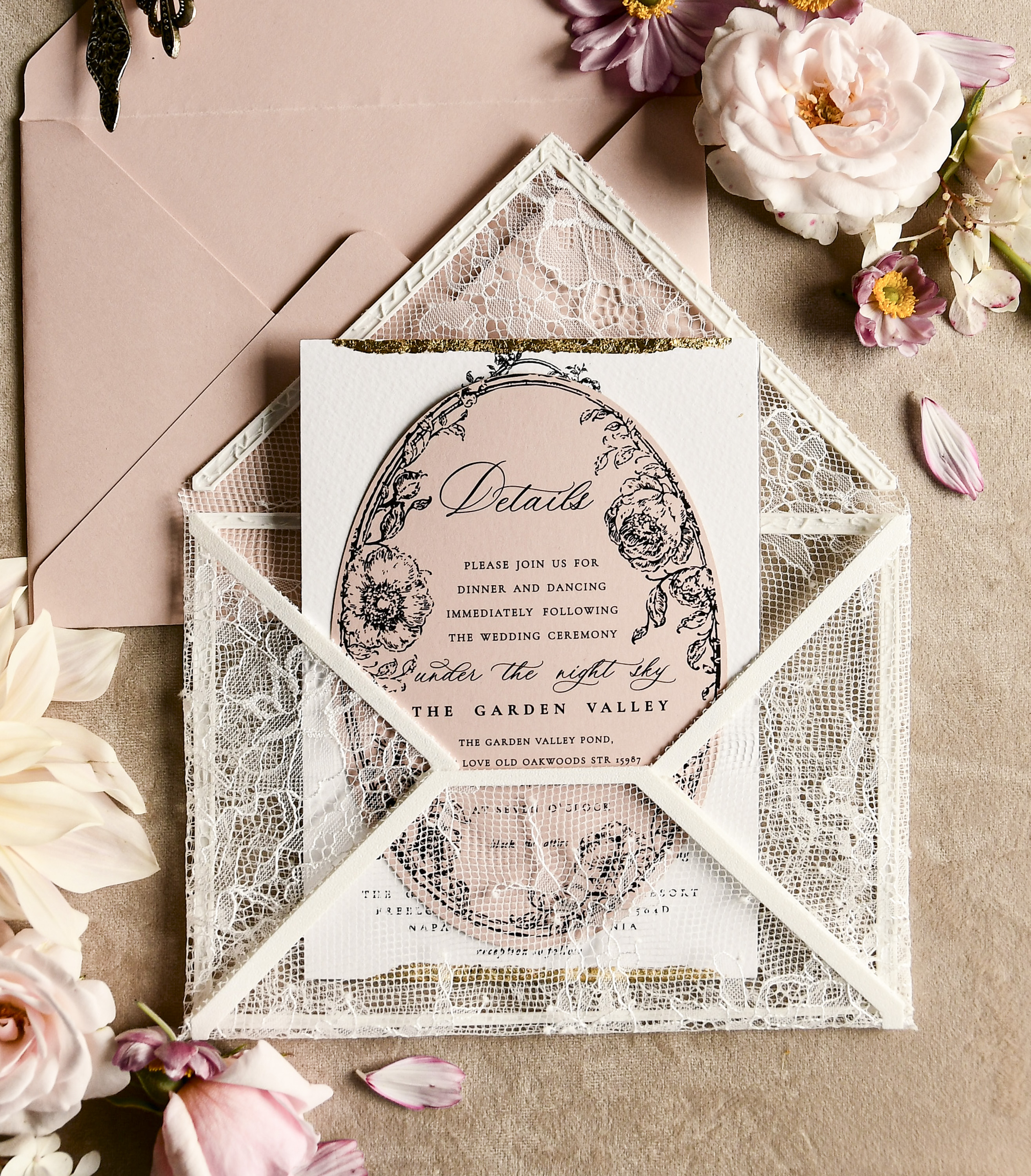
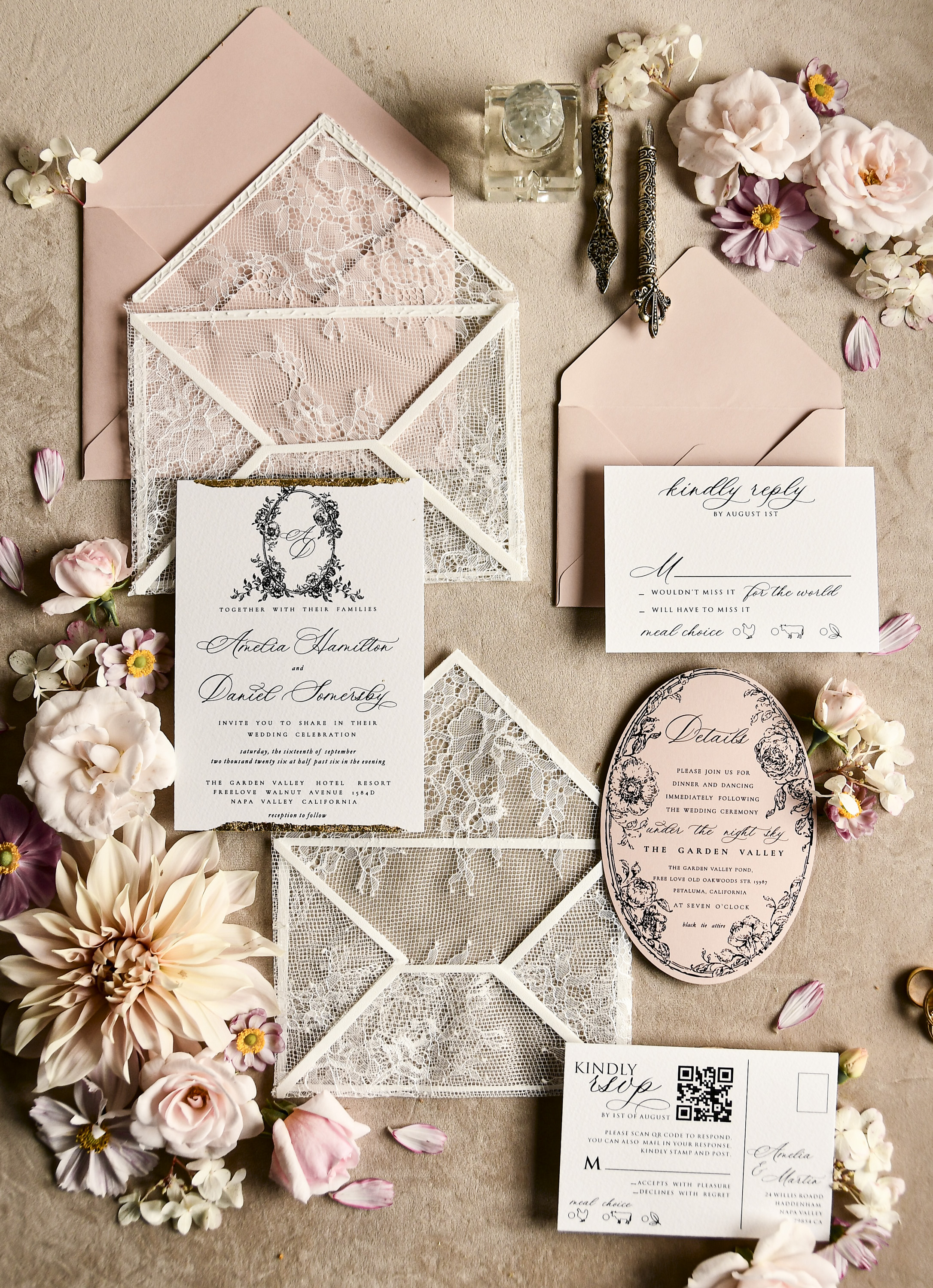
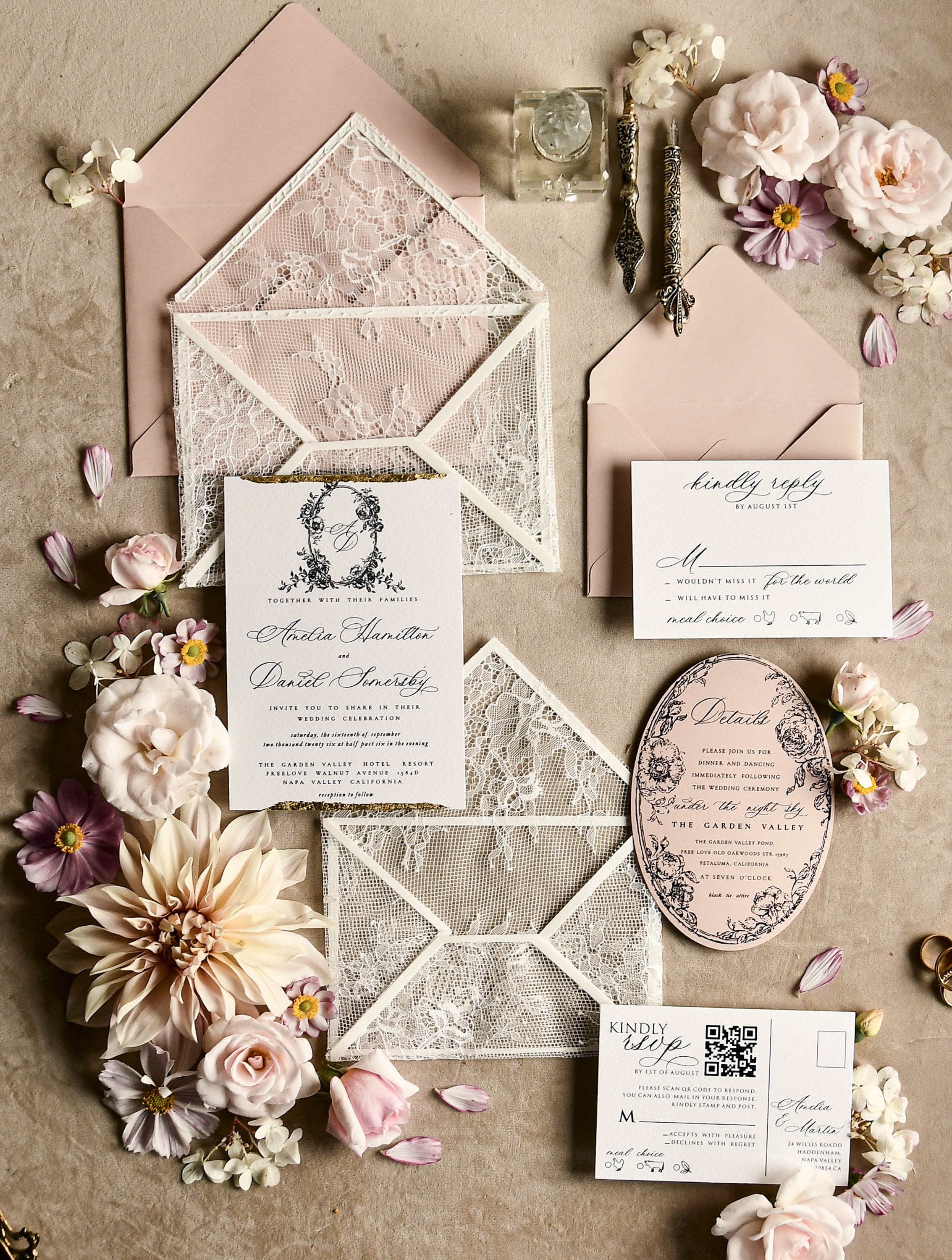
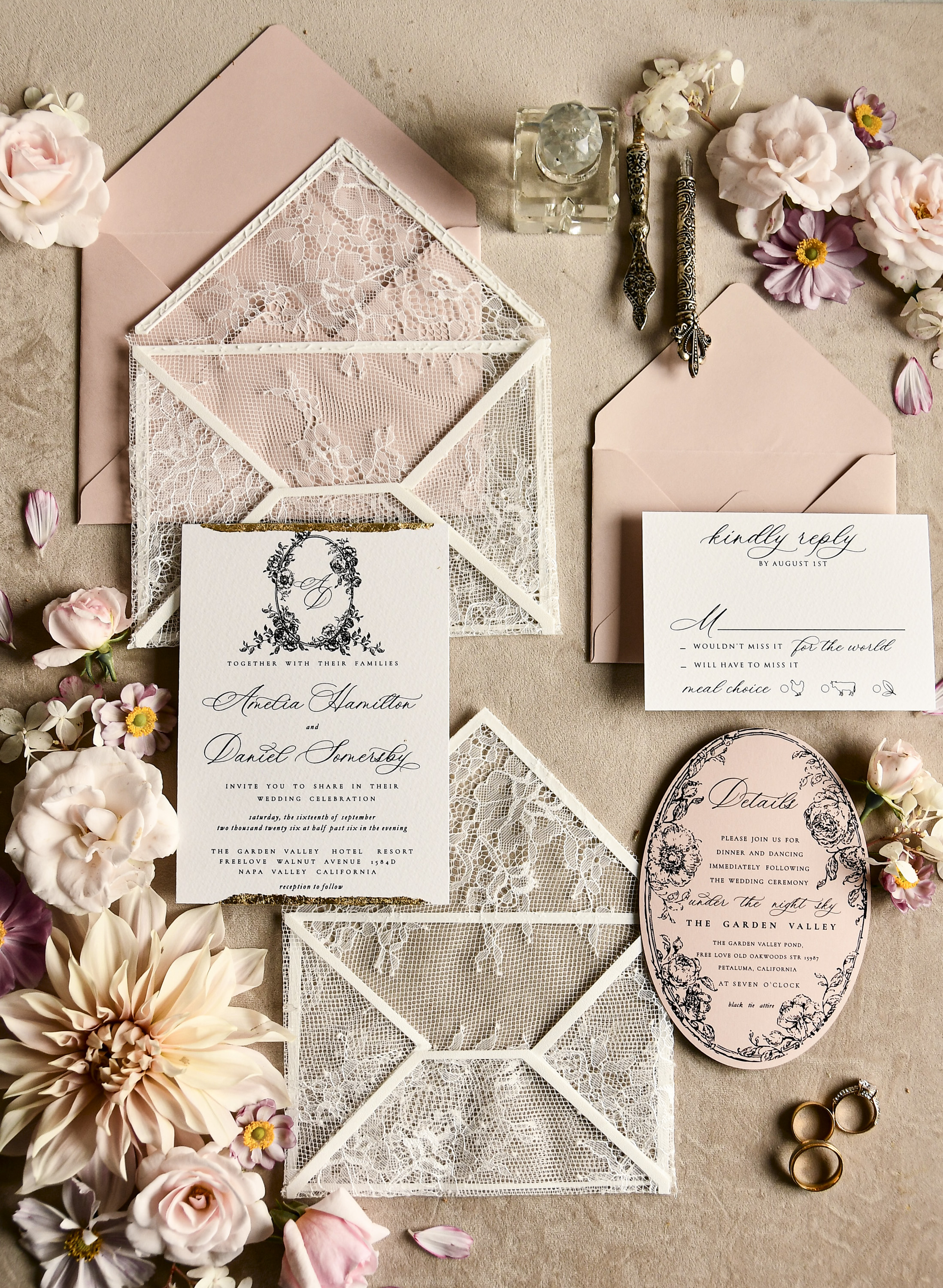
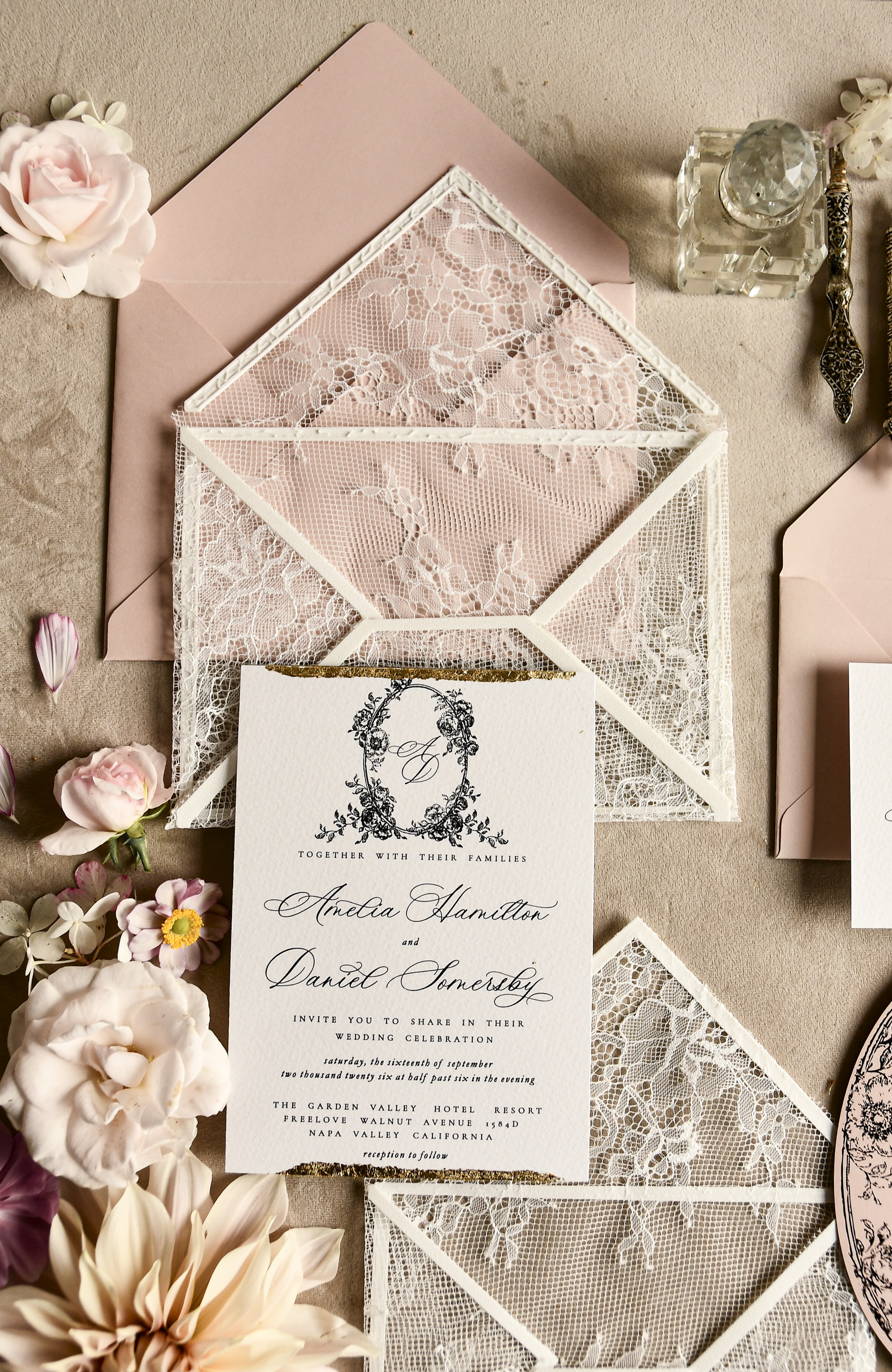
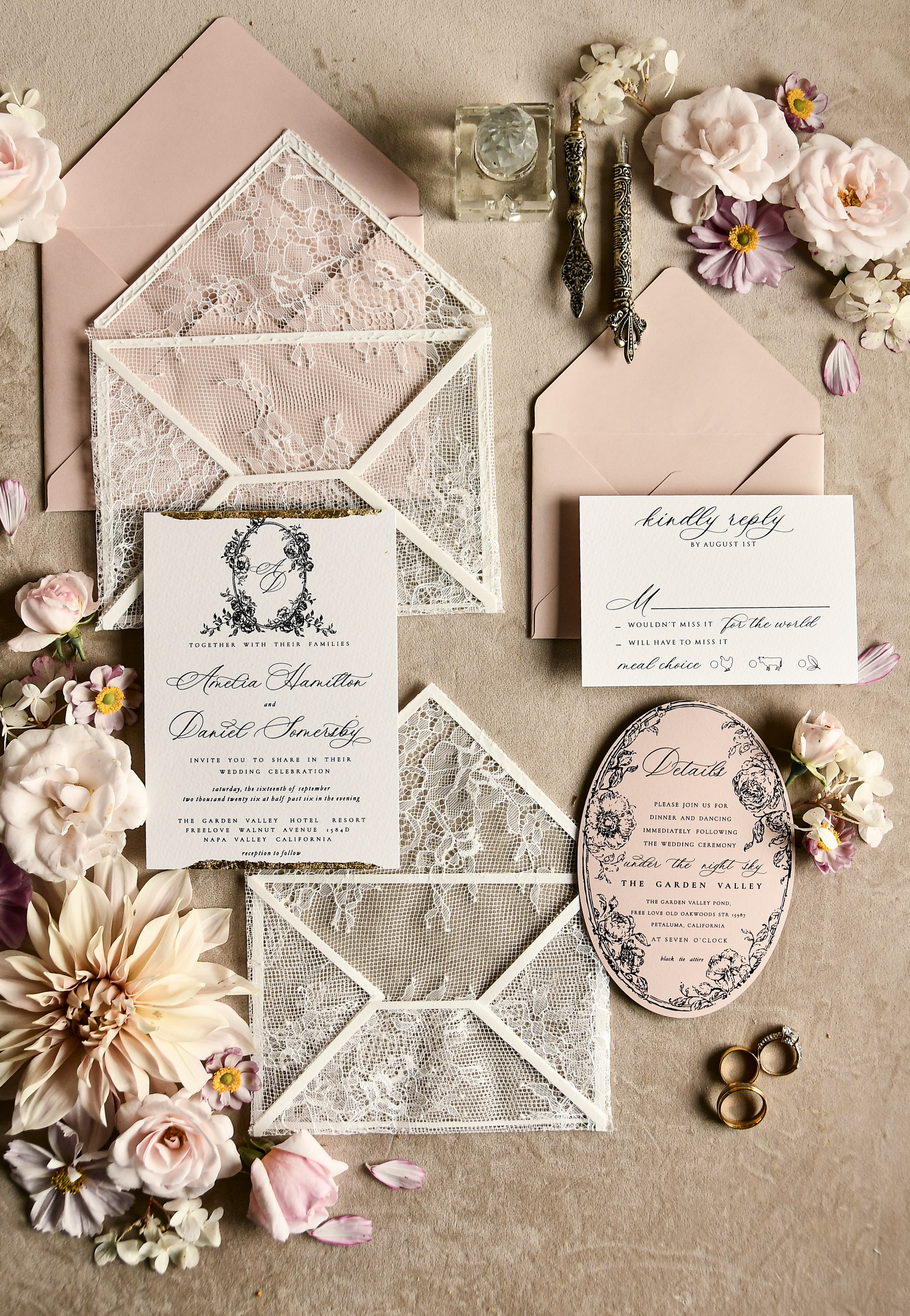
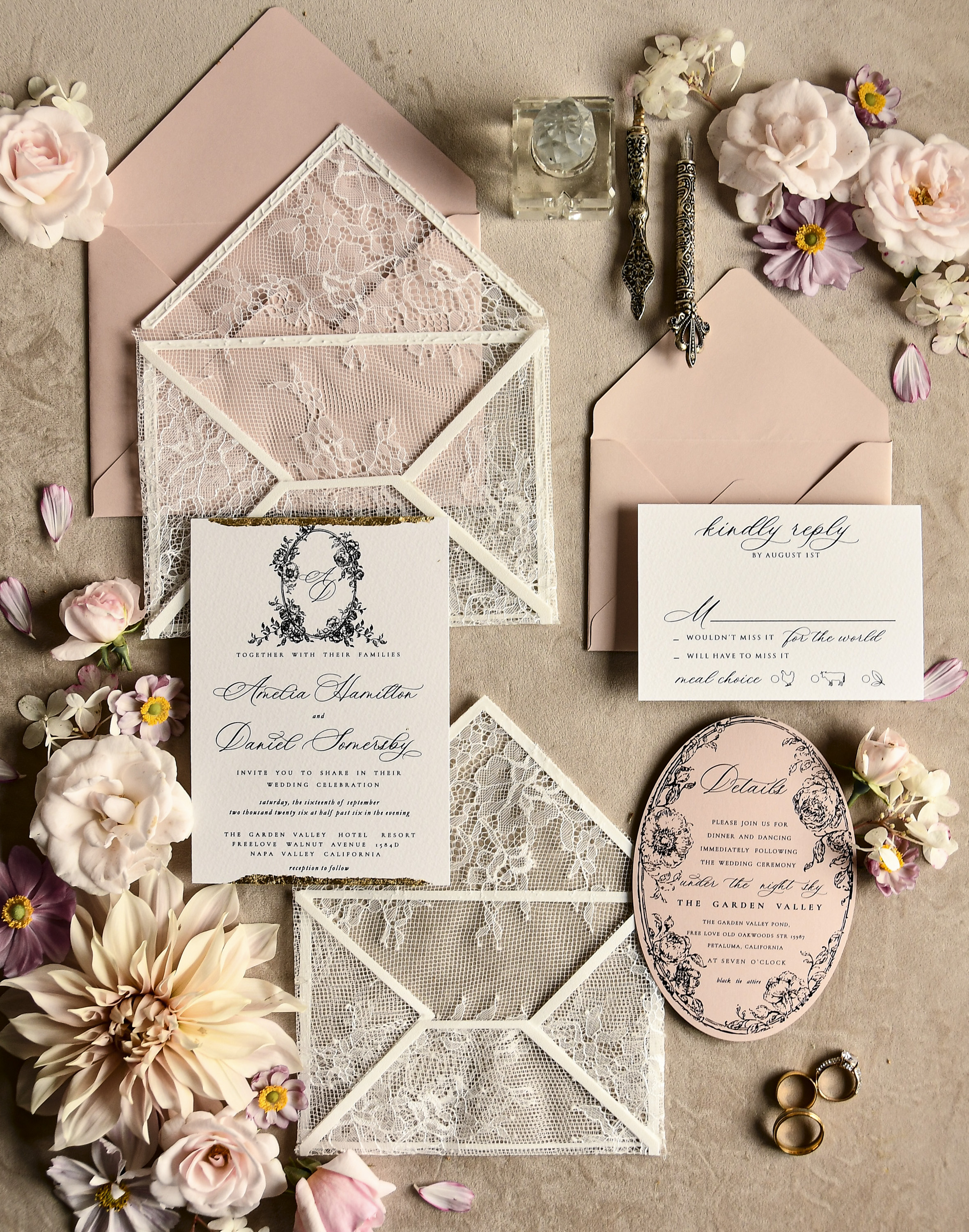
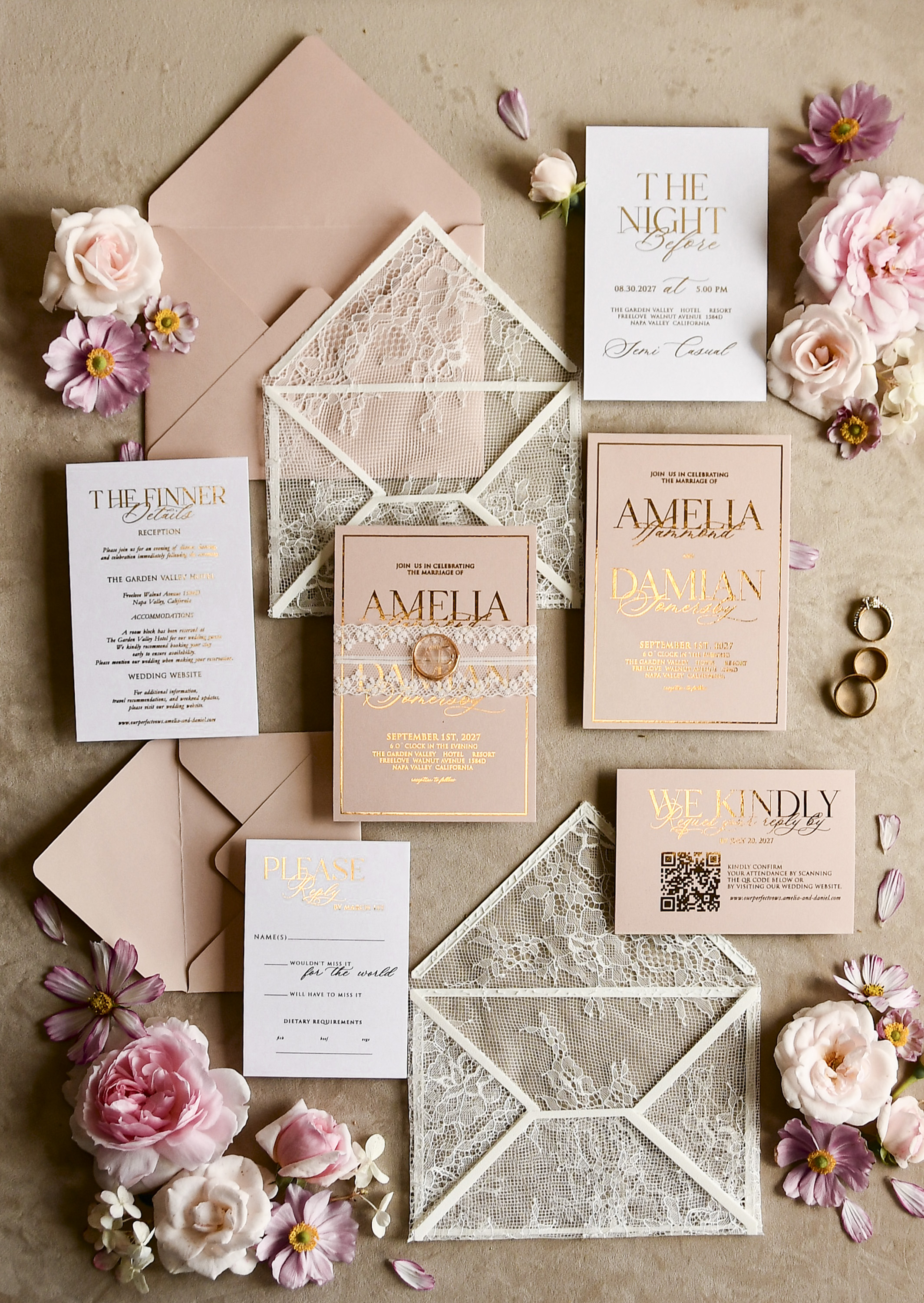
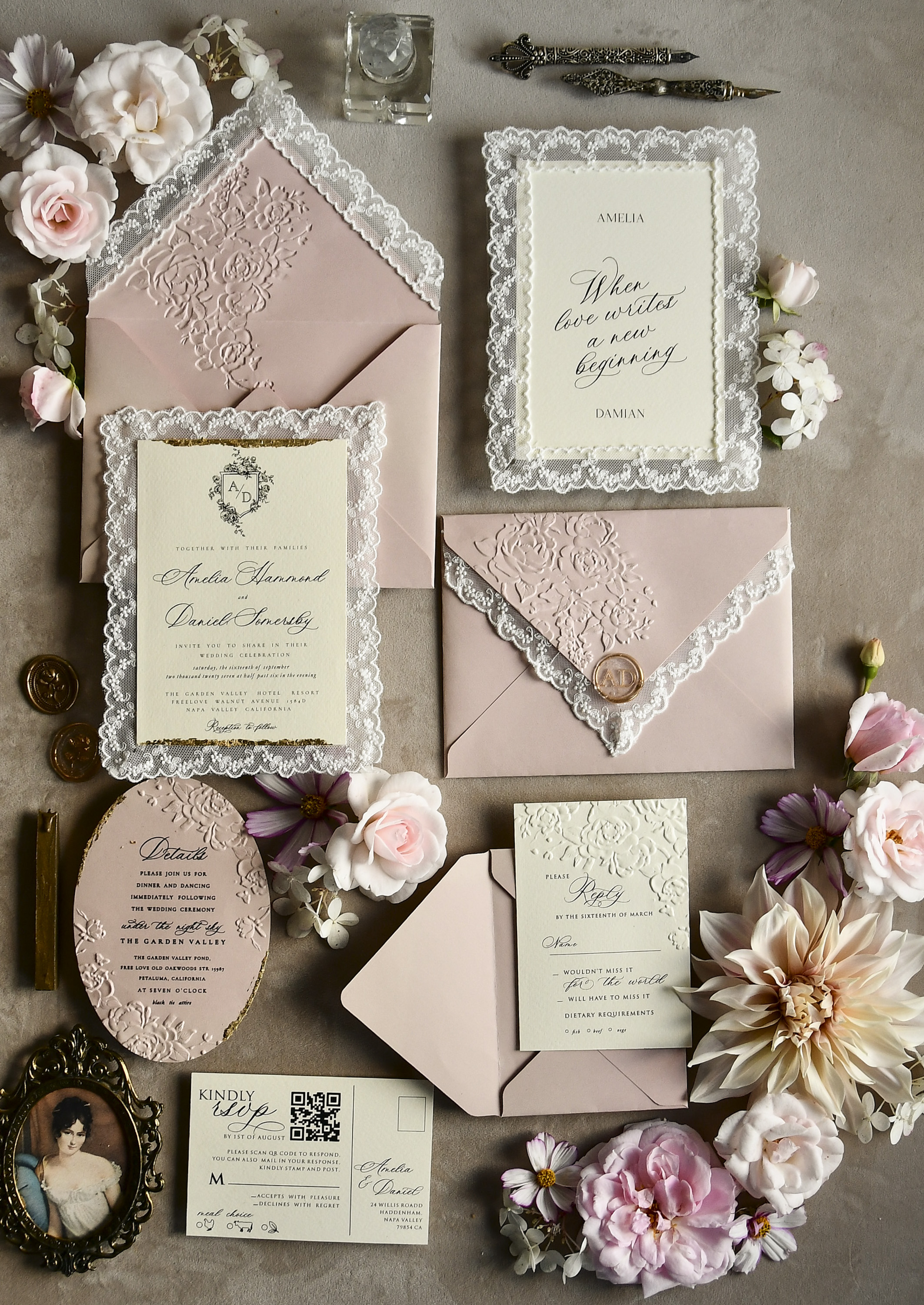
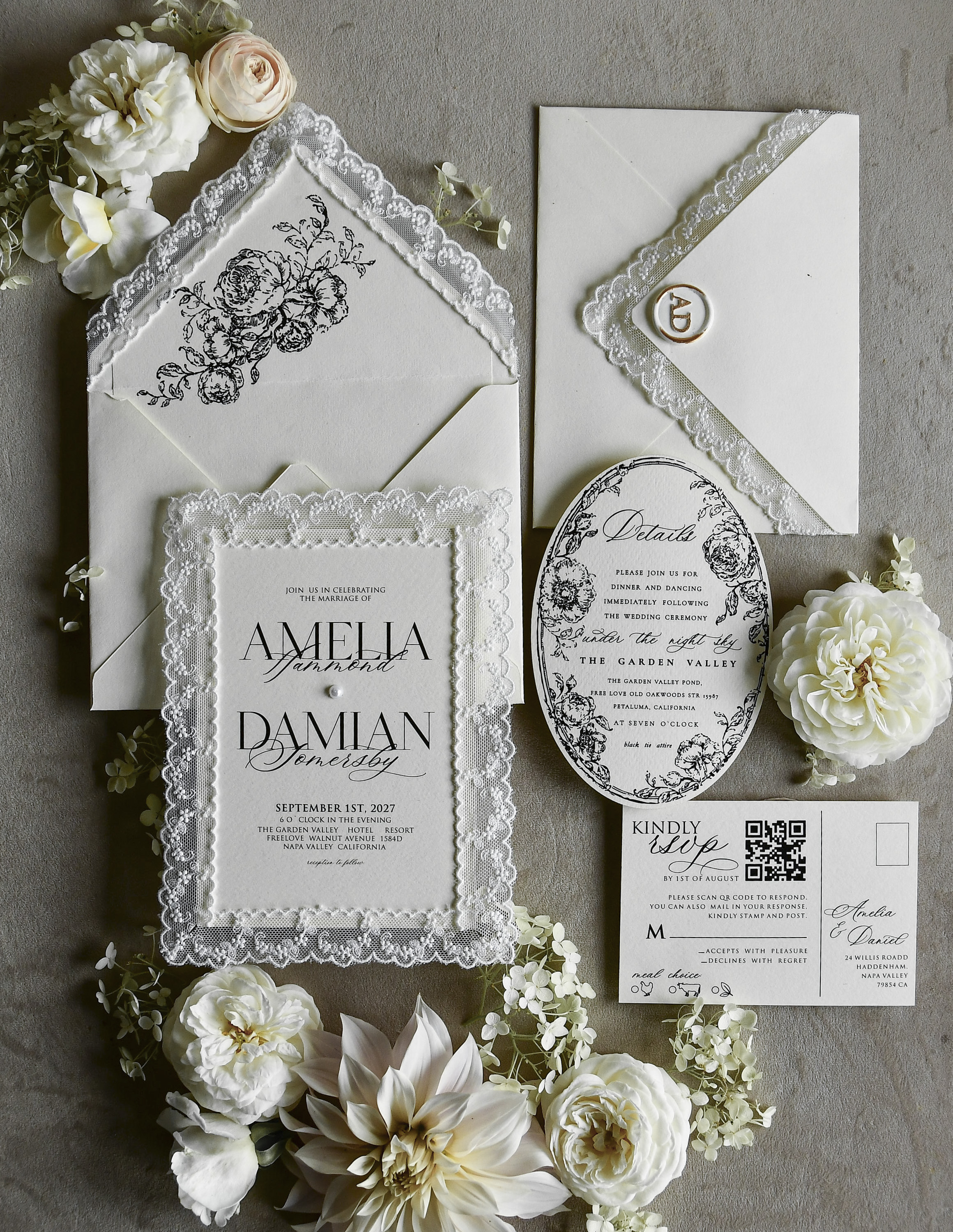
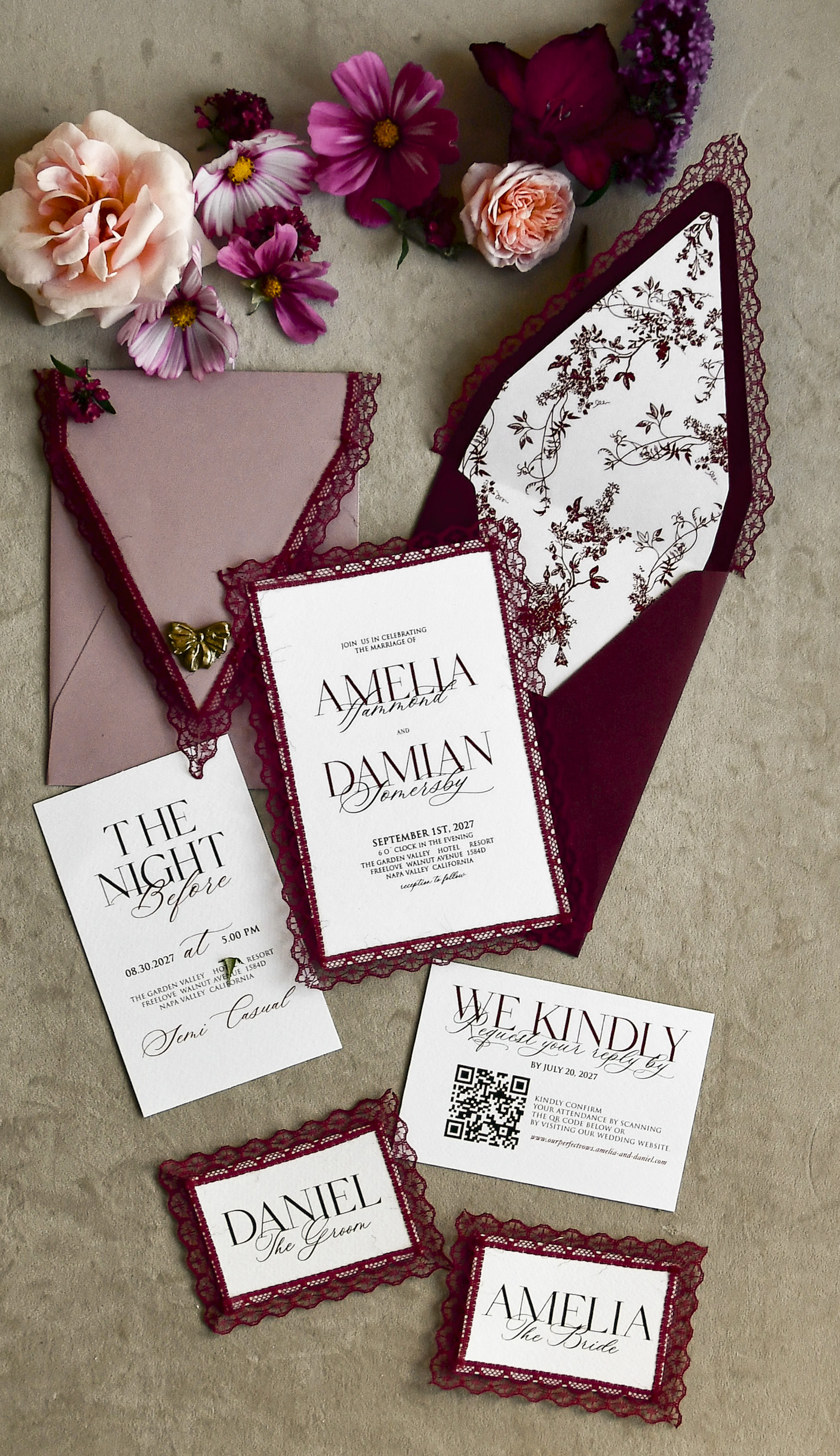
Our vintage lace wedding invitations from the 03/lacenvD/z collection pair beautifully with a classic, formal address format that naturally sets an elegant, adult tone before guests even read a word of the details.
Anticipating Pushback: How to Handle Upset Guests
Even with perfect communication, some guests — often close family members — may push back. Here is how to handle the most common scenarios:
- "Can we bring the baby?" — Gently hold your boundary: "We completely understand, and we're so sorry for the inconvenience. Our venue has a strict adults-only policy for the evening." Mentioning the venue (even if the rule is yours) takes the personal edge off the conversation.
- "We can't come without a sitter." — Acknowledge their situation with empathy. You might offer to share a list of local babysitting services or suggest they check with other attending guests about coordinating childcare together.
- "Why is the flower girl invited but not my daughter?" — Be honest that immediate wedding-party children are a specific exception, and reaffirm your appreciation for their understanding.
The key is to respond with warmth and consistency. Never waver for one family and hold firm for another — that is where genuine hurt feelings arise.
Practical Timeline: When and How to Spread the Word
Giving guests as much notice as possible is one of the kindest things you can do when hosting a child-free wedding. Parents need time to arrange childcare, and a last-minute surprise is far more disruptive than an early heads-up.
- Save-the-dates (6–12 months out): Address these to adults only. You can also note "adults-only reception" on the save-the-date card itself.
- Wedding website (as soon as it's live): Include a clear, friendly FAQ section that addresses your child-free policy.
- Formal invitations (8–10 weeks out): Use precise addressing and consider a details card with polite wording. The 03/lacenvD/z vintage lace invitation suite offers a refined, elegant look that pairs well with formal adult-only addressing.
- Word of mouth (ongoing): Let close family members — especially those with young children — know personally before invitations arrive. A quick phone call or text goes a long way.
The Bottom Line on Children and Wedding Guest Lists
Choosing an adults-only wedding is not rude — it is a personal, practical, and often financially necessary decision. What couples owe their guests is clear communication delivered with kindness and ample notice. When you address invitations thoughtfully, communicate your policy early, and respond to concerns with empathy, the vast majority of guests will understand and respect your wishes.
Remember: your wedding day reflects your values and vision. Setting a child-free boundary is not a statement about how you feel about children — it is simply a choice about the kind of celebration you want to create.
Frequently Asked Questions
You are not obligated to give a detailed explanation. A simple, warm note stating that your celebration will be adults-only is sufficient. Most guests will understand without needing a reason.
Express genuine regret and let them know you'll miss them, but hold your boundary kindly and consistently. Offering to help connect them with childcare resources in your area is a thoughtful gesture.
You can include it on a details card or your wedding website rather than the main invitation, which keeps the invitation itself elegant and uncluttered. Addressing envelopes to named adults only also communicates the policy clearly.
It's best to have a consistent, clearly defined policy — such as no children under 16 — to avoid hurt feelings. Exceptions should be limited to the immediate wedding party, like a flower girl or ring bearer, and communicated as such.
The earlier the better — ideally when save-the-dates go out, six to twelve months before the wedding. Parents need maximum lead time to arrange reliable childcare, especially for out-of-town events.
Yes, adults-only weddings have become increasingly common and socially accepted across the United States. Most guests today are familiar with the concept and will not be surprised or offended by a clearly communicated child-free policy.
See This Design Up Close


You May Also Like
More Wedding Planning Guides
- → Staying Sane When Family Tensions Rise Before Your Big Day
- → The Estranged Family Dilemma: Making Peace With Your Wedding Guest List
- → Missing RSVPs: The Exact Waiting Game You Should Play
- → Wedding Invitation Timing: The Insider's Guide to Sending on Schedule
- → Who's Really Getting Married? Managing Parent Friend Requests on Your Guest List
- → Handling Family Boycott Threats Over Your Wedding Guest List
- → The Teen Plus-One Dilemma: A Practical Guide for Couples
- → What To Do When Guests Leave You On RSVP Read
- → When an RSVP Changes at the Last Minute: A Calm, Practical Guide for Couples
- → Your Wedding, Your Choice: Deciding Whether to Include an Estranged Sibling
- → Feuding Divorced Parents at Your Wedding: A Practical Peace Plan
- → Small Weddings, Big Meaning: Your Guide to Celebrating Intimately
- → Should You Skip Paper and Send Digital Wedding Invitations?
- → The Uninvited Guest Question: How to Respond Without Regret
- → Missing RSVPs: The Right Way to Follow Up With Silent Guests
- → The Smart Couple's Guide to Wedding Childcare and Kids' Entertainment
- → Uninvited Plus-Ones and Tag-Alongs: How to Keep Your Guest List Intact
- → When Family Feuds Threaten Your Wedding Plans: A Practical Peacekeeper's Guide
- → Inviting an Estranged Brother or Sister: Finding Clarity Before You Seal the Envelope
- → Cousins, Invites, and Hard Choices: A Practical Guest List Guide