
The Teen Plus-One Dilemma: A Practical Guide for Couples

One of the trickiest guest-list decisions couples face is whether to extend plus-ones to teenage guests. They're not little kids, but they're not independent adults either—so the usual rules don't quite apply. The good news: there's no single "right" answer, and with a little thought, you can make a choice that feels fair, fits your budget, and keeps everyone comfortable.
Why Teenagers Are a Special Case
Standard plus-one etiquette is built around adults: married couples always get a shared invitation, long-term partners are typically included, and solo adults may or may not receive a plus-one depending on your budget and seating. Teenagers don't fit neatly into any of those categories.
A 13-year-old attending with their parents is in a completely different situation than a 17-year-old with a serious boyfriend or girlfriend of two years. Age alone isn't the only factor—relationship status, maturity, and family dynamics all play a role. That's why this decision is worth thinking through carefully rather than applying a blanket rule.
Factors That Should Guide Your Decision
Before you decide, ask yourself a few practical questions:
- How old is the teenager? Most couples draw a line around 18 or the age of legal adulthood. Guests 18 and over are typically treated as adults for plus-one purposes.
- Do they have a serious, established partner? If a 16- or 17-year-old has been in a committed relationship for a year or more and that partner is known to your family, excluding them can feel awkward—especially if the couple will be together at future family events.
- Will they know other guests? A teenager attending with their immediate family, surrounded by cousins and relatives they see regularly, probably won't feel stranded without a date. A teen who knows no one else at the wedding is in a different position.
- What's your venue and budget? Every seat has a cost. If you're working with a tight guest count, it's completely reasonable to limit plus-ones across the board—for teens and adults alike.
- Are you being consistent? Whatever you decide, apply it consistently. If you give one 17-year-old a plus-one, be prepared to do the same for others in similar situations.
The Most Common Approaches Couples Use
Here's how most couples handle it in practice:
- No plus-ones for anyone under 18. This is the simplest and most defensible policy. Teenagers under 18 attend as part of their family unit, full stop. It's easy to explain and easy to enforce.
- Plus-ones for 16+ with a serious partner. Some couples make exceptions for older teens in established relationships, especially when those relationships are well-known within the family. If you go this route, be prepared to define "serious" clearly in your own mind before fielding requests.
- Adults-only wedding. If you're not inviting young children, you may also choose to limit attendance to guests 18 and older entirely, which sidesteps the teen plus-one question altogether.
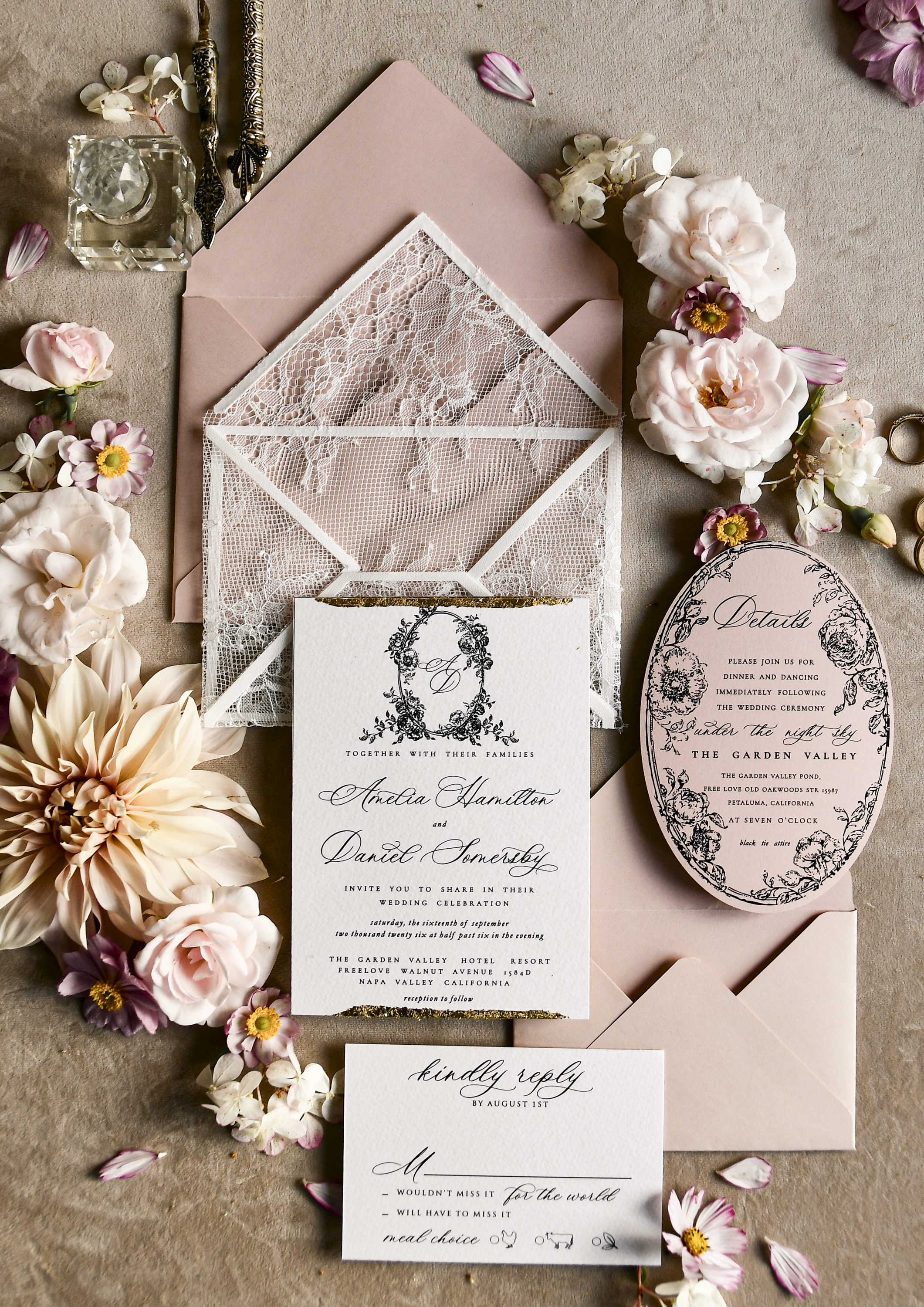
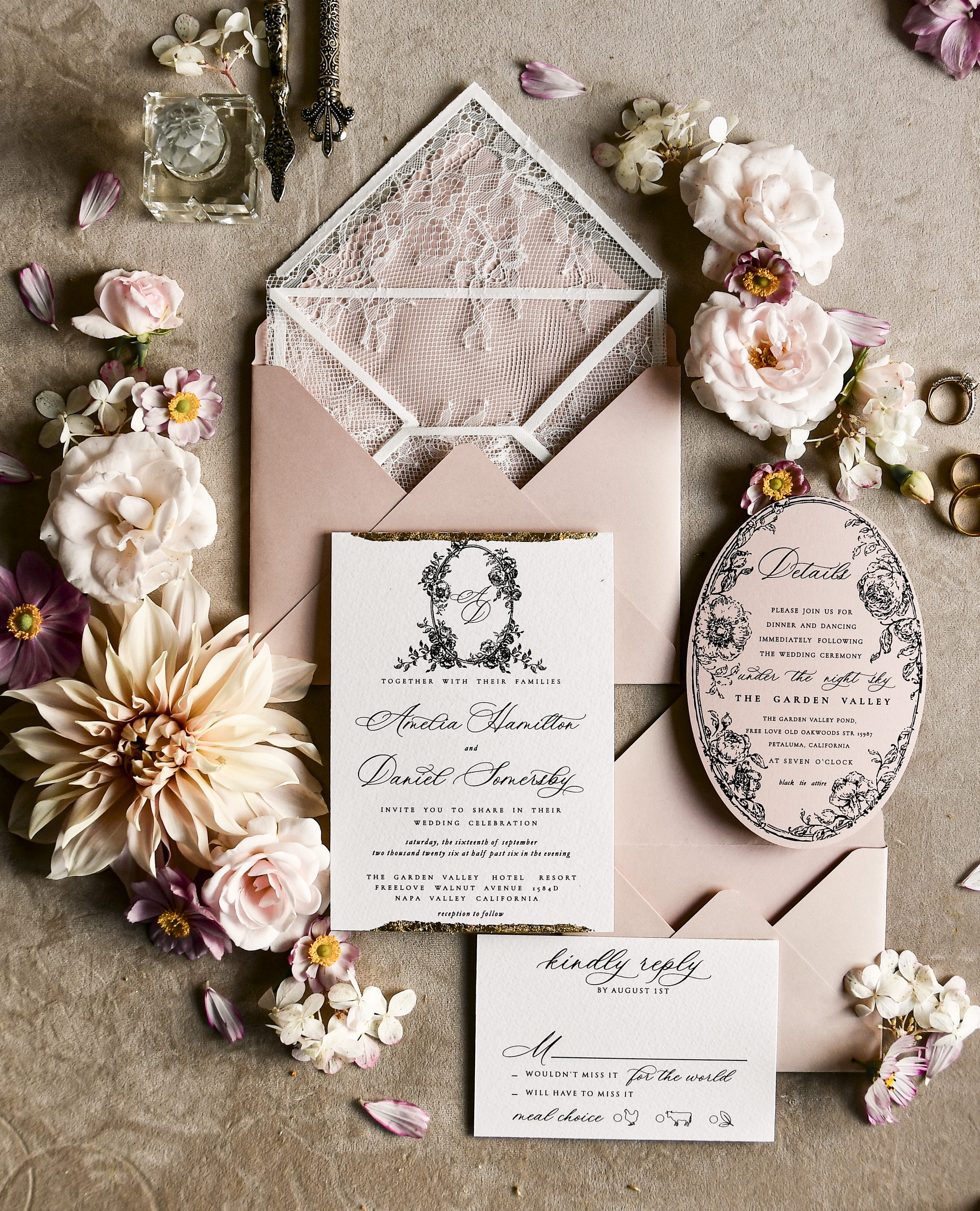
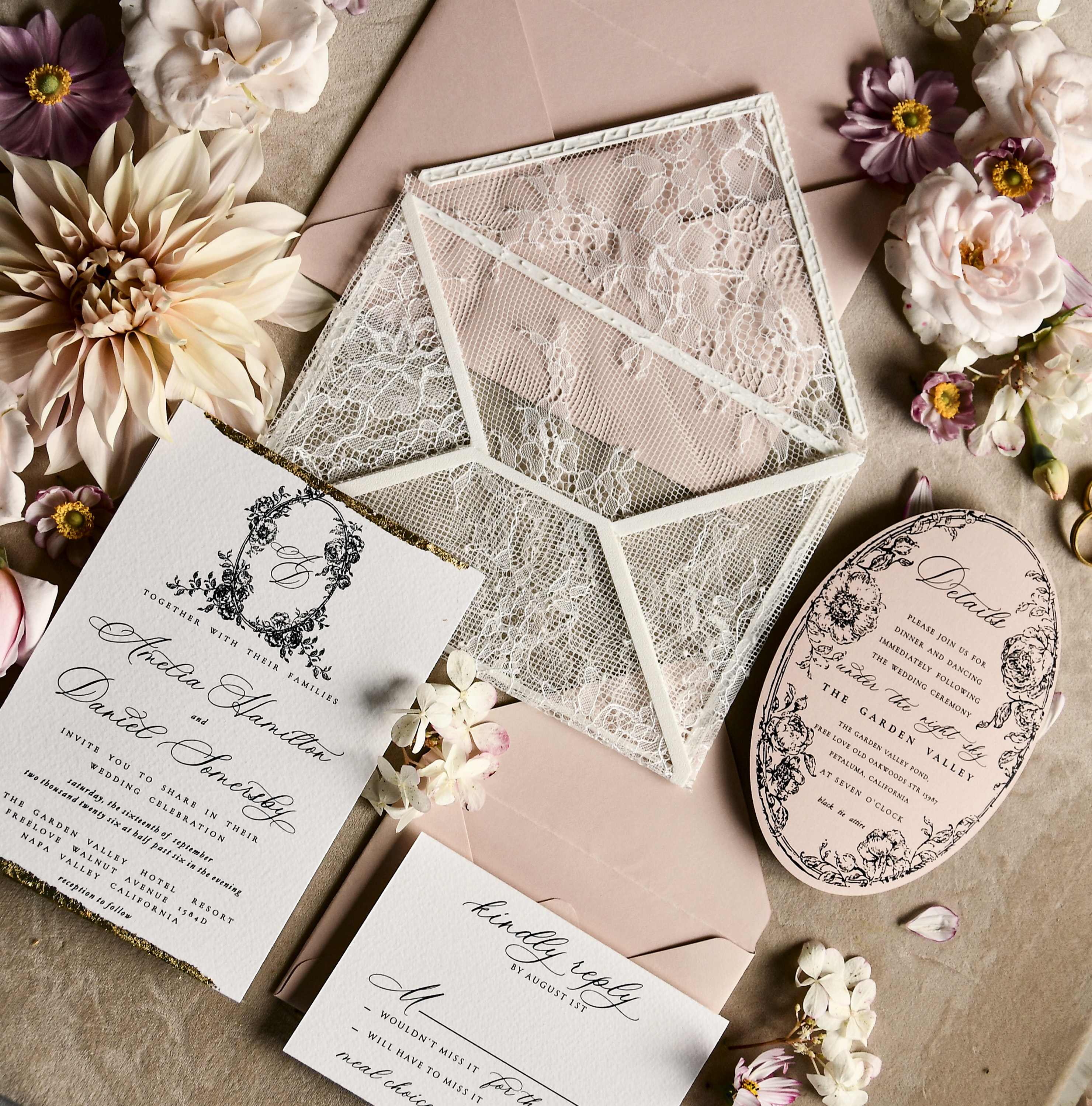
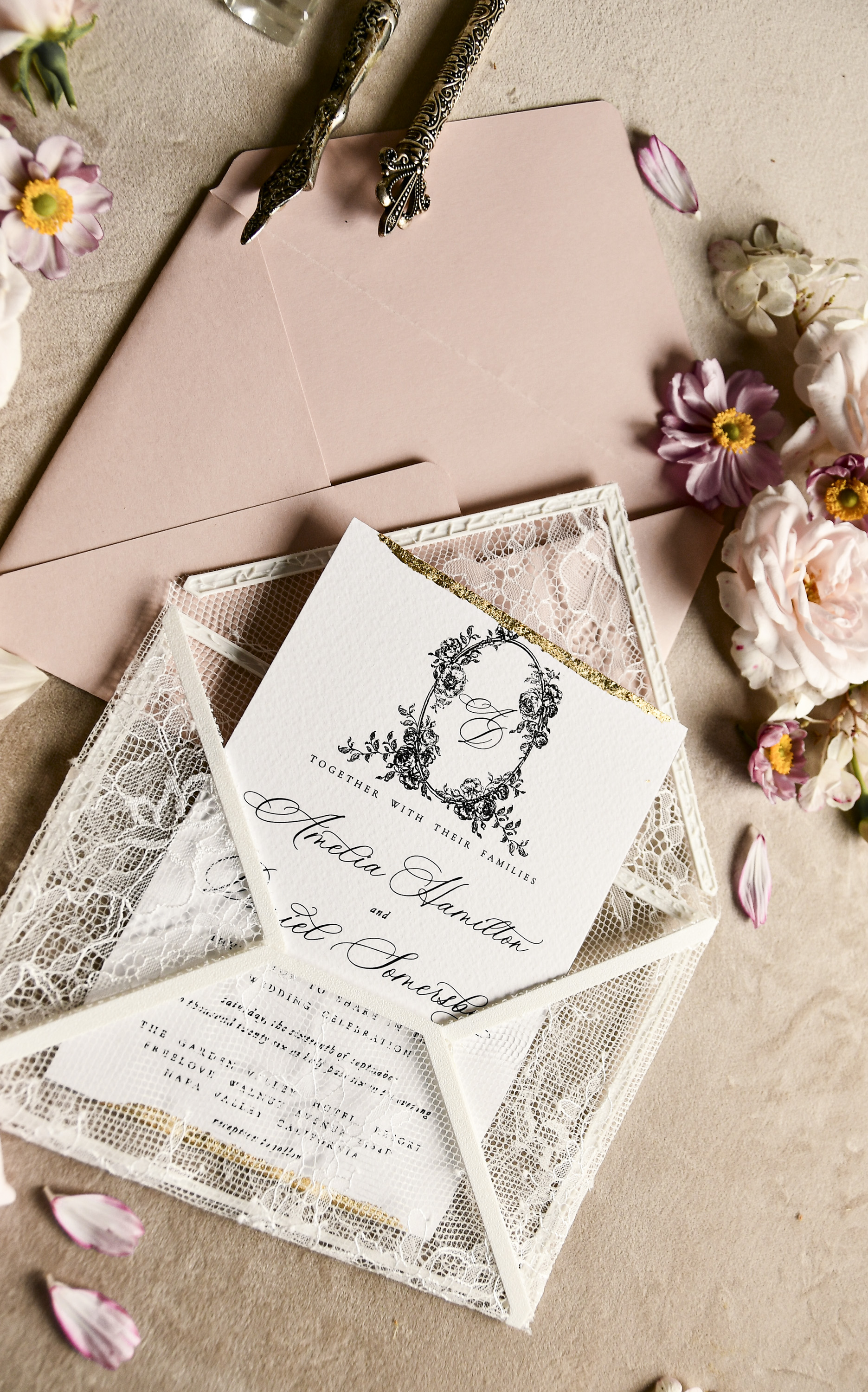
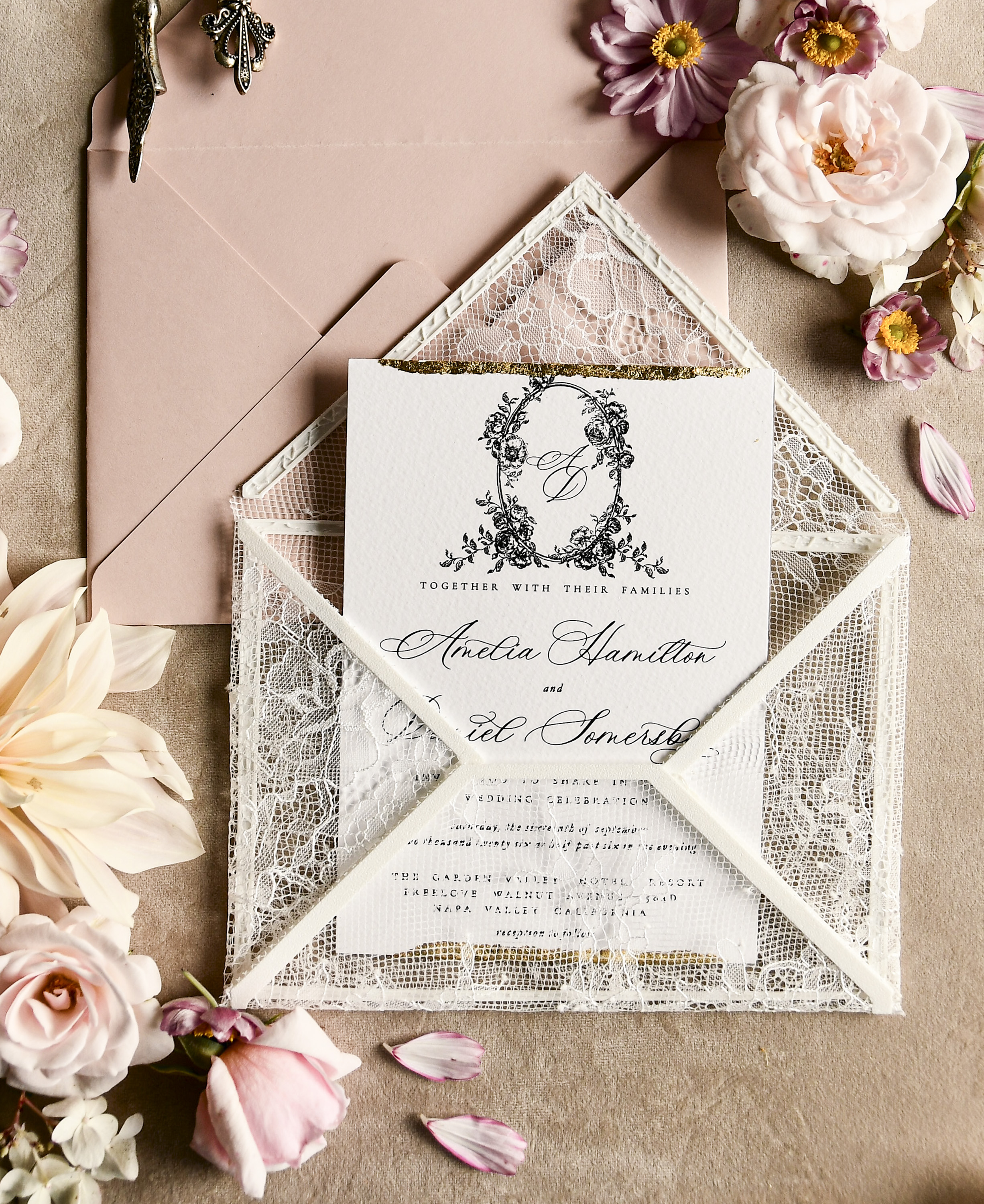
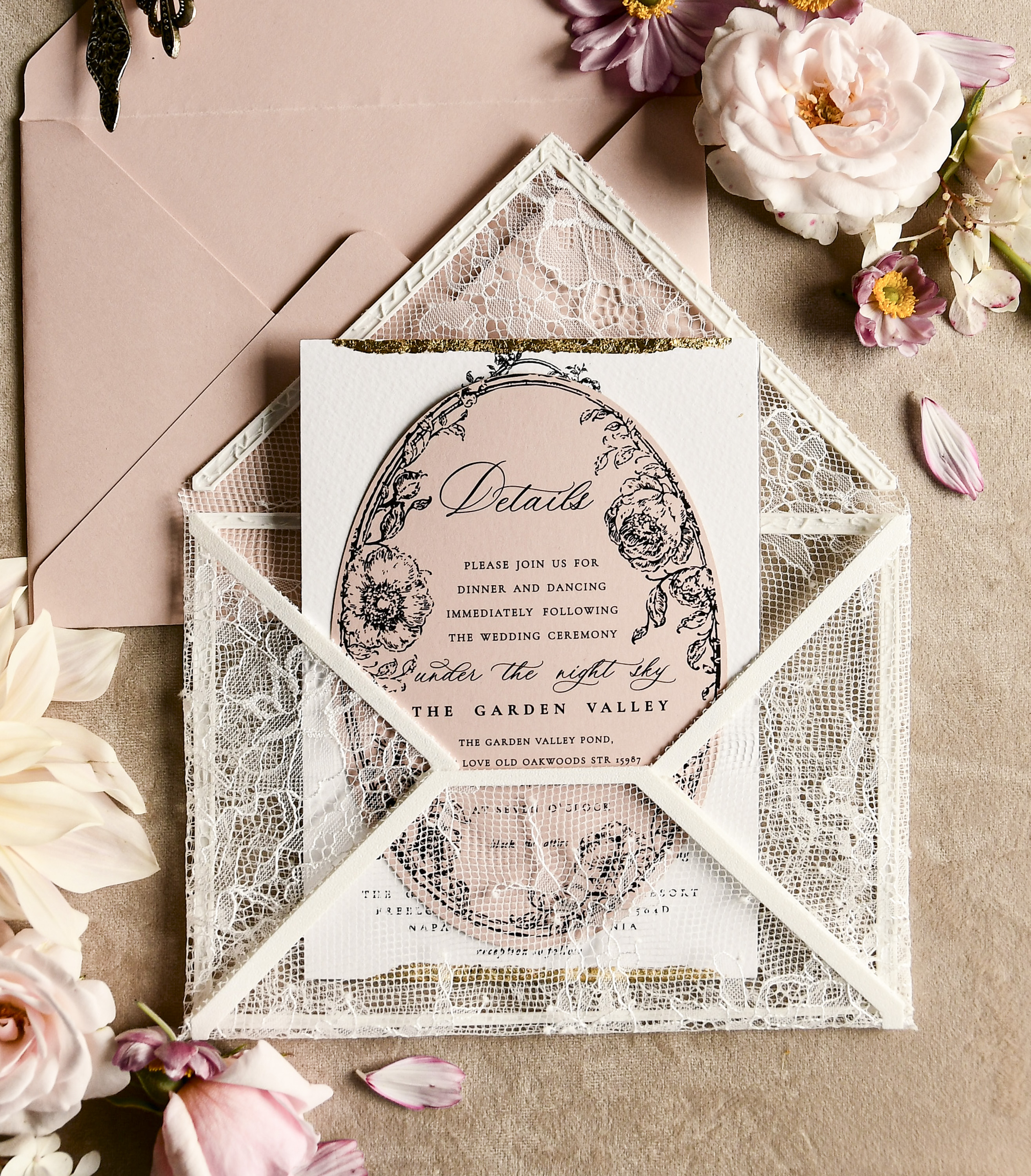
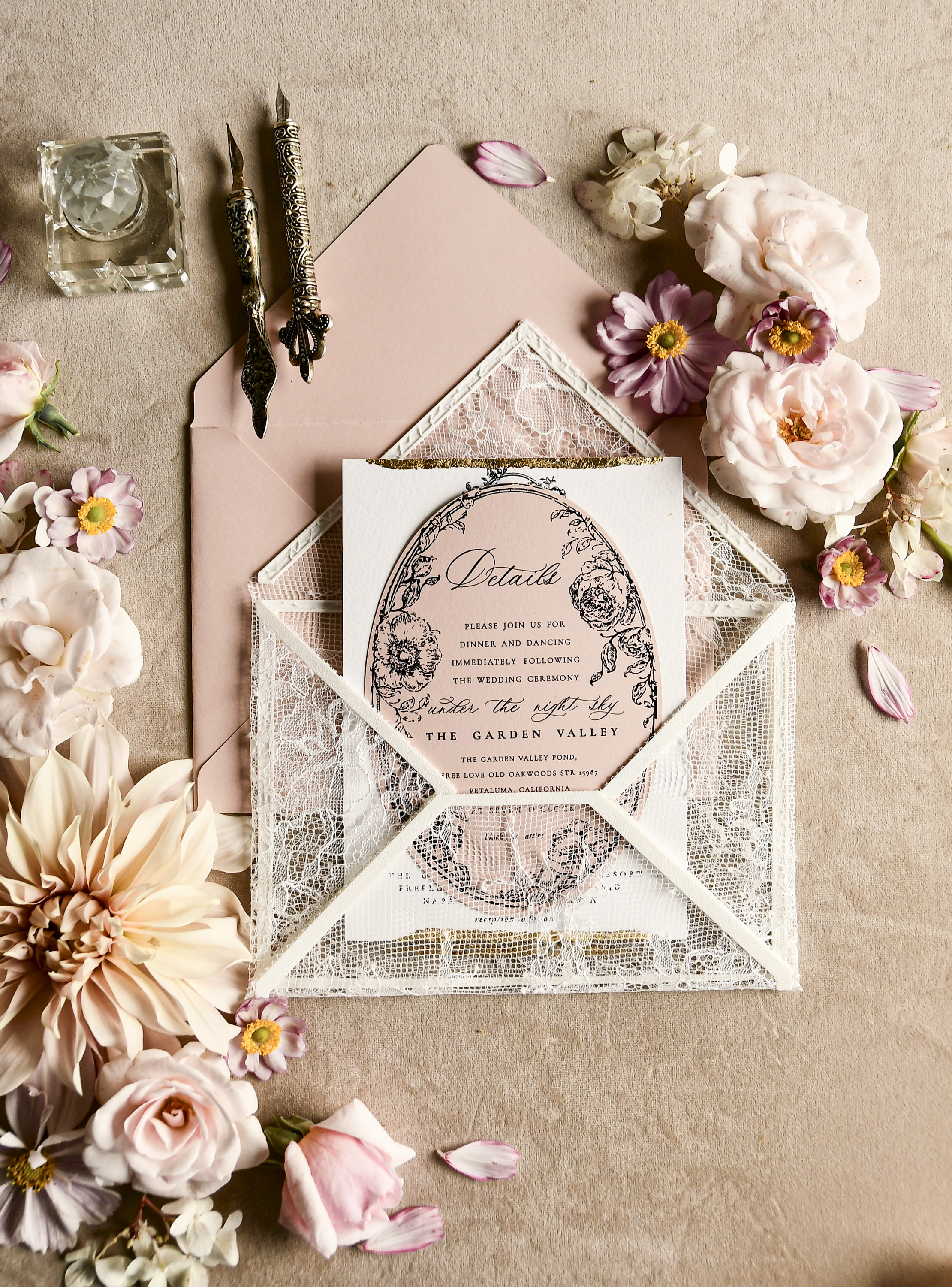
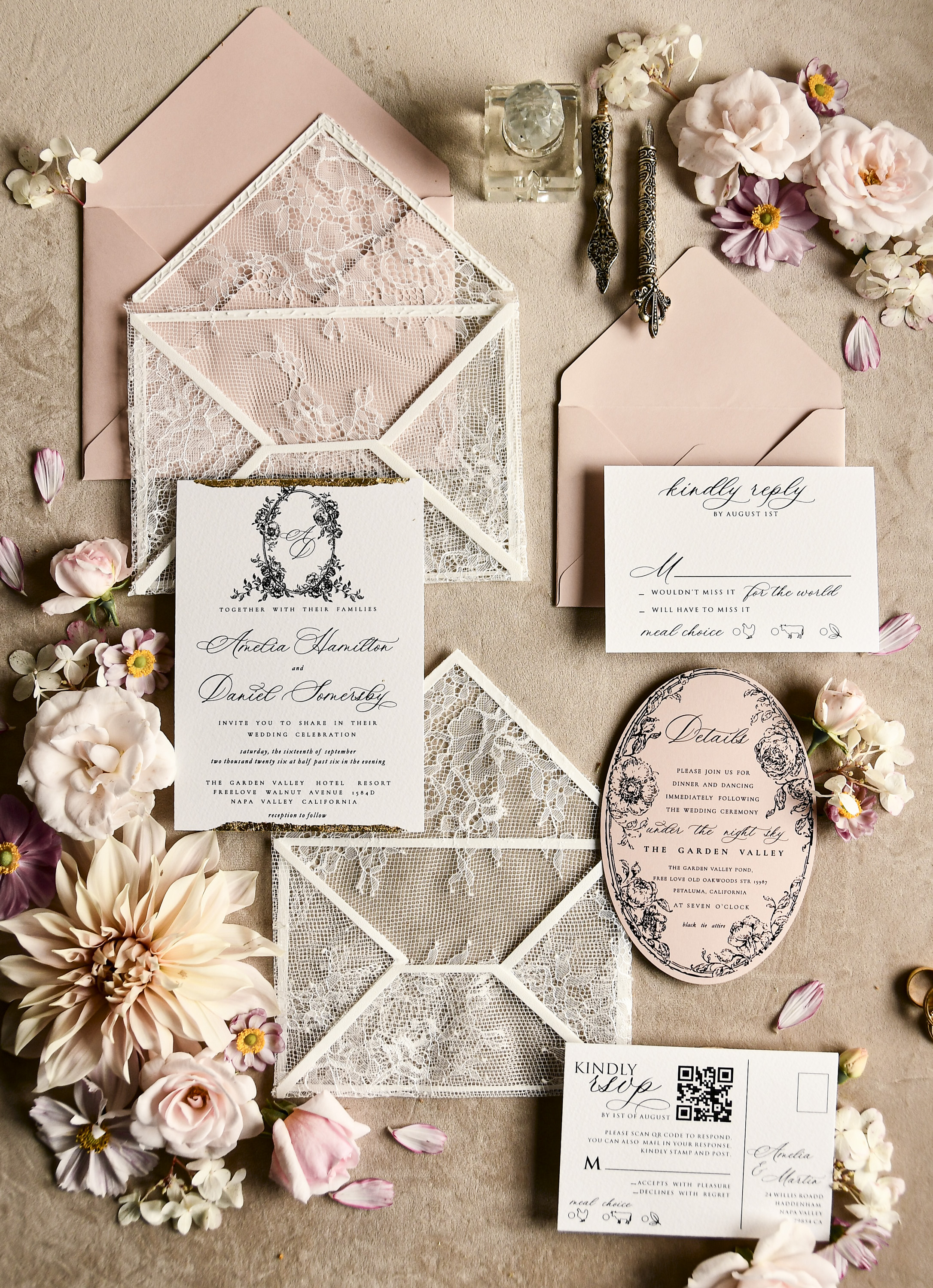
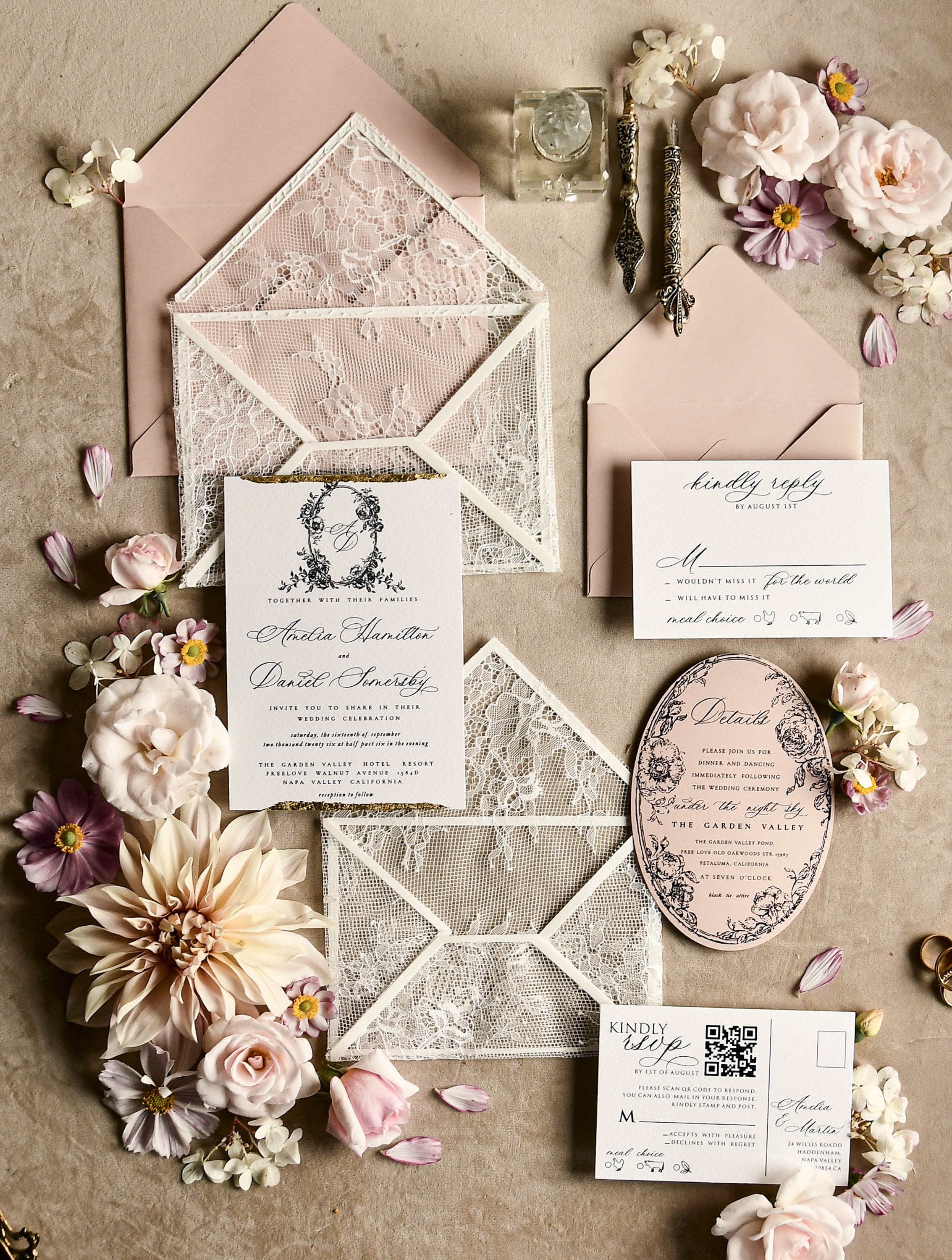
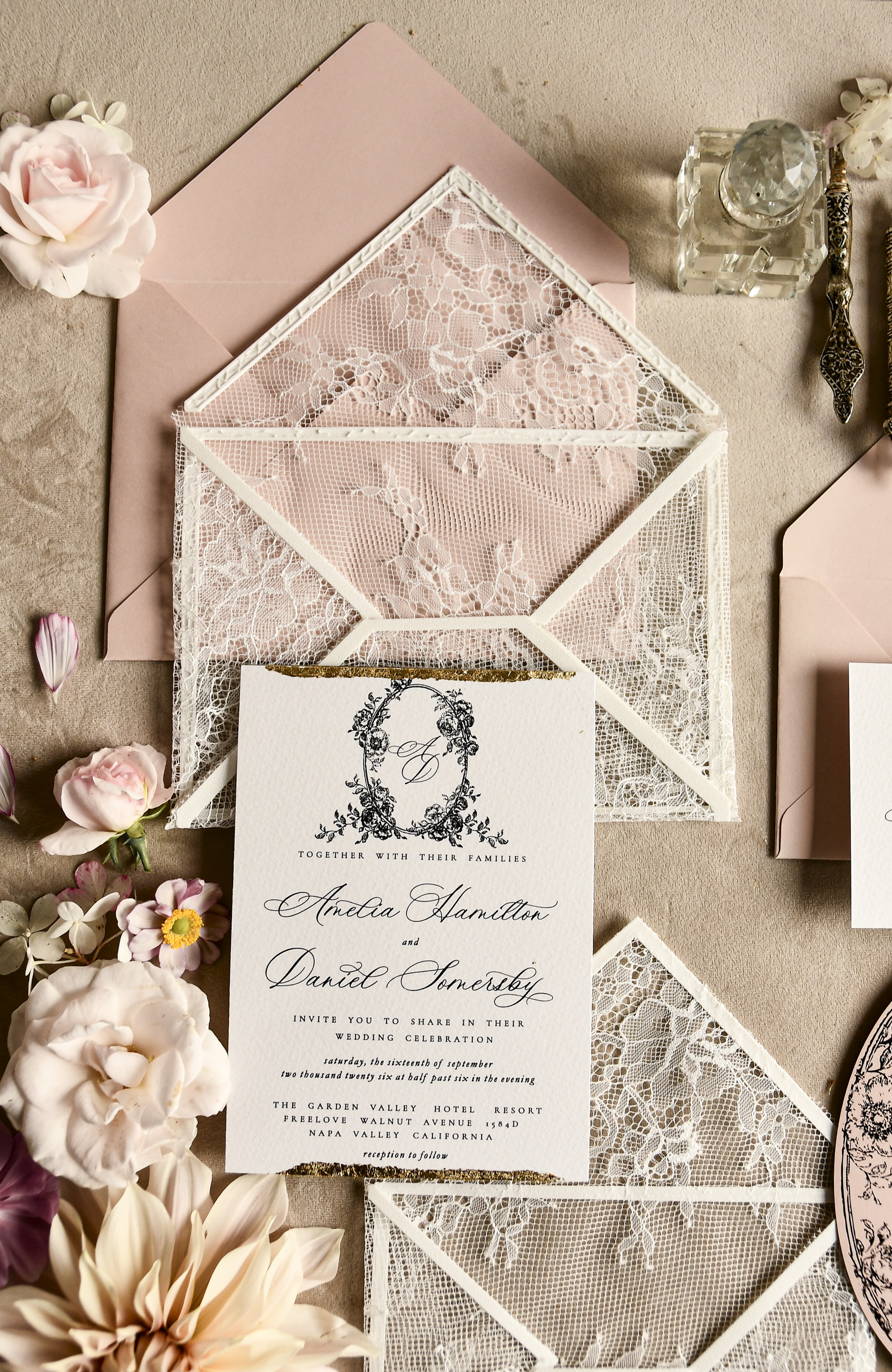
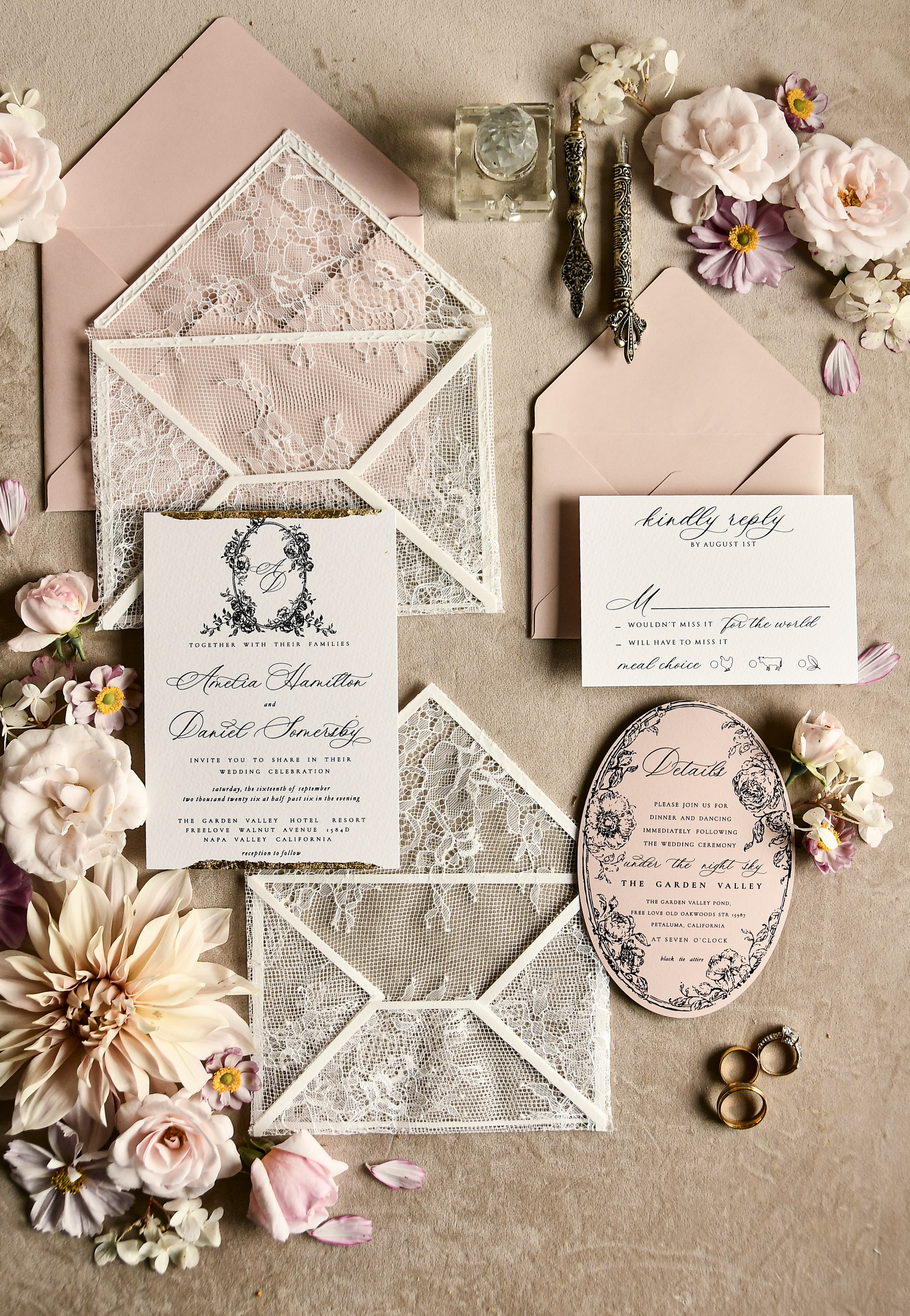
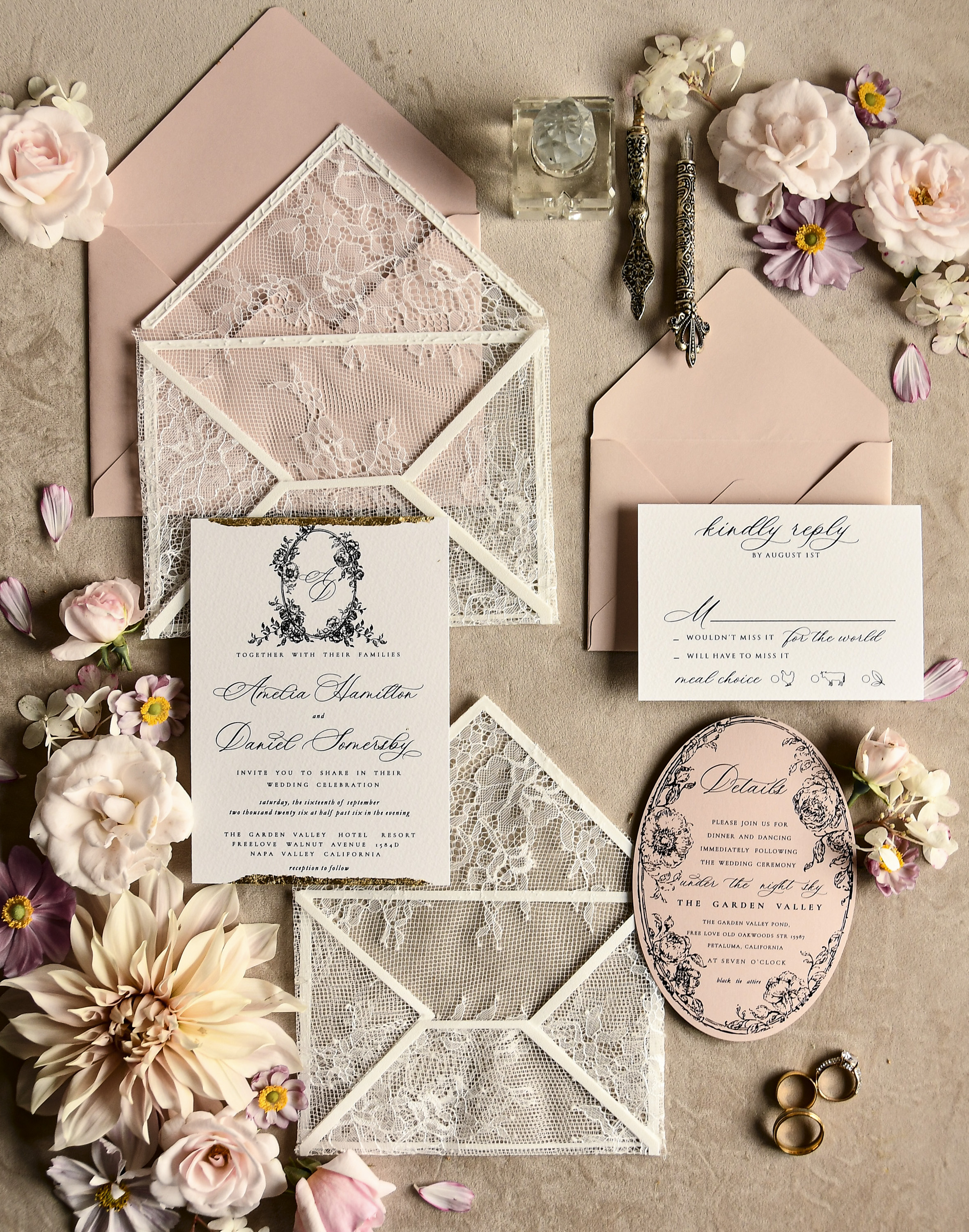
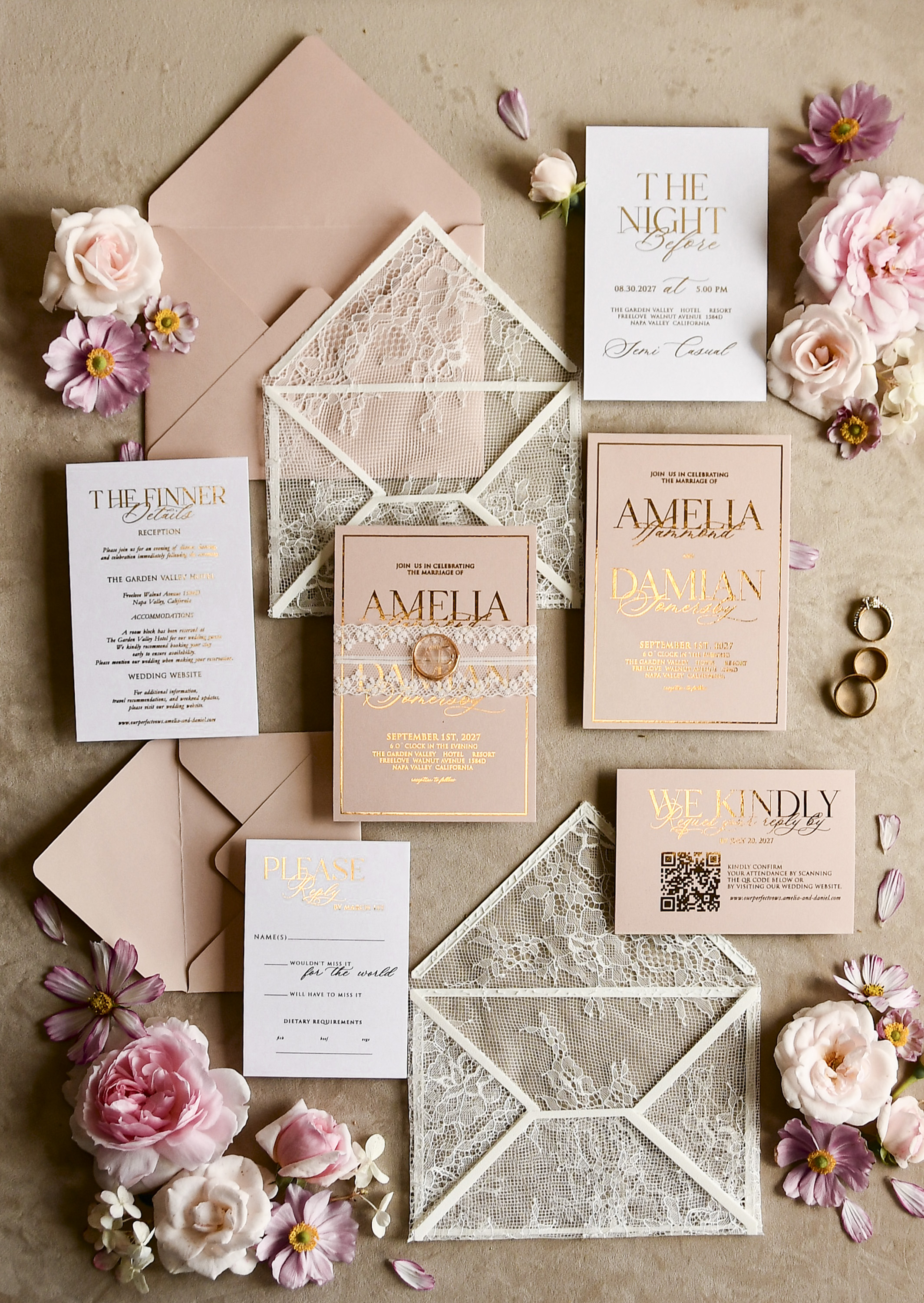
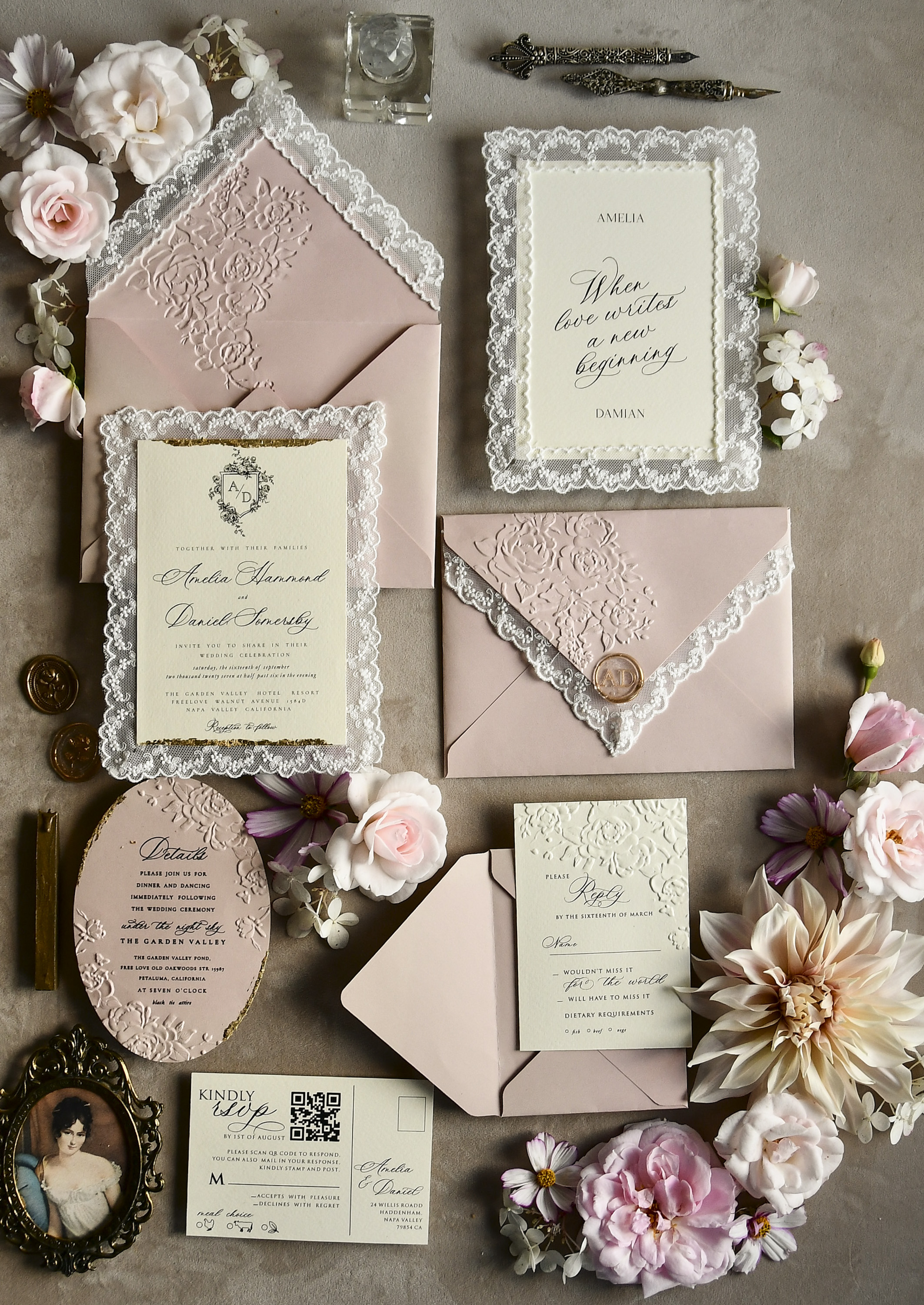
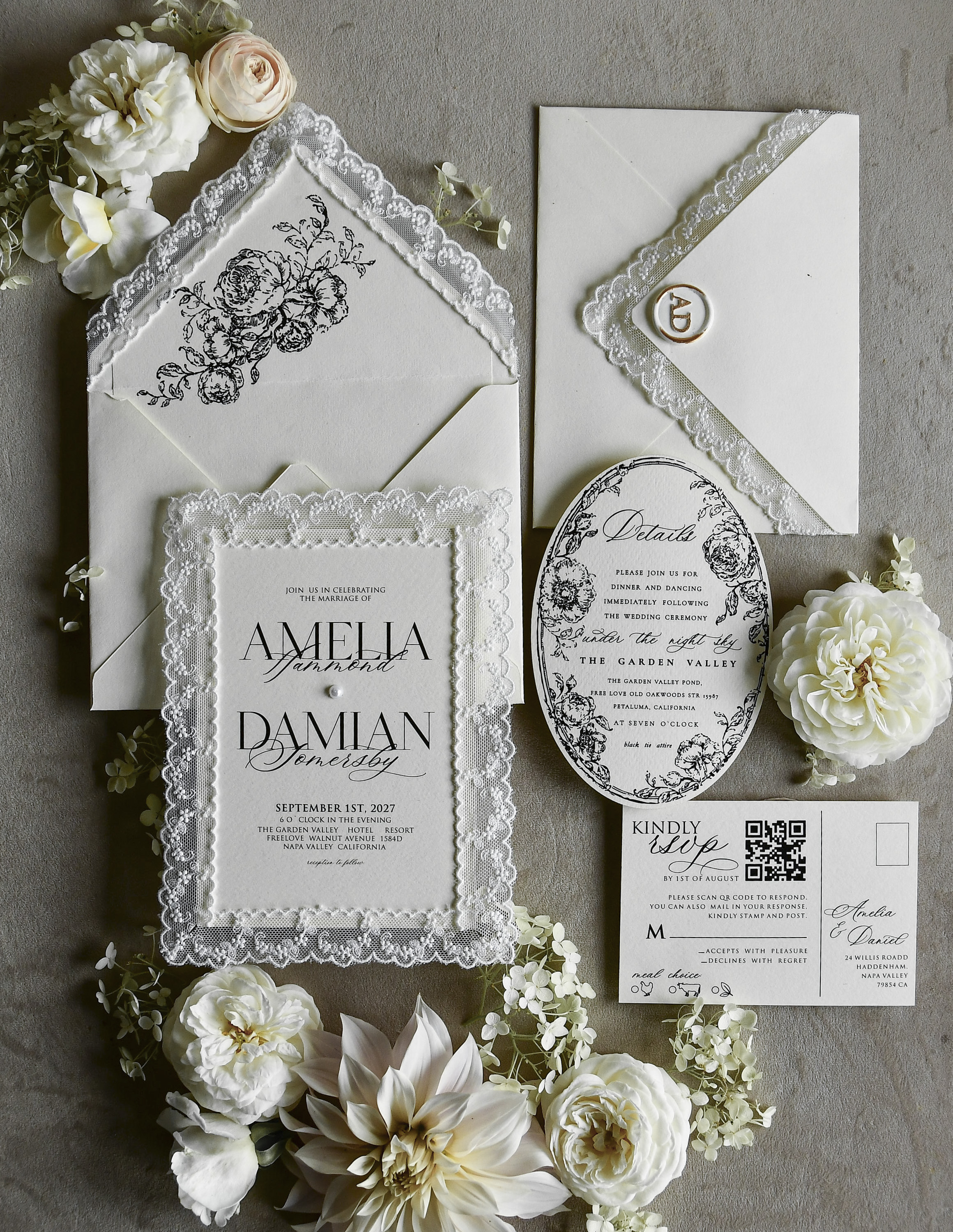
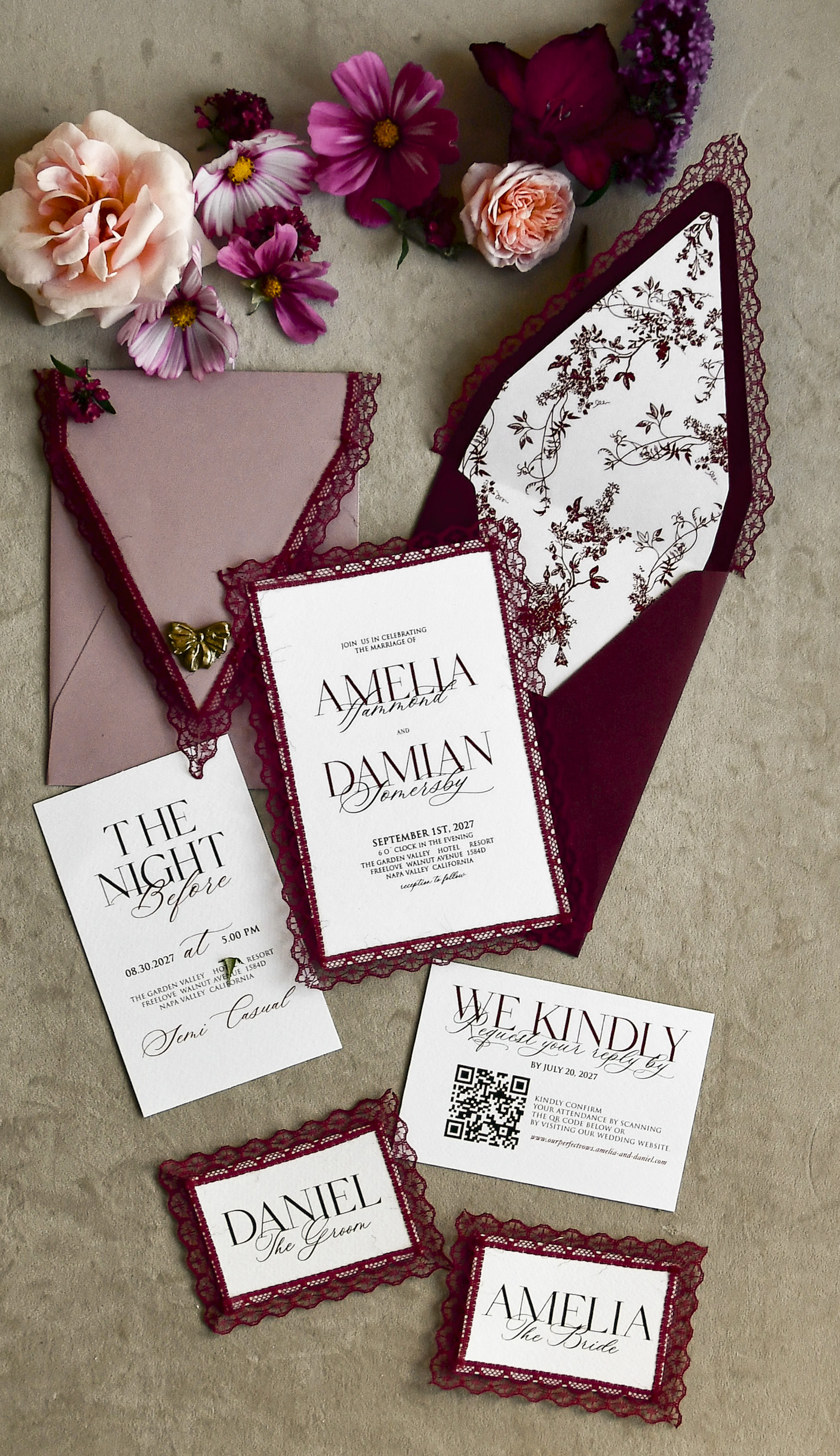
Whichever approach you choose, your invitation wording is your first line of communication. A clear, beautifully designed invitation—like the vintage lace styles available through Margo&Bees, such as the 03/lacenvD/z starting from $8.50—lets you address guests by name so it's obvious exactly who is invited, reducing the need for awkward follow-up conversations.
How to Communicate Your Decision Gracefully
Once you've made your choice, communication is everything. Here's how to handle it without drama:
- Address invitations precisely. Write out every invited guest's name on the envelope. "The Johnson Family" leaves room for assumptions; "Mr. and Mrs. Johnson and Emma" does not.
- Use your wedding website. A brief, friendly note like "We're keeping our celebration intimate, so we're unable to extend plus-ones to guests under 18" sets expectations before anyone has to ask.
- Have a script ready for parents. If a parent calls to ask whether their teenager can bring a date, a warm but firm response works best: "We love that Maya is coming—we just aren't able to extend plus-ones for our younger guests, but we know she'll have a great time with the family there."
- Don't over-explain. You don't owe anyone a detailed justification. A simple, consistent policy applied with kindness is enough.
A Quick Timeline for Getting This Right
Guest-list decisions—including plus-one policies—should be finalized before you order your invitations, ideally 4 to 5 months before the wedding. That gives you time to:
- Confirm your final guest count and budget with your venue
- Decide on your plus-one policy for all guest categories
- Address and personalize invitations accurately
- Send invitations 6 to 8 weeks before the wedding (or 10 to 12 weeks for a destination event)
Getting clear early means fewer last-minute changes and a lot less stress for everyone involved.
Frequently Asked Questions
No, it's not rude—it's a completely normal and accepted practice. Most guests understand that plus-ones are a privilege tied to budget and seating constraints, and applying a consistent policy for guests under 18 is widely considered fair etiquette.
Most etiquette experts treat 18 as the threshold for adult plus-one consideration, regardless of whether someone is still in school. If your policy is to extend plus-ones to guests 18 and over, apply it consistently here too.
You're not obligated to, but it's worth considering if the relationship is serious and well-established within the family. If excluding the partner would create ongoing awkwardness at future family gatherings, a quiet exception may be worth the extra seat.
Simply address the invitation to the teenager by name, either as part of their family's envelope or on a separate envelope if they're old enough to appreciate that gesture. The absence of "and Guest" makes the situation clear without requiring explanation.
Stay calm and consistent: thank them for understanding, briefly explain your policy applies to all guests under 18, and redirect the conversation to how excited you are to celebrate with their family. Holding a consistent policy is always easier to defend than making case-by-case exceptions under pressure.
For destination weddings, it's even more common to limit plus-ones strictly, since travel costs make every additional guest more significant. If a teenager is traveling far to attend, their family's presence is usually company enough, and guests generally understand tighter restrictions in that context.
See This Design Up Close




You May Also Like
More Wedding Planning Guides
- → Staying Sane When Family Tensions Rise Before Your Big Day
- → The Estranged Family Dilemma: Making Peace With Your Wedding Guest List
- → Missing RSVPs: The Exact Waiting Game You Should Play
- → Wedding Invitation Timing: The Insider's Guide to Sending on Schedule
- → Who's Really Getting Married? Managing Parent Friend Requests on Your Guest List
- → Handling Family Boycott Threats Over Your Wedding Guest List
- → What To Do When Guests Leave You On RSVP Read
- → When an RSVP Changes at the Last Minute: A Calm, Practical Guide for Couples
- → Your Wedding, Your Choice: Deciding Whether to Include an Estranged Sibling
- → Is Skipping Kids on Your Wedding Guest List Ever Considered Rude?
- → Feuding Divorced Parents at Your Wedding: A Practical Peace Plan
- → Small Weddings, Big Meaning: Your Guide to Celebrating Intimately
- → Should You Skip Paper and Send Digital Wedding Invitations?
- → The Uninvited Guest Question: How to Respond Without Regret
- → Missing RSVPs: The Right Way to Follow Up With Silent Guests
- → The Smart Couple's Guide to Wedding Childcare and Kids' Entertainment
- → Uninvited Plus-Ones and Tag-Alongs: How to Keep Your Guest List Intact
- → When Family Feuds Threaten Your Wedding Plans: A Practical Peacekeeper's Guide
- → Inviting an Estranged Brother or Sister: Finding Clarity Before You Seal the Envelope
- → Cousins, Invites, and Hard Choices: A Practical Guest List Guide