
Surprise Plus-Ones: How to Protect Your Guest List Without Losing Your Cool

You spent months finalizing your guest list, agonized over seating charts, and counted every head for the caterer — and then someone shows up with a partner, roommate, or cousin you never invited. It happens more often than couples expect, and it can throw off your seating, your catering count, and your nerves all at once. The good news: with the right wording on your invitations and a calm game plan for the day, you can handle uninvited additions without turning it into a scene.
Why Guests Bring Extra People in the First Place
Most guests who bring an uninvited plus-one aren't trying to be difficult — they genuinely don't realize it's a problem. Common reasons include:
- Assuming a long-term partner is automatically included — especially if they got together after you sent invitations
- Misreading the invitation — if the envelope only lists one name but the wording feels casual, some guests assume a guest is implied
- Simply forgetting to ask — they RSVP'd yes for themselves and didn't think to mention their travel companion
Understanding the why helps you respond with grace rather than frustration, even when you're rightfully annoyed.
How to Prevent It Before the Wedding
Prevention is far easier than damage control on the wedding day. A few simple steps go a long way:
- Address invitations precisely. Write exactly who is invited on the inner envelope — "Sarah Mitchell" means one person; "Sarah Mitchell and Guest" means two. Never leave it ambiguous.
- Use your RSVP card strategically. Include a line that reads "We have reserved ___ seat(s) in your honor" with the number pre-filled. This removes all guesswork.
- Communicate directly with likely offenders. If you know a particular guest tends to assume, a friendly phone call or text before invitations go out can head off the problem entirely.
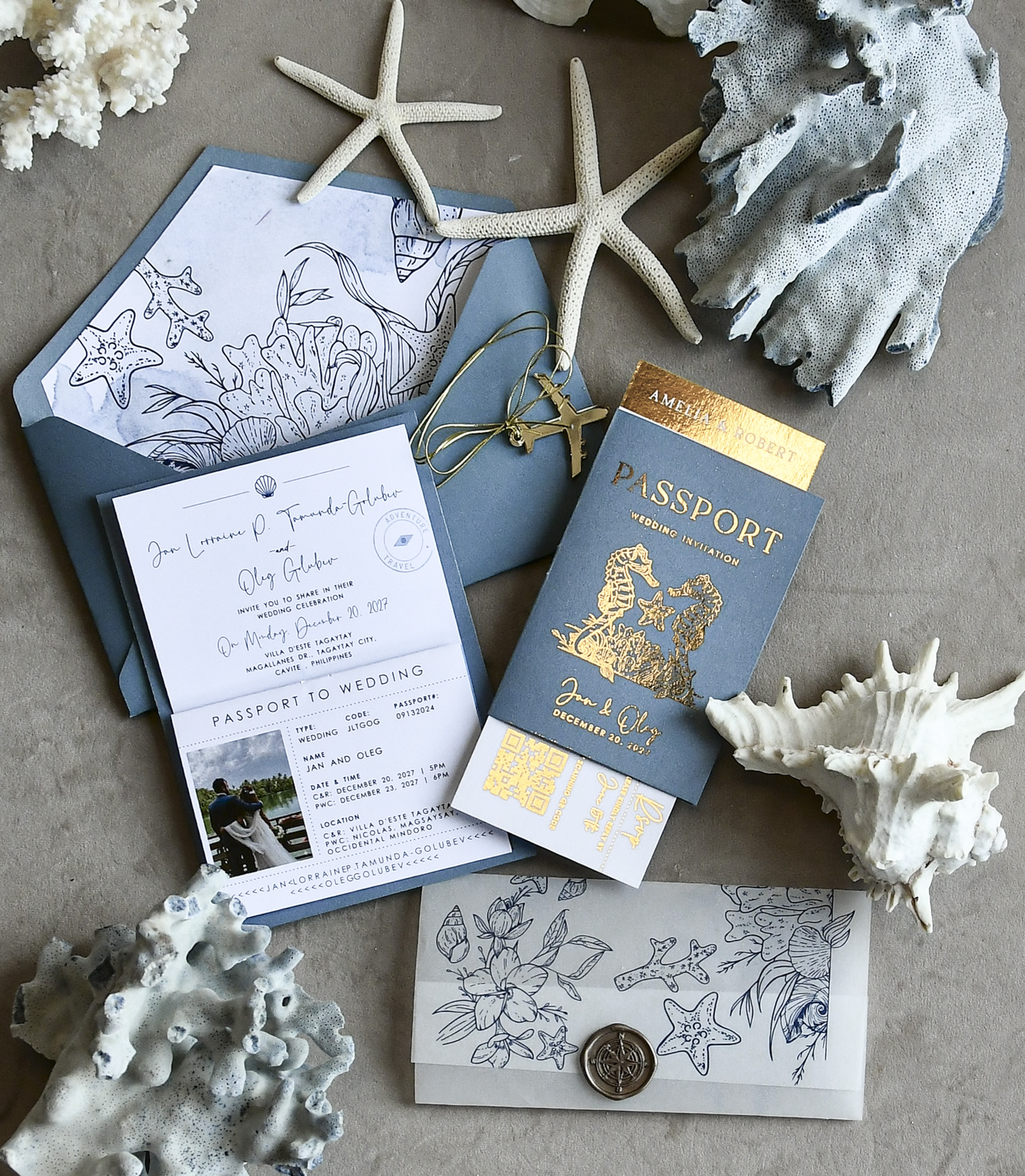
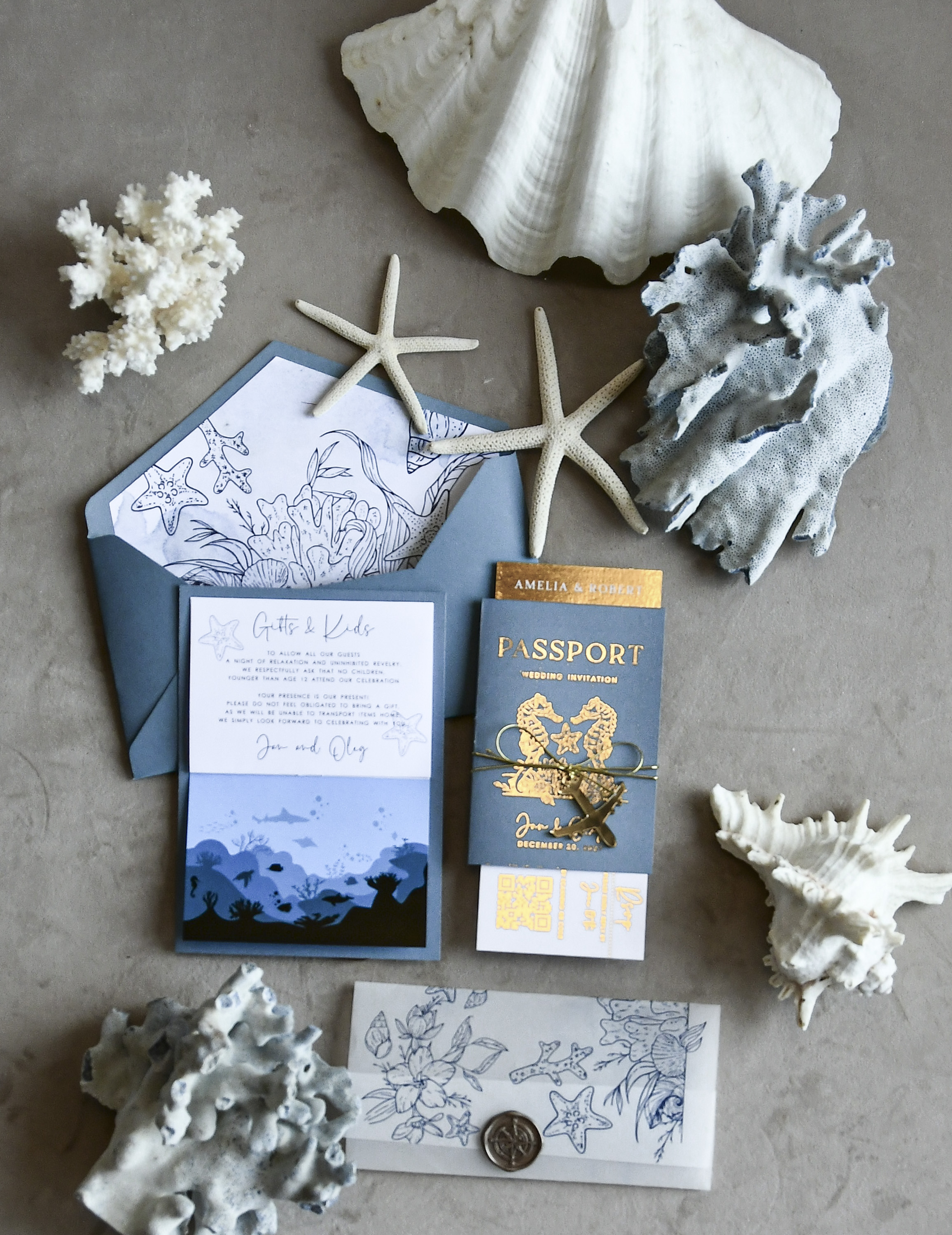
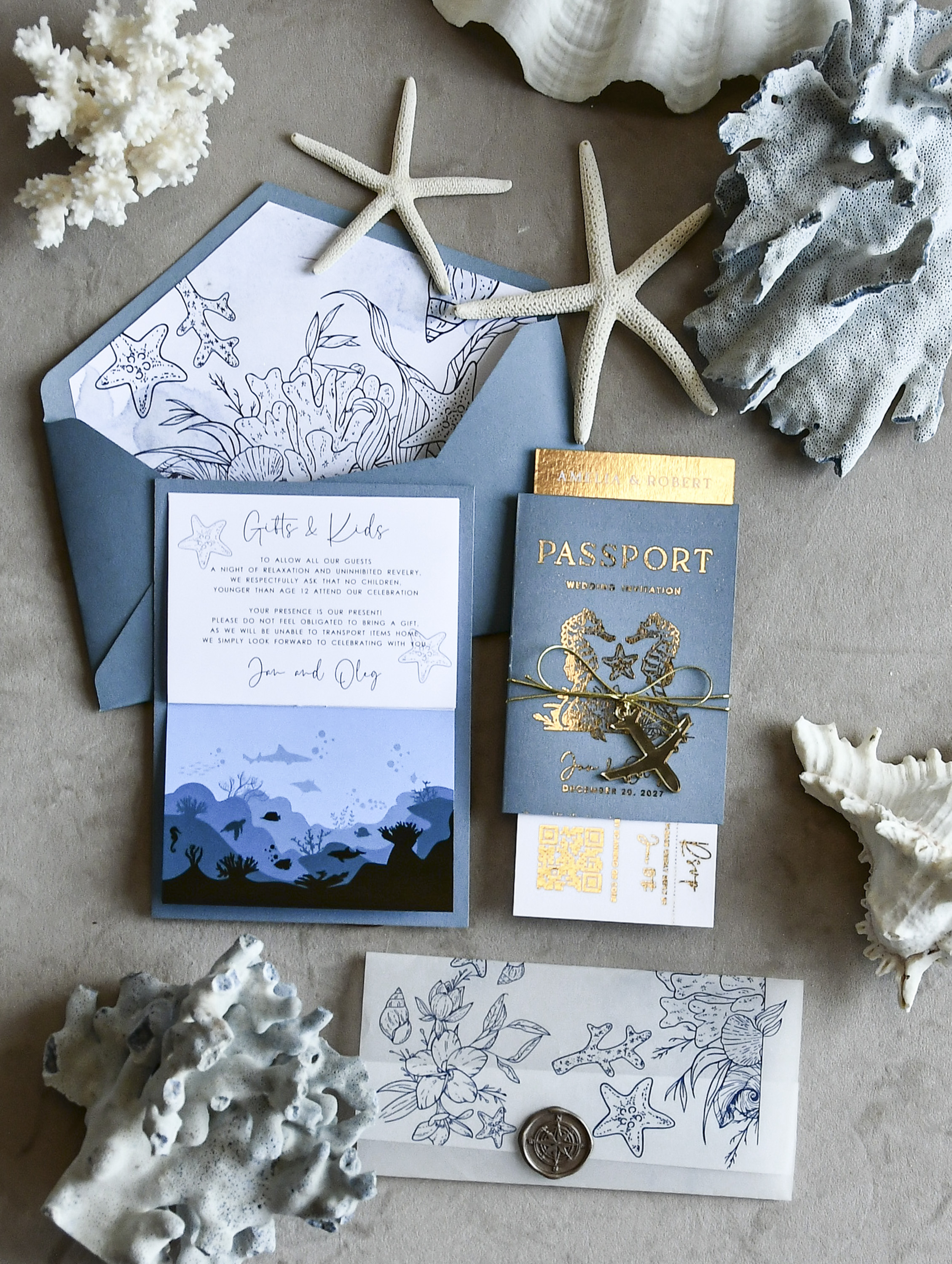
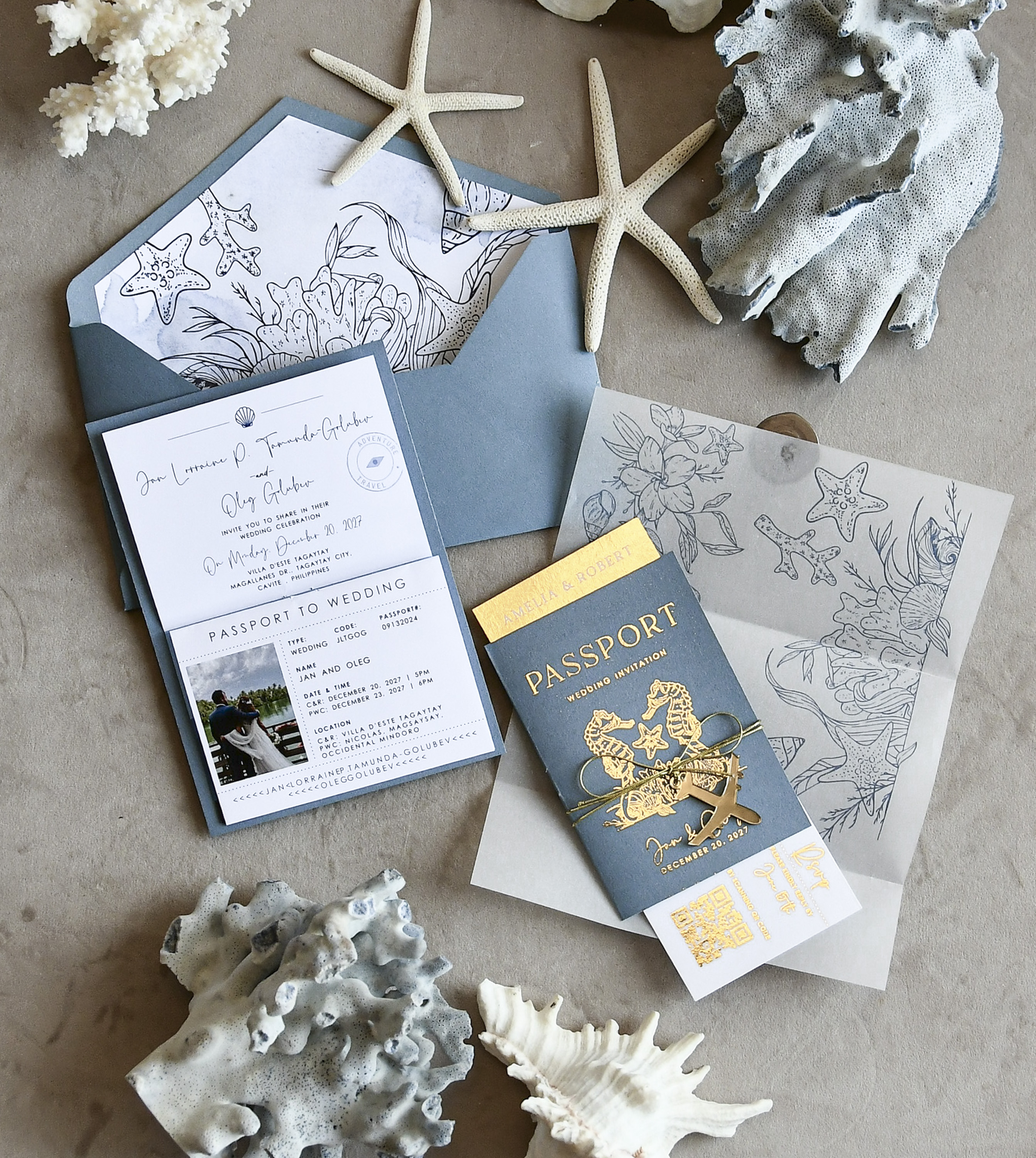
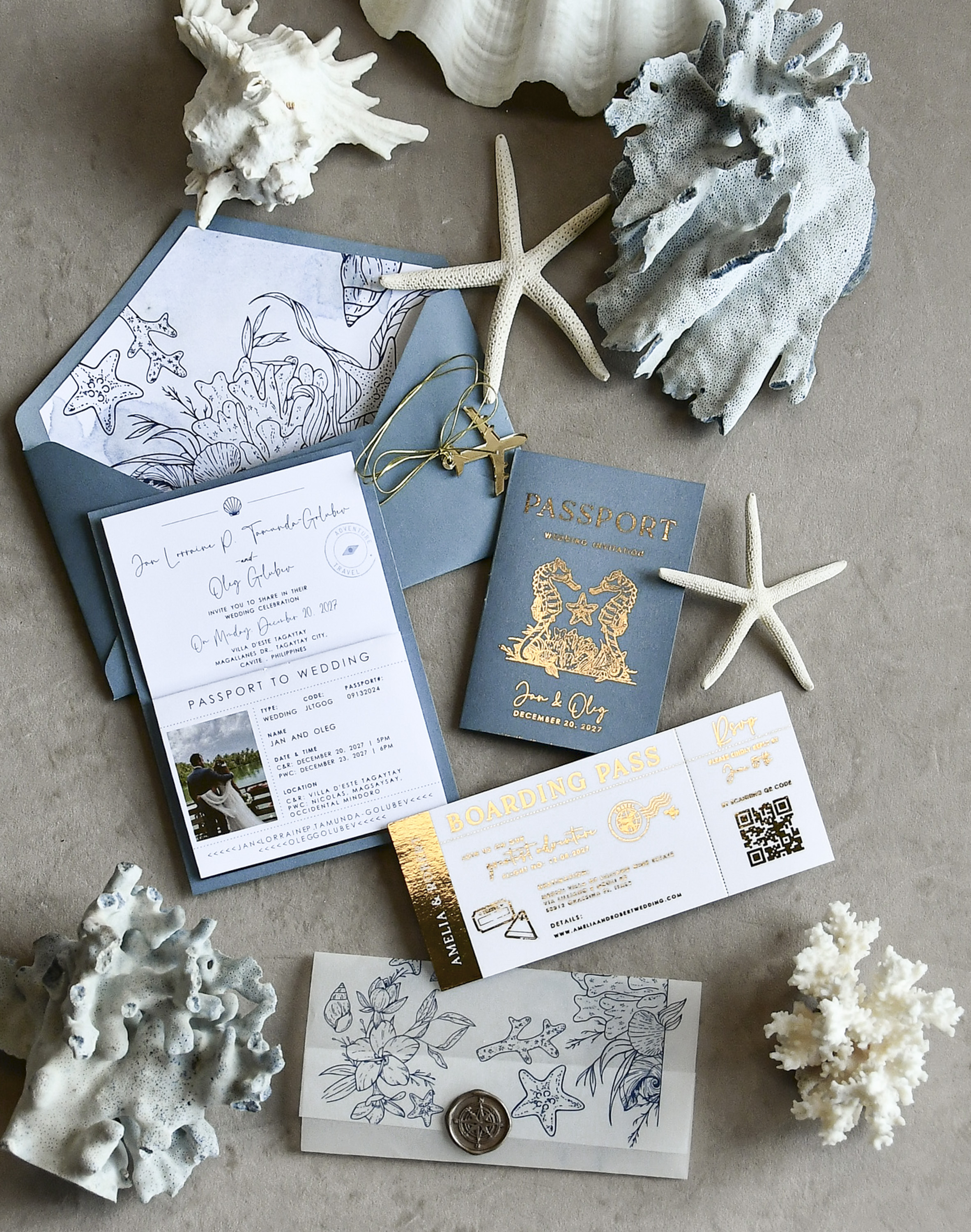
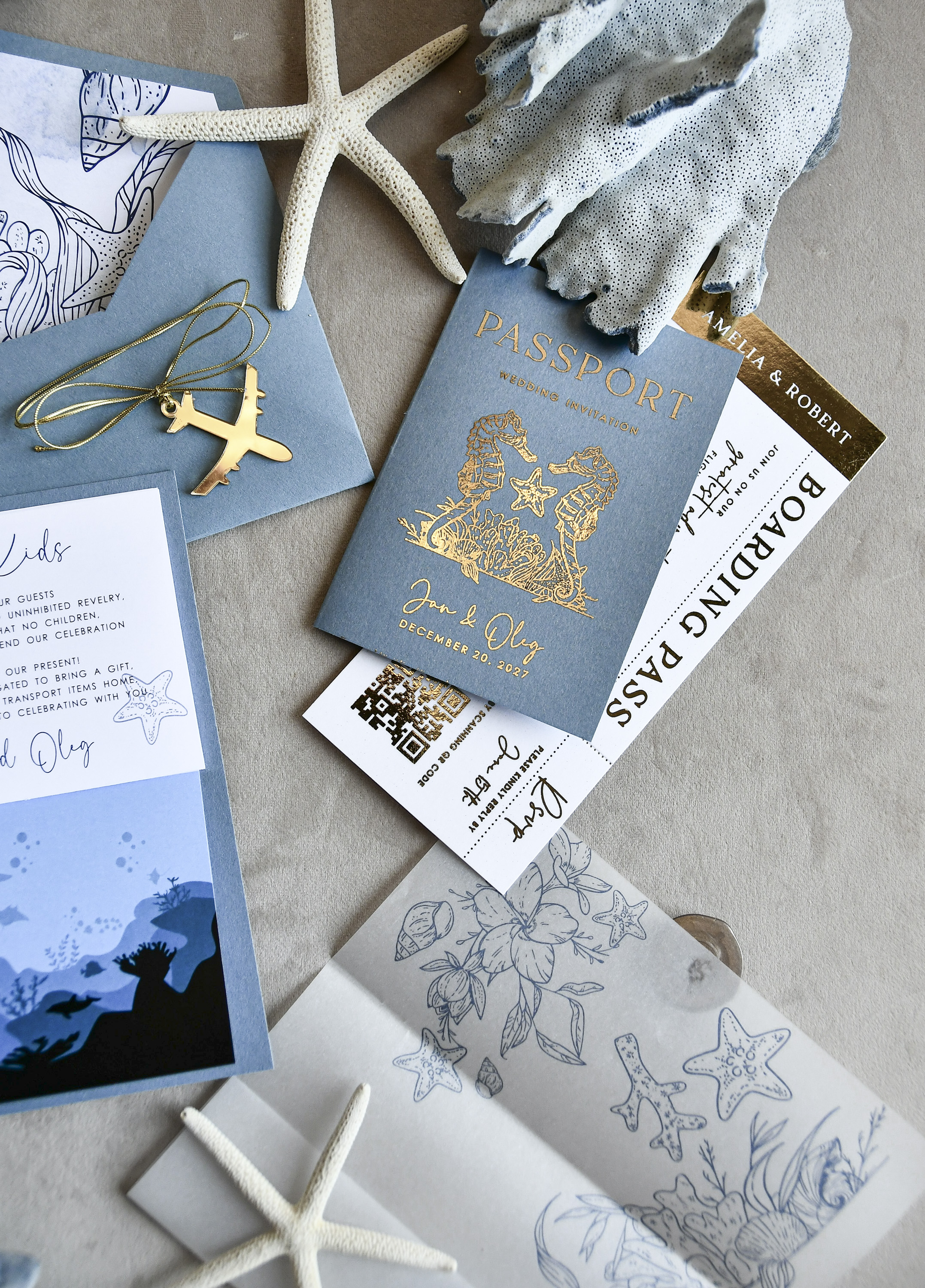
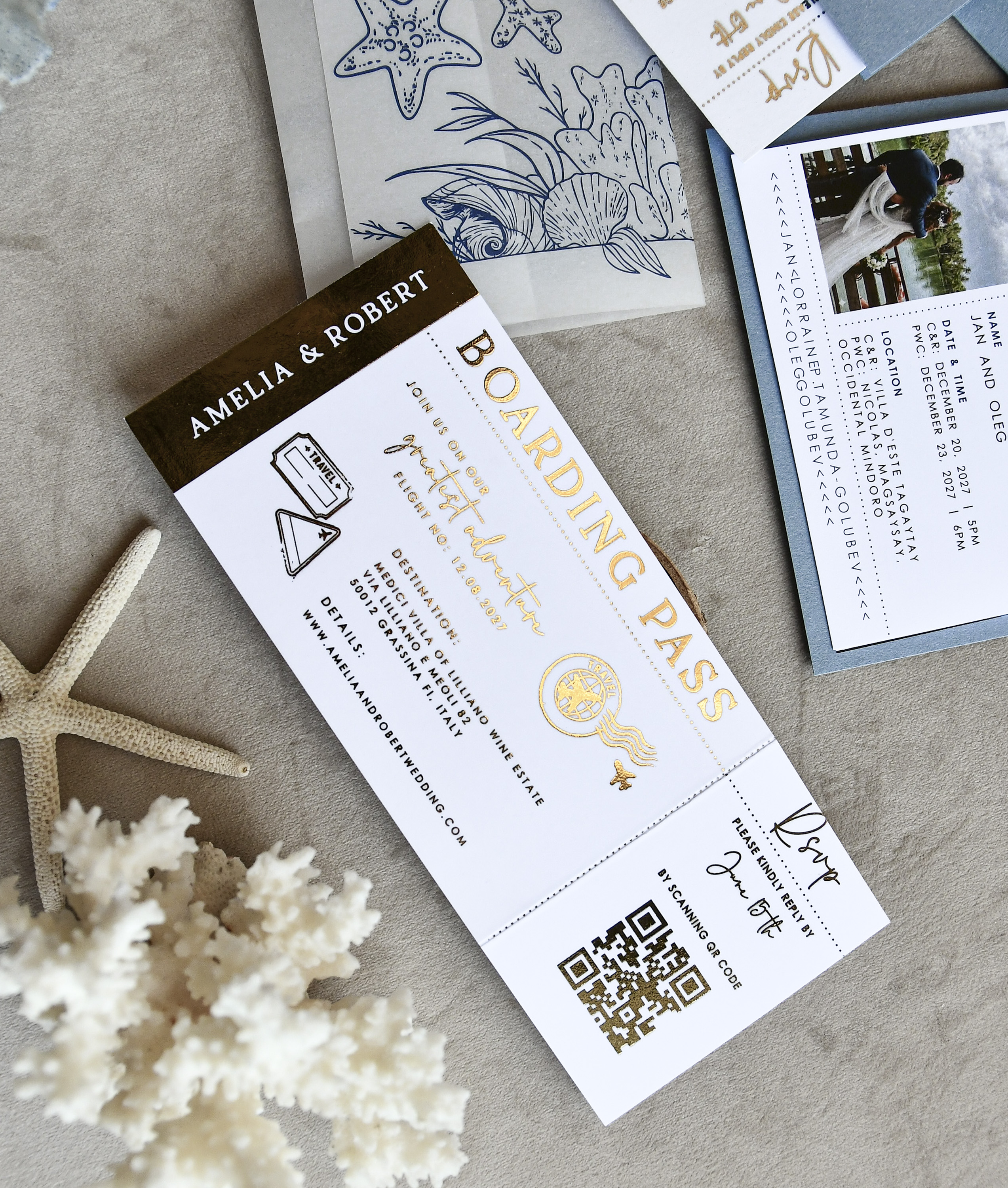
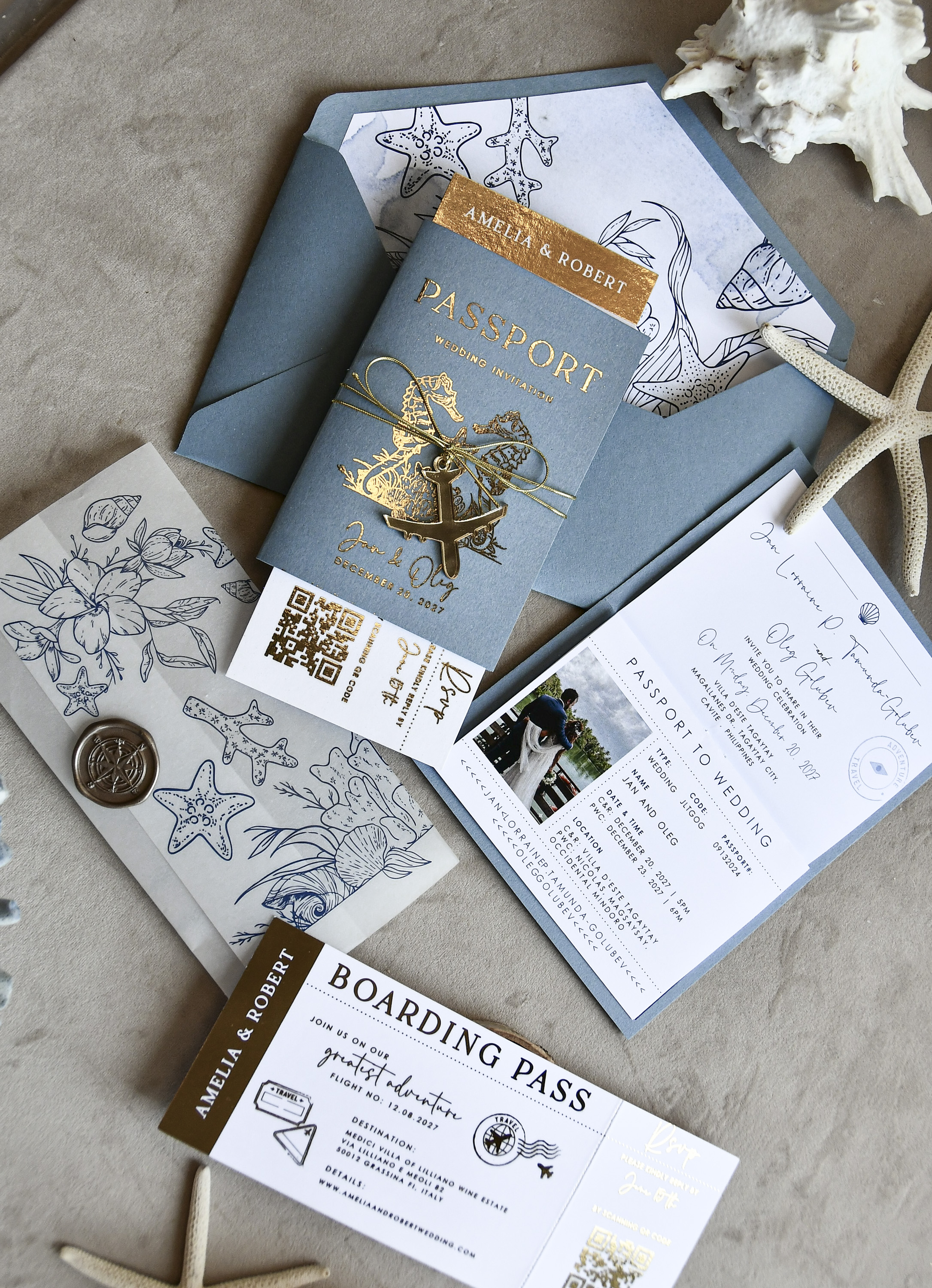
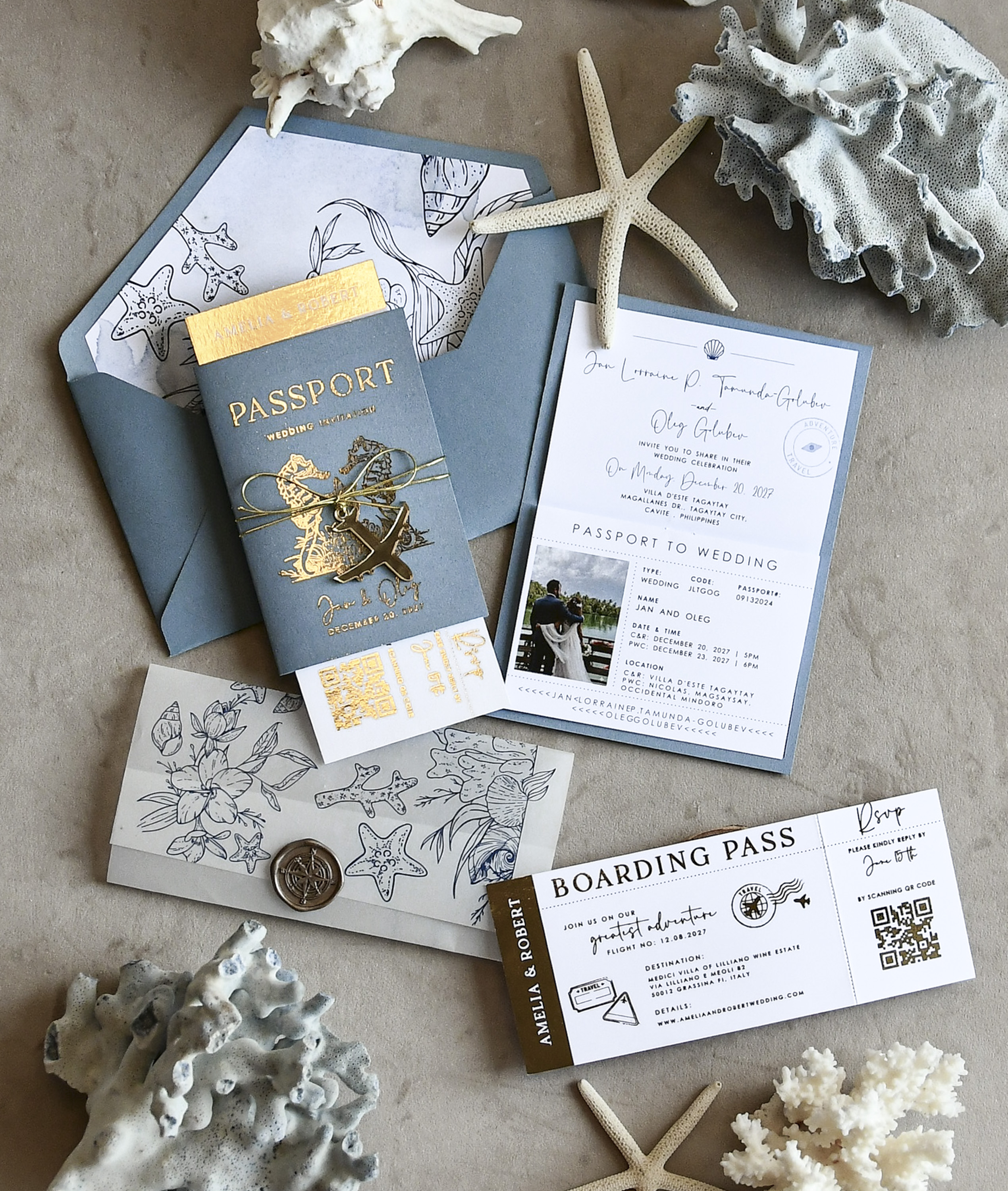
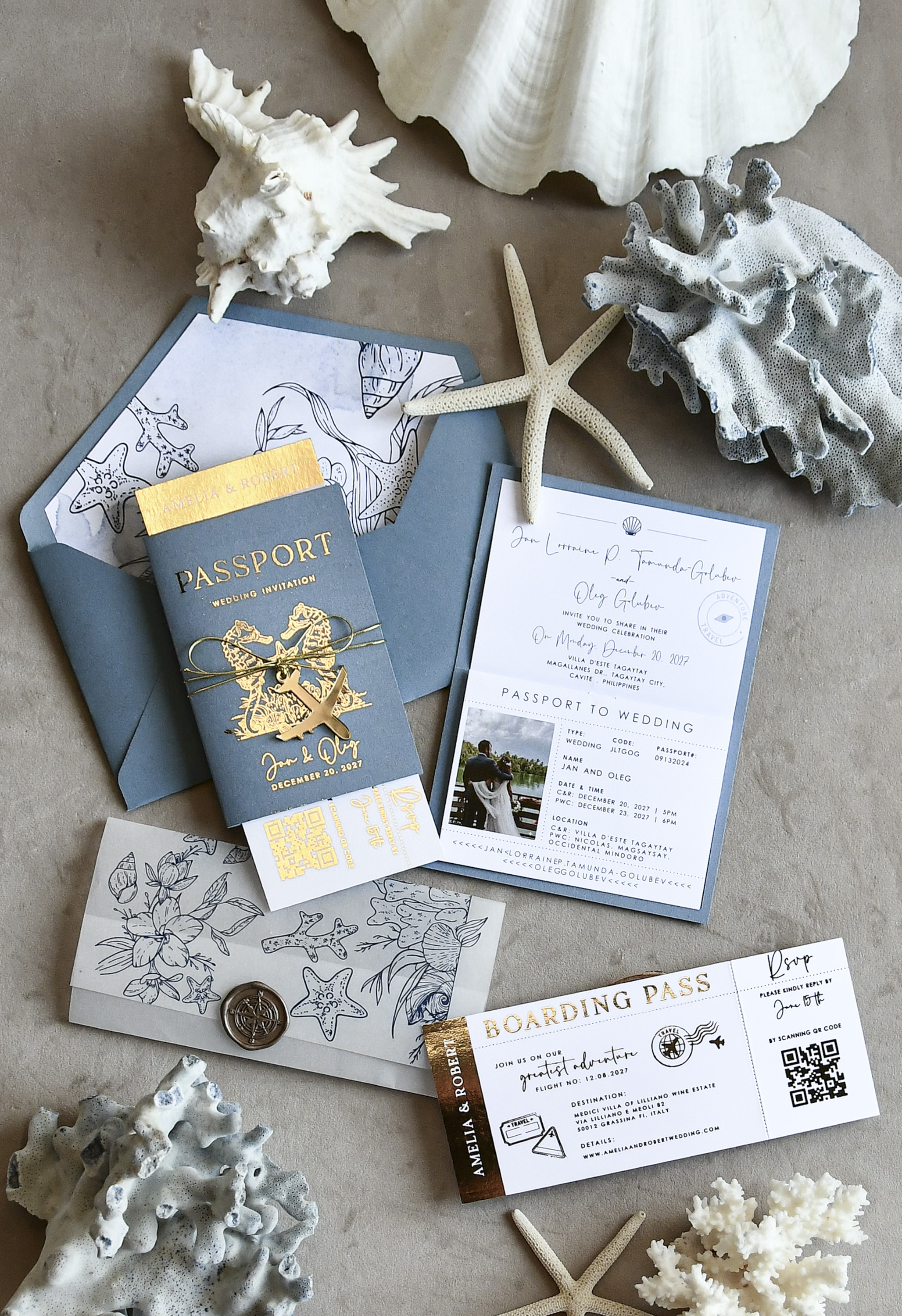
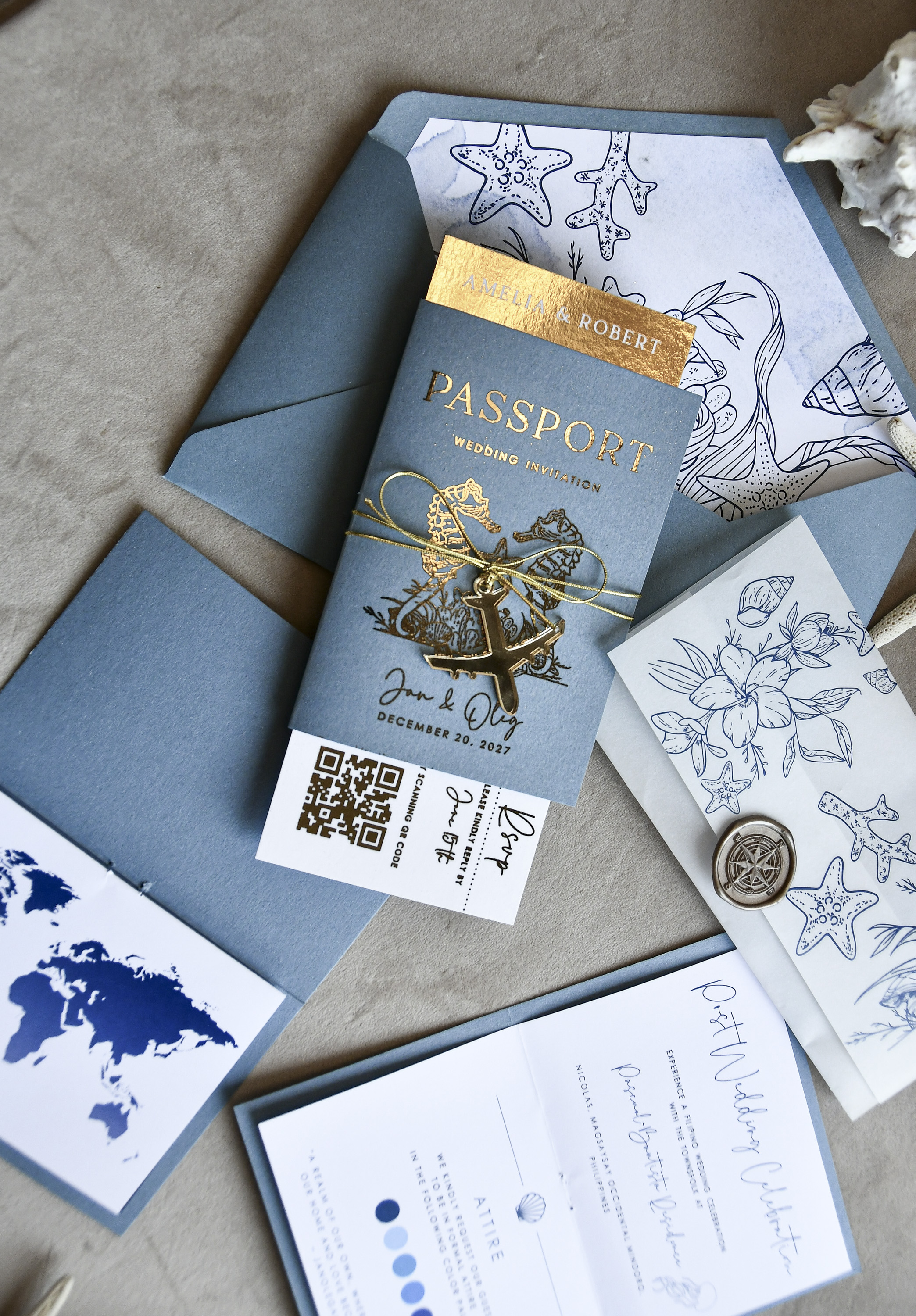
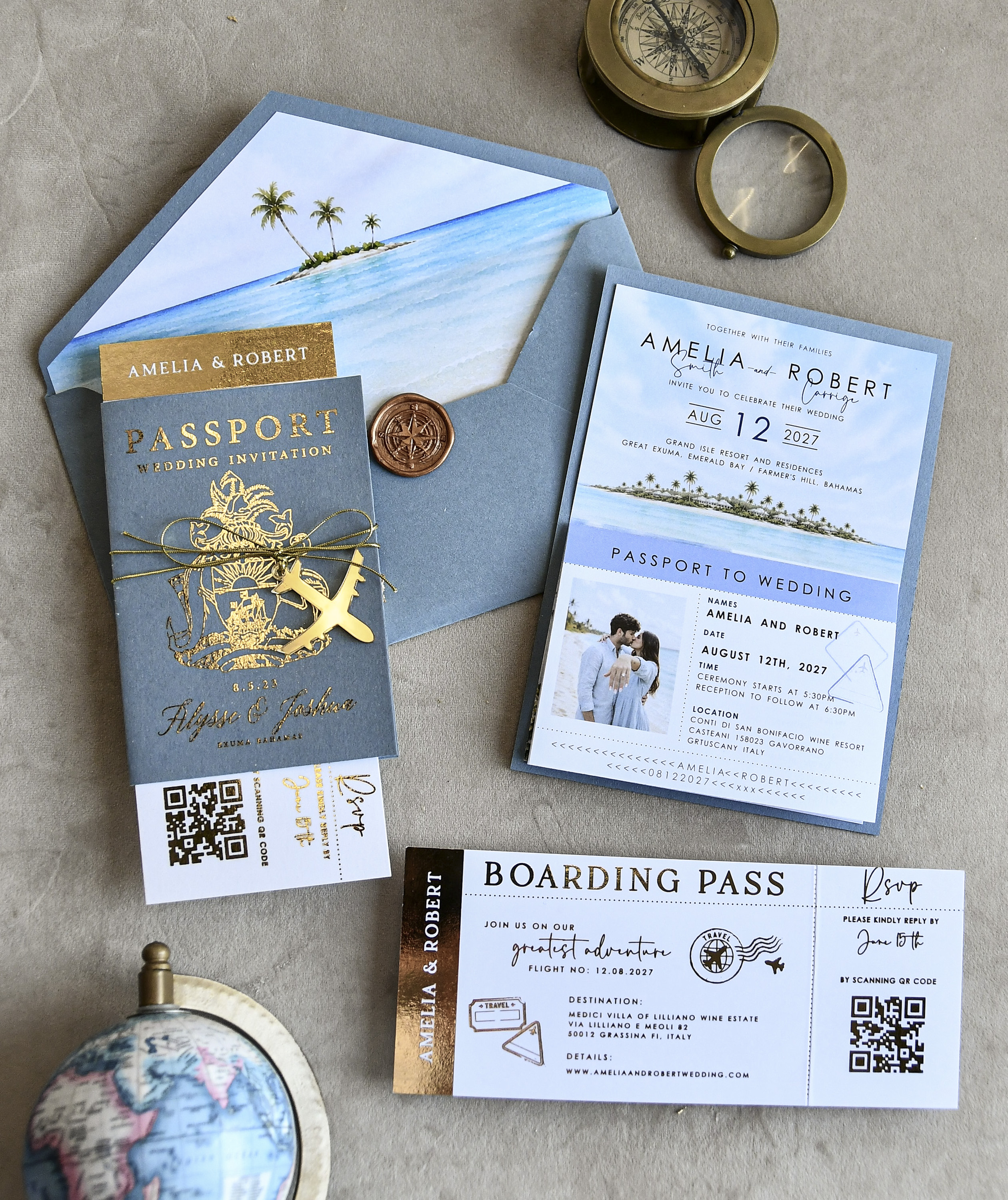
Your invitation design also sets the tone. A polished, clearly formatted invitation — like the passport-style 01/passBeach/z beach wedding invite — signals that this is a thoughtfully planned event with intentional details, which naturally encourages guests to take the logistics seriously.
What to Do When an Extra Guest Actually Shows Up
Even with perfect invitations, it can still happen. Here's how to handle it in the moment without derailing your day:
- Designate a point person. Your wedding coordinator, a trusted bridesmaid, or your venue's maitre d' should be the one to address seating issues — not you or your partner. Brief them in advance so they know your wishes.
- Have a buffer plan with your caterer. Ask your venue or caterer about their policy for last-minute additions. Many will accommodate one or two extra plates for a fee, so know that number ahead of time.
- Keep a few extra seats at a flexible table. If your venue allows it, designate one table near the back as slightly expandable. A chair can often be slipped in without upsetting the whole room.
- Stay calm and let your team handle it. If the extra guest simply cannot be seated for dinner, your point person can explain kindly that the dinner is ticketed and offer the guest cocktail hour access while a solution is found.
The key is to never confront the situation yourself mid-reception. Give yourself permission to enjoy your wedding while your team troubleshoots.
Following Up After the Wedding (If You Need To)
In most cases, the extra guest is absorbed, everyone has a wonderful time, and you laugh about it later. But if the situation caused real cost or logistical harm — for example, another guest lost their seat — a gentle follow-up conversation may be warranted.
Wait until after the honeymoon when emotions have settled. A brief, private conversation is almost always better than a text or email. Focus on the impact rather than the intent: "We ended up having to pay for an extra plate, which we weren't budgeting for" lands better than an accusation. Most guests, once they understand the real consequences, feel genuinely bad and will offer to make it right.
If the relationship is close enough, you can also use this as a learning moment — share what you wish had been communicated differently so there are no hard feelings going forward.
Frequently Asked Questions
Absolutely — your wedding website is a great place to clarify the guest list in a friendly, low-pressure way. A simple note like "Due to our intimate venue, we are only able to accommodate the guests named on your invitation" sets expectations without making anyone feel singled out.
It's not rude if done kindly and by the right person — ideally your coordinator or a venue staff member, not you. A warm but clear explanation that seating and catering are pre-assigned is perfectly reasonable and most guests will understand.
Pre-fill the number of seats reserved with a line like "We have reserved 1 seat in your honor" so the guest knows exactly how many people are expected. This is the single most effective tool for eliminating plus-one confusion.
This is one of the most common surprise additions. Brief your point person ahead of time with a gracious script, such as offering a quiet space for the child or connecting the parents with a local babysitting service you've vetted in advance.
You can, but tread carefully — the relationship matters more than one plate fee in most cases. If the guest is a close friend or family member, it's usually better to absorb the cost and have a candid conversation later rather than creating tension at the reception.
Send invitations 8–10 weeks before the wedding for local events, and 12 weeks for destination weddings. This gives guests enough time to ask questions, confirm their RSVP, and sort out travel plans without last-minute surprises on either side.
See This Design Up Close




You May Also Like
More Wedding Planning Guides
- → Should You Invite New Partners to Your Wedding? Here's How to Decide
- → The Right Age to Send Children Their Own Wedding Invitation
- → Hand Delivery vs. Mailing Your Wedding Invitations: A Practical Guide
- → Navigating the Cousin Question: Your Guest List, Your Rules
- → Navigating the Office Guest List: Who at Work Deserves a Wedding Invite?
- → Who Actually Gets a Say in Your Wedding Guest List?
- → No RSVP, No Problem? How to Handle Guests Who Go Silent
- → Extra Wedding Guests: Who Foots the Bill?
- → Adults-Only Wedding: The Right Words to Tell Guests, Kindly and Clearly
- → Online RSVPs Are Totally Valid — Here's How to Pull It Off Gracefully
- → Parents Want to Invite Their Friends to Your Wedding? Here's How to Set Boundaries and Stay Sane
- → How to Handle Kids at Your Wedding: Childcare vs. Entertainment Explained
- → Child-Free Weddings: The Honest Etiquette Guide for Couples
- → RSVP Silence: How Long to Wait and What to Do Next
- → To Invite or Not: Making the Kids-at-Your-Wedding Decision With Confidence
- → Uninvited Plus-Ones and Tag-Alongs: How to Keep Your Guest List Intact
- → When Family Feuds Threaten Your Wedding Plans: A Practical Peacekeeper's Guide
- → Inviting an Estranged Brother or Sister: Finding Clarity Before You Seal the Envelope
- → Cousins, Invites, and Hard Choices: A Practical Guest List Guide