
To Invite or Not: Making the Kids-at-Your-Wedding Decision With Confidence
Few wedding planning decisions spark as much debate as this one: do you welcome little ones to your celebration, or keep the event adults-only? There is no single right answer, but there is a right answer for your wedding — and finding it comes down to a few honest questions about your vision, your venue, your budget, and your relationships. Here is everything you need to think through before you decide.
Start With Your Vision and Venue
Picture your ideal wedding day. Is it an intimate candlelit dinner at a rooftop restaurant? A barefoot beach ceremony at sunset? Or a big, joyful family reunion where your nieces scatter flower petals down the aisle? Your venue and atmosphere will naturally point you in a direction.
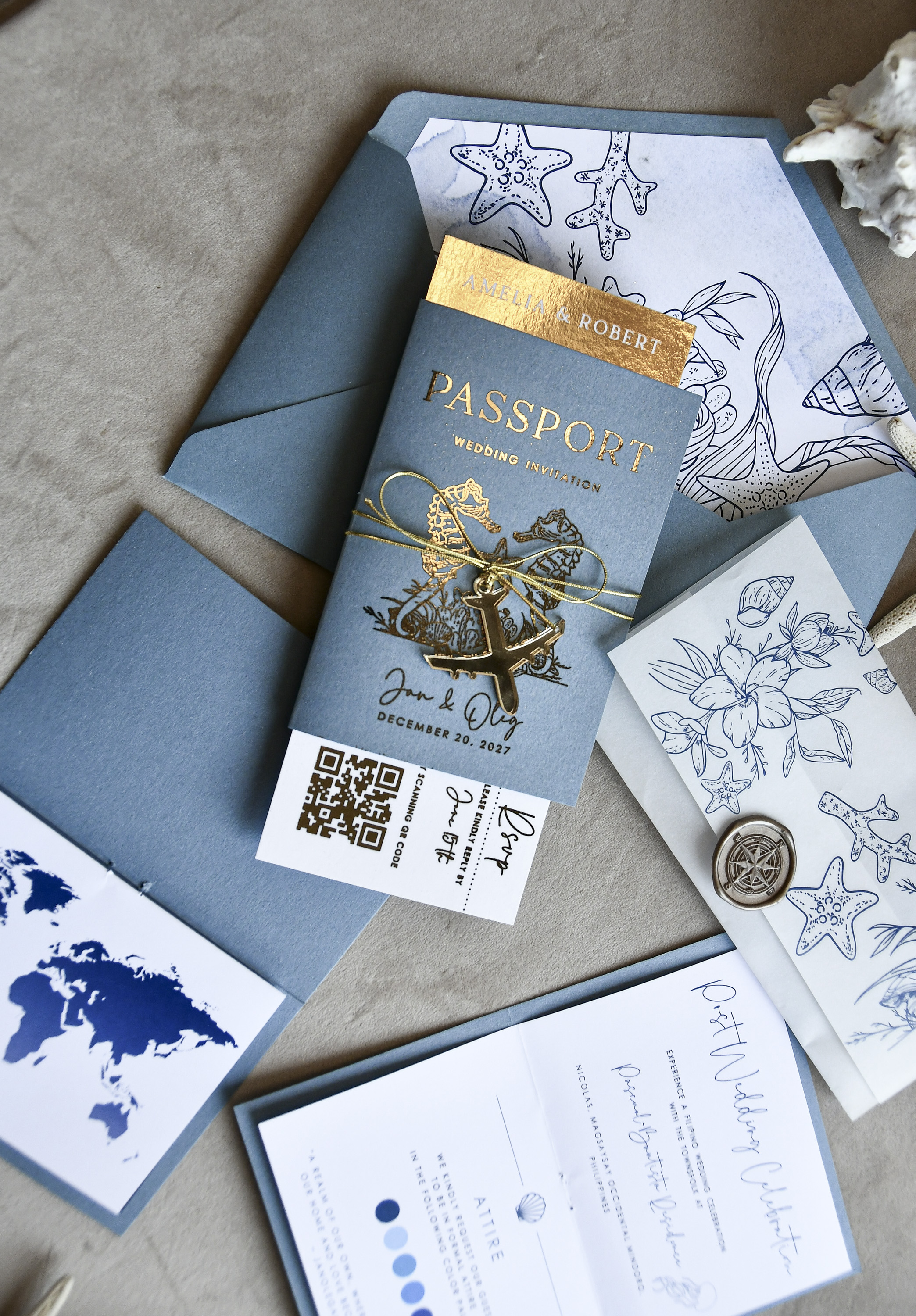
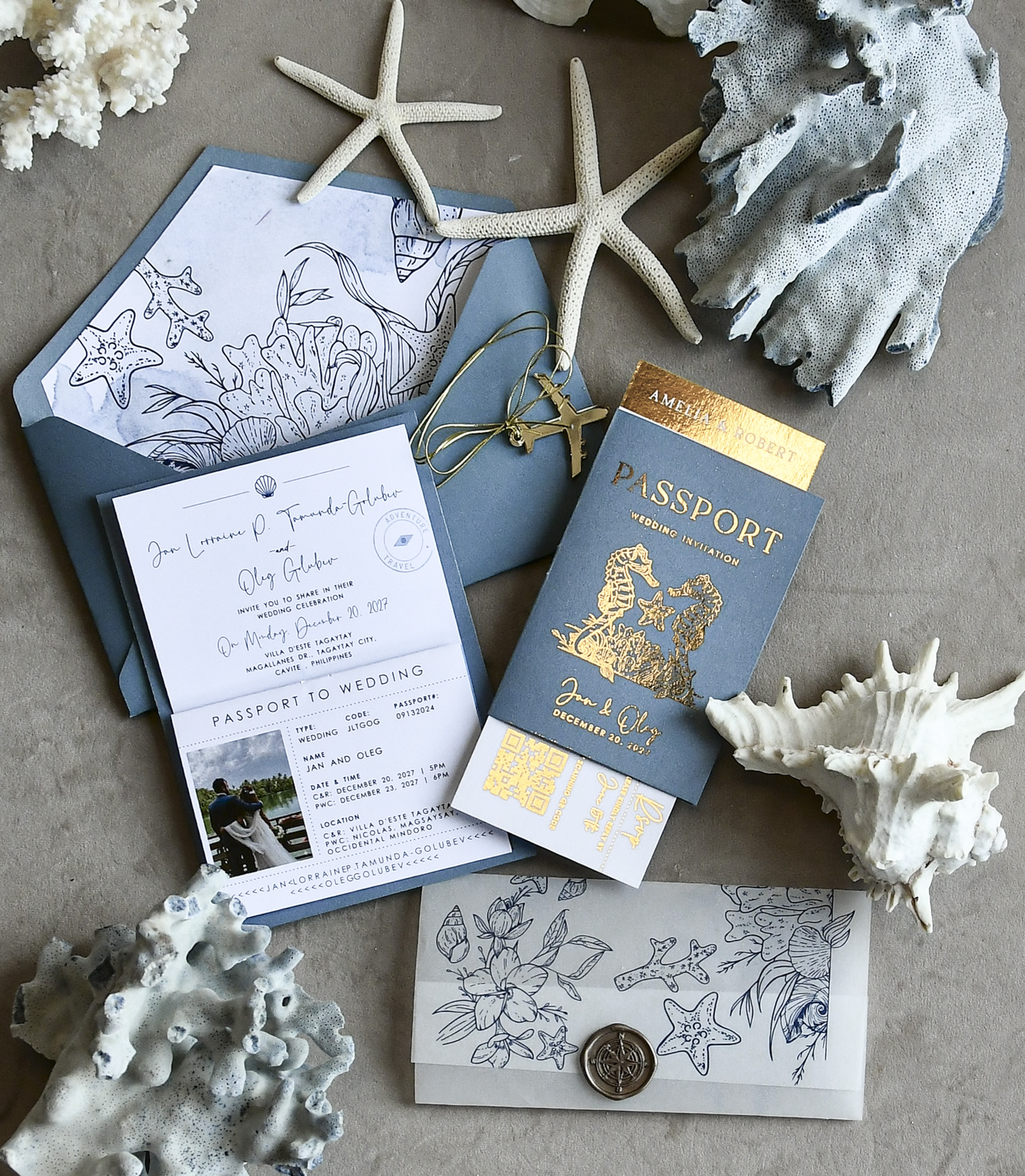
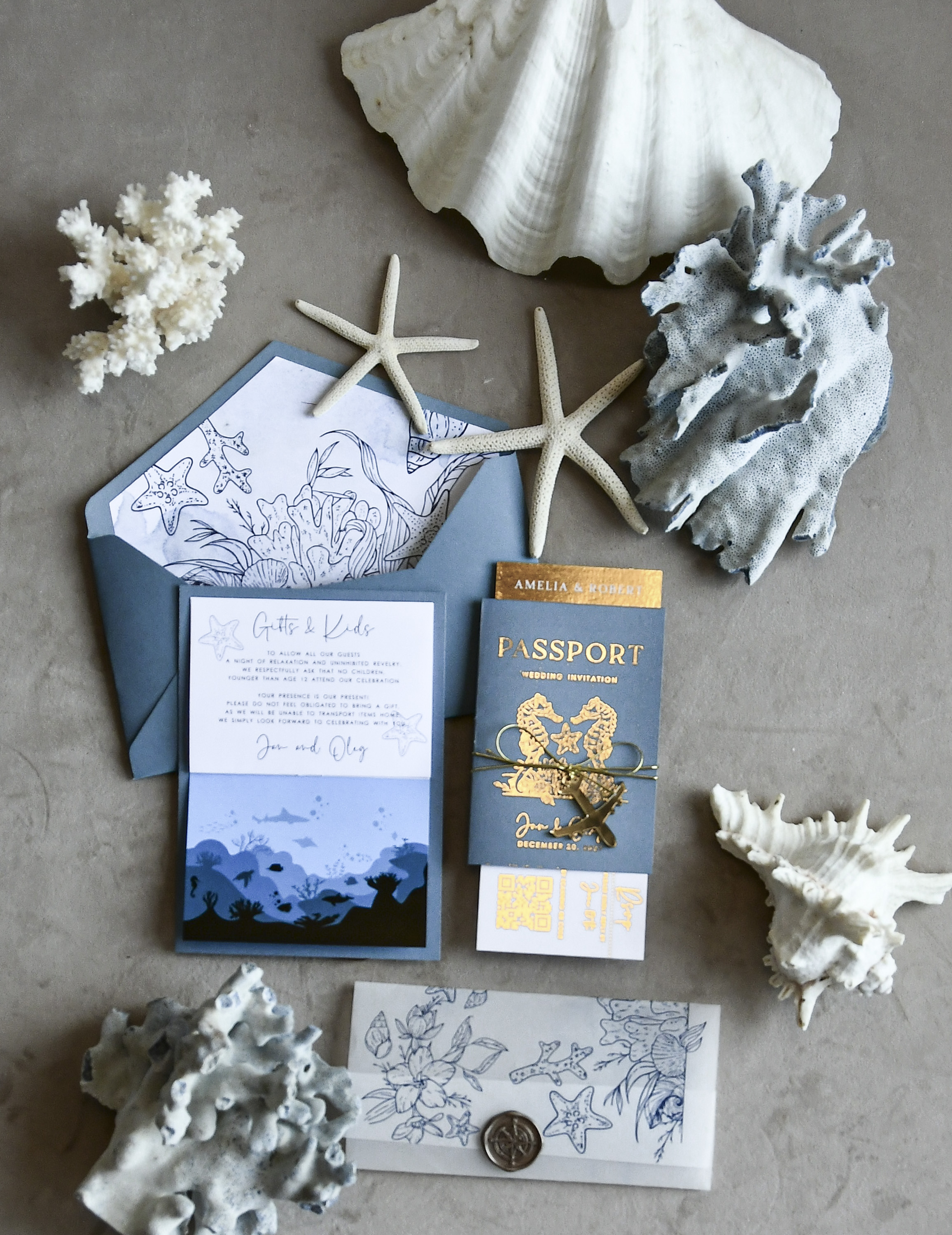
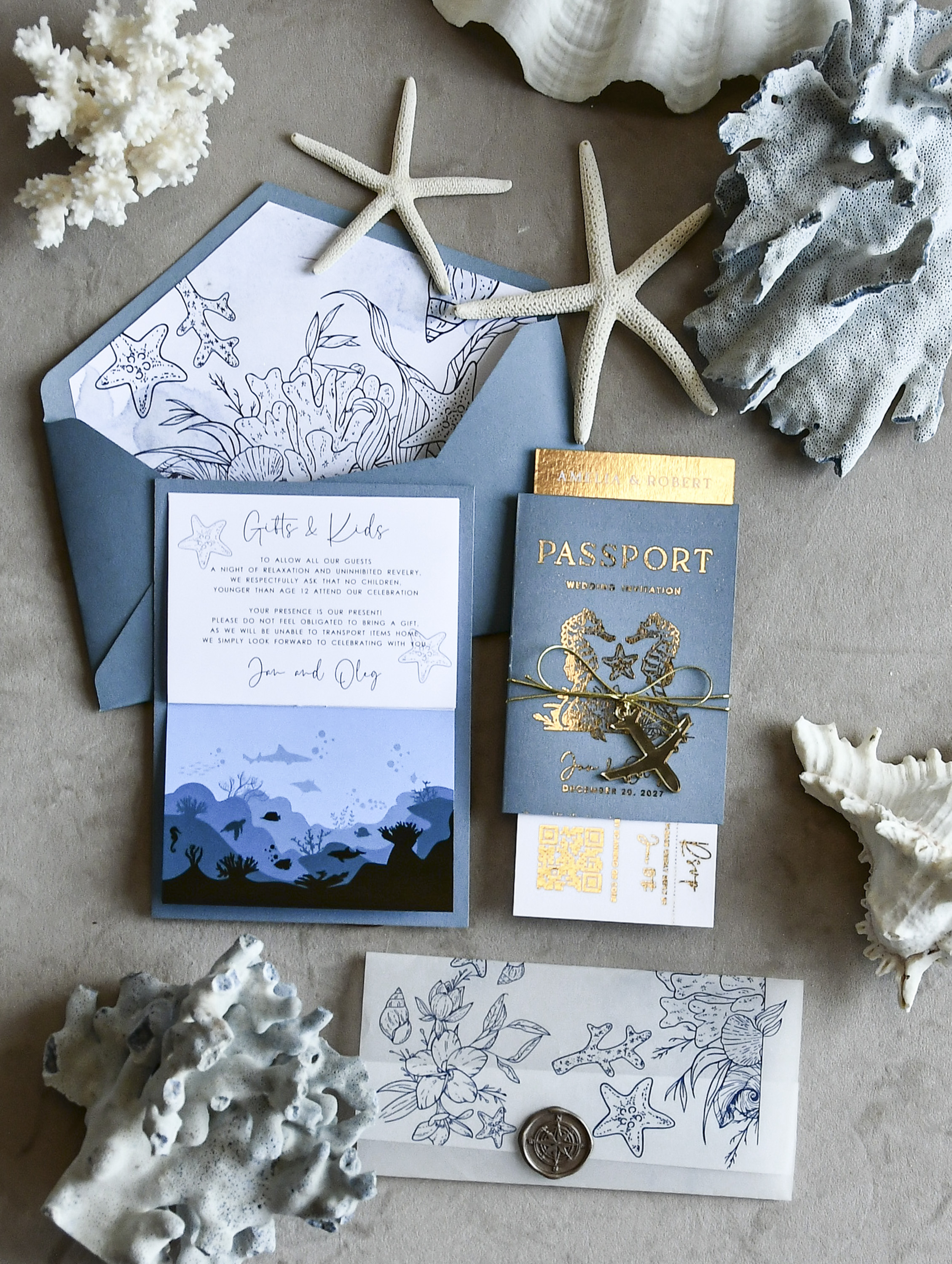
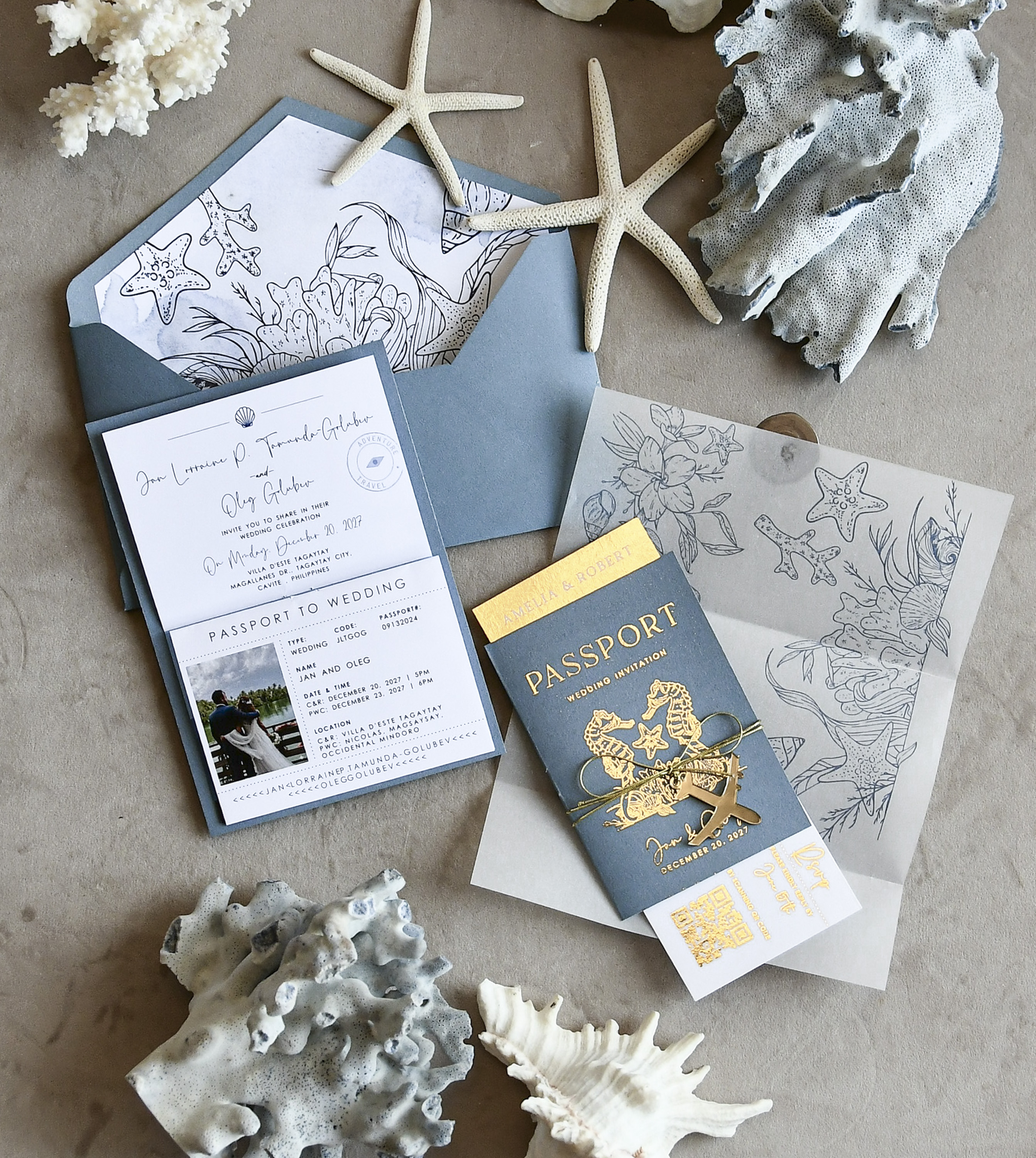
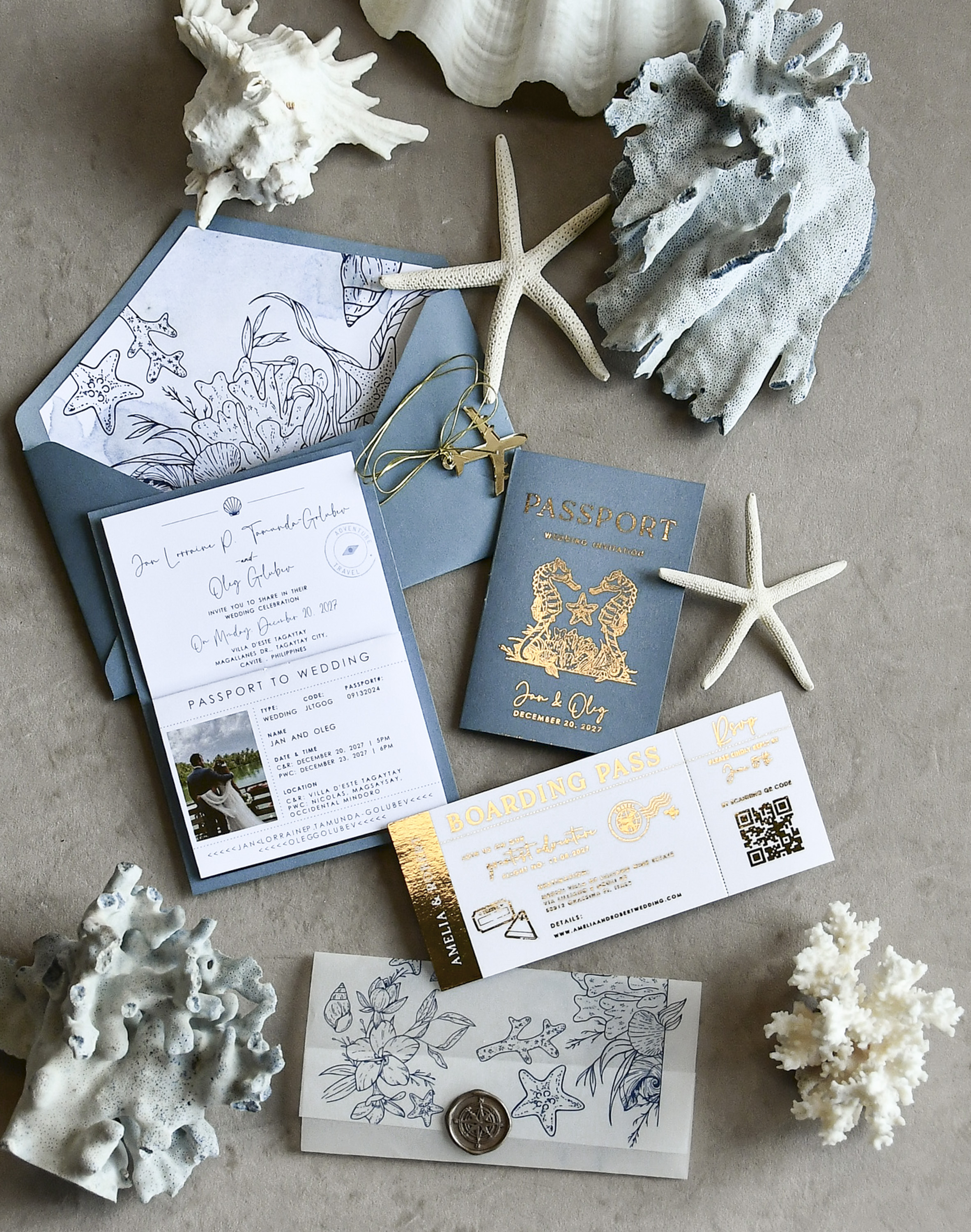
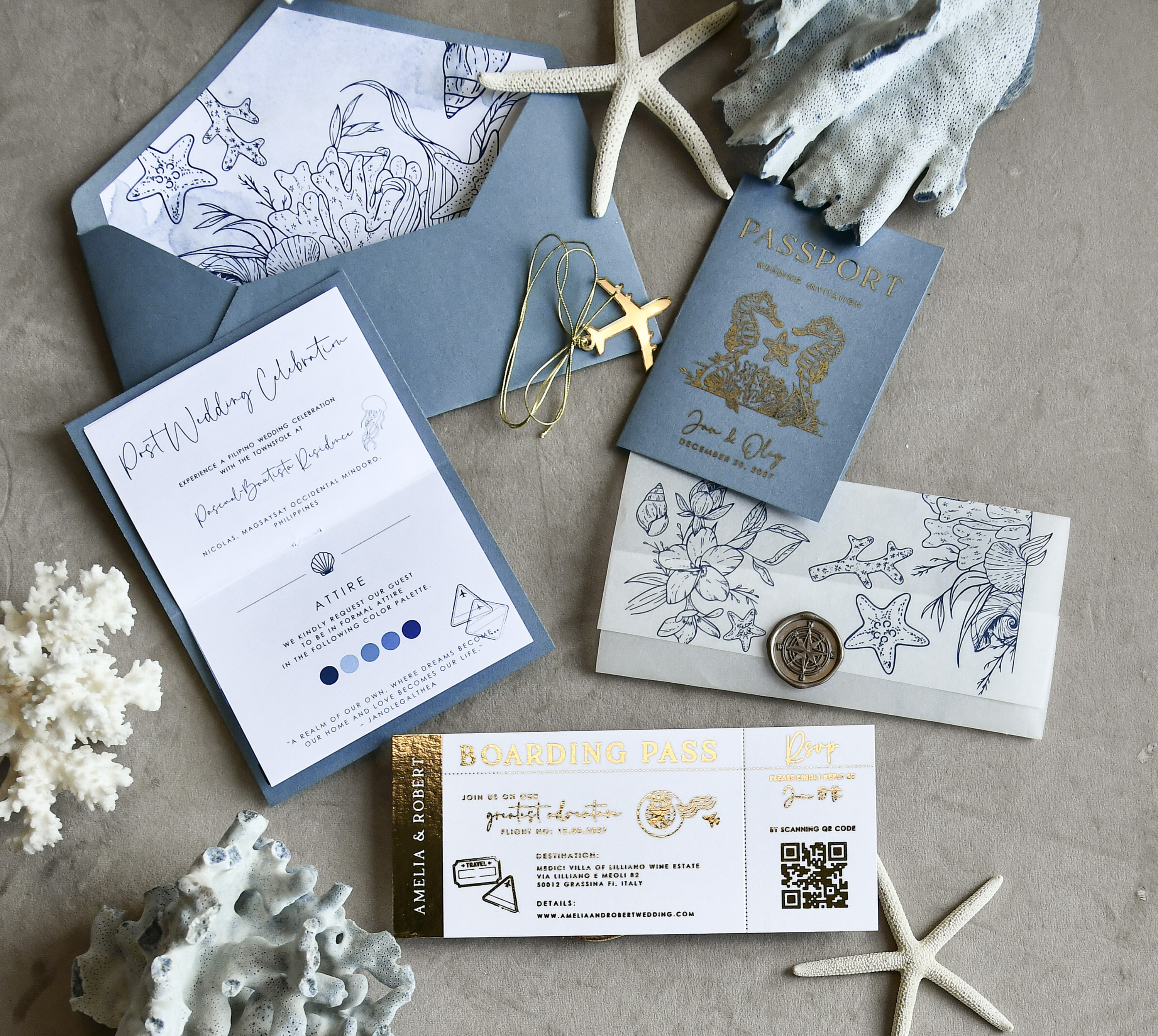
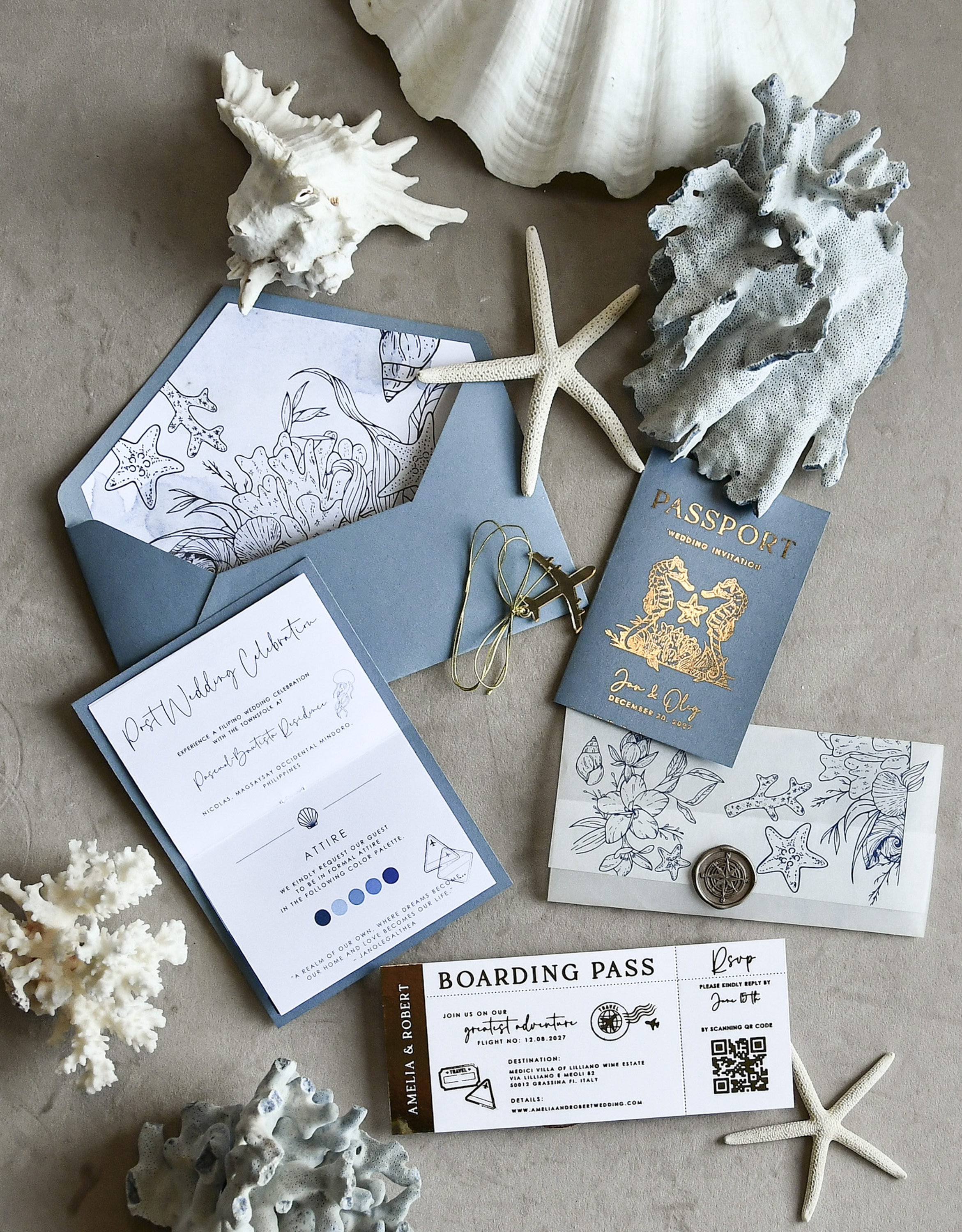
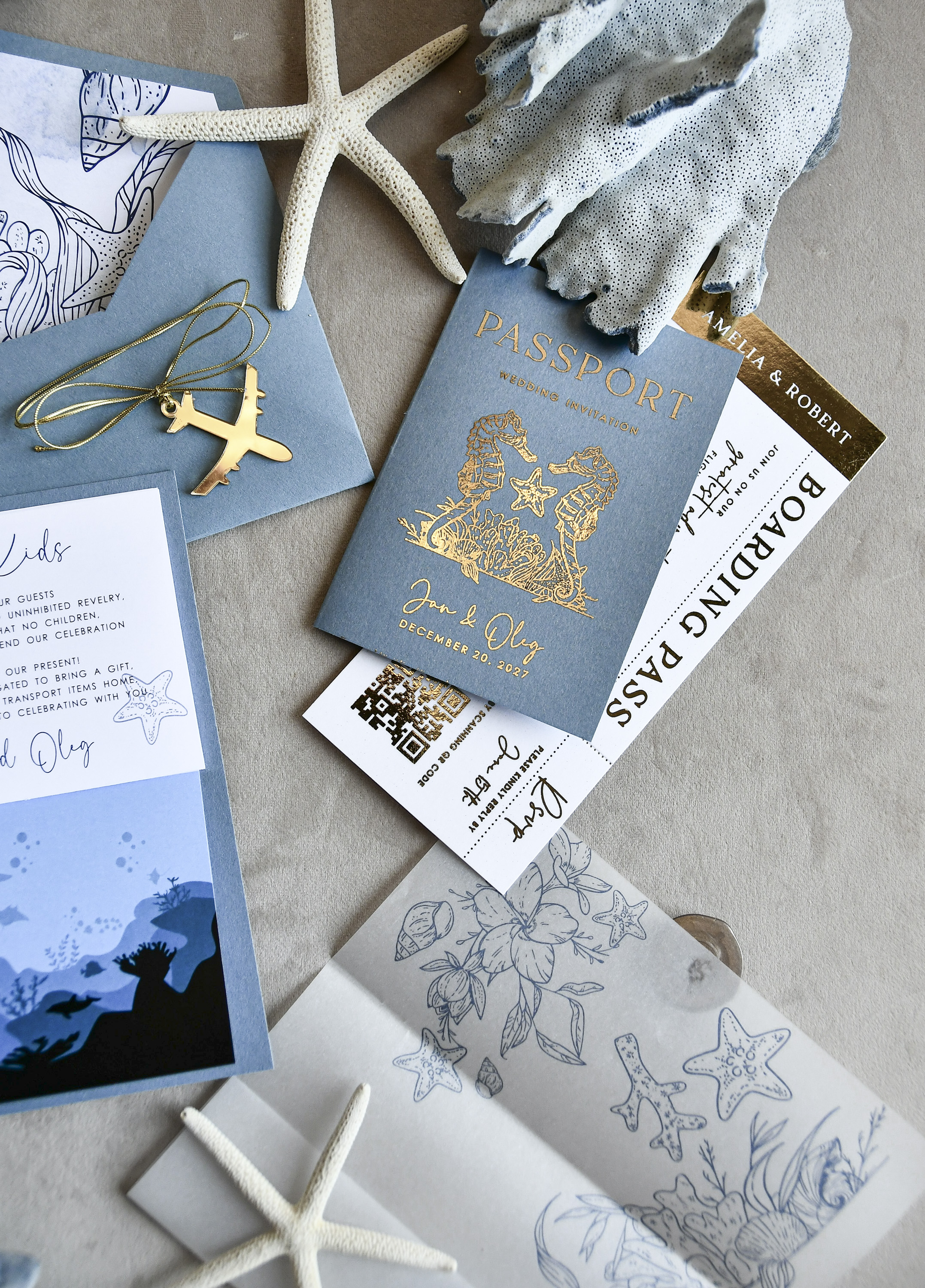
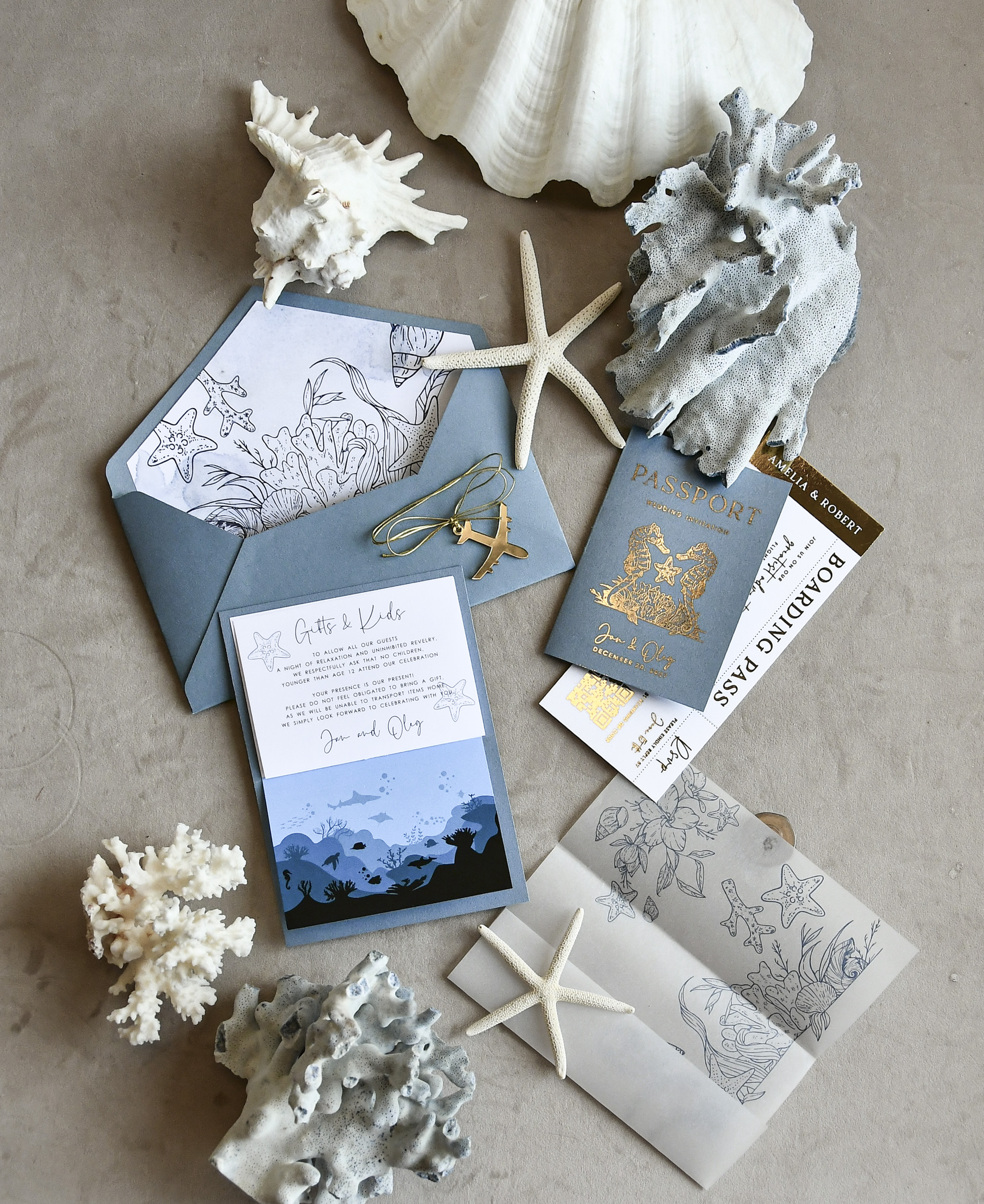
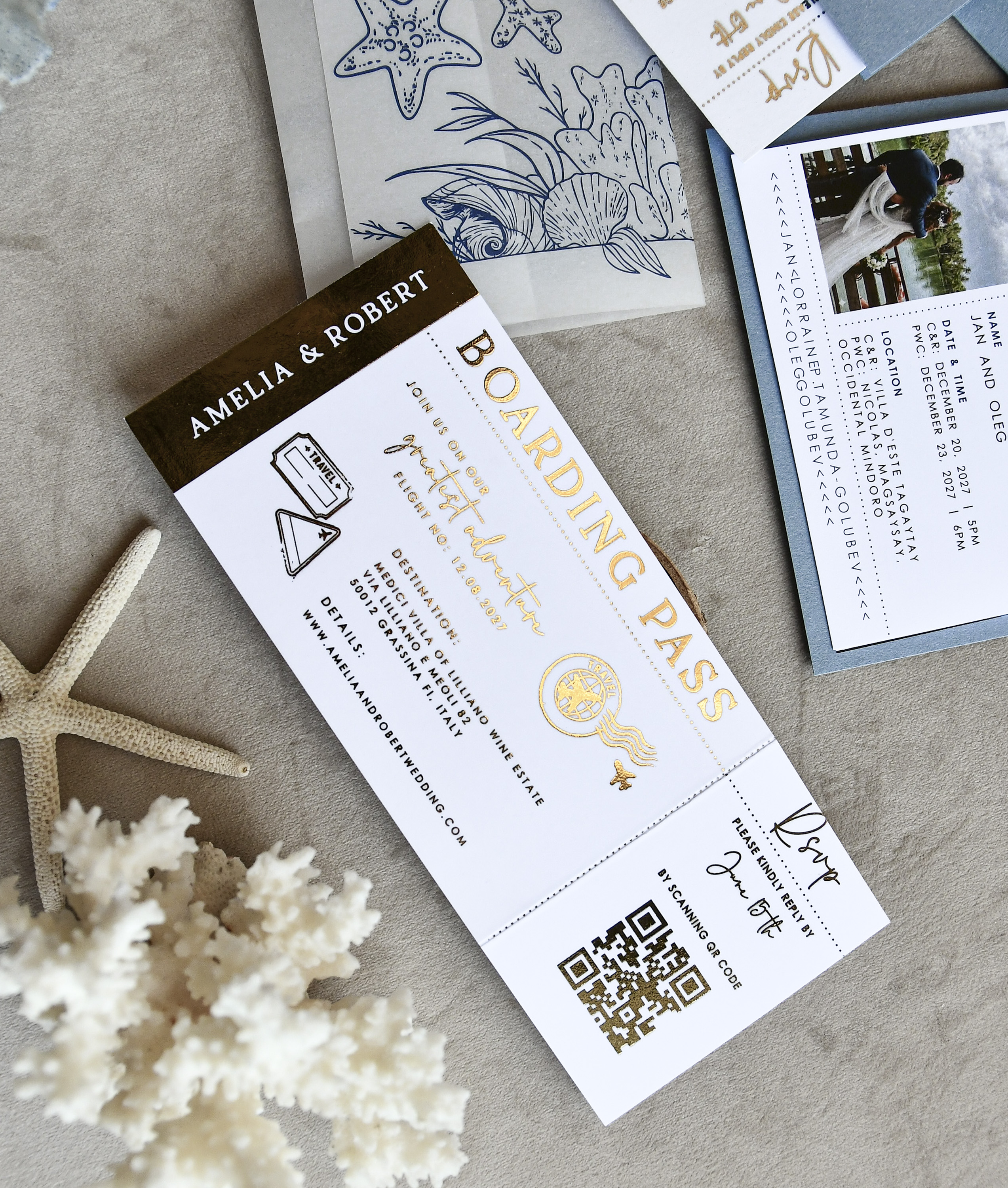
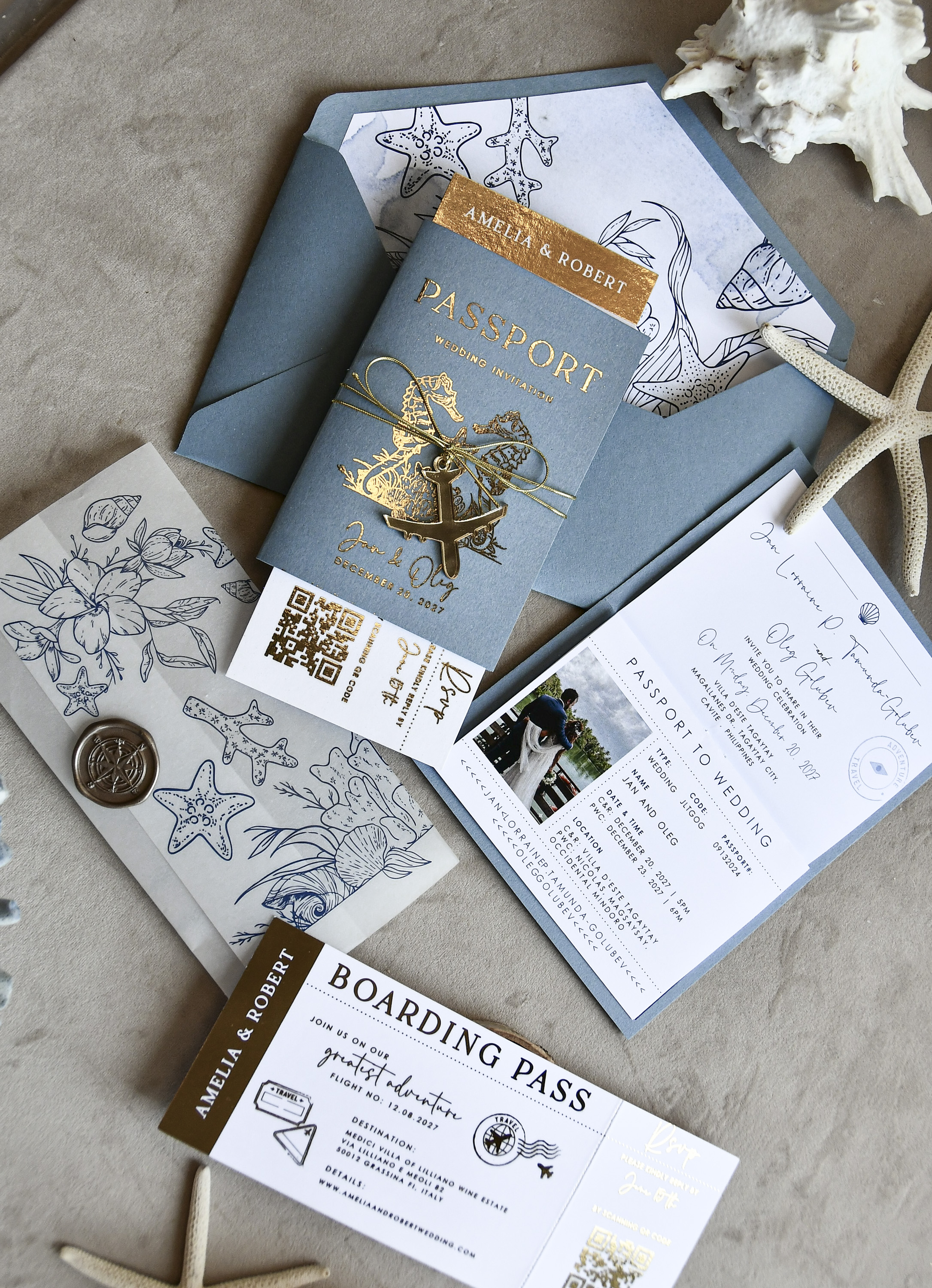
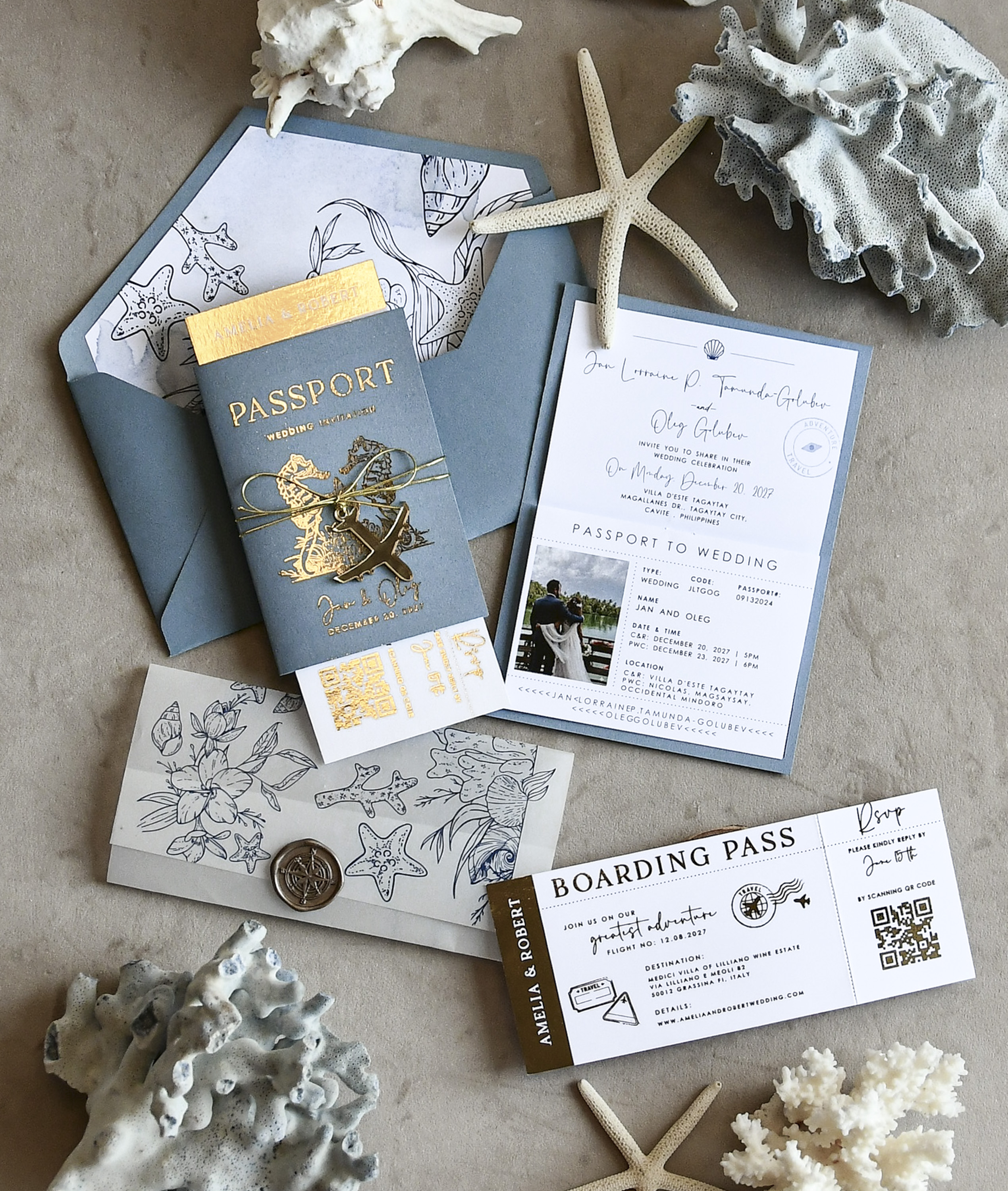
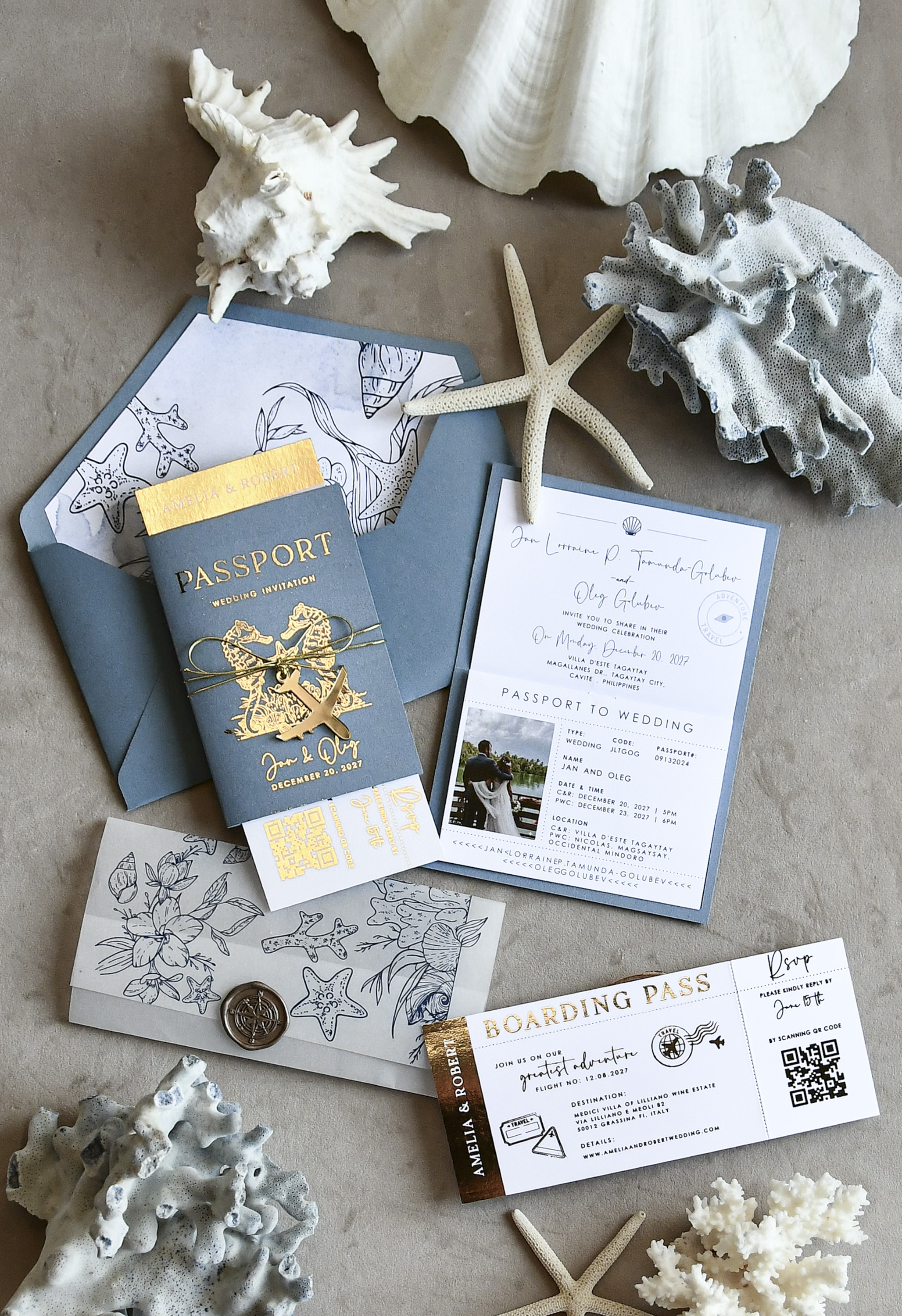
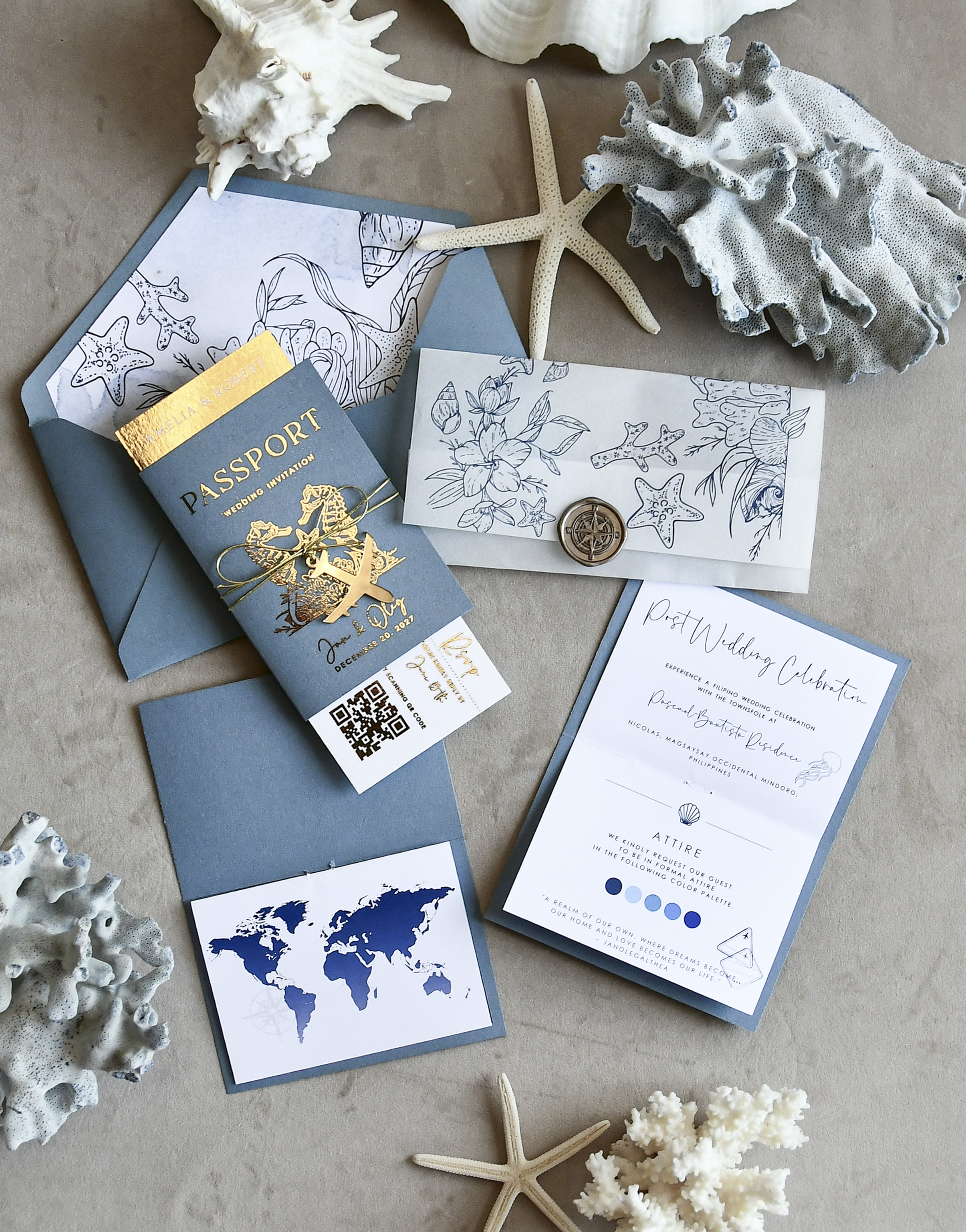
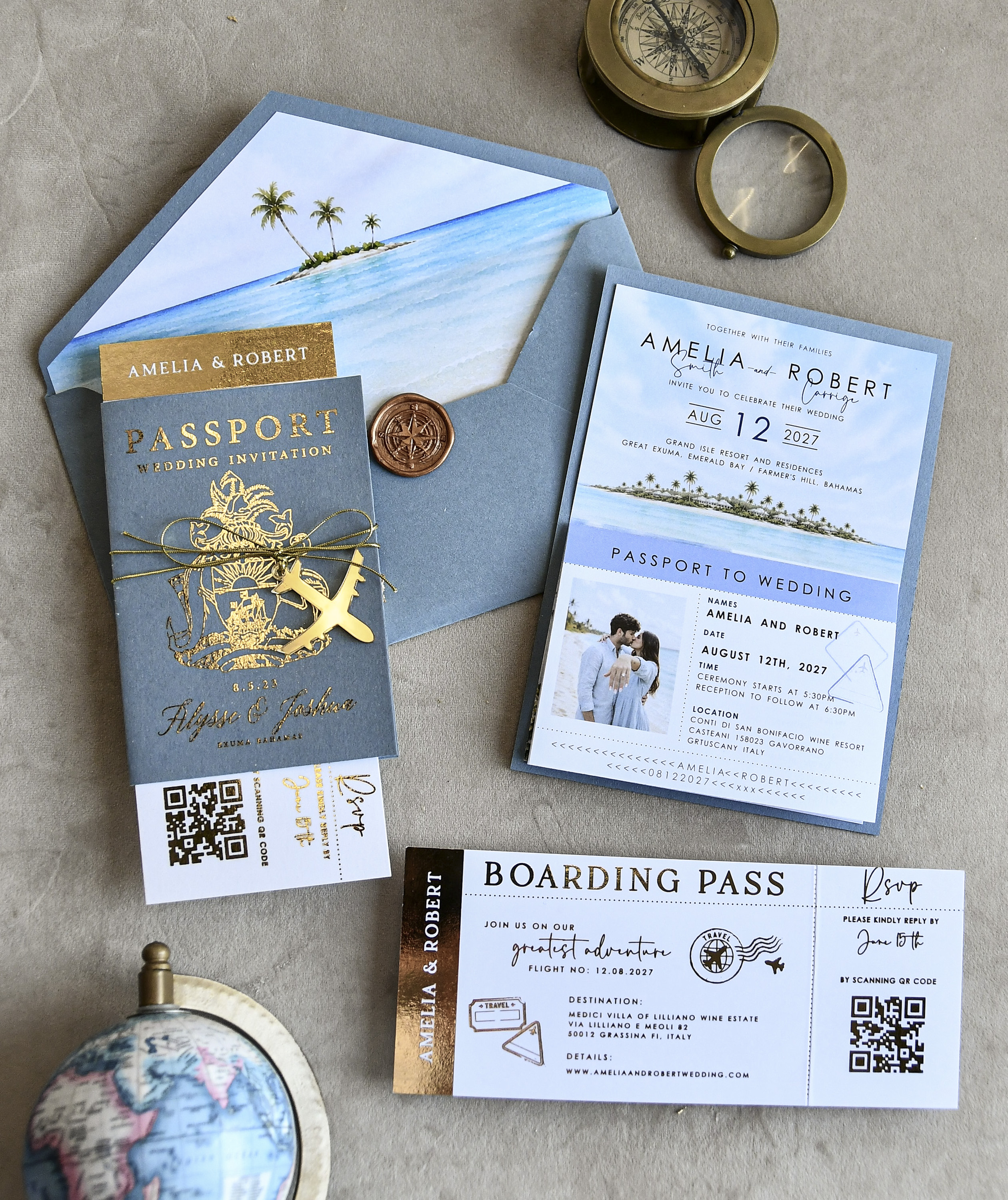
Some settings are genuinely child-unfriendly — venues with open water, steep staircases, fragile décor, or very late end times can make having young children present stressful for everyone. Other settings, like an outdoor garden party or a casual beach celebration, lend themselves beautifully to a mixed-age crowd. If you are planning a relaxed coastal wedding and sending out beach wedding invites like our 01/passBeach/z passport-style invitations, a family-friendly vibe may feel like a natural extension of the whole aesthetic.
Run the Numbers Before You Decide
Children affect your guest count — and your budget — more than most couples anticipate. Each child over a certain age (typically 2 and up) usually requires a catering head count. That means a guest list of 80 adults can quietly become 100 people once kids are added.
- Catering costs: Many caterers charge a reduced children's plate fee (roughly 50–75% of the adult price), but it still adds up.
- Seating: High chairs and booster seats take up floor space and require advance coordination with your venue.
- Entertainment: If you want kids to be happy and occupied, a babysitting room or kids' activity station is a worthwhile investment — but it is an added line item.
If budget is tight, an adults-only reception is a completely legitimate and widely accepted choice. Many guests with young children will privately appreciate a night out.
Decide on a Clear, Consistent Policy
The most important rule: whatever you decide, apply it consistently. Inviting your sister's toddler but excluding your best friend's preschooler creates hurt feelings that outlast the wedding day. Consistency protects your relationships.
Common approaches include:
- All children welcome — every child of every guest is invited, typically including infants.
- Immediate family children only — nieces, nephews, and children of the wedding party are included; other guests' children are not.
- No children under 12 (or 16) — older kids who can sit through a ceremony and dinner are welcome; younger ones are not.
- Adults-only — no guests under 18, with the possible exception of a flower girl or ring bearer who leaves after the ceremony.
Pick one policy and stick to it. Exceptions made for one family almost always come to light and cause friction.
How to Communicate Your Decision Gracefully
Once you have decided, your invitation wording does the heavy lifting. The most polite way to signal an adults-only event is to address envelopes precisely — list only the names of the invited guests, not "and family." You can also include a line on your wedding website such as: "We have reserved this evening for adult guests only and appreciate your understanding."
If children are invited, your invitation envelope can read "The Johnson Family" or list children's names individually for a formal touch. For a destination or beach wedding, passport-style invitation suites like our 01/passBeach/z are a charming way to set a festive, welcoming tone that gets the whole family excited from the moment the envelope arrives.
Avoid stating "No children" or "Adults only" directly on the invitation card itself — it reads as blunt. A note on the details card or website is the smoother, more gracious approach. Brief your parents and wedding party so they can field questions from guests who call to ask.
A Few Final Etiquette Points to Keep in Mind
Even with a clear policy, a few situations will require judgment calls:
- Nursing infants: Many couples make an exception for babies still being breastfed, even at adults-only weddings. If you are comfortable with this, let the parent know privately and warmly.
- Out-of-town guests: If a family is traveling from far away and cannot easily arrange childcare, acknowledge the hardship graciously — even if your policy does not change.
- Flower girls and ring bearers: If you have young children in the ceremony, guests will reasonably wonder why their own kids are excluded. Be prepared with a kind, simple explanation: ceremonial roles are different from reception attendance.
Whatever you choose, own it confidently. Couples who second-guess their own policy mid-planning tend to create confusion. Make the call, communicate it clearly, and move forward — your guests will follow your lead.
Frequently Asked Questions
Not at all — adults-only weddings are completely accepted and very common in the US. The key is communicating your policy clearly and early so guests have time to arrange childcare. Most guests understand and appreciate the heads-up.
Address each envelope with only the names of invited adults — for example, "Mr. and Mrs. David Chen" rather than "The Chen Family." You can reinforce the message with a line on your wedding website or details card such as "Adult reception to follow."
Many couples do make a quiet exception for nursing infants, since separating a breastfeeding mother from her baby for a full day is a significant ask. If you are open to it, reach out to the parent privately and kindly rather than announcing a general exception.
Age 12 is a popular cutoff because older children can generally sit through a ceremony and dinner without disruption. Some couples use 16 as the cutoff for a more formal evening event. Whatever age you choose, apply it consistently across all guests.
In most cases, yes — venues and caterers count any guest who requires a seat and a meal, including children. Many caterers offer a discounted children's menu for guests under 10 or 12, but you should confirm the policy with your specific vendor early in the planning process.
Ideally, mention it on your wedding website as soon as it launches — often 8 to 12 months before the wedding. Reinforce it through your invitation wording and envelope addressing. The more notice parents have, the easier it is for them to arrange childcare and actually enjoy your celebration.
See This Design Up Close

You May Also Like
More Wedding Planning Guides
- → Should You Invite New Partners to Your Wedding? Here's How to Decide
- → The Right Age to Send Children Their Own Wedding Invitation
- → Hand Delivery vs. Mailing Your Wedding Invitations: A Practical Guide
- → Navigating the Cousin Question: Your Guest List, Your Rules
- → Navigating the Office Guest List: Who at Work Deserves a Wedding Invite?
- → Who Actually Gets a Say in Your Wedding Guest List?
- → No RSVP, No Problem? How to Handle Guests Who Go Silent
- → Extra Wedding Guests: Who Foots the Bill?
- → Adults-Only Wedding: The Right Words to Tell Guests, Kindly and Clearly
- → Online RSVPs Are Totally Valid — Here's How to Pull It Off Gracefully
- → Parents Want to Invite Their Friends to Your Wedding? Here's How to Set Boundaries and Stay Sane
- → How to Handle Kids at Your Wedding: Childcare vs. Entertainment Explained
- → Child-Free Weddings: The Honest Etiquette Guide for Couples
- → RSVP Silence: How Long to Wait and What to Do Next
- → Surprise Plus-Ones: How to Protect Your Guest List Without Losing Your Cool
- → Uninvited Plus-Ones and Tag-Alongs: How to Keep Your Guest List Intact
- → When Family Feuds Threaten Your Wedding Plans: A Practical Peacekeeper's Guide
- → Inviting an Estranged Brother or Sister: Finding Clarity Before You Seal the Envelope
- → Cousins, Invites, and Hard Choices: A Practical Guest List Guide