
No RSVP, No Problem? How to Handle Guests Who Go Silent

You sent beautiful invitations, set a clear RSVP deadline, and waited patiently — and yet a handful of guests never responded. It happens at nearly every wedding, and it leaves couples in an awkward spot: Do you chase people down, or just assume they're not coming? The short answer is yes, you should follow up — but there's a right way to do it that keeps things warm, efficient, and drama-free.
Why Following Up Is Worth the Effort
Your caterer, venue, and seating chart all depend on an accurate headcount. Most vendors lock in final numbers 1–2 weeks before the wedding, and per-head costs can be significant. If you simply drop non-responders from the list and they show up expecting a seat, the situation becomes far more stressful than a quick phone call ever would have been.
Beyond logistics, some guests genuinely lose track of deadlines — life gets busy, the invitation got buried, or they assumed their plus-one already handled it. Following up gives them a fair chance to attend rather than accidentally excluding someone who truly wanted to be there.
When to Start Making Calls
Build a two-step follow-up plan into your wedding timeline from the start:
- 3–4 days after your RSVP deadline: Send a brief, friendly text or email to non-responders. Keep it light — something like, "Hey! We're finalizing our guest list and didn't see your RSVP come through. Would love to know if you can make it!" A text feels casual and is easy for people to reply to quickly.
- 1 week after your RSVP deadline: For anyone who still hasn't responded after the text, yes — pick up the phone. A short call takes two minutes and gets a definitive answer. This is especially important for guests who aren't great with technology, like older relatives.
Set your RSVP deadline 3–4 weeks before the wedding so you have buffer time for this follow-up process before your vendor deadlines hit.
What to Say Without Feeling Awkward
The key is to frame the call as a logistics question, not a guilt trip. Try something like: "Hi Aunt Carol! I'm just wrapping up our final headcount for the wedding and wanted to make sure your RSVP didn't get lost in the mail. Are you and Uncle David planning to join us?"
This approach does a few things well: it gives them an easy out (blaming the mail), it's friendly rather than accusatory, and it gets straight to the point. Most people will appreciate the heads-up and respond immediately. If they say they can't make it, a gracious "We'll miss you — thanks so much for letting me know!" closes the loop perfectly.
Divide and conquer if you can — have your partner call their side of the family while you handle yours. Delegating this task to a maid of honor or trusted family member is also completely acceptable.
What to Do With Guests Who Still Don't Respond
If someone simply cannot be reached after a text and a phone call, it is entirely reasonable to count them as a "no" for planning purposes. You've made a genuine effort, and your vendor deadlines won't wait indefinitely. Let your caterer know your confirmed count and move forward.
That said, if you have reason to believe they're coming — they've talked excitedly about the wedding, they're a close family member — consider adding a small buffer to your final headcount just in case. Most venues and caterers can accommodate a few last-minute additions more easily than a sudden drop.
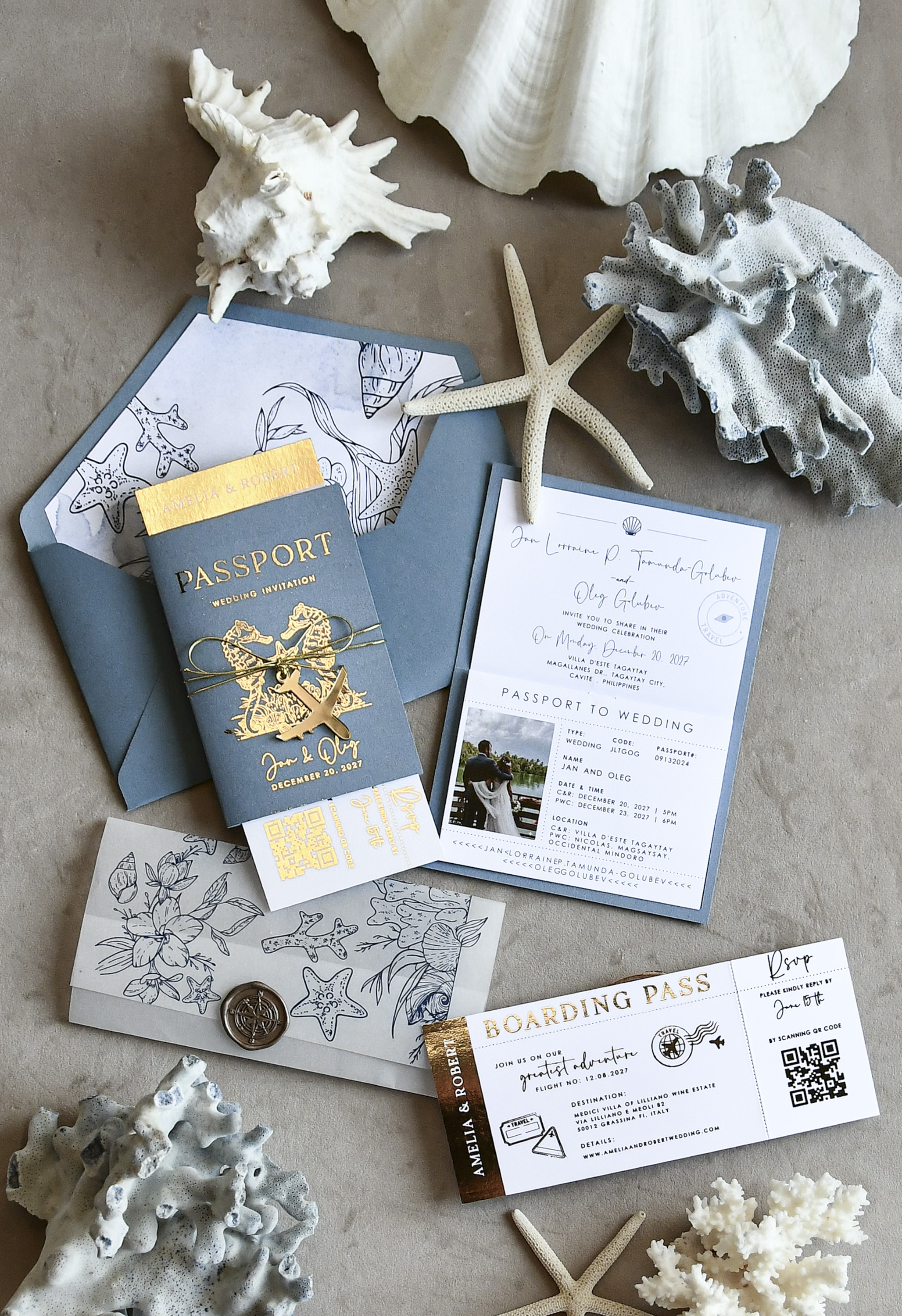
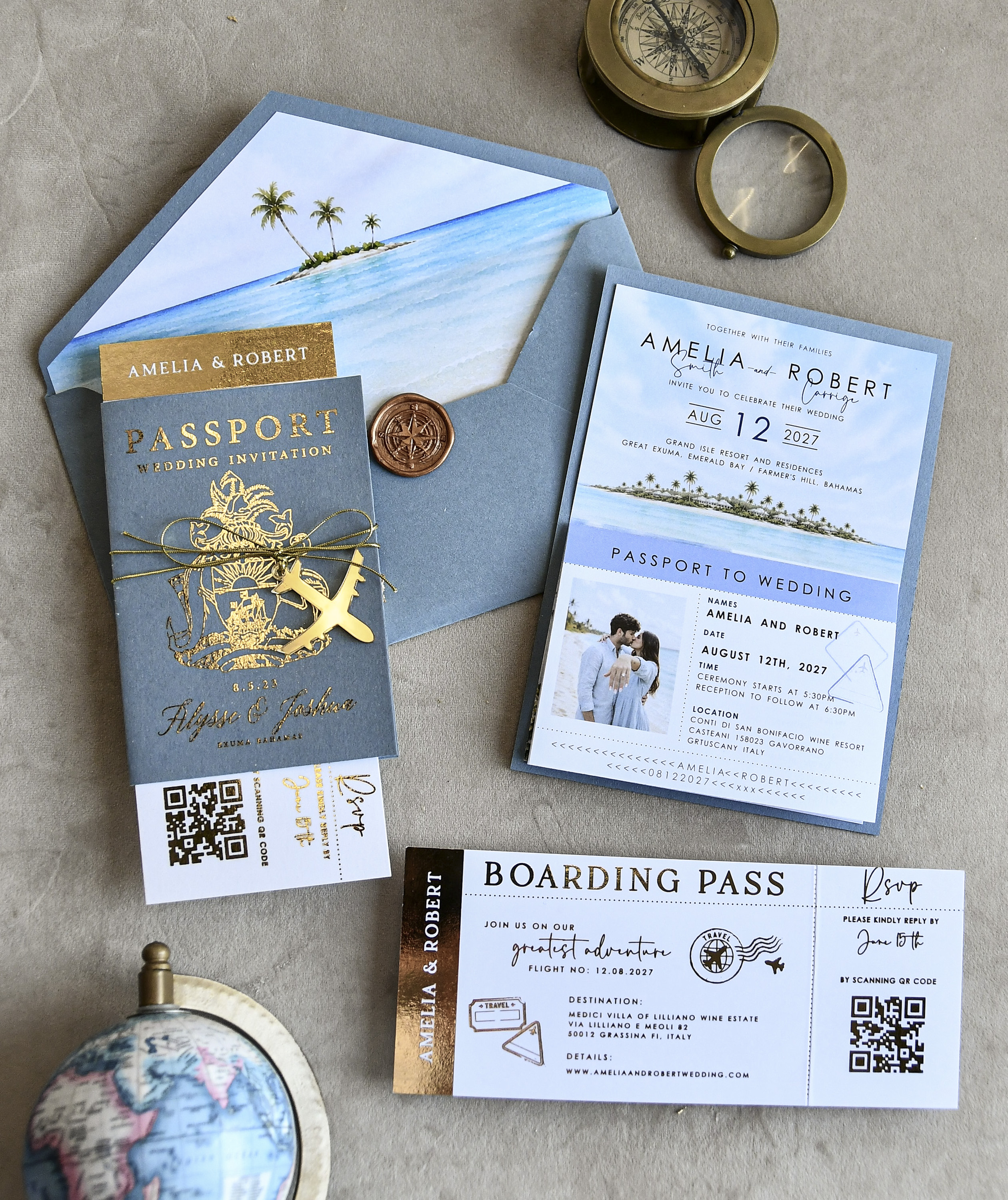
When you're sending out a polished, passport-style invitation like the 01/passBeach/z beach wedding invite from Margo&Bees, including a pre-addressed, stamped RSVP card (or a clearly printed online RSVP link) makes responding as effortless as possible — which reduces the number of follow-up calls you'll need to make in the first place.
Preventing the Problem Next Time (For Future Reference)
While you can't control every guest's responsiveness, a few invitation best practices dramatically improve your RSVP return rate:
- Set your RSVP deadline 3–4 weeks before the wedding, not 1–2 weeks.
- Include a stamped return envelope with physical RSVP cards.
- Offer both a mail-in and an online RSVP option so guests can choose what's easiest.
- Print the deadline prominently on the RSVP card — don't bury it in small type.
- Consider adding a personal note inside the envelope for guests you know are forgetful.
Pairing a stunning invitation suite like the 01/passBeach/z with a clear, easy-to-use RSVP system sets the tone for an organized, stress-free planning process from the very first piece of mail your guests receive.

Frequently Asked Questions
Give it 3–5 days after your deadline before making calls — start with a text or email first. If you still haven't heard back within a week of your deadline, a quick phone call is completely appropriate and expected.
Not at all — it's actually considerate to both your guests and your vendors. Most non-responders aren't being intentionally rude; they simply forgot or got busy. A friendly follow-up gives them a fair chance to confirm.
After two genuine follow-up attempts with no response, count them as a "no" for planning purposes. You've done your part — your vendor deadlines are real, and you can't hold your headcount open indefinitely.
Absolutely. Delegating follow-up calls to a trusted wedding party member or family contact is perfectly fine, especially for guests on their side of the family. Just brief them on the tone — friendly and low-pressure.
Stay calm and work with your venue coordinator or caterer — most can quietly add a seat or adjust a table. Having a small buffer in your final headcount (2–3 extra meals) is a smart precaution for exactly this scenario.
Yes — offering both a physical RSVP card with a prepaid return envelope and an online option gives guests the easiest possible path to respond. The more friction you remove, the higher your response rate will be before your deadline.
See This Design Up Close













You May Also Like



More Wedding Planning Guides
- → Should You Invite New Partners to Your Wedding? Here's How to Decide
- → The Right Age to Send Children Their Own Wedding Invitation
- → Hand Delivery vs. Mailing Your Wedding Invitations: A Practical Guide
- → Navigating the Cousin Question: Your Guest List, Your Rules
- → Navigating the Office Guest List: Who at Work Deserves a Wedding Invite?
- → Who Actually Gets a Say in Your Wedding Guest List?
- → Extra Wedding Guests: Who Foots the Bill?
- → Adults-Only Wedding: The Right Words to Tell Guests, Kindly and Clearly
- → Online RSVPs Are Totally Valid — Here's How to Pull It Off Gracefully
- → Parents Want to Invite Their Friends to Your Wedding? Here's How to Set Boundaries and Stay Sane
- → How to Handle Kids at Your Wedding: Childcare vs. Entertainment Explained
- → Child-Free Weddings: The Honest Etiquette Guide for Couples
- → RSVP Silence: How Long to Wait and What to Do Next
- → To Invite or Not: Making the Kids-at-Your-Wedding Decision With Confidence
- → Surprise Plus-Ones: How to Protect Your Guest List Without Losing Your Cool
- → Uninvited Plus-Ones and Tag-Alongs: How to Keep Your Guest List Intact
- → When Family Feuds Threaten Your Wedding Plans: A Practical Peacekeeper's Guide
- → Inviting an Estranged Brother or Sister: Finding Clarity Before You Seal the Envelope
- → Cousins, Invites, and Hard Choices: A Practical Guest List Guide