
Child-Free Weddings: The Honest Etiquette Guide for Couples
One of the most common questions engaged couples wrestle with is whether leaving children off the guest list is impolite. The short answer: no, it is not rude — as long as you communicate clearly and give families enough notice to make arrangements. Adults-only weddings are completely accepted in modern American wedding culture, and millions of couples choose this route every year for reasons ranging from budget to venue capacity to the vibe they want to create. What matters most is how you handle it, not the decision itself.
Why Couples Choose Child-Free Weddings (And Why That's Okay)
There are plenty of legitimate reasons to keep your celebration adults-only, and you don't owe anyone a detailed explanation. Common motivations include:
- Budget: Each guest adds cost. Children count as heads at catered events, and those numbers add up quickly.
- Venue limits: Many venues — especially intimate spaces, rooftop terraces, or beach locations — have strict capacity caps.
- Atmosphere: You may be envisioning an elegant evening reception with a full bar, late-night dancing, and a relaxed adult atmosphere.
- Logistics: Keeping the guest list tight makes seating charts, meal counts, and transportation far simpler.
None of these reasons are selfish. Your wedding day is a significant investment of time, money, and emotion. Crafting the experience you genuinely want is not only acceptable — it's smart.
The Etiquette Rules That Actually Matter
Choosing adults-only is fine; handling it poorly is where couples run into real trouble. Follow these etiquette guidelines to keep relationships intact:
- Be consistent. The single biggest etiquette rule is to apply the policy universally. If your college roommate's toddler isn't invited, neither is your cousin's eight-year-old — and neither are your own nieces and nephews (with rare exceptions for children in the wedding party). Picking and choosing will cause hurt feelings and look like favoritism.
- Give plenty of notice. Families with young children need time to arrange childcare. Send your save-the-dates at least six to eight months in advance for a destination or travel-required wedding, and four to six months for a local celebration.
- Address invitations carefully. Only list the names of invited guests on the envelope. "Mr. and Mrs. James Carter" — not "The Carter Family" — signals clearly that children are not included.
- Add a line to your wedding website. A simple, warm note such as "We have arranged an adults-only celebration and look forward to a fun evening with our grown-up guests" removes any ambiguity.
- Never put guest-list restrictions on the invitation itself. Wording like "No children, please" on a formal invitation is considered poor etiquette. Use your website or word-of-mouth through close family instead.
How to Communicate the Policy Without Awkward Conversations
Even with perfect etiquette, some guests will ask — or push back. Here's how to handle it gracefully:
- Prepare a short, kind script. Something like: "We're keeping our guest list adults-only so we could include everyone we love on a realistic budget. We totally understand if that makes things complicated, and we'd love to celebrate with you beforehand!"
- Suggest childcare resources. If you're hosting a destination event — say, a beach wedding — consider sharing a list of local babysitting services or hotel childcare options with families who are traveling. This small gesture goes a long way.
- Hold your boundary kindly but firmly. If a guest RSVPs for four when only two were invited, call them personally, apologize for any confusion, and clarify. Don't let it slide — it creates a logistical nightmare and sets a precedent.
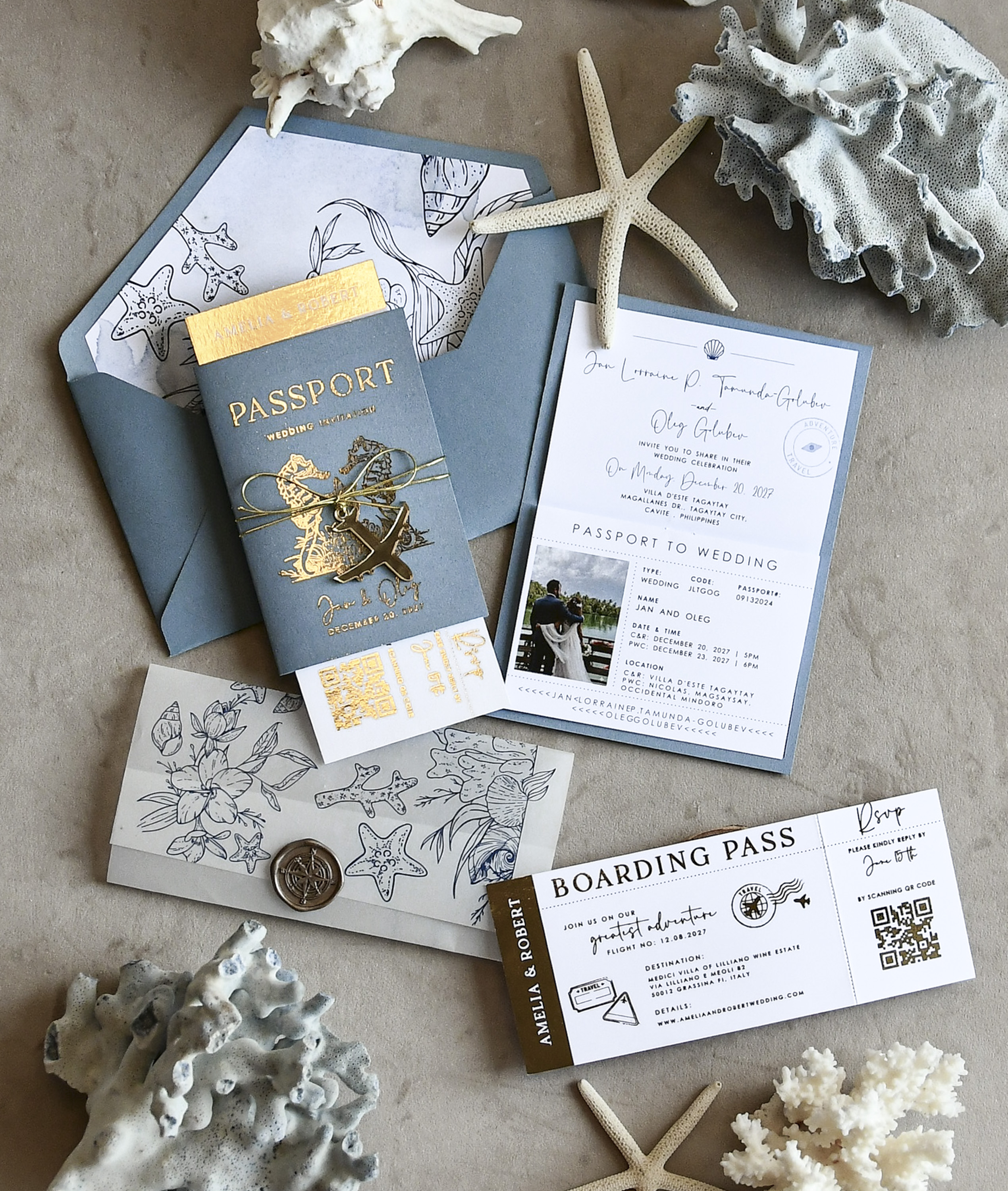
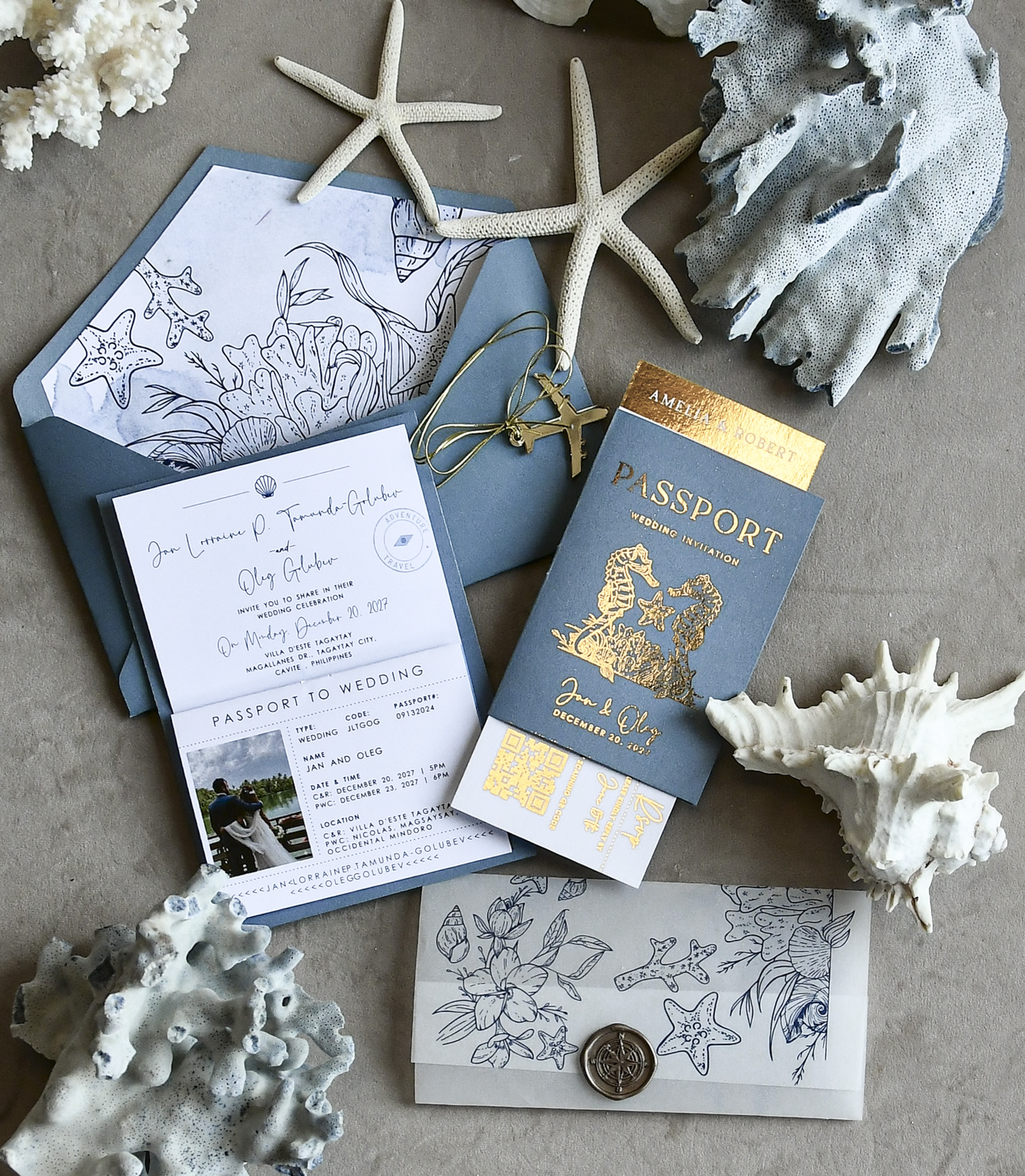
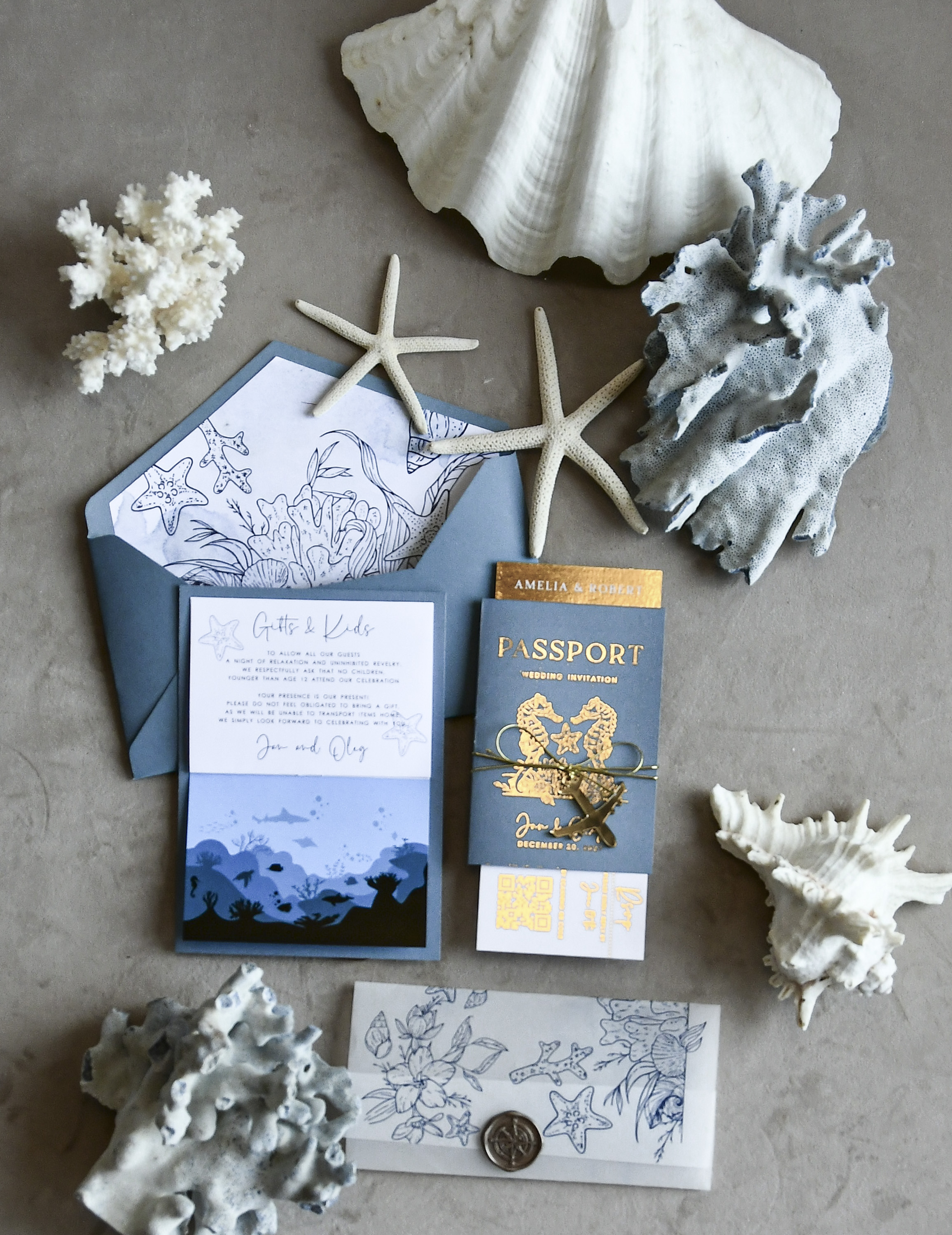
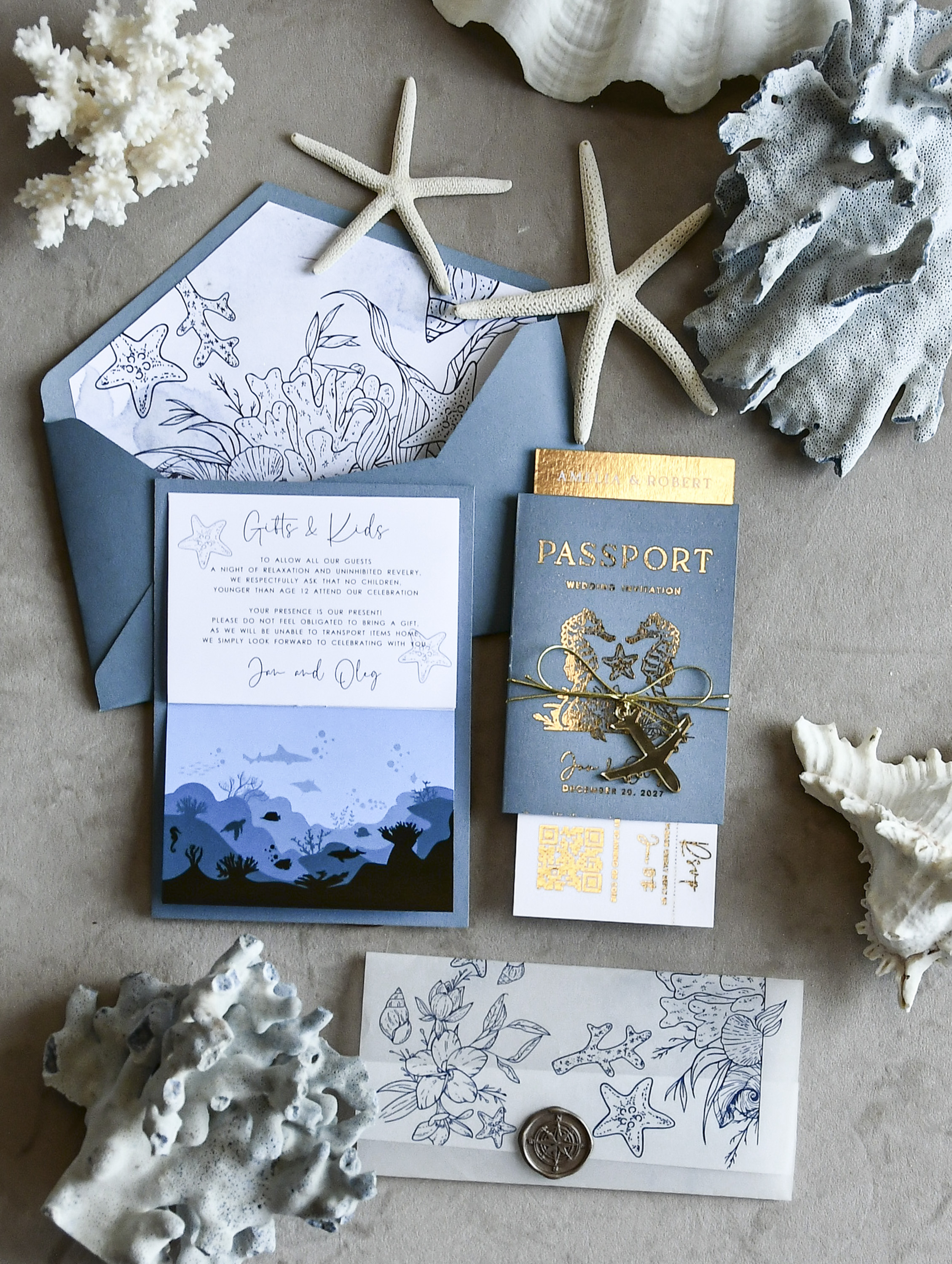
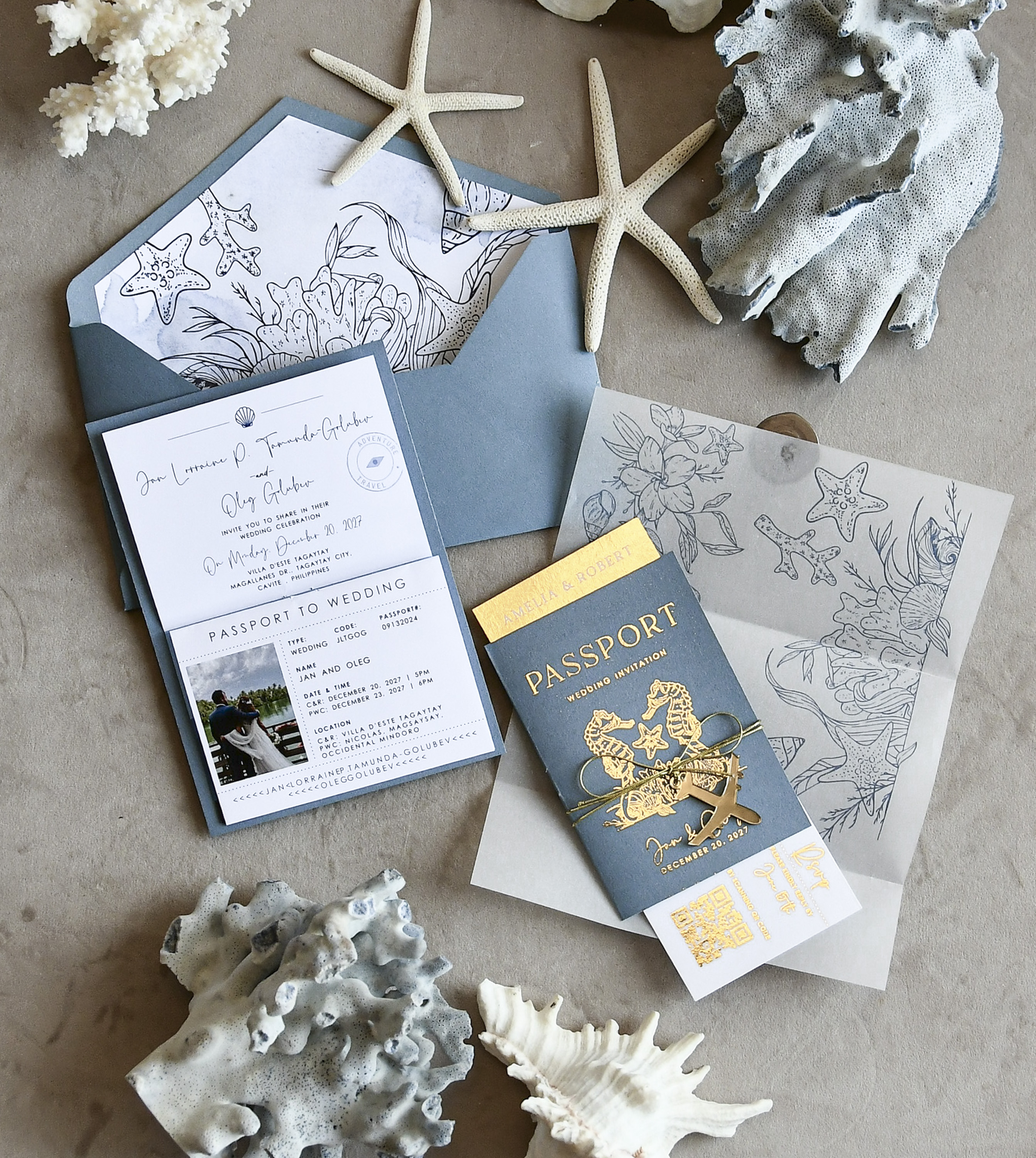
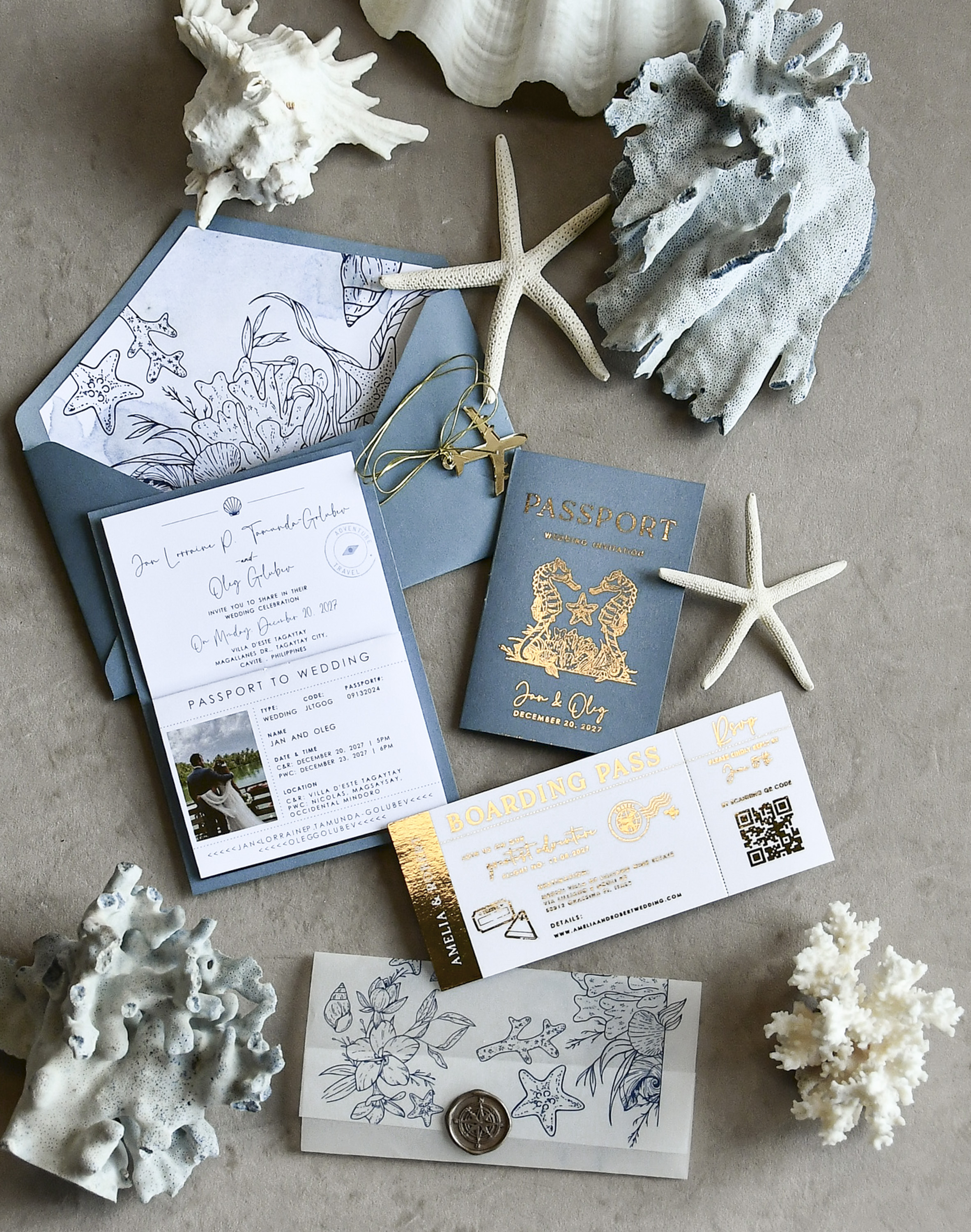
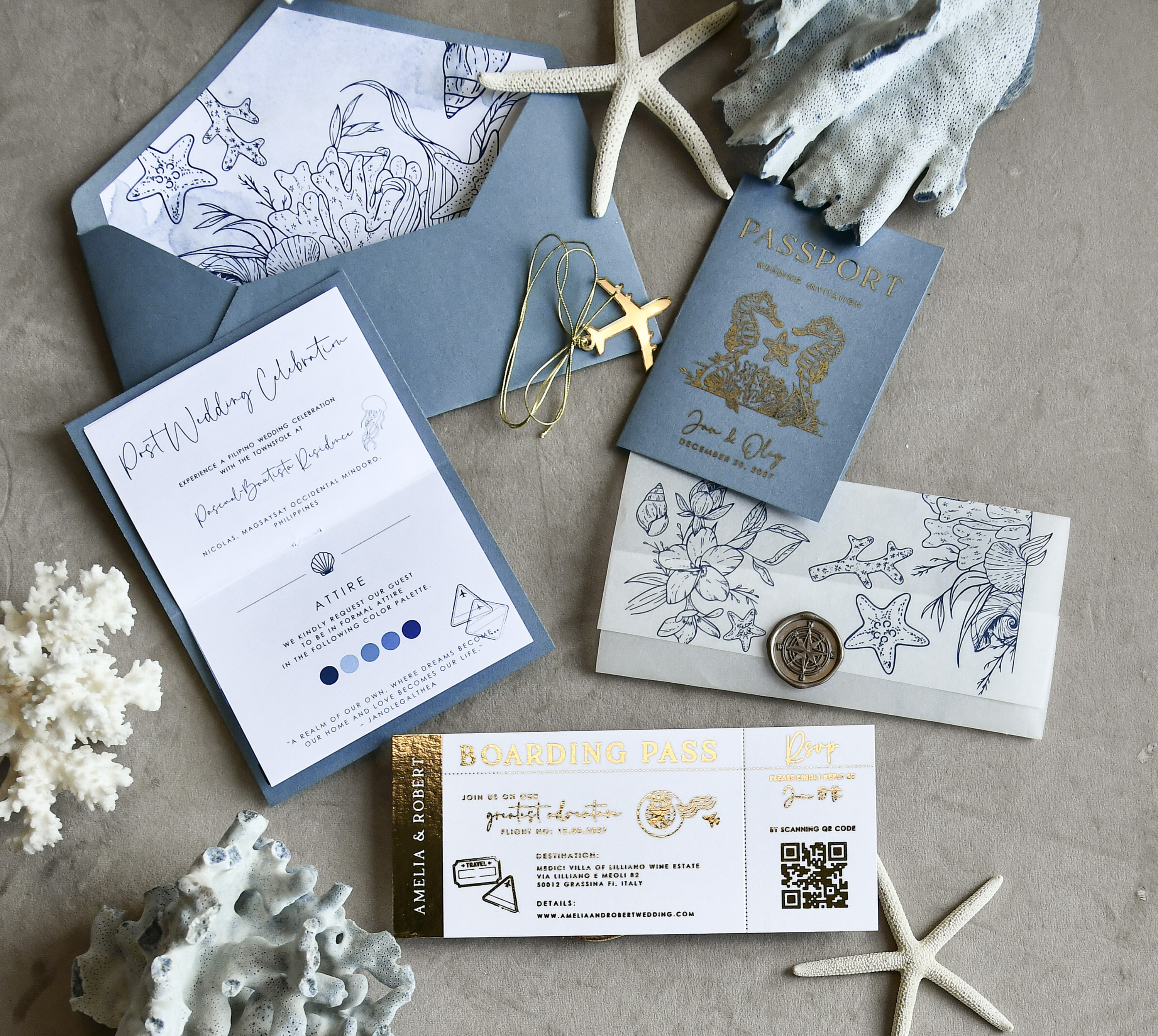
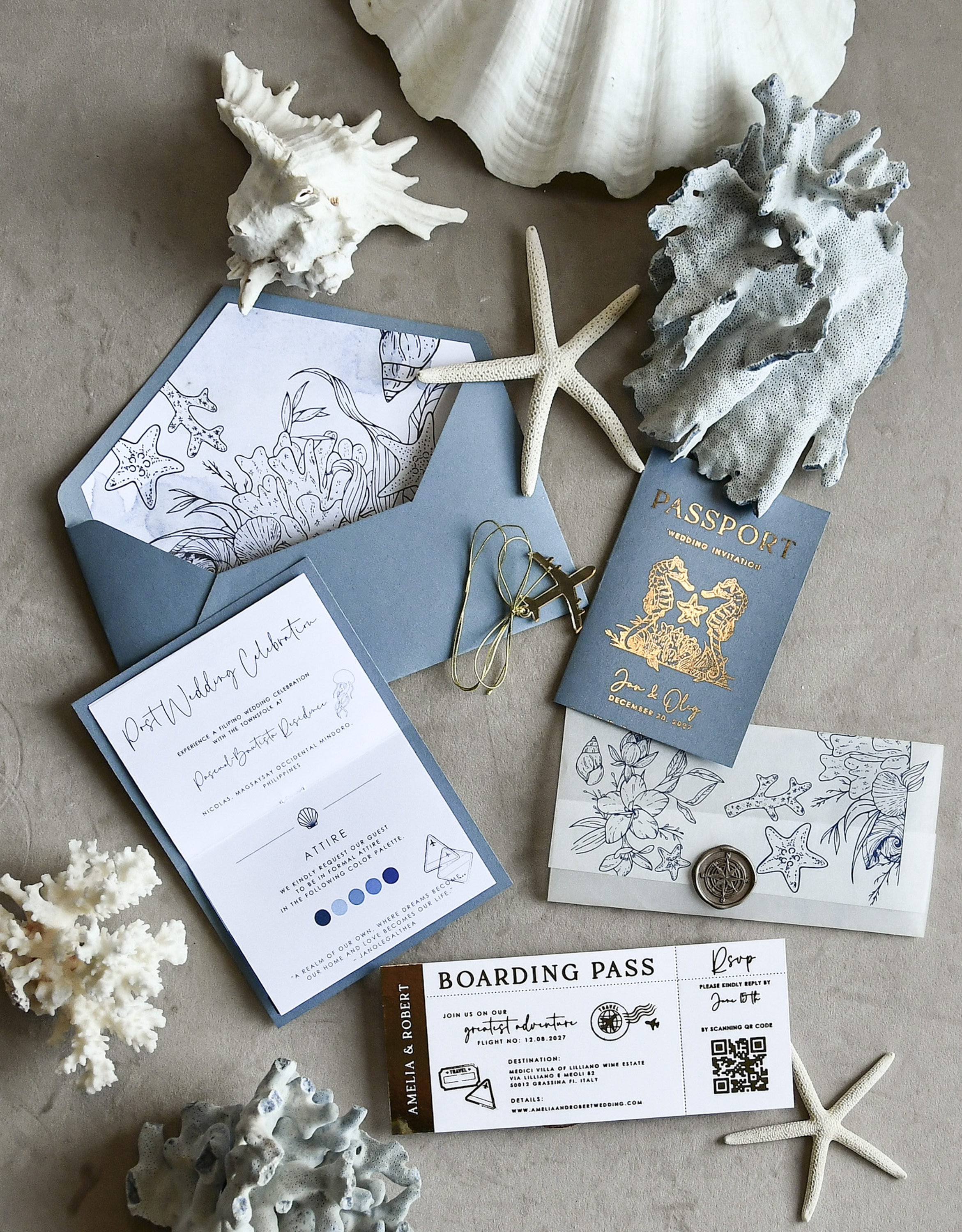
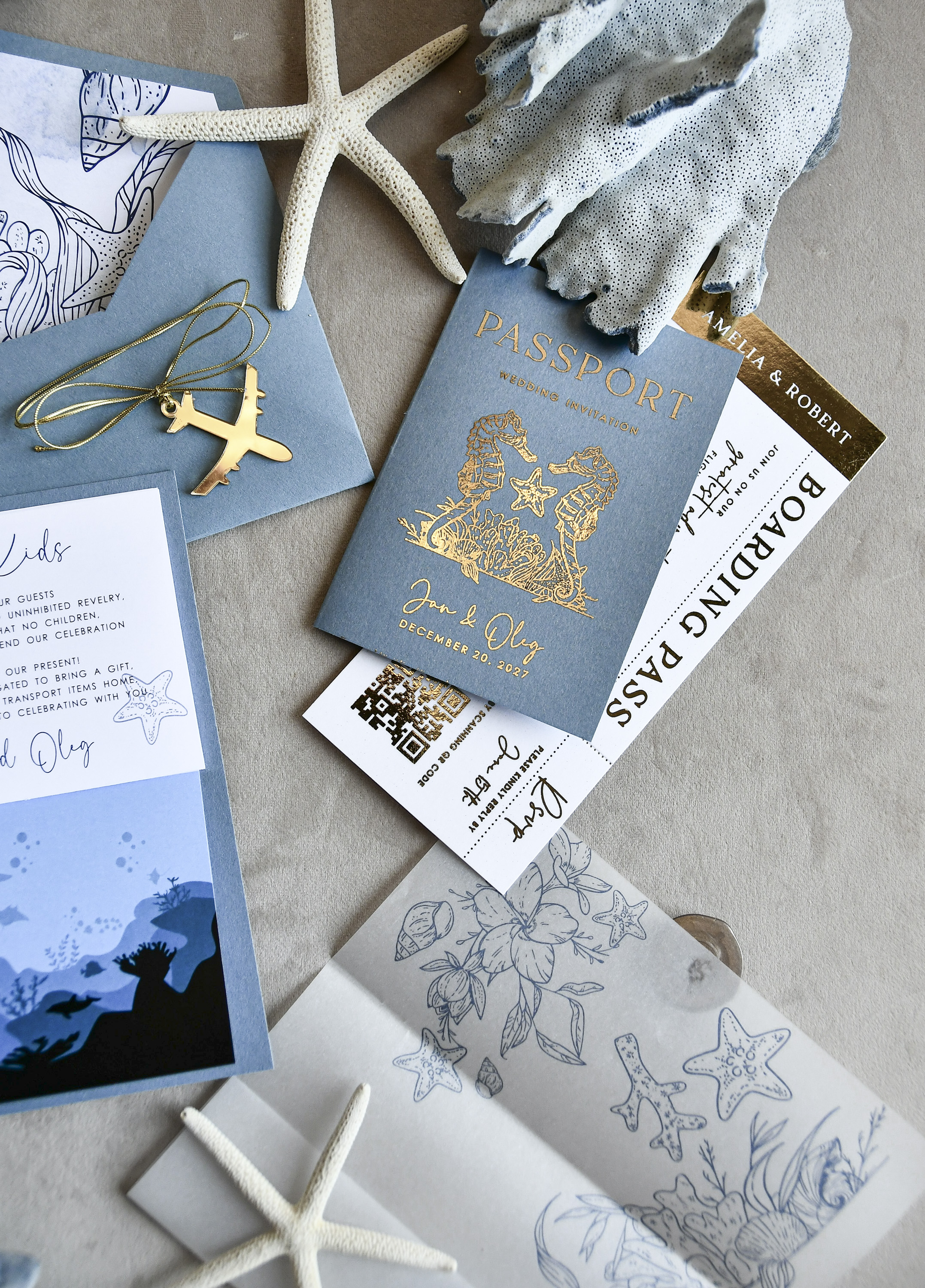
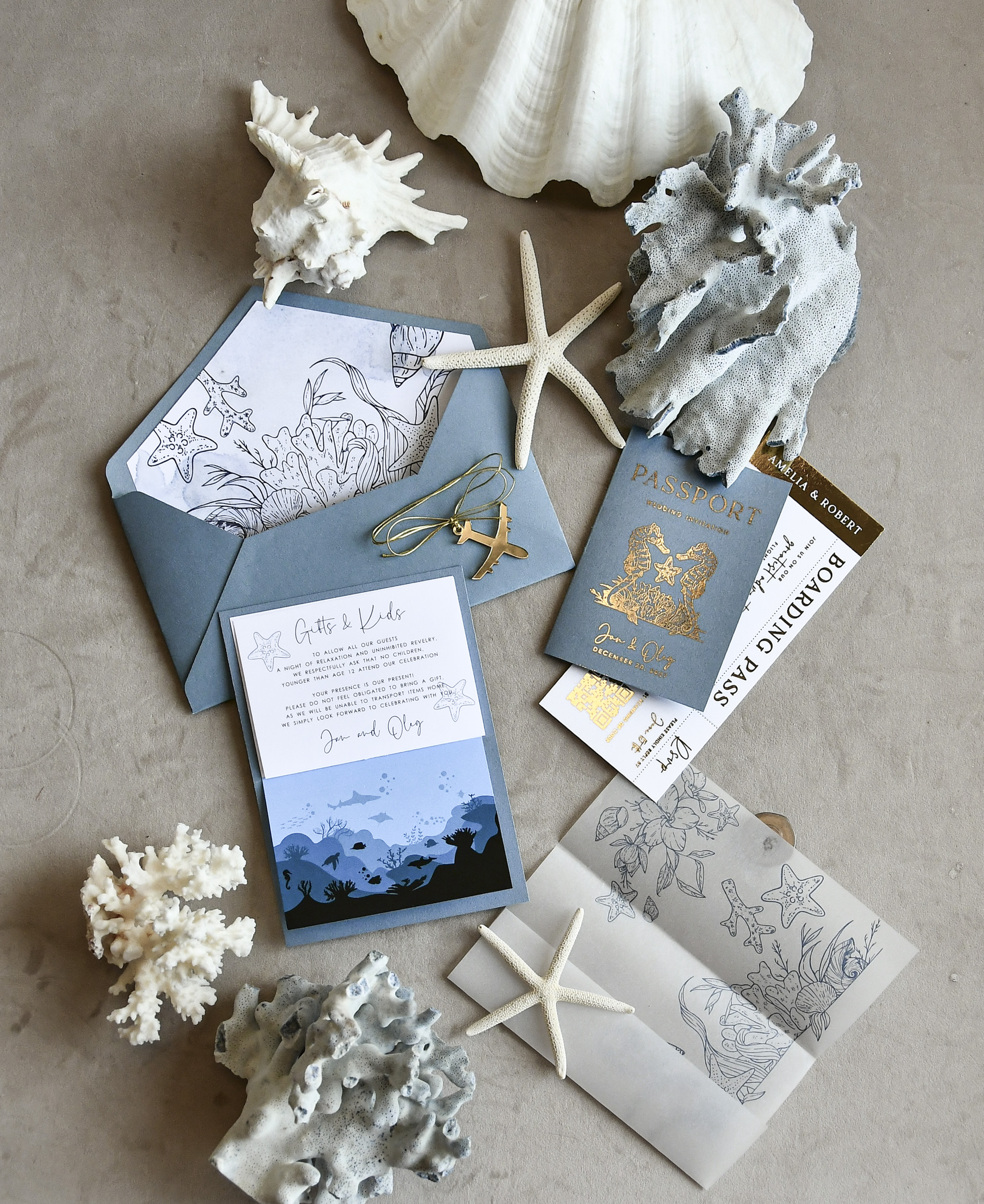
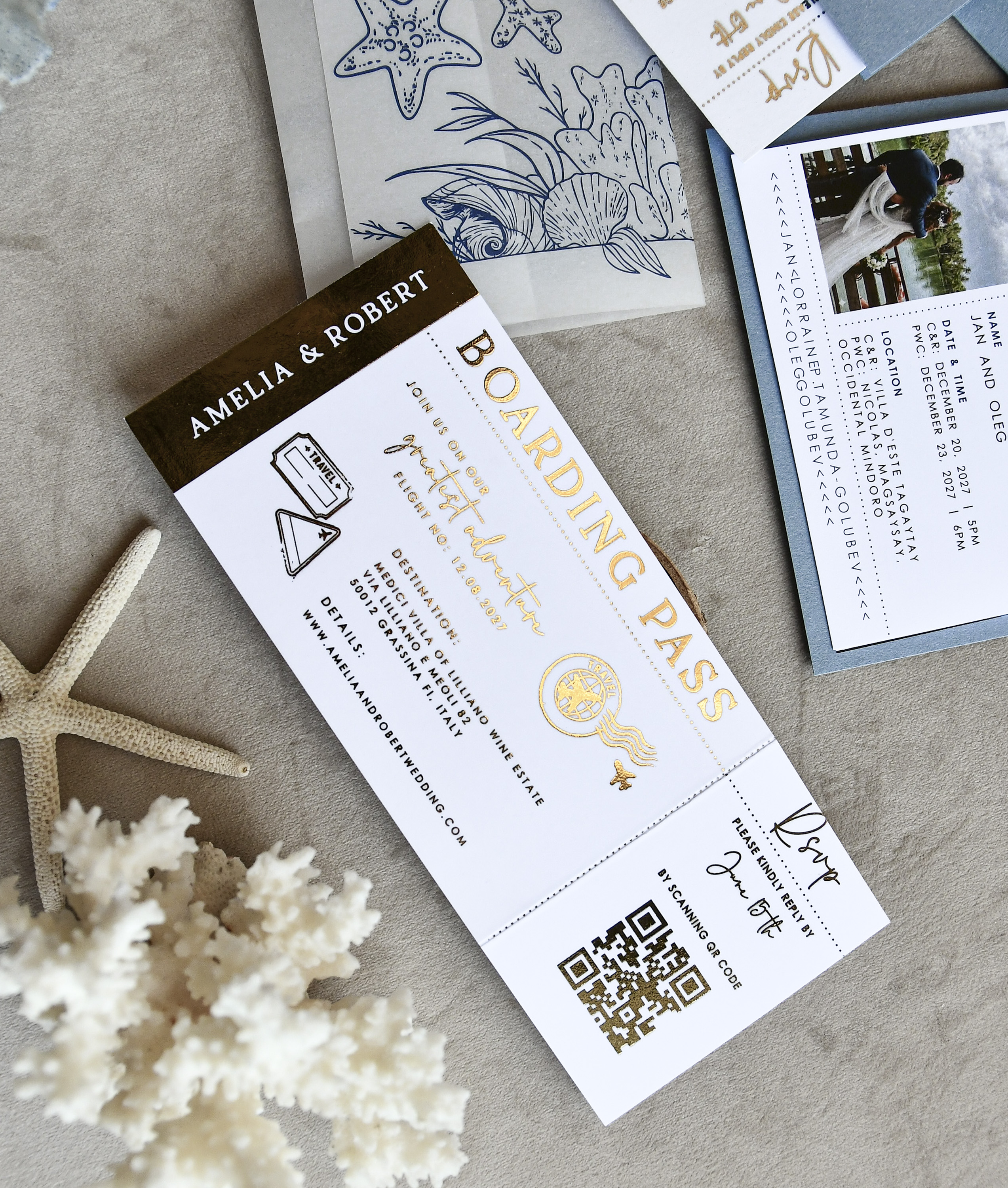
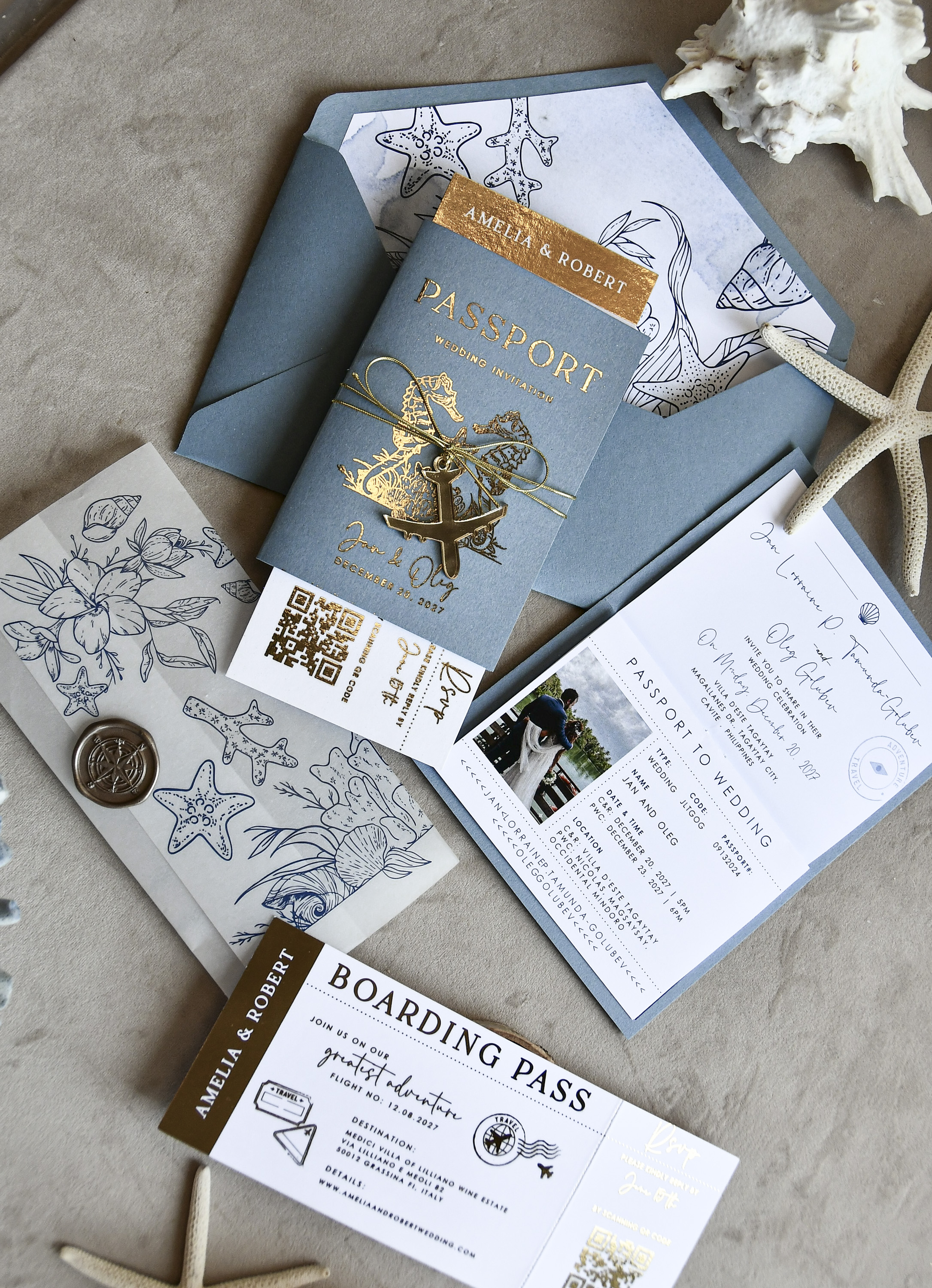
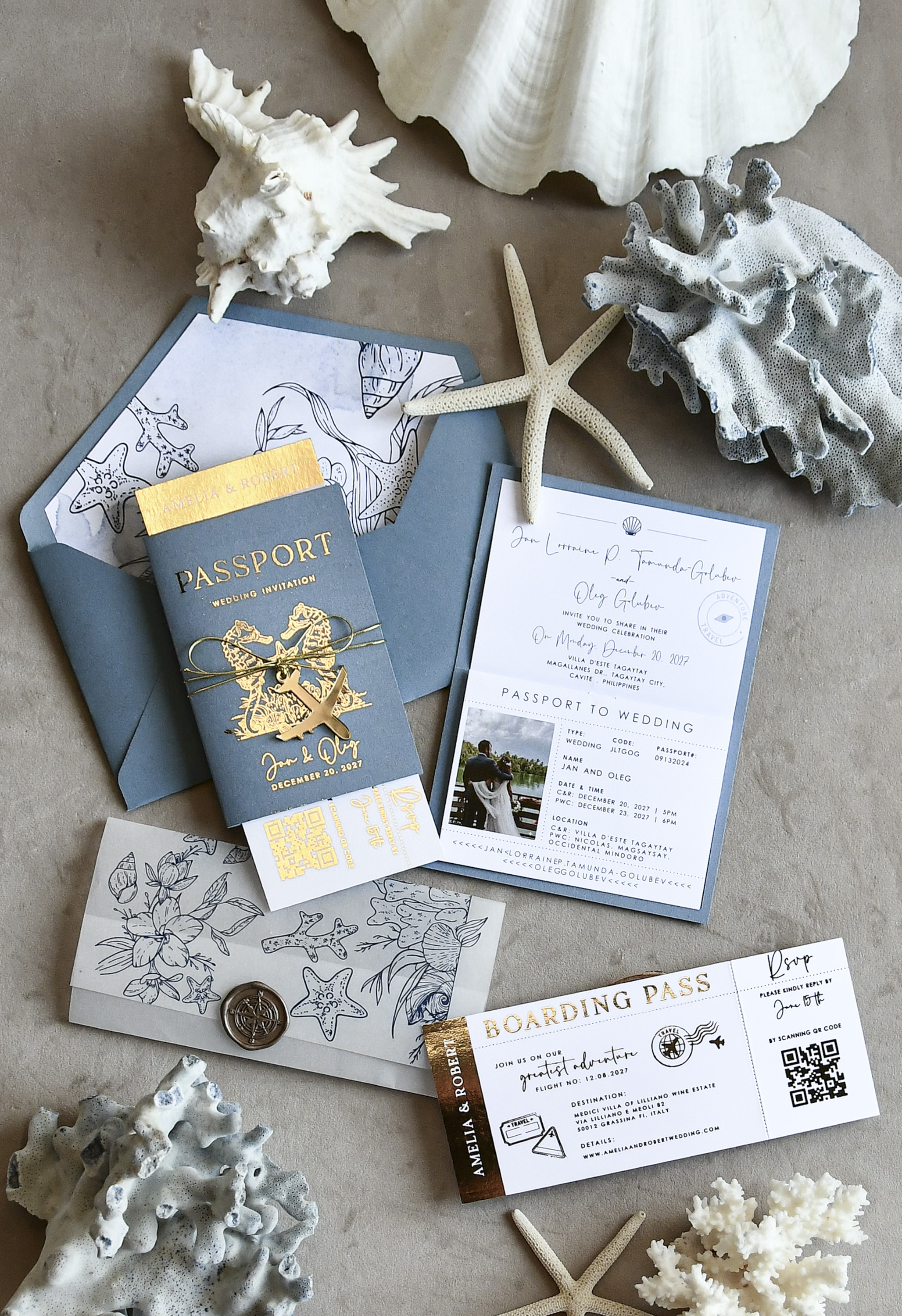
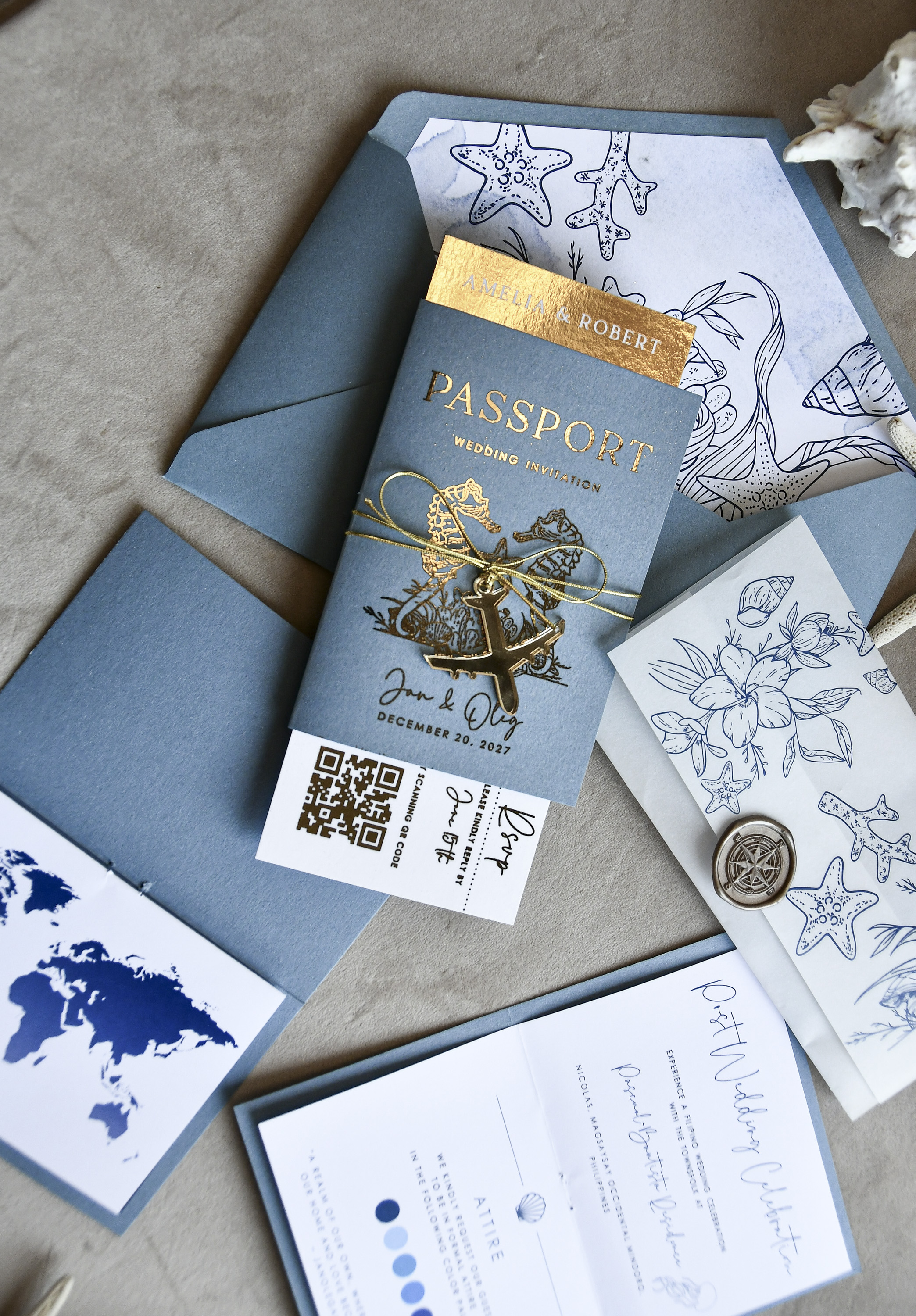
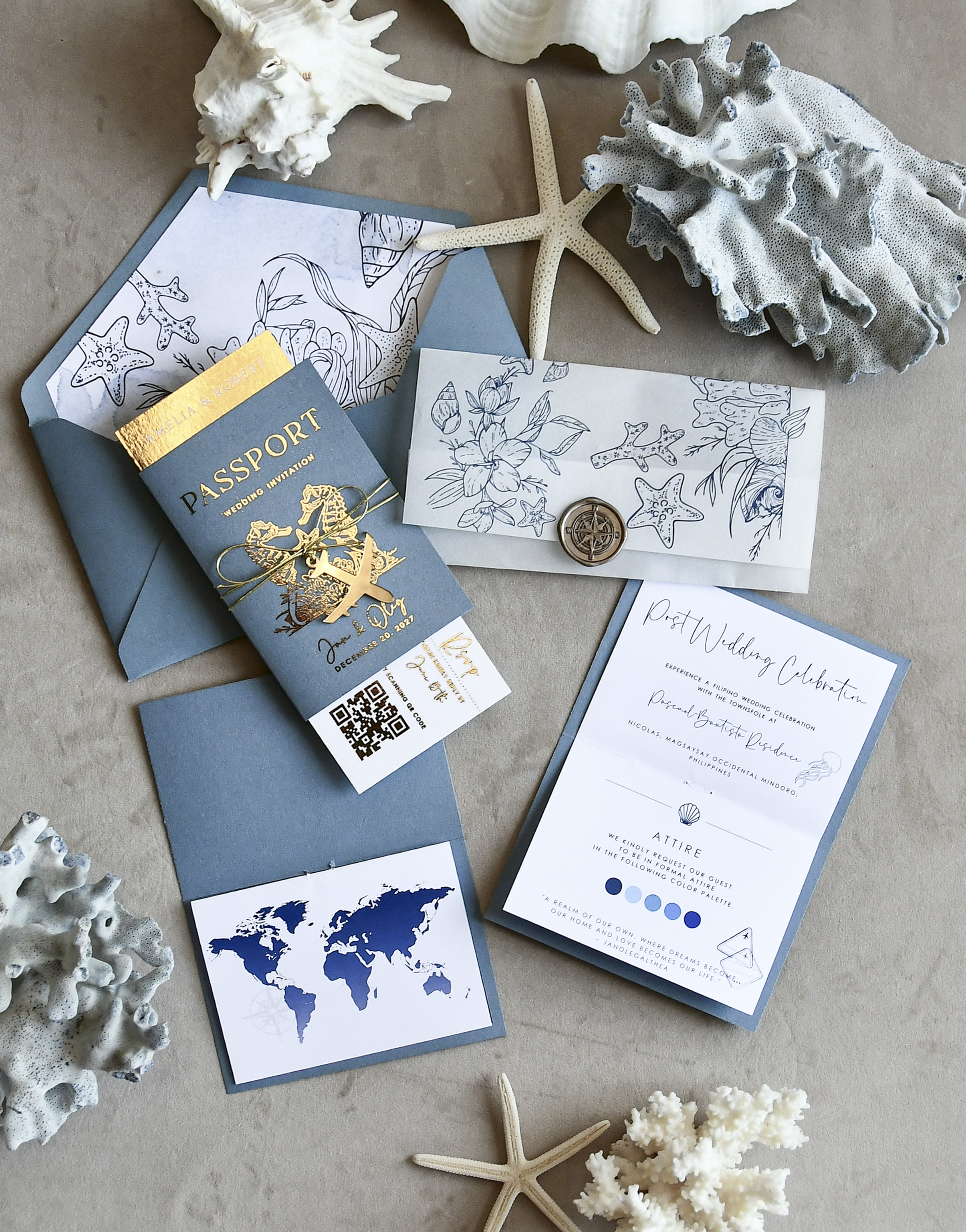
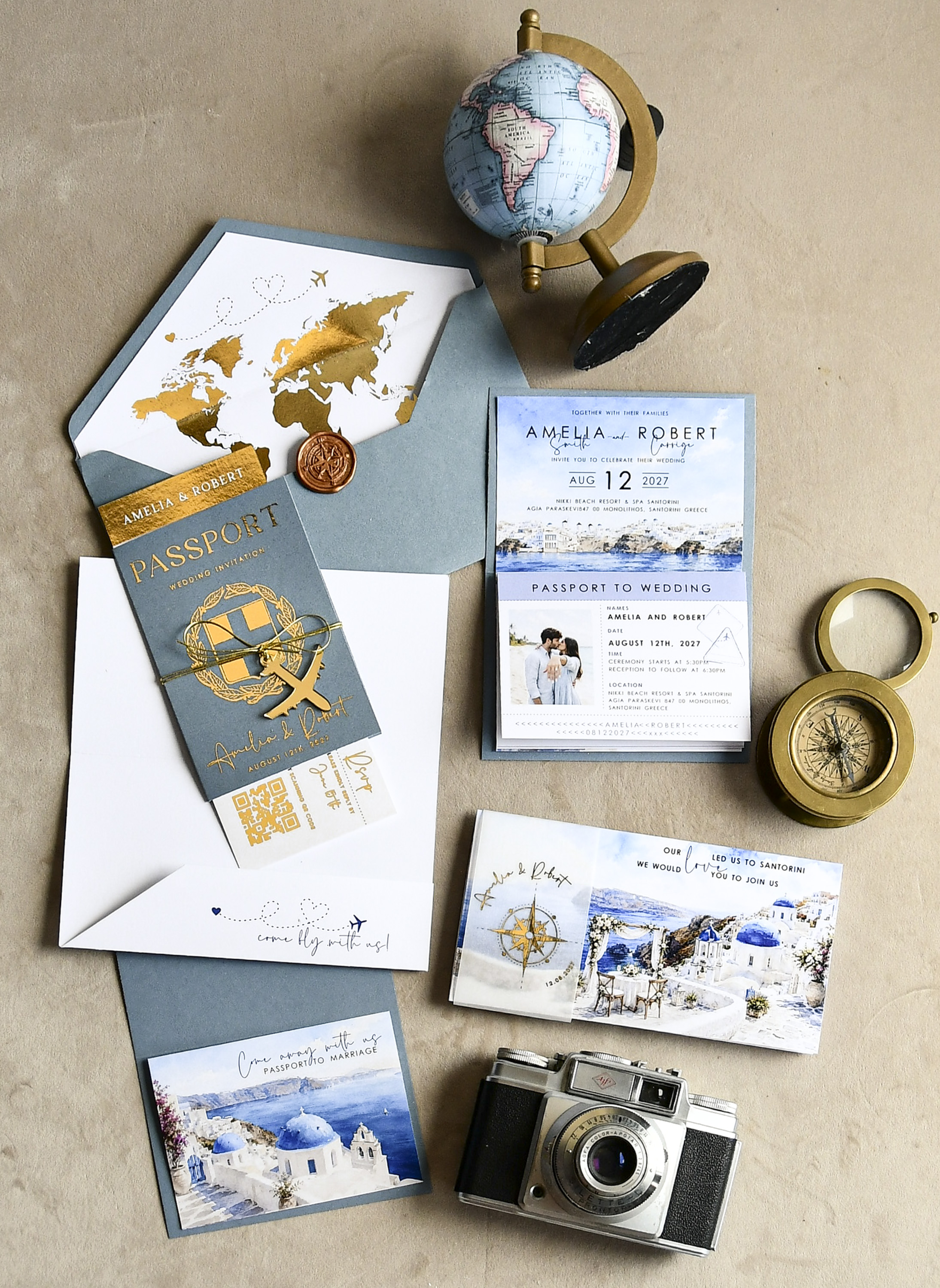
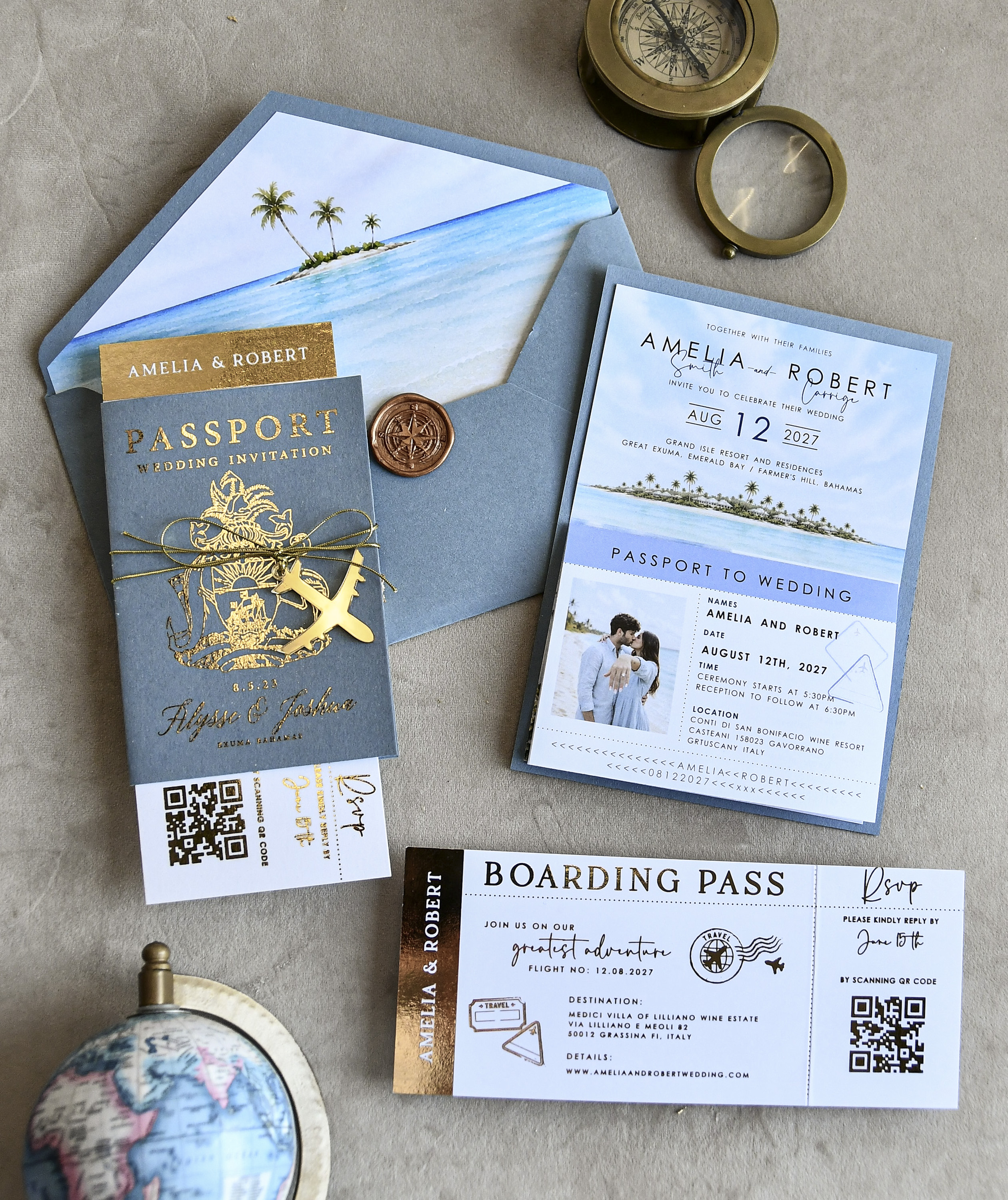
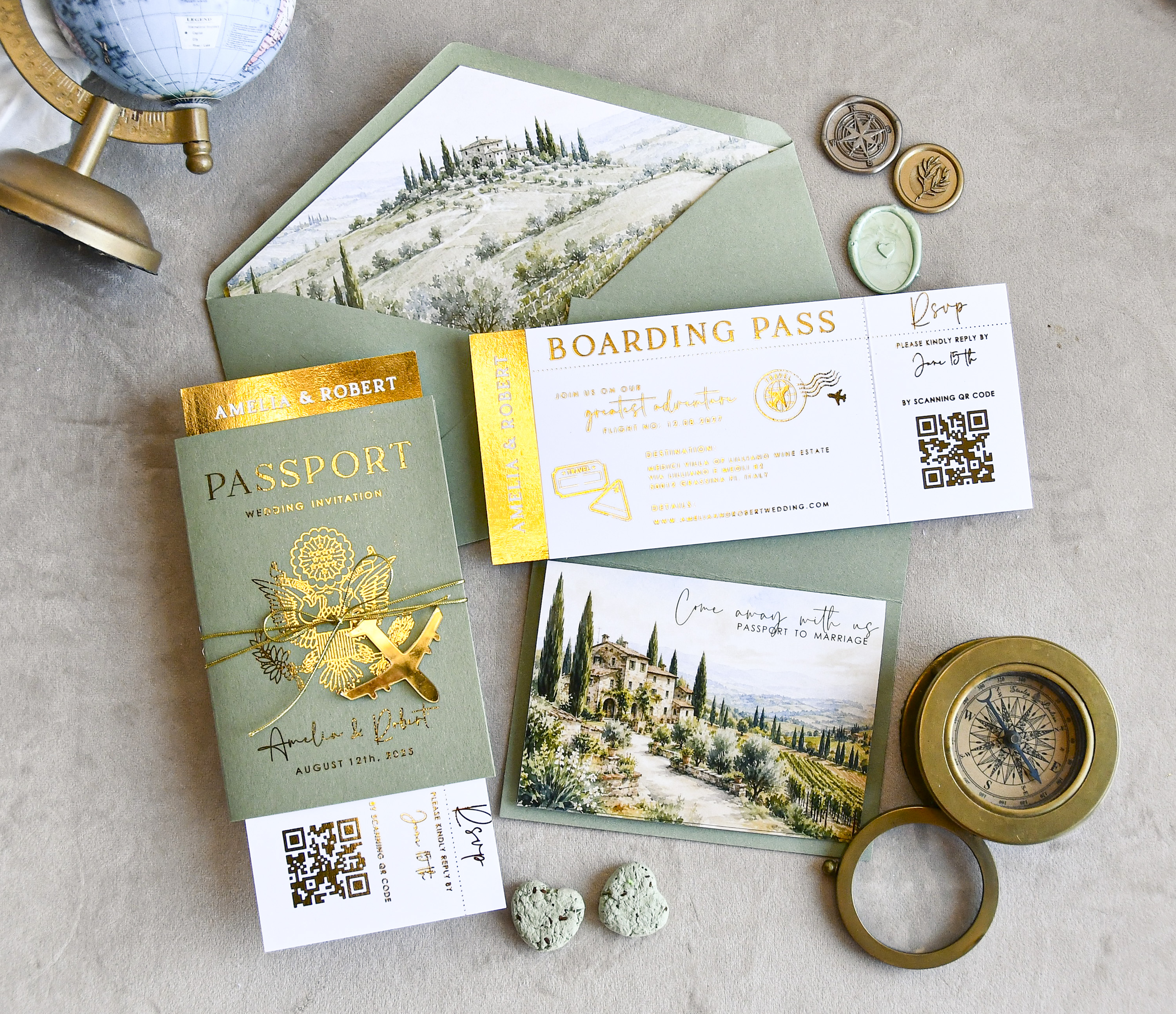
Your save-the-date and invitation set the tone for everything. A beautifully designed invitation suite — like the coastal-inspired 01/passBeach/z beach wedding invitations — signals the style and sophistication of your event right from the start, helping guests understand the atmosphere you're creating before they even read a word.
Exceptions Worth Considering
Strict consistency is the goal, but a few exceptions are widely accepted:
- Nursing infants: Many couples make an exception for babies under six months who are still breastfeeding. If you choose this route, communicate it privately and directly with the parents involved.
- Flower girls and ring bearers: Children in the wedding party are almost always invited to the ceremony, though some couples opt to have them attend the ceremony only and skip the reception.
- Immediate family only: Some couples allow their own siblings' children but no one else's. This is a gray area — it's acceptable, but be prepared for some guests to notice and feel slighted. Transparency helps.
Whatever exceptions you make, document them so you and your partner are giving consistent answers when relatives ask.
Timing Your Invitations to Help Families Plan
One of the kindest things you can do for guests with children is give them as much runway as possible. Here's a practical timeline:
- 8–12 months out: Announce your adults-only policy informally to close family and the wedding party so they hear it from you first.
- 6–8 months out: Mail save-the-dates addressed only to invited adults.
- 2–3 months out: Send formal invitations. If you're using a destination-style suite — such as the passport-themed 01/passBeach/z beach wedding invitations — the design itself communicates a travel-inspired, grown-up event beautifully.
- 6–8 weeks out: RSVP deadline. Follow up with any non-responders promptly.
The earlier families know, the easier it is for them to arrange childcare, and the less resentment builds. A child-free wedding handled with warmth and advance notice is almost always received well — even by parents who would have preferred otherwise.
Frequently Asked Questions
No, it is not rude to have a child-free wedding. It becomes problematic only when the policy is applied inconsistently, communicated poorly, or announced too close to the wedding date. Give families plenty of notice and be kind but clear in your communication.
The best approach is to address envelopes with only the invited adults' names and include a note on your wedding website. You can also ask close family members to spread the word to relatives who might otherwise assume children are welcome.
Politely restate your policy and express that you wish you could accommodate everyone. Acknowledge that it may be difficult and, if possible, suggest local childcare resources to help them make arrangements. Hold the line consistently so no guest feels singled out.
Many couples choose to make a quiet exception for nursing infants, which is widely understood and accepted. If you do, communicate it privately and directly with the mother rather than announcing it broadly, to avoid other parents questioning the policy.
Yes, this is a common and accepted exception. Children serving as flower girls or ring bearers are typically invited, at least for the ceremony. Be upfront about this distinction so other parents with young children aren't caught off guard.
For a destination or travel-required wedding, send save-the-dates eight to twelve months in advance. Families with children need extra time to arrange childcare and travel logistics, and early notice shows consideration for their situation.
See This Design Up Close

You May Also Like
More Wedding Planning Guides
- → Should You Invite New Partners to Your Wedding? Here's How to Decide
- → The Right Age to Send Children Their Own Wedding Invitation
- → Hand Delivery vs. Mailing Your Wedding Invitations: A Practical Guide
- → Navigating the Cousin Question: Your Guest List, Your Rules
- → Navigating the Office Guest List: Who at Work Deserves a Wedding Invite?
- → Who Actually Gets a Say in Your Wedding Guest List?
- → No RSVP, No Problem? How to Handle Guests Who Go Silent
- → Extra Wedding Guests: Who Foots the Bill?
- → Adults-Only Wedding: The Right Words to Tell Guests, Kindly and Clearly
- → Online RSVPs Are Totally Valid — Here's How to Pull It Off Gracefully
- → Parents Want to Invite Their Friends to Your Wedding? Here's How to Set Boundaries and Stay Sane
- → How to Handle Kids at Your Wedding: Childcare vs. Entertainment Explained
- → RSVP Silence: How Long to Wait and What to Do Next
- → To Invite or Not: Making the Kids-at-Your-Wedding Decision With Confidence
- → Surprise Plus-Ones: How to Protect Your Guest List Without Losing Your Cool
- → Uninvited Plus-Ones and Tag-Alongs: How to Keep Your Guest List Intact
- → When Family Feuds Threaten Your Wedding Plans: A Practical Peacekeeper's Guide
- → Inviting an Estranged Brother or Sister: Finding Clarity Before You Seal the Envelope
- → Cousins, Invites, and Hard Choices: A Practical Guest List Guide