
Should You Invite New Partners to Your Wedding? Here's How to Decide
Building your wedding guest list is one of the most emotionally loaded tasks of wedding planning — and few decisions spark more debate than whether to invite a guest's brand-new partner. Do you extend a plus-one to your college friend's boyfriend she's been dating for two months? What about your cousin's girlfriend nobody in the family has met yet? There's no single rule that fits every situation, but there is a clear, fair framework that will help you make a call you feel good about — and that keeps family drama to a minimum.
Start with a Consistent Plus-One Policy
The golden rule of guest-list etiquette is consistency. Whatever standard you set, apply it equally across all your guests. Inconsistency — inviting one person's new partner but not another's — is the fastest way to hurt feelings and start conflict before your wedding day even arrives.
Common policies couples use include:
- All married and engaged couples are invited together — this is the bare minimum etiquette standard and is non-negotiable.
- All couples in committed, long-term relationships (typically 6–12+ months) receive a plus-one — a reasonable middle-ground approach.
- All adult guests receive a plus-one regardless of relationship status — the most generous option, but it significantly increases headcount and cost.
Choose the policy that fits your budget and venue capacity, then stick to it without exceptions.
How New Is "New"? Setting a Relationship Threshold
Most couples find that a six-month relationship threshold is a practical and widely accepted benchmark. If a guest has been with their partner for at least six months by the wedding date, extending an invitation is a thoughtful gesture. Under six months, you're well within your rights — and within etiquette — to decline.
Why six months? It's long enough that the relationship has demonstrated some staying power, but short enough that you won't accidentally exclude someone who turns out to be a future spouse. Of course, there are exceptions worth considering:
- The couple lives together — cohabitation signals commitment regardless of how long they've dated.
- You or your partner have met the new boyfriend or girlfriend and genuinely like them.
- The guest would otherwise be seated alone at a table where they know no one, making their experience uncomfortable.
When It's Okay to Say No — and How to Do It Kindly
Saying no to a plus-one for a brand-new partner is completely acceptable, especially when you're working with a tight venue capacity or a strict budget. The key is communicating your policy early and with warmth.
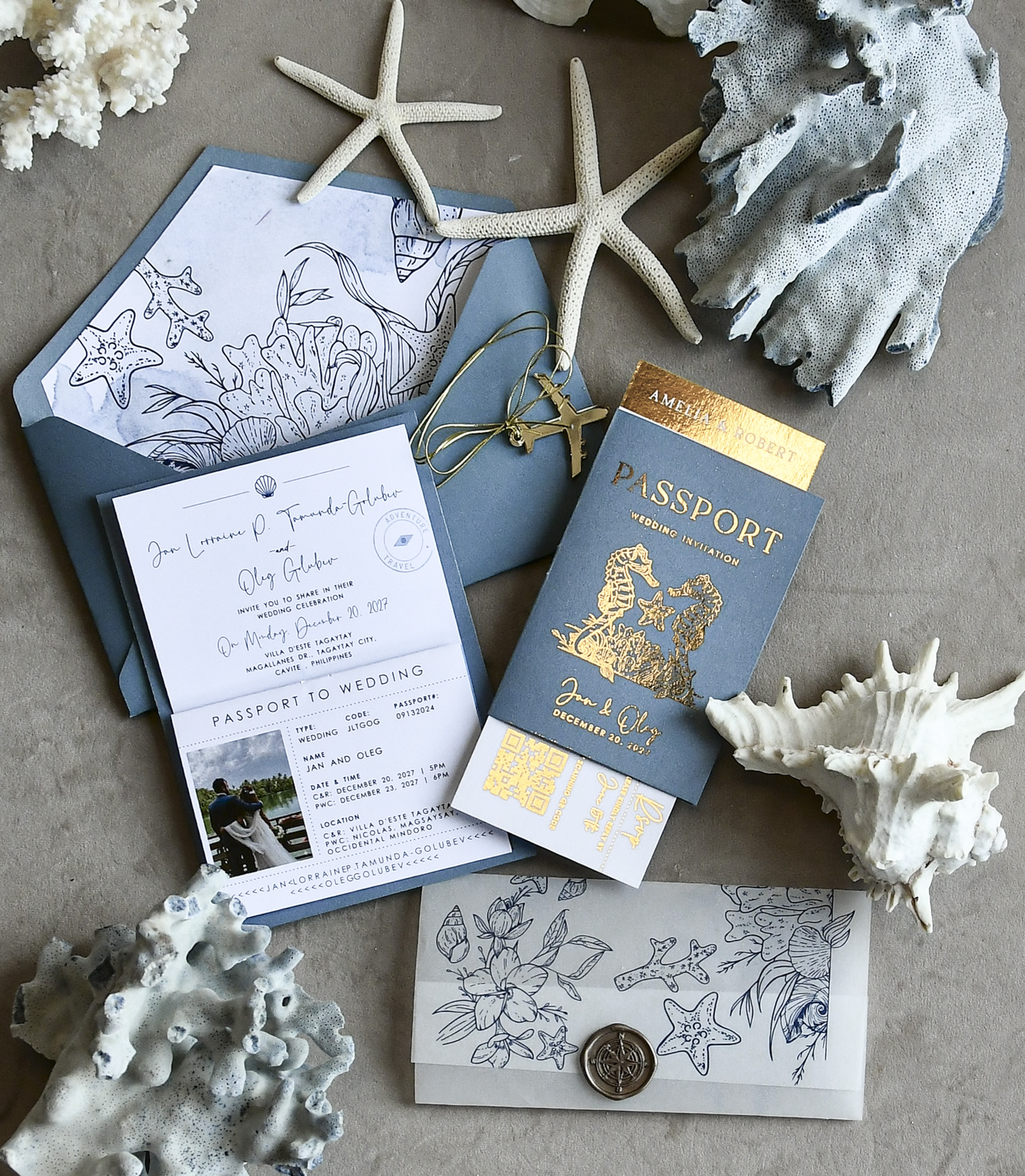
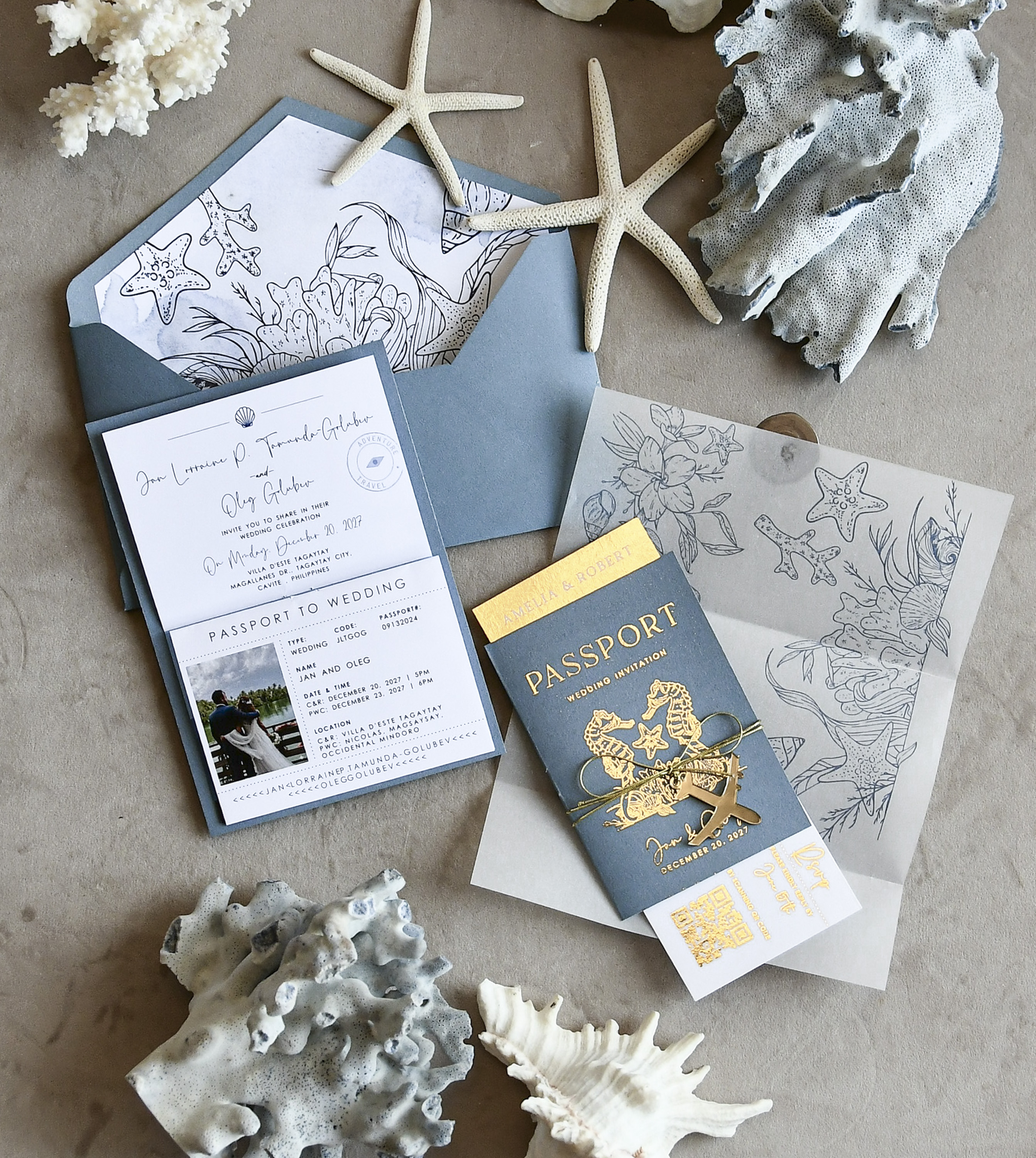
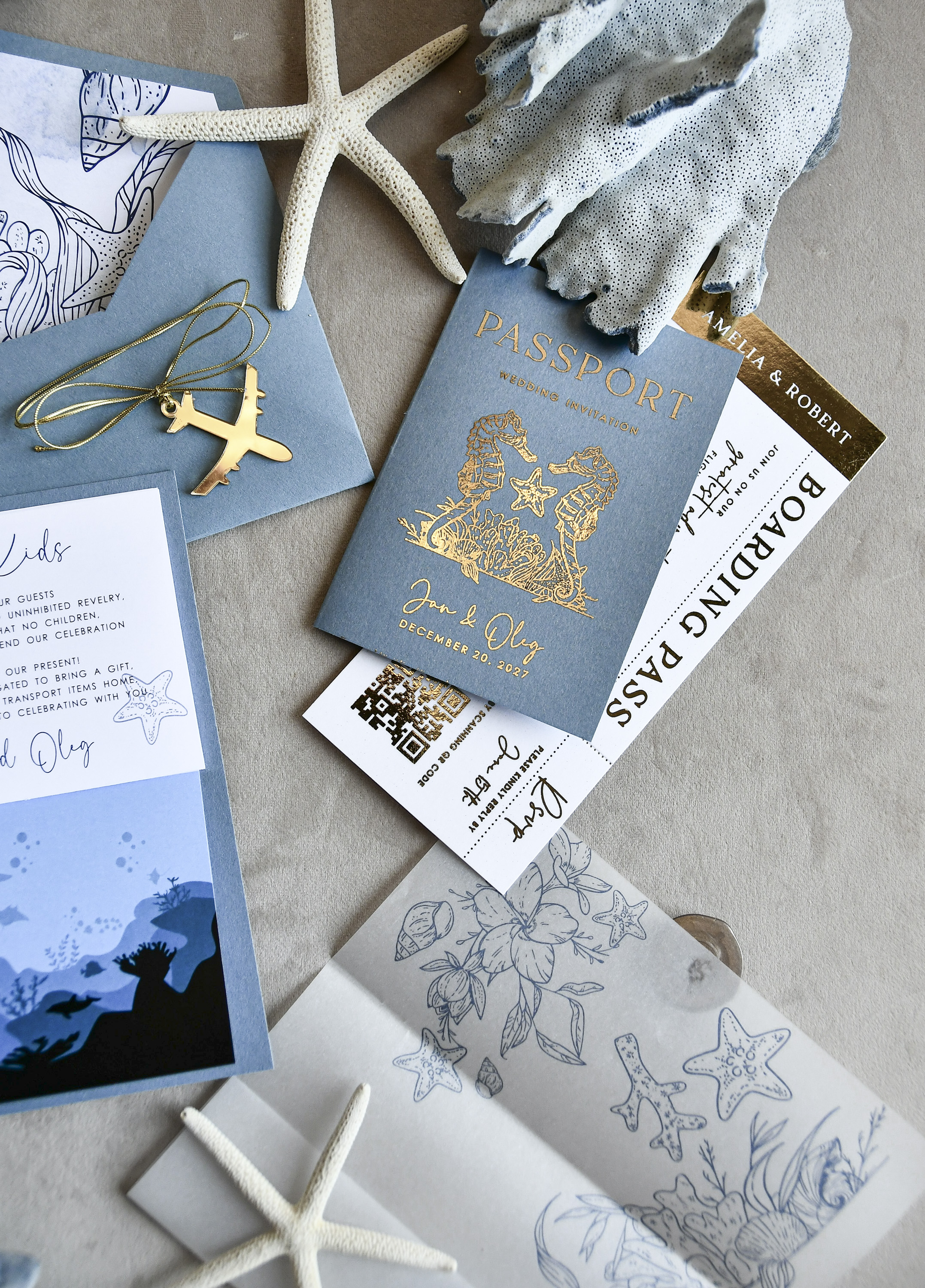
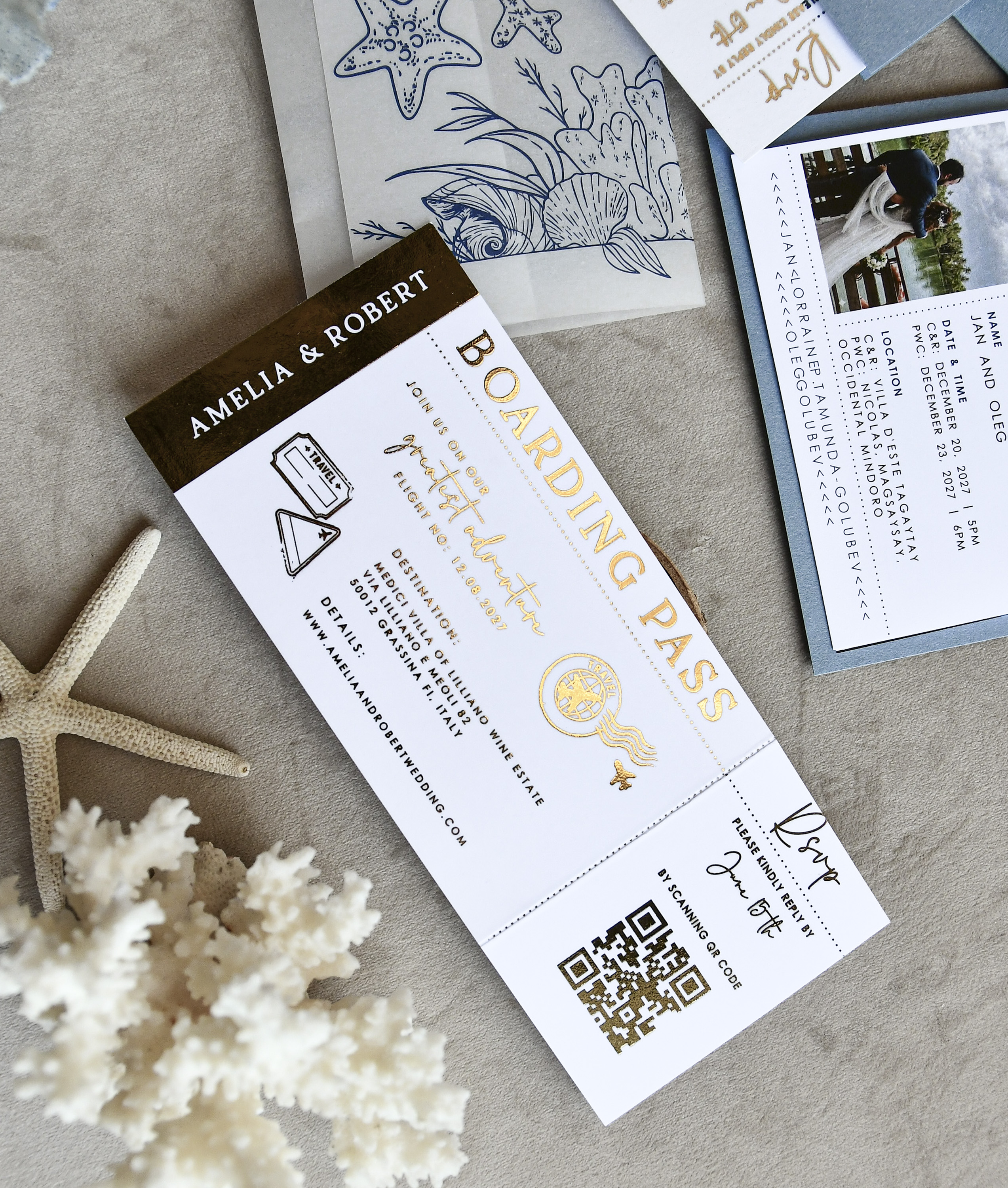
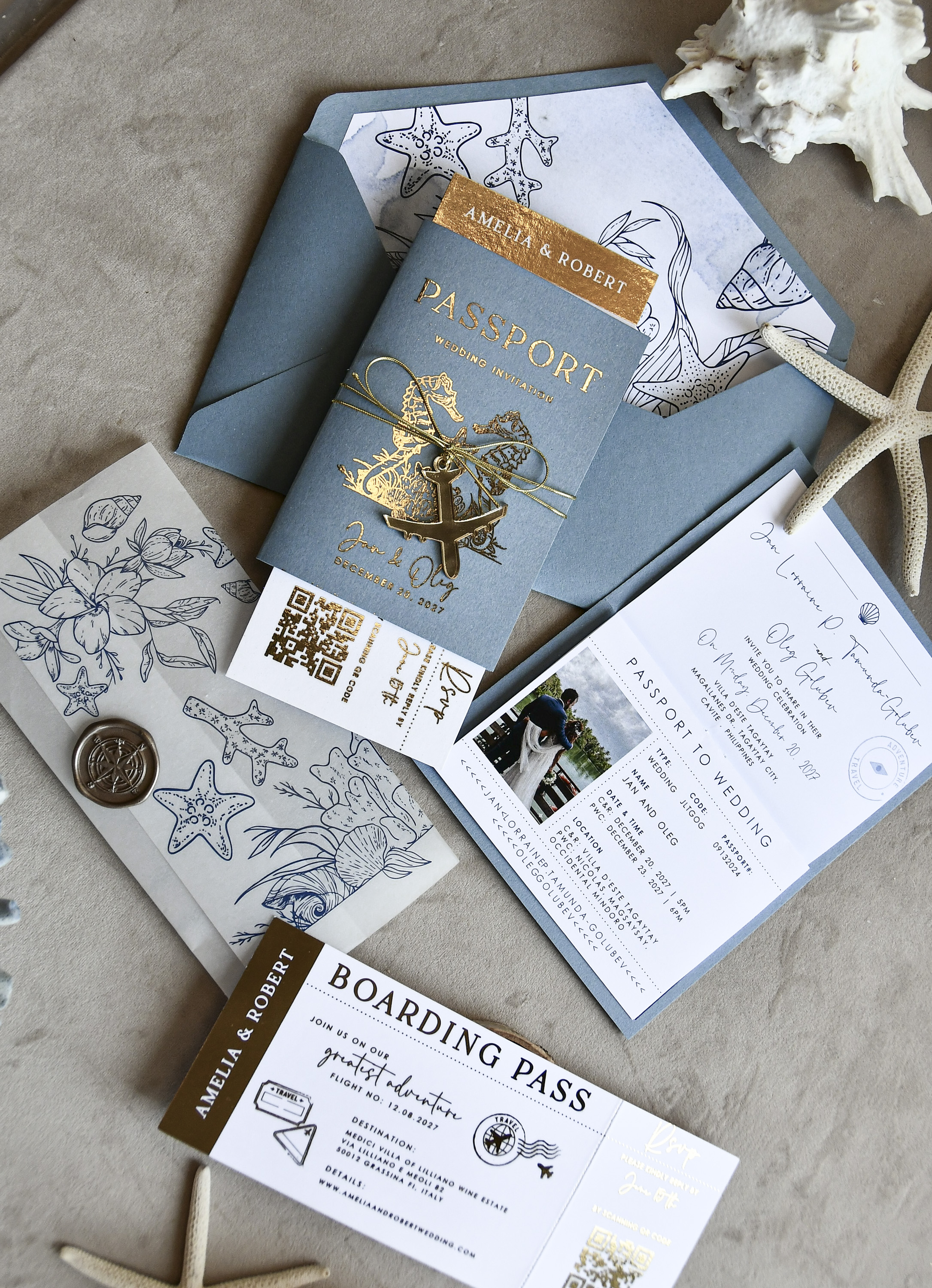
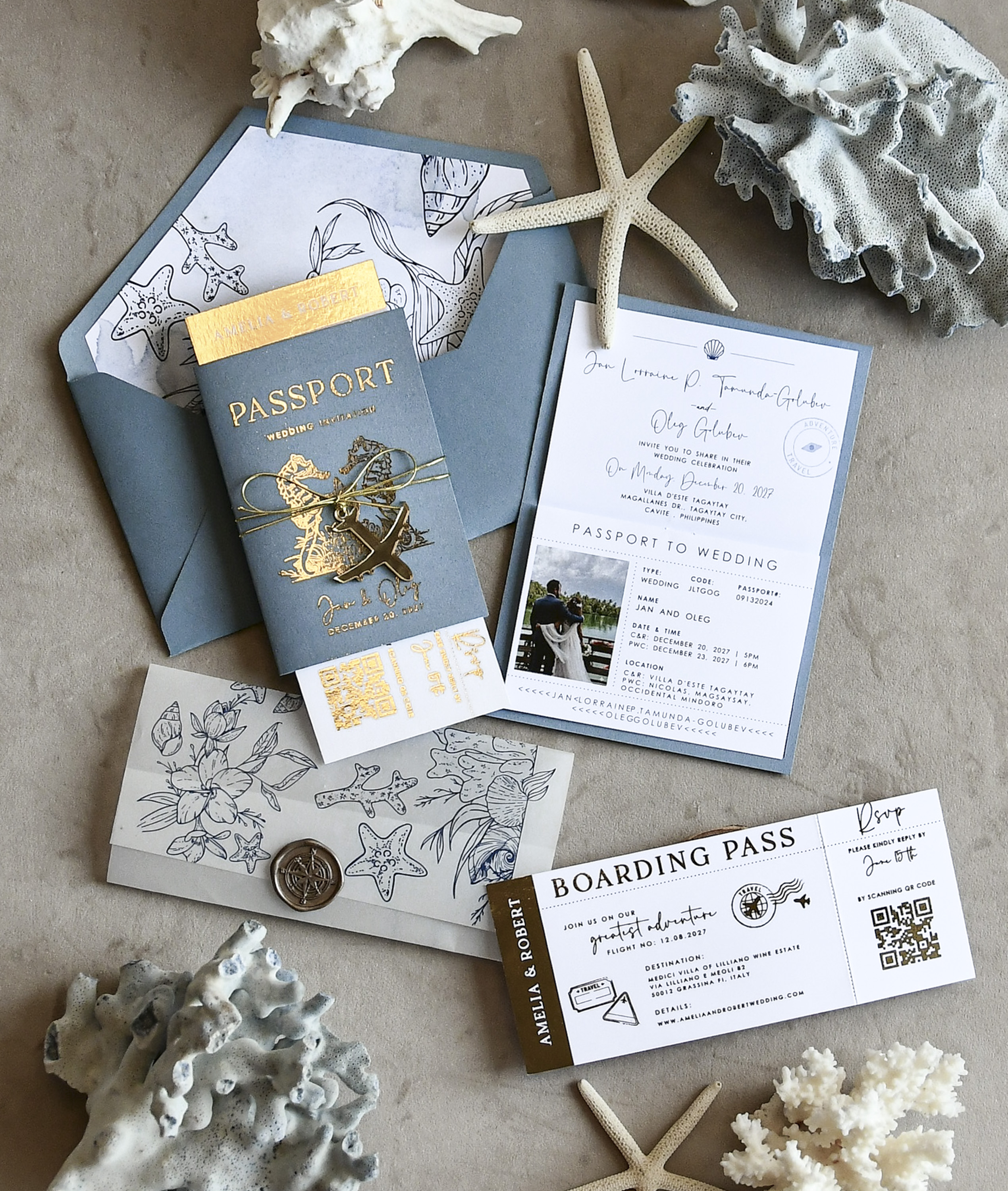
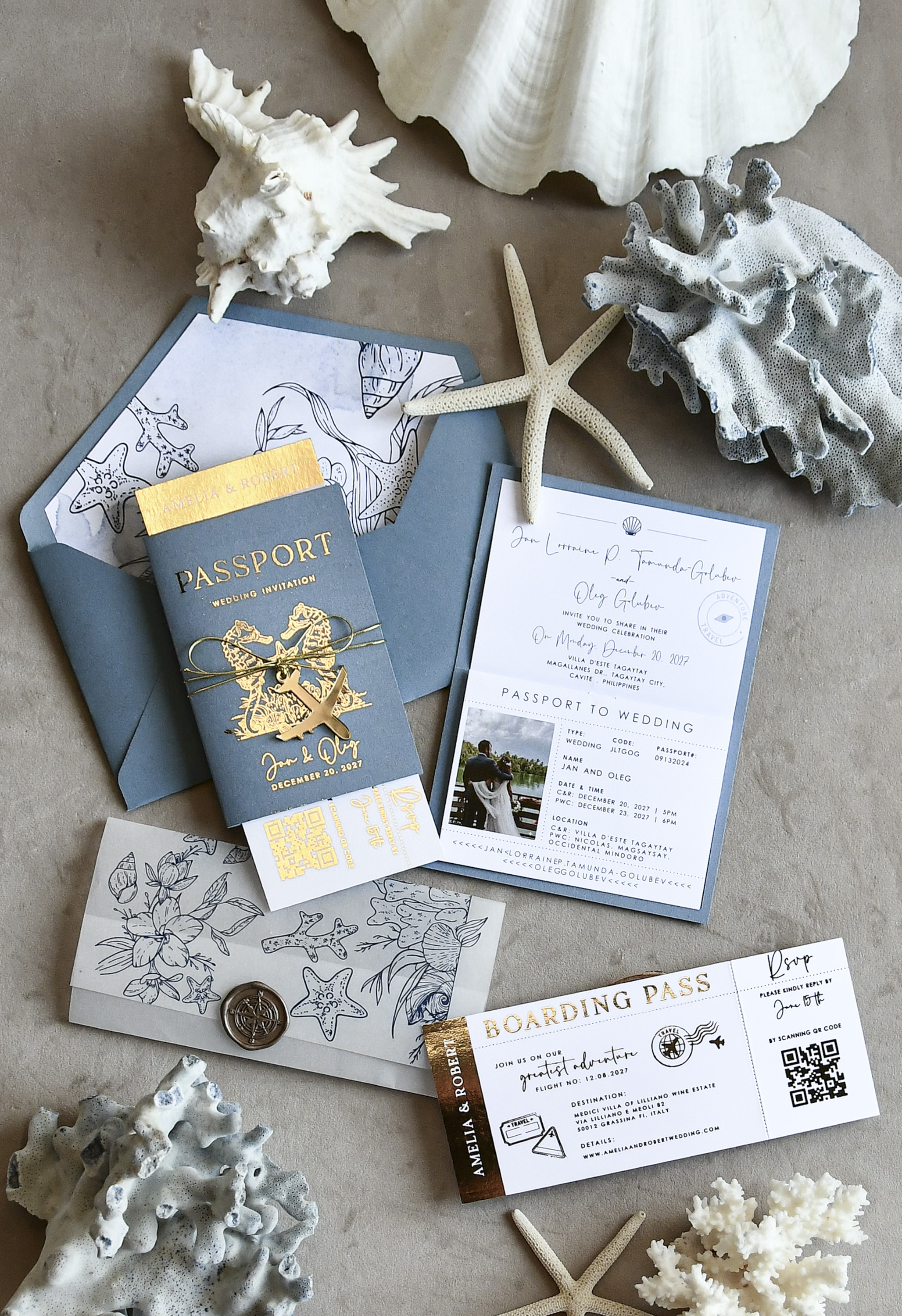
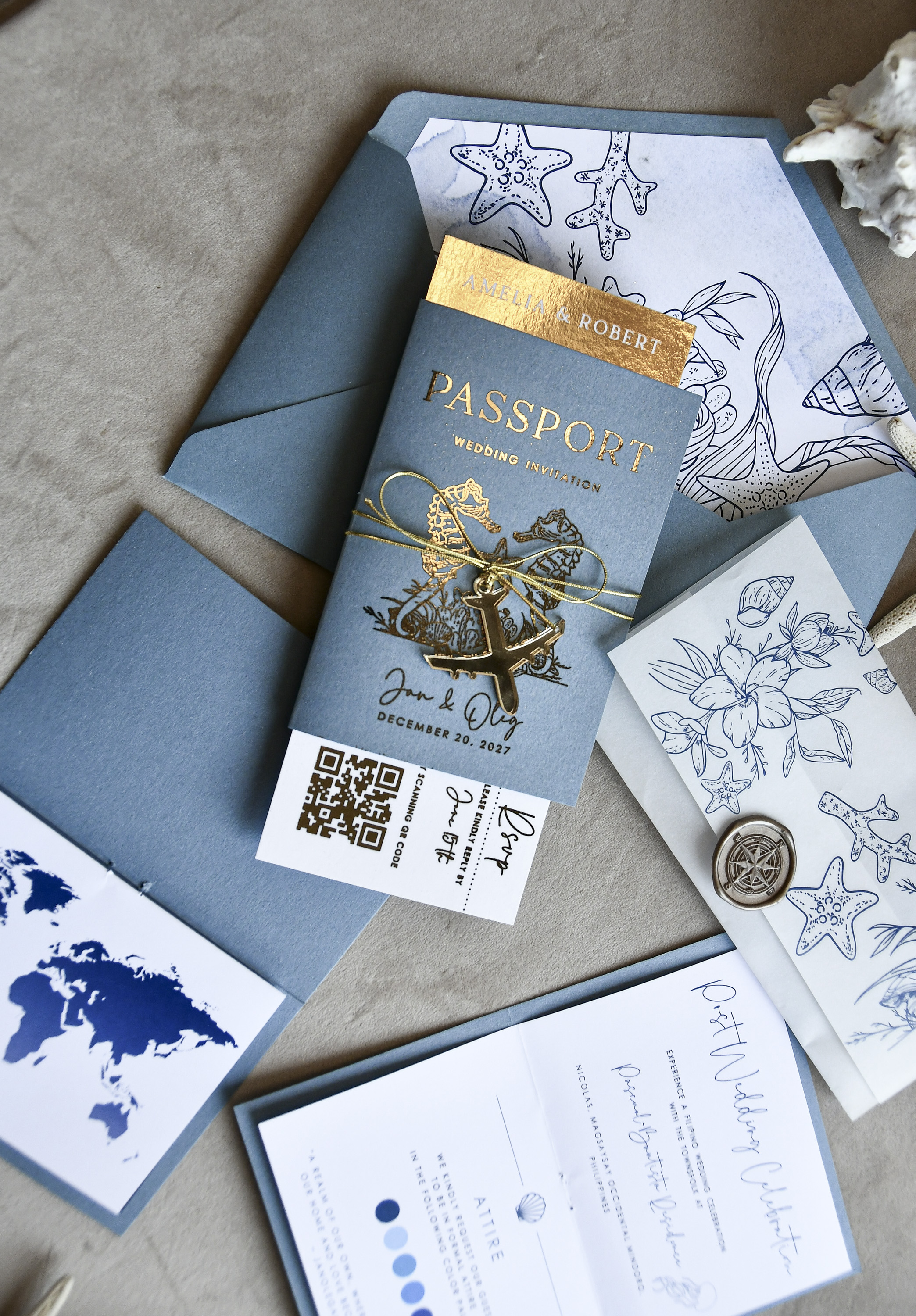
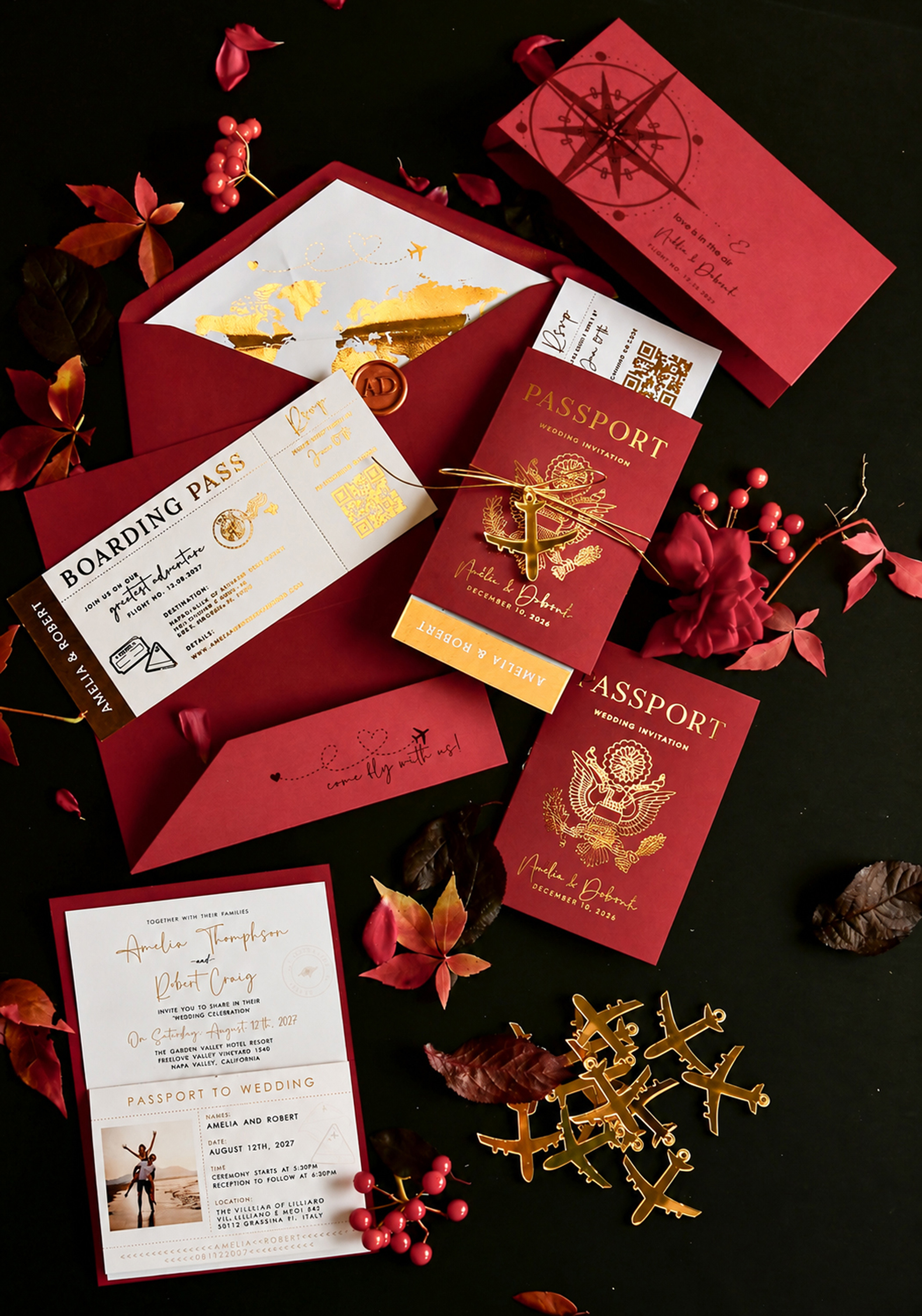
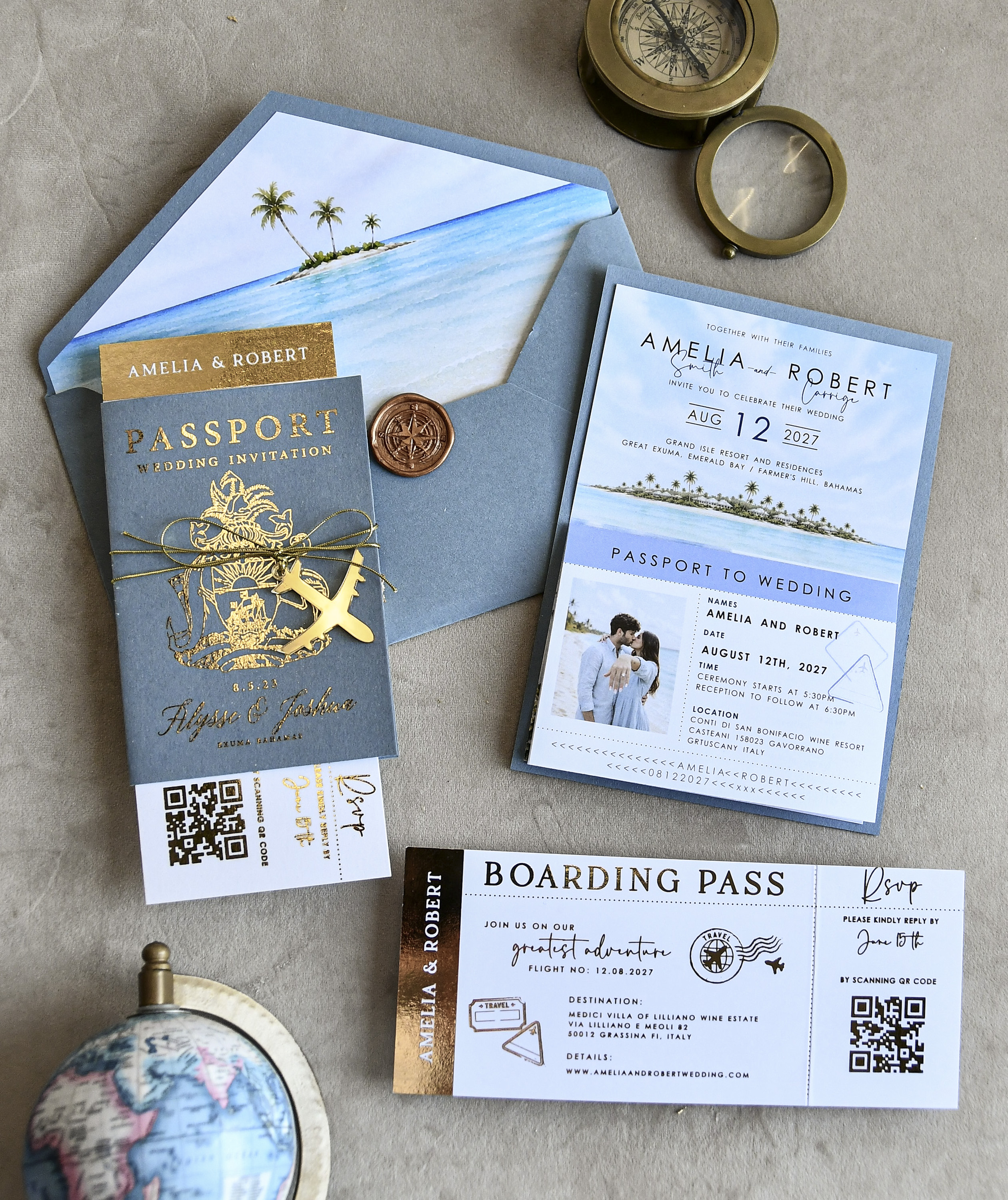
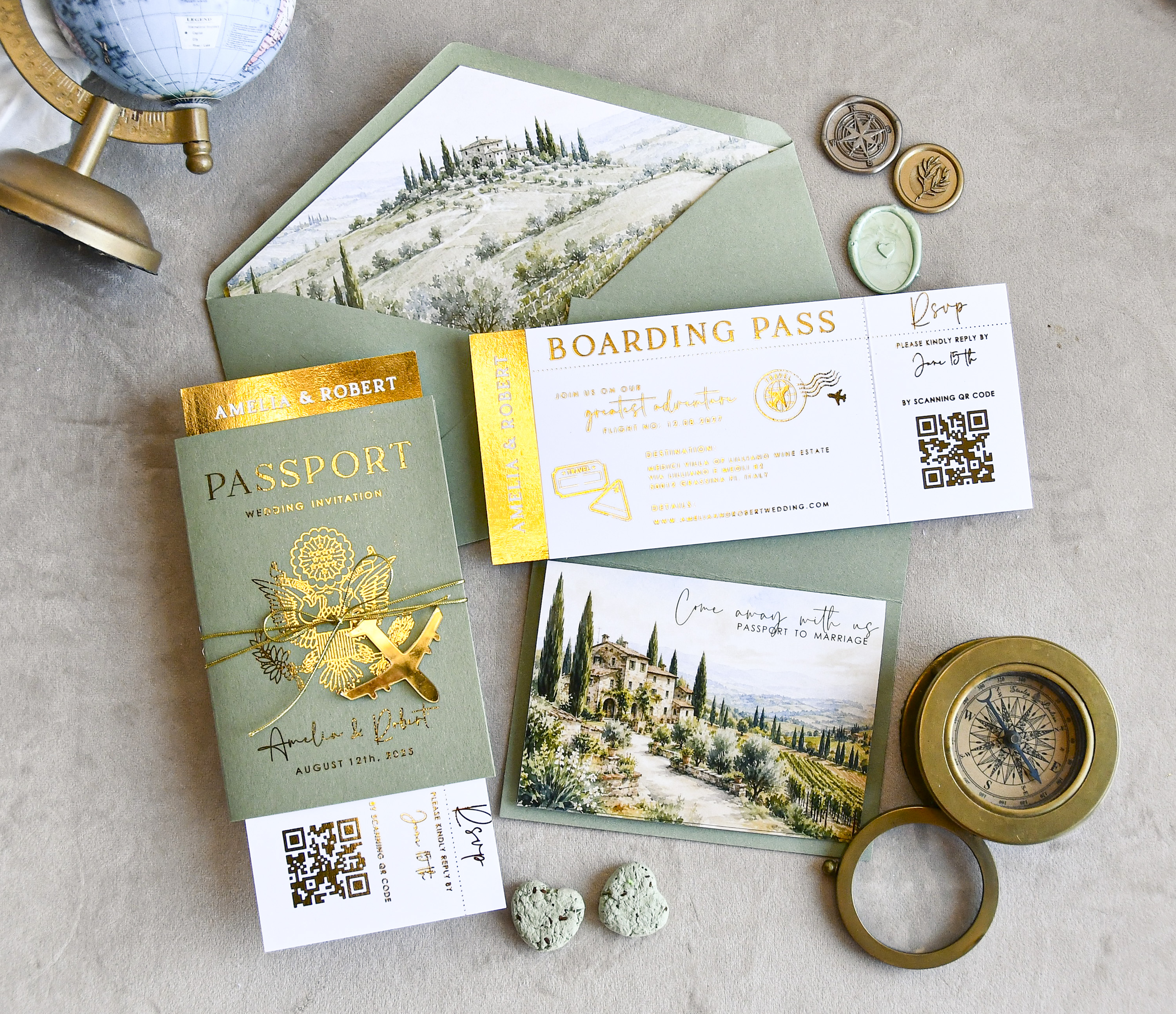
When addressing your invitations — whether you're sending classic formal stationery or a fun, travel-themed design like the 01/passBeach/z beach wedding invitations — address the envelope only to the invited guest by name. Do not write "and guest" unless you intend to extend that option. This small detail does a lot of the communicating for you without requiring an awkward conversation.
If a guest asks directly, be honest and kind: "We're keeping our guest list really intimate and unfortunately can't extend plus-ones beyond long-term partners — I hope you understand!" Most reasonable people will. If they push back, hold your boundary. It's your wedding.
Special Situations Worth Thinking Through
A few scenarios deserve extra consideration:
- Siblings or close family members with new partners: If your brother's girlfriend of three months is likely to be at every family holiday for the next decade, it may be worth including her. Use your judgment on relationships that feel significant even if they're new.
- Guests traveling from out of town: Someone flying across the country solo to attend your wedding deserves a bit of extra consideration. A plus-one can make a long trip feel much less isolating.
- Exes in the mix: If your guest's ex will also be at the wedding, it's especially kind to allow the new partner to attend — no one wants to navigate an ex alone at a wedding reception.
- Single guests at small weddings: At an intimate wedding of 30 people, one unknown plus-one changes the dynamic more than at a 150-person celebration. Factor in your wedding's size and vibe.
Finalizing Your List with Confidence
Once you've established your policy, document it. Write it down so both you and your partner are giving the same answer when family members ask. Revisit your list together about three to four months before your wedding — that's also the time to finalize and order your invitations so they can go out six to eight weeks before the big day.
If your celebration has a relaxed, destination-inspired feel, something like the 01/passBeach/z passport-style beach wedding invitations can set a welcoming, joyful tone from the moment guests receive their envelope — new partners and all. The guest list decisions are hard; the stationery part should be fun.
Remember: your guest list reflects the community you want surrounding you on one of the most meaningful days of your life. Make decisions rooted in love, fairness, and your own boundaries — and you'll be just fine.
Frequently Asked Questions
No, you are not obligated to invite a guest's new partner, especially if the relationship is very new or your venue and budget are limited. The key is applying your plus-one policy consistently across all guests so no one feels singled out.
Most etiquette experts and couples use six months as a general benchmark. Relationships shorter than that can reasonably be excluded, while couples together for six months or more have shown enough commitment to warrant an invitation.
Address the envelope specifically to the invited guest by name only — for example, "Ms. Jane Smith" rather than "Ms. Jane Smith and Guest." This clearly signals that only the named person is invited without requiring a separate conversation.
Acknowledge their feelings kindly and restate your policy calmly — let them know it applies equally to all guests and isn't personal. Most guests will understand once they realize the decision is consistent and not a reflection of how much you value them.
You can make exceptions for close family members if the relationship feels significant and lasting, even if it's relatively new. Just be prepared to make a similar exception for others in comparable situations to avoid any perception of favoritism.
It's not rude, but it's worth being thoughtful about seating. Place solo guests near other people they know or at a table with friendly, outgoing guests so they feel comfortable and included throughout the reception.
See This Design Up Close








You May Also Like

More Wedding Planning Guides
- → The Right Age to Send Children Their Own Wedding Invitation
- → Hand Delivery vs. Mailing Your Wedding Invitations: A Practical Guide
- → Navigating the Cousin Question: Your Guest List, Your Rules
- → Navigating the Office Guest List: Who at Work Deserves a Wedding Invite?
- → Who Actually Gets a Say in Your Wedding Guest List?
- → No RSVP, No Problem? How to Handle Guests Who Go Silent
- → Extra Wedding Guests: Who Foots the Bill?
- → Adults-Only Wedding: The Right Words to Tell Guests, Kindly and Clearly
- → Online RSVPs Are Totally Valid — Here's How to Pull It Off Gracefully
- → Parents Want to Invite Their Friends to Your Wedding? Here's How to Set Boundaries and Stay Sane
- → How to Handle Kids at Your Wedding: Childcare vs. Entertainment Explained
- → Child-Free Weddings: The Honest Etiquette Guide for Couples
- → RSVP Silence: How Long to Wait and What to Do Next
- → To Invite or Not: Making the Kids-at-Your-Wedding Decision With Confidence
- → Surprise Plus-Ones: How to Protect Your Guest List Without Losing Your Cool
- → Uninvited Plus-Ones and Tag-Alongs: How to Keep Your Guest List Intact
- → When Family Feuds Threaten Your Wedding Plans: A Practical Peacekeeper's Guide
- → Inviting an Estranged Brother or Sister: Finding Clarity Before You Seal the Envelope
- → Cousins, Invites, and Hard Choices: A Practical Guest List Guide