
Navigating the Office Guest List: Who at Work Deserves a Wedding Invite?

Your guest list is one of the most personal — and most stressful — parts of wedding planning. Family is a given, close friends are obvious, but then you hit the work column and everything gets complicated. Do you invite your boss? Your whole team? Just your work best friend? There's no single right answer, but there are clear principles that make the decision much easier. Here's how to think it through without losing sleep — or creating awkward Monday mornings.
Start With the Friendship Test, Not the Job Title
The single most useful rule for work invites: invite people you would stay in touch with if one of you changed jobs tomorrow. If the only thing connecting you is a shared Slack channel, that's a polite acquaintance — not a wedding guest.
Ask yourself honestly:
- Have you spent time together outside of work hours?
- Do you talk about personal life, not just projects?
- Would it feel natural to have them at your rehearsal dinner or reception?
If the answer is yes to most of these, they belong on the list. If you're mostly inviting someone out of obligation or fear of seeming rude, that's a sign to leave them off. A wedding invitation is a generous gesture, not a workplace courtesy.
The Boss Question: A Special Case
Inviting your manager deserves its own consideration because the power dynamic is real. A few scenarios where inviting your boss makes sense:
- You have a genuinely close, personal relationship that goes beyond work.
- Your workplace is very small (think: a 4-person office) and excluding them would feel conspicuous.
- Your boss has become a mentor or friend over many years.
In most other situations, it's perfectly acceptable — and honestly common — to leave your boss off the list. What you want to avoid is inviting your boss but not your immediate teammates, which can create real tension. If you invite one, think carefully about the ripple effect through your team.
If your budget or venue is limited, that's a completely honest reason to keep the guest list tight. Most managers understand this without any explanation needed.
How to Handle Coworkers Without Hurting Feelings
The safest approach is to draw a clear, consistent line — and stick to it. For example:
- Invite your immediate team only — easy to explain, easy to defend.
- Invite only people you socialize with outside of work — a natural boundary that most colleagues respect.
- No coworkers at all — totally valid, especially for smaller or destination weddings.
Whatever line you draw, apply it consistently. The problem isn't who you invite — it's when the rules seem arbitrary. If you invite three people from your department and skip the fourth for no clear reason, that's when hurt feelings happen.
Keep wedding talk low-key at the office before the big day. You don't need to announce your guest list decisions. Simply don't discuss the wedding extensively in front of people who aren't invited, and you'll avoid most of the awkwardness.
Destination and Beach Weddings Make It Easier
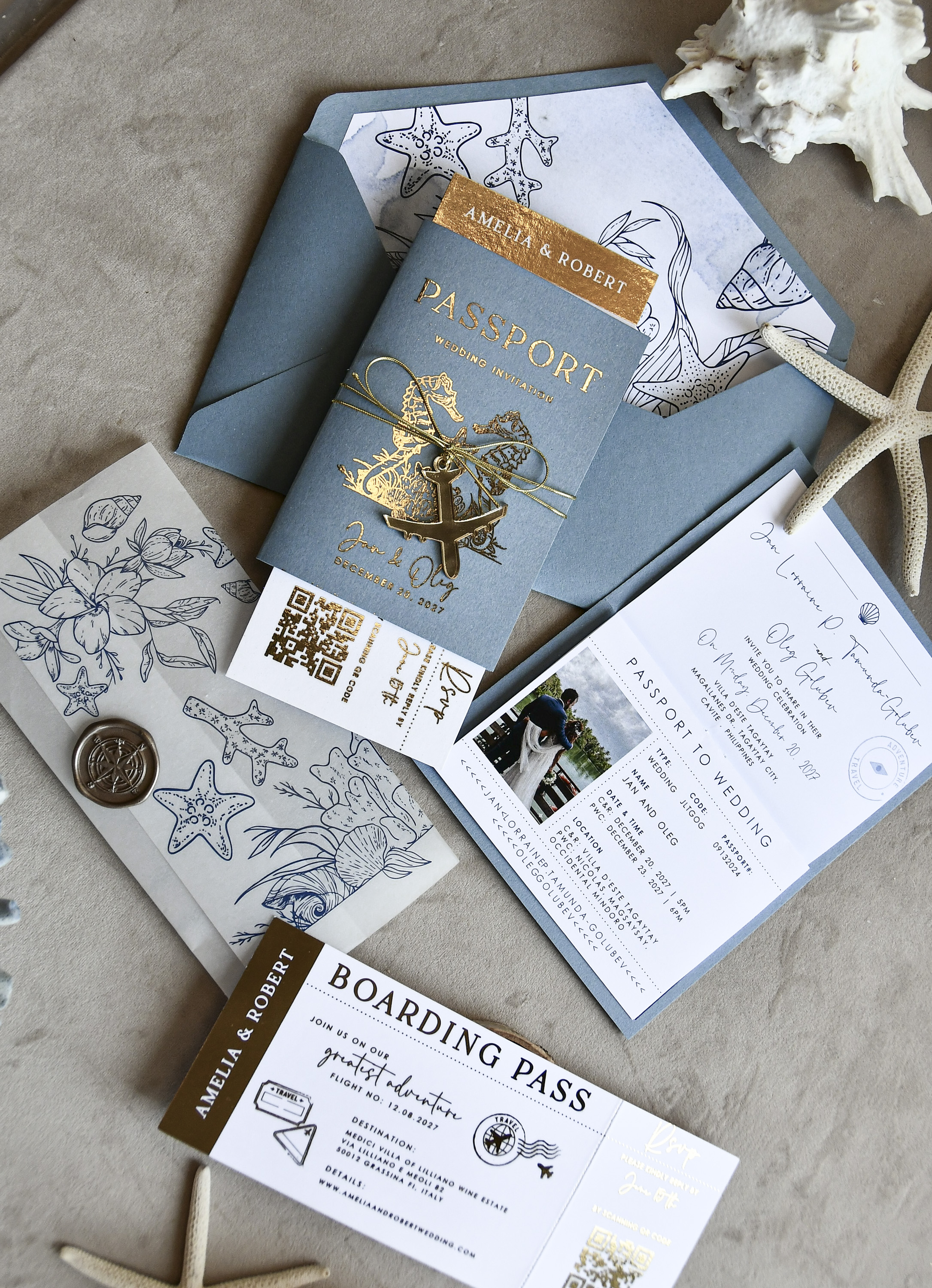
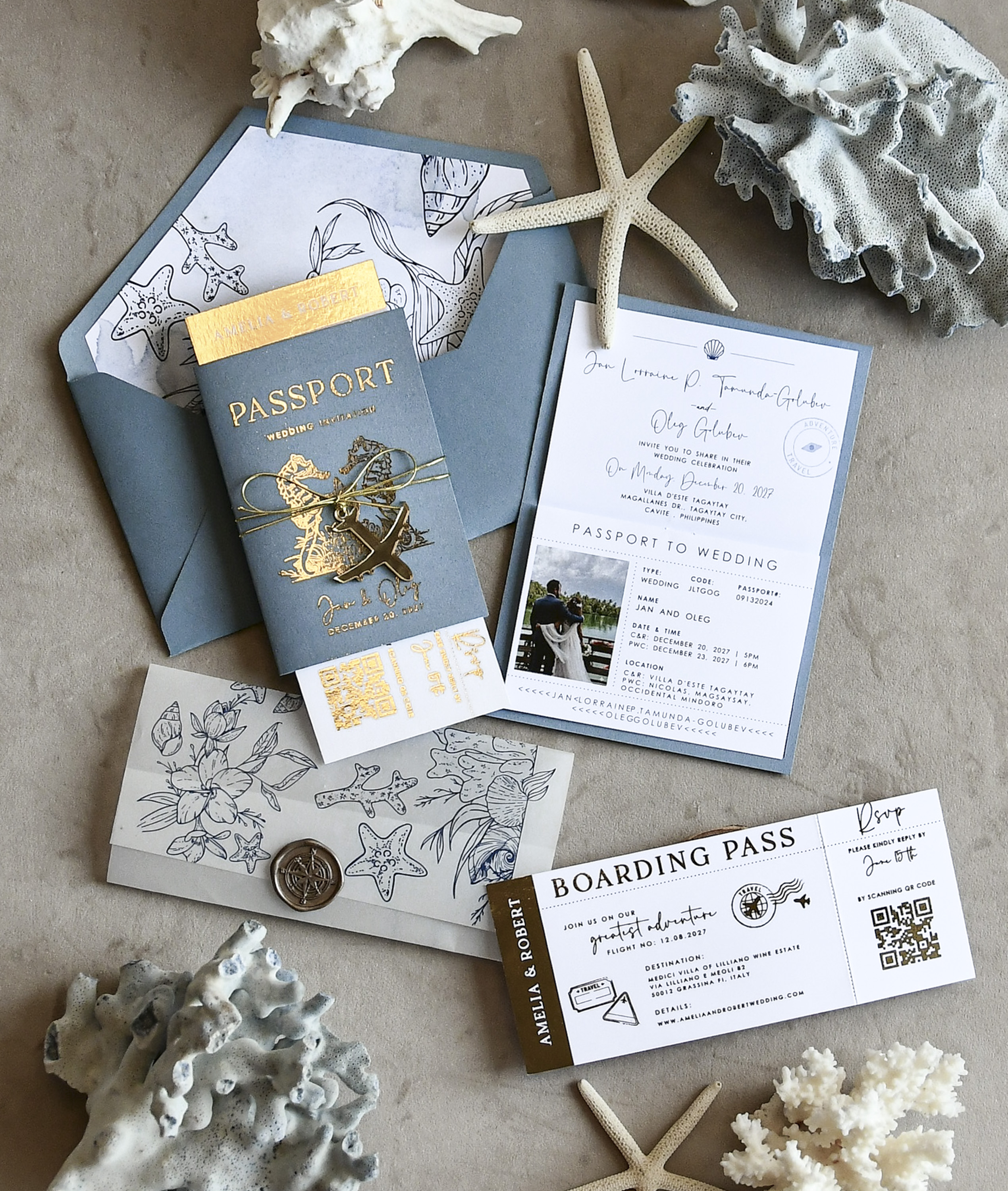
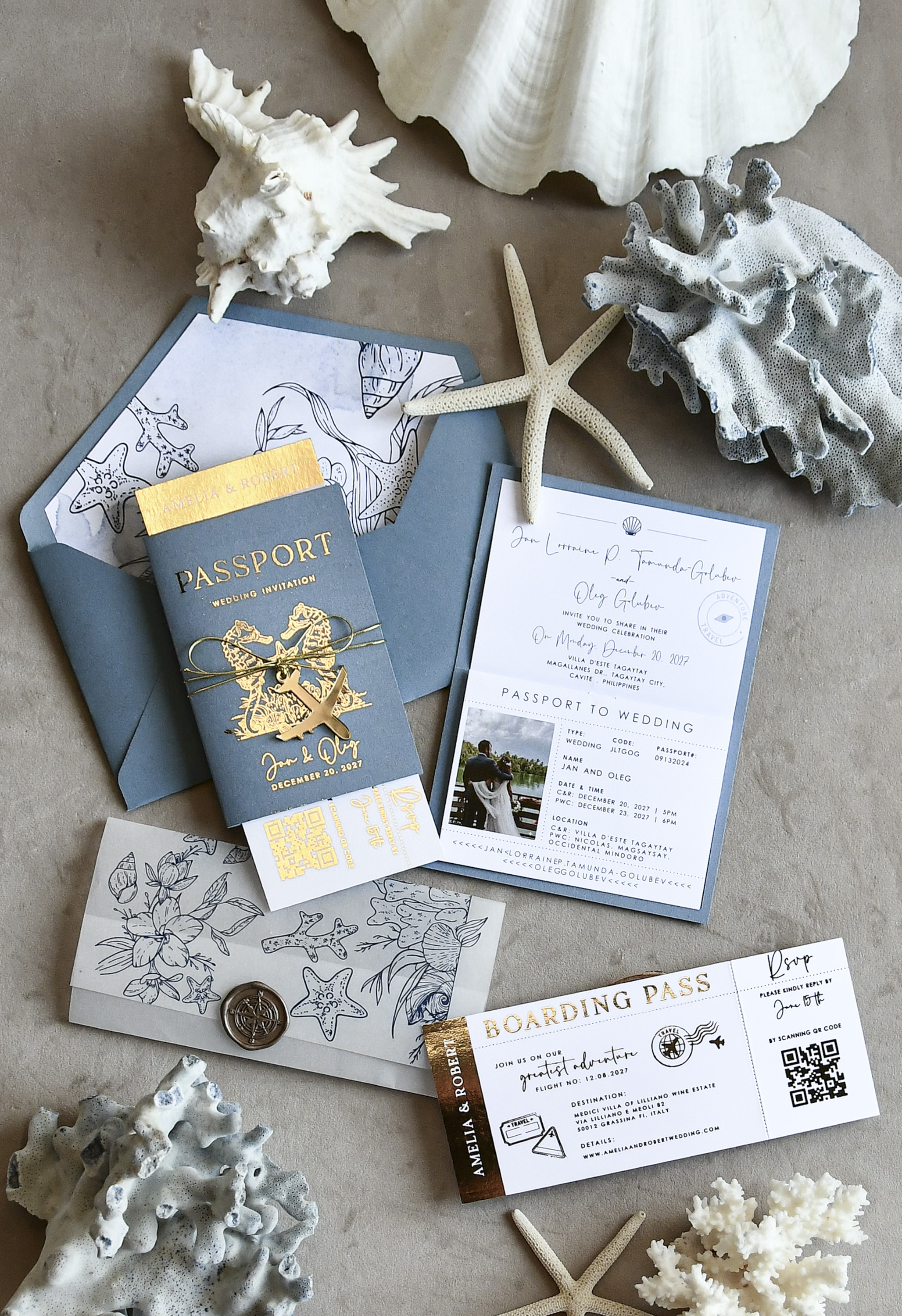
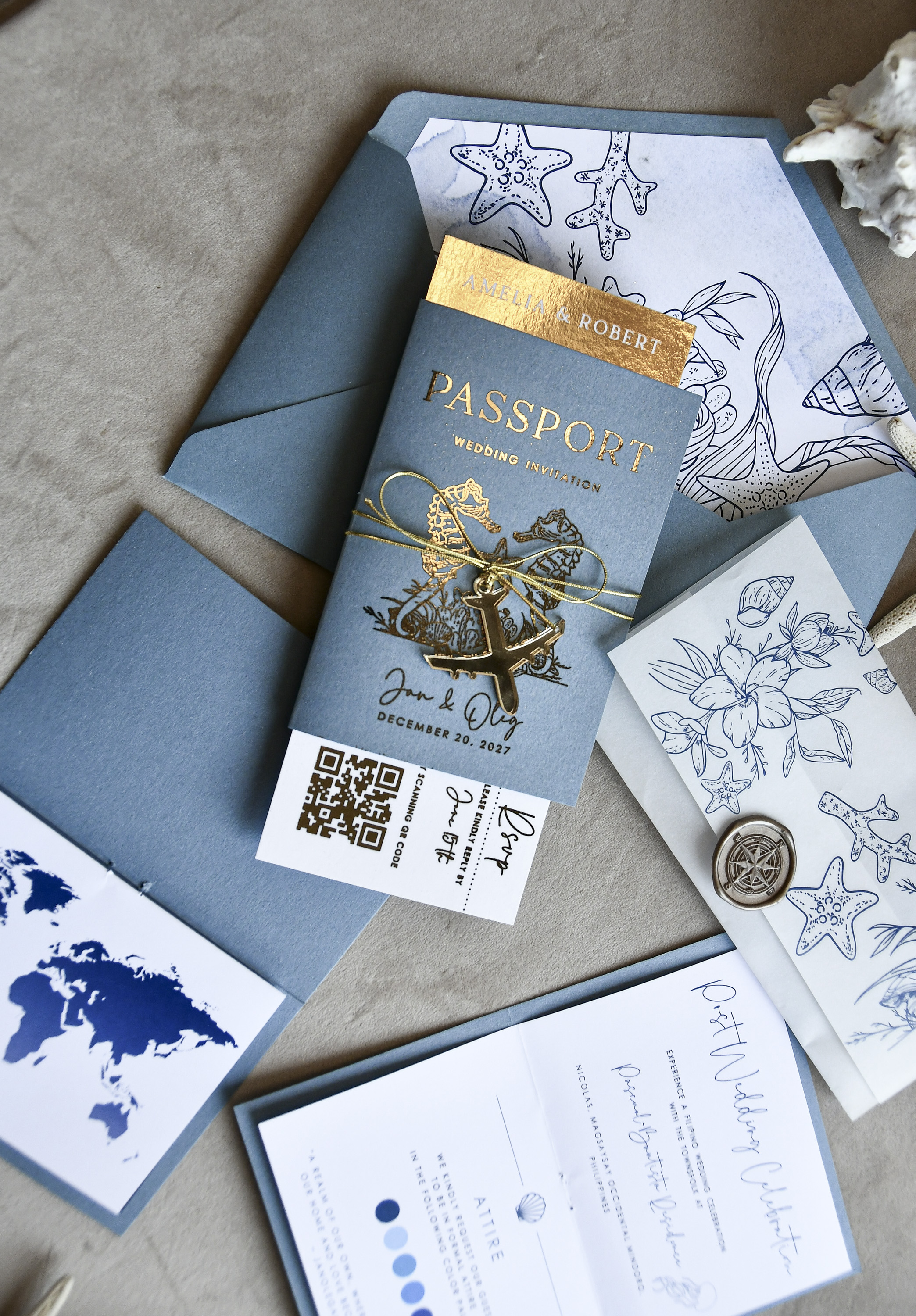
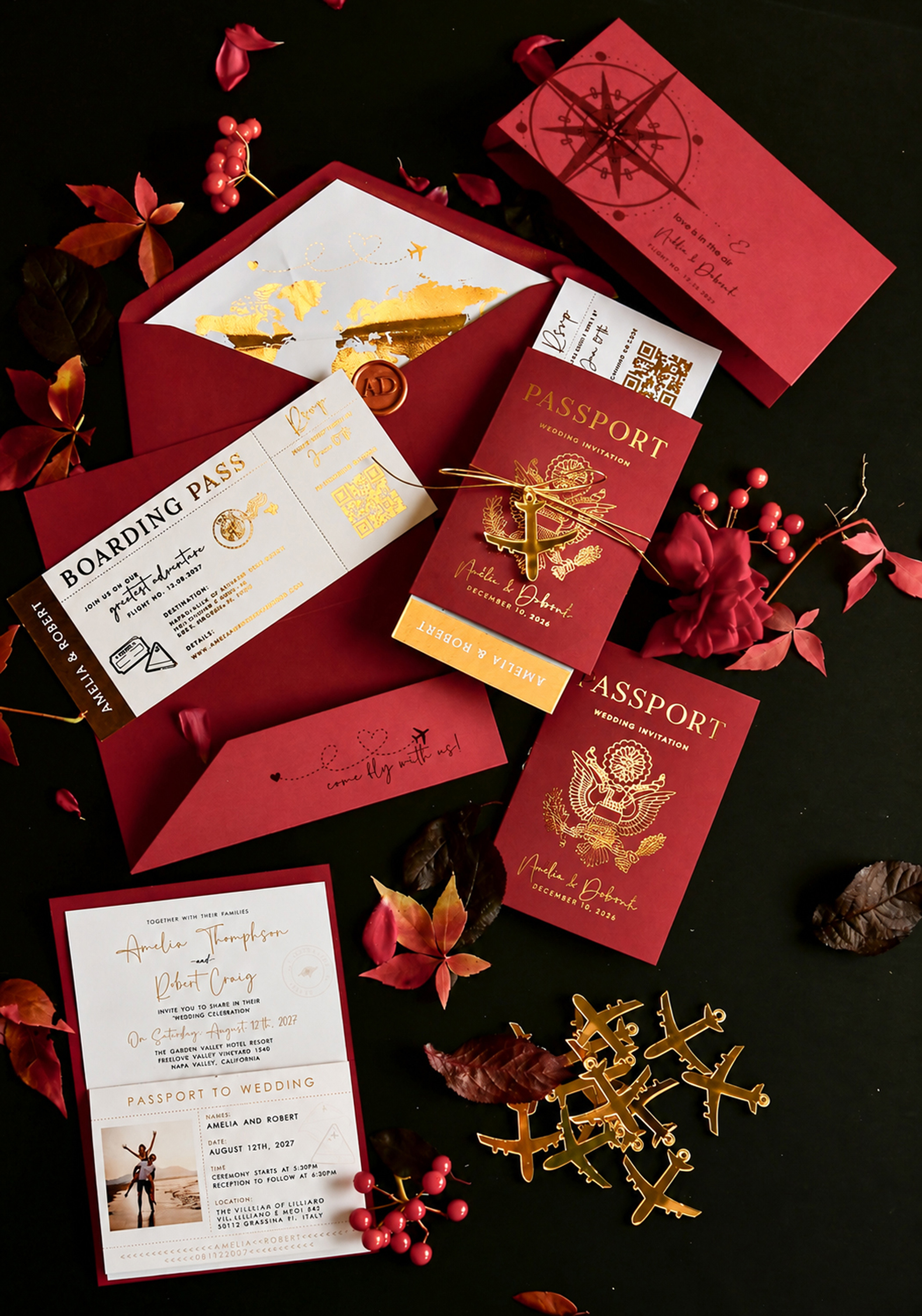
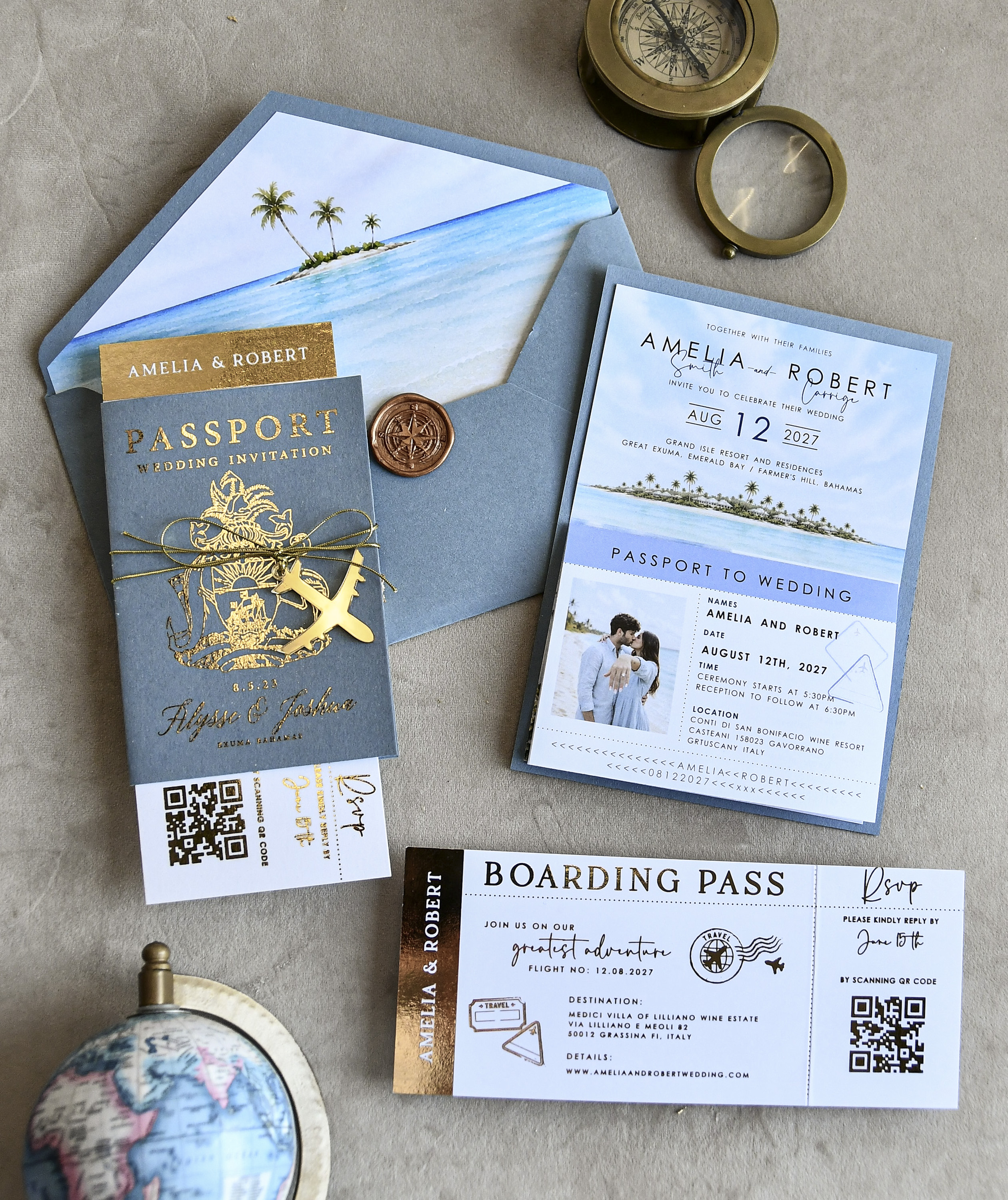
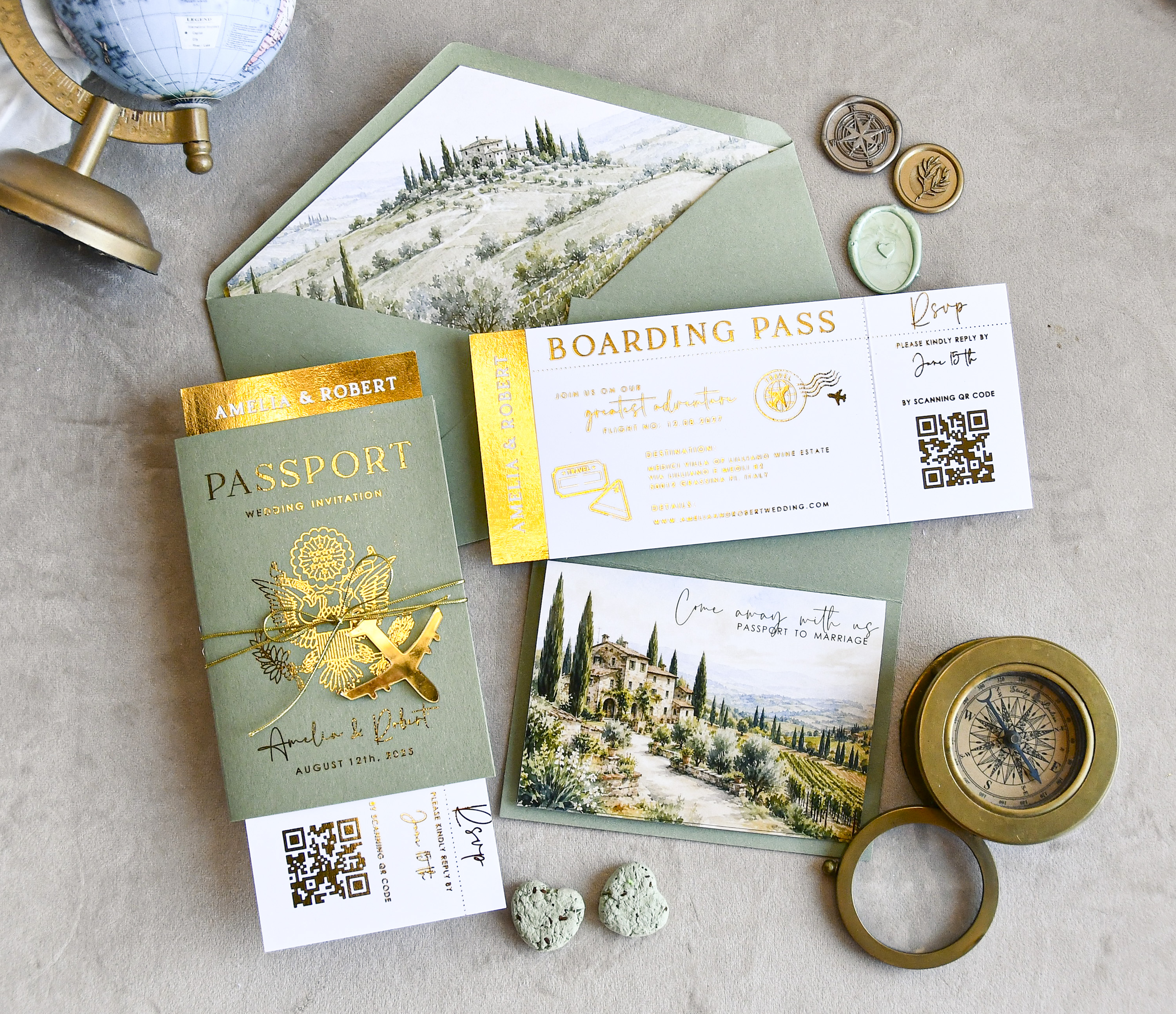
If you're planning a destination or beach wedding, you actually have a built-in reason to keep the list intimate. Guests understand that travel is a significant ask, and a smaller, more selective guest list is expected. This is the perfect context for a beautifully designed travel-themed invitation suite — something like the 01/passBeach/z passport-style beach wedding invite from Margo&Bees signals immediately that this is a special, intentional celebration. It sets the tone that your wedding is a curated experience, not a company party.
When coworkers who aren't invited see a passport-style invitation on someone's desk, they understand the vibe: this is an intimate destination event. It removes the sting of not being included because the framing does the explaining for you.
Timing and Etiquette Reminders
Once you've made your decisions, a few practical notes on execution:
- Send invitations to coworkers' home addresses, never to the office. Mailing an invite to work puts it on display for everyone to see — including people who weren't invited.
- Give yourself enough lead time. For local weddings, invitations typically go out 6–8 weeks before the date. For destination or beach weddings, aim for 10–12 weeks so guests can arrange travel.
- Don't discuss RSVPs at the office. If a coworker asks whether you've heard back from someone, keep it vague and redirect the conversation.
- If you invite someone from work, treat the 01/passBeach/z invite or whichever suite you choose as the official communication — don't pre-announce it verbally and then send the paper invite as an afterthought.
The bottom line: your wedding guest list is yours. Invite people who genuinely matter to you, draw a consistent line, and communicate through your stationery rather than office gossip. That's the most graceful path through one of wedding planning's trickiest decisions.

Frequently Asked Questions
Not at all. Weddings are personal celebrations, and most colleagues understand that guest lists are limited by budget and venue size. As long as you're consistent about who you invite from the office, leaving coworkers off the list is completely acceptable etiquette.
Not necessarily, but think through the dynamics carefully. If you're inviting your whole immediate team, excluding your manager can feel pointed. If you're only inviting one or two close work friends, most bosses won't expect an invitation.
Keep it simple and kind: mention that you had to keep the guest list very small due to venue or budget constraints. You don't owe anyone a detailed explanation, and most people will accept a brief, gracious answer without pressing further.
No — always mail invitations to a guest's home address. Sending invites to the workplace puts them on display for colleagues who weren't invited, which can create unnecessary awkwardness or hurt feelings.
For destination or beach weddings that require travel, send invitations 10–12 weeks in advance so guests have time to book flights and accommodations. For local weddings, the standard 6–8 week window is fine.
In a very small office, excluding one or two people can feel much more personal and noticeable. In that case, it's worth either inviting everyone or being upfront that you're keeping the wedding extremely intimate, such as immediate family only.
See This Design Up Close










You May Also Like

More Wedding Planning Guides
- → Should You Invite New Partners to Your Wedding? Here's How to Decide
- → The Right Age to Send Children Their Own Wedding Invitation
- → Hand Delivery vs. Mailing Your Wedding Invitations: A Practical Guide
- → Navigating the Cousin Question: Your Guest List, Your Rules
- → Who Actually Gets a Say in Your Wedding Guest List?
- → No RSVP, No Problem? How to Handle Guests Who Go Silent
- → Extra Wedding Guests: Who Foots the Bill?
- → Adults-Only Wedding: The Right Words to Tell Guests, Kindly and Clearly
- → Online RSVPs Are Totally Valid — Here's How to Pull It Off Gracefully
- → Parents Want to Invite Their Friends to Your Wedding? Here's How to Set Boundaries and Stay Sane
- → How to Handle Kids at Your Wedding: Childcare vs. Entertainment Explained
- → Child-Free Weddings: The Honest Etiquette Guide for Couples
- → RSVP Silence: How Long to Wait and What to Do Next
- → To Invite or Not: Making the Kids-at-Your-Wedding Decision With Confidence
- → Surprise Plus-Ones: How to Protect Your Guest List Without Losing Your Cool
- → Uninvited Plus-Ones and Tag-Alongs: How to Keep Your Guest List Intact
- → When Family Feuds Threaten Your Wedding Plans: A Practical Peacekeeper's Guide
- → Inviting an Estranged Brother or Sister: Finding Clarity Before You Seal the Envelope
- → Cousins, Invites, and Hard Choices: A Practical Guest List Guide