
Parents Want to Invite Their Friends to Your Wedding? Here's How to Set Boundaries and Stay Sane

You've carefully counted every seat, balanced the budget, and finally landed on a guest list you feel good about — then your mom mentions she'd love to invite her book club, or your dad insists his college friends "have to be there." Sound familiar? Parent guest list negotiations are one of the most common wedding planning friction points, and you're absolutely not alone. The good news: with clear communication, a fair framework, and a little diplomacy, you can find a solution that respects everyone's feelings without blowing up your vision or your venue's capacity.
Understand Where They're Coming From First
Before you push back, take a moment to understand the underlying motivation. For many parents — especially those contributing financially — the wedding is also a social milestone for them. They've watched their child grow up alongside these friends, and sharing this moment feels meaningful. That doesn't mean you're obligated to invite everyone on their wish list, but acknowledging their perspective makes the conversation go much smoother.
Ask your parents to share their list early, before you finalize numbers. You might be surprised: sometimes "all my friends" turns out to be five people, which is very manageable. Other times it's thirty, and you'll need a clear strategy.
Set a Fair Allocation System From the Start
The cleanest way to handle guest list contributions from both sets of parents is to divide total invitations into equal thirds: one-third for your side, one-third for your partner's side, and one-third for the two of you. If one family is significantly larger or is contributing more financially, you can adjust proportions — just agree on the split before anyone starts writing names.
Be explicit about the numbers. Tell each set of parents, "You have 15 slots to fill however you'd like." This removes the open-ended expectation that they can keep adding names. It also keeps things fair and prevents resentment between families.
- Tip: Put the agreed-upon numbers in writing — even a simple email recap works — so there's no misremembering later.
- Tip: Set a firm deadline for submitting names so the list doesn't creep up as the RSVP deadline approaches.
Know When to Say Yes and When to Say No
Not every parental addition is a battle worth fighting. If adding two or three of your parents' closest friends costs you nothing emotionally and fits the venue, it may genuinely be worth the goodwill it buys. Pick your battles wisely.
However, there are situations where saying no is completely reasonable:
- The venue has a hard capacity limit you've already hit.
- You've never met the person and have no relationship with them.
- Adding their guests means cutting people from your own list.
- The budget simply doesn't stretch further.
Use objective reasons — cost per head, venue fire code, catering minimums — when declining. It's much easier to say "Our venue caps at 80 guests and we're already there" than "We just don't want them there," even if both are true.
Consider a B-List or Post-RSVP Strategy
If you want to accommodate parents' friends without over-committing, use a B-list. Send your primary invitations first, and once declines come in, extend invitations to the next tier — including some of your parents' picks. Just make sure B-list invitations go out at least six weeks before the wedding so recipients have enough time to respond and make travel plans.
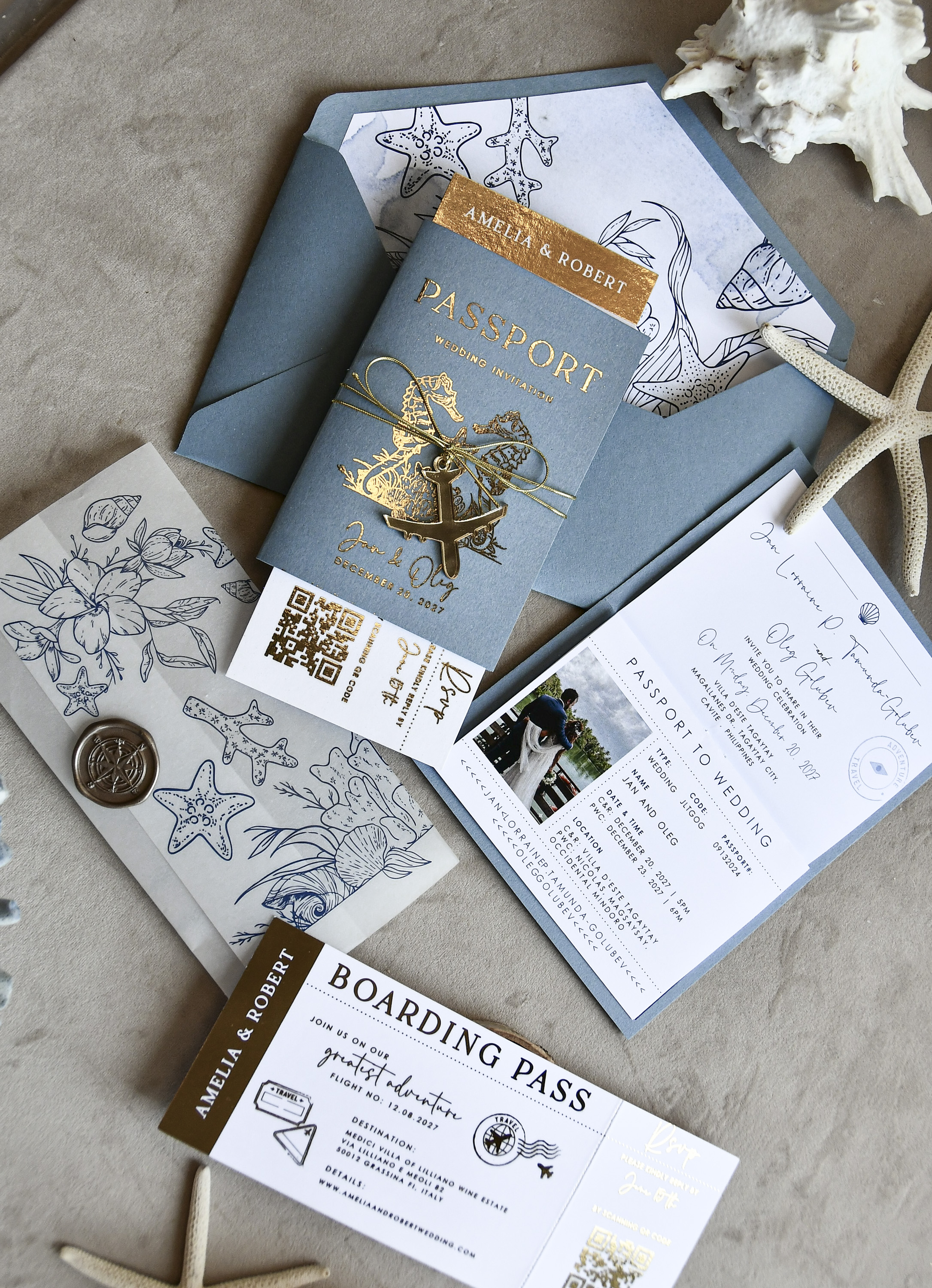
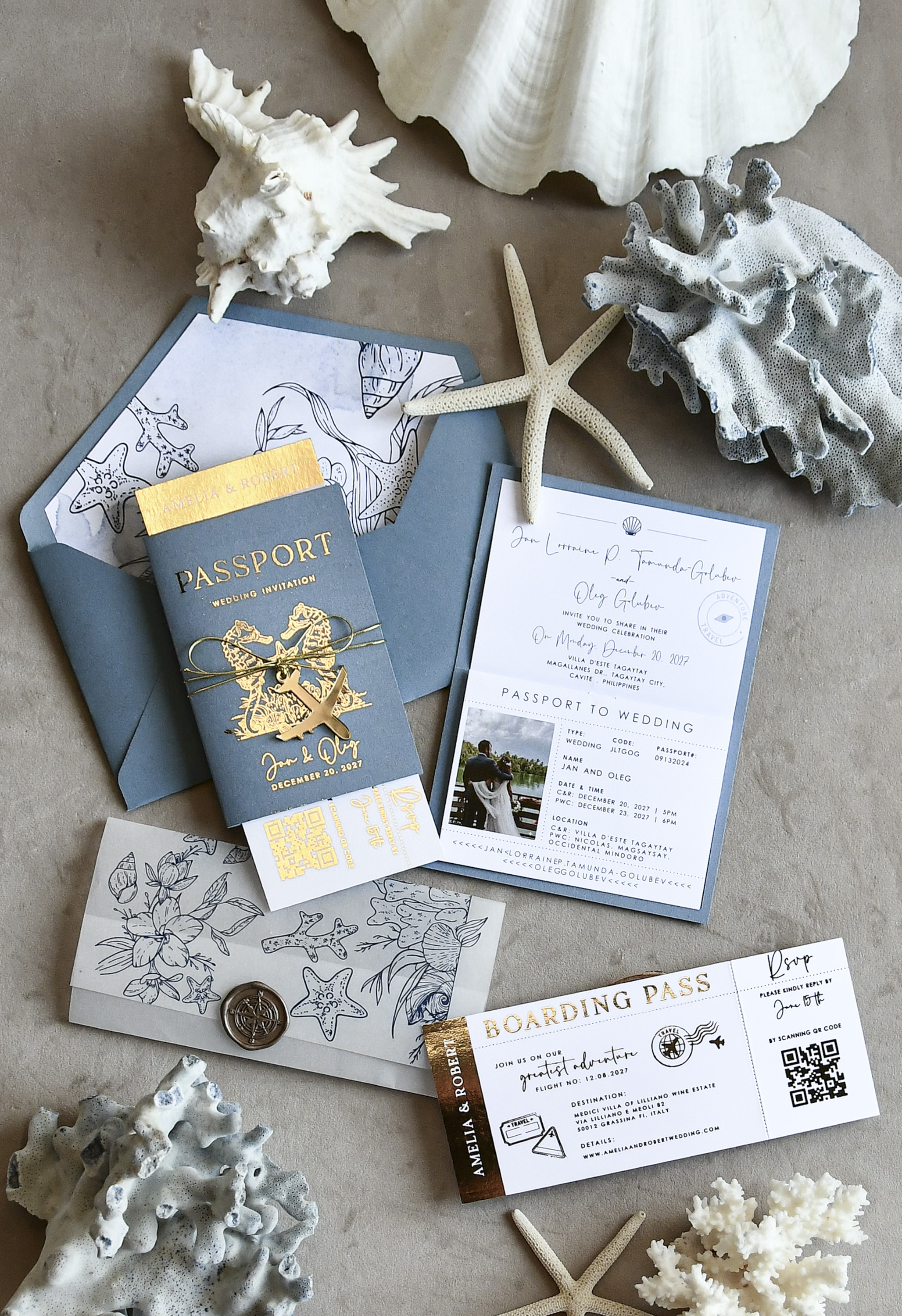
When mailing B-list invitations, the timing and presentation matter. A beautifully designed invitation — like the 01/passBeach/z beach wedding invite from Margo&Bees — makes every guest feel equally valued, whether they were on the original list or added later. No one needs to know they were a second-round invite if the stationery is stunning.
Script the Conversation So It Doesn't Spiral
Having the actual conversation is the hardest part. Here are a few scripts to borrow:
- When parents ask to add more names: "We'd love to include everyone, but we're locked into [X] guests for the venue. We've already given you [X] spots — can you choose your top picks from within that number?"
- When they're upset about the limit: "We completely understand this is disappointing. This wasn't an easy decision for us either, and we want your closest people there. That's exactly why we gave you dedicated spots on the list."
- When they're paying and feel entitled to more control: "We're so grateful for your contribution — it truly makes this possible. We want to honor your generosity and also make sure the wedding feels like us. Can we find a middle ground together?"
Stay calm, stay consistent, and loop in your partner so you're presenting a united front. Avoid negotiating separately with each parent — it leads to contradictions and more conflict.

Frequently Asked Questions
Financial contribution can reasonably earn parents a larger share of the guest list, but it doesn't mean unlimited additions. Agree on a specific number of slots tied to their contribution before accepting any money — this prevents misunderstandings and keeps expectations clear from the start.
You don't have to give both sides the exact same number if the families are very different in size. What matters is that the allocation feels fair to everyone involved. Have an honest conversation early, agree on numbers, and document them so there's no confusion later.
Refer back to the agreed-upon number and remind them kindly but firmly that the list is closed. If they want to add someone, they need to remove someone else from their allocated spots — putting the choice back in their hands usually resolves the issue quickly.
A reception-only invitation is an accepted etiquette option, especially for larger families. It's most appropriate for acquaintances or colleagues rather than close friends. Just make sure the invitation clearly communicates the timing so guests aren't confused about when to arrive.
This is a valid feeling, especially for intimate or small weddings. Be honest but gentle: explain that you're keeping the wedding to people you both have a personal relationship with. Framing it as a consistent rule — not a personal slight — makes it easier for parents to accept.
Ideally, as soon as you book your venue and know your capacity. The earlier you set expectations and communicate the numbers, the less room there is for assumptions to build up. Waiting until invitations are being addressed creates unnecessary last-minute stress for everyone.
See This Design Up Close












You May Also Like




More Wedding Planning Guides
- → Should You Invite New Partners to Your Wedding? Here's How to Decide
- → The Right Age to Send Children Their Own Wedding Invitation
- → Hand Delivery vs. Mailing Your Wedding Invitations: A Practical Guide
- → Navigating the Cousin Question: Your Guest List, Your Rules
- → Navigating the Office Guest List: Who at Work Deserves a Wedding Invite?
- → Who Actually Gets a Say in Your Wedding Guest List?
- → No RSVP, No Problem? How to Handle Guests Who Go Silent
- → Extra Wedding Guests: Who Foots the Bill?
- → Adults-Only Wedding: The Right Words to Tell Guests, Kindly and Clearly
- → Online RSVPs Are Totally Valid — Here's How to Pull It Off Gracefully
- → How to Handle Kids at Your Wedding: Childcare vs. Entertainment Explained
- → Child-Free Weddings: The Honest Etiquette Guide for Couples
- → RSVP Silence: How Long to Wait and What to Do Next
- → To Invite or Not: Making the Kids-at-Your-Wedding Decision With Confidence
- → Surprise Plus-Ones: How to Protect Your Guest List Without Losing Your Cool
- → Uninvited Plus-Ones and Tag-Alongs: How to Keep Your Guest List Intact
- → When Family Feuds Threaten Your Wedding Plans: A Practical Peacekeeper's Guide
- → Inviting an Estranged Brother or Sister: Finding Clarity Before You Seal the Envelope
- → Cousins, Invites, and Hard Choices: A Practical Guest List Guide