
How to Handle Seating for Divorced Parents at Your Wedding
Planning your wedding seating chart is already a puzzle — and when your parents are divorced, it can feel like you're defusing a bomb. Take a breath. With a little thoughtful planning, you can seat everyone comfortably, keep the peace, and focus on what actually matters: celebrating with the people you love.
Start With the Relationship, Not the Rule Book
There's no single "correct" answer here, because divorced families come in every shape. The first step is honestly assessing where your parents stand with each other:
- Amicable and friendly: They can likely sit near each other or even in the same row without drama.
- Cordial but distant: Separate sections work well — just make sure neither feels demoted.
- High conflict: Clear physical separation is a must. Enlist a trusted family member or your coordinator to help manage the day.
Talk to both parents privately before you finalize anything. A quick conversation like, "I want to make sure you're comfortable — how do you feel about sitting near [name]?" goes a long way toward preventing surprises on the wedding day.
The Ceremony: Front Row Logistics
Traditionally, the front row on each side is reserved for immediate family. When parents are divorced, here are the most common approaches:
- Split the front row: One parent (usually the one who raised you or is closer to you) sits front row; the other sits in the second row or a designated honored-guest seat. This works best when remarried partners are in the picture.
- Two front rows: Reserve the entire first two rows on each side. Parent A and their partner take row one; Parent B and their partner take row two. Both feel honored, and there's natural buffer space.
- Aisle seats in the same row: If your parents are genuinely friendly, they can each sit at opposite ends of the front row with siblings or other family filling the middle. This looks unified in photos without forcing closeness.
If either parent has a new spouse or long-term partner, always seat that partner beside them — never separated. Leaving a partner alone while their spouse sits in the family section creates unnecessary awkwardness.
The Reception: Table Placement That Works
At the reception, you have much more flexibility. The goal is to make each parent feel honored and surrounded by people they genuinely enjoy. A few tried-and-true approaches:
- Two separate family tables: Give each parent their own table near the front. Seat them with their respective sides of the family, close friends, and any new partners. This is the most common solution and feels natural.
- One shared family table: Only works if your parents are truly friendly and both are comfortable with it. If there's any doubt, skip it.
- Head table alternative: If you're doing a sweetheart table, it's easier — your parents aren't at the head table at all, which removes the question entirely. Each parent gets their own honored table nearby.
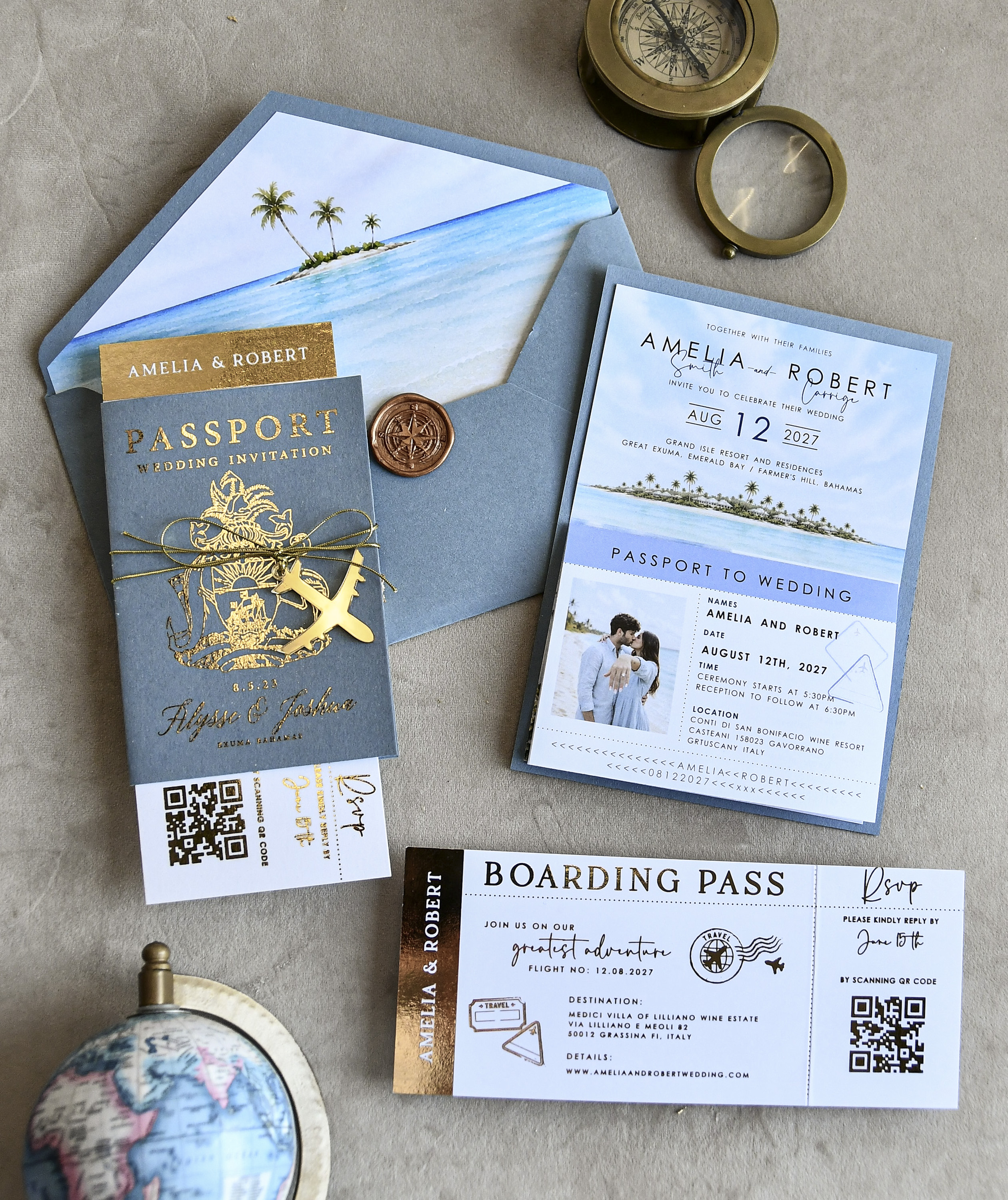
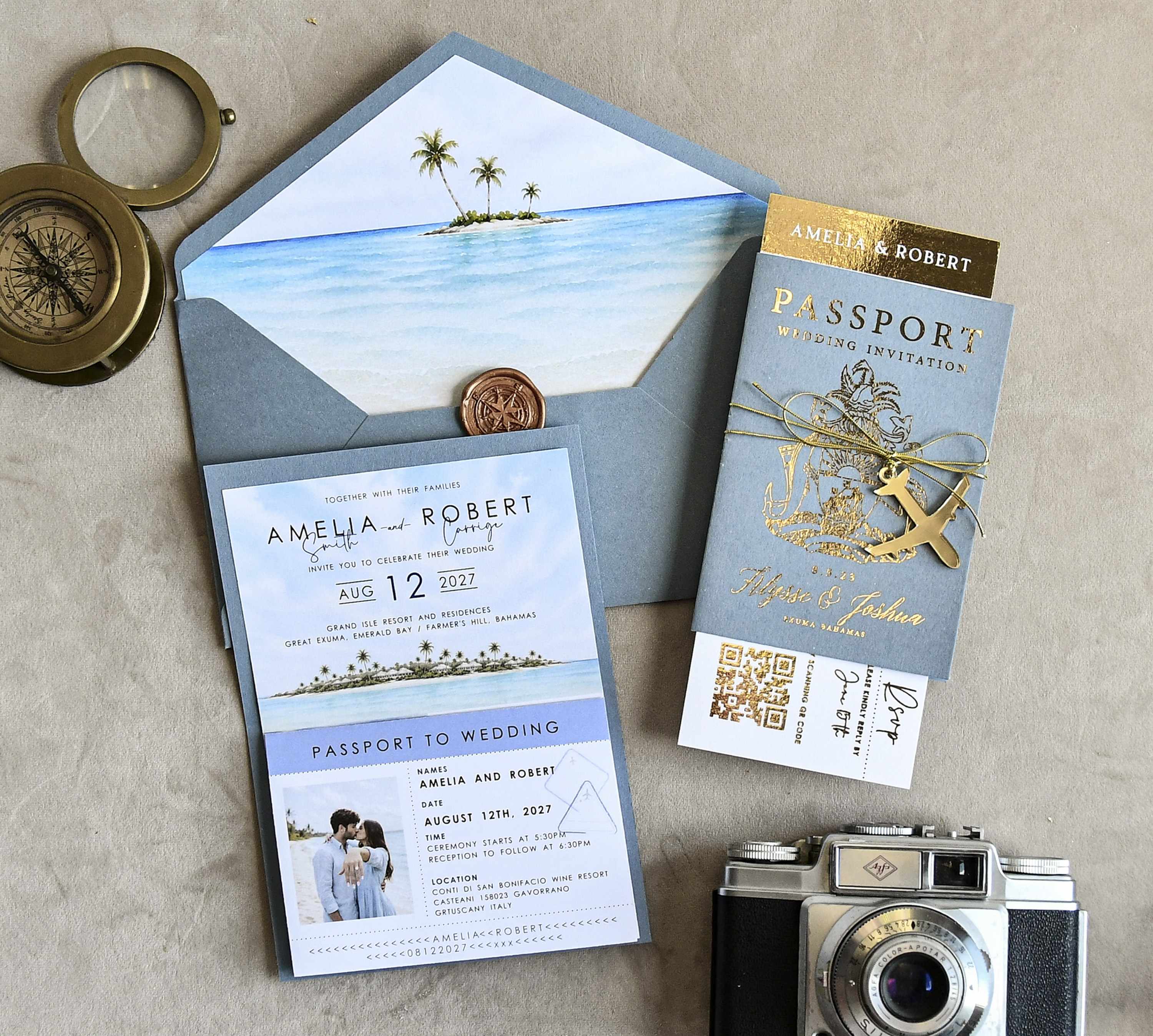
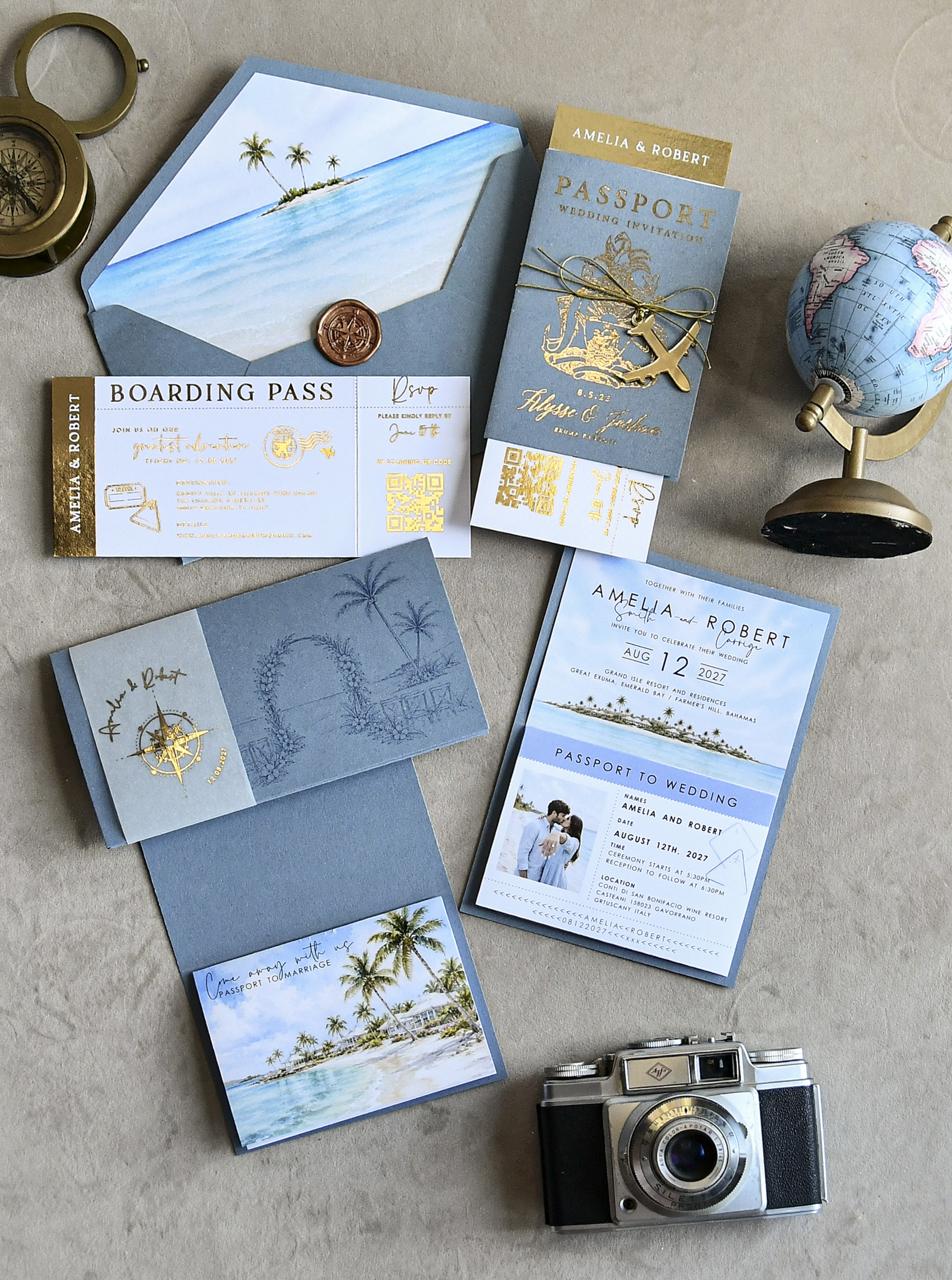
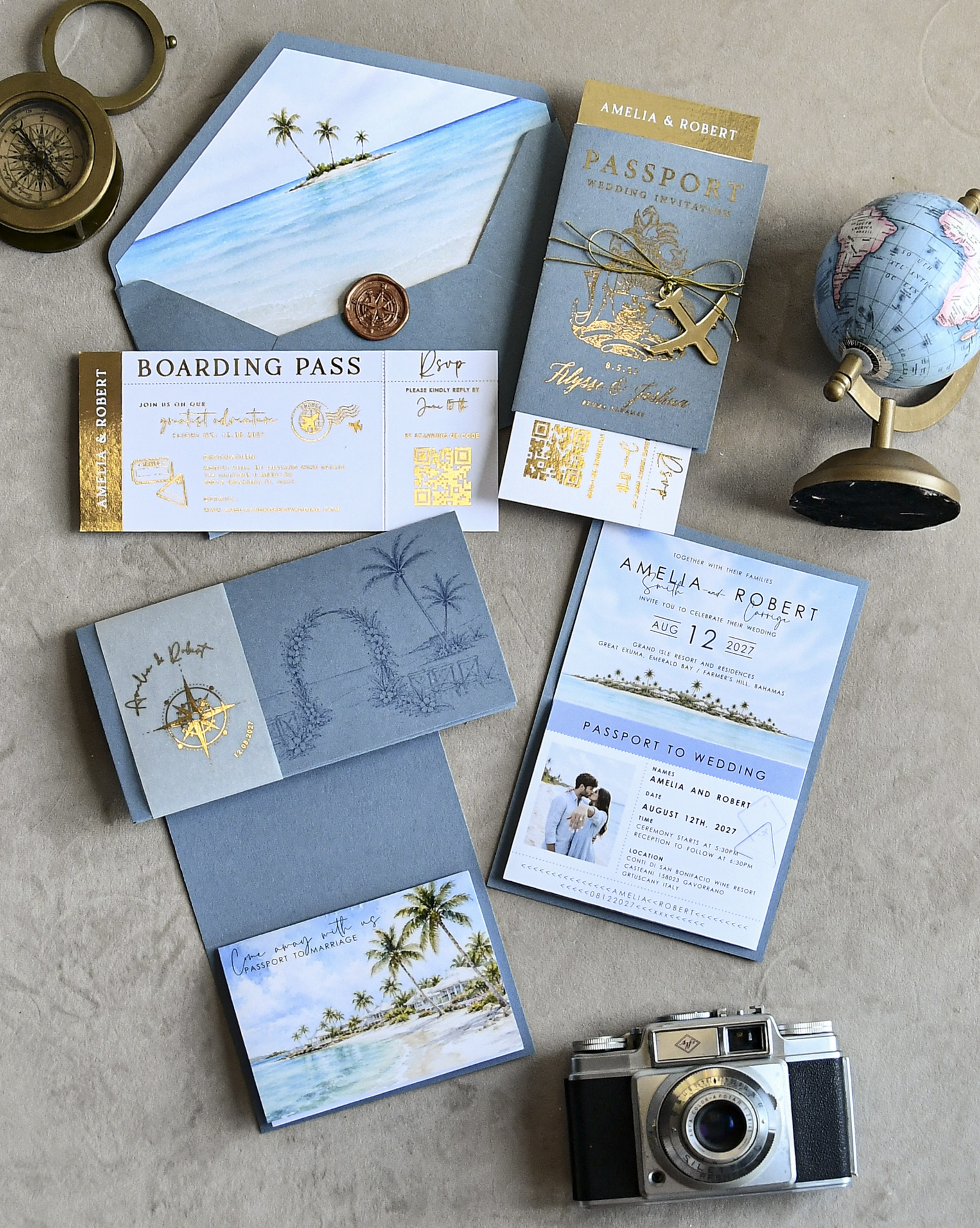
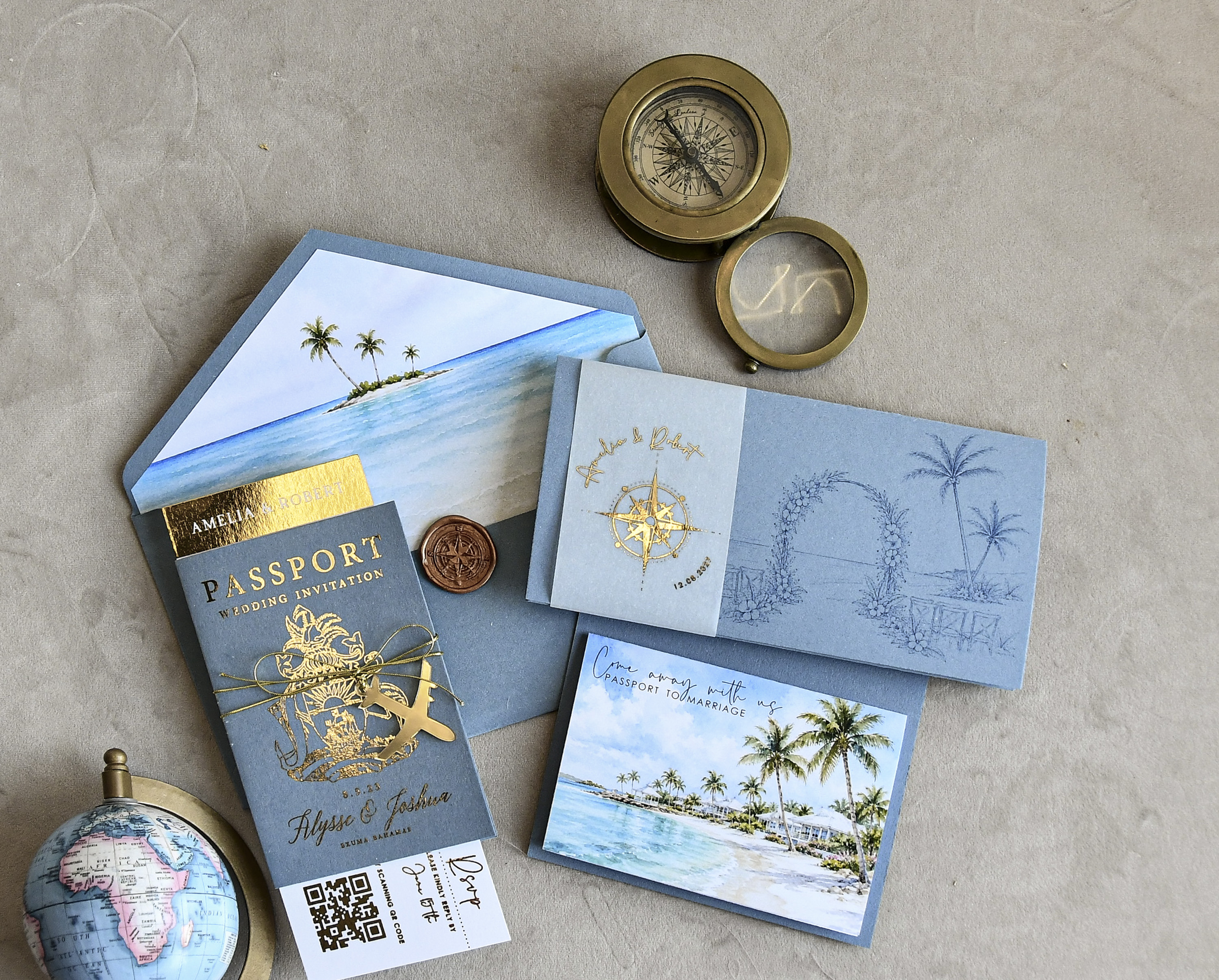
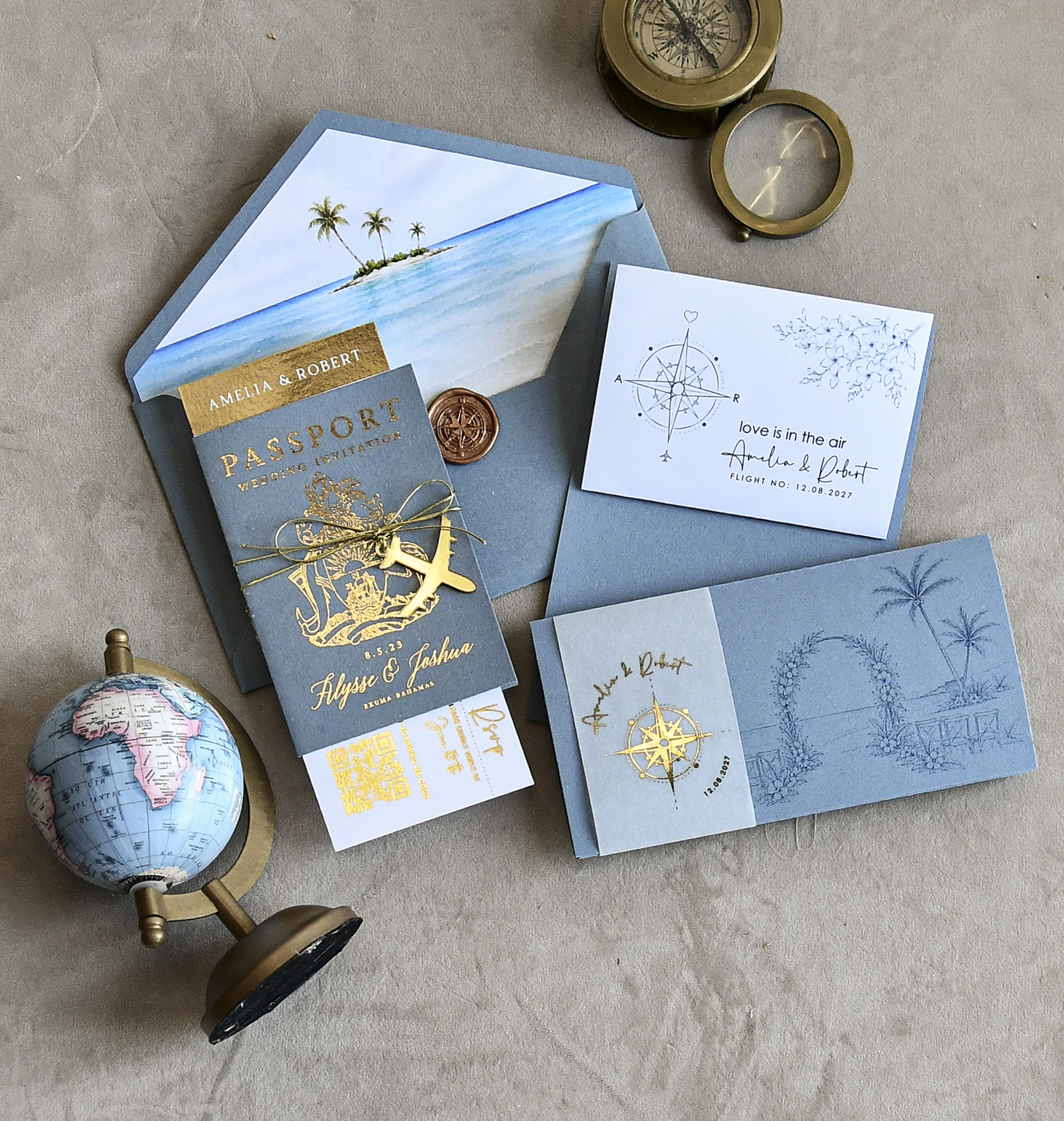
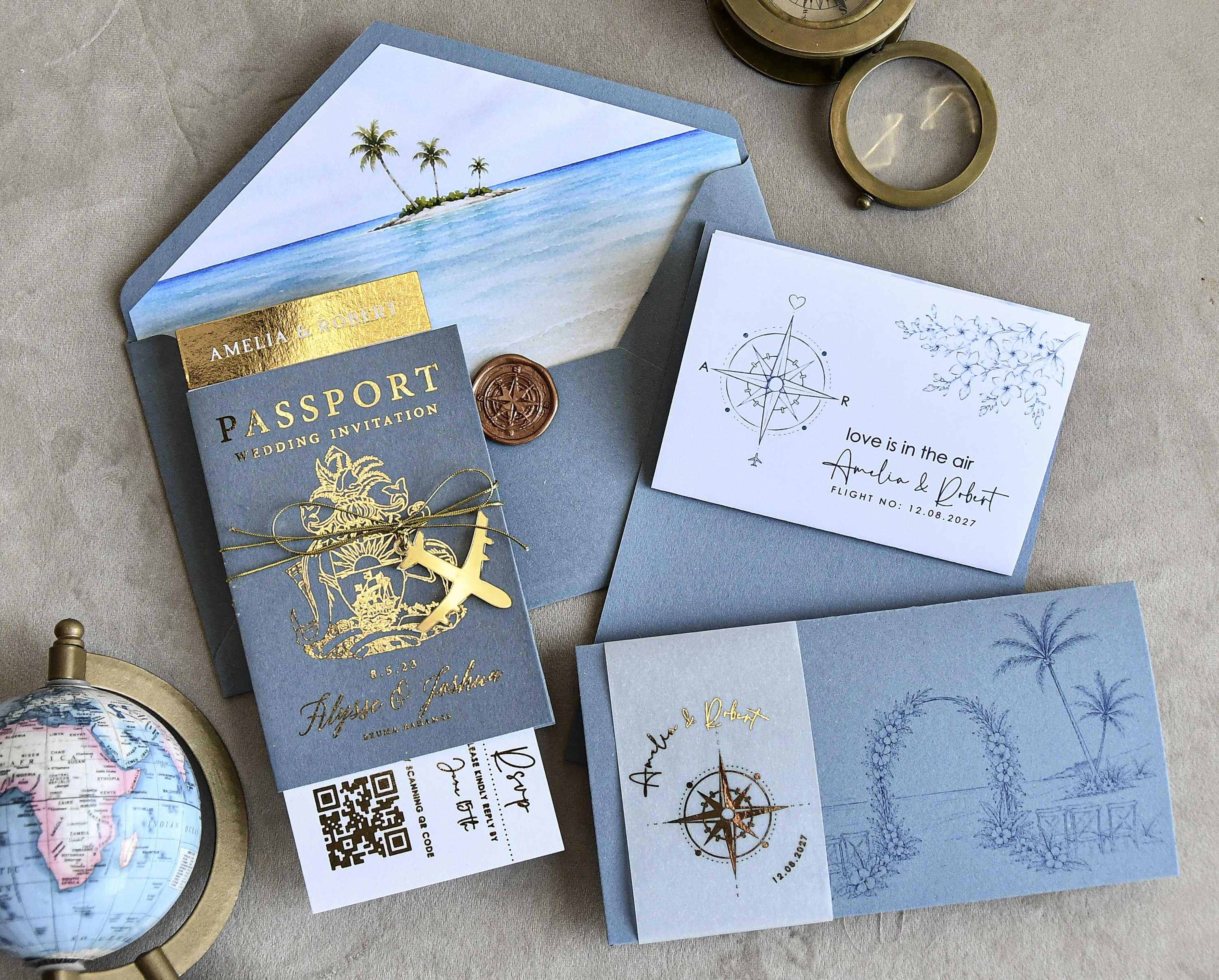
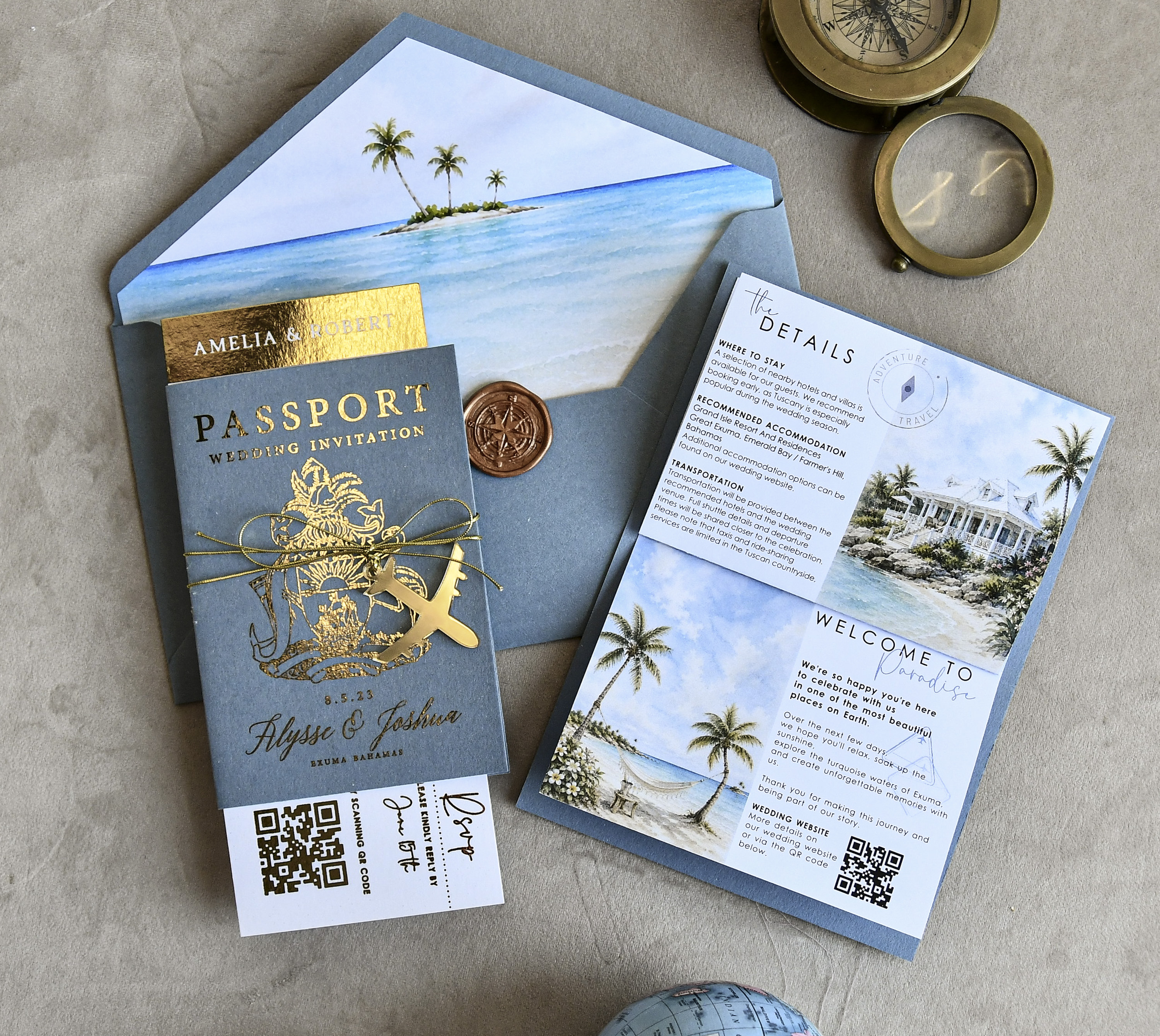
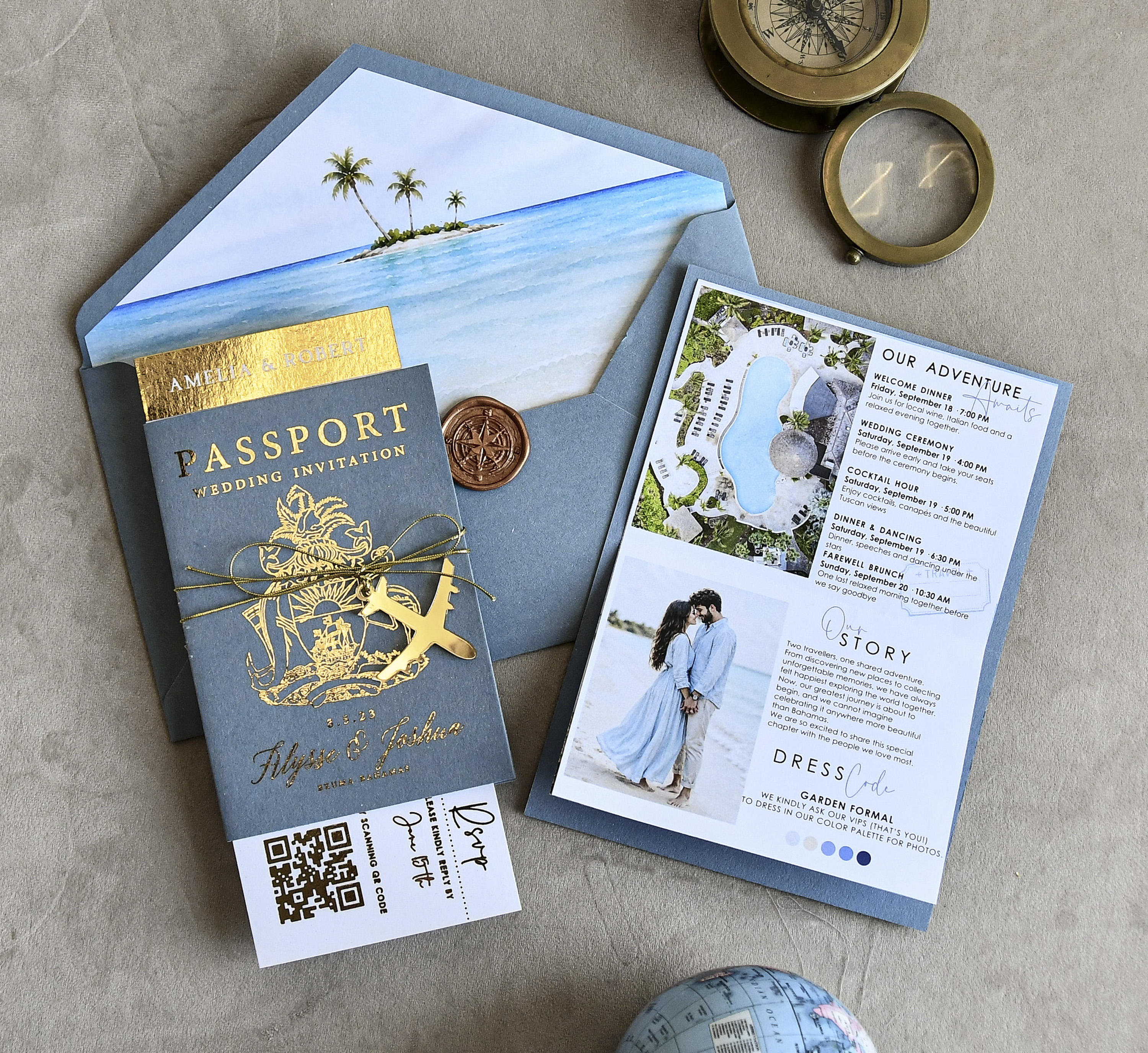
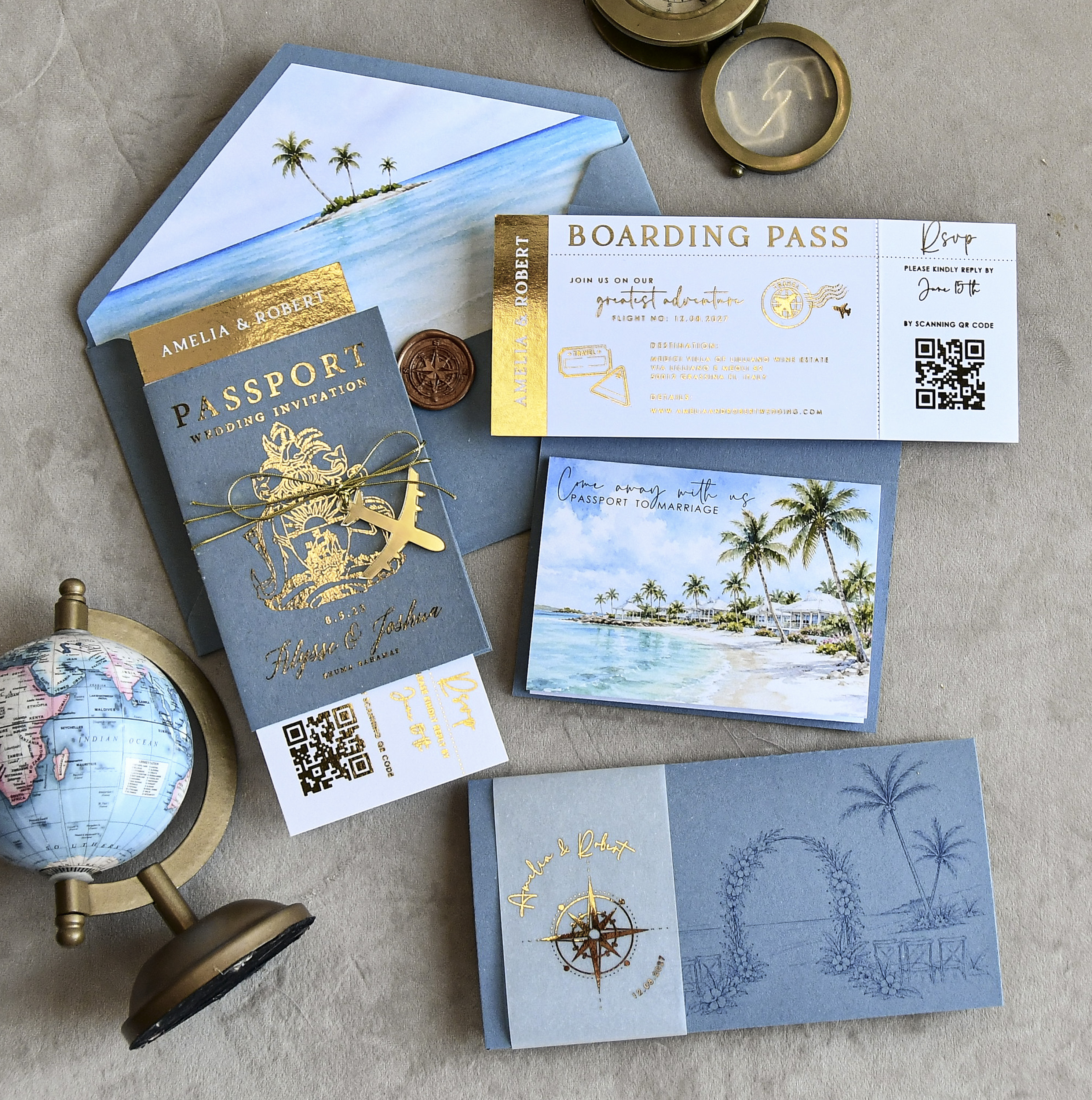
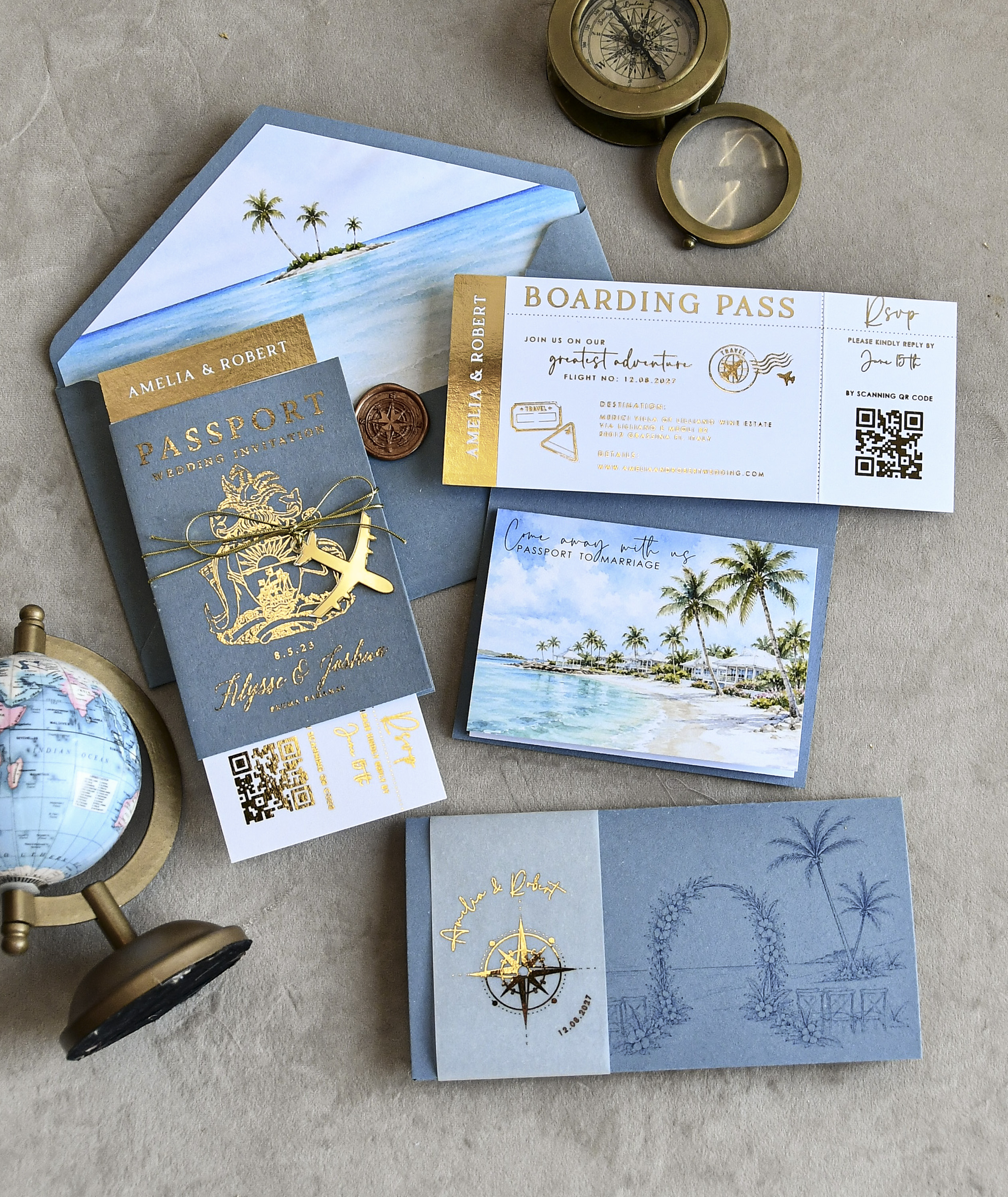
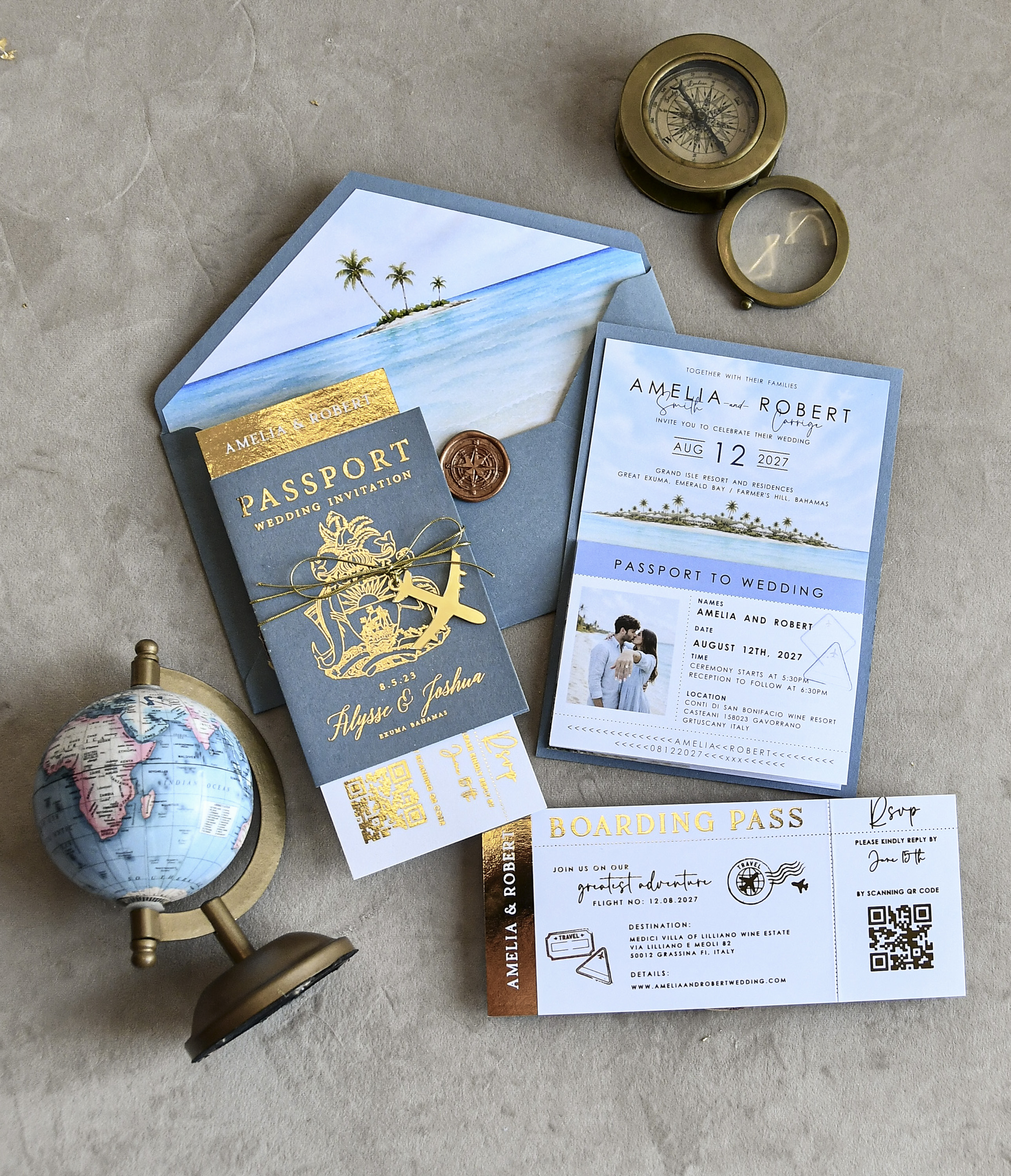
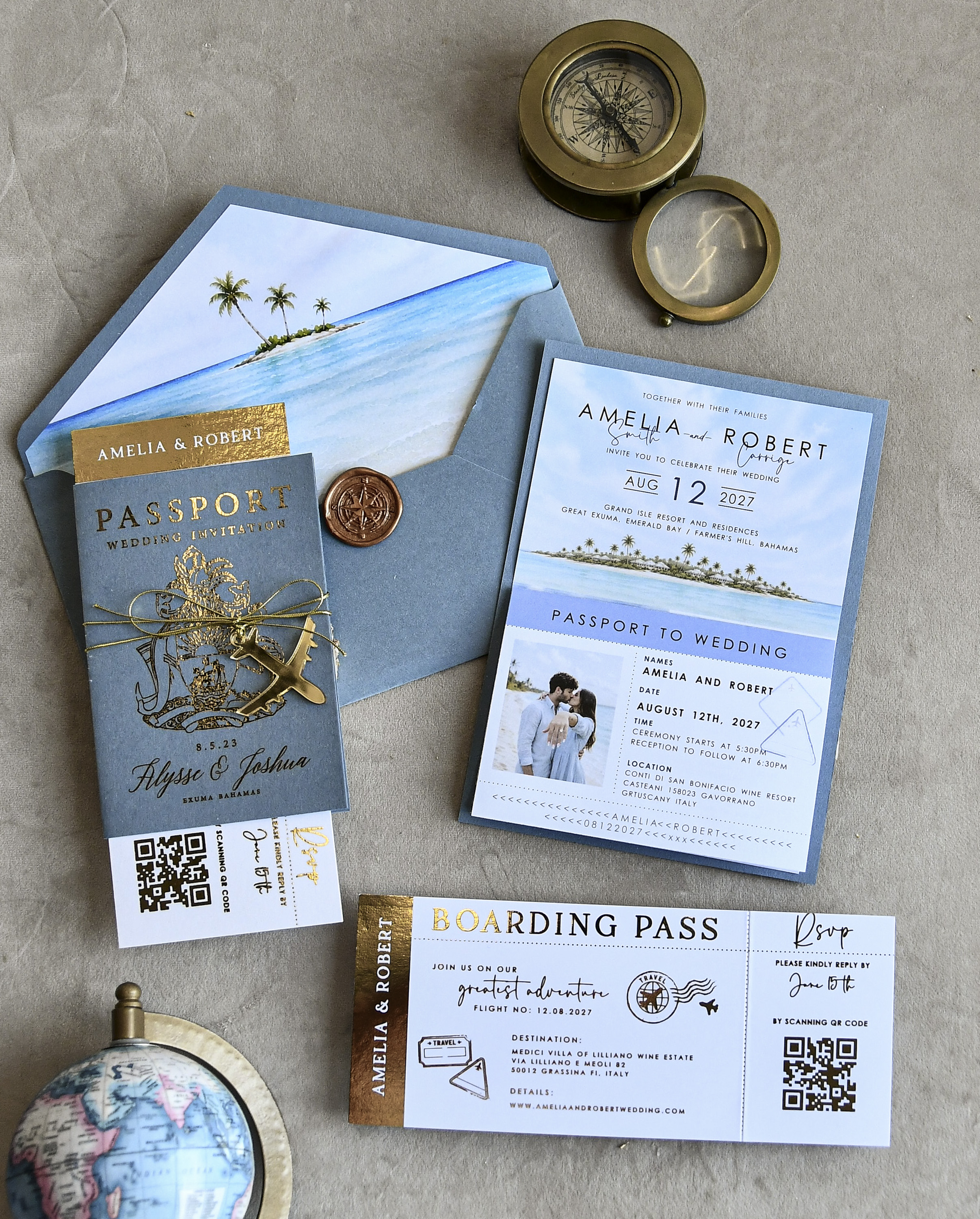
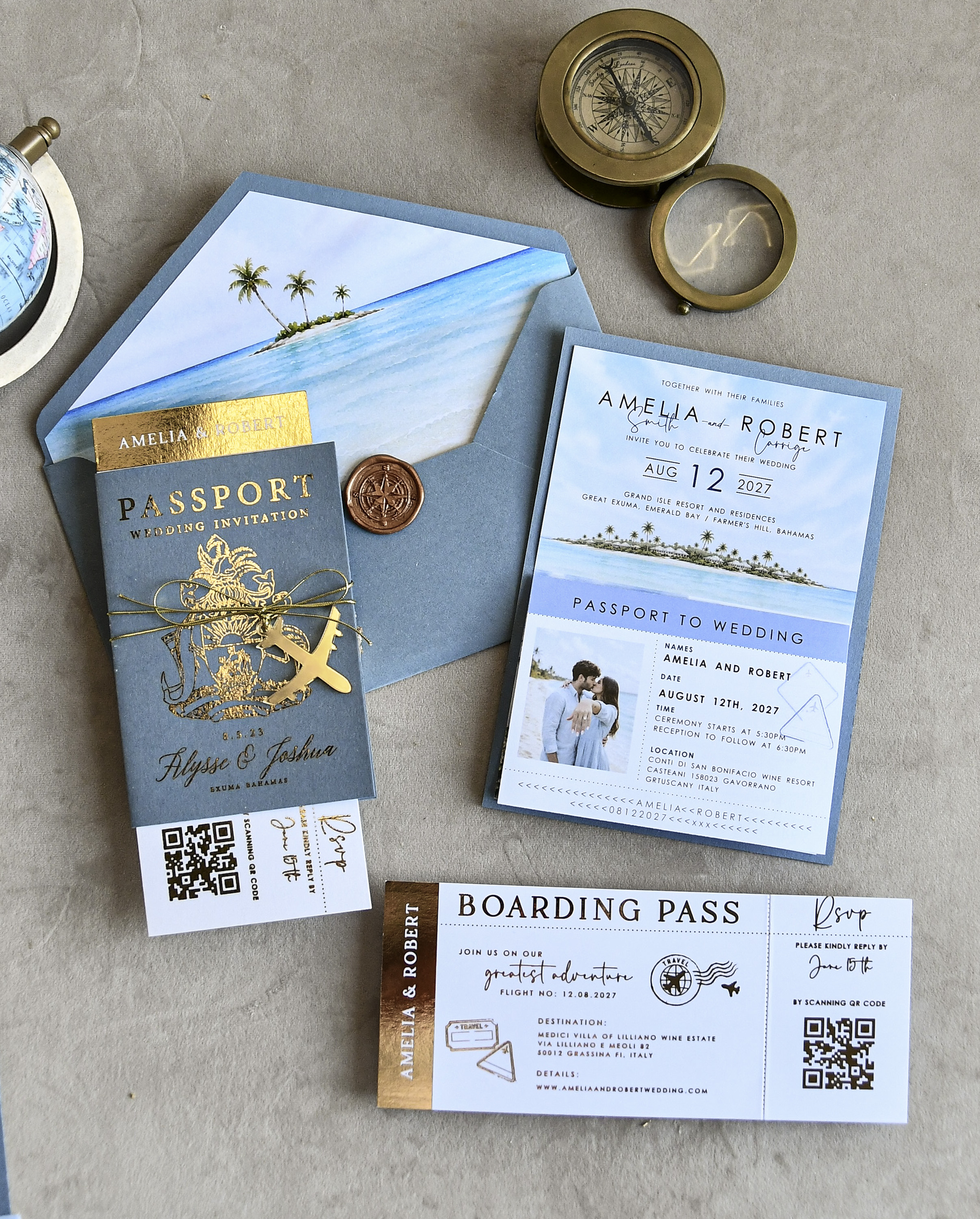
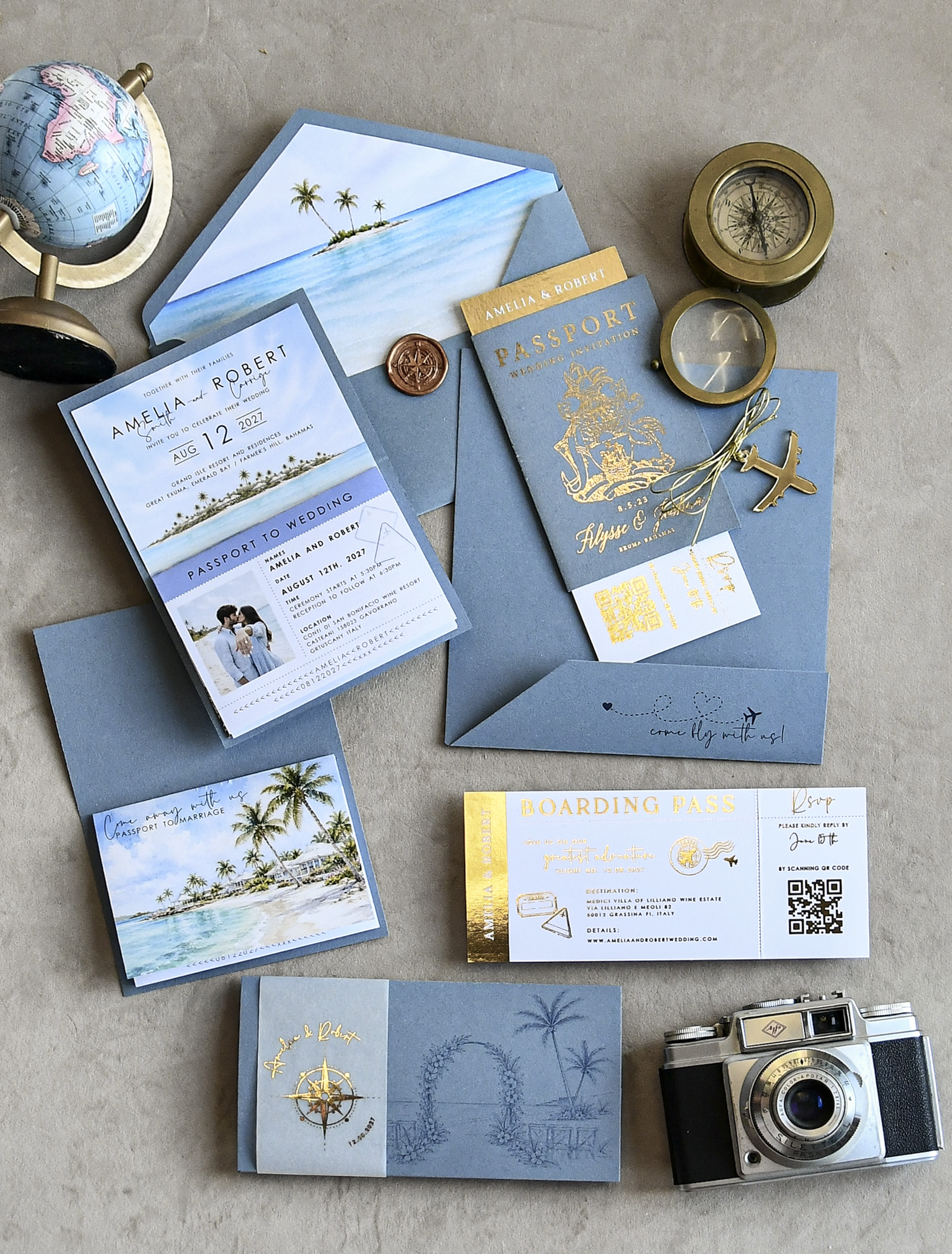
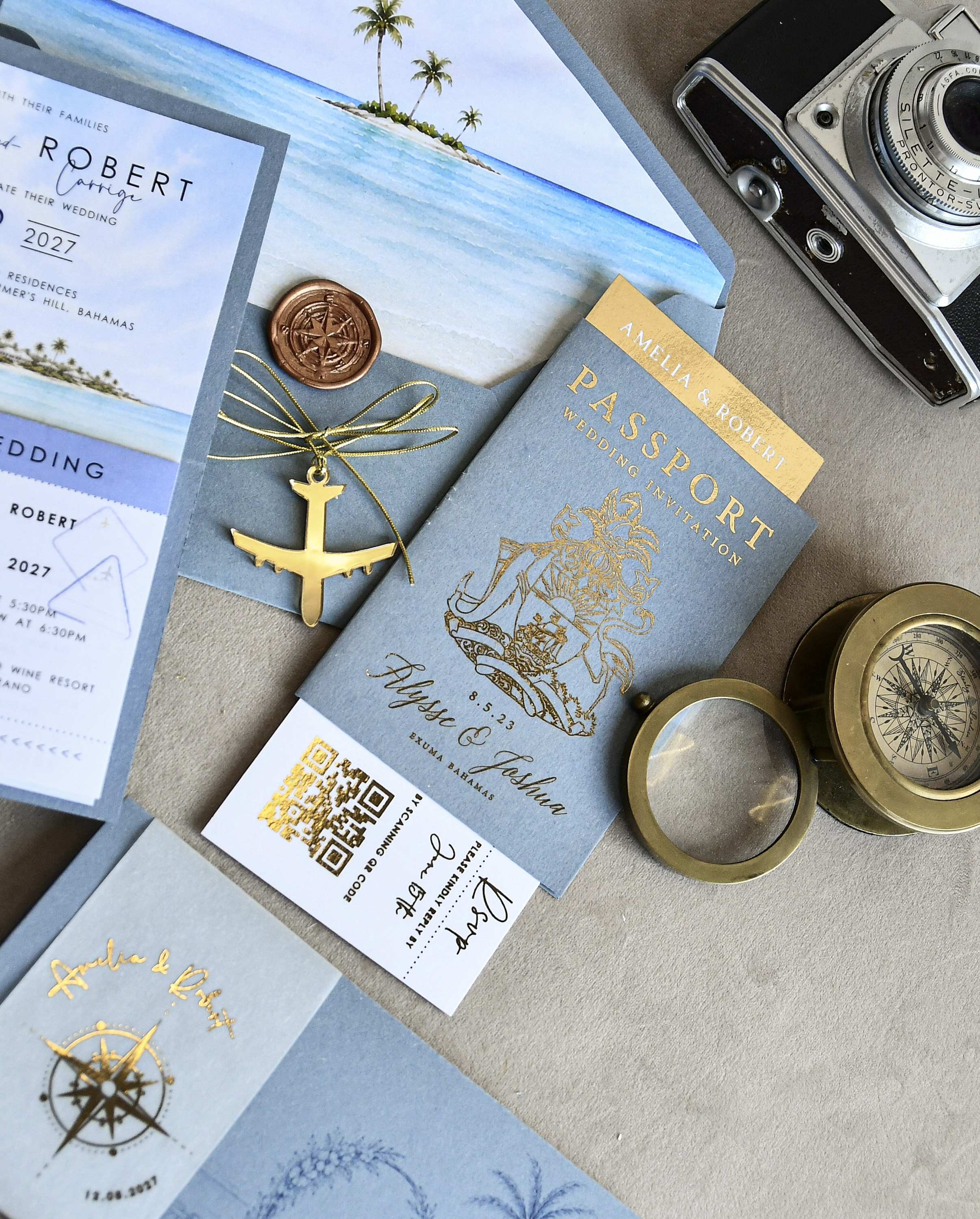
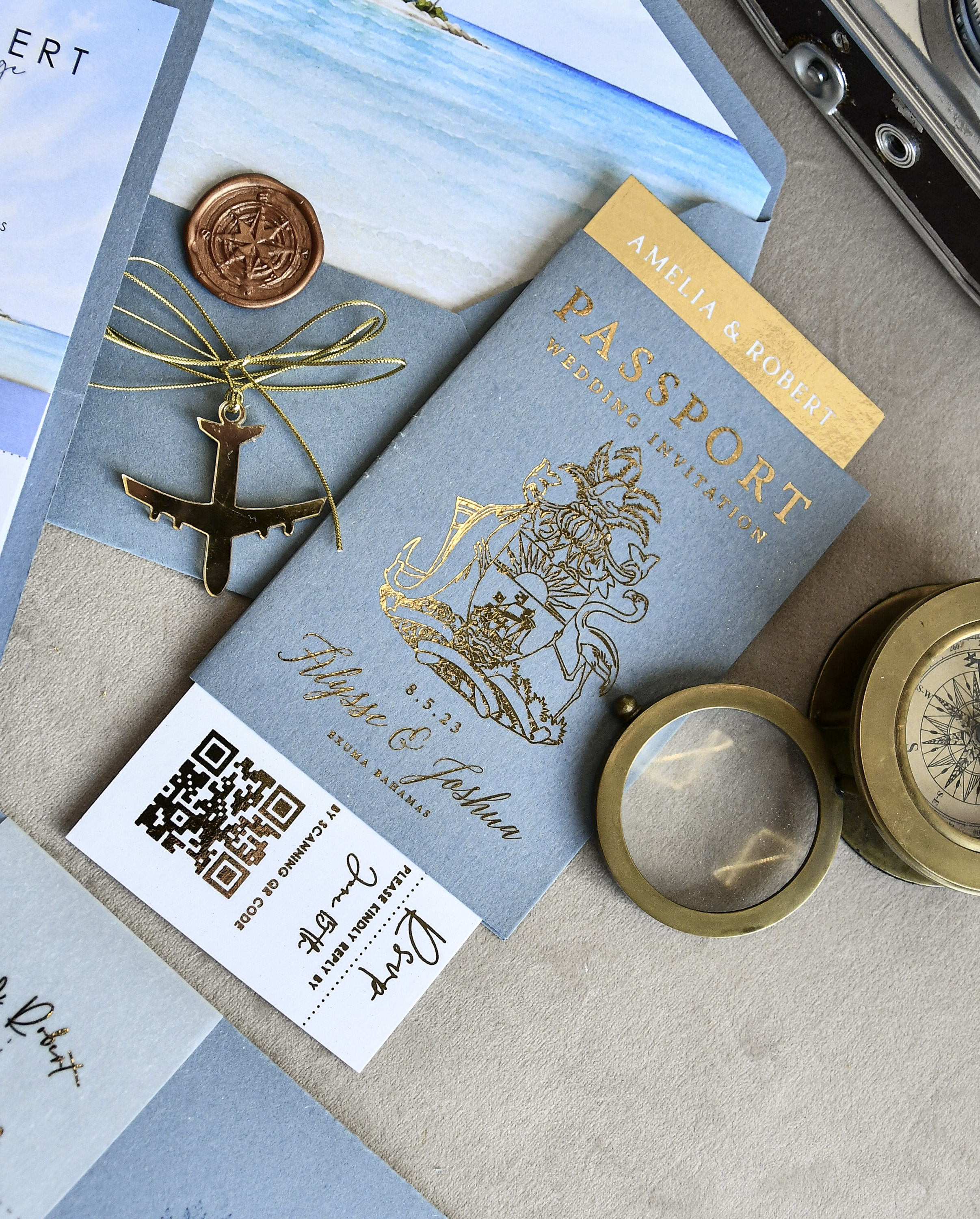
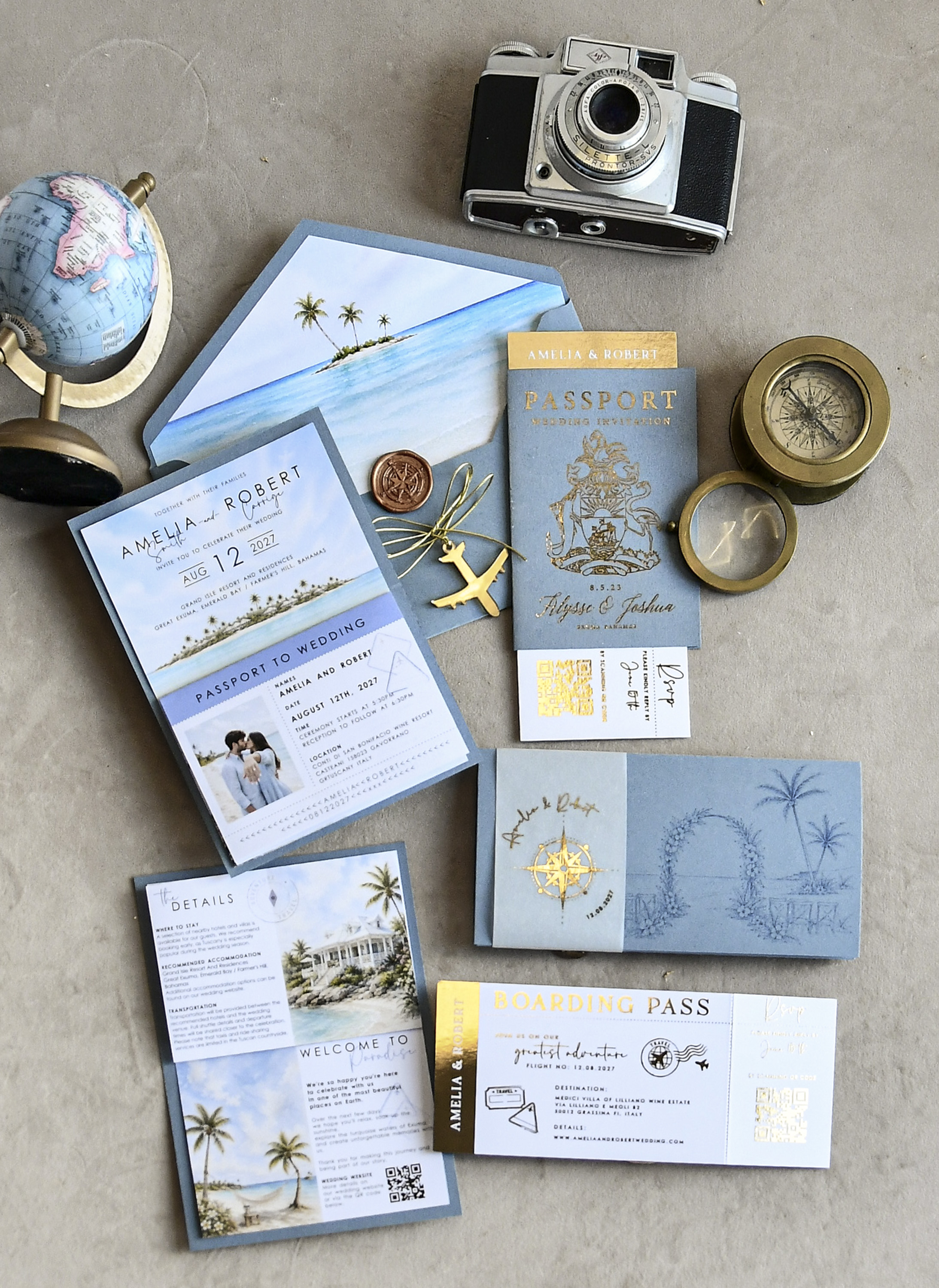
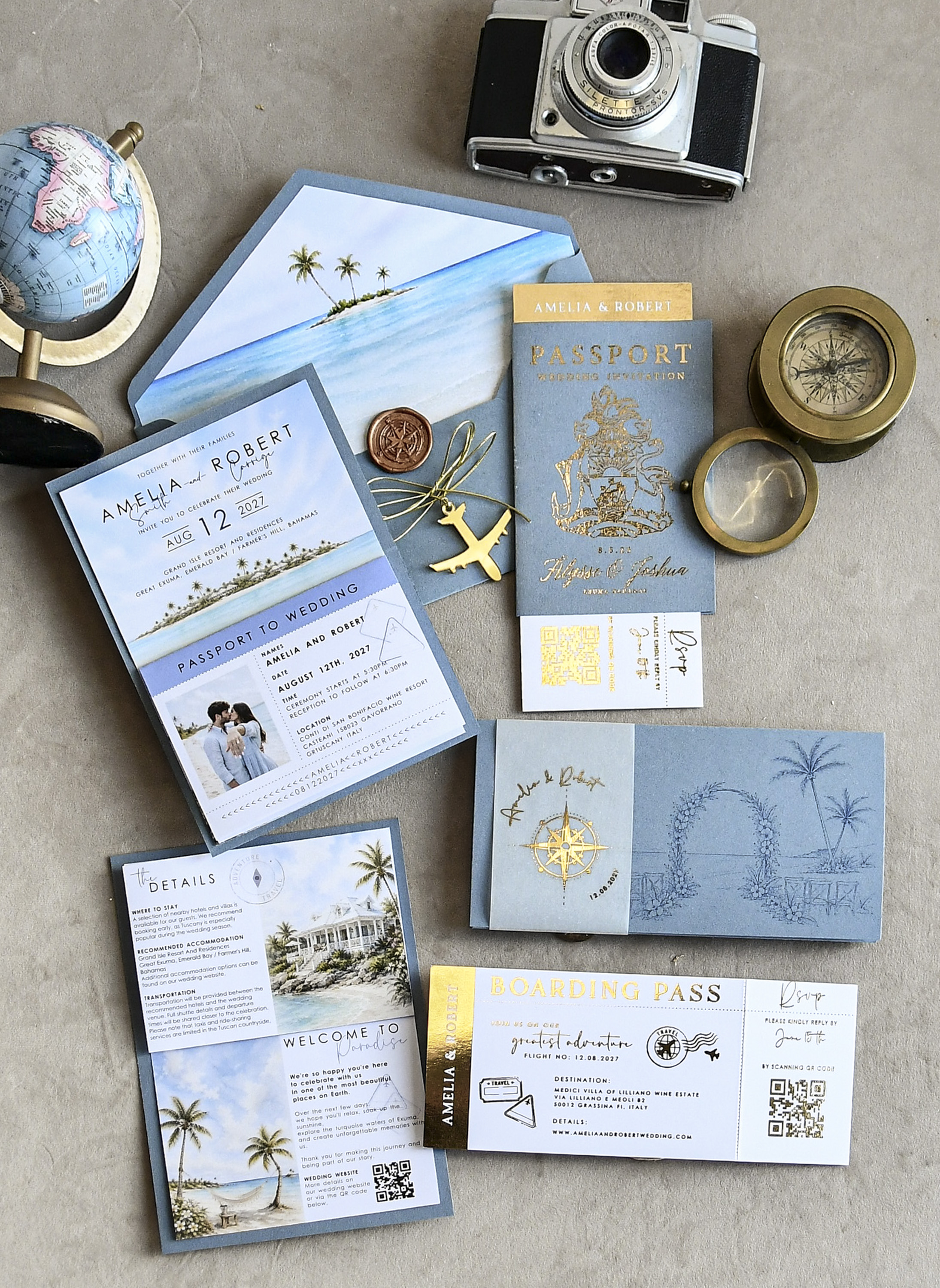
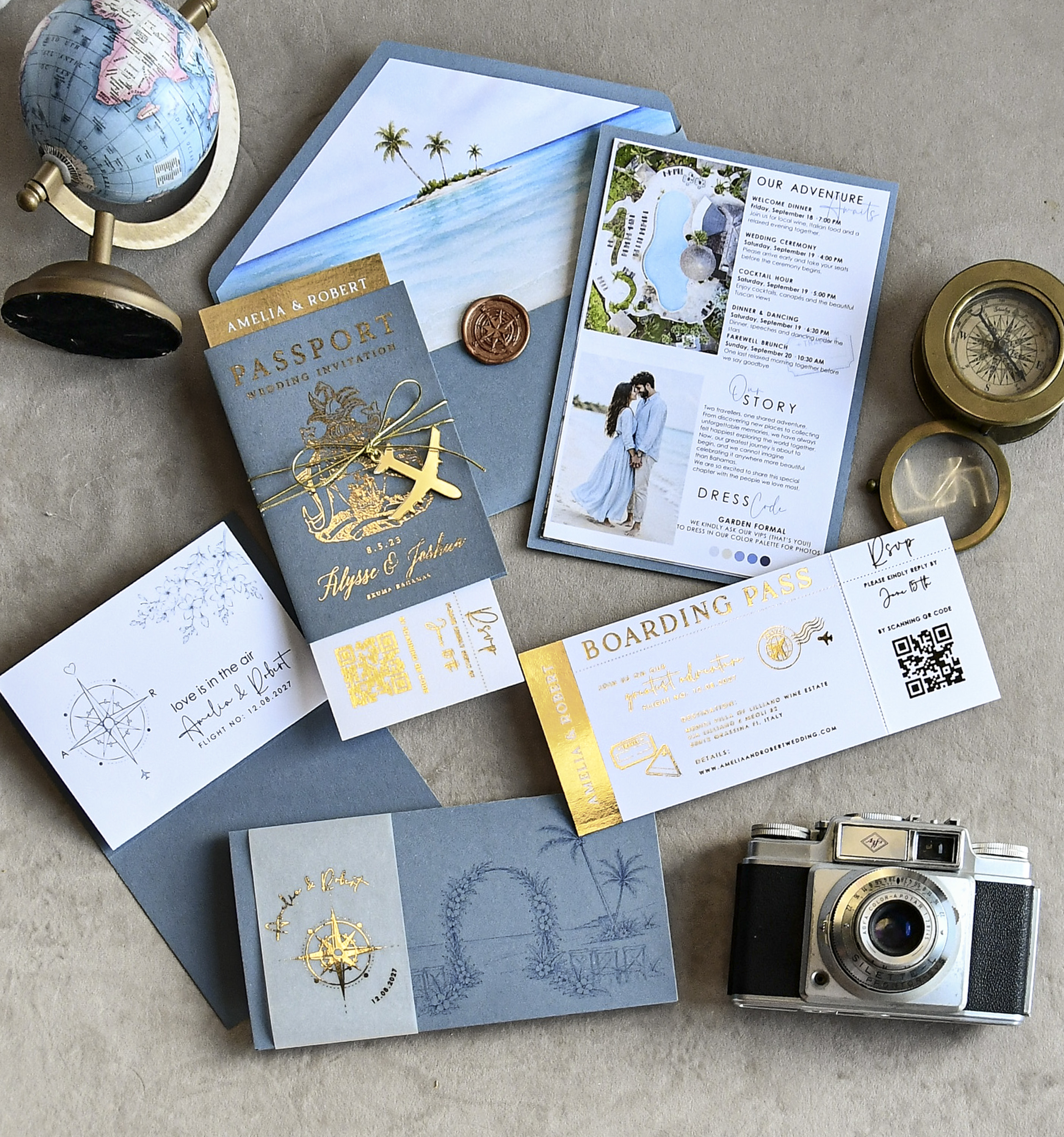
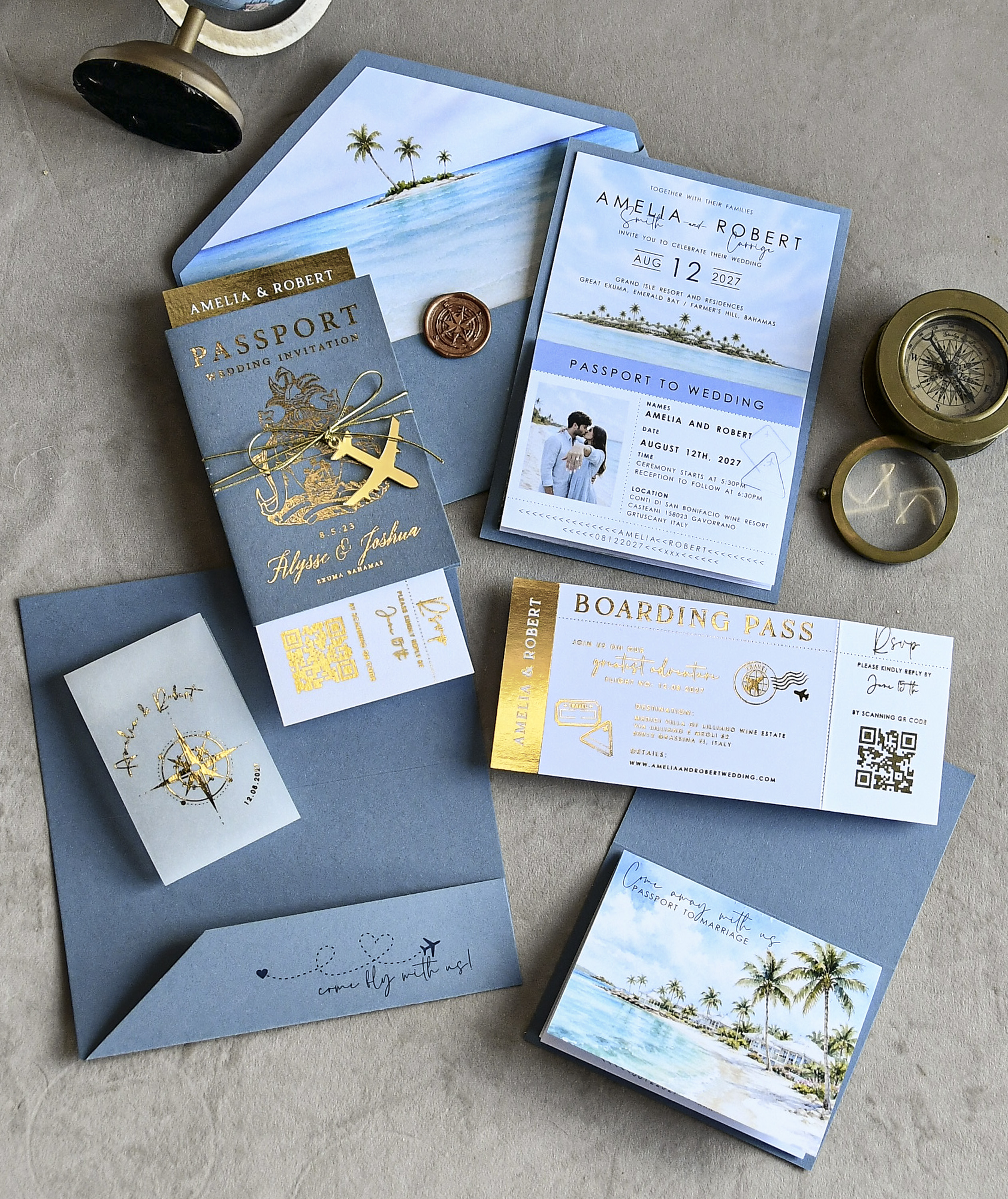
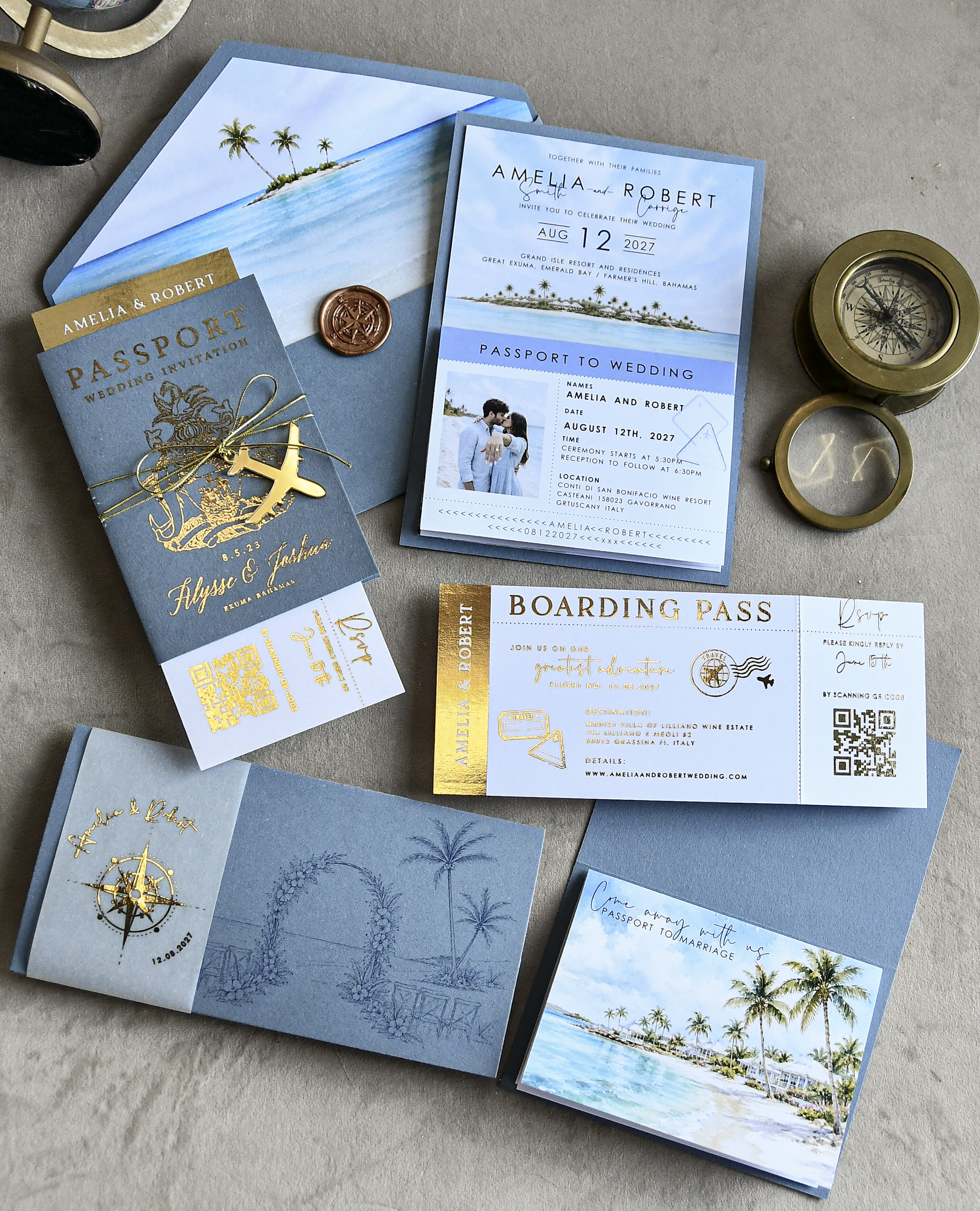
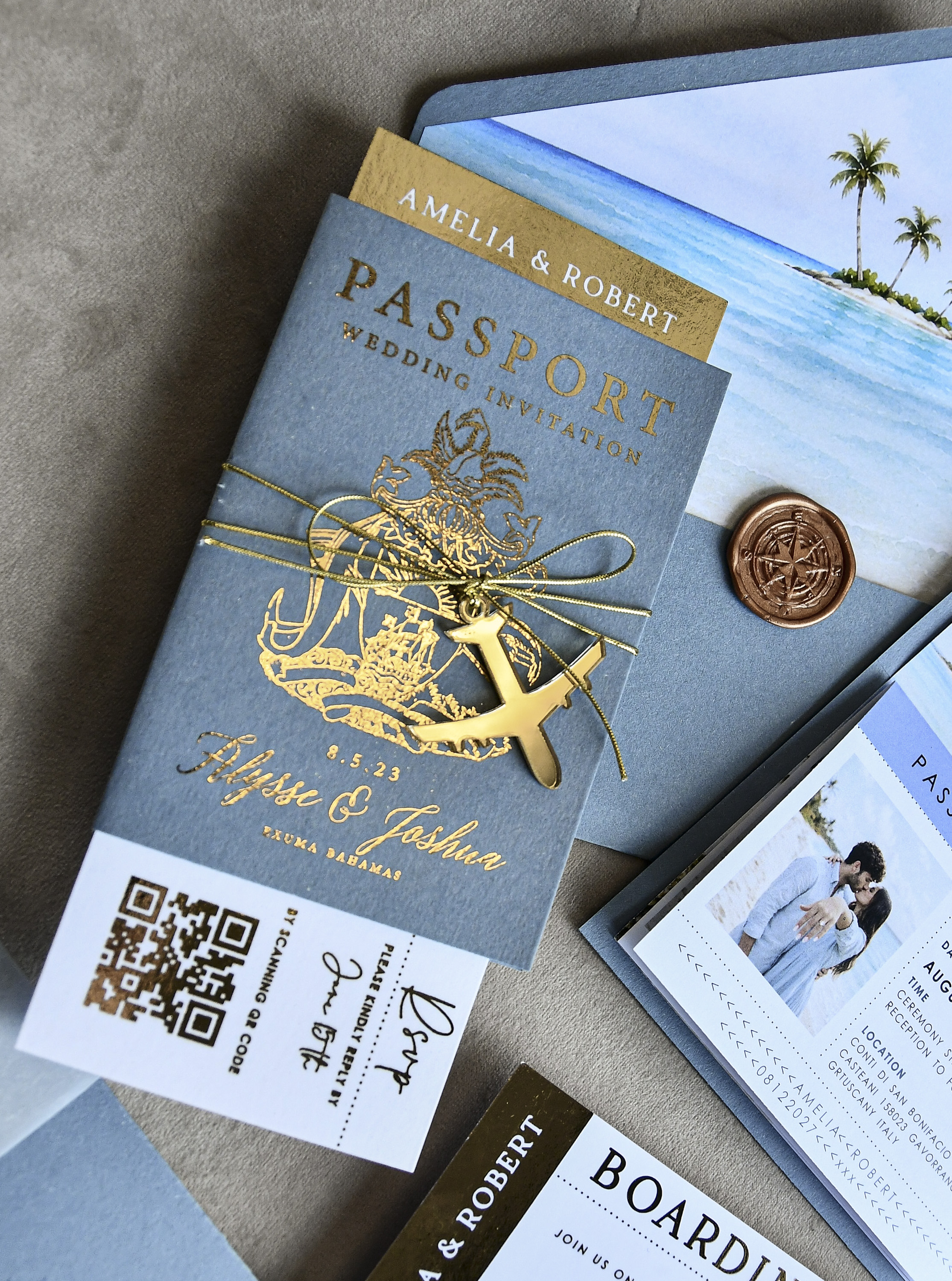
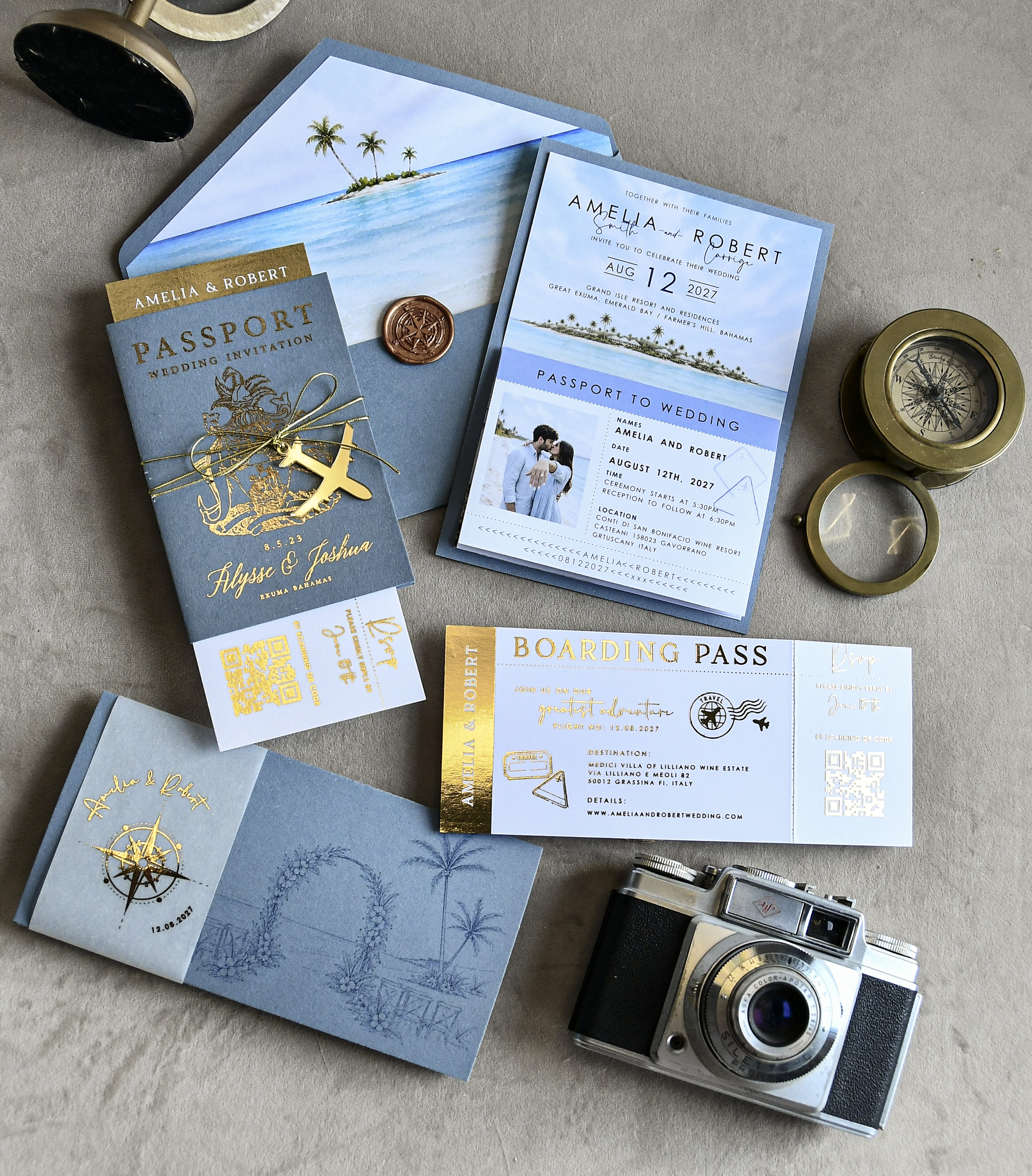
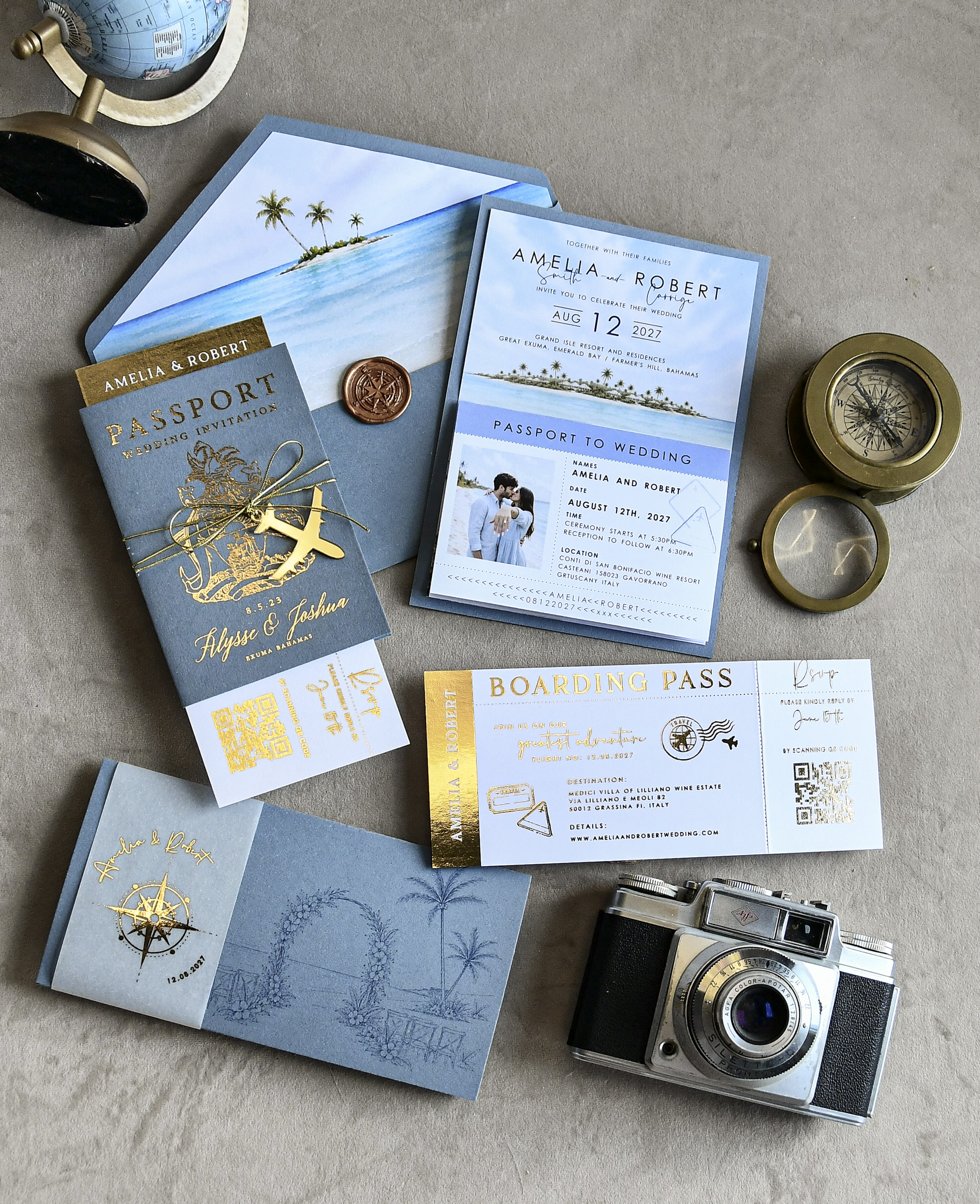
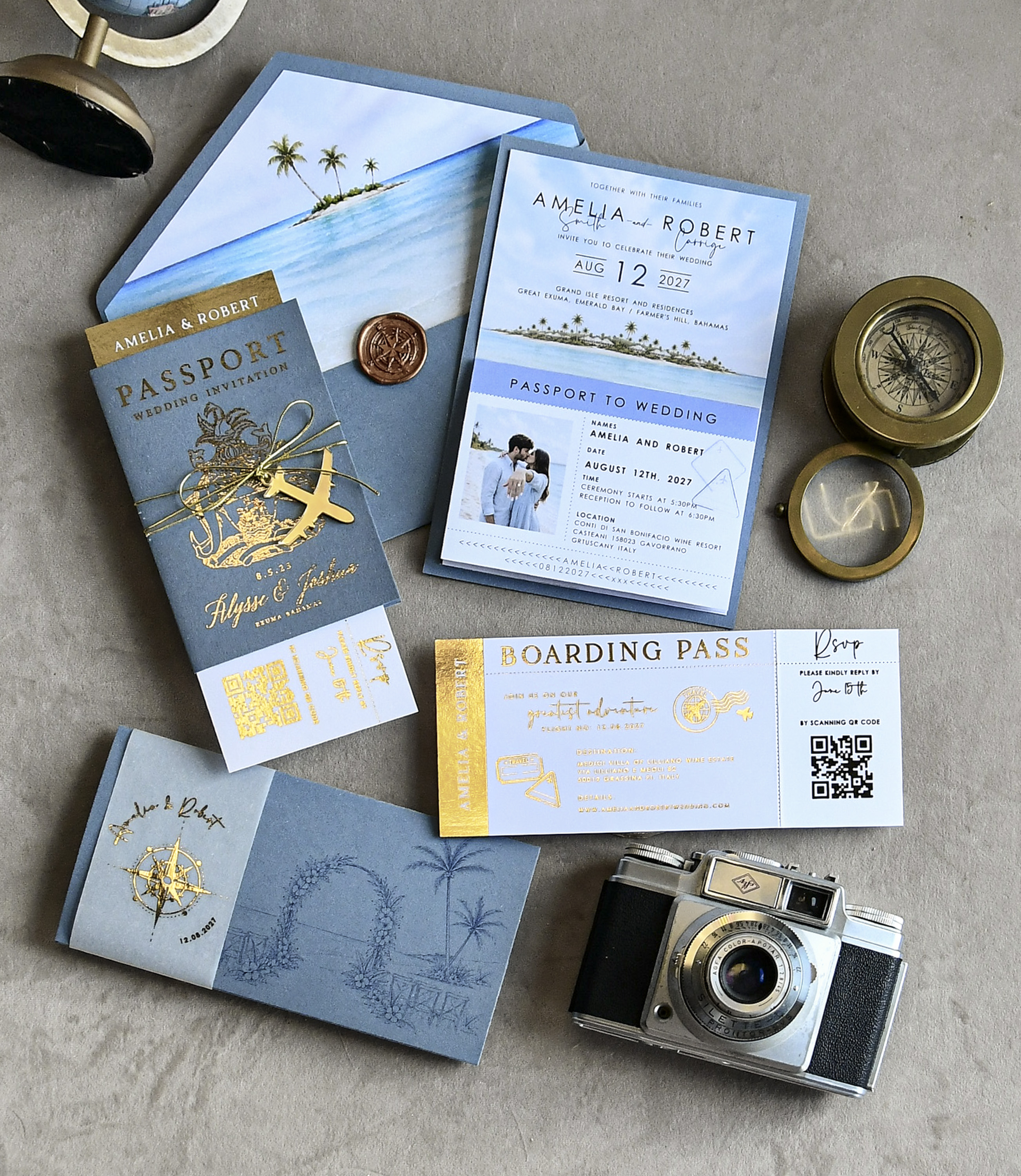
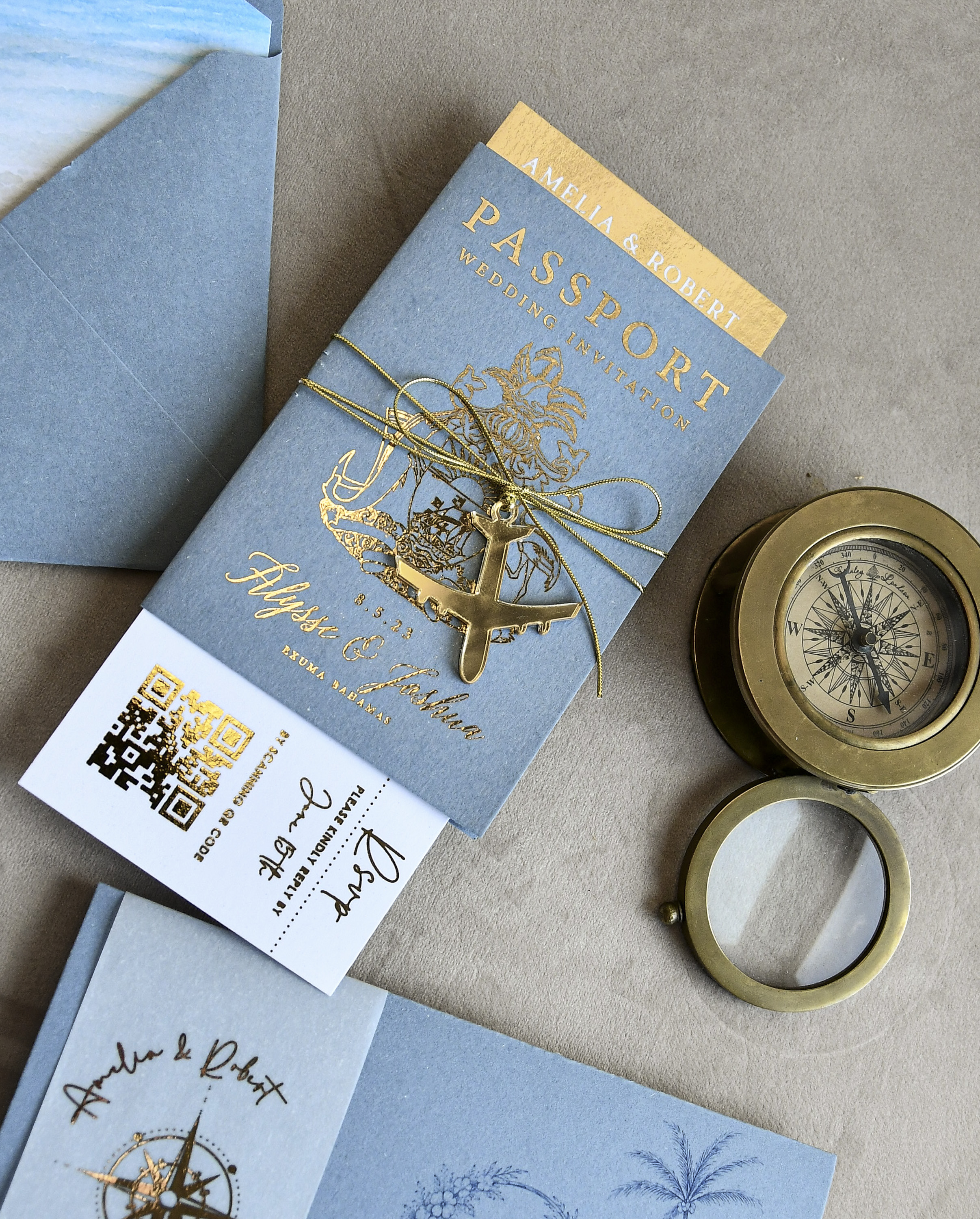
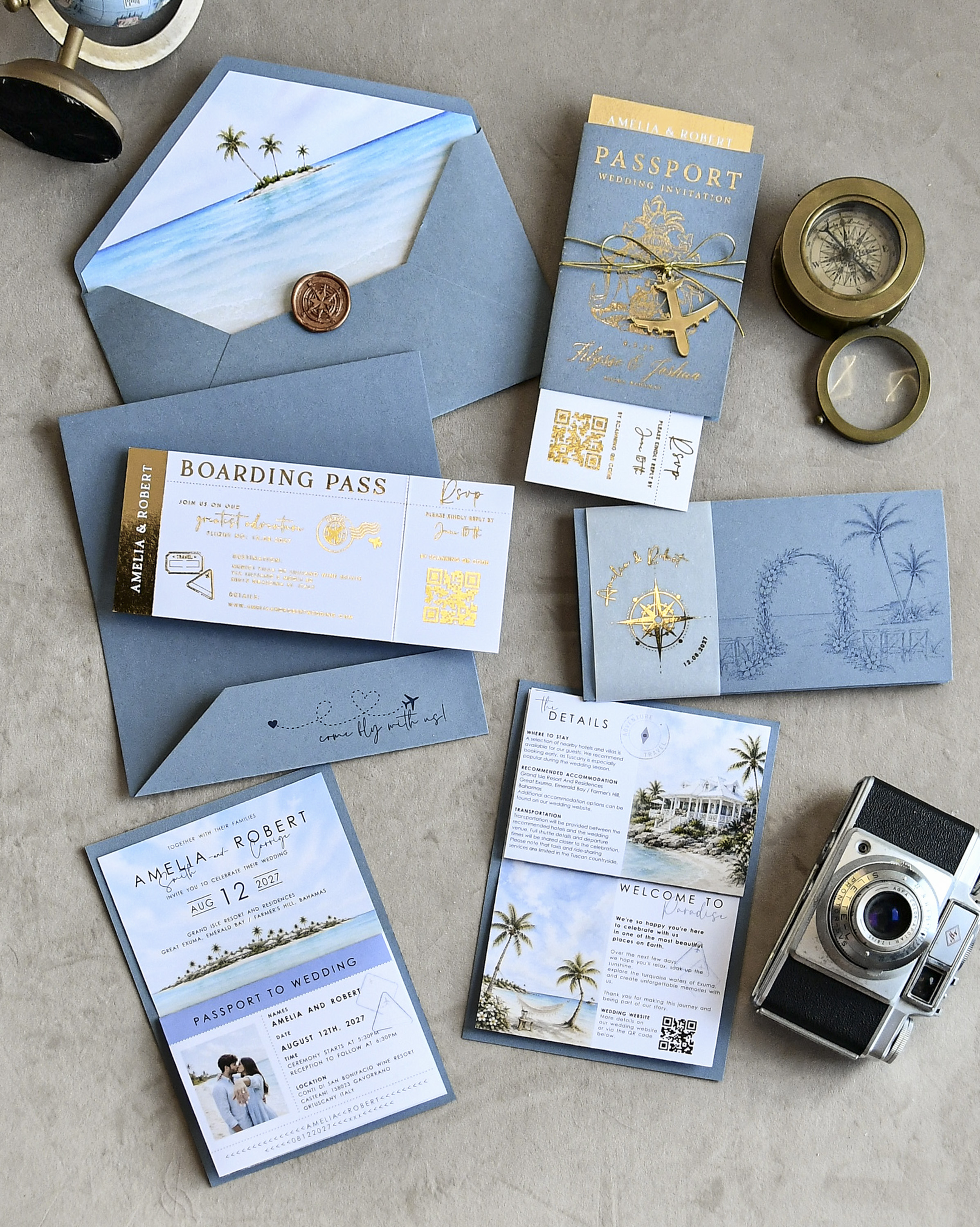
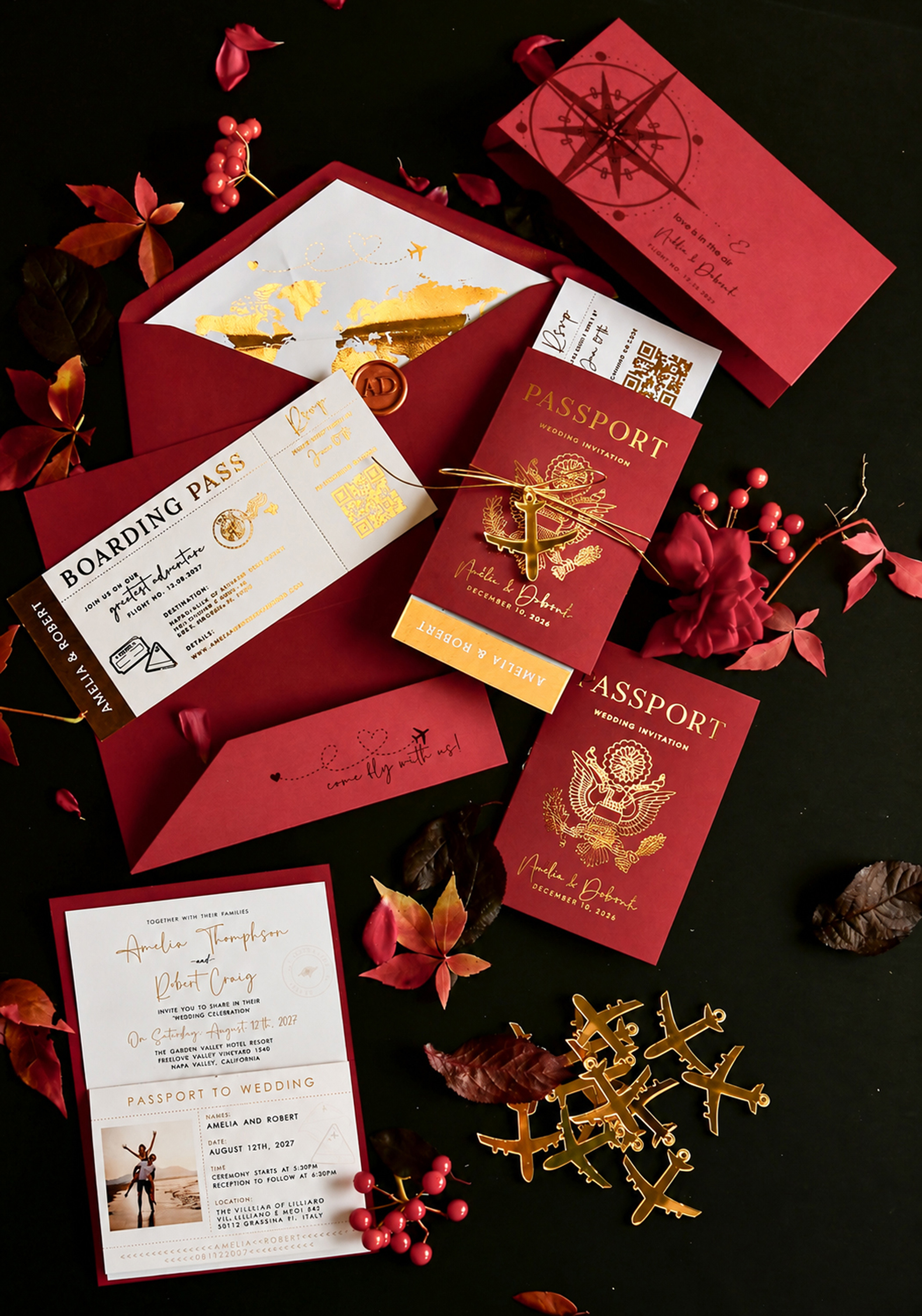
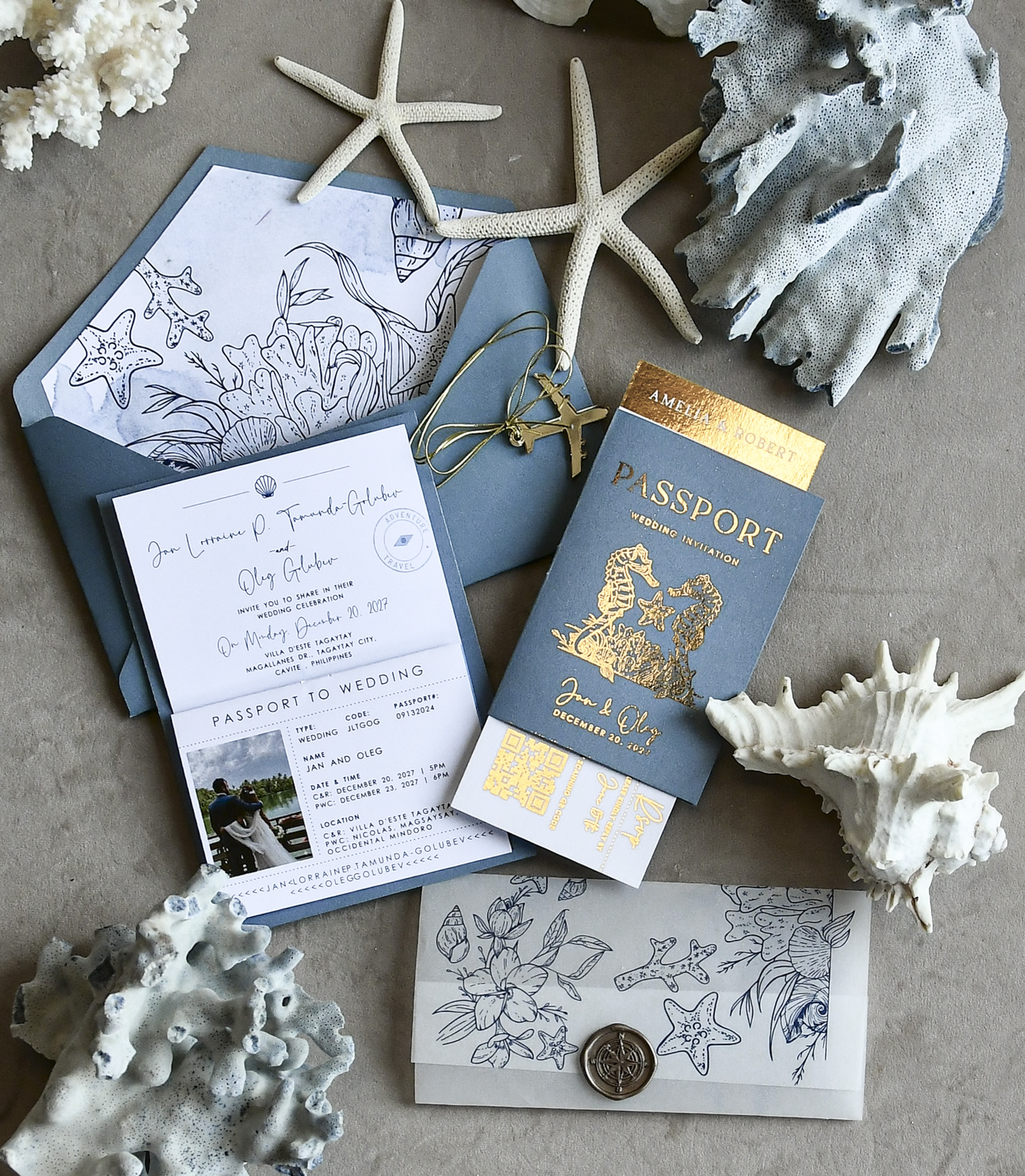
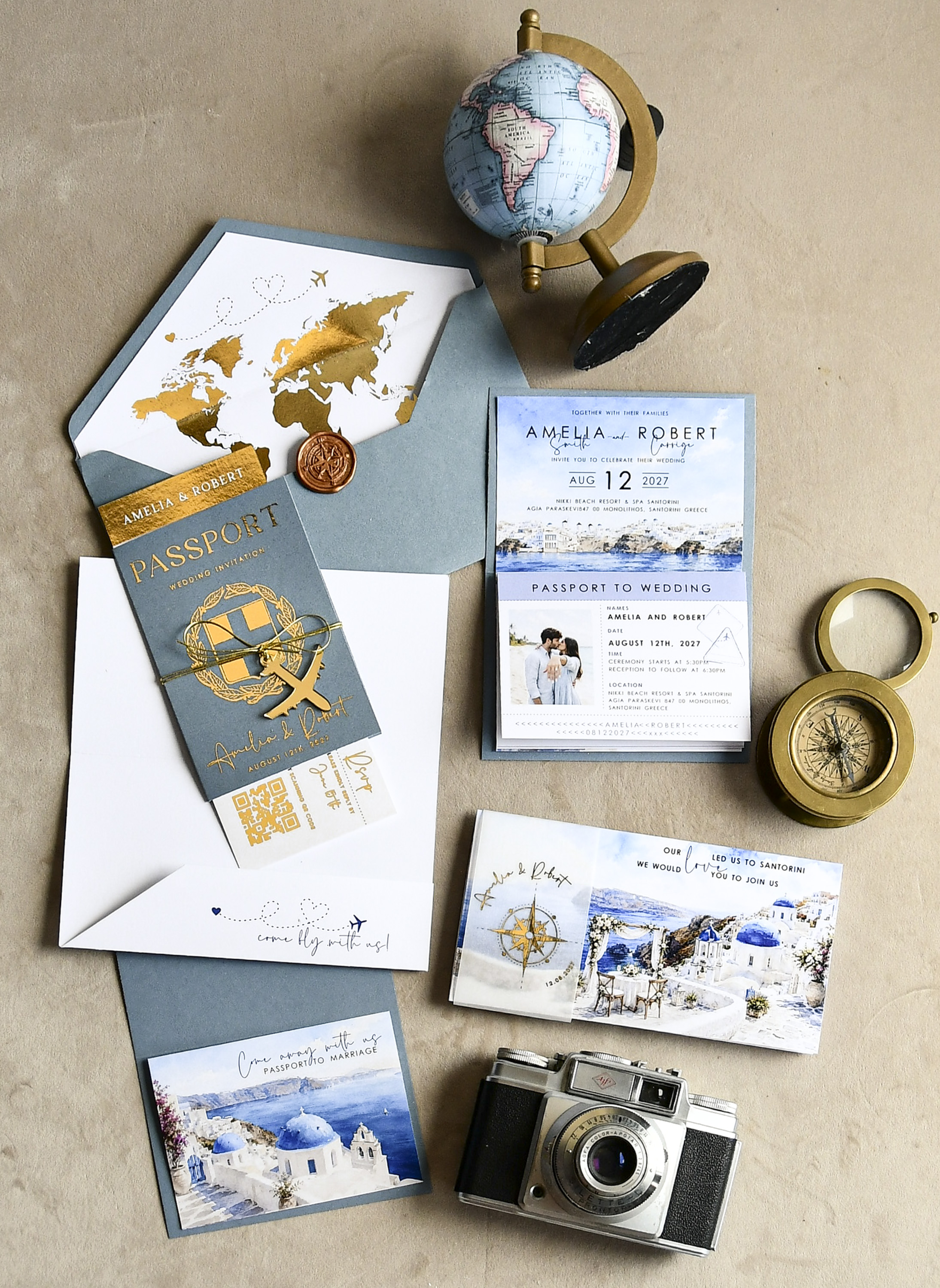
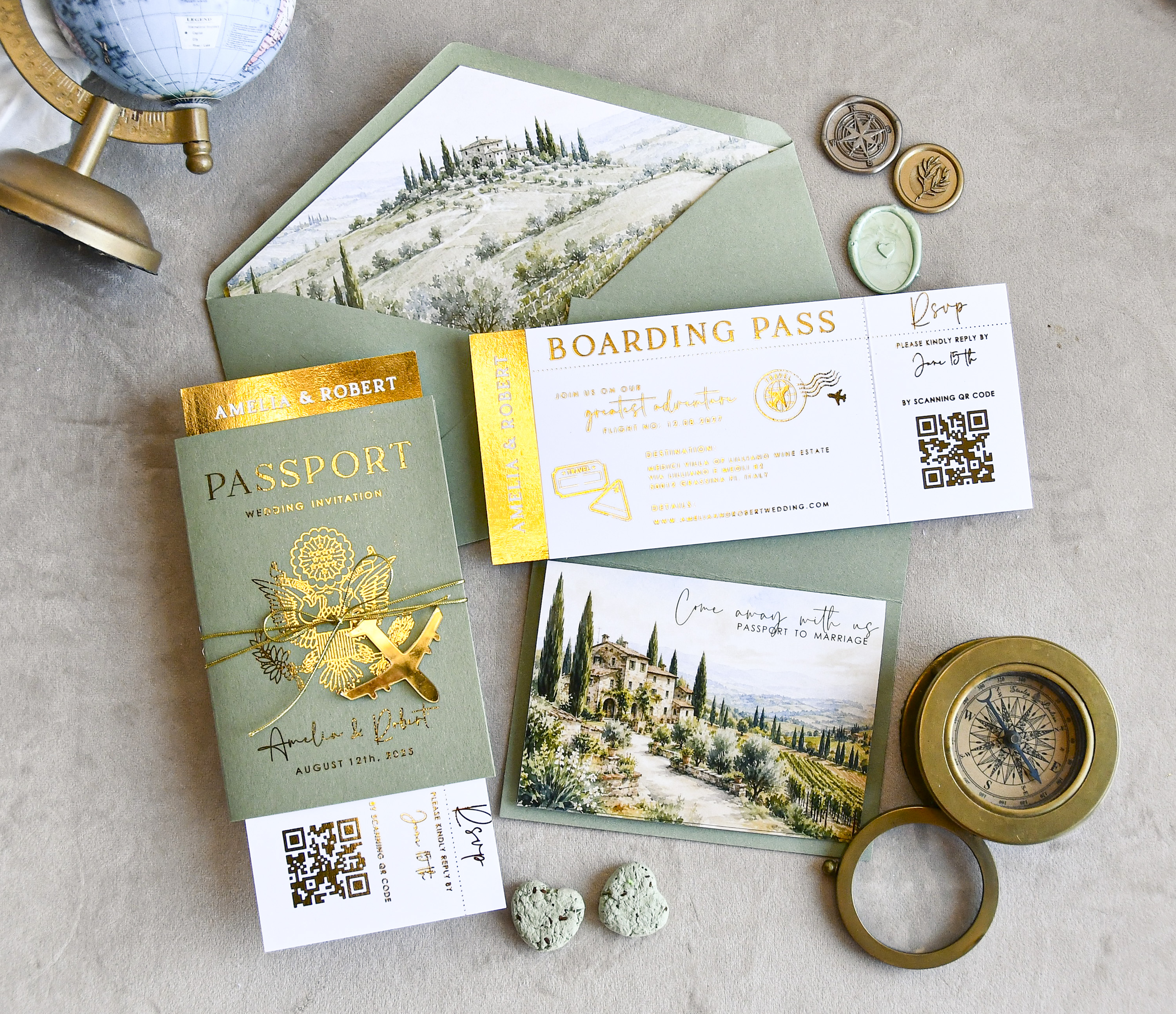
When you're designing your seating chart and stationery suite — like a destination-inspired set from our passport-to-love beach wedding invites collection — it's worth thinking about table names or numbers early so you can communicate the layout clearly to your venue coordinator.
Handling Step-Parents and New Partners
Step-parents deserve a clear place in your plan. Leaving their role ambiguous can create hurt feelings before the wedding even starts. Here's a simple framework:
- If a step-parent helped raise you, treat them as a parental figure in seating and in the ceremony program.
- If a step-parent is newer or the relationship is complicated, seat them as an honored guest with your parent — close to the front, but without a formal parental role in the ceremony itself.
- Communicate your decisions directly to each parent before the wedding day. Surprises during the seating process almost always backfire.
You don't have to justify every choice in detail. A simple "Here's what we've planned and why" conversation is usually enough to get everyone on the same page.
Assign a Point Person for the Day
Even the best-laid seating plans can unravel if no one is managing logistics on the day itself. Designate a trusted person — a sibling, a close friend, your wedding coordinator — who knows the full family situation and can quietly guide people to their seats, redirect awkward moments, and handle any last-minute reshuffling. Give them a copy of the seating chart and a heads-up about any sensitive dynamics. This one step alone can save you enormous stress on your wedding day.
Frequently Asked Questions
Financial contribution doesn't dictate seating — emotional relationships do. Seating decisions should reflect your bond with each parent, not who wrote the bigger check. If there's tension around this, a private conversation before the wedding day is far better than letting it surface at the venue.
In extreme cases, some couples stagger arrival times so parents don't cross paths at the ceremony entrance, or work with the venue to use separate entrances. It's rare, but it happens — and it's okay to accommodate it if it keeps the day peaceful.
Yes, if they play a meaningful role in your life or in the ceremony. List them clearly — something like "Parents of the Bride: [Mom's name] and [Stepdad's name], [Dad's name] and [Stepmom's name]" — so guests understand the family structure without confusion.
Schedule family photos in separate groupings rather than one big combined shot — this is standard practice and your photographer will expect it. Take photos with each parent's family unit individually, then any blended shots only if everyone is genuinely comfortable.
Not necessarily. If they're genuinely at ease with each other, seating them in the same row or at nearby tables is completely fine. Trust your read on the relationship, and if in doubt, ask them both directly — most parents will tell you honestly what they prefer.
Aim to finalize your seating chart one to two weeks before the wedding, after all RSVPs are in. Share the plan with your venue coordinator and your designated point person at least a week out so there's time to adjust if needed.
See This Design Up Close
You May Also Like
More Wedding Planning Guides
- → Kids at Your Wedding: Should You Hire a Babysitter or Full Entertainment?
- → The Right Time to Chase Down Missing RSVPs (And How to Do It Gracefully)
- → The Graceful Way to Let Guests Know Your Wedding Is Adults Only
- → Wedding Guest List Dilemma: Should Your Boss and Coworkers Make the Cut?
- → When Guests RSVP Yes But Never Arrive: What to Do Before, During, and After
- → Planning Your Wedding When Your Divorced Parents Can't Stand Each Other
- → Navigating Wedding Invitations When a Sibling Relationship Is Complicated
- → Your Guest List, Your Rules: Navigating In-Law Friend Invites
- → Big Guest List vs. Better Wedding Experience: Which Should You Prioritize?
- → Save the Date Cards vs. Wedding Invitations: Know the Difference Before You Order
- → Extra Wedding Guests: Who Picks Up the Tab?
- → No RSVP? Here's Exactly How to Handle It
- → What to Say When Someone Asks Why They Didn't Make the Guest List
- → Plus-Ones for Single Guests: Making the Right Call for Your Wedding
- → How to Kindly Let Someone Know They Didn't Make the Guest List
- → My Fiancé Wants to Exclude My Family From the Wedding: Now What?
- → Should You Give Teenage Guests a Plus One at Your Wedding?
- → Adults-Only or Family-Friendly? How to Make the Right Call on Kids at Your Wedding
- → When Guests Bring Unexpected Plus-Ones: What to Do Before and After the Wedding
- → How Late Is Too Late for Wedding Invitations? A Realistic Timeline
- → Aunt Has a New Husband: Here's How to Handle the Invitation
- → The RSVP No-Show: Should You Actually Call Guests Who Never Responded?
- → Wedding Invitations: Mail Them or Hand Deliver? Here's How to Decide
- → What to Do When a Relative Says They Won't Come If Someone Else Is Invited
- → Extra Names on Your RSVP Card: What to Do When Guests Add Themselves
- → Your Guest List, Your Call: How to Handle Mom's Must-Invite Requests
- → Yes, You Can Say No to a Plus One — Here's How to Do It Right
- → Adults-Only Weddings: Are You Being Rude by Leaving Kids Off the Guest List?
- → Uninvited Plus-Ones and Tag-Alongs: How to Keep Your Guest List Intact
- → When Family Feuds Threaten Your Wedding Plans: A Practical Peacekeeper's Guide
- → Inviting an Estranged Brother or Sister: Finding Clarity Before You Seal the Envelope
- → Cousins, Invites, and Hard Choices: A Practical Guest List Guide