
Adults-Only Weddings: Are You Being Rude by Leaving Kids Off the Guest List?

One of the most common worries engaged couples face is this: if we don't invite children, will we offend our guests? The short answer is no — a child-free wedding is not rude. It is a completely accepted and widely practiced choice in the United States. What matters is how you communicate it. Handle the announcement with clarity and kindness, and most guests will respect your decision without a second thought.
Why Couples Choose Adults-Only Weddings
There are plenty of legitimate reasons to keep your celebration adult-only, and none of them require an apology. Budget is the most practical: every child added to a guest list means another catered seat, another favor, and potentially a higher venue headcount. Venue capacity is another real constraint — a boutique ballroom or an intimate beach setting simply may not accommodate extra guests of any age.
Beyond logistics, many couples envision a relaxed, elegant atmosphere — flowing cocktails, late-night dancing, and toasts that run long — experiences that work better without little ones in the mix. All of these are valid reasons, and etiquette experts consistently agree that limiting your guest list by age is a host's prerogative, not a personal slight.
How to Communicate a Child-Free Wedding Without Causing Offense
The key to avoiding hurt feelings is clear, early, and consistent communication. Here is a simple framework:
- Address invitations correctly: Write out only the adults' names on the envelope — "Mr. and Mrs. James Carter" rather than "The Carter Family." This is the most traditional and universally understood signal that children are not included.
- Add a line on your details card: A gentle note such as "We have reserved your seats for an adults-only celebration" leaves no room for confusion.
- Spread the word early: Let close family members and friends with young children know verbally — before invitations even go out — so they have plenty of time to arrange childcare.
- Stay consistent: If you make an exception for one child (say, a nursing infant or a flower girl), be prepared to explain your reasoning to others who ask. Inconsistency is where resentment tends to grow.
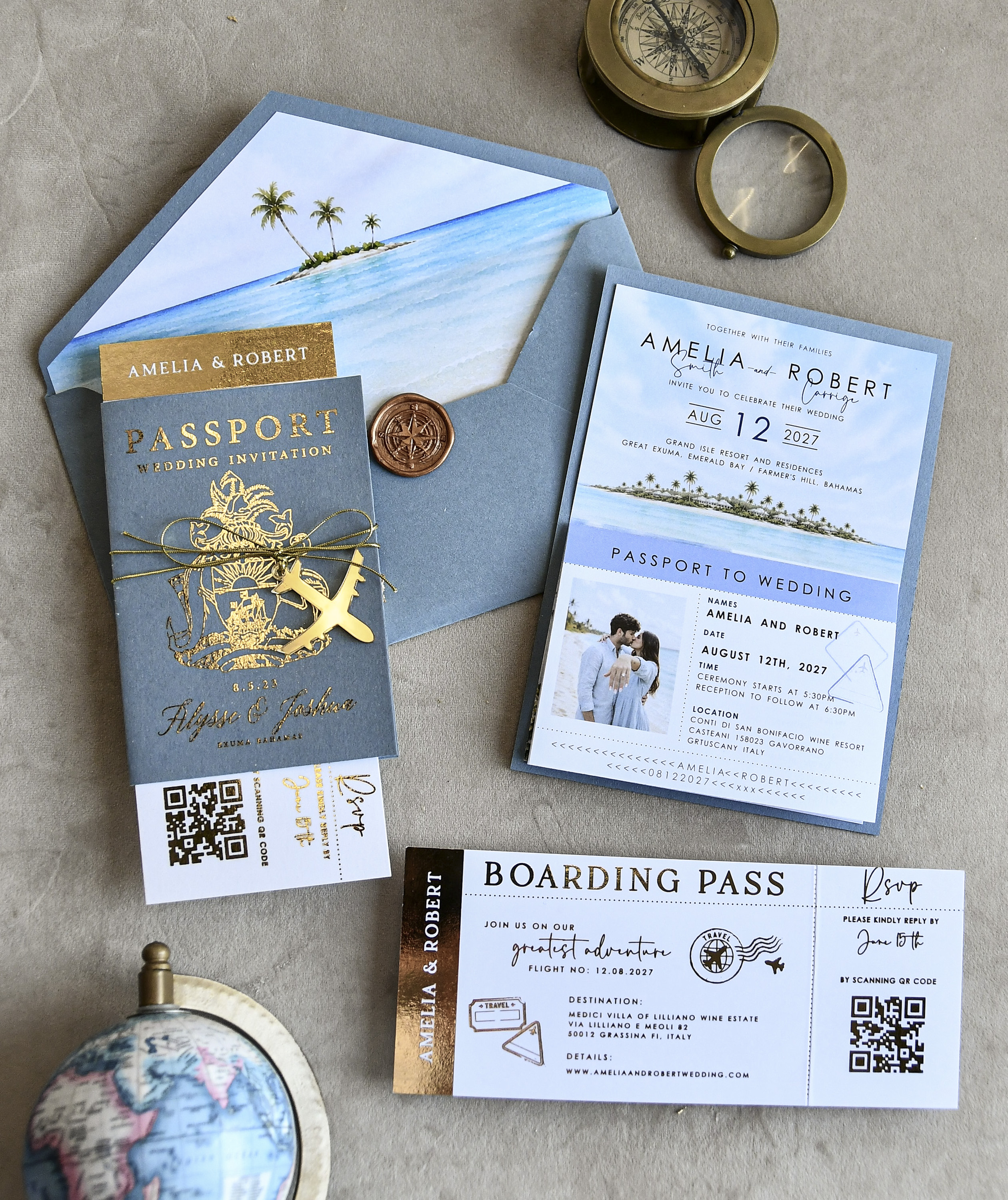
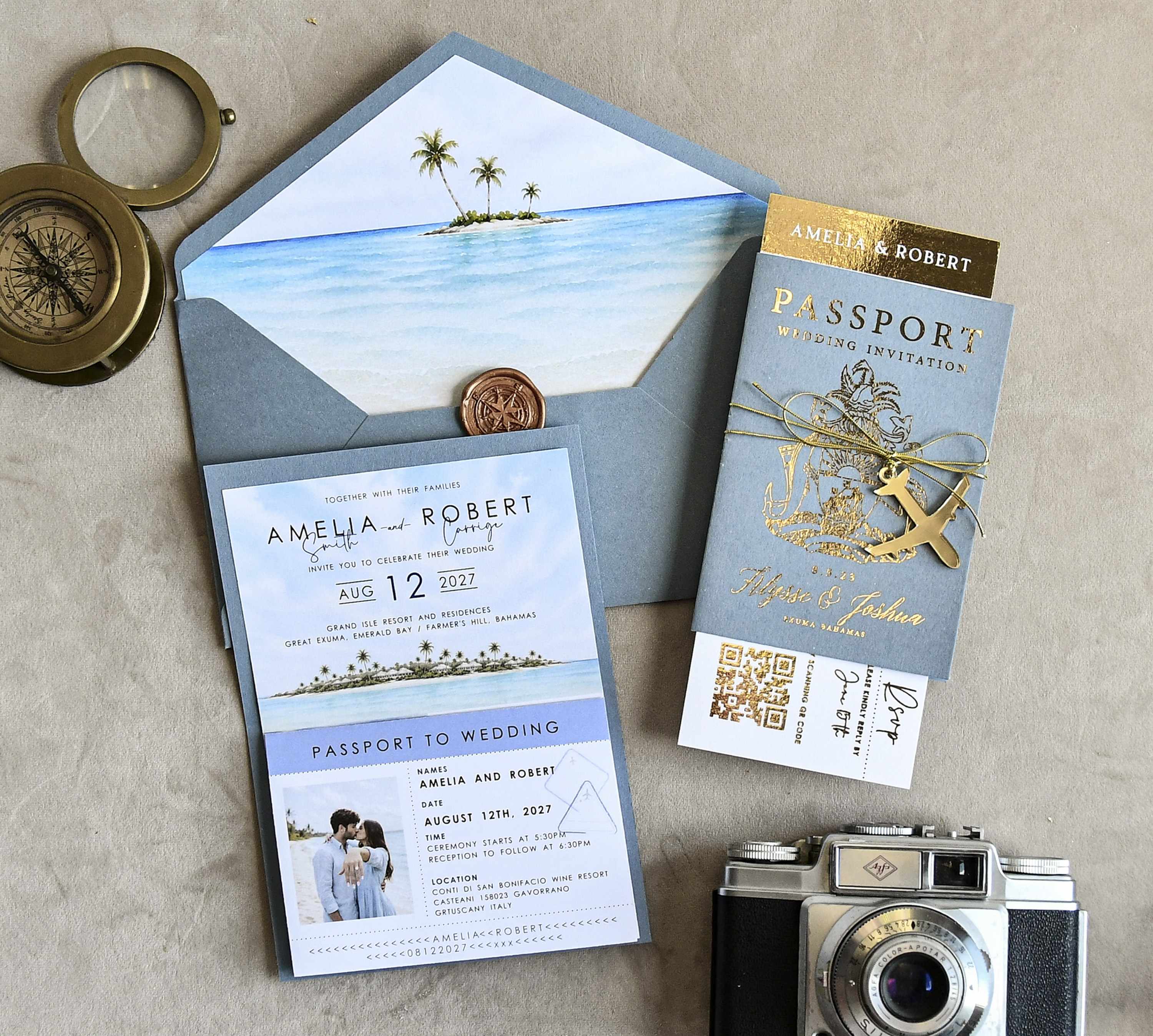
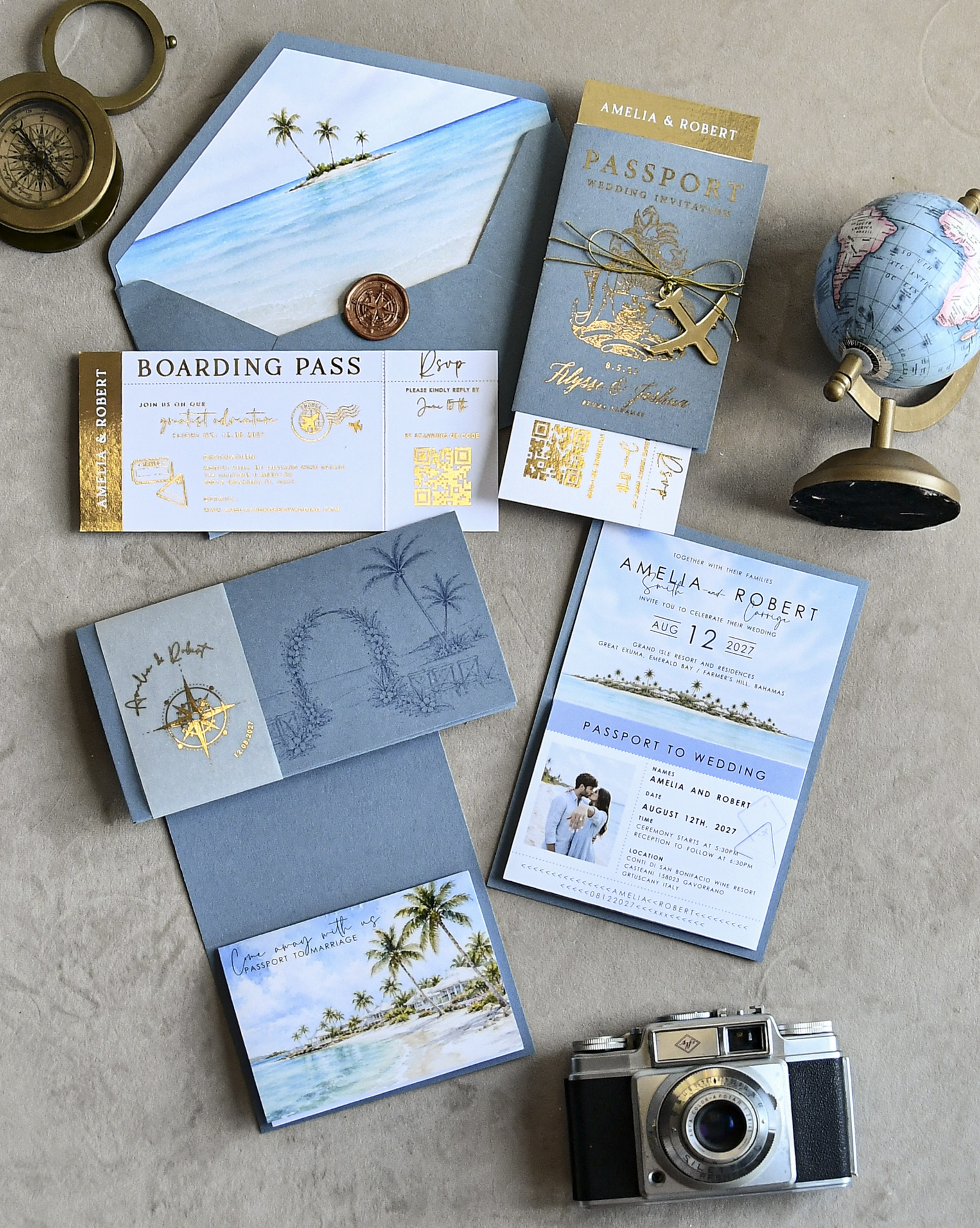
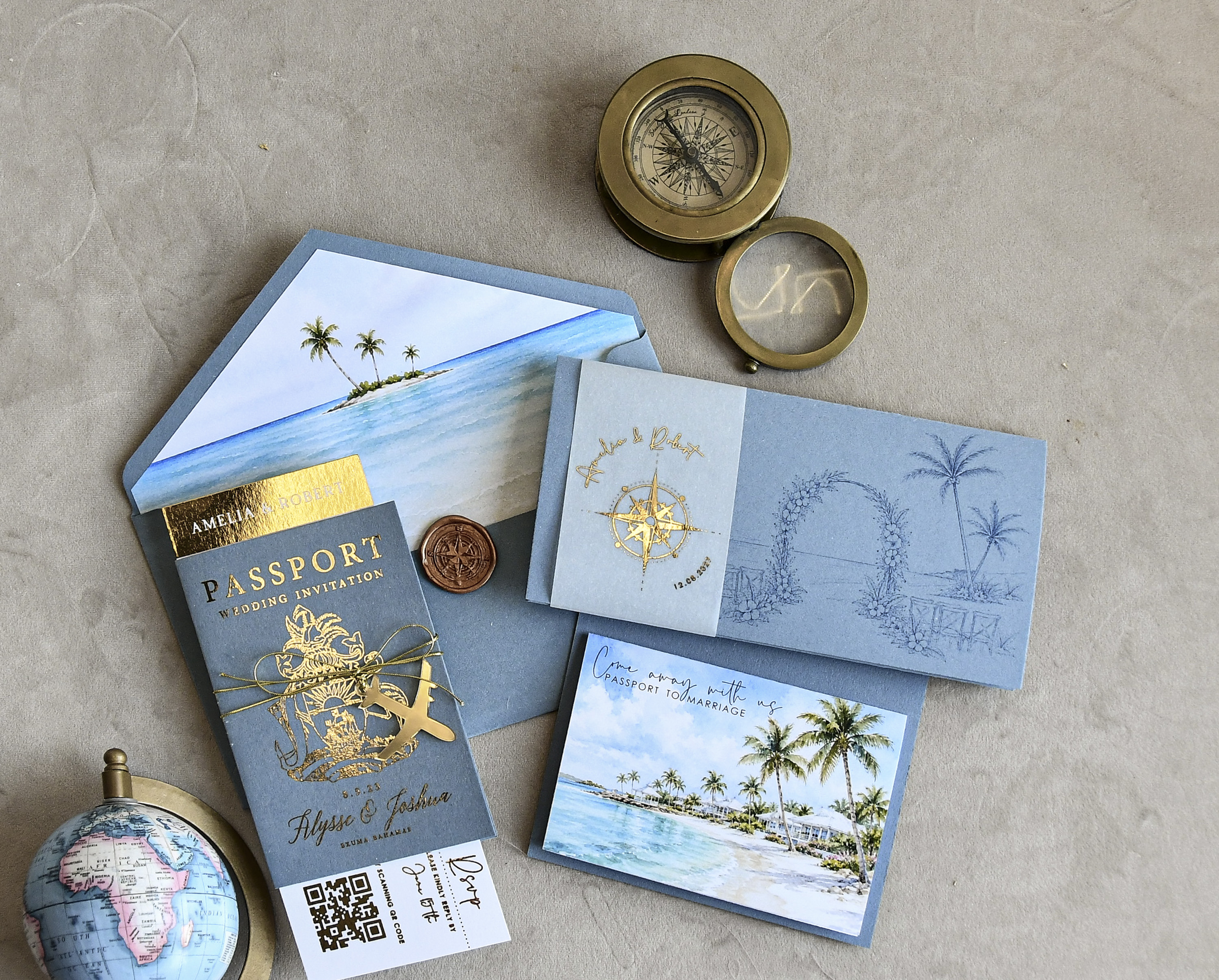
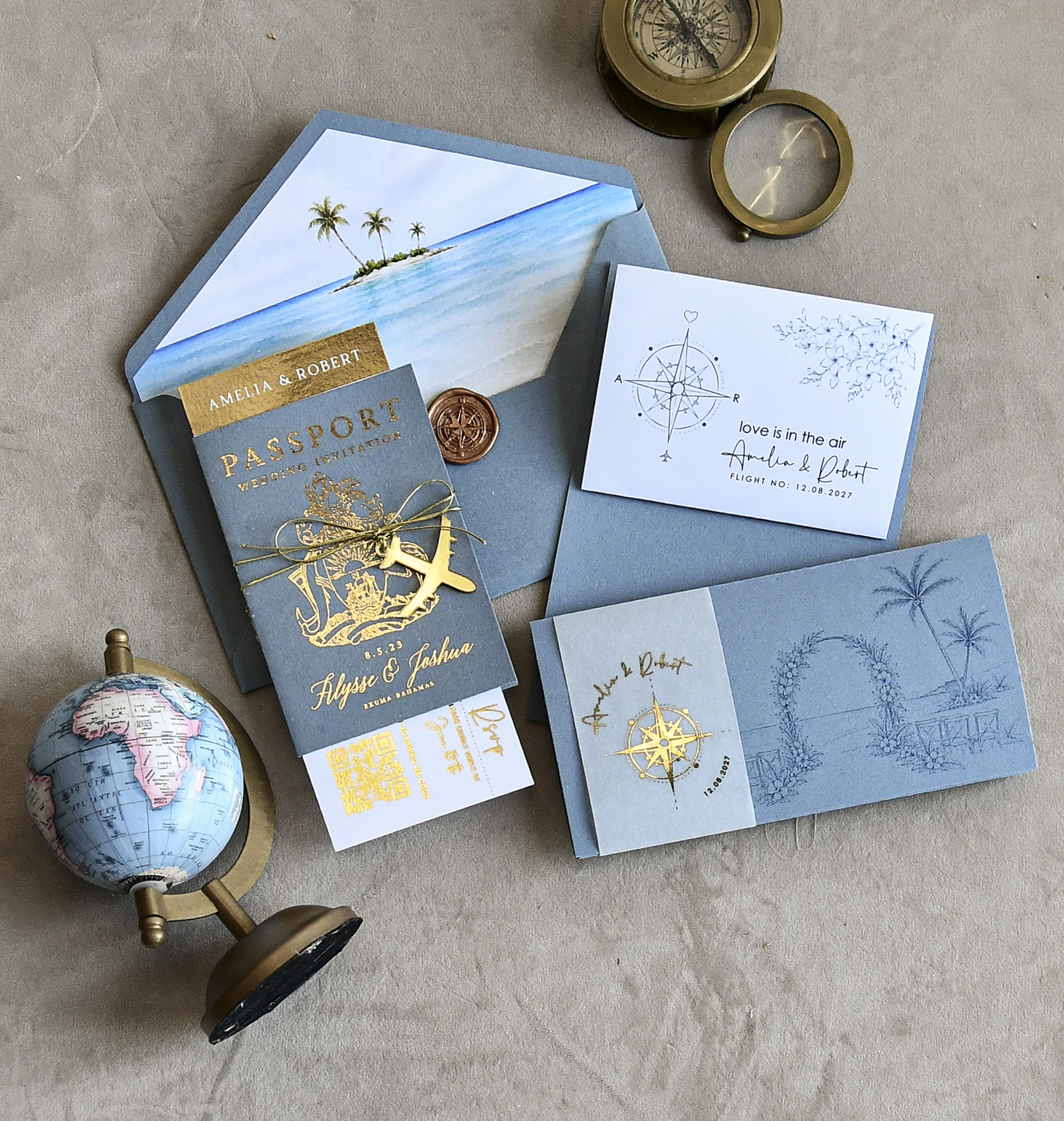
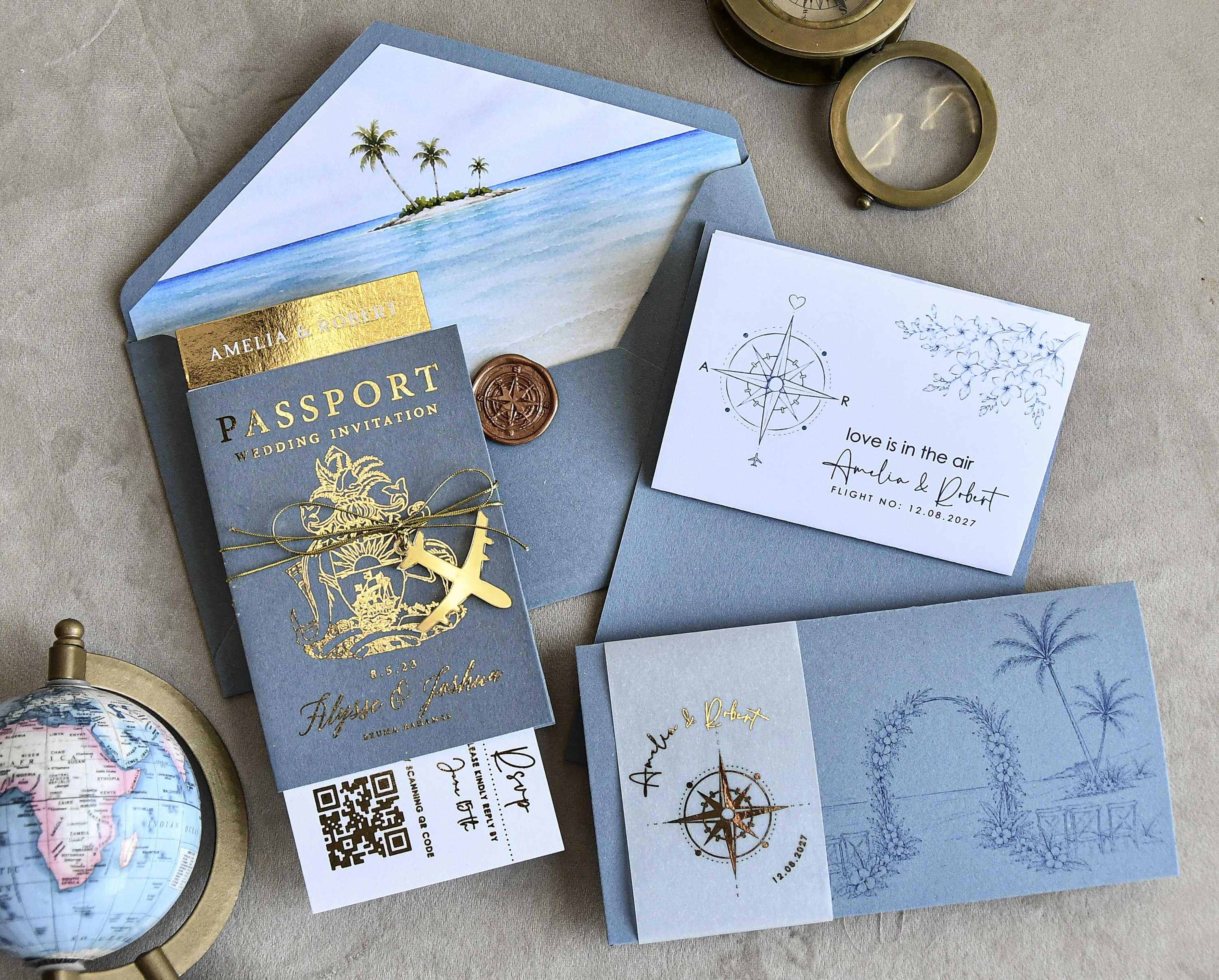
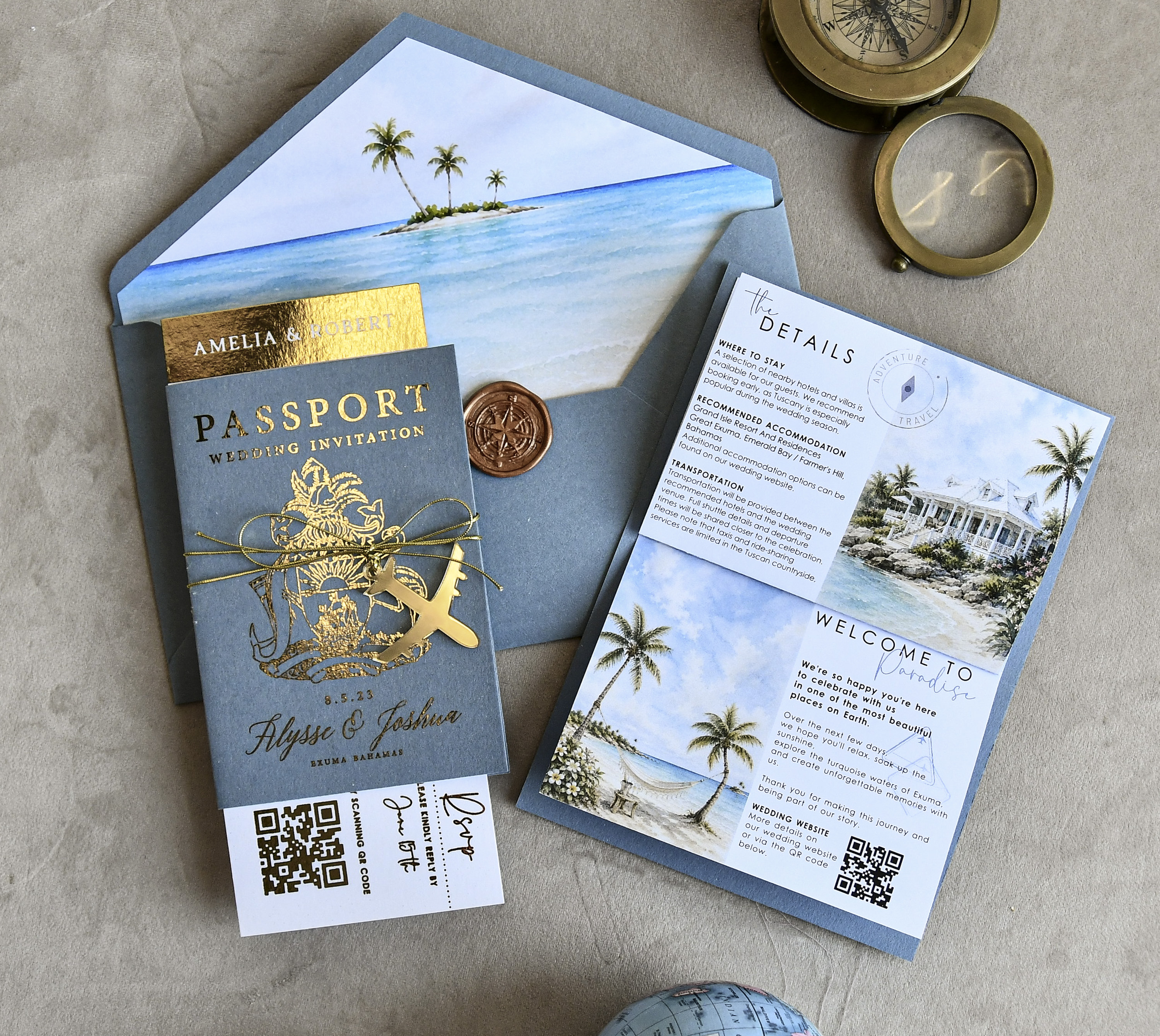
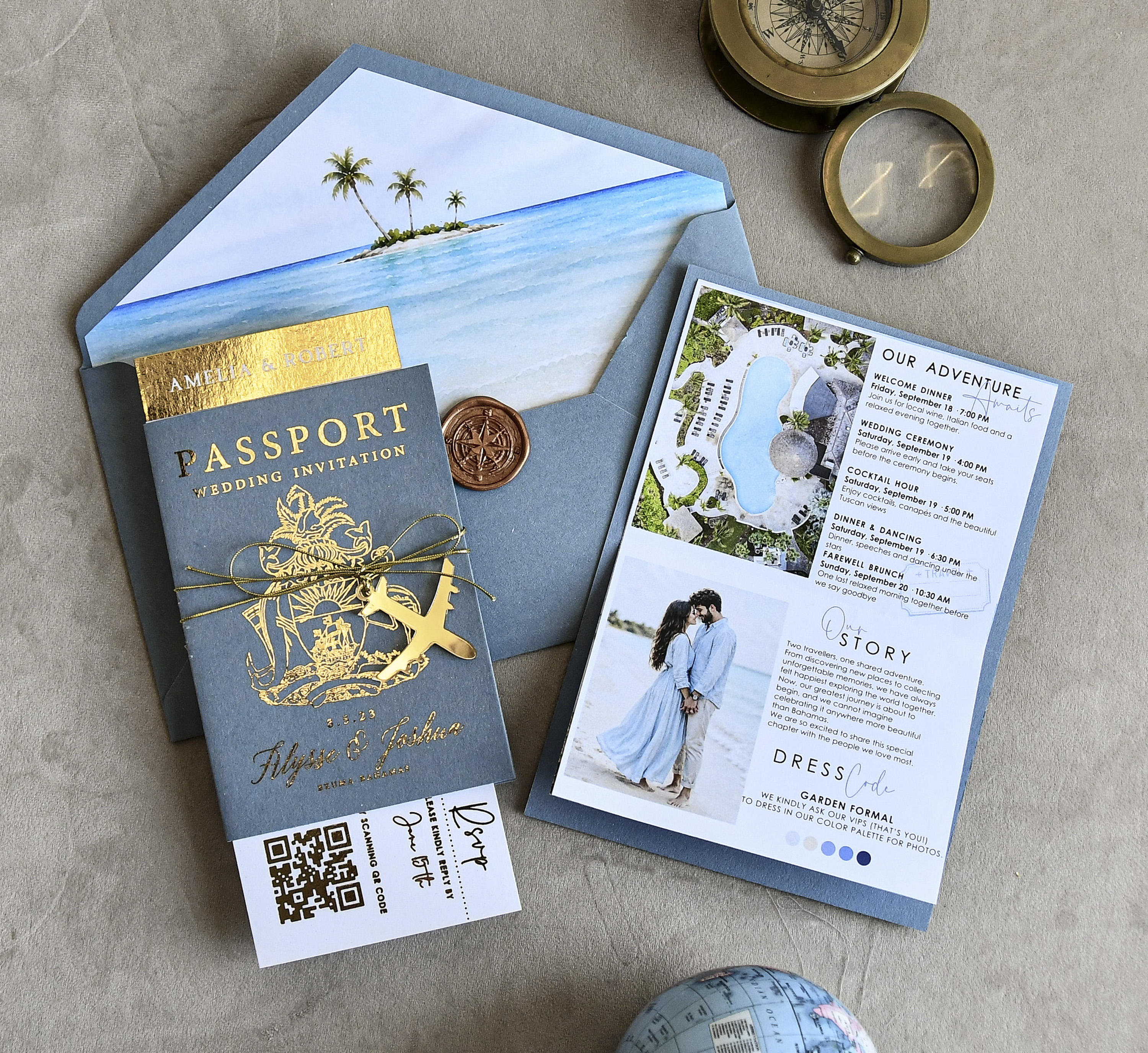
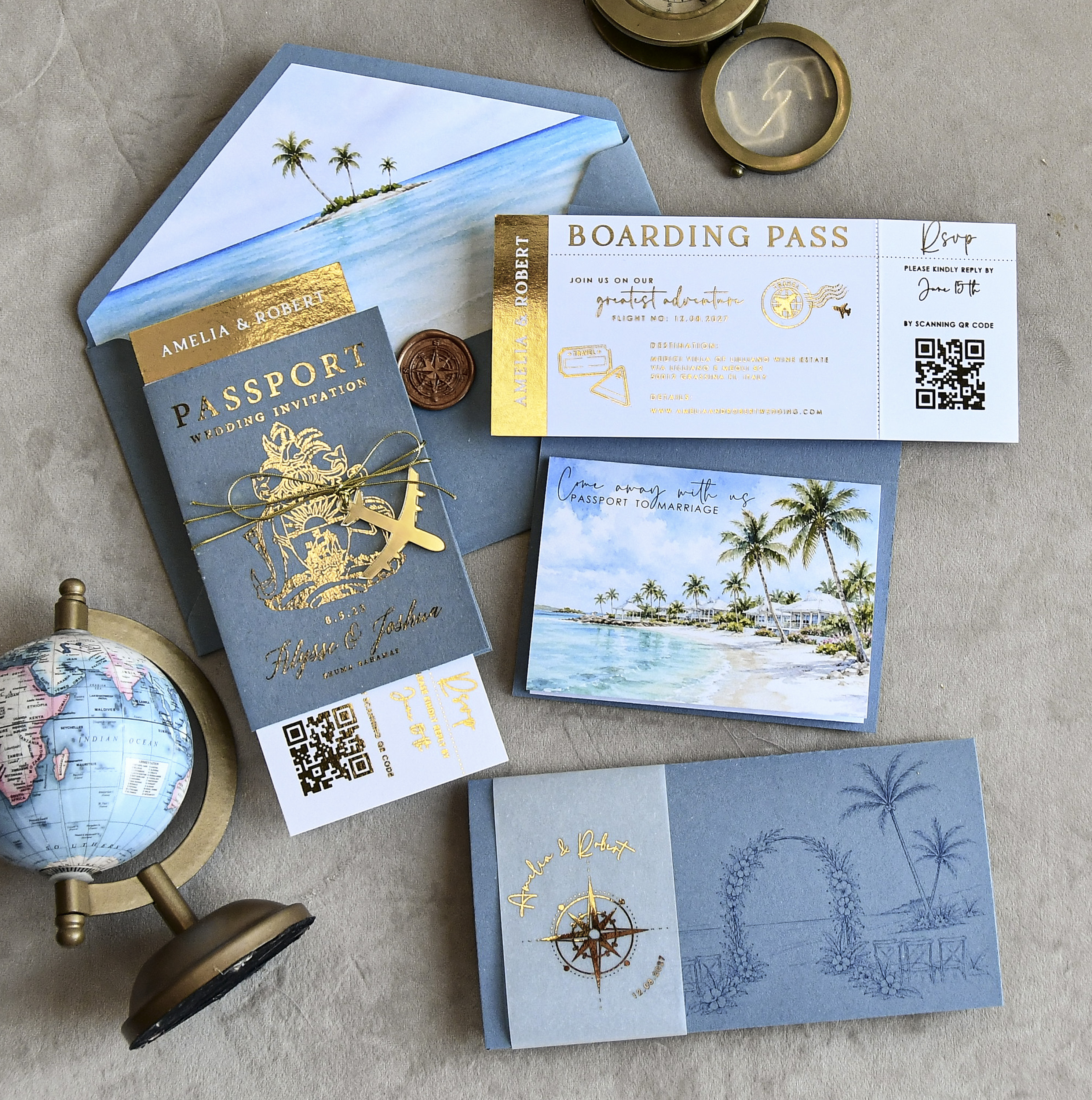
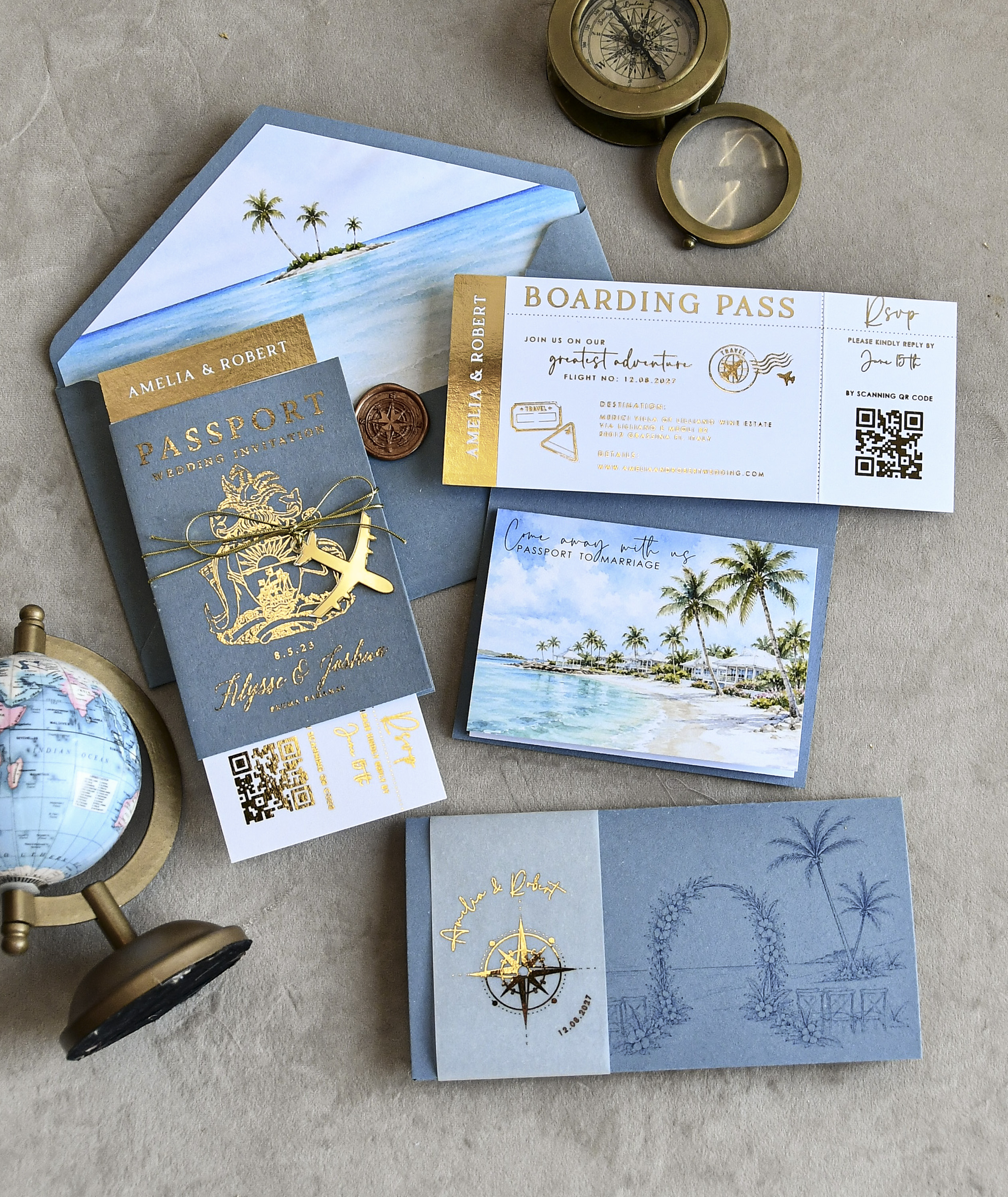
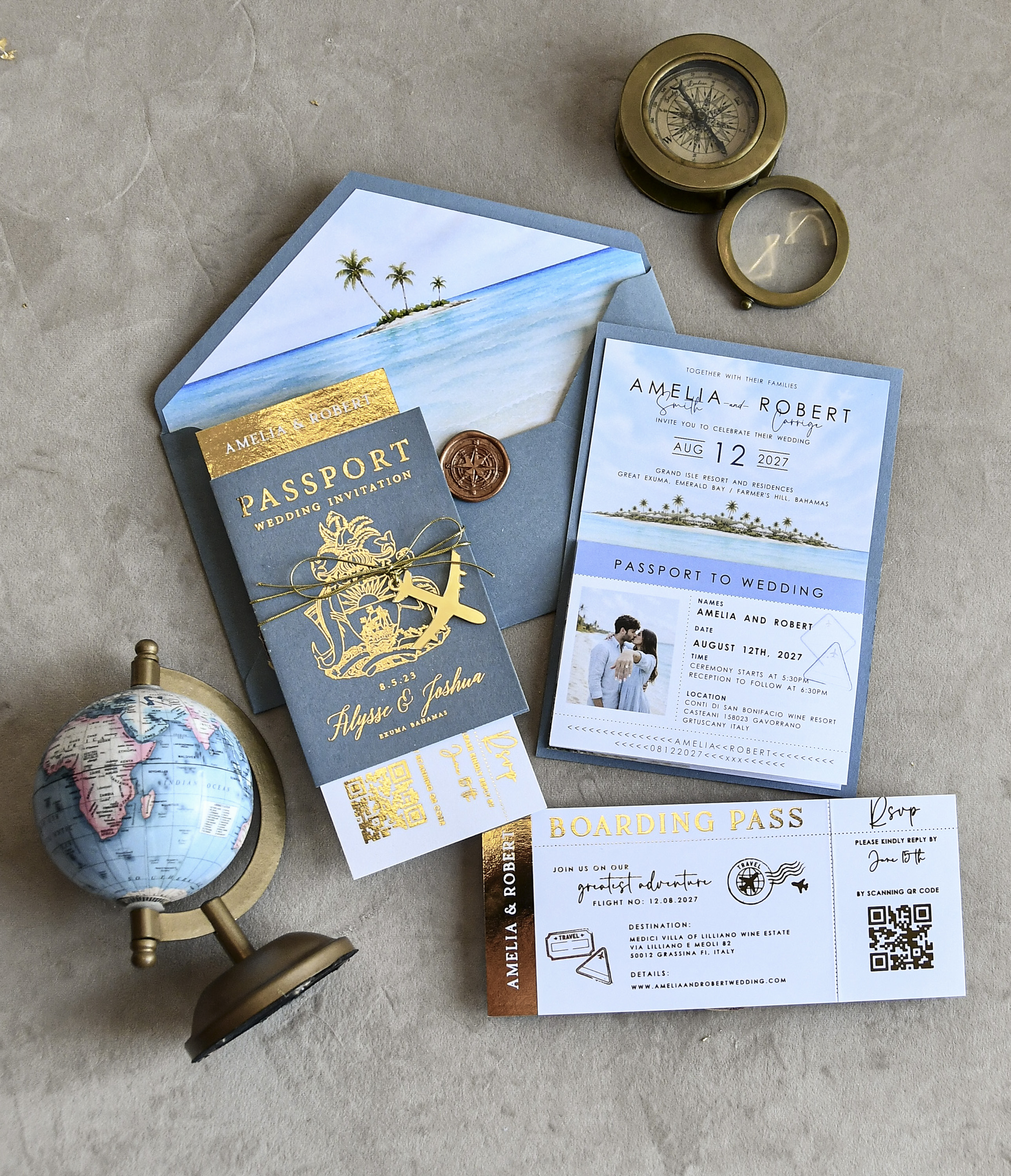
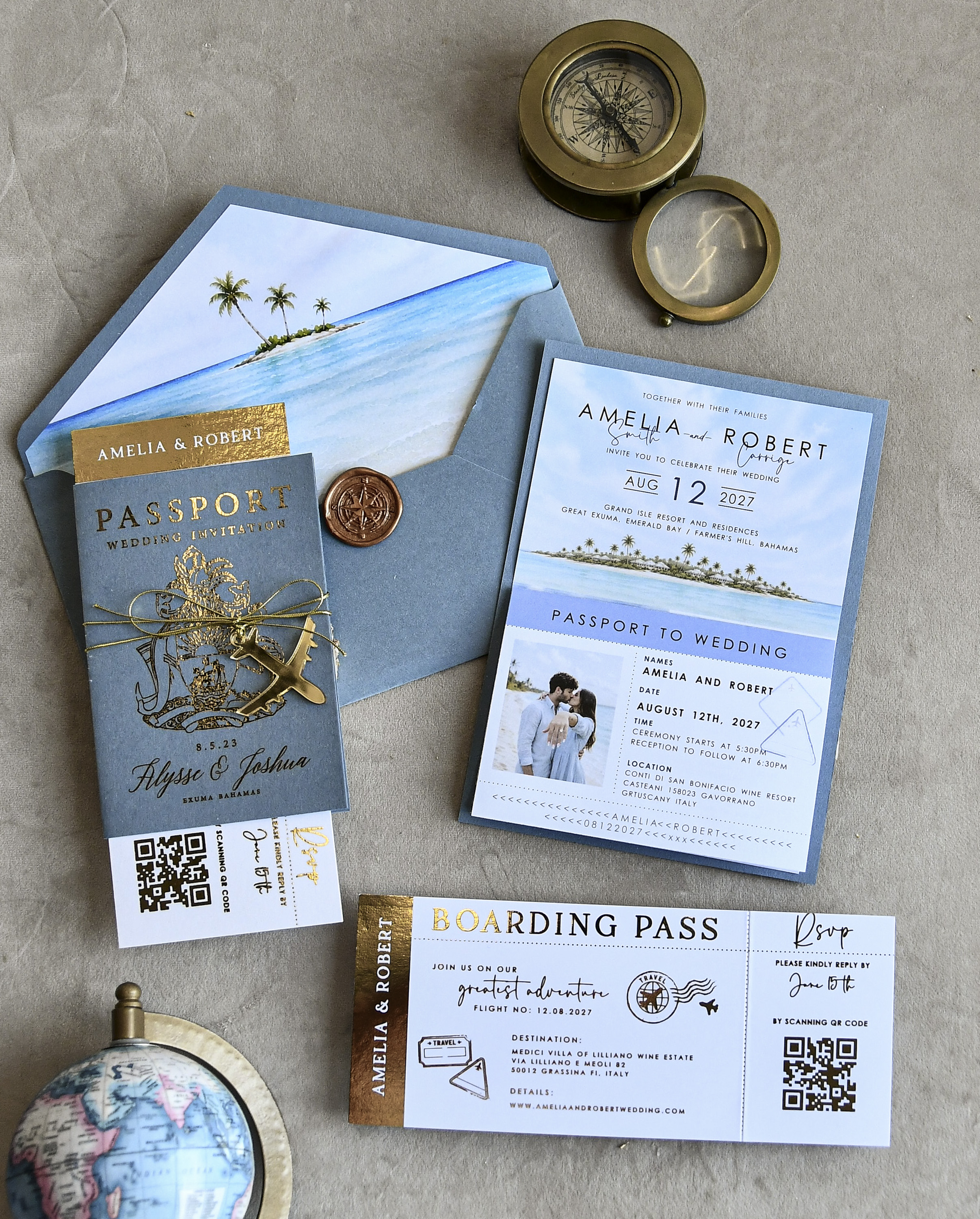
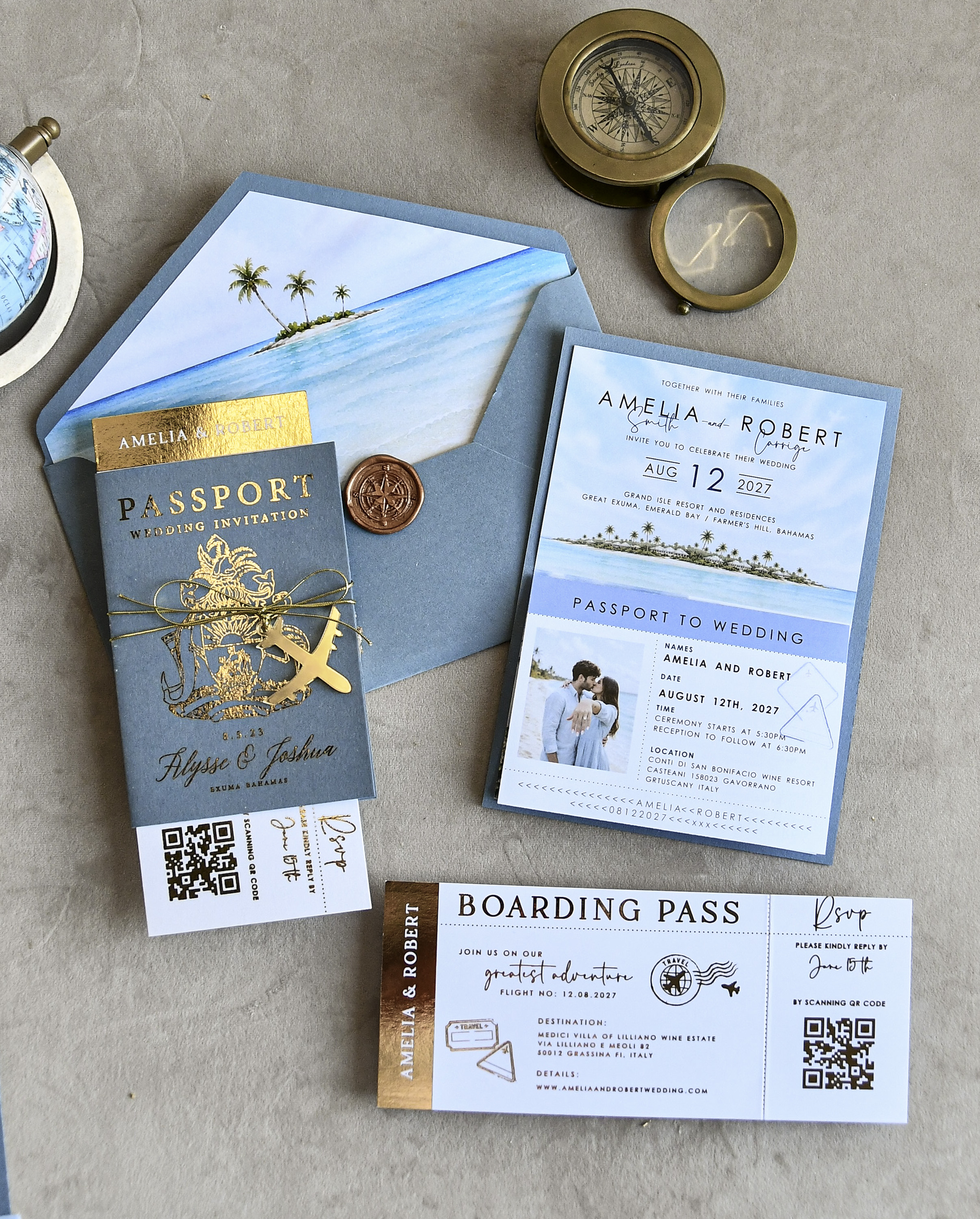
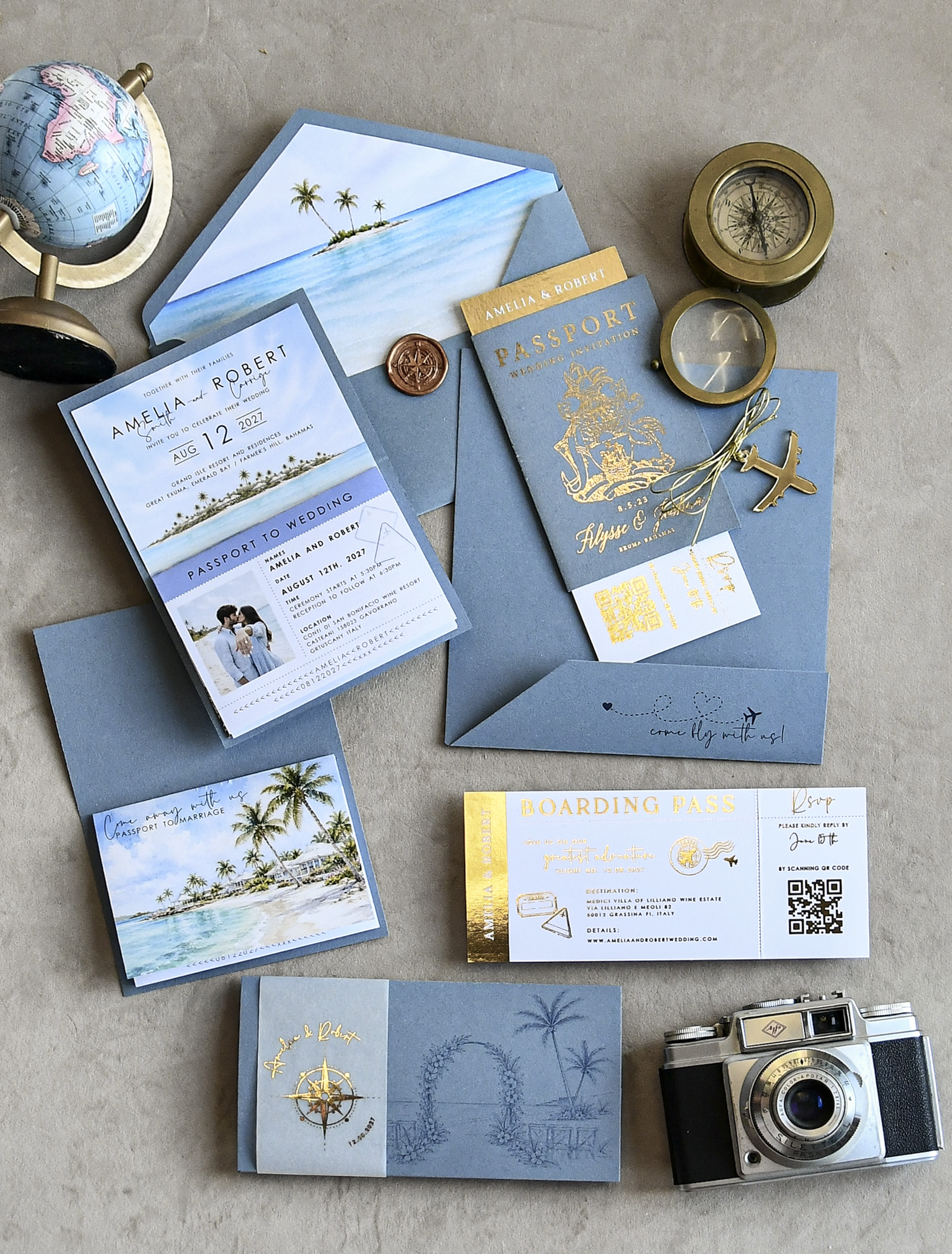
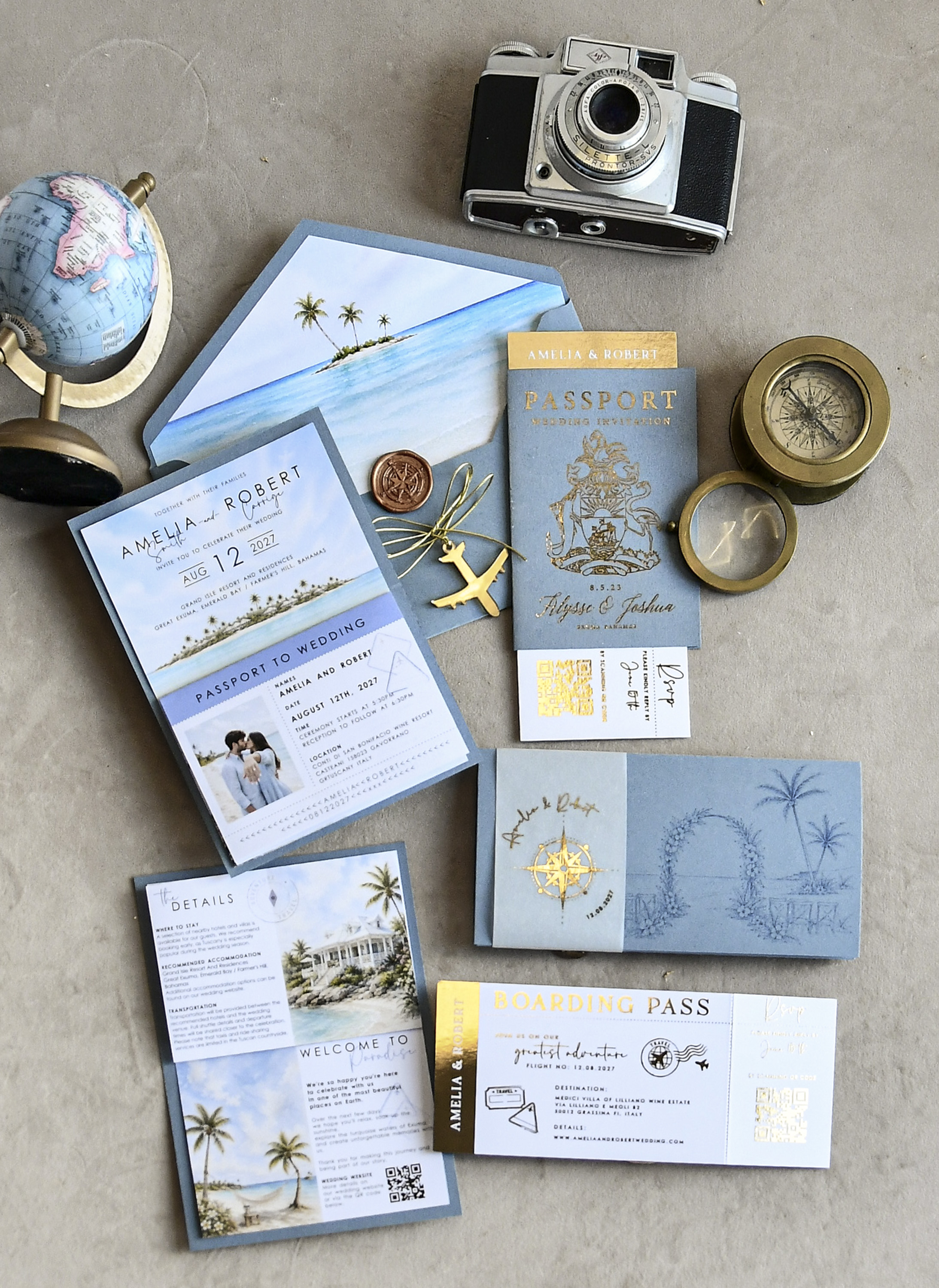
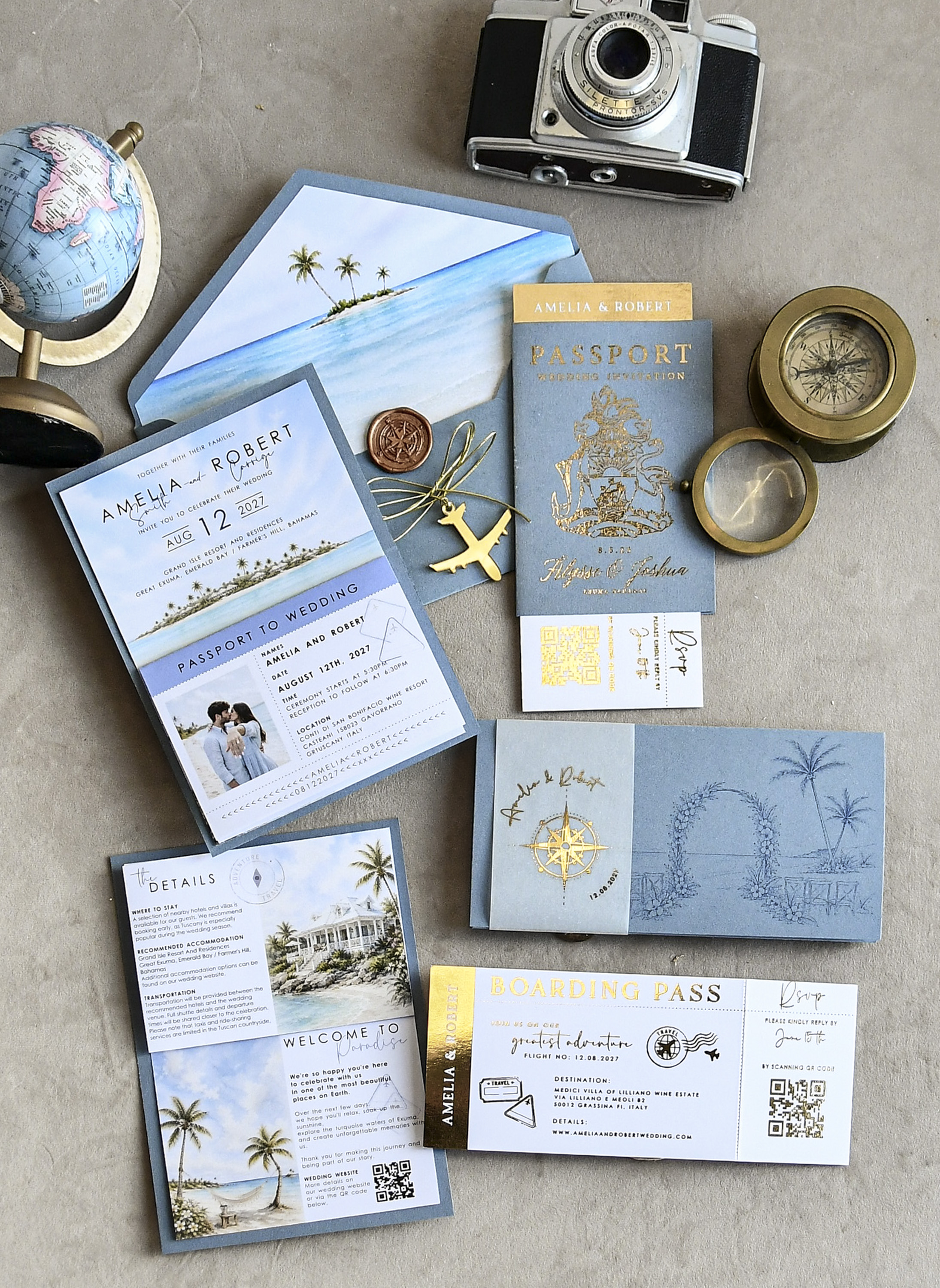
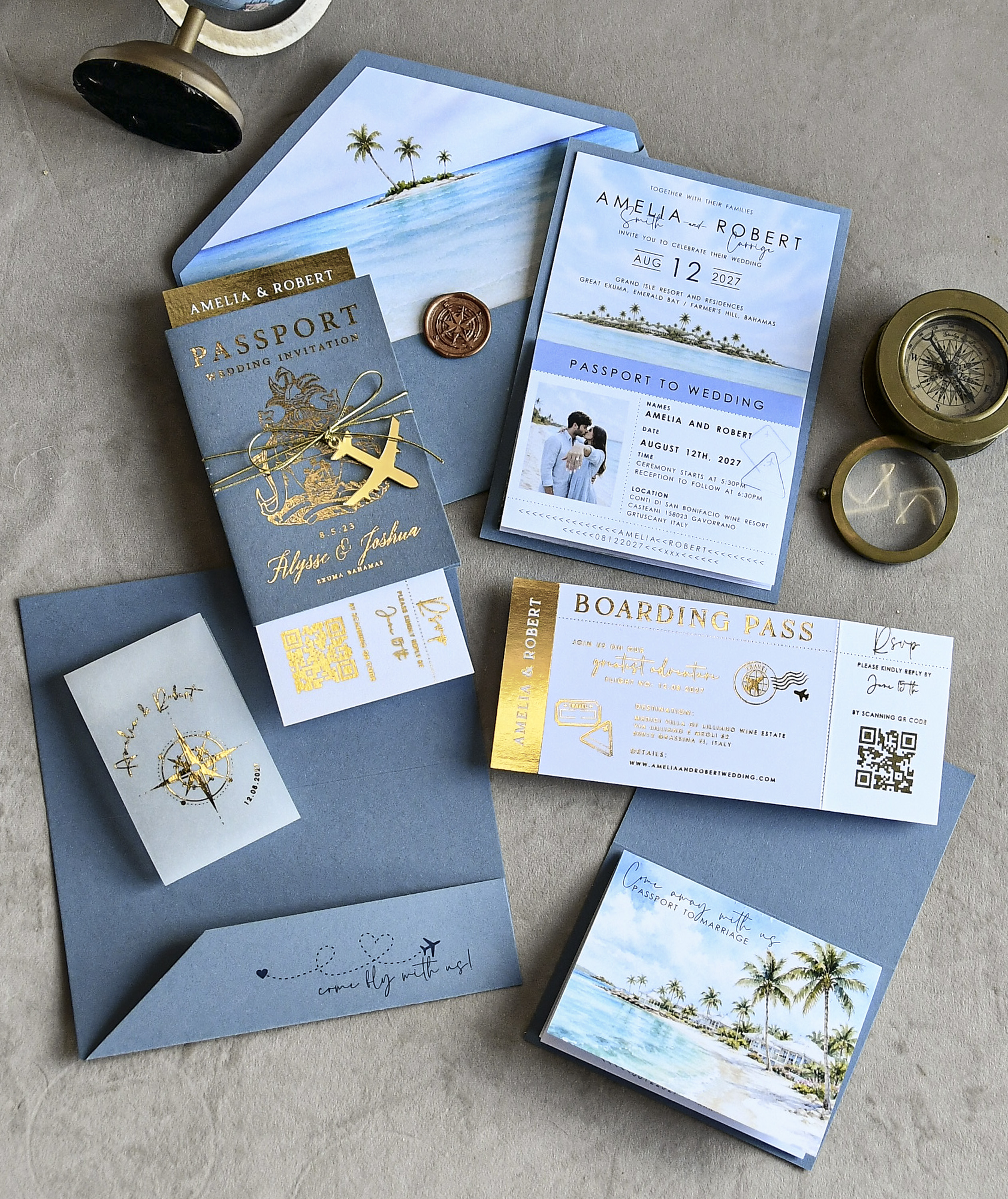
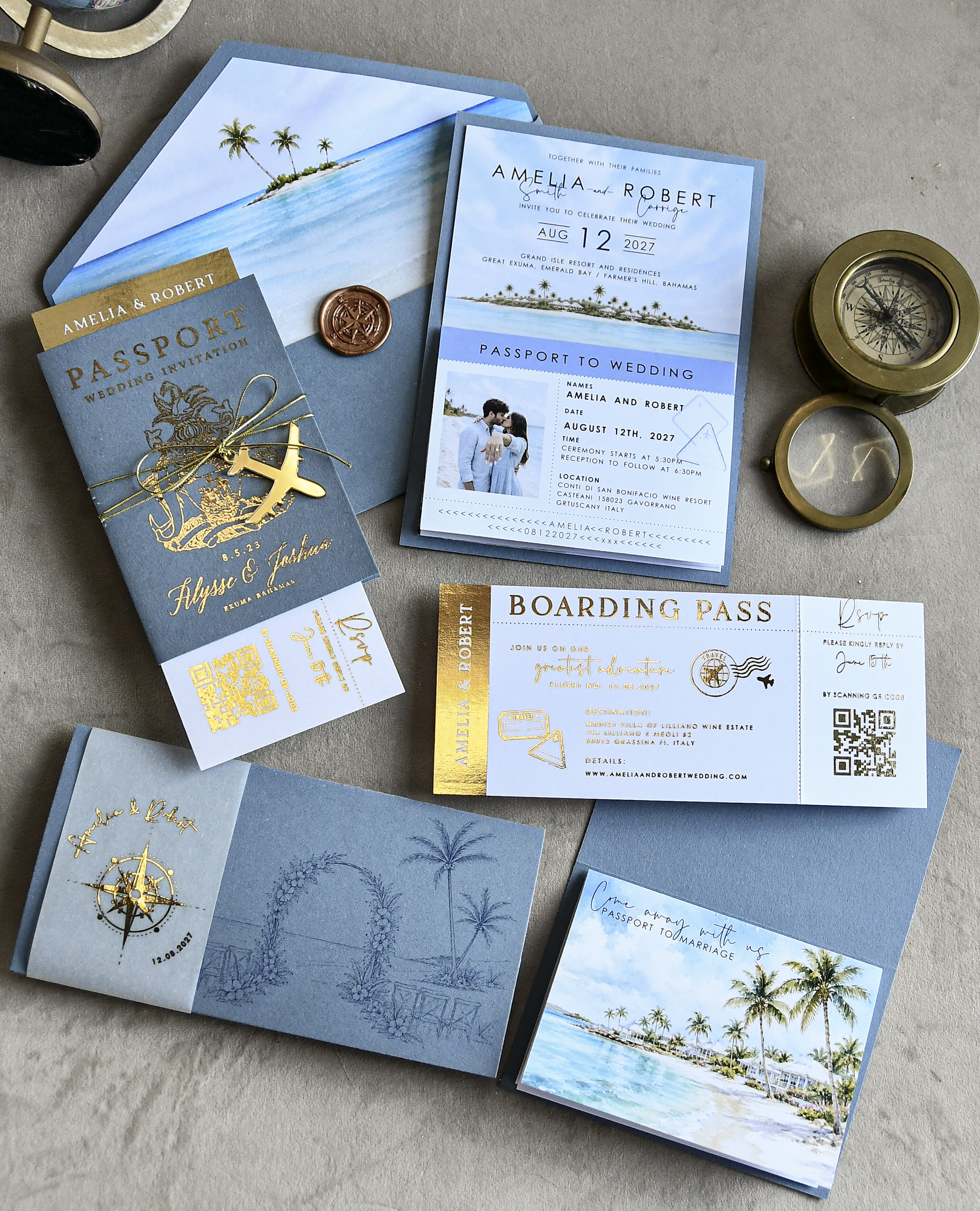
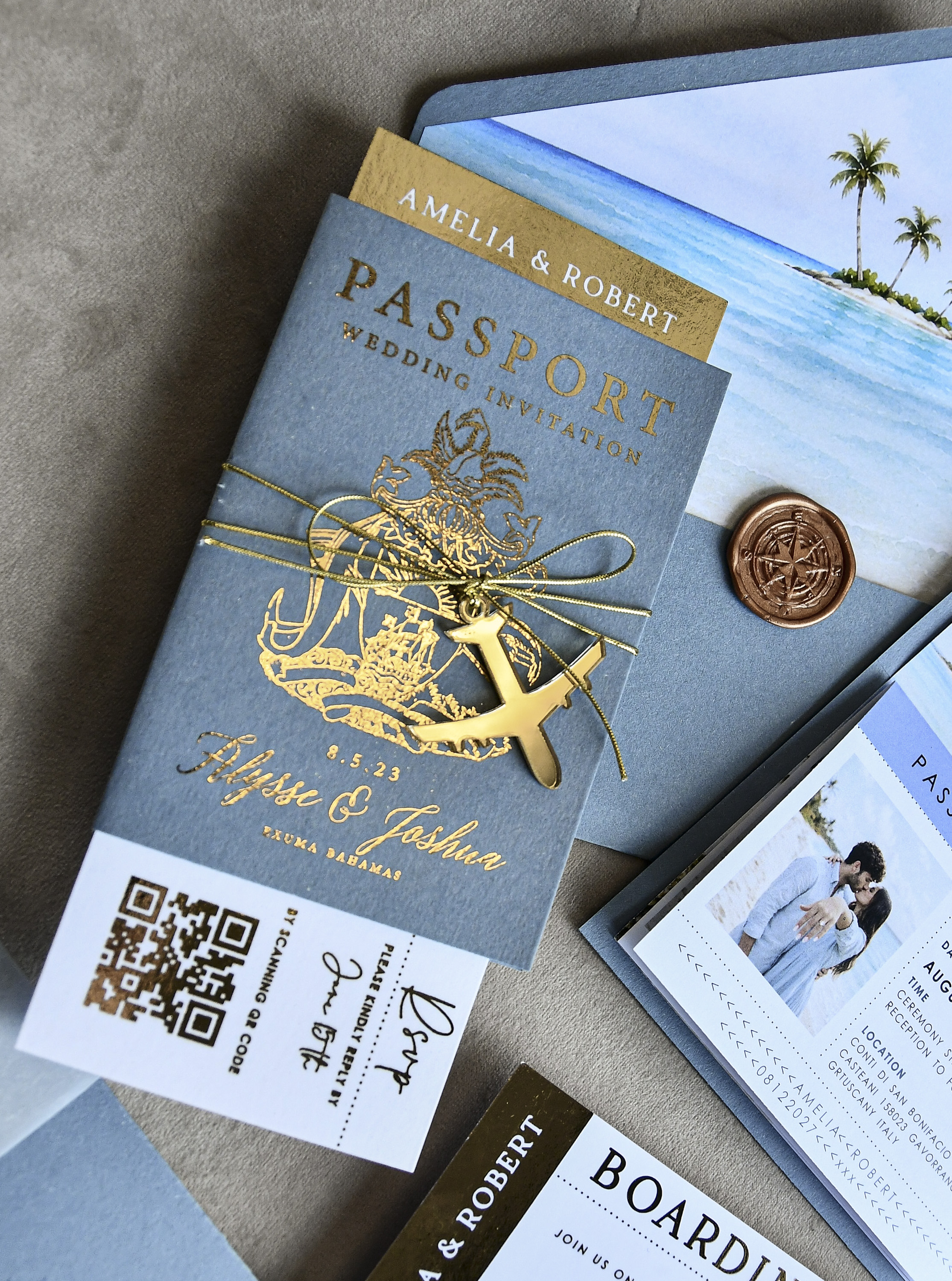
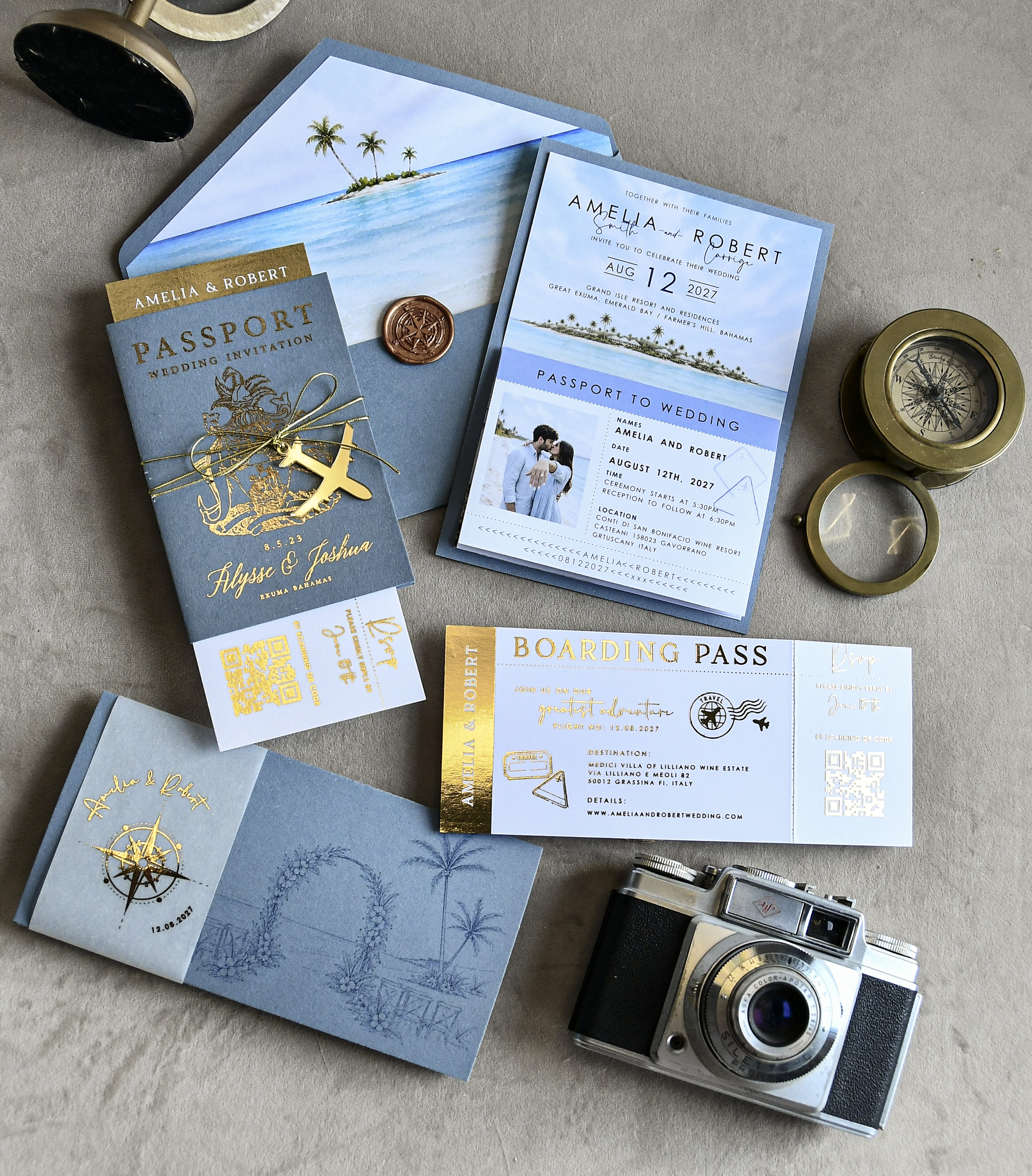
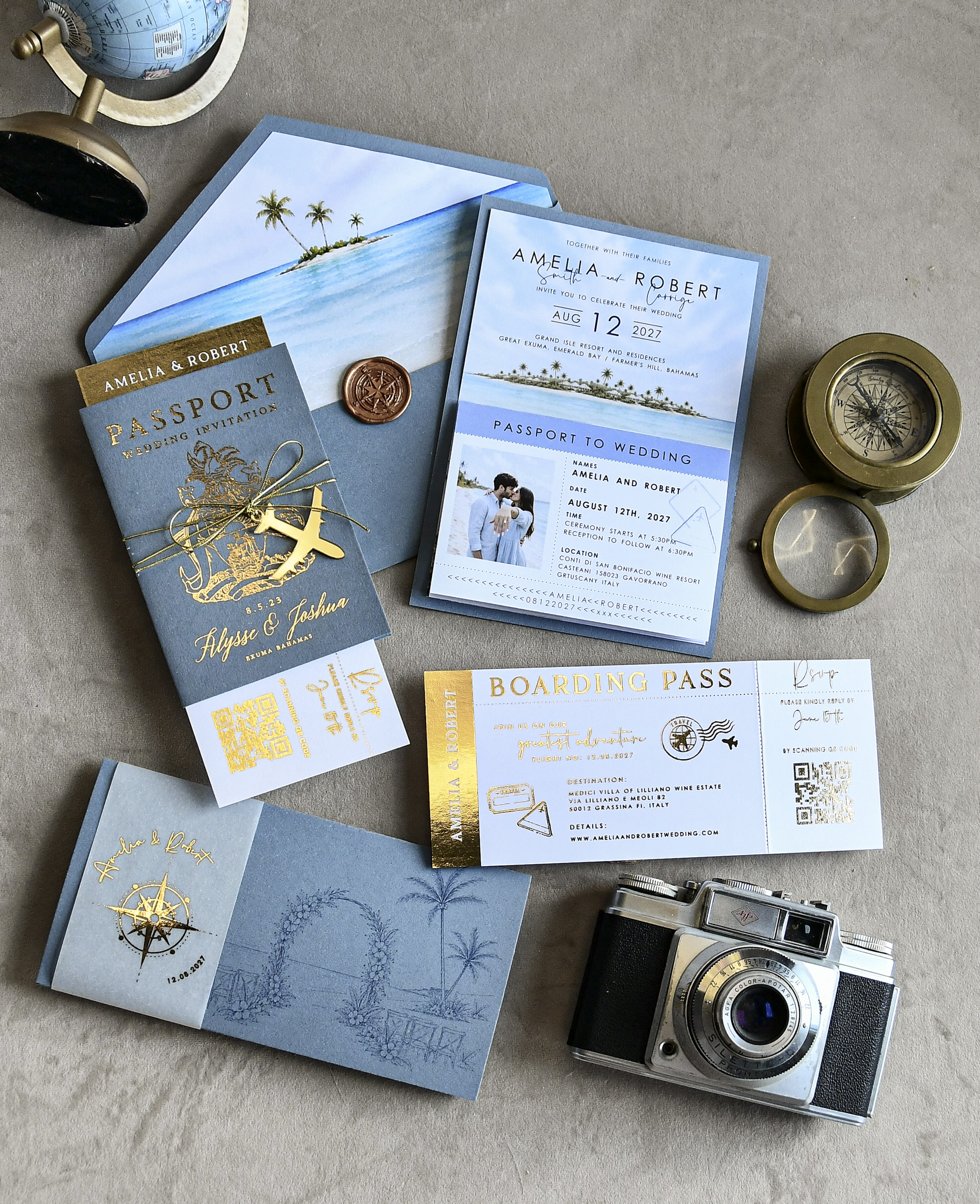
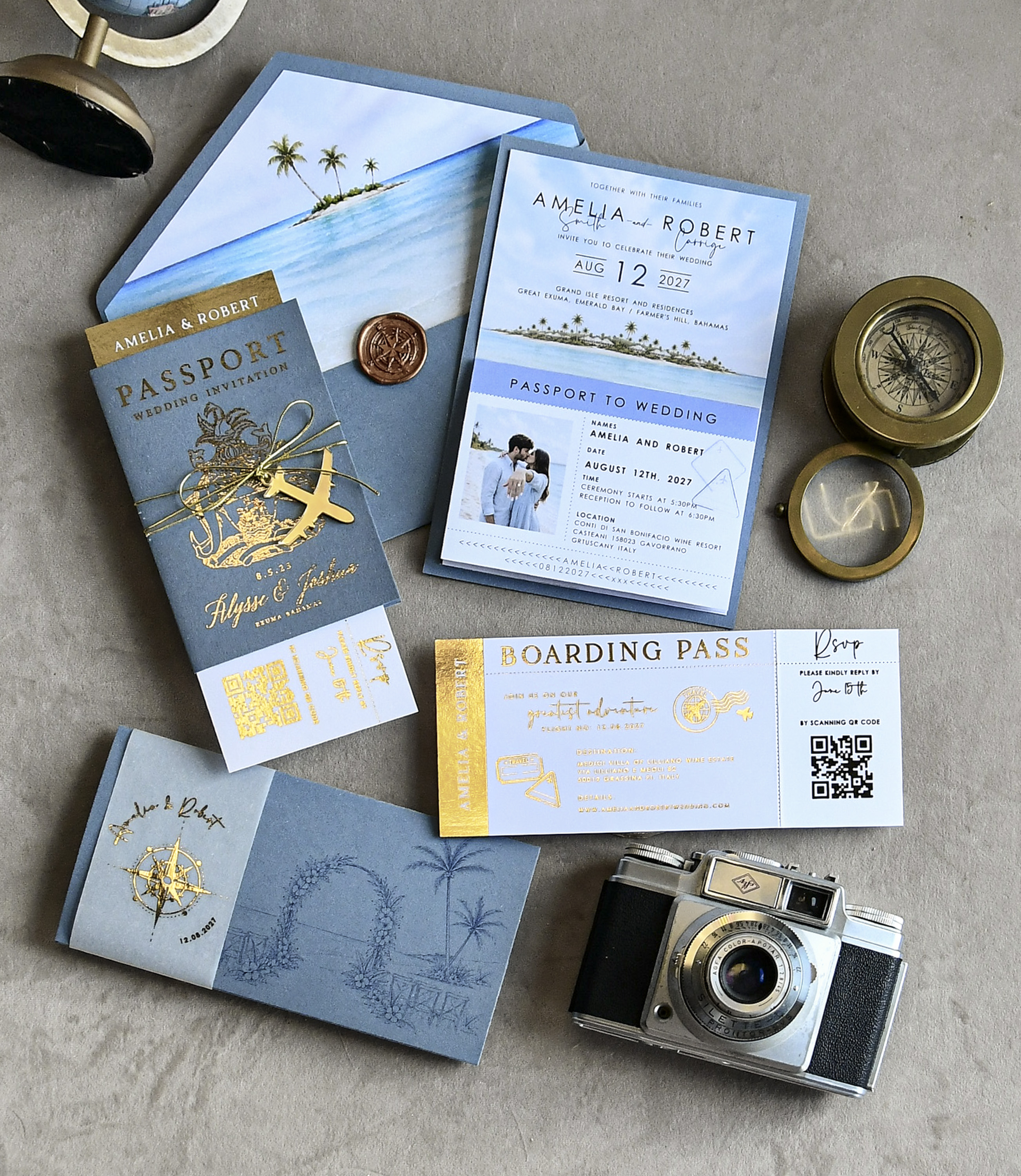
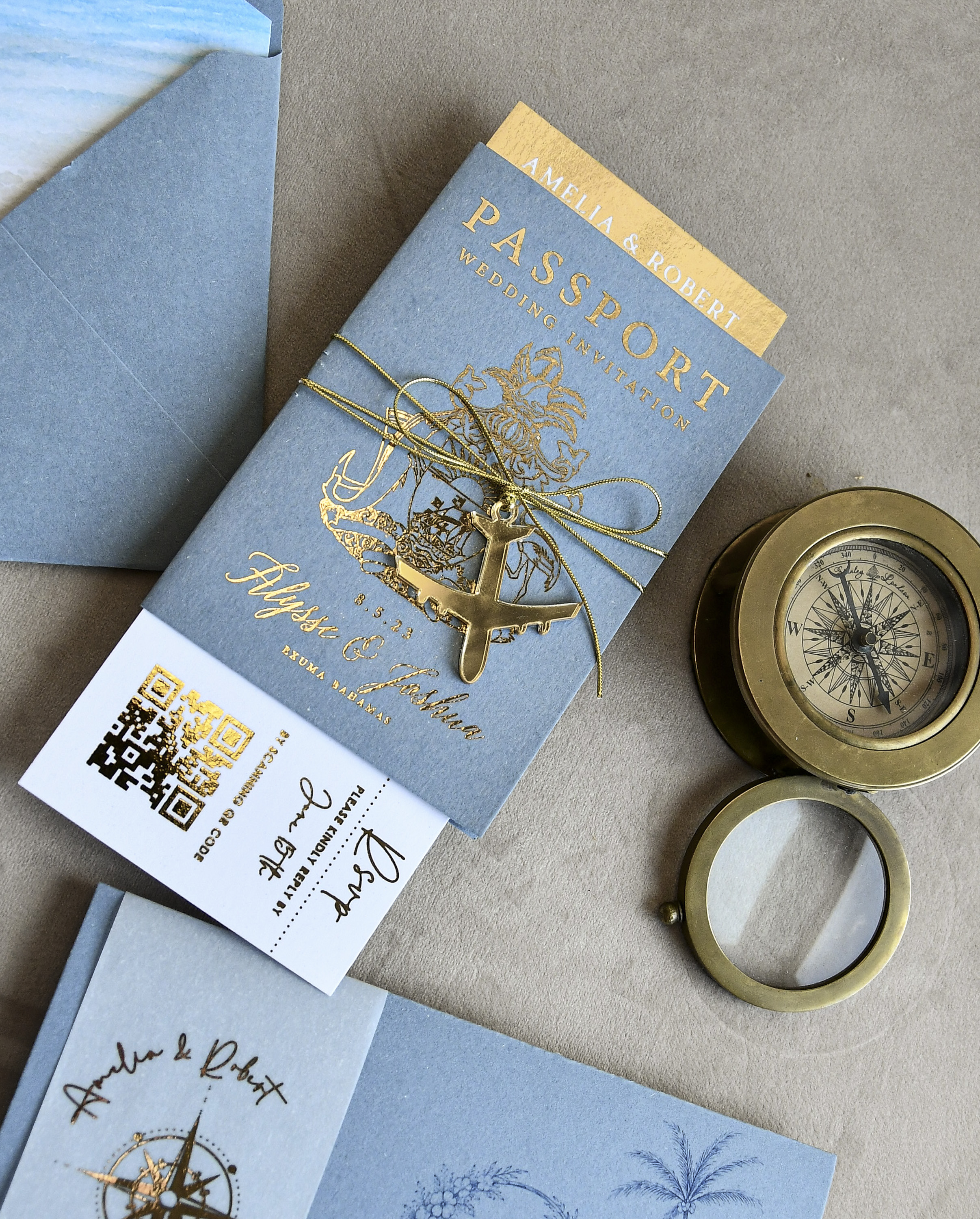
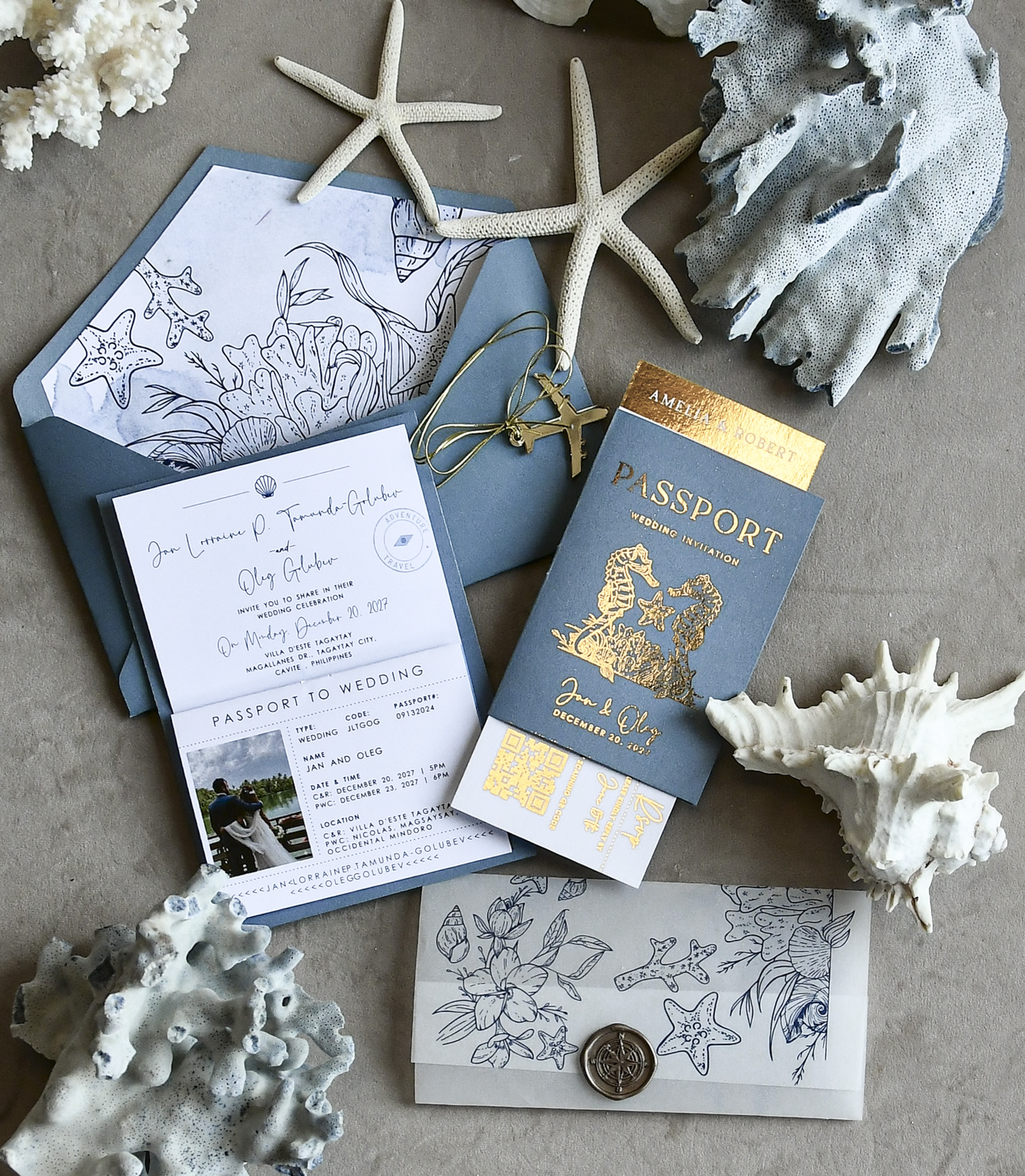
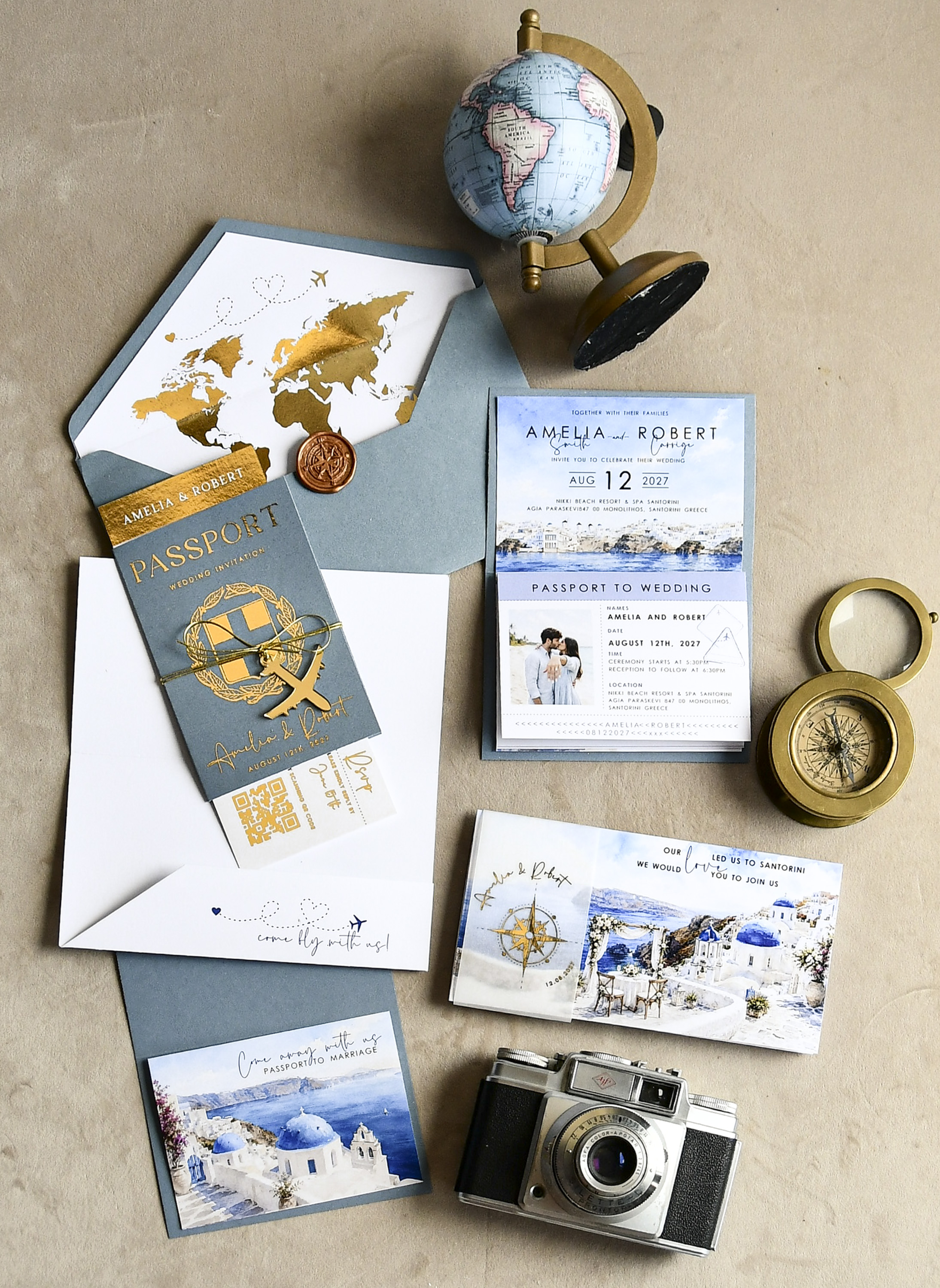
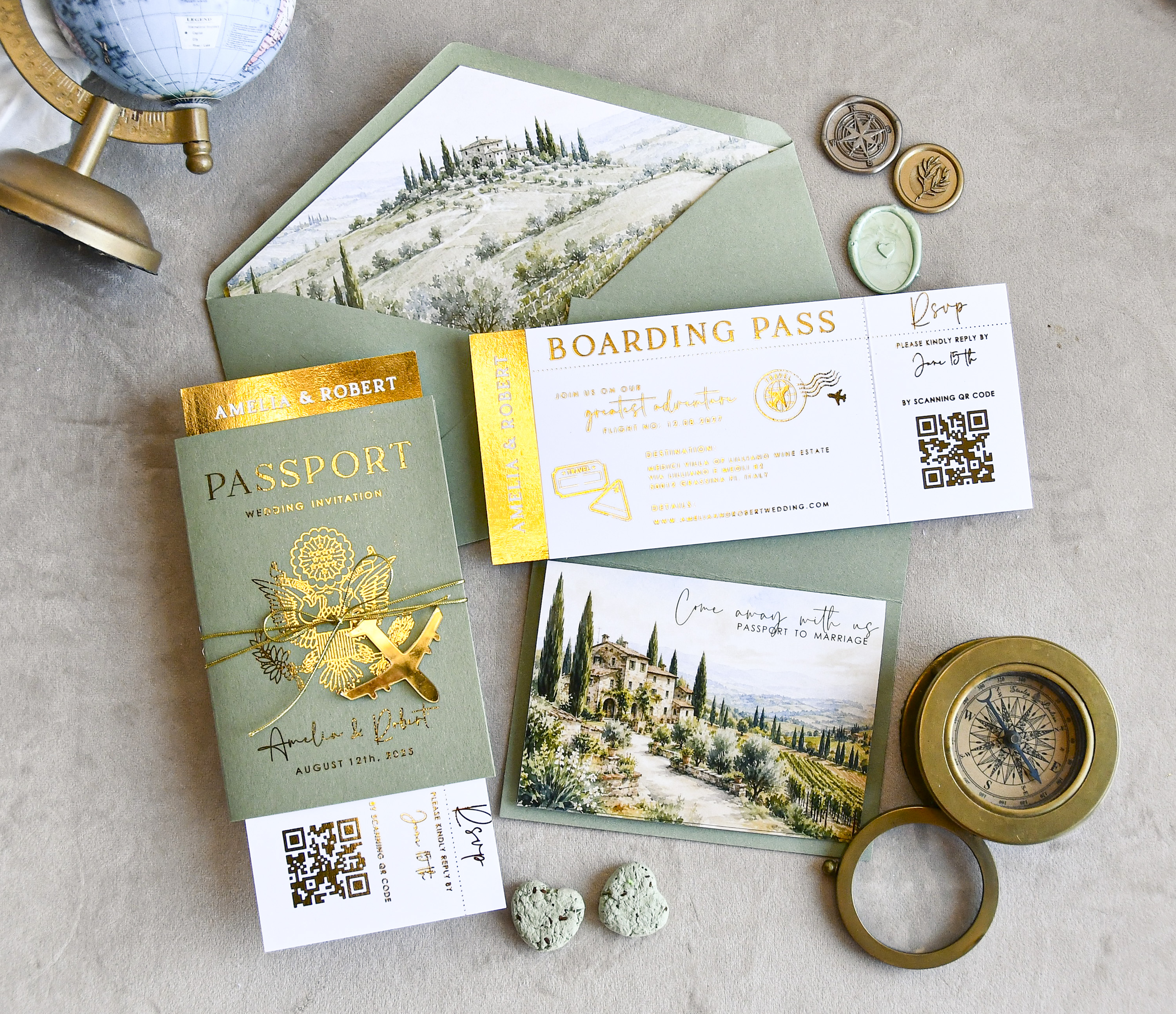
If you are planning a destination or beach wedding, a passport-style invitation like the 02/passDest/z from Margo&Bees sets a sophisticated, travel-inspired tone right from the start — subtly signaling that this is a grown-up getaway event.
What Etiquette Actually Says
Classic etiquette — from Emily Post to modern manners authorities — is clear: no one is automatically entitled to bring their children to a private event. An invitation is extended to specific people, and guests are expected to respect the host's choices. Where etiquette does draw a line is in how couples enforce the policy. Calling guests to explain the rule, or adding blunt phrases like "No children" on the invitation itself, can feel harsh. Subtle, respectful wording is always the better route.
It is also worth noting that most parents of young children secretly appreciate the excuse for a rare night out. Do not assume your guests with kids will be upset — many will be relieved and grateful.
Handling Pushback Gracefully
Even with perfect communication, an occasional guest may push back. Here is how to handle the most common situations:
- "Can we bring the baby?" — Acknowledge the challenge warmly: "We completely understand, and we wish we could include everyone. We've kept it adults-only across the board, but we'd love to help you find a sitter if that would make it easier."
- A family member insists their child must attend — Hold your boundary kindly but firmly, and if possible, have a parent or trusted person in your wedding party back you up so the conversation does not fall entirely on you.
- A guest RSVPs for their child anyway — Reach out privately and early to clarify before final headcounts go to your caterer.
The goal is always to make guests feel cared for even while the answer remains no. Offering to help with childcare resources — a local babysitting service, a hotel babysitter, or even a kids' room with a caregiver at the venue — goes a long way toward showing that you considered their needs.
A Quick Timeline for Telling Guests
Giving guests enough notice is one of the most considerate things you can do. Follow this rough timeline:
- 9–12 months out: Tell immediate family and close friends with young children verbally so they can plan ahead.
- 6–8 weeks out: Send formal invitations addressed only to invited adults, with a polite adults-only note on the details card. A destination beach wedding invitation from the 02/passDest/z collection pairs beautifully with a matching details insert for exactly this purpose.
- 2–4 weeks out: Follow up with any guests who have not RSVPd and gently confirm the adults-only arrangement if needed.
The earlier you communicate, the more time parents have to make arrangements — and the less likely anyone is to feel blindsided or hurt.
Frequently Asked Questions
No, it is not rude. Limiting your guest list to adults is a widely accepted and completely legitimate hosting choice. The key is communicating your decision clearly, early, and with kindness so guests have time to arrange childcare.
Address invitations only to the adults you are inviting and include a brief, polite note on your details card such as "We have reserved your seats for an adults-only celebration." Spreading the word verbally to close family and friends with young children well in advance also helps avoid surprises.
Etiquette experts generally advise against blunt phrases like "No children" directly on the invitation, as it can read as unwelcoming. Instead, addressing envelopes to adults only and adding a soft note on a details card conveys the same message more graciously.
Acknowledge their feelings with empathy and hold your boundary kindly but firmly. Offering to help them find childcare options — such as a hotel babysitter or a local service — shows that you care about their experience even while keeping your policy consistent.
Yes, most guests understand that ceremonial roles like flower girls or ring bearers are exceptions. Just be prepared to explain this briefly if other guests with children ask, so the exception feels intentional rather than arbitrary.
Ideally, let close friends and family with young children know verbally six months to a year before the wedding, especially if it is a destination event. Send formal invitations six to eight weeks out with clear adults-only wording so parents have ample time to secure childcare.
See This Design Up Close





You May Also Like
More Wedding Planning Guides
- → Kids at Your Wedding: Should You Hire a Babysitter or Full Entertainment?
- → The Right Time to Chase Down Missing RSVPs (And How to Do It Gracefully)
- → The Graceful Way to Let Guests Know Your Wedding Is Adults Only
- → Wedding Guest List Dilemma: Should Your Boss and Coworkers Make the Cut?
- → When Guests RSVP Yes But Never Arrive: What to Do Before, During, and After
- → Planning Your Wedding When Your Divorced Parents Can't Stand Each Other
- → Navigating Wedding Invitations When a Sibling Relationship Is Complicated
- → Your Guest List, Your Rules: Navigating In-Law Friend Invites
- → Big Guest List vs. Better Wedding Experience: Which Should You Prioritize?
- → Save the Date Cards vs. Wedding Invitations: Know the Difference Before You Order
- → Extra Wedding Guests: Who Picks Up the Tab?
- → No RSVP? Here's Exactly How to Handle It
- → What to Say When Someone Asks Why They Didn't Make the Guest List
- → Plus-Ones for Single Guests: Making the Right Call for Your Wedding
- → How to Kindly Let Someone Know They Didn't Make the Guest List
- → My Fiancé Wants to Exclude My Family From the Wedding: Now What?
- → Should You Give Teenage Guests a Plus One at Your Wedding?
- → Adults-Only or Family-Friendly? How to Make the Right Call on Kids at Your Wedding
- → When Guests Bring Unexpected Plus-Ones: What to Do Before and After the Wedding
- → How Late Is Too Late for Wedding Invitations? A Realistic Timeline
- → Aunt Has a New Husband: Here's How to Handle the Invitation
- → The RSVP No-Show: Should You Actually Call Guests Who Never Responded?
- → Wedding Invitations: Mail Them or Hand Deliver? Here's How to Decide
- → What to Do When a Relative Says They Won't Come If Someone Else Is Invited
- → Extra Names on Your RSVP Card: What to Do When Guests Add Themselves
- → Your Guest List, Your Call: How to Handle Mom's Must-Invite Requests
- → Yes, You Can Say No to a Plus One — Here's How to Do It Right
- → How to Handle Seating for Divorced Parents at Your Wedding
- → Uninvited Plus-Ones and Tag-Alongs: How to Keep Your Guest List Intact
- → When Family Feuds Threaten Your Wedding Plans: A Practical Peacekeeper's Guide
- → Inviting an Estranged Brother or Sister: Finding Clarity Before You Seal the Envelope
- → Cousins, Invites, and Hard Choices: A Practical Guest List Guide