
When Guests Bring Unexpected Plus-Ones: What to Do Before and After the Wedding

You spent months crafting your guest list, counting heads, and working within a budget — so discovering that someone plans to bring an uninvited guest (or already has) can feel like a gut punch. The good news: with the right communication upfront and a calm game plan for the day itself, you can handle this situation gracefully without turning your wedding into a drama. Here's exactly what to do.
Why This Happens (And Why It's More Common Than You Think)
Most guests who bring uninvited plus-ones aren't trying to be rude — they simply assumed the invitation extended to their partner, assumed a family member was included, or genuinely misread the envelope. Ambiguous addressing is one of the leading causes. An invitation addressed to "The Johnson Family" can feel like an open door to some guests, while one addressed to "Sarah Johnson" makes it crystal clear only Sarah is invited.
Other common culprits include:
- Guests who recently entered a relationship and assumed their new partner was a given
- Out-of-town guests who brought a travel companion without thinking
- Family members who assumed children were included when they weren't
Understanding the why helps you respond with grace rather than frustration.
The Best Prevention: Clear Invitations and Direct Communication
The most effective fix happens long before the wedding day. Your invitations should do the heavy lifting. Always address envelopes with the exact names of invited guests — never use "and family" or "and guest" unless you genuinely mean it. For example: "Ms. Sarah Johnson and Mr. David Lee" tells Sarah that David is invited, and no one else.
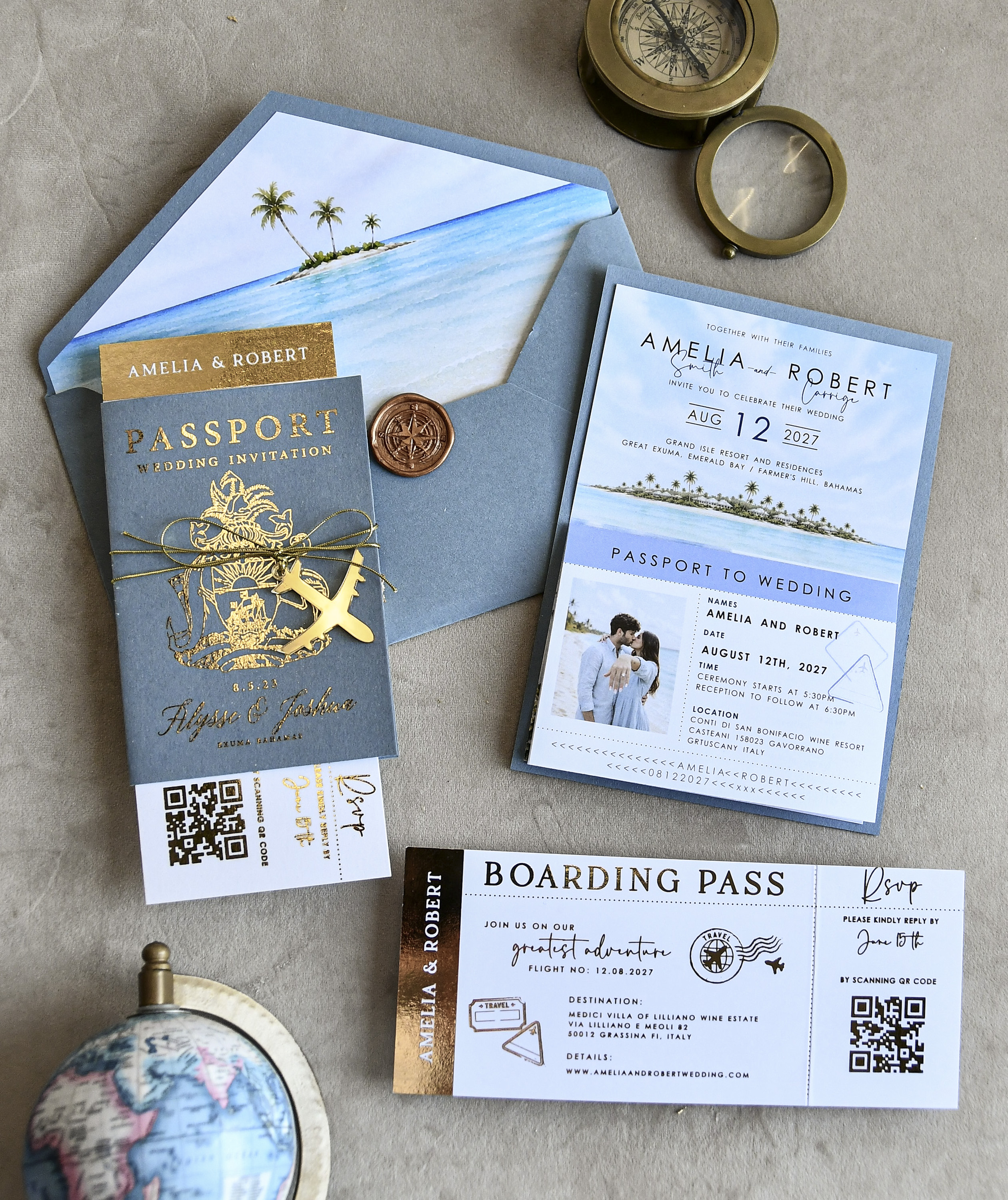
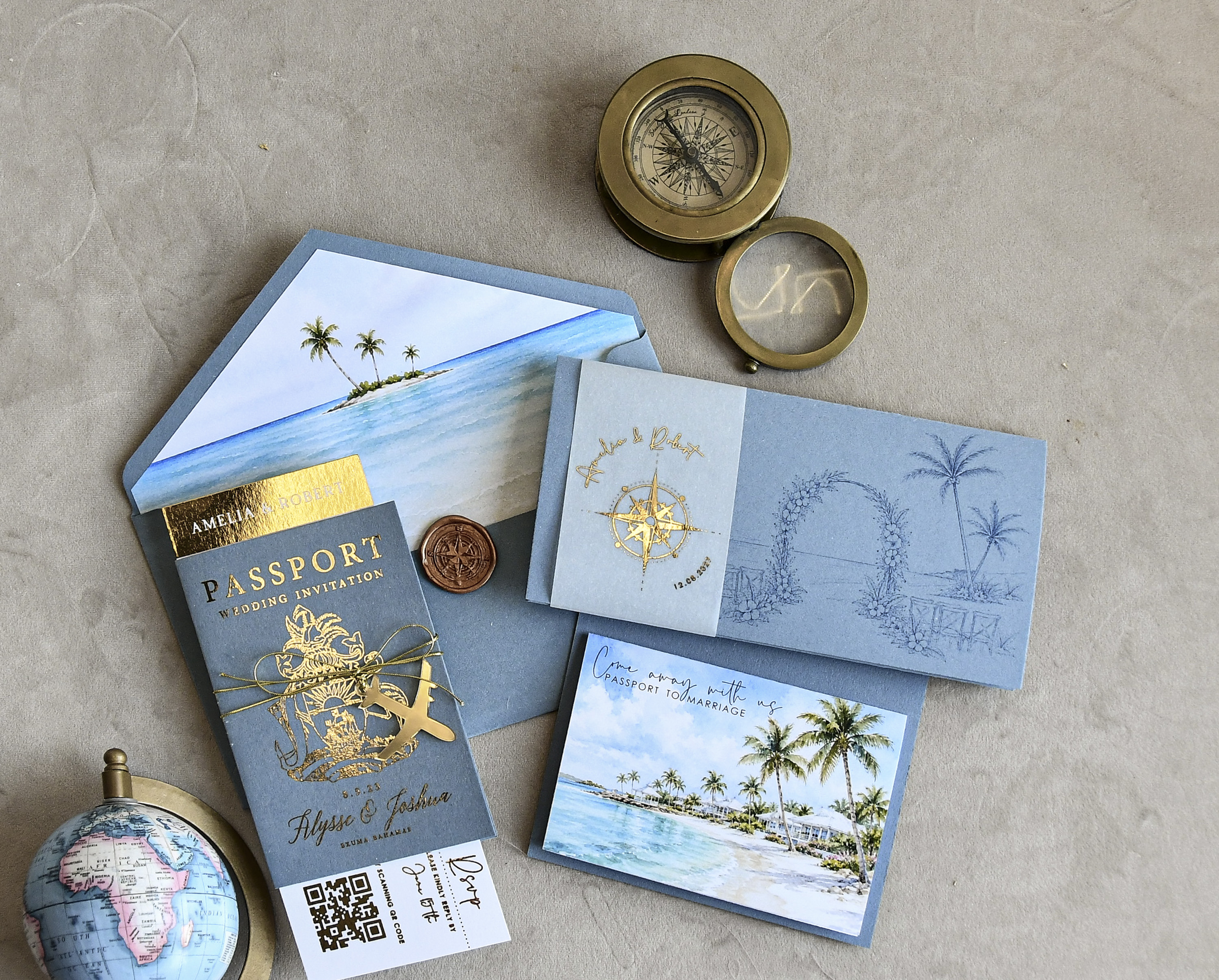
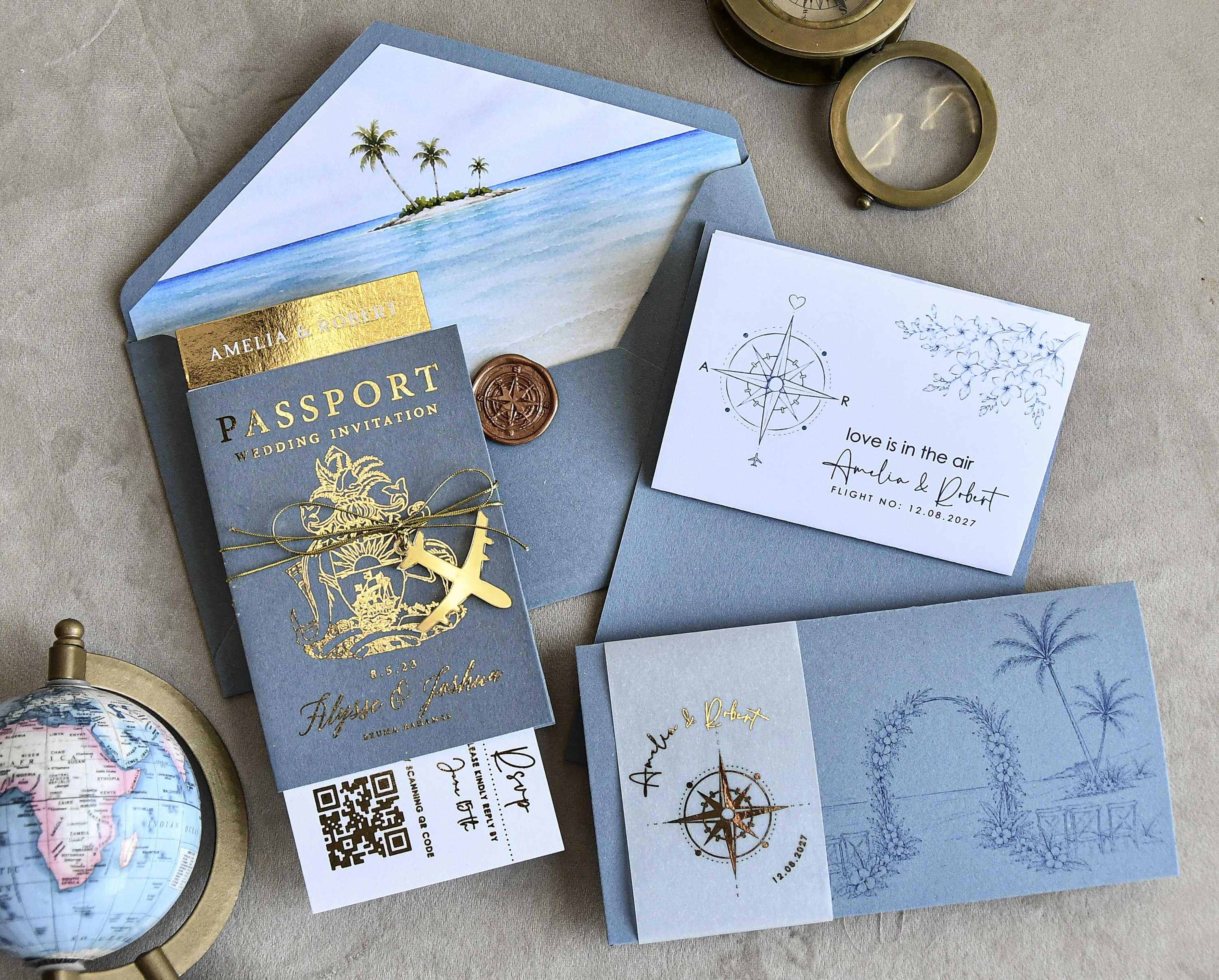
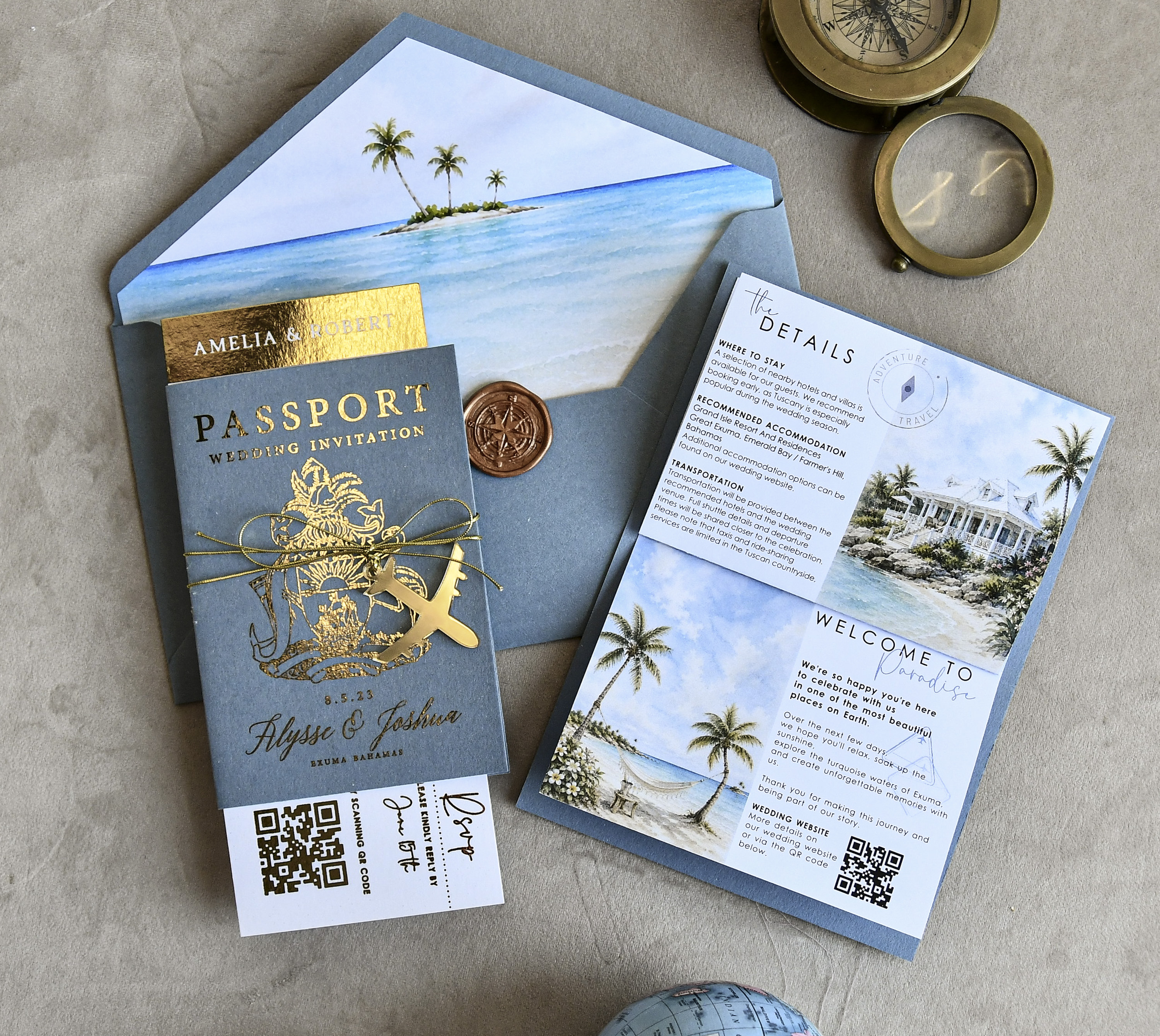
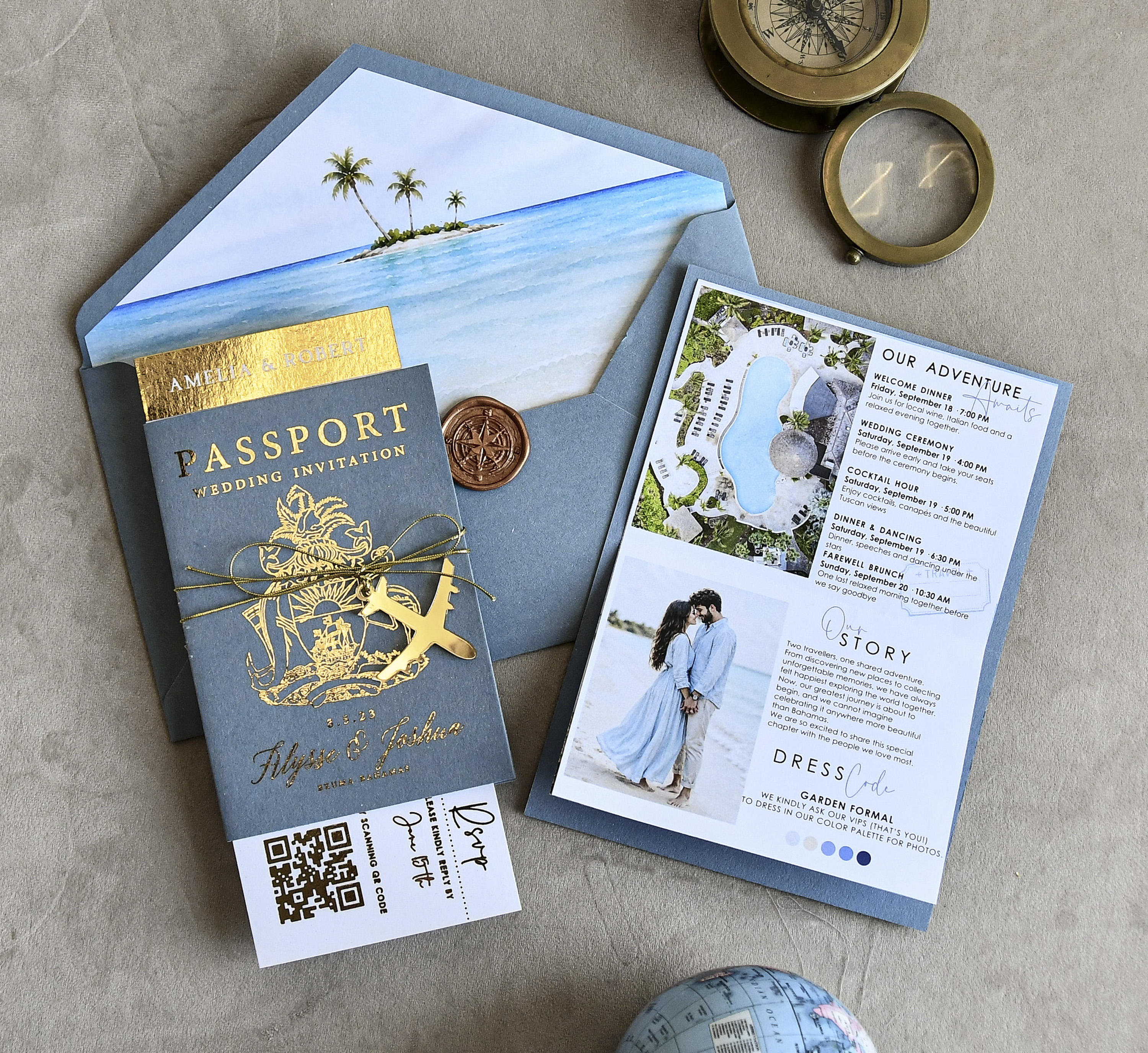
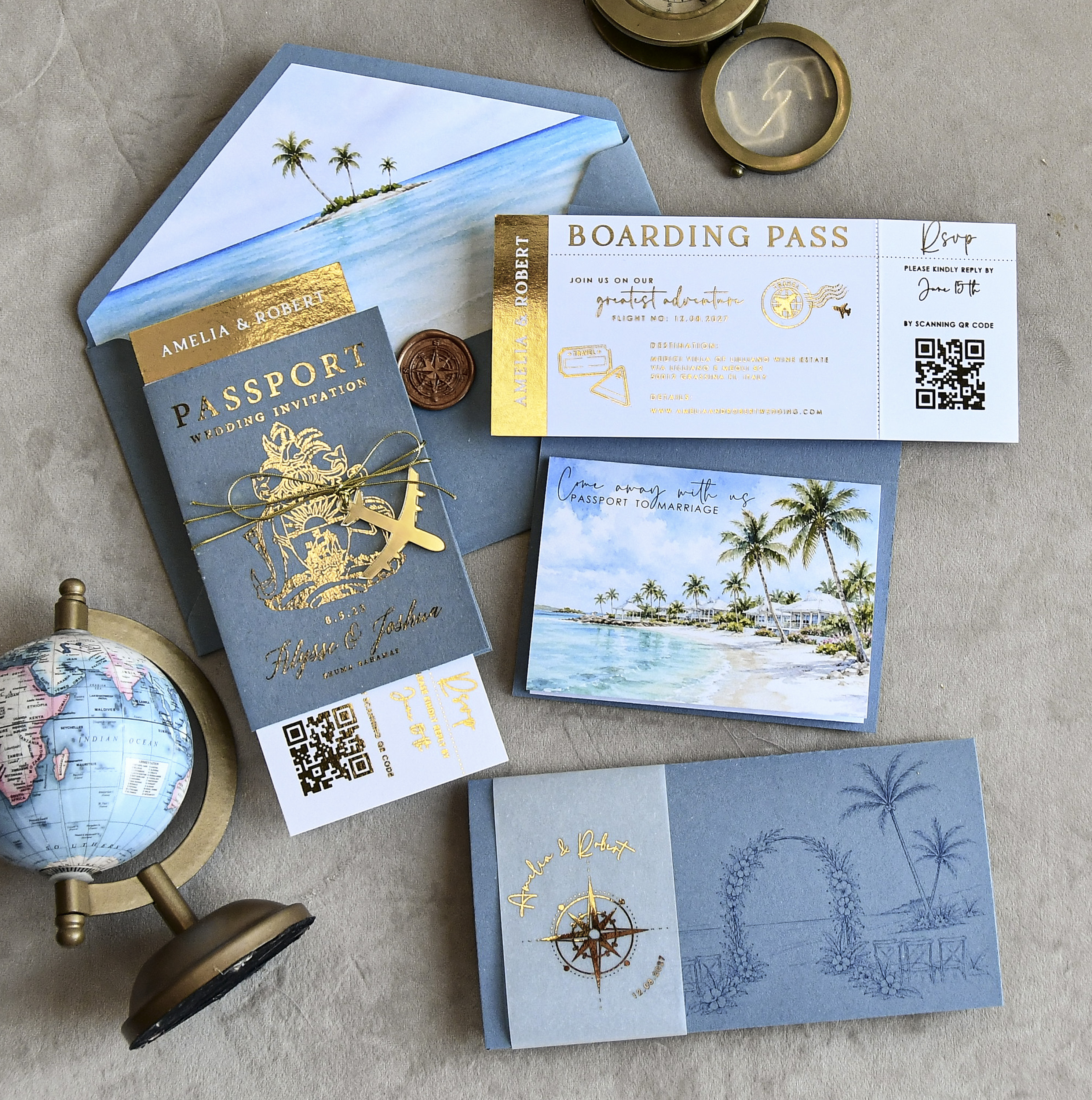
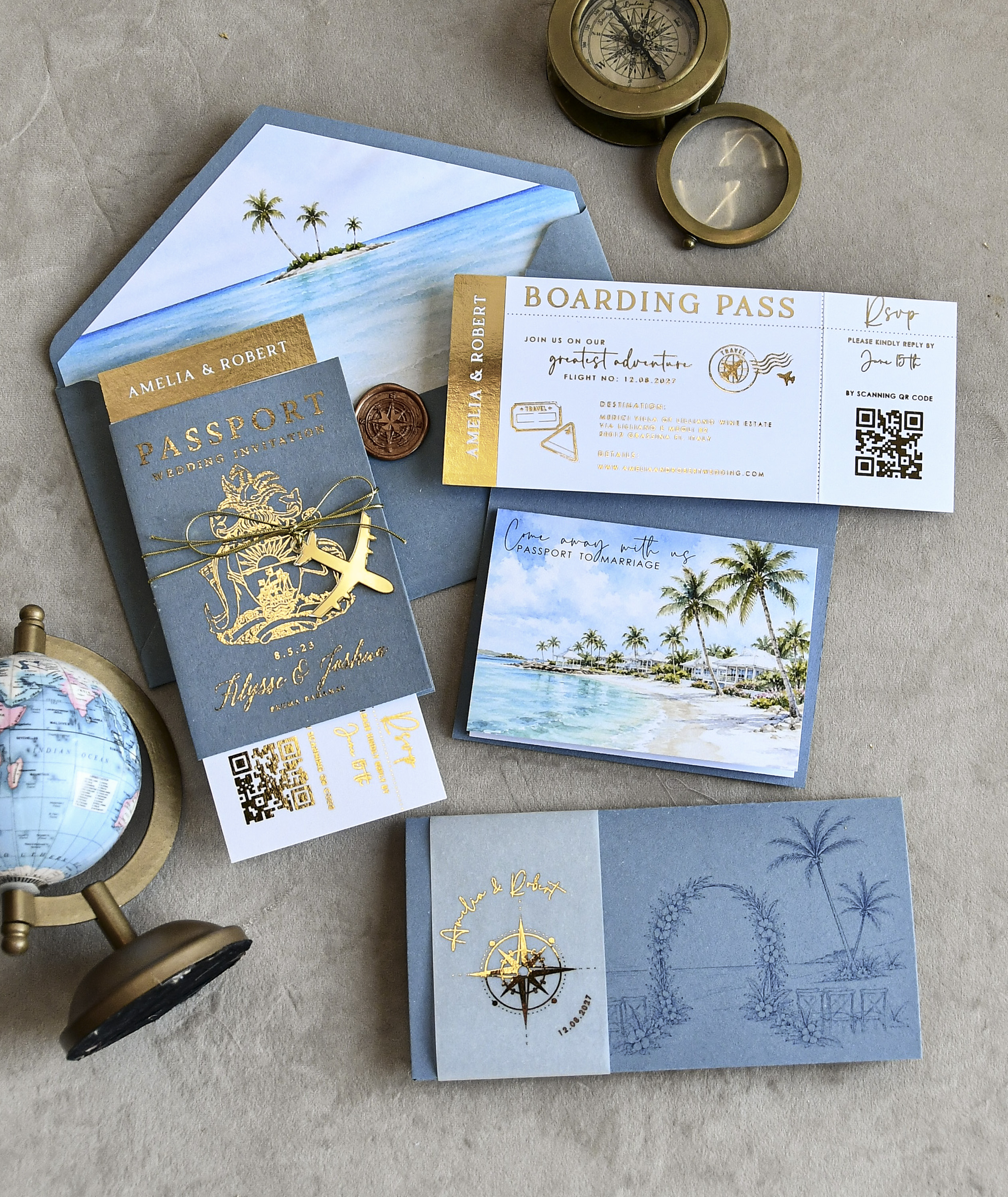
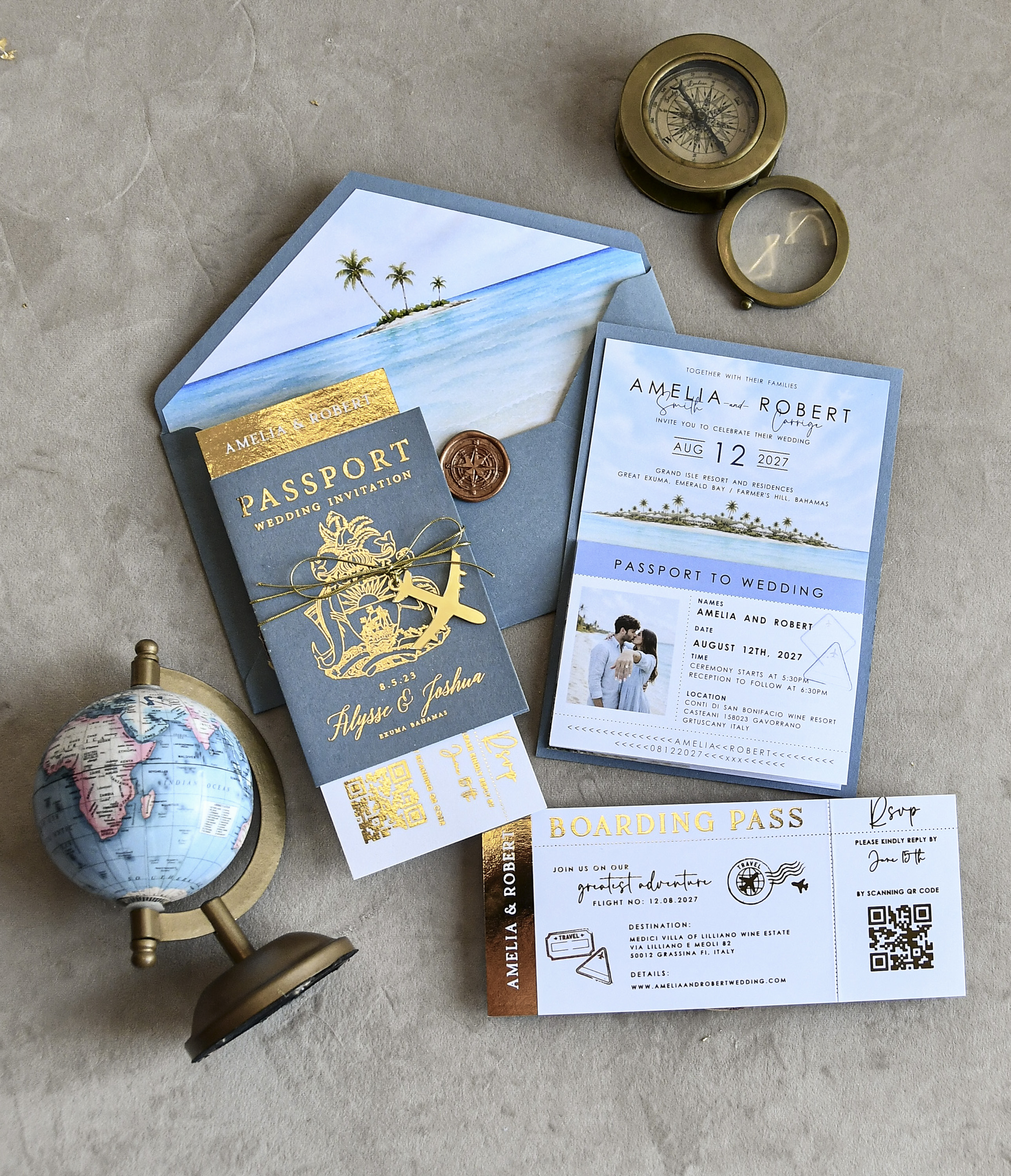
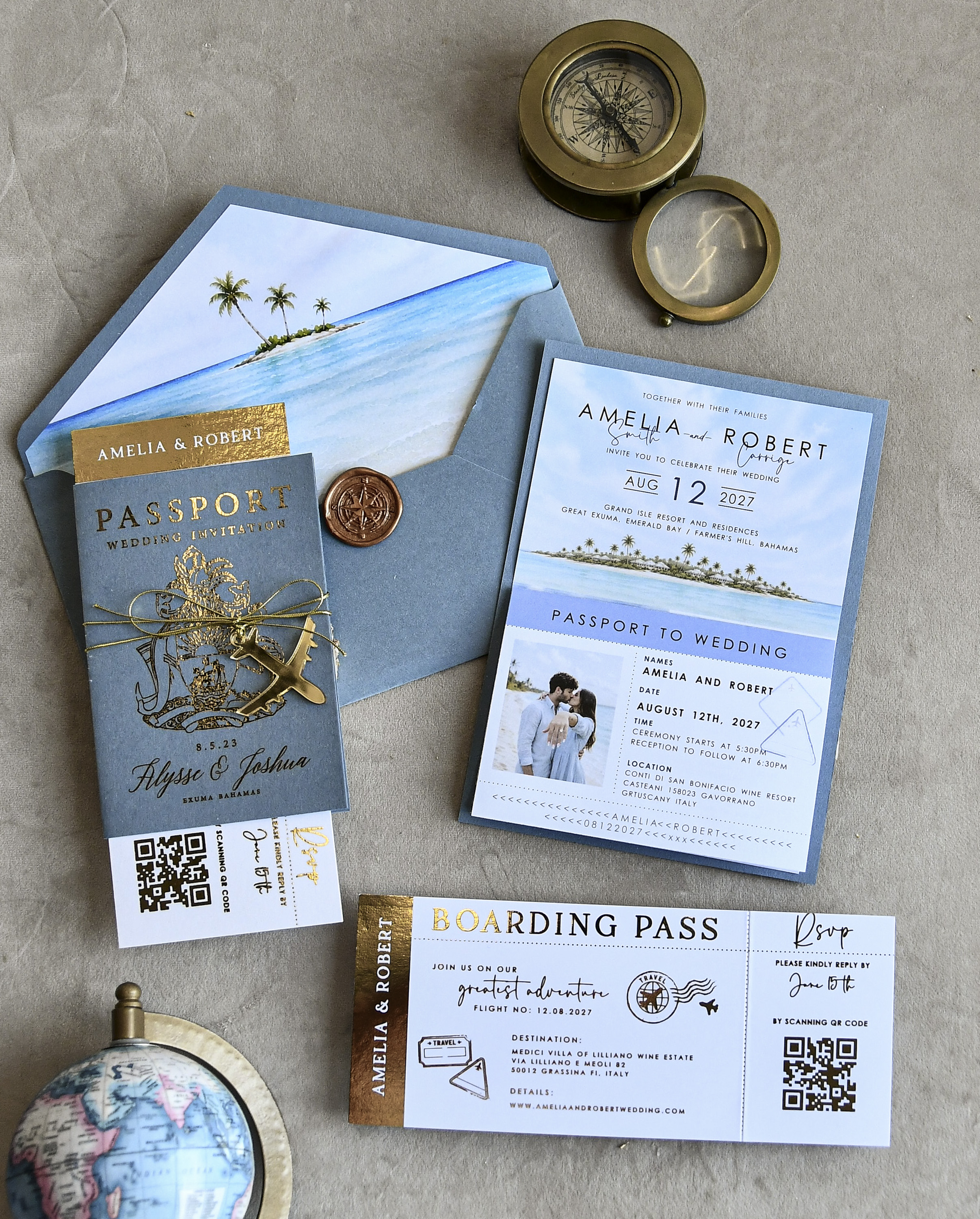
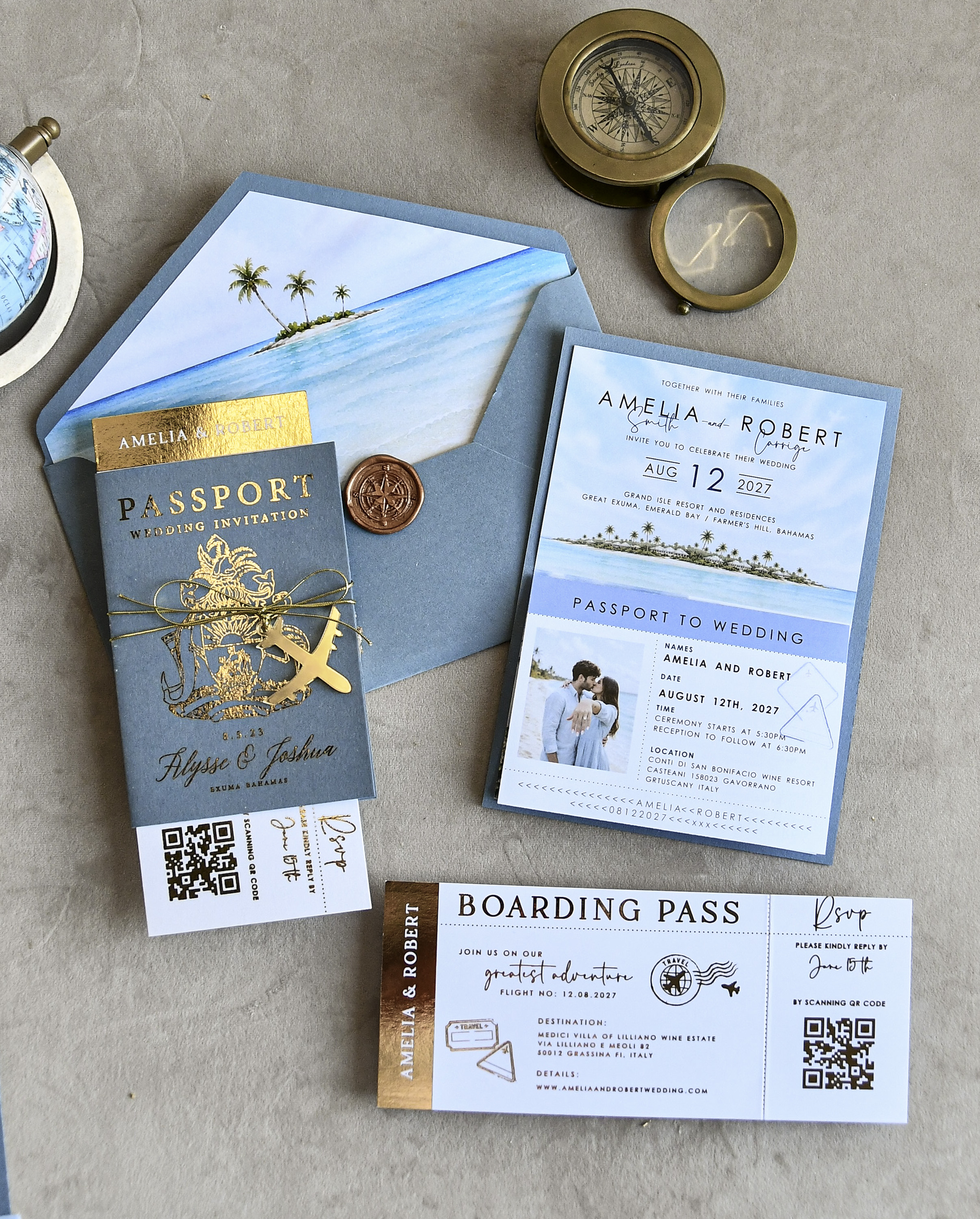
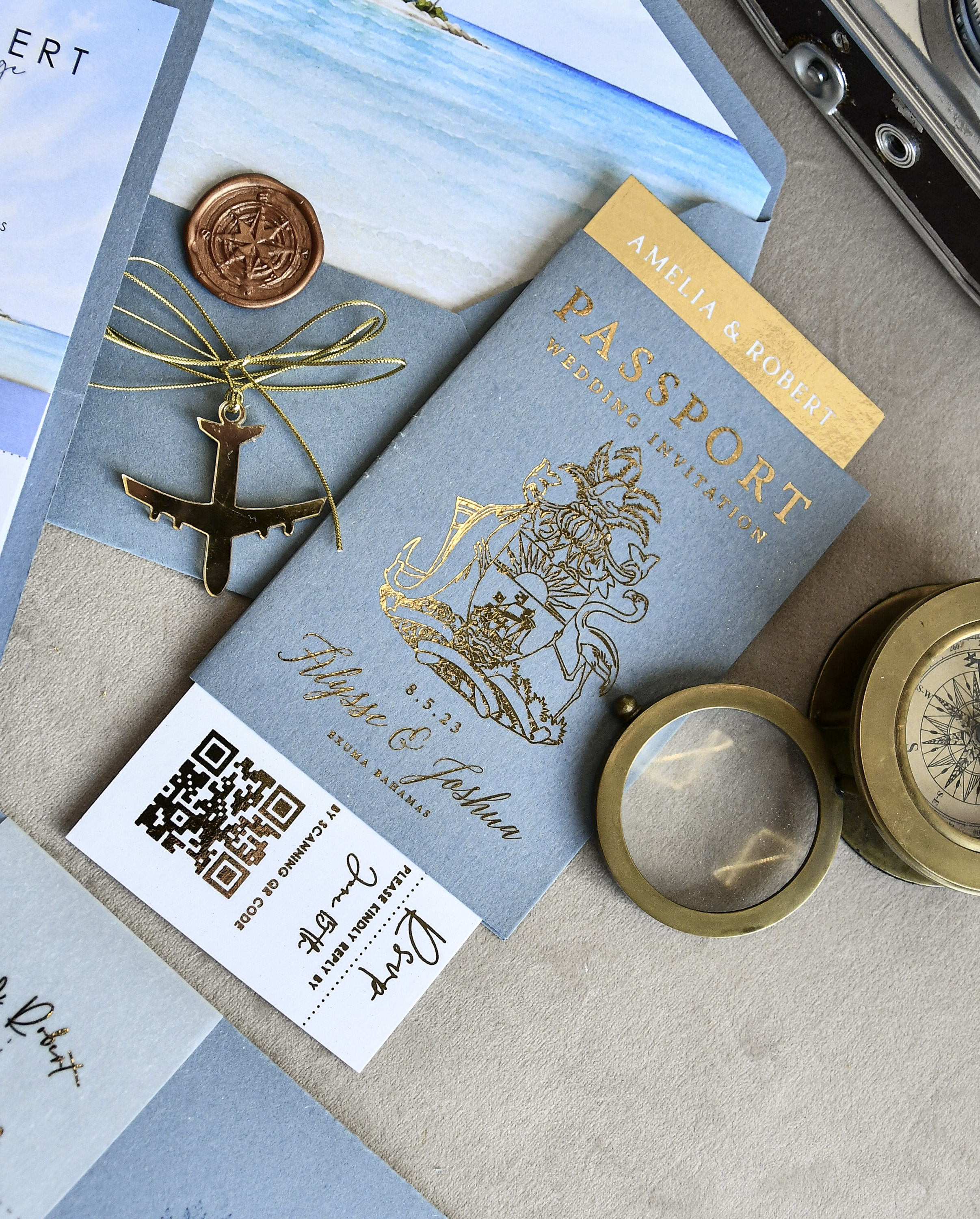
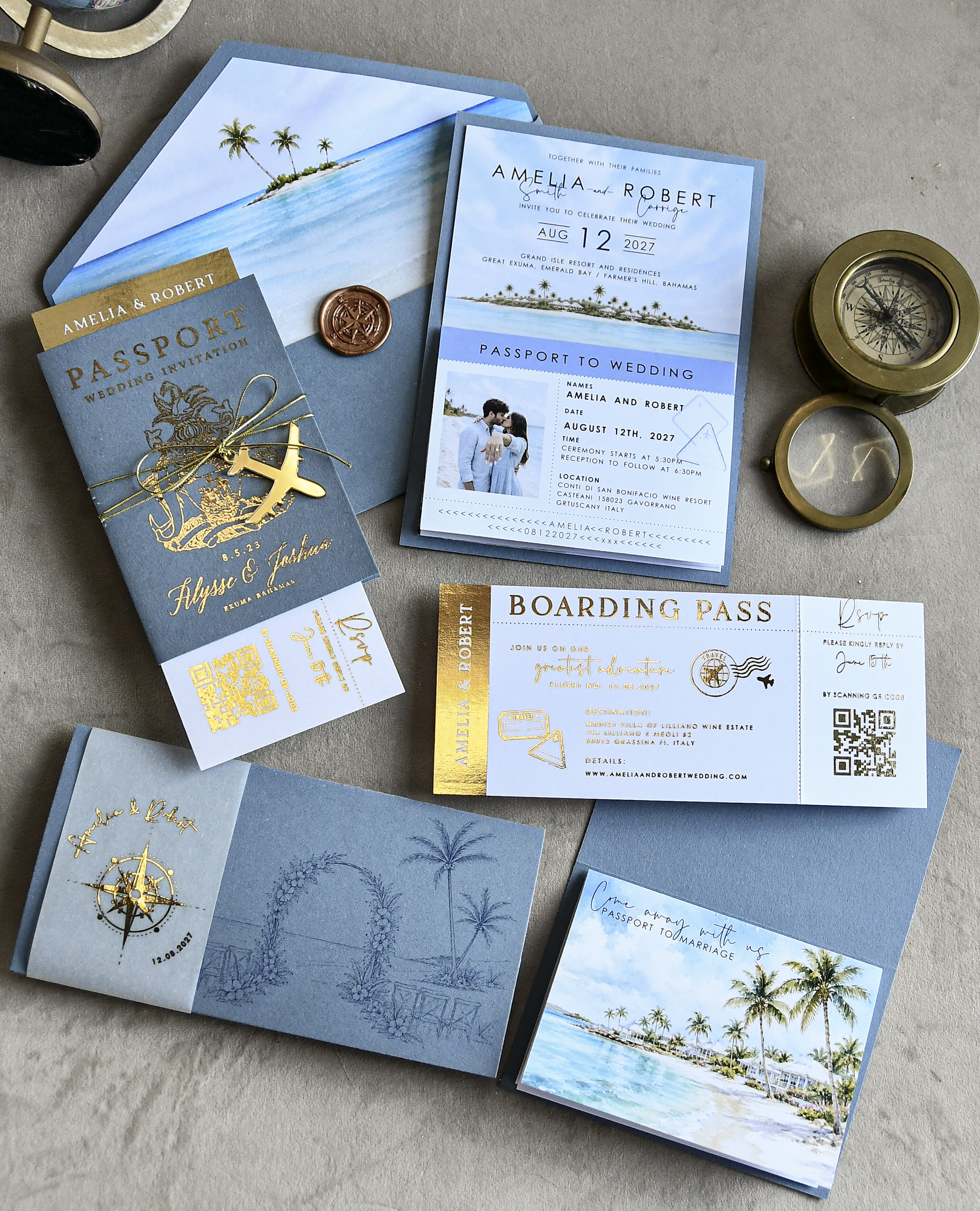
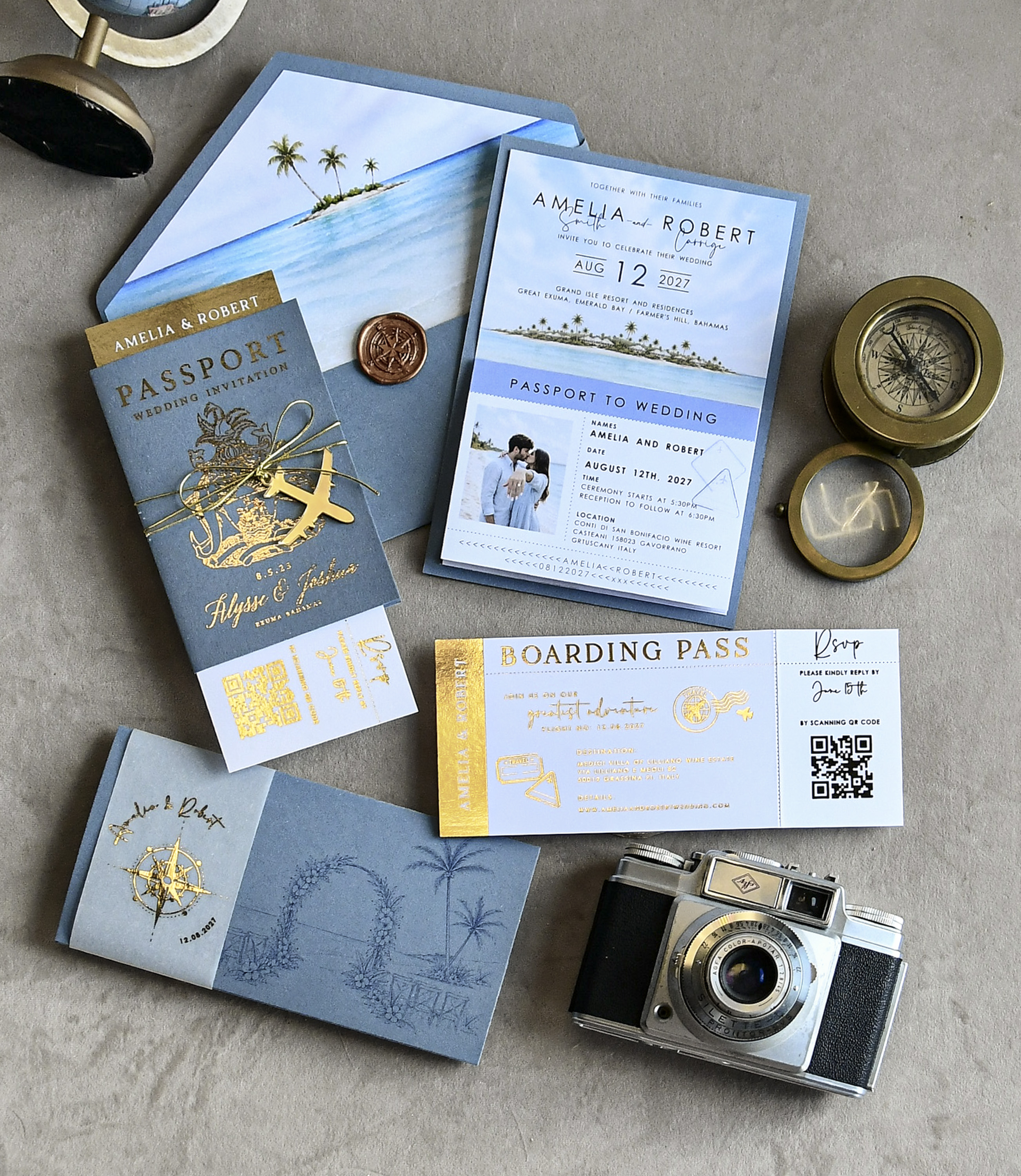
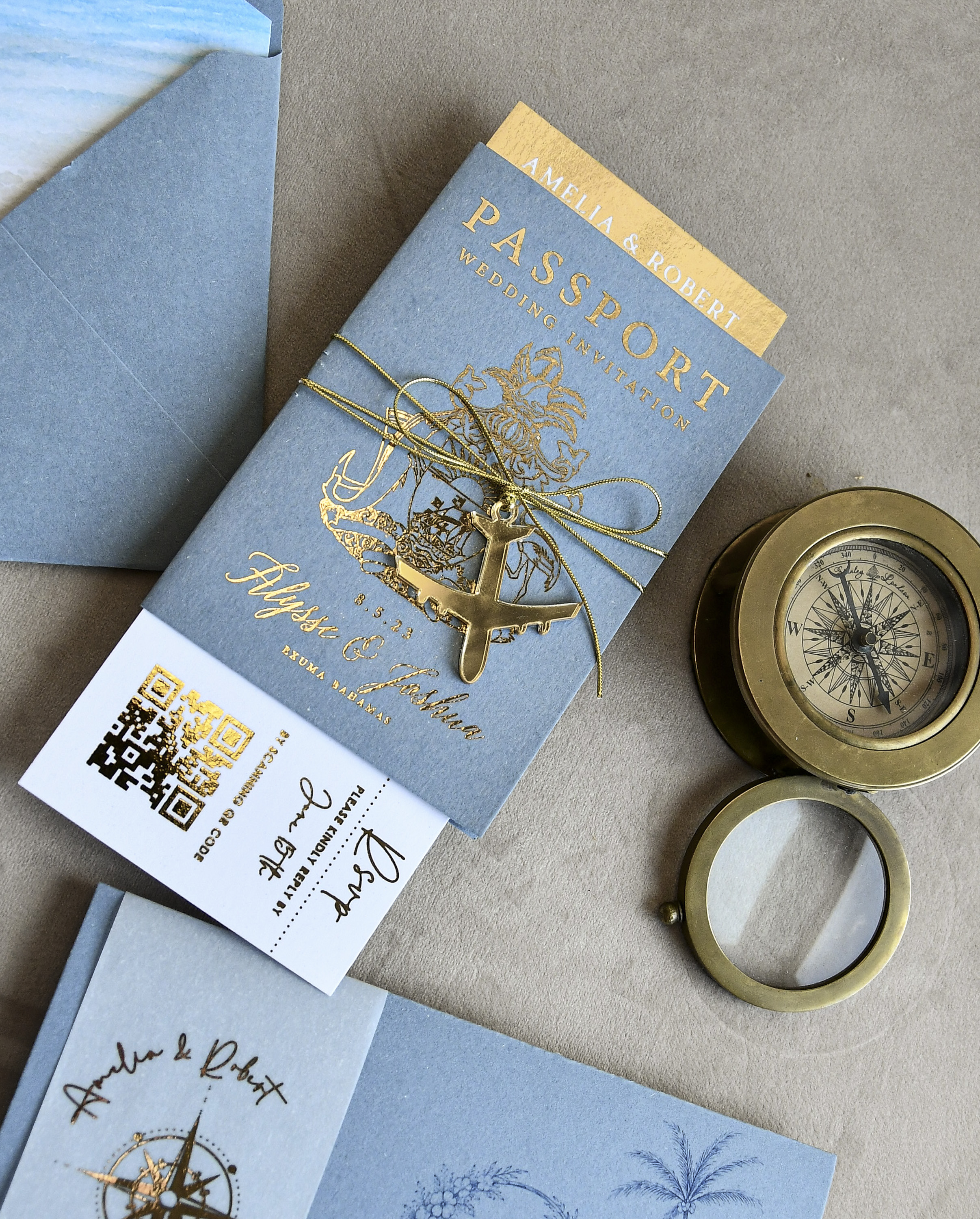
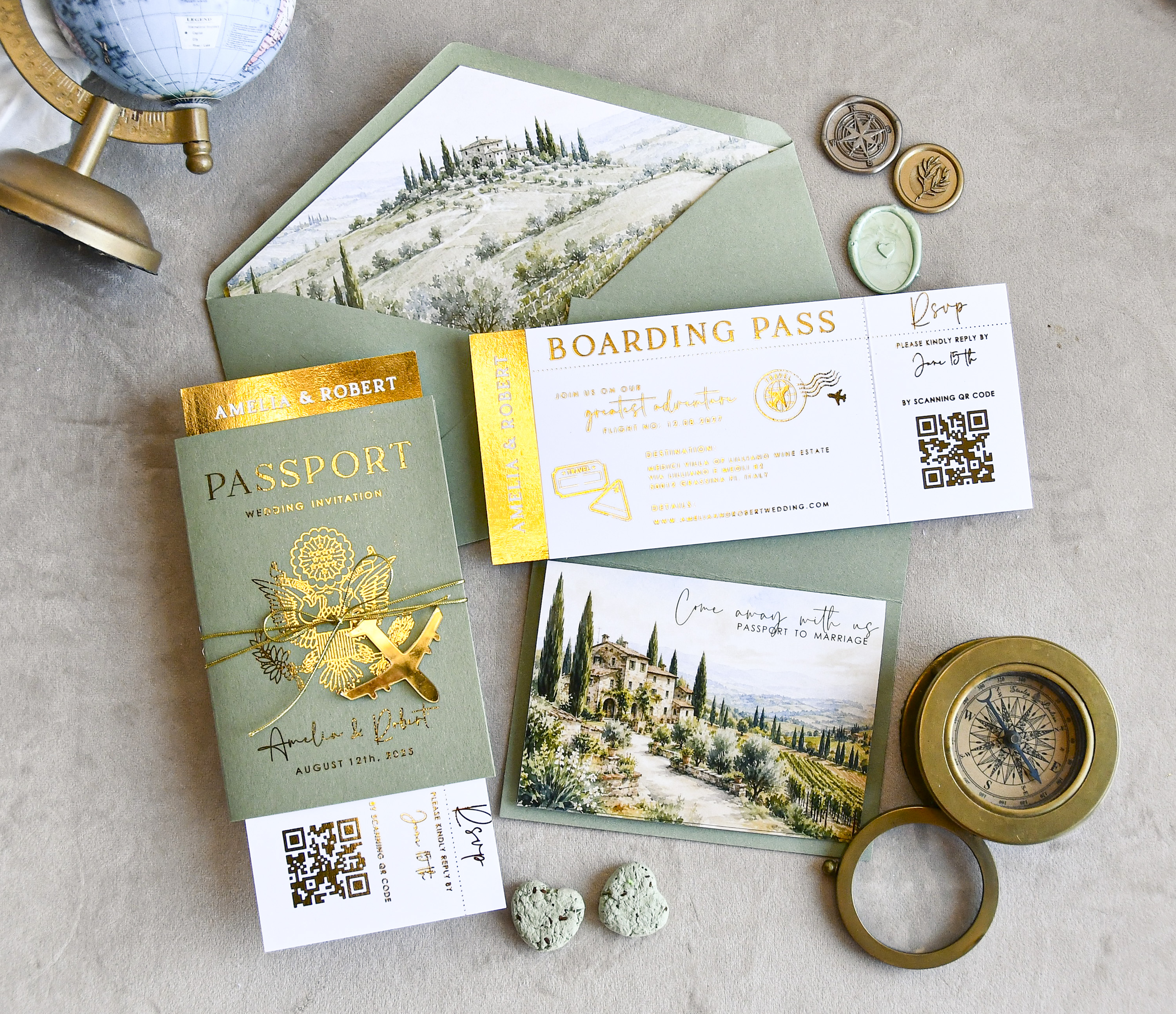
A destination-style design like the 02/passDest/z passport invitation naturally lends itself to a clear, name-specific format that feels intentional and polished — guests are less likely to assume extras are welcome when the invitation looks carefully curated.
Beyond the envelope, consider these steps:
- RSVP cards with a fill-in line: Use wording like "We have reserved ___ seats in your honor" and pre-fill the number. If someone adds names, you'll catch it early.
- Your wedding website: A brief, friendly note such as "Due to venue capacity, we're only able to accommodate the guests named on your invitation" sets expectations without singling anyone out.
- A direct conversation: If you know a particular guest has a habit of assuming, have a warm, honest phone call before they RSVP.
What to Do When You Find Out Before the Wedding
If you discover through RSVP cards, social media, or the grapevine that someone plans to bring an extra guest, address it as soon as possible — the earlier, the easier. Call or text the guest directly and keep the tone friendly, not accusatory:
"Hey! We're so excited to celebrate with you. I noticed your RSVP included [Name] — unfortunately our venue has a strict headcount and we aren't able to accommodate additional guests. We'd love to have you there, and I wanted to give you a heads-up so there are no surprises on the day!"
Most guests will appreciate the early warning and won't take it personally. If a guest pushes back, hold your ground kindly. You are not obligated to accommodate guests you didn't invite, especially when venue capacity and catering are involved.
Handling It Gracefully on the Wedding Day
Despite your best efforts, an unexpected guest may still show up at the door. Here's how to handle it without derailing your day:
- Designate a point person. Brief your wedding planner, a trusted family member, or your venue coordinator ahead of time. They should be empowered to handle check-in issues so you don't have to.
- Have a protocol at the door. A check-in list with exact guest names means your coordinator can spot an uninvited guest immediately and address it quietly.
- Assess the situation practically. If space genuinely allows, your coordinator can seat the extra guest at a cocktail table or find a creative solution. If it truly doesn't work, the point person can politely explain the situation to the guest.
- Let it go on your wedding day. If the uninvited guest ends up staying, make a mental note to address it after the honeymoon and focus on enjoying your celebration. One extra person should not define your day.
The key is preparation: when your team knows what to do, you won't be pulled away from your first dance to deal with a seating crisis.
Following Up After the Wedding (If Needed)
If the situation caused real inconvenience — extra costs, seating disruptions, or catering shortfalls — it's reasonable to have a calm conversation with the guest after the wedding. Keep it brief and non-accusatory. Most guests, when they understand the real impact, will be apologetic. In rare cases where the relationship is strained, you may decide the friendship matters more than the conversation — that's a valid choice too.
What you don't want to do is send an invoice or publicly call the guest out on social media. Handle it privately, and then let it go.
Frequently Asked Questions
You can, but keep it warm rather than legalistic. Wording like "We have reserved [number] seats in your honor" on the RSVP card is subtle and effective. A line on your wedding website covering capacity limits also helps without making the invitation feel unwelcoming.
This is a tricky situation, and etiquette generally suggests that married couples and long-term live-in partners should be invited together. If budget or space truly prevents it, a direct, private conversation with that guest is the most respectful path forward.
While it's technically within your rights to ask a guest to cover the cost of an uninvited addition, it almost always causes more damage to the relationship than it's worth. It's generally better to absorb the cost if the guest ends up staying and address the boundary issue privately afterward.
Always list the exact names of every invited guest on both the outer and inner envelopes. Avoid vague phrases like "and family" or "and guest" unless you mean them. For a household with children who are not invited, address the envelope only to the adults by name.
A gentle script works best: "I'm so glad you're here to celebrate! I don't see [guest's name] on our list — let me check with the couple quickly." This buys time without causing a scene and keeps the tone warm while the situation is resolved.
Not at all — venue capacity and budget are legitimate reasons to limit plus-ones. The key is communicating the policy clearly and consistently so no single guest feels singled out. Applying the same rules across all guests (except perhaps the wedding party) keeps things fair and drama-free.
See This Design Up Close














You May Also Like

More Wedding Planning Guides
- → Kids at Your Wedding: Should You Hire a Babysitter or Full Entertainment?
- → The Right Time to Chase Down Missing RSVPs (And How to Do It Gracefully)
- → The Graceful Way to Let Guests Know Your Wedding Is Adults Only
- → Wedding Guest List Dilemma: Should Your Boss and Coworkers Make the Cut?
- → When Guests RSVP Yes But Never Arrive: What to Do Before, During, and After
- → Planning Your Wedding When Your Divorced Parents Can't Stand Each Other
- → Navigating Wedding Invitations When a Sibling Relationship Is Complicated
- → Your Guest List, Your Rules: Navigating In-Law Friend Invites
- → Big Guest List vs. Better Wedding Experience: Which Should You Prioritize?
- → Save the Date Cards vs. Wedding Invitations: Know the Difference Before You Order
- → Extra Wedding Guests: Who Picks Up the Tab?
- → No RSVP? Here's Exactly How to Handle It
- → What to Say When Someone Asks Why They Didn't Make the Guest List
- → Plus-Ones for Single Guests: Making the Right Call for Your Wedding
- → How to Kindly Let Someone Know They Didn't Make the Guest List
- → My Fiancé Wants to Exclude My Family From the Wedding: Now What?
- → Should You Give Teenage Guests a Plus One at Your Wedding?
- → Adults-Only or Family-Friendly? How to Make the Right Call on Kids at Your Wedding
- → How Late Is Too Late for Wedding Invitations? A Realistic Timeline
- → Aunt Has a New Husband: Here's How to Handle the Invitation
- → The RSVP No-Show: Should You Actually Call Guests Who Never Responded?
- → Wedding Invitations: Mail Them or Hand Deliver? Here's How to Decide
- → What to Do When a Relative Says They Won't Come If Someone Else Is Invited
- → Extra Names on Your RSVP Card: What to Do When Guests Add Themselves
- → Your Guest List, Your Call: How to Handle Mom's Must-Invite Requests
- → Yes, You Can Say No to a Plus One — Here's How to Do It Right
- → Adults-Only Weddings: Are You Being Rude by Leaving Kids Off the Guest List?
- → How to Handle Seating for Divorced Parents at Your Wedding
- → Uninvited Plus-Ones and Tag-Alongs: How to Keep Your Guest List Intact
- → When Family Feuds Threaten Your Wedding Plans: A Practical Peacekeeper's Guide
- → Inviting an Estranged Brother or Sister: Finding Clarity Before You Seal the Envelope
- → Cousins, Invites, and Hard Choices: A Practical Guest List Guide