
Yes, You Can Say No to a Plus One — Here's How to Do It Right
One of the most stressful parts of building a wedding guest list is fielding plus-one requests — especially when your venue has a hard cap, your budget is stretched, or you simply don't know your cousin's new partner of three weeks. The good news: yes, you absolutely can say no to a guest's plus one. It's your wedding, your budget, and your call. The key is doing it consistently, kindly, and early enough that no one feels singled out.
You Are Not Obligated to Offer Every Guest a Plus One
There is no etiquette rule that requires you to give every single guest a plus one. Traditional etiquette does suggest extending one to married couples, engaged couples, and guests who live with a long-term partner — but beyond that, the decision is entirely yours. Common approaches include:
- No plus ones at all — a tight, intimate guest list of people you both know personally
- Plus ones only for the wedding party — a practical middle ground
- Plus ones for guests who are in serious, established relationships — typically defined as living together or together for a year or more
The most important thing is consistency. If you give your college roommate a plus one but not your coworker, be prepared for questions. Apply the same rule across the board and you'll have a defensible, drama-free policy.
How to Communicate Your Policy Before Requests Even Start
The best way to avoid awkward conversations is to set expectations before guests even ask. Your invitation is the clearest signal. Address the envelope exactly as intended — if a guest is not receiving a plus one, address it only to them by name. Do not write "and guest" unless you mean it.
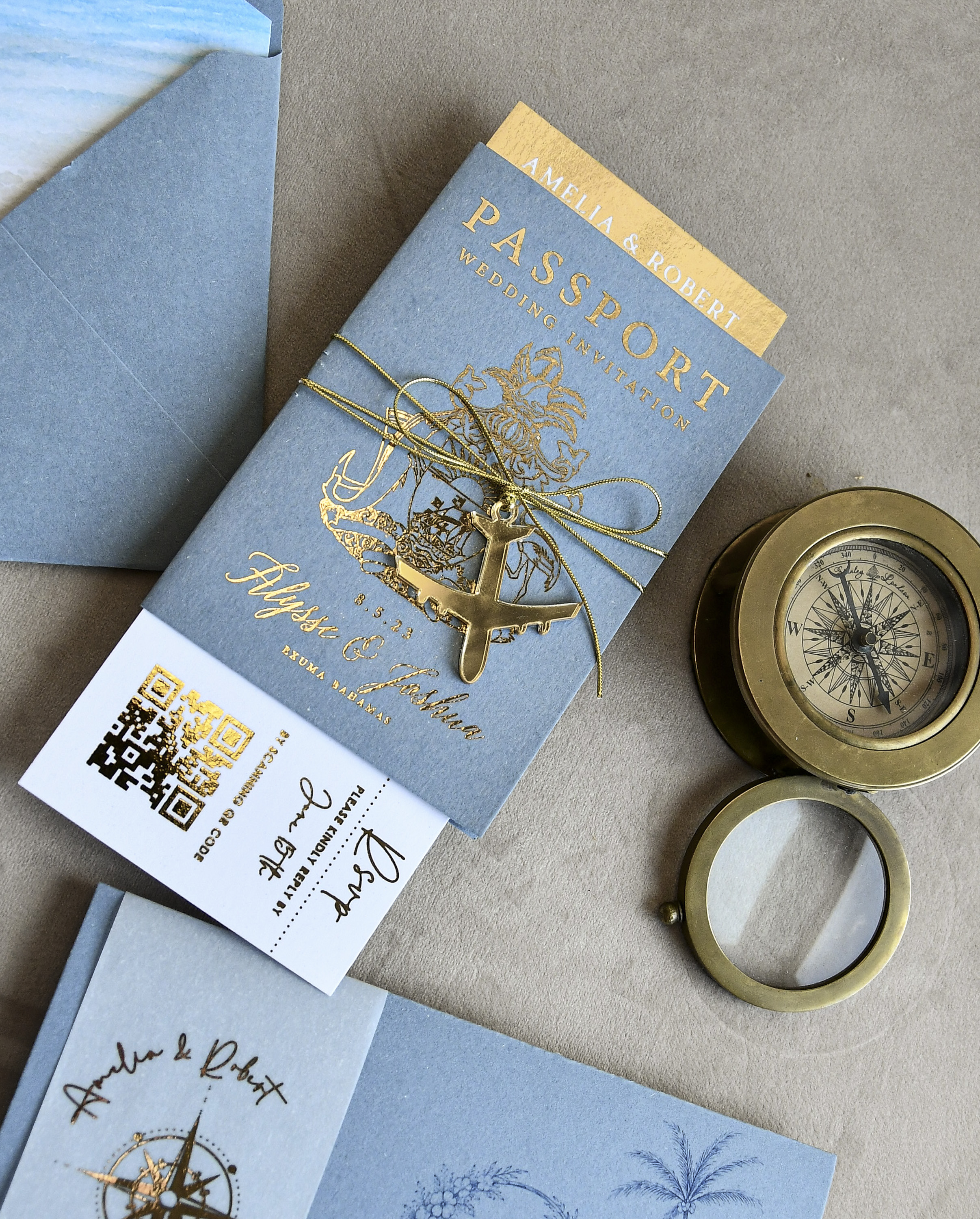
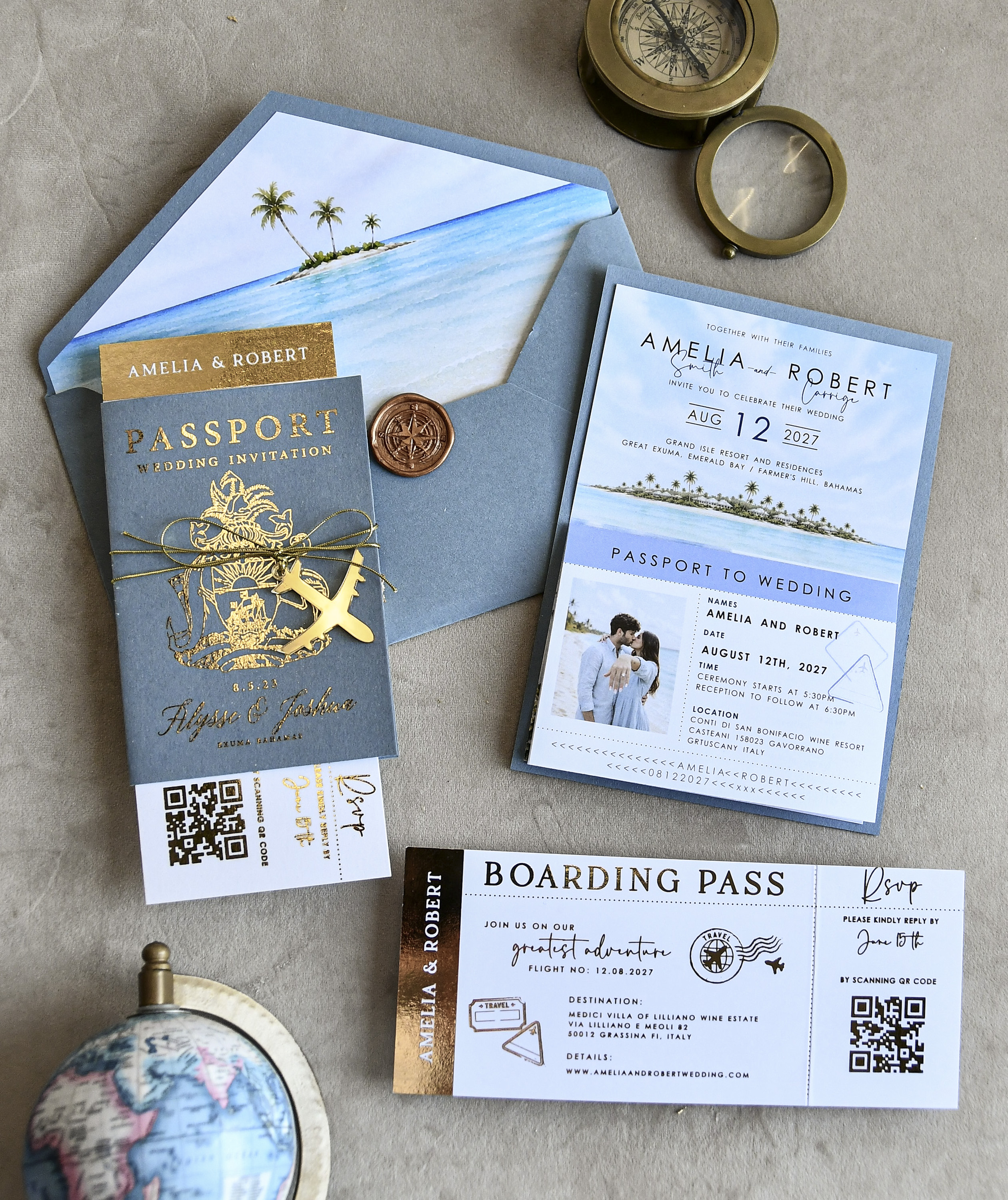
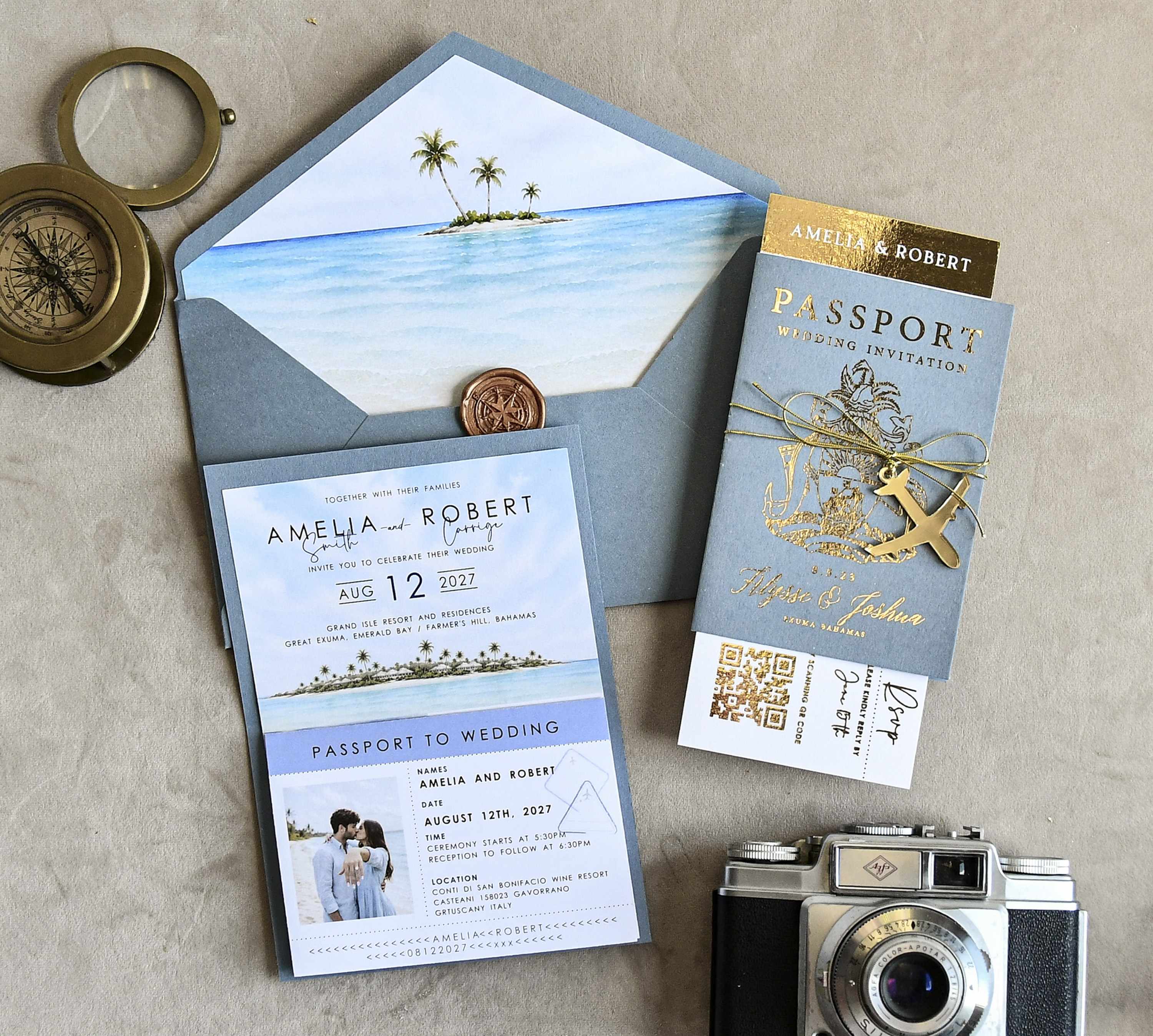
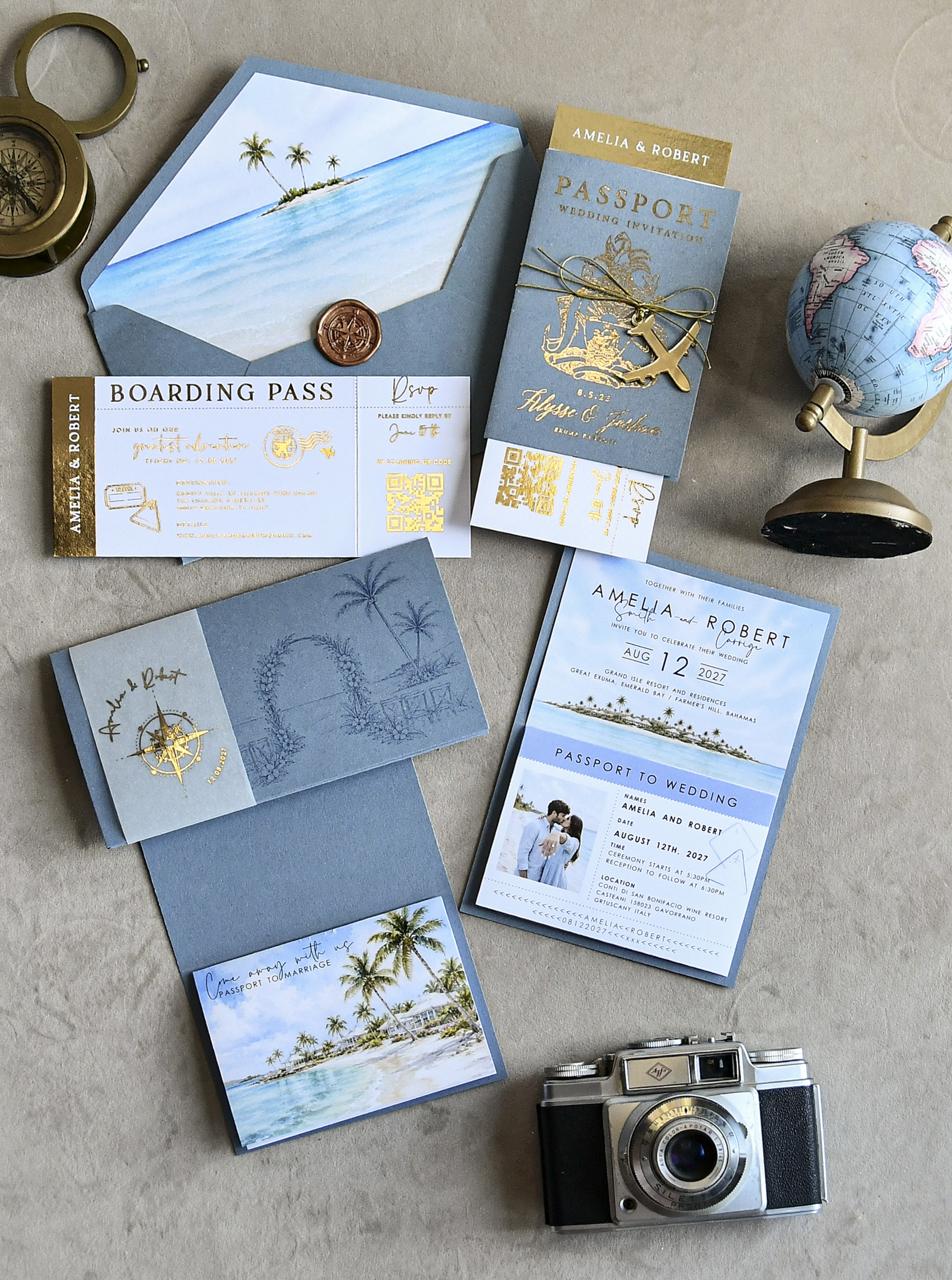
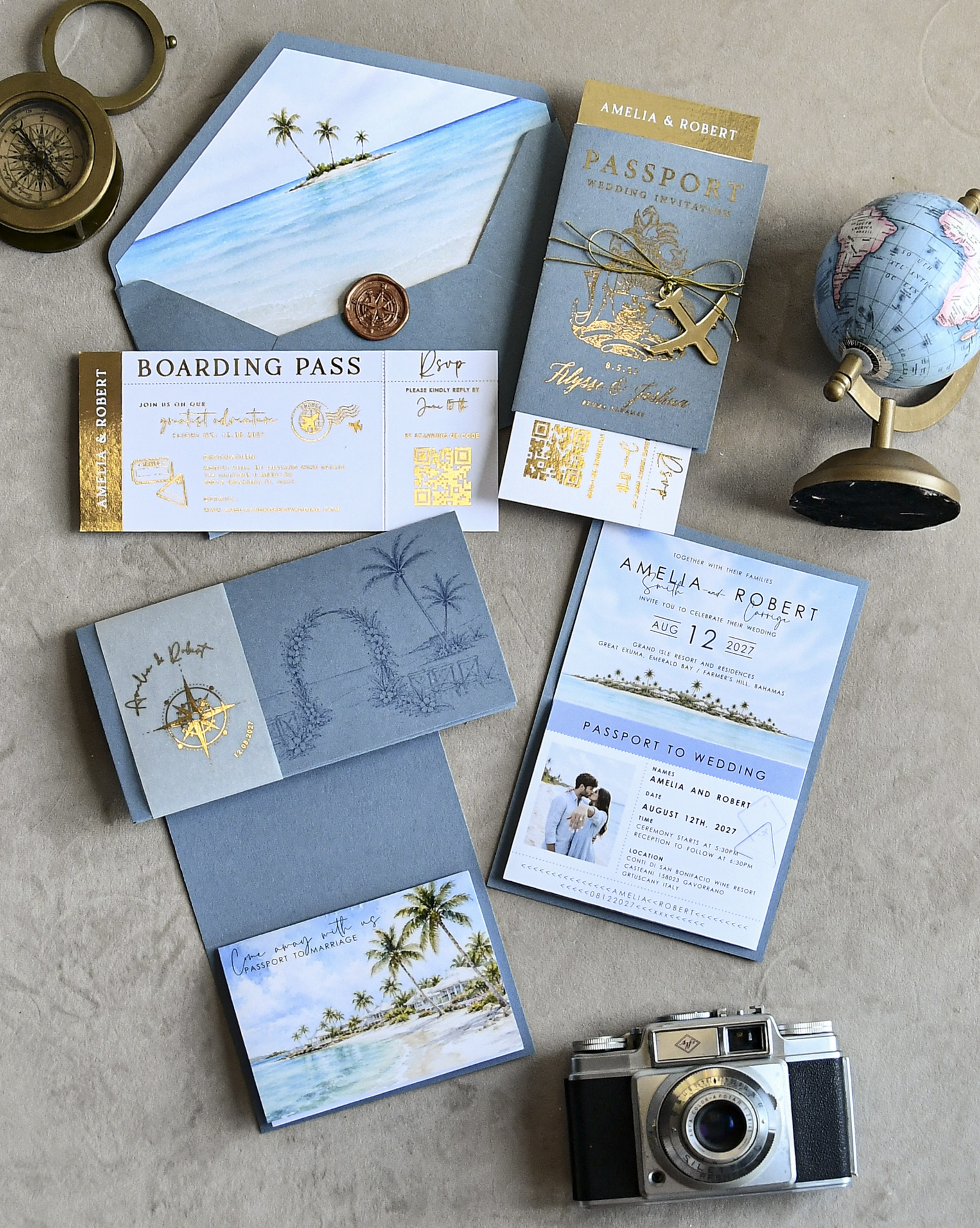
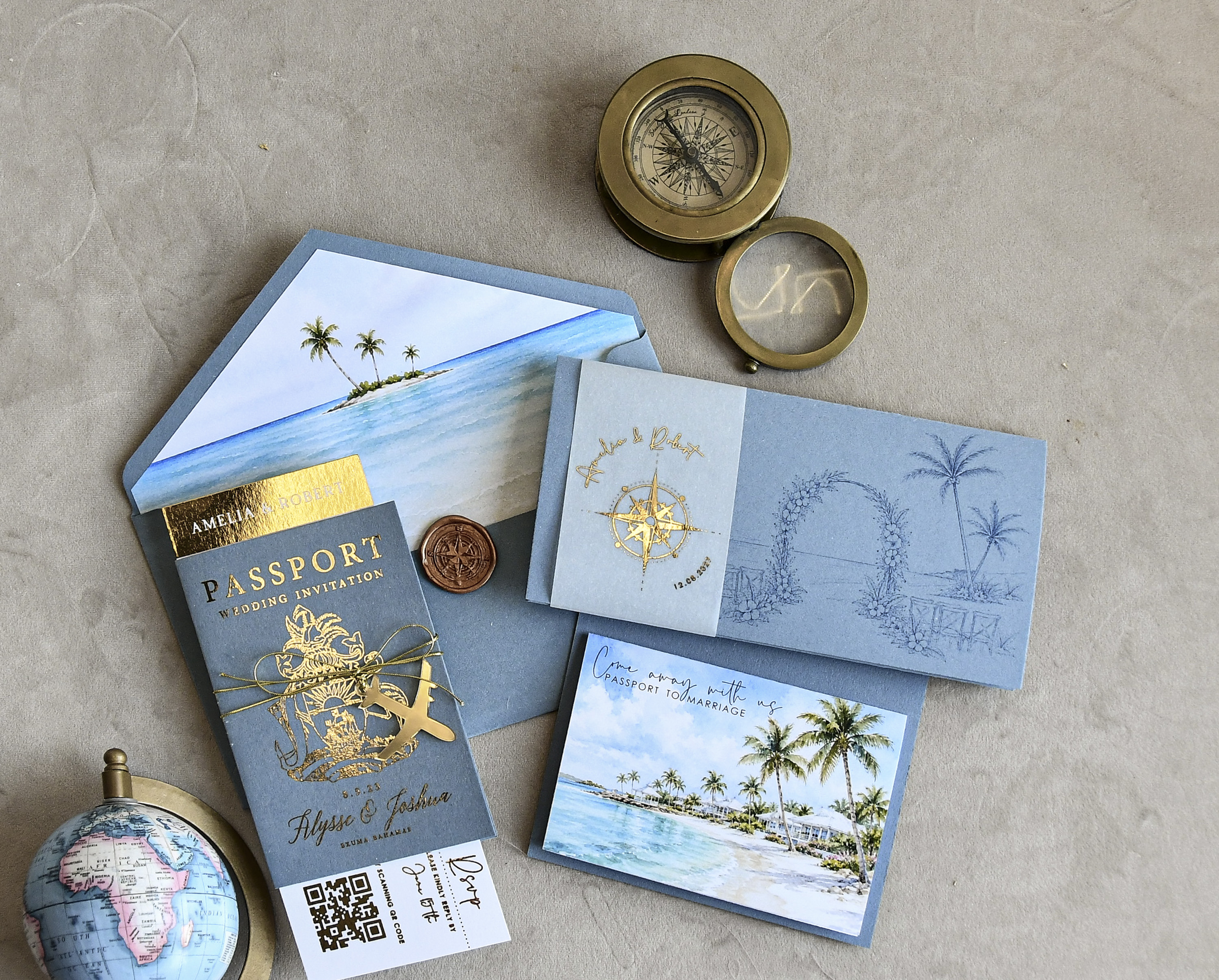
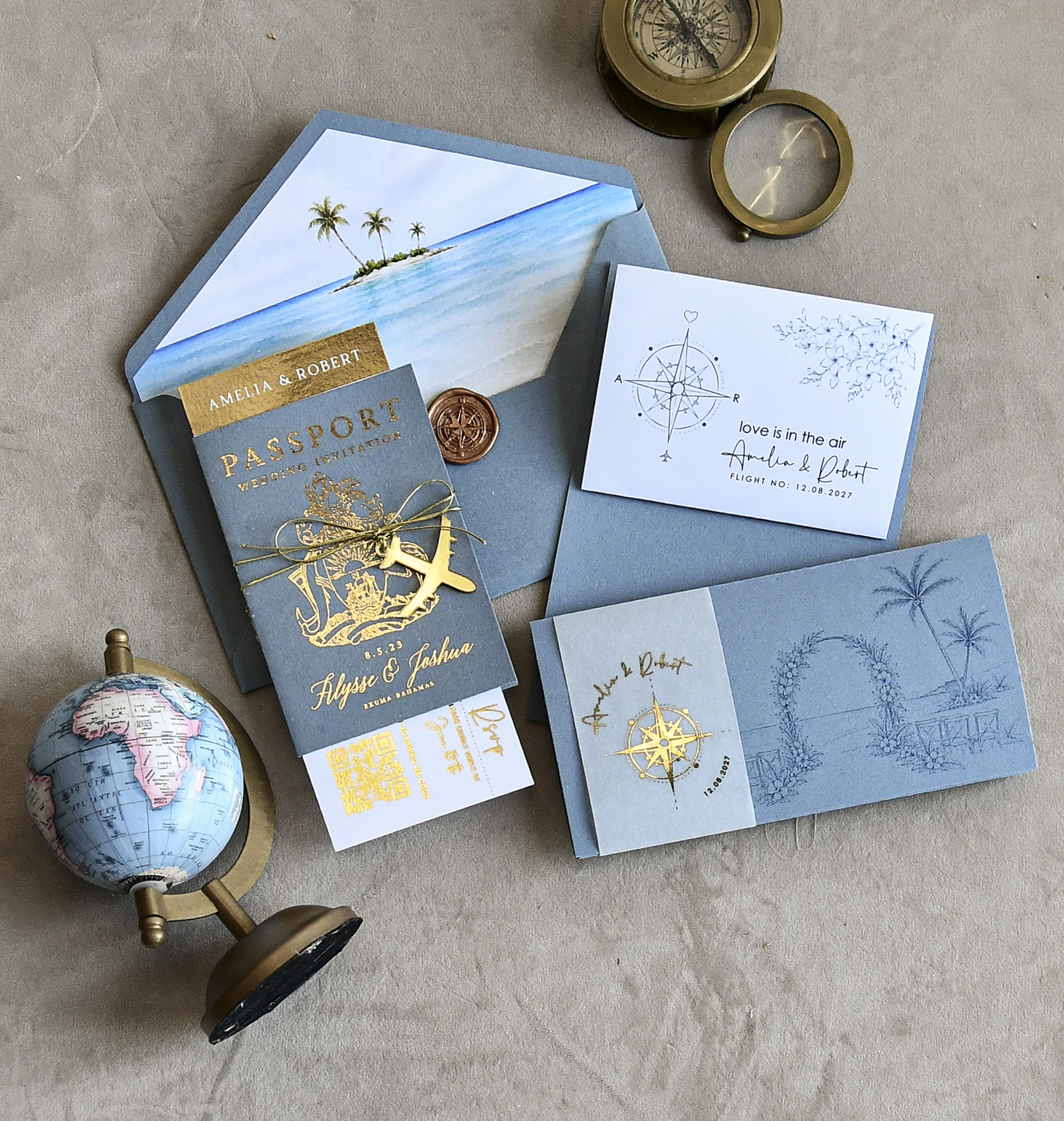
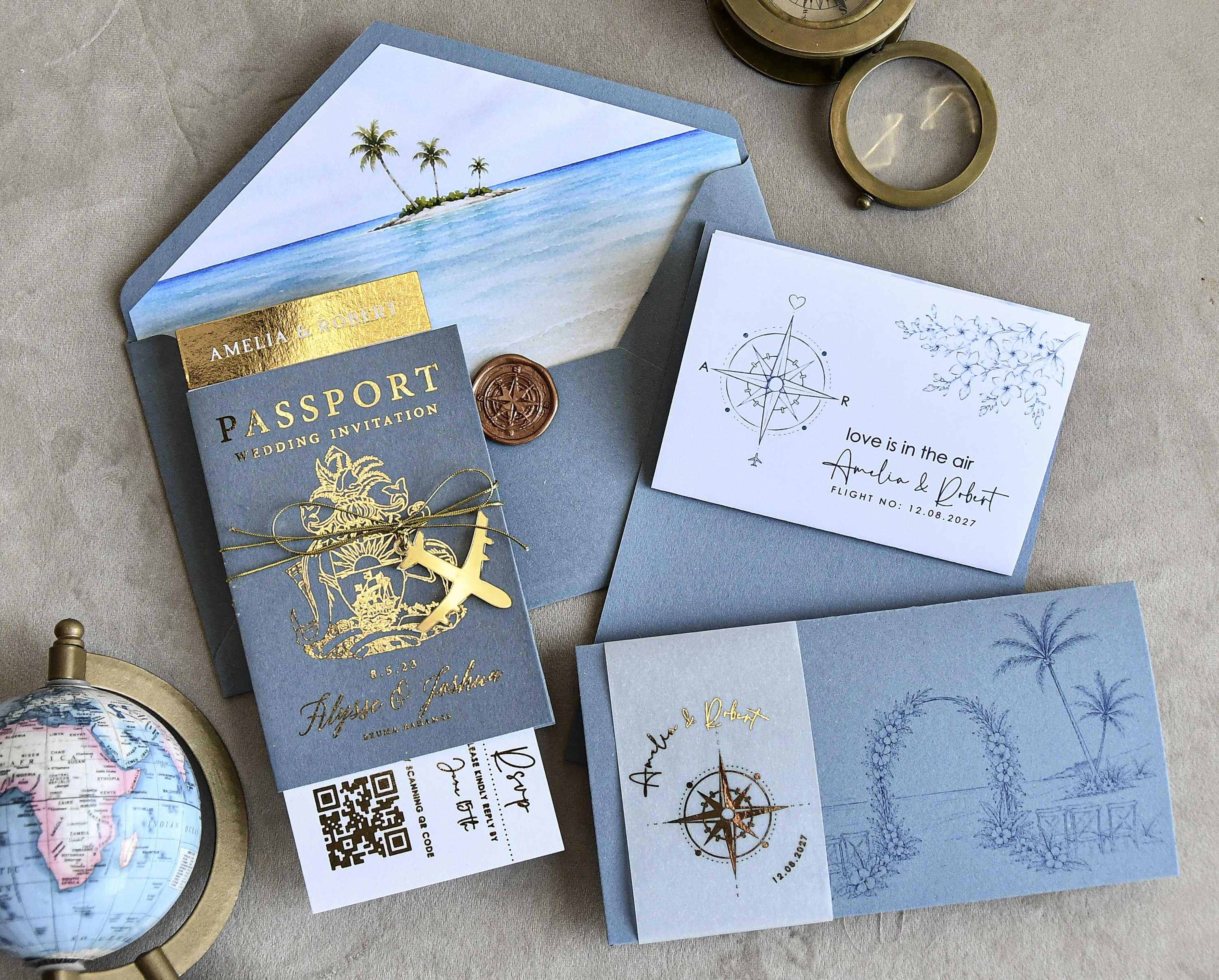
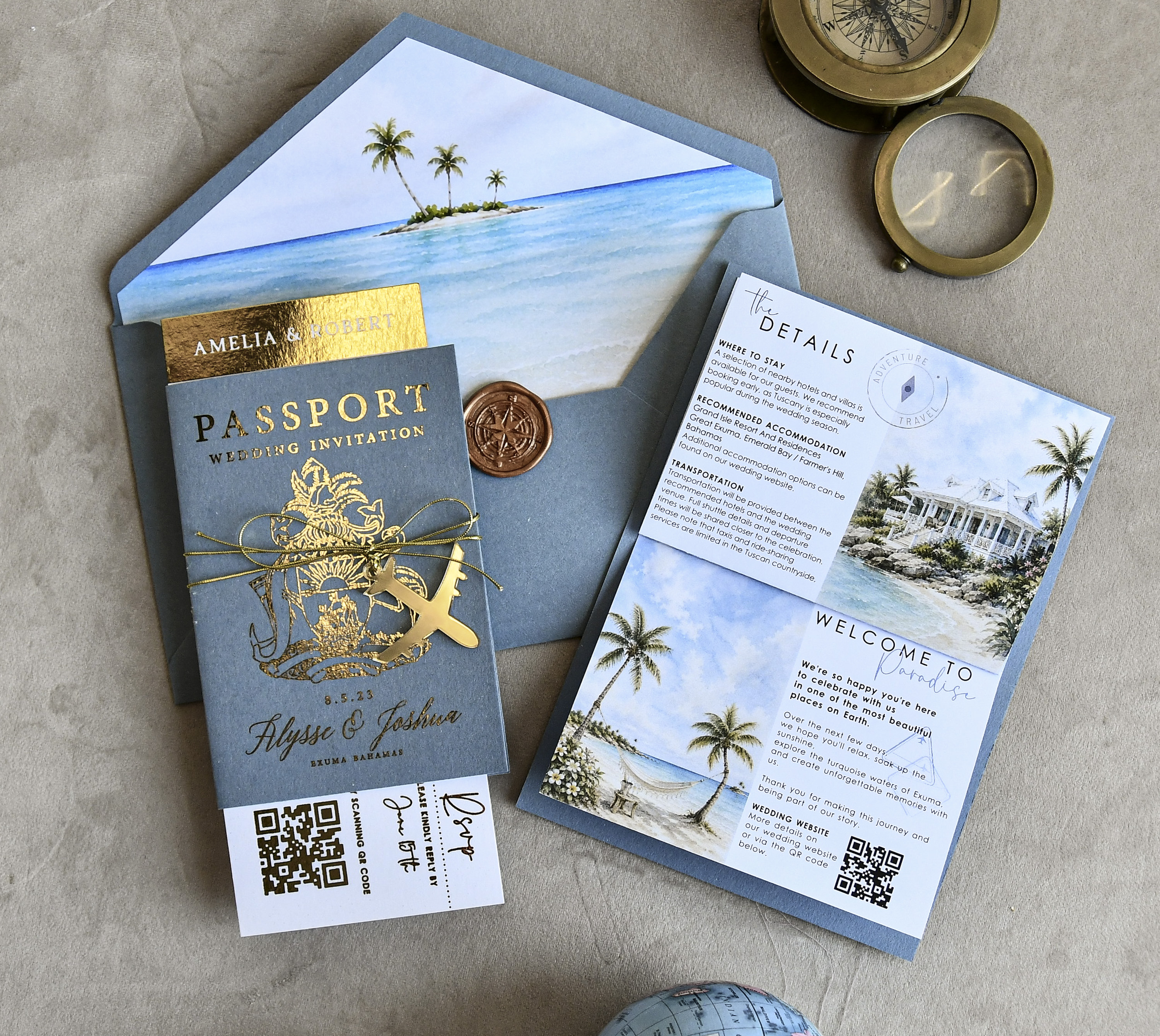
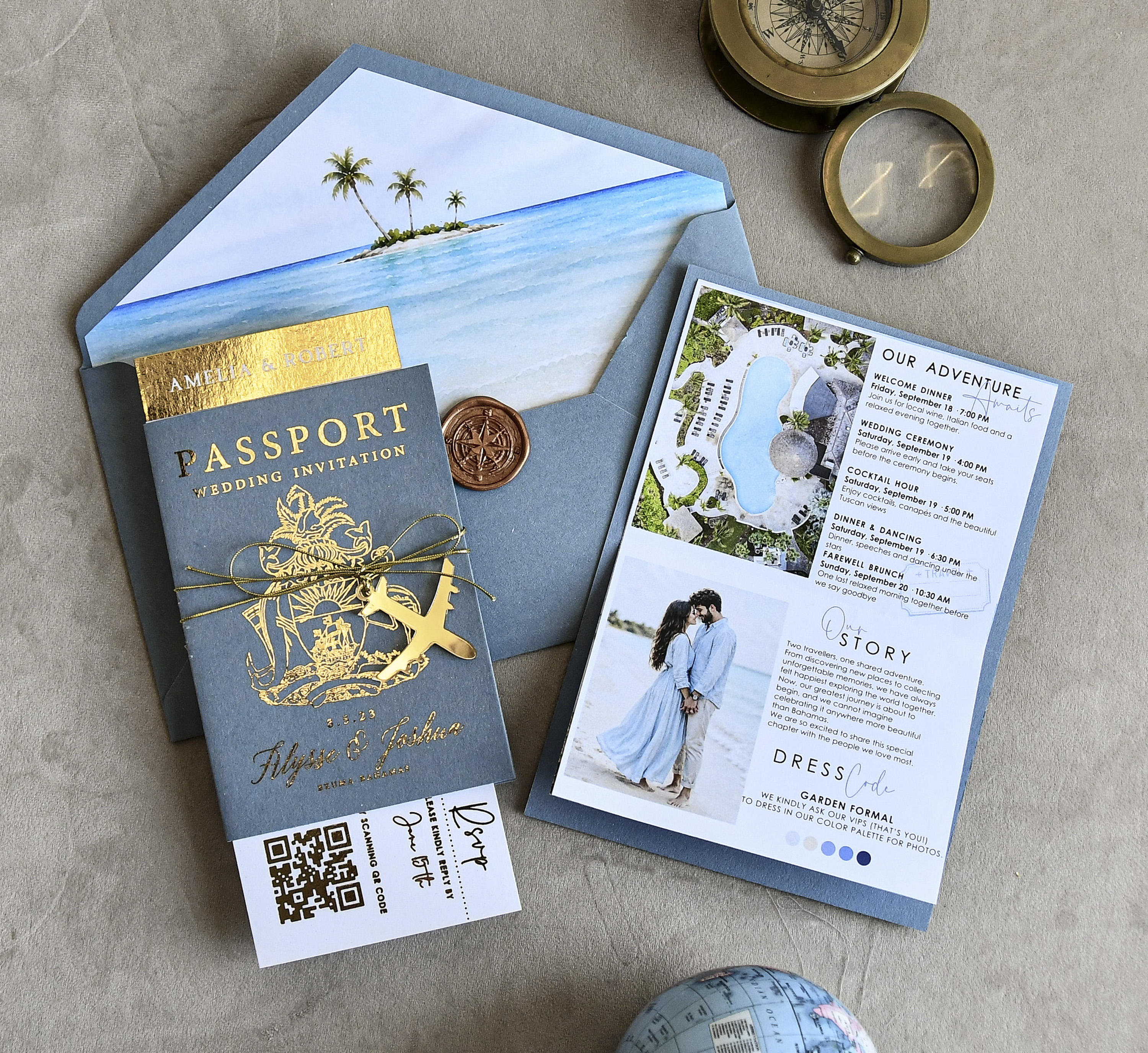
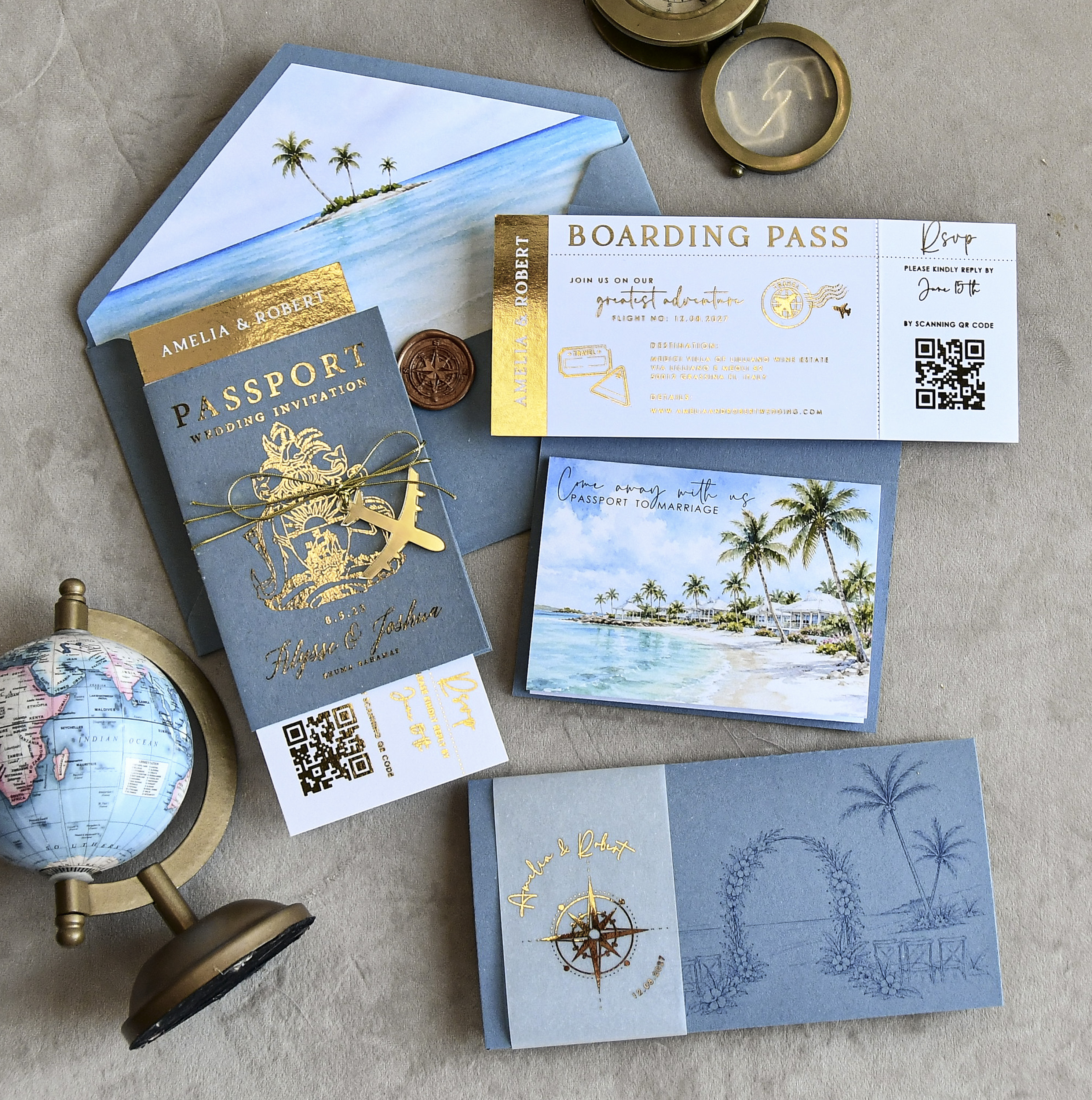
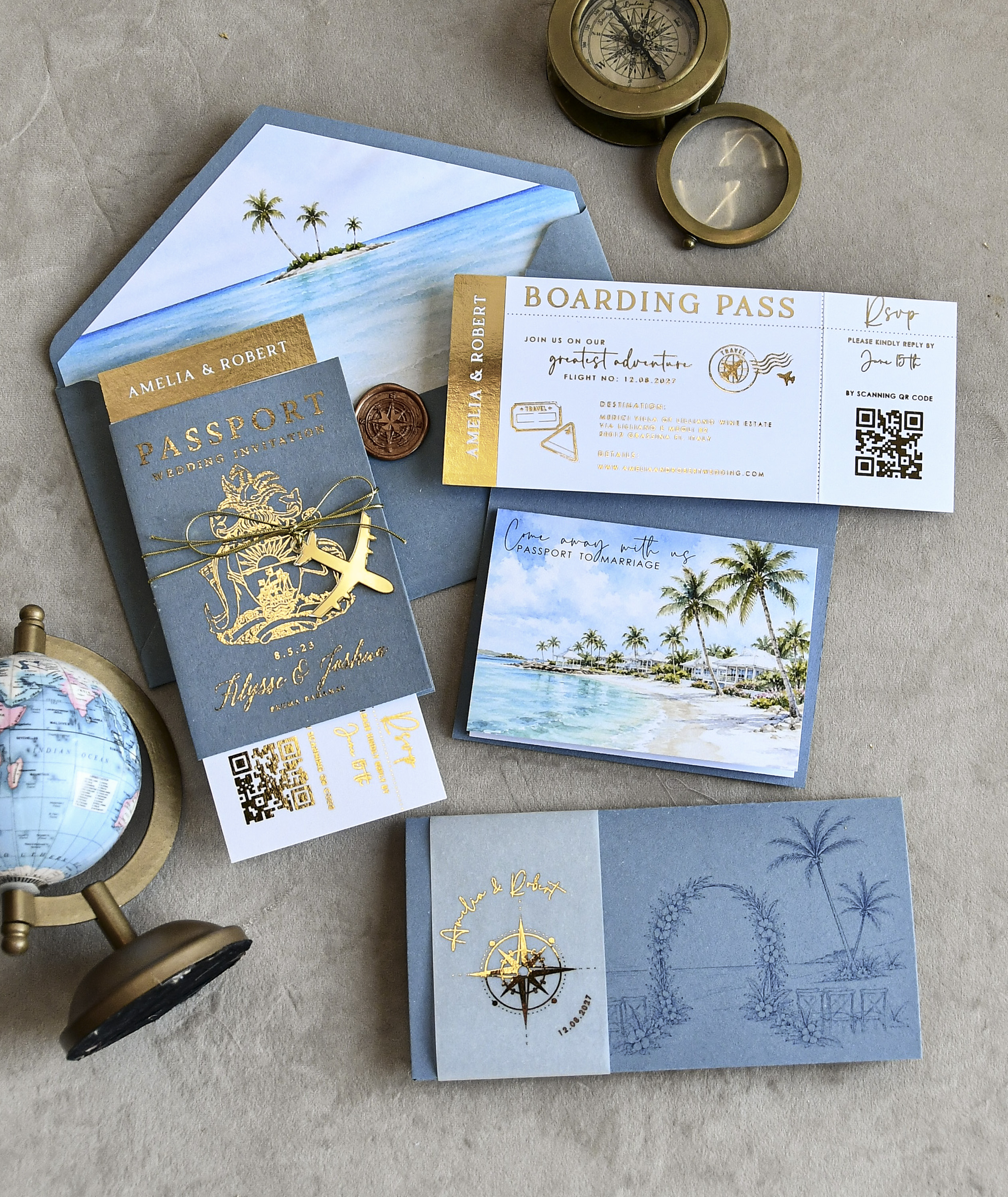
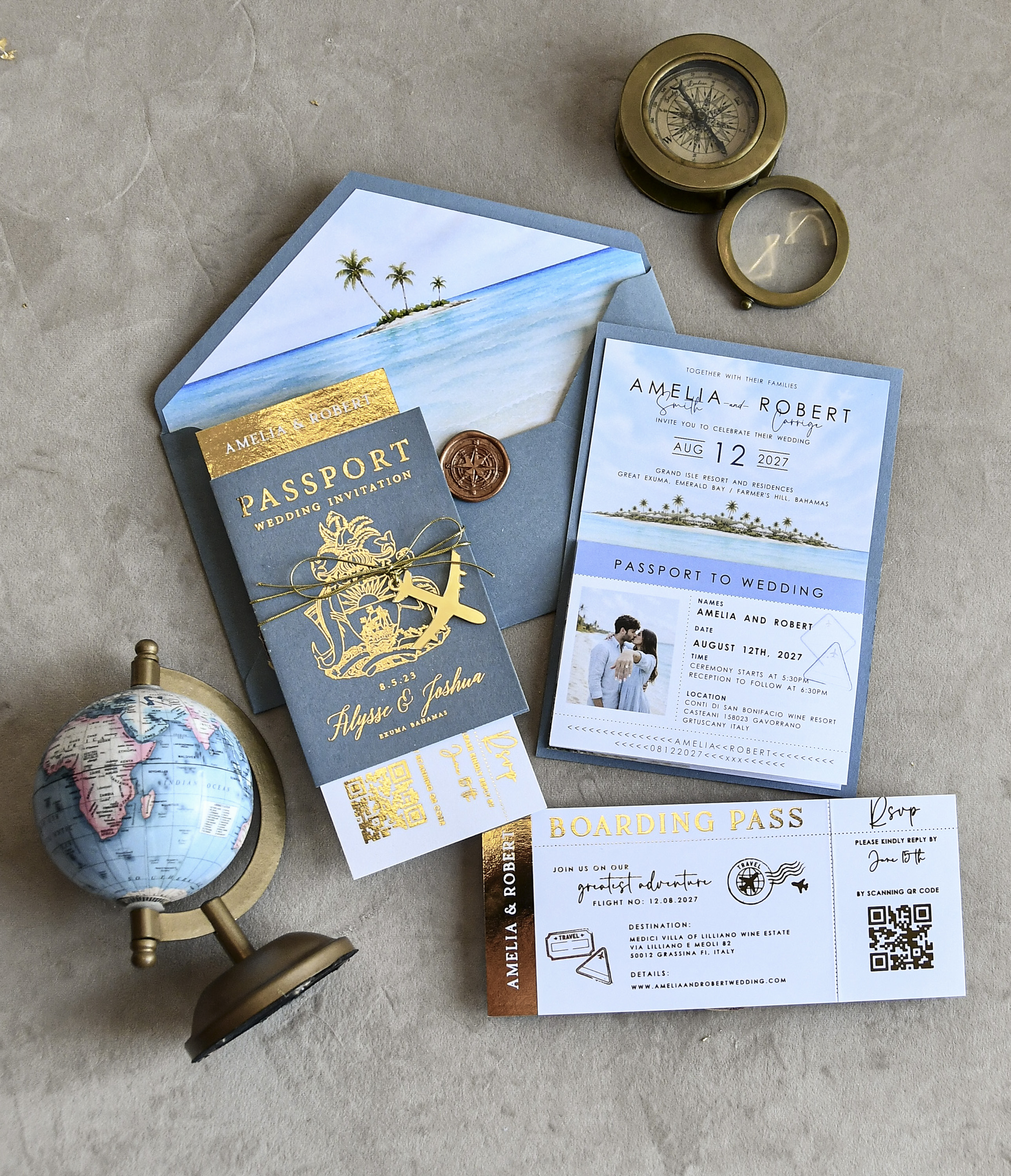
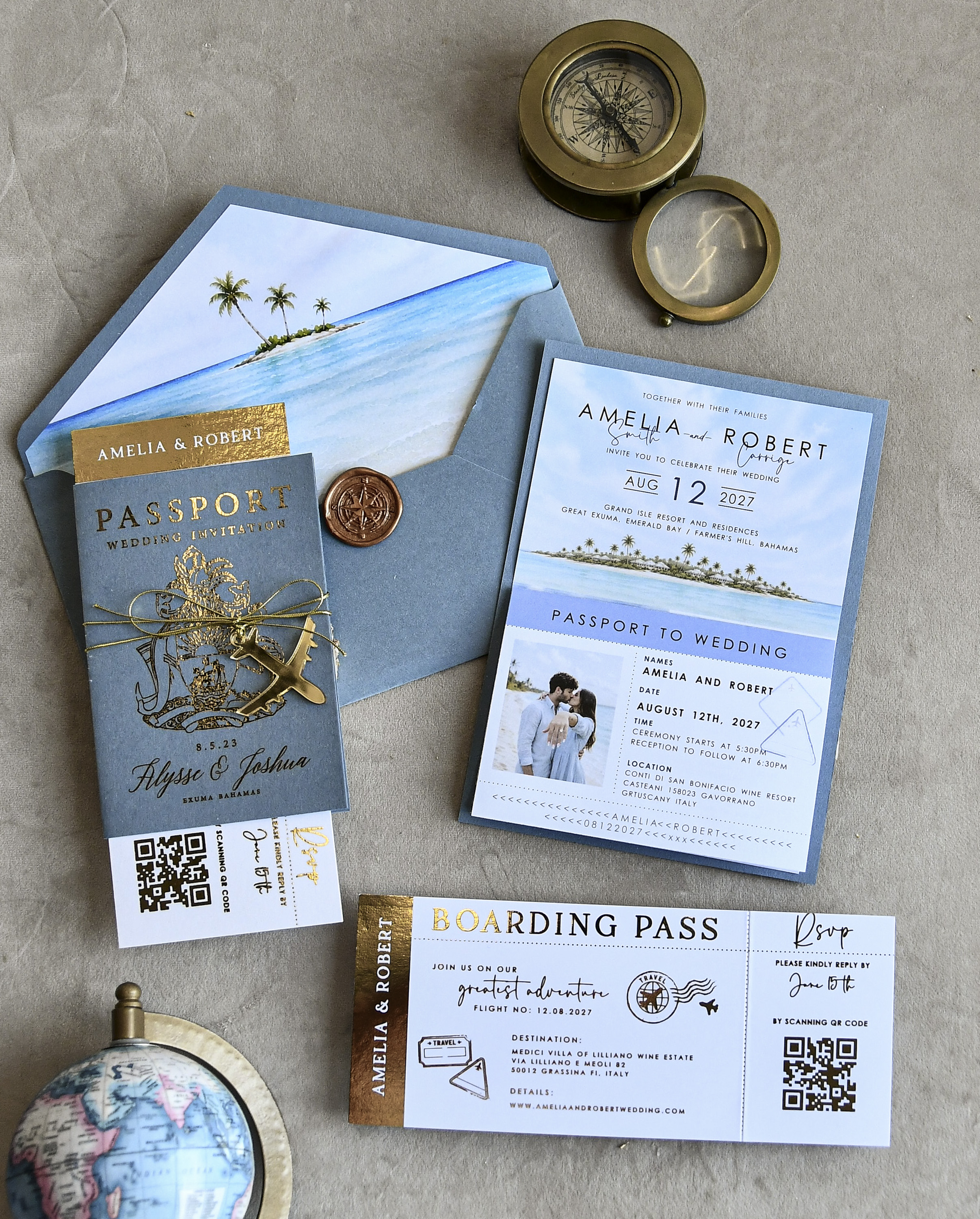
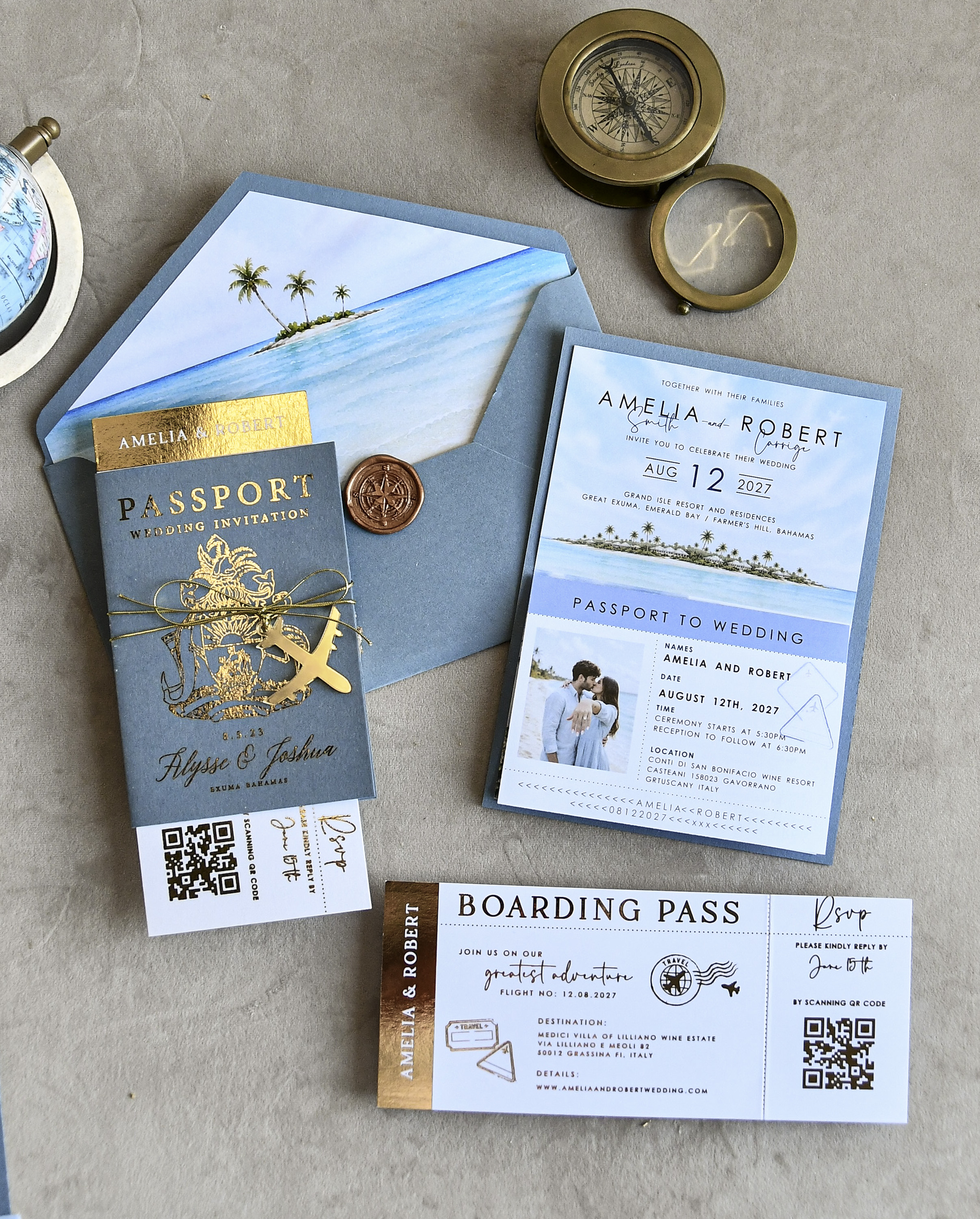
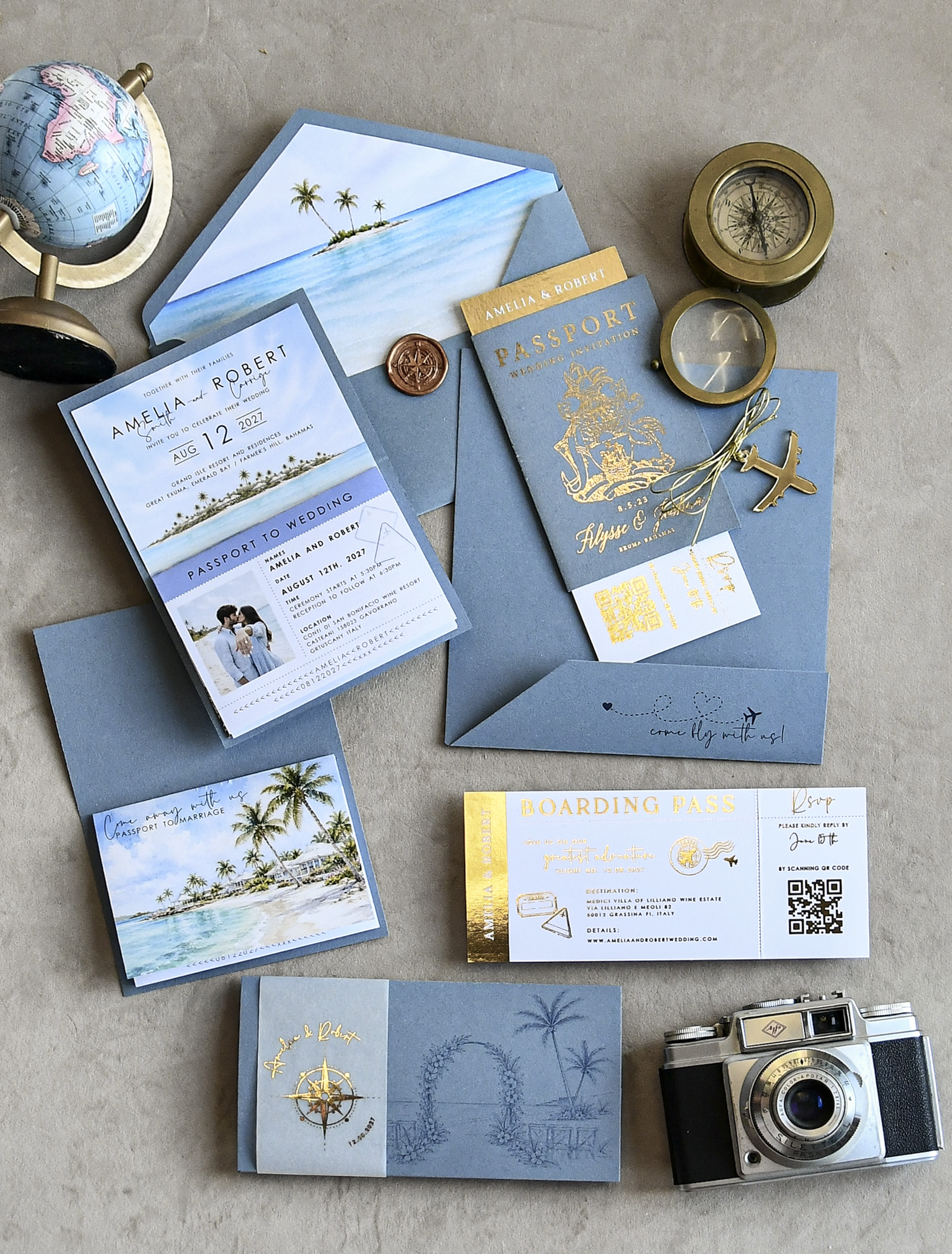
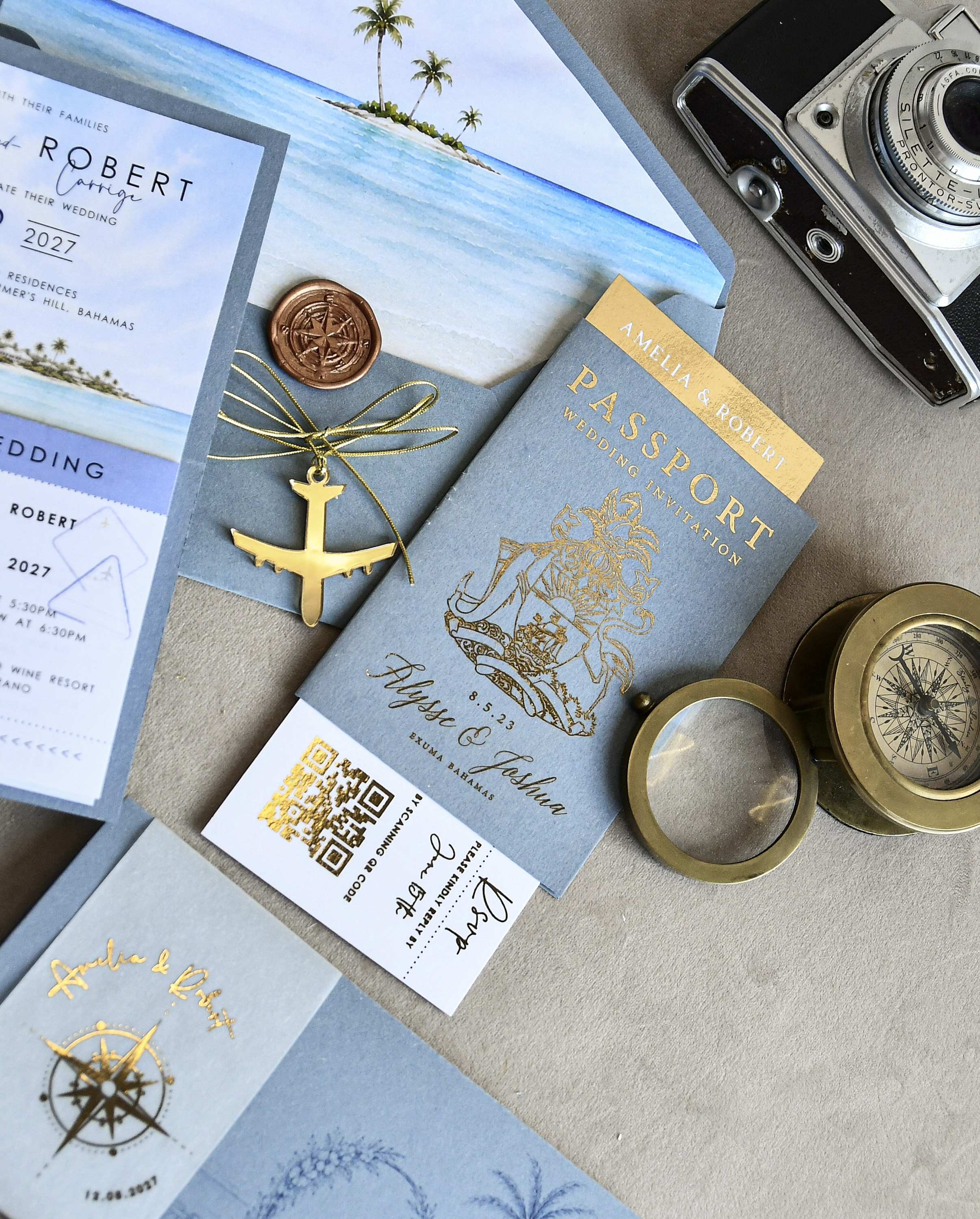
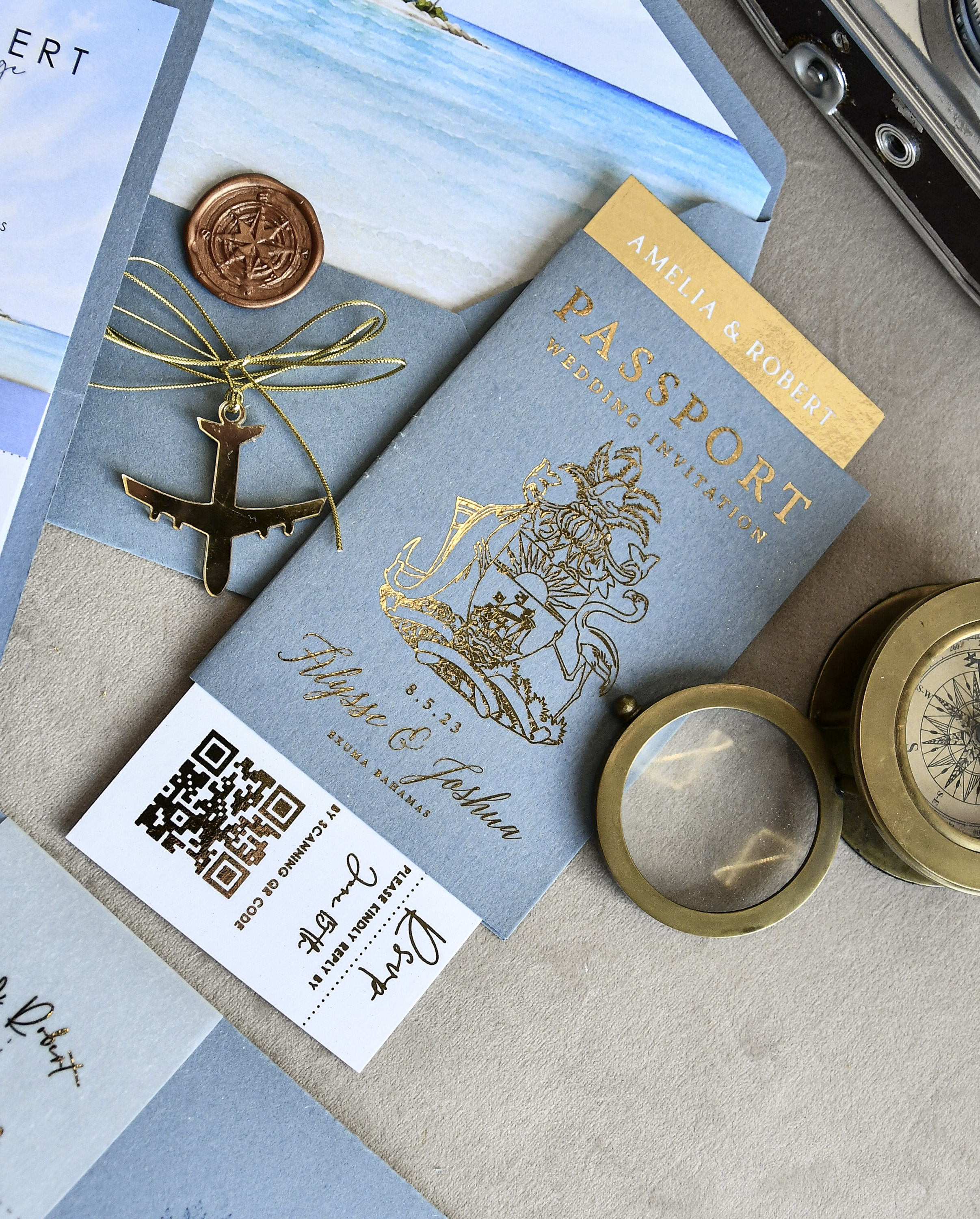
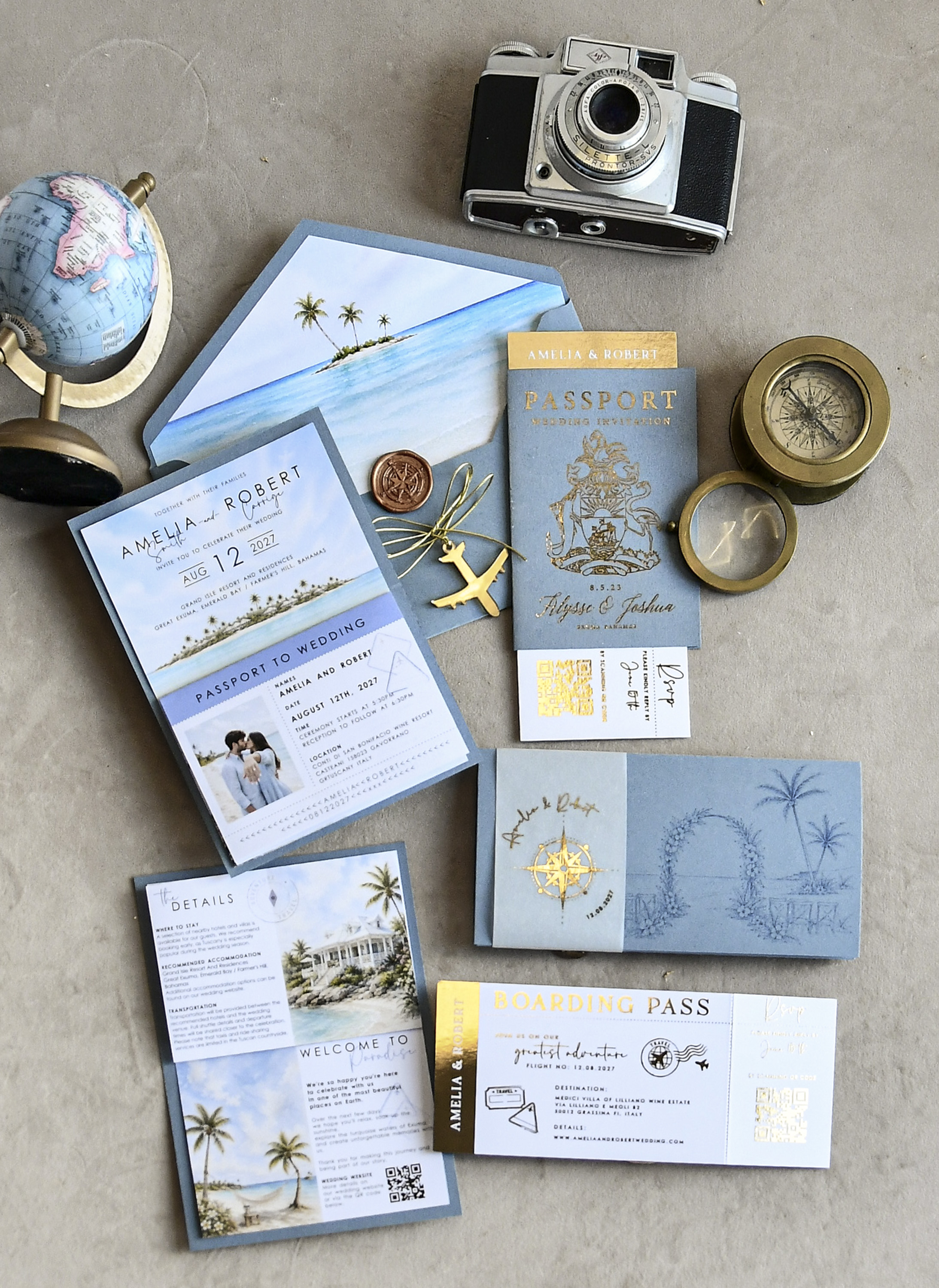
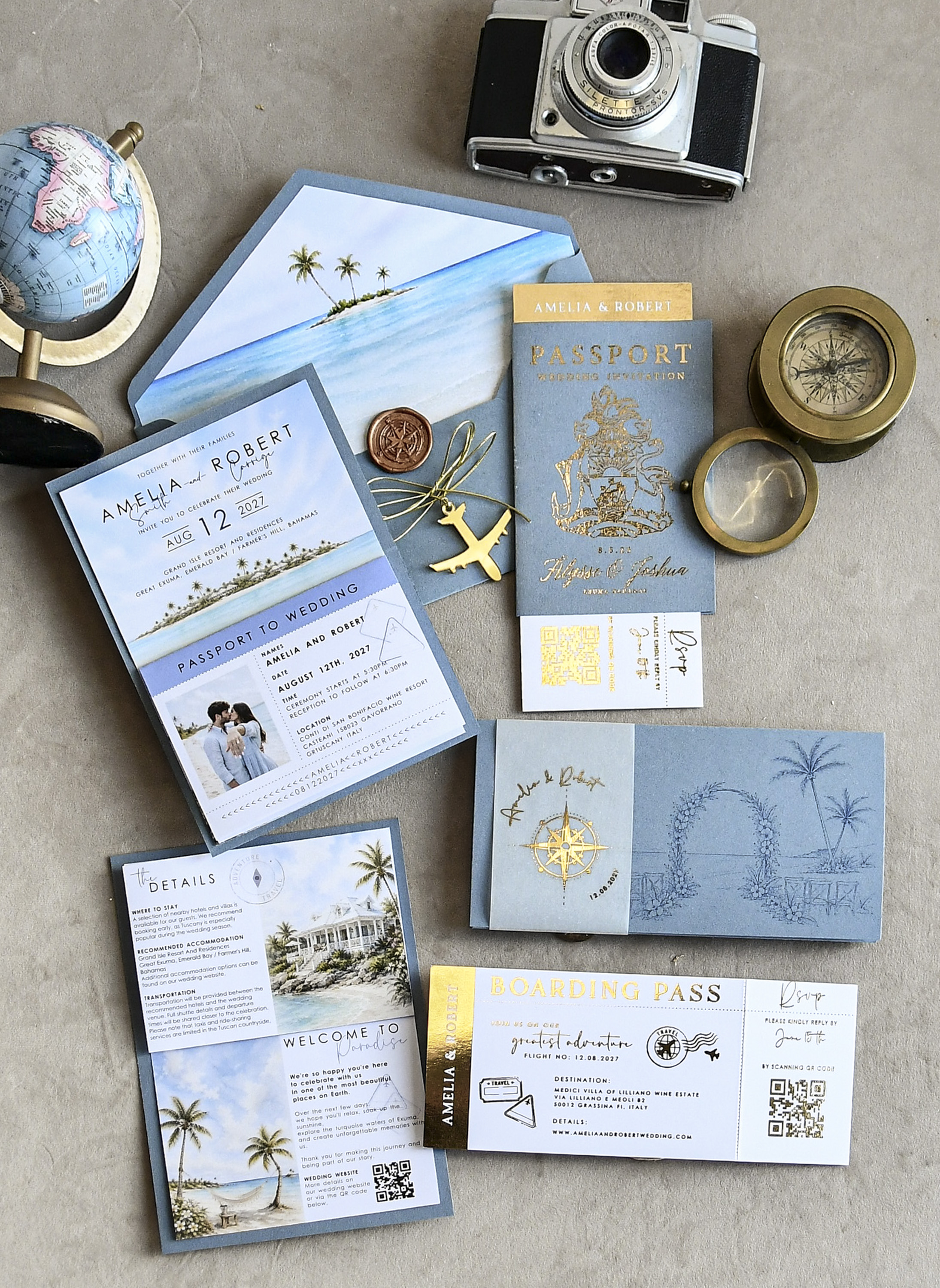
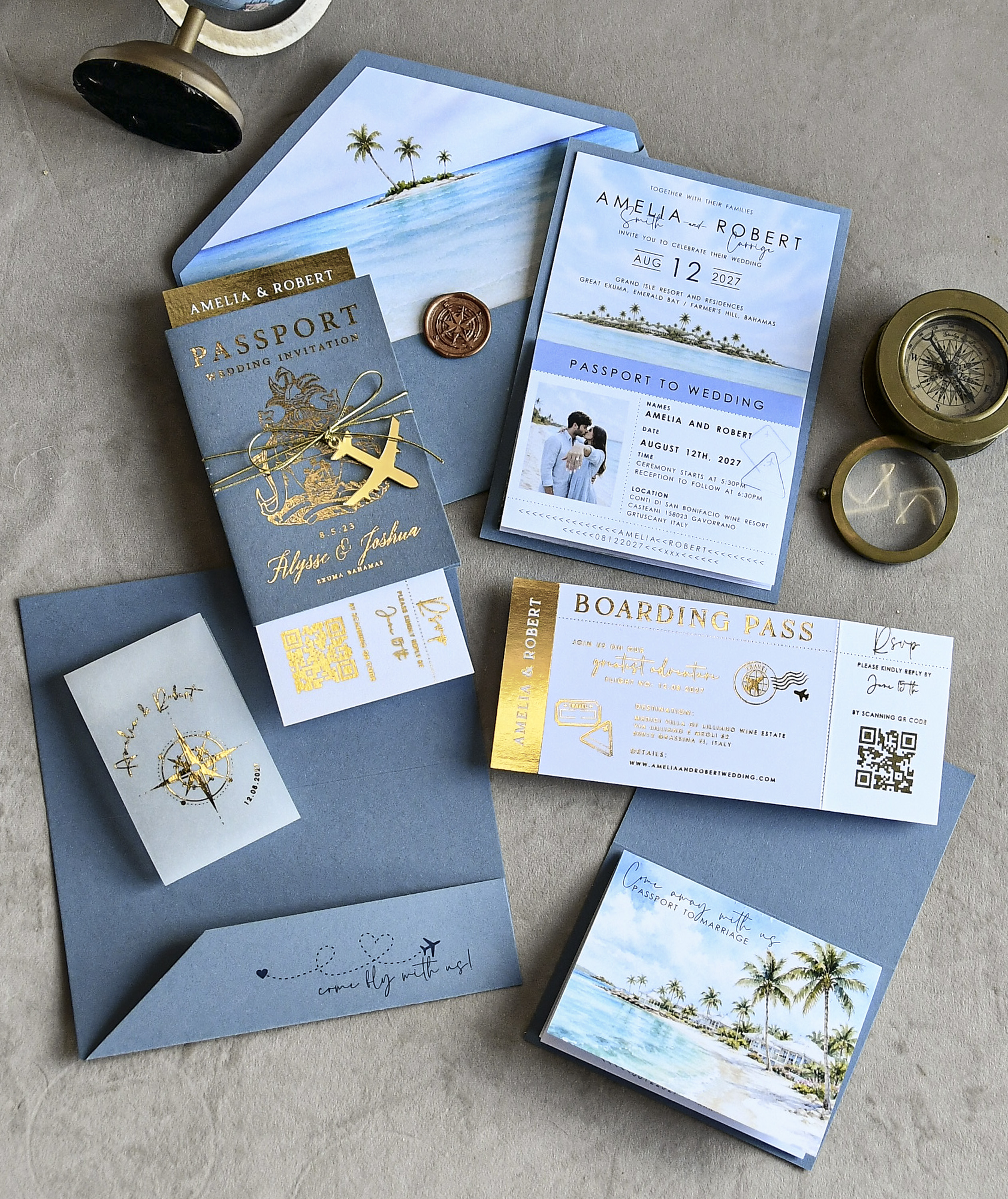
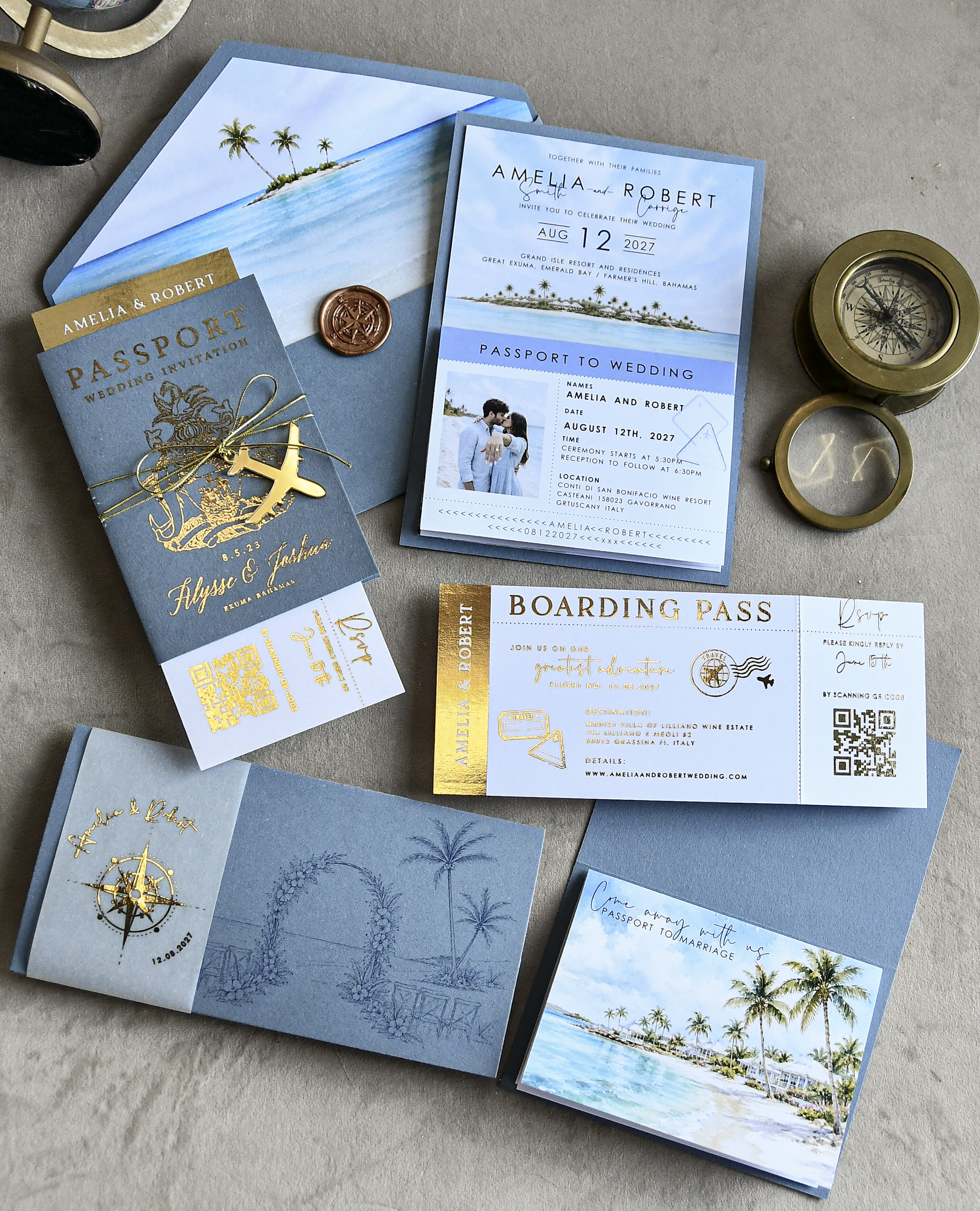
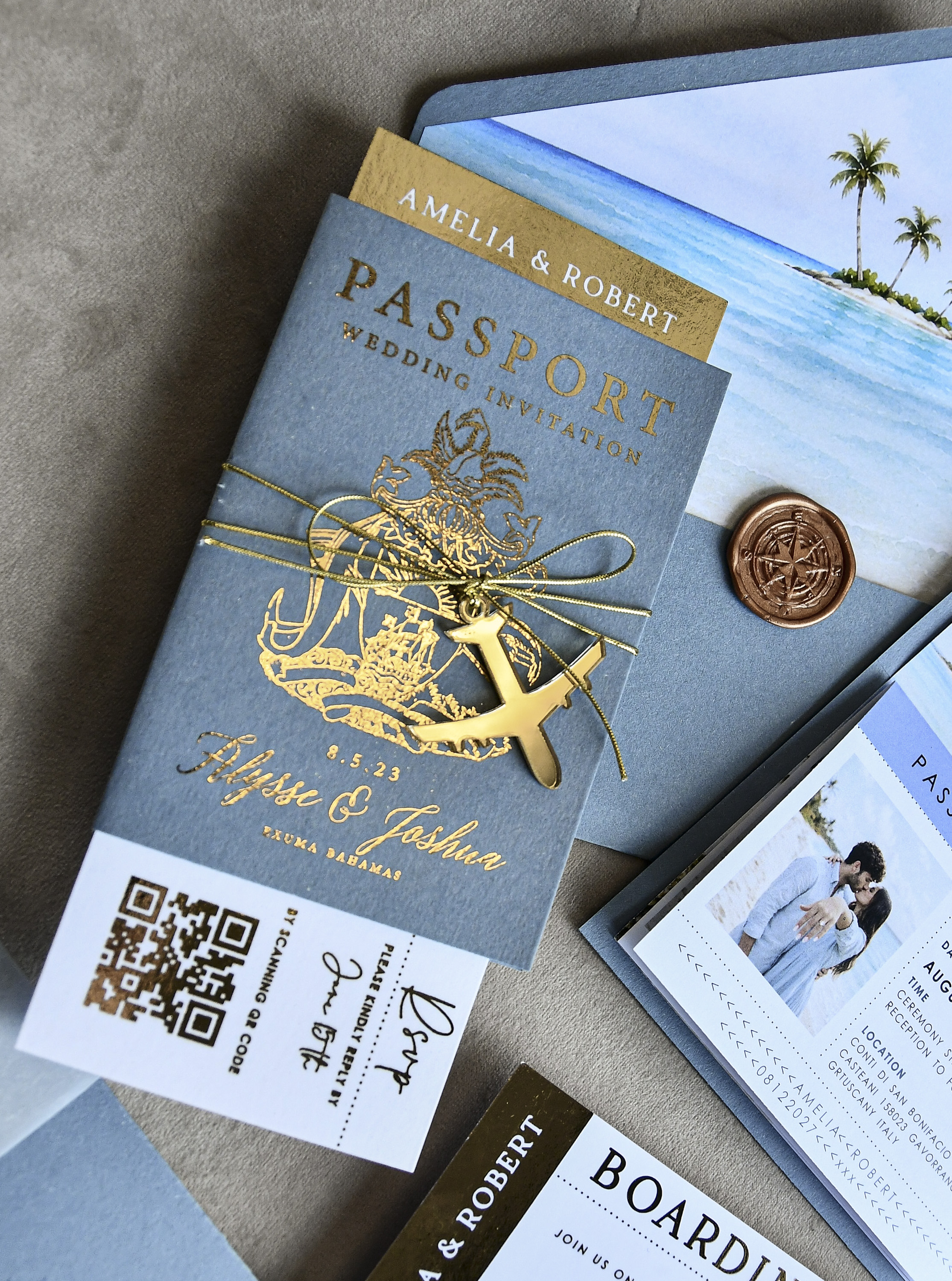
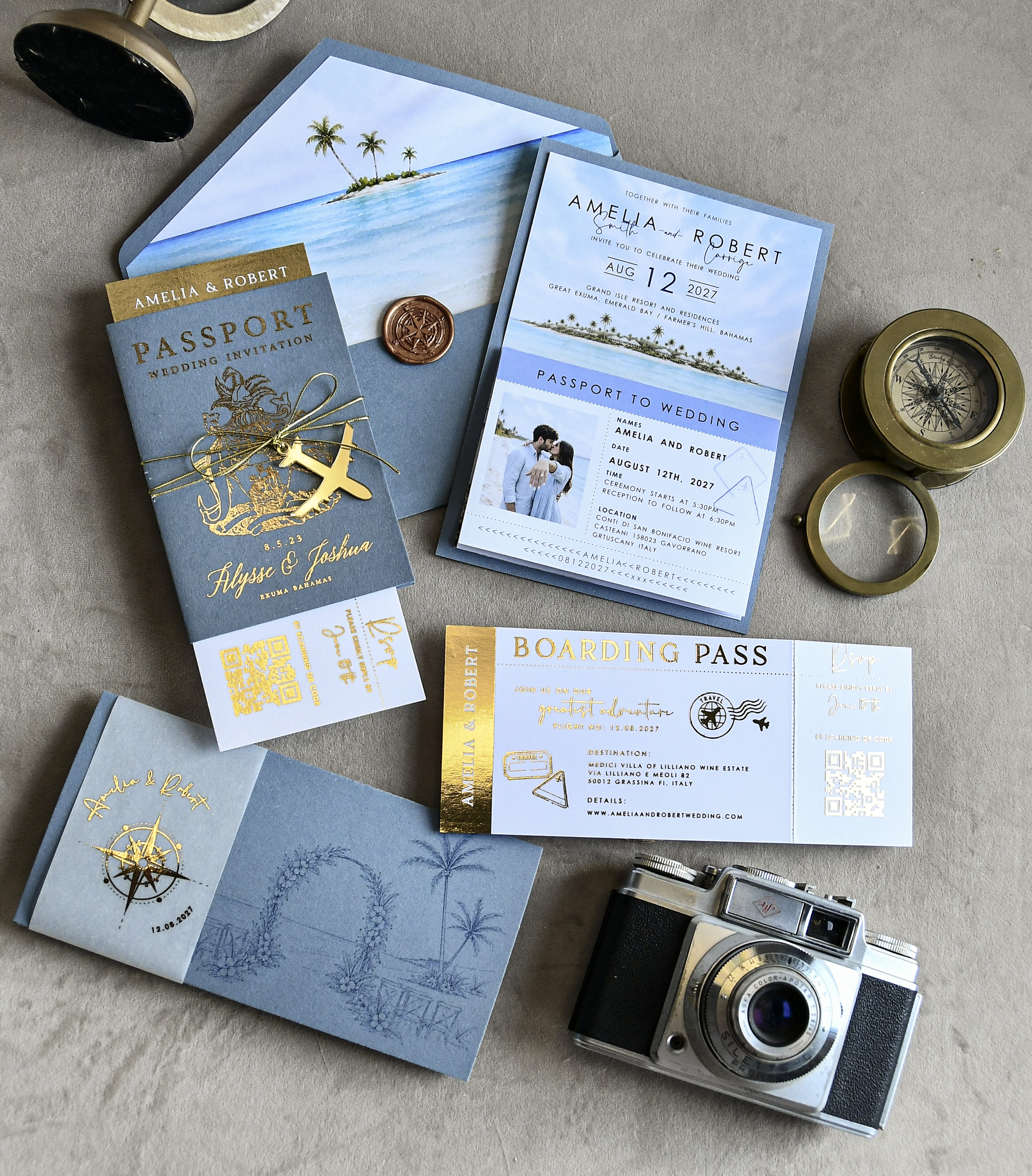
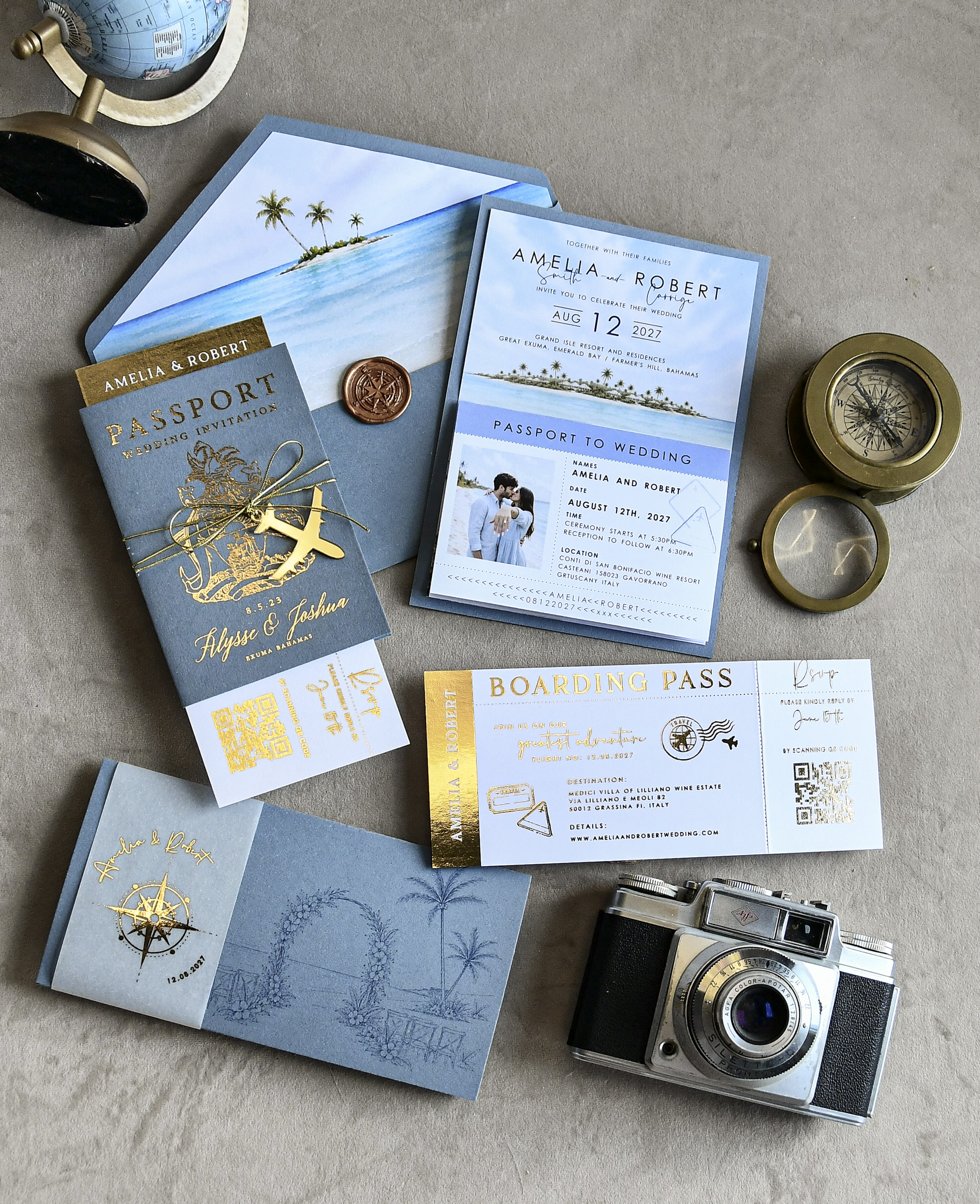
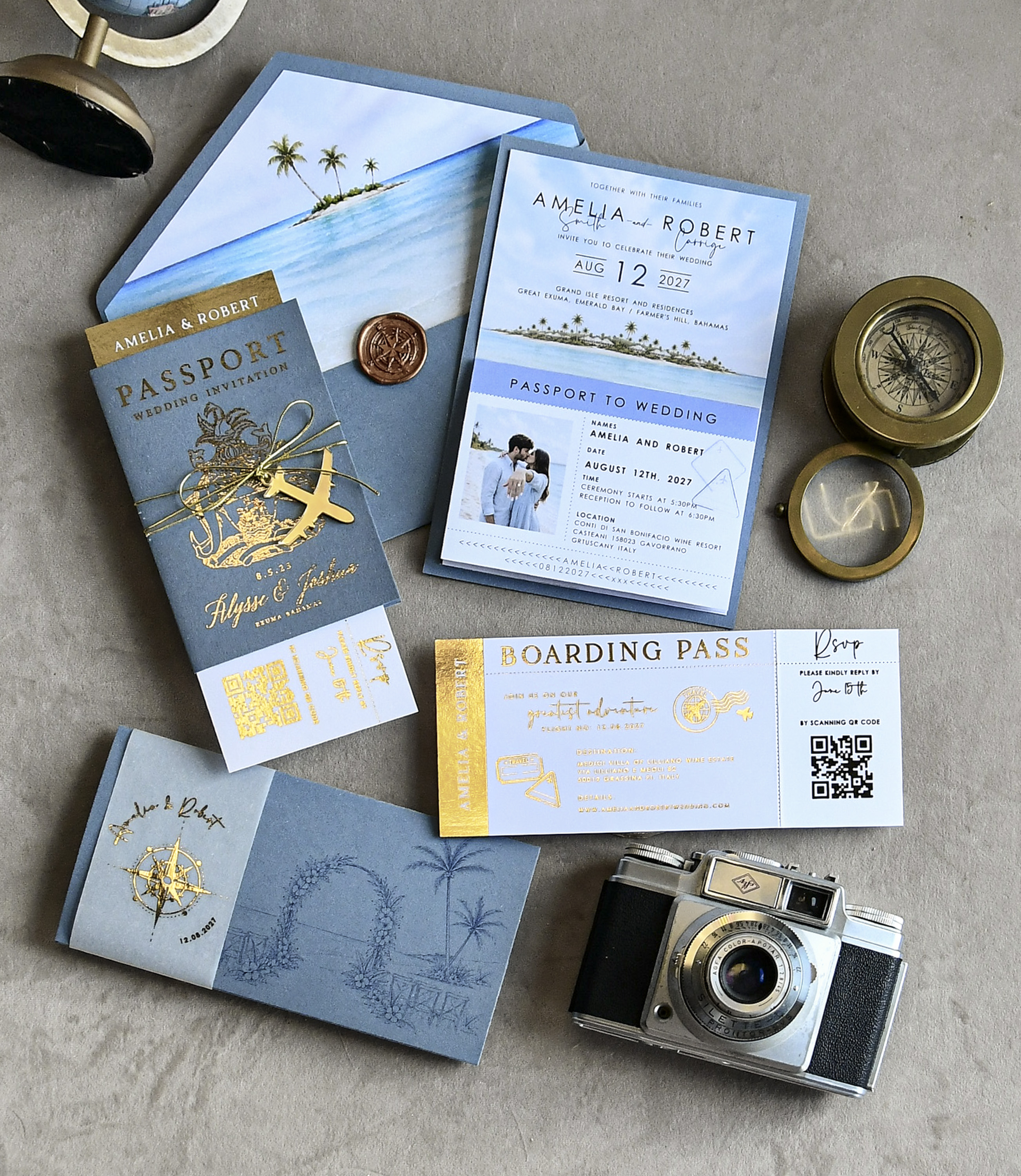
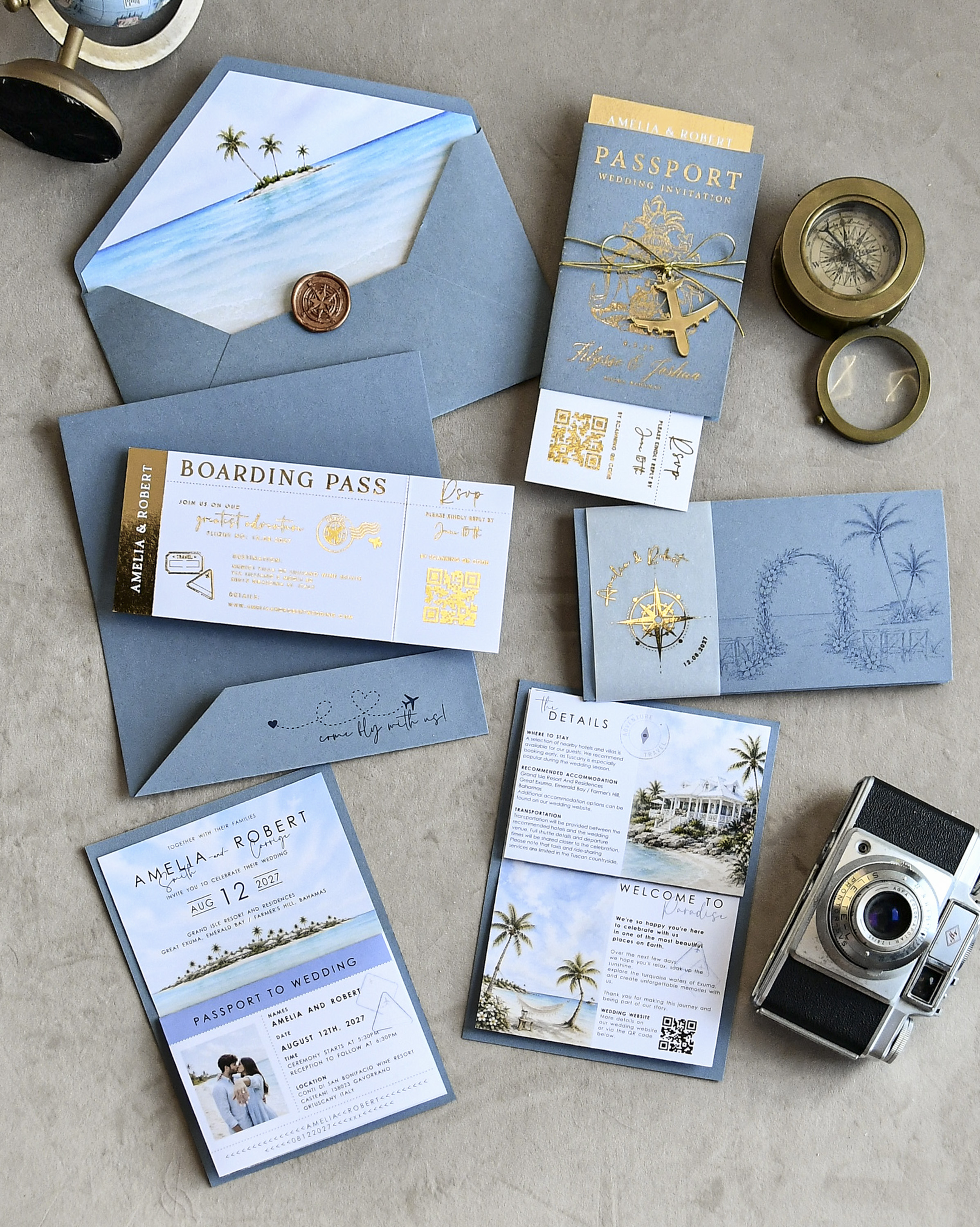
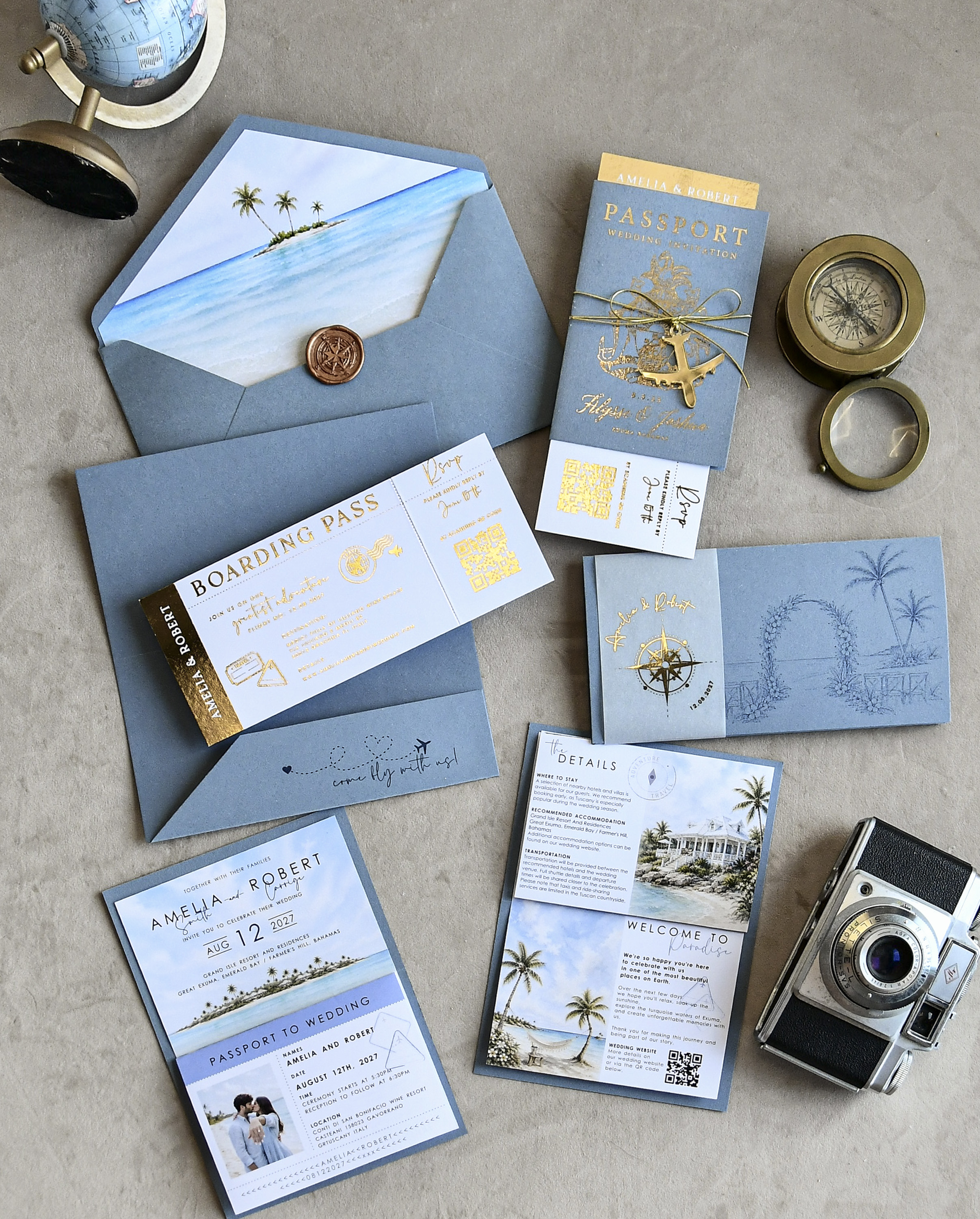
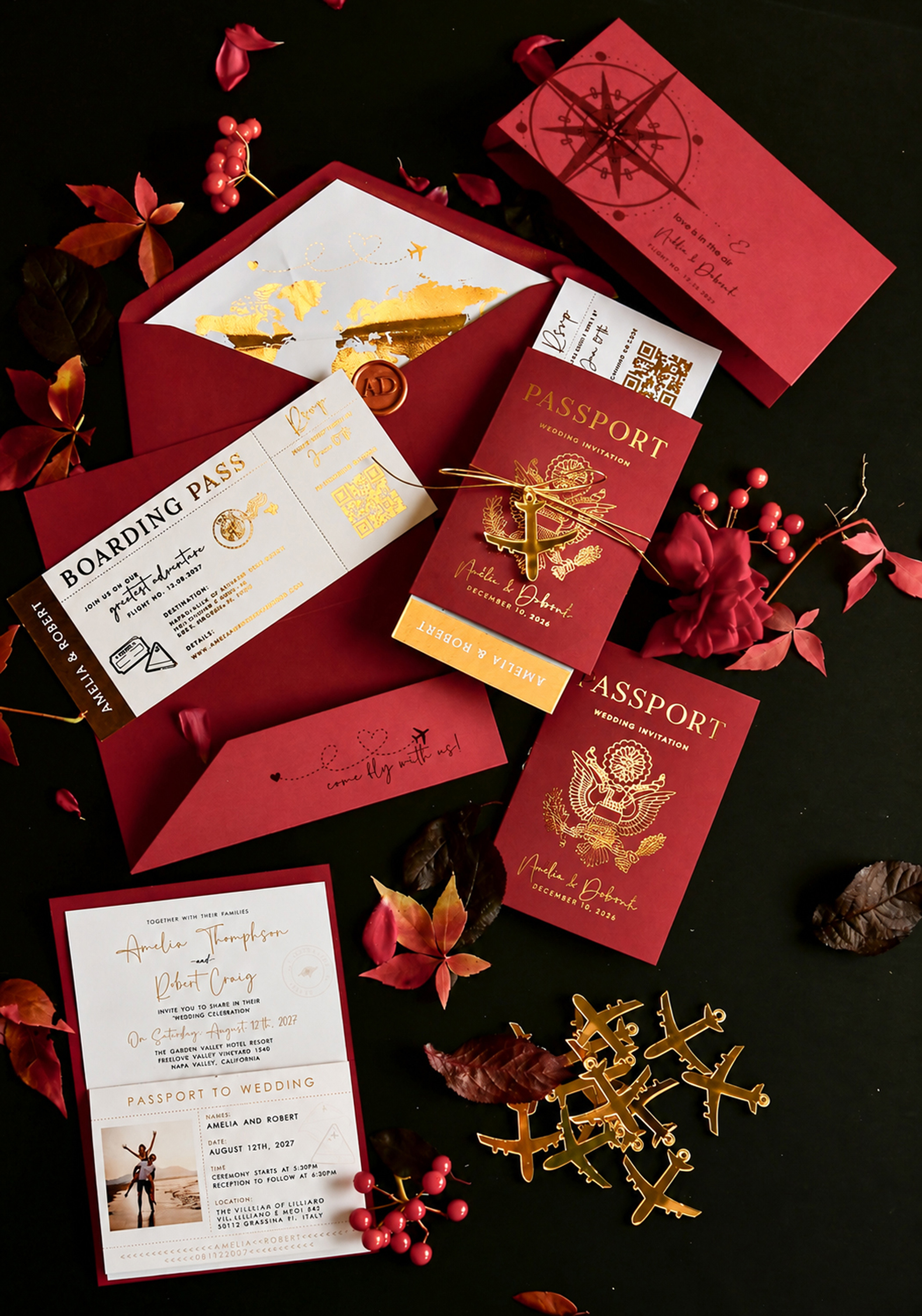
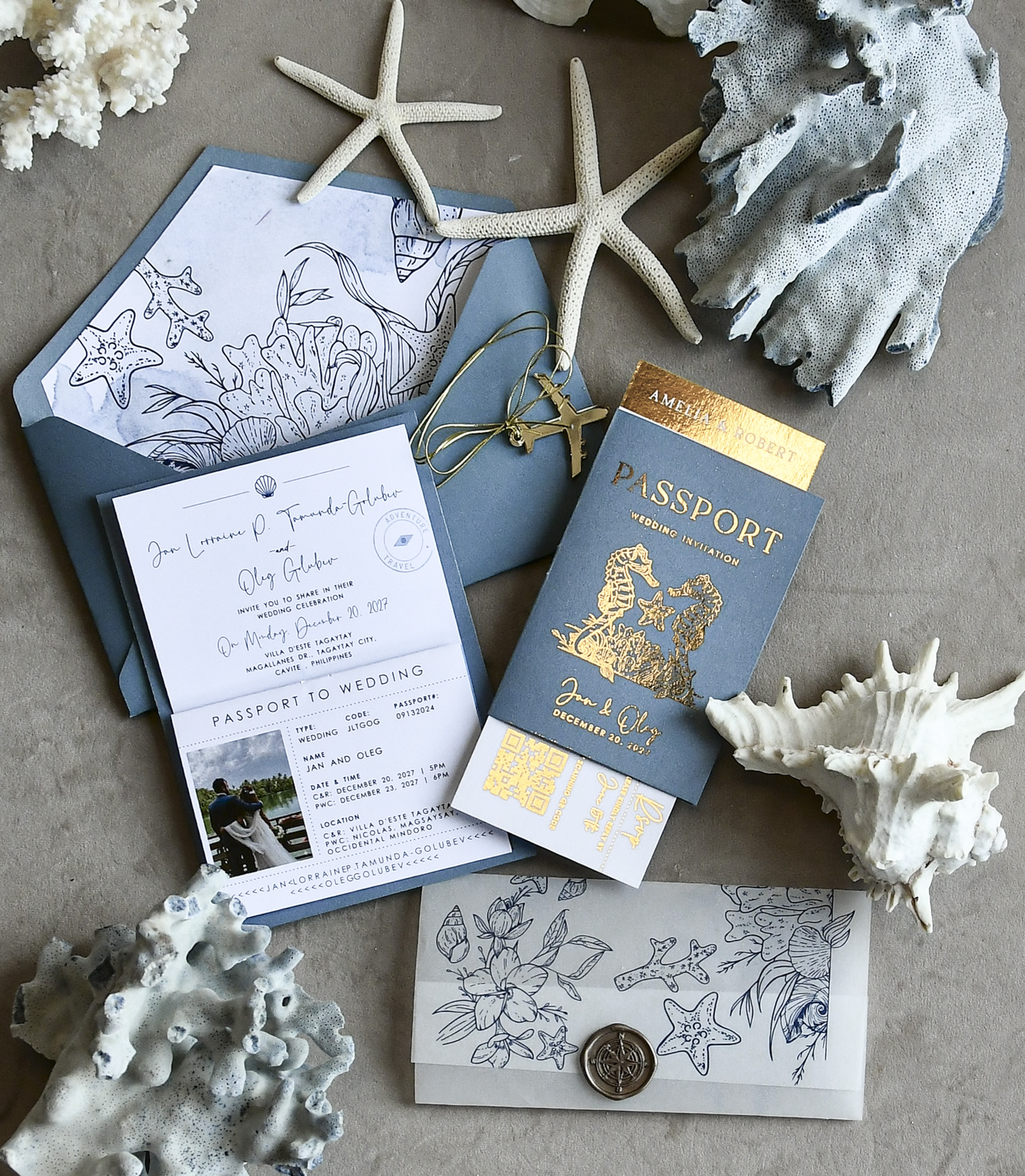
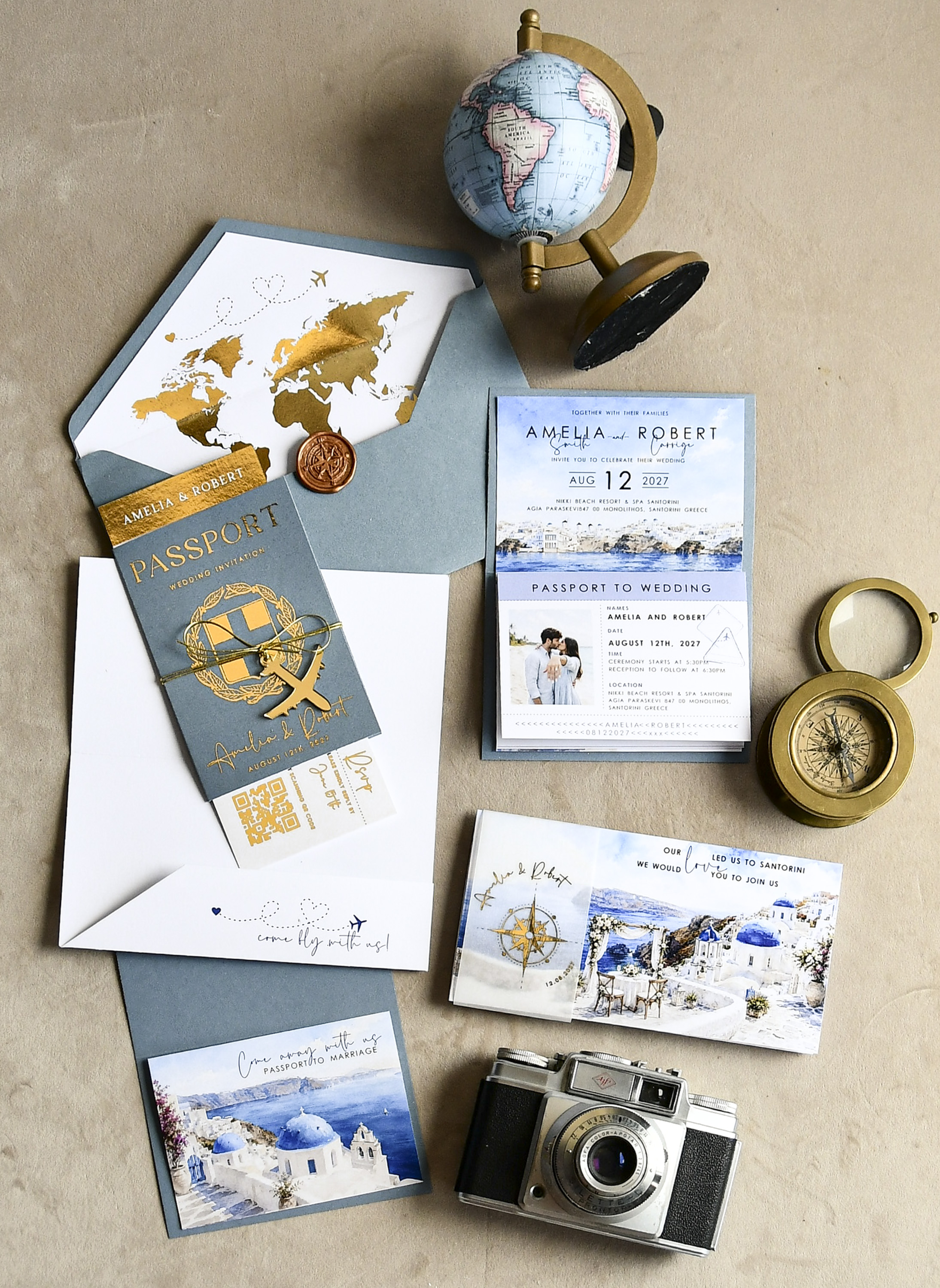
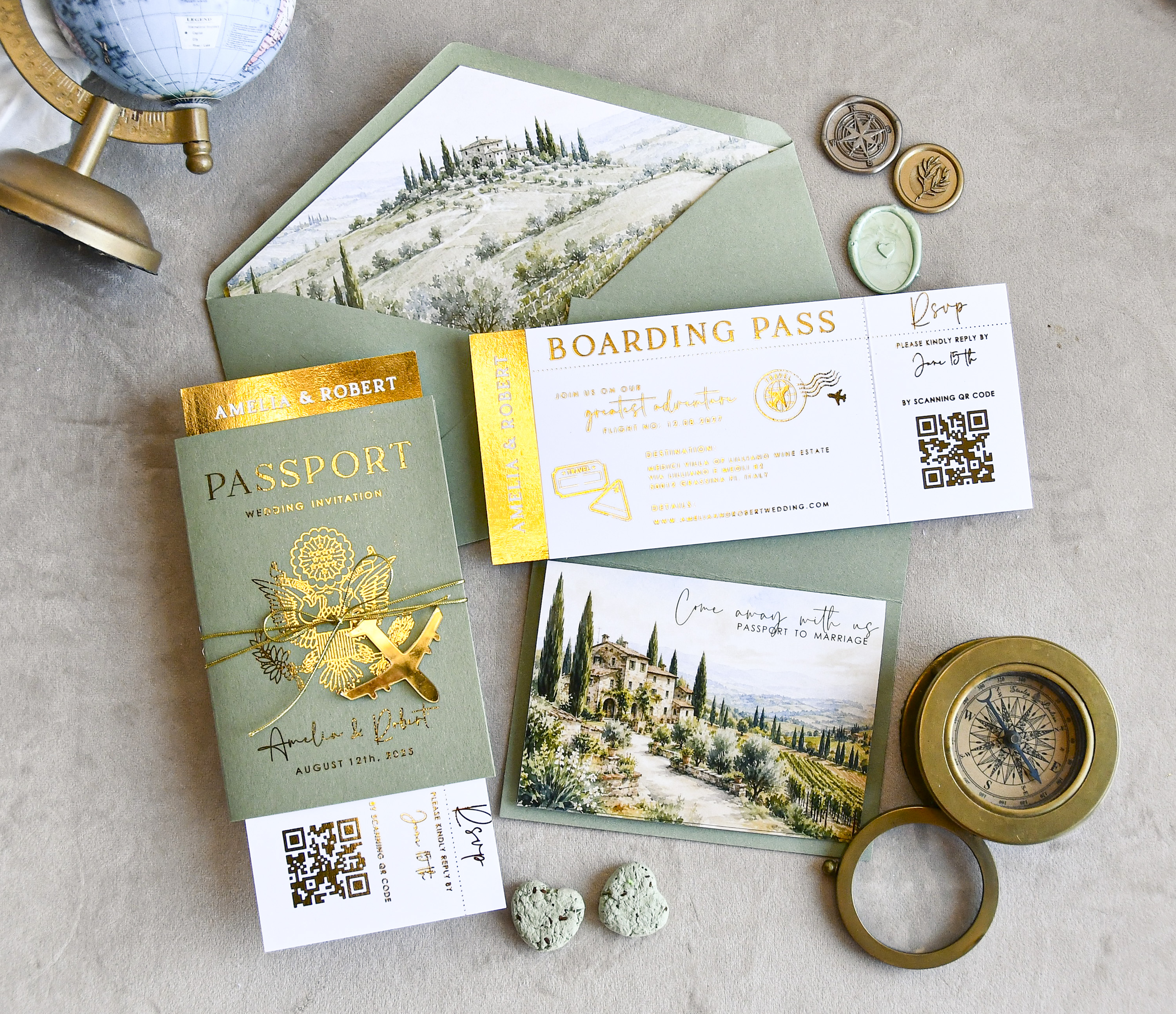
If you're sending destination or travel-heavy invitations — like a passport-style design from the 02/passDest/z beach wedding invite collection — the RSVP card is your friend. Only list the names of the people actually invited. A pre-filled RSVP that says "We have reserved ___ seats in your honor" with the number already filled in leaves no room for ambiguity.
You can also include a note on your wedding website: "Due to venue capacity, we are only able to accommodate the guests listed on your invitation. We appreciate your understanding." Putting it in writing means you're not delivering the news one-on-one — guests read it on their own time.
What to Say When a Guest Asks Anyway
Even with clear invitations and a wedding website, someone will ask. Here's how to handle it gracefully without over-explaining or apologizing excessively:
- Keep it brief and warm: "We're working with a strict venue maximum, so we weren't able to extend plus ones beyond our immediate wedding party. We really hope you can make it!"
- Don't offer false hope: Saying "we'll see if there's room" invites follow-up questions and sets expectations you may not be able to meet.
- Stay consistent in your language: If you tell one guest it's a venue issue, tell every guest the same. Word travels at weddings.
You don't owe anyone a detailed breakdown of your budget or headcount. A warm, firm, one-sentence explanation is enough.
When You Might Want to Reconsider
There are a few situations where it's worth thinking twice before holding the line:
- A guest who knows absolutely no one else at the wedding — if someone is traveling far and will be completely alone, a plus one can be a genuine kindness worth the extra cost.
- A guest whose relationship status has changed significantly — if someone got engaged after you sent invitations, a quiet acknowledgment goes a long way.
- A guest in the wedding party — most etiquette experts agree that members of the wedding party should receive a plus one as a baseline courtesy.
If you do decide to make an exception, do it quietly and don't announce it. You don't need to explain the exception to other guests who didn't receive one.
The Earlier You Set the Policy, the Easier Everything Gets
Plus-one drama almost always escalates when couples wait too long to define their rules. Set your policy before you send a single save-the-date. Write it into your wedding website from day one. Address your invitations — whether they're classic paper or a destination-ready design like the 02/passDest/z passport invites — with precision. The envelope tells the story before the RSVP card even gets opened.
Saying no to a plus one isn't rude. It's honest, it's practical, and when it's handled with consistency and warmth, most guests genuinely understand. The couples who struggle most are the ones who make exceptions quietly and unevenly — that's where hurt feelings come from, not from the policy itself.
Frequently Asked Questions
No — it's a personal and financial decision, not an etiquette violation. As long as you apply the same rule to all guests in similar situations and communicate it clearly through your invitations, most people will understand and respect it.
Married couples are typically invited together as a unit — both spouses should receive an invitation unless there's an estrangement or unusual circumstance. This is one of the few true etiquette rules around plus ones; beyond married couples, the rest is up to you.
Address the envelope only to the invited guest by their full name, with no "and guest" addition. On the RSVP card, pre-fill the number of seats reserved so the guest sees clearly that one seat has been allocated for them.
It happens, but you don't have to honor it. Simply reach out warmly and explain that due to venue limits you're only able to accommodate the guests named on the invitation, and ask them to update their RSVP accordingly.
Most etiquette guides recommend extending plus ones to wedding party members as a baseline courtesy, since they're taking on a significant commitment to support your day. If budget is very tight, it's still acceptable to make exceptions, but be prepared to have an honest conversation.
Acknowledge their feelings briefly, restate your policy calmly, and avoid over-apologizing or negotiating. Something like "I completely understand the disappointment — we wish we had more flexibility, but our venue capacity made this a firm rule across the board" is enough.
See This Design Up Close

You May Also Like
More Wedding Planning Guides
- → Kids at Your Wedding: Should You Hire a Babysitter or Full Entertainment?
- → The Right Time to Chase Down Missing RSVPs (And How to Do It Gracefully)
- → The Graceful Way to Let Guests Know Your Wedding Is Adults Only
- → Wedding Guest List Dilemma: Should Your Boss and Coworkers Make the Cut?
- → When Guests RSVP Yes But Never Arrive: What to Do Before, During, and After
- → Planning Your Wedding When Your Divorced Parents Can't Stand Each Other
- → Navigating Wedding Invitations When a Sibling Relationship Is Complicated
- → Your Guest List, Your Rules: Navigating In-Law Friend Invites
- → Big Guest List vs. Better Wedding Experience: Which Should You Prioritize?
- → Save the Date Cards vs. Wedding Invitations: Know the Difference Before You Order
- → Extra Wedding Guests: Who Picks Up the Tab?
- → No RSVP? Here's Exactly How to Handle It
- → What to Say When Someone Asks Why They Didn't Make the Guest List
- → Plus-Ones for Single Guests: Making the Right Call for Your Wedding
- → How to Kindly Let Someone Know They Didn't Make the Guest List
- → My Fiancé Wants to Exclude My Family From the Wedding: Now What?
- → Should You Give Teenage Guests a Plus One at Your Wedding?
- → Adults-Only or Family-Friendly? How to Make the Right Call on Kids at Your Wedding
- → When Guests Bring Unexpected Plus-Ones: What to Do Before and After the Wedding
- → How Late Is Too Late for Wedding Invitations? A Realistic Timeline
- → Aunt Has a New Husband: Here's How to Handle the Invitation
- → The RSVP No-Show: Should You Actually Call Guests Who Never Responded?
- → Wedding Invitations: Mail Them or Hand Deliver? Here's How to Decide
- → What to Do When a Relative Says They Won't Come If Someone Else Is Invited
- → Extra Names on Your RSVP Card: What to Do When Guests Add Themselves
- → Your Guest List, Your Call: How to Handle Mom's Must-Invite Requests
- → Adults-Only Weddings: Are You Being Rude by Leaving Kids Off the Guest List?
- → How to Handle Seating for Divorced Parents at Your Wedding
- → Uninvited Plus-Ones and Tag-Alongs: How to Keep Your Guest List Intact
- → When Family Feuds Threaten Your Wedding Plans: A Practical Peacekeeper's Guide
- → Inviting an Estranged Brother or Sister: Finding Clarity Before You Seal the Envelope
- → Cousins, Invites, and Hard Choices: A Practical Guest List Guide