
When Guests RSVP Yes But Never Arrive: What to Do Before, During, and After

You've collected every RSVP card, finalized your headcount, and paid your caterer for 120 plates. Then the big day arrives and several seats sit empty. A guest who confirms attendance but doesn't show up is one of the most frustrating—and surprisingly common—wedding-day surprises. Here's exactly how to prepare for it, handle it gracefully in the moment, and follow up afterward without burning any bridges.
How Common Are Wedding No-Shows (and Why Do They Happen)?
Industry estimates suggest that roughly 5–10% of confirmed guests will not attend on the day. For a 100-person wedding, that's potentially 5–10 empty chairs. No-shows usually fall into a few predictable categories:
- Last-minute illness or emergency — the most forgivable reason, and the most common.
- Travel or logistics problems — flights canceled, cars broken down, especially relevant for destination celebrations.
- Social anxiety or conflict avoidance — some guests simply cannot bring themselves to call and cancel.
- Forgotten or double-booked — it happens, even with the most beautiful, memorable invitations.
Understanding the likely cause helps you calibrate your response. A guest stranded at an airport deserves a different reaction than one who just didn't feel like coming.
Build a Buffer Into Your Headcount Before the Wedding
The best defense against no-shows is a smart headcount strategy. When you submit your final guest count to your caterer and venue, most professionals recommend padding your number by 3–5% below your confirmed RSVPs. In other words, if 100 guests confirmed, consider telling your caterer you expect 95–97. Most catering contracts include a small overage allowance, so you won't leave anyone hungry, but you also won't pay for 10 untouched plates.
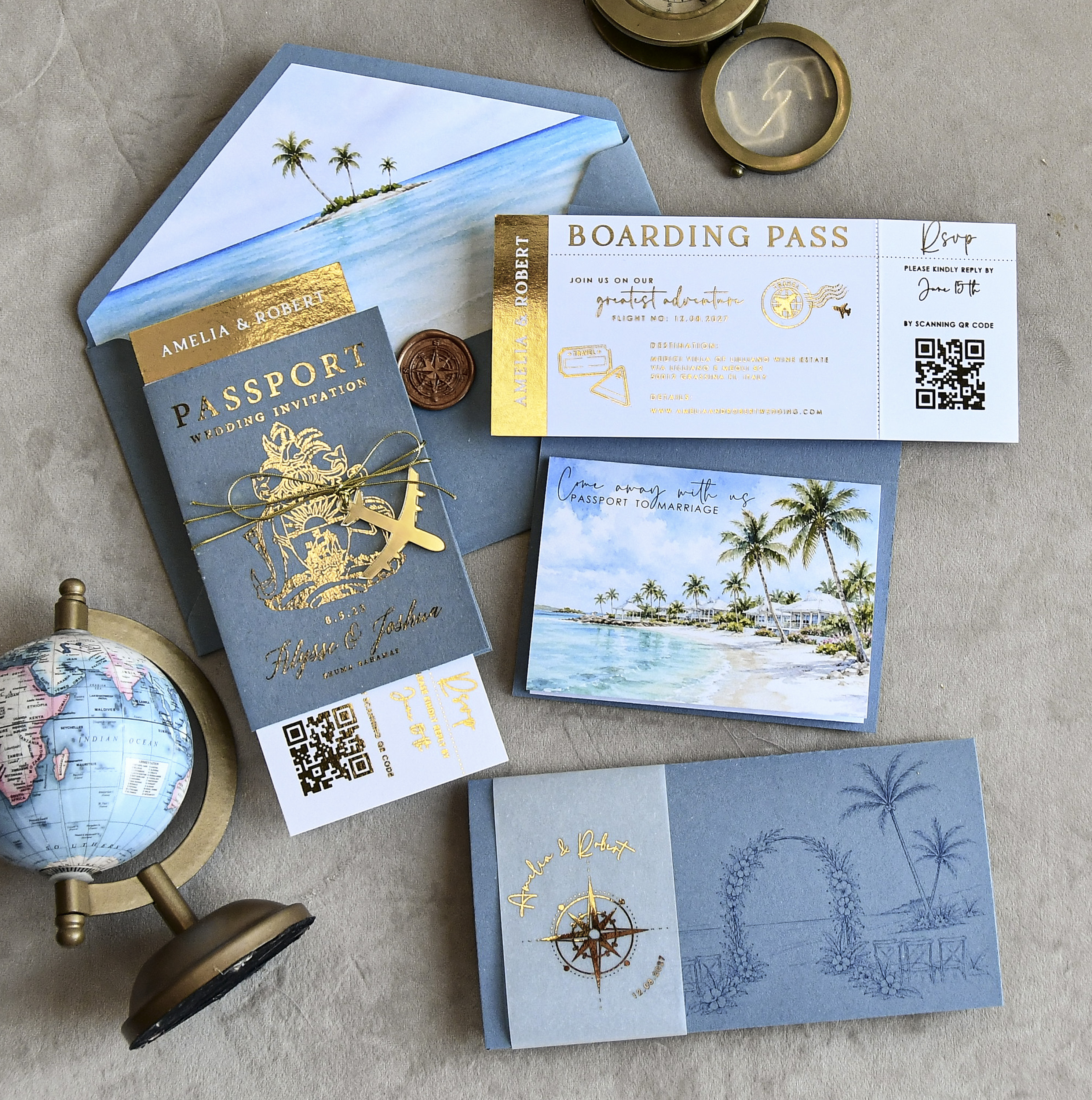
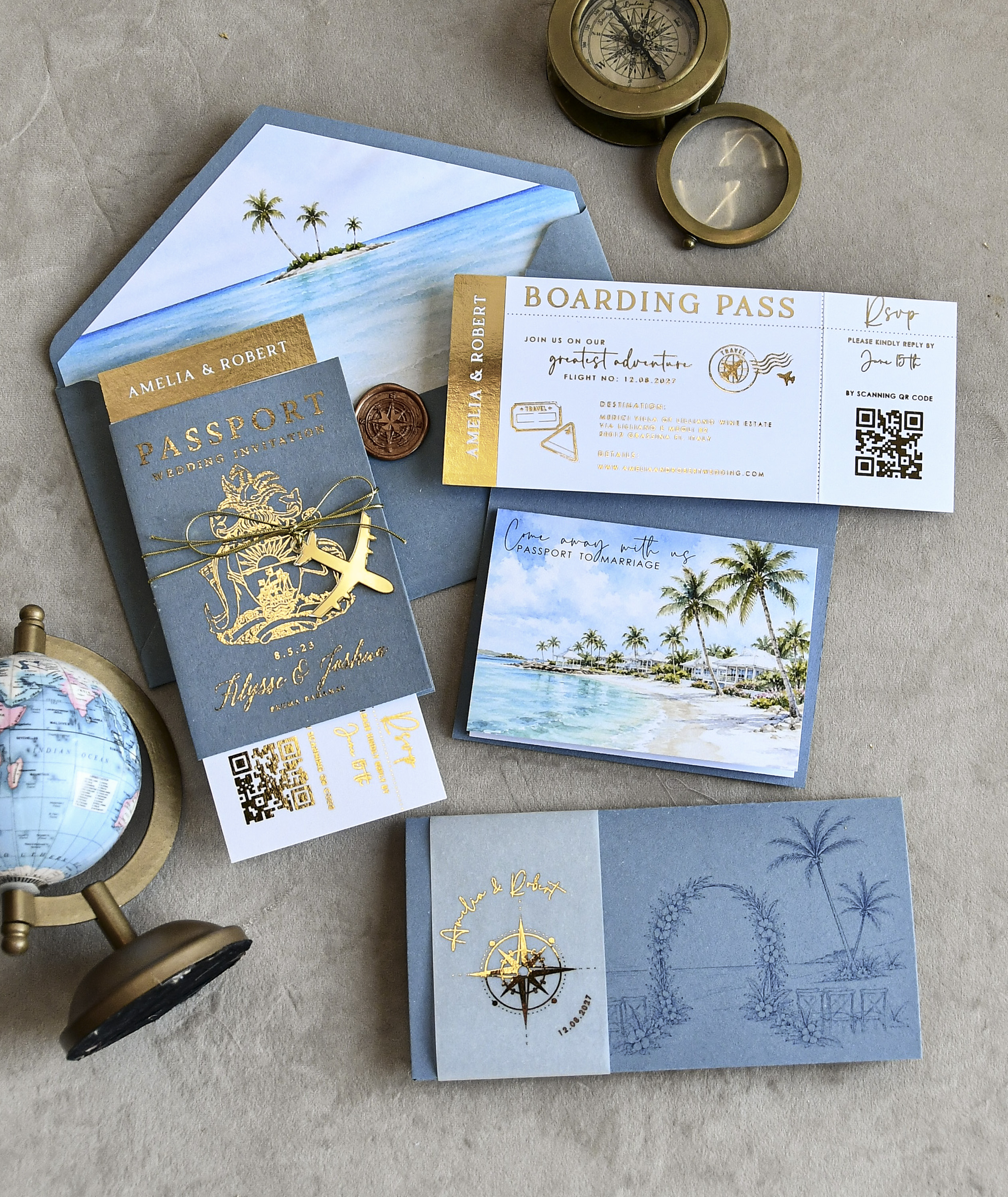
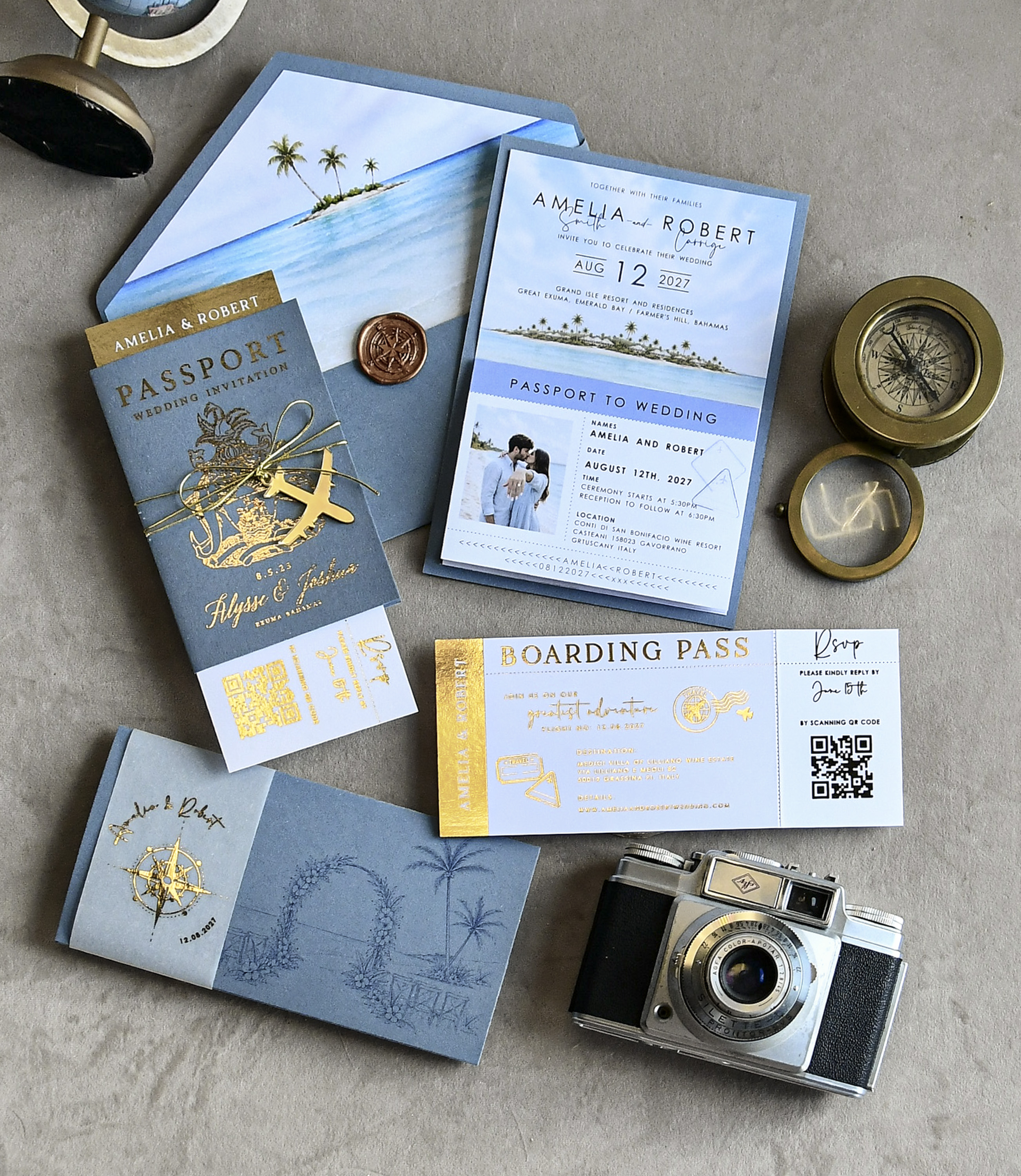
At the same time, keep a B-list of 5–10 guests you'd love to invite if space allows. If you're mailing destination-style invitations—like our passport-themed beach wedding invites from the Passport to Love collection—send B-list invitations as soon as early RSVPs decline. This way your seating chart stays full and meaningful.
Set your RSVP deadline 3–4 weeks before the wedding, not the industry-standard 2 weeks. The extra cushion gives you time to chase non-responders and adjust numbers before final vendor payments are due.
What to Do on the Wedding Day When Seats Are Empty
When you realize a confirmed guest isn't there, resist the urge to spend emotional energy on it during your celebration. Assign a point person—your wedding coordinator, a trusted bridesmaid, or a family member—to handle any seat reshuffling quietly and discreetly. Their job is to:
- Confirm the guest is genuinely absent (not just late—give a 30-minute grace period for cocktail hour arrivals).
- Remove or consolidate place cards so empty seats aren't glaring.
- Notify the catering manager so meals can be adjusted if the kitchen hasn't already plated.
Do not attempt to move guests around yourself mid-reception. Trust your point person, take a breath, and enjoy your day. Empty chairs are invisible to most guests; they will only stand out if you draw attention to them.
Following Up After the Wedding: Etiquette and Money
Once you're back from your honeymoon, you may feel a mix of hurt and financial frustration. Both are valid. Here's how to handle each:
Emotionally: Give the guest the benefit of the doubt once. A short, warm message—"We missed you! Hope everything is okay"—opens the door for them to explain. Most people feel genuinely embarrassed and will apologize. If the relationship matters to you, let them explain before drawing conclusions.
Financially: Unfortunately, you cannot invoice a guest for their plate, and attempting to do so will permanently damage the relationship. What you can do is factor this reality into your budget planning from the start. Build a 5–8% "no-show cushion" into your per-head catering estimate so the financial hit is already absorbed. If a vendor charges a strict per-head rate with no flexibility, negotiate a final-count deadline that falls one week before the wedding rather than two or three weeks out—this reduces the gap between confirmed RSVPs and actual attendance.
Gifts: A guest who RSVPs yes but doesn't attend is not automatically obligated to send a gift, though many will out of courtesy. You have up to one year to send a thank-you note for any gift received, but don't withhold warmth waiting for one that may never arrive.
Reducing No-Shows With Clear, Memorable Invitations
One underrated prevention tool is the invitation itself. Guests are far less likely to forget or casually skip a wedding when the invitation feels special and concrete. A beautifully designed suite—complete with clear RSVP instructions, a firm deadline, and all venue details in one place—sets a tone of importance from the start.
For couples planning a beach or destination celebration, our Passport to Love beach wedding invites double as a keepsake guests genuinely want to hold onto. When an invitation feels like a collectible, it stays on the fridge, not at the bottom of a pile. Include your wedding website URL on an enclosure card so guests can re-check logistics easily, reducing the "I got confused and didn't come" excuse.
Finally, a brief reminder email or text 48–72 hours before the wedding—sent to your full confirmed list—catches last-minute conflicts early enough that guests can give you a heads-up rather than simply not showing up.

Frequently Asked Questions
Etiquette strongly advises against it. Requesting reimbursement almost always causes lasting damage to the relationship and puts the guest in an uncomfortable, public position. Build a financial buffer into your catering budget from the start so no-shows don't create a crisis.
If they sent a gift, absolutely—send a heartfelt thank-you within three months. If they didn't send a gift, a brief friendly note saying you missed them is optional but kind, especially if the relationship is important to you.
Give guests at least 30 minutes into the cocktail hour before confirming they're absent. Traffic, parking, and minor emergencies are common, and many guests arrive slightly late to the reception without issue.
Set your RSVP deadline 3–4 weeks before the wedding. This gives you time to follow up with non-responders and submit a final headcount to vendors before penalty deadlines kick in.
Not at all—it's expected and necessary. A simple text or phone call is perfectly acceptable. Most non-responders simply forgot, and a friendly nudge is far less awkward than an inaccurate headcount on your wedding day.
Assign a coordinator or trusted helper to quietly remove place cards and consolidate any gaps before guests are seated. Most attendees won't notice a missing seat if it's handled discreetly and quickly.
See This Design Up Close
























You May Also Like




More Wedding Planning Guides
- → Kids at Your Wedding: Should You Hire a Babysitter or Full Entertainment?
- → The Right Time to Chase Down Missing RSVPs (And How to Do It Gracefully)
- → The Graceful Way to Let Guests Know Your Wedding Is Adults Only
- → Wedding Guest List Dilemma: Should Your Boss and Coworkers Make the Cut?
- → Planning Your Wedding When Your Divorced Parents Can't Stand Each Other
- → Navigating Wedding Invitations When a Sibling Relationship Is Complicated
- → Your Guest List, Your Rules: Navigating In-Law Friend Invites
- → Big Guest List vs. Better Wedding Experience: Which Should You Prioritize?
- → Save the Date Cards vs. Wedding Invitations: Know the Difference Before You Order
- → Extra Wedding Guests: Who Picks Up the Tab?
- → No RSVP? Here's Exactly How to Handle It
- → What to Say When Someone Asks Why They Didn't Make the Guest List
- → Plus-Ones for Single Guests: Making the Right Call for Your Wedding
- → How to Kindly Let Someone Know They Didn't Make the Guest List
- → My Fiancé Wants to Exclude My Family From the Wedding: Now What?
- → Should You Give Teenage Guests a Plus One at Your Wedding?
- → Adults-Only or Family-Friendly? How to Make the Right Call on Kids at Your Wedding
- → When Guests Bring Unexpected Plus-Ones: What to Do Before and After the Wedding
- → How Late Is Too Late for Wedding Invitations? A Realistic Timeline
- → Aunt Has a New Husband: Here's How to Handle the Invitation
- → The RSVP No-Show: Should You Actually Call Guests Who Never Responded?
- → Wedding Invitations: Mail Them or Hand Deliver? Here's How to Decide
- → What to Do When a Relative Says They Won't Come If Someone Else Is Invited
- → Extra Names on Your RSVP Card: What to Do When Guests Add Themselves
- → Your Guest List, Your Call: How to Handle Mom's Must-Invite Requests
- → Yes, You Can Say No to a Plus One — Here's How to Do It Right
- → Adults-Only Weddings: Are You Being Rude by Leaving Kids Off the Guest List?
- → How to Handle Seating for Divorced Parents at Your Wedding
- → Uninvited Plus-Ones and Tag-Alongs: How to Keep Your Guest List Intact
- → When Family Feuds Threaten Your Wedding Plans: A Practical Peacekeeper's Guide
- → Inviting an Estranged Brother or Sister: Finding Clarity Before You Seal the Envelope
- → Cousins, Invites, and Hard Choices: A Practical Guest List Guide