
When the Guest List Must Shrink: The Right People to Remove First
You've tallied the names, done the math, and reality has arrived: the guest list is too long. Whether your venue has a strict capacity or your budget simply won't stretch, cuts have to be made — and deciding who gets cut first is one of the most emotionally loaded tasks in all of wedding planning. The good news is that there's a logical, fair order for making those decisions, and following it takes a lot of the guilt off your shoulders.
Start With the "Obligation Only" Guests
The very first names to review are the ones that landed on the list out of obligation rather than genuine connection. These are people you feel you should invite — a coworker you rarely speak to outside of meetings, a neighbor you wave to occasionally, your parents' friends' adult children you haven't seen in a decade. Ask yourself honestly: if you ran into this person at the grocery store six months after the wedding, would it feel natural to talk about it? If the answer is no, that's your first cut.
A helpful filter: would you feel comfortable calling this person to catch up right now? If the idea feels awkward, they probably don't need to be at your wedding. This isn't cold — it's honest, and it protects your experience on the day itself.
Next, Revisit Plus-One Policies for Acquaintances
Once you've removed pure obligation guests, look at plus-ones attached to people you're not particularly close to. If a coworker or distant cousin is already borderline on your list, extending them a plus-one for a partner you've never met doubles the impact on your headcount. Consider reserving plus-ones for guests who are engaged, married, or in a long-term committed relationship, and be consistent about applying that rule across the board.
Consistency is the key word here. If you offer a plus-one to one single friend but not another, feelings can get hurt. Set a clear policy — such as "plus-ones for anyone who has been together two or more years" — and apply it uniformly. That way, if anyone asks, you have a principled answer rather than a personal one.
Then Look at Extended Family You've Lost Touch With
Family is often the trickiest category because parents and in-laws may have strong opinions. But extended family members — third cousins, great-aunts you see every few years, relatives from a branch of the family that has drifted apart — are reasonable candidates for trimming. A good approach: talk with both sets of parents early and give each family a set number of "family slots." Let them decide among themselves who fills those spots. This distributes the decision-making and reduces the chance that you become the villain.
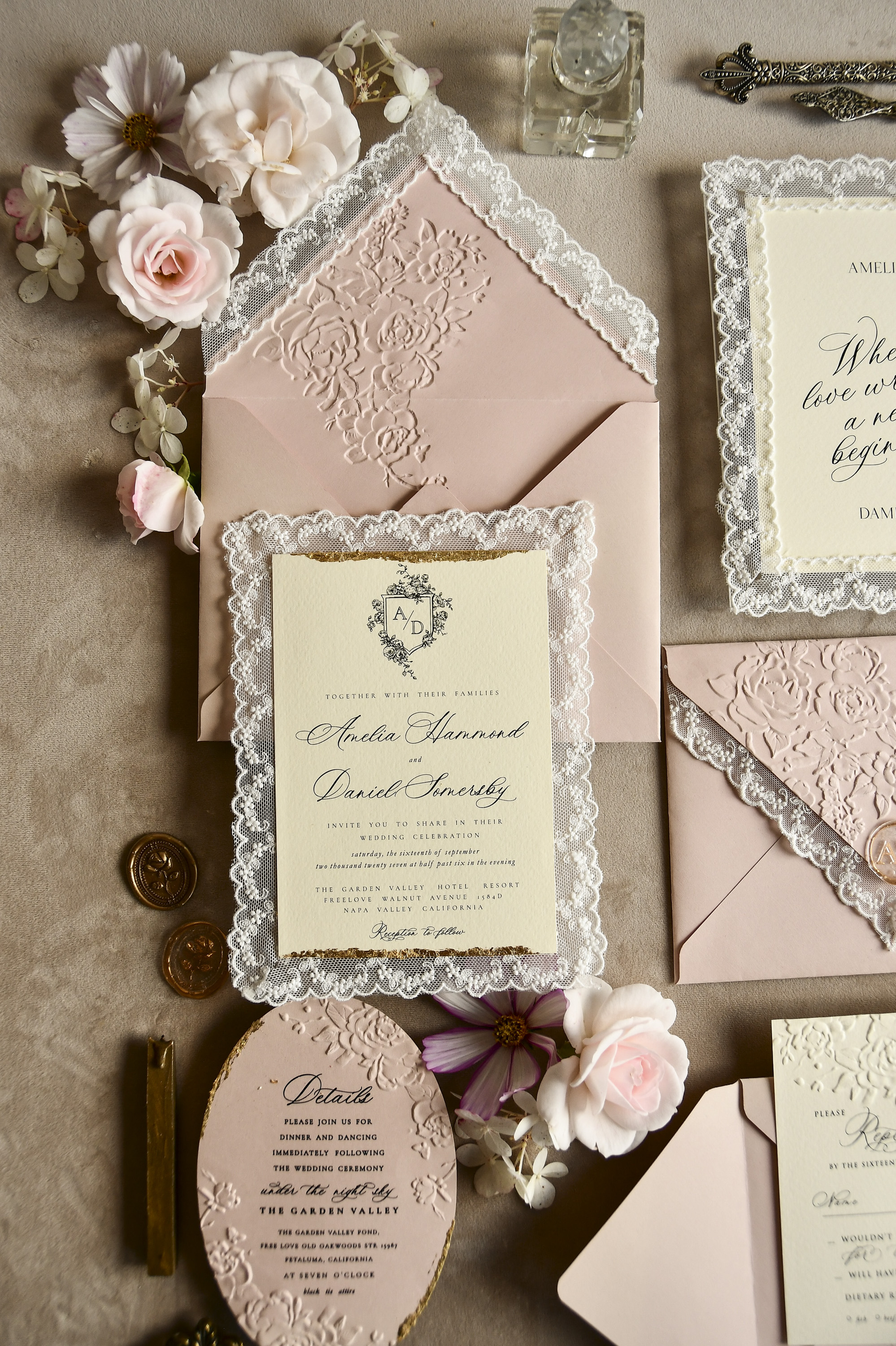
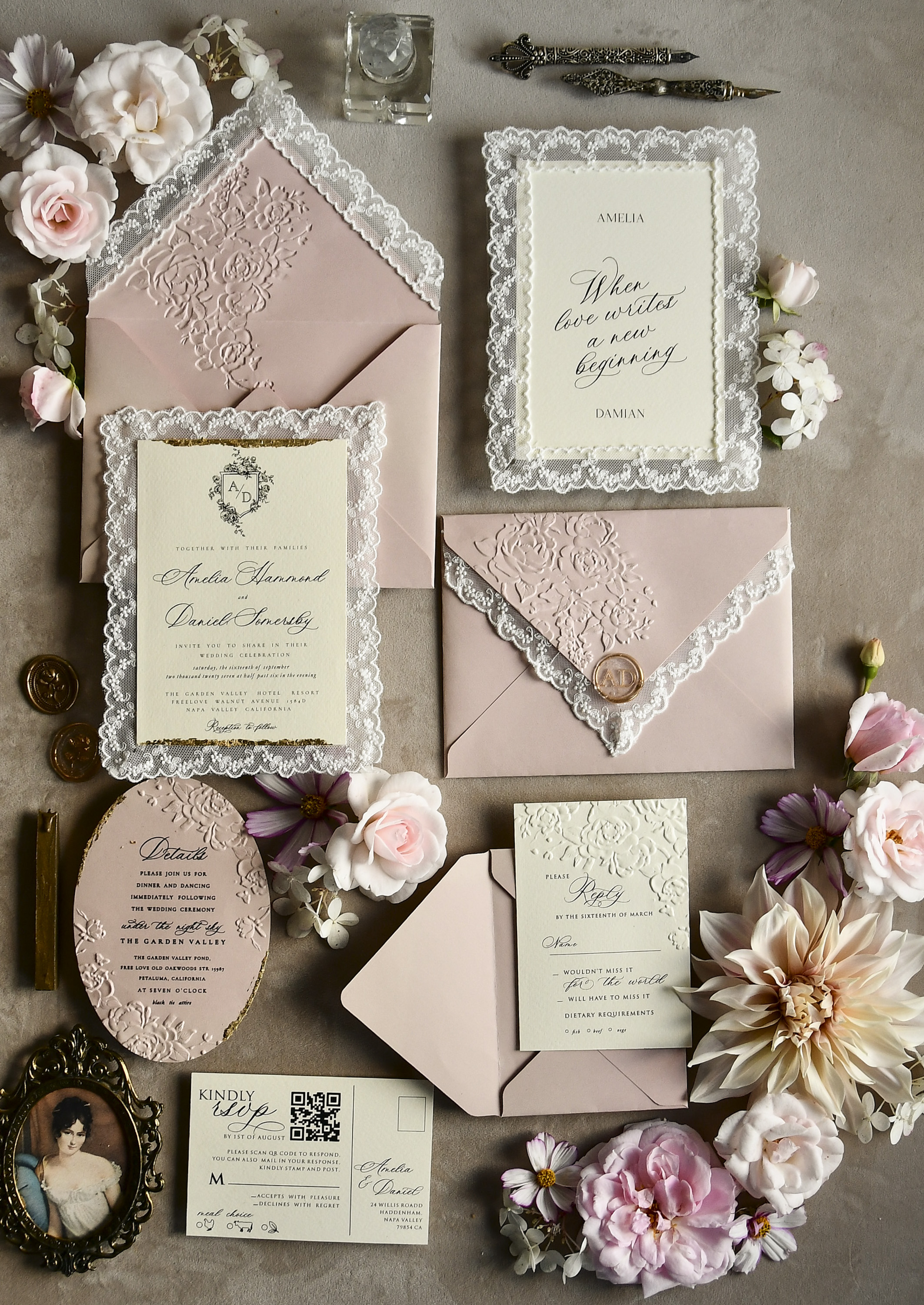
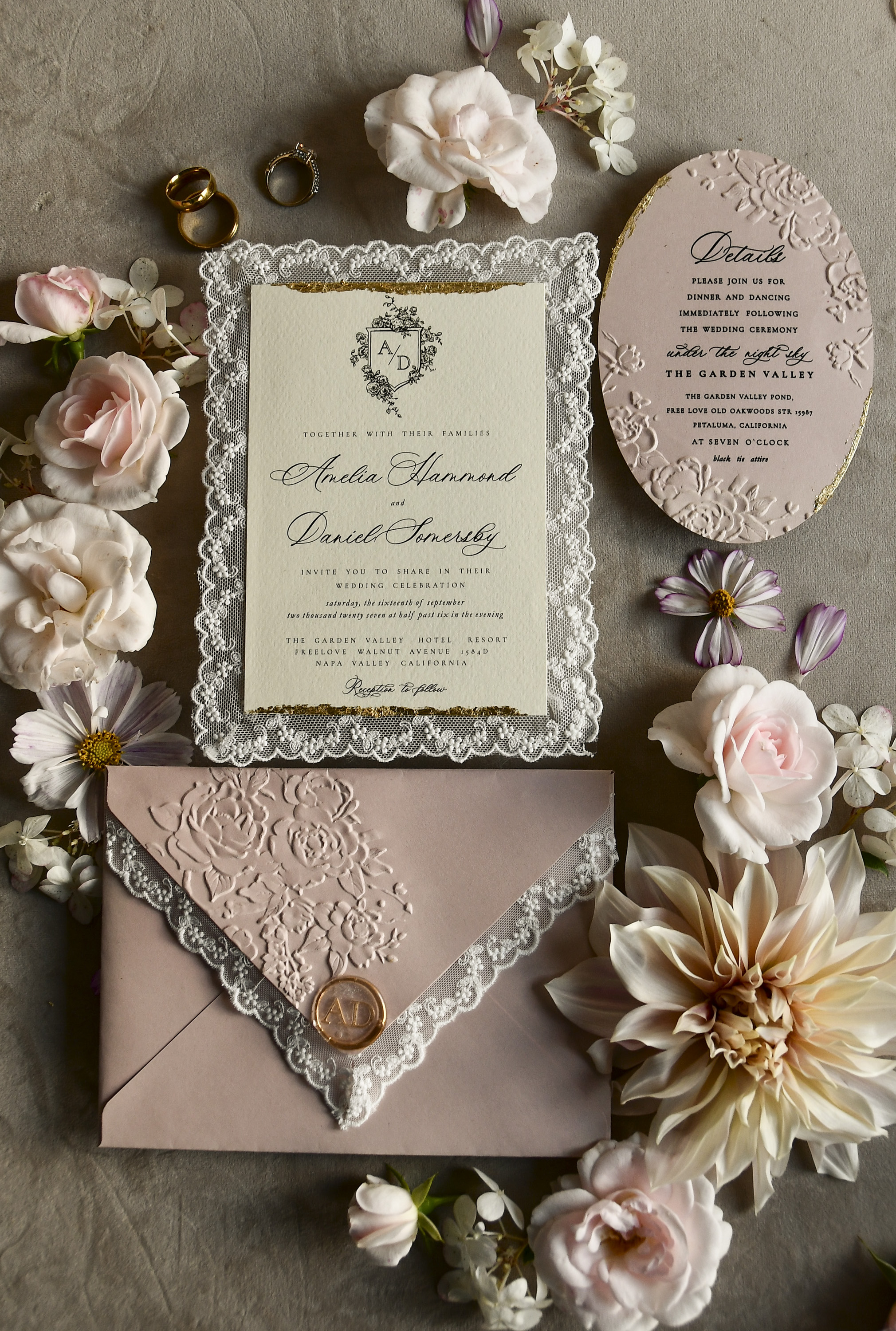
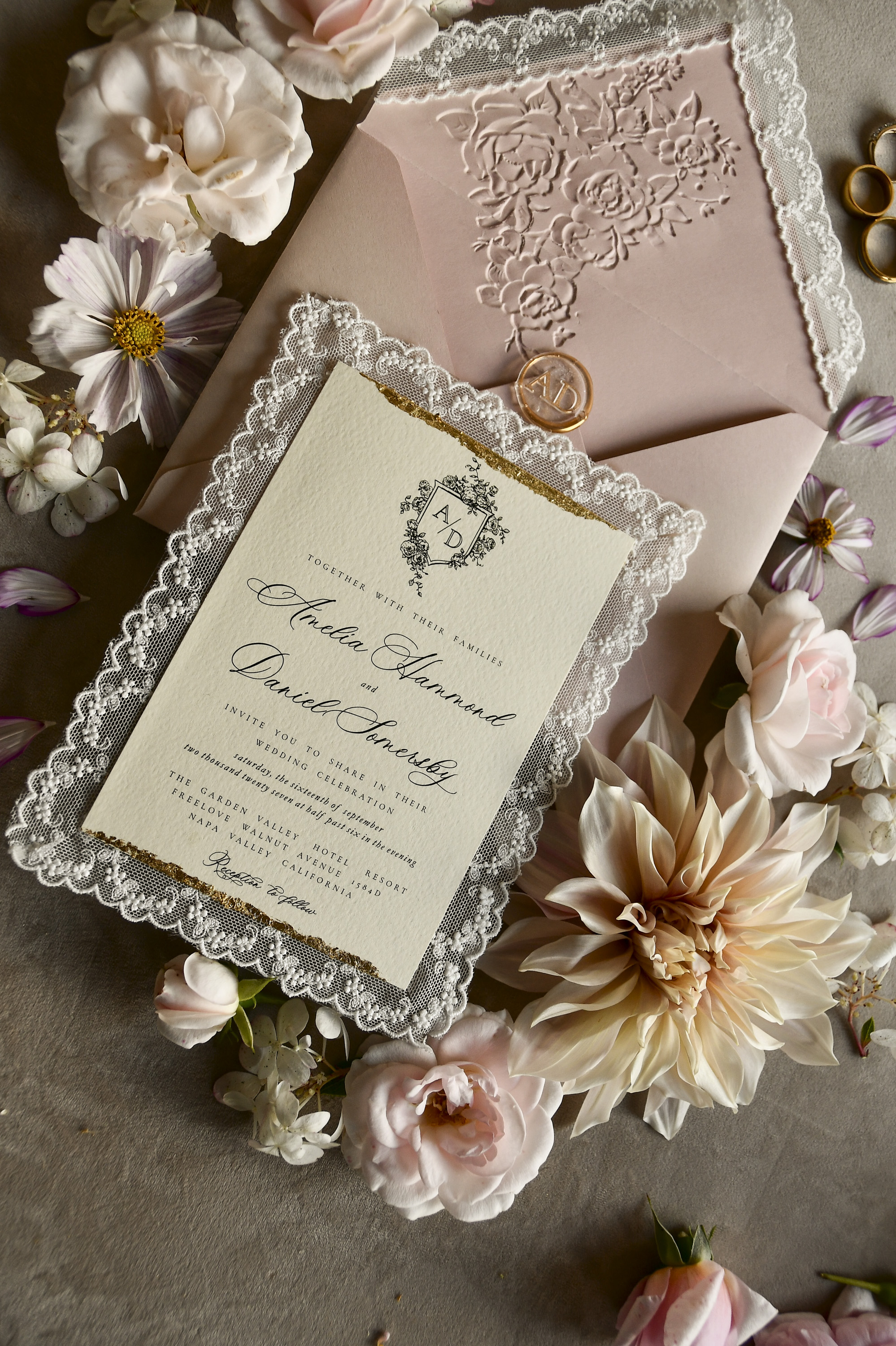
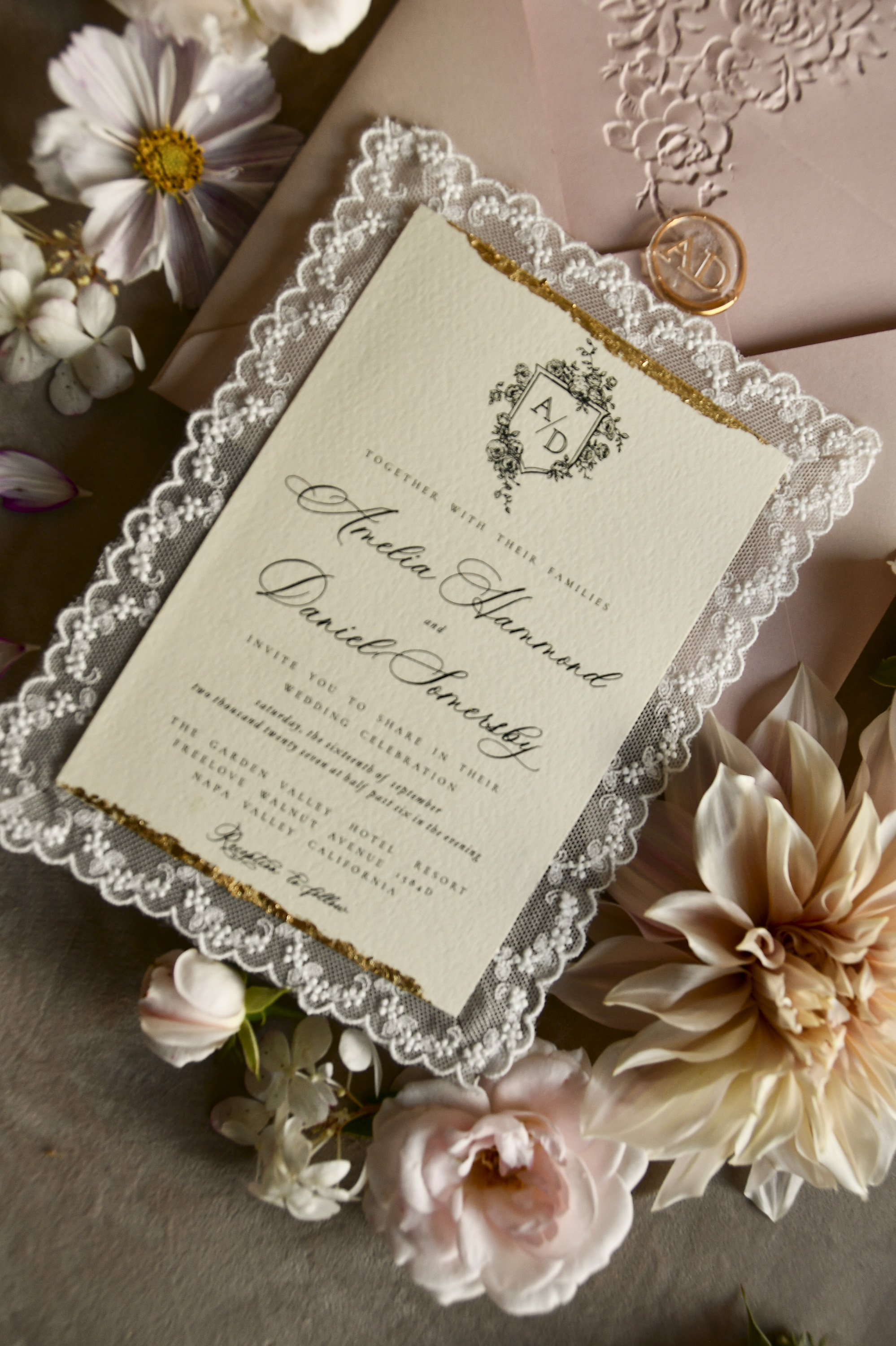
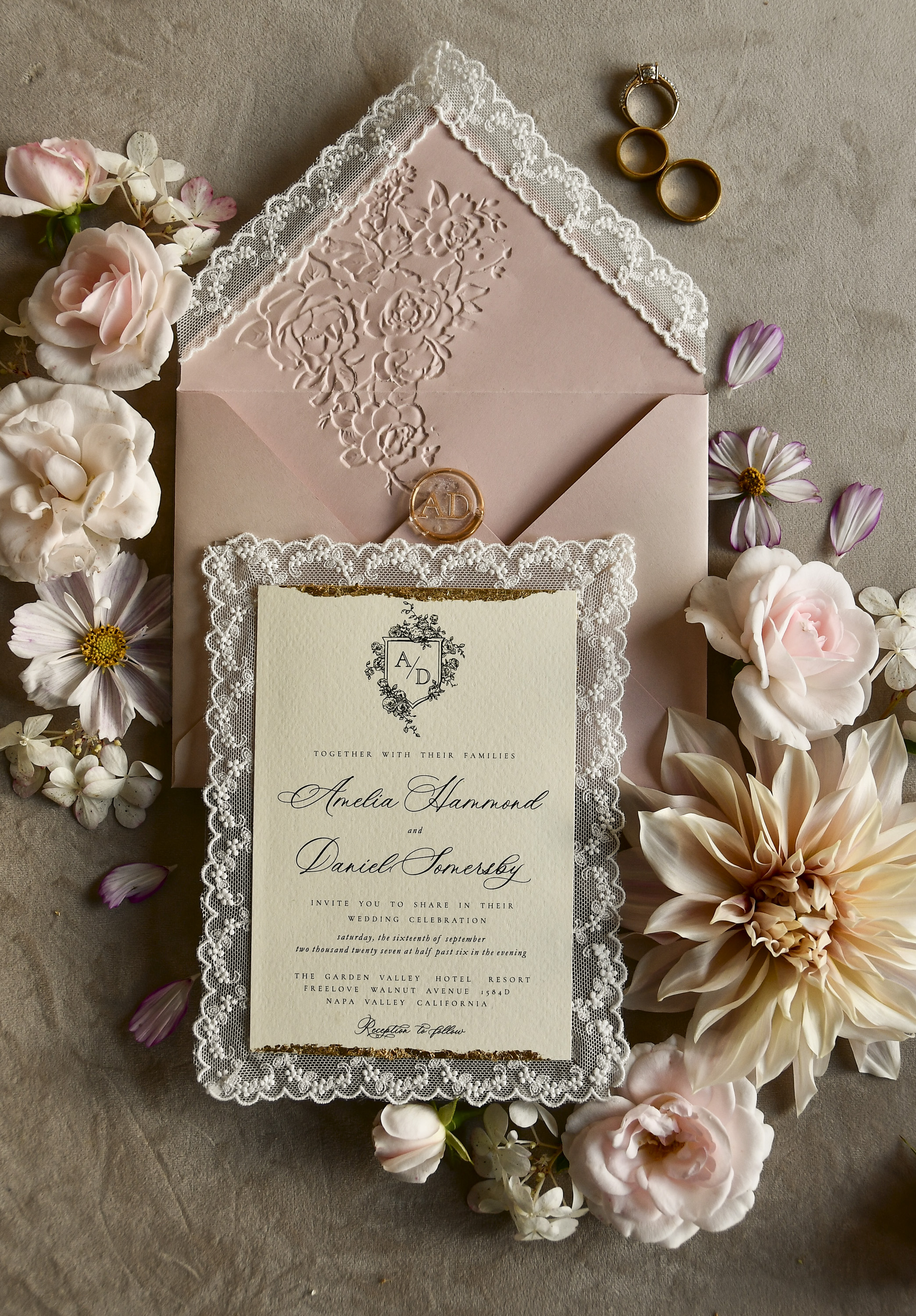
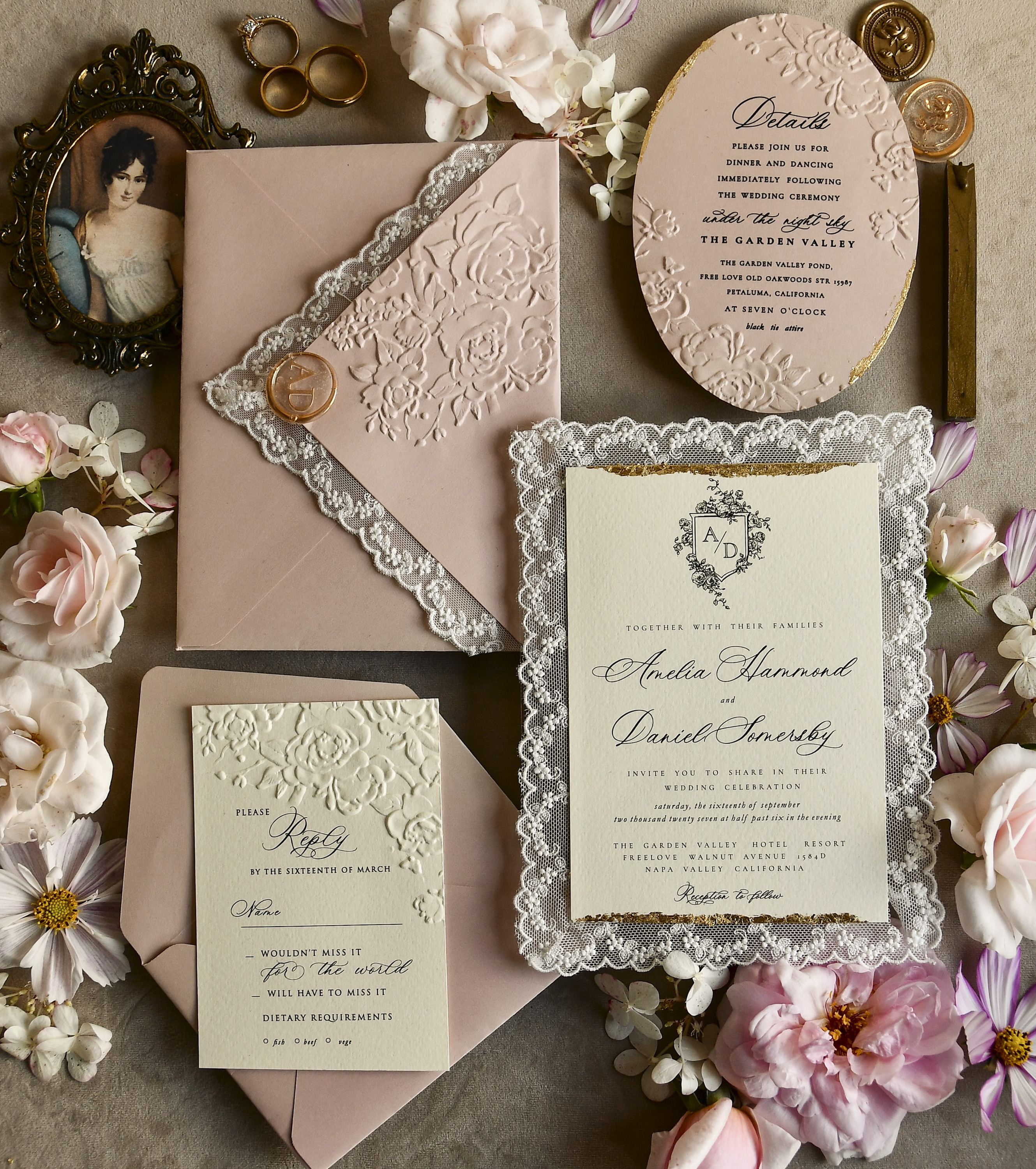
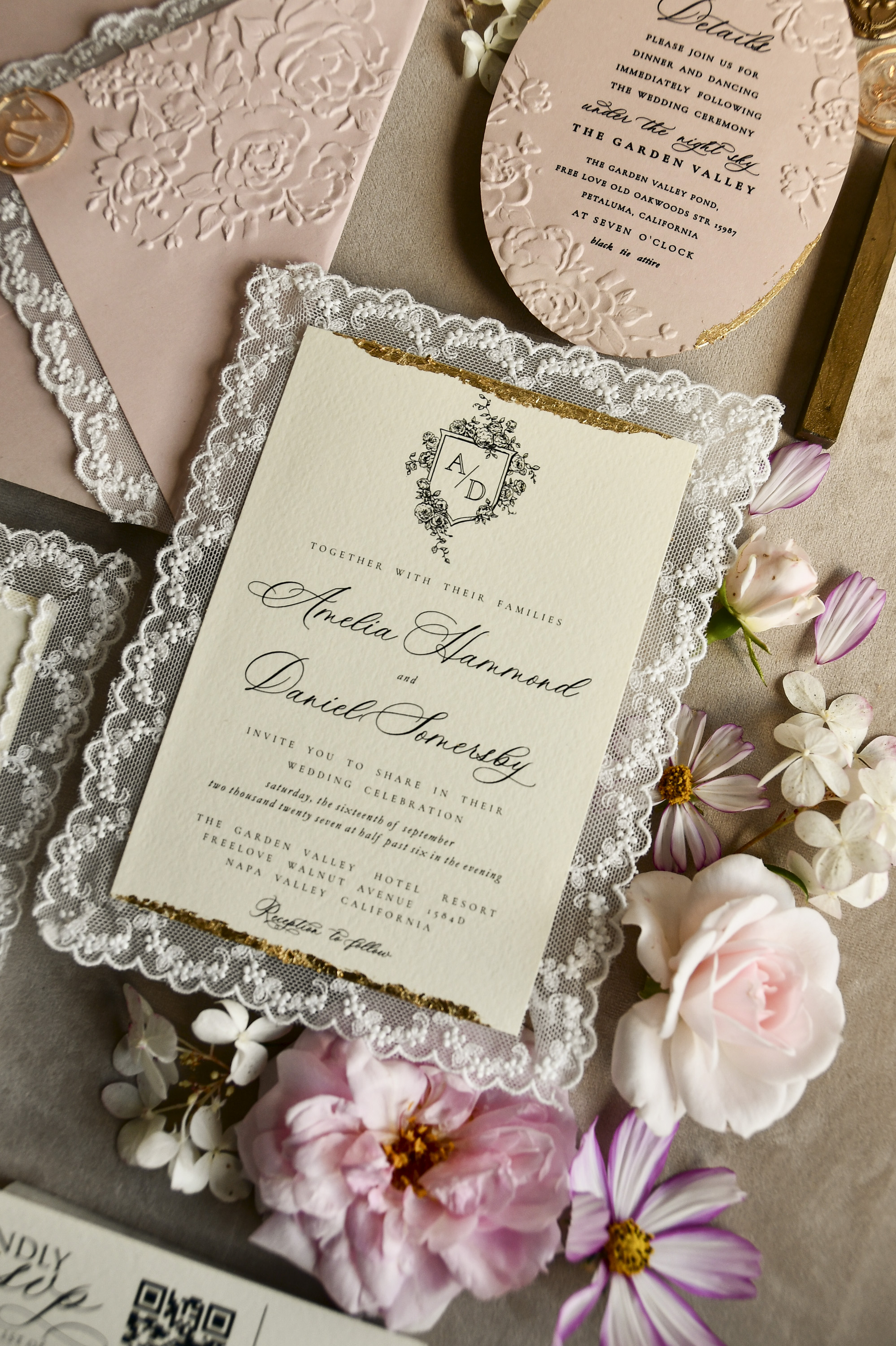
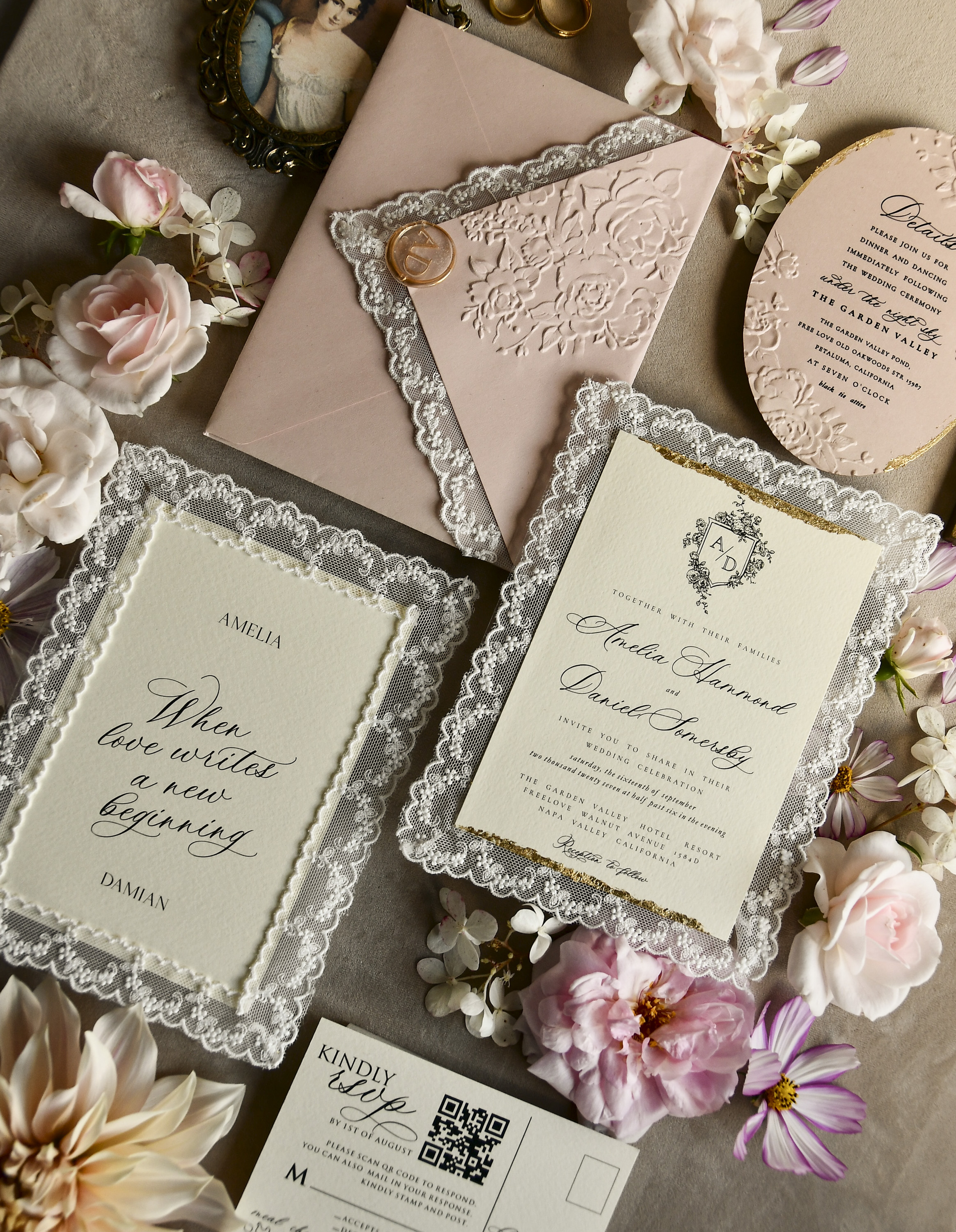
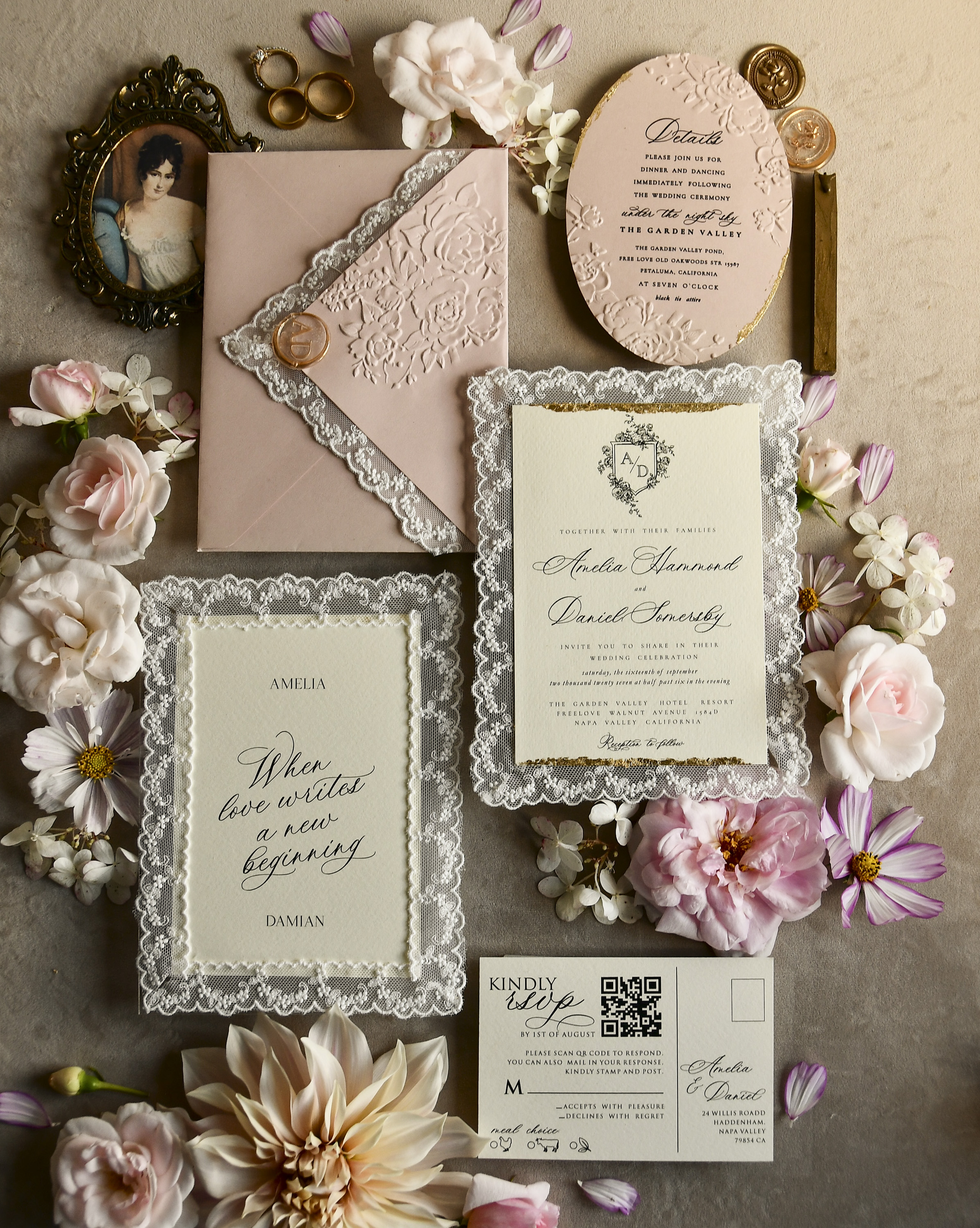
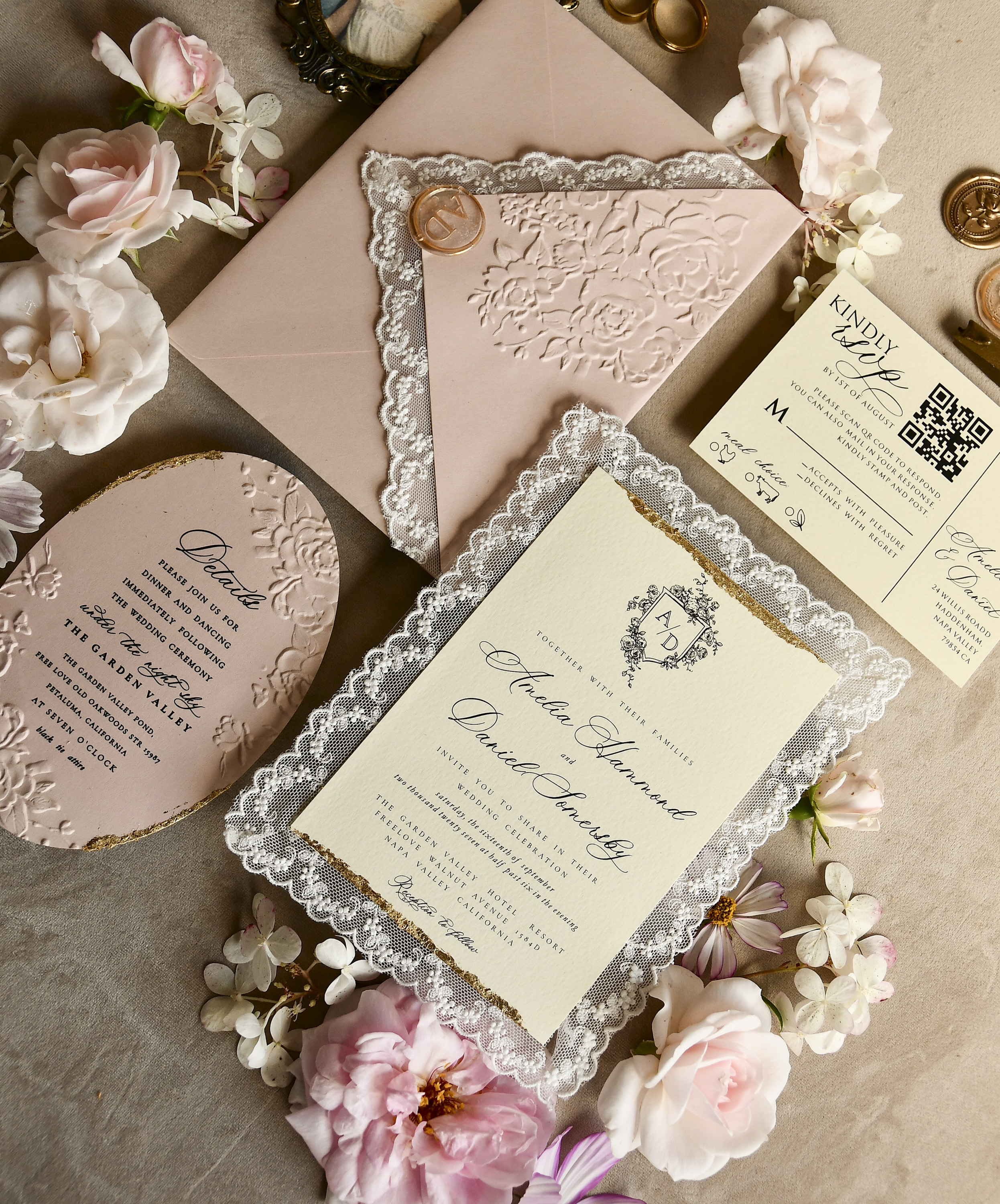
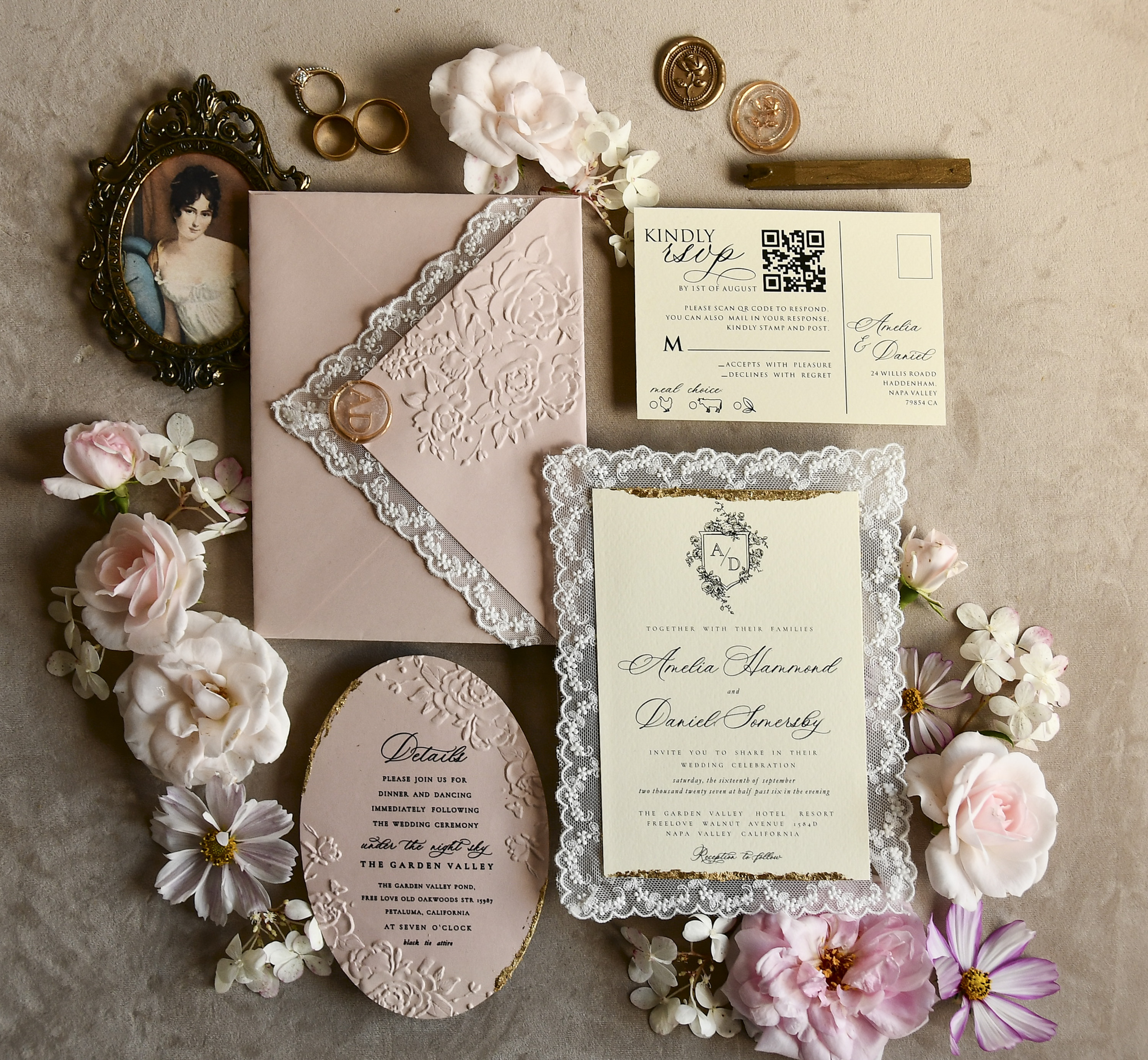
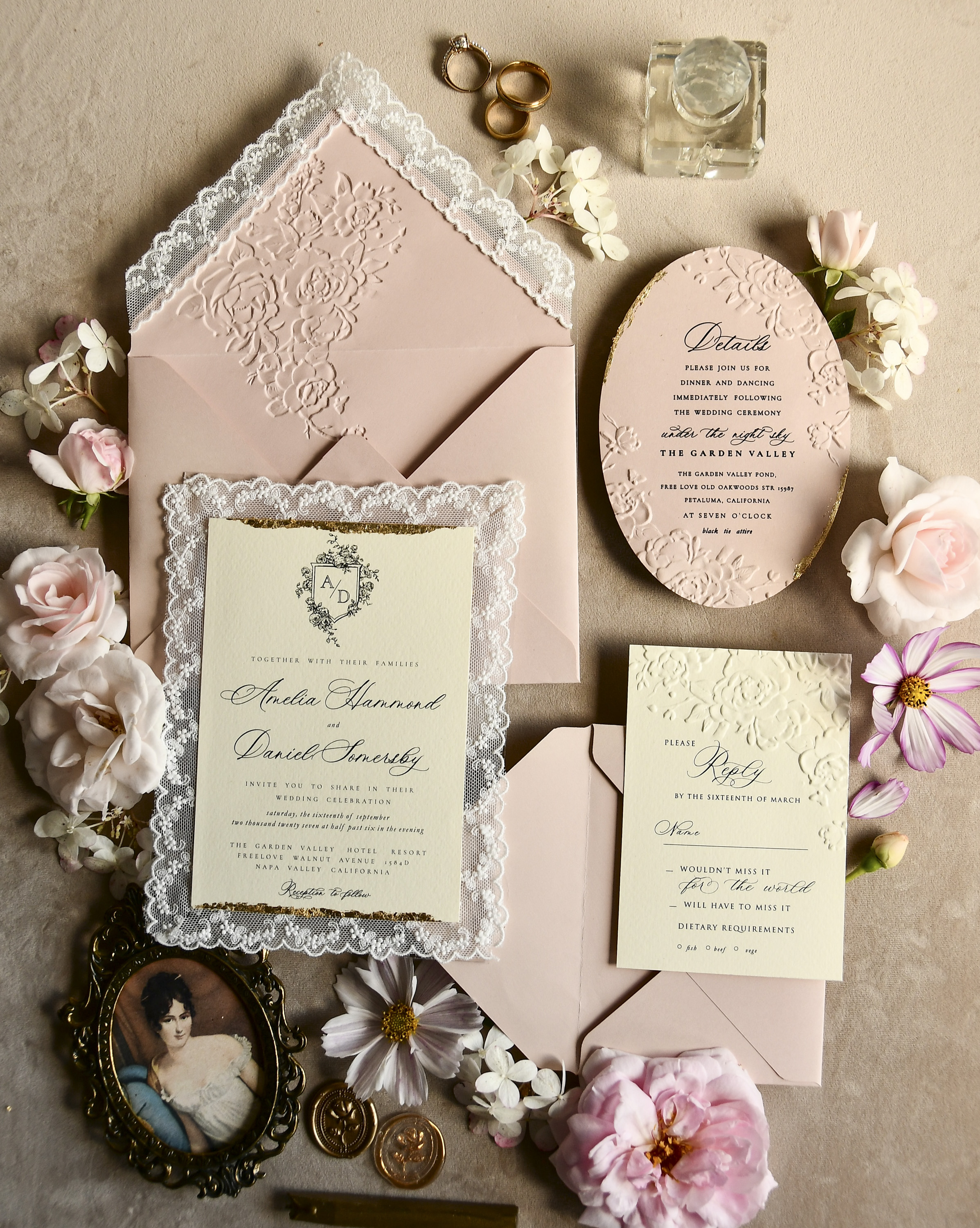
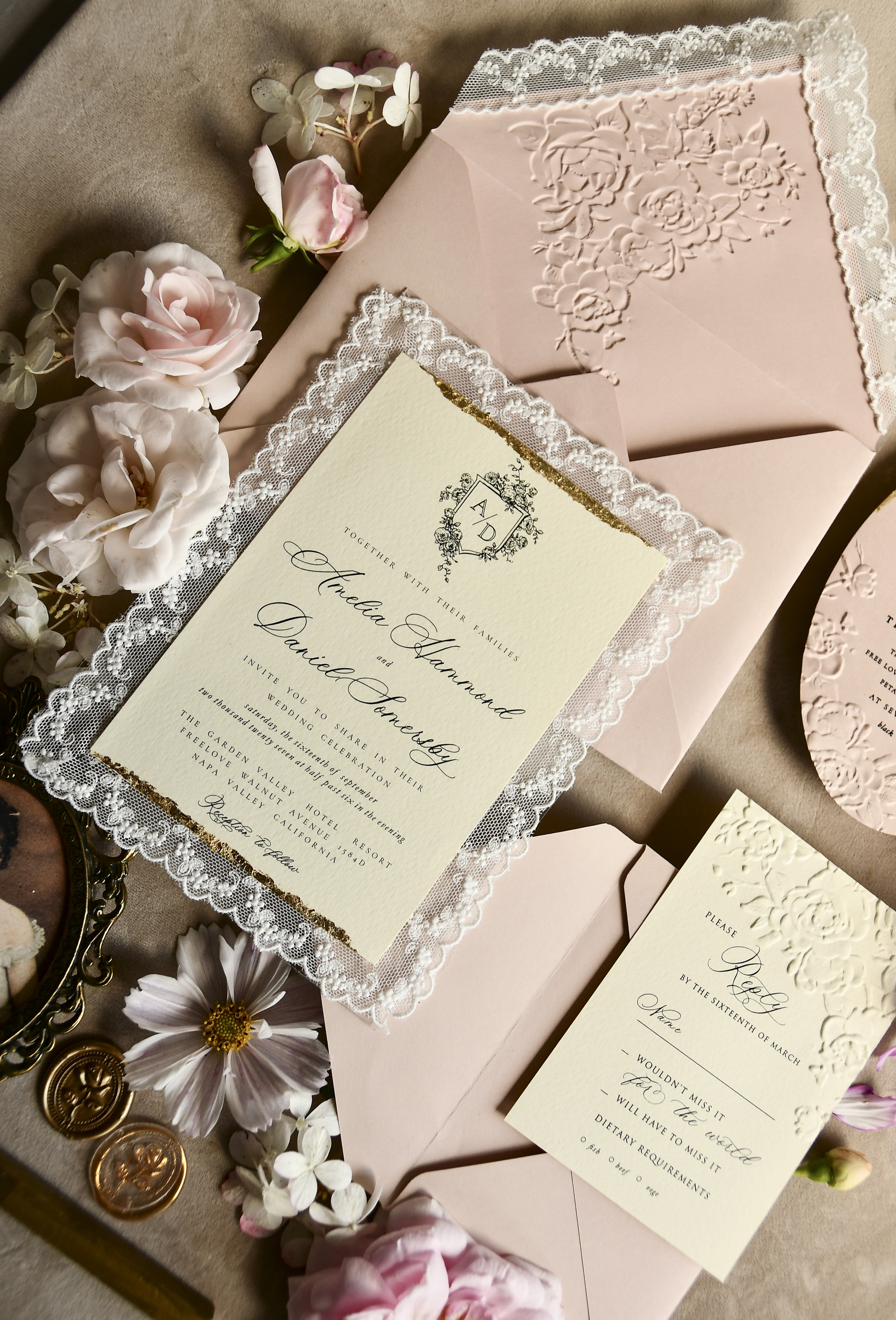
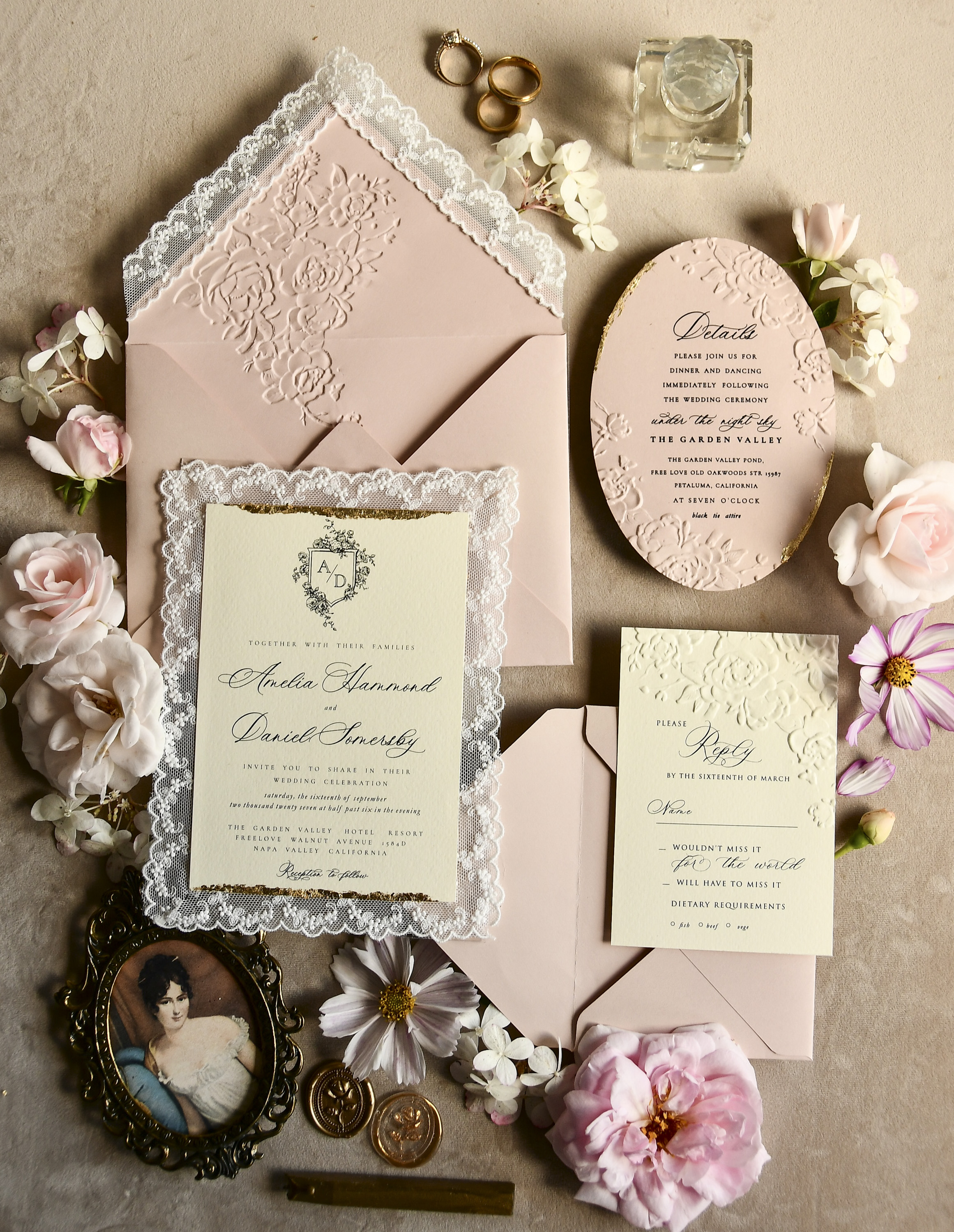
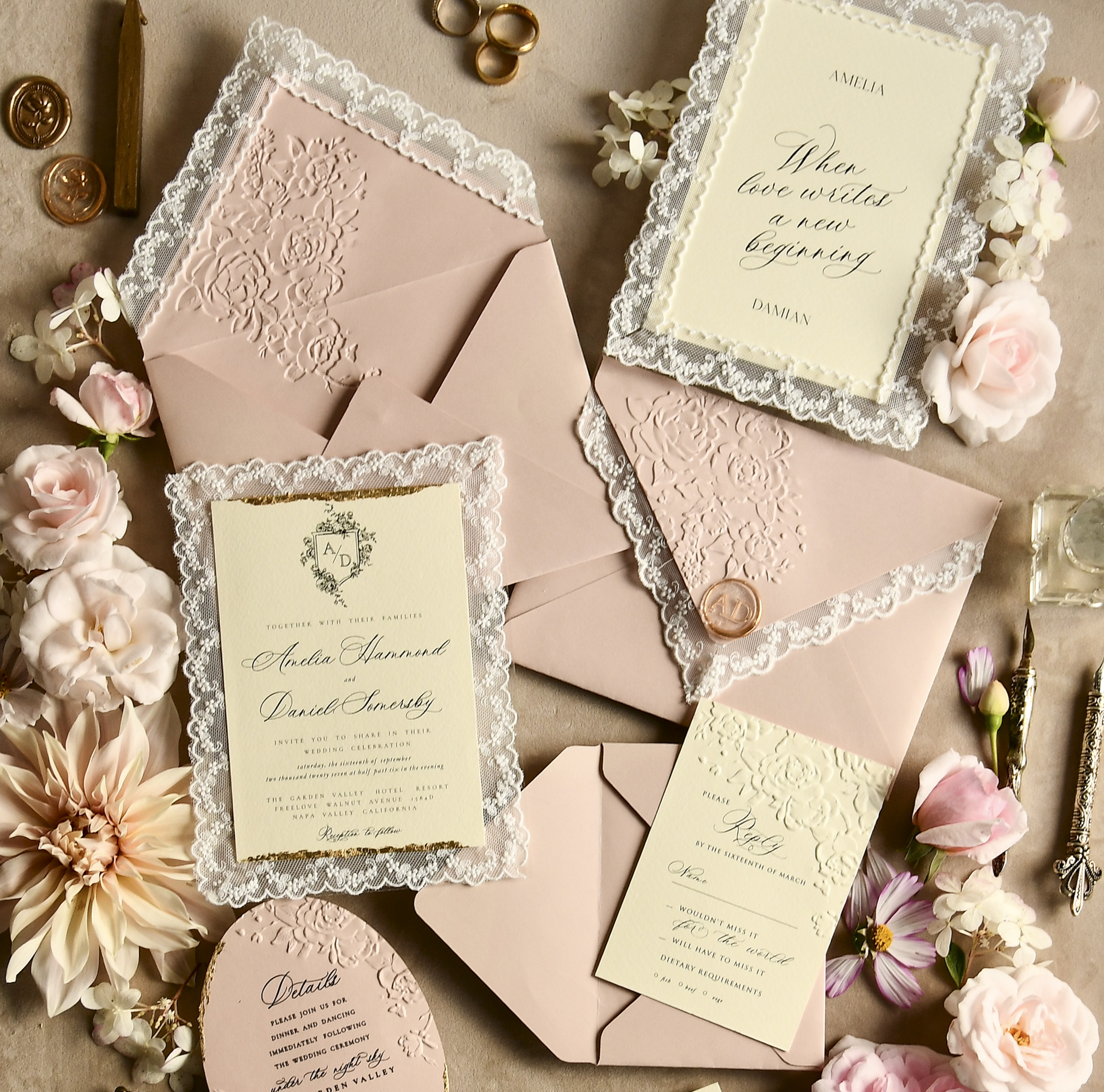
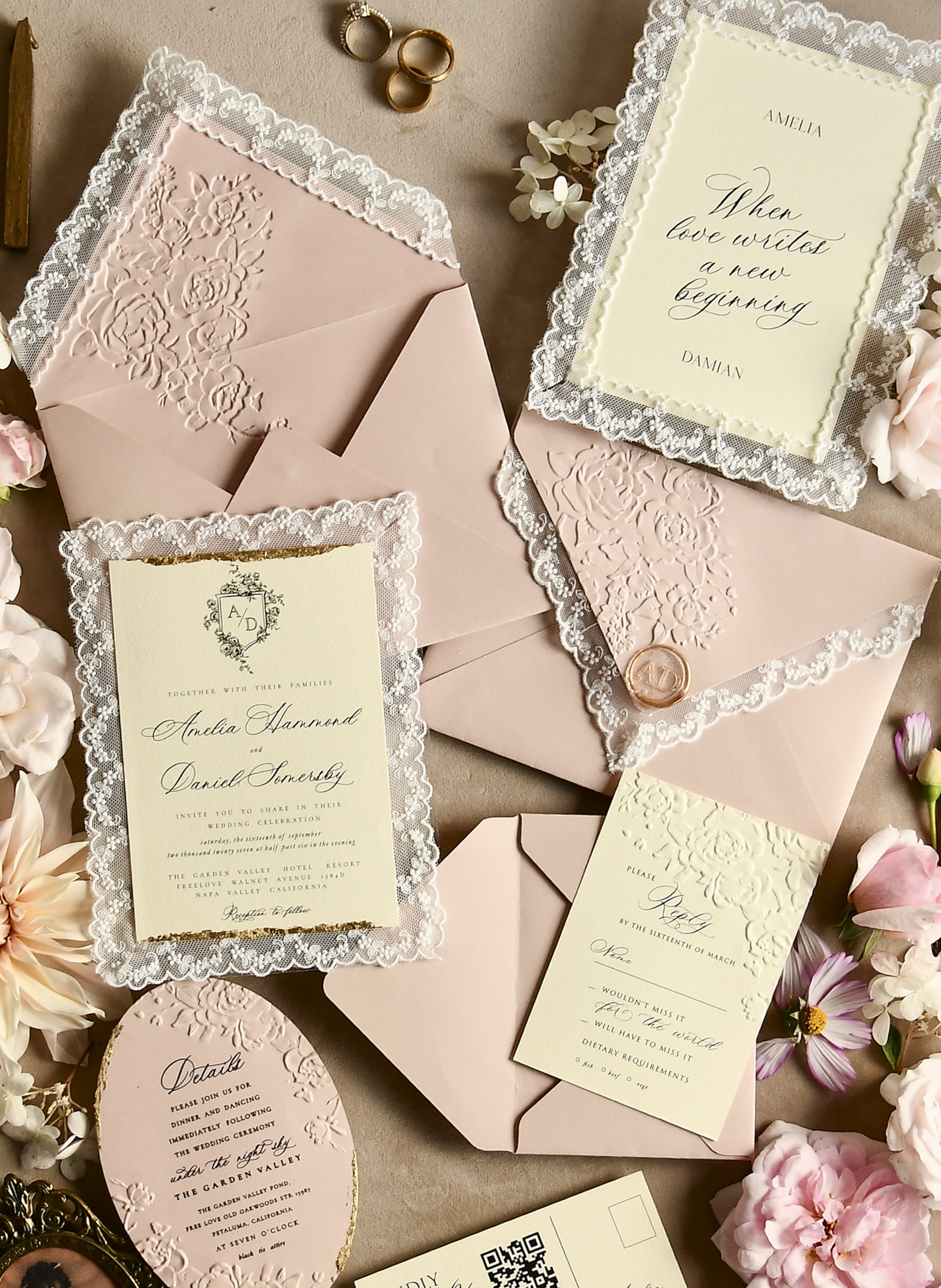
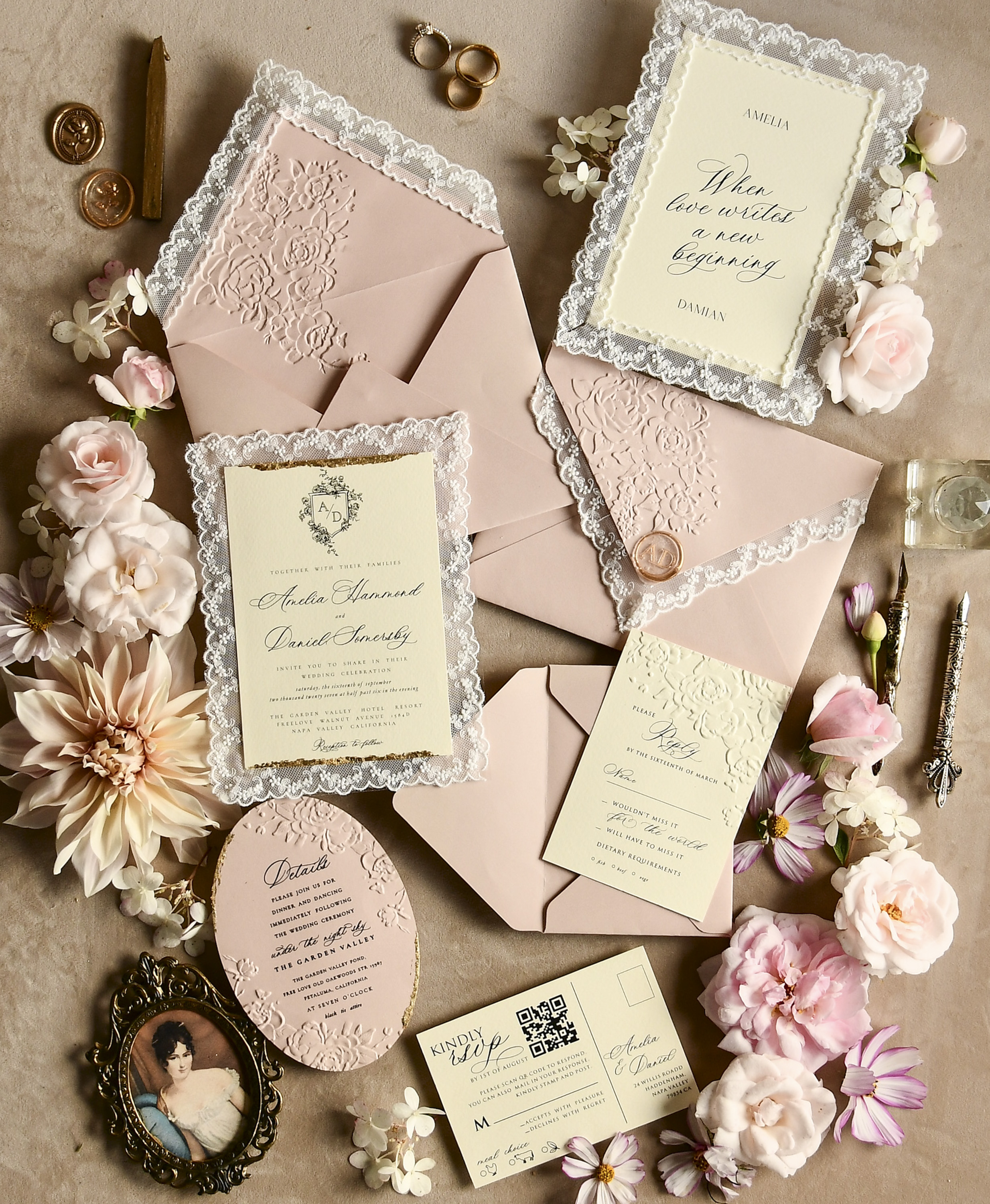
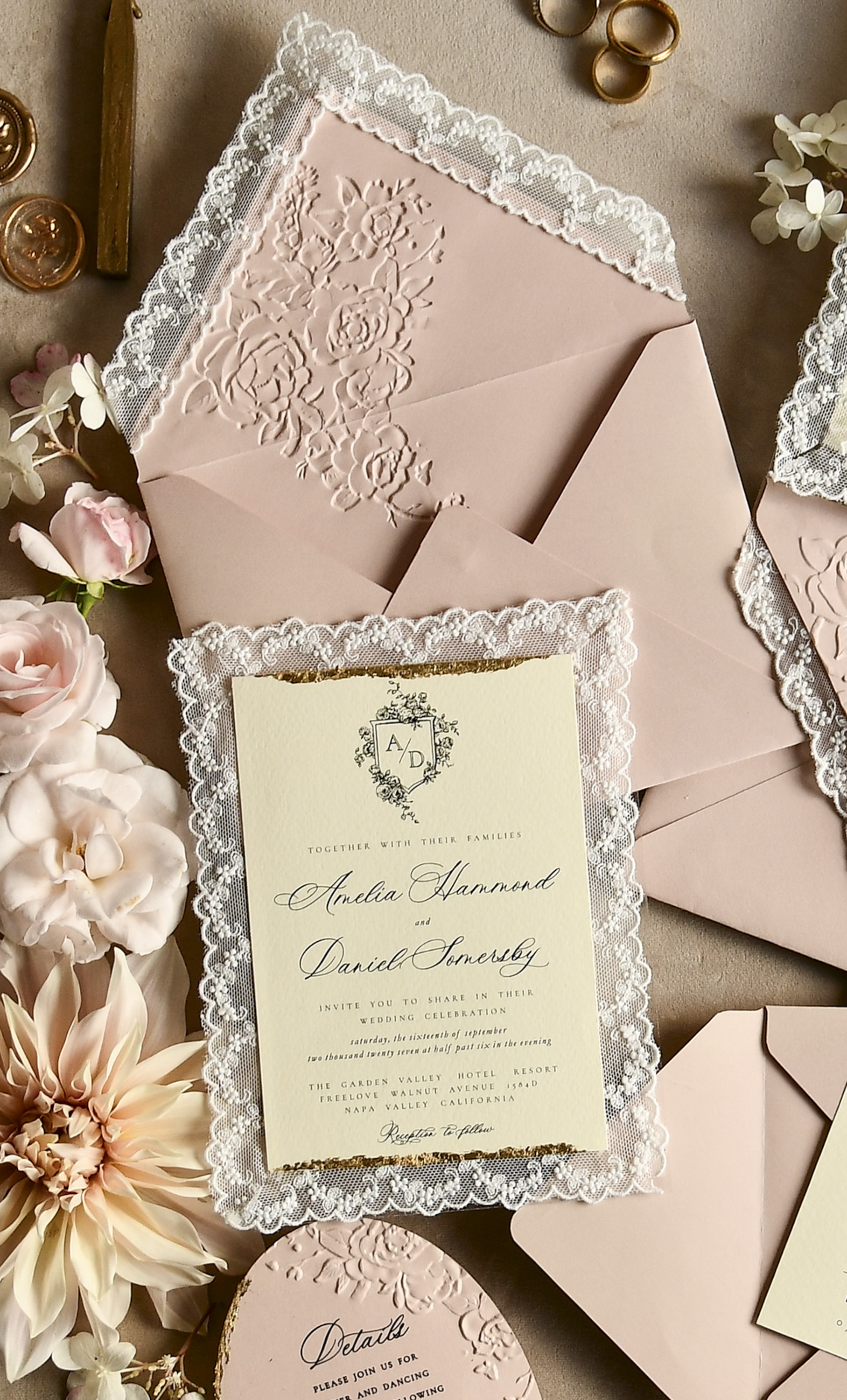
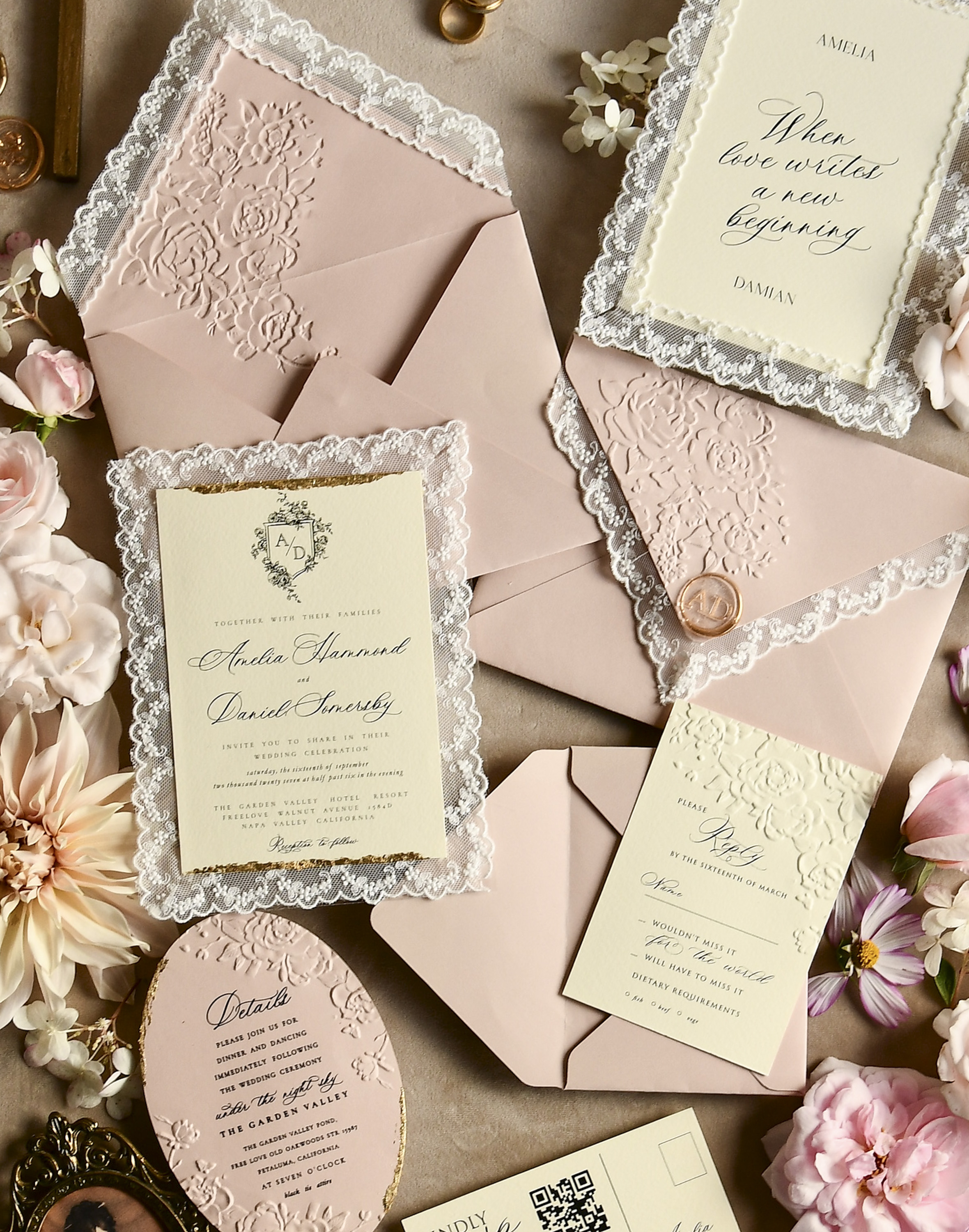
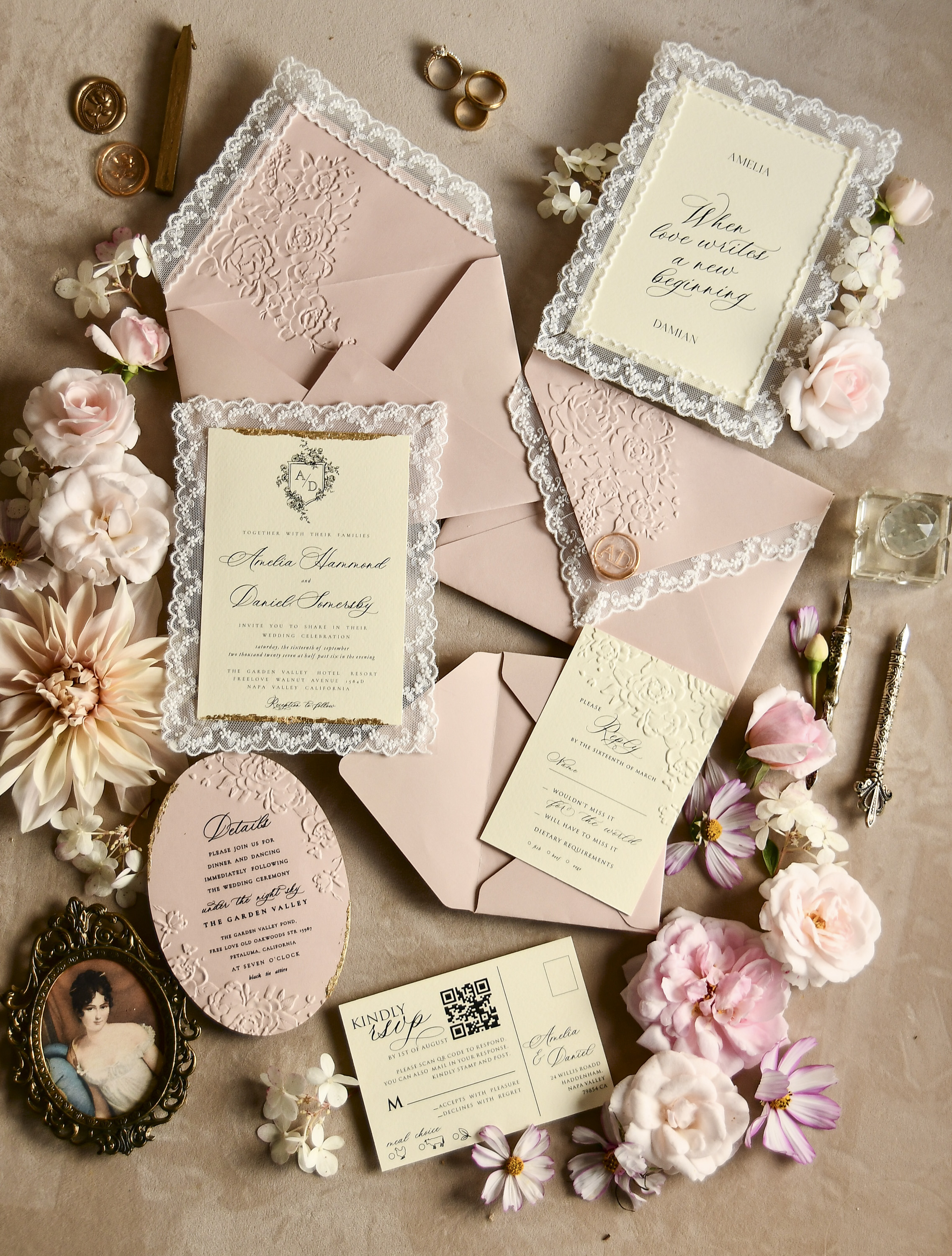
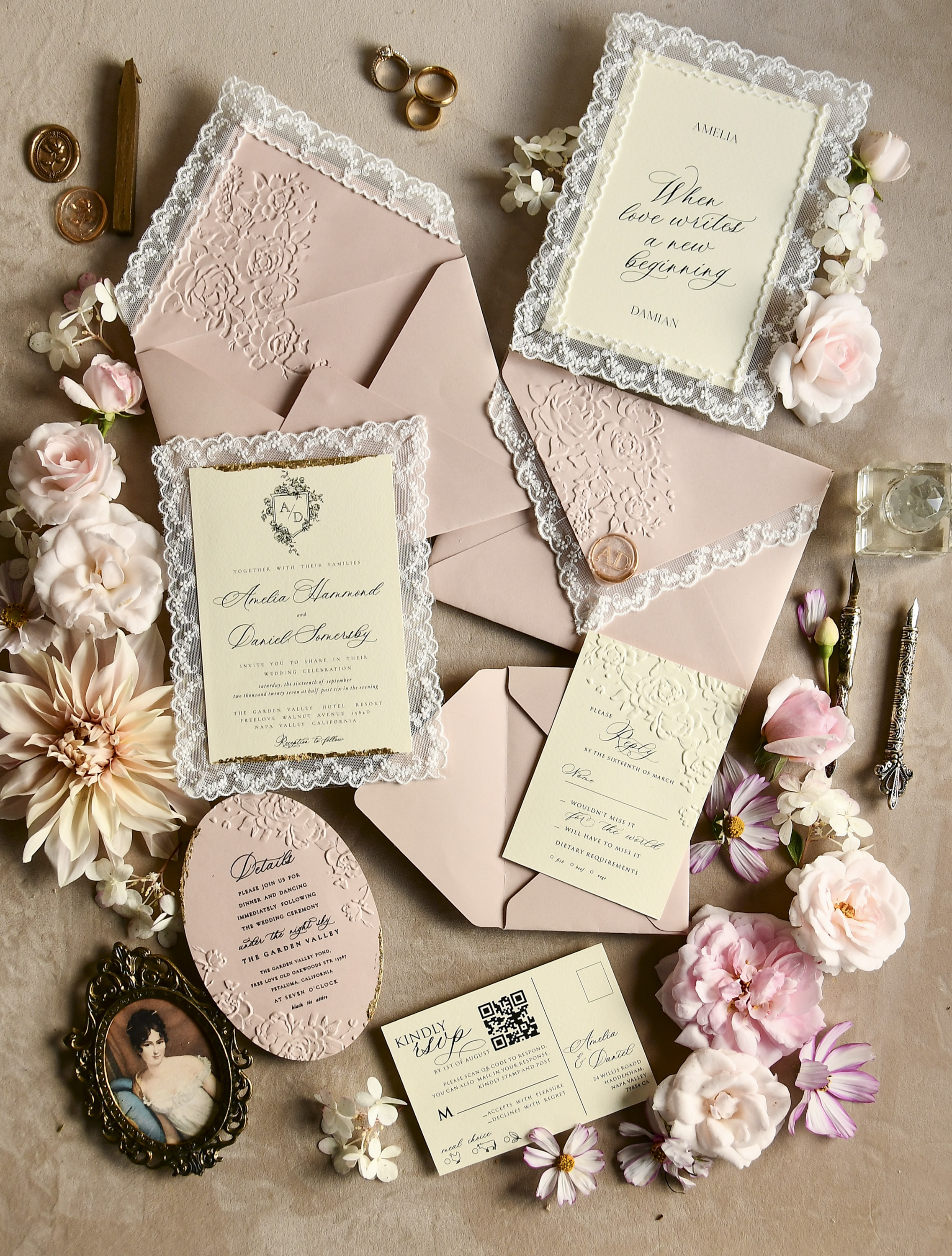
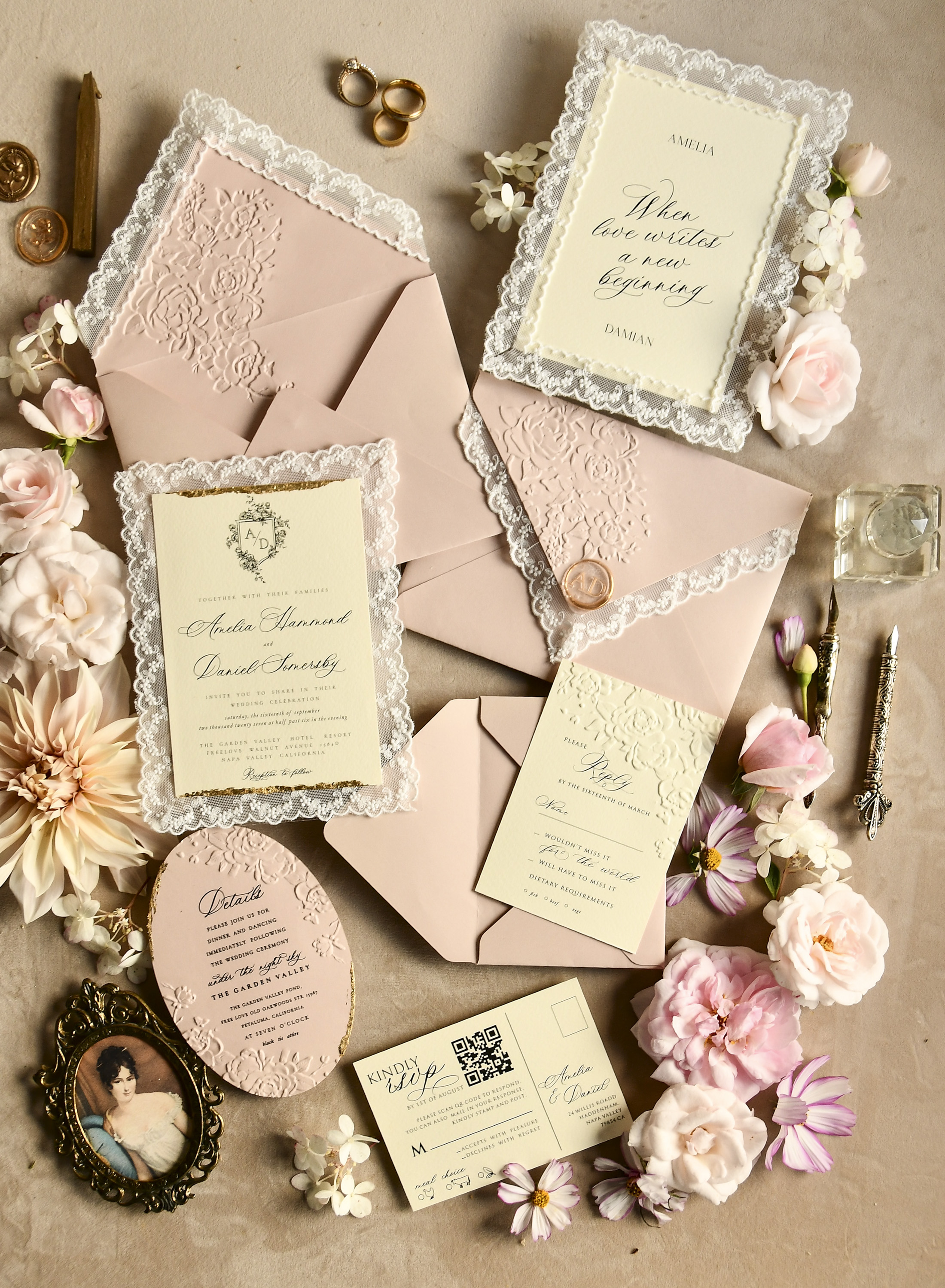
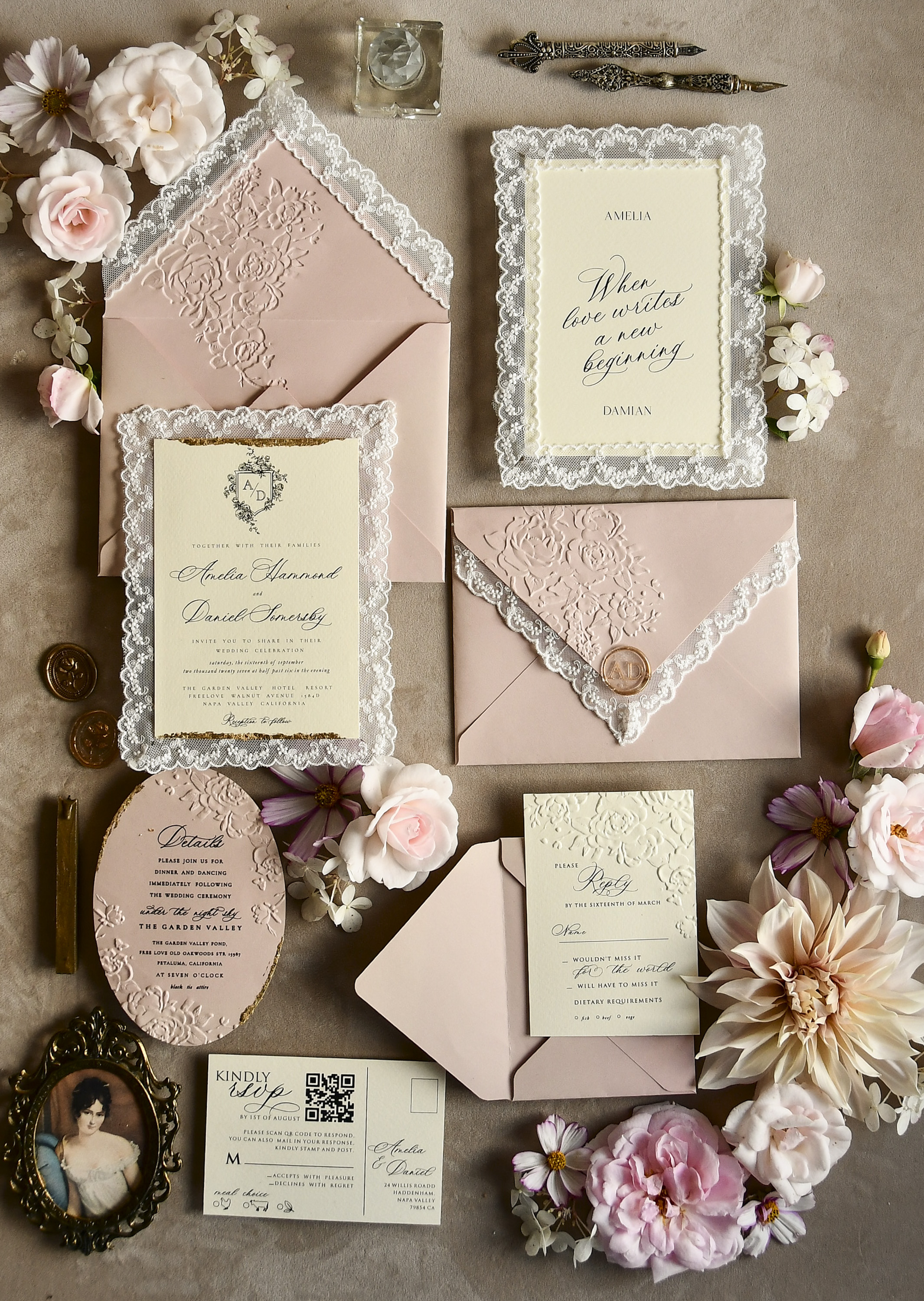
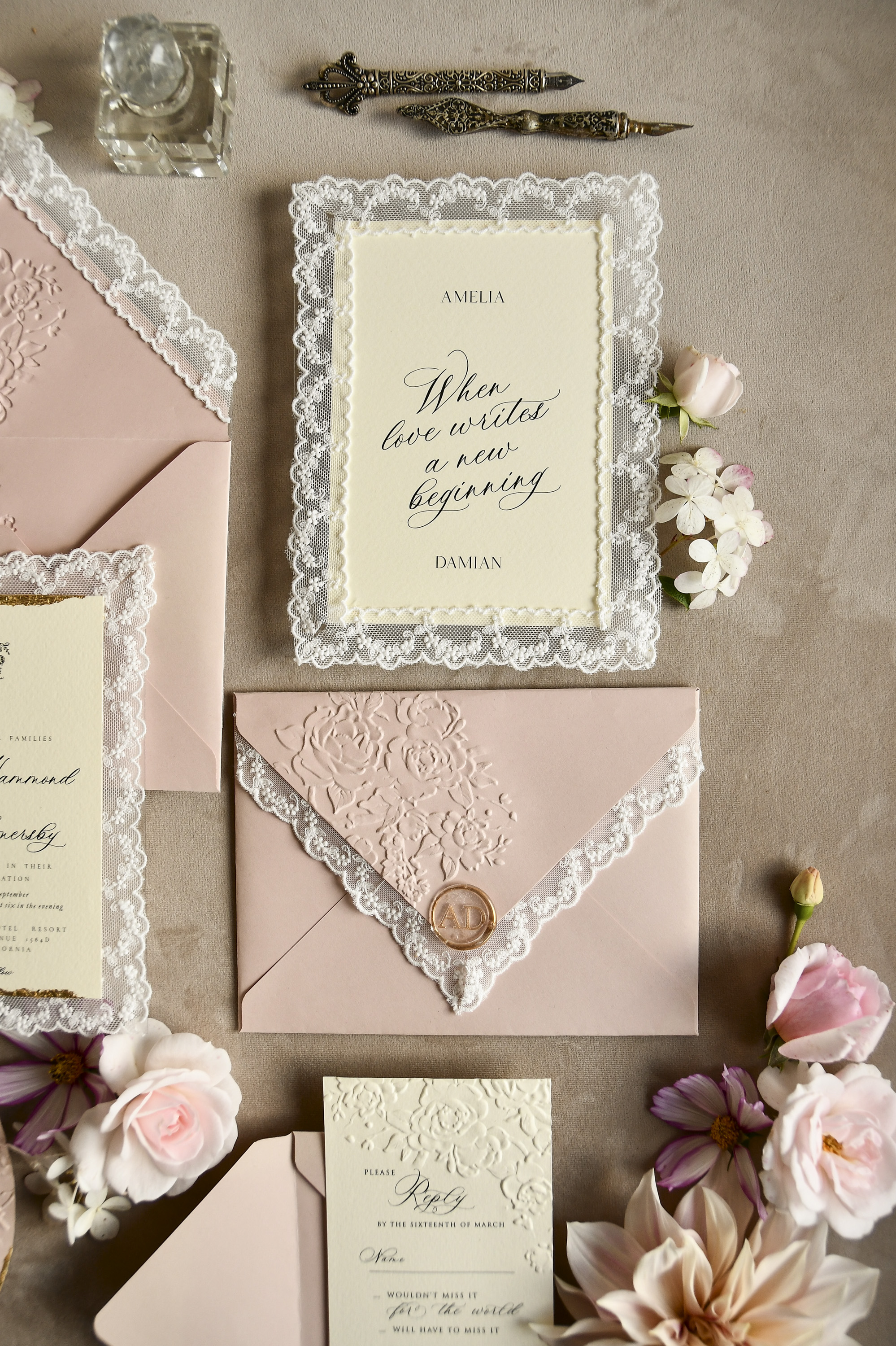
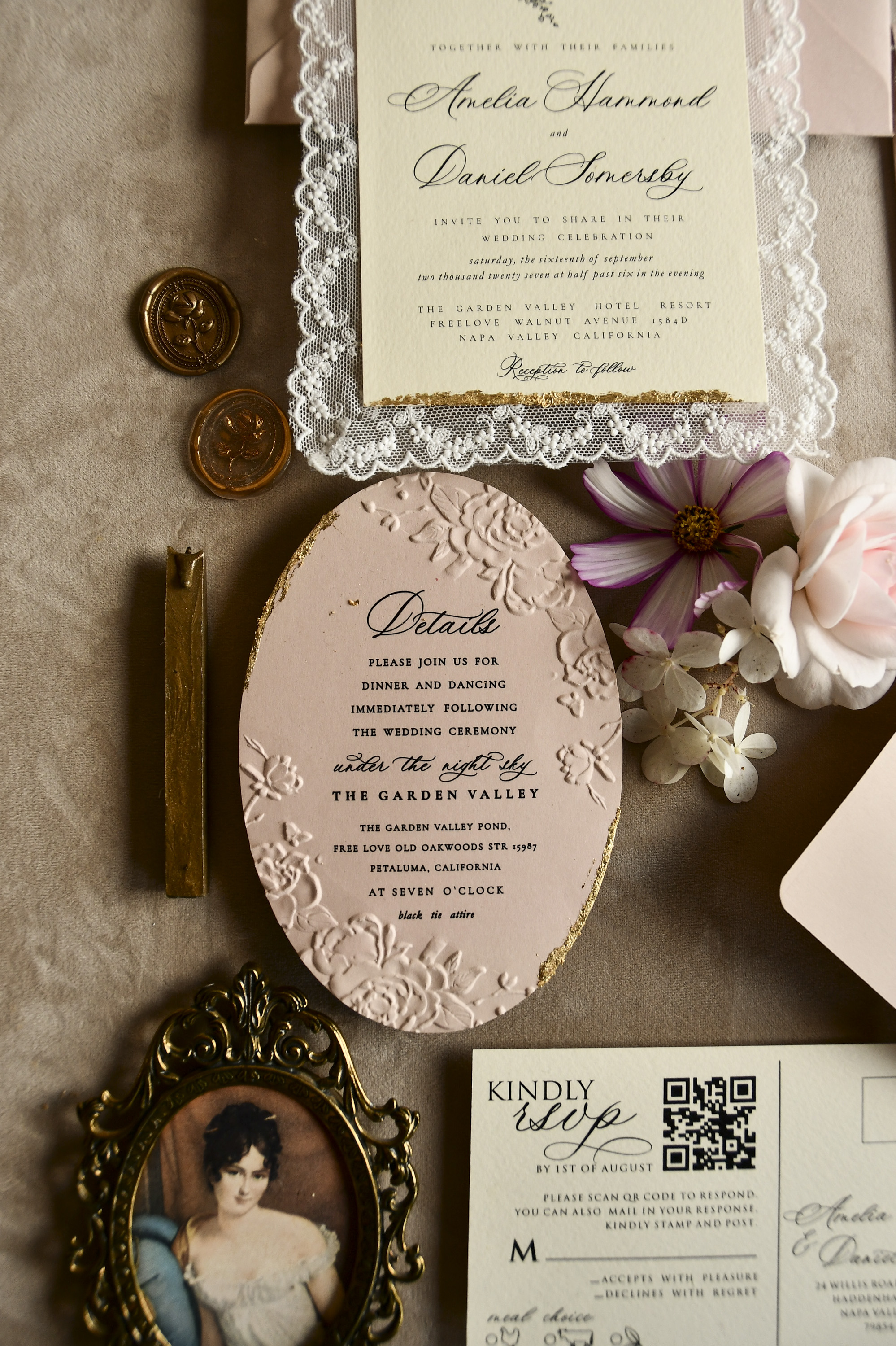
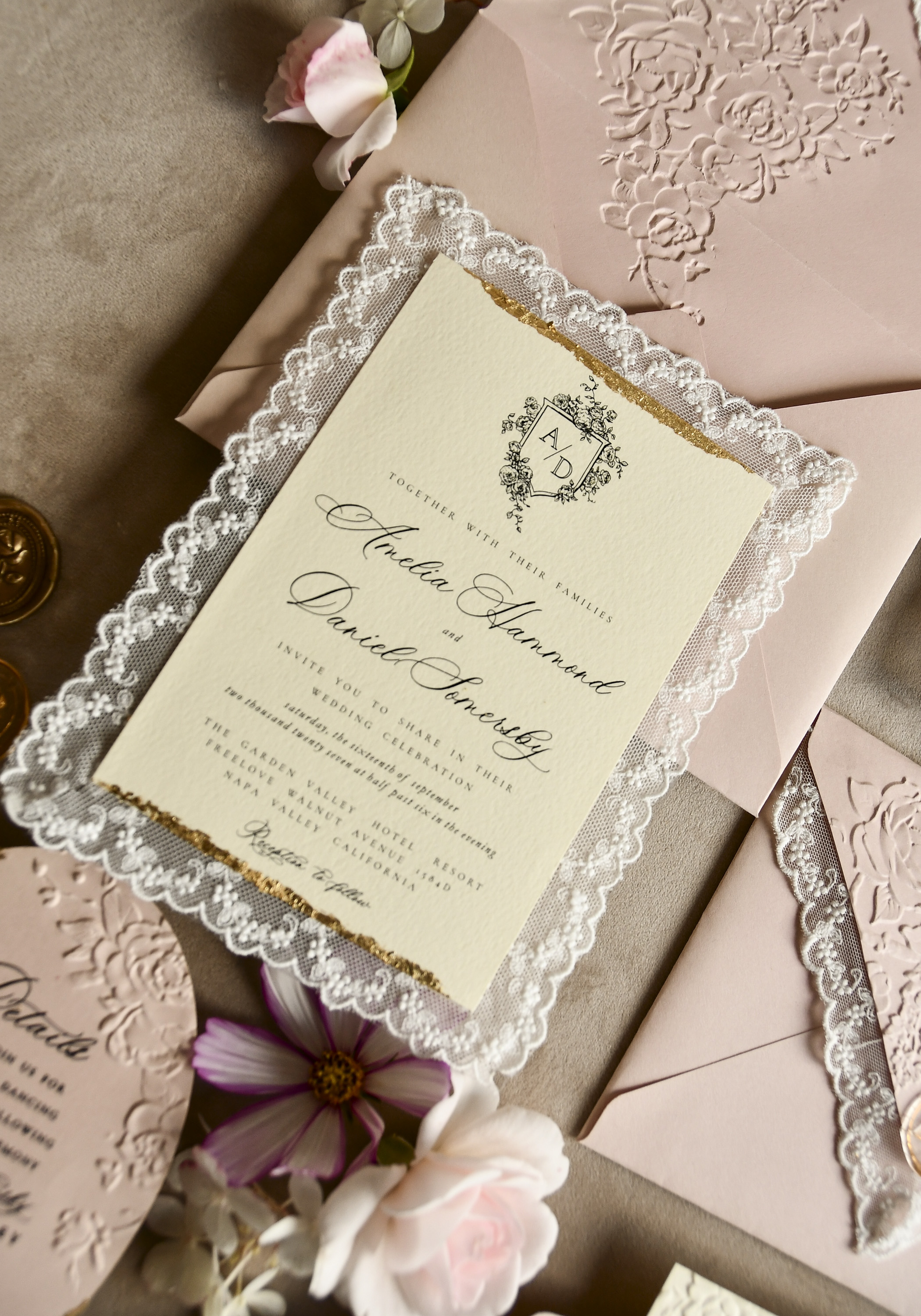
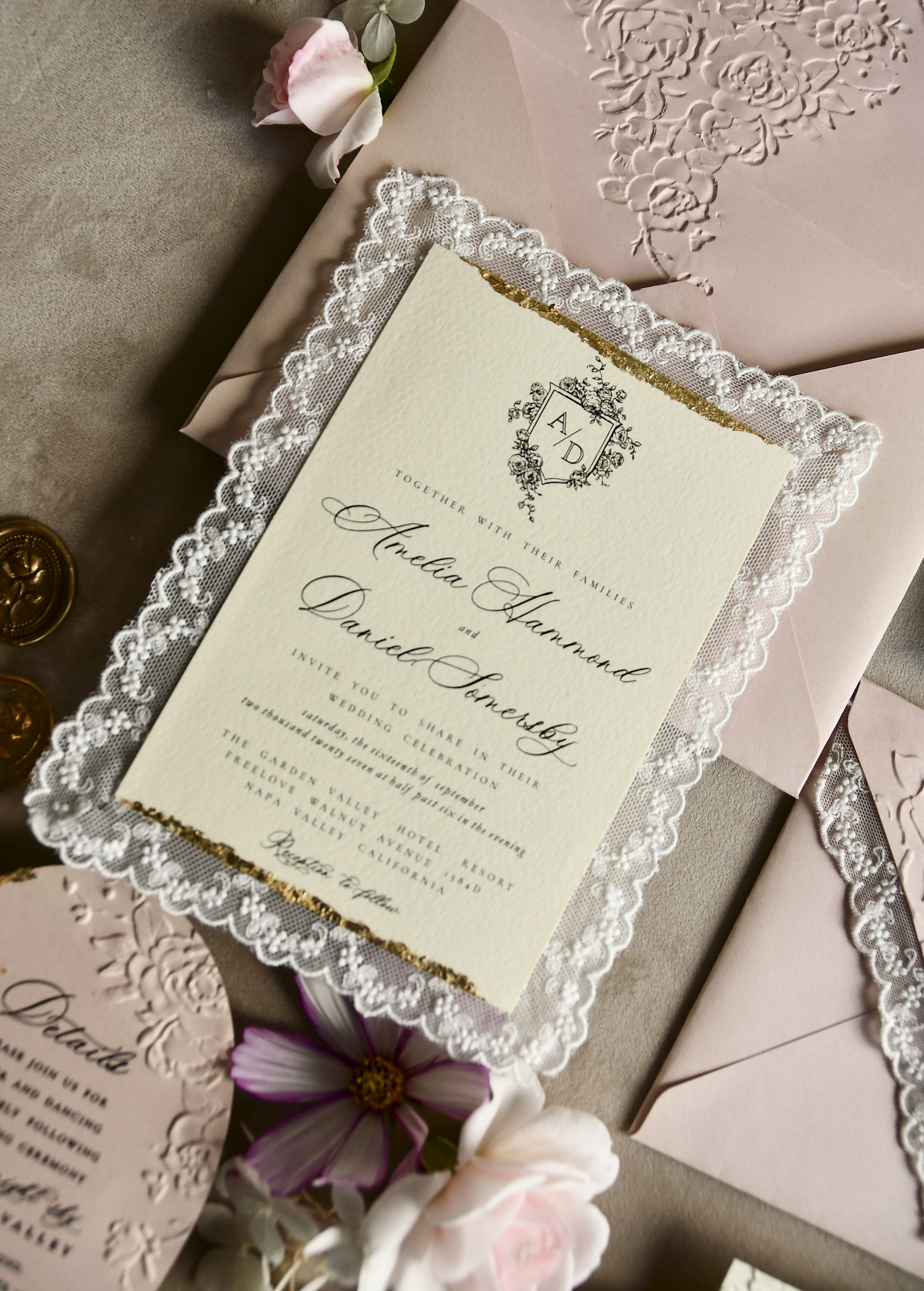
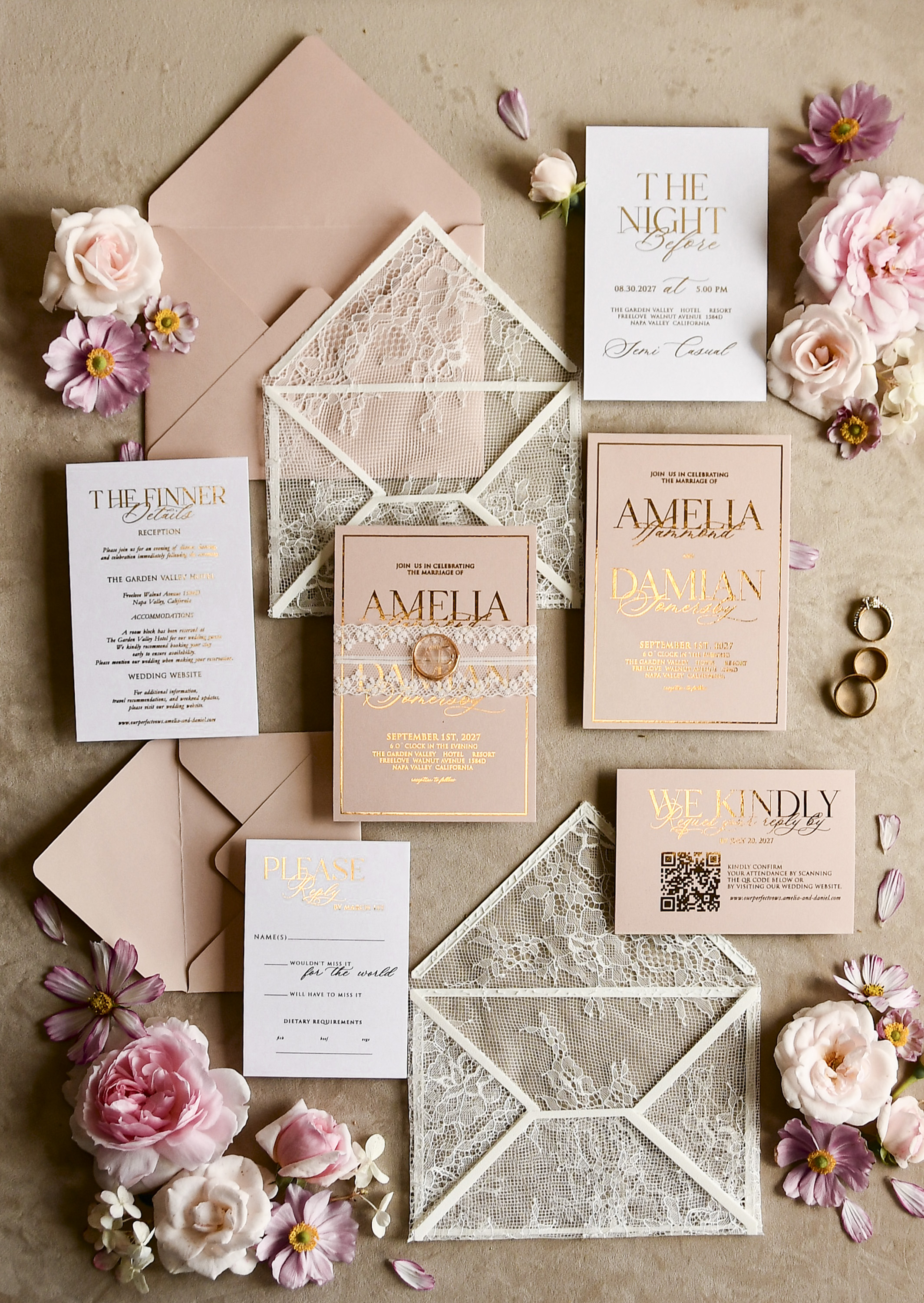
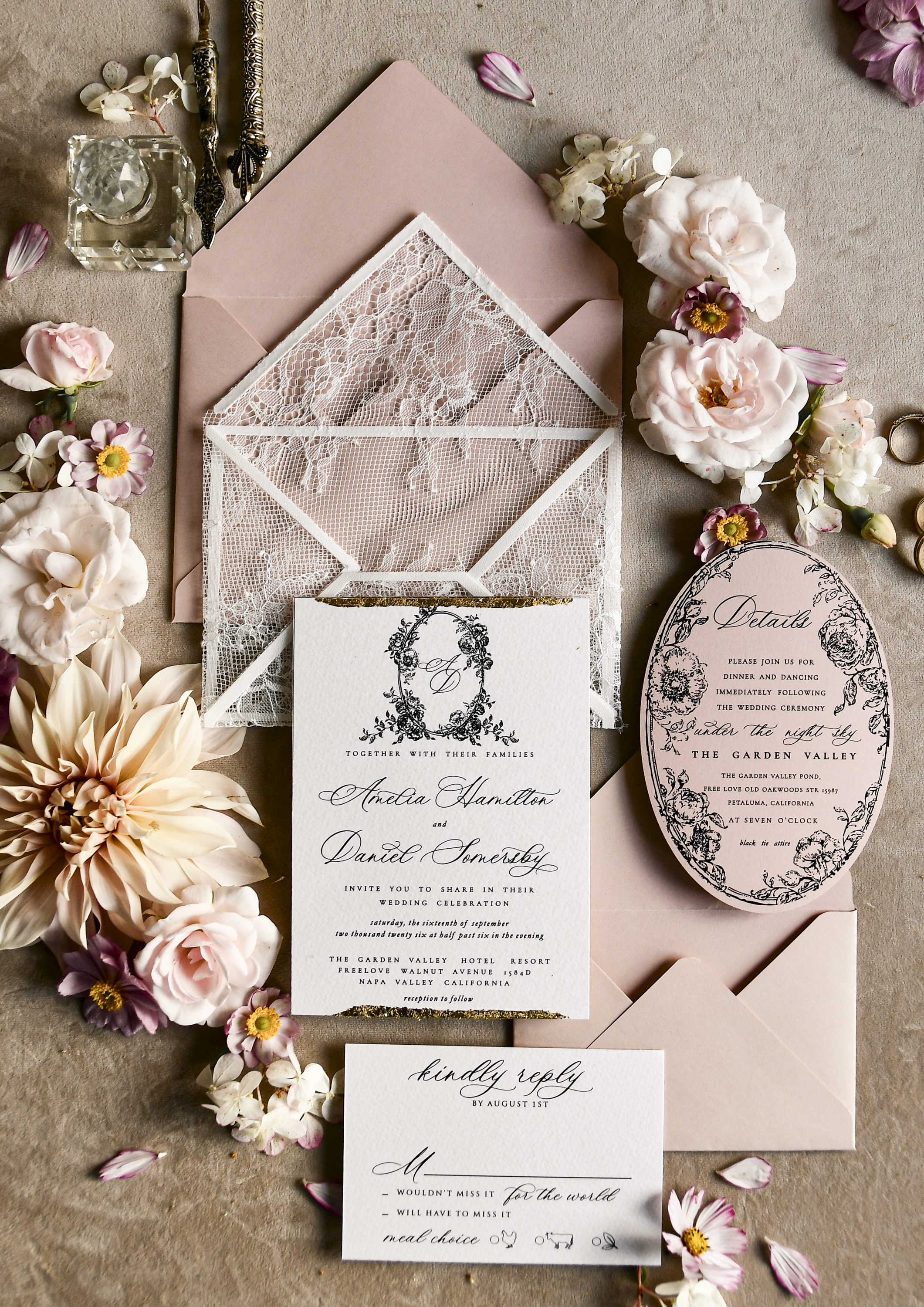
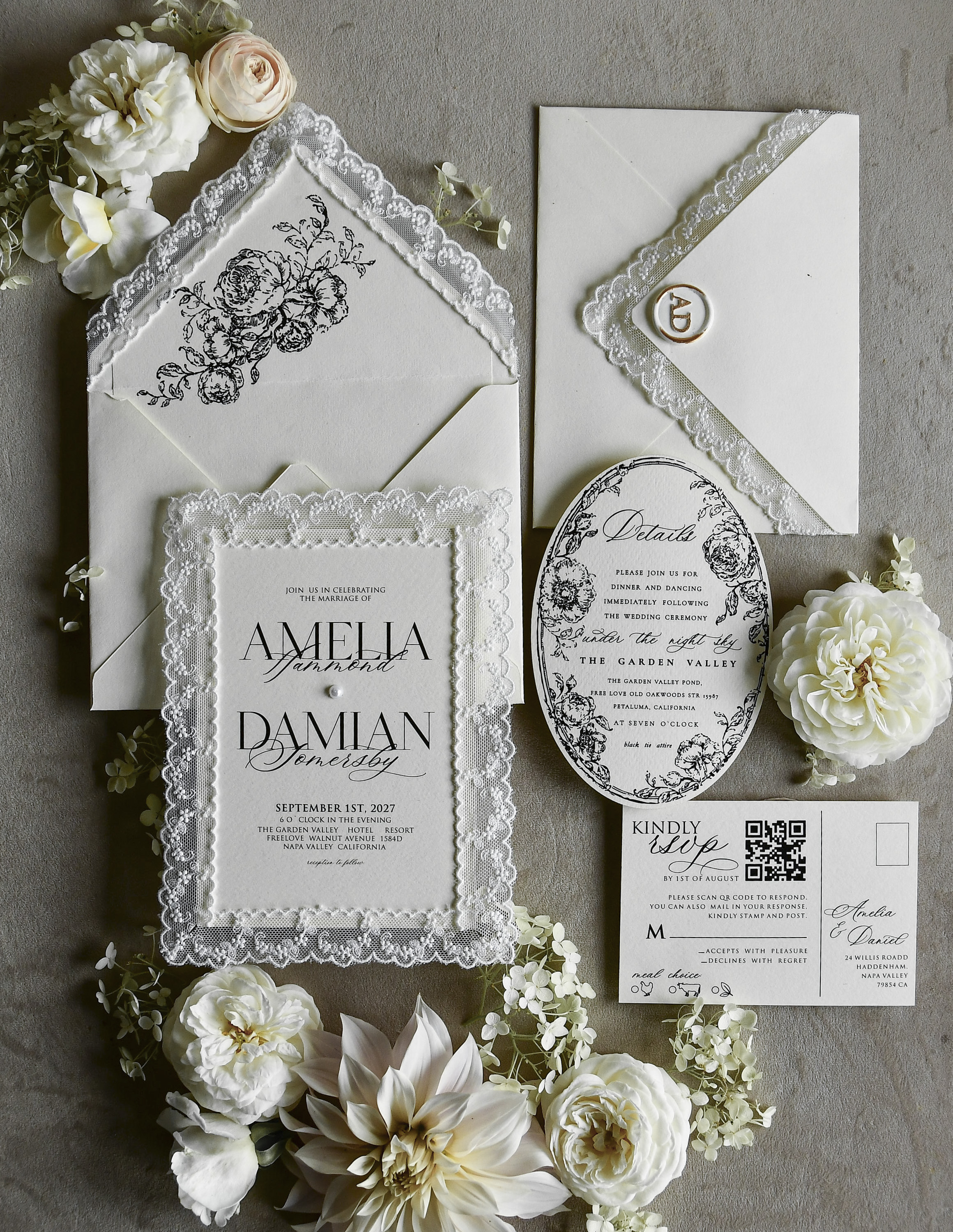
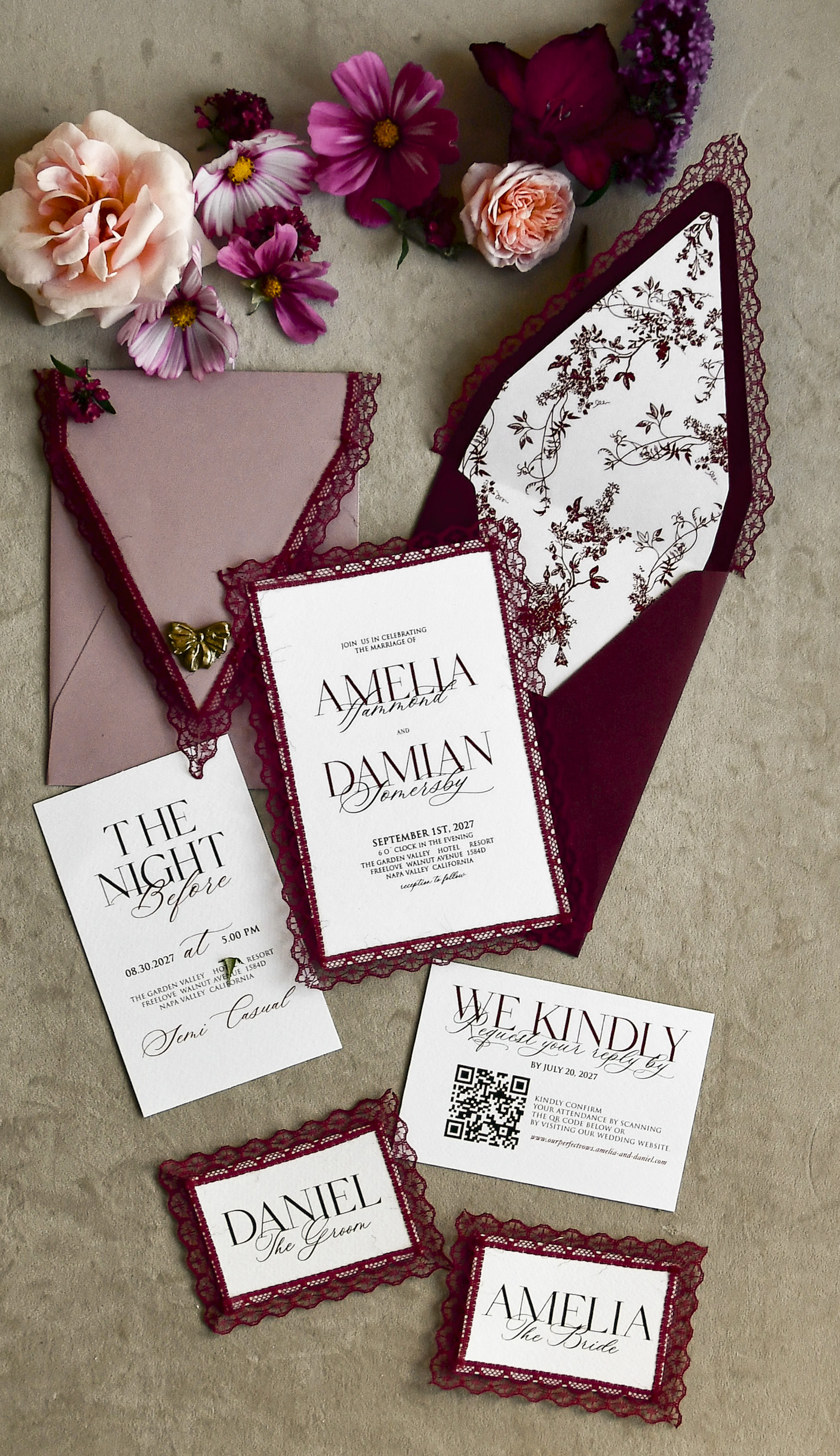
If cutting a family member feels too risky for family dynamics, consider a tiered approach. Send your initial invitations — beautifully printed, like the vintage lace wedding invitations from Margo&Bees' 01/laceembos/z collection starting at $9.00 — to your A-list first. As regrets come in, you can invite your B-list from the extended family group. Most couples find that 10–20% of invited guests decline, which often solves the problem naturally.
The "Children at the Wedding" Question
Deciding whether to invite children is a separate but related lever. An adults-only wedding can immediately free up 10 to 20 spots depending on how many guests have young kids. If you go this route, be clear on your invitations — address envelopes only to the adults invited, and spread the word through family so parents can plan ahead. Give as much notice as possible, ideally six to eight weeks before the wedding, so families can arrange childcare.
The exception most couples make: immediate family children (flower girls, ring bearers, nieces and nephews of the couple) are typically still included. Just be consistent and communicate the policy kindly so no one is blindsided when their envelope arrives addressed only to them.
How to Communicate Cuts With Grace
You are never required to explain why someone wasn't invited, but you can head off awkwardness by being prepared with a simple, honest line: "We had to keep it really small — just close family and our nearest friends." Say it warmly and move on. Most people understand venue and budget constraints.
What you should avoid: posting extensively about your wedding on public social media in a way that makes uninvited acquaintances feel excluded. Keep your public posts general until after the event. And if someone asks directly whether they're invited, it's kinder to be gently honest than to stall and let them assume they are. A brief, warm explanation now saves a much more awkward conversation later.
- Do: Set your guest list rules early and apply them consistently.
- Do: Let parents have input by giving them a fixed number of family invites.
- Don't: Make exceptions that you'll have to explain or defend later.
- Don't: invite someone out of fear of their reaction — that's a recipe for regret.
Frequently Asked Questions
A B-list is a completely normal and practical strategy, as long as you send the second round of invitations early enough that recipients don't realize they were on a waiting list. Mail B-list invitations as soon as you receive regrets, giving guests at least four to six weeks' notice.
Give each set of parents a fixed number of guest spots and let them decide who fills them — this keeps you out of the middle of their choices. Be clear upfront about the total headcount so expectations are set before anyone starts making promises.
You're not obligated to invite coworkers, and most working adults understand that weddings have limits. If you invite one colleague, try to invite others at the same level to avoid obvious exclusions, or simply keep it to close personal friends only.
Aim to finalize your guest list before booking your venue, since capacity determines everything else. At the very latest, lock it in eight to ten weeks before the wedding so invitations can be printed and mailed on time.
The most common and defensible rule is to offer plus-ones to guests who are married, engaged, or in a long-term relationship (often defined as living together or together for a year or more). Apply the rule consistently across all guests to avoid hurt feelings.
Inviting guests to the reception only is an accepted practice, particularly for large families or workplace groups, and is most common in certain cultural traditions. Be thoughtful about how you communicate it — a separate reception card in your invitation suite makes the distinction clear and avoids confusion.
See This Design Up Close


You May Also Like
More Wedding Planning Guides
- → When to Address a Wedding Invitation Directly to a Child
- → Mailed Card or Website Link? How to Handle RSVPs the Modern Way
- → Wedding Invitation Delivery: When to Mail and When to Hand Them Off
- → Navigating a Wedding Guest List When Your Fiancé Wants to Leave Your Family Out
- → Wedding Invitation Wording: Every Essential Detail Couples Need to Include
- → When Your Divorced Parents Can't Be in the Same Room: A Wedding Planning Guide
- → Adults-Only Weddings: Is Leaving Kids Off the List Actually Rude?
- → Wedding Invitation Addressing: Names, Titles, and Every Tricky Situation Solved
- → How to Decide Who Gets a Plus One at Your Wedding
- → Wedding Invitations: How to Count What You Actually Need
- → Yes, You Can Invite Ceremony-Only Guests — Here's How to Do It Gracefully
- → Extra Wedding Guests: Who Pays and How to Handle It Gracefully
- → Big Wedding or Better Wedding: How to Choose What Truly Matters
- → Your Wedding, Your Guest List: The Honest Truth About Inviting Cousins
- → Uninvited Extras: How to Handle Guests Who Bring Someone You Didn't Invite
- → Plus-One or No? How to Decide If Single Guests Can Bring a Date
- → How to Embrace a Small Wedding and Make It Unforgettable
- → Where Do Divorced Parents Sit at Your Wedding? Here's What Actually Works
- → To Invite or Not to Invite: Navigating the Ex Question for Your Wedding Guest List
- → Stepparents and Your Wedding Guest List: Making the Right Call
- → Setting Plus-One Boundaries Without Losing Sleep (or Friends)
- → Should Work Friends Come to Your Wedding? A No-Stress Guide to Inviting Colleagues
- → Guests Who Don't RSVP: Your Step-by-Step Plan
- → Save the Date vs. Wedding Invitation: Two Very Different Jobs, One Beautiful Paper Trail
- → When Someone Asks Why They Weren't Invited: Your Honest, Kind Playbook
- → To Call or Not to Call: Tracking Down Guests With Missing RSVPs
- → Digital Wedding Invitations: When They Work and When to Think Twice
- → How to Handle the Parent Friend Dilemma on Your Wedding Guest List
- → Your Wedding Invitation Deadline: When the Window Officially Closes
- → Uninvited Plus-Ones and Tag-Alongs: How to Keep Your Guest List Intact
- → When Family Feuds Threaten Your Wedding Plans: A Practical Peacekeeper's Guide
- → Inviting an Estranged Brother or Sister: Finding Clarity Before You Seal the Envelope
- → Cousins, Invites, and Hard Choices: A Practical Guest List Guide