
Uninvited Extras: How to Handle Guests Who Bring Someone You Didn't Invite
You spent weeks finalizing your guest list, counted every seat, and sent carefully addressed invitations — and then someone shows up at your reception with a person you never invited. It happens more often than couples expect, and it can feel equal parts stressful and awkward. The good news: with a little preparation before the wedding and a calm game plan for the day itself, you can handle uninvited extras without it derailing your celebration.
Why This Happens (and Why It's Not Always Malicious)
Most guests who bring an uninvited plus-one aren't trying to be difficult. Common reasons include:
- They assumed they had a plus-one because they're in a relationship or have attended other weddings where it was automatic.
- They misread the invitation and thought a roommate, sibling, or friend was included.
- They didn't think it was a big deal — especially if they're unfamiliar with how much per-head catering costs.
- They were nervous to attend alone and made a last-minute decision without asking.
Understanding the motivation doesn't mean you have to accommodate the extra guest, but it does help you respond with grace rather than frustration.
How to Prevent It Before the Wedding Day
The single most effective tool you have is a clearly addressed invitation. When an envelope reads "Sarah Mitchell" rather than "Sarah Mitchell and Guest," it sends an unambiguous message. This is exactly why inner envelopes and precise addressing matter — every name on the envelope is an invitation; everyone else is not.
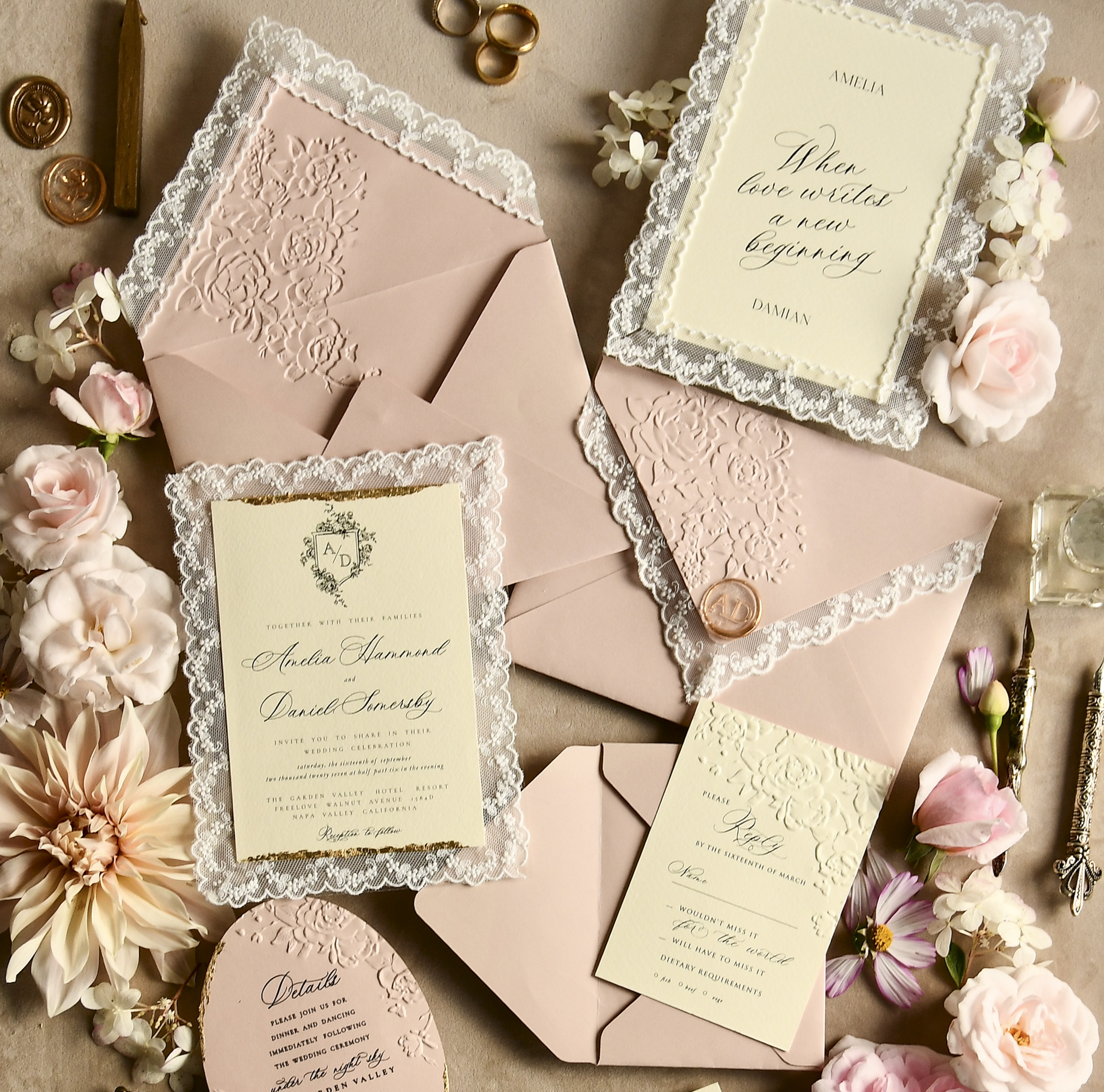
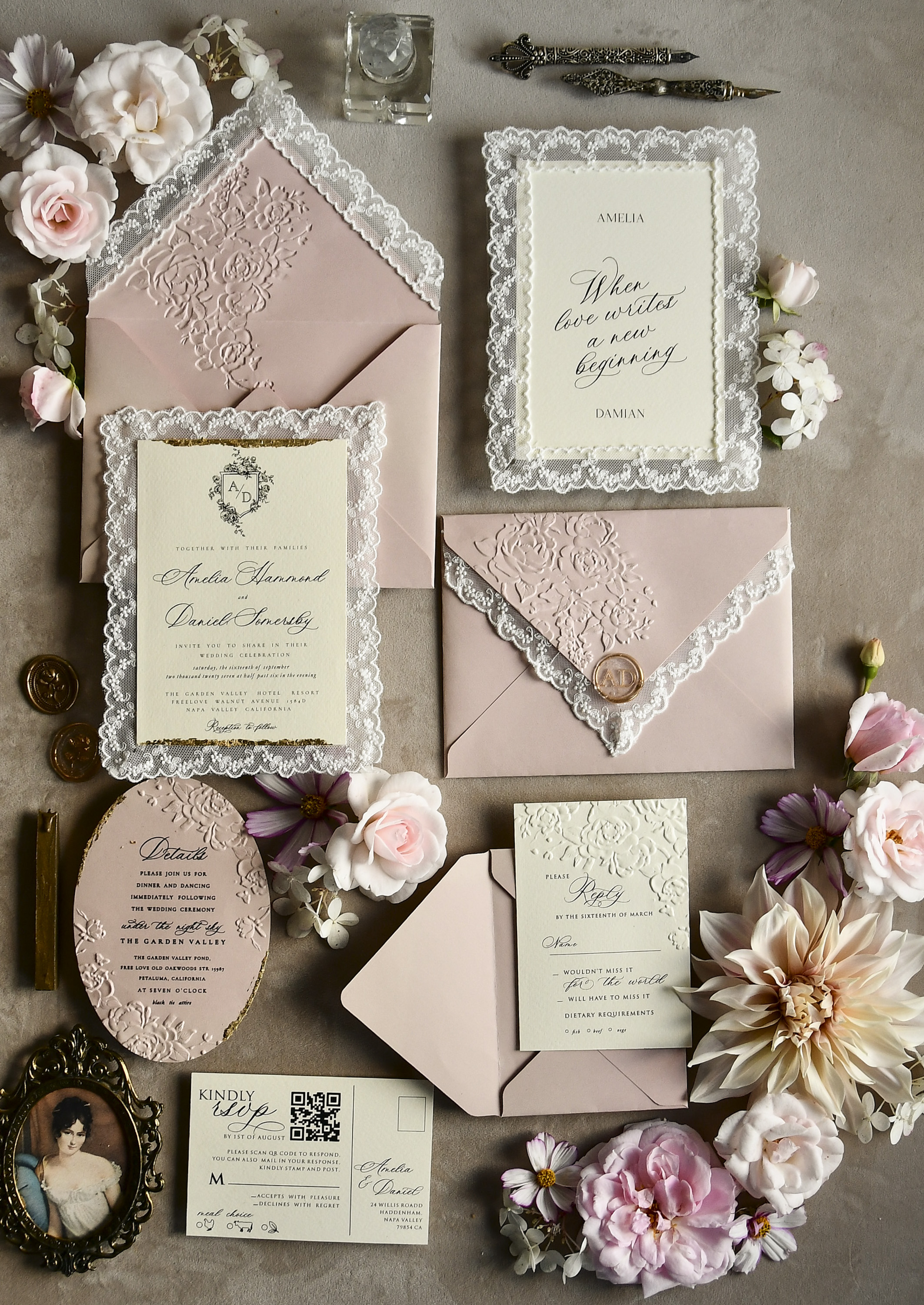
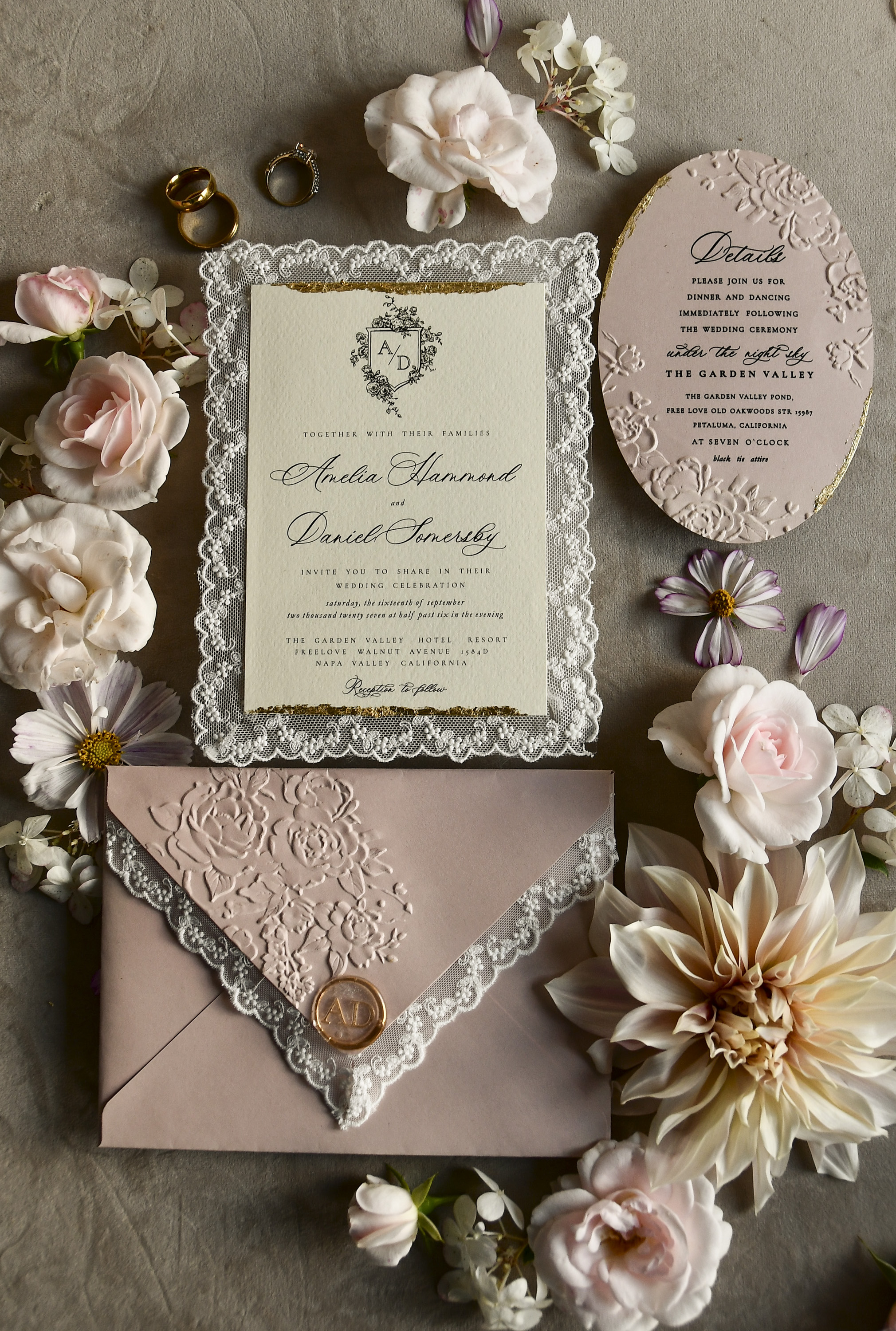
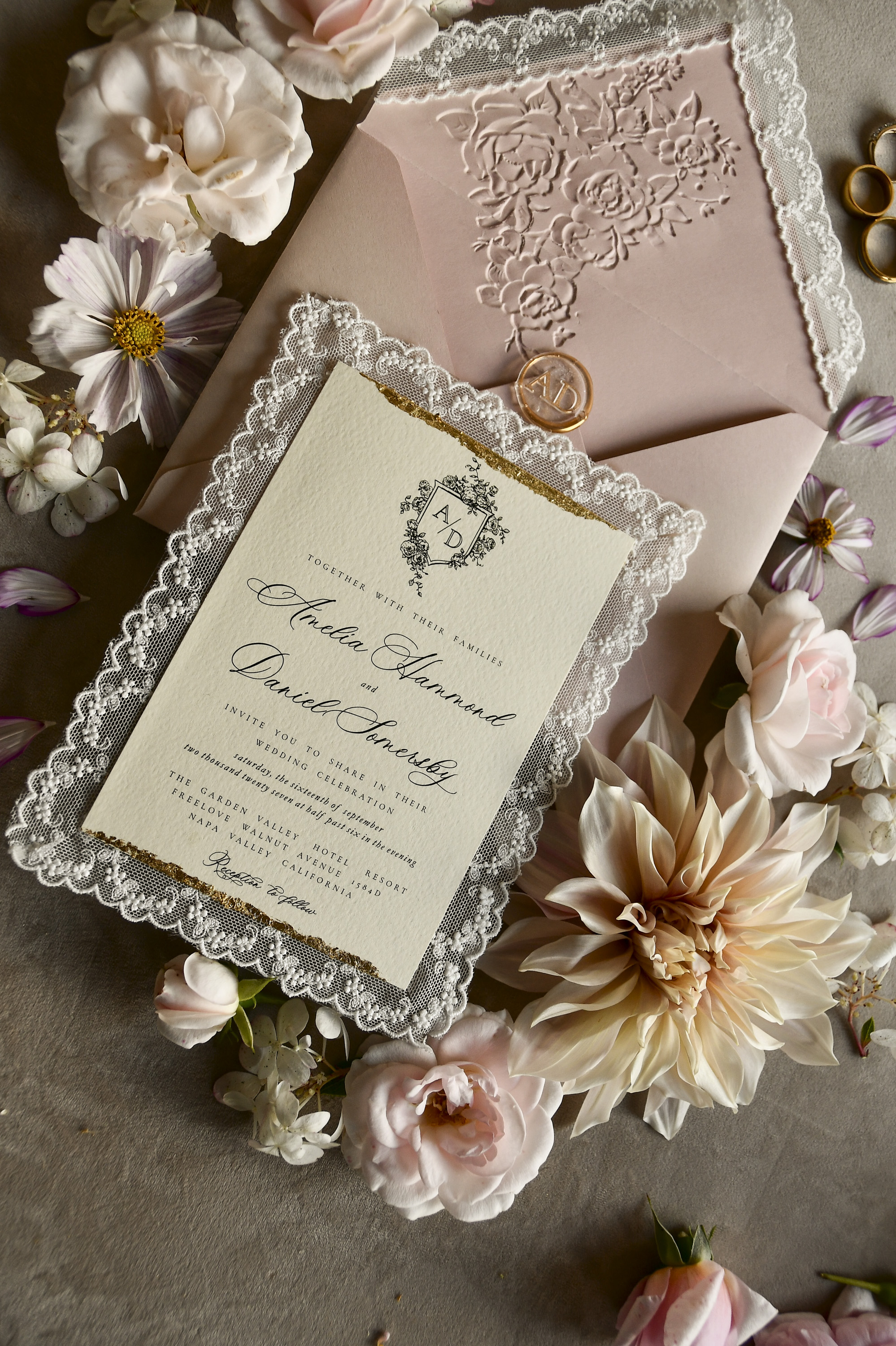
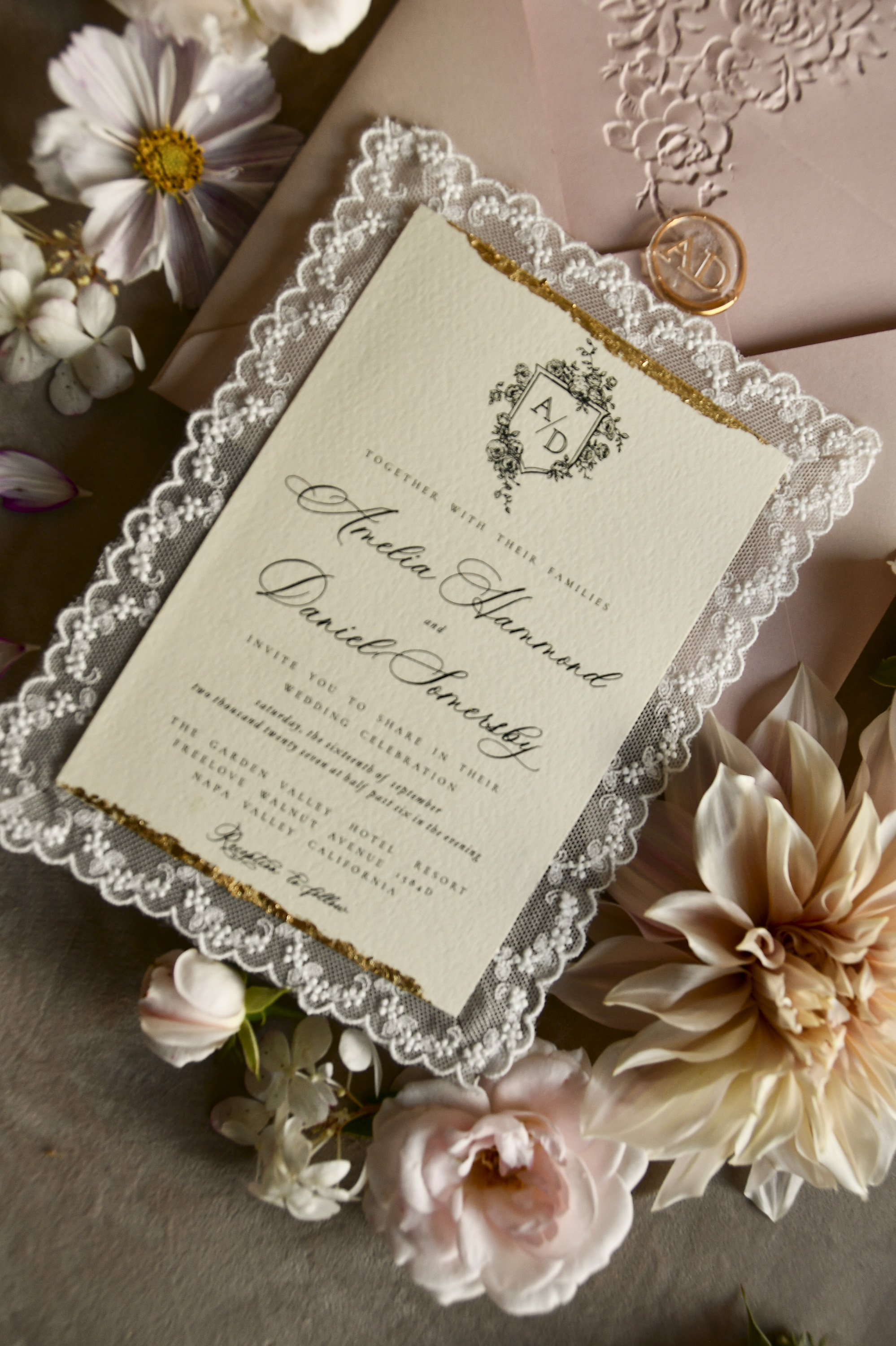
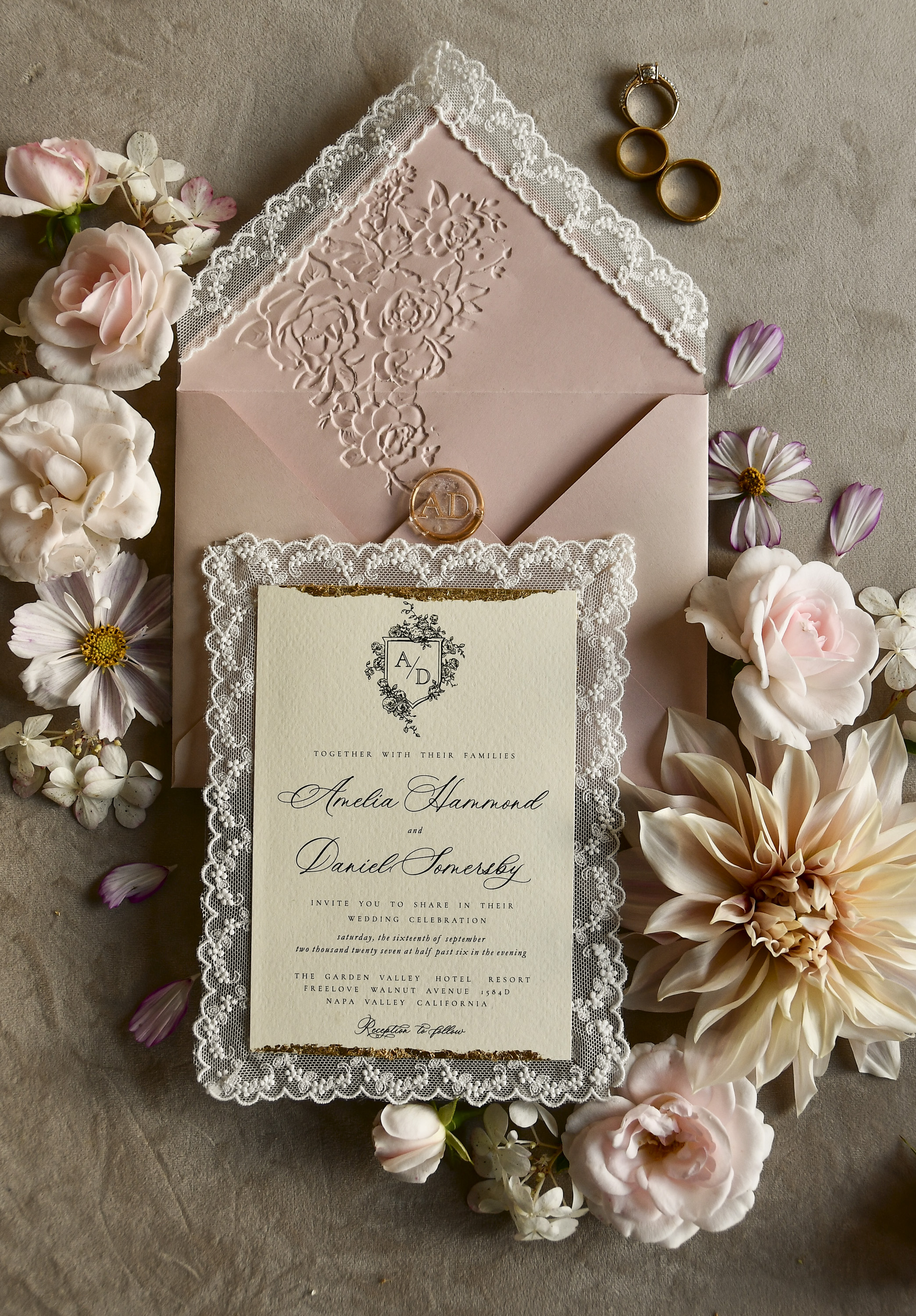
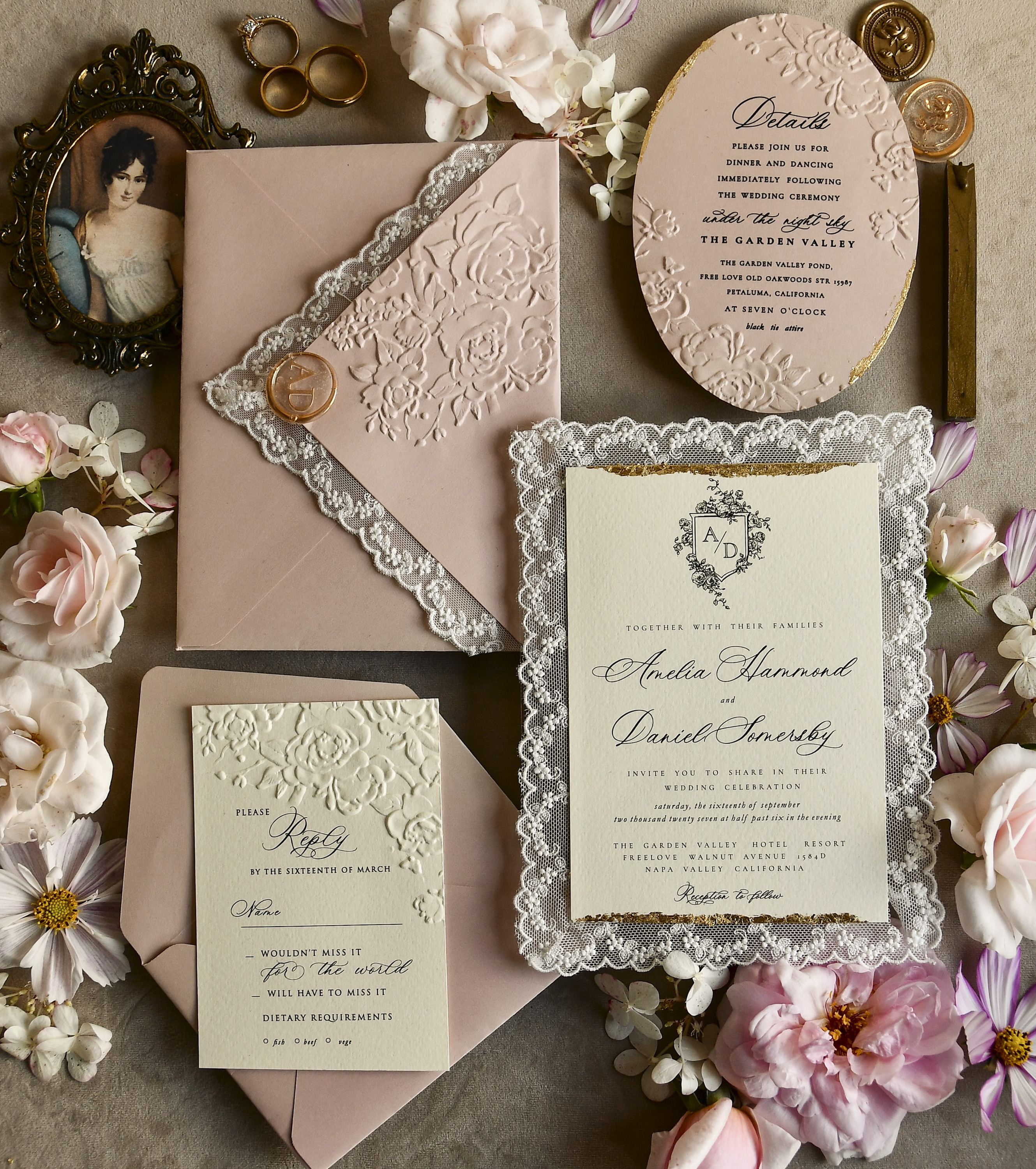
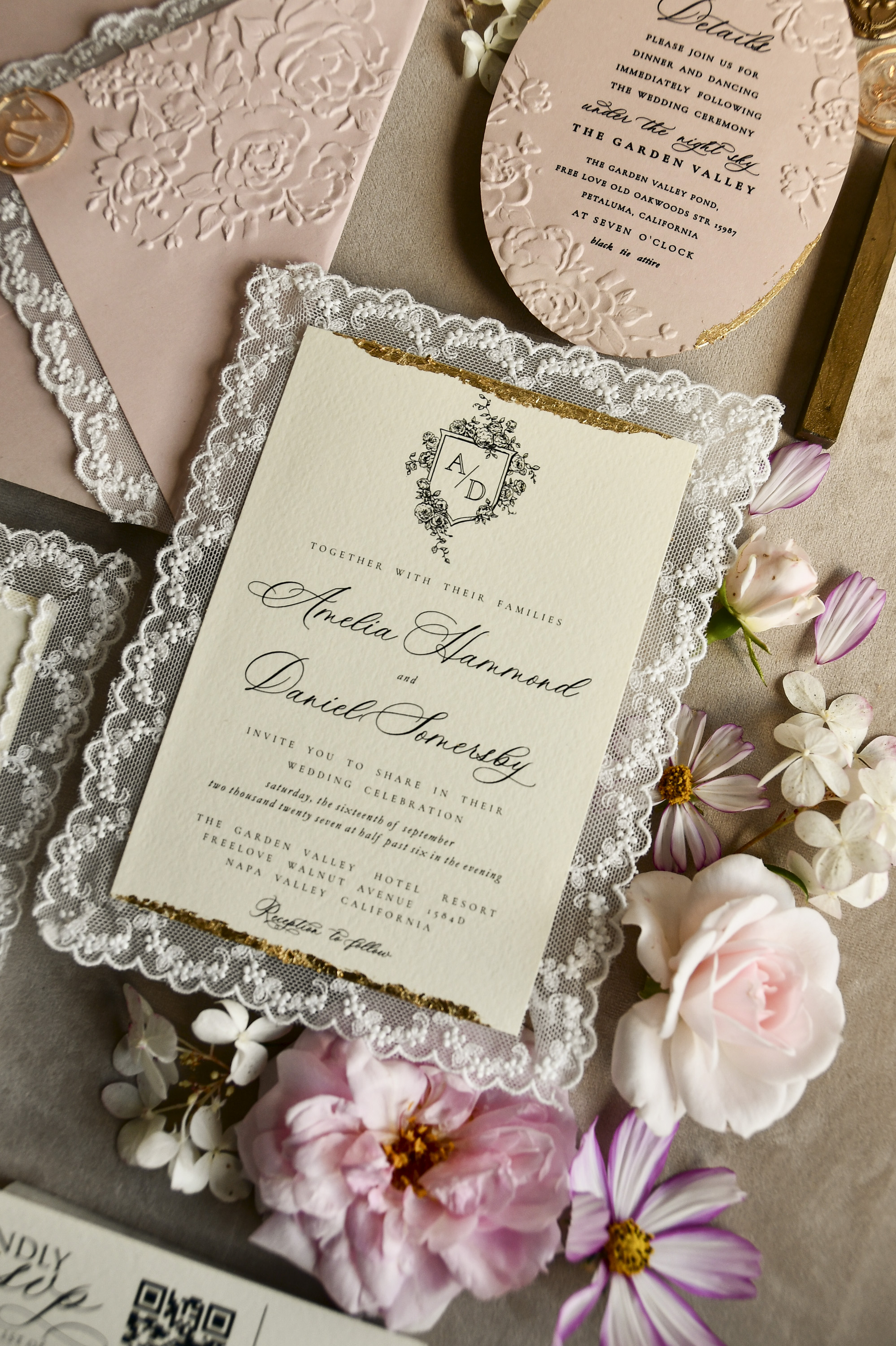
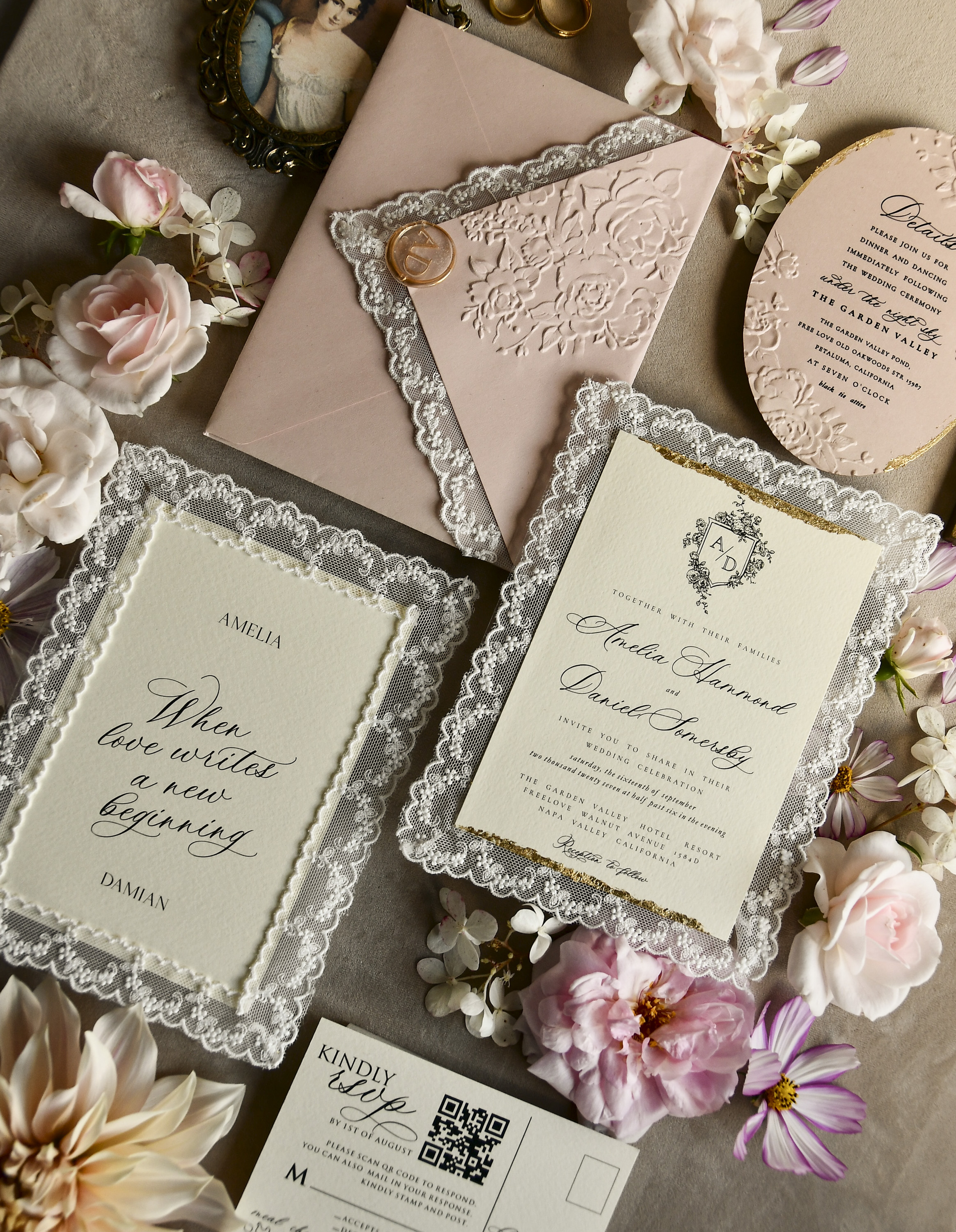
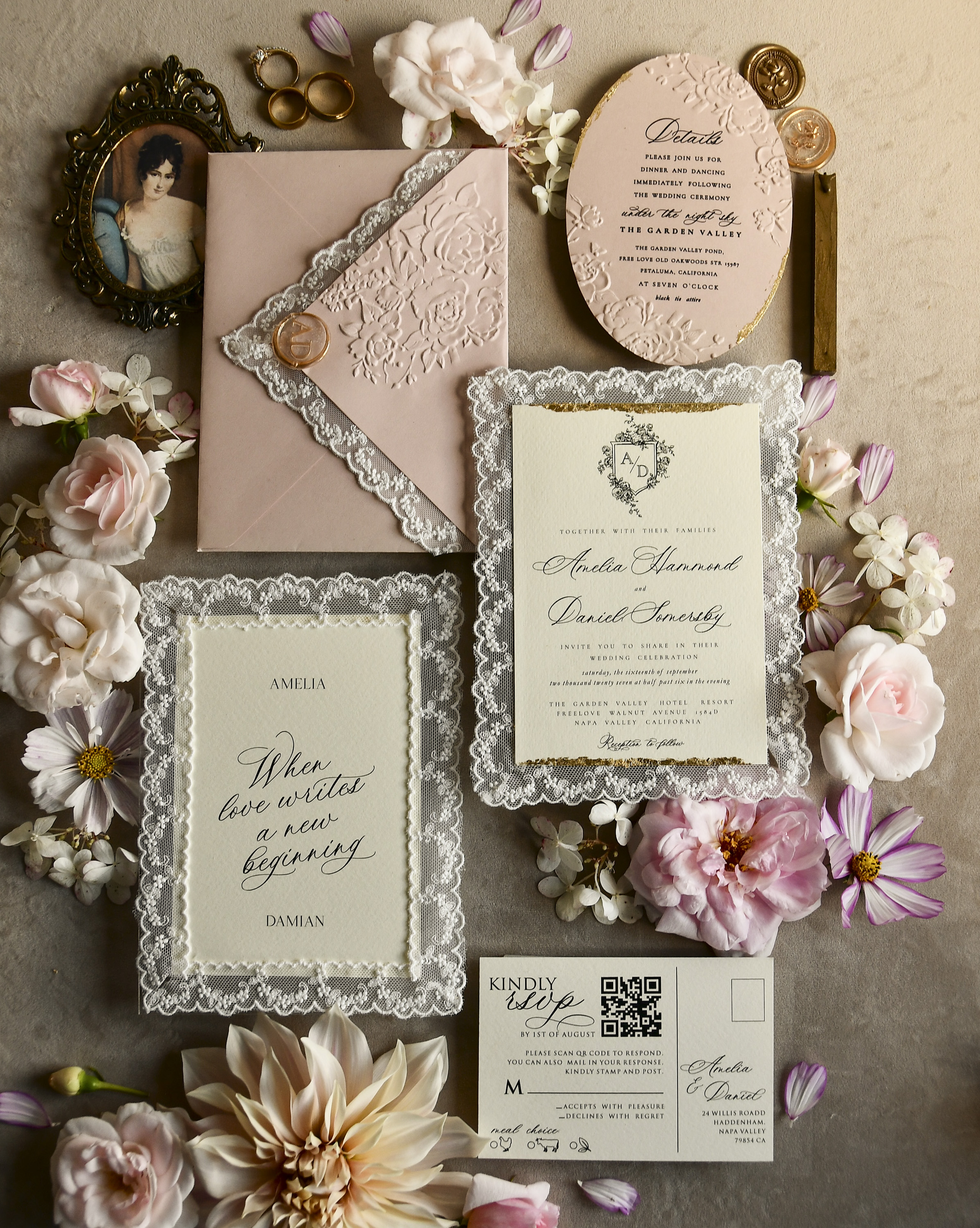
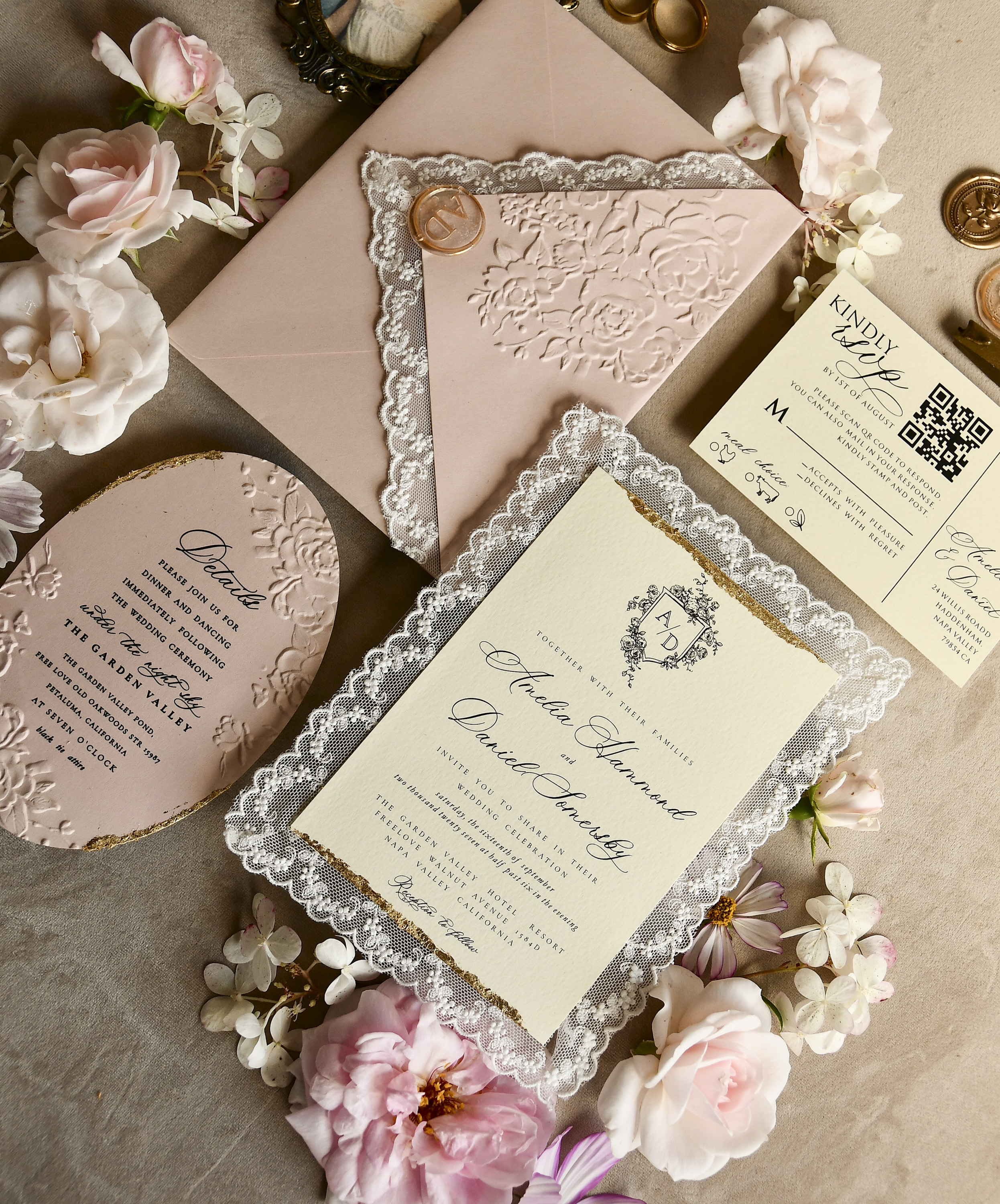
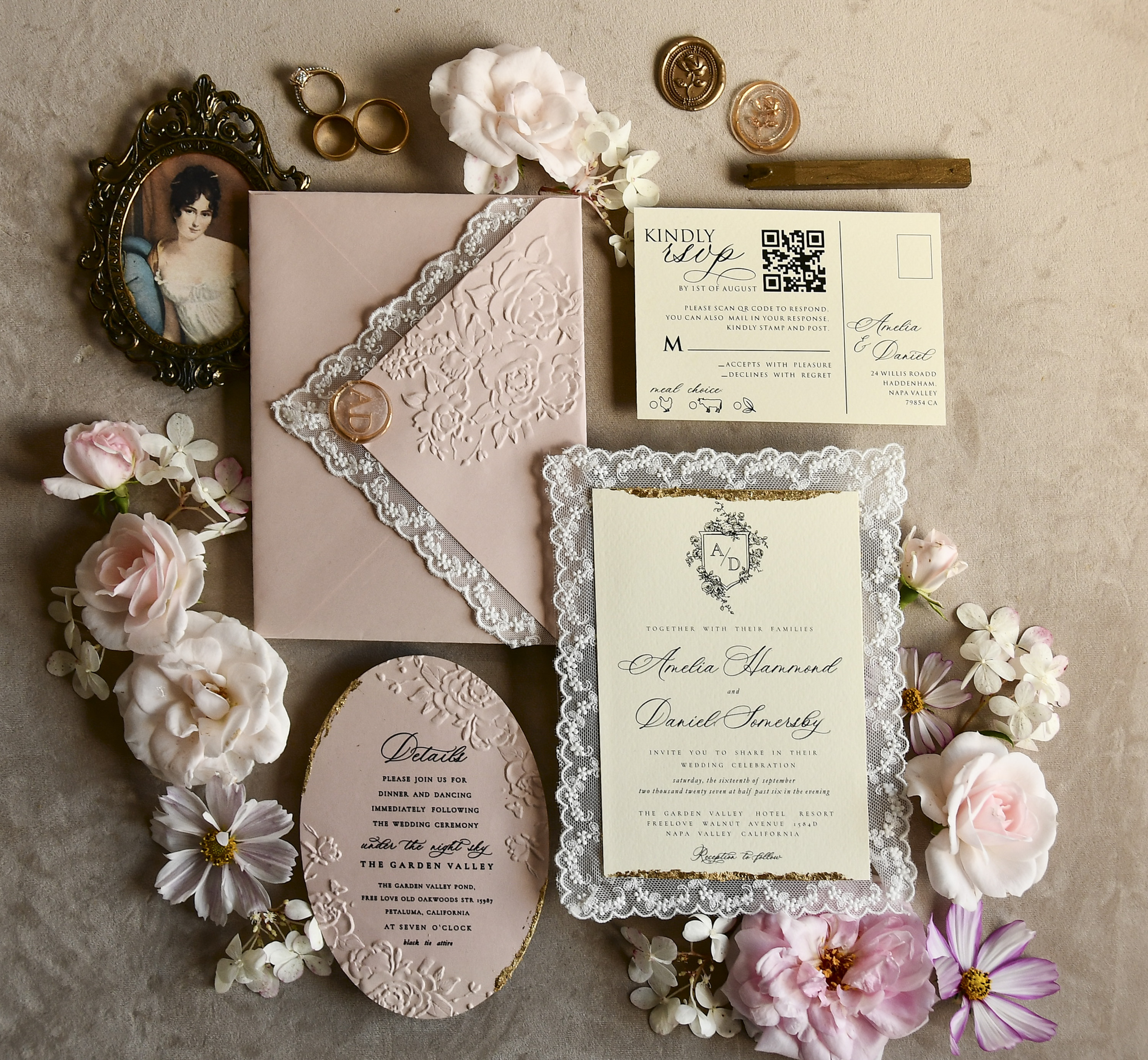
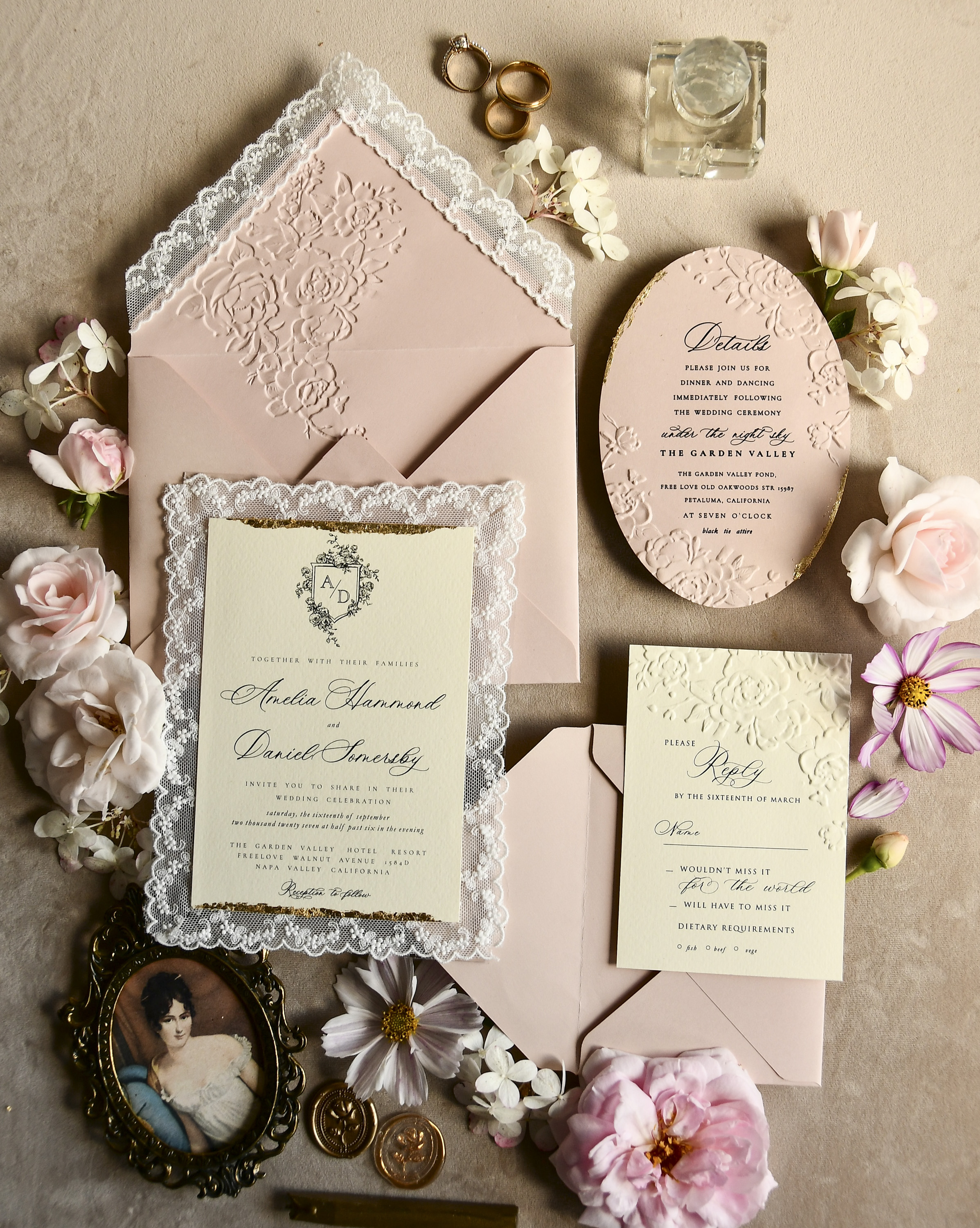
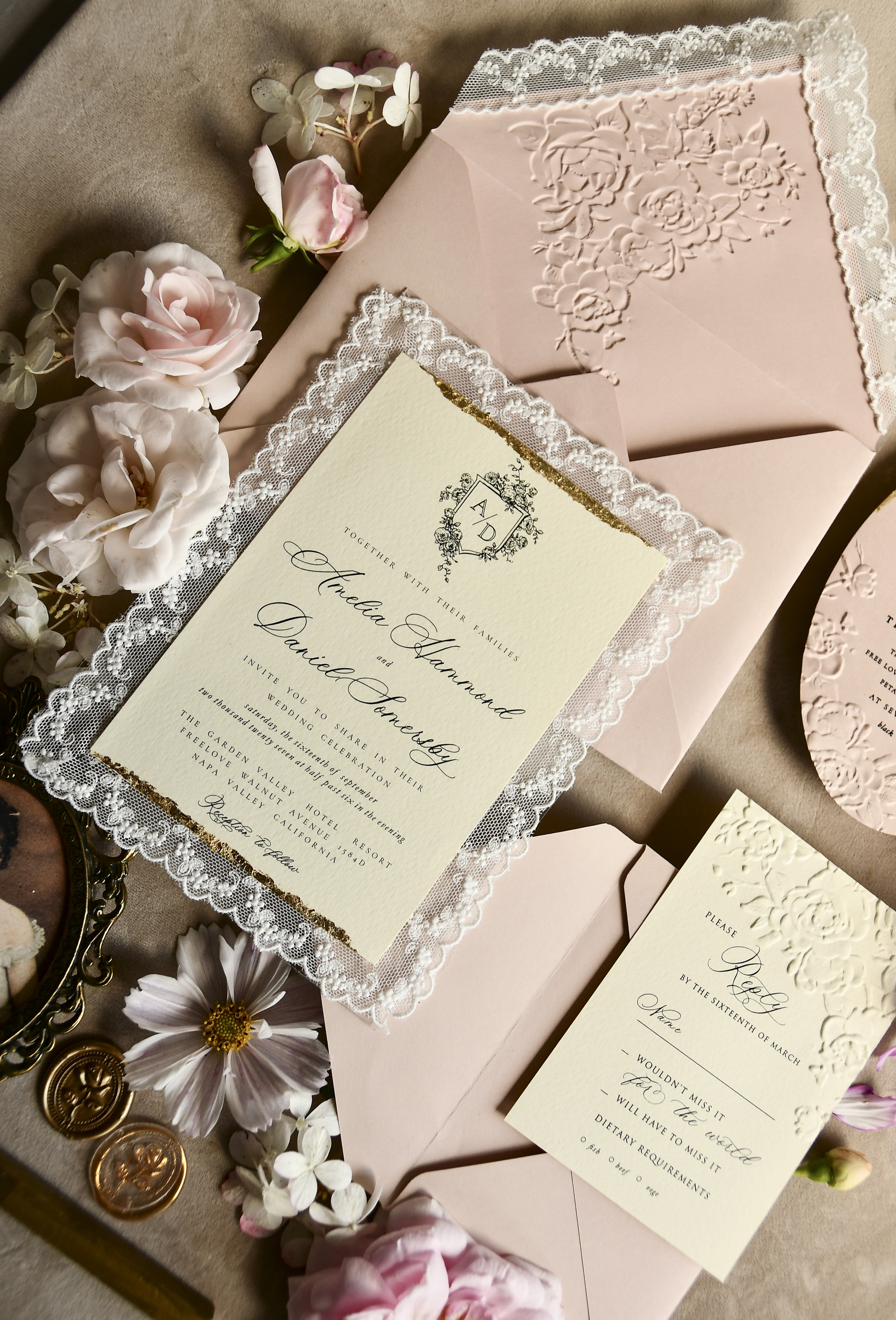
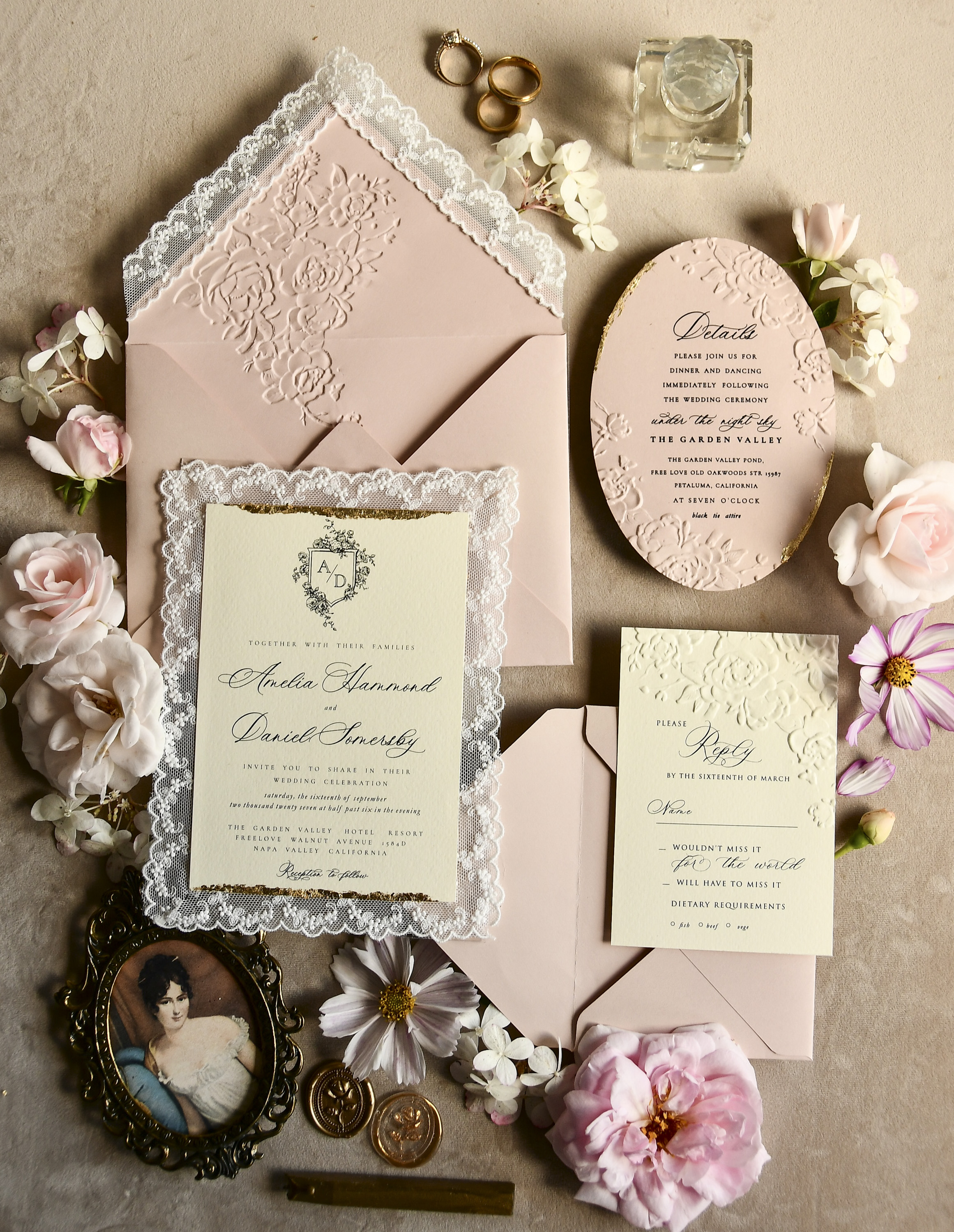
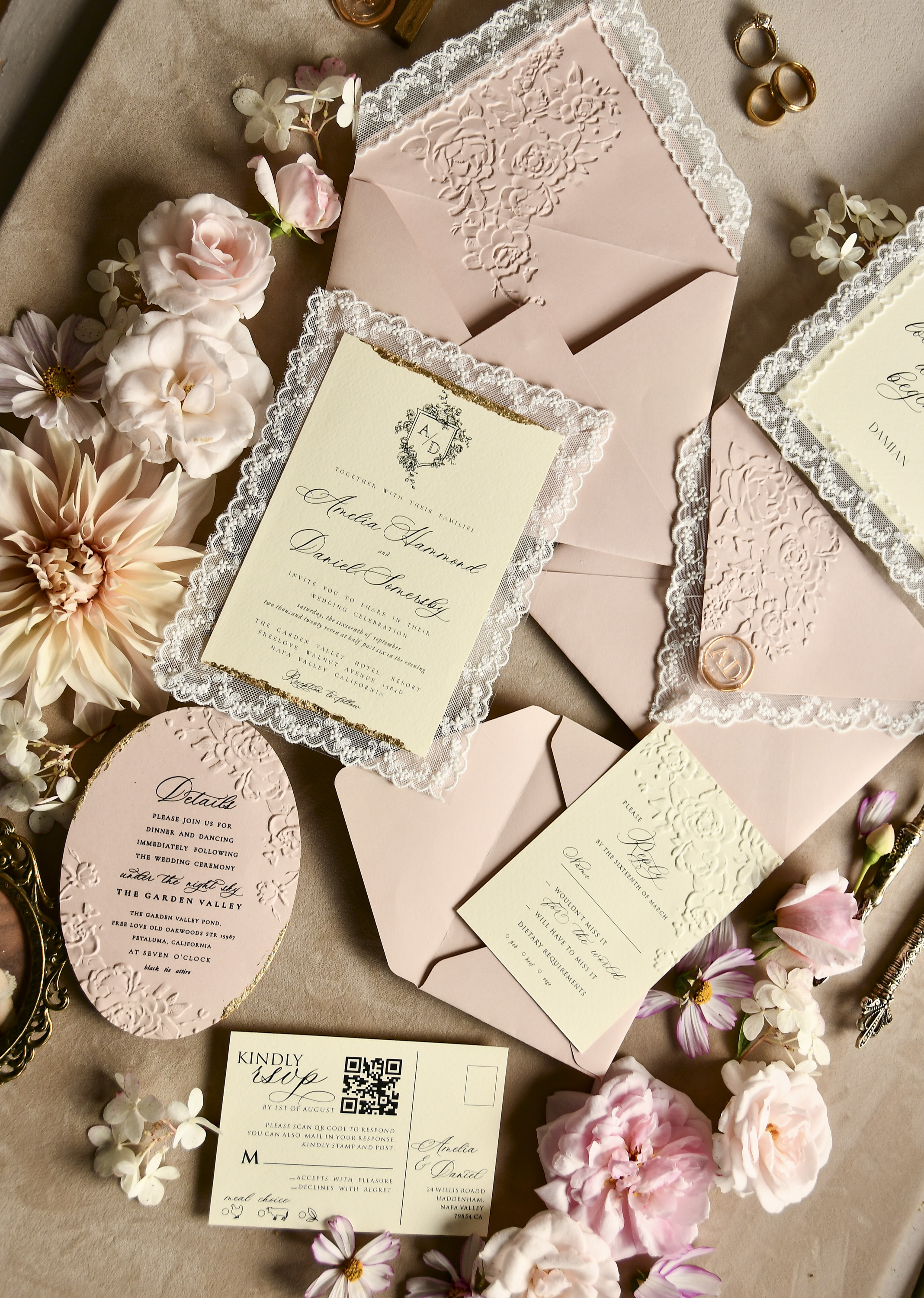
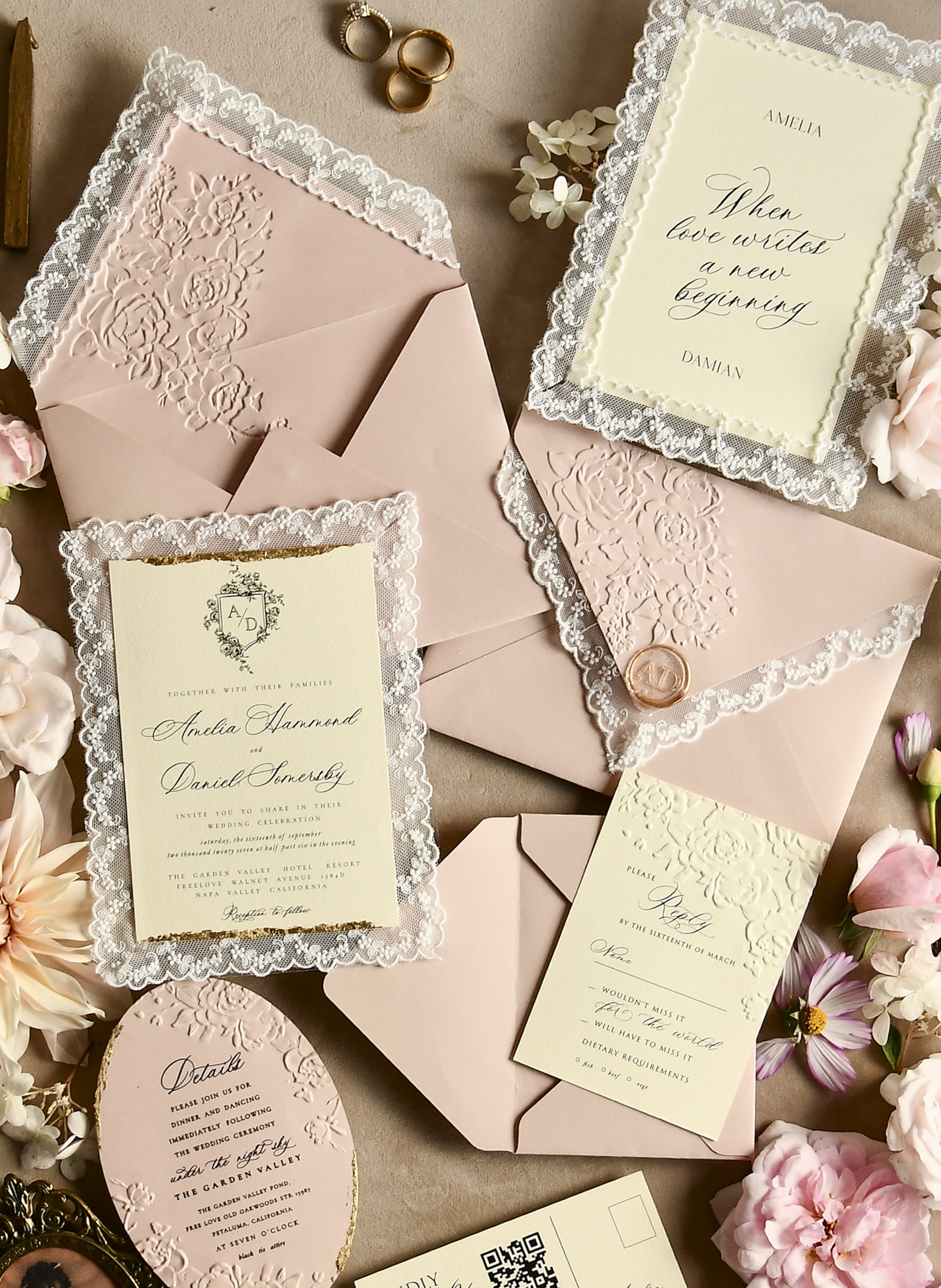
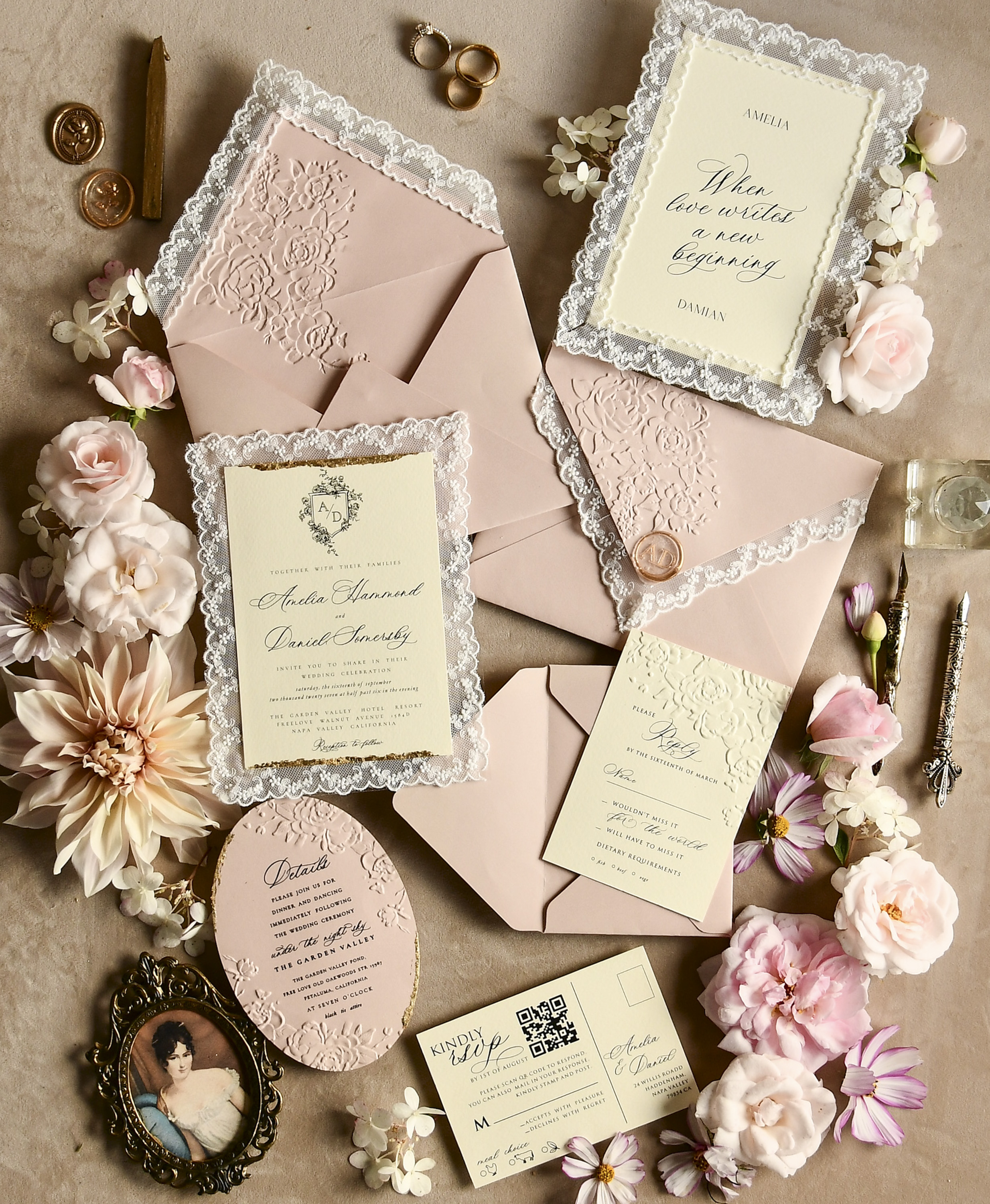
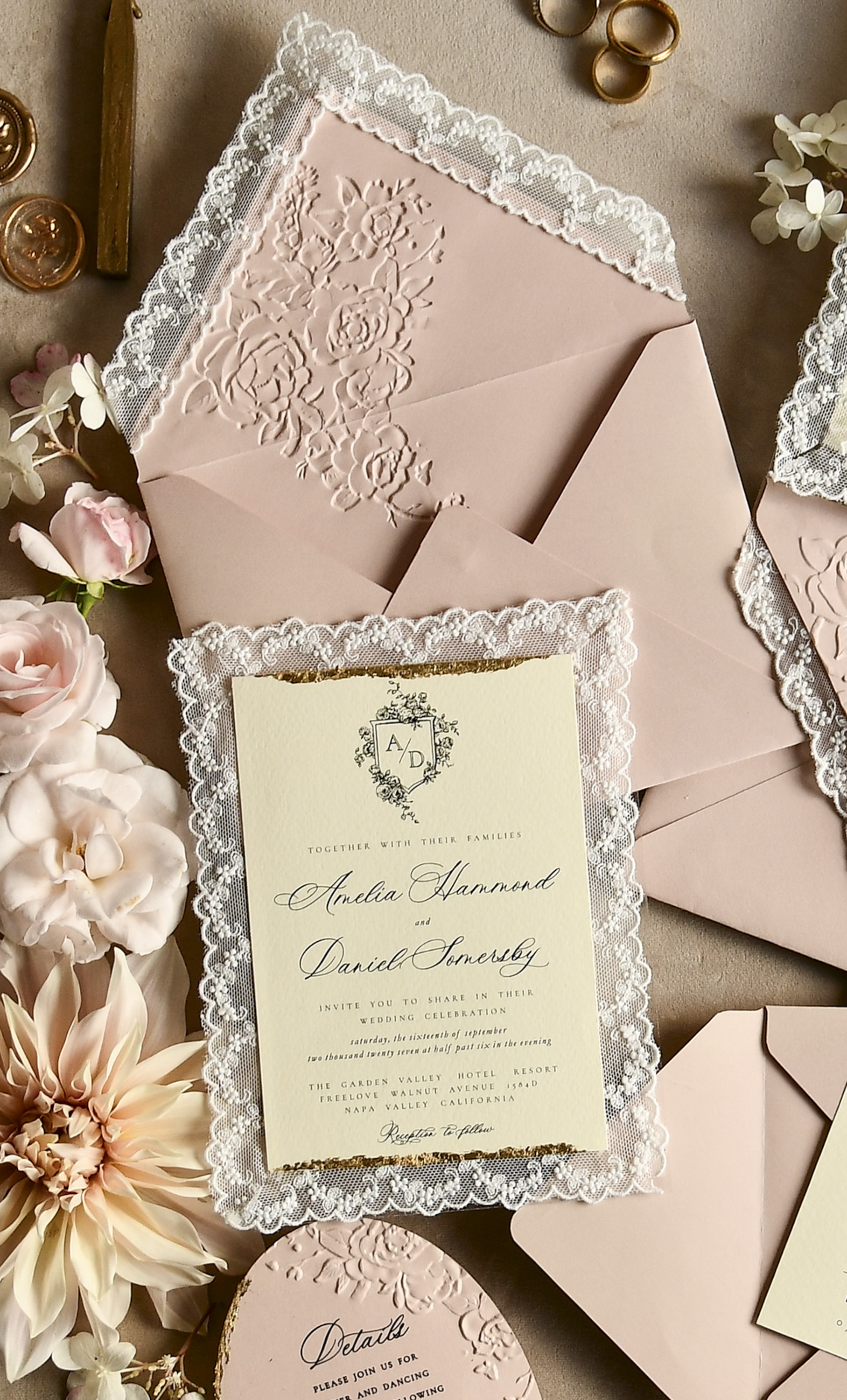
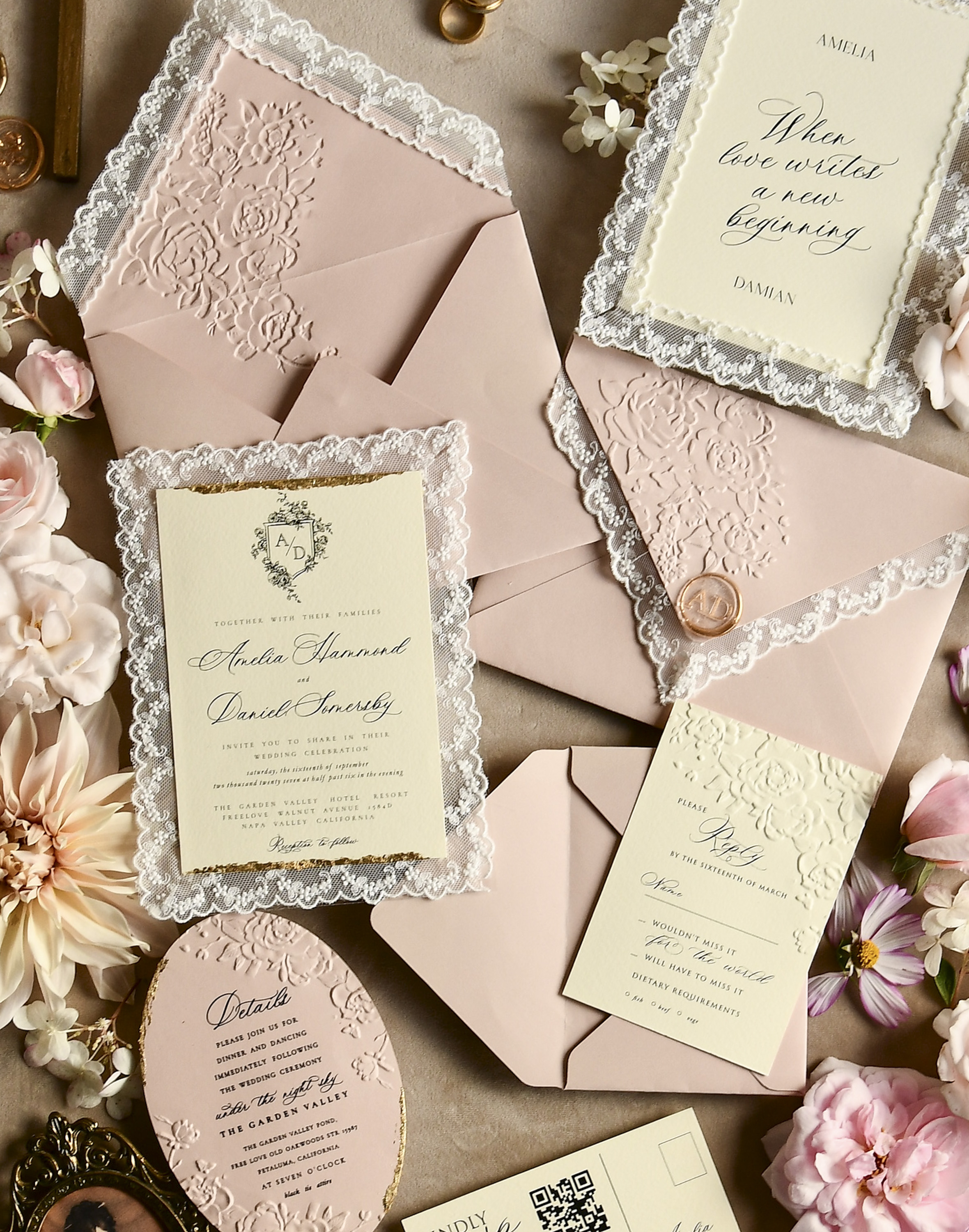
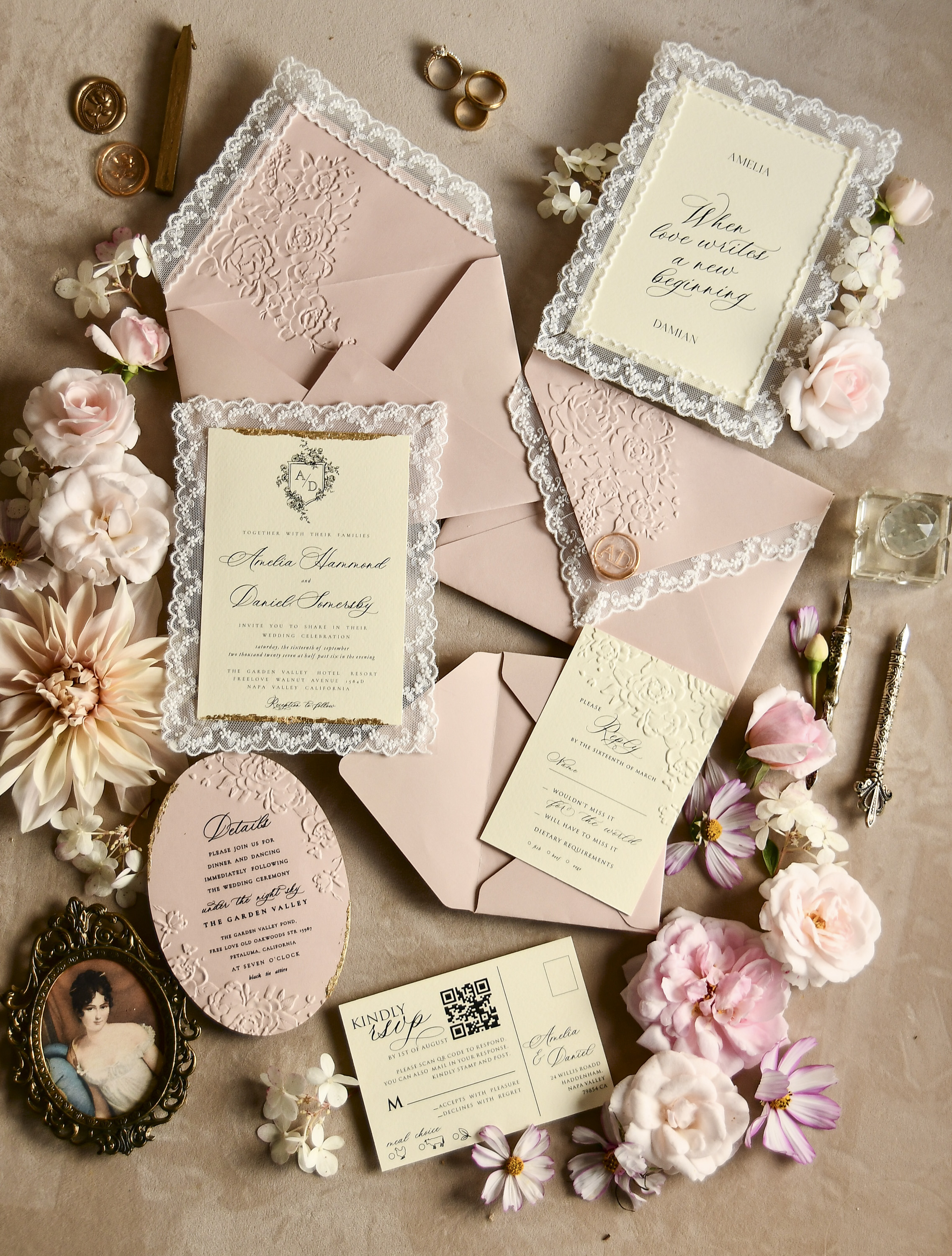
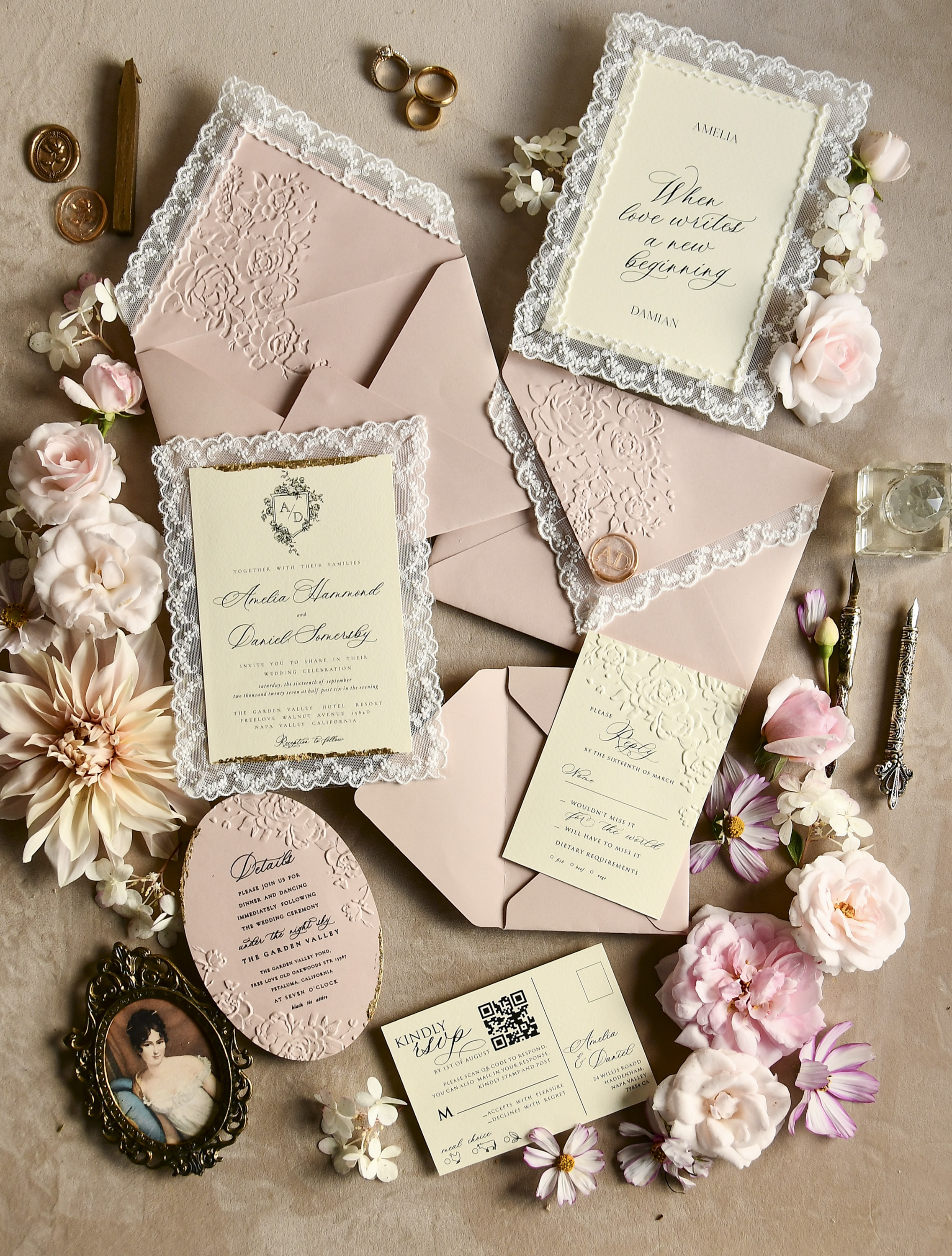
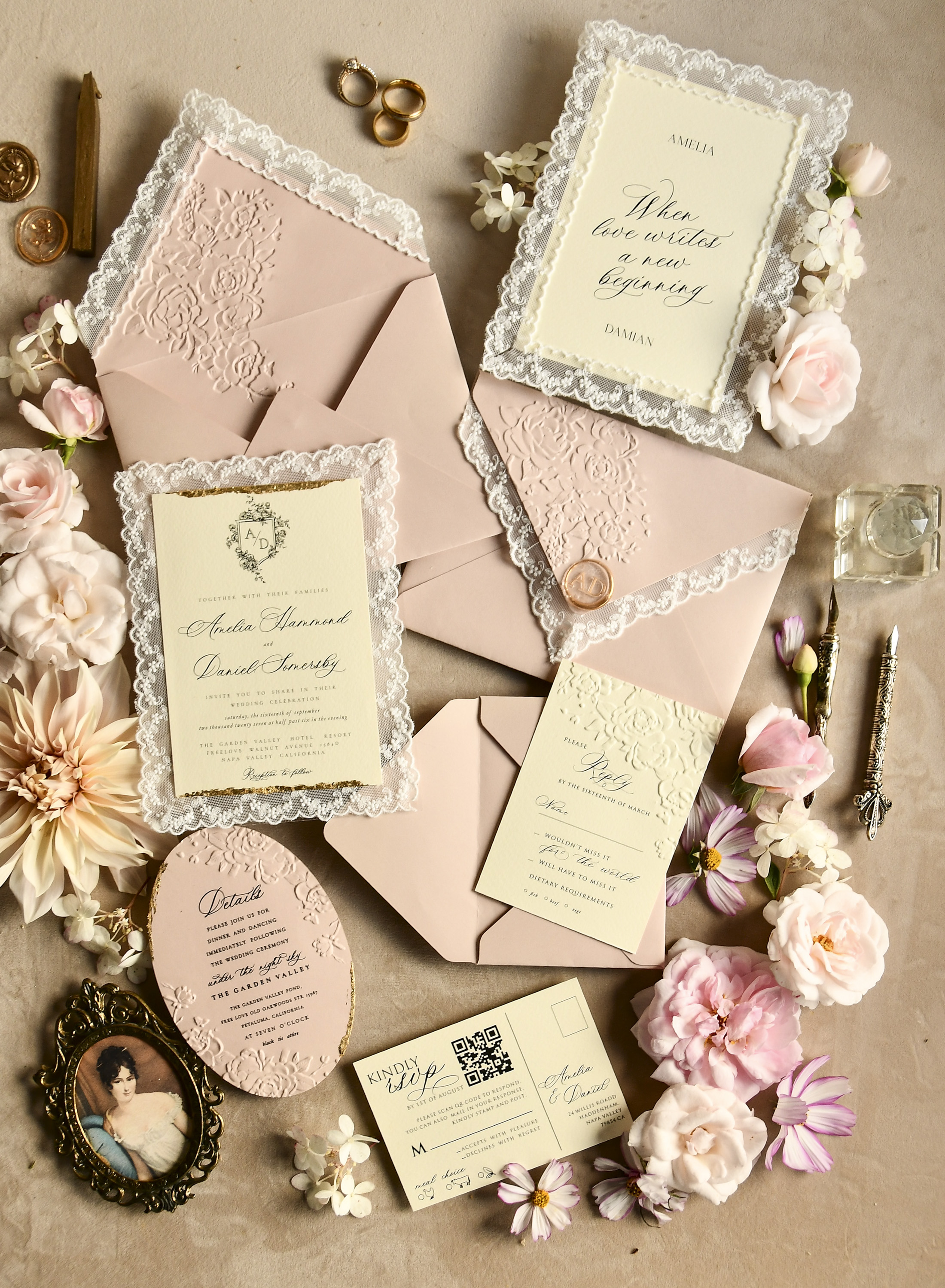
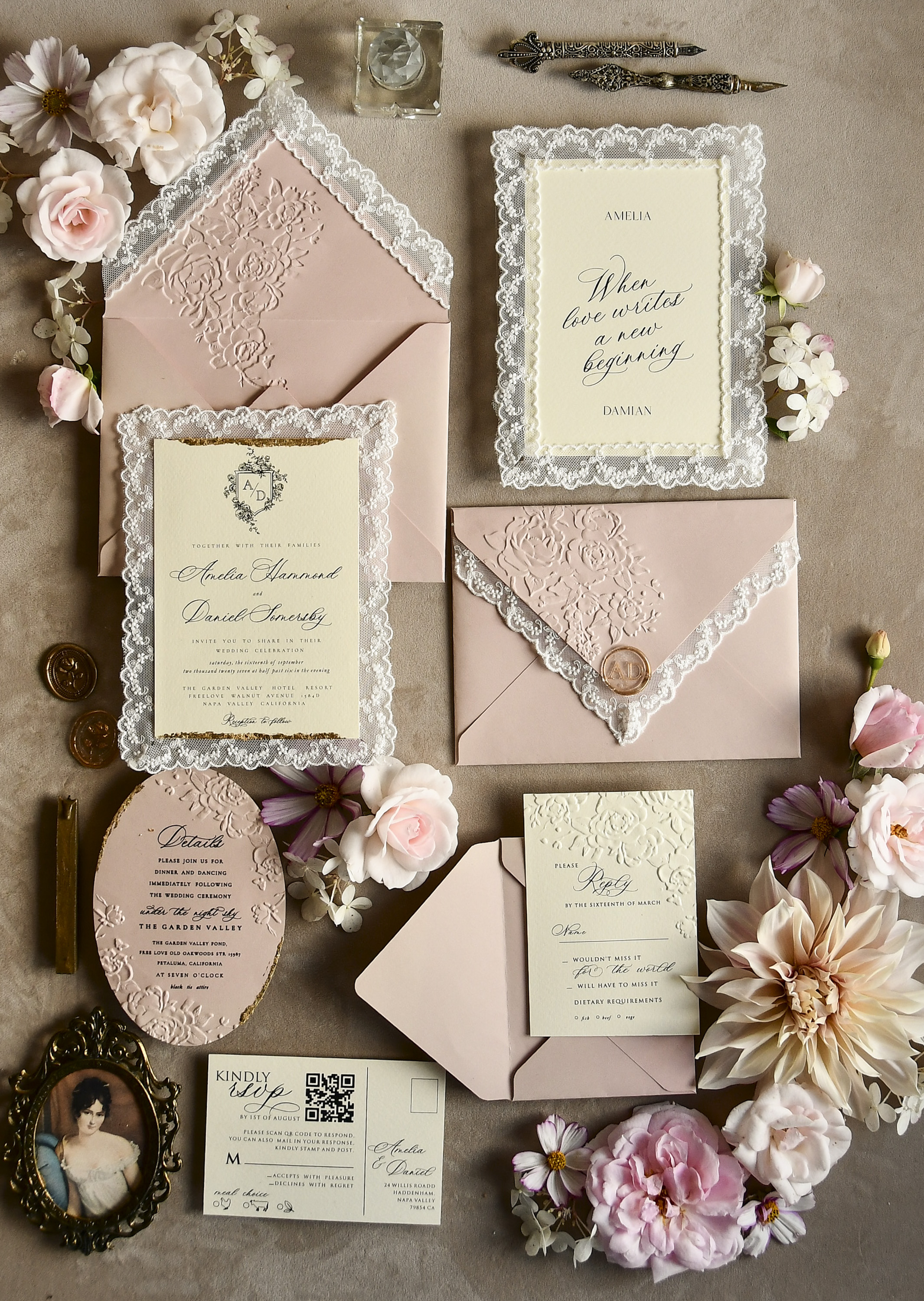
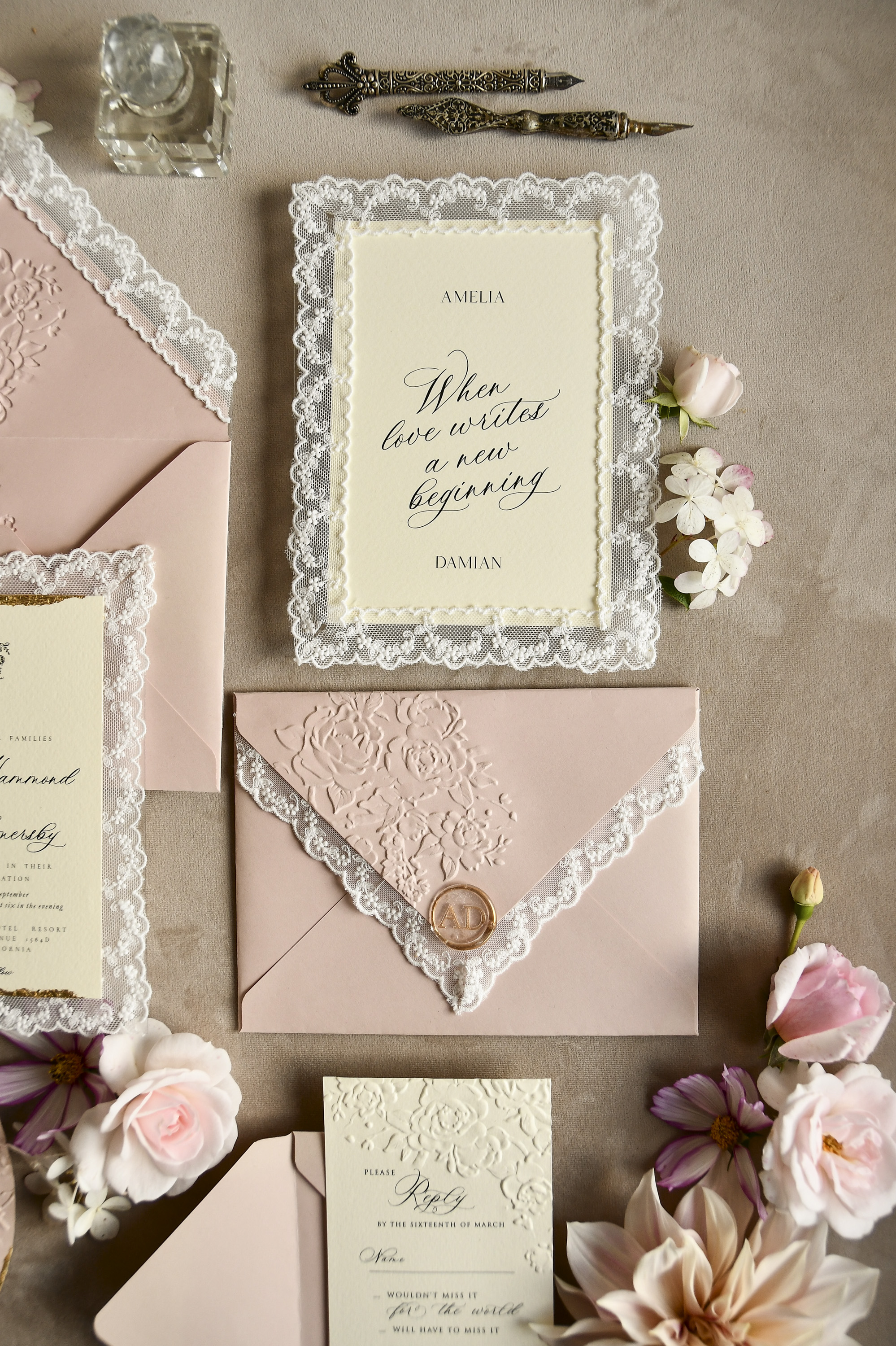
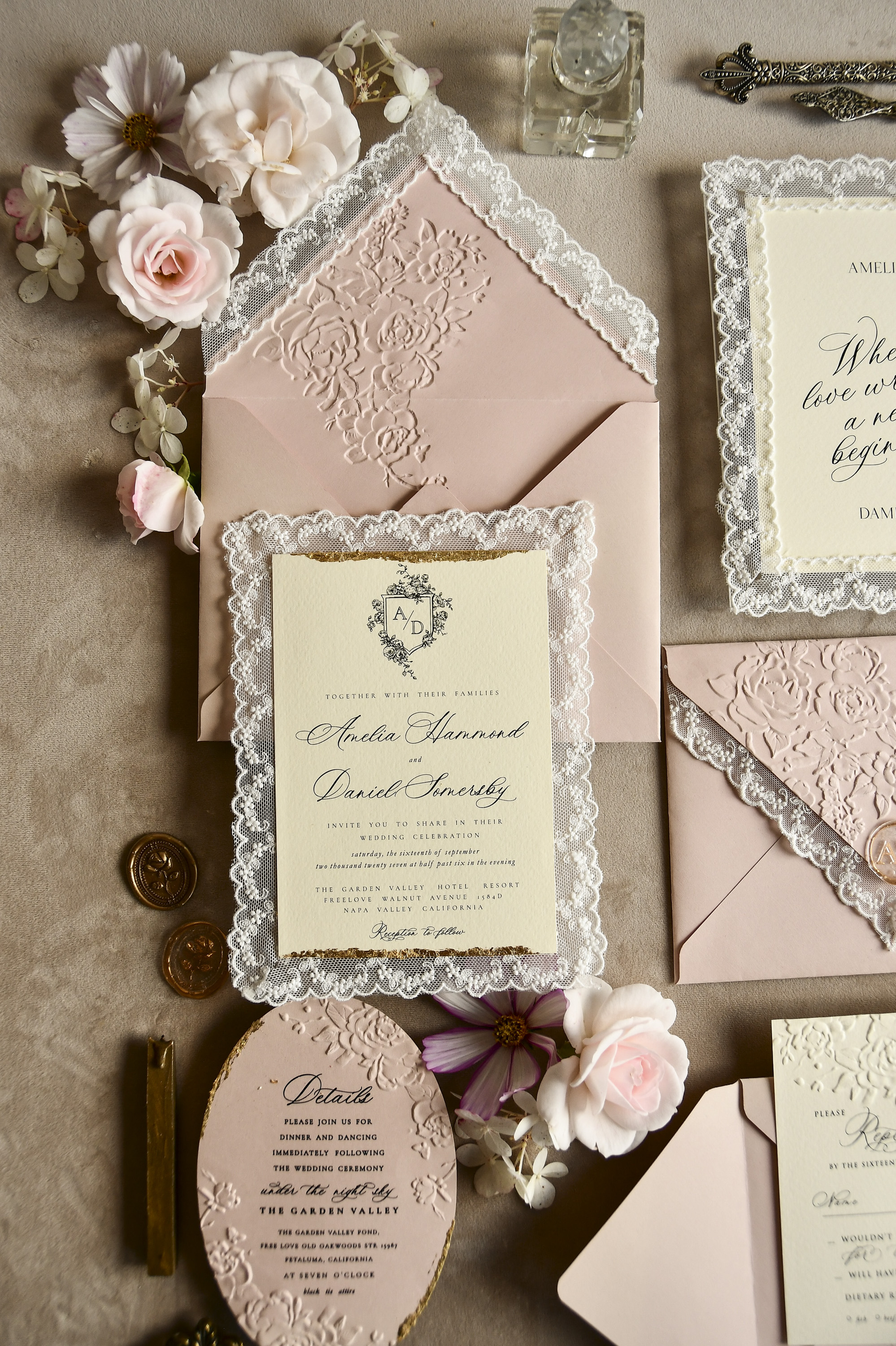
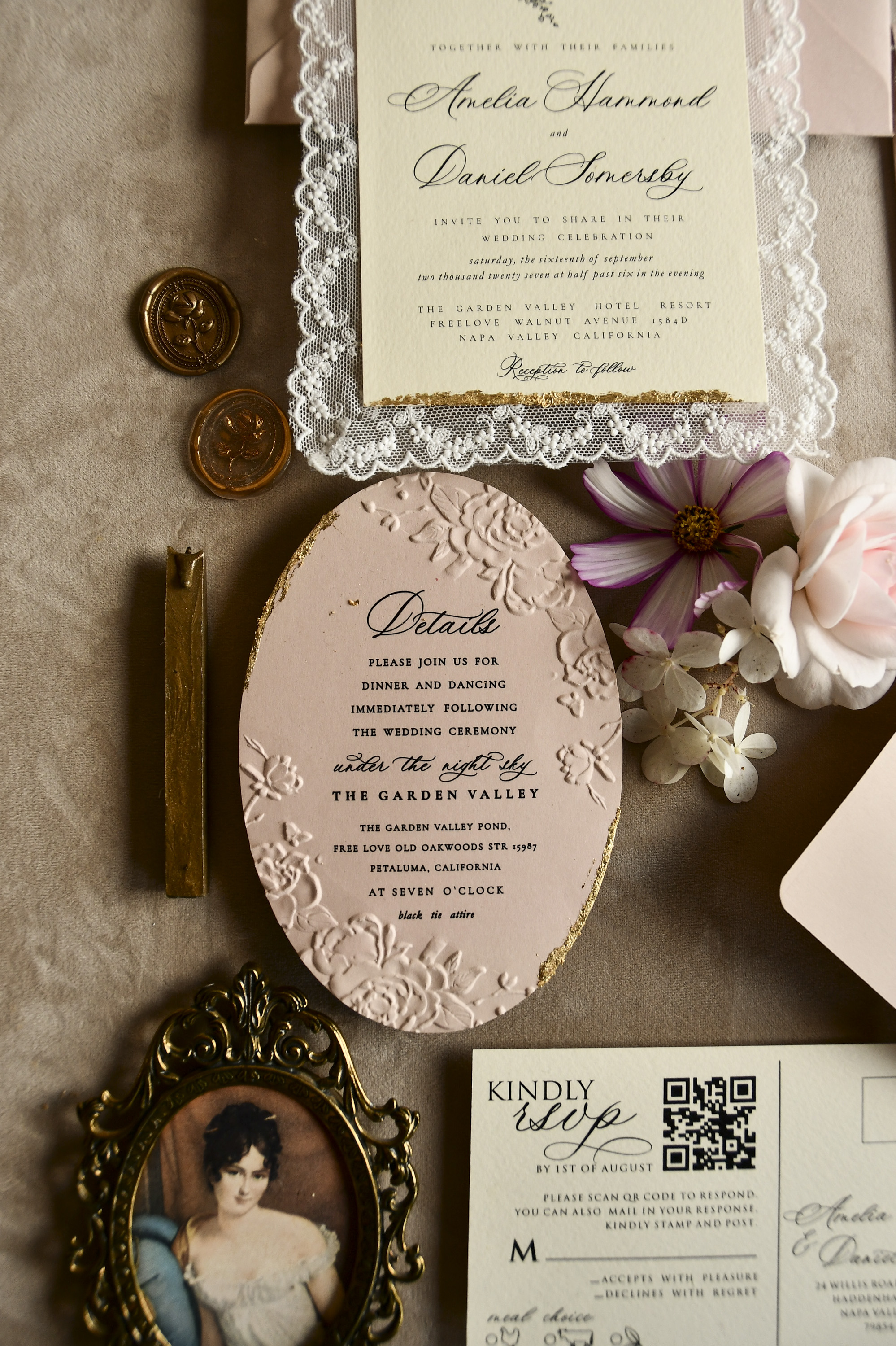
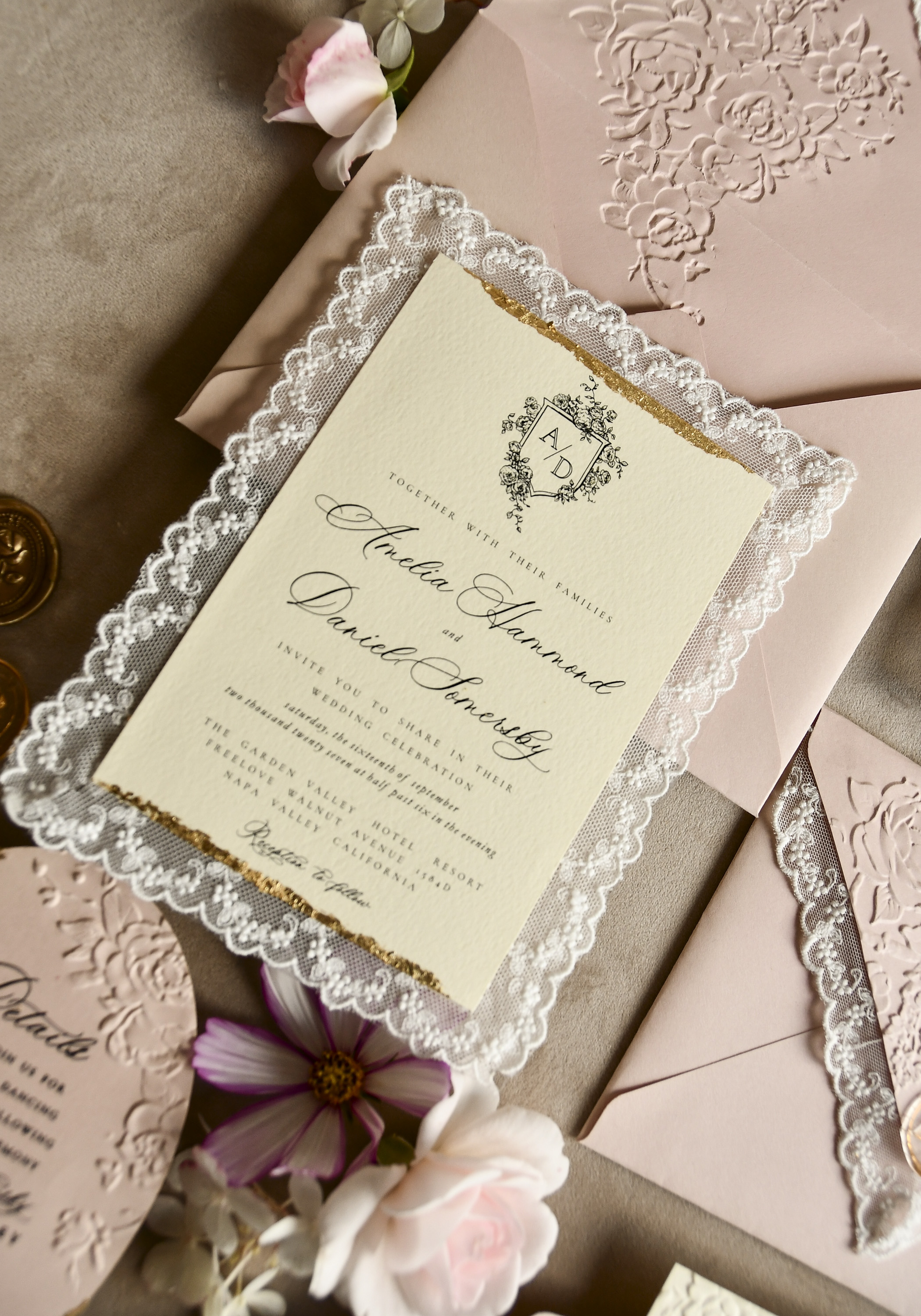
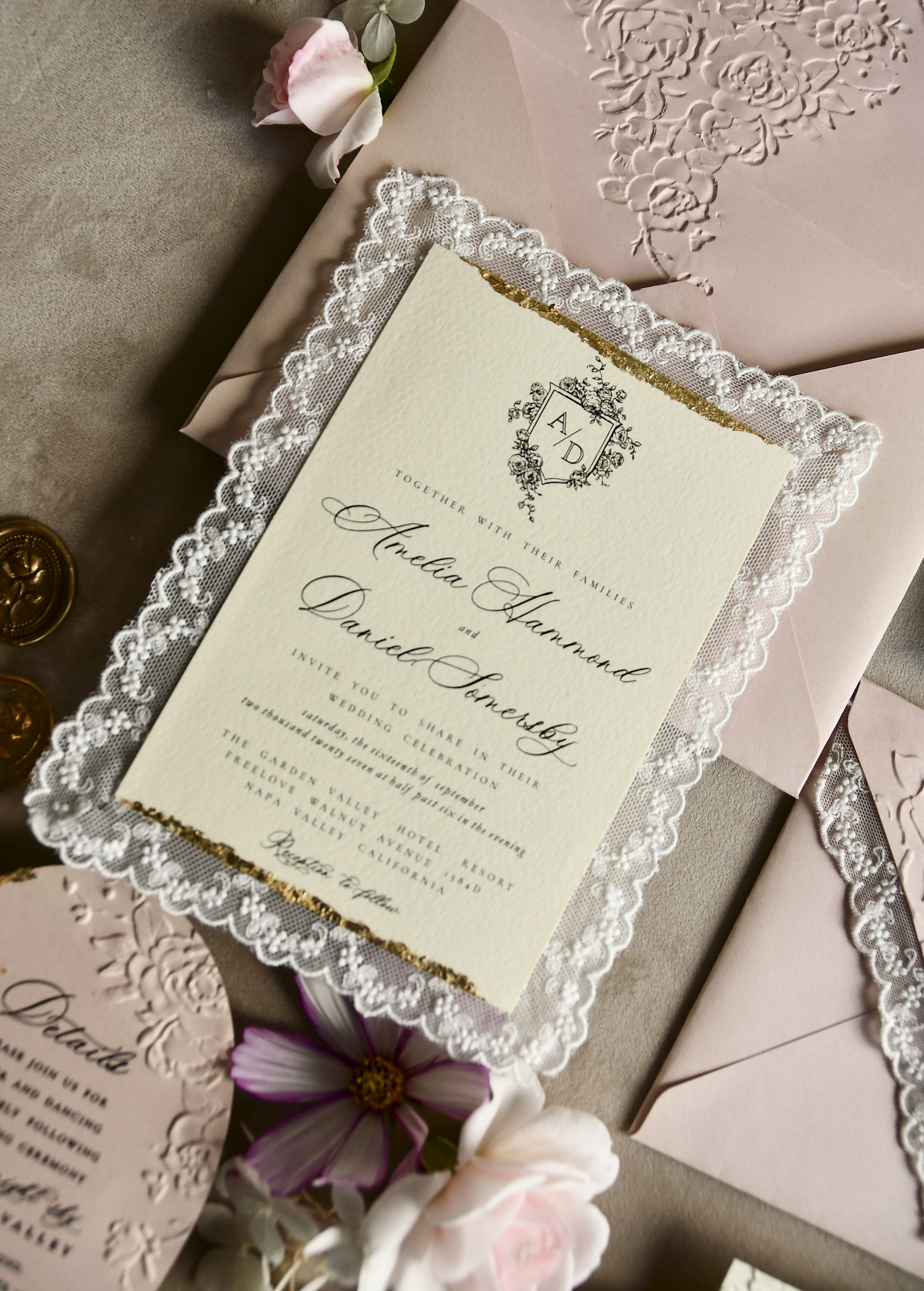
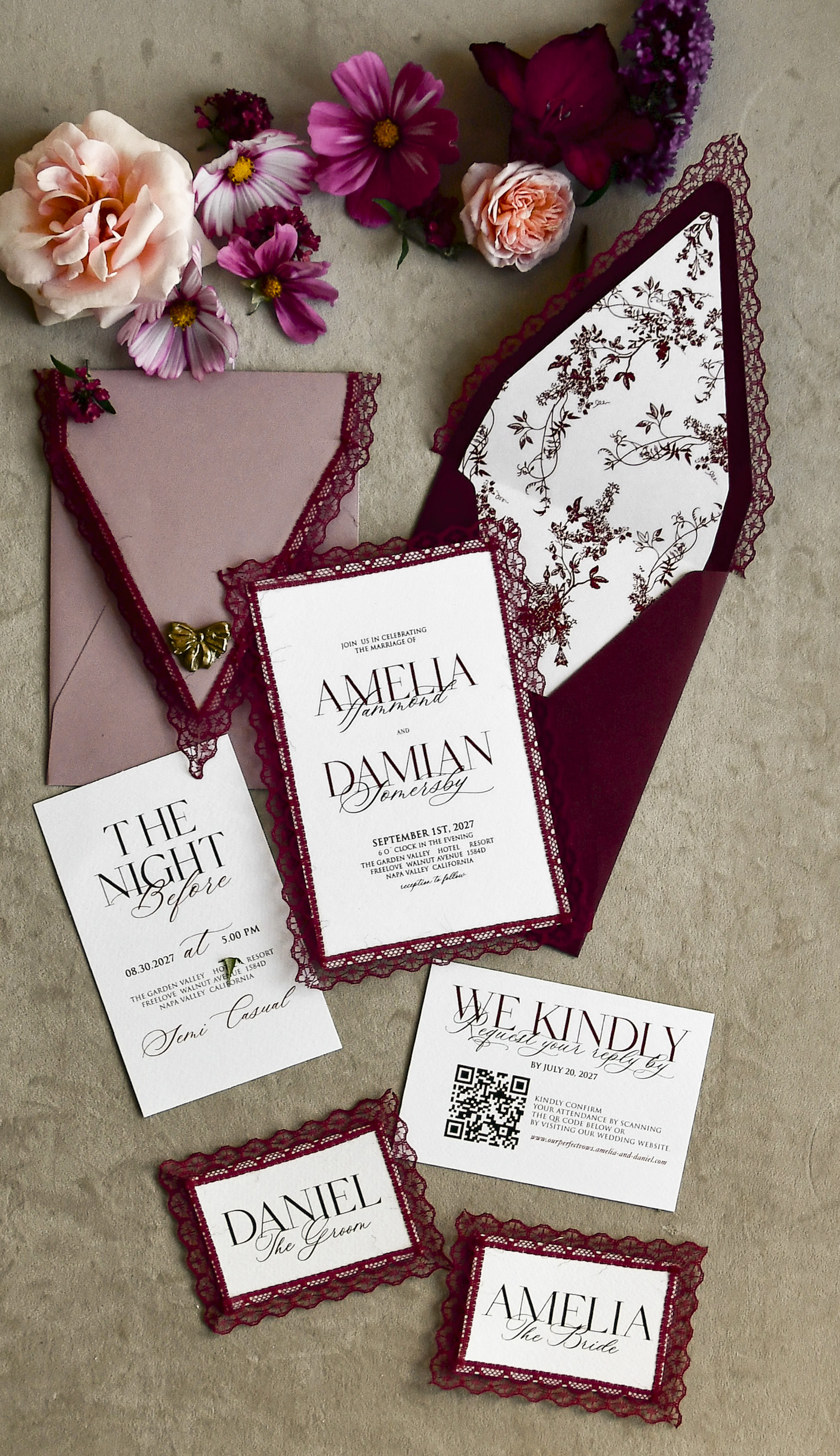
If you're using a design like the 01/laceembos/z vintage lace wedding invitation from Margo&Bees, take advantage of the elegant, formal presentation to set a clear tone. A beautifully crafted invitation signals that this is a thoughtfully planned event with intentional guest choices.
Additional prevention steps:
- Address outer and inner envelopes carefully. List only the invited guests by name.
- Add a note to your wedding website explaining that due to venue capacity, you're only able to accommodate guests named on the invitation.
- Brief your families. Ask parents and wedding party members to gently correct any relatives who mention bringing someone extra.
- Respond promptly when someone asks. If a guest emails asking whether they can bring a date, answer kindly but directly: "We'd love to have you, but unfortunately our venue only allows us to accommodate the guests listed on the invitation."
What to Do If It Happens at the Wedding
Even with every precaution, someone may still arrive with an uninvited guest. Here's how to handle it without creating a scene:
- Designate a point person. Before the wedding, ask your venue coordinator, wedding planner, or a trusted family member to manage guest list issues at the door. You should not be handling this yourself on your wedding day.
- Have a check-in list at the door. A seating chart or name-based check-in makes it easy to identify who was and wasn't invited without confrontation.
- Give your point person a script. Something like: "I don't see your guest on our list — let me check with the coordinator to see what we can do." This buys time without an immediate refusal.
- Decide your threshold in advance. Talk with your partner before the wedding about what you'd do if this happens. Can the venue squeeze in one more? Is there a cocktail-hour-only option? Knowing your answer ahead of time prevents panic.
If the venue truly cannot accommodate the extra person, the uninvited guest may need to wait elsewhere or leave. It's uncomfortable, but it's also the consequence of a guest not following the invitation's guidance — not your fault.
After the Wedding: Whether to Address It
Once the celebration is over, you'll need to decide whether to say anything to the guest who brought an uninvited addition. In most cases, if everything worked out fine on the day, it's worth letting it go. Bringing it up after the fact rarely accomplishes anything and can damage a relationship unnecessarily.
However, if the situation caused real disruption — someone didn't have a seat, catering was short, or you incurred extra costs — a calm, private conversation is reasonable. Keep it brief and forward-focused: "We want you to know that day-of additions put us in a tough spot. We hope you understand why it matters for events like this." No lecture needed beyond that.
If the same guest is likely to be invited to future events (showers, anniversaries, vow renewals), setting a gentle expectation now can prevent the same situation from repeating.
Frequently Asked Questions
You can, though it's not required and some couples find it feels unwelcoming. A more elegant approach is precise envelope addressing — listing only invited guests by name — combined with a polite note on your wedding website. That way the message is clear without the invitation itself feeling restrictive.
Children are one of the most common sources of uninvited additions. If yours is a child-free wedding, note it clearly on your wedding website and ask close family to spread the word. When a guest RSVPs with children listed, follow up promptly and kindly to clarify before the day arrives.
Technically you could ask them to cover the cost, but in practice most couples don't — it tends to create lasting awkwardness. It's more common to absorb the cost if the venue can accommodate the person, and simply note the guest's behavior for future events.
This is a delicate situation that's worth addressing before the wedding if you catch it in time — reach out personally to apologize and extend the invitation properly. If it surfaces on the wedding day, do your best to make them feel welcome; the oversight is on your side in this case.
Be warm but direct: acknowledge that you wish you could include everyone, cite venue capacity as the reason, and make clear how much you want them there. Most guests will understand when the reason is logistical rather than personal.
Absolutely — it's actually a best practice for weddings of any size. A check-in list managed by a coordinator or trusted helper makes the entry process smooth and gives you a natural, non-confrontational way to catch discrepancies before guests are fully inside the venue.
See This Design Up Close

You May Also Like
More Wedding Planning Guides
- → When to Address a Wedding Invitation Directly to a Child
- → Mailed Card or Website Link? How to Handle RSVPs the Modern Way
- → Wedding Invitation Delivery: When to Mail and When to Hand Them Off
- → Navigating a Wedding Guest List When Your Fiancé Wants to Leave Your Family Out
- → Wedding Invitation Wording: Every Essential Detail Couples Need to Include
- → When Your Divorced Parents Can't Be in the Same Room: A Wedding Planning Guide
- → Adults-Only Weddings: Is Leaving Kids Off the List Actually Rude?
- → Wedding Invitation Addressing: Names, Titles, and Every Tricky Situation Solved
- → How to Decide Who Gets a Plus One at Your Wedding
- → Wedding Invitations: How to Count What You Actually Need
- → Yes, You Can Invite Ceremony-Only Guests — Here's How to Do It Gracefully
- → Extra Wedding Guests: Who Pays and How to Handle It Gracefully
- → Big Wedding or Better Wedding: How to Choose What Truly Matters
- → Your Wedding, Your Guest List: The Honest Truth About Inviting Cousins
- → Plus-One or No? How to Decide If Single Guests Can Bring a Date
- → How to Embrace a Small Wedding and Make It Unforgettable
- → Where Do Divorced Parents Sit at Your Wedding? Here's What Actually Works
- → To Invite or Not to Invite: Navigating the Ex Question for Your Wedding Guest List
- → Stepparents and Your Wedding Guest List: Making the Right Call
- → Setting Plus-One Boundaries Without Losing Sleep (or Friends)
- → Should Work Friends Come to Your Wedding? A No-Stress Guide to Inviting Colleagues
- → Guests Who Don't RSVP: Your Step-by-Step Plan
- → Save the Date vs. Wedding Invitation: Two Very Different Jobs, One Beautiful Paper Trail
- → When Someone Asks Why They Weren't Invited: Your Honest, Kind Playbook
- → To Call or Not to Call: Tracking Down Guests With Missing RSVPs
- → When the Guest List Must Shrink: The Right People to Remove First
- → Digital Wedding Invitations: When They Work and When to Think Twice
- → How to Handle the Parent Friend Dilemma on Your Wedding Guest List
- → Your Wedding Invitation Deadline: When the Window Officially Closes
- → Uninvited Plus-Ones and Tag-Alongs: How to Keep Your Guest List Intact
- → When Family Feuds Threaten Your Wedding Plans: A Practical Peacekeeper's Guide
- → Inviting an Estranged Brother or Sister: Finding Clarity Before You Seal the Envelope
- → Cousins, Invites, and Hard Choices: A Practical Guest List Guide