
Guests Who Don't RSVP: Your Step-by-Step Plan

You set a clear deadline, addressed every envelope beautifully, and waited. Now the date has passed and a handful of guests still haven't responded. It's one of the most common — and most frustrating — parts of wedding planning. The good news: there's a straightforward way to handle it without losing your cool or your deposit.
Why Guests Miss the RSVP Deadline (It's Usually Not Personal)
Most non-responders aren't being rude — they're being human. Life gets busy, cards get buried under mail, and some guests genuinely assume you already know they're coming. A smaller number are waiting to see how they feel closer to the date, which is its own problem. Understanding the "why" helps you follow up with grace instead of frustration.
Common reasons guests don't RSVP:
- They forgot — the invitation sat on the counter and slipped their mind.
- They assumed it was optional — especially if the reply card wasn't prominent.
- They're unsure about attending — travel, cost, or scheduling conflicts have them stalling.
- The reply card got lost — this happens more than you'd think with postal mail.
None of these excuses make it less stressful for you, but knowing the cause helps you choose the right follow-up approach.
Set a Smart RSVP Deadline From the Start
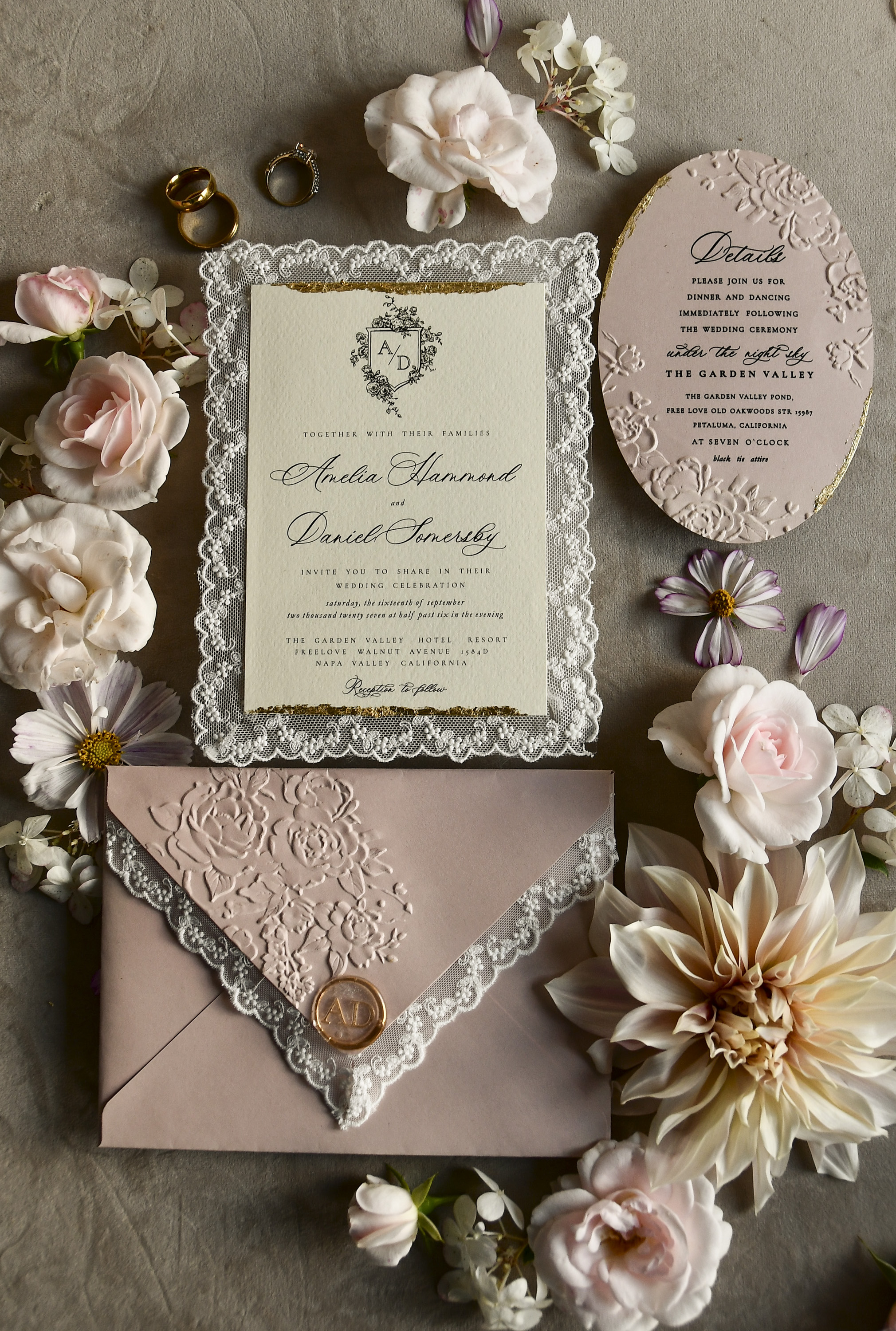
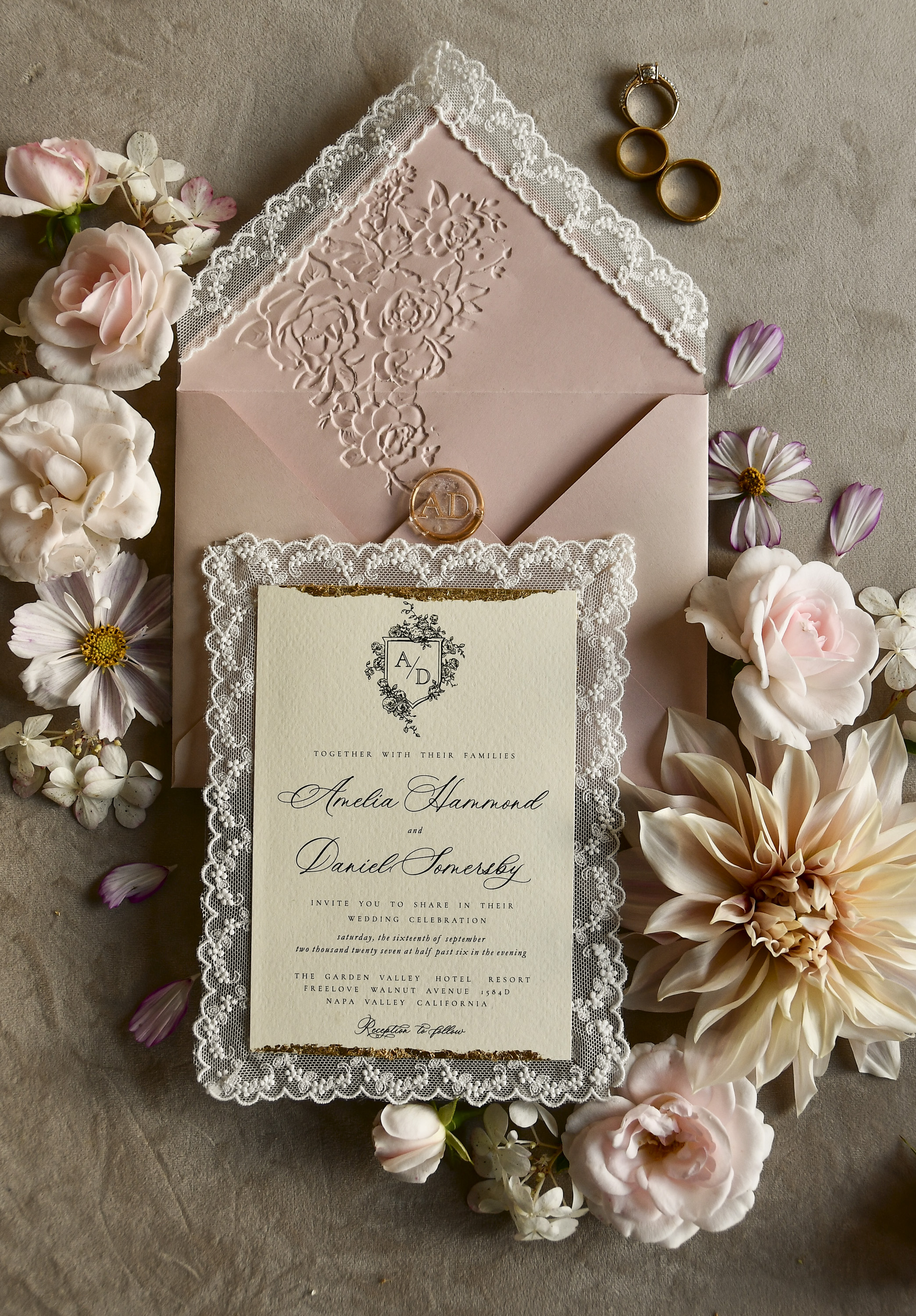
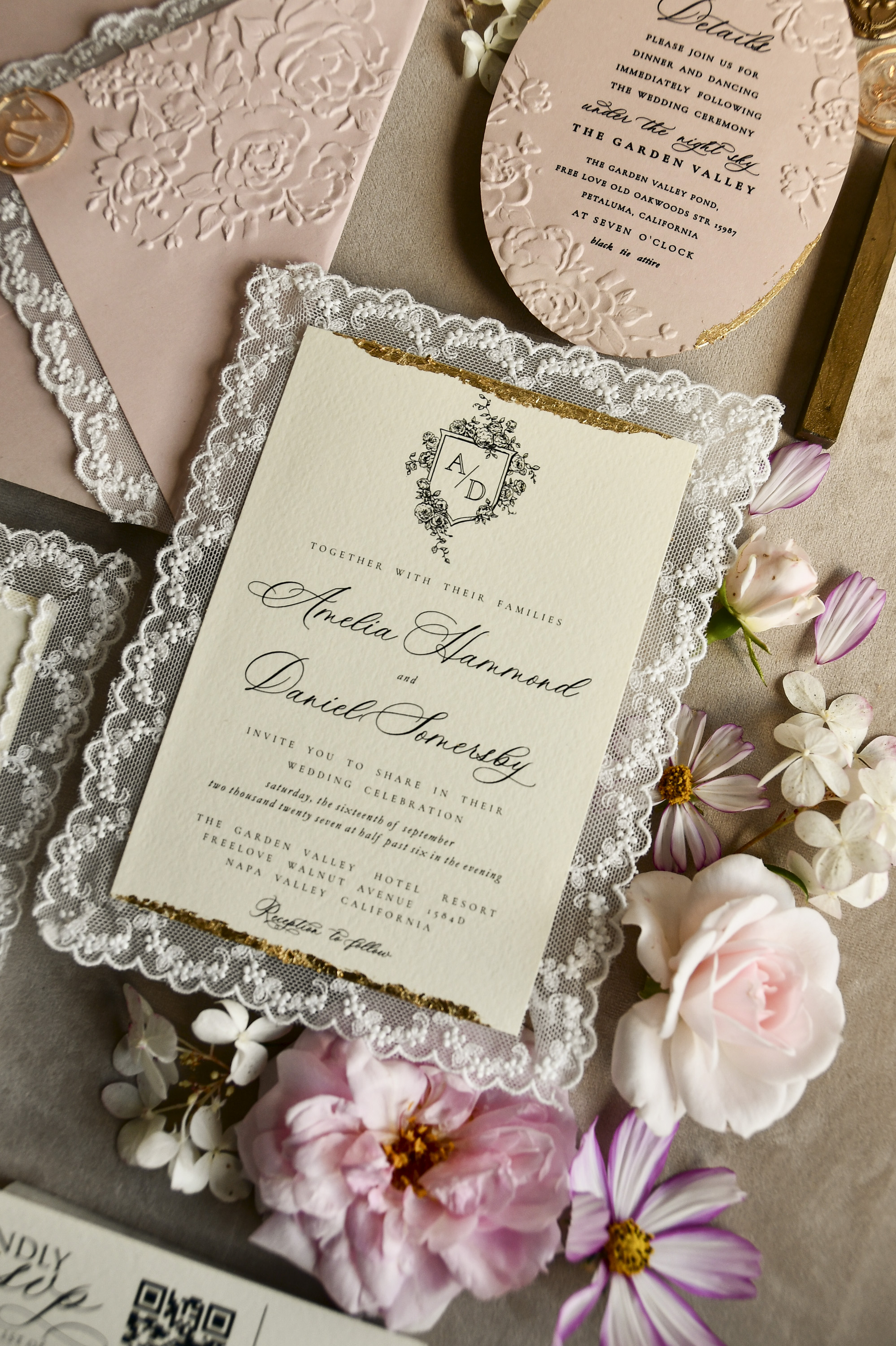
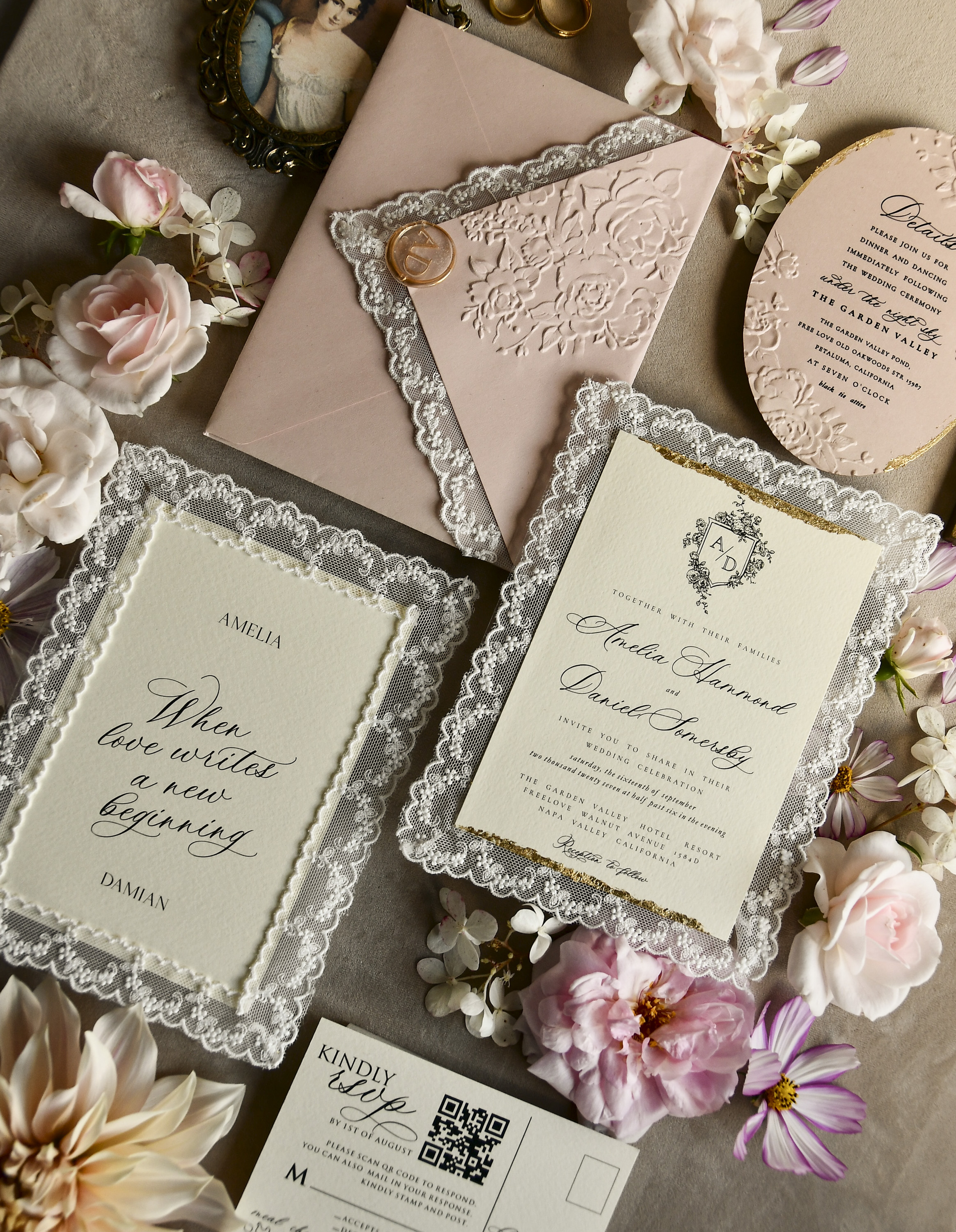
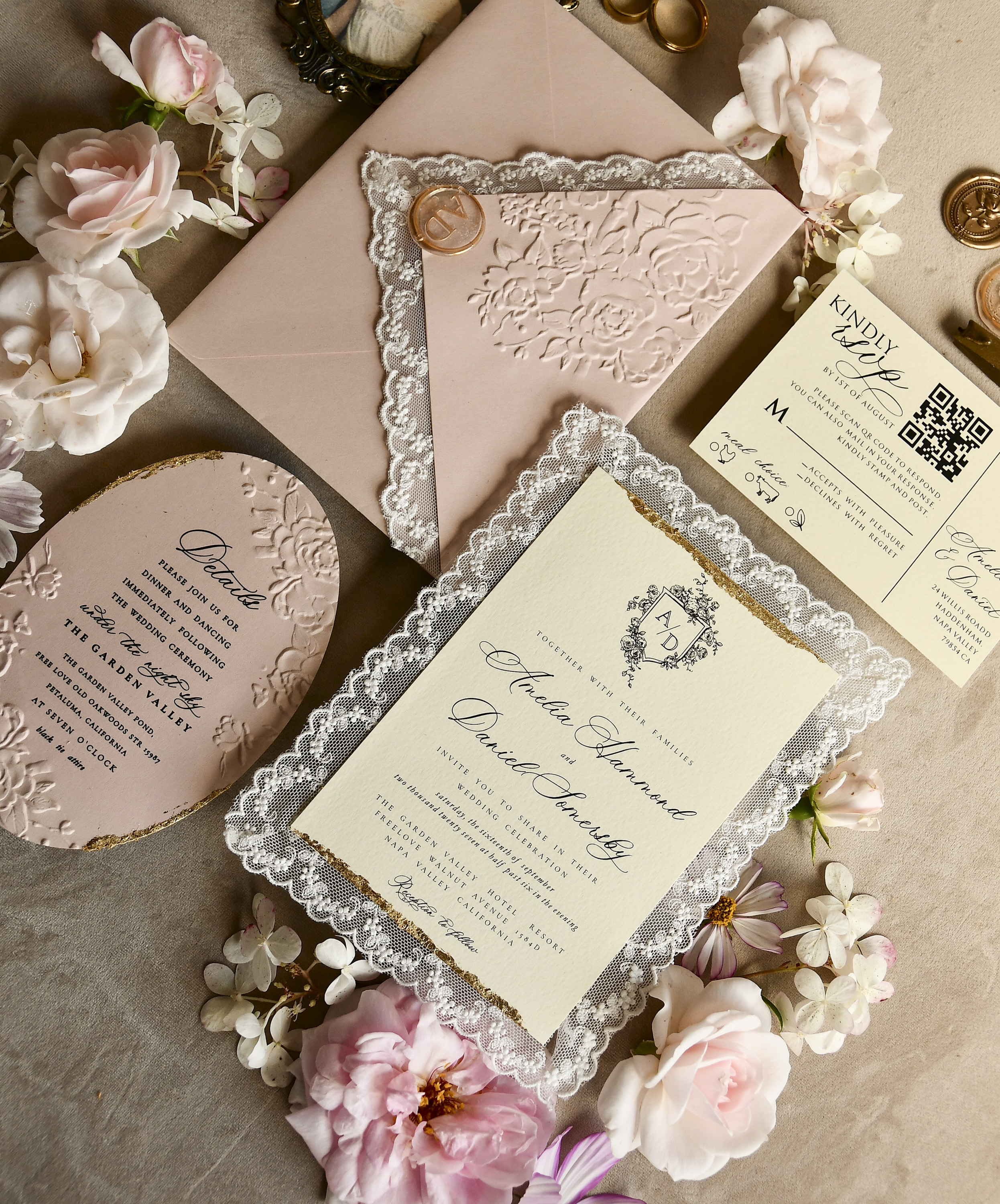
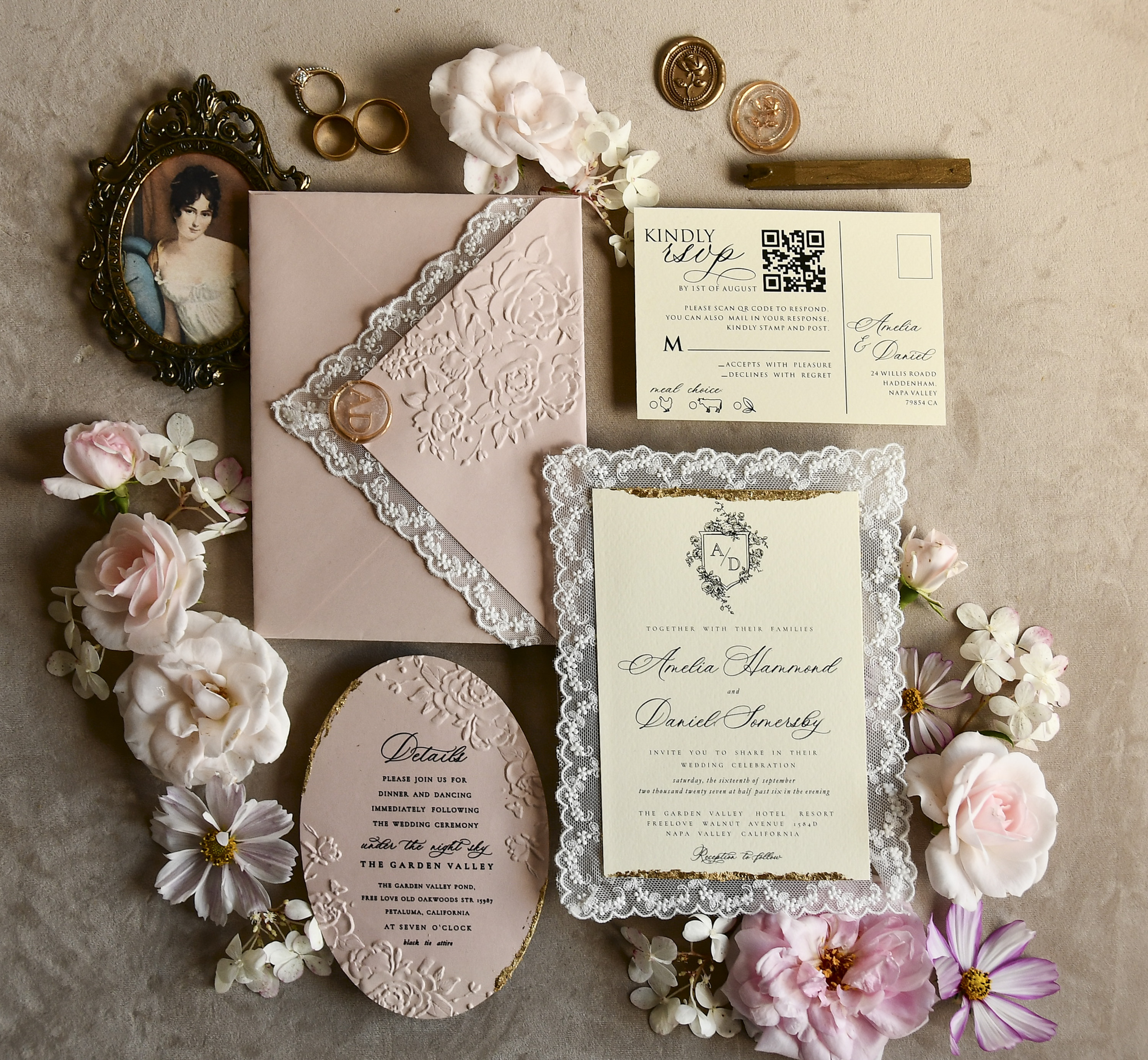
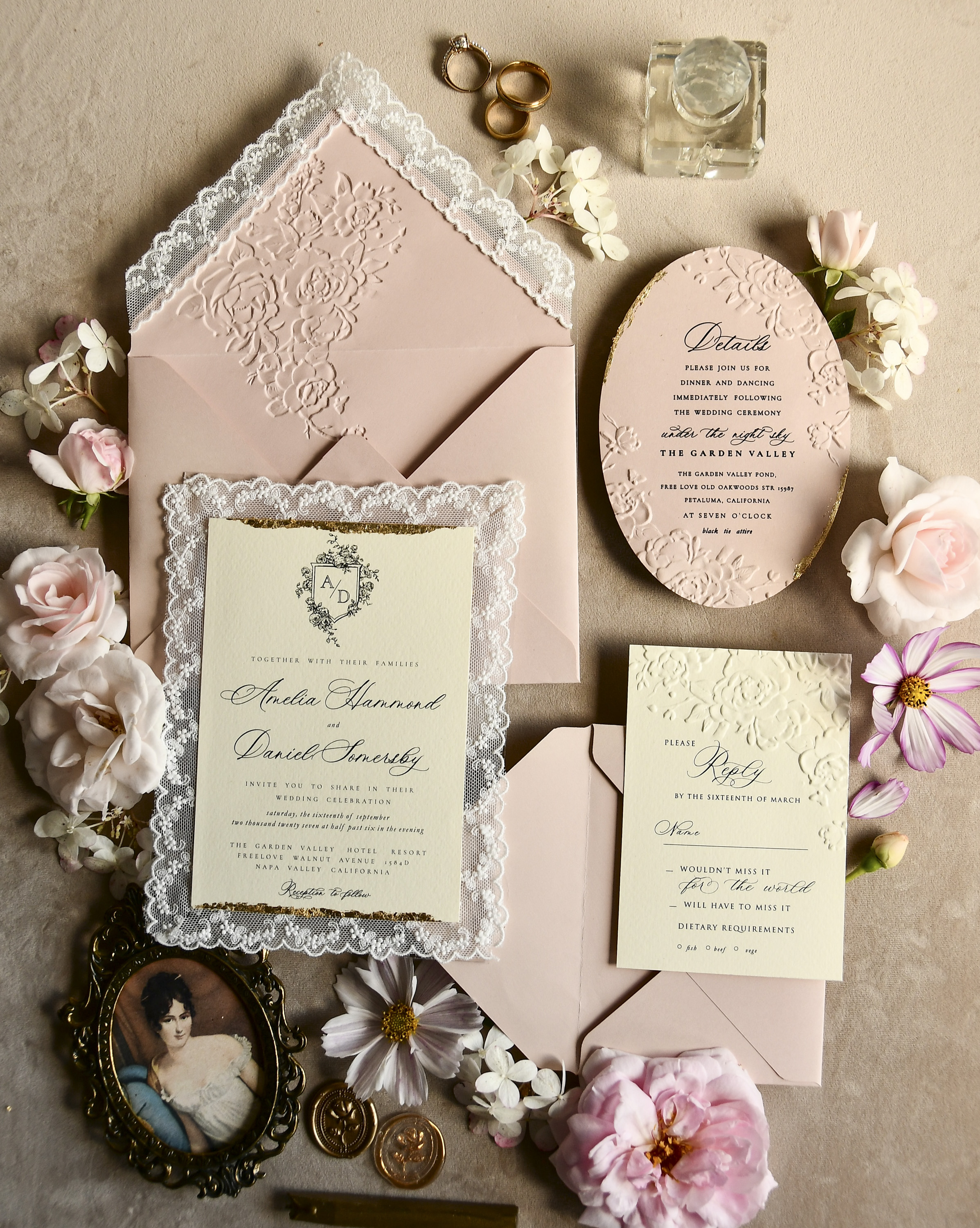
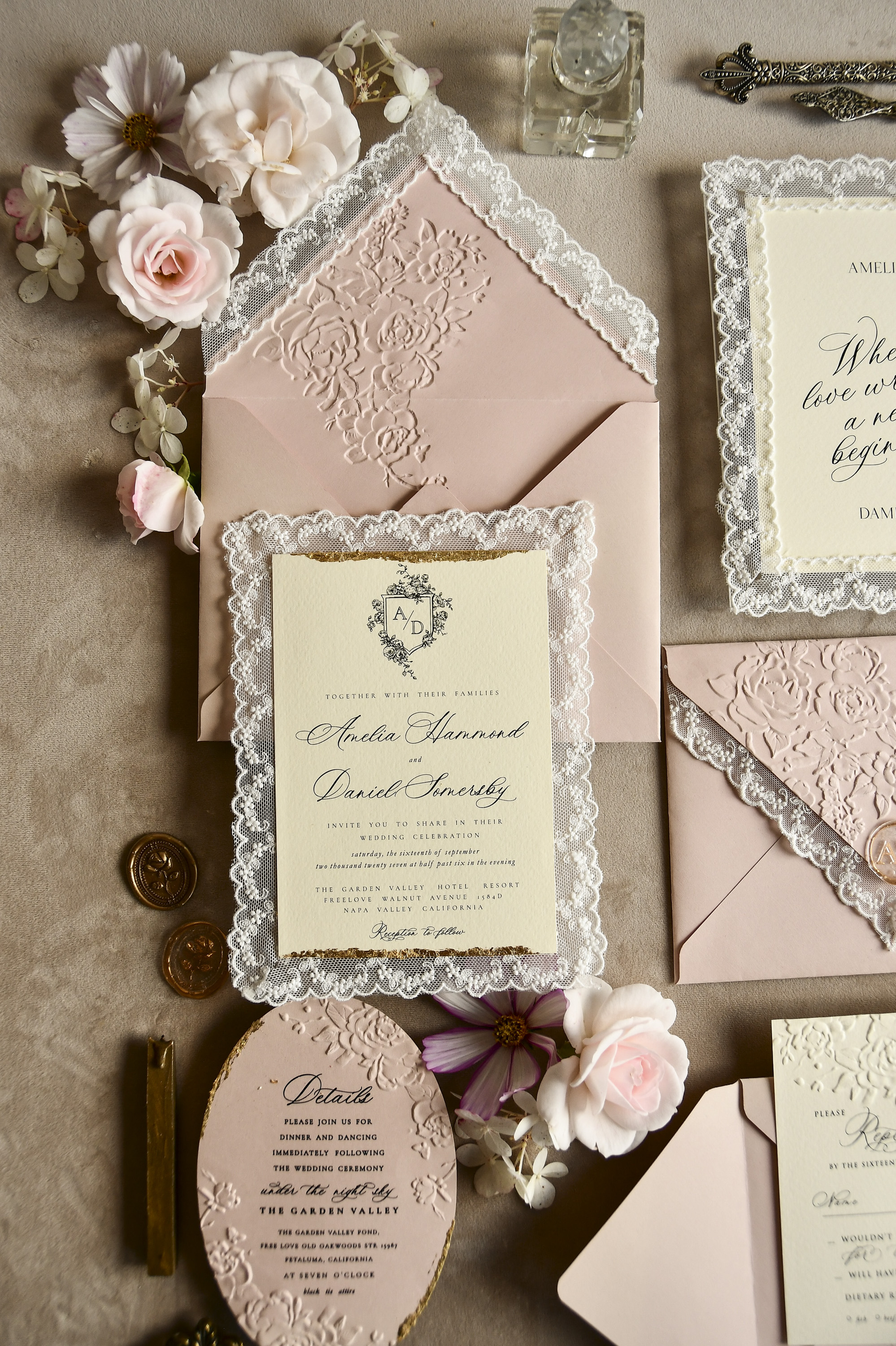
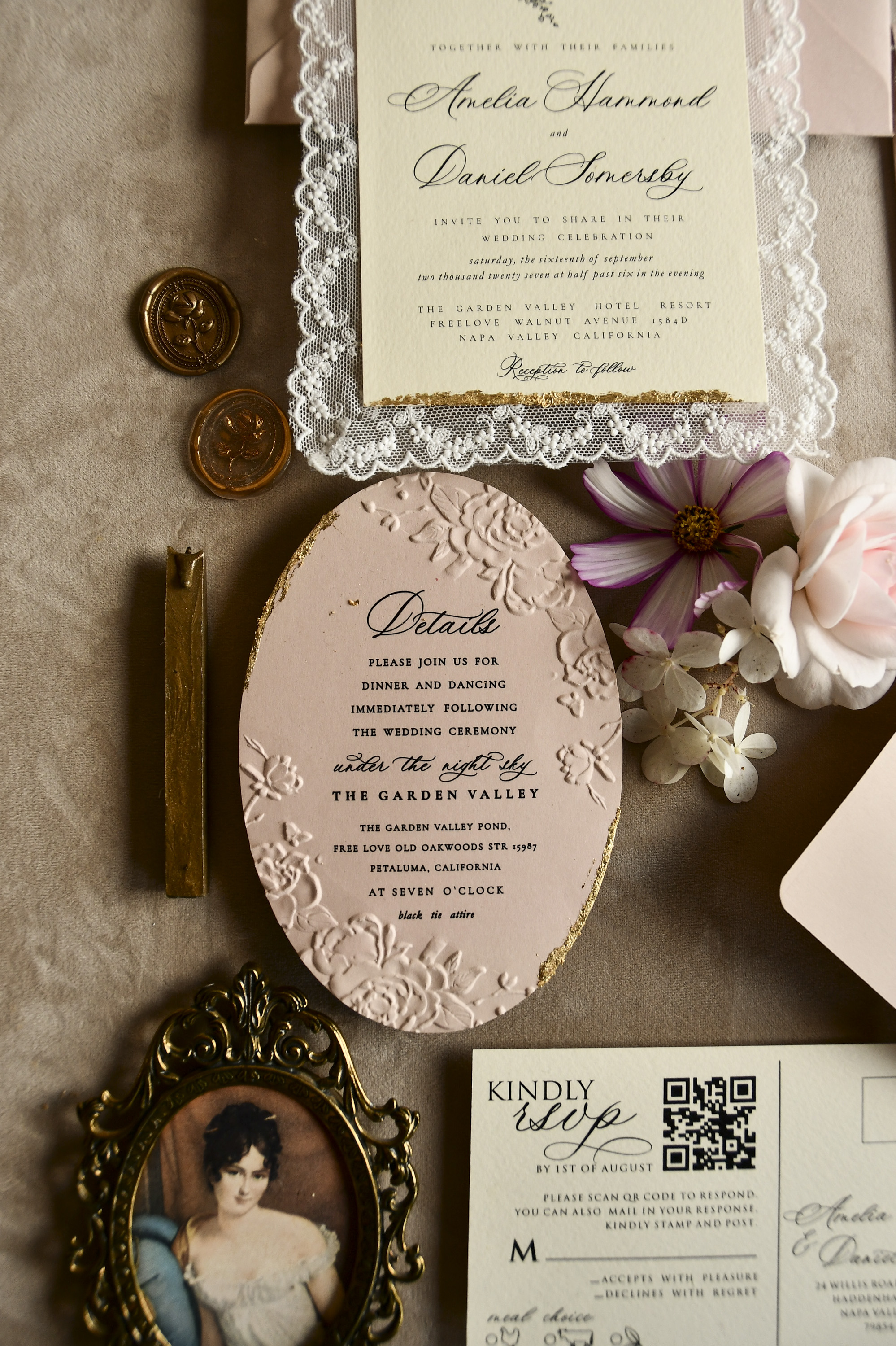
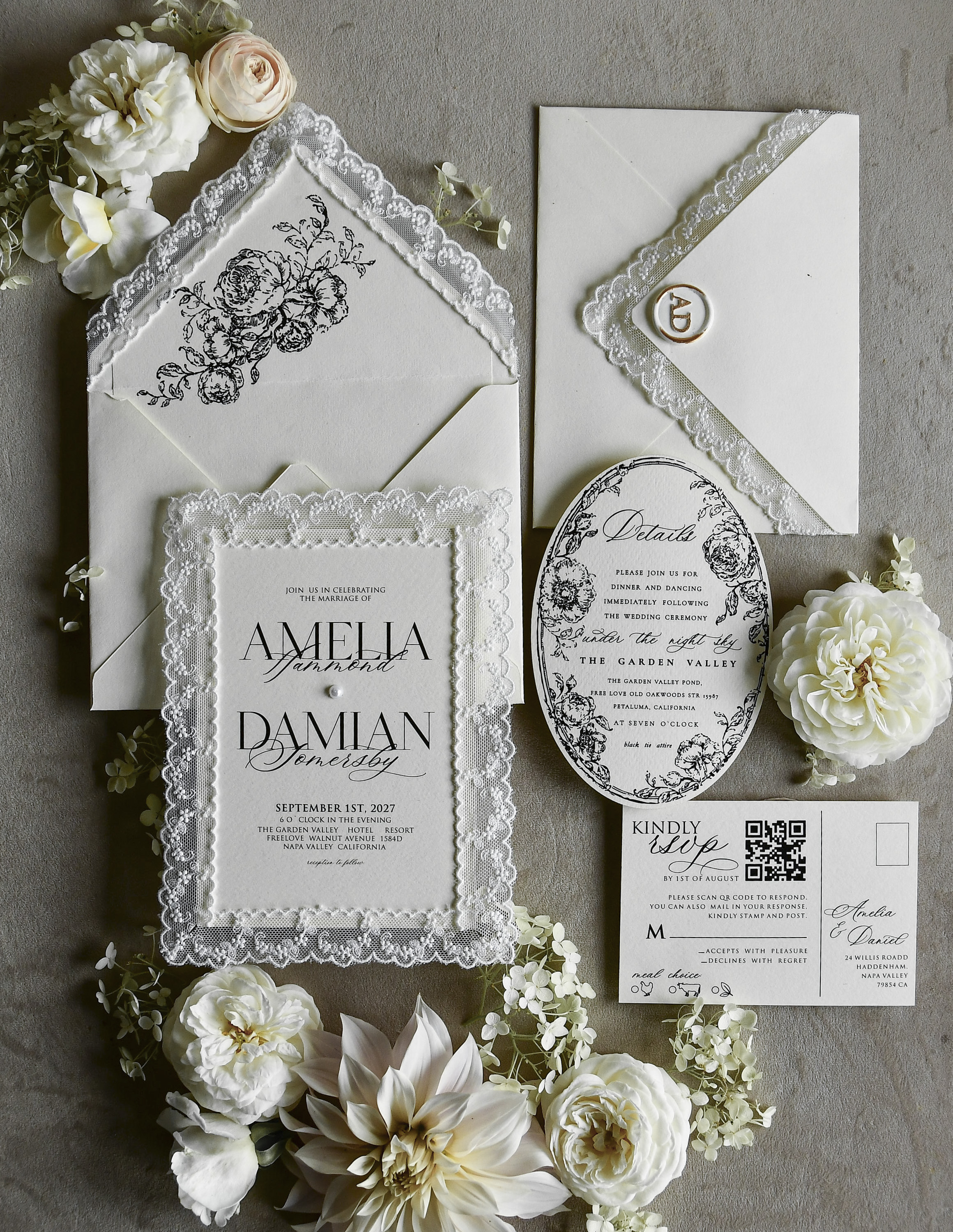
Prevention is always easier than follow-up. When you send invitations — like the elegant 01/laceembos/z from Margo&Bees' vintage lace collection — set your RSVP deadline three to four weeks before your wedding, not one or two. This gives you a built-in buffer to chase stragglers before your caterer needs a final headcount.
A typical timeline looks like this:
- Send invitations: 6–8 weeks before the wedding (10–12 weeks for destination weddings).
- RSVP deadline: 3–4 weeks before the wedding.
- Follow-up window: 1 week after the deadline to contact non-responders.
- Final count to vendors: Usually 1–2 weeks before the wedding.
Building this buffer into your planning calendar means a few slow responders won't throw off your entire vendor schedule.
How to Follow Up Without Feeling Awkward
Once your deadline passes, give it two or three days — then start reaching out. Keep it light and assume positive intent. A simple text or phone call works best for most guests.
Try something like: "Hey! We're finalizing our headcount this week and noticed we didn't get your RSVP card back. We'd love to know if you can make it!" Warm, no guilt trip, easy to respond to.
A few practical tips:
- Delegate if needed. Ask a parent, sibling, or MOH to handle follow-ups for guests on their side of the list. It feels less awkward coming from someone closer to them.
- Use multiple channels. Text first, then call if you don't hear back within 48 hours.
- Give a firm deadline. Tell them you need an answer by a specific date — "by Friday" — so it doesn't drag on.
- Don't email for urgent follow-ups. Email is easy to miss. Texts and calls get responses faster.
What to Do If They Still Don't Respond
If a guest genuinely cannot be reached after two follow-up attempts, you have to make a call. Most planners recommend one of two approaches:
- Mark them as not attending. This is the safer choice for your budget. If they show up anyway, most venues can accommodate one or two extras — but you shouldn't plan around it.
- Mark them as attending if they're a close family member. If it's your grandmother who "never does those card things," you probably know she's coming. Use your judgment for people you know well.
Whatever you decide, set a personal internal deadline and stick to it. Once that date arrives, close the list. Your caterer, rental company, and seating chart all depend on a real number, and endlessly chasing RSVPs will drain your energy in the final weeks before your wedding.
Protect Your Budget and Your Peace of Mind
Catering is typically priced per head, so every unconfirmed guest represents real money. When you submit your final count, most couples add a small buffer — around 3–5% above confirmed attendees — to account for last-minute additions. Talk to your caterer about their policy on adjusting numbers after the final count is submitted.
For seating, leave a small block of flex seats at round tables rather than trying to assign every single chair until the very last minute. This makes late confirmations much easier to absorb.
Finally, consider how your invitations set expectations. A beautifully designed invitation suite — like the lace-embossed styles in our vintage collection — signals the formality of your event and subtly communicates that a response is expected and important. Couples who invest in clear, polished stationery often see better RSVP rates simply because the invitation feels like something worth responding to.

Frequently Asked Questions
Give guests two to three days past your stated deadline before reaching out. This short grace period accounts for reply cards still in transit or responses you may not have received yet. After that, a friendly text or phone call is completely appropriate.
Not at all — it's actually expected. A quick, friendly call or text is the norm, and most guests will apologize and respond immediately. Frame it as a logistics question rather than a complaint and the conversation stays easy.
Yes, always. Set your RSVP deadline at least one week — ideally two — before your caterer or venue needs a final count. This buffer gives you time to follow up with stragglers without missing any vendor deadlines.
It happens. Alert your venue coordinator or catering manager quietly so they can make arrangements. Most venues can accommodate one or two surprise guests, though it may come at an additional cost. Keeping a small buffer in your headcount helps cover this scenario.
Yes, and most wedding planners recommend this approach. If someone hasn't responded after two follow-up attempts, it's reasonable to assume they're not coming. For very close family, use your personal knowledge of them to decide.
It can. A polished, formal invitation signals that the event — and your response deadline — should be taken seriously. Including a pre-addressed, stamped reply card or a clear online RSVP link also removes friction and tends to improve response rates significantly.
See This Design Up Close



















You May Also Like


More Wedding Planning Guides
- → When to Address a Wedding Invitation Directly to a Child
- → Mailed Card or Website Link? How to Handle RSVPs the Modern Way
- → Wedding Invitation Delivery: When to Mail and When to Hand Them Off
- → Navigating a Wedding Guest List When Your Fiancé Wants to Leave Your Family Out
- → Wedding Invitation Wording: Every Essential Detail Couples Need to Include
- → When Your Divorced Parents Can't Be in the Same Room: A Wedding Planning Guide
- → Adults-Only Weddings: Is Leaving Kids Off the List Actually Rude?
- → Wedding Invitation Addressing: Names, Titles, and Every Tricky Situation Solved
- → How to Decide Who Gets a Plus One at Your Wedding
- → Wedding Invitations: How to Count What You Actually Need
- → Yes, You Can Invite Ceremony-Only Guests — Here's How to Do It Gracefully
- → Extra Wedding Guests: Who Pays and How to Handle It Gracefully
- → Big Wedding or Better Wedding: How to Choose What Truly Matters
- → Your Wedding, Your Guest List: The Honest Truth About Inviting Cousins
- → Uninvited Extras: How to Handle Guests Who Bring Someone You Didn't Invite
- → Plus-One or No? How to Decide If Single Guests Can Bring a Date
- → How to Embrace a Small Wedding and Make It Unforgettable
- → Where Do Divorced Parents Sit at Your Wedding? Here's What Actually Works
- → To Invite or Not to Invite: Navigating the Ex Question for Your Wedding Guest List
- → Stepparents and Your Wedding Guest List: Making the Right Call
- → Setting Plus-One Boundaries Without Losing Sleep (or Friends)
- → Should Work Friends Come to Your Wedding? A No-Stress Guide to Inviting Colleagues
- → Save the Date vs. Wedding Invitation: Two Very Different Jobs, One Beautiful Paper Trail
- → When Someone Asks Why They Weren't Invited: Your Honest, Kind Playbook
- → To Call or Not to Call: Tracking Down Guests With Missing RSVPs
- → When the Guest List Must Shrink: The Right People to Remove First
- → Digital Wedding Invitations: When They Work and When to Think Twice
- → How to Handle the Parent Friend Dilemma on Your Wedding Guest List
- → Your Wedding Invitation Deadline: When the Window Officially Closes
- → Uninvited Plus-Ones and Tag-Alongs: How to Keep Your Guest List Intact
- → When Family Feuds Threaten Your Wedding Plans: A Practical Peacekeeper's Guide
- → Inviting an Estranged Brother or Sister: Finding Clarity Before You Seal the Envelope
- → Cousins, Invites, and Hard Choices: A Practical Guest List Guide