
Yes, You Can Invite Ceremony-Only Guests — Here's How to Do It Gracefully
Budget limits, venue capacity, and family dynamics mean that not every wedding guest list is one-size-fits-all. The good news: yes, you absolutely can invite certain guests to your ceremony without extending an invitation to the reception. It's more common than you might think — and when handled thoughtfully, it's completely acceptable. The key is clear communication, respectful wording, and a little extra care so no one feels like an afterthought.
When Ceremony-Only Invitations Make Sense
There are plenty of legitimate reasons couples choose to split their guest list this way. The most common include:
- Reception venue capacity: Your ceremony may be held in a large church or outdoor space, while your reception venue holds only 50 people.
- Budget constraints: Per-head catering costs add up fast. Keeping the reception intimate is a smart financial decision.
- Workplace or community guests: Colleagues, neighbors, or acquaintances you want to include in the celebration of your vows — but not necessarily at dinner.
- Extended family: Distant relatives you respect and want to honor, but with whom you don't have a close enough relationship to include at an intimate seated dinner.
None of these reasons require an apology. What they do require is handling the situation with honesty and grace.
How to Word Ceremony-Only Invitations
The biggest mistake couples make is sending identical invitations to all guests and hoping ceremony-only guests just figure it out. Don't do that. Be clear, but be kind.
For ceremony-only guests, your invitation should explicitly state that you're celebrating with a private reception. A simple, warm line works well:
- "Following the ceremony, the couple will celebrate with a private reception."
- "A reception for family and close friends will follow privately."
- "The ceremony will be followed by an intimate dinner for immediate family."
Notice what's not in these lines: an apology or over-explanation. State it plainly, and let it stand. You don't need to justify your guest list to anyone.
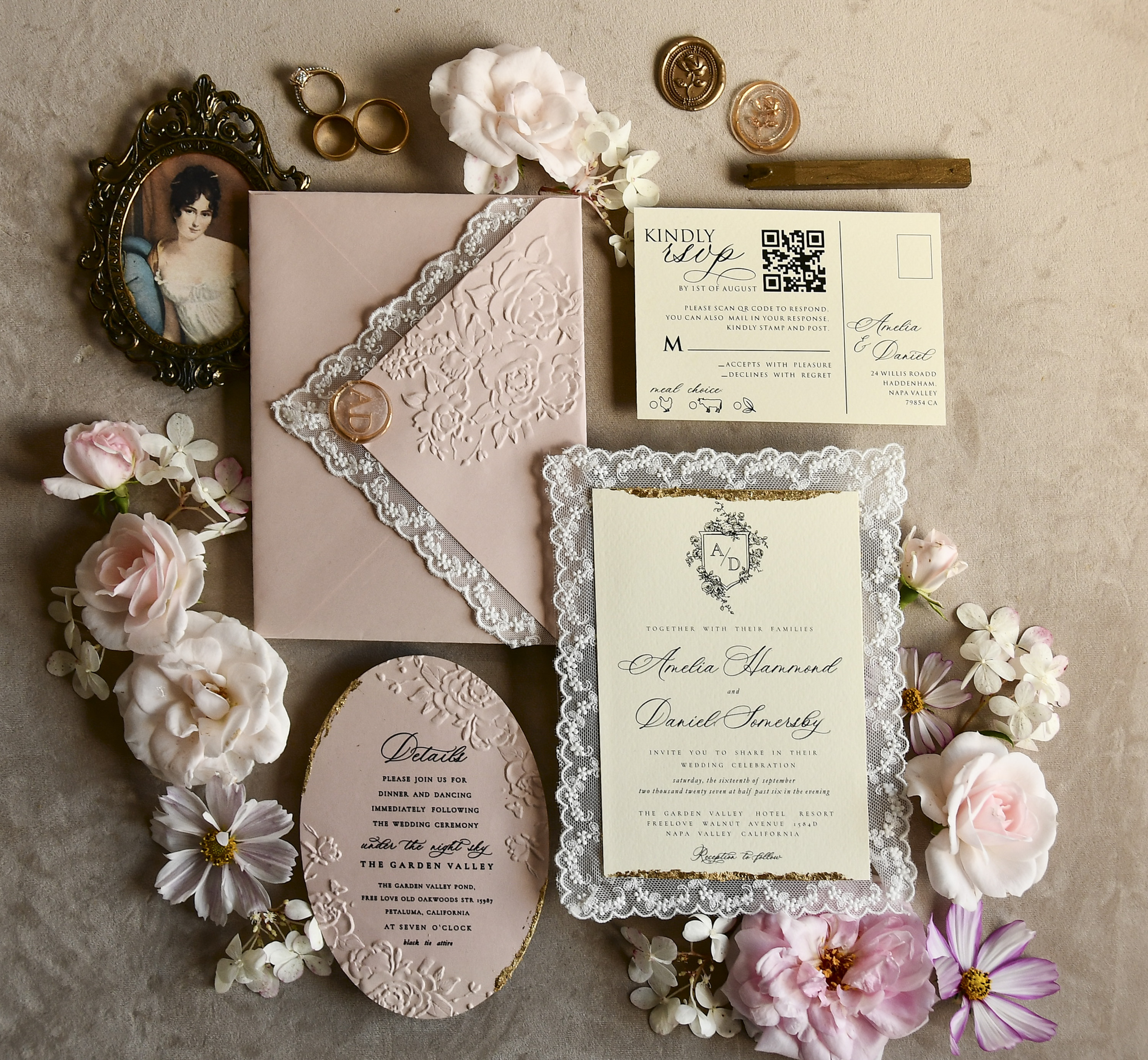
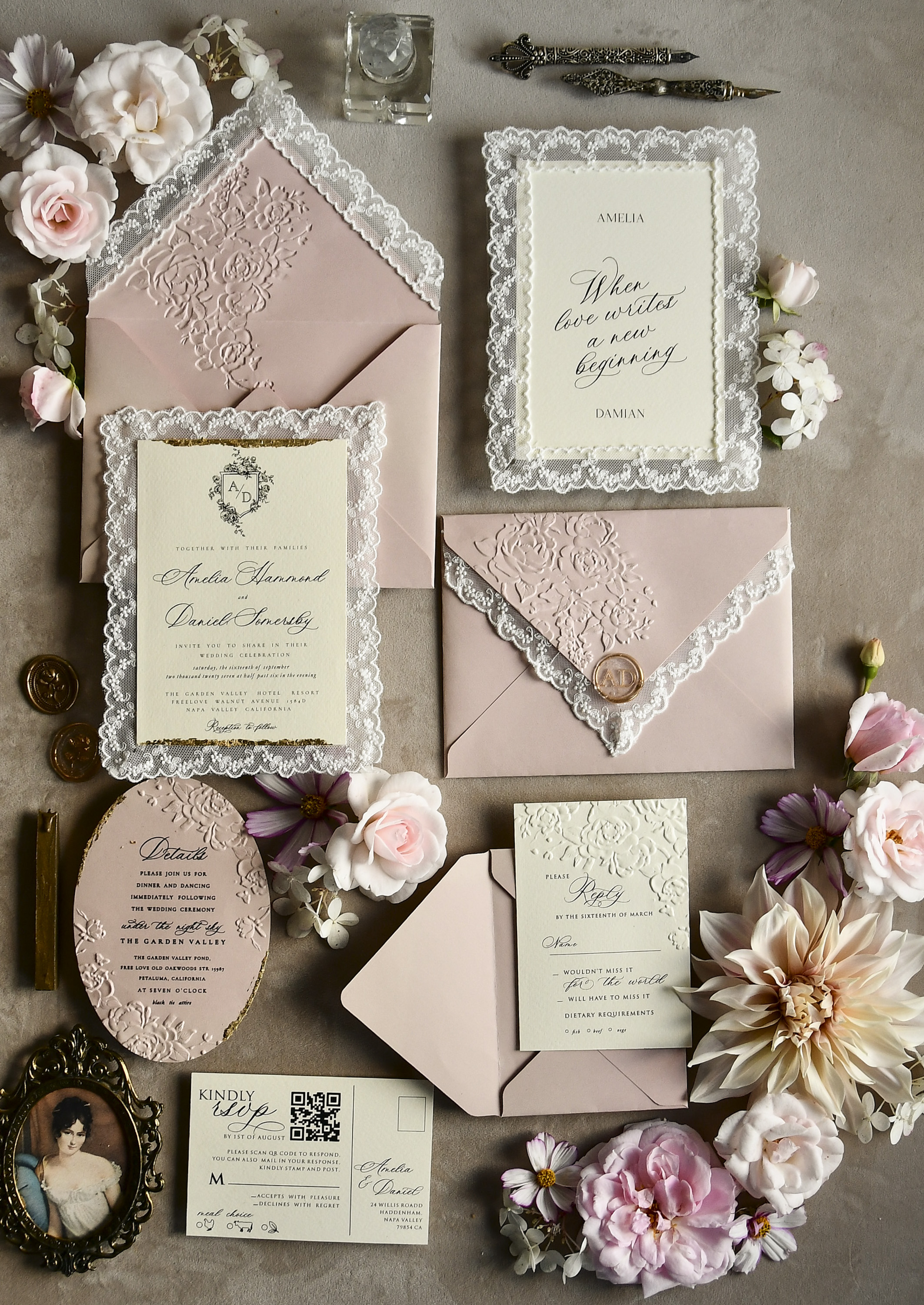
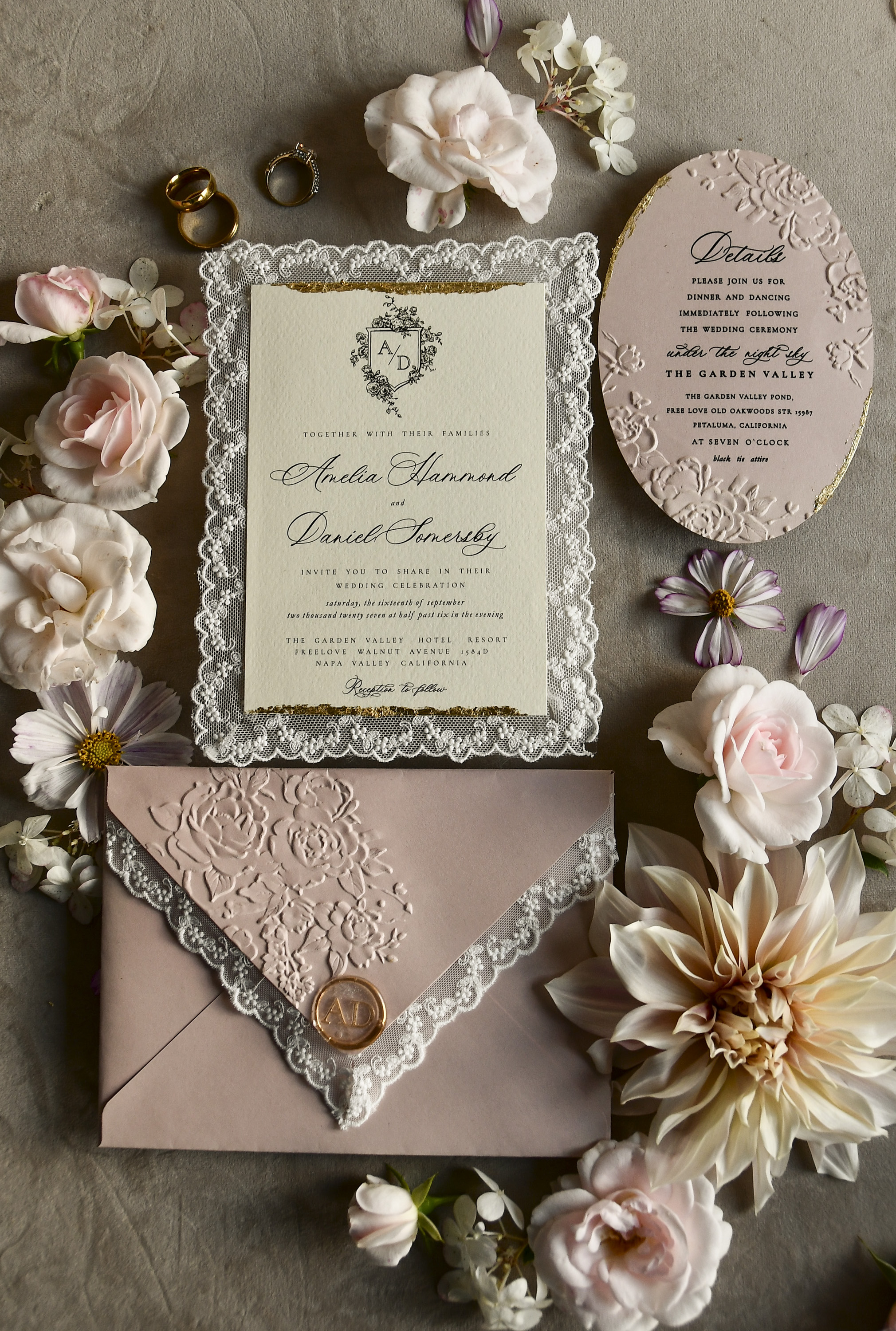
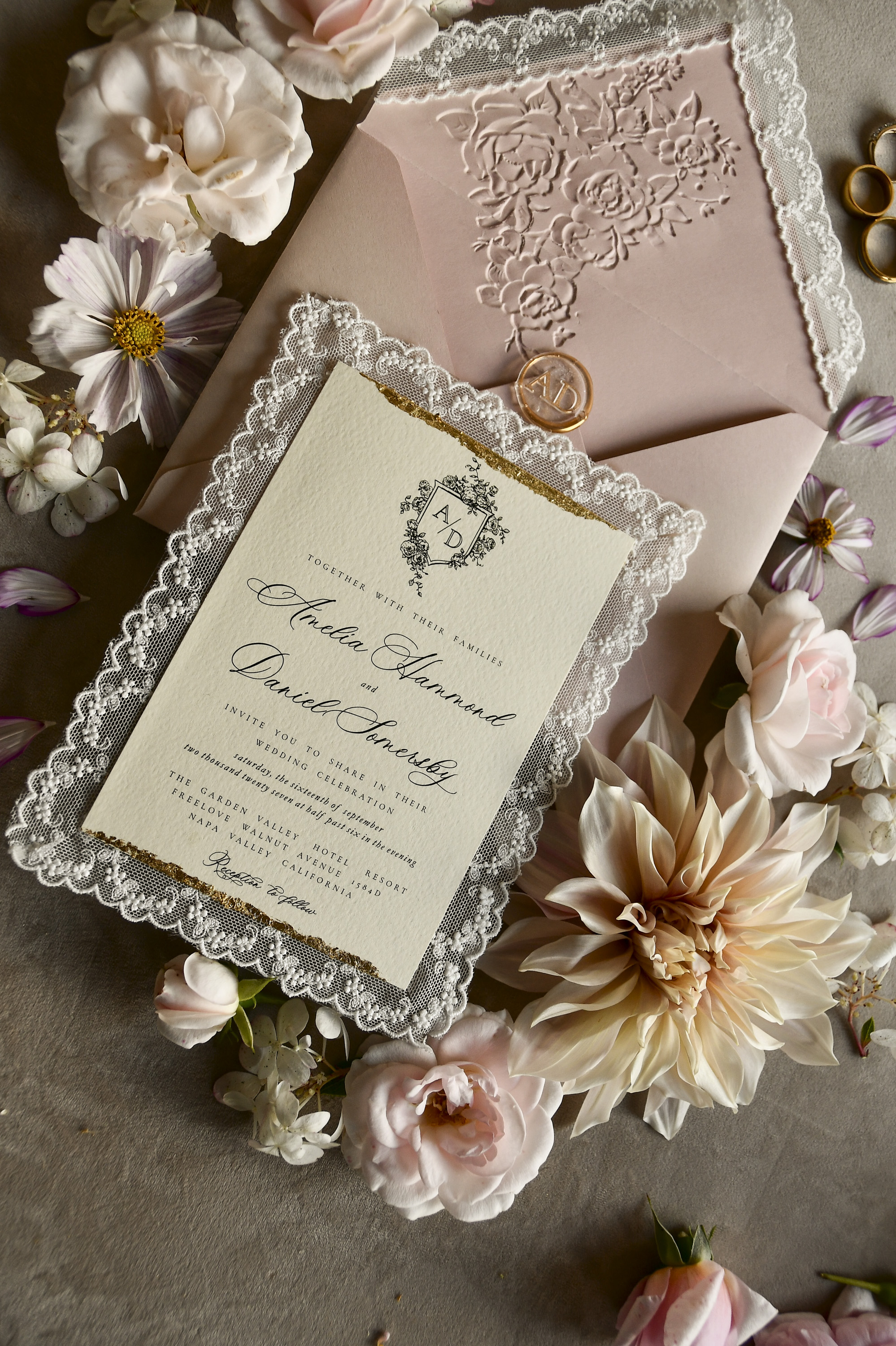
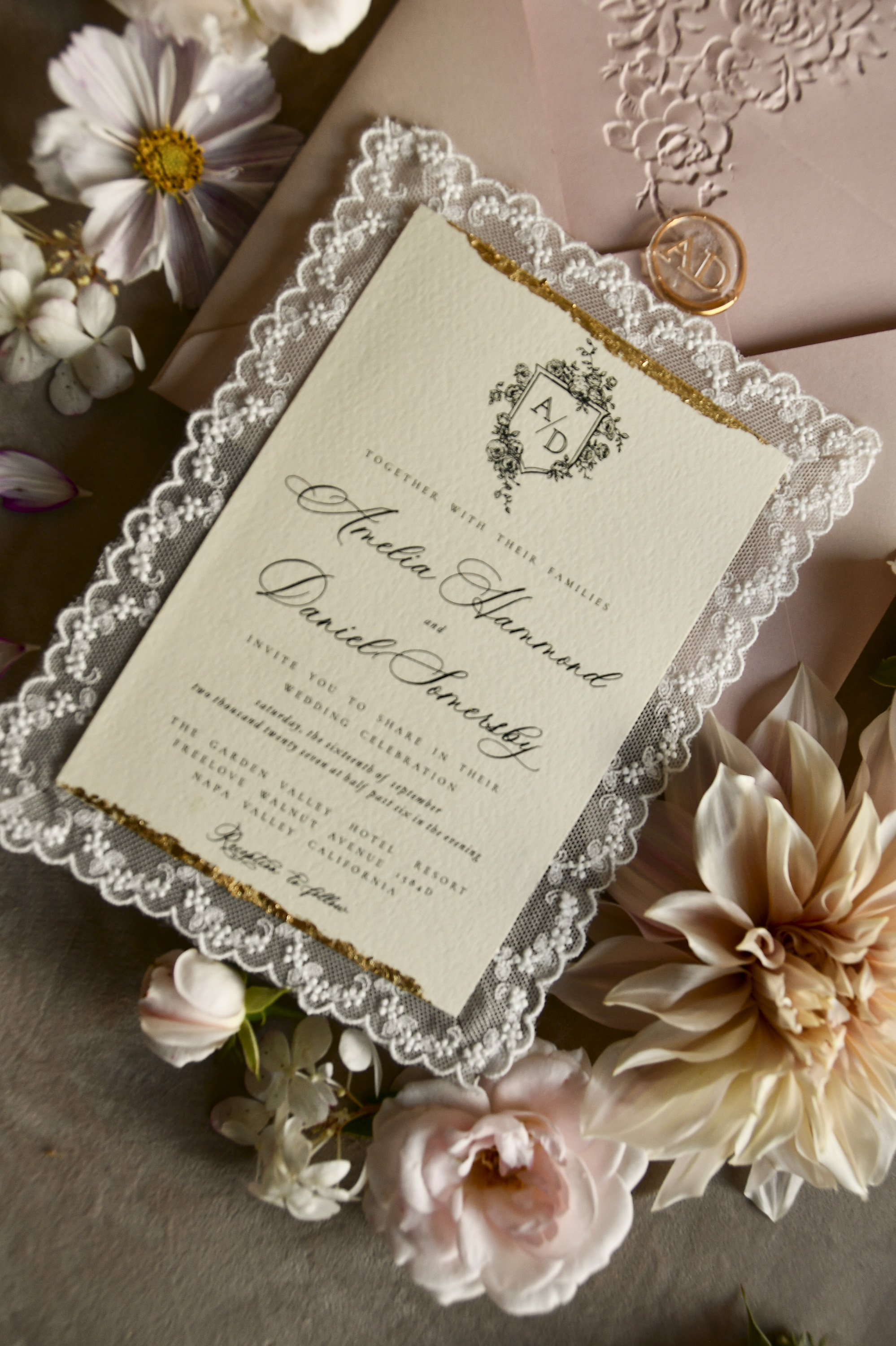
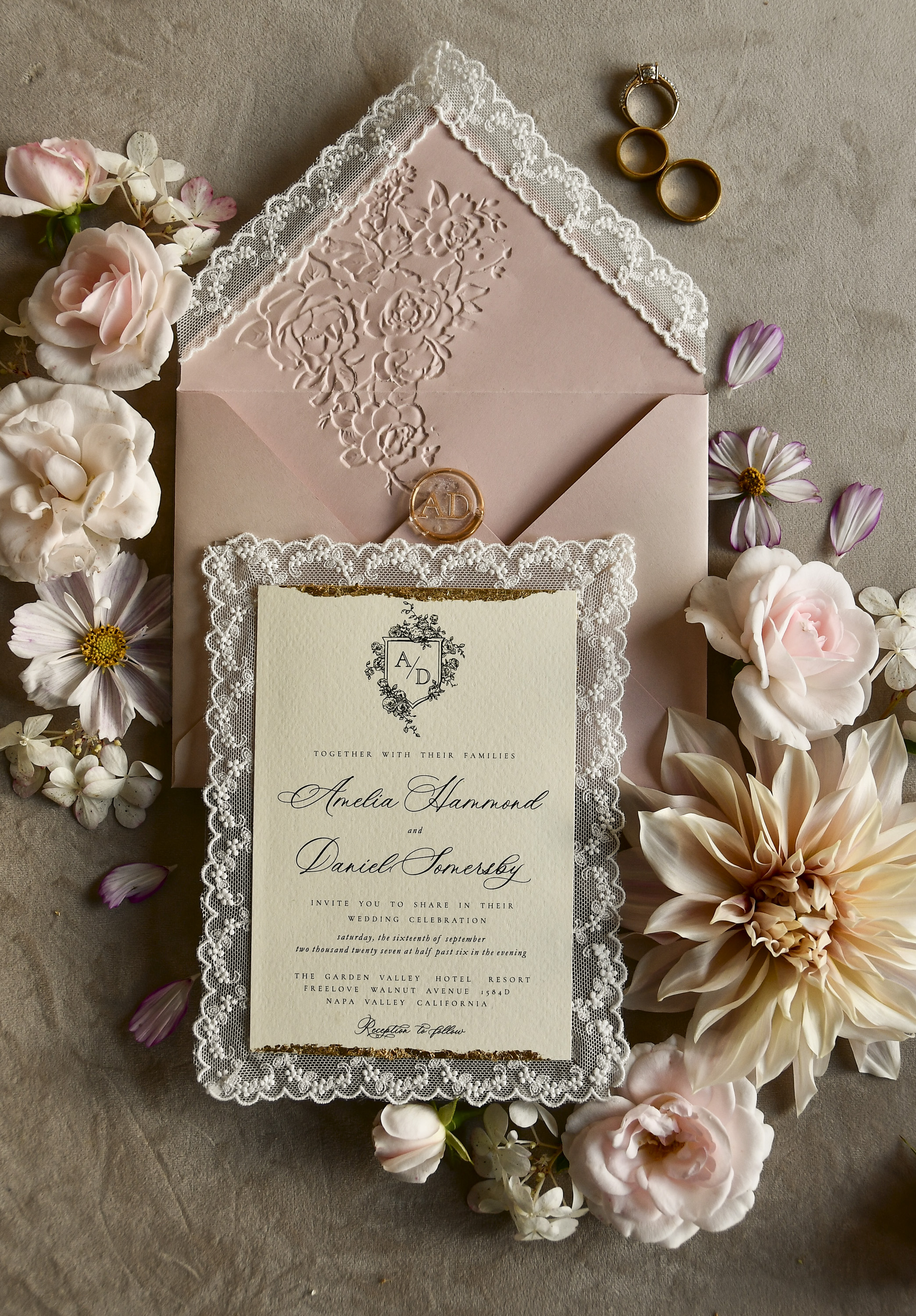
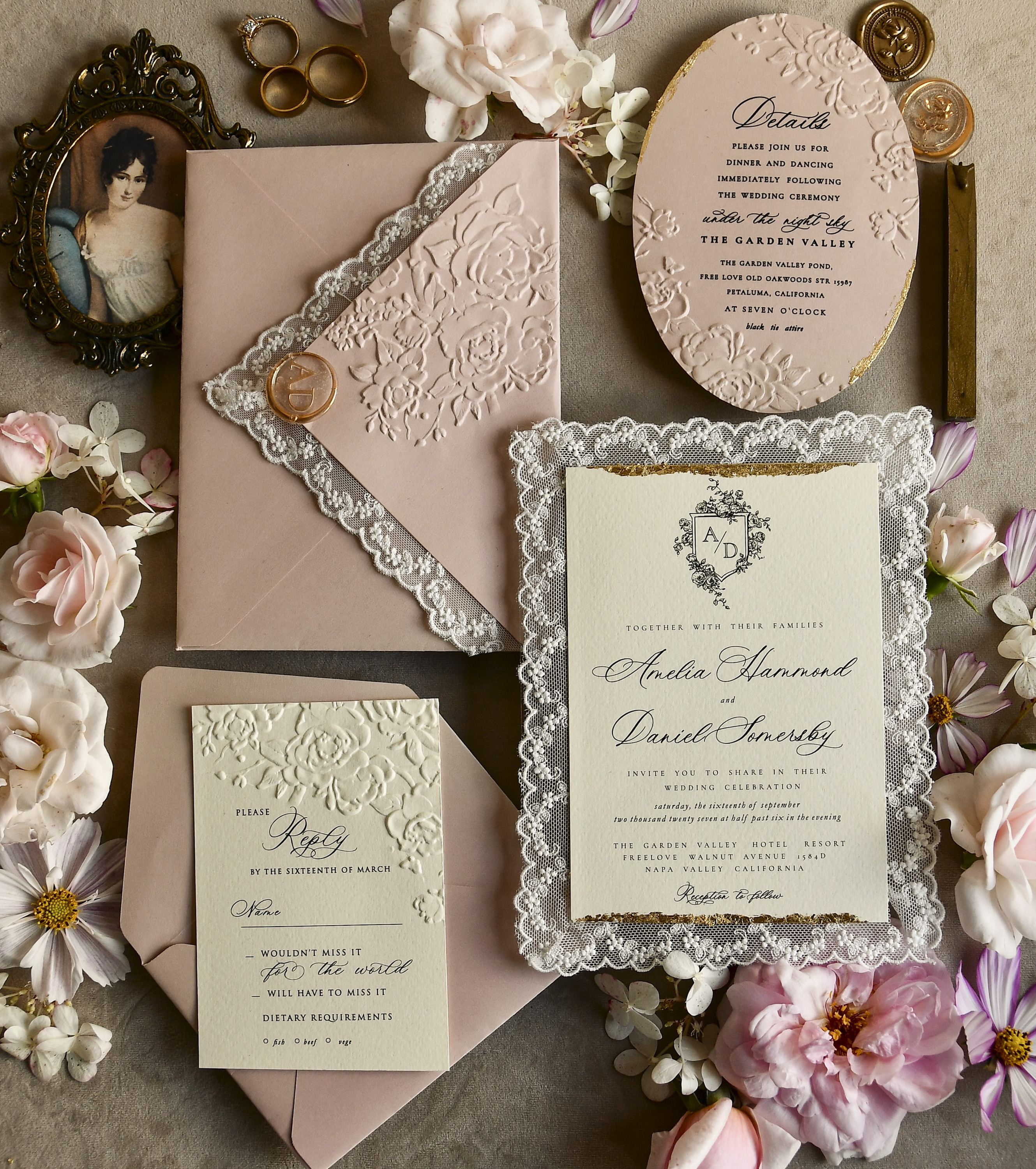
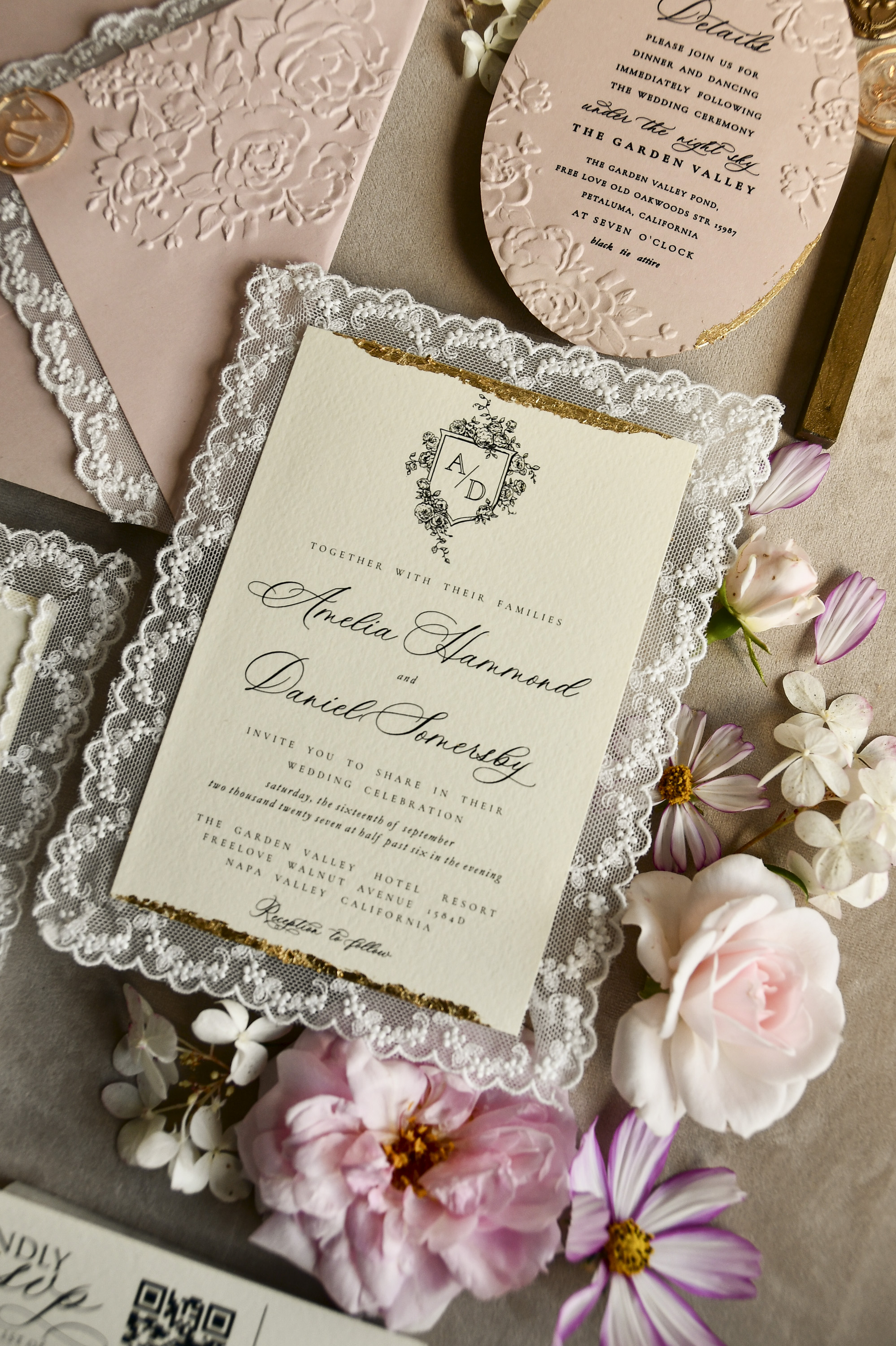
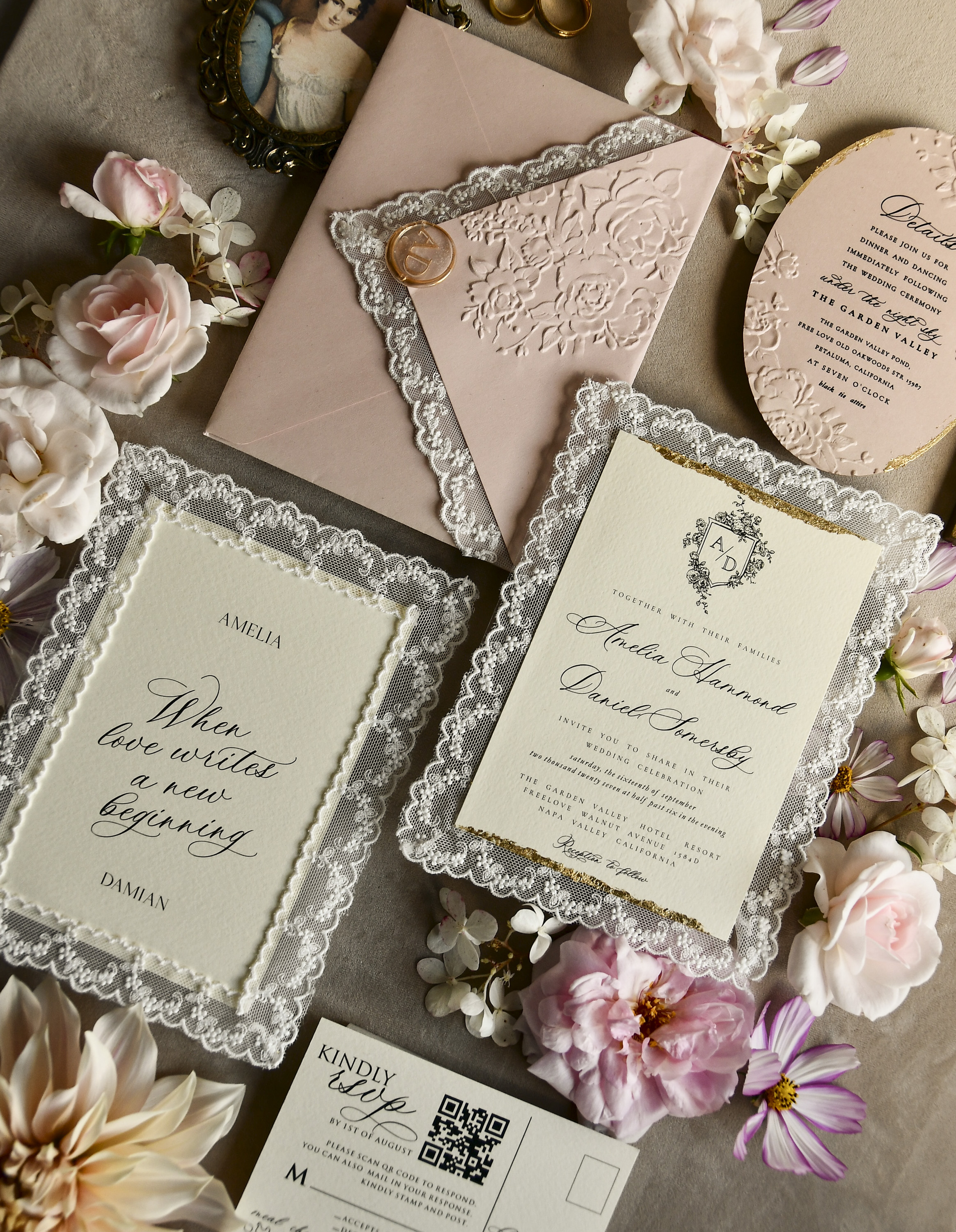
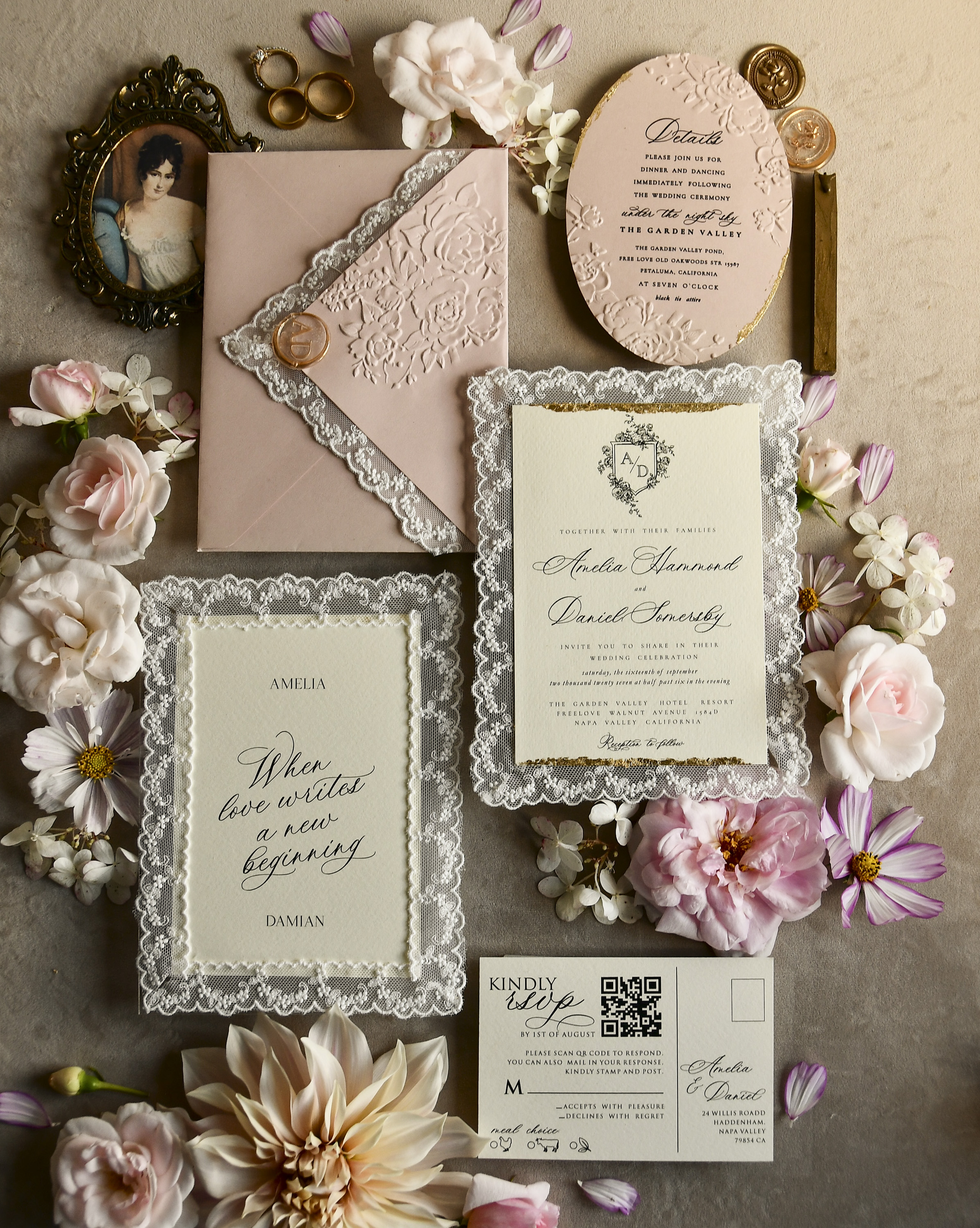
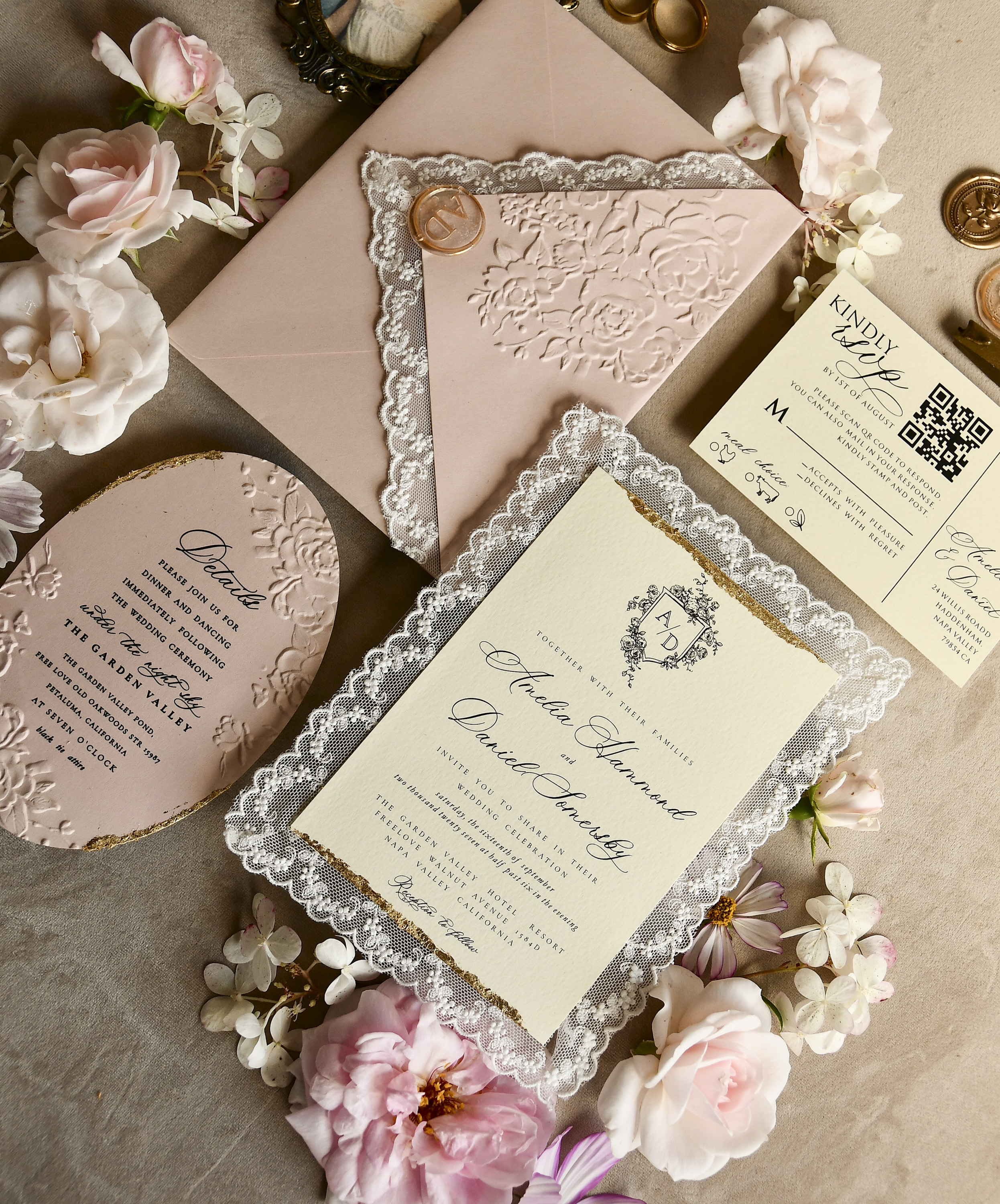
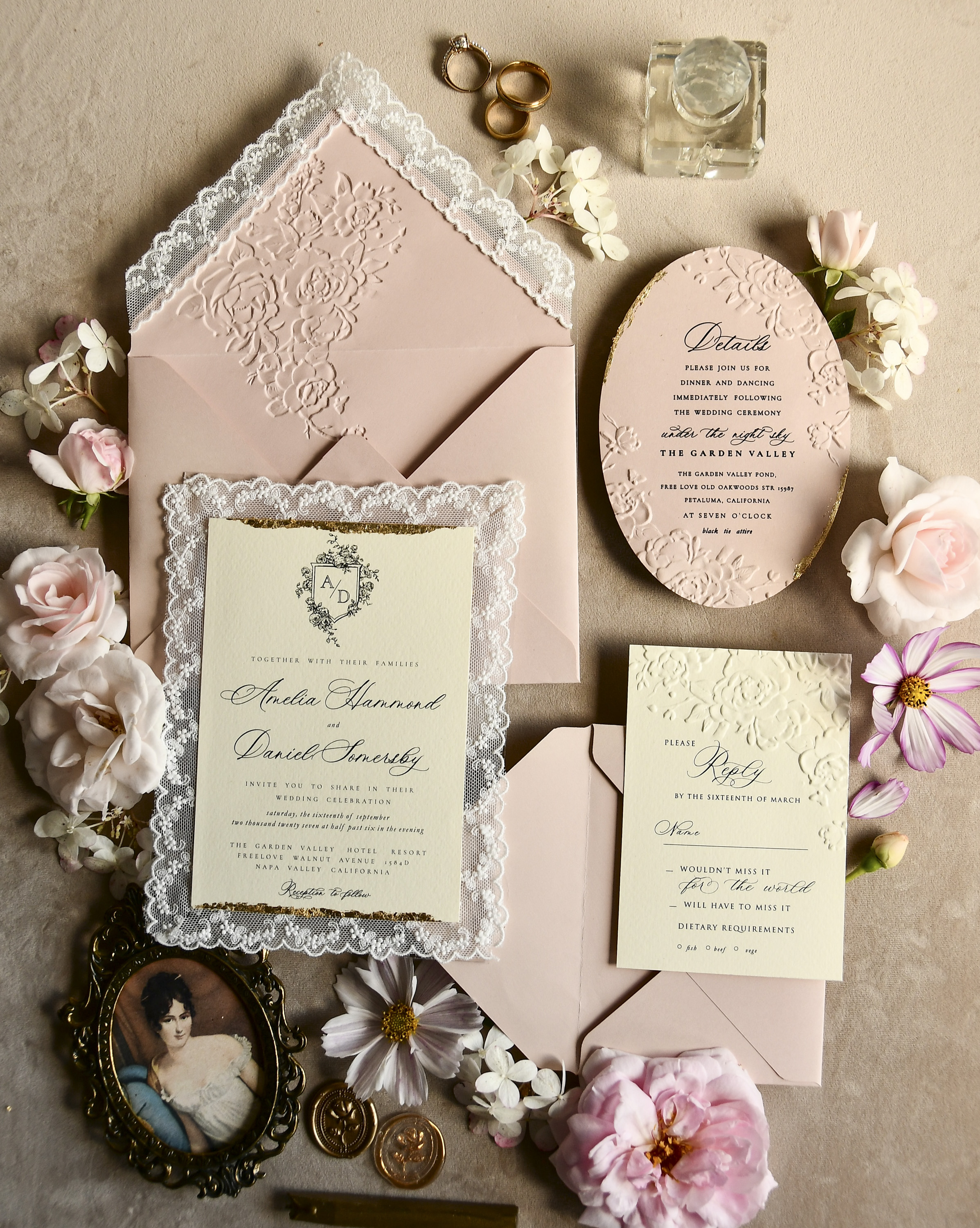
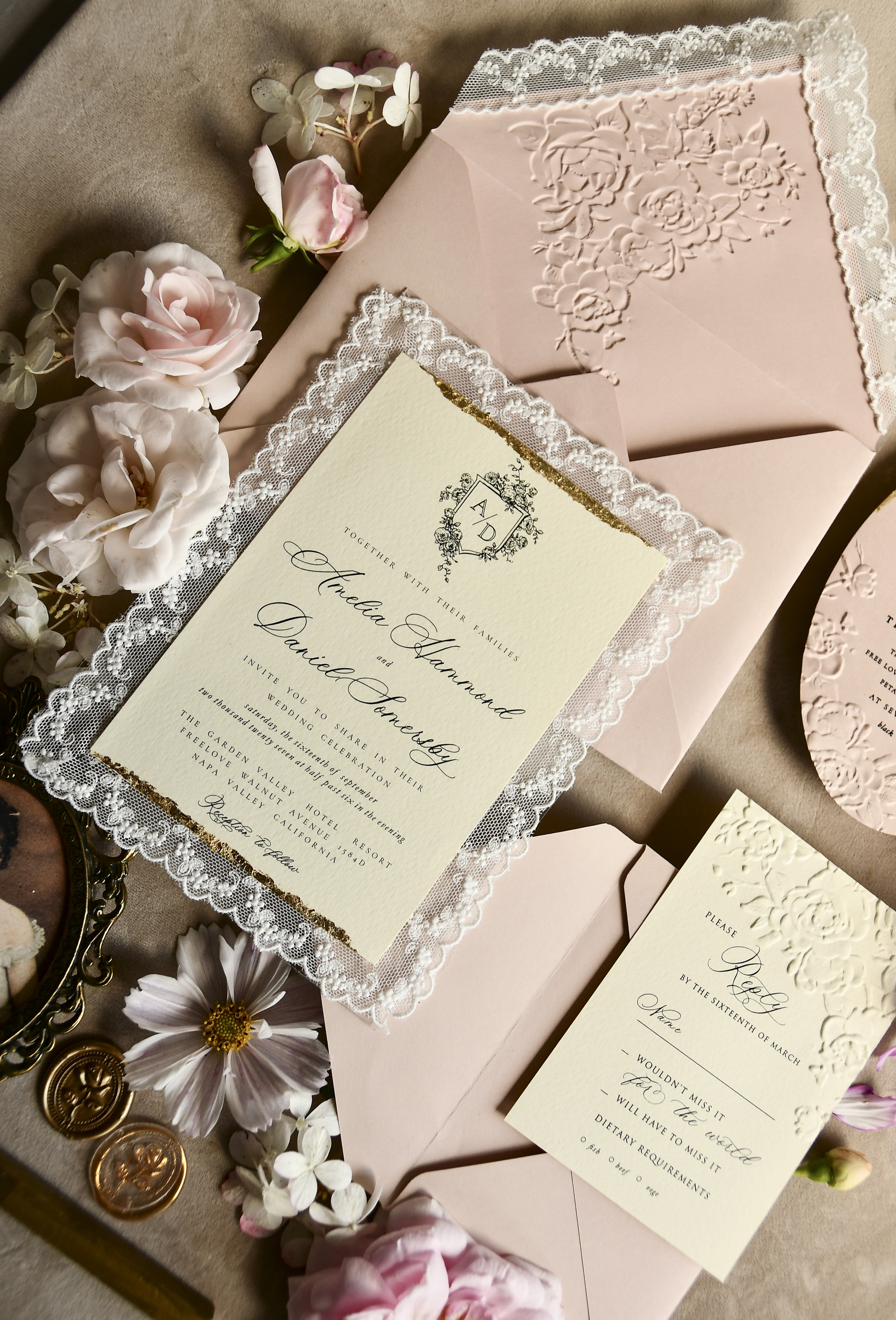
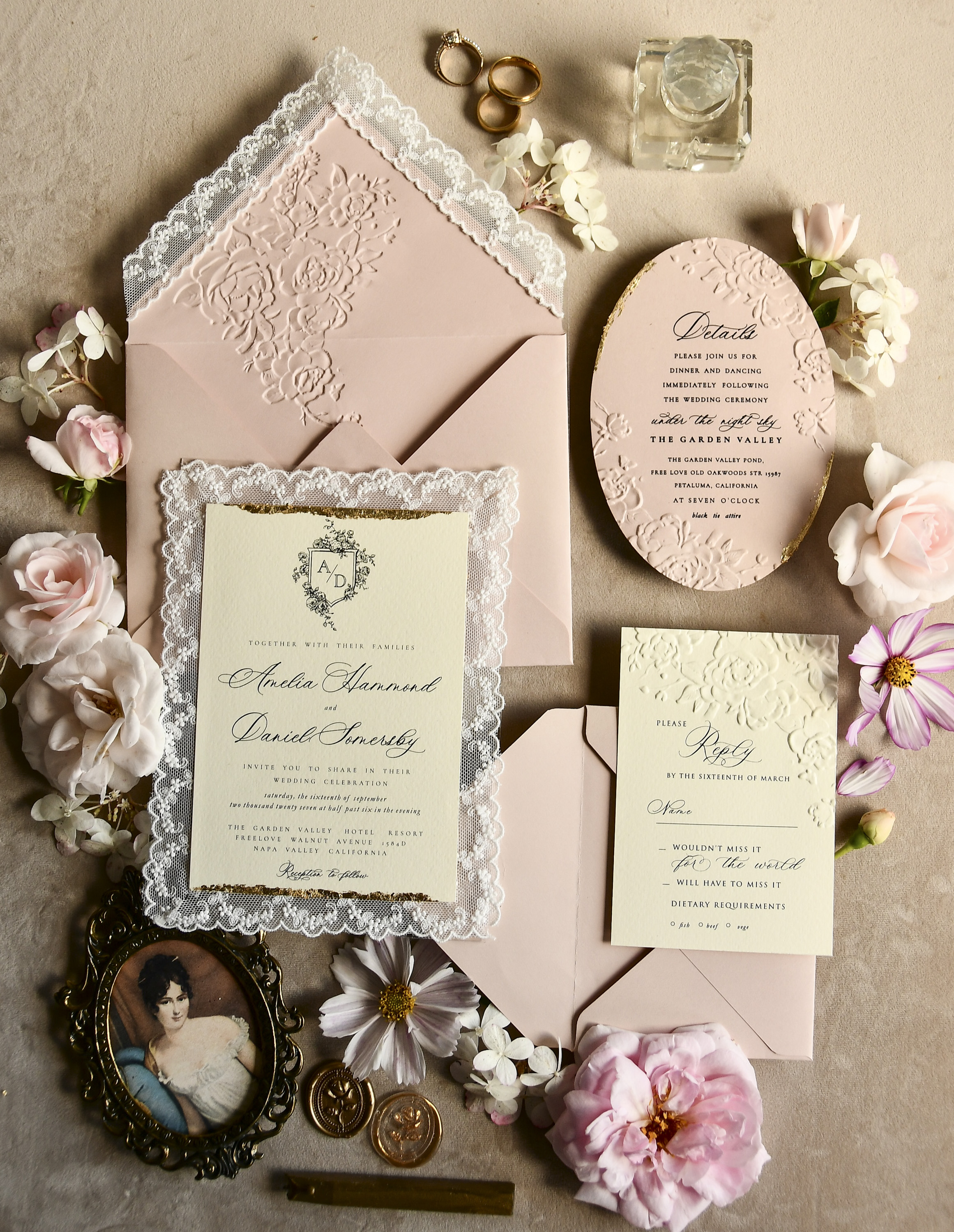
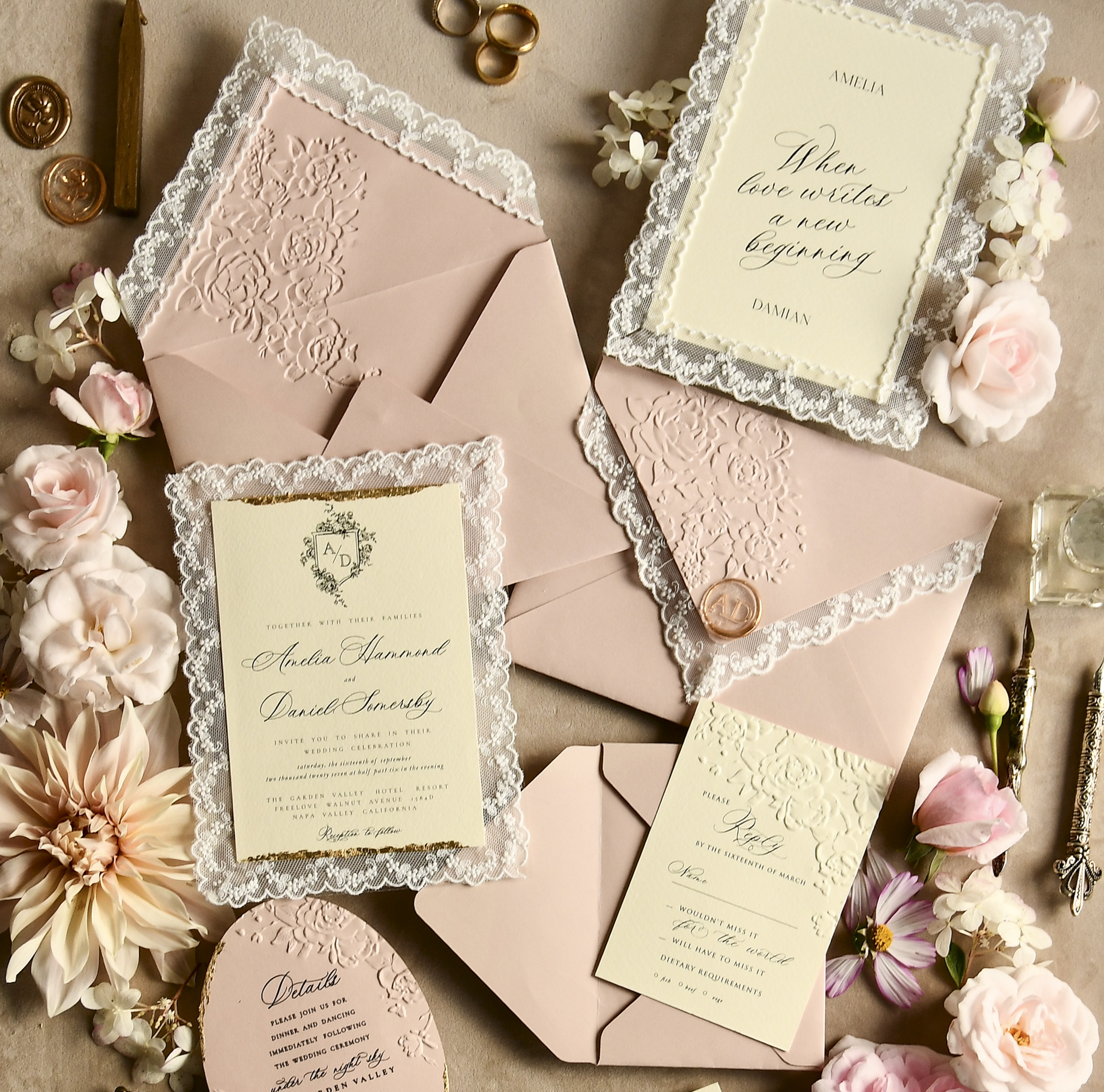
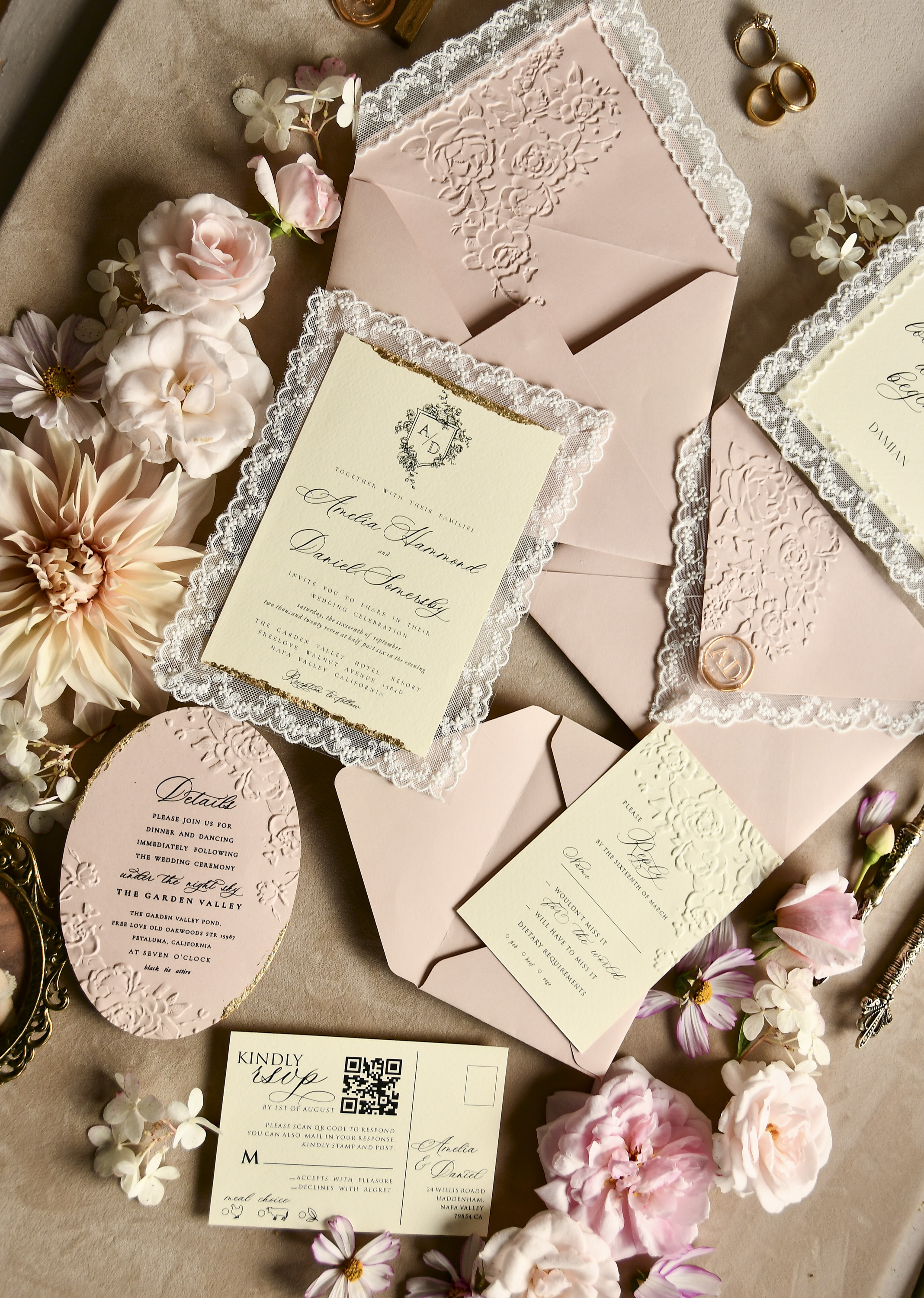
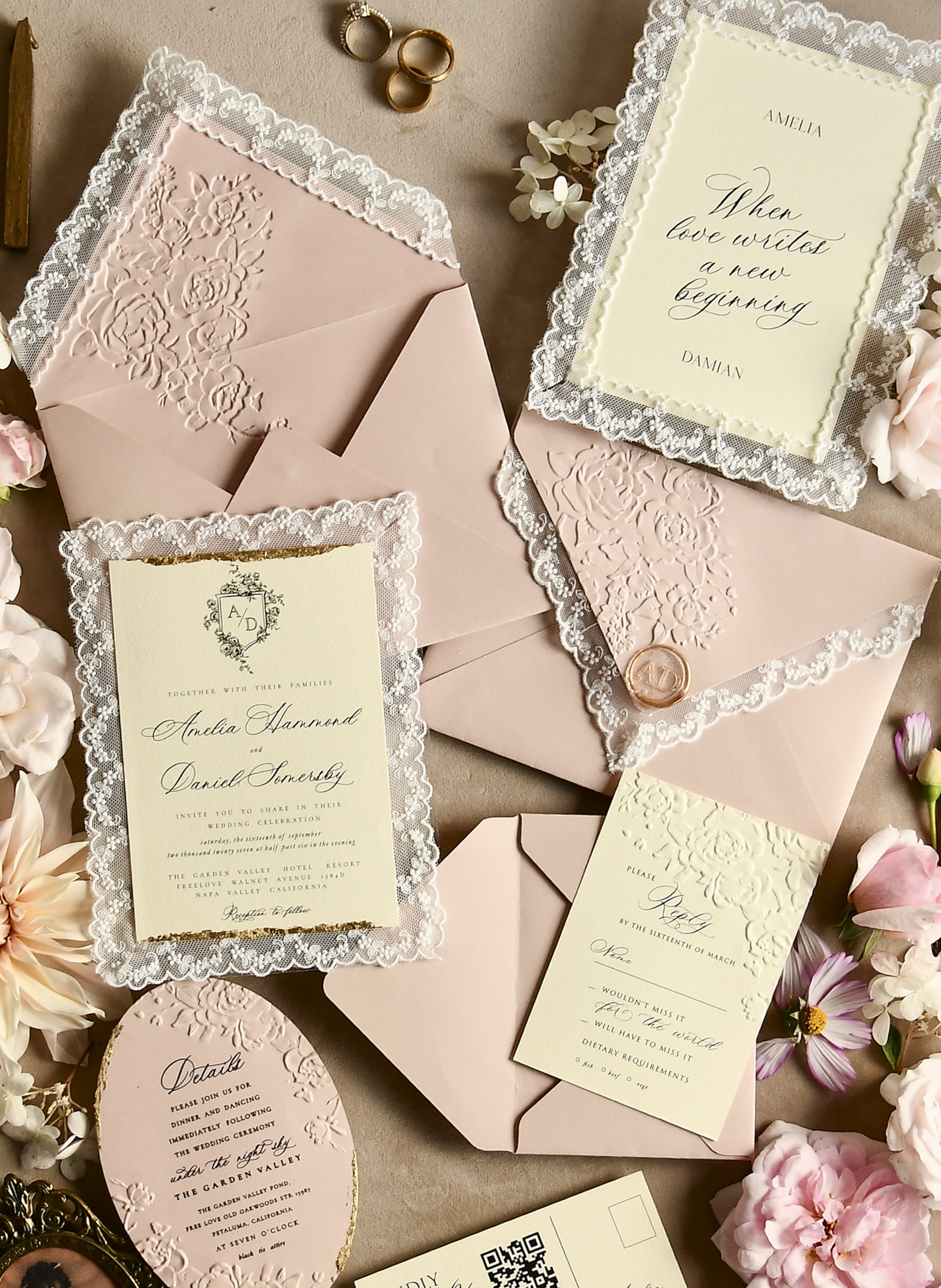
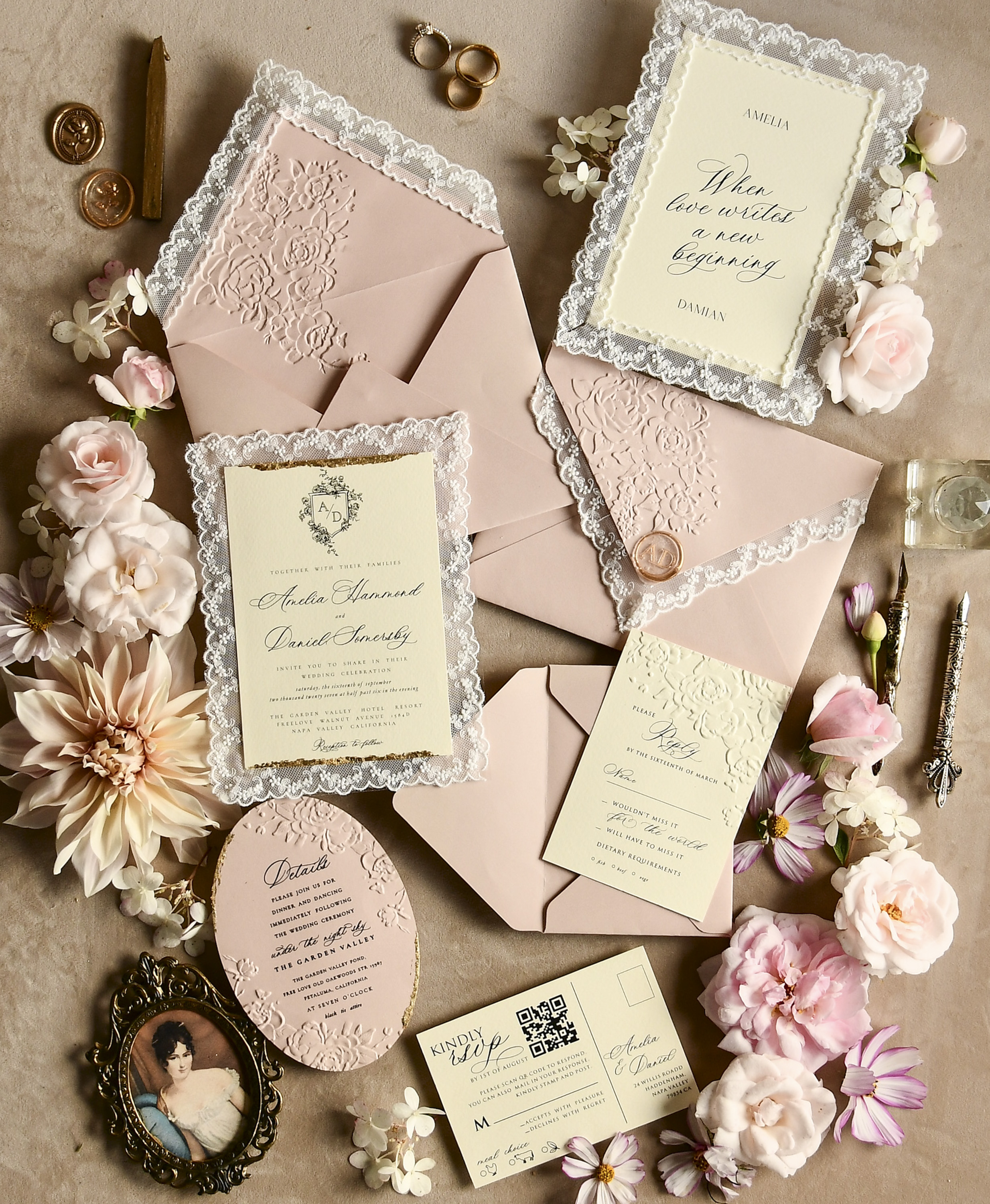
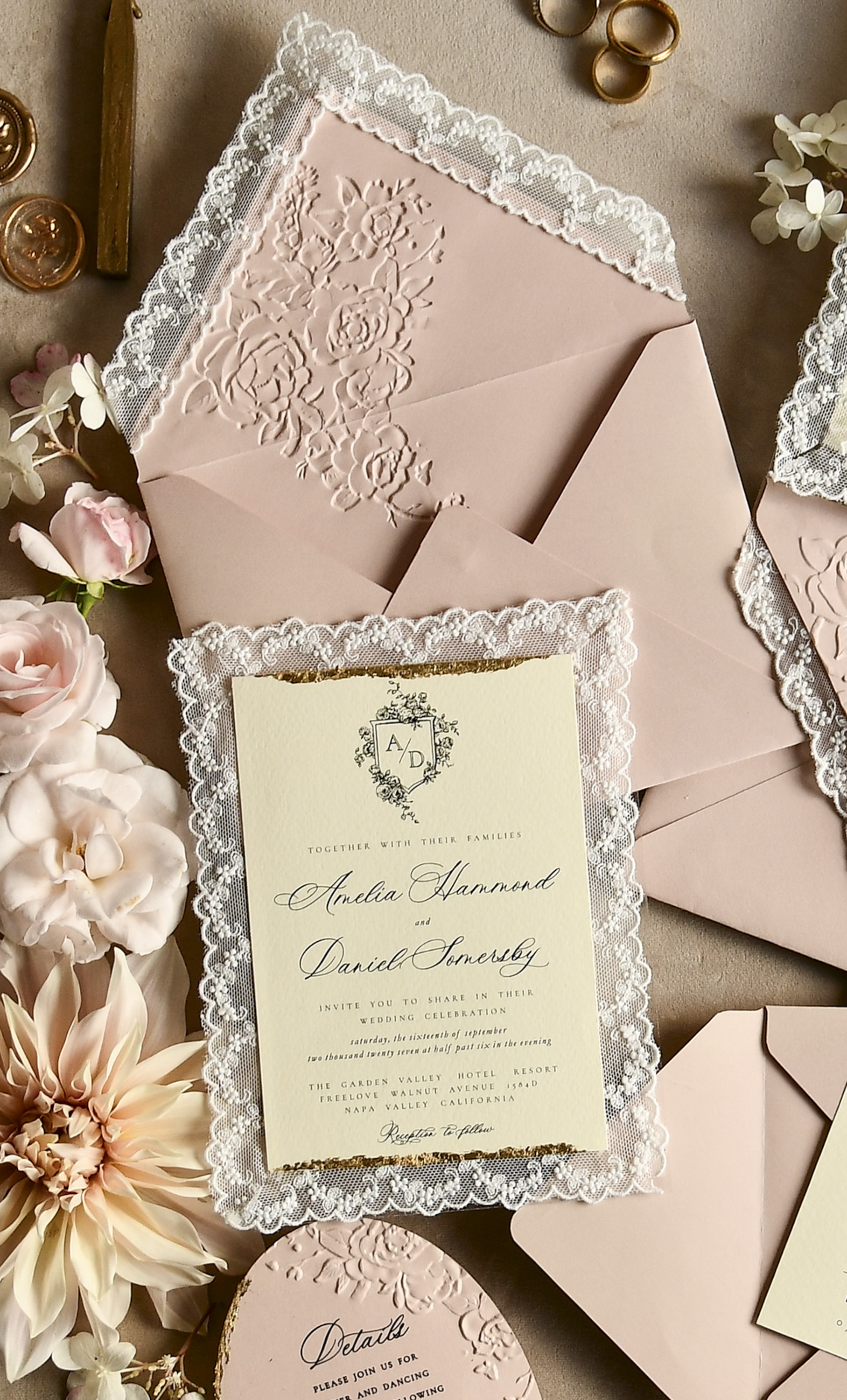
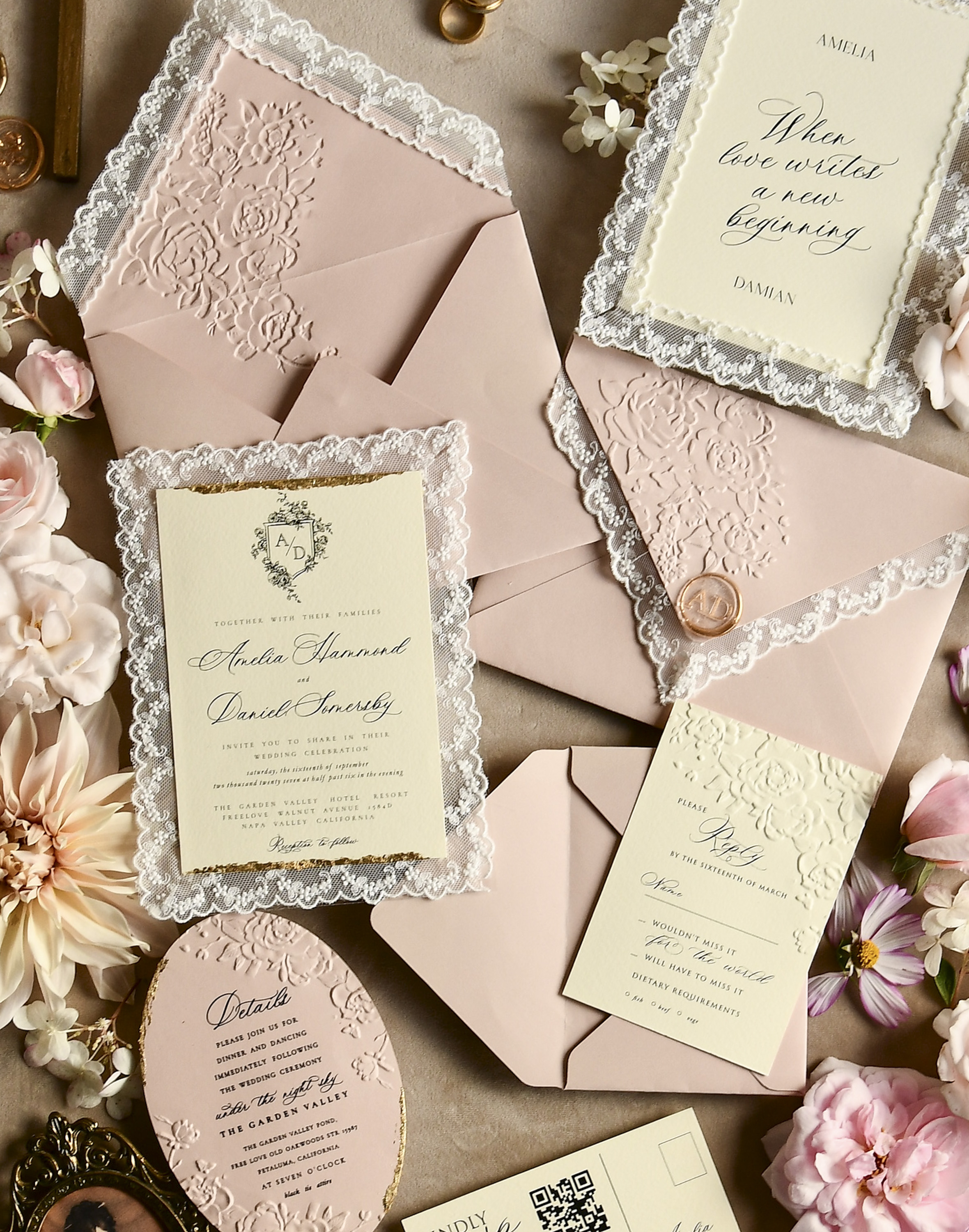
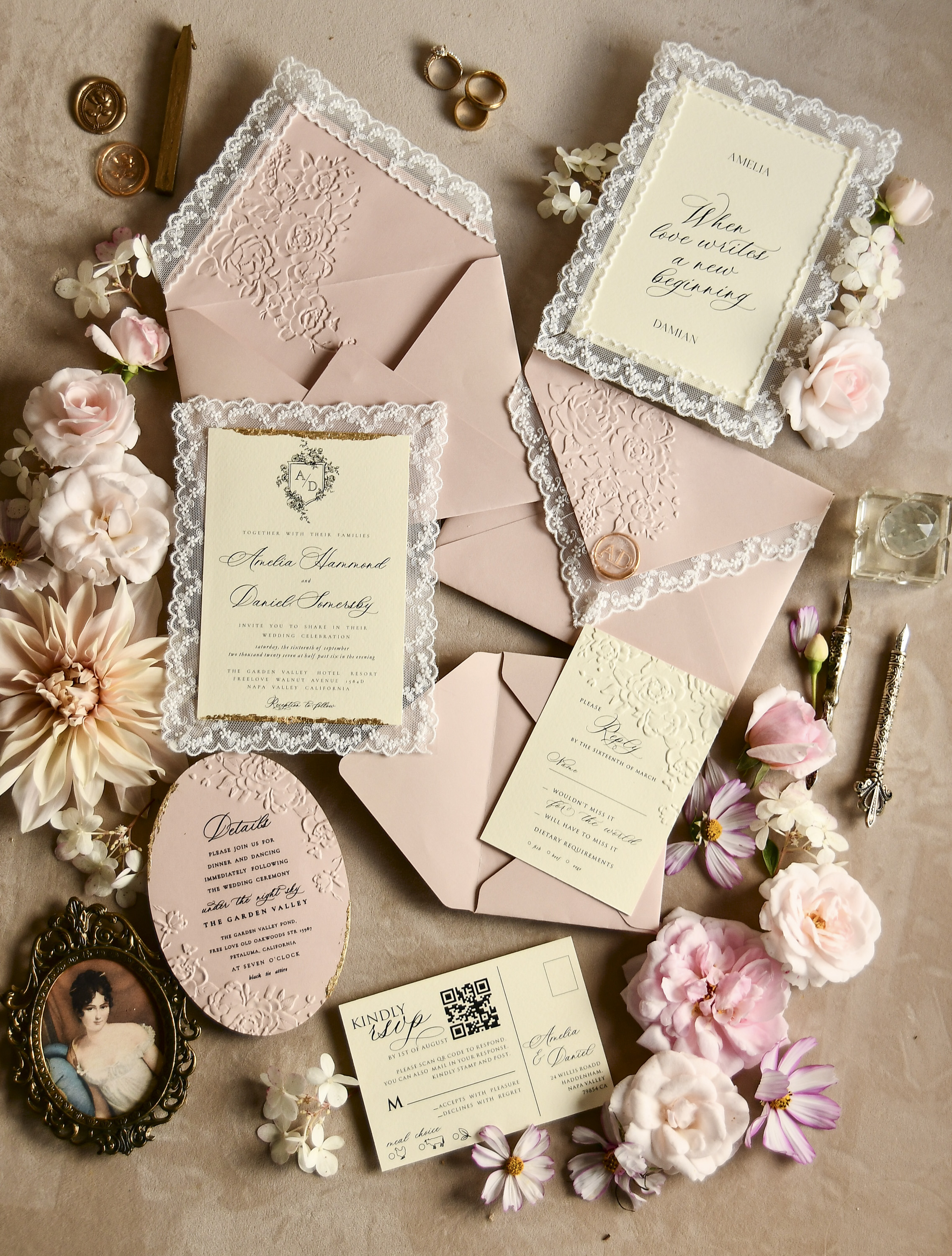
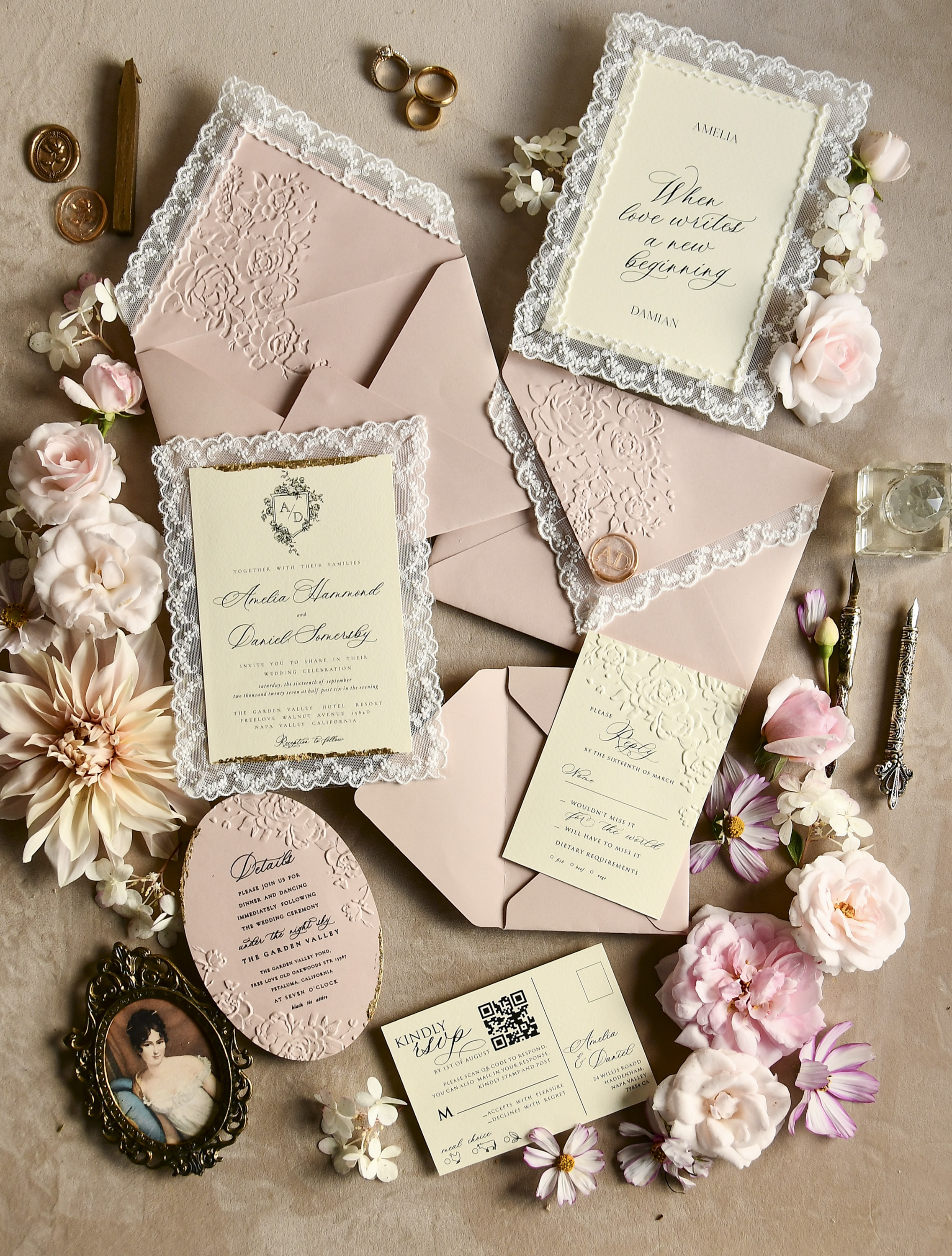
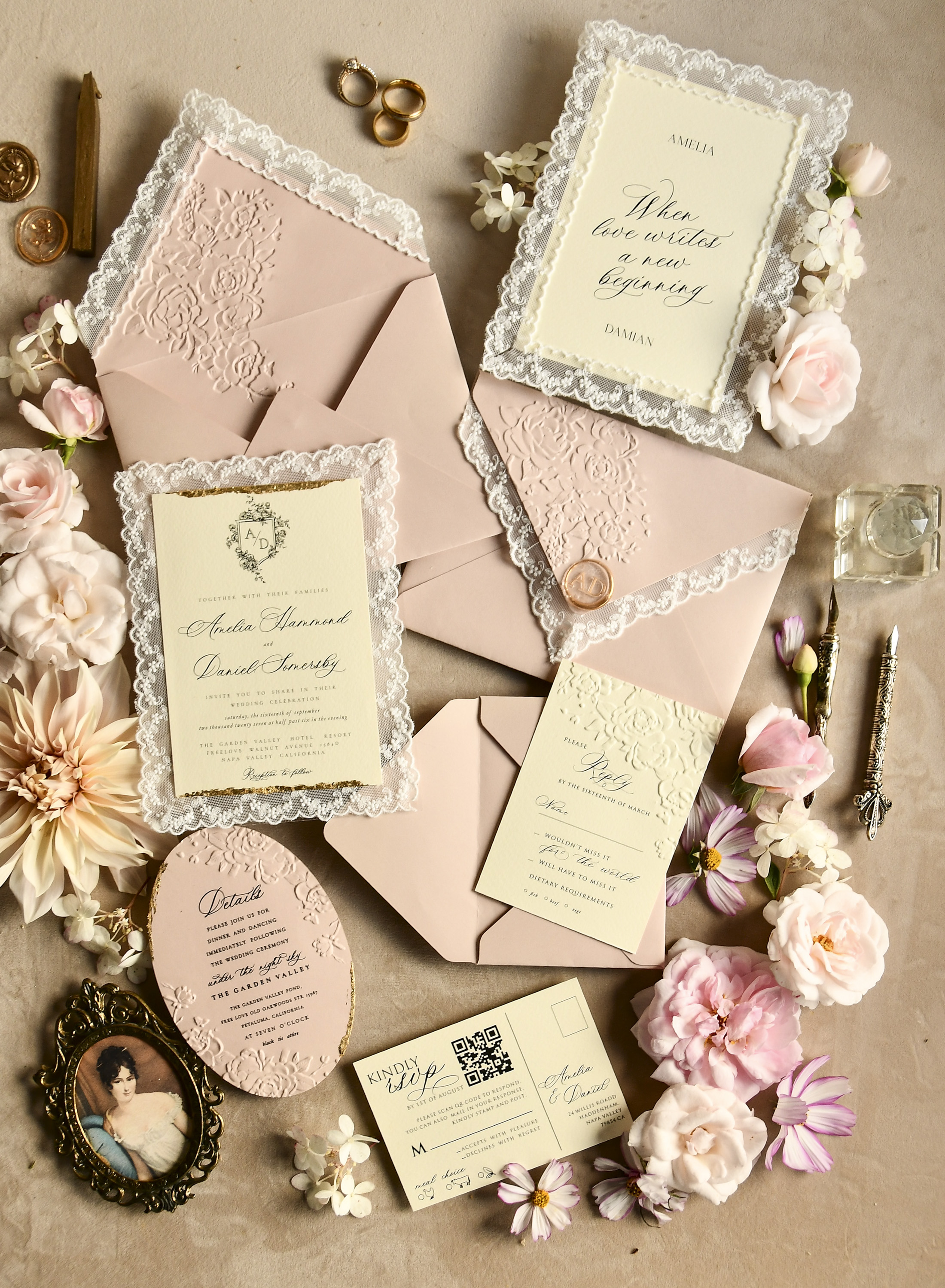
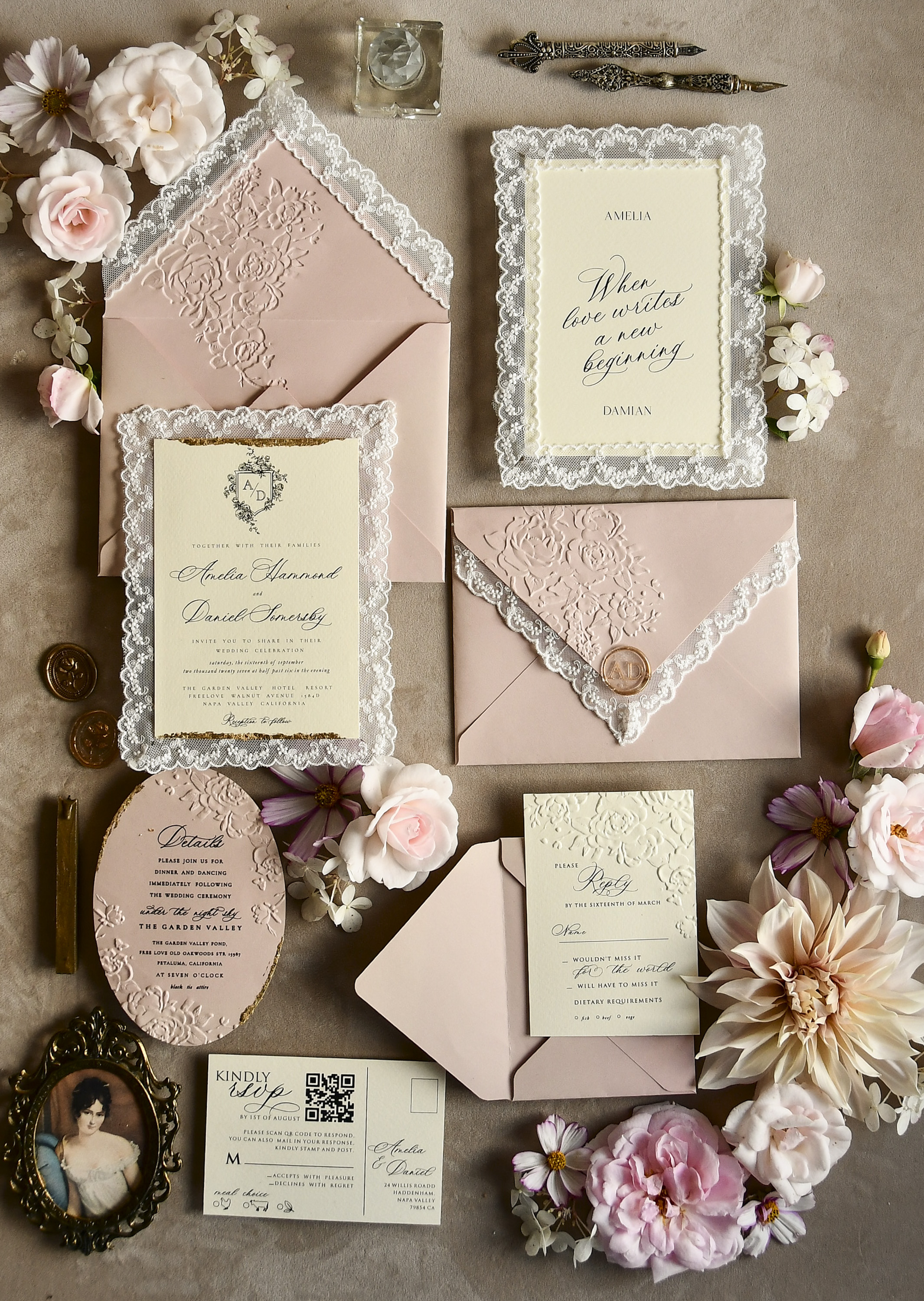
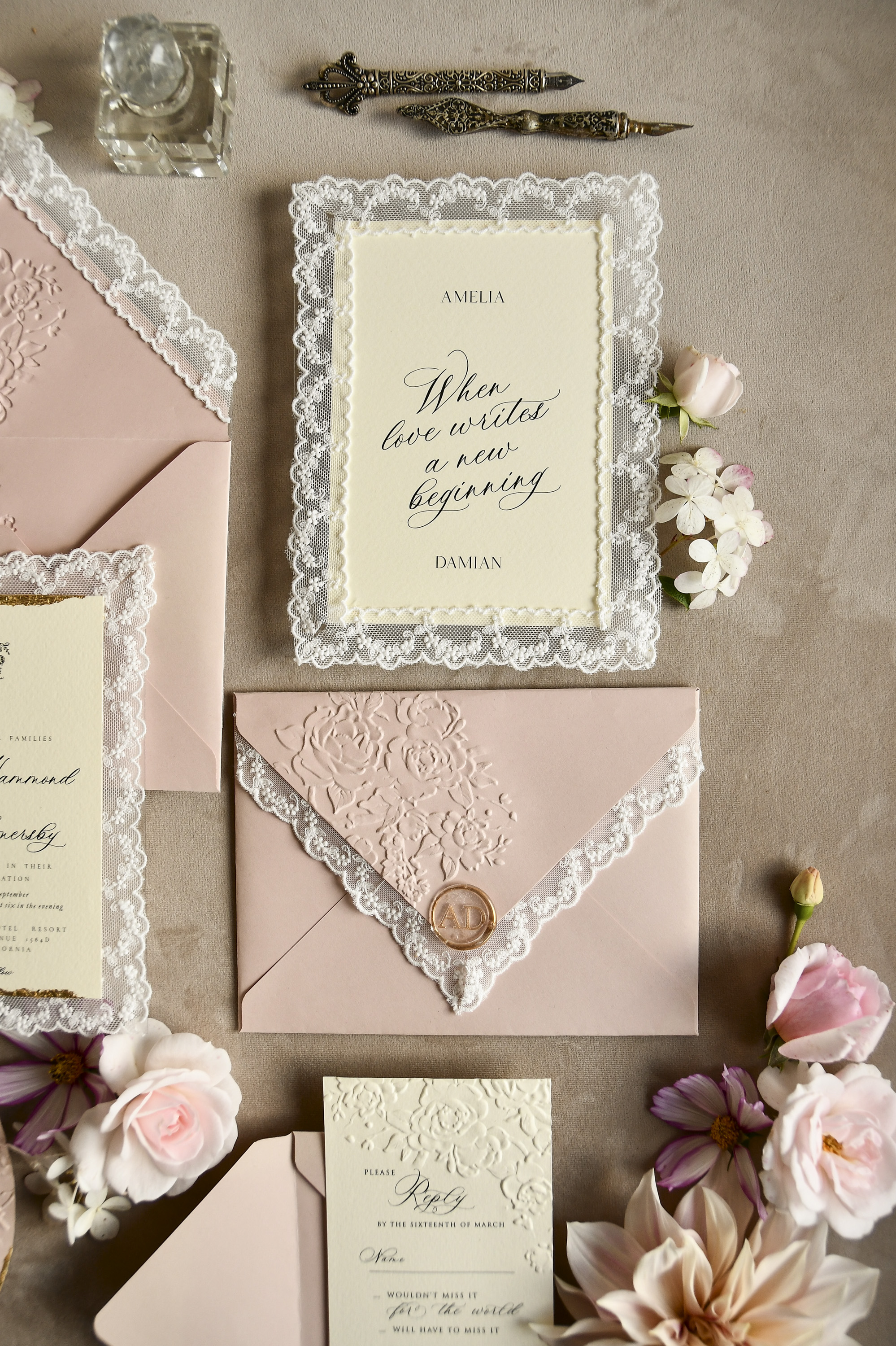
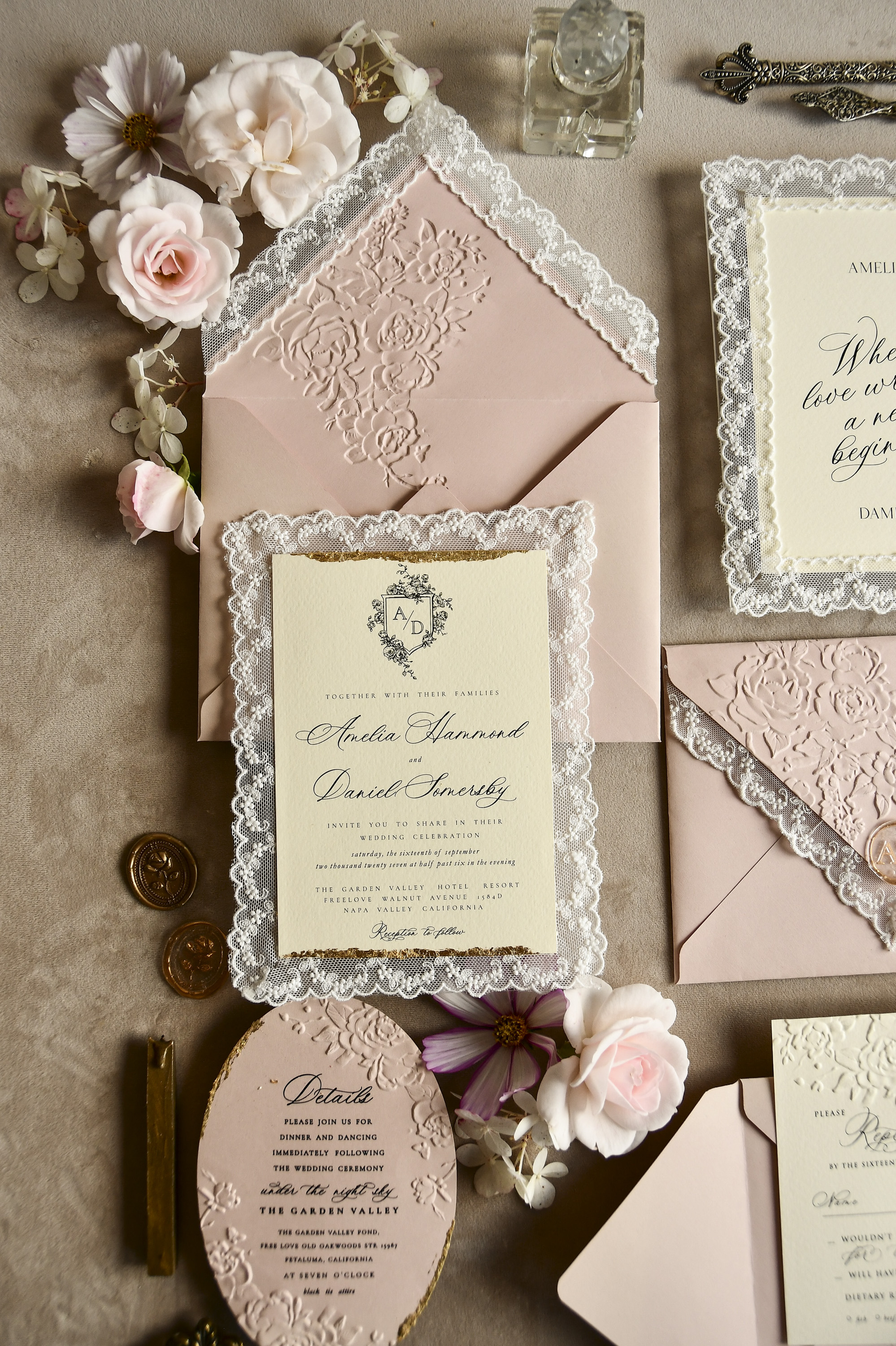
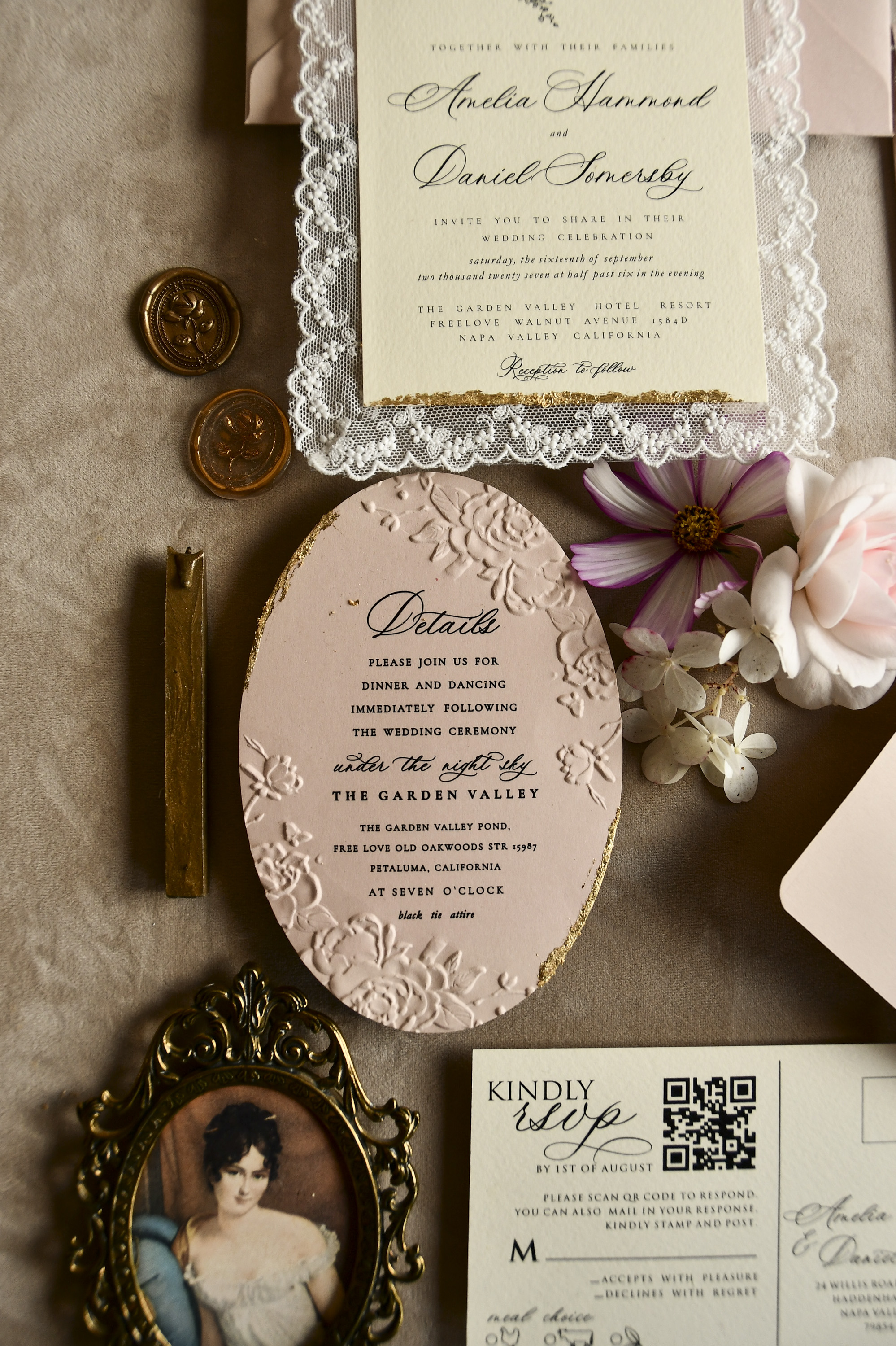
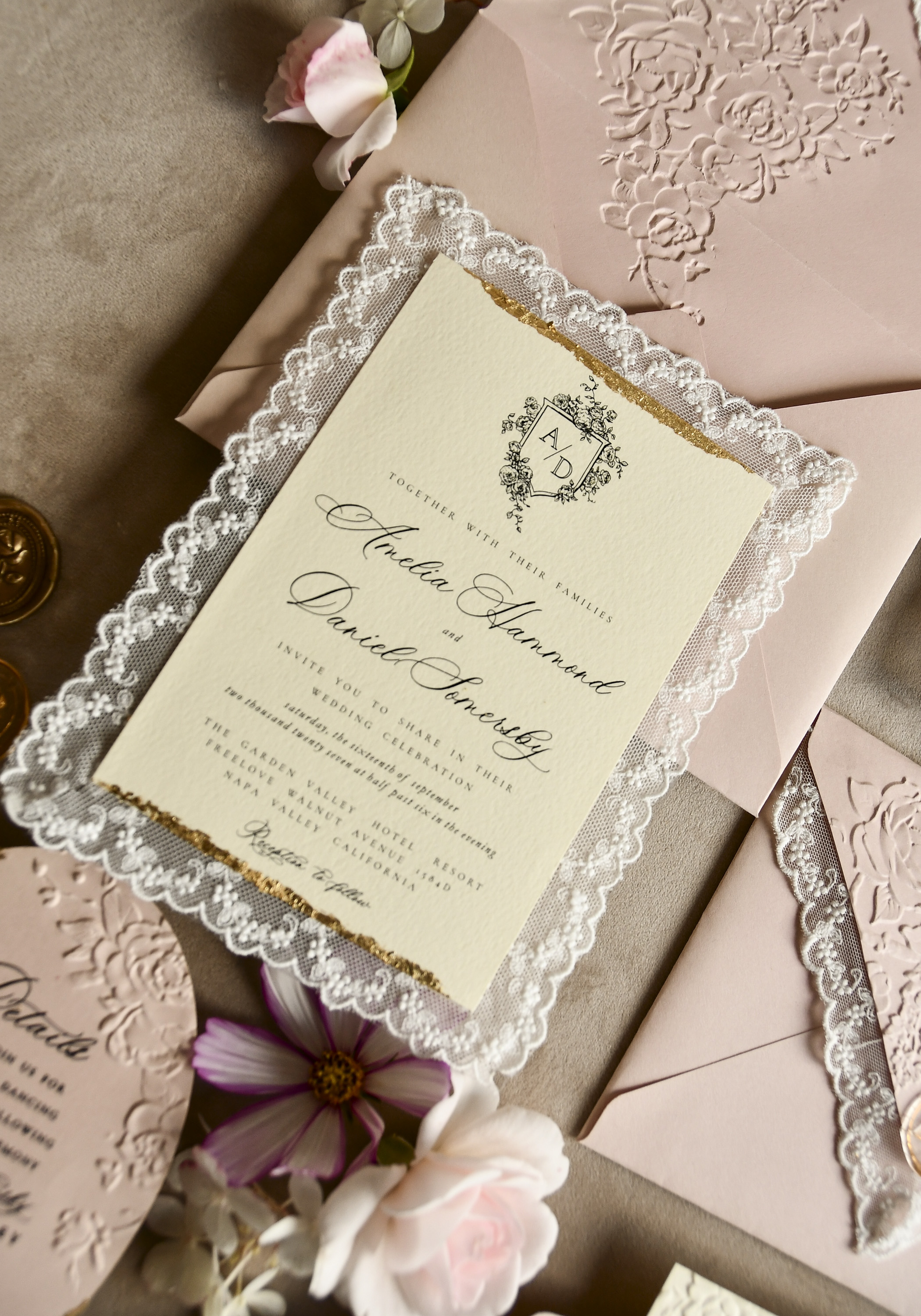
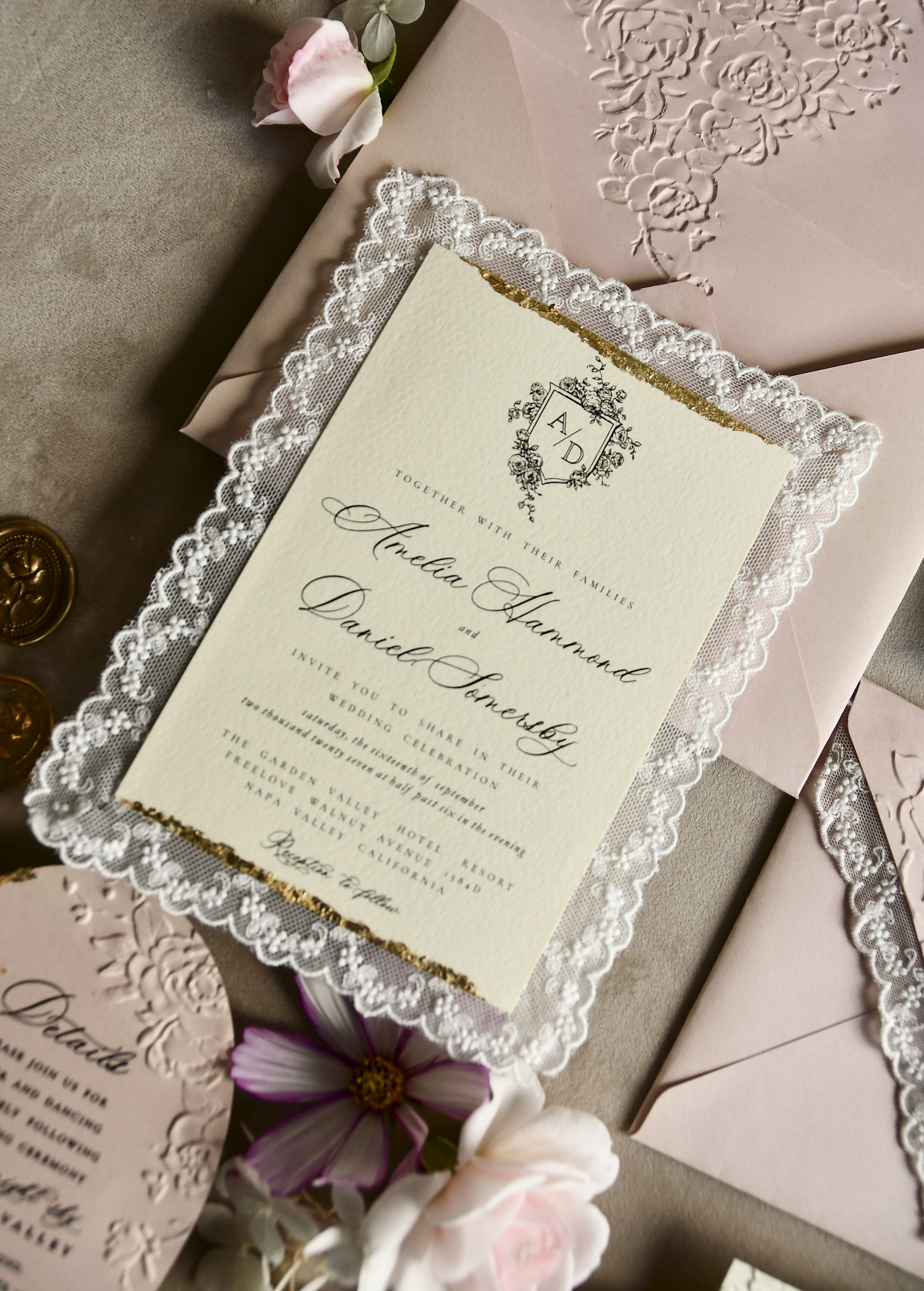
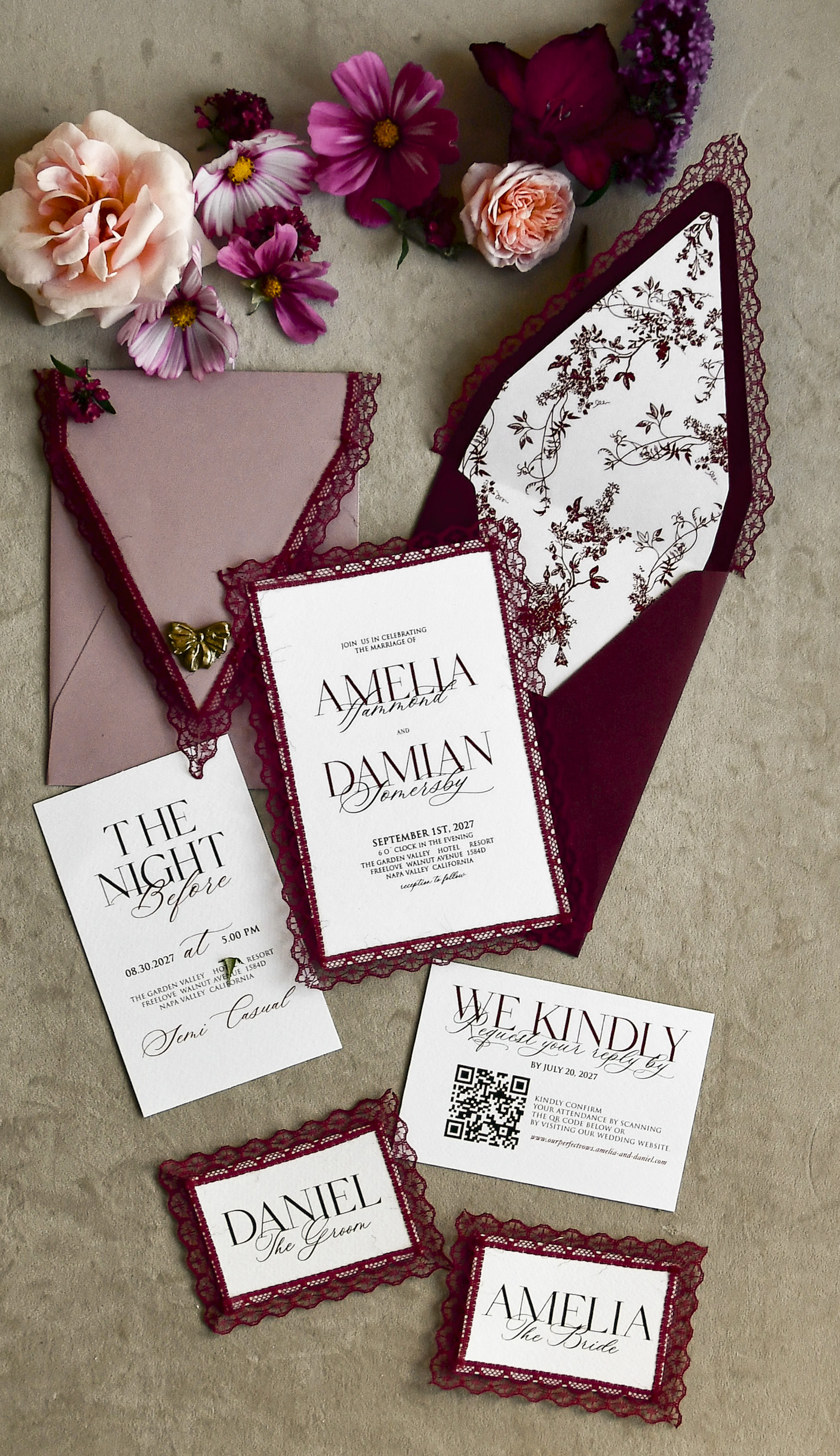
If you love a classic, elegant look for your invitations, the 01/laceembos/z from Margo&Bees is a beautiful option — its vintage lace design works perfectly for both formal ceremonies and relaxed rustic celebrations, and the clean layout makes it easy to include a ceremony-only note without it feeling awkward.
Separate Invitations vs. One Invitation for All
You have two main approaches:
- Send two distinct invitation suites. Full guests receive a complete package with reception details, accommodations, and an RSVP card. Ceremony-only guests receive a simpler invitation that lists the ceremony details and includes the private-reception line. This is the cleanest method and removes any confusion.
- Use enclosure cards to differentiate. Some couples send the same outer invitation to everyone but include a separate reception card only in the envelopes going to full guests. This works, but requires careful assembly — one misdirected card can cause real awkwardness.
Most etiquette experts recommend option one. It's more work upfront, but it eliminates the risk of mix-ups and feels more intentional and respectful to each group of guests.
Etiquette Tips to Keep Everyone Feeling Good
Even when you do everything right, some guests may feel stung. Here's how to soften the experience:
- Tell close family and friends in advance. If you have a beloved aunt or a longtime friend who is a ceremony-only guest, give them a heads-up with a personal phone call before invitations arrive. Hearing it from you directly — with warmth — makes a big difference.
- Consider a post-wedding celebration. A casual brunch or backyard party a few weeks after the wedding lets you celebrate with your wider community without blowing your reception budget.
- Don't over-explain on the invitation itself. A brief, neutral line is enough. Long explanations draw more attention to the distinction.
- Be consistent. Draw your line clearly — by relationship tier, by table count, by family branch — and stick to it. Inconsistency is what causes hurt feelings.
The 01/laceembos/z invitation suite's classic design pairs well with a simple, dignified approach: clean type, elegant details, and nothing fussy — which is exactly the tone you want when navigating a nuanced guest list.
Timing: When to Send Ceremony-Only Invitations
Follow the same timeline as your regular invitations. For most US weddings, that means:
- 6–8 weeks before the wedding for local guests
- 8–10 weeks before if guests need to travel
- Save-the-dates 4–6 months out if you're sending them — though ceremony-only guests don't always need a save-the-date unless travel is involved
Don't send ceremony-only invitations later than your main invitations. Getting an invitation that arrives a week after everyone else's already signals second-tier status. Mail everything at the same time.
Frequently Asked Questions
It's not rude as long as you're clear and consistent. Many couples work within real budget and venue limitations, and guests generally understand. The key is communicating the arrangement directly on the invitation rather than leaving people to guess.
It's optional but helpful. If your ceremony venue has limited seating, a simple RSVP request helps with planning. If seating is open, you can skip it — just make sure the invitation clearly states the ceremony time and location.
No — and you don't need to. A neutral line like "a private reception will follow" is enough. Over-explaining can actually make guests feel worse, not better, so keep the wording brief and warm.
Absolutely. Colleagues are one of the most common groups for ceremony-only invitations. It's a thoughtful way to include people who are part of your life without expanding your reception headcount beyond your budget or venue capacity.
Be honest and kind: let them know you're keeping the reception very small — immediate family or a close inner circle — and that you'd love to celebrate with them another time. Most people will understand and appreciate your honesty.
Only if you need a headcount for seating. If your ceremony space is large and open, you can skip the RSVP card entirely for this group. If you do include one, keep it simple — just a line to confirm attendance at the ceremony.
See This Design Up Close

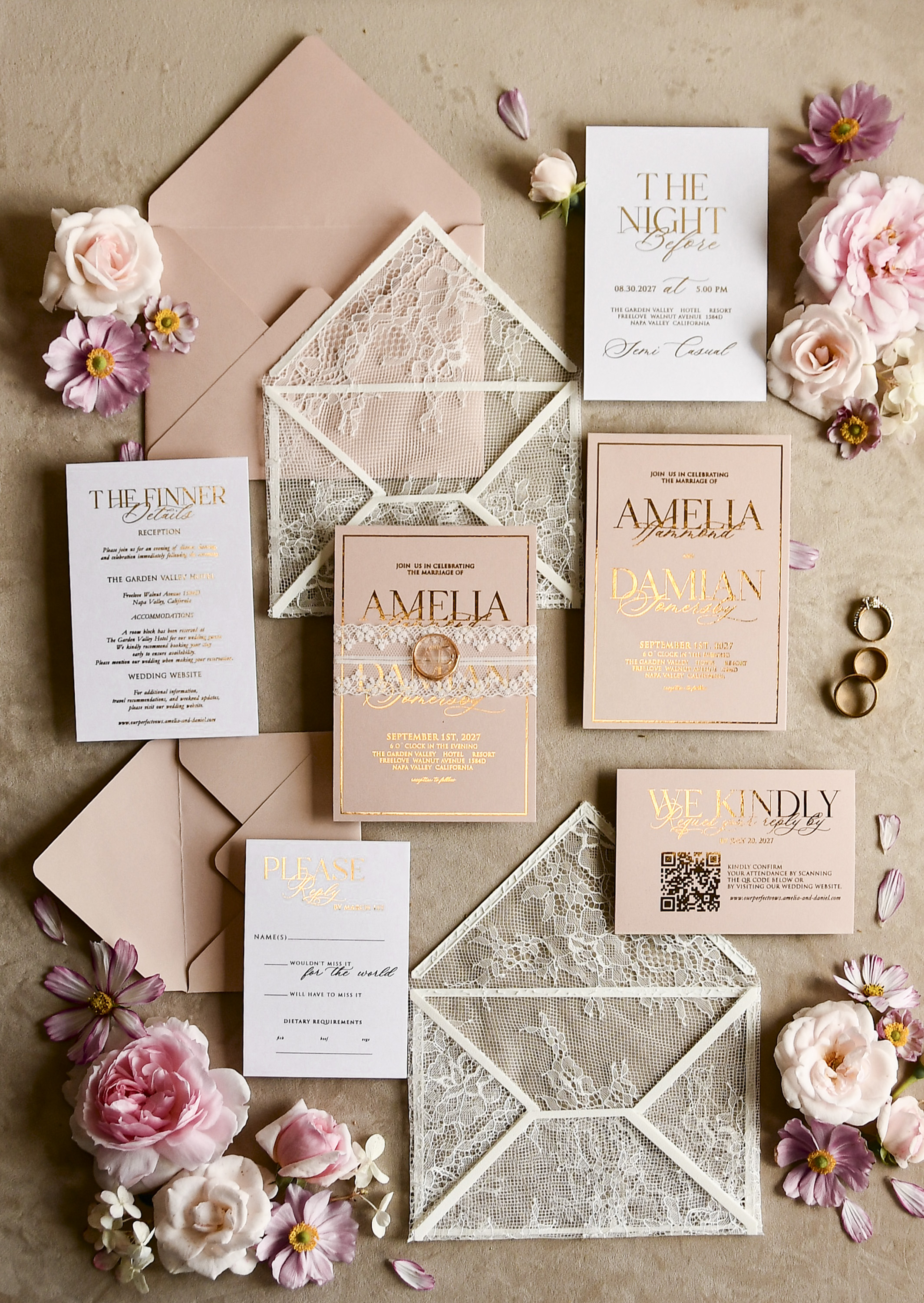
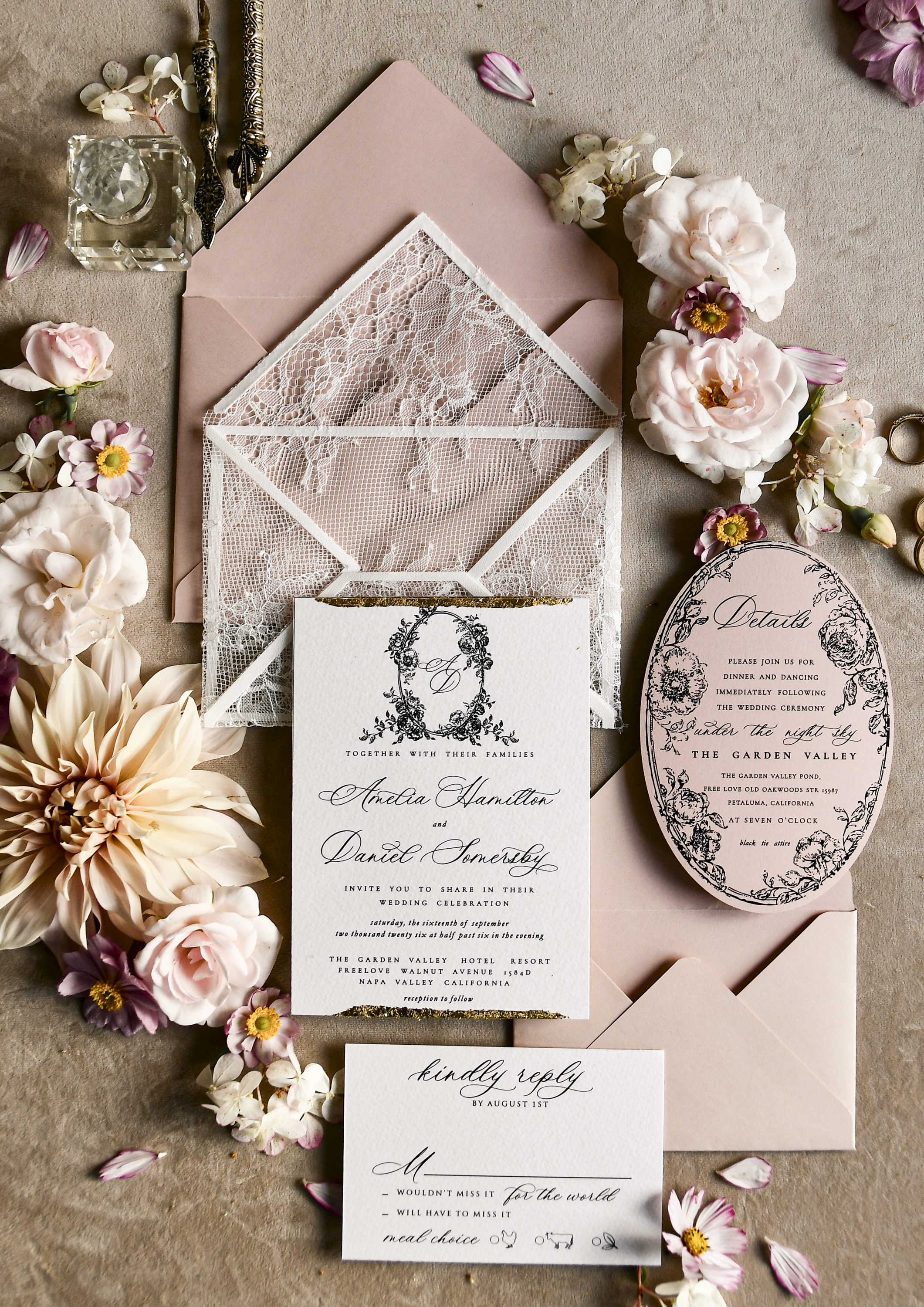
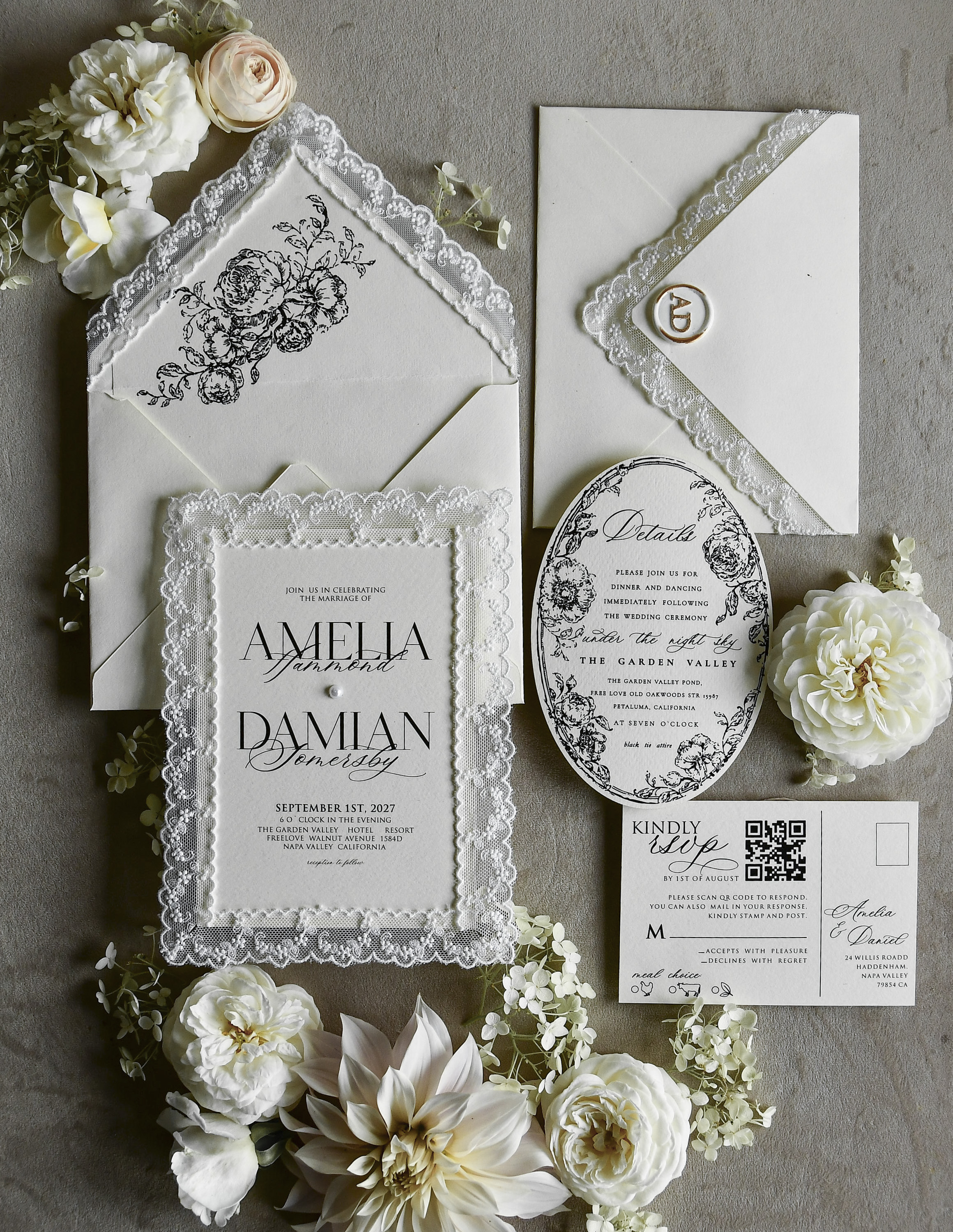
You May Also Like
More Wedding Planning Guides
- → When to Address a Wedding Invitation Directly to a Child
- → Mailed Card or Website Link? How to Handle RSVPs the Modern Way
- → Wedding Invitation Delivery: When to Mail and When to Hand Them Off
- → Navigating a Wedding Guest List When Your Fiancé Wants to Leave Your Family Out
- → Wedding Invitation Wording: Every Essential Detail Couples Need to Include
- → When Your Divorced Parents Can't Be in the Same Room: A Wedding Planning Guide
- → Adults-Only Weddings: Is Leaving Kids Off the List Actually Rude?
- → Wedding Invitation Addressing: Names, Titles, and Every Tricky Situation Solved
- → How to Decide Who Gets a Plus One at Your Wedding
- → Wedding Invitations: How to Count What You Actually Need
- → Extra Wedding Guests: Who Pays and How to Handle It Gracefully
- → Big Wedding or Better Wedding: How to Choose What Truly Matters
- → Your Wedding, Your Guest List: The Honest Truth About Inviting Cousins
- → Uninvited Extras: How to Handle Guests Who Bring Someone You Didn't Invite
- → Plus-One or No? How to Decide If Single Guests Can Bring a Date
- → How to Embrace a Small Wedding and Make It Unforgettable
- → Where Do Divorced Parents Sit at Your Wedding? Here's What Actually Works
- → To Invite or Not to Invite: Navigating the Ex Question for Your Wedding Guest List
- → Stepparents and Your Wedding Guest List: Making the Right Call
- → Setting Plus-One Boundaries Without Losing Sleep (or Friends)
- → Should Work Friends Come to Your Wedding? A No-Stress Guide to Inviting Colleagues
- → Guests Who Don't RSVP: Your Step-by-Step Plan
- → Save the Date vs. Wedding Invitation: Two Very Different Jobs, One Beautiful Paper Trail
- → When Someone Asks Why They Weren't Invited: Your Honest, Kind Playbook
- → To Call or Not to Call: Tracking Down Guests With Missing RSVPs
- → When the Guest List Must Shrink: The Right People to Remove First
- → Digital Wedding Invitations: When They Work and When to Think Twice
- → How to Handle the Parent Friend Dilemma on Your Wedding Guest List
- → Your Wedding Invitation Deadline: When the Window Officially Closes
- → Uninvited Plus-Ones and Tag-Alongs: How to Keep Your Guest List Intact
- → When Family Feuds Threaten Your Wedding Plans: A Practical Peacekeeper's Guide
- → Inviting an Estranged Brother or Sister: Finding Clarity Before You Seal the Envelope
- → Cousins, Invites, and Hard Choices: A Practical Guest List Guide