
Setting Plus-One Boundaries Without Losing Sleep (or Friends)
Short answer: yes, you absolutely can say no to a guest's plus one. Your wedding is not a public event, and you are not obligated to invite someone you've never met simply because your cousin started dating them three months ago. That said, declining plus-one requests does require a clear policy, consistent application, and a little diplomatic grace. Here's how to handle it without the drama.
Start With a Clear Plus-One Policy Before You Send Anything
The easiest way to avoid awkward conversations later is to decide your rules before invitations go out. Common approaches include:
- Couples only: Guests receive a plus one only if they are married, engaged, or in a long-term committed relationship (typically one year or more).
- No plus ones at all: A fully intimate guest list where every seat is reserved for someone you personally know and love.
- Tiered approach: Wedding party and immediate family get plus ones; other guests do not.
Pick the rule that fits your venue capacity and budget, then apply it consistently. Consistency is the key word here. If you give one friend a plus one and deny another in the same situation, you will field complaints — and rightfully so.
How to Address Invitations So the Message Is Clear
Your invitation is your first line of communication. Address the envelope specifically to the people who are invited. If a guest is not receiving a plus one, address the envelope to them alone: Ms. Jordan Lee, not Ms. Jordan Lee and Guest. This small detail does a lot of heavy lifting before anyone even reads the card inside.
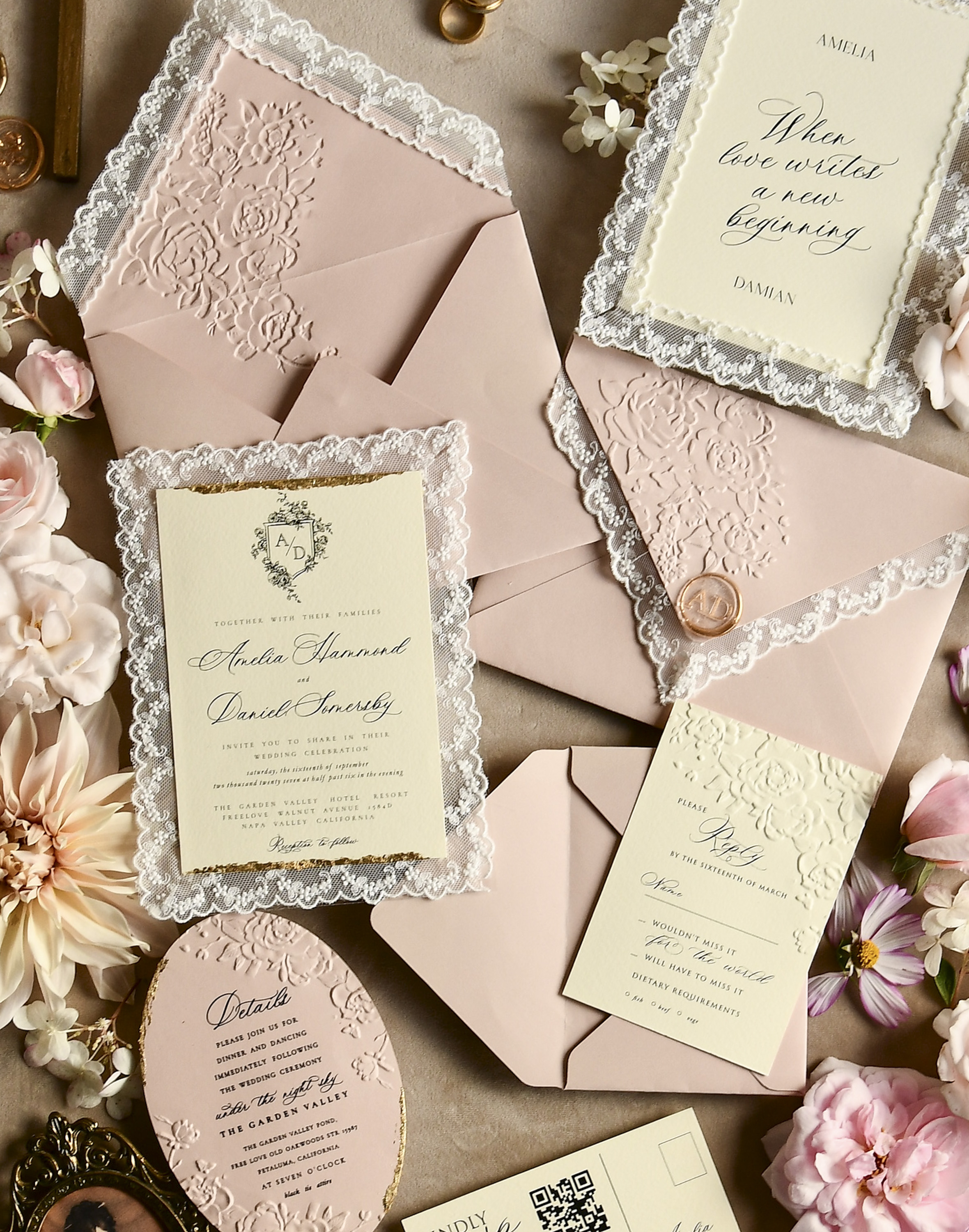
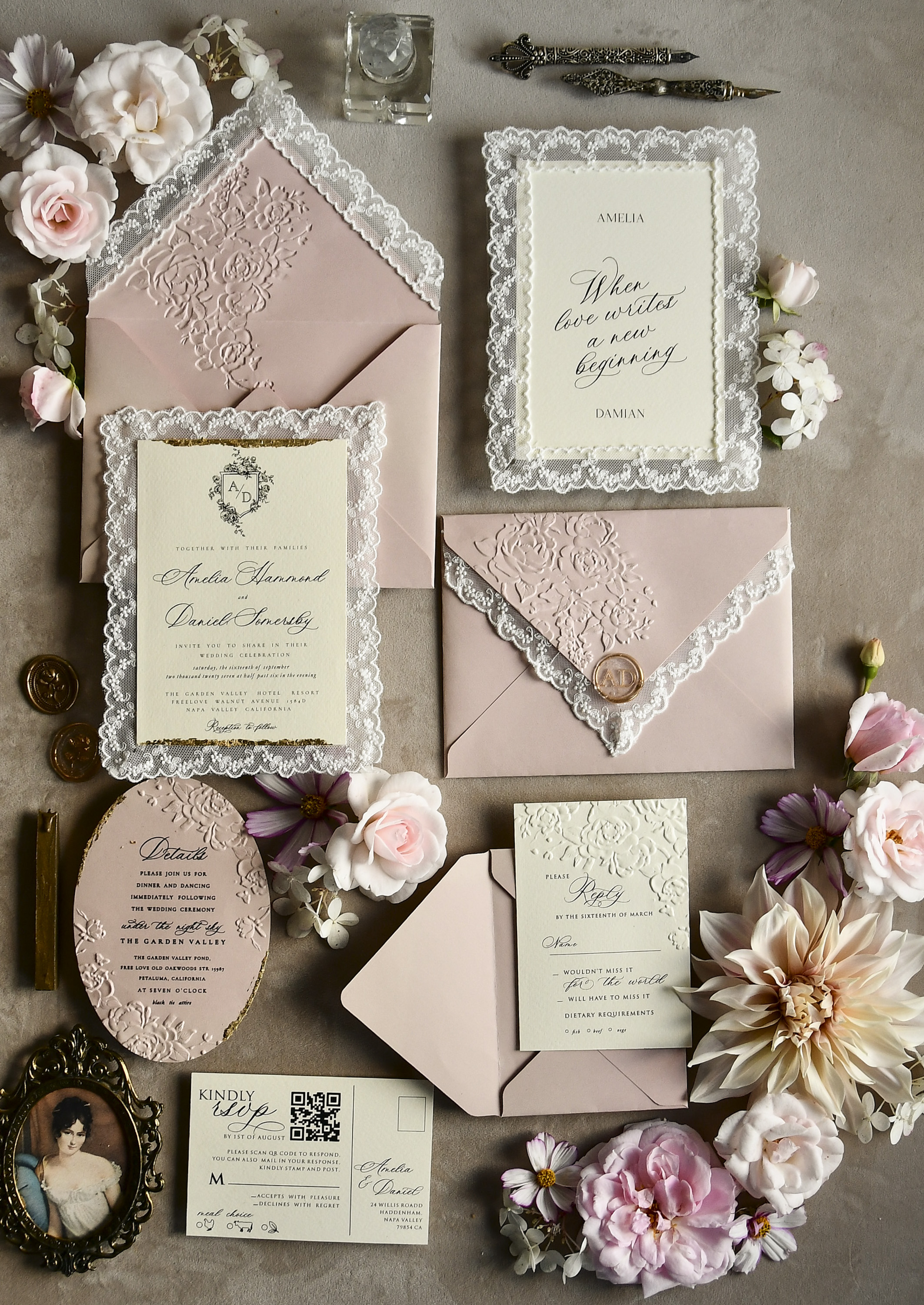
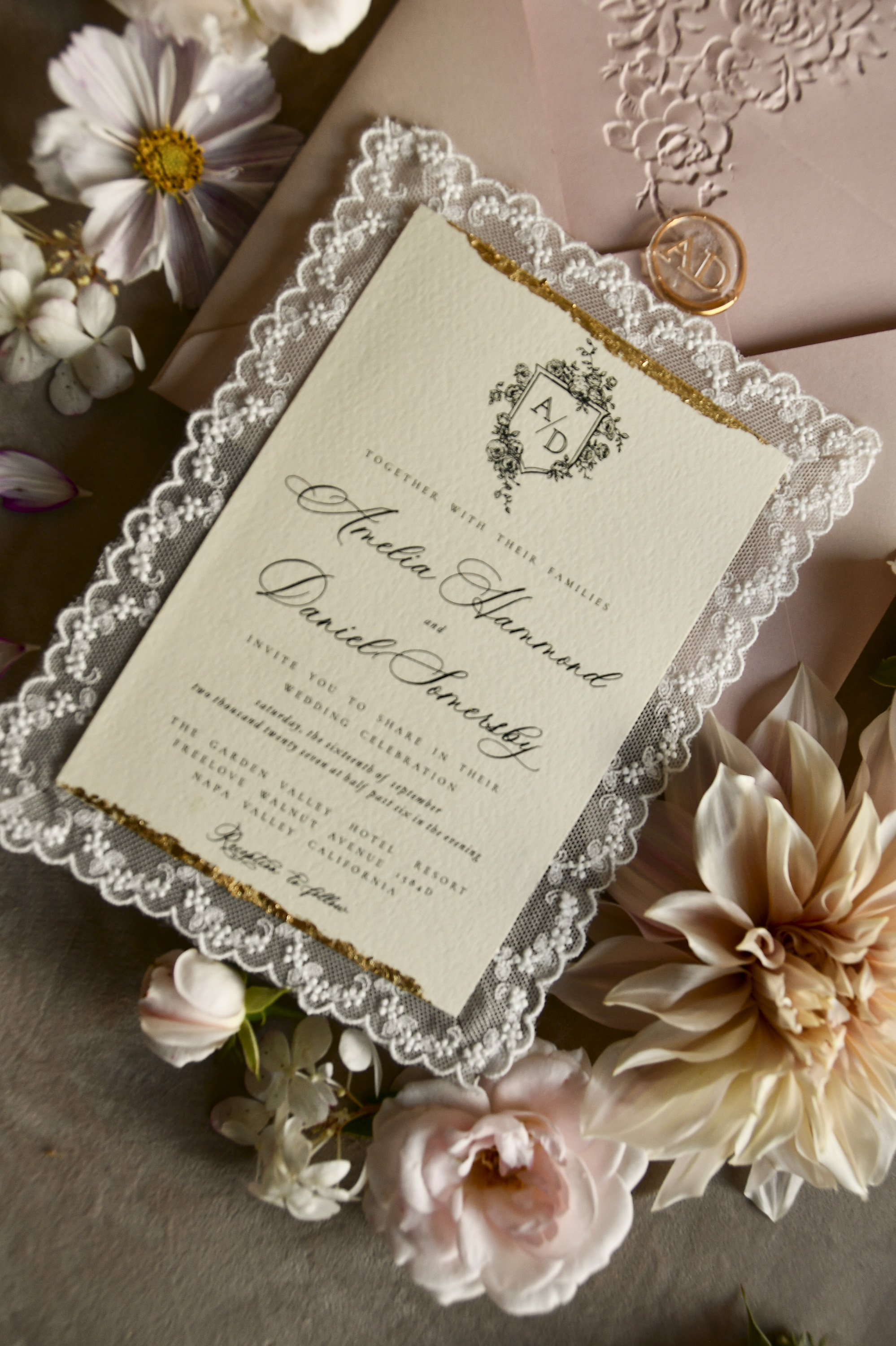
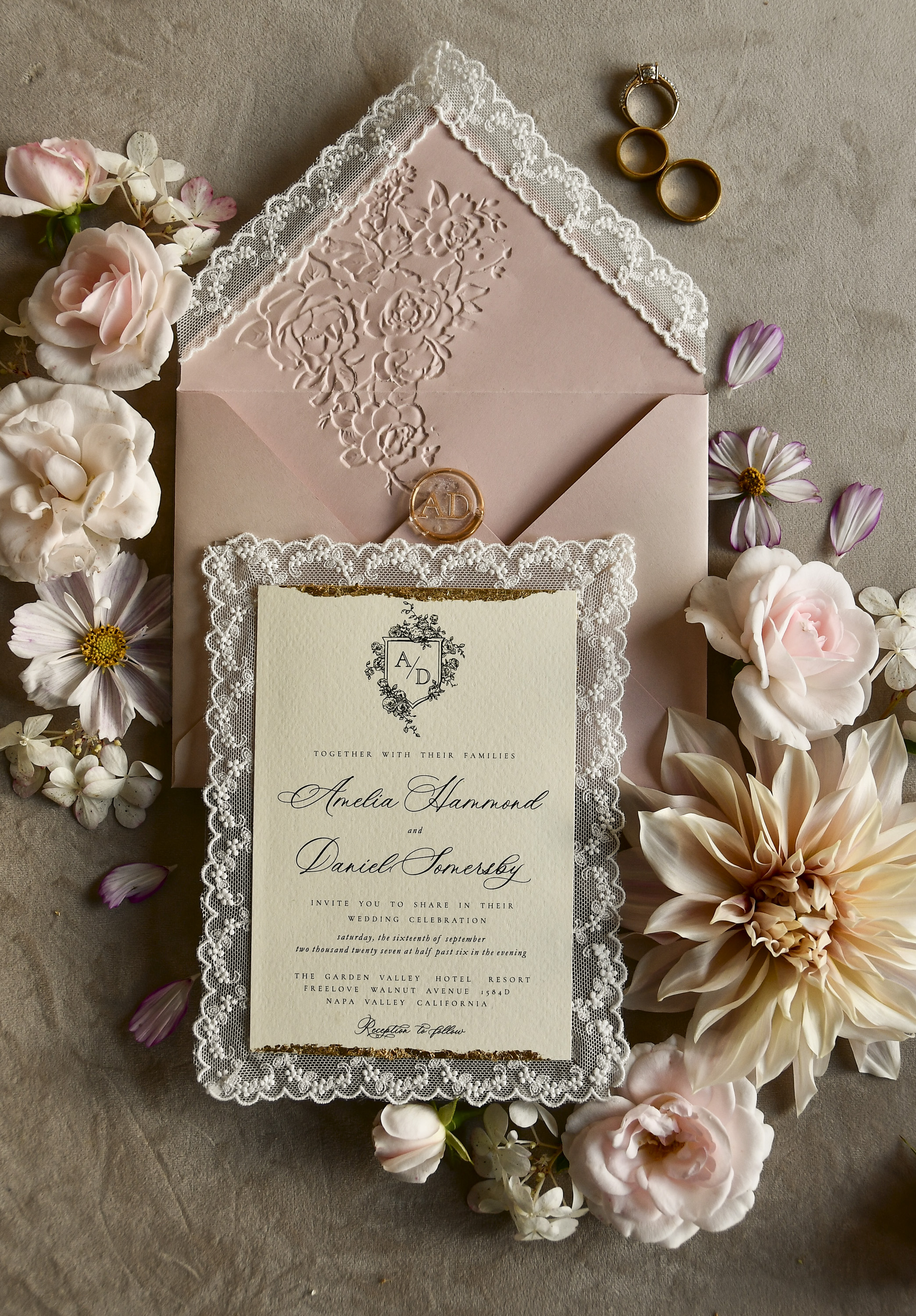
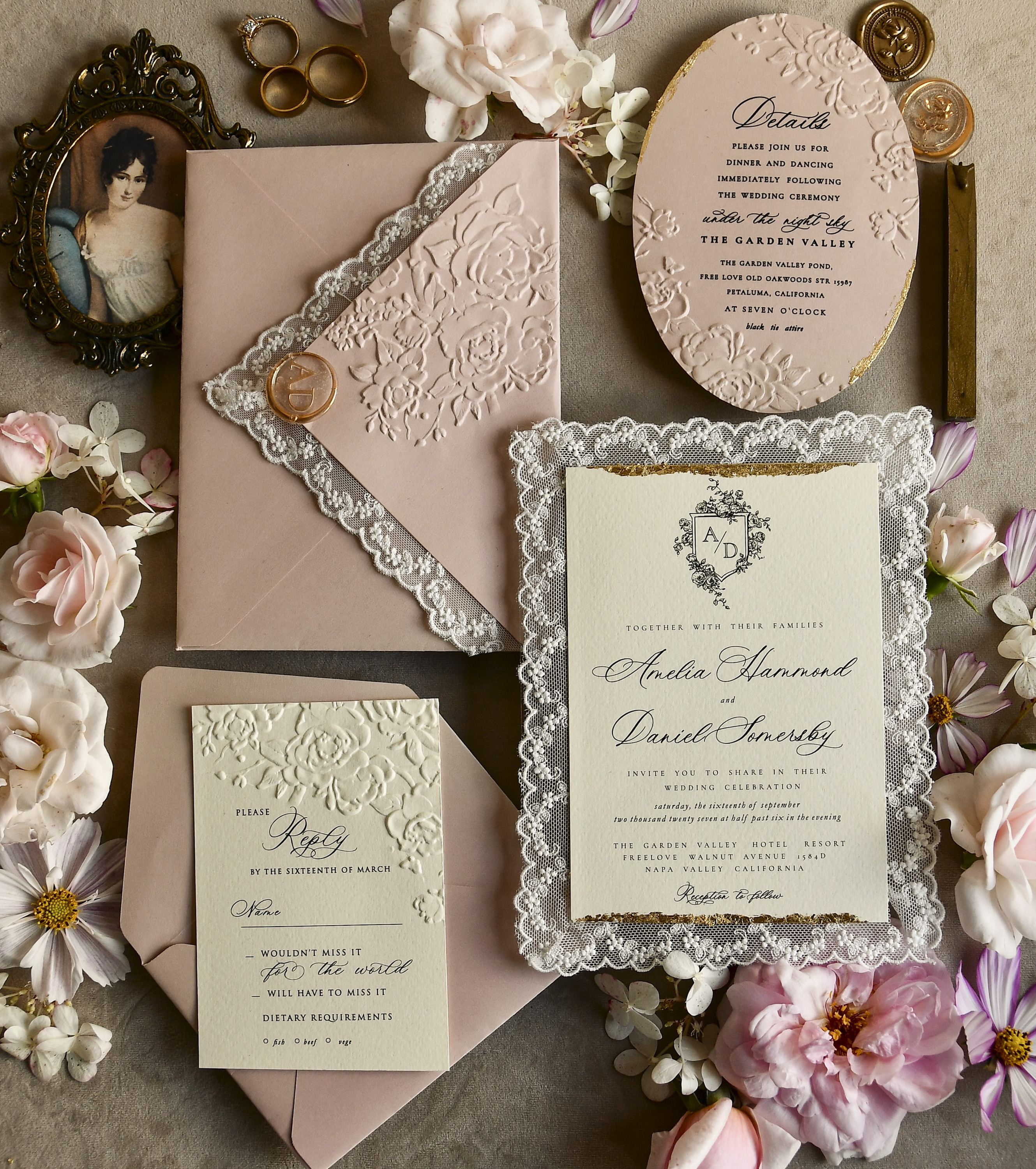
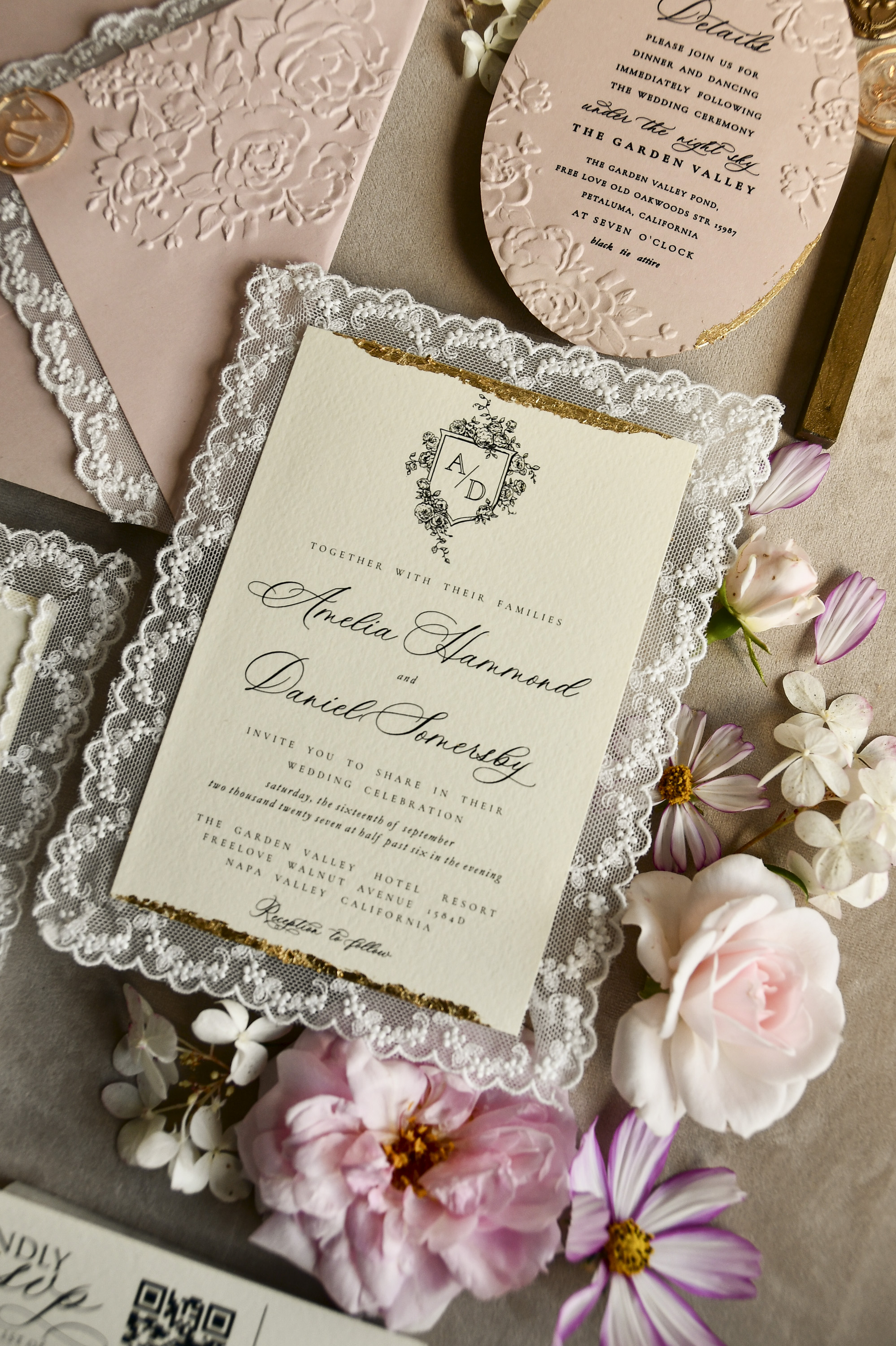
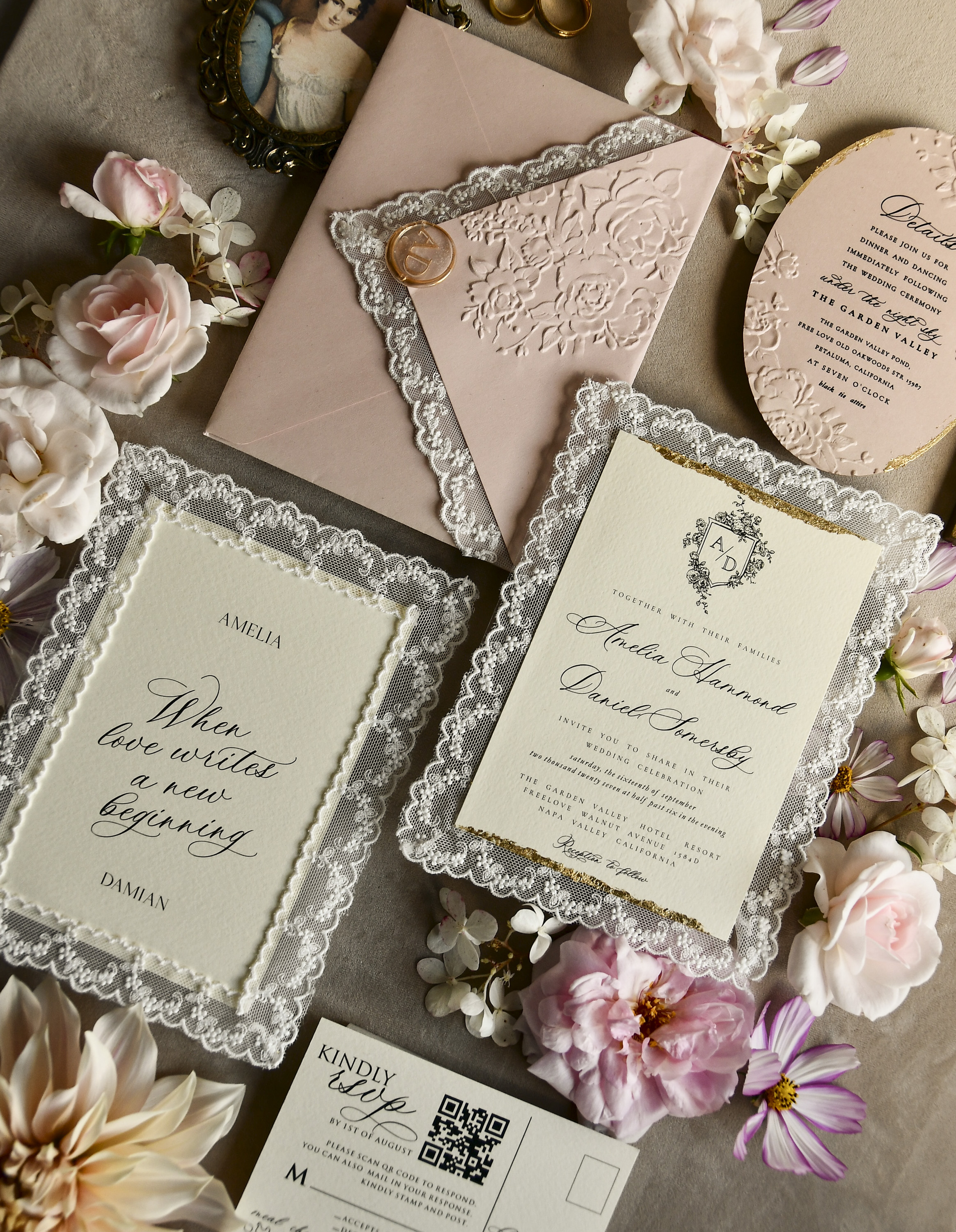
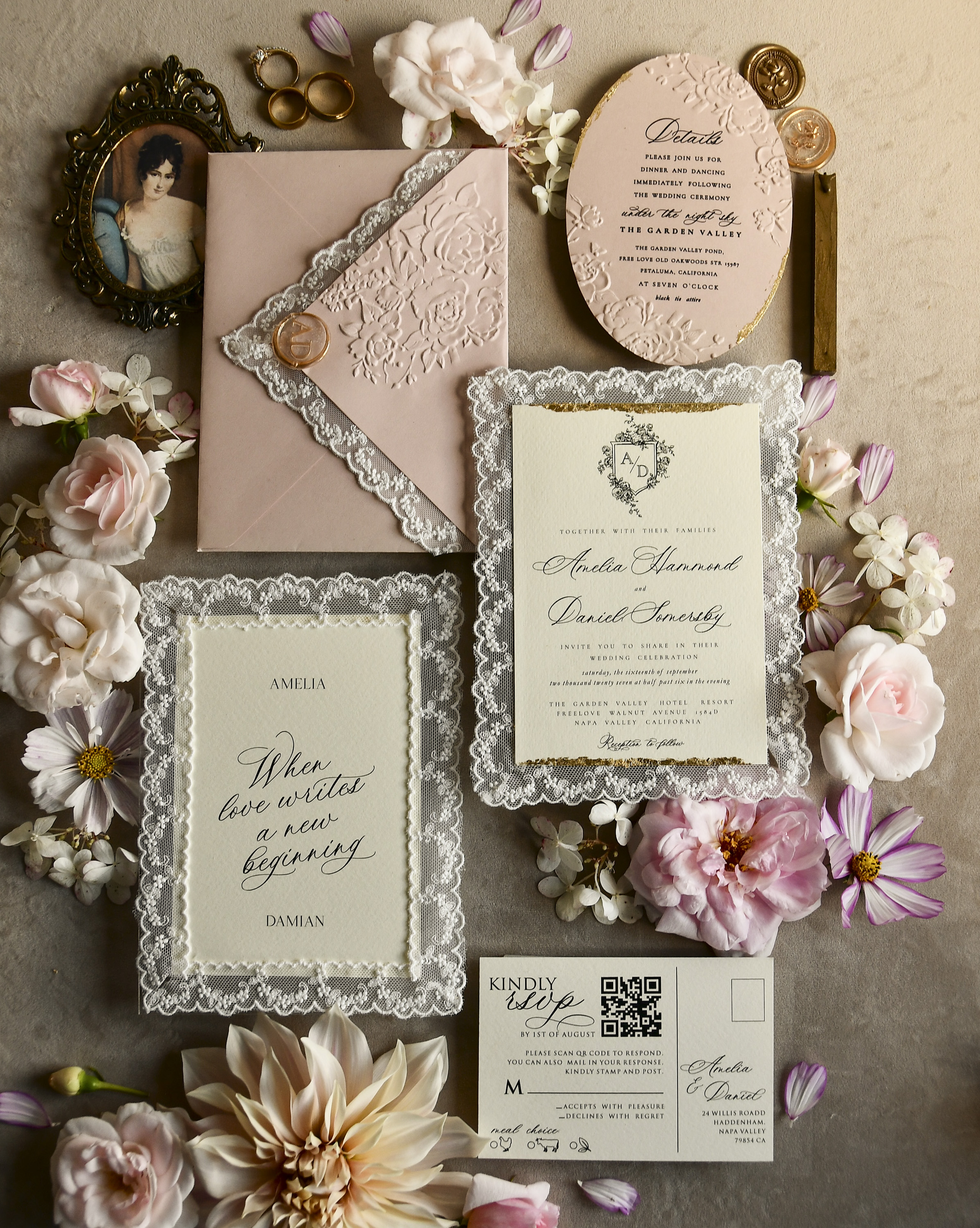
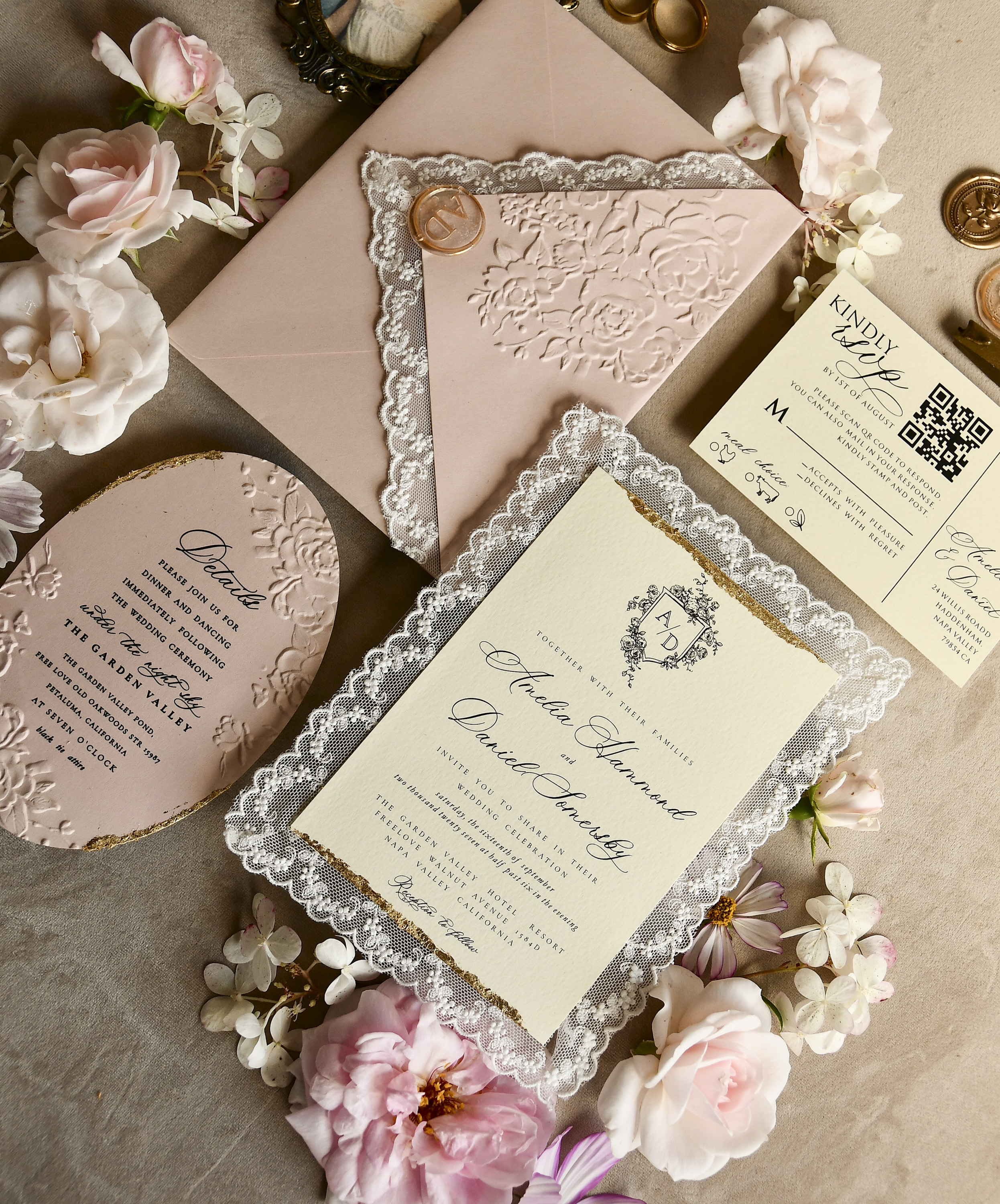
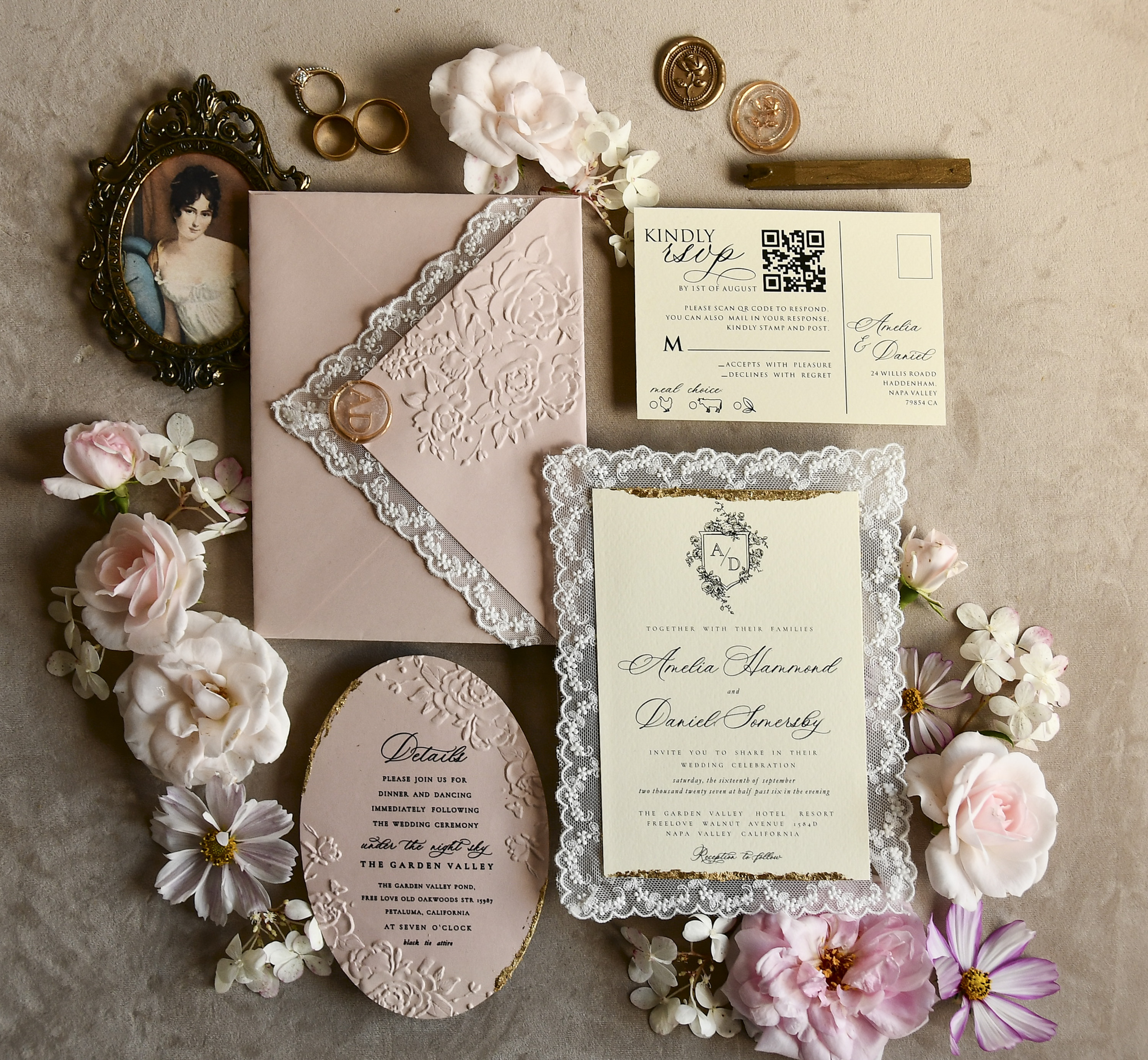
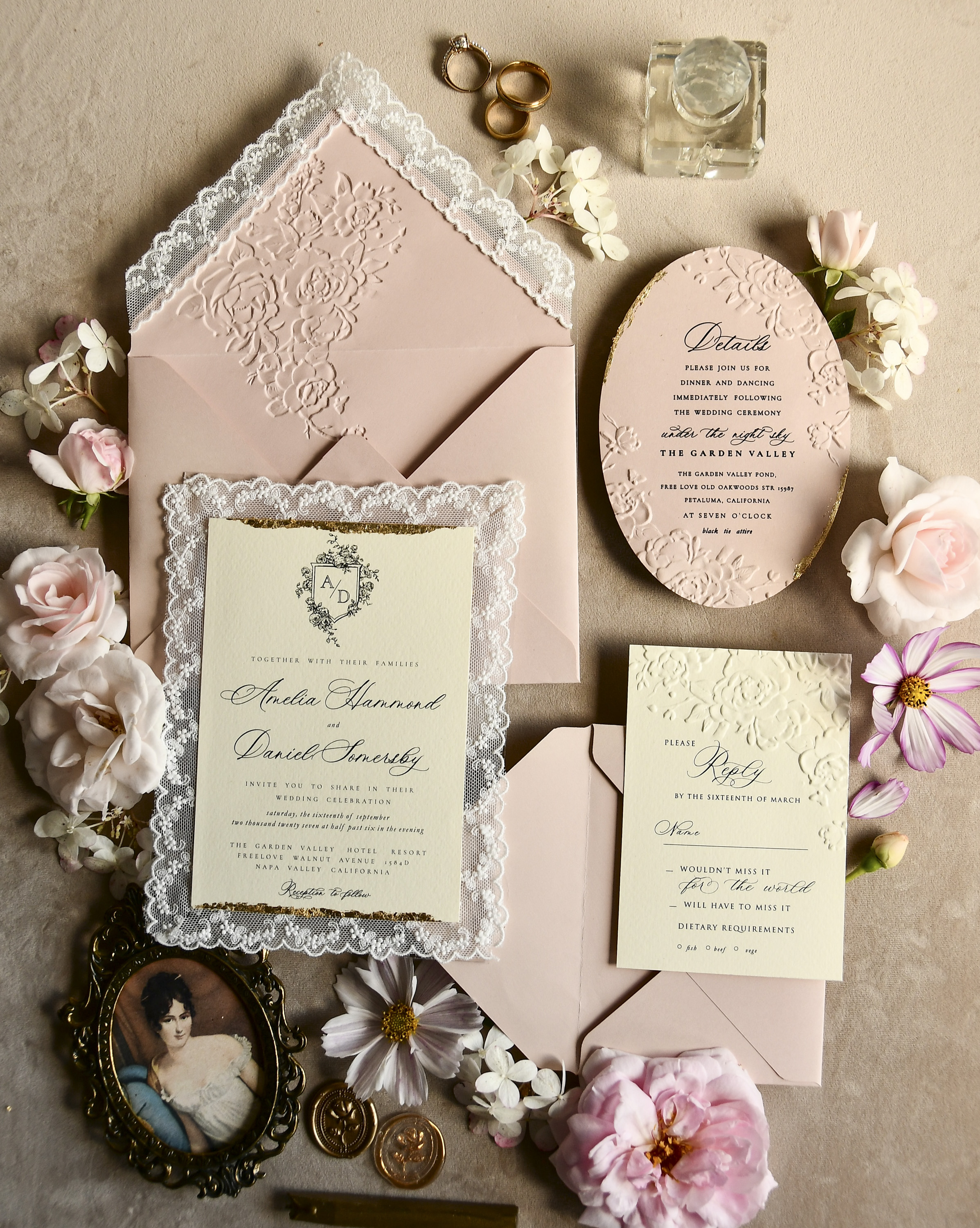
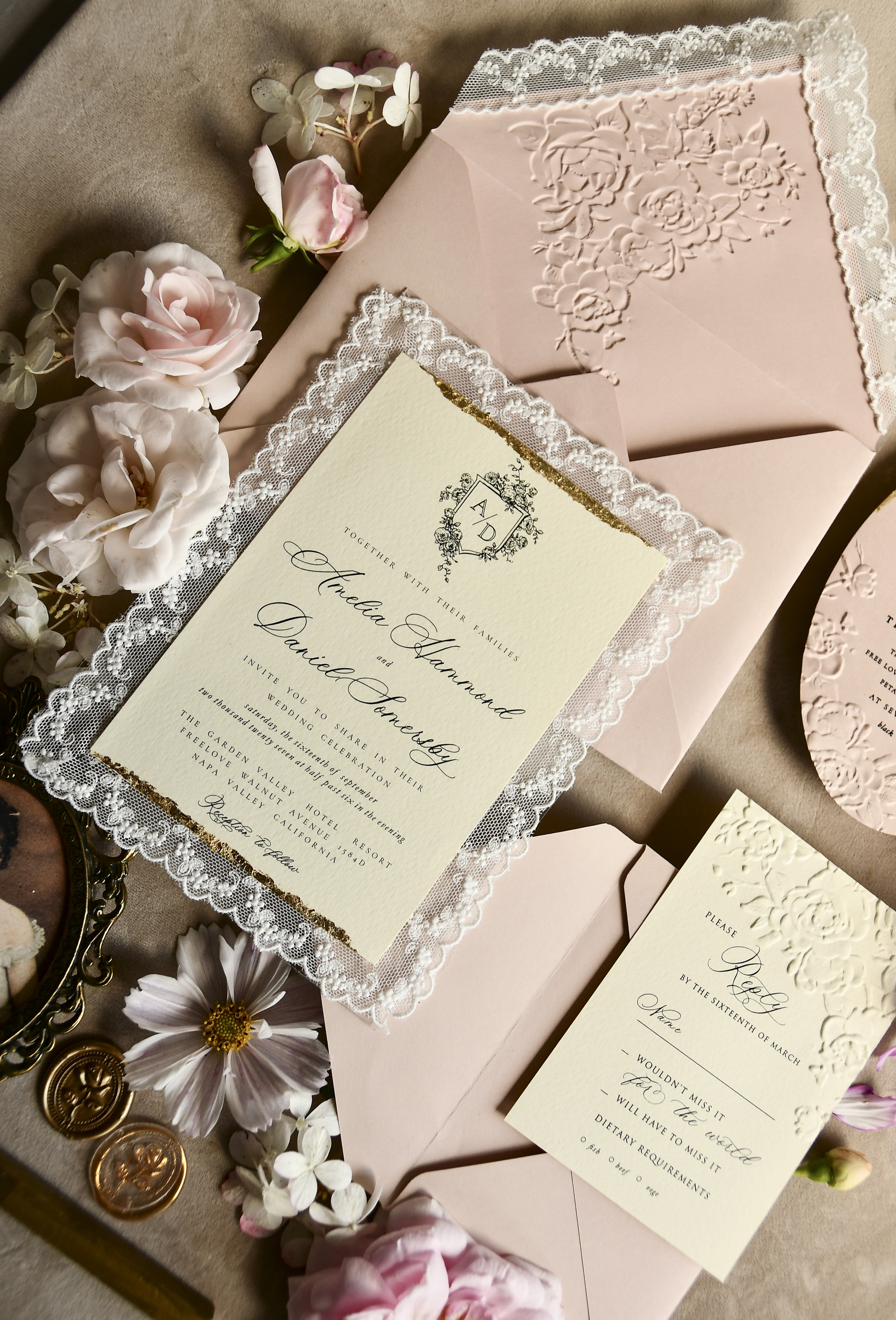
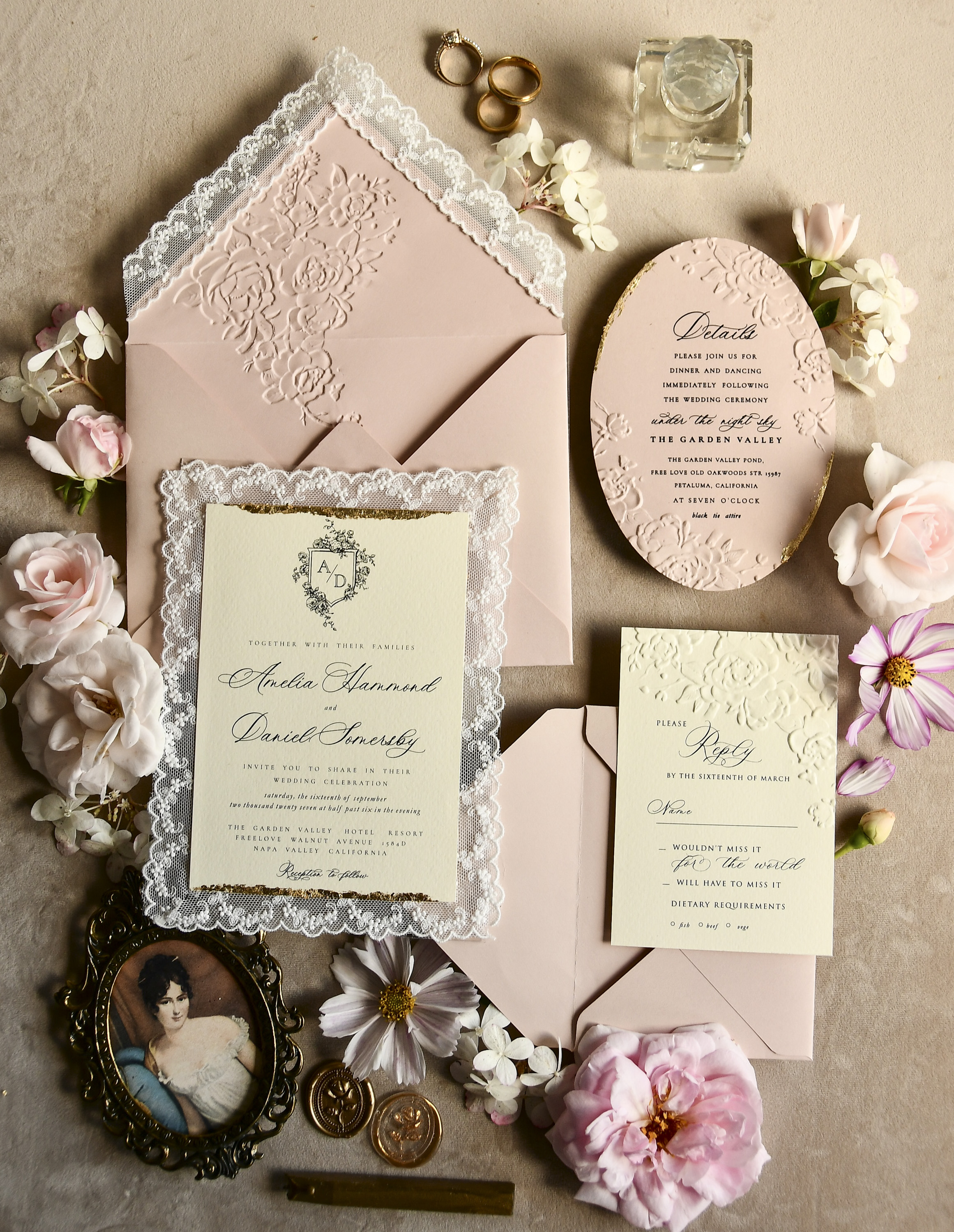
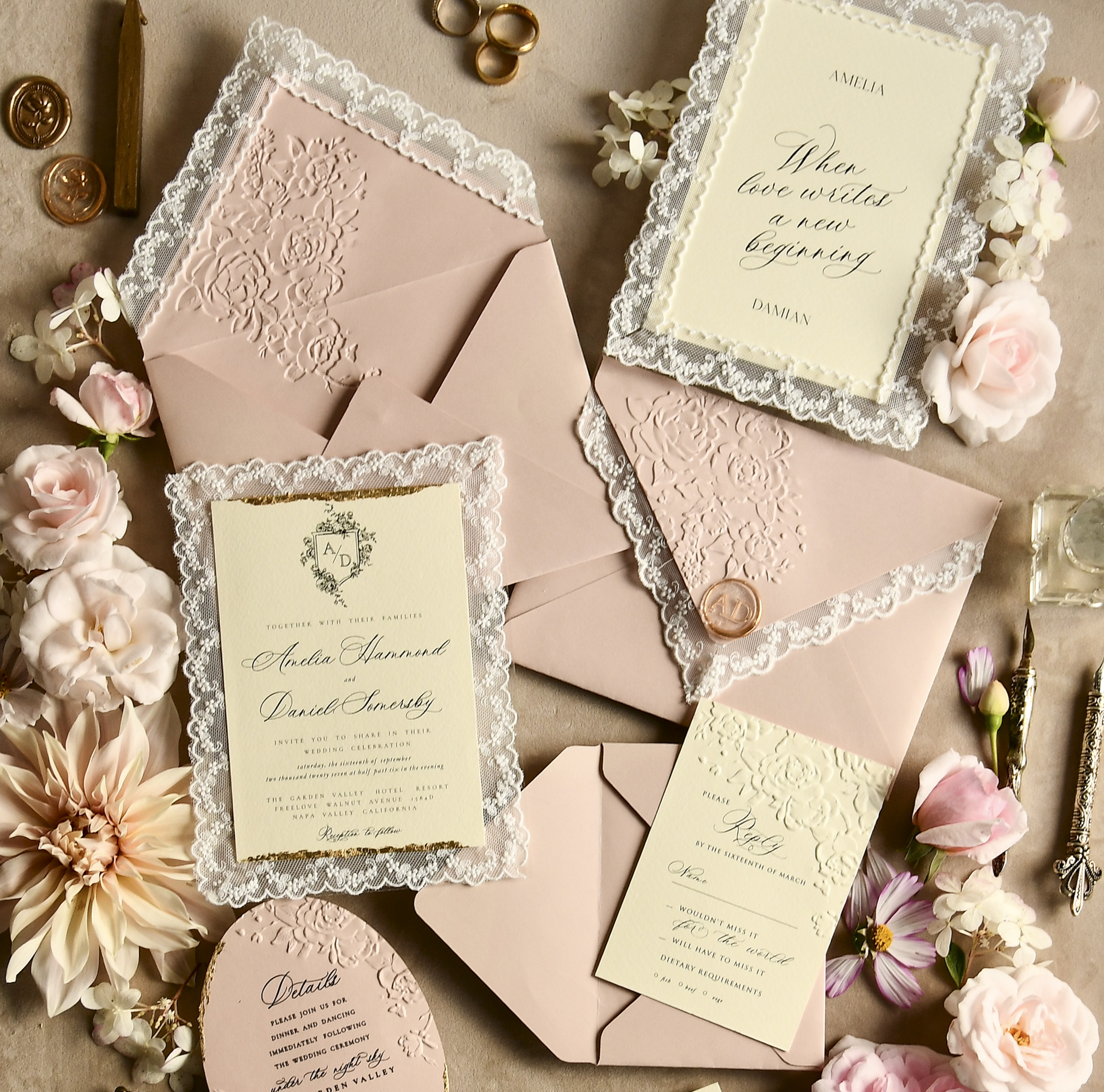
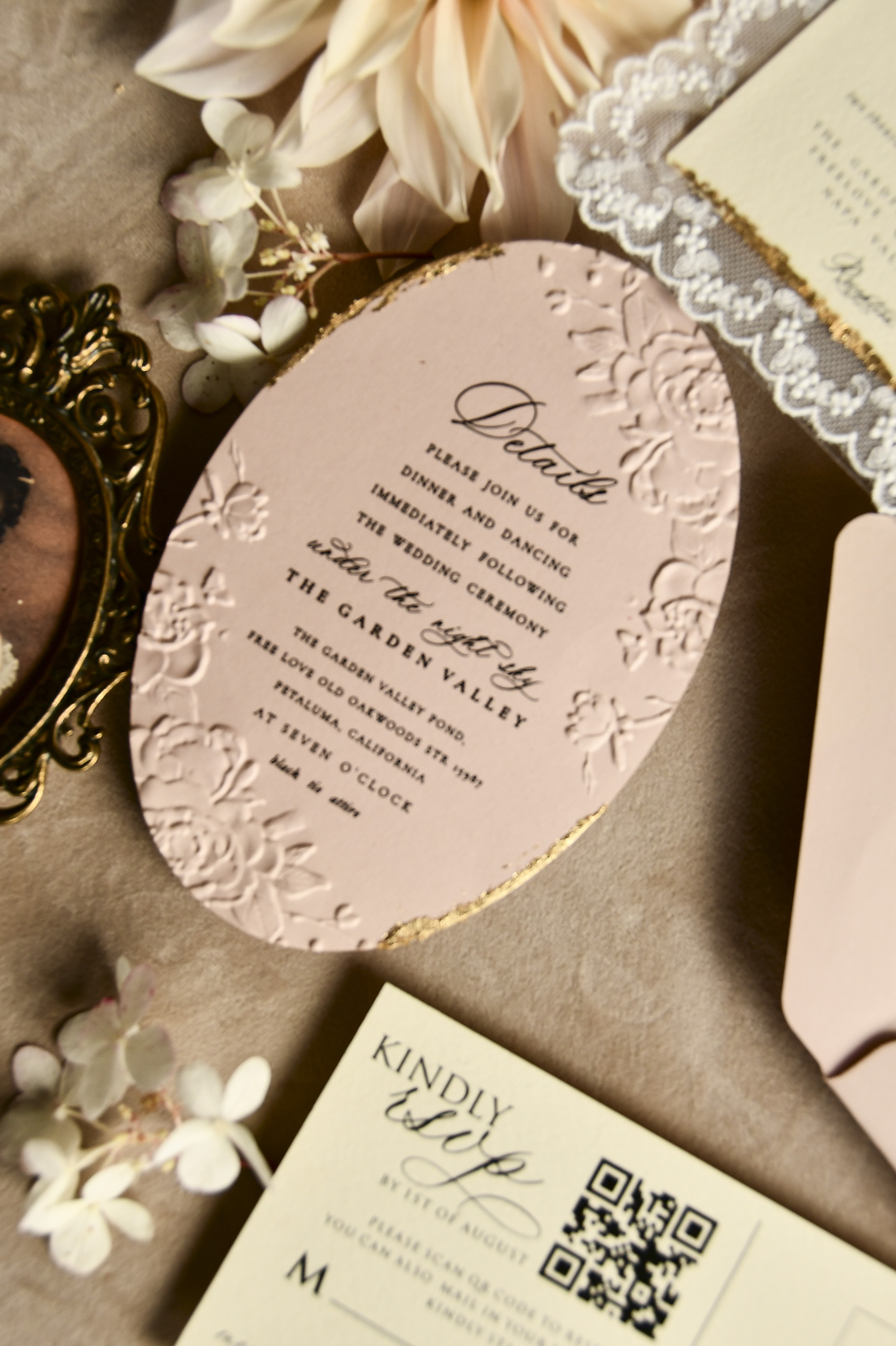
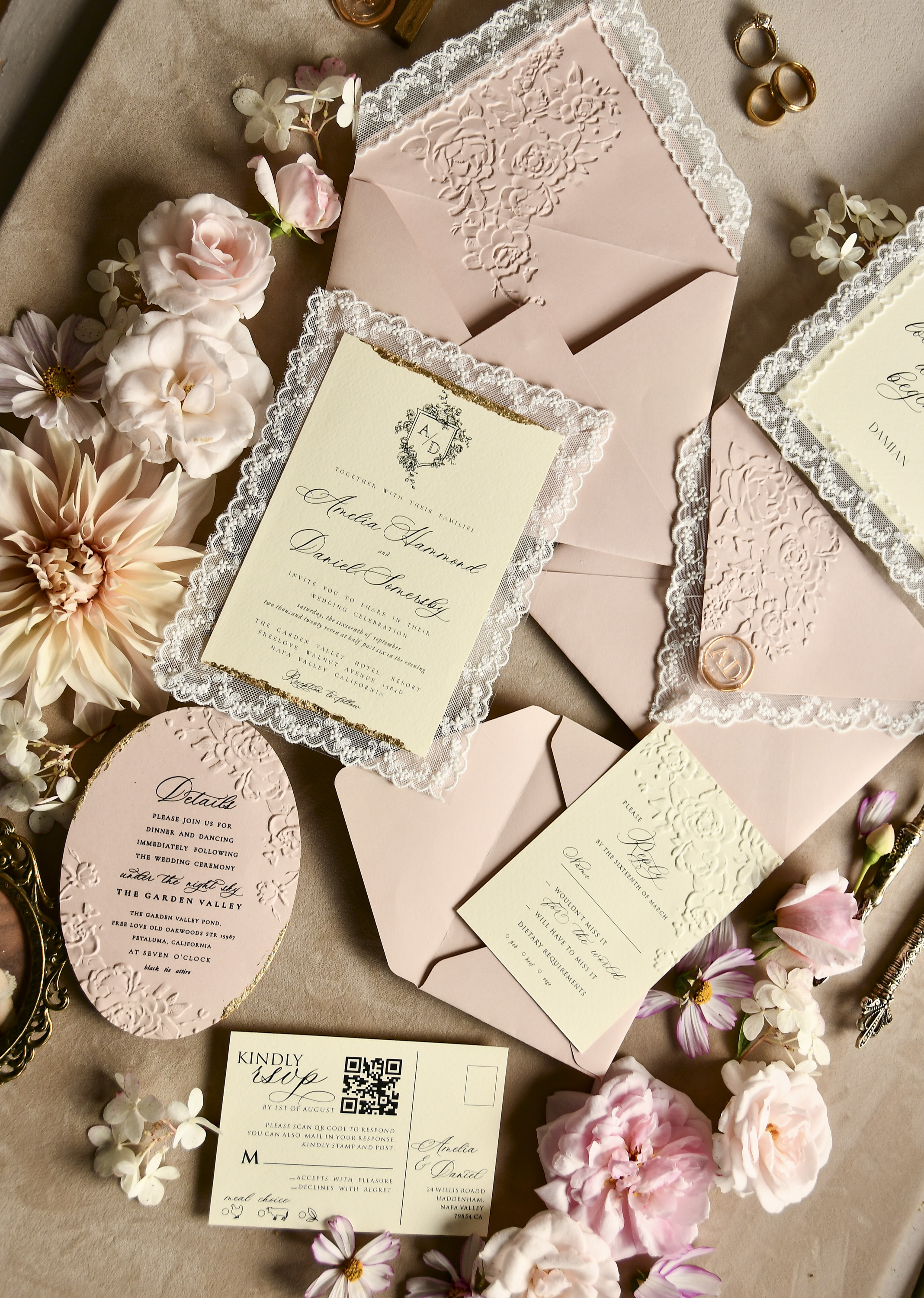
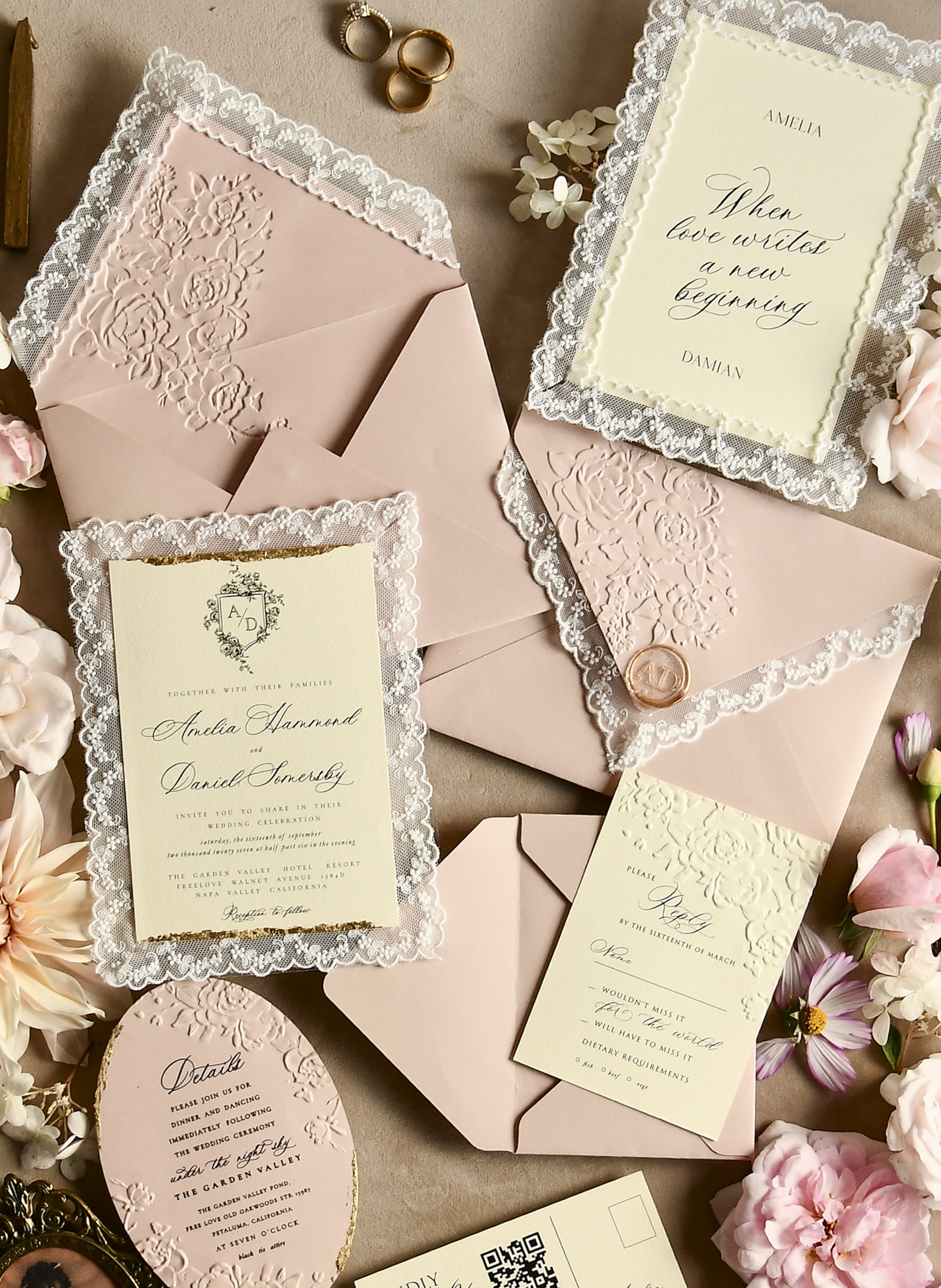
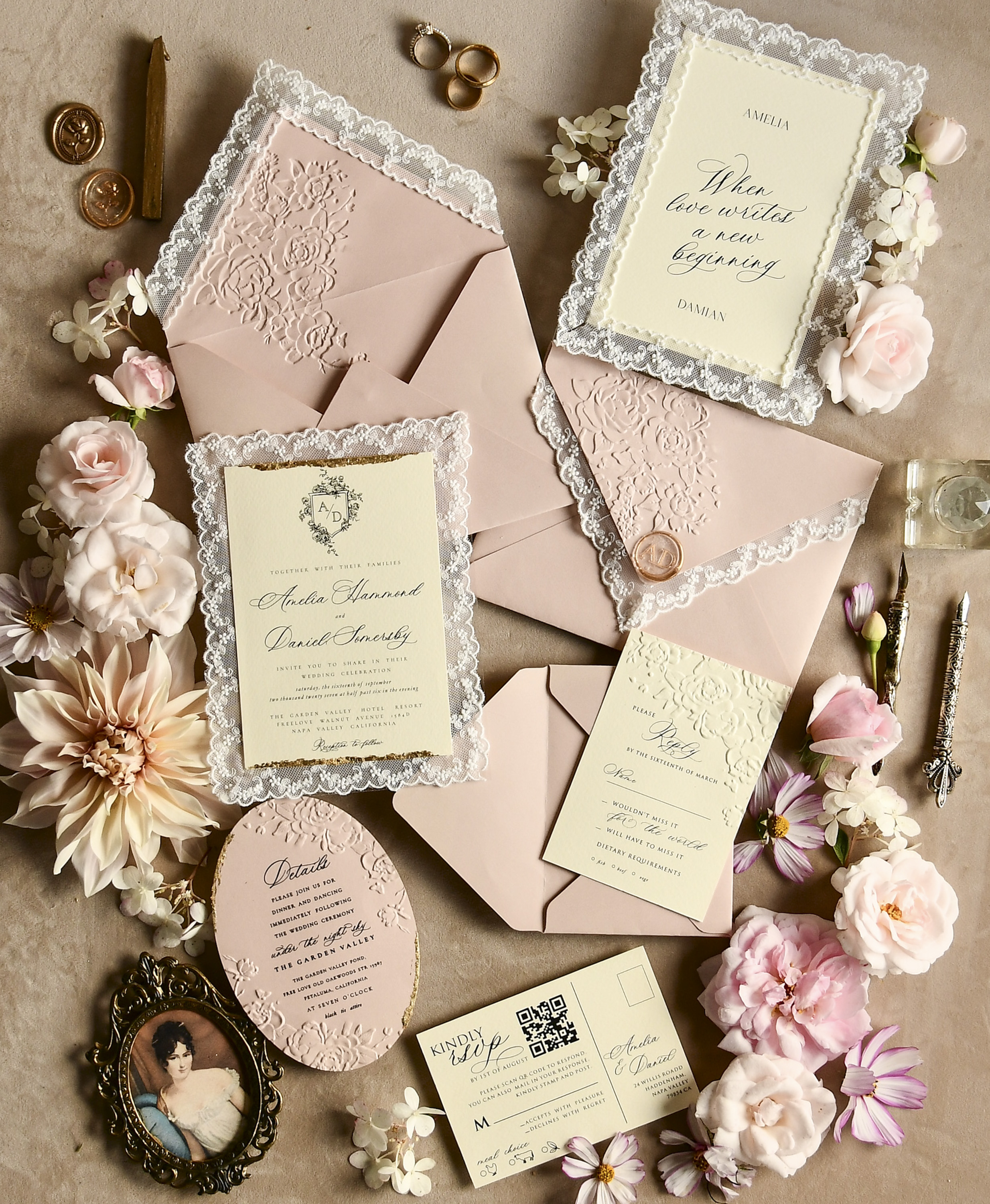
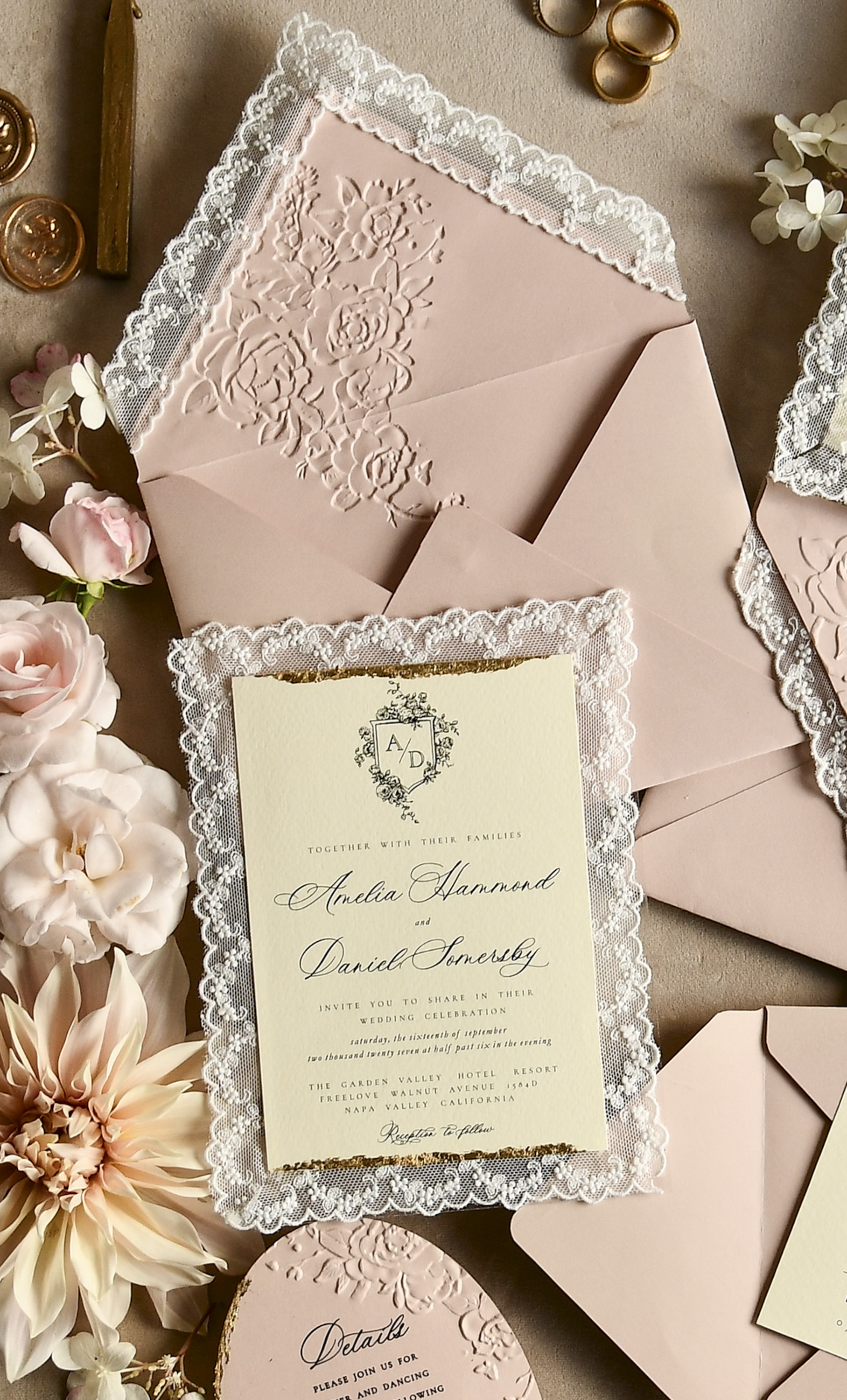
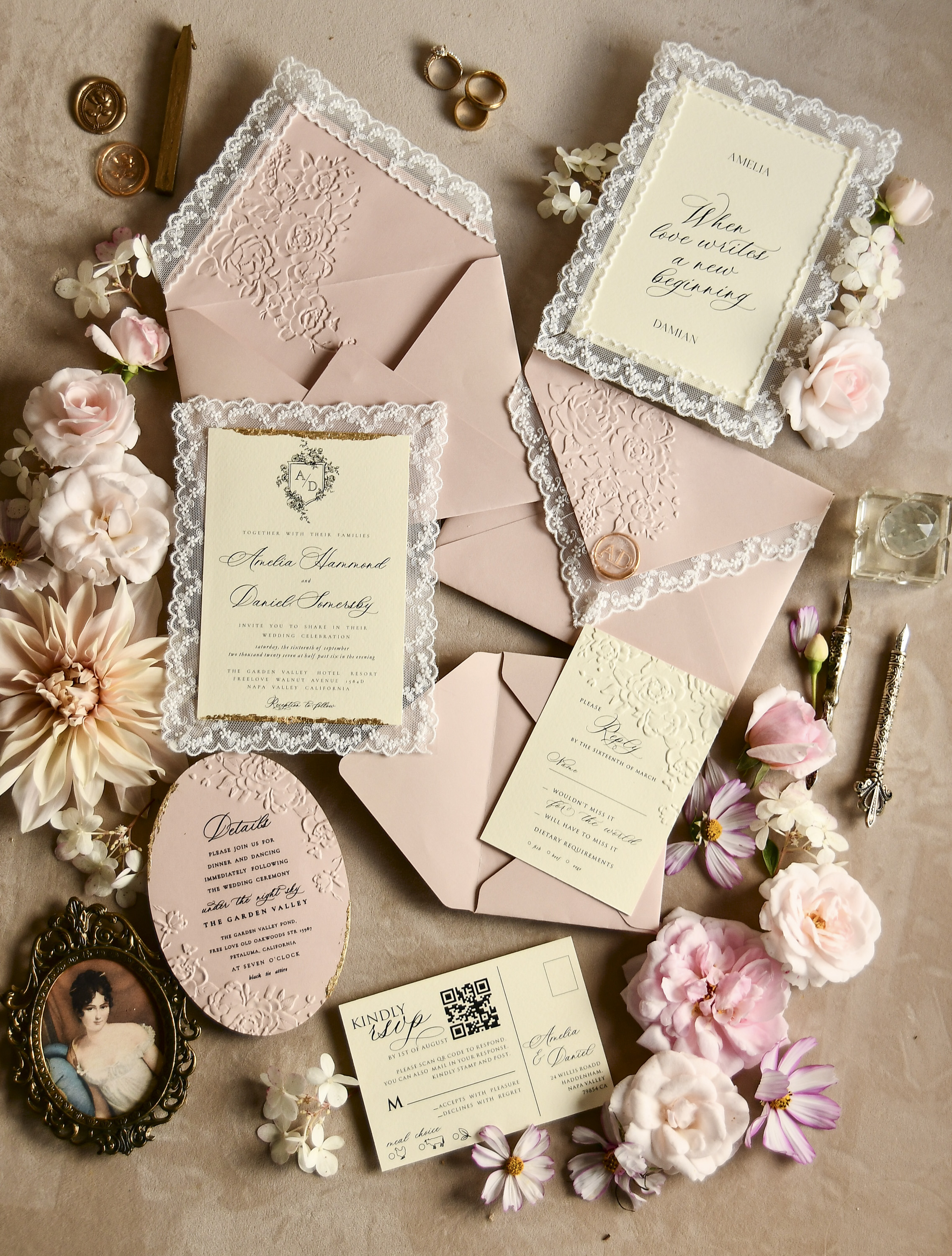
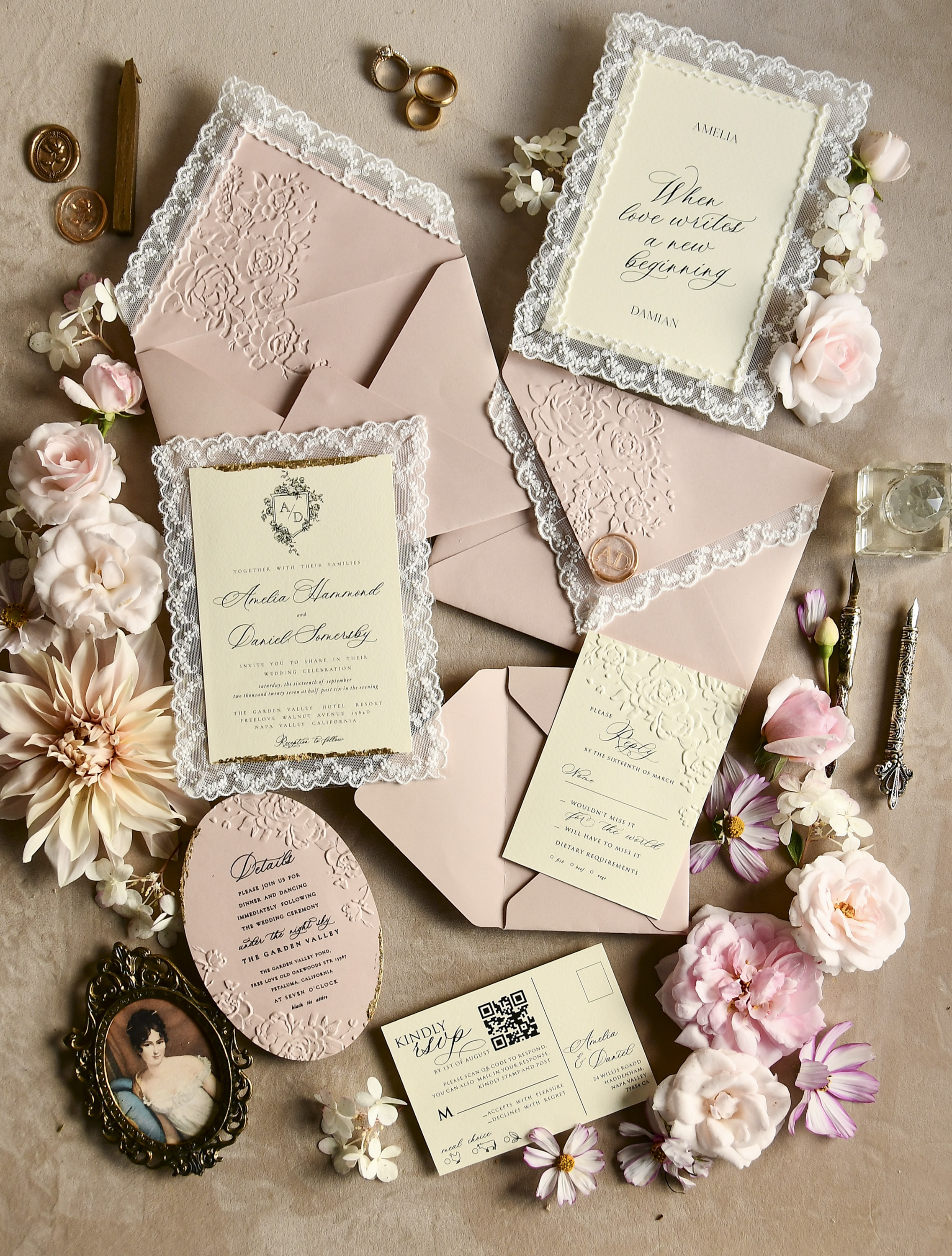
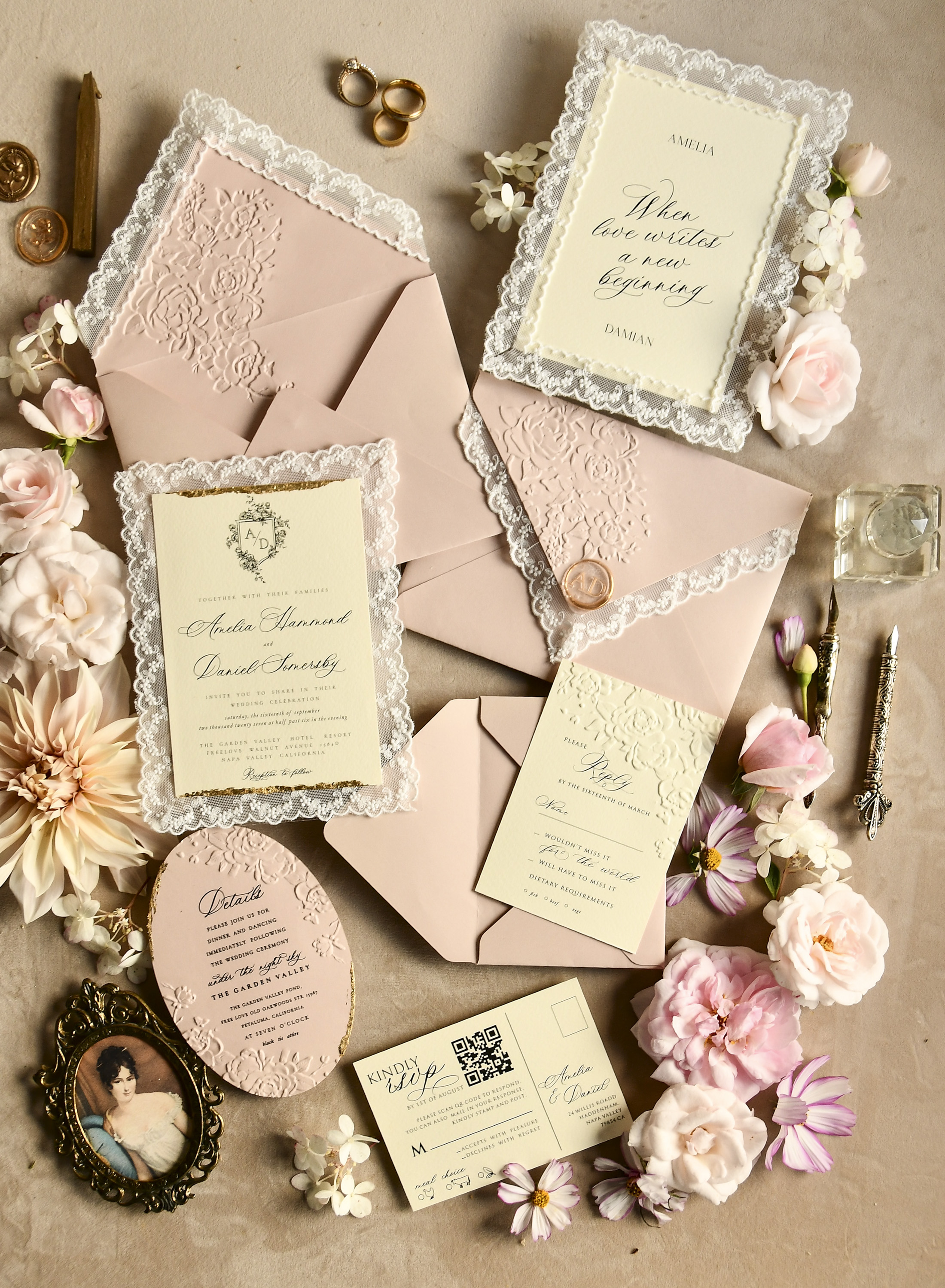
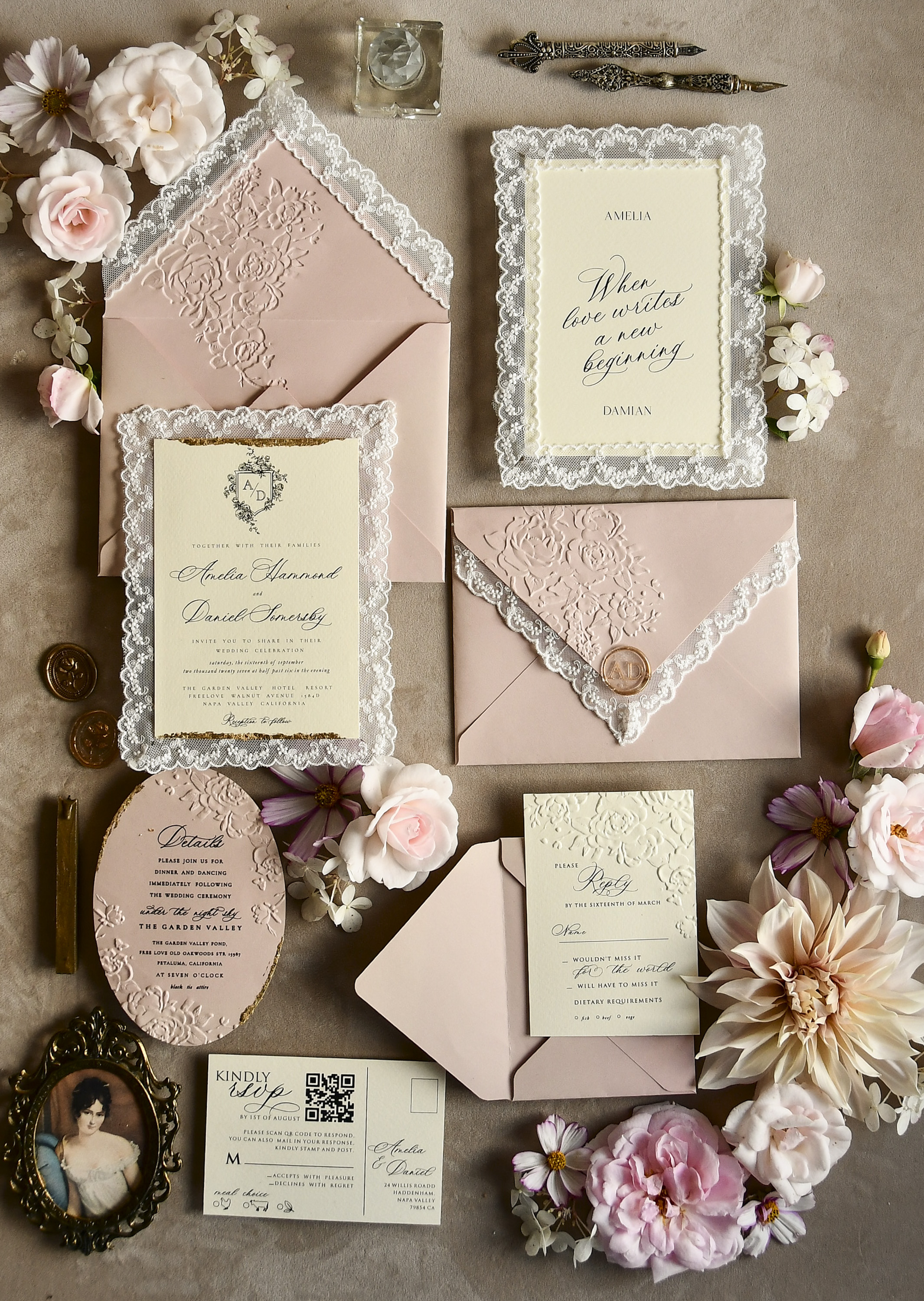
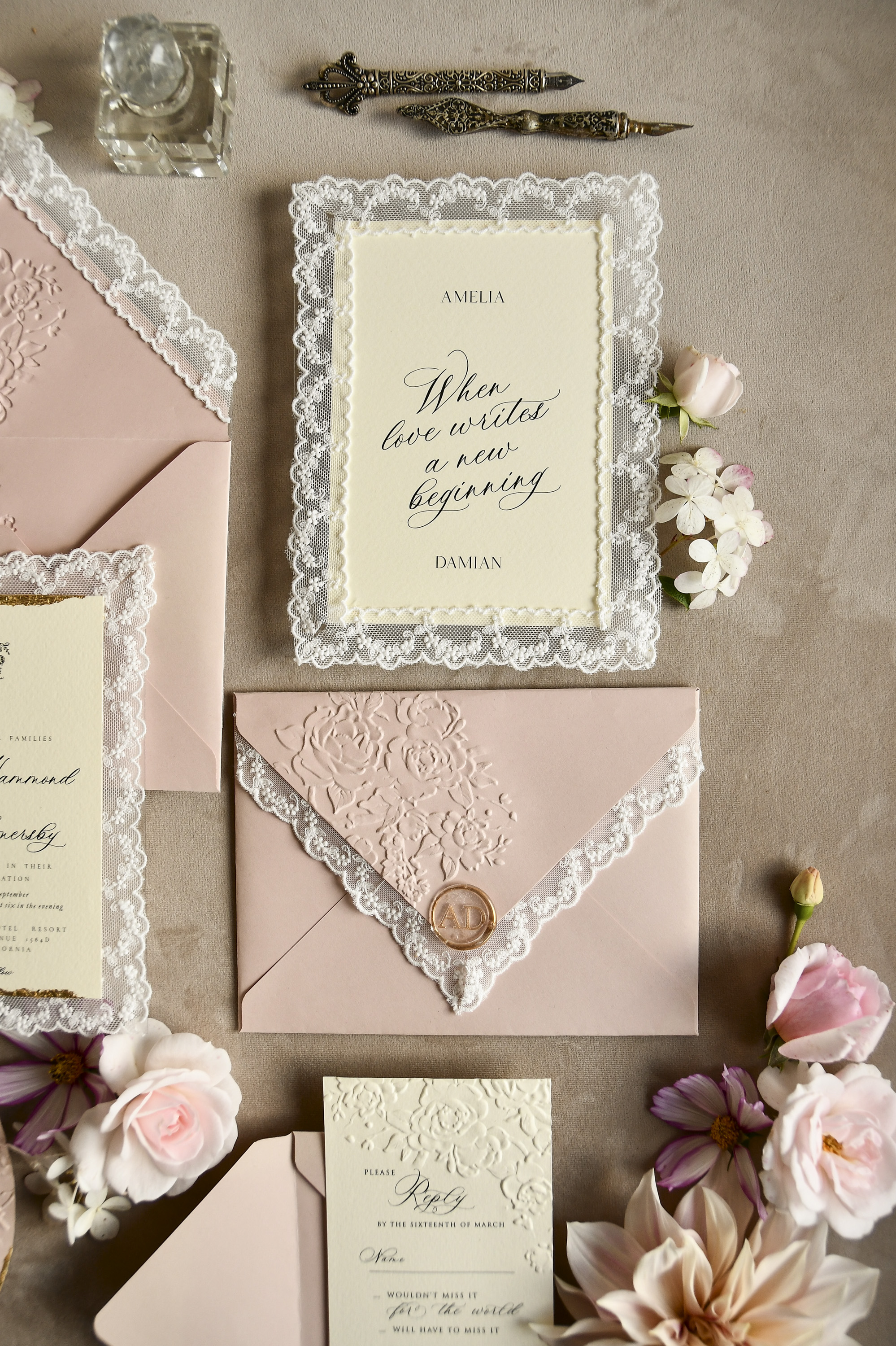
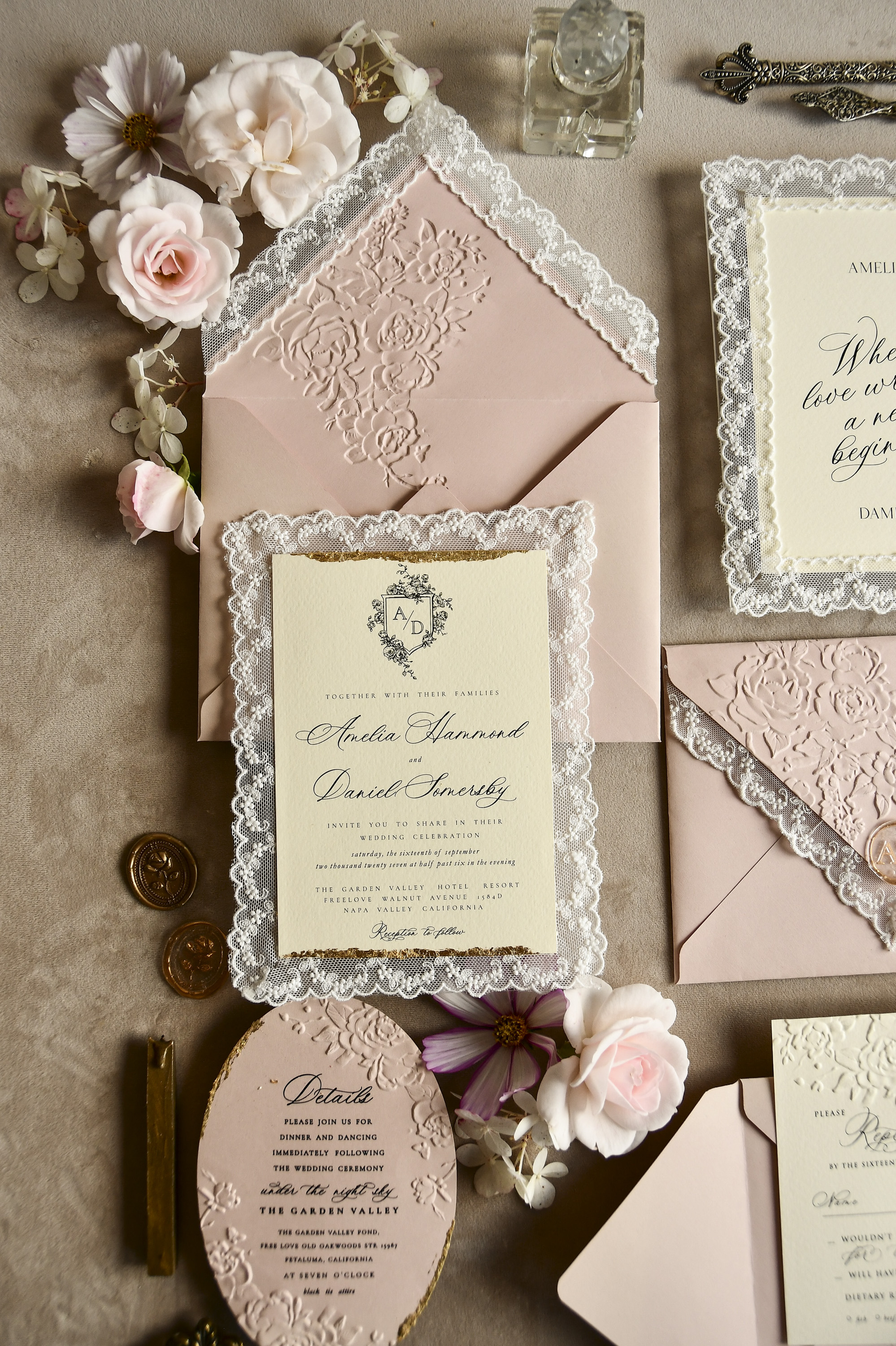
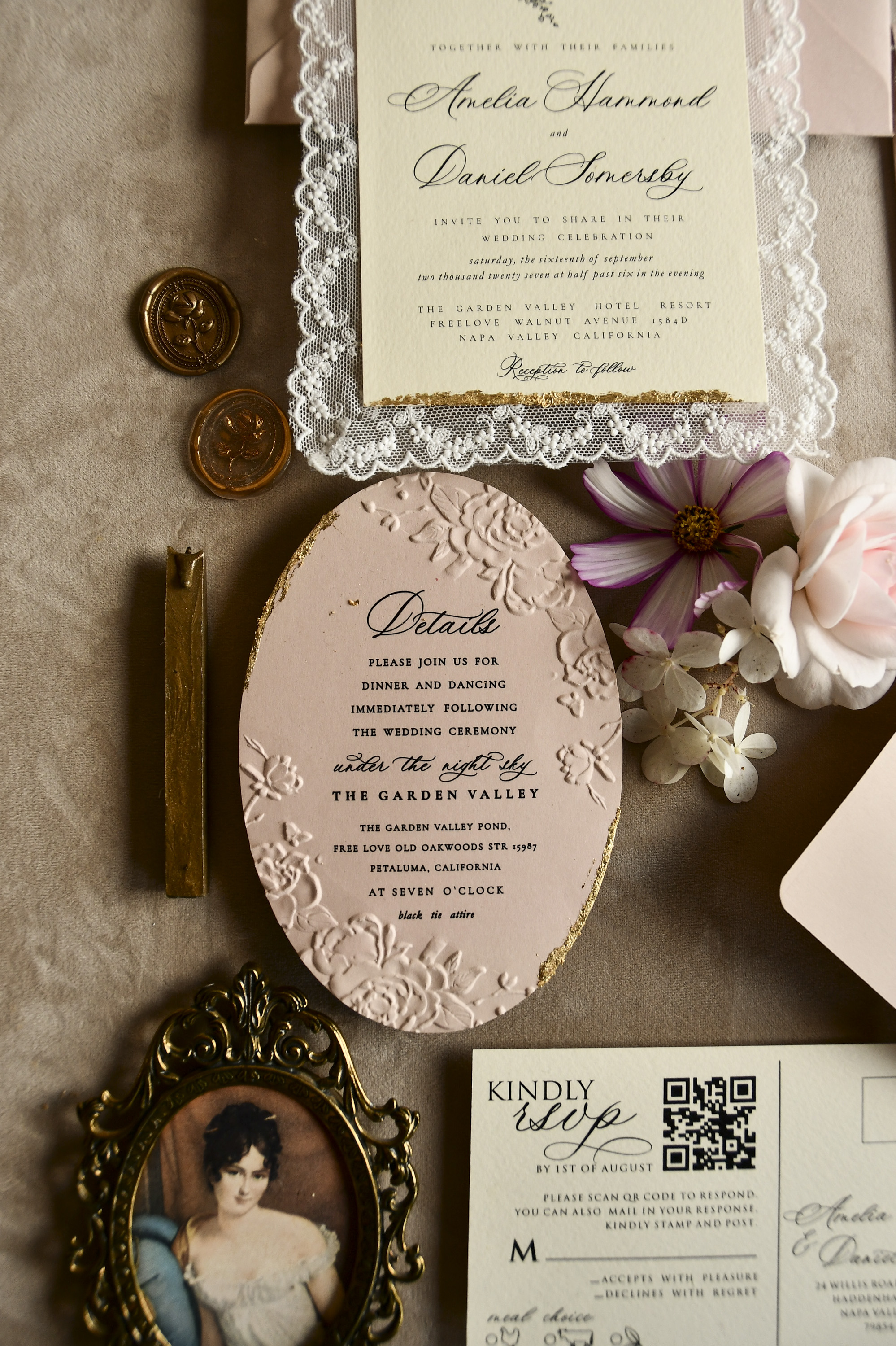
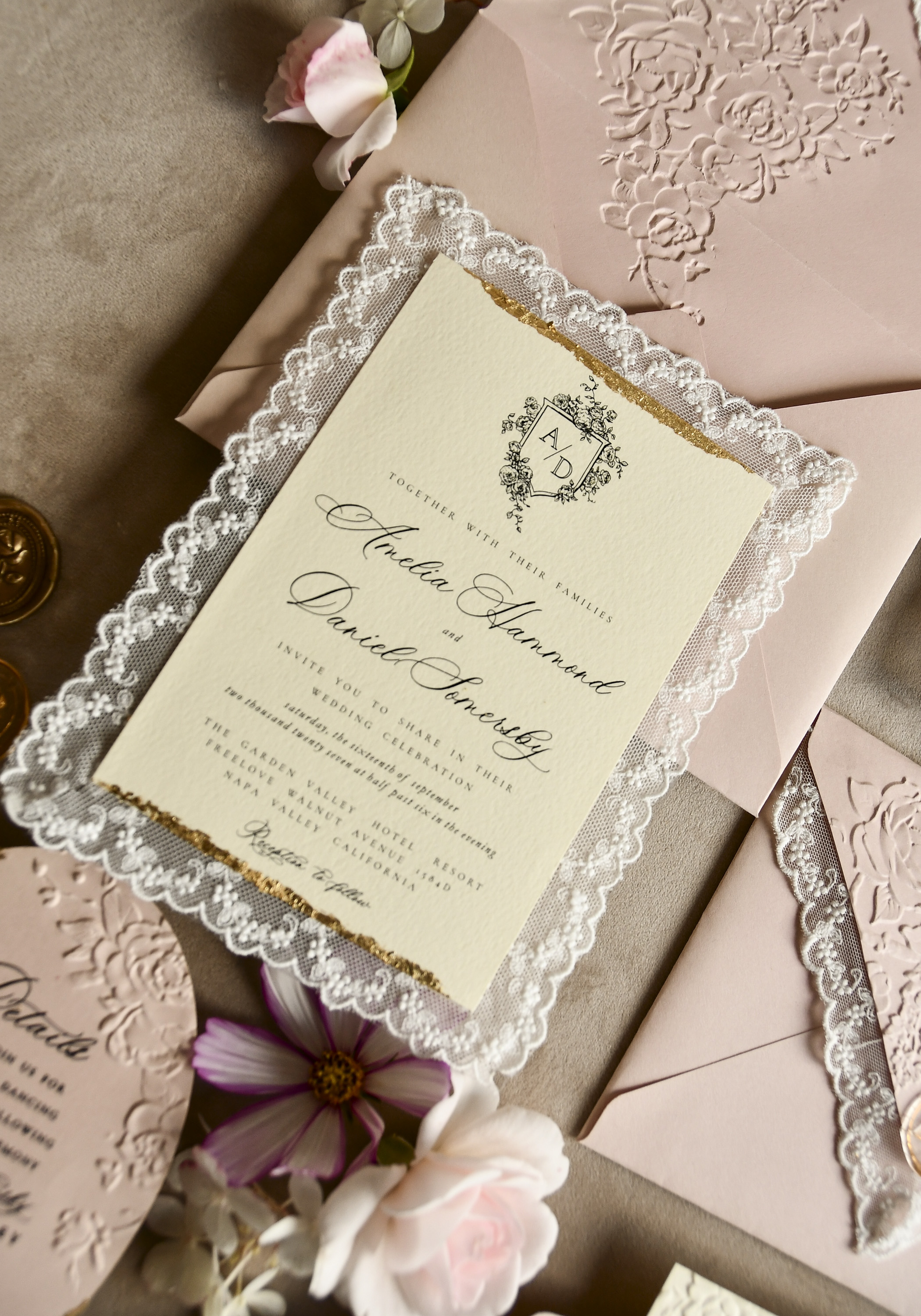
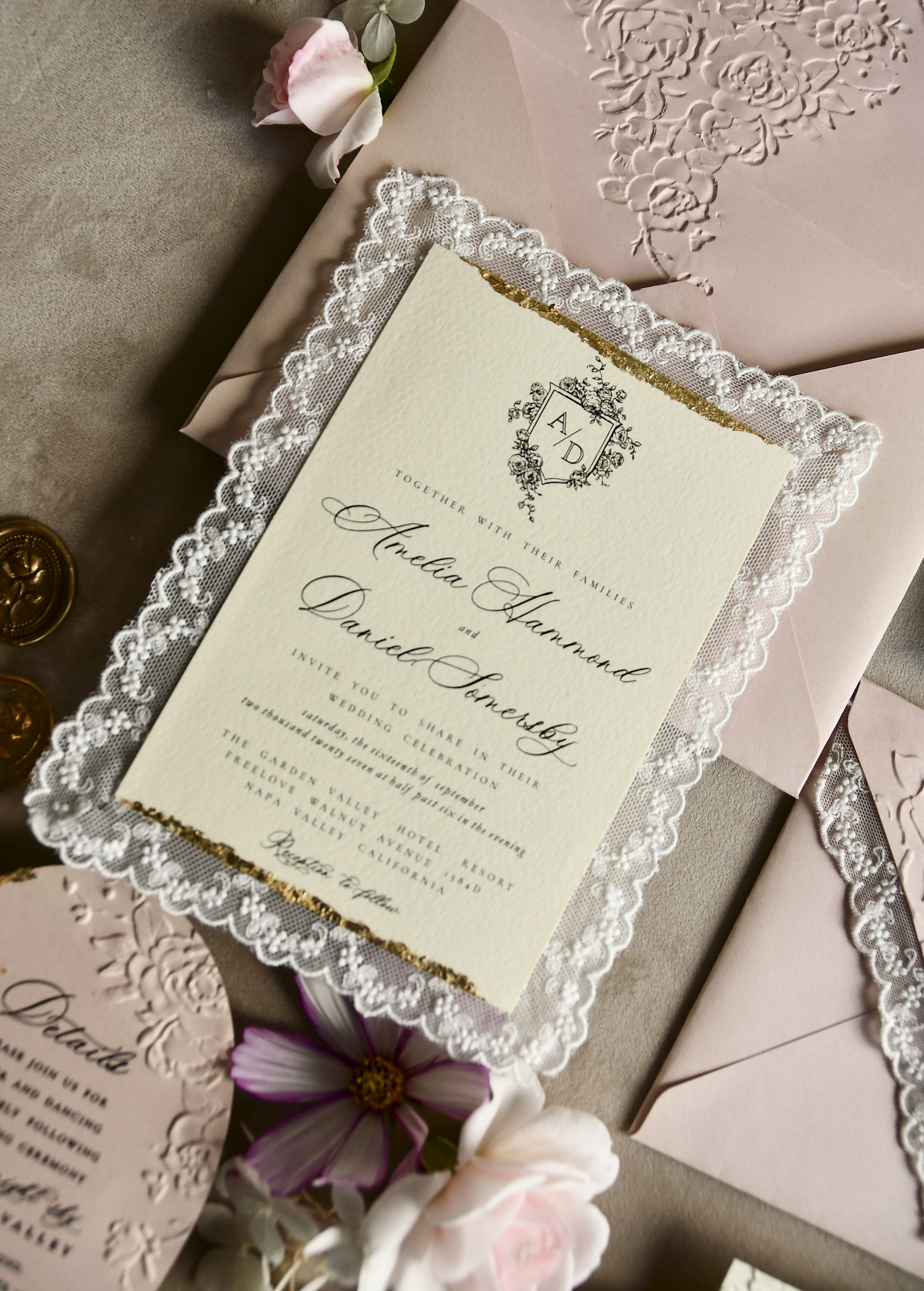
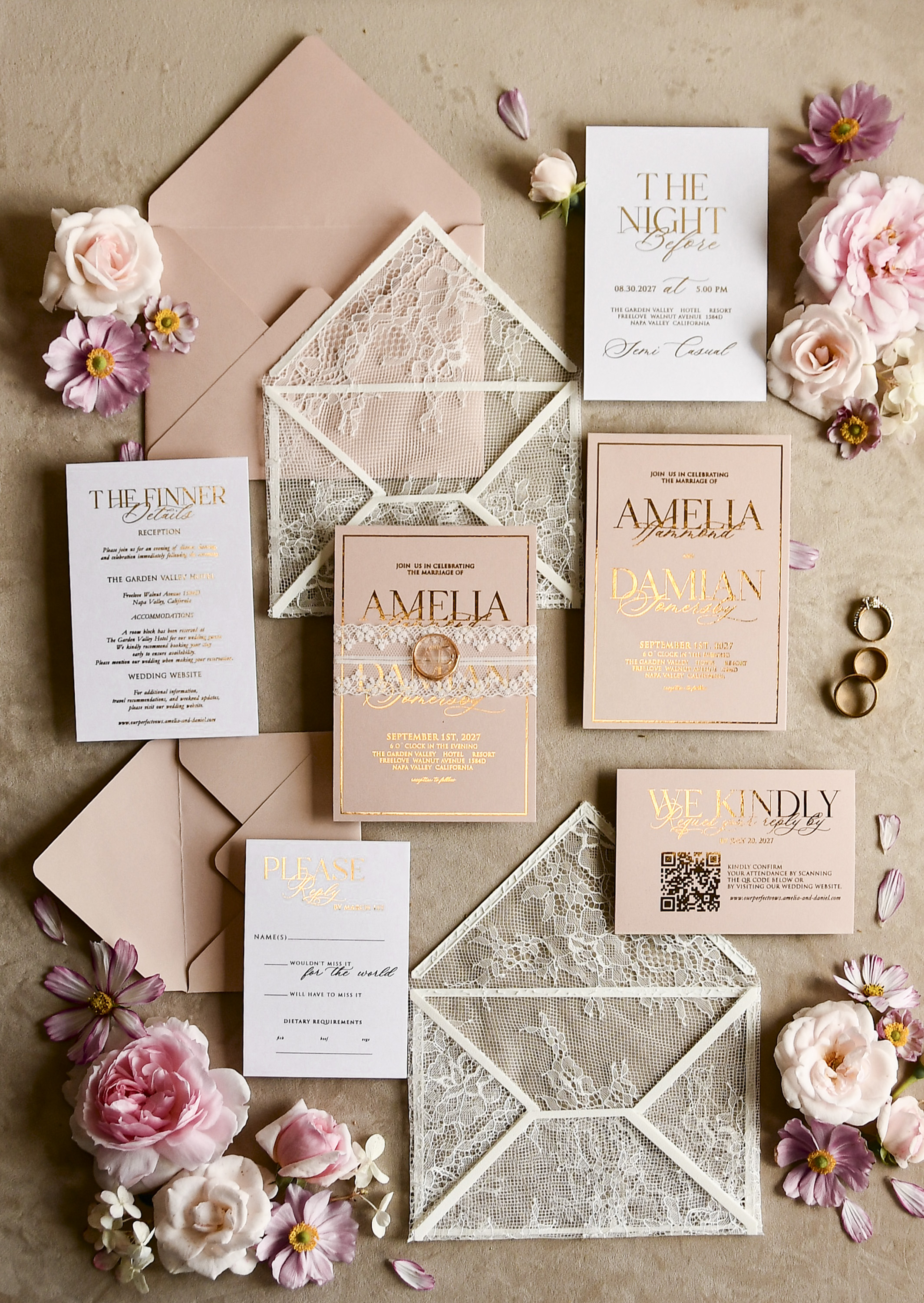
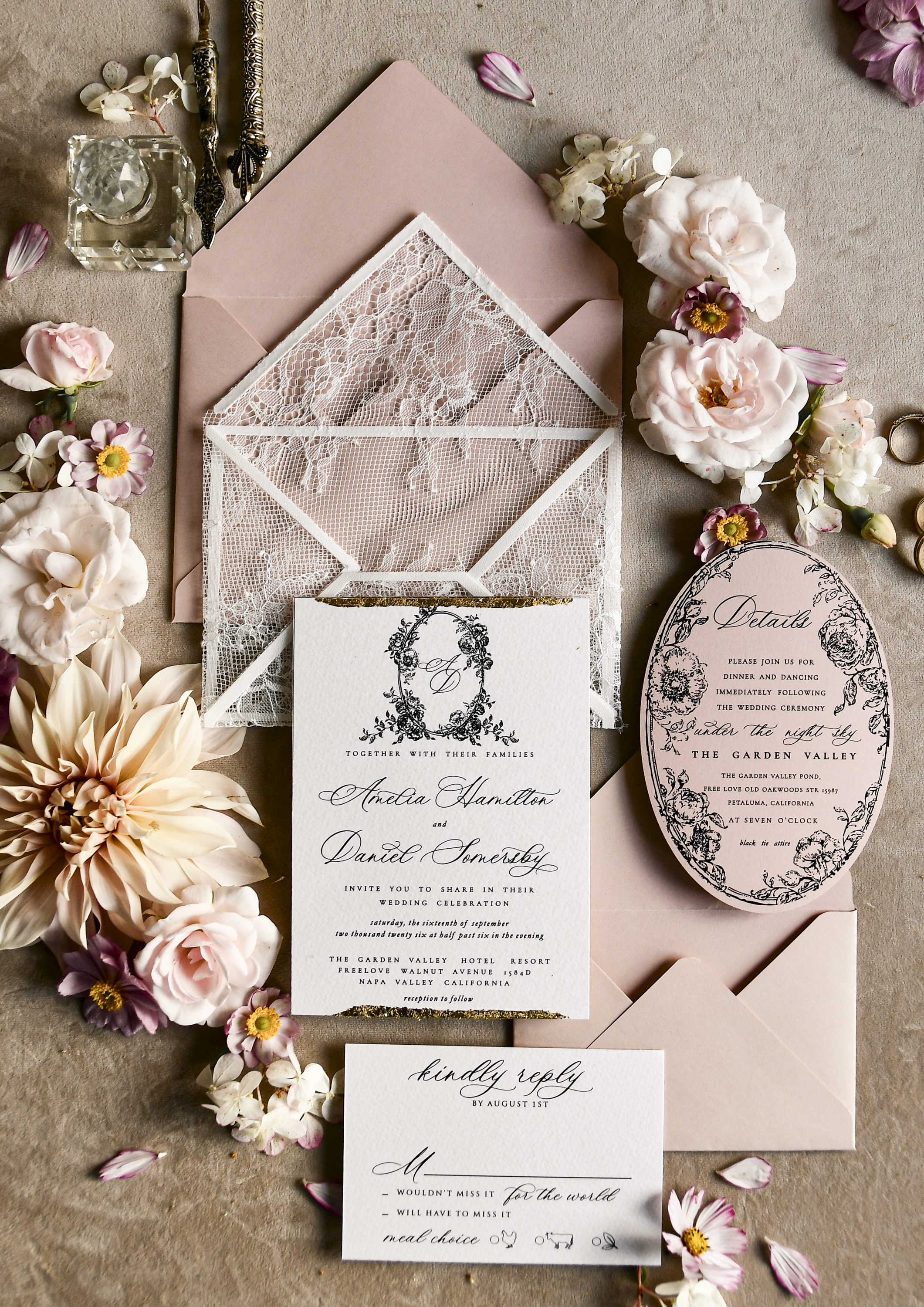
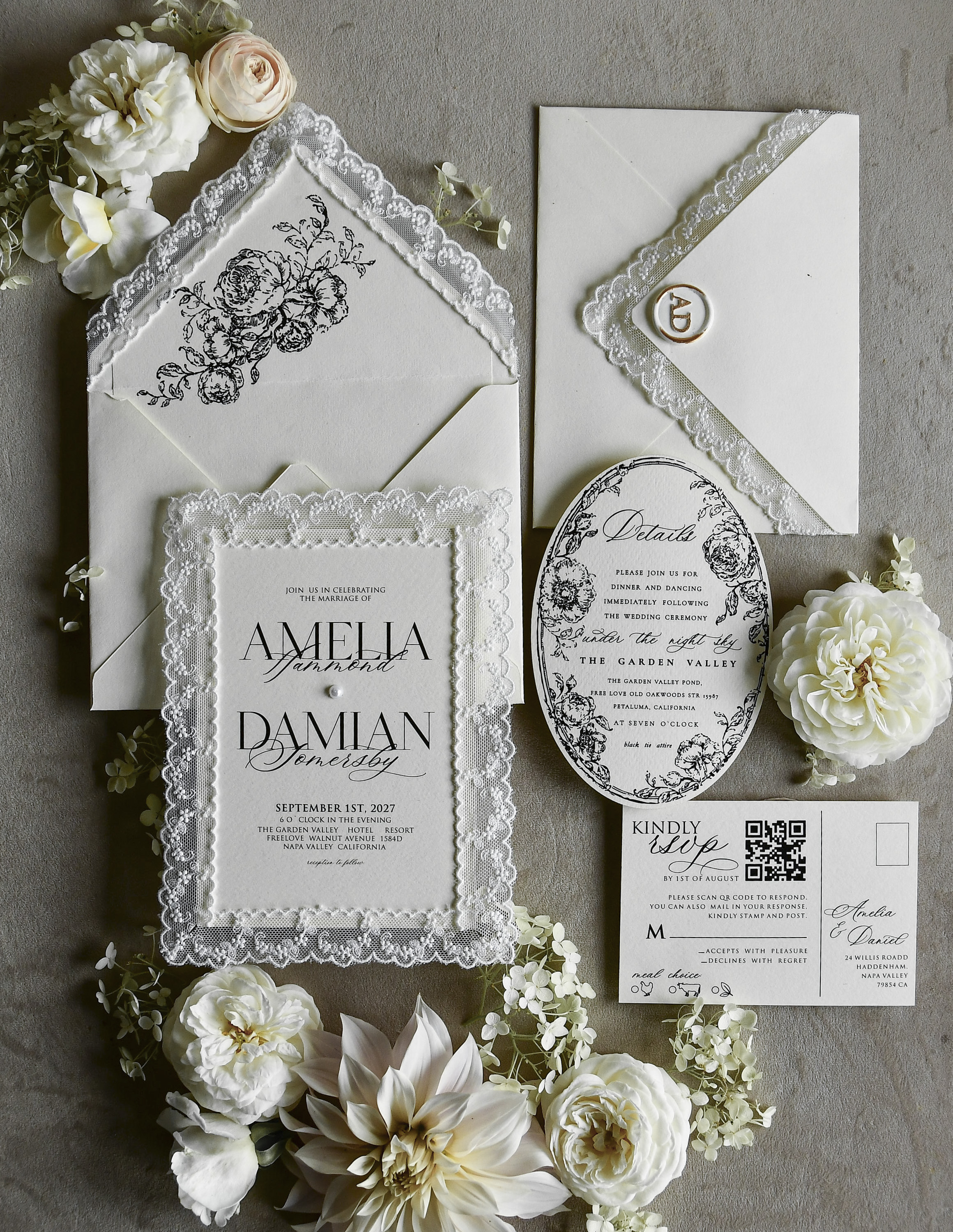
On your RSVP card, print the line "We have reserved ___ seat(s) in your honor" and fill in the exact number. This removes ambiguity entirely — guests see the number and understand the scope of their invitation. Our 01/laceembos/z vintage lace wedding invitation suite includes an RSVP card where this kind of personalized detail is easy to incorporate, giving your stationery both elegance and clarity from the start.
What to Say When a Guest Asks Anyway
Even with perfectly addressed invitations, some guests will ask. Keep your response warm but firm. You don't owe anyone a lengthy explanation, but a kind one goes a long way. Try something like:
- "We're working with a strict venue capacity, so we've had to keep the guest list to close family and friends only. We can't wait to celebrate with you!"
- "We made the decision early on to keep the wedding intimate, so plus ones aren't something we're able to offer. We really hope you'll still join us."
Blame the venue, the budget, or the vision — all of these are honest and none of them are personal. Avoid over-explaining or apologizing excessively, which can invite negotiation. Say it once, say it kindly, and hold the line.
When You Might Want to Make an Exception
Rigid rules are helpful, but there are a few situations where flexibility makes sense:
- A guest who knows absolutely no one: If someone is traveling a significant distance and will be surrounded entirely by strangers, consider whether a plus one would make their experience — and yours — more comfortable.
- A relationship status change: If a guest got engaged or married after you set your policy, it's reasonable to revisit their situation.
- Key family dynamics: If denying a plus one would cause a genuine family rift that affects your relationship long-term, weigh that against the seat cost.
If you do make an exception, try to do it quietly. You don't need to announce it, and you don't owe other guests the same exception just because you made one.
Handling Pushback With Confidence
Some guests will push back, and a small number may even decline to attend because of your decision. That's okay. A guest who would skip your wedding entirely over not getting a plus one is telling you something about their priorities, not yours. Stay gracious, don't take it personally, and remember that every seat at your wedding represents real money and real intention.
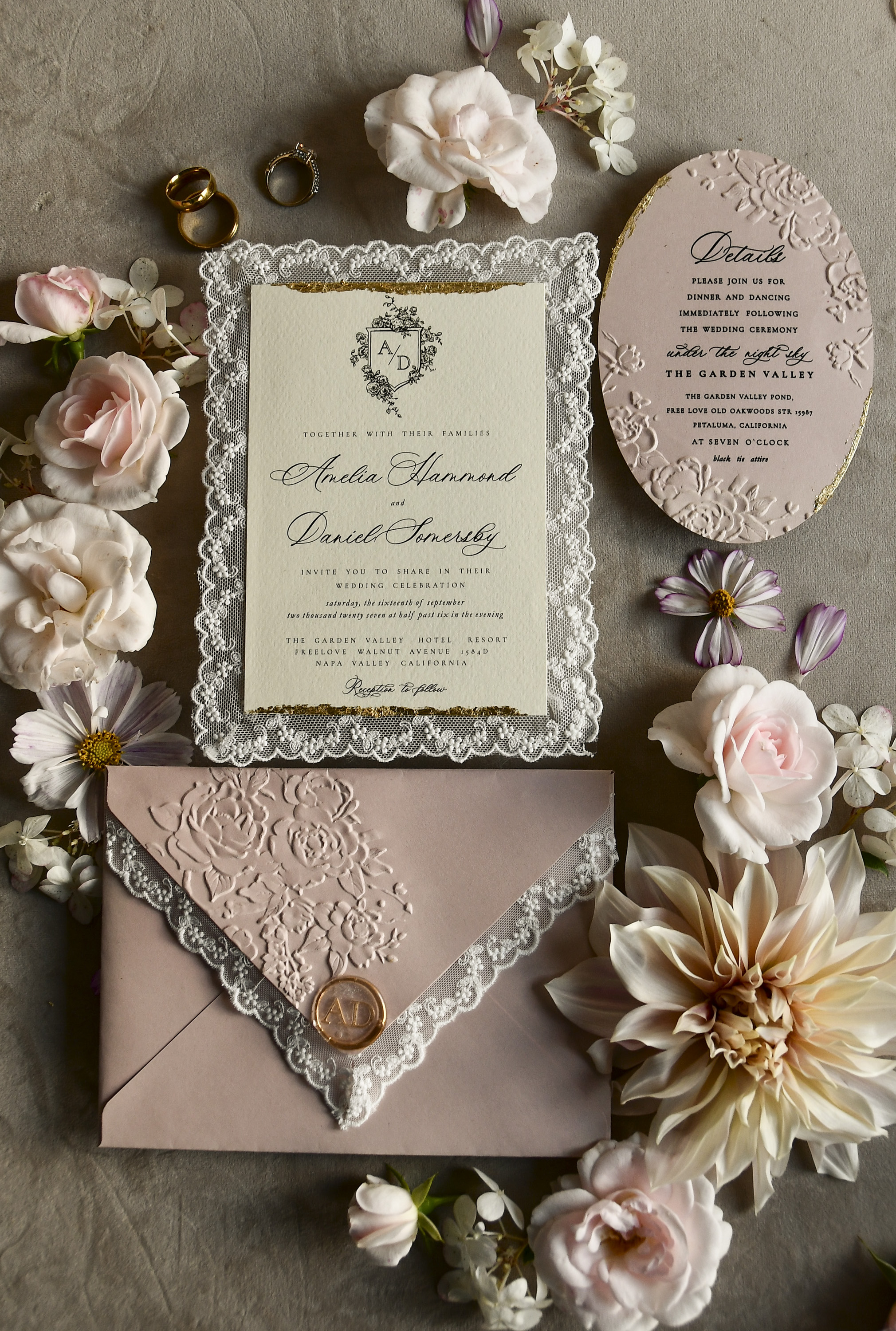
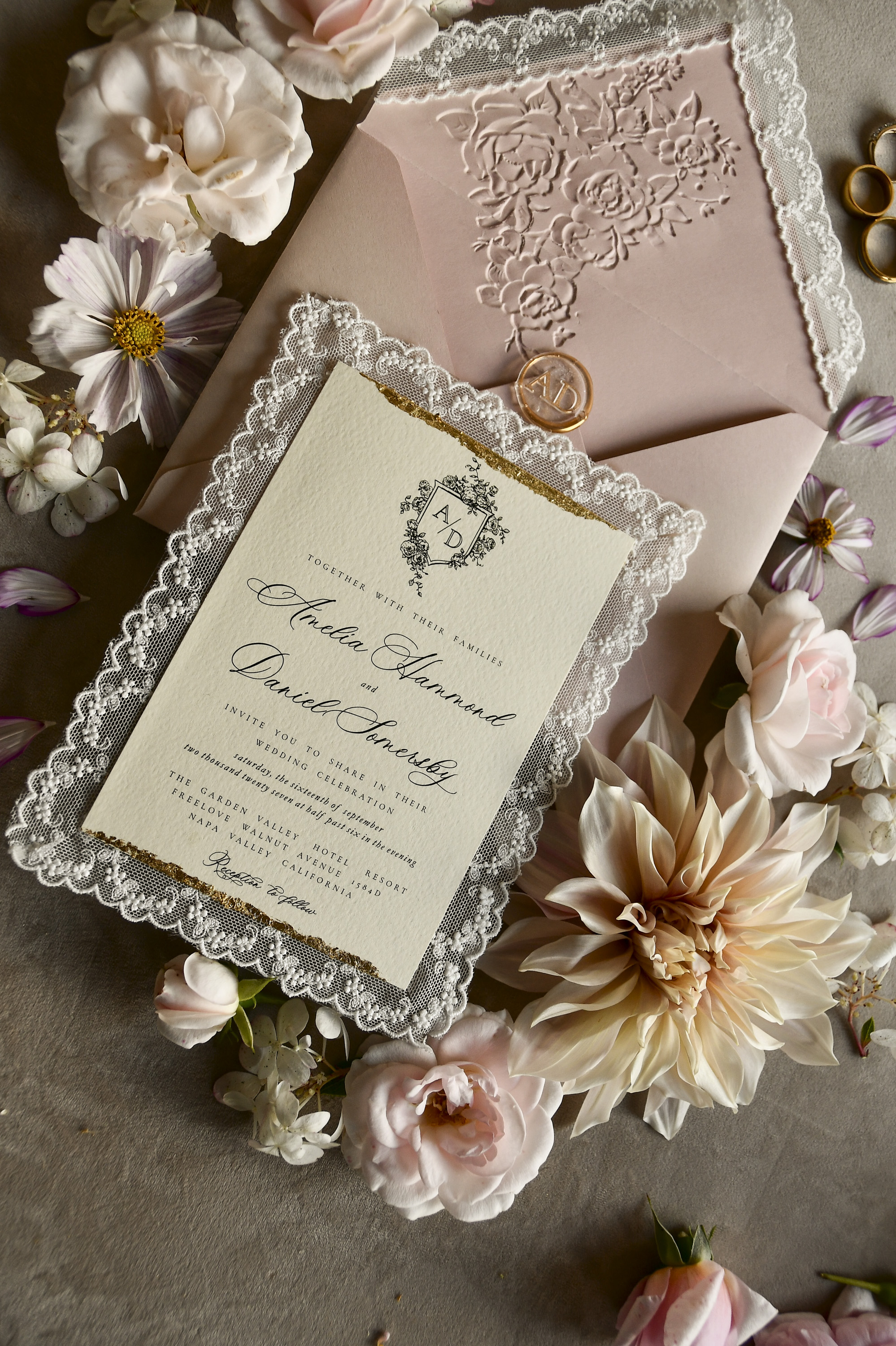
If you're sending a refined, detail-forward suite like the 01/laceembos/z lace invitation collection, your stationery already signals that this wedding has been thoughtfully planned. Guests who receive a beautifully curated invitation tend to approach the event — and your decisions — with more respect. Presentation matters, even in the small things.
Frequently Asked Questions
No, it's not rude as long as you apply your policy consistently and communicate it clearly through your invitation addressing. Etiquette experts agree that couples are not obligated to invite unknown partners, especially when venue size or budget is a factor.
You don't have to, but it's a kind gesture for guests who will genuinely know no one else at the wedding. If you're keeping things intimate or on a tight budget, it's perfectly acceptable to invite single guests solo with a warm, personal note acknowledging you can't wait to see them.
Address the envelope only to the invited guest by name — never write 'and Guest' unless you intend to offer one. On the RSVP card, pre-fill the number of reserved seats so there's no room for misinterpretation.
Reach out promptly and kindly: let them know you noticed the RSVP listed two guests and clarify that unfortunately you're only able to accommodate them. Most guests will understand once it's addressed directly and without blame.
Not automatically, but it's worth considering on a case-by-case basis. If a guest is traveling far and won't know anyone at the wedding, offering a plus one can be a genuine act of hospitality — just make sure you're comfortable making the same offer to others in a similar situation.
It's best not to, as changes can create confusion and perceived favoritism. If you must adjust, communicate the update directly and personally to affected guests rather than making a broad announcement.
See This Design Up Close
You May Also Like
More Wedding Planning Guides
- → When to Address a Wedding Invitation Directly to a Child
- → Mailed Card or Website Link? How to Handle RSVPs the Modern Way
- → Wedding Invitation Delivery: When to Mail and When to Hand Them Off
- → Navigating a Wedding Guest List When Your Fiancé Wants to Leave Your Family Out
- → Wedding Invitation Wording: Every Essential Detail Couples Need to Include
- → When Your Divorced Parents Can't Be in the Same Room: A Wedding Planning Guide
- → Adults-Only Weddings: Is Leaving Kids Off the List Actually Rude?
- → Wedding Invitation Addressing: Names, Titles, and Every Tricky Situation Solved
- → How to Decide Who Gets a Plus One at Your Wedding
- → Wedding Invitations: How to Count What You Actually Need
- → Yes, You Can Invite Ceremony-Only Guests — Here's How to Do It Gracefully
- → Extra Wedding Guests: Who Pays and How to Handle It Gracefully
- → Big Wedding or Better Wedding: How to Choose What Truly Matters
- → Your Wedding, Your Guest List: The Honest Truth About Inviting Cousins
- → Uninvited Extras: How to Handle Guests Who Bring Someone You Didn't Invite
- → Plus-One or No? How to Decide If Single Guests Can Bring a Date
- → How to Embrace a Small Wedding and Make It Unforgettable
- → Where Do Divorced Parents Sit at Your Wedding? Here's What Actually Works
- → To Invite or Not to Invite: Navigating the Ex Question for Your Wedding Guest List
- → Stepparents and Your Wedding Guest List: Making the Right Call
- → Should Work Friends Come to Your Wedding? A No-Stress Guide to Inviting Colleagues
- → Guests Who Don't RSVP: Your Step-by-Step Plan
- → Save the Date vs. Wedding Invitation: Two Very Different Jobs, One Beautiful Paper Trail
- → When Someone Asks Why They Weren't Invited: Your Honest, Kind Playbook
- → To Call or Not to Call: Tracking Down Guests With Missing RSVPs
- → When the Guest List Must Shrink: The Right People to Remove First
- → Digital Wedding Invitations: When They Work and When to Think Twice
- → How to Handle the Parent Friend Dilemma on Your Wedding Guest List
- → Your Wedding Invitation Deadline: When the Window Officially Closes
- → Uninvited Plus-Ones and Tag-Alongs: How to Keep Your Guest List Intact
- → When Family Feuds Threaten Your Wedding Plans: A Practical Peacekeeper's Guide
- → Inviting an Estranged Brother or Sister: Finding Clarity Before You Seal the Envelope
- → Cousins, Invites, and Hard Choices: A Practical Guest List Guide