
When Your Divorced Parents Can't Be in the Same Room: A Wedding Planning Guide
You're engaged, you're excited, and then reality hits: your divorced parents genuinely cannot stand each other. Whether there's been years of silence, open hostility, or just unbearable tension at every family gathering, you're now facing the task of planning one of the happiest days of your life around two people who'd rather not share the same zip code. Take a breath. You are not alone — this is one of the most common challenges couples bring to wedding planners — and it is absolutely manageable with the right strategy.
Set Your Boundaries Early and Communicate Them Clearly
Before you make a single vendor booking, have a private conversation with each parent separately. Be direct, warm, and firm: this is your wedding day, and you need their cooperation — not their conflict. Use specific language. Instead of "please behave," say "I need you to greet each other politely, avoid any conversation about the divorce, and not involve other guests in tension between you."
Make it clear that drama will not be tolerated and that you've made this same request of both of them. When parents understand they are being held to the same standard, they tend to rise to the occasion. If either parent has a history of being particularly volatile, consider asking a trusted family member or your wedding coordinator to serve as a point of contact for that parent on the day itself.
Plan the Logistics to Minimize Contact
Smart planning does most of the heavy lifting here. You don't need to force togetherness — you just need to manage proximity. Consider these practical moves:
- Seating: Seat divorced parents on opposite sides of the aisle for the ceremony, and at separate tables for the reception. Give each parent a "zone" where their closest family and friends are seated nearby for support.
- The processional: If both parents are walking you down the aisle, choreograph it carefully. Some couples have each parent escort them partway, while others have one parent seated before the processional begins.
- Cocktail hour and reception flow: Brief your wedding coordinator or a trusted friend on where each parent will be at key moments so they can gently redirect if the two are drifting toward each other.
- Photos: Schedule separate family portrait sessions — one with each parent and their side of the family. This removes the pressure of forcing a group photo and actually results in more relaxed, natural images.
Handle Invitations and Stationery Thoughtfully
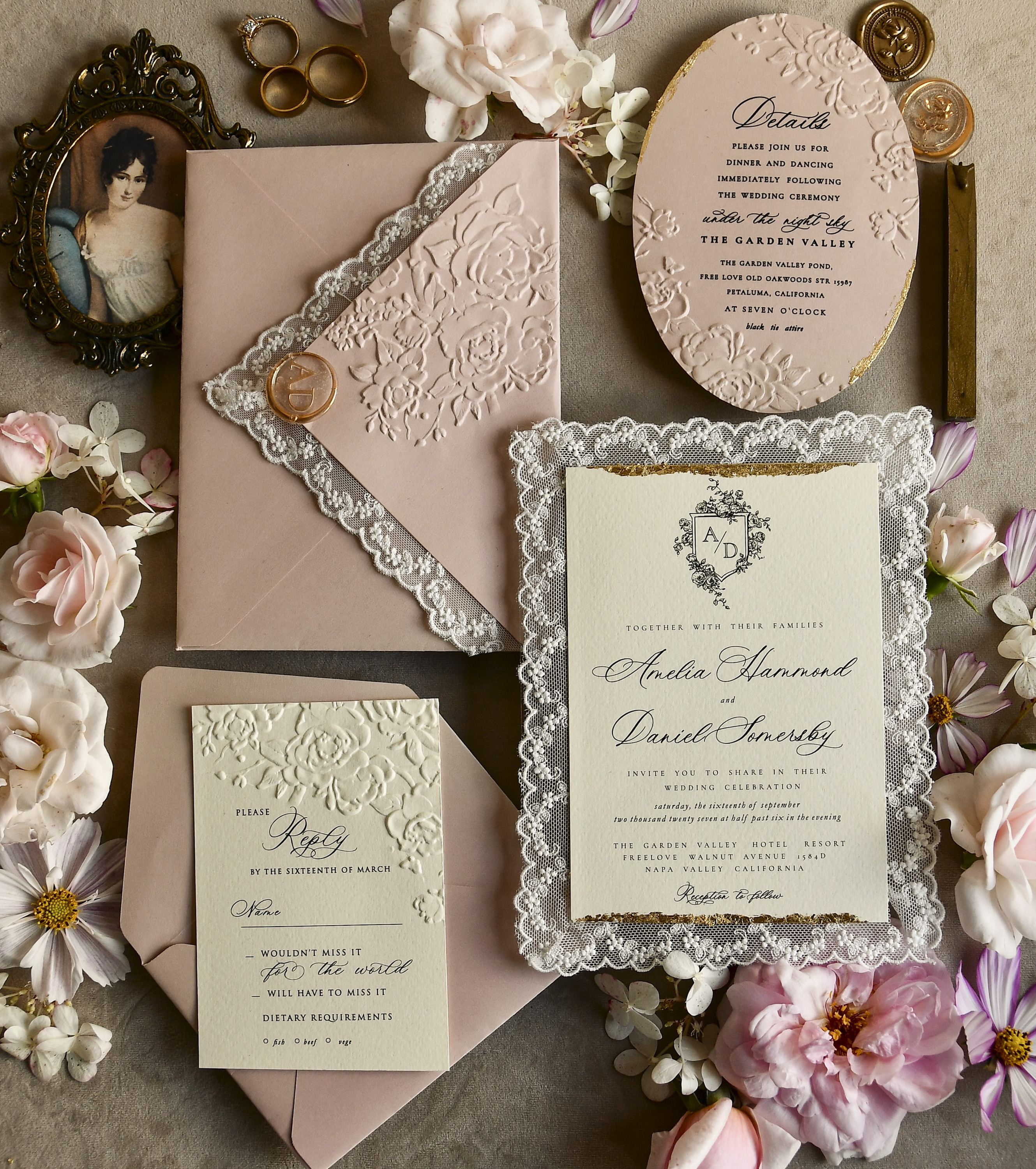
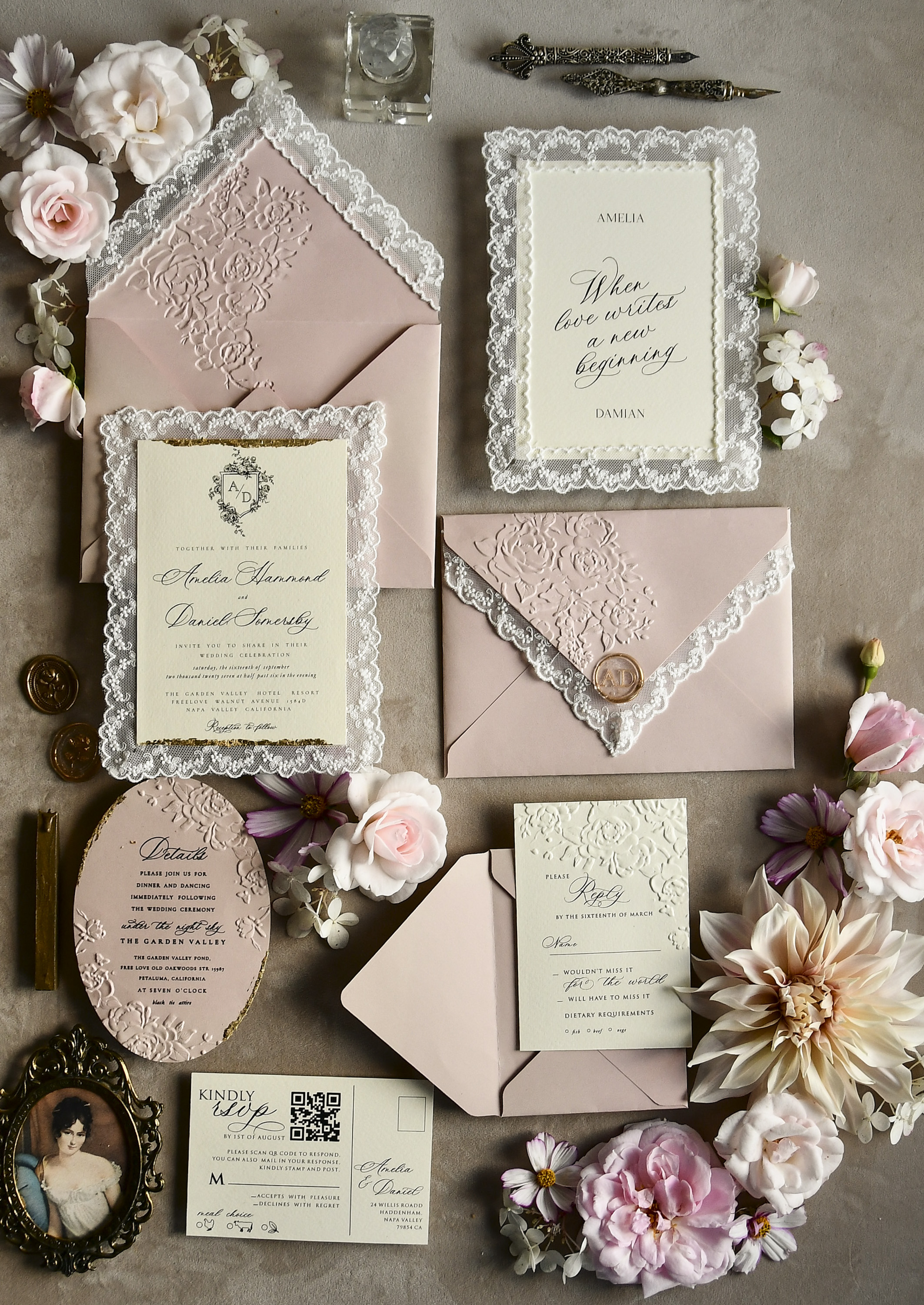
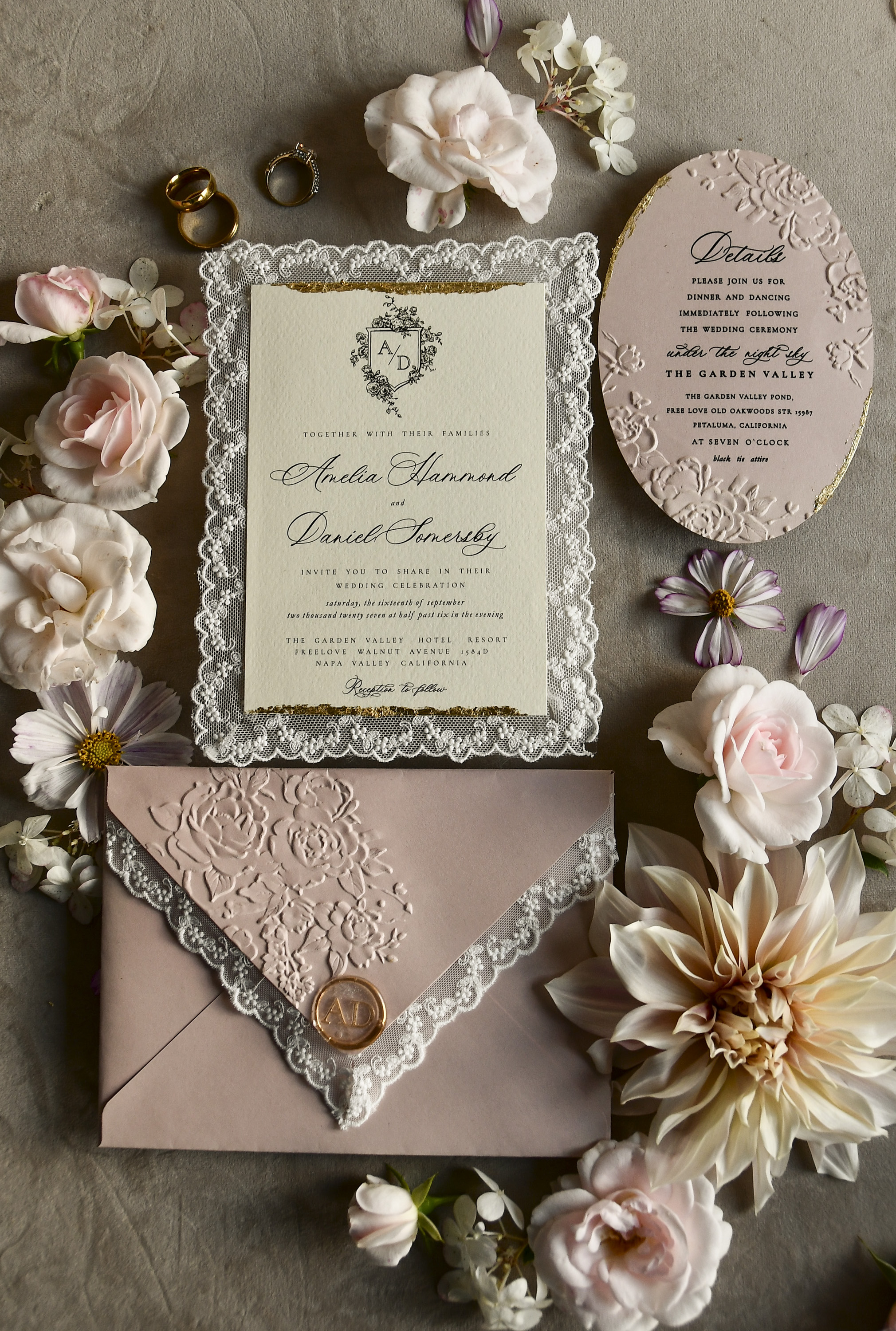
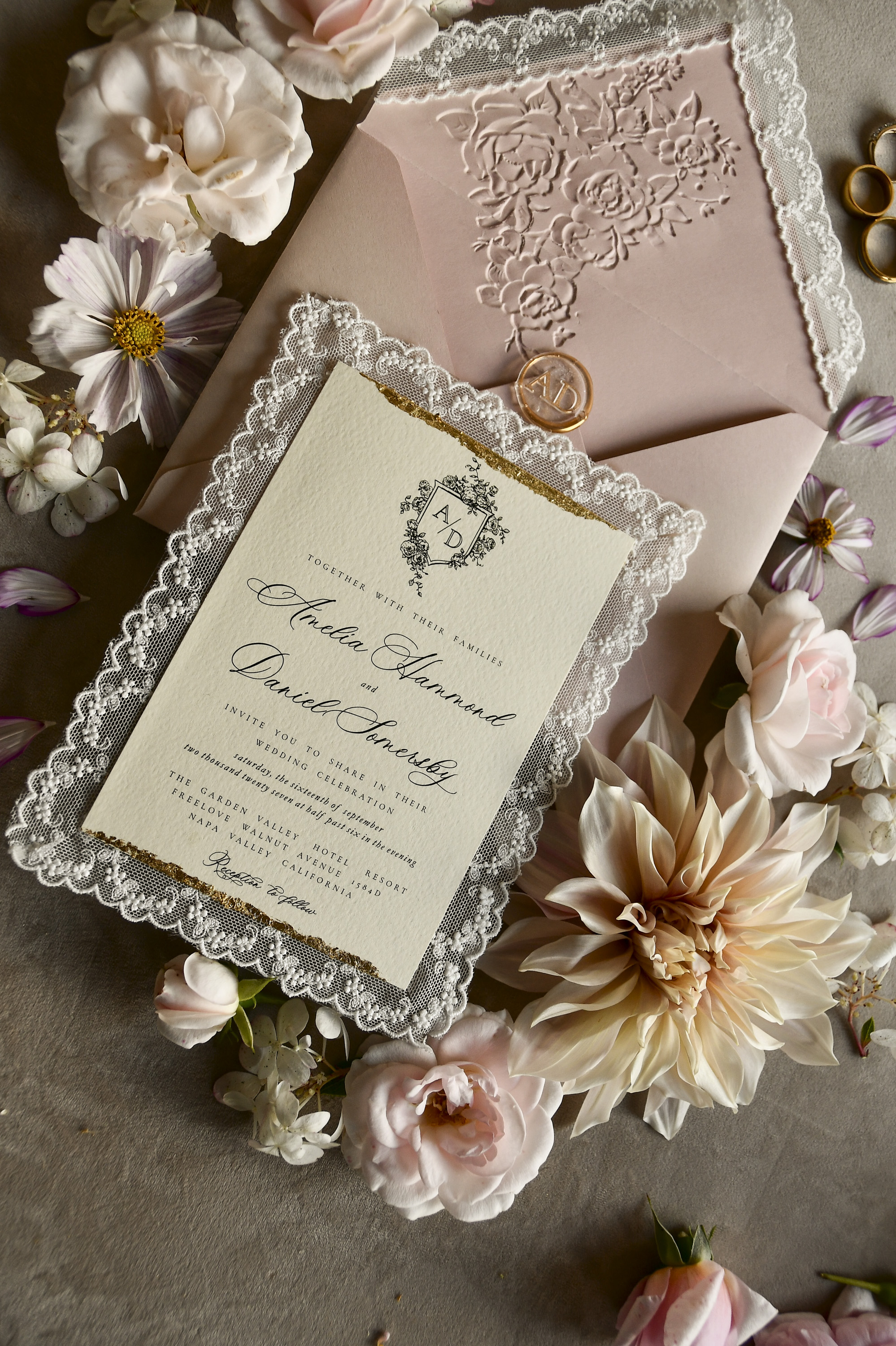
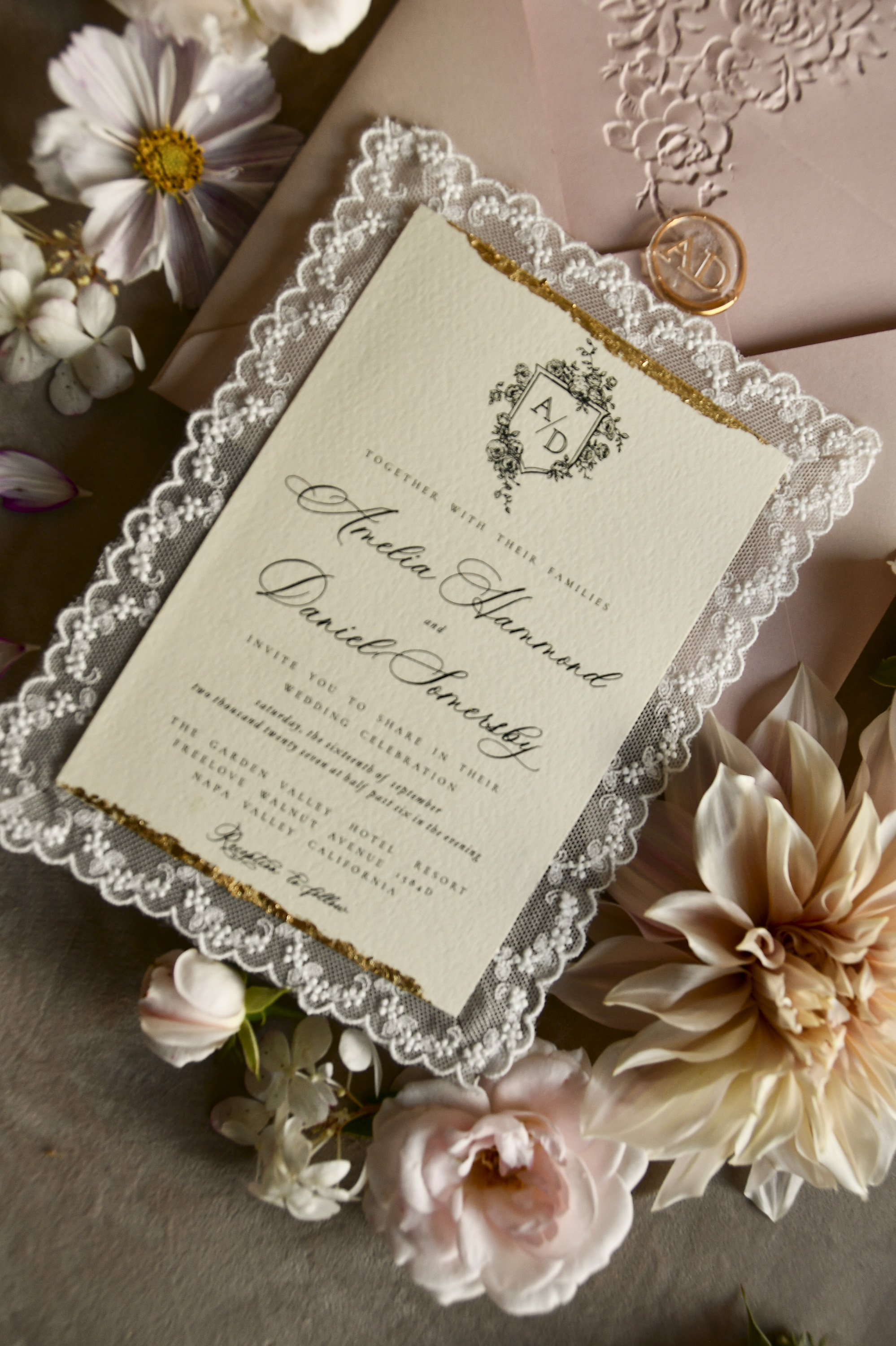
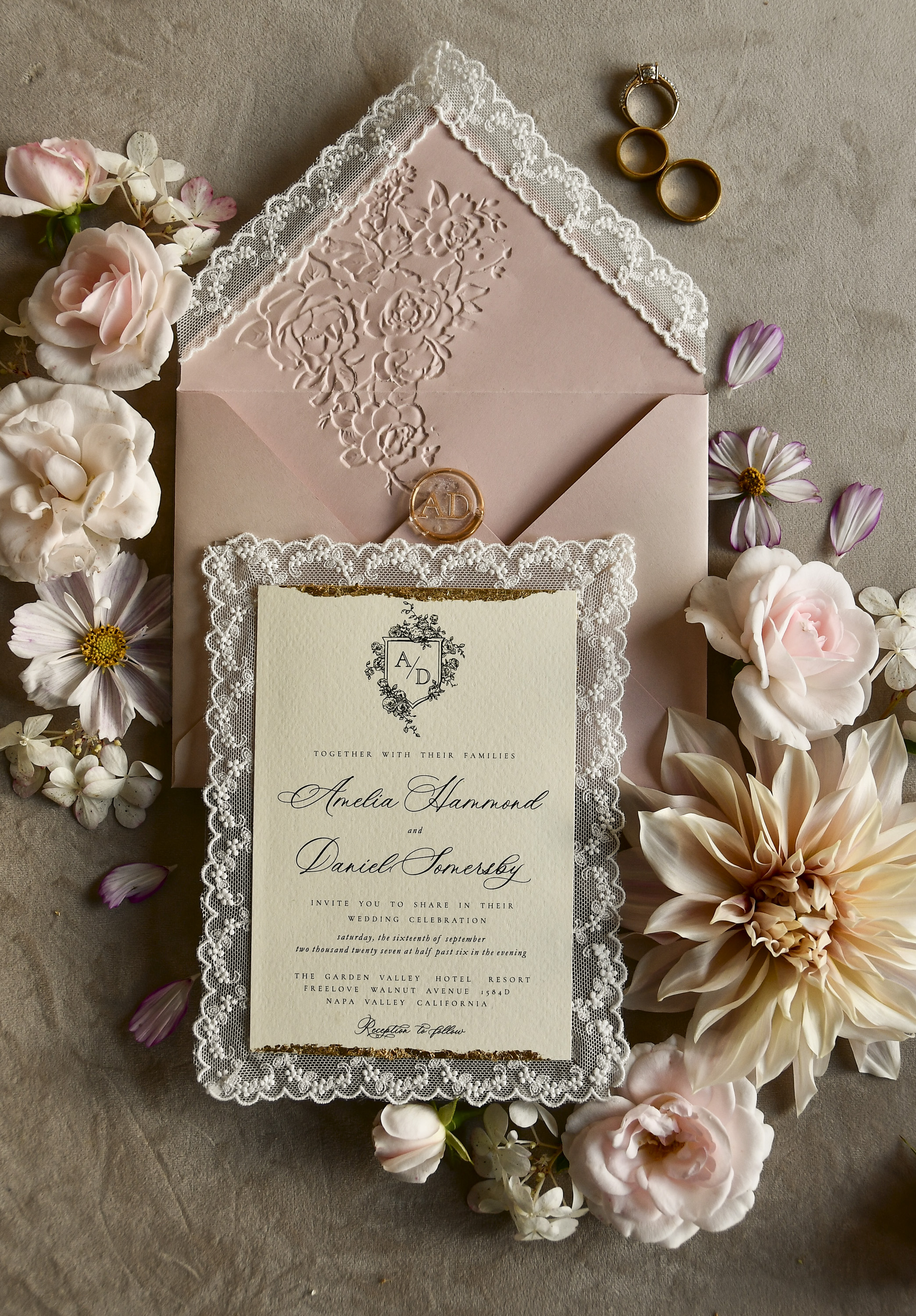
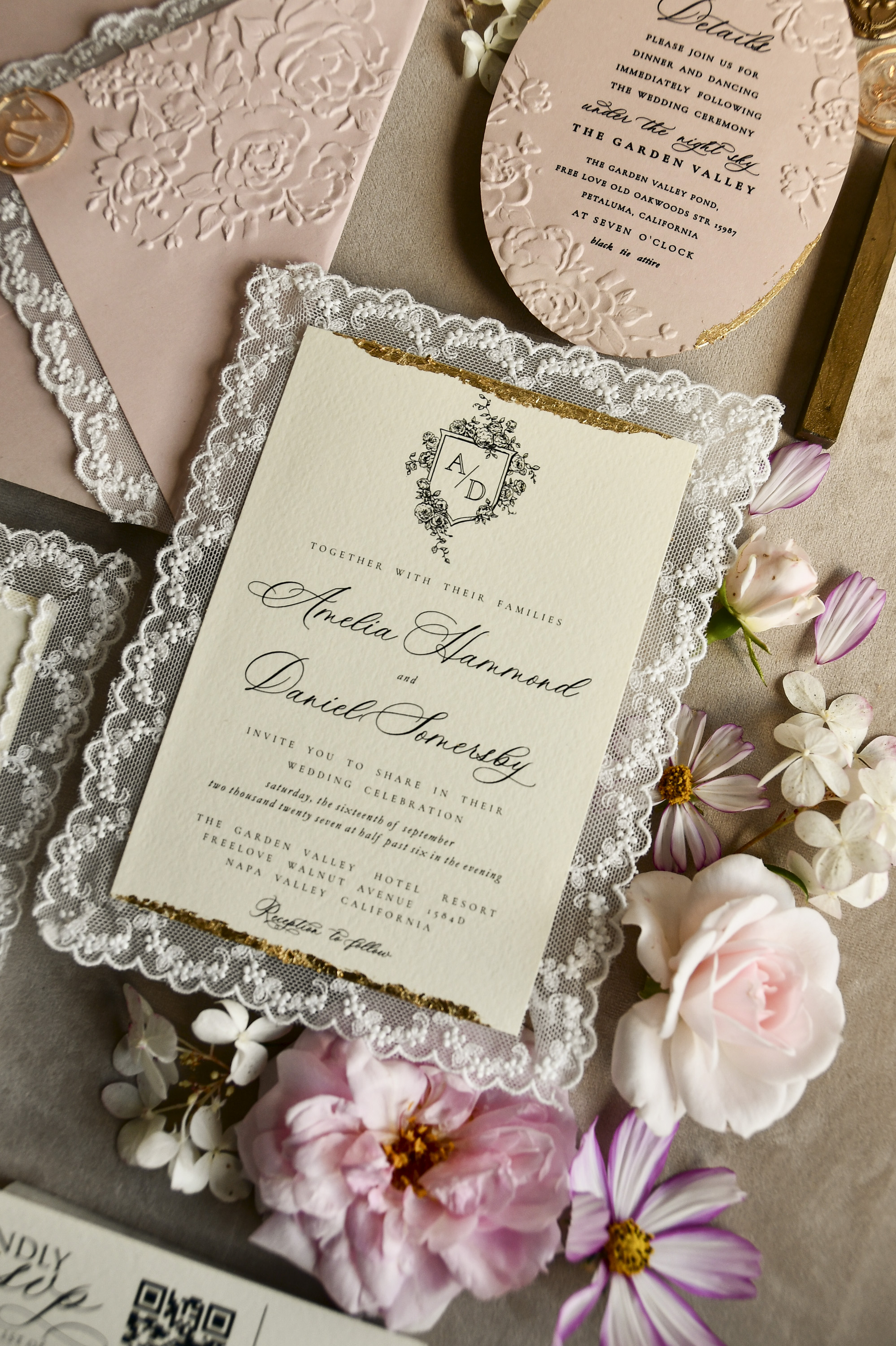
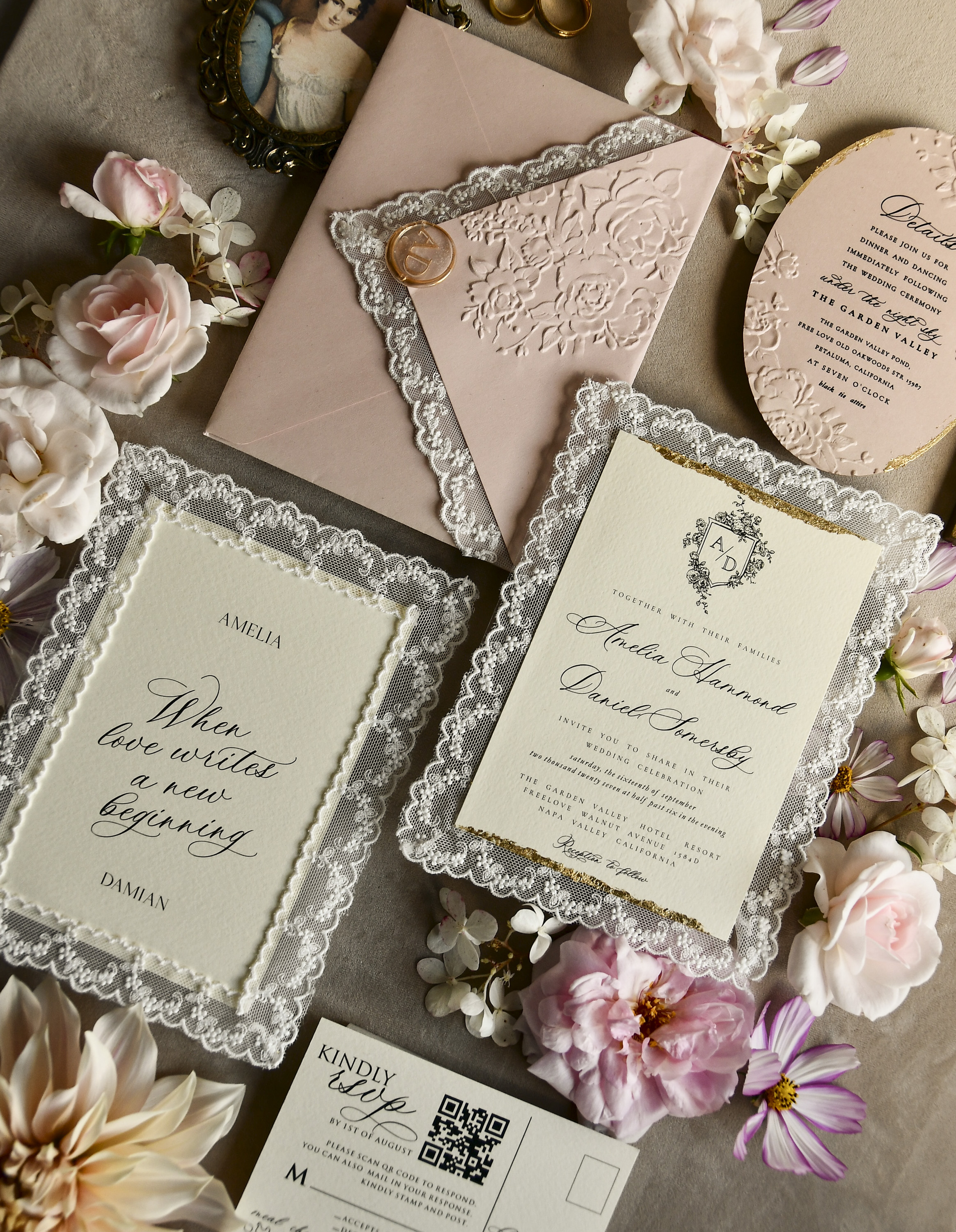
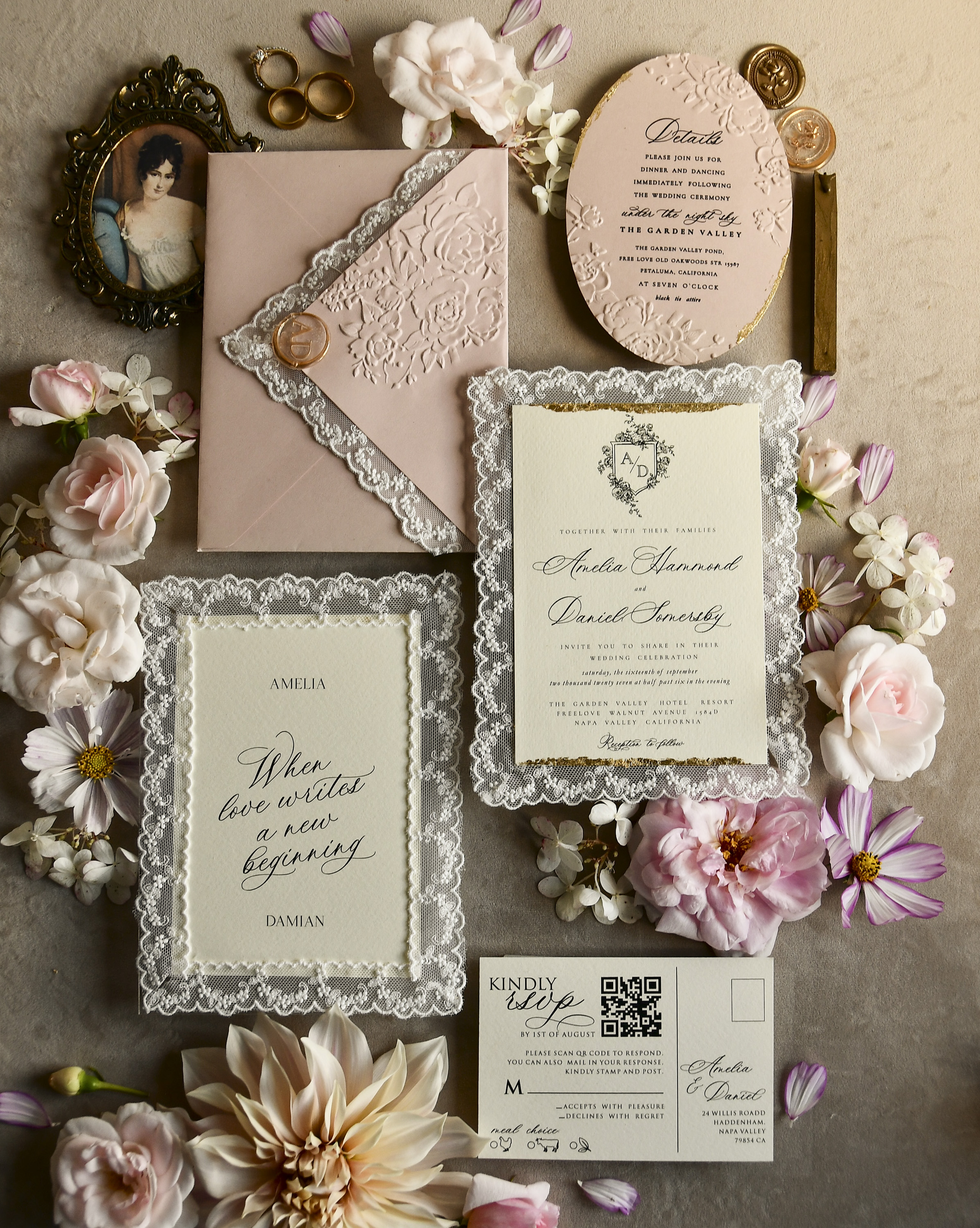
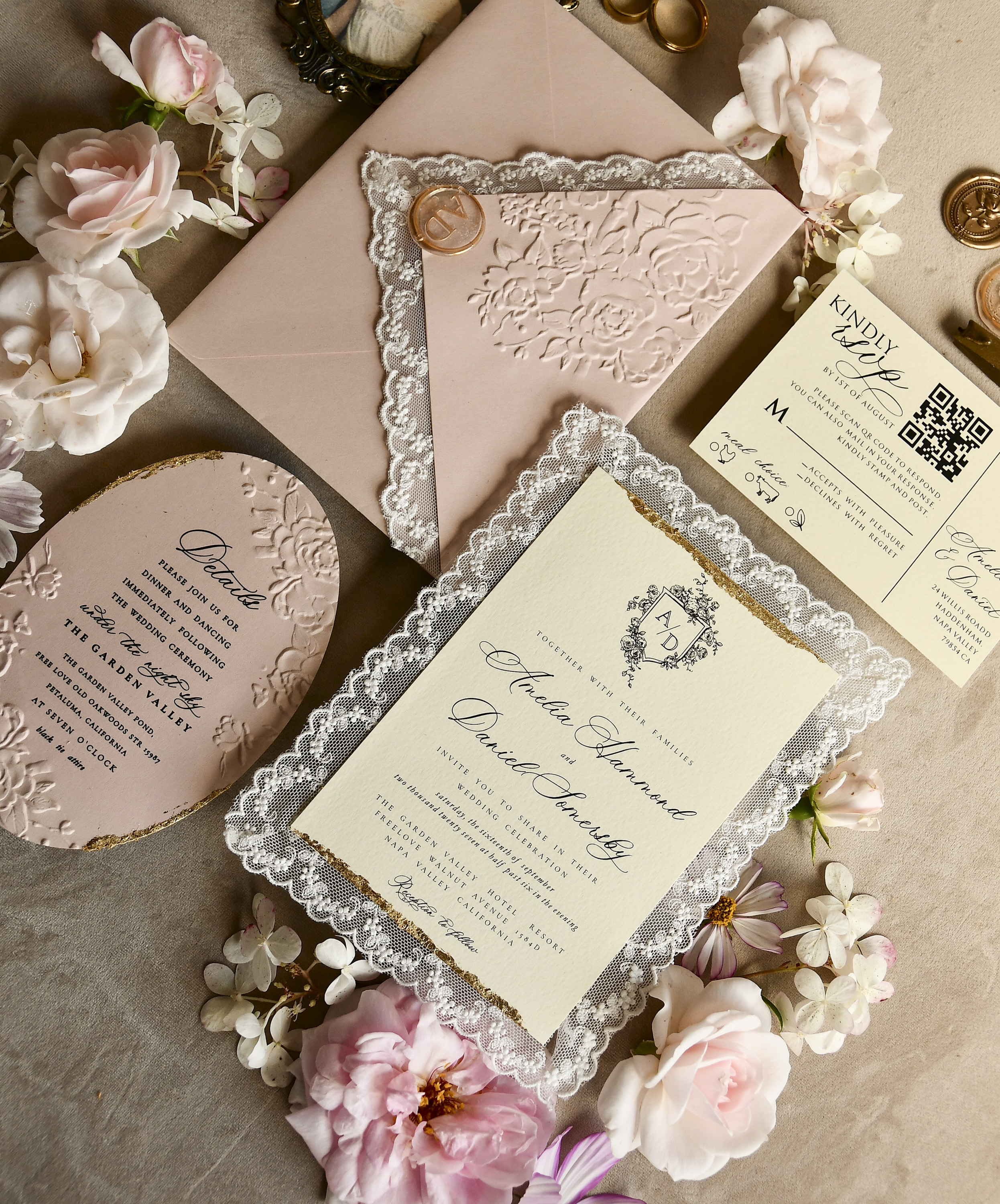
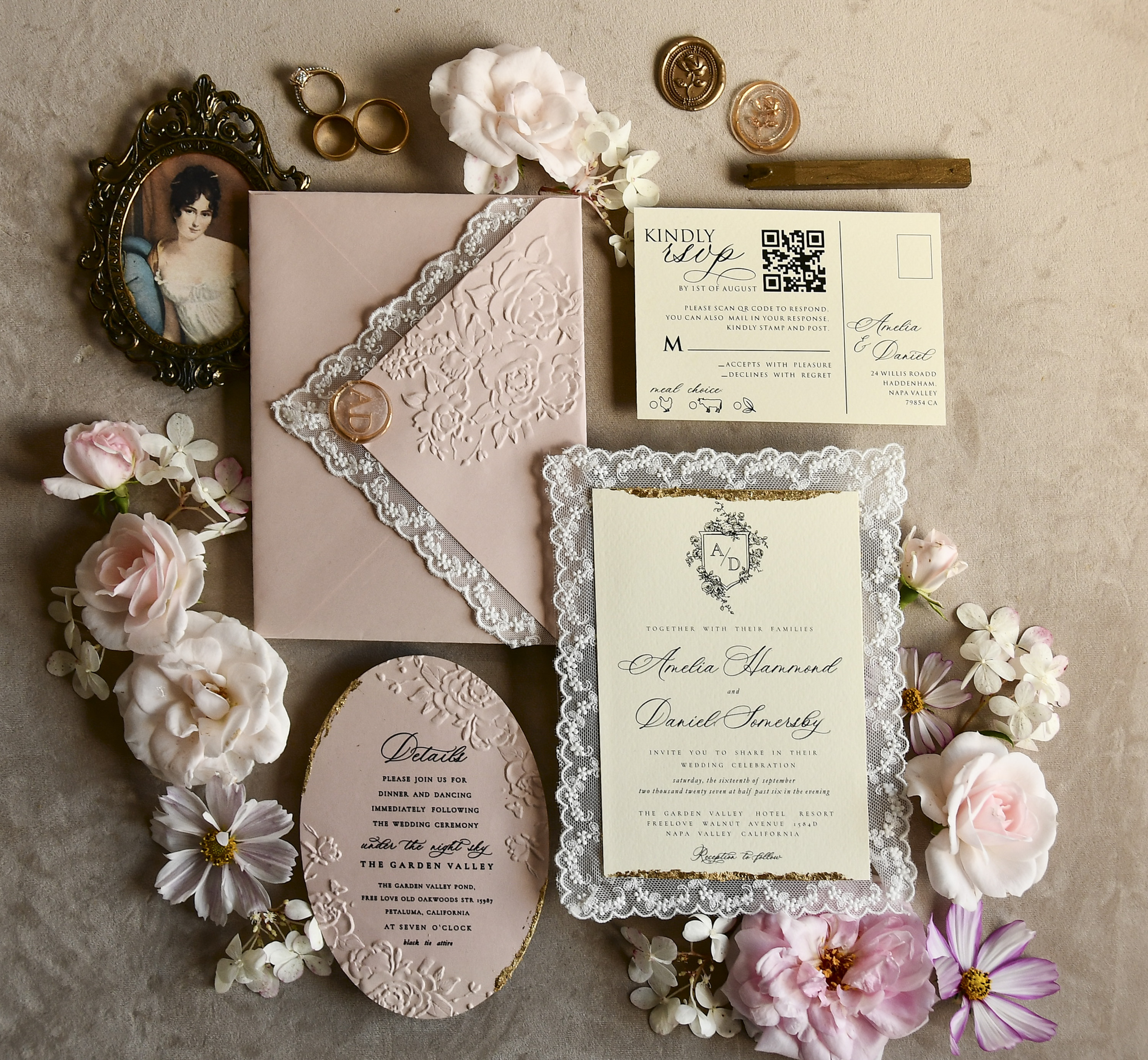
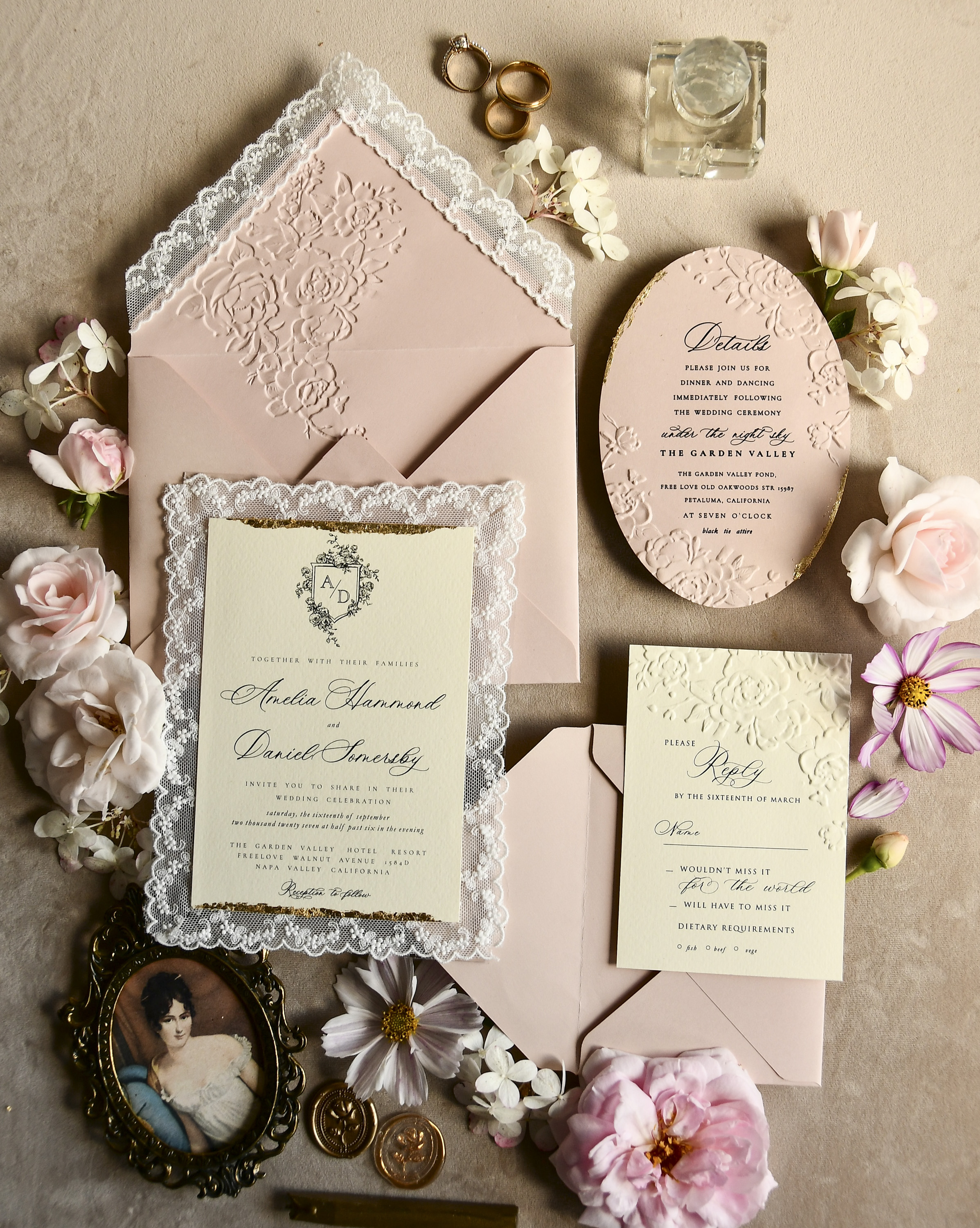
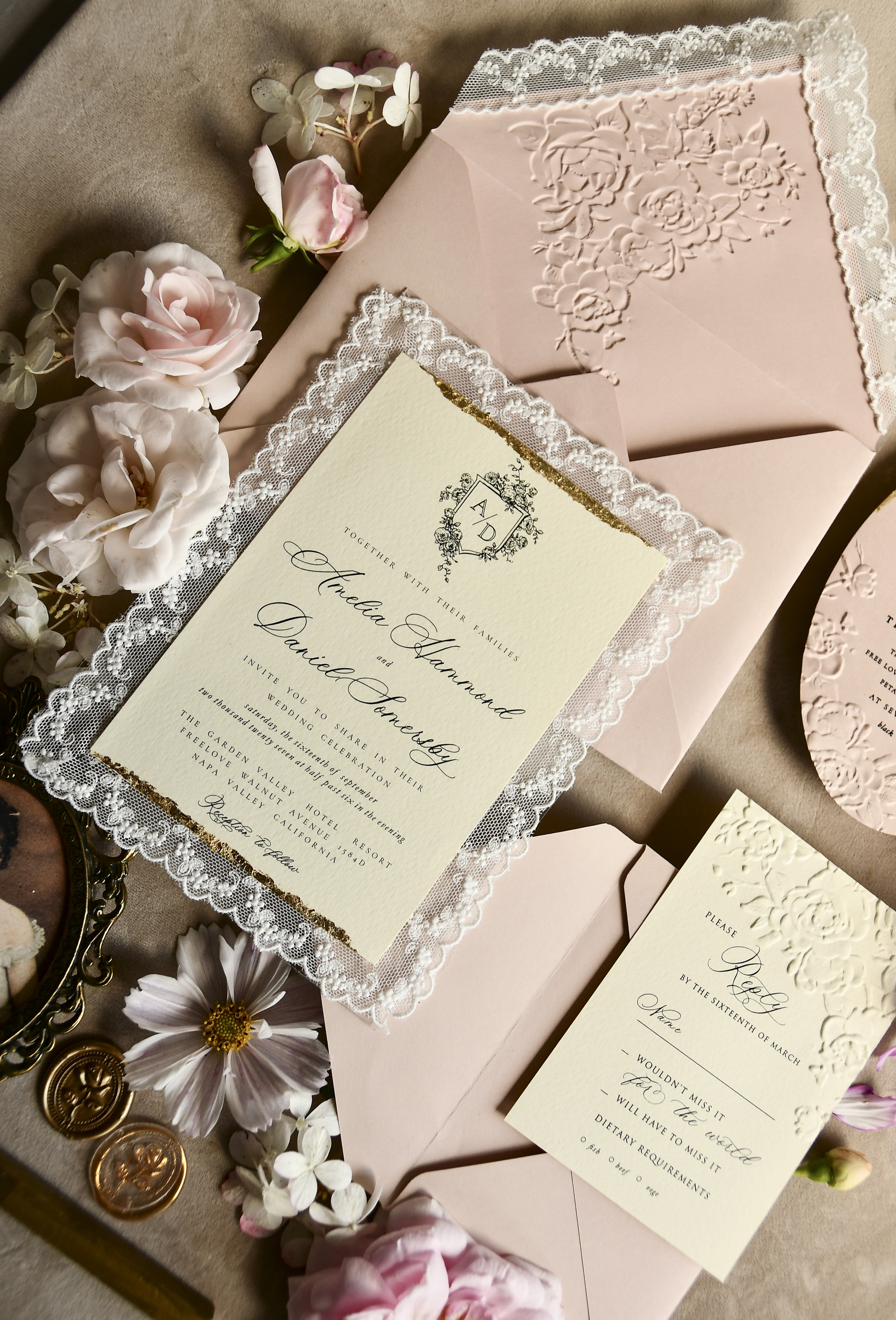
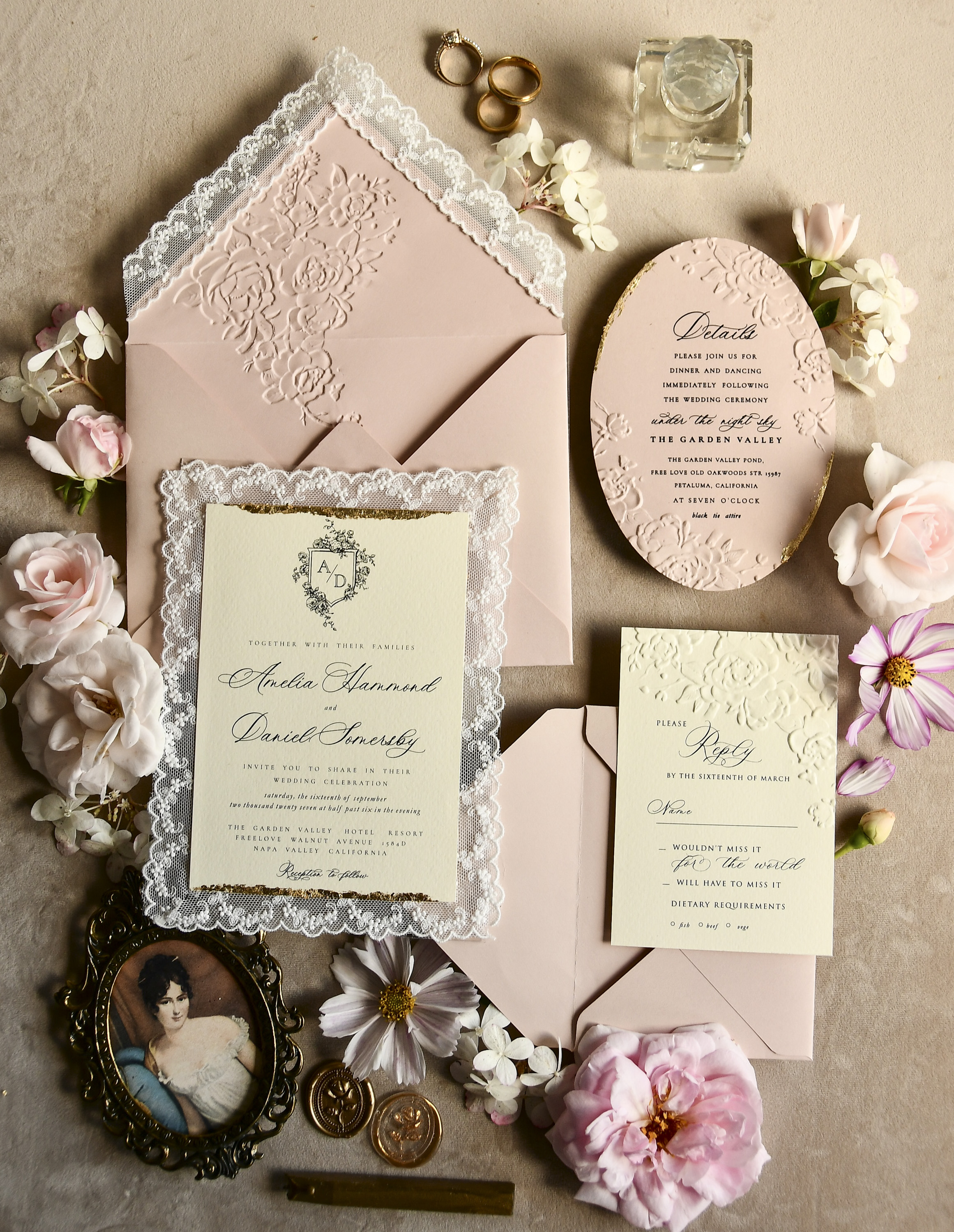
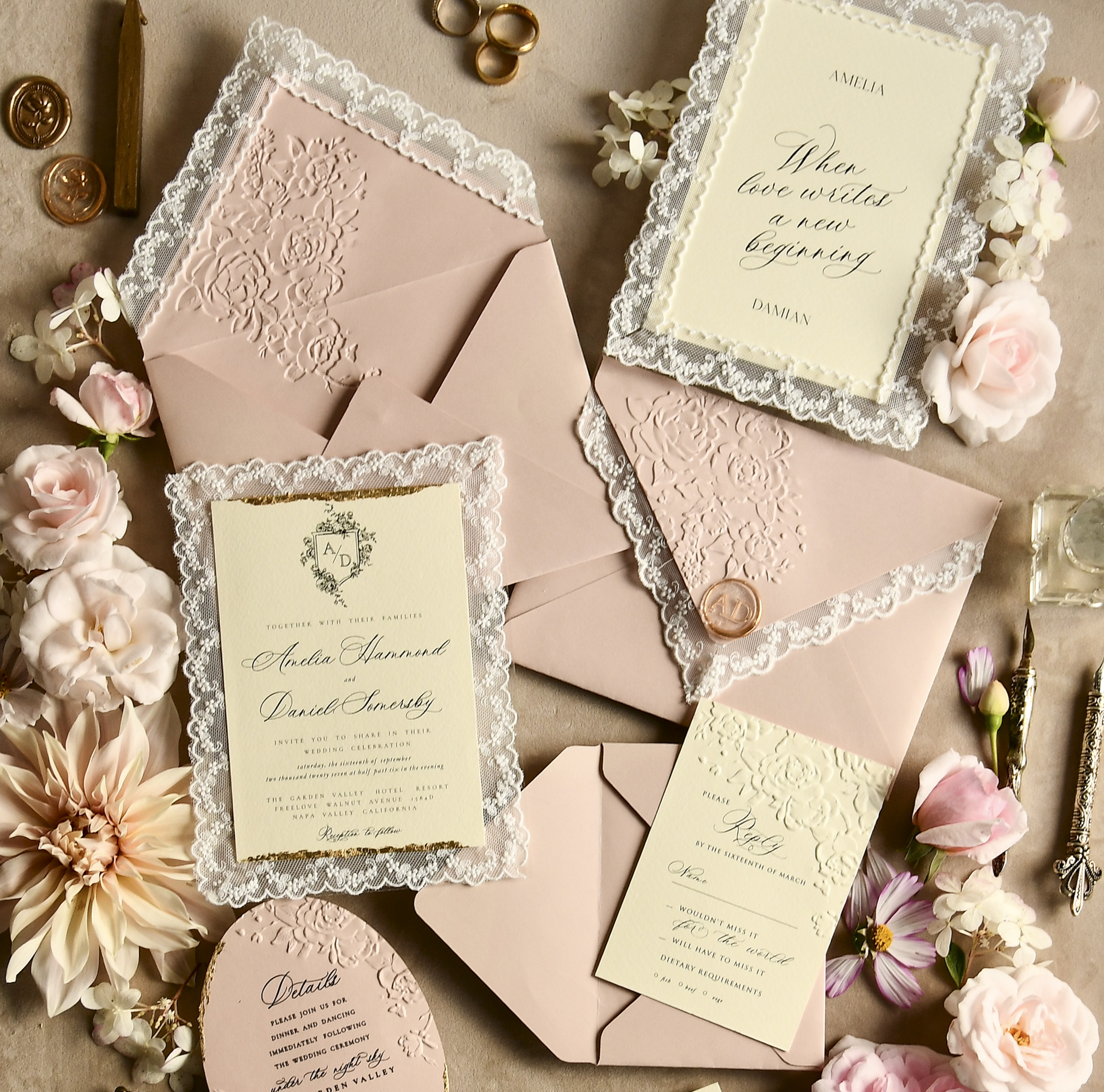
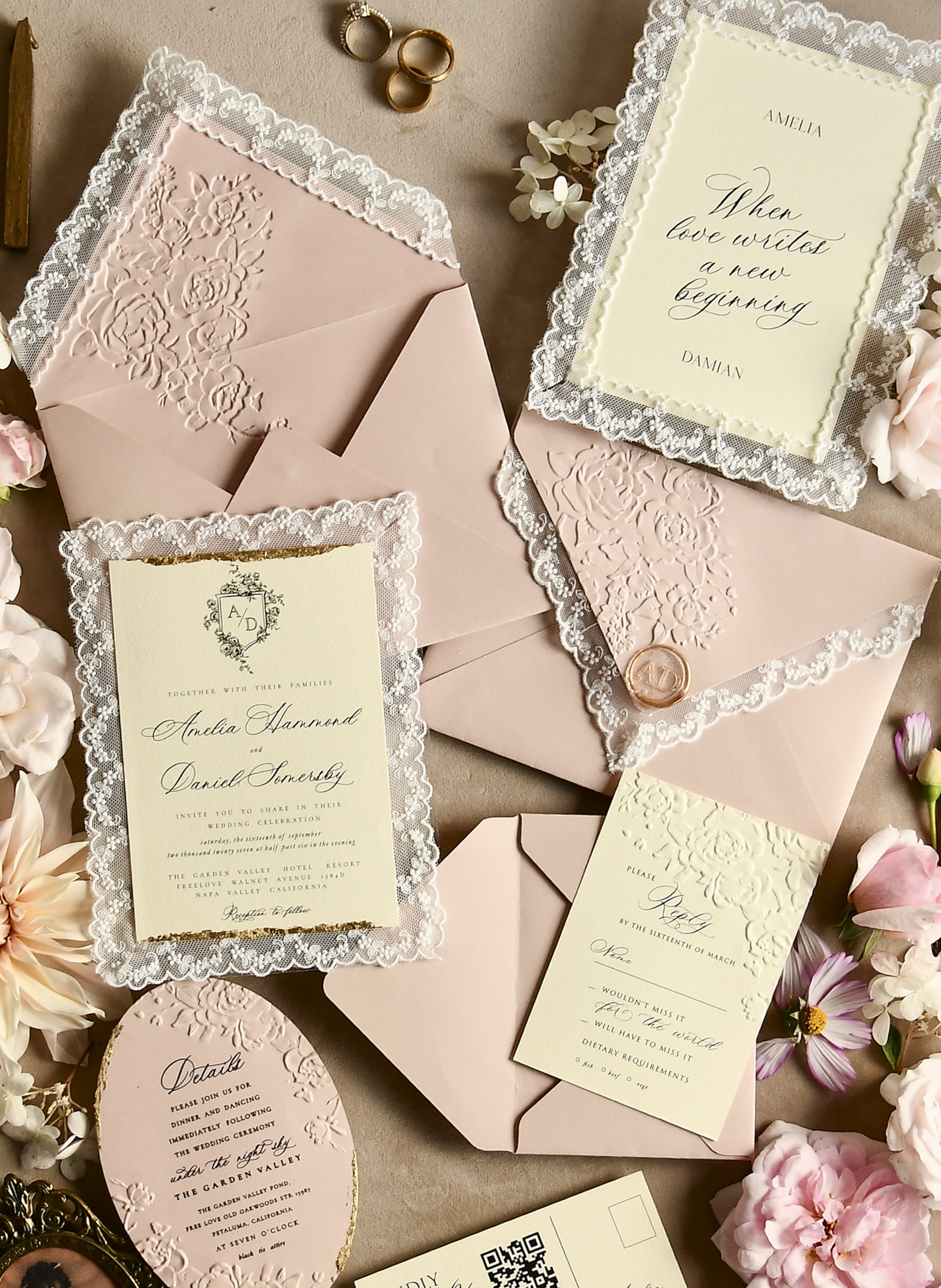
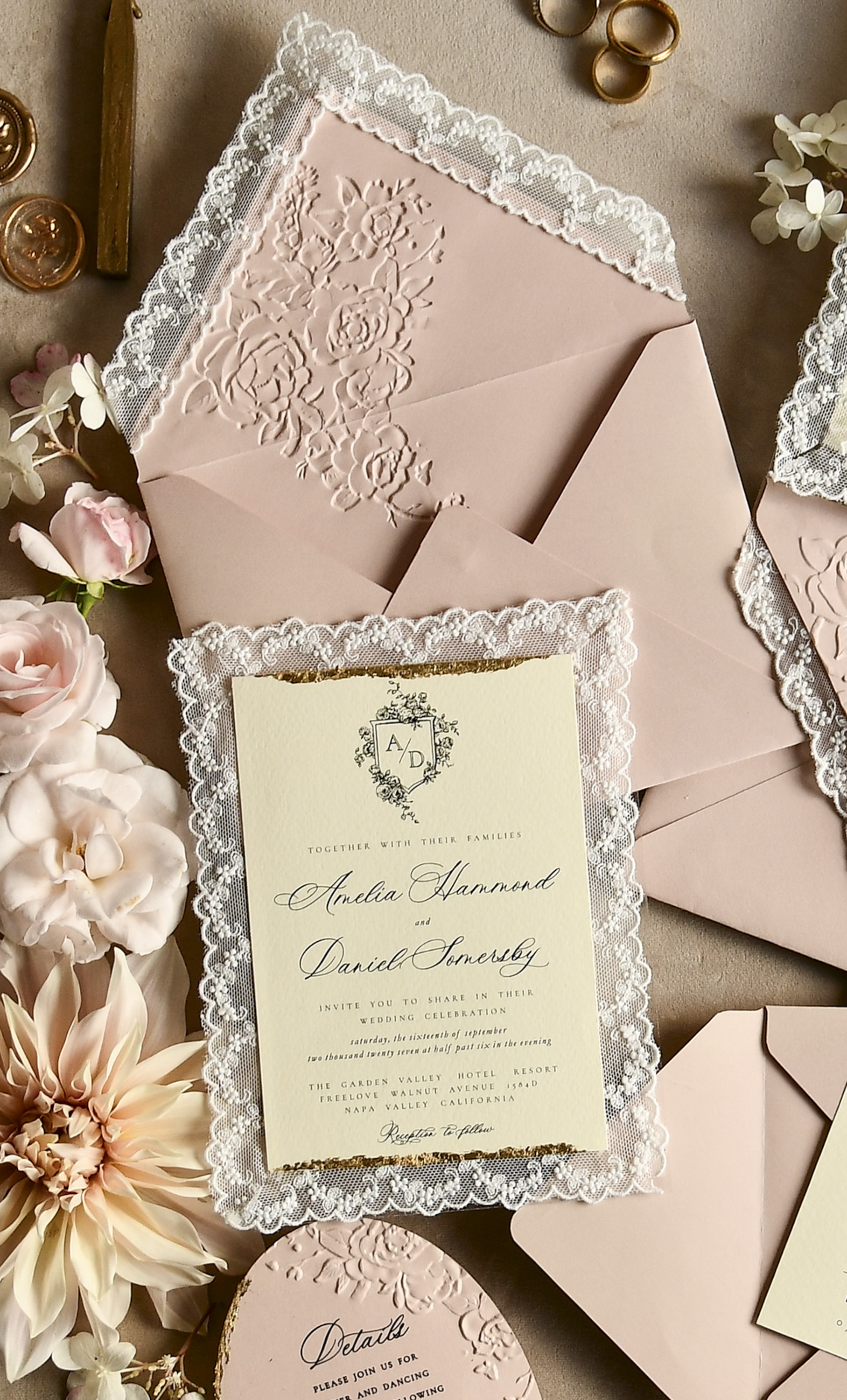
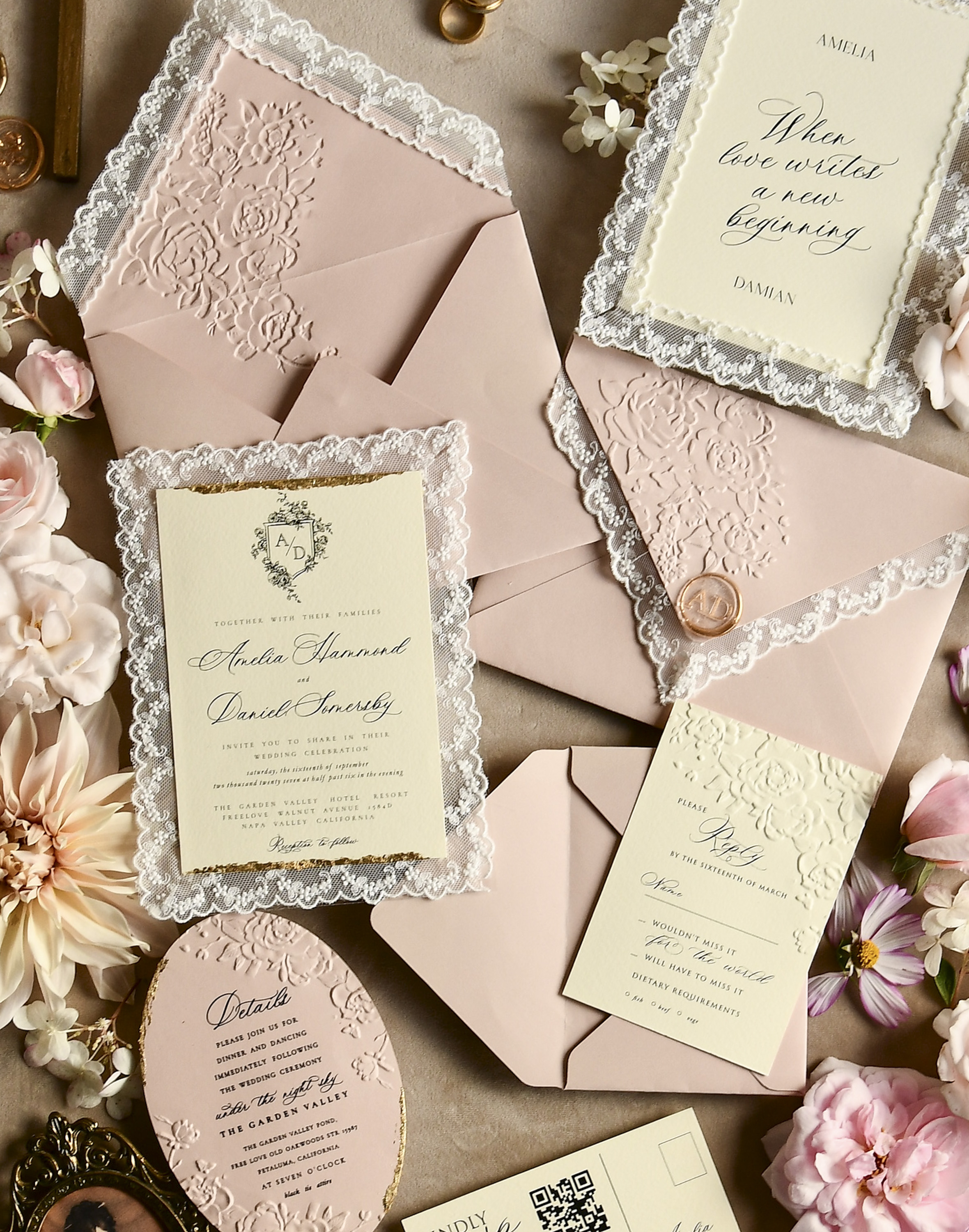
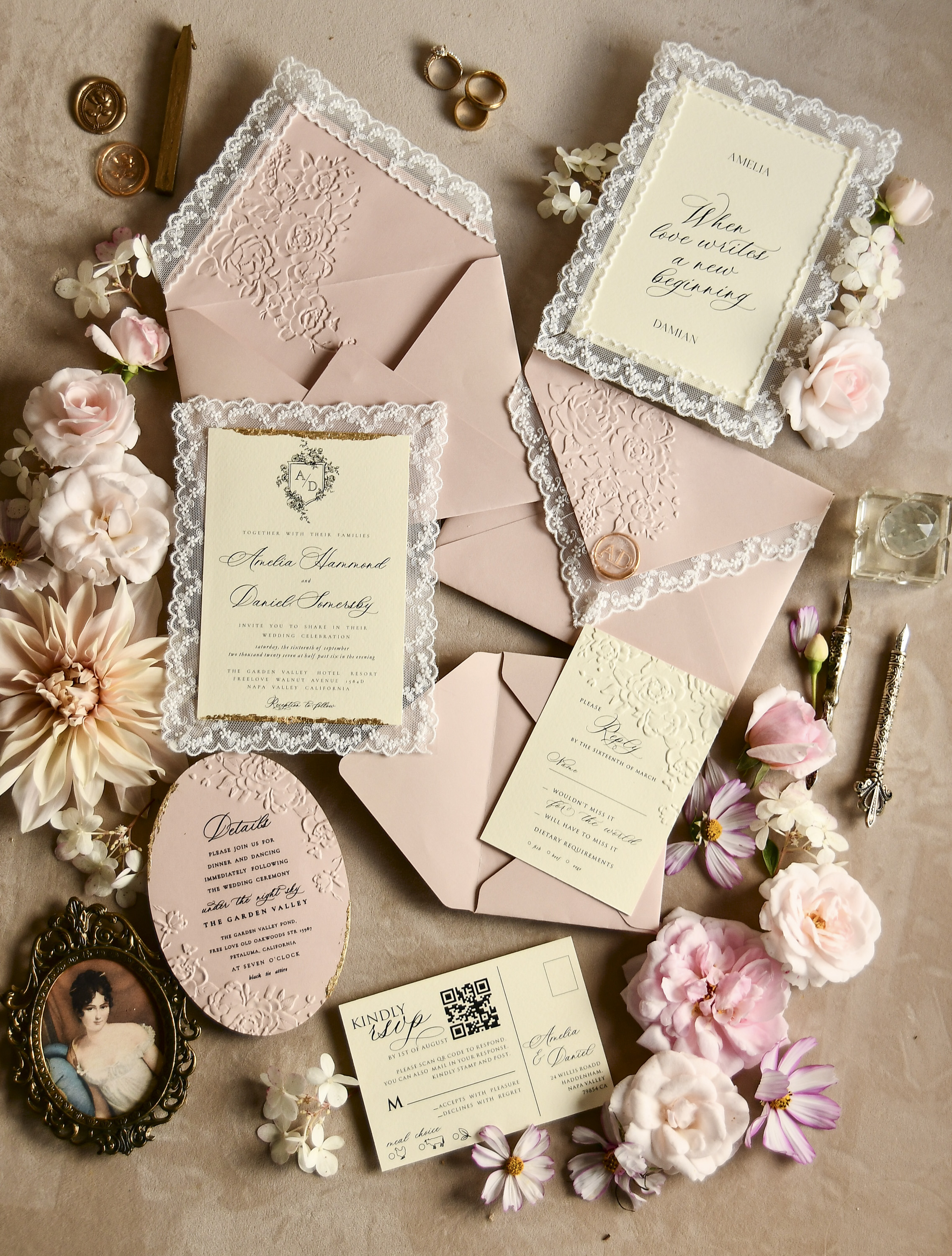
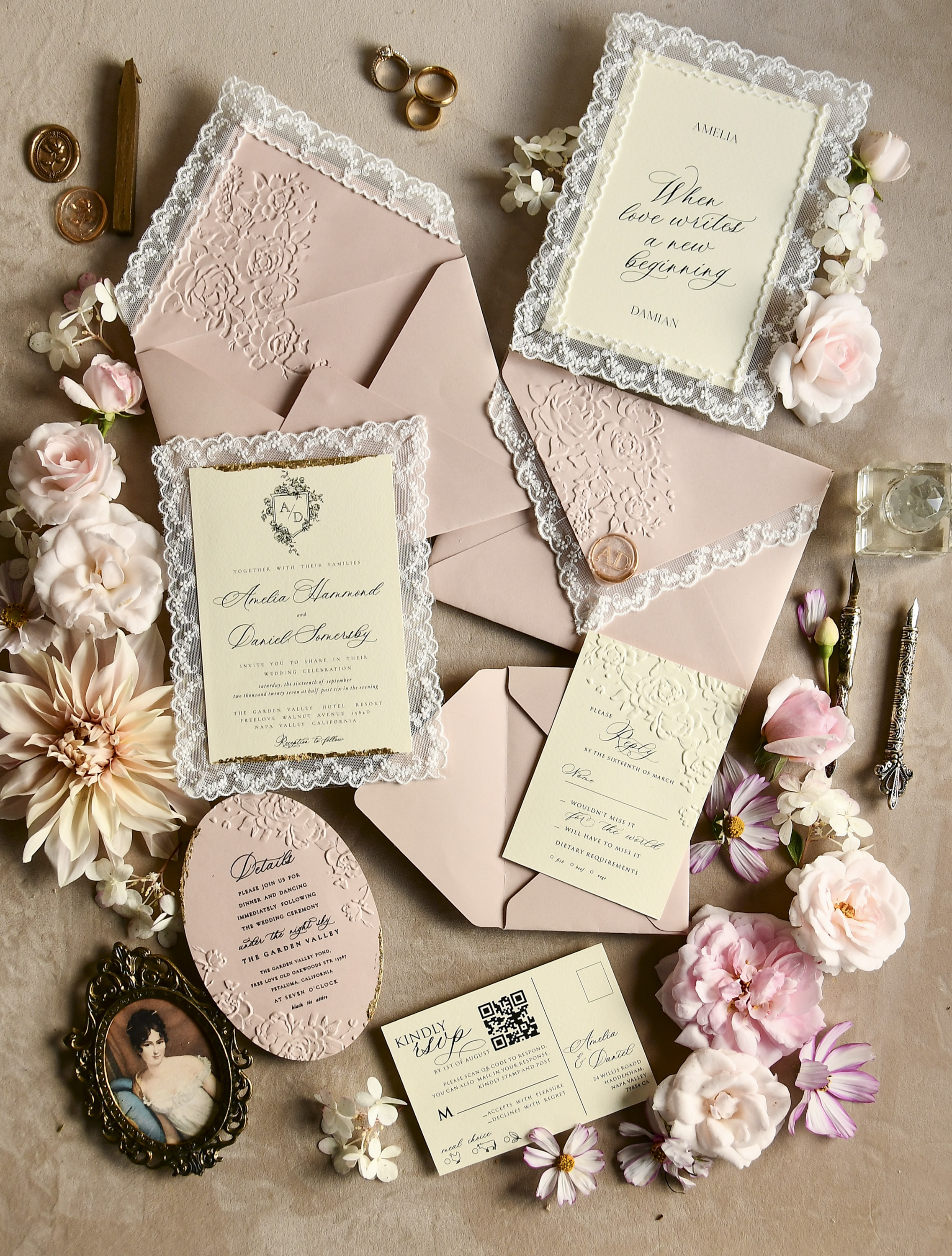
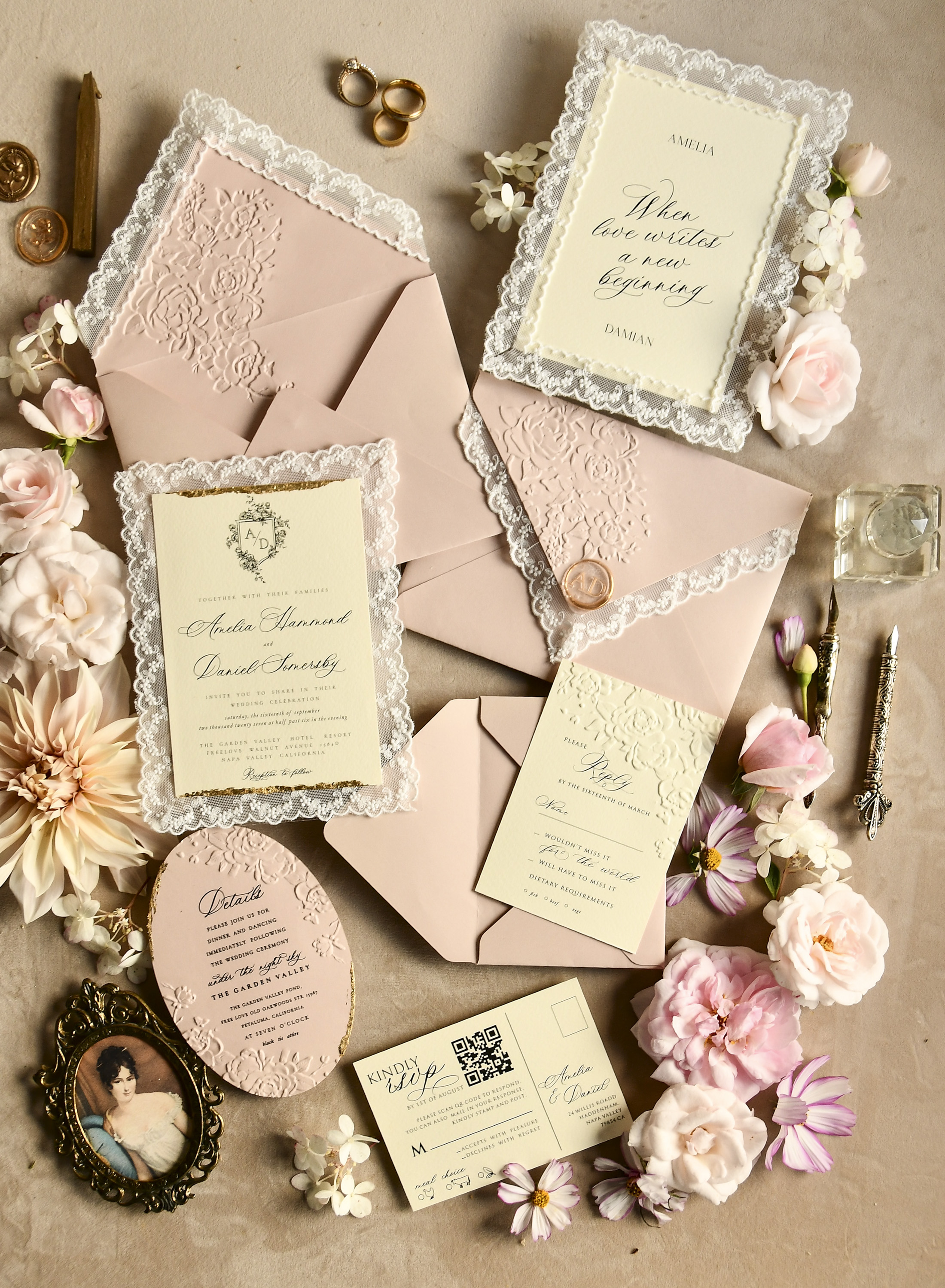
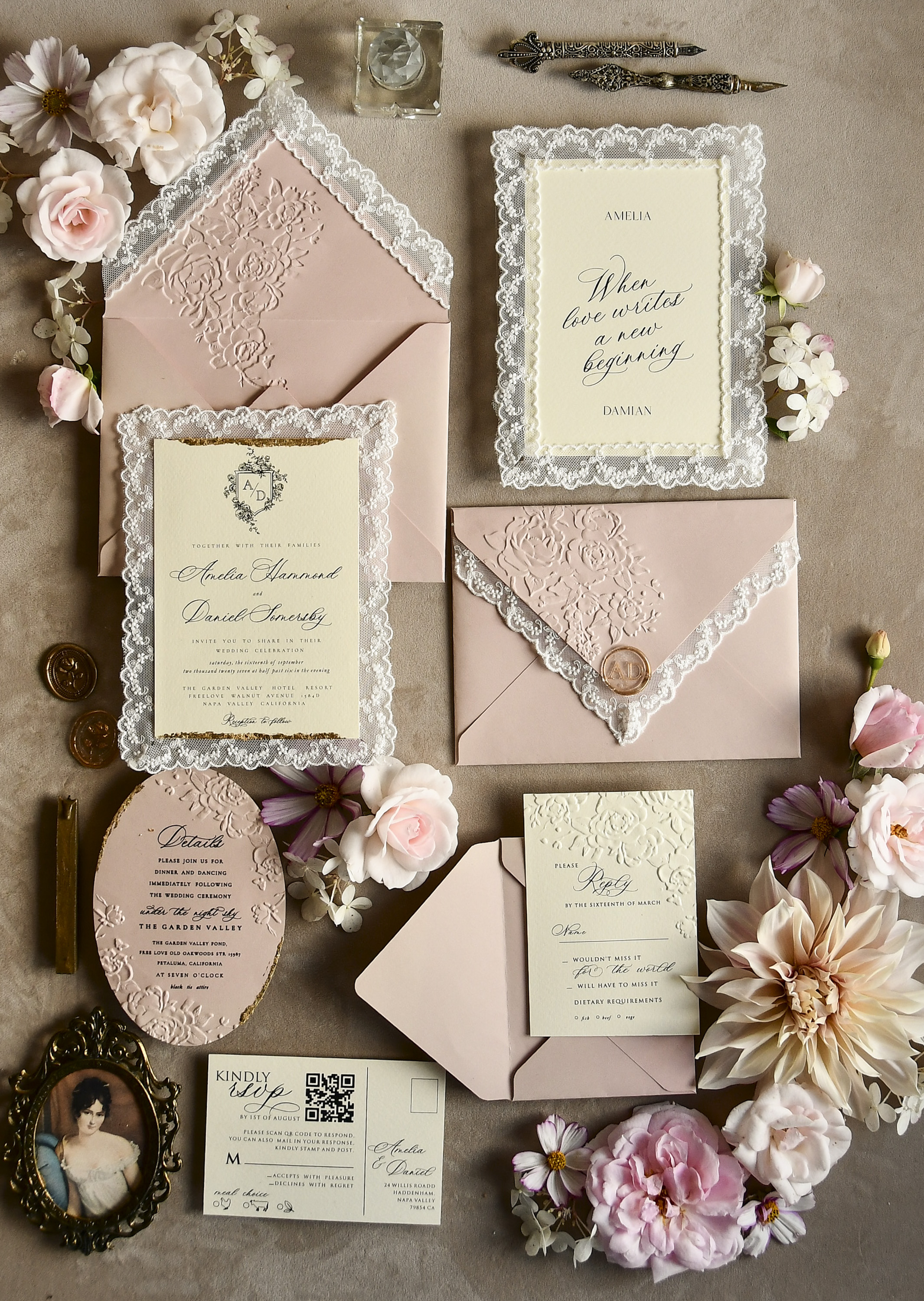
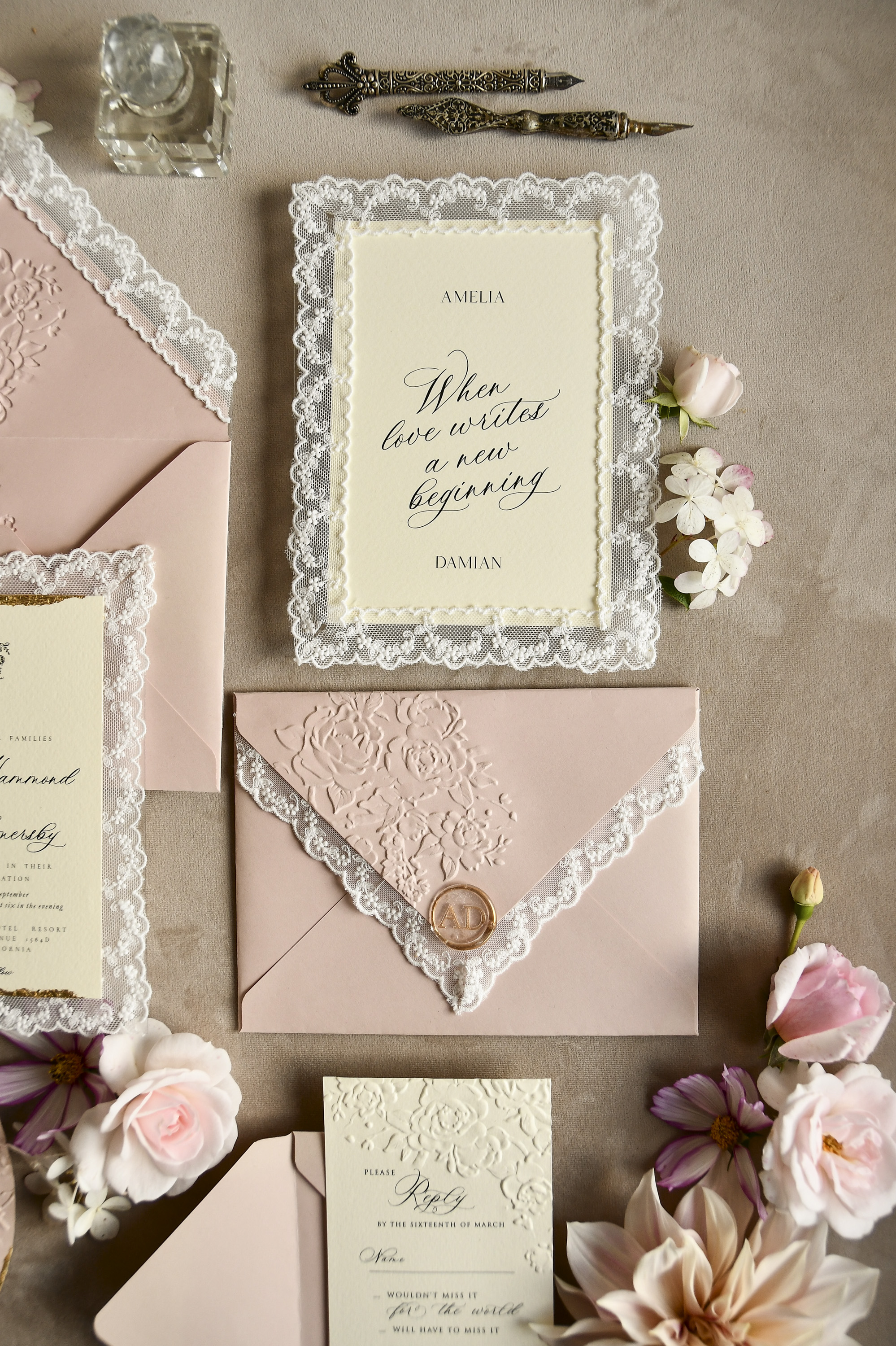
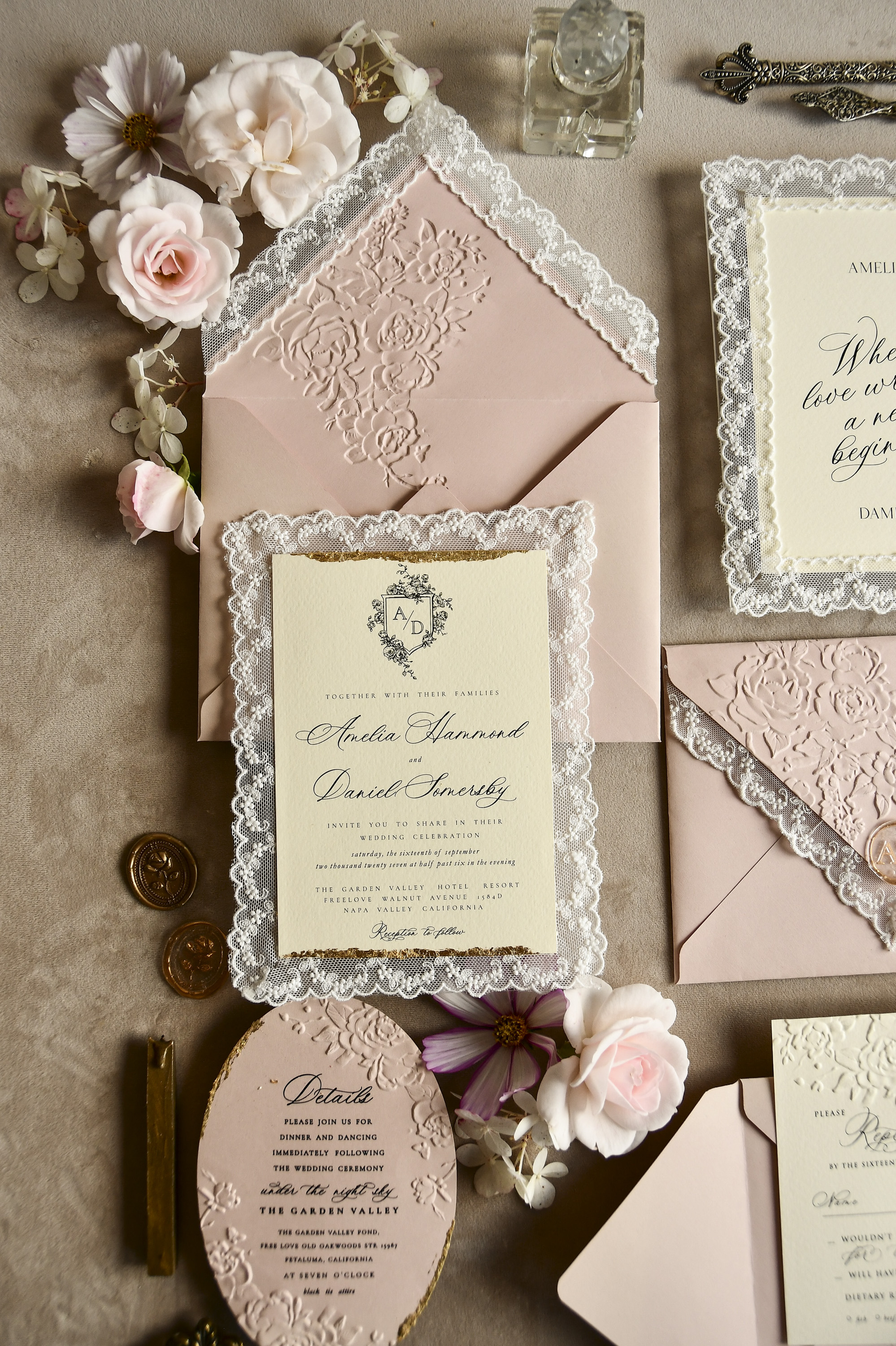
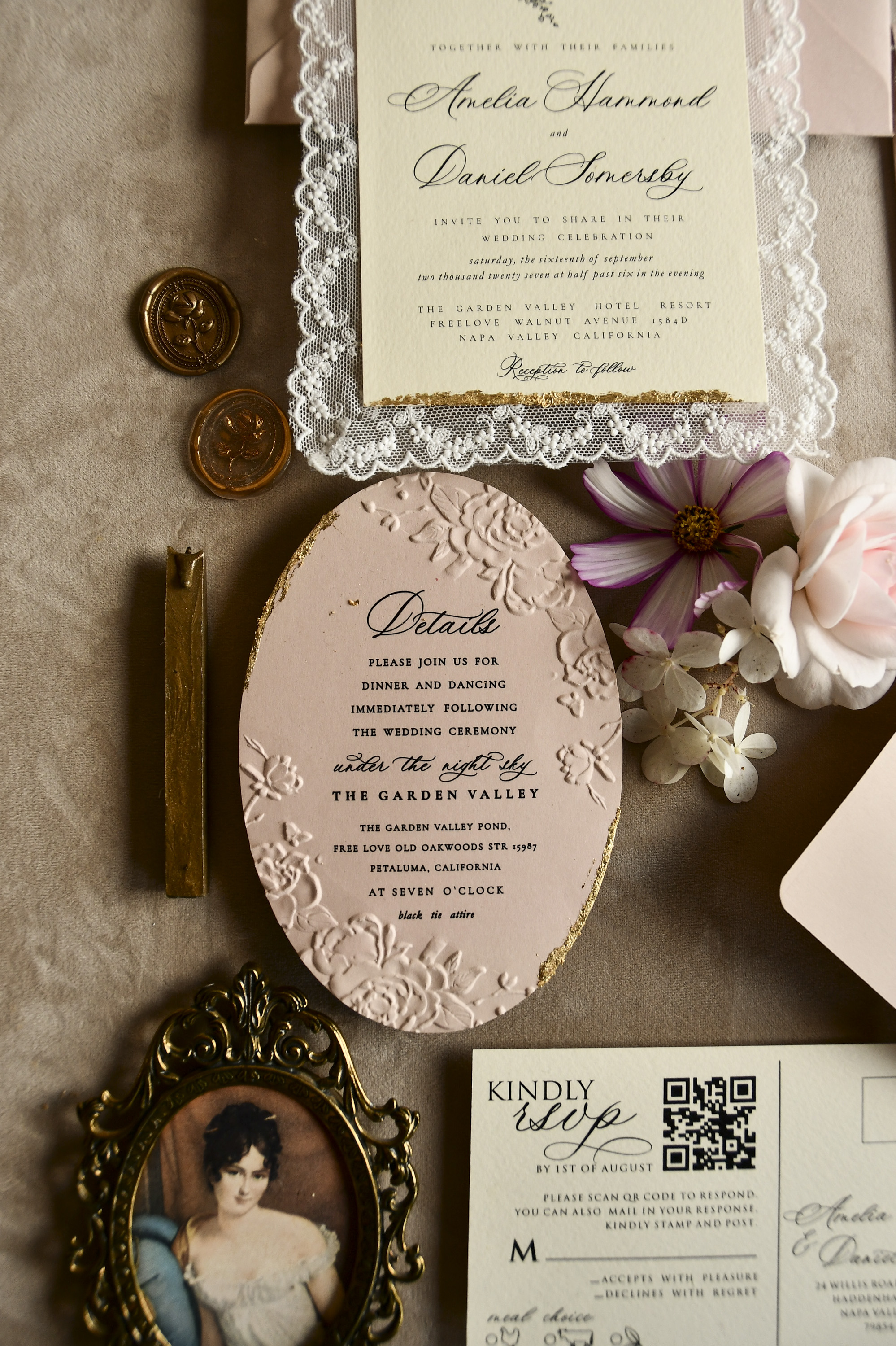
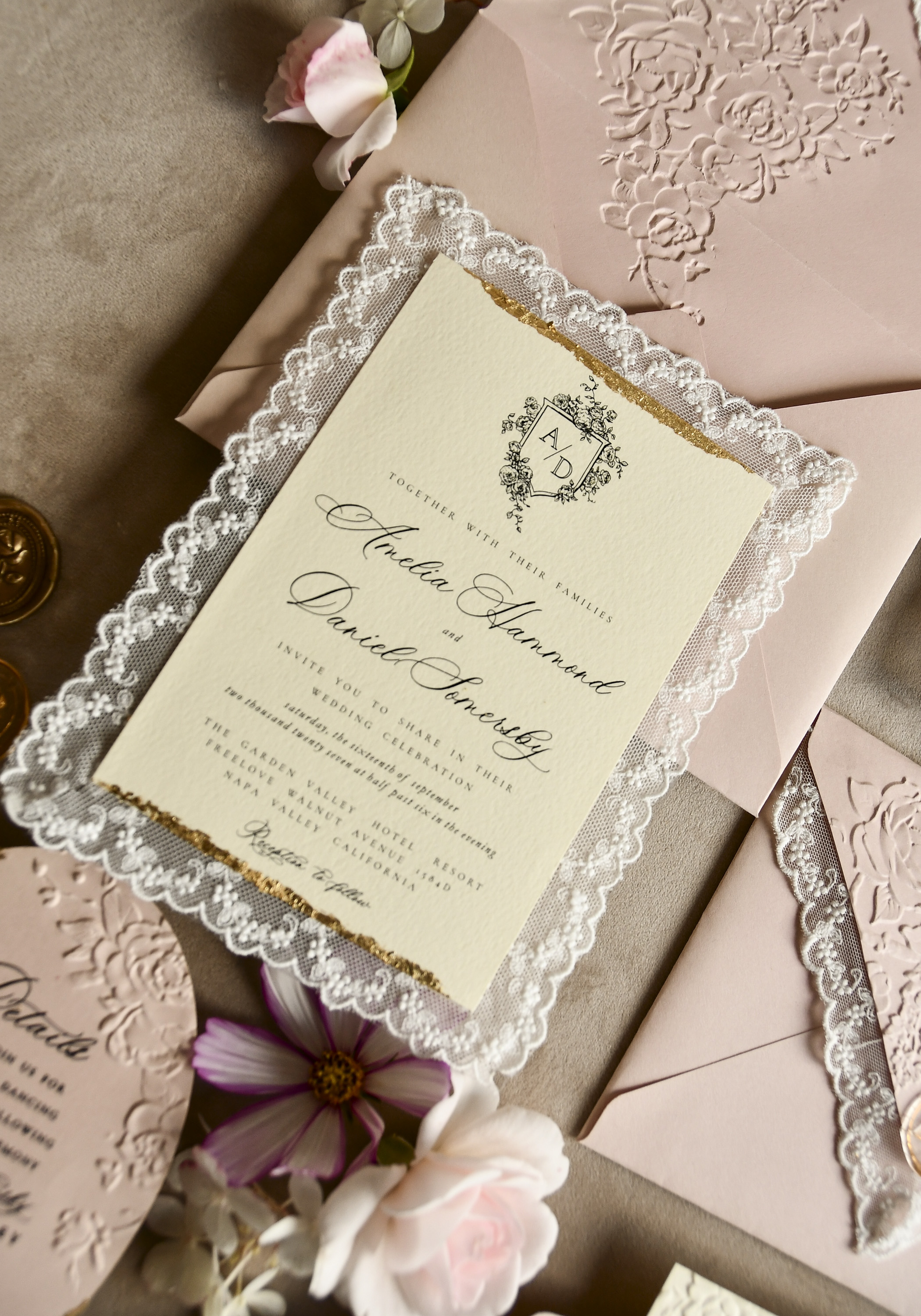
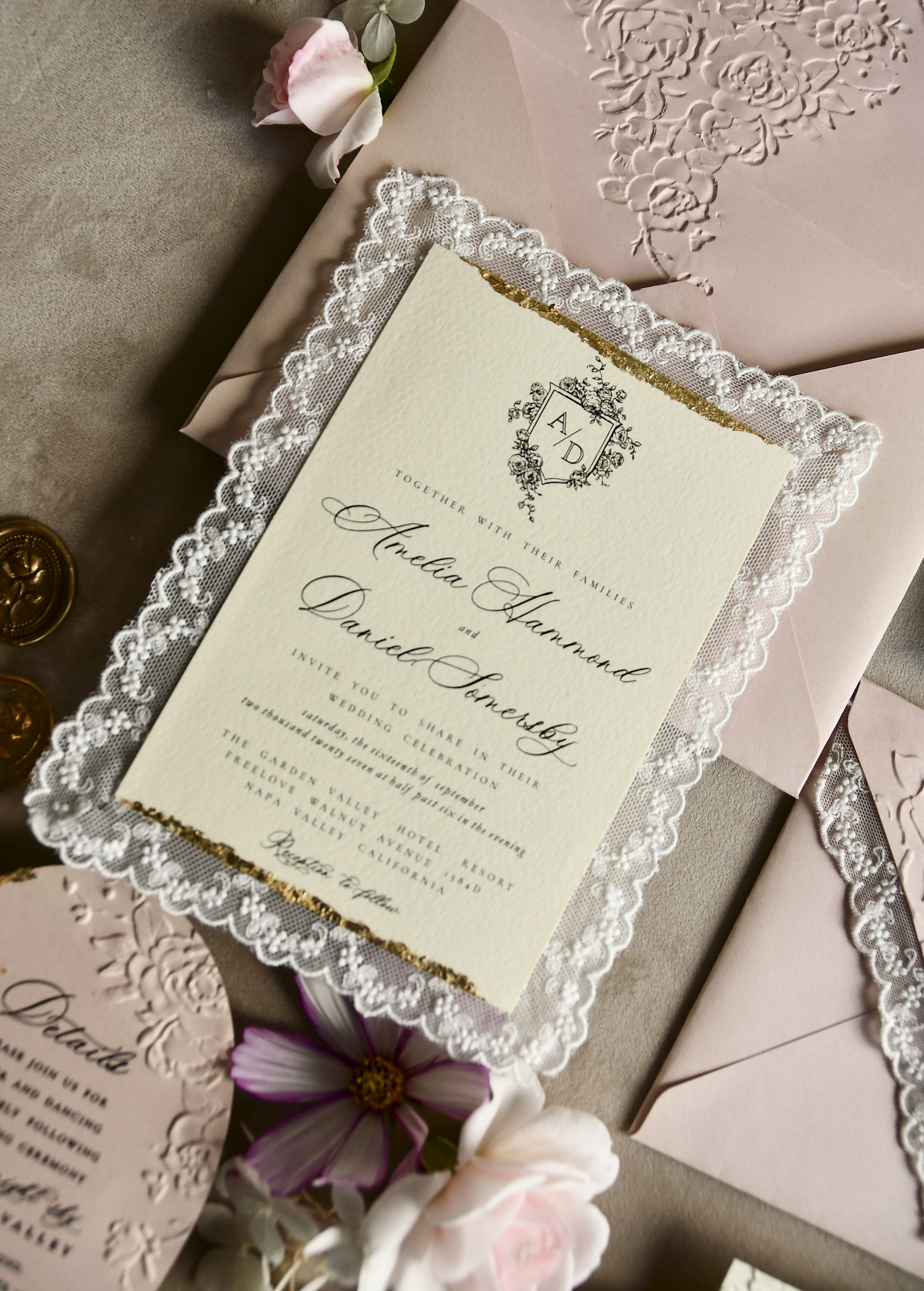
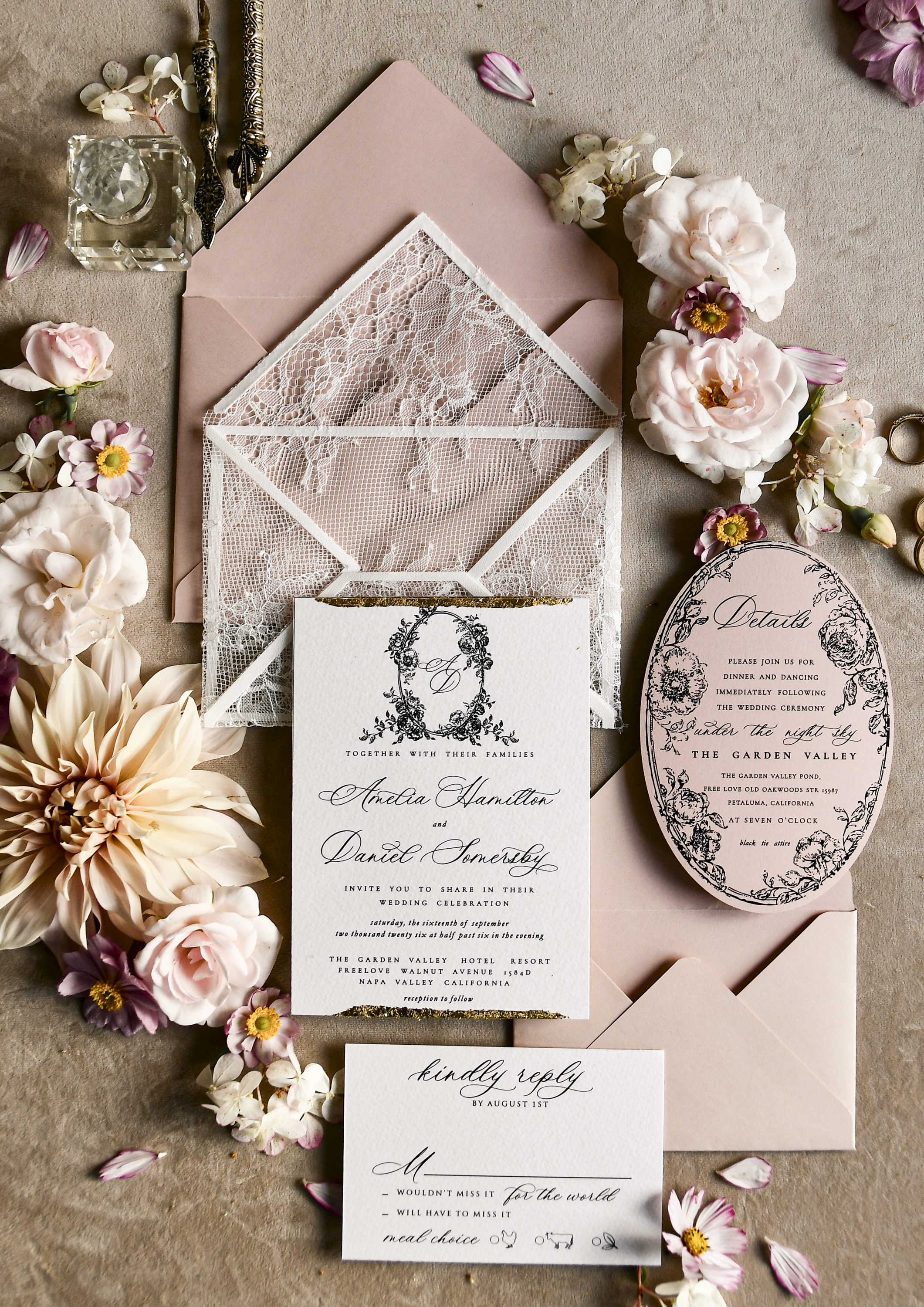
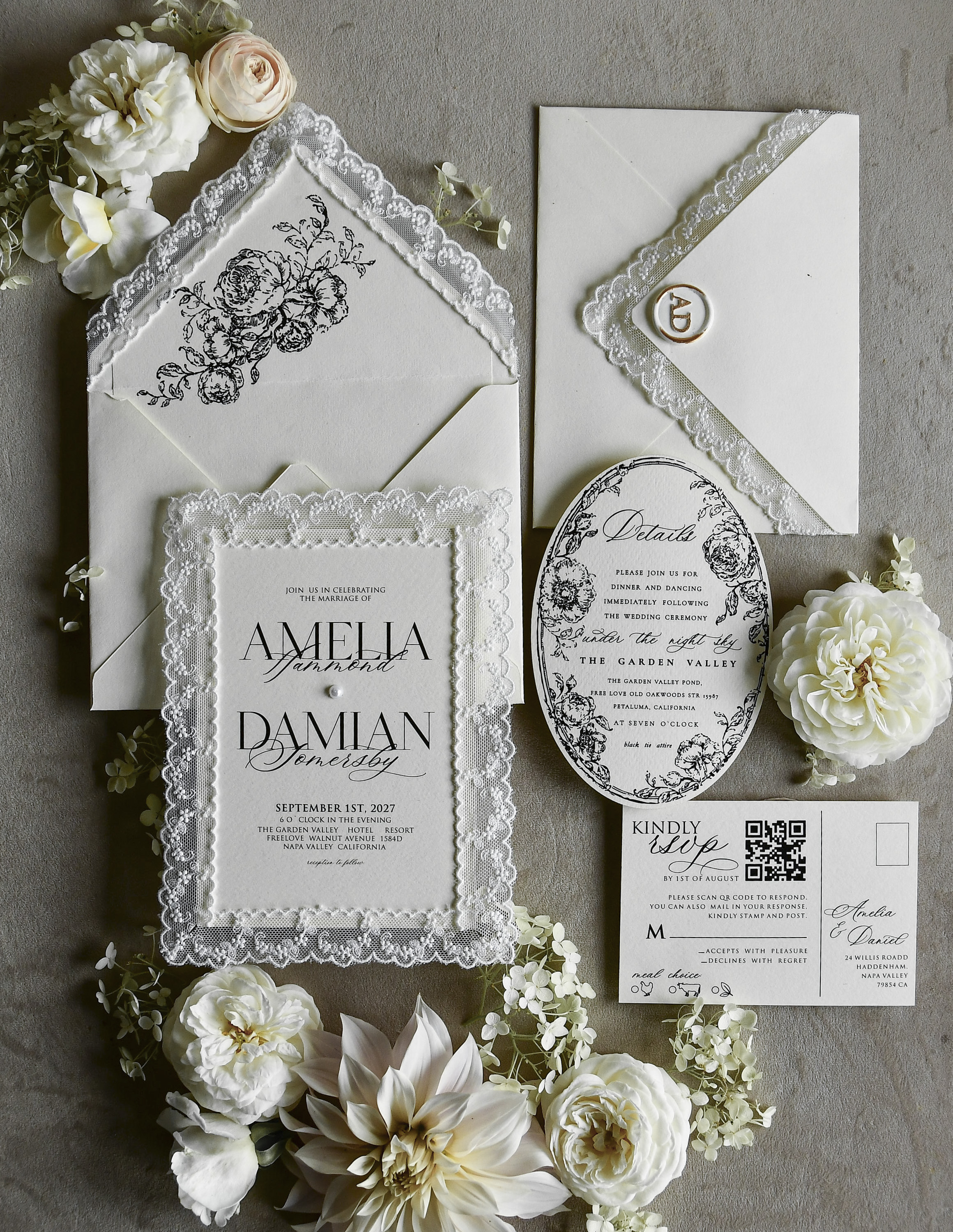
Even your paper goods deserve a little strategic thought. If your parents have new partners, address invitations carefully and correctly — using proper names on each envelope signals respect and sets a civil tone from the very first interaction with your wedding. Our 01/laceembos/z wedding invitations offer a beautiful vintage lace aesthetic that feels elegant and personal, a lovely way to set the right tone for a wedding where you're working hard to bring warmth and grace to every detail.
If either parent is contributing financially, keep those conversations completely separate. Never use one parent's contribution as a bargaining chip in discussions with the other, and never share financial details between them. Treat each parent's involvement as its own independent relationship with you.
Prepare for the Day Itself
Even the best-laid plans can hit a snag when emotions run high. Here's how to protect your day:
- Brief your wedding party: Your maid of honor, best man, or a trusted sibling should know the situation and be ready to intervene gently if needed.
- Have a signal: Agree on a discreet signal with your partner so that if one of you notices tension brewing, you can alert your point person without making a scene.
- Keep toasts controlled: If either parent is giving a toast, ask to review it beforehand. A toast is not the place for passive-aggressive remarks about the other parent.
- Give yourself permission to enjoy the day: You cannot control your parents' feelings — only your own response to them. Do the planning, delegate the management, and then let yourself be present in your own celebration.
After the Wedding: Managing the Relationship Long-Term
Your wedding is one day, but your family dynamic is lifelong. If the event goes smoothly, acknowledge that privately to each parent — a heartfelt thank-you note goes a long way. If there were bumps, let them settle before addressing anything. Give yourself and everyone else a few weeks of decompression before any difficult conversations.
Going forward, continue the practice of managing each parent relationship separately. Separate holiday plans, separate milestone celebrations where needed, and clear communication that you love them both but will not be a messenger between them. Couples who establish this early find that over time, most feuding parents do find a workable equilibrium — especially once grandchildren arrive.
Frequently Asked Questions
Yes — surprises on the wedding day tend to create unnecessary tension. Give each parent a heads-up that the other will be attending with a new partner well in advance, so they have time to process it privately rather than react publicly at your reception.
This is their choice to make, and as painful as it is, you cannot force attendance. Express clearly how much their presence means to you, outline the logistics you've put in place to minimize contact, and then leave the decision with them. Avoid ultimatums, which tend to backfire.
Seat extended family with the parent they are closest to, keeping the two "camps" on separate sides of the room. Avoid mixing guests who you know are loyal to opposite parents at the same table — it rarely ends well.
This is a delicate request and can cause real hurt, so tread carefully. It's generally more accepted if the relationship is very new or if the new partner has been a direct source of conflict. Frame it as a personal boundary for the day, not a judgment on the relationship.
Parent dances are entirely optional — many couples skip them or modify them. If you do include them, simply do a dance with each parent separately, one after the other, which is completely normal and requires no interaction between your parents at all.
A day-of coordinator is genuinely worth the investment when family dynamics are complicated. Having a neutral professional who can manage logistics, redirect guests, and troubleshoot in real time takes enormous pressure off you and your wedding party.
See This Design Up Close



You May Also Like
More Wedding Planning Guides
- → When to Address a Wedding Invitation Directly to a Child
- → Mailed Card or Website Link? How to Handle RSVPs the Modern Way
- → Wedding Invitation Delivery: When to Mail and When to Hand Them Off
- → Navigating a Wedding Guest List When Your Fiancé Wants to Leave Your Family Out
- → Wedding Invitation Wording: Every Essential Detail Couples Need to Include
- → Adults-Only Weddings: Is Leaving Kids Off the List Actually Rude?
- → Wedding Invitation Addressing: Names, Titles, and Every Tricky Situation Solved
- → How to Decide Who Gets a Plus One at Your Wedding
- → Wedding Invitations: How to Count What You Actually Need
- → Yes, You Can Invite Ceremony-Only Guests — Here's How to Do It Gracefully
- → Extra Wedding Guests: Who Pays and How to Handle It Gracefully
- → Big Wedding or Better Wedding: How to Choose What Truly Matters
- → Your Wedding, Your Guest List: The Honest Truth About Inviting Cousins
- → Uninvited Extras: How to Handle Guests Who Bring Someone You Didn't Invite
- → Plus-One or No? How to Decide If Single Guests Can Bring a Date
- → How to Embrace a Small Wedding and Make It Unforgettable
- → Where Do Divorced Parents Sit at Your Wedding? Here's What Actually Works
- → To Invite or Not to Invite: Navigating the Ex Question for Your Wedding Guest List
- → Stepparents and Your Wedding Guest List: Making the Right Call
- → Setting Plus-One Boundaries Without Losing Sleep (or Friends)
- → Should Work Friends Come to Your Wedding? A No-Stress Guide to Inviting Colleagues
- → Guests Who Don't RSVP: Your Step-by-Step Plan
- → Save the Date vs. Wedding Invitation: Two Very Different Jobs, One Beautiful Paper Trail
- → When Someone Asks Why They Weren't Invited: Your Honest, Kind Playbook
- → To Call or Not to Call: Tracking Down Guests With Missing RSVPs
- → When the Guest List Must Shrink: The Right People to Remove First
- → Digital Wedding Invitations: When They Work and When to Think Twice
- → How to Handle the Parent Friend Dilemma on Your Wedding Guest List
- → Your Wedding Invitation Deadline: When the Window Officially Closes
- → Uninvited Plus-Ones and Tag-Alongs: How to Keep Your Guest List Intact
- → When Family Feuds Threaten Your Wedding Plans: A Practical Peacekeeper's Guide
- → Inviting an Estranged Brother or Sister: Finding Clarity Before You Seal the Envelope
- → Cousins, Invites, and Hard Choices: A Practical Guest List Guide