
Family Drama Before the Wedding? Here's How to Actually Handle It
No matter how carefully you plan, family arguments before a wedding are almost a rite of passage. Seating feuds, guest list disputes, unsolicited opinions on your venue — the pressure of a big event has a way of surfacing old tensions. The good news: with the right approach, you can navigate the drama without letting it overshadow one of the best chapters of your life.
Identify the Real Issue Underneath the Argument
Most pre-wedding family conflicts aren't really about the flowers or the plus-one policy. They're about feeling included, respected, or heard. Before reacting to a complaint, ask yourself: What does this person actually need right now? A parent who pushes back on the guest list may be grieving a loss of control. A sibling who seems difficult about the rehearsal dinner may feel sidelined.
When you can name the underlying emotion, you can respond to it directly — and that almost always de-escalates the situation faster than defending your decisions point by point.
Set Boundaries Early and Communicate Them Calmly
Boundaries aren't ultimatums — they're clarity. Decide early as a couple which decisions are truly yours alone (ceremony structure, vows, venue) and which you're genuinely open to input on. Then communicate that clearly and kindly.
A simple script helps: "We really value your opinion on [X], and on [Y] we've already made our decision as a couple. We'd love your support on this one." Say it once, warmly, and hold the line. Repeating yourself or over-explaining invites more debate.
Timelines matter here too. Try to have these conversations at least 6–8 weeks before the wedding, when emotions are less heightened and there's still time to adjust logistics if needed.
Divide and Conquer — Strategically
One of the most underused tools couples have is the partner buffer. If your family is the source of conflict, you take the lead on those conversations — and vice versa. It's not about hiding behind each other; it's about reducing defensiveness. People are less likely to dig in when they're talking to their own child or sibling rather than someone they perceive as an outsider.
Also consider delegating. A trusted maid of honor, best man, or even a wedding planner can absorb a surprising amount of family friction. Give them permission to be the point of contact for certain relatives so you're not fielding every complaint yourself.
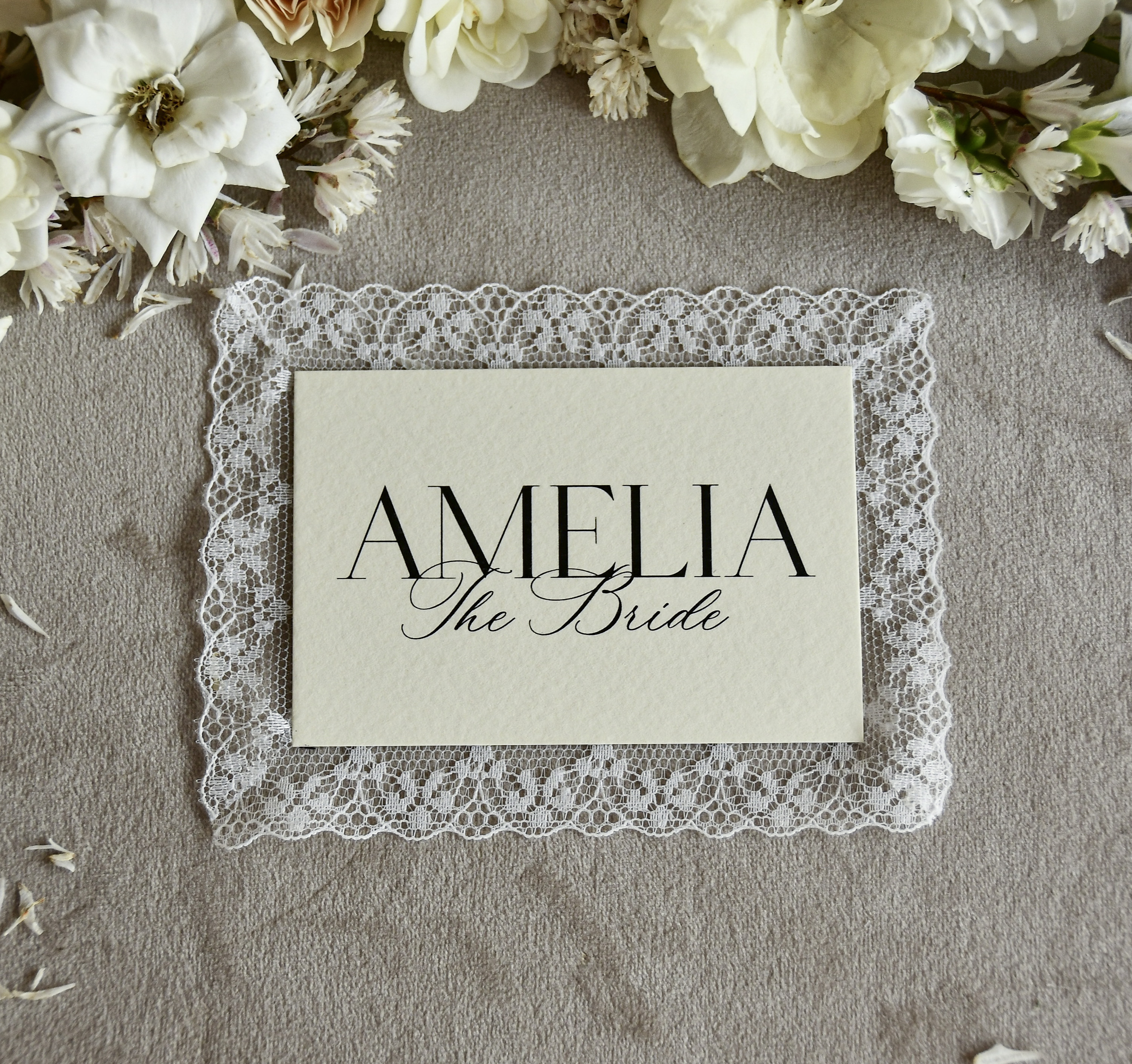
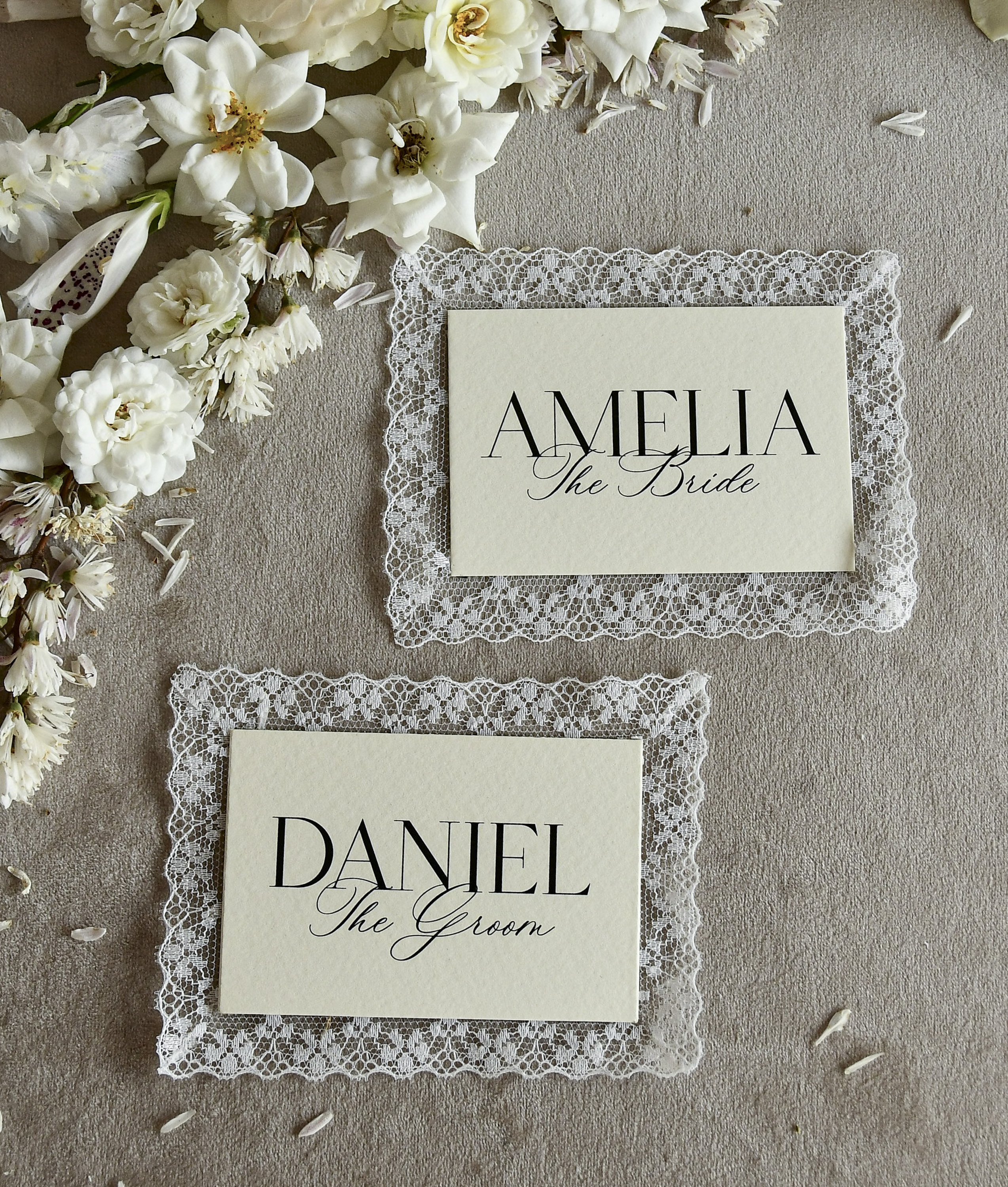
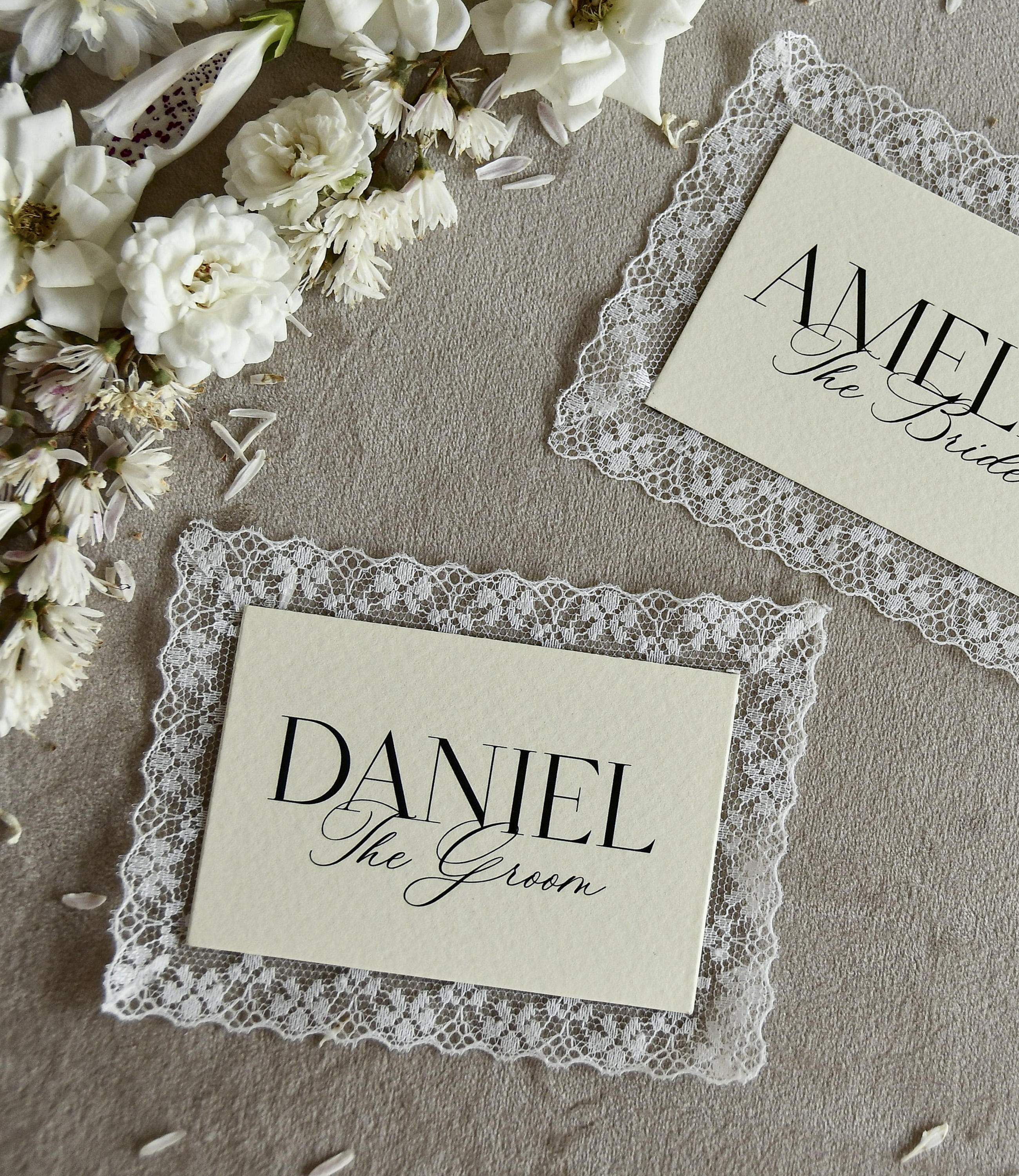
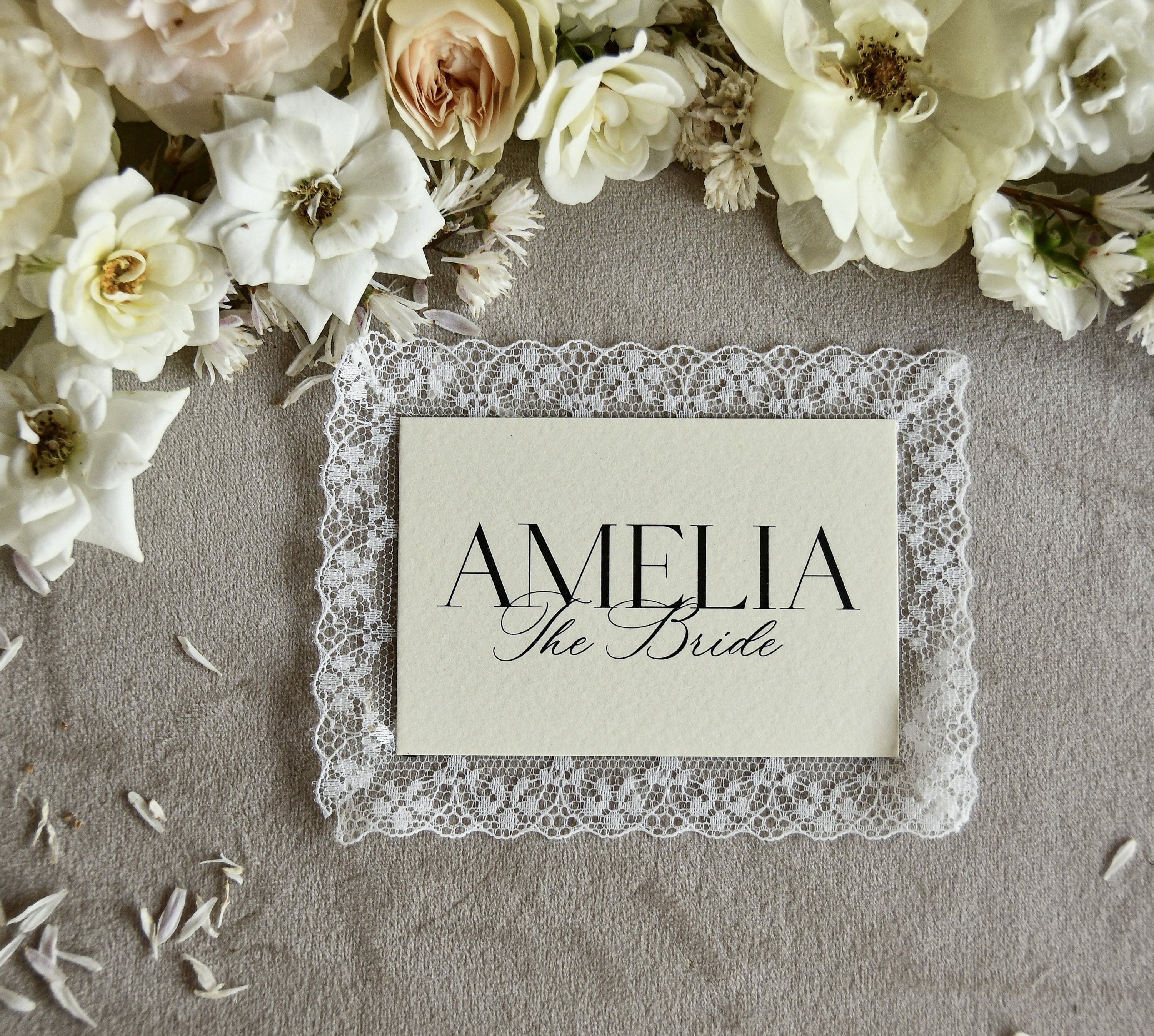
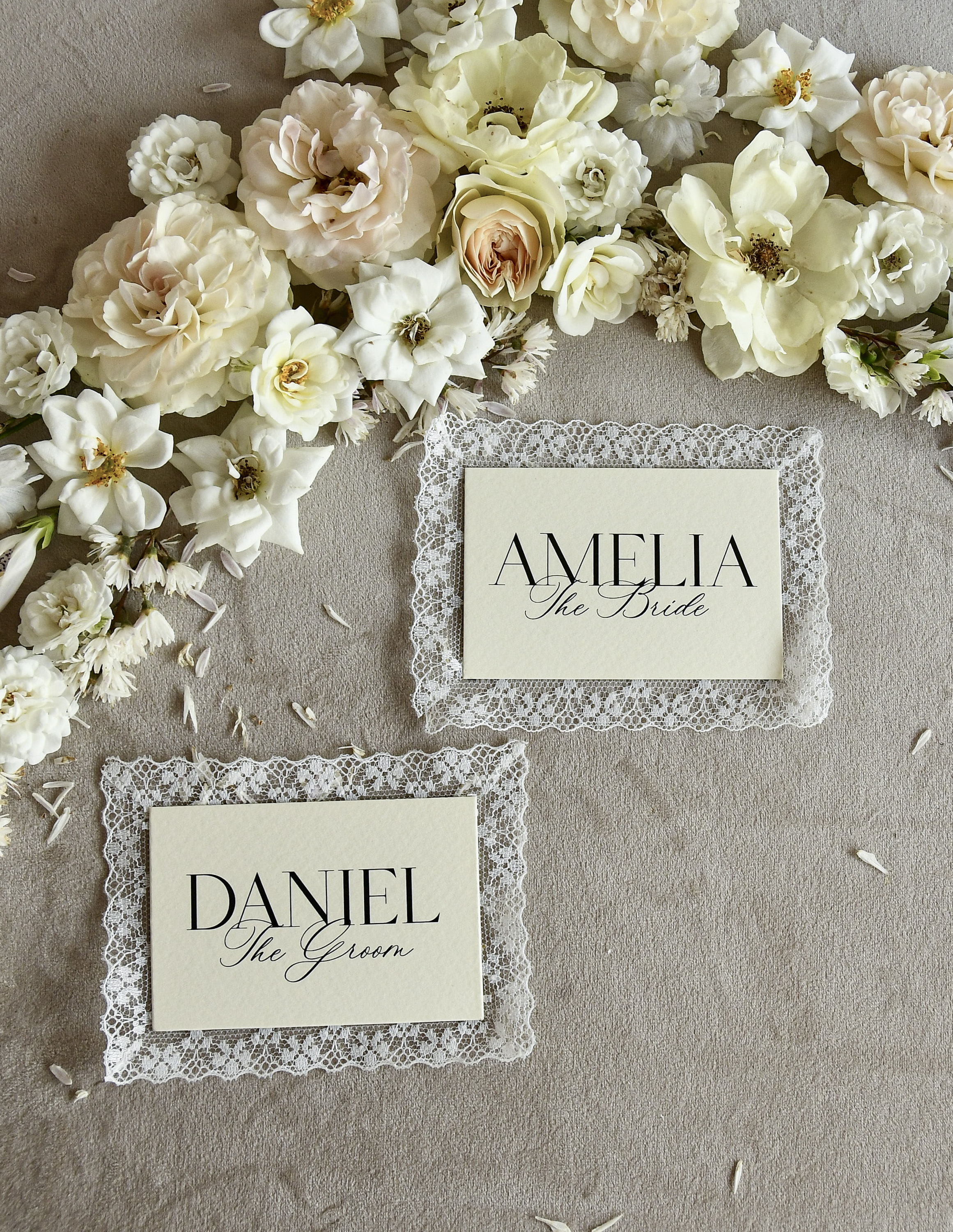
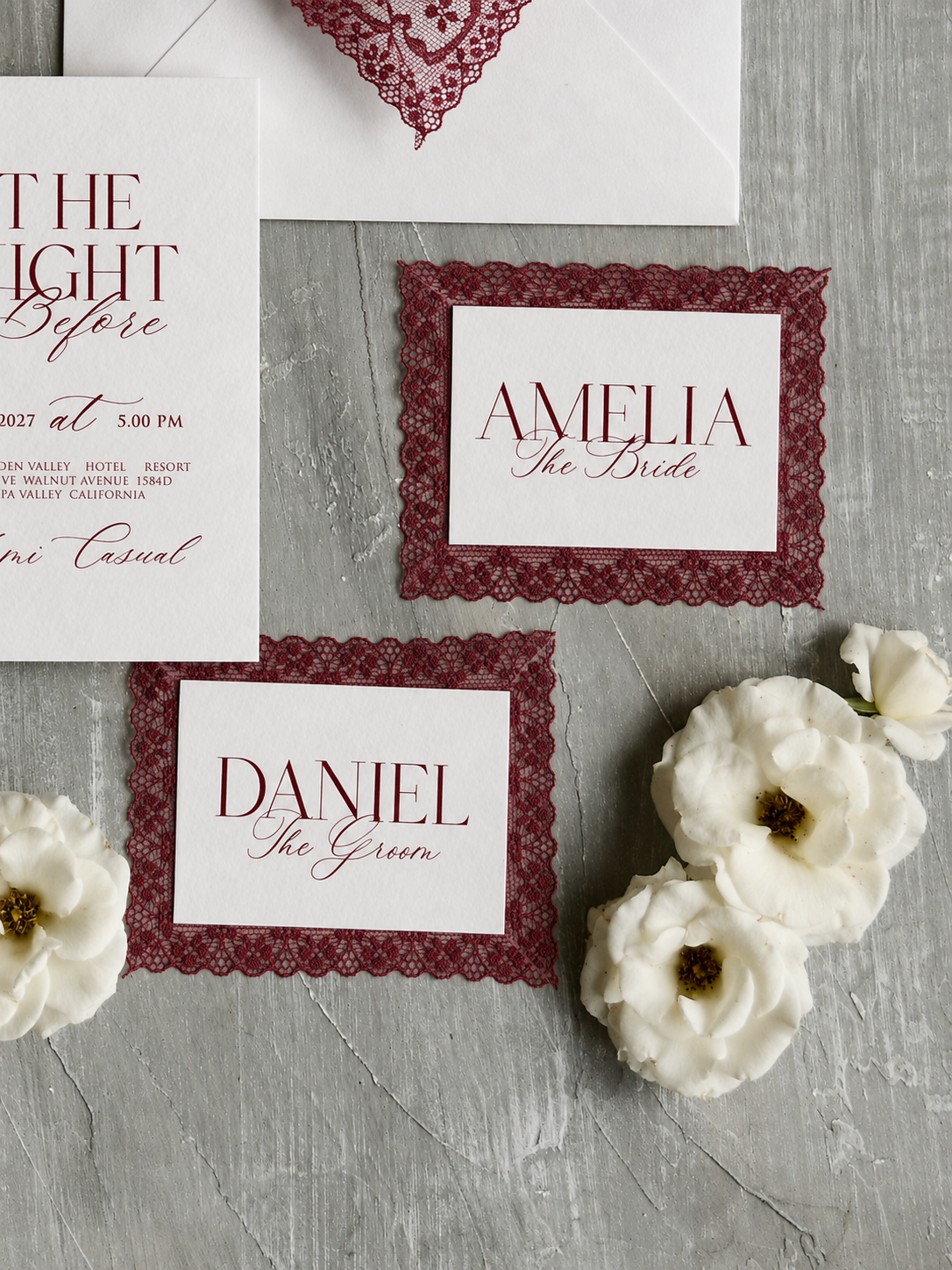
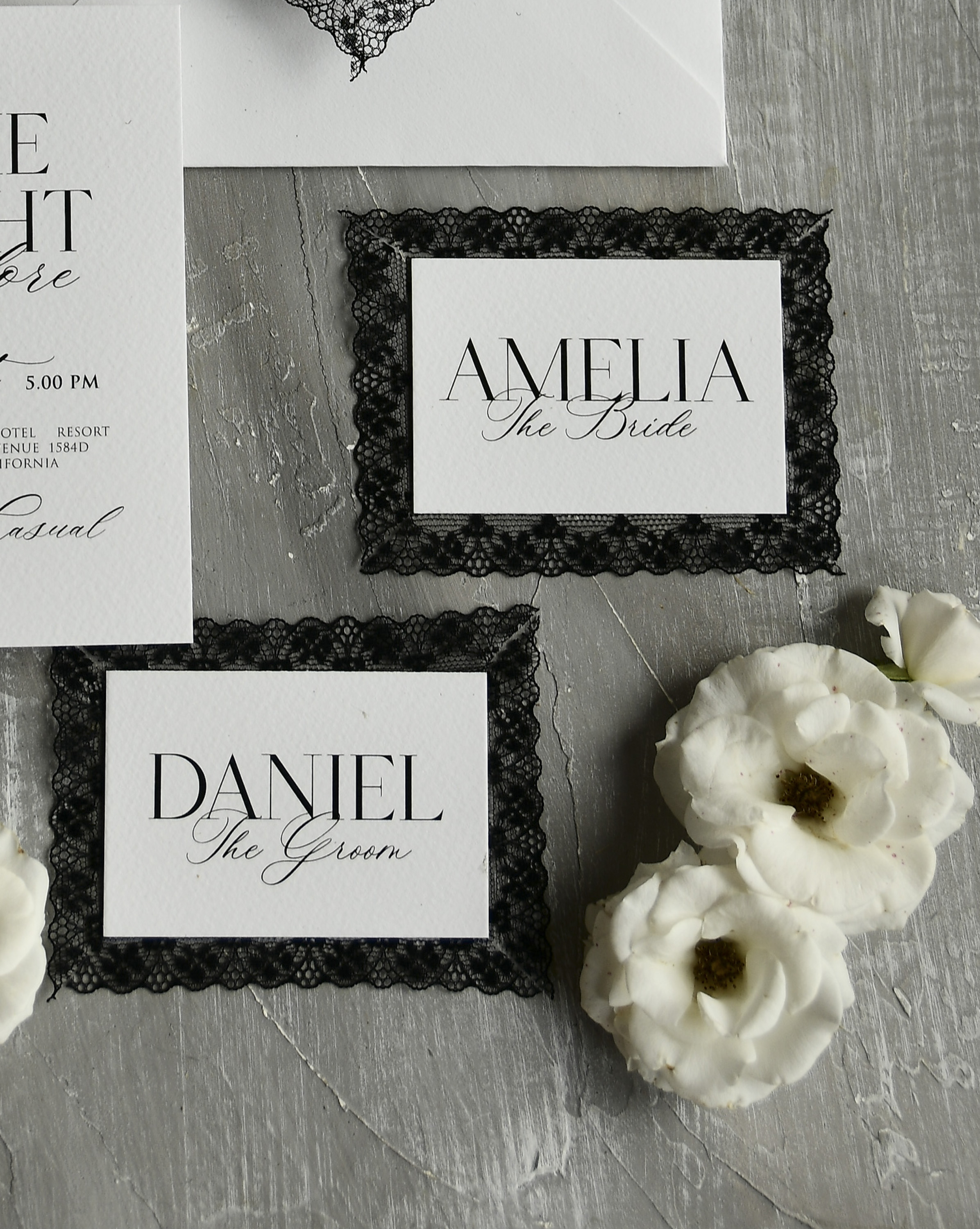
On the day itself, thoughtful seating arrangements go a long way. Our 03/laceD/W place cards make it easy to create a polished, intentional seating plan — keeping feuding family members in different sections without it looking deliberate.
Know When to Loop In a Third Party
Sometimes a conflict is too big or too entrenched to handle alone. If an argument involves estranged parents, a significant family rift, or behavior that feels emotionally unsafe, it's completely appropriate to bring in a therapist or counselor — even just for one or two sessions before the wedding.
Many couples find pre-wedding counseling helpful not just for the relationship itself but for navigating extended family dynamics. A neutral professional can help you rehearse difficult conversations, set realistic expectations, and decide together which battles are worth fighting.
If a family member is being genuinely disruptive or threatening to cause a scene, it's also okay to have a frank conversation about what behavior you expect at your wedding — and what the consequences will be if that line is crossed.
Protect Your Energy in the Final Weeks
The month before your wedding is not the time to resolve decades of family history. Give yourself permission to table non-urgent conflicts until after the honeymoon. A simple "Let's talk about this properly after we're back — I want to give it the attention it deserves" is a completely reasonable response.
Build in daily rituals that restore your energy: a walk, a phone call with a supportive friend, even just 20 minutes with no wedding talk allowed. You cannot pour from an empty cup, and showing up calm and grounded on your wedding day starts weeks before it.
Consider using small, tangible tasks — like finalizing your 03/laceD/W place cards or writing personal notes to your wedding party — as grounding activities that remind you what the day is actually about: celebrating love, not managing everyone else's feelings.
Frequently Asked Questions
Strategic seating and scheduling can do a lot of heavy lifting. Place them at opposite ends of the reception space and, if necessary, stagger when they arrive at smaller pre-wedding events. Brief your wedding party so someone can gently redirect if tension flares.
Acknowledge their enthusiasm, then redirect it to an area where you genuinely want input — like choosing a welcome drink or helping with a family tradition. People who feel involved tend to stop lobbying for control in areas that aren't theirs.
It's a last resort, but yes — your wedding is a private event and you have the right to set the guest list. Have the conversation privately, explain your reasoning calmly, and accept that there may be short-term fallout. Your long-term wellbeing matters.
No. Your vows and speeches are not the place to process family conflict, even indirectly. Keep those moments focused on love and celebration — anything else will make guests uncomfortable and you may regret it later.
Check in with each other privately and often — even a five-minute debrief at the end of each day helps. Agree in advance that you're a team, and avoid letting family members play you against each other by going to one partner after the other says no.
Aim to address major conflicts at least 4–6 weeks before the wedding so decisions can still be adjusted if needed. In the final two weeks, focus on logistics only and let emotional conversations wait until after you're back from the honeymoon.
See This Design Up Close

You May Also Like

More Wedding Planning Guides
- → How to Tell Guests Your Wedding Is Adults Only (Without the Awkwardness)
- → Should Your Stepparent Get a Wedding Invitation? Here's How to Decide
- → How to Cut Your Wedding Guest List Without the Drama
- → New Boyfriends and Girlfriends at Your Wedding: What Couples Need to Know
- → Inviting Family You've Lost Touch With: A Practical Guide for Your Wedding Guest List
- → Uninvited Plus-Ones and Tag-Alongs: How to Keep Your Guest List Intact
- → When Family Feuds Threaten Your Wedding Plans: A Practical Peacekeeper's Guide
- → Inviting an Estranged Brother or Sister: Finding Clarity Before You Seal the Envelope
- → Cousins, Invites, and Hard Choices: A Practical Guest List Guide