
How to Tell Guests Your Wedding Is Adults Only (Without the Awkwardness)
Deciding to host an adults-only wedding is completely valid — and more common than you might think. The tricky part isn't making the decision; it's communicating it clearly so guests aren't caught off guard and nobody's feelings get hurt. The good news: with the right timing and wording, you can share this news gracefully and get ahead of any confusion before it starts.
Start With the Invitation Itself
Your wedding invitation is the first and most authoritative place to set expectations. The simplest approach is to address the envelope specifically — list only the adults you're inviting by name. If an invitation is addressed to Mr. and Mrs. David Chen (with no mention of children), that technically signals an adults-only event. But in practice, many guests miss this cue entirely, so it's smart to back it up with a more direct note.
A line on your details card or RSVP card works well. Try something like:
- "We have reserved ___ seats in your honor." (Fill in the number — guests understand immediately.)
- "Due to venue limitations, we are hosting an adults-only celebration."
- "We kindly ask that this be an adults-only evening so everyone can fully relax and celebrate."
Keep the tone warm and matter-of-fact. You don't owe a lengthy explanation, but a brief reason — venue capacity, budget, atmosphere — helps guests accept it without taking it personally.
Use Your Wedding Website to Reinforce the Message
Your wedding website is the perfect place to elaborate without crowding your paper invitation. Add a short FAQ section that addresses the adults-only policy directly. Something like: "Our reception is an adults-only event. We love your little ones, but we want parents to have a night off too! We hope you can arrange childcare and join us."
Framing it as a gift to parents — a rare night out — shifts the tone from restriction to celebration. Many guests will actually appreciate the heads-up well in advance so they can plan babysitting. Make sure this page is easy to find and that your invitation suite includes the website URL prominently.
Timing Matters: When to Communicate the Policy
The earlier guests know, the better. Here's a practical timeline:
- Save-the-dates (6–12 months out): You can add a small line like "Adults-only reception" on the save-the-date card itself. This gives families with young children maximum time to arrange care.
- Formal invitations (6–8 weeks out): Reinforce the policy clearly on your details insert or RSVP card.
- Personal conversations (as needed): For close family members with babies or toddlers, a quick phone call or personal note from you or your partner goes a long way. Don't rely solely on the stationery for immediate family — a direct conversation prevents hurt feelings.
If you're inviting guests from out of town, consider including local babysitter recommendations or a note about hotel childcare services. That small gesture shows you've thought about their situation.
Handling RSVPs That Ignore the Policy
Even with clear communication, some guests will RSVP with children listed. This usually isn't defiance — it's a misunderstanding. Reach out promptly and kindly: "We're so excited to celebrate with you! Just a quick note — our wedding is adults only, so we want to make sure you have a chance to arrange childcare. Let us know if we can help with any recommendations!"
Have this conversation as early as possible so the guest has time to adjust plans. Designate a family member or your wedding planner to handle these calls if you'd rather not do it yourself. The key is consistency — make no exceptions, because word travels fast among guests and one exception creates confusion and hurt feelings for others.
Polish the Details With Intentional Stationery
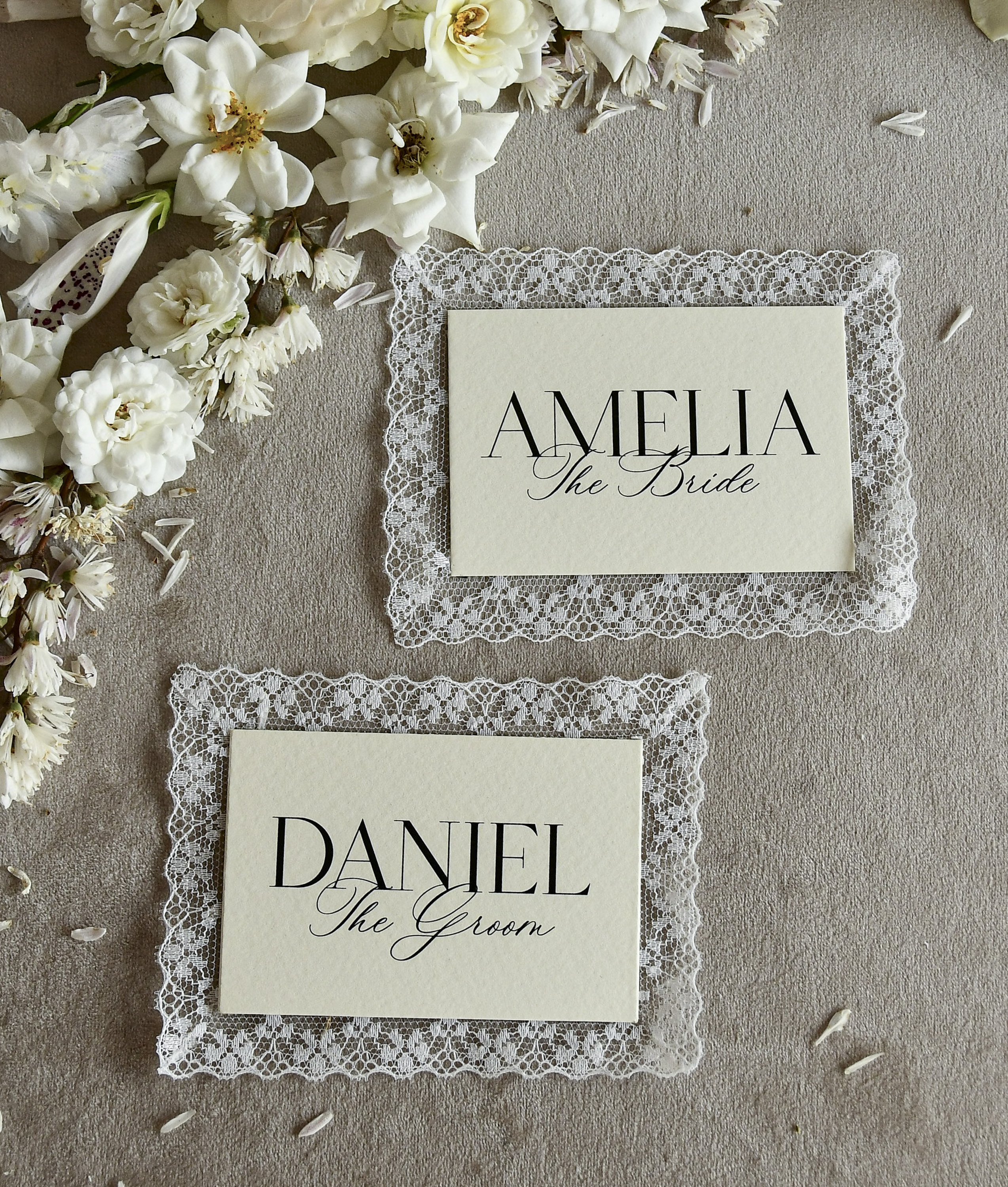
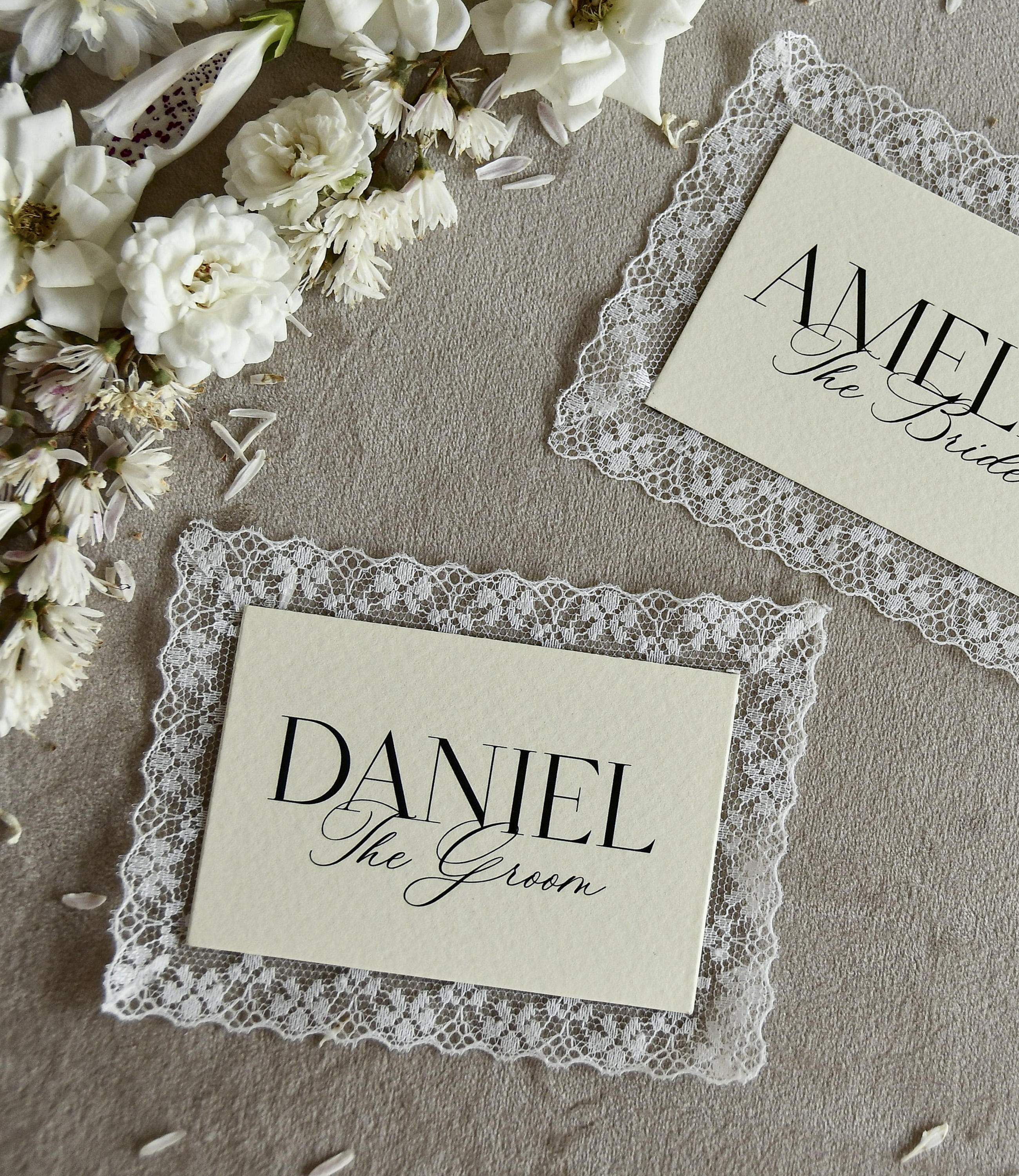
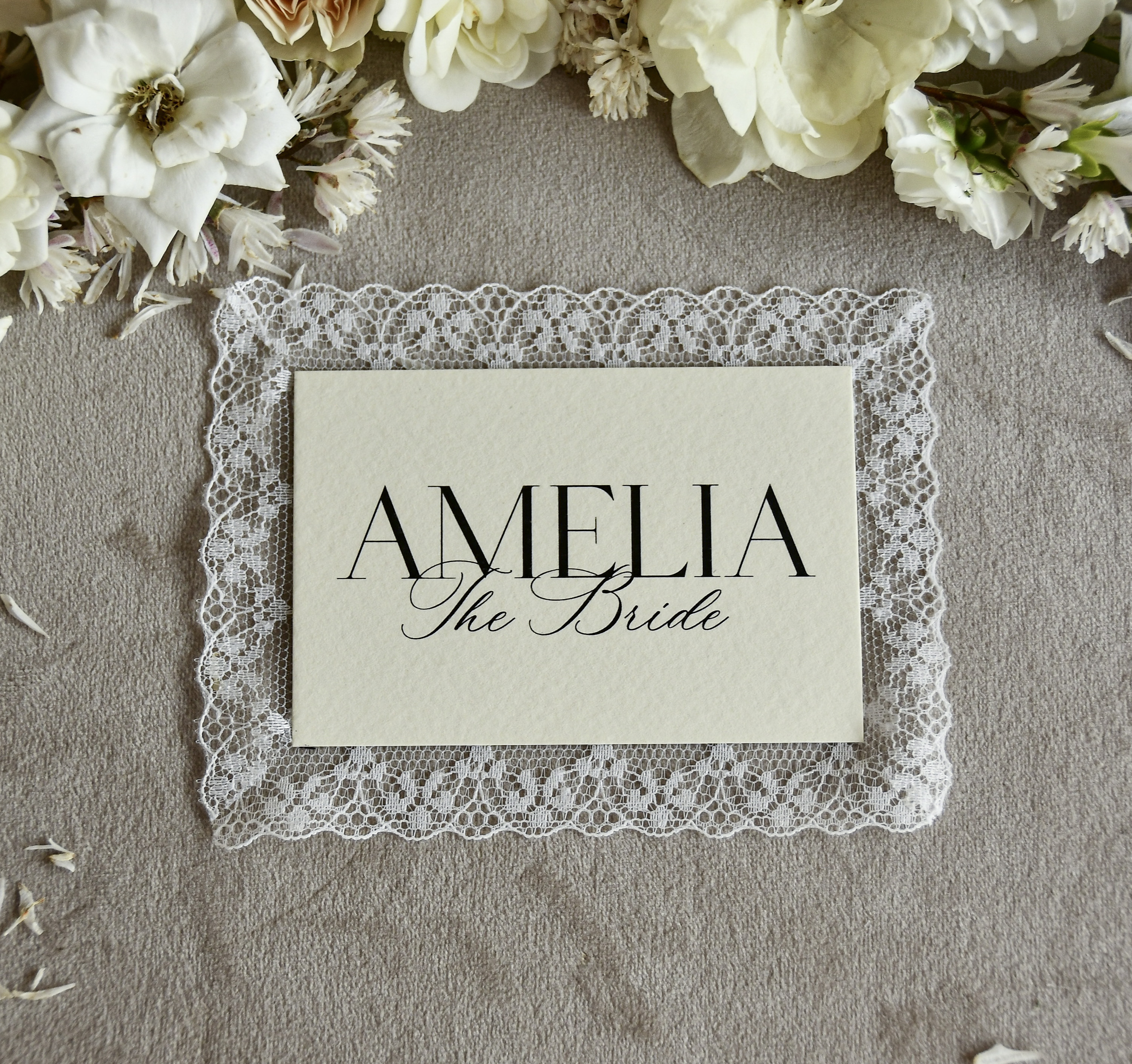
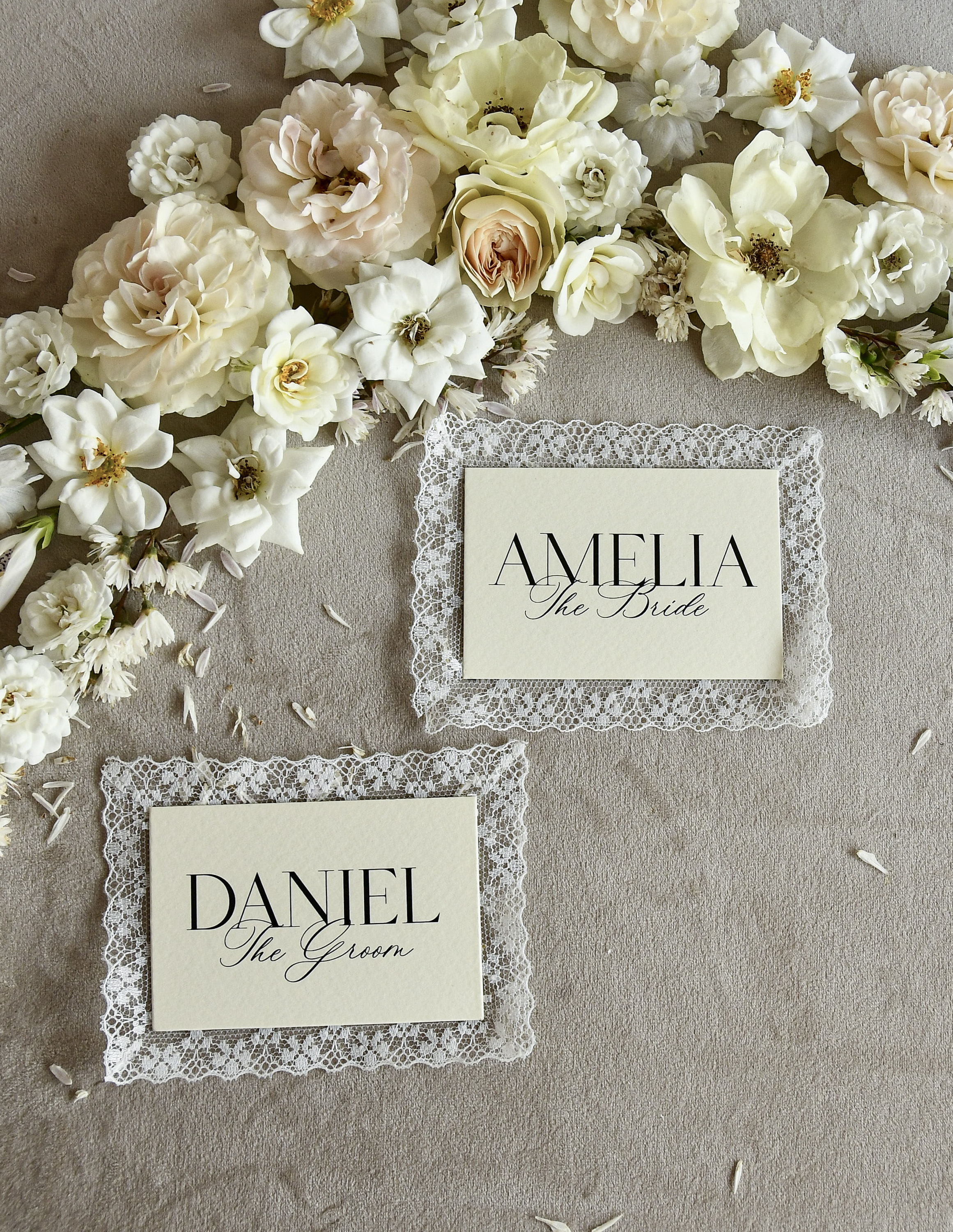
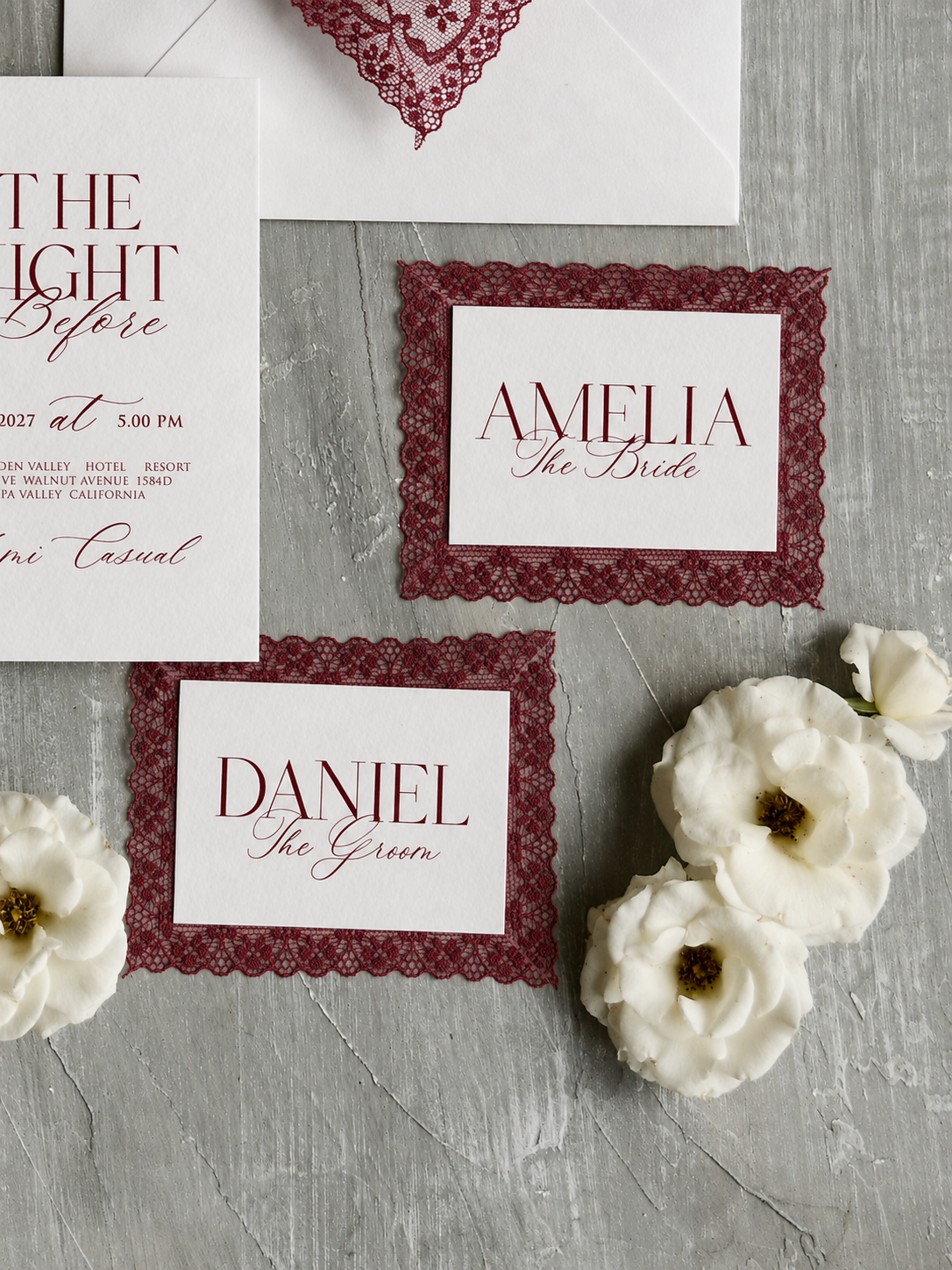
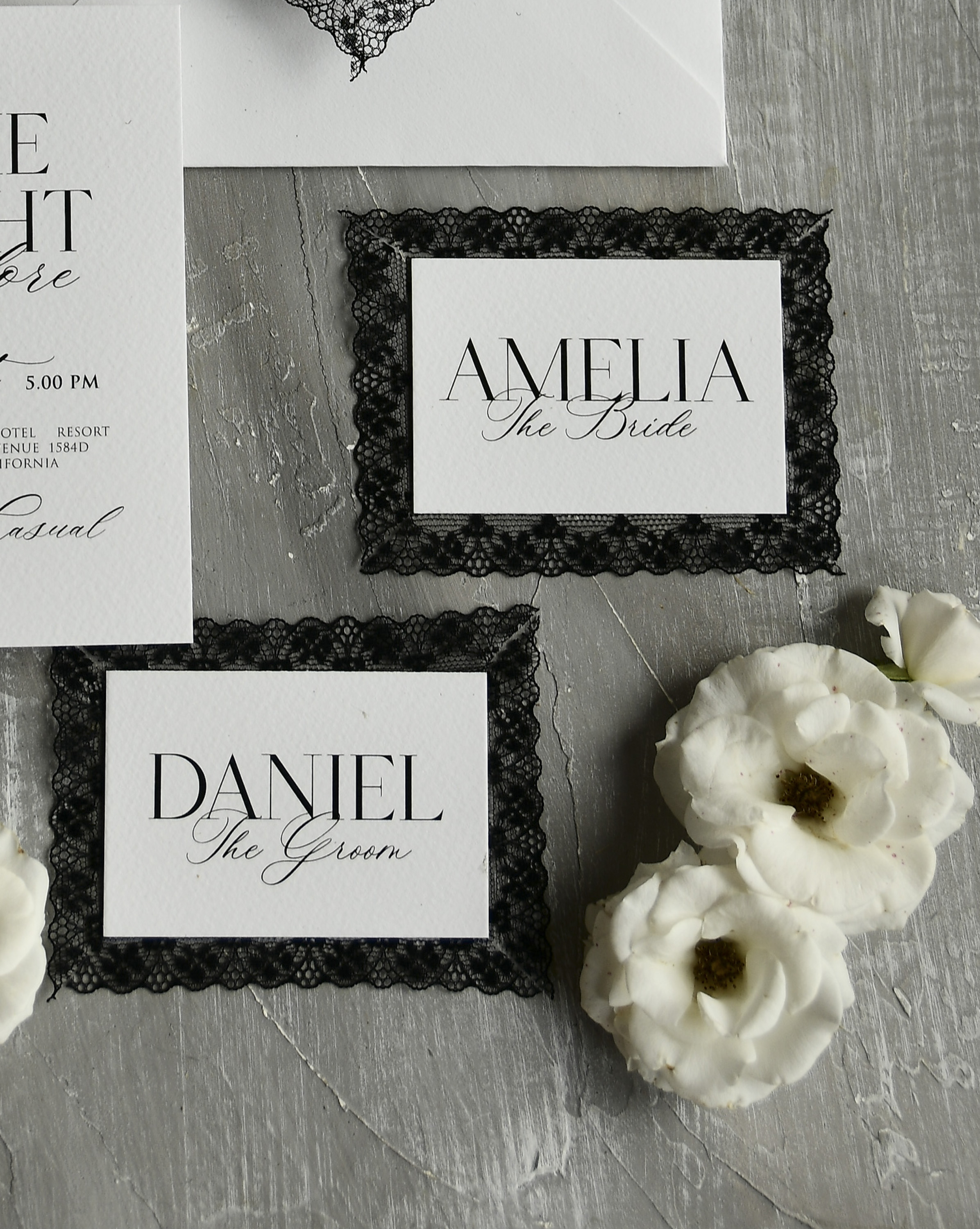
Clear communication doesn't have to feel cold. Thoughtful stationery design makes every element of your event feel considered and cohesive — right down to the reception details. When guests arrive at a beautifully set table with elegantly designed place cards, like the 03/laceD/W from Margo&Bees' lace collection, it signals that every detail was intentional. That same care and intentionality should carry through to how you communicate your guest policy from the very first piece of mail they receive.
Consistent, well-designed stationery — from save-the-dates through reception place cards — sets the tone that you've thought everything through. Guests are far more receptive to policies when the overall communication feels warm and professional rather than like an afterthought.
Frequently Asked Questions
Yes, a brief note on your details card or RSVP card is the clearest approach. Addressing envelopes to adults only is a traditional signal, but many guests overlook it, so a direct line removes any ambiguity.
This is a personal decision, but if you choose to make an exception, keep it private and be prepared that other guests may find out. Many couples quietly accommodate nursing infants while holding the line for older children to keep things fair.
Not at all — it's a common and completely acceptable choice. The key is communicating it early and kindly so families have time to make arrangements without feeling blindsided.
Keep it friendly and brief: something like 'Our reception is an adults-only affair — think of it as your night off!' works well. Pair it with any childcare resources you can offer to show you've considered their needs.
You don't owe a detailed explanation, but a short reason — venue capacity, budget, or wanting an intimate atmosphere — helps guests accept the policy without feeling singled out. One sentence is plenty.
Have a plan in place with your venue coordinator or a trusted family member to handle the situation calmly. A quiet, private conversation is best — apologize for any confusion and see if a solution like a nearby hotel babysitting service is available.
See This Design Up Close


You May Also Like

More Wedding Planning Guides
- → Should Your Stepparent Get a Wedding Invitation? Here's How to Decide
- → How to Cut Your Wedding Guest List Without the Drama
- → Family Drama Before the Wedding? Here's How to Actually Handle It
- → New Boyfriends and Girlfriends at Your Wedding: What Couples Need to Know
- → Inviting Family You've Lost Touch With: A Practical Guide for Your Wedding Guest List
- → Uninvited Plus-Ones and Tag-Alongs: How to Keep Your Guest List Intact
- → When Family Feuds Threaten Your Wedding Plans: A Practical Peacekeeper's Guide
- → Inviting an Estranged Brother or Sister: Finding Clarity Before You Seal the Envelope
- → Cousins, Invites, and Hard Choices: A Practical Guest List Guide