
Should Your Stepparent Get a Wedding Invitation? Here's How to Decide
Blended families bring so much richness to a wedding — and, let's be honest, a fair amount of complexity. Whether you're close with your stepparent or the relationship is more complicated, deciding whether to invite them is one of the most emotionally loaded choices you'll make during planning. The good news: there's no single right answer, and you have more options than you might think.
Start With the Relationship, Not the Title
The word "stepparent" covers an enormous range of relationships. Someone who raised you from childhood is very different from a parent's new spouse you met two years ago. Before you make any decision, take an honest look at the actual relationship — not the family obligation attached to it.
- Close and involved: If your stepparent helped raise you, attended your milestones, or feels like a true parent, inviting them is almost certainly the right call. Not doing so could cause lasting hurt.
- Friendly but distant: If you have a warm but surface-level relationship, you can invite them as a guest without any special role or fanfare — and that's perfectly fine.
- Complicated or new: If the relationship is strained, very new, or involves unresolved conflict, it's okay to step back and weigh whether their presence adds joy or stress to your day.
Give yourself permission to make this decision based on the real relationship, not on what you think you're "supposed" to do.
Consider the Family Dynamics at Play
Your stepparent doesn't exist in a vacuum — inviting or not inviting them affects the whole family ecosystem. Think through a few common scenarios:
- Divorced parents who don't get along: If your biological parents have a tense relationship and your stepparent adds fuel to that fire, it's reasonable to think carefully about seating, roles, and whether everyone can be in the same room gracefully.
- Your partner's feelings: Your future spouse has a stake in this too. Have an honest conversation about how they feel and what kind of energy you both want at your wedding.
- Sibling and extended family expectations: In some families, not inviting a stepparent would confuse or upset siblings and other relatives. Consider how the decision ripples outward.
There's no drama-free formula, but being thoughtful and proactive — rather than reactive — will serve you well.
Practical Etiquette: Invitations, Seating, and Roles
Once you've decided to invite your stepparent, a few practical details matter:
- Addressing the invitation: If your parent and stepparent are married and living together, address the envelope to both: Mr. and Mrs. [Name] or both names on separate lines. If they're not married, send separate invitations.
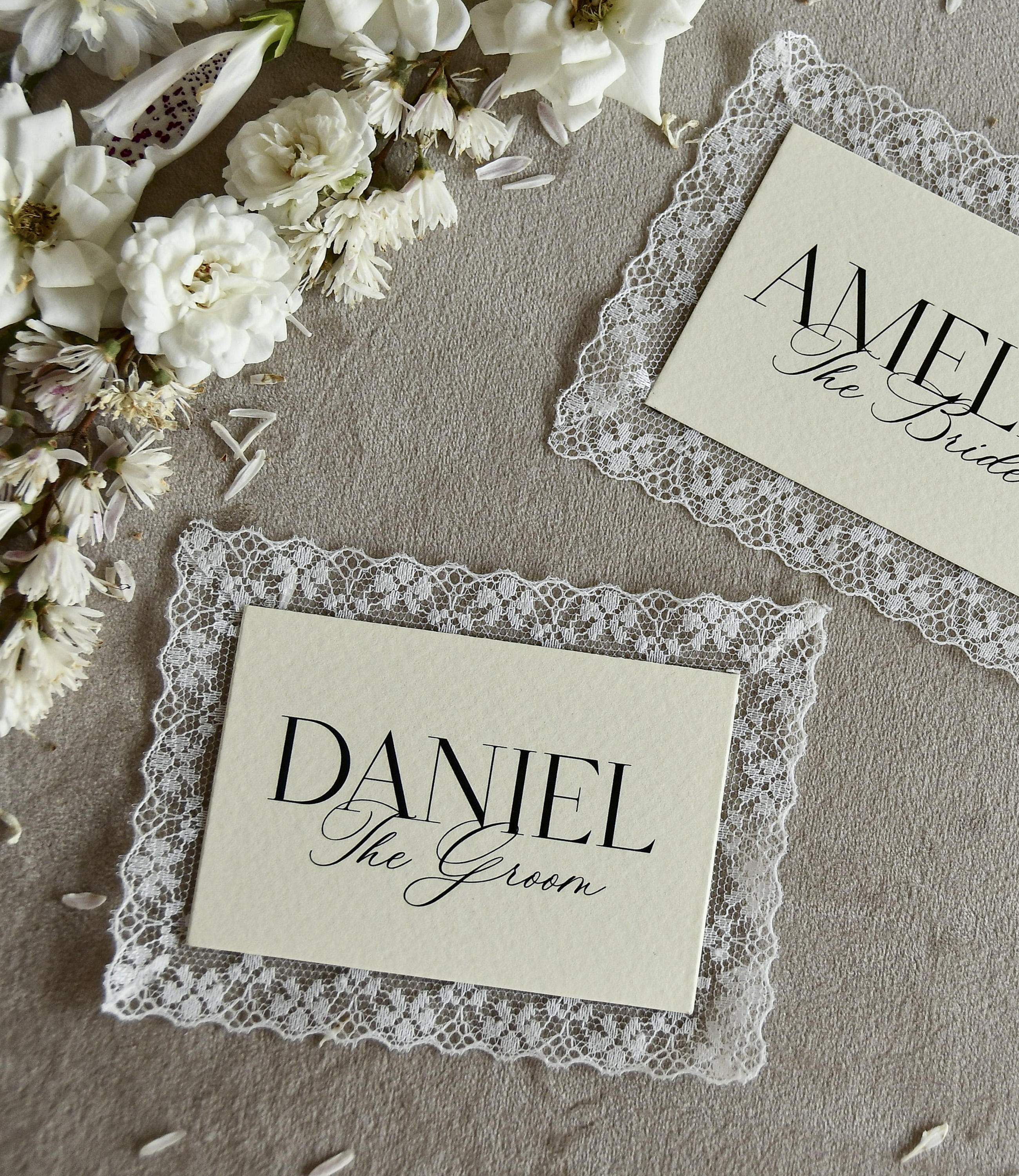
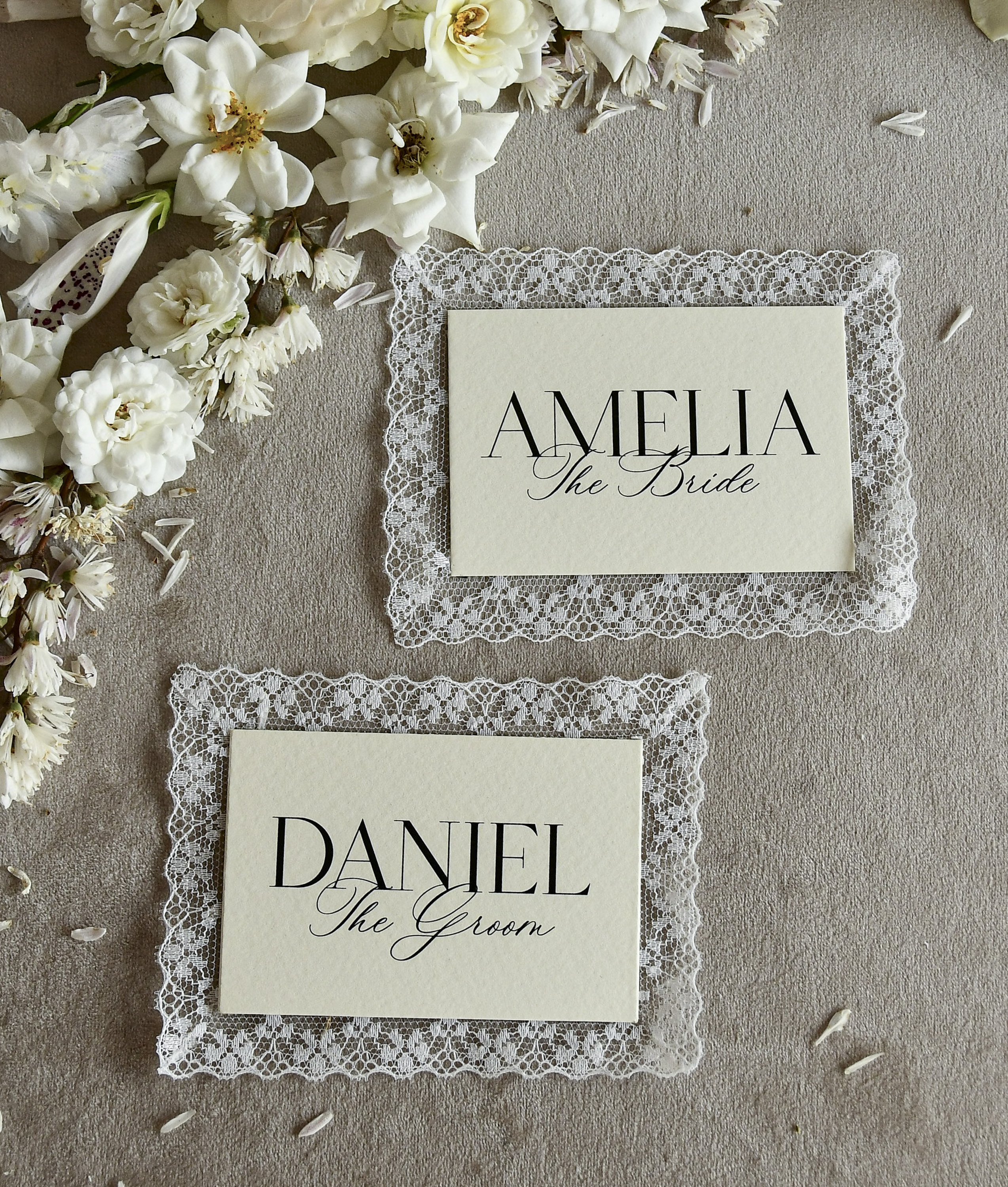
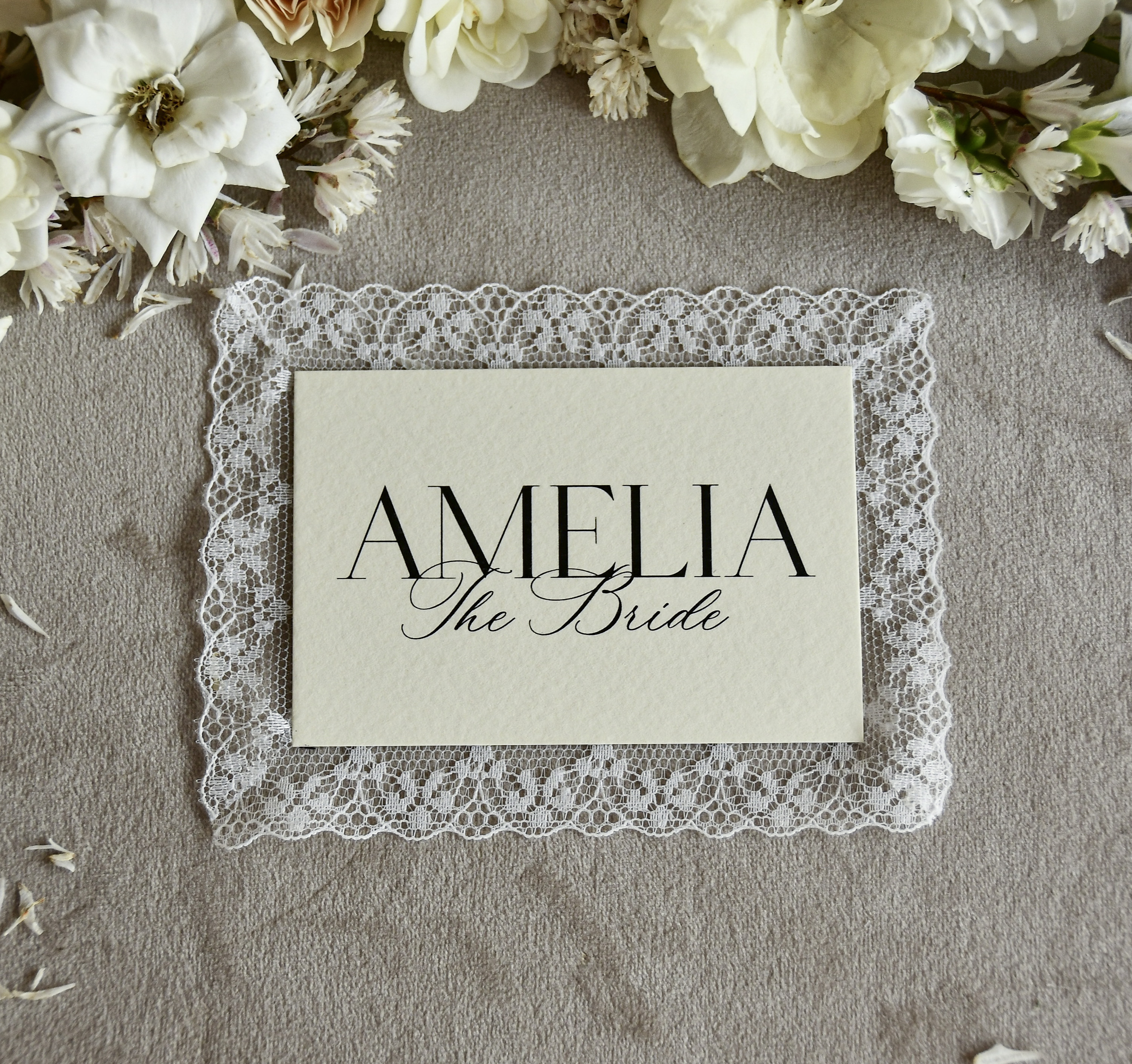
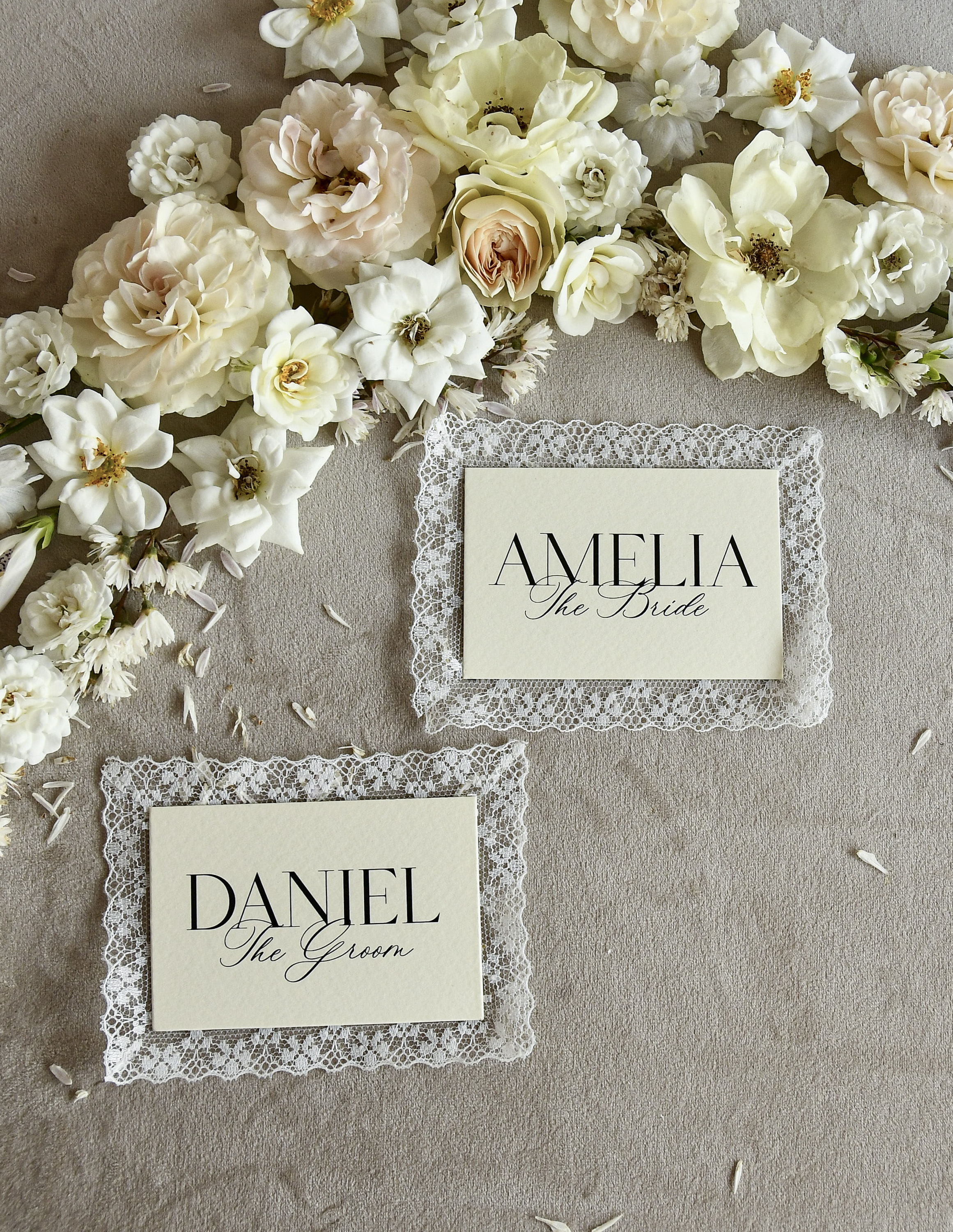
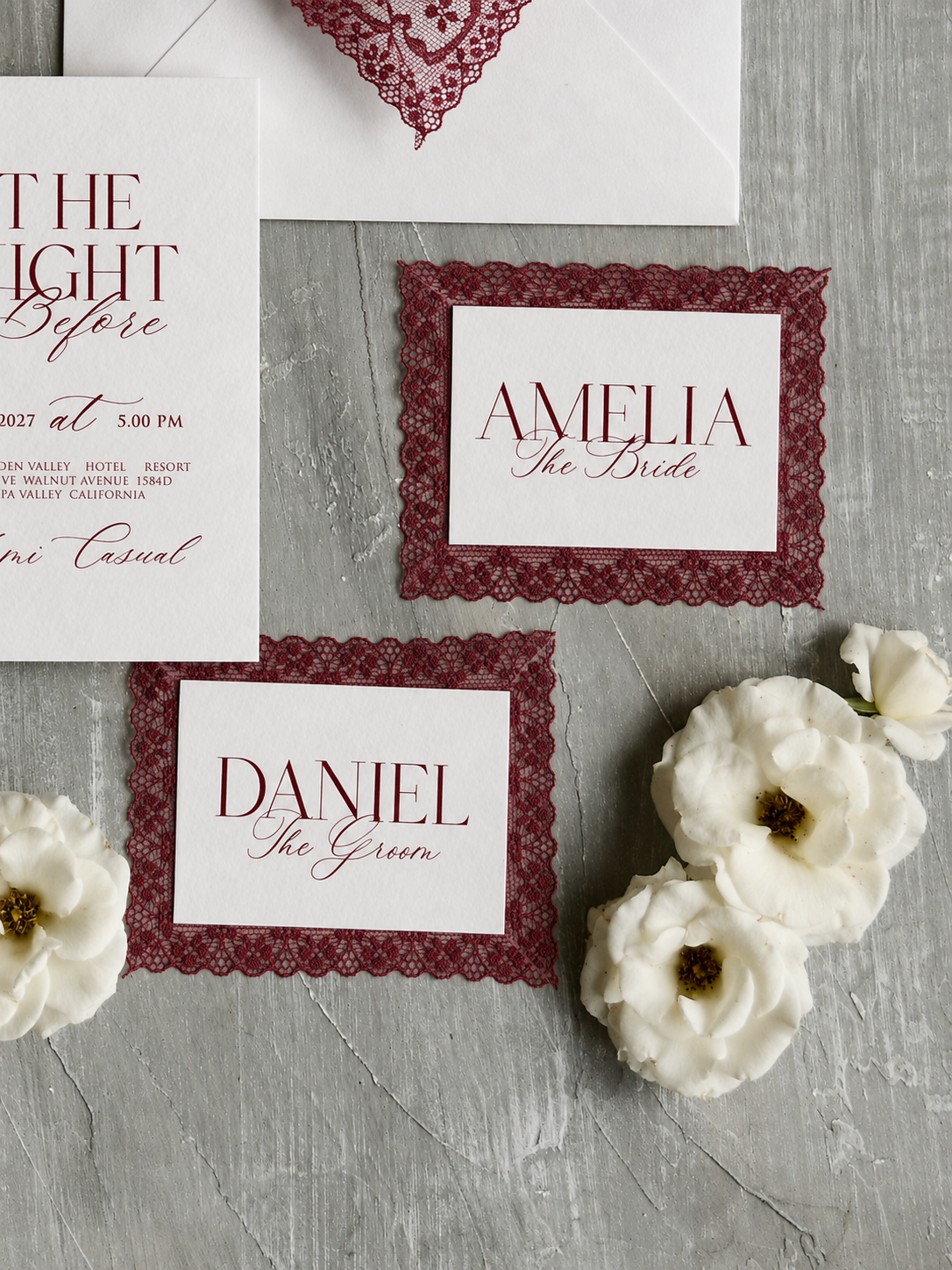
- Seating: Seat stepparents thoughtfully. If your biological parents are both attending and tensions exist, place stepparents at family tables that minimize awkward proximity. Beautifully designed place cards — like the 03/laceD/W lace place cards from Margo&Bees — make assigned seating feel intentional and elegant rather than clinical.
- Roles in the ceremony: A stepparent who raised you might be honored with a seat in the front row, a reading, or a mention in the program. A newer stepparent is typically treated as a cherished guest without a formal role.
- Escort down the aisle: If you want to be walked down by a stepparent, you can absolutely do so — alone, alongside a biological parent, or in whatever configuration feels right to you.
When You Decide Not to Invite Them
Sometimes, the kindest and most honest answer is not to invite a stepparent. This might make sense if:
- The relationship is genuinely estranged or harmful
- The stepparent is very new to the family and you've never met them
- Your wedding is very small (immediate family only or elopement-style) and you're keeping the guest list tightly defined
If you're not inviting them, it's worth having a brief, honest conversation with your parent beforehand rather than letting them find out when the invitation doesn't arrive. Keep it simple and kind: "We're keeping the wedding very small" or "I hope you understand — we want to keep things intimate." You don't owe a lengthy explanation, but a heads-up prevents unnecessary hurt and protects your relationship with your parent.
Give Yourself Grace — This Is Genuinely Hard
There's a reason this question comes up so often. Blended family dynamics are nuanced, and wedding planning has a way of surfacing every unresolved feeling at once. Whatever you decide, make the choice that reflects your values and the day you're building together. Use thoughtful details — from your invitation wording to your place card design — to make every guest, including stepparents, feel genuinely welcomed and honored in the role that fits your relationship. The 03/laceD/W place cards are a lovely way to give every seat at your table a personal, polished touch.
At the end of the day, your wedding is a celebration of your love and your people. Trust yourself to know who belongs in that room.
Frequently Asked Questions
No, you don't. Inviting a stepparent as a valued guest is completely appropriate, especially if the relationship is newer or less close. A formal role — like a reading or escort — is a lovely gesture for a stepparent who raised you, but it's entirely optional.
This is a real and common tension. Acknowledge your parent's feelings while being clear that your guest list reflects your relationships, not their divorce. A calm, private conversation before invitations go out can prevent a lot of drama on the day.
If they're married, address it to both on the outer envelope: <em>Mr. and Mrs. [Stepparent's Last Name]</em> or both full names. If they're not married but living together, list both names on separate lines. If they live separately, send individual invitations.
Yes, it's okay. Your wedding should be a joyful, safe space, and you're not obligated to invite someone whose presence would cause you significant stress or pain. If possible, give your parent a gentle heads-up so the absence isn't a surprise.
That's completely reasonable. Front-row seating is typically reserved for the people who raised you most closely. You can seat a stepparent at a family table a row or two back, which still honors their place in your life without repositioning your core family dynamic.
Only if it feels natural and true to your relationship. A stepparent who has been a meaningful parental figure can absolutely be listed in the program. For a newer or more distant stepparent, it's fine to omit them without it being a slight.
See This Design Up Close


You May Also Like


More Wedding Planning Guides
- → How to Tell Guests Your Wedding Is Adults Only (Without the Awkwardness)
- → How to Cut Your Wedding Guest List Without the Drama
- → Family Drama Before the Wedding? Here's How to Actually Handle It
- → New Boyfriends and Girlfriends at Your Wedding: What Couples Need to Know
- → Inviting Family You've Lost Touch With: A Practical Guide for Your Wedding Guest List
- → Uninvited Plus-Ones and Tag-Alongs: How to Keep Your Guest List Intact
- → When Family Feuds Threaten Your Wedding Plans: A Practical Peacekeeper's Guide
- → Inviting an Estranged Brother or Sister: Finding Clarity Before You Seal the Envelope
- → Cousins, Invites, and Hard Choices: A Practical Guest List Guide