
The Complete Guide to Addressing Wedding Invitations Like a Pro
Addressing wedding invitations feels simple until you're staring at your guest list and wondering whether to write "Mr. and Mrs." or both full names, whether to include kids, and what on earth to do with your friend who just got her doctorate. Getting the addressing right matters—it sets the tone for your entire wedding and shows guests you've put care into every detail. This guide walks you through every common scenario so you can address with confidence.
The Golden Rules of Outer and Inner Envelopes
Traditional wedding invitations use two envelopes: an outer envelope (formal, fully addressed) and an inner envelope (informal, listing exactly who is invited). Many modern couples skip the inner envelope, and that's perfectly fine—just make sure your outer envelope does the full job.
- Outer envelope: Use full names, titles, and complete mailing addresses. Spell everything out—no abbreviations except Mr., Mrs., Ms., and Dr.
- Inner envelope: Use first names only, or first names plus children's names. This is where you signal clearly whether kids are invited.
- No inner envelope: Write names exactly as you want them to appear and include all invited household members on the outer envelope.
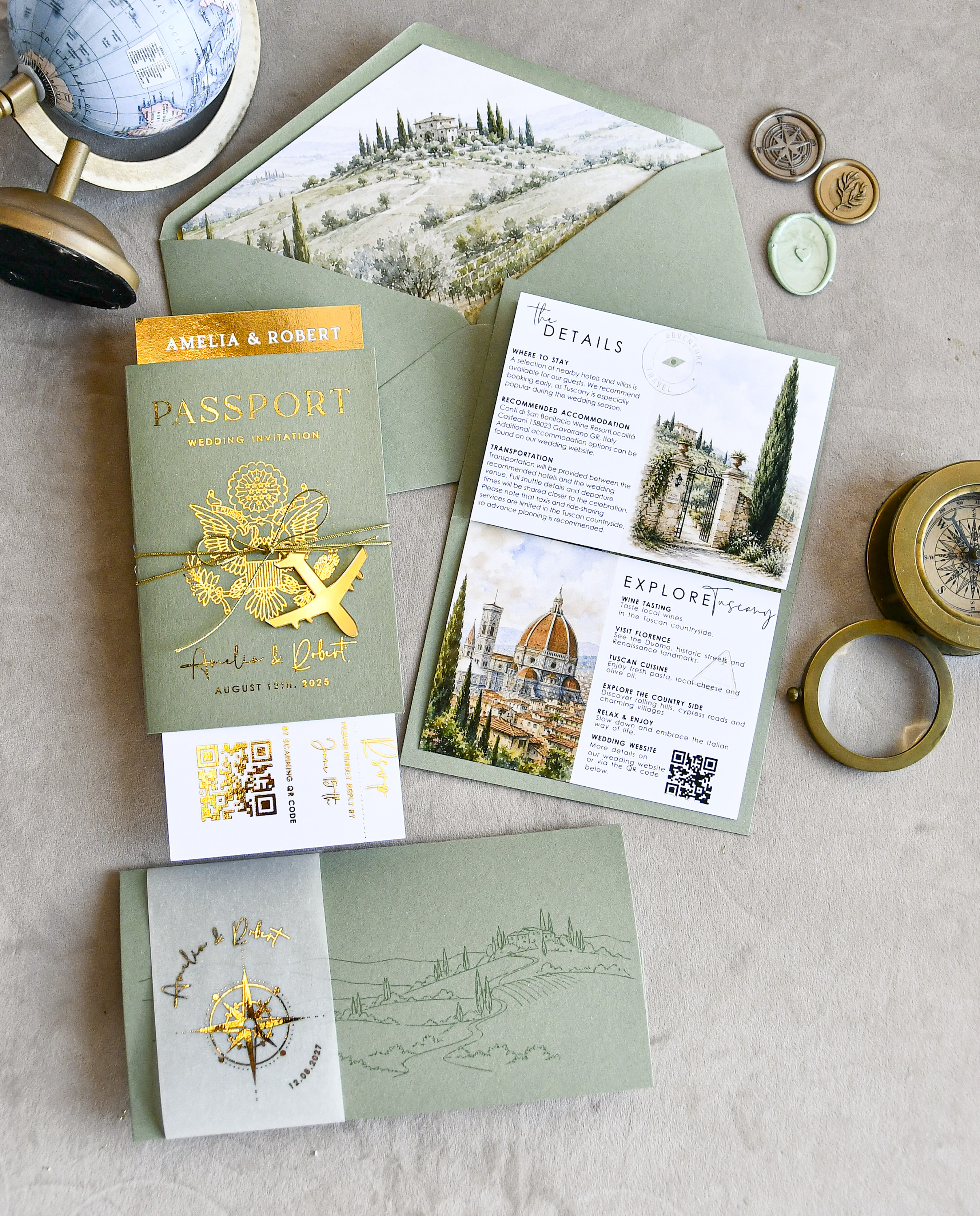
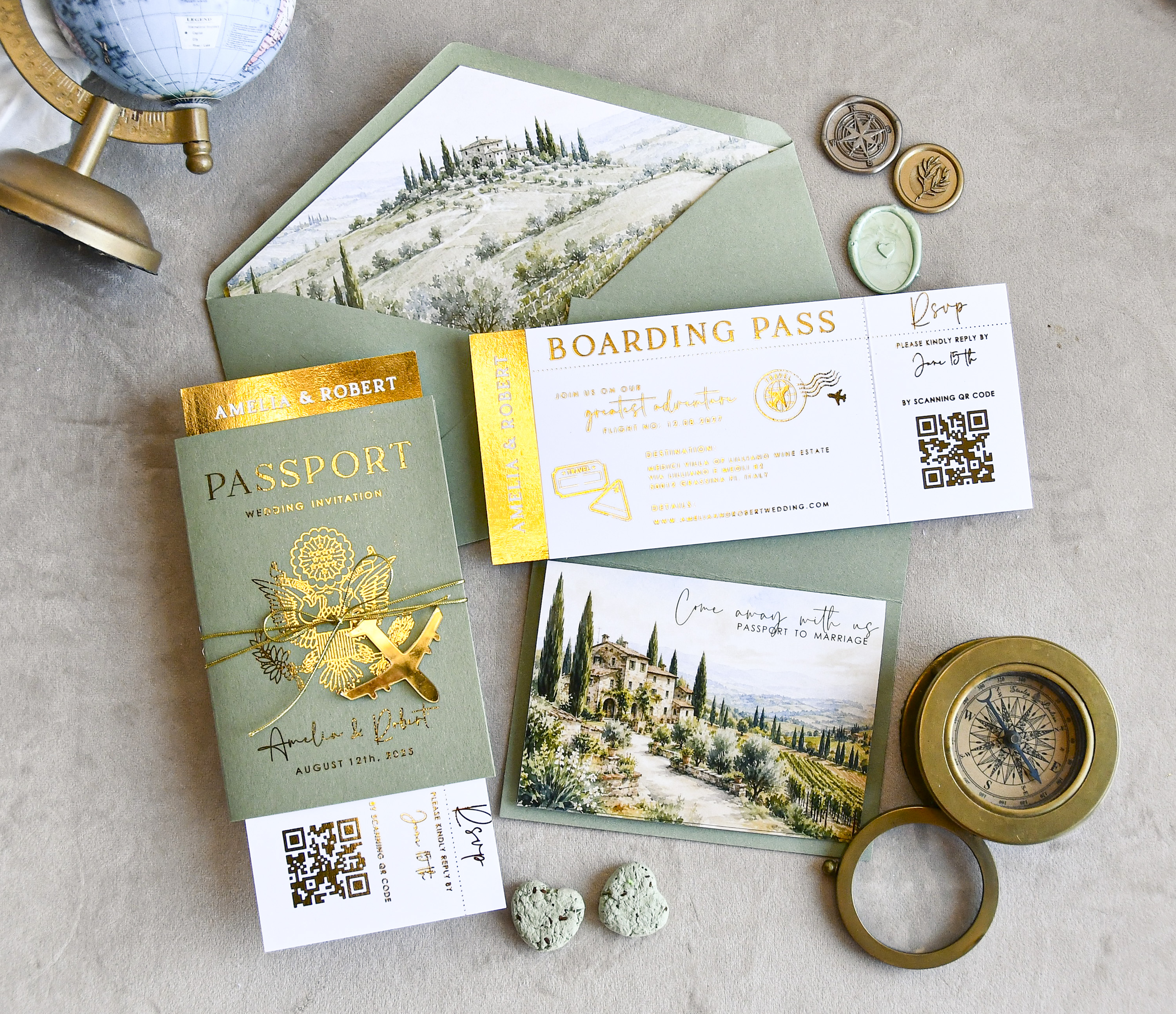
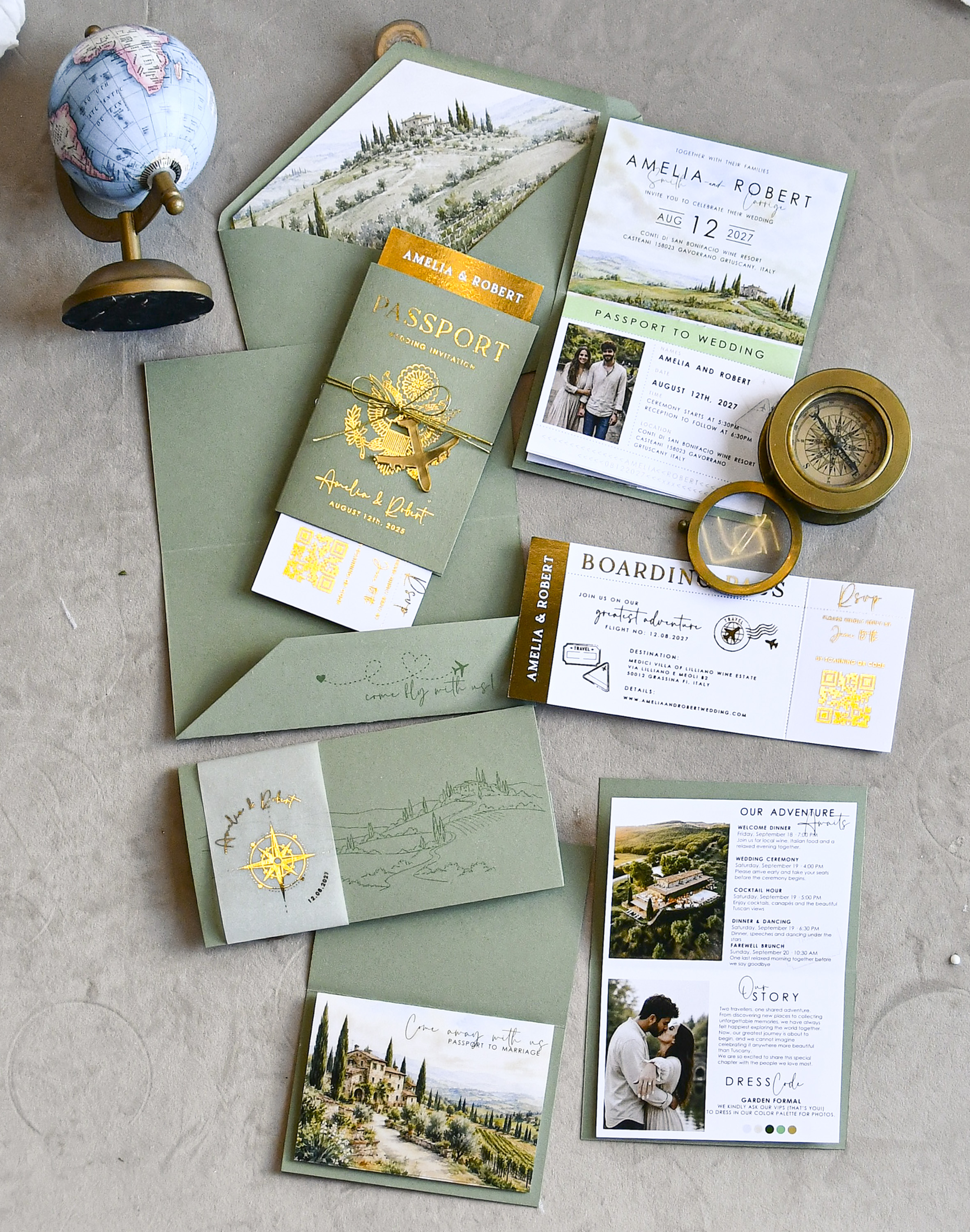
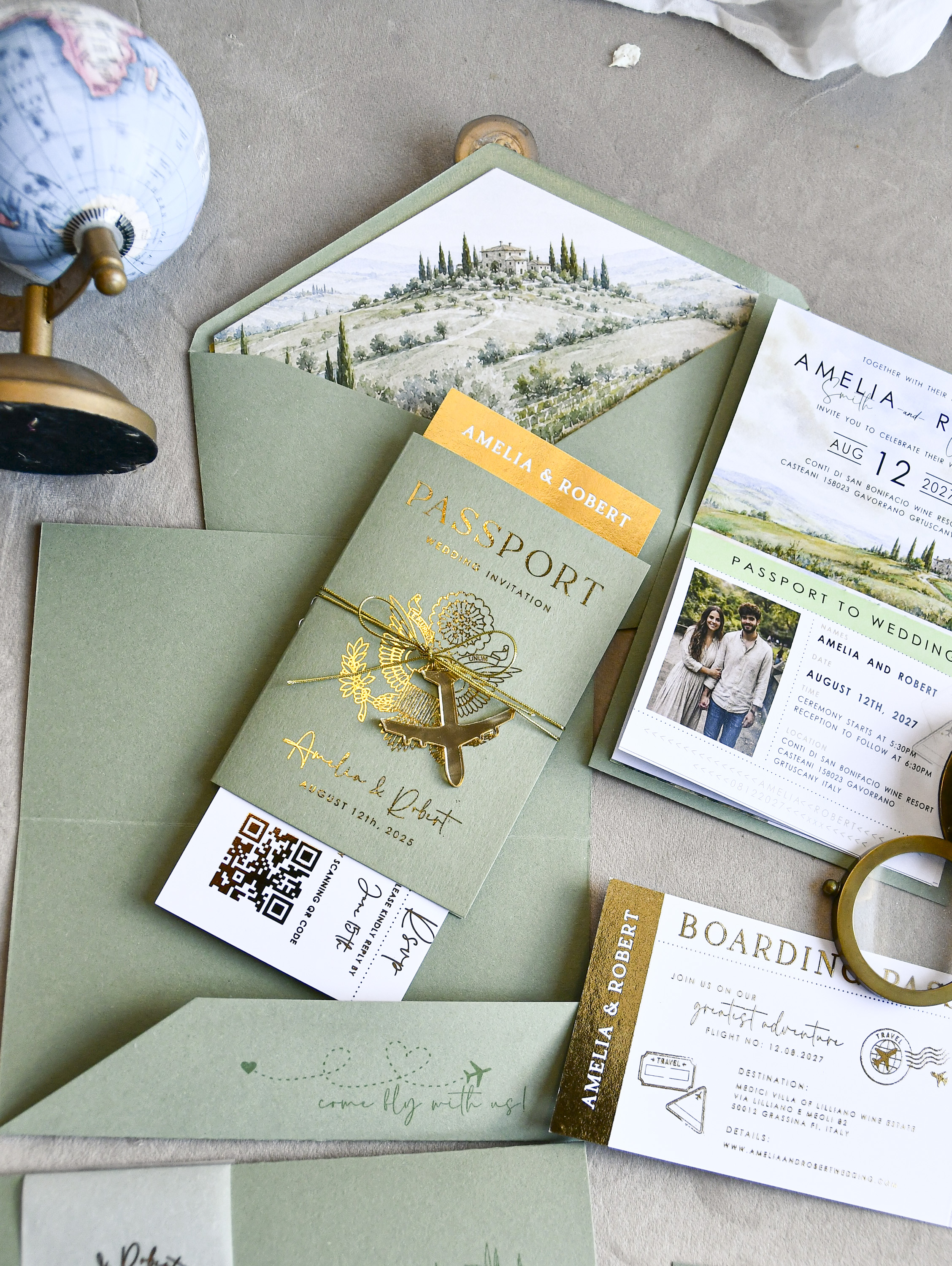
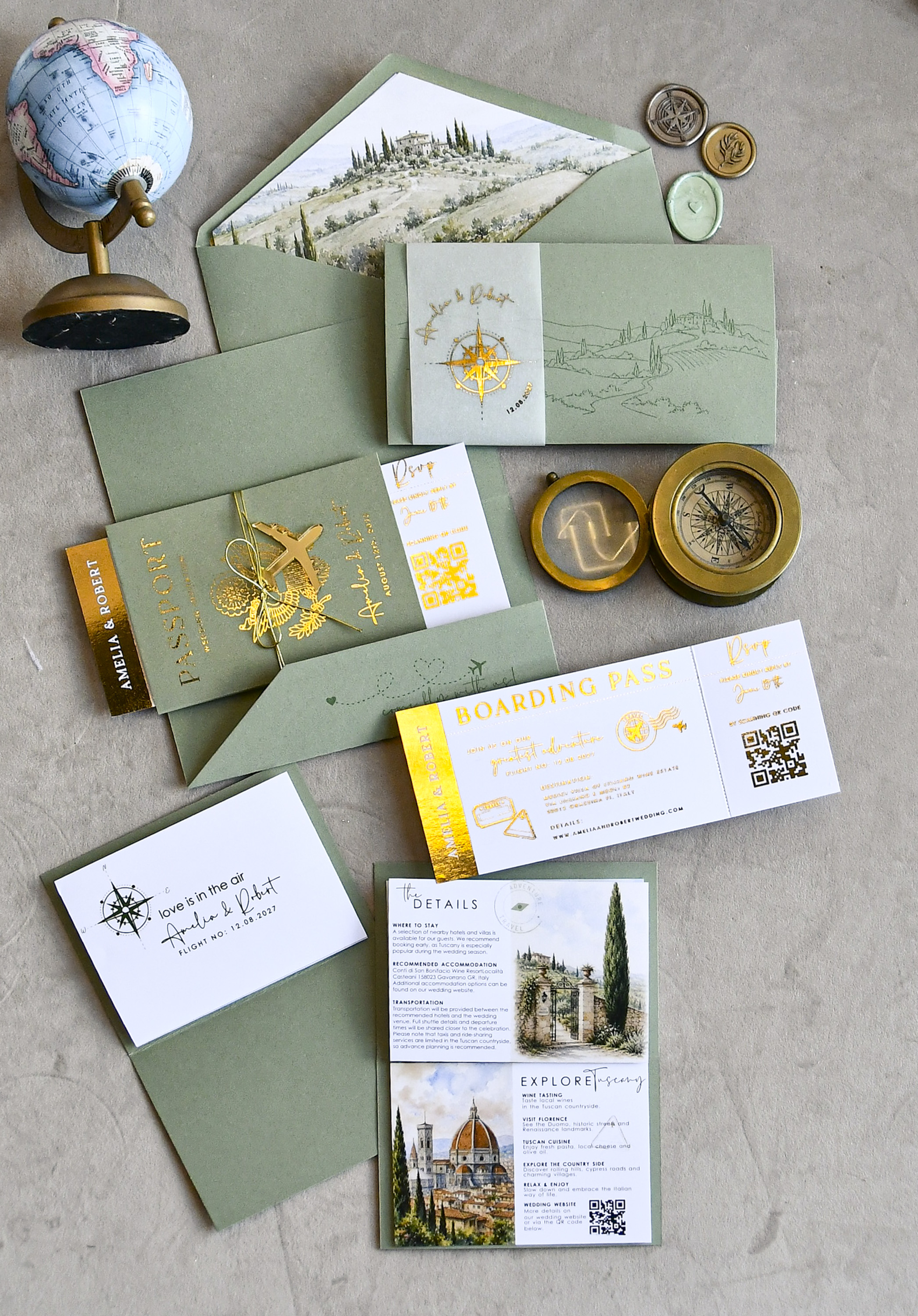
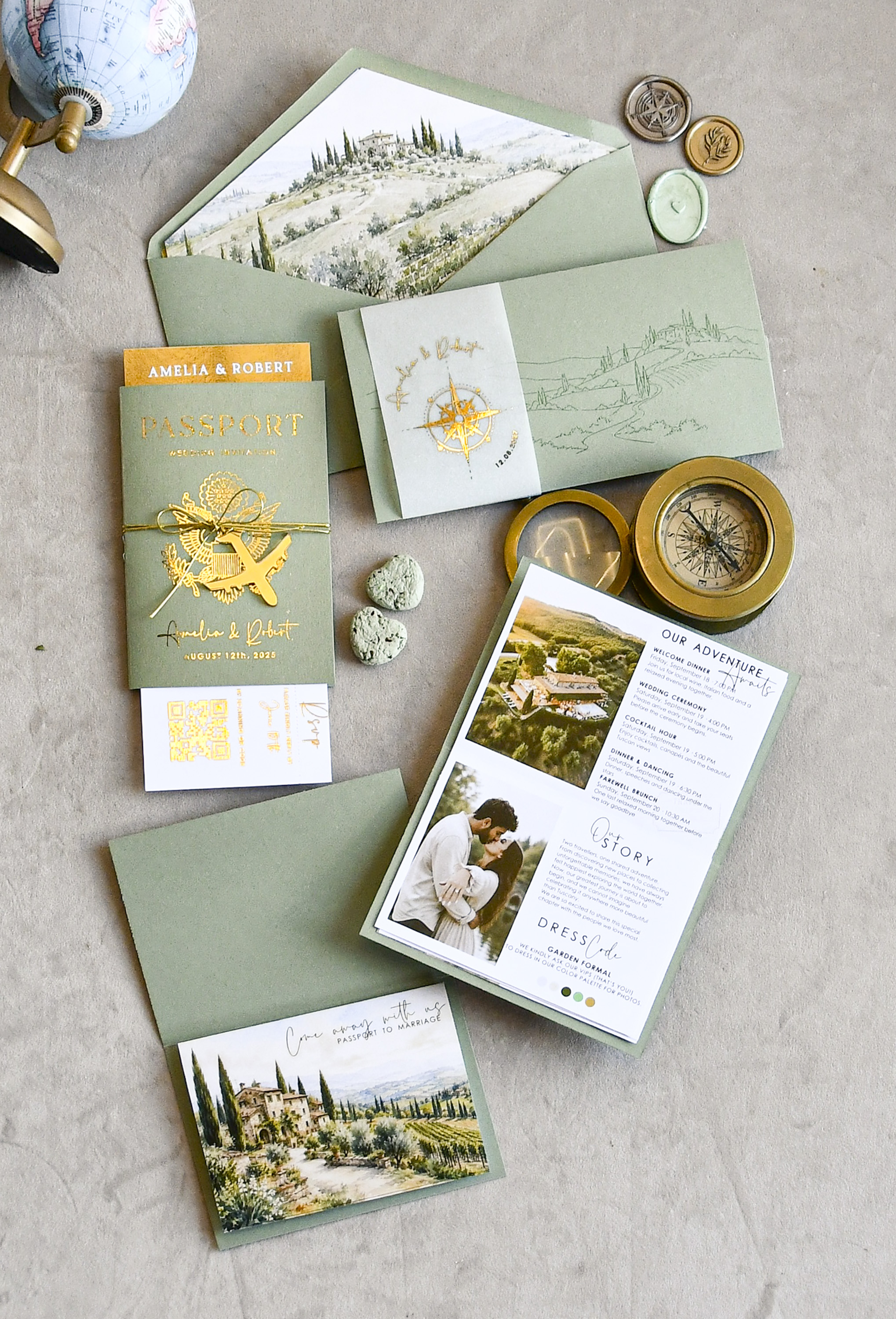
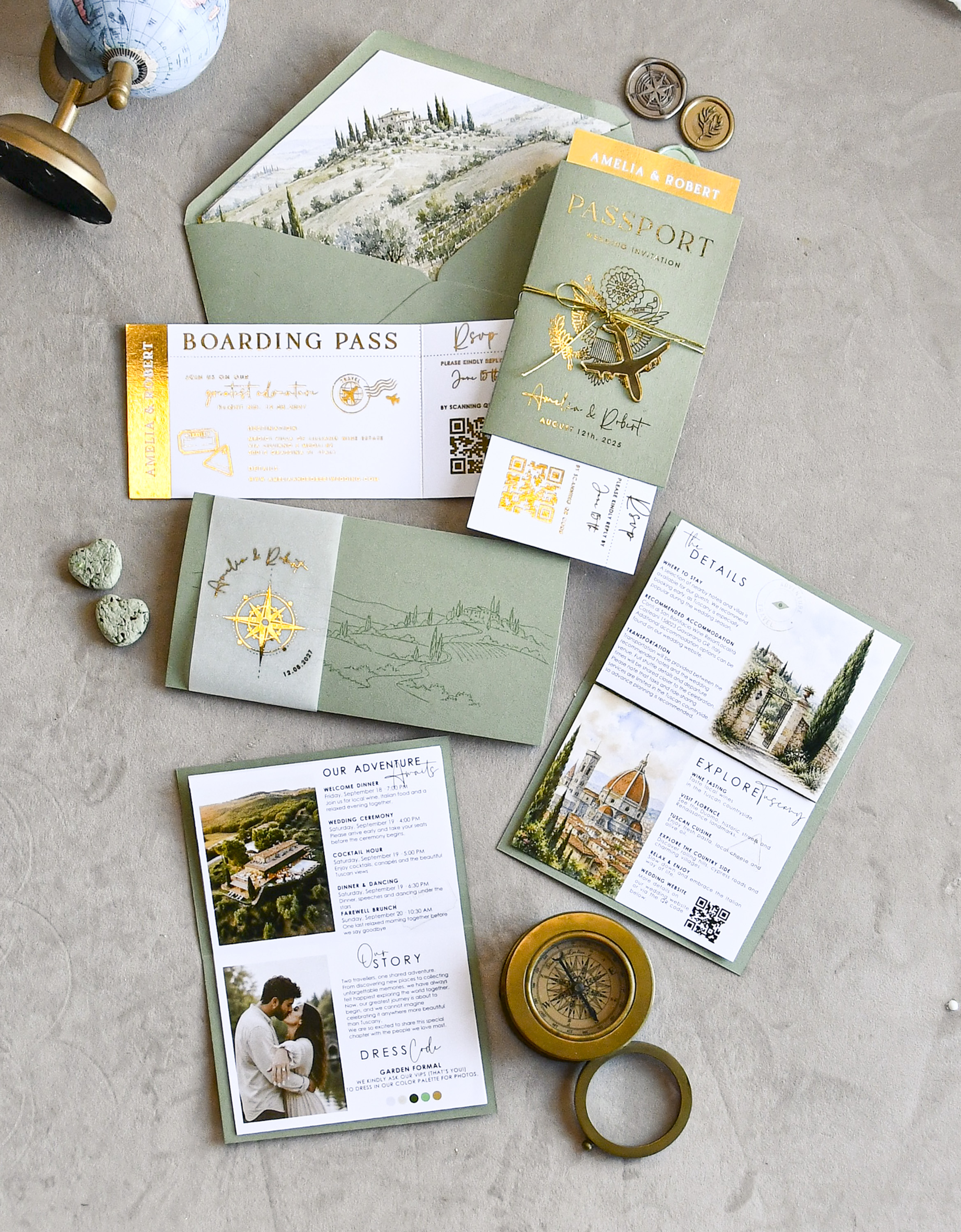
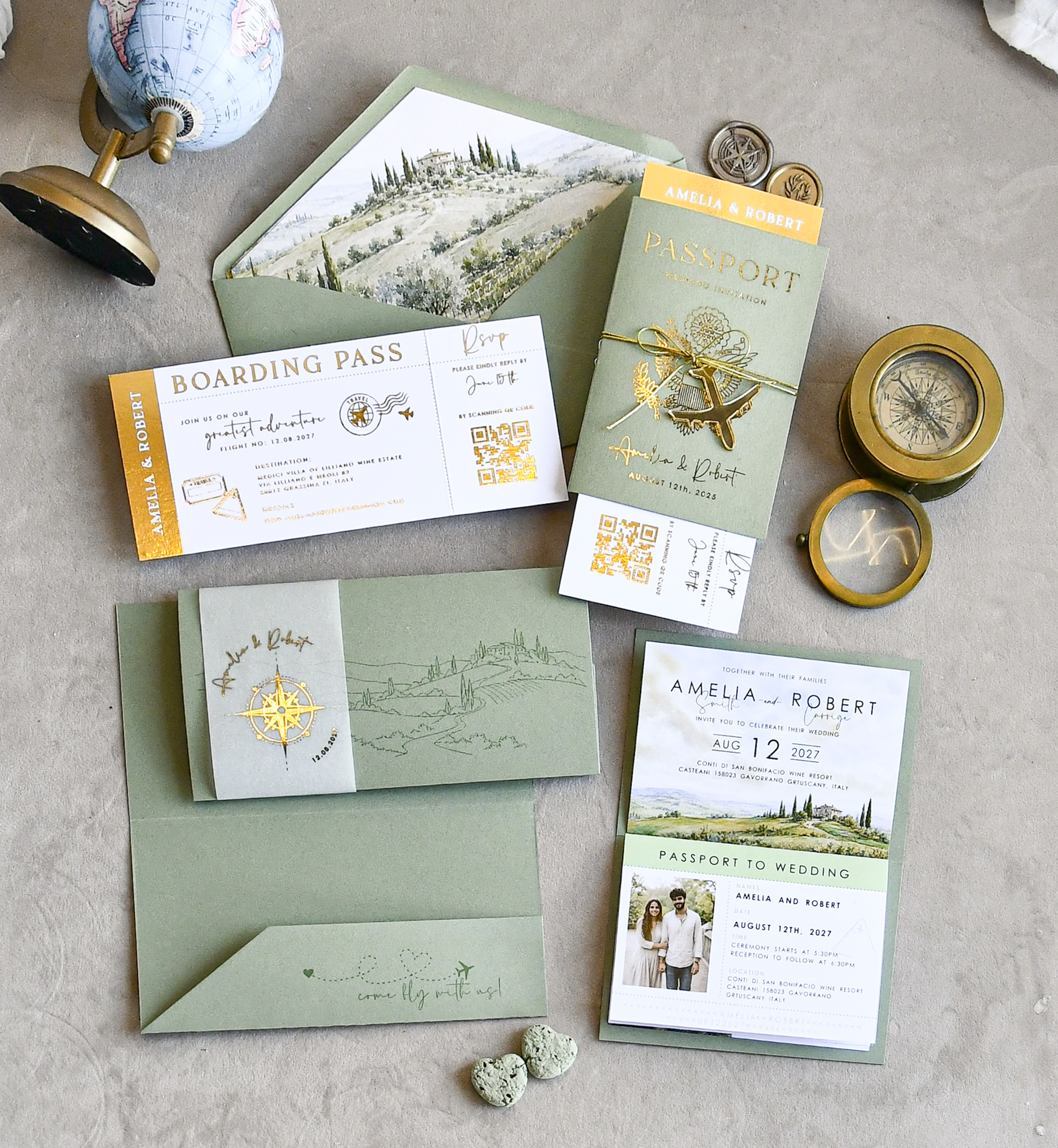
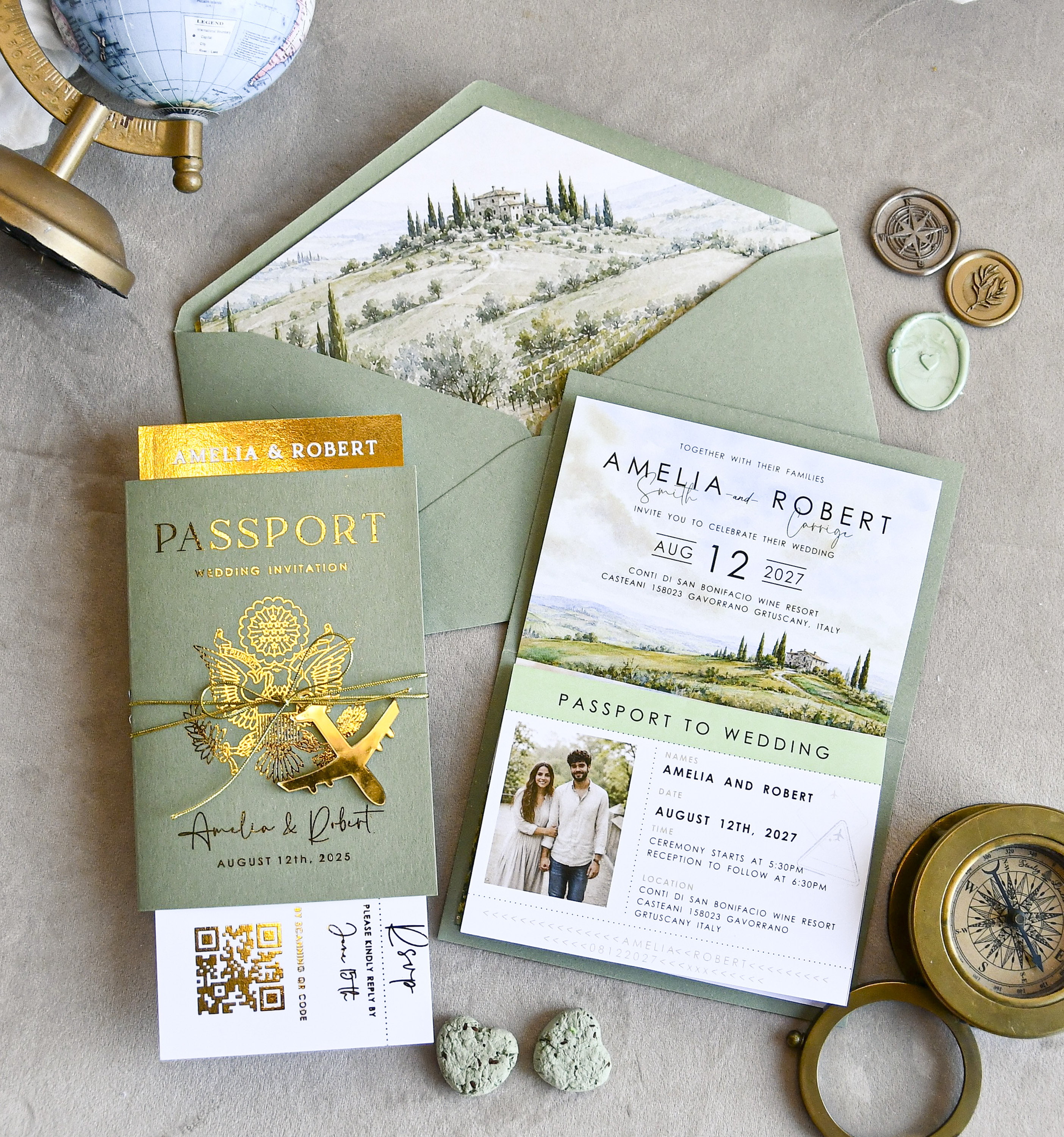
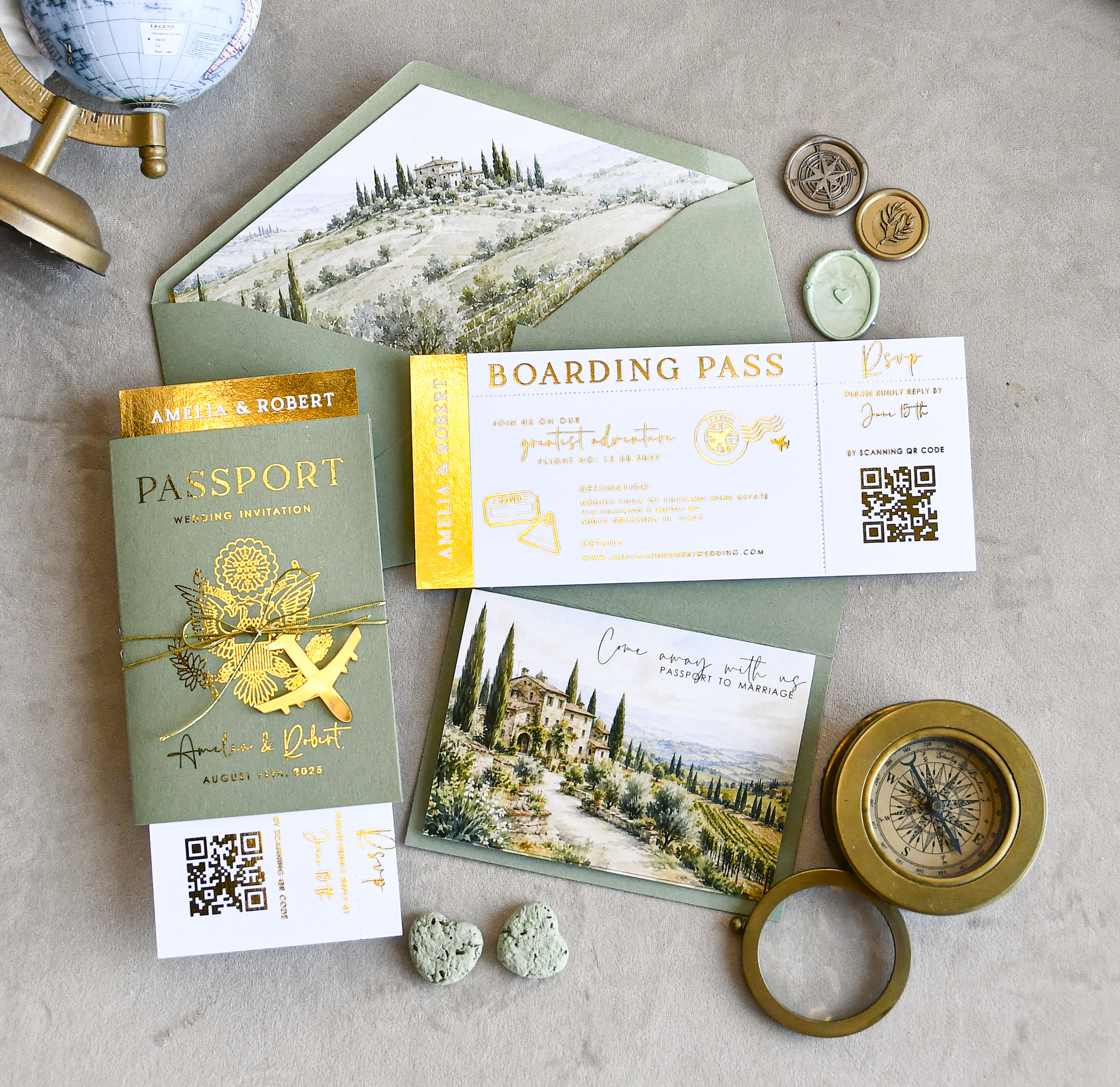
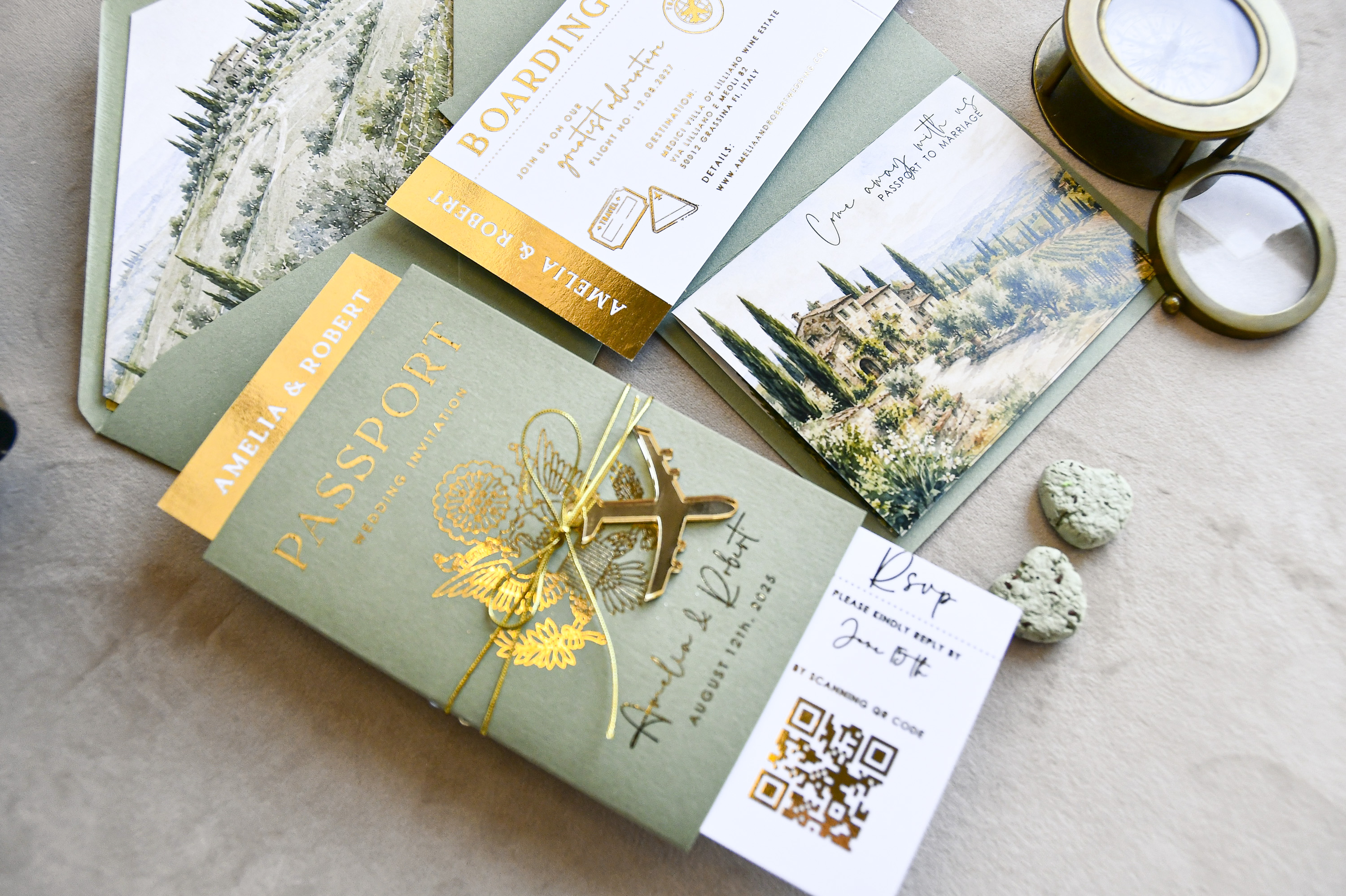
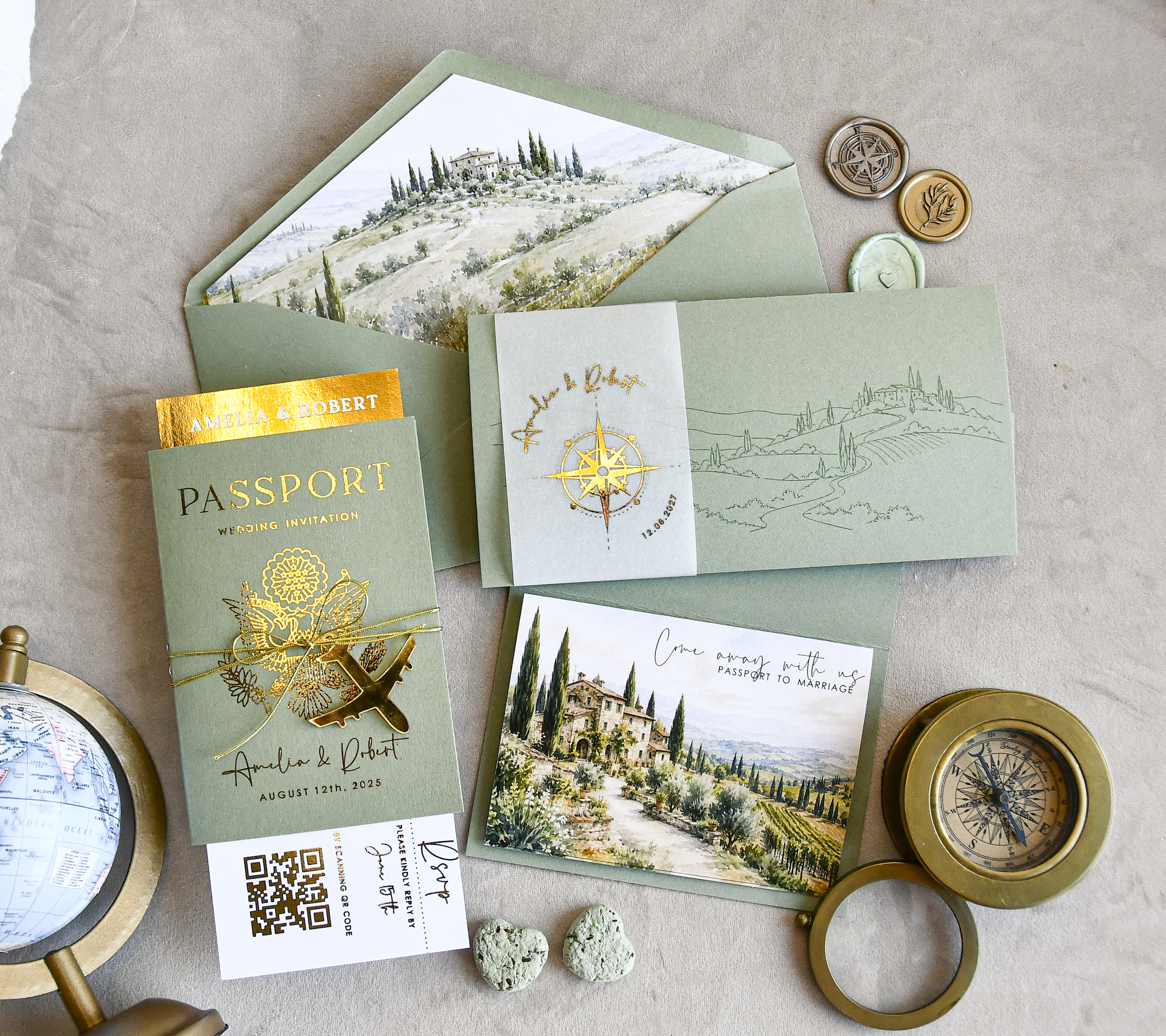
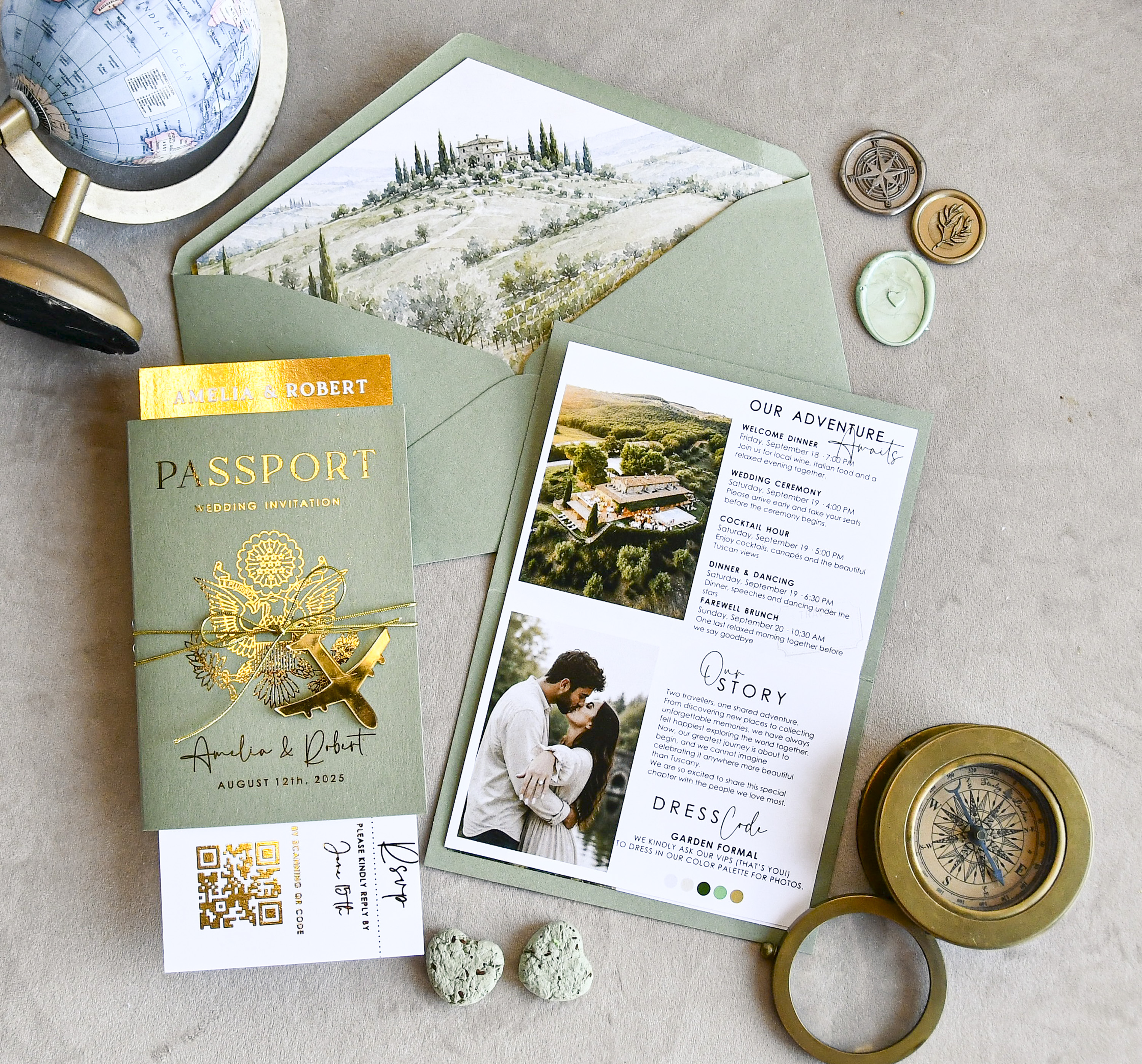
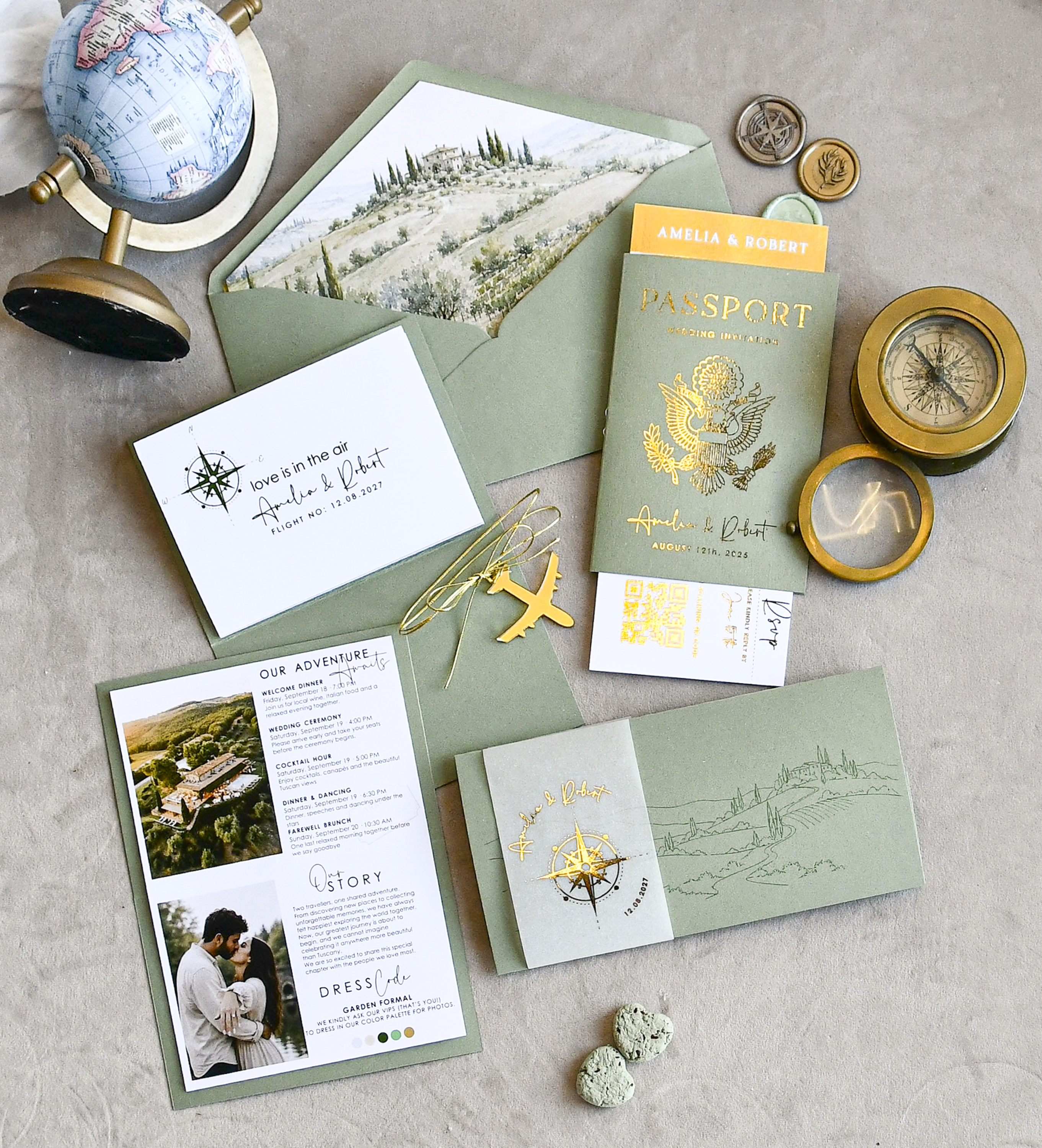
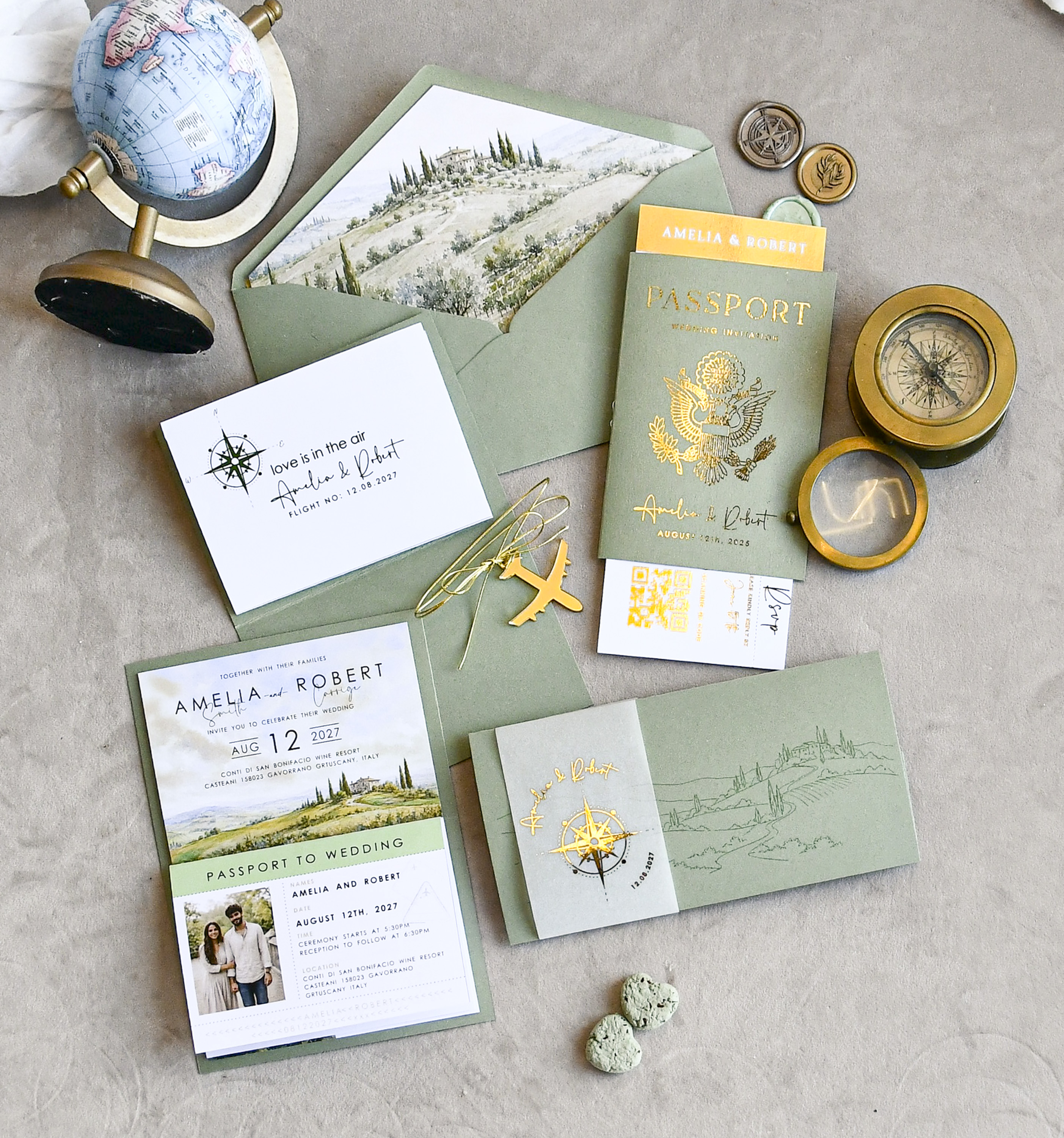
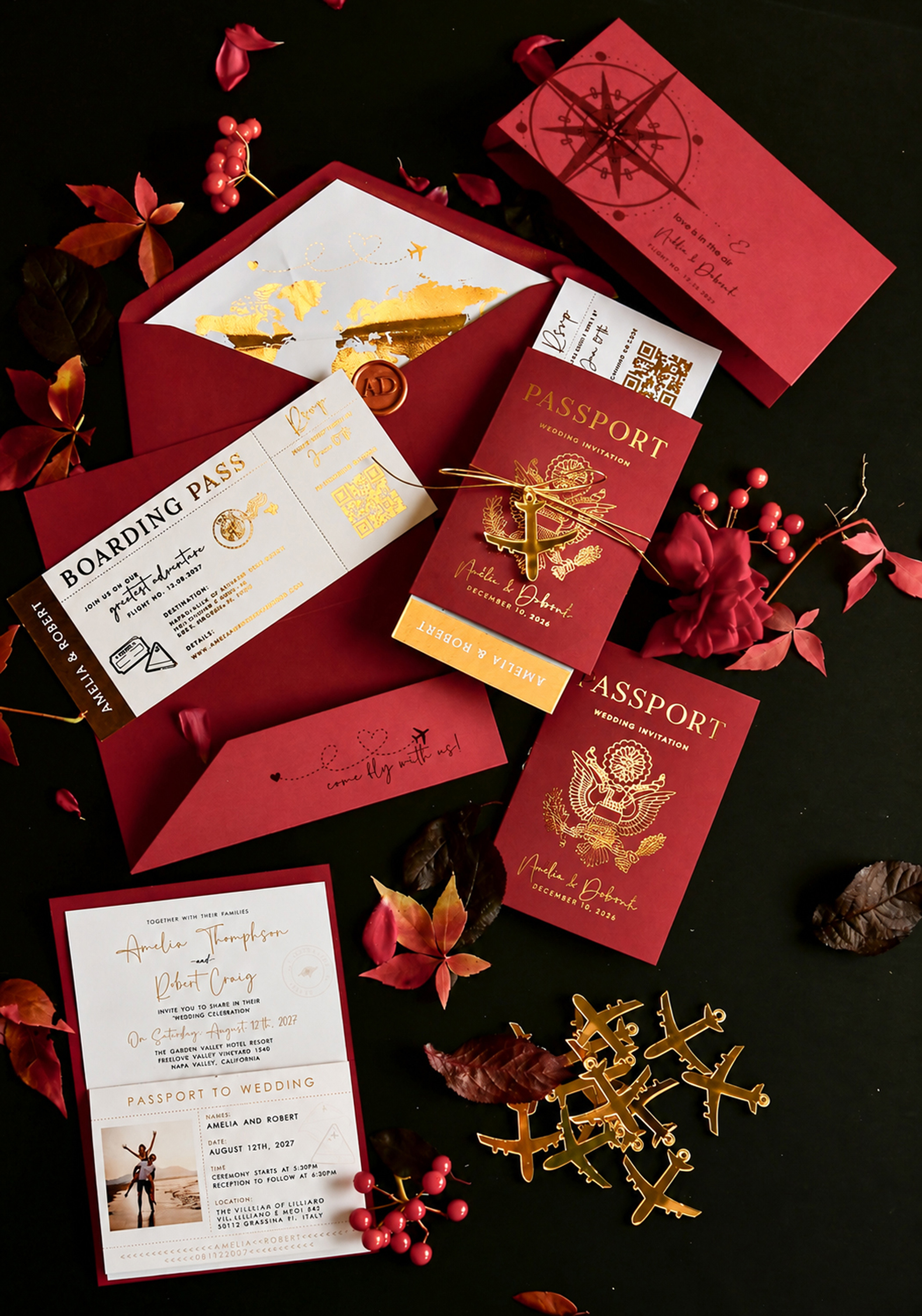
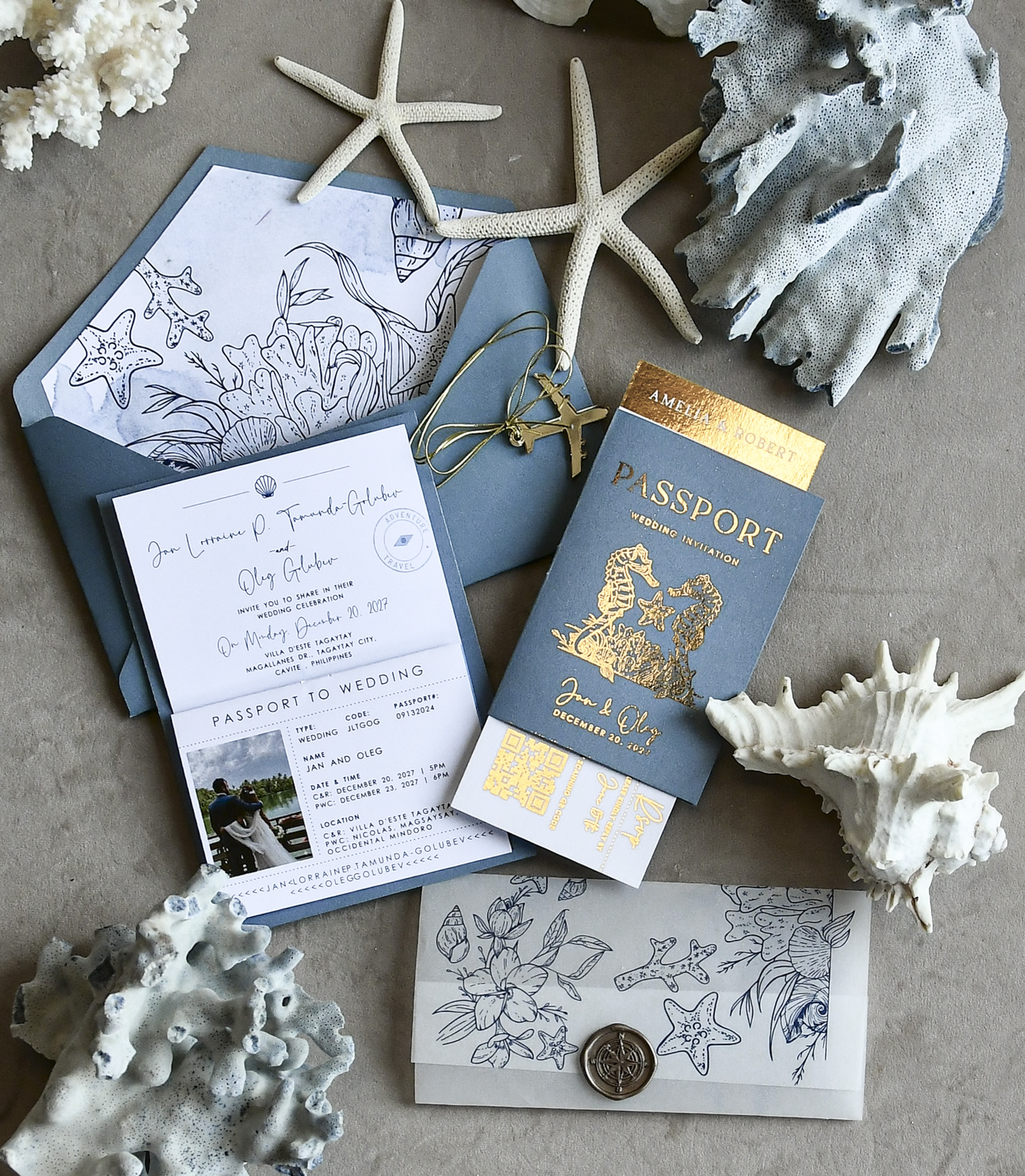
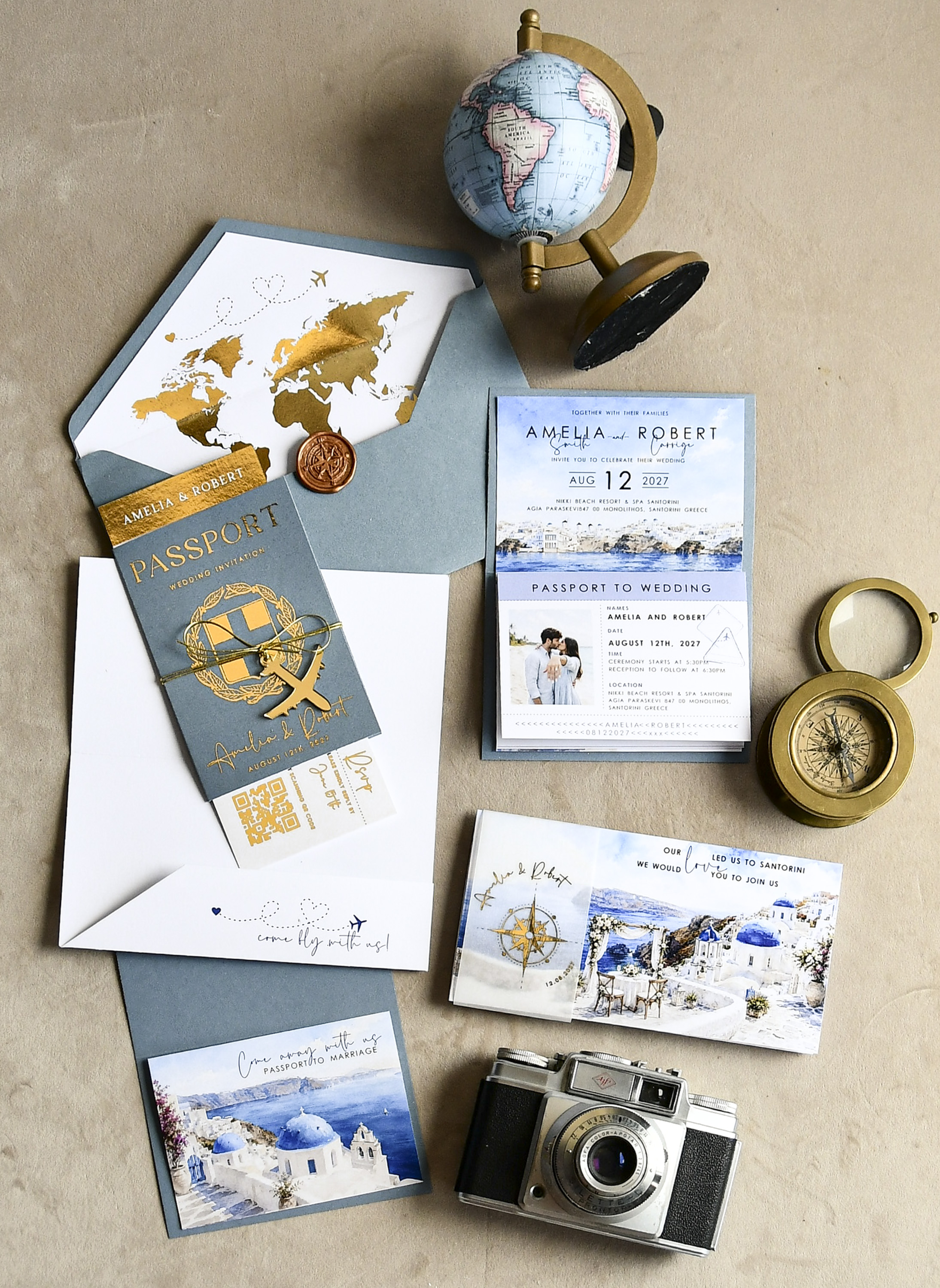
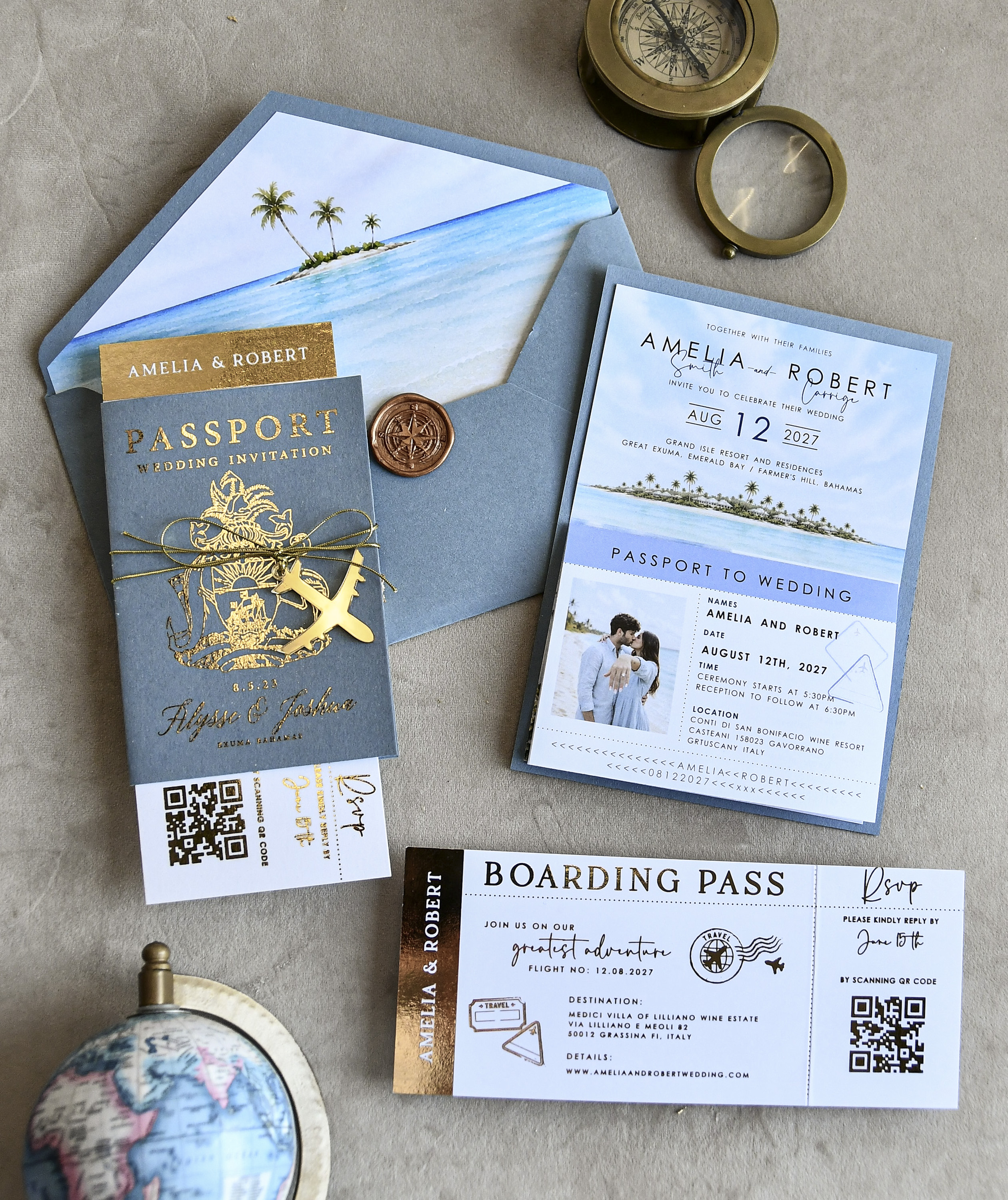
Always hand-address or use a professional calligraphy service for a polished look. If you're mailing destination or beach wedding invitations—like the travel-themed 01/passH/z passport-style invites from Margo&Bees—the envelope presentation is especially important since the whole suite sets a wanderlust mood from the moment guests open their mailbox.
Addressing Couples: Married, Unmarried, and Same-Sex
How you address couples depends on their relationship and whether they share a last name.
- Married couple, same last name: Mr. and Mrs. James Holloway (traditional) or Mr. James Holloway and Mrs. Sarah Holloway (modern, both names honored).
- Married couple, different last names: List both names on one line if they fit—Ms. Sarah Chen and Mr. James Holloway—or stack them on two lines, alphabetically by last name.
- Same-sex couples: Follow the same logic. Use the titles each person prefers and list names alphabetically or by whose relationship is closer to you: Mr. David Park and Mr. Leo Reyes.
- Unmarried couple living together: List both names on separate lines—no "and" is needed, but using it is also acceptable and warm.
- Unmarried couple, separate addresses: Send two separate invitations.
When in doubt, ask a mutual friend or family member what titles and name combinations each person prefers. A small effort here prevents real hurt feelings.
Addressing Families and Children
Whether children are invited is one of the most important things your envelope communicates. Here's how to handle it clearly:
- Children invited, inner envelope: Write the parents' names on the outer envelope and add children's first names on the inner envelope below the parents' names.
- Children invited, no inner envelope: Write The Holloway Family on the outer envelope, or list every name: Mr. and Mrs. James Holloway, Emma and Noah.
- Children NOT invited: Address the outer envelope to the parents only—Mr. and Mrs. James Holloway. Do not write "and family." If you're worried about confusion, a note on your wedding website clarifying your adult-only policy helps.
- Adult children living at home: If they're invited, send them their own separate invitation. It's a thoughtful gesture that acknowledges their adulthood.
Titles, Honorifics, and Special Cases
A few situations trip up even the most organized couples:
- Doctors: "Dr." takes precedence. Dr. and Mr. Lisa Nguyen if the wife holds the title; Dr. Lisa Nguyen and Mr. James Holloway if you want both full names shown.
- Military titles: Spell out full rank on formal invitations: Captain and Mrs. James Holloway. For high-ranking officers (Major and above), the rank always leads.
- Single guests with a plus-one: If you know the guest's partner, address both by name. If the plus-one is unknown, write Ms. Anna Torres and Guest—never leave it ambiguous.
- Non-binary guests or guests who use "Mx.": Use the title and name they prefer. When unsure, skip the title entirely and simply write the full name: Jordan Ellis.
- Widows and widowers: A widow traditionally keeps her married name: Mrs. Margaret Holloway. Follow her preference if you know it.
For destination or beach wedding suites—including passport-style invitation sets—the same addressing rules apply. The whimsical design doesn't change the etiquette; it just makes receiving the envelope even more exciting.
Practical Timeline and Final Checklist
Addressing takes longer than couples expect. Build in enough time:
- 8–10 weeks before mailing: Finalize your guest list with full legal names, titles, and addresses.
- 6–8 weeks before mailing: Begin addressing—budget 2–3 minutes per envelope if hand-writing.
- 2 weeks before mailing: Proofread every envelope twice. Check spelling of names against your list.
- Mail 6–8 weeks before the wedding for domestic guests; 10–12 weeks for destination weddings.
Before you seal anything, run one complete envelope through the mail yourself to confirm postage and that nothing smudges or tears. A little test run saves a big headache.
Frequently Asked Questions
Both are correct—it's a matter of personal style and your guests' preferences. Traditional etiquette uses "Mr. and Mrs. James Holloway," but many modern couples prefer "Mr. James Holloway and Ms. Sarah Holloway" to honor both partners equally. When in doubt, using both full names is always a safe, respectful choice.
Address the envelope to your guest and write "and Guest" after their name—for example, "Ms. Anna Torres and Guest." This clearly communicates that a guest is welcome without requiring you to know their partner's name. Avoid leaving it ambiguous, as guests may not realize they can bring someone.
Yes—on formal wedding invitations, abbreviations are avoided. Write out "Street," "Avenue," "Apartment," and state names in full ("California" not "CA"). The only standard abbreviations used are titles like Mr., Mrs., Ms., and Dr.
Simply use their full name without any title—"Jordan Ellis" is perfectly correct and respectful. If you know the person uses a specific title like "Mx.," use that. When uncertain, asking a mutual friend or checking the person's social media for cues is a thoughtful step.
Yes, printed addressing is widely accepted and looks polished when done in a matching font or calligraphy-style typeface. Many stationery designers offer envelope printing as an add-on. Hand-addressing is still considered the gold standard for formal weddings, but beautifully printed envelopes are a perfectly elegant alternative.
A standard single-card invitation typically requires one Forever stamp, but a full suite with multiple enclosures, an RSVP card, and inner envelope will likely need extra postage—often $1.00 or more per piece. Always take a fully assembled invitation to the post office to be weighed before you buy stamps for the entire batch.
See This Design Up Close
You May Also Like
More Wedding Planning Guides
- → Handling Last-Minute RSVP Changes: What Couples Need to Know
- → Who Actually Pays When the Guest List Grows?
- → When Kids Deserve Their Own Wedding Invitation: An Age-by-Age Guide
- → Navigating Stepparent Wedding Invitations: A Practical Guide
- → Your Aunt Remarried: Should Her New Husband Be on the Guest List?
- → How to Kindly Let Guests Know Your Wedding Is Adults-Only or Strictly RSVPed
- → The Graceful Art of Trimming Your Wedding Guest List
- → Inviting New Partners to Your Wedding: A Practical Guide for Couples
- → Uninvited Guests on the RSVP Card: How to Handle Extra Names Gracefully
- → Navigating the Awkward Guest List: Should You Invite Estranged Family?
- → How to Handle the 'Why Wasn't I Invited?' Conversation Gracefully
- → The Last Possible Moment to Mail Your Wedding Invitations (And How to Stay on Track)
- → Cousins and the Guest List: What You're Actually Obligated to Do
- → When a Family Member Threatens to Skip Your Wedding Over the Guest List
- → Uninvited Plus-Ones and Tag-Alongs: How to Keep Your Guest List Intact
- → When Family Feuds Threaten Your Wedding Plans: A Practical Peacekeeper's Guide
- → Inviting an Estranged Brother or Sister: Finding Clarity Before You Seal the Envelope
- → Cousins, Invites, and Hard Choices: A Practical Guest List Guide