
How to Kindly Let Guests Know Your Wedding Is Adults-Only or Strictly RSVPed
You've carefully counted every seat, balanced your budget down to the last centerpiece, and finally landed on your guest list. Then comes the dreaded moment: a guest assumes their new partner, college roommate, or entire family is invited too. Letting people know they can't bring extra guests is one of the trickiest parts of wedding planning—but with the right approach, you can handle it gracefully without damaging a single relationship.
Start With Your Invitation Wording
Your invitation is your first and most powerful tool. The names printed on the envelope set the expectation before anyone even opens the card. Address envelopes precisely—"Mr. James Carter" signals a solo invitation, while "Mr. James Carter and Guest" signals a plus-one is welcome. Never address an envelope to "The Carter Family" unless you genuinely mean every member of that household is invited.
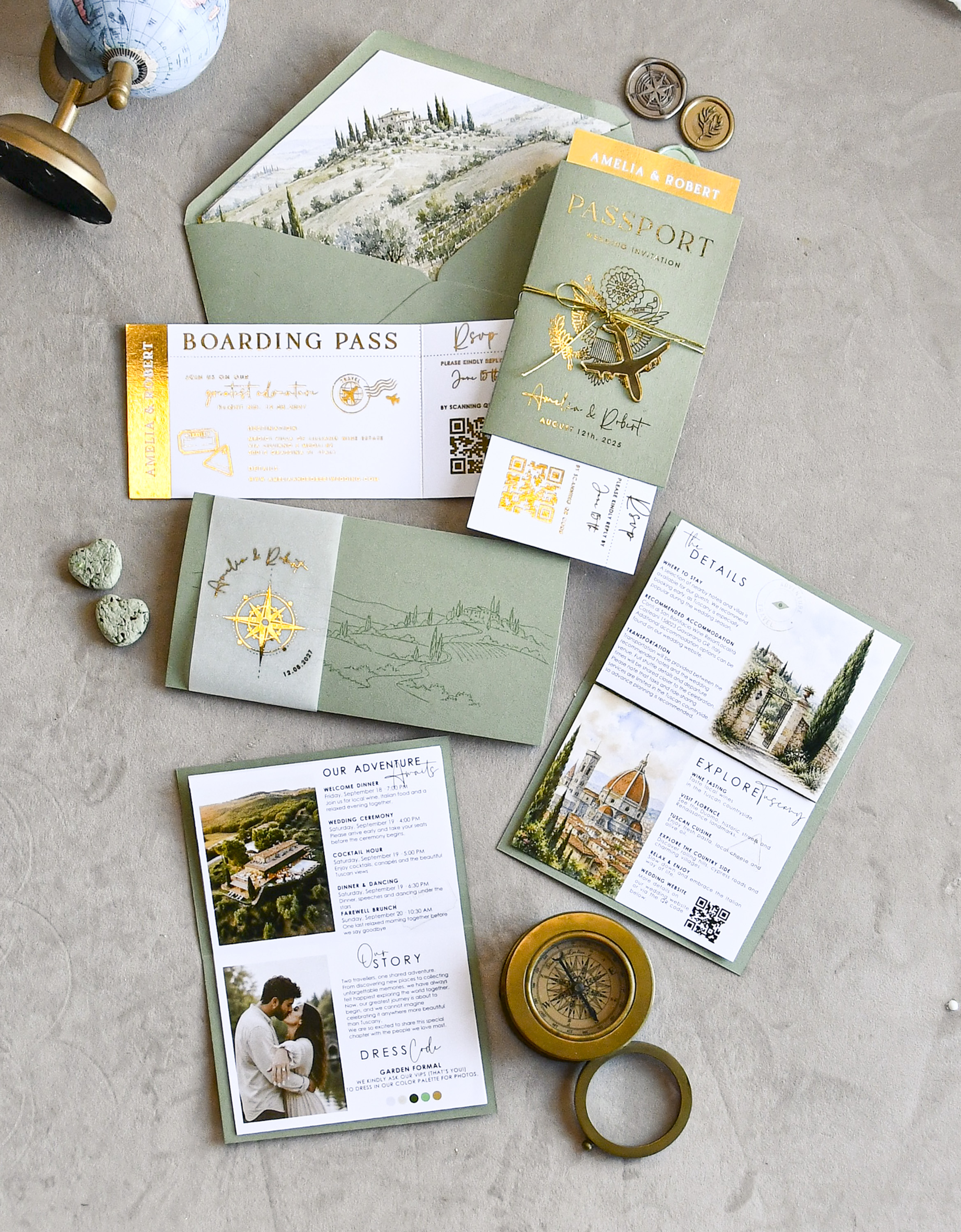
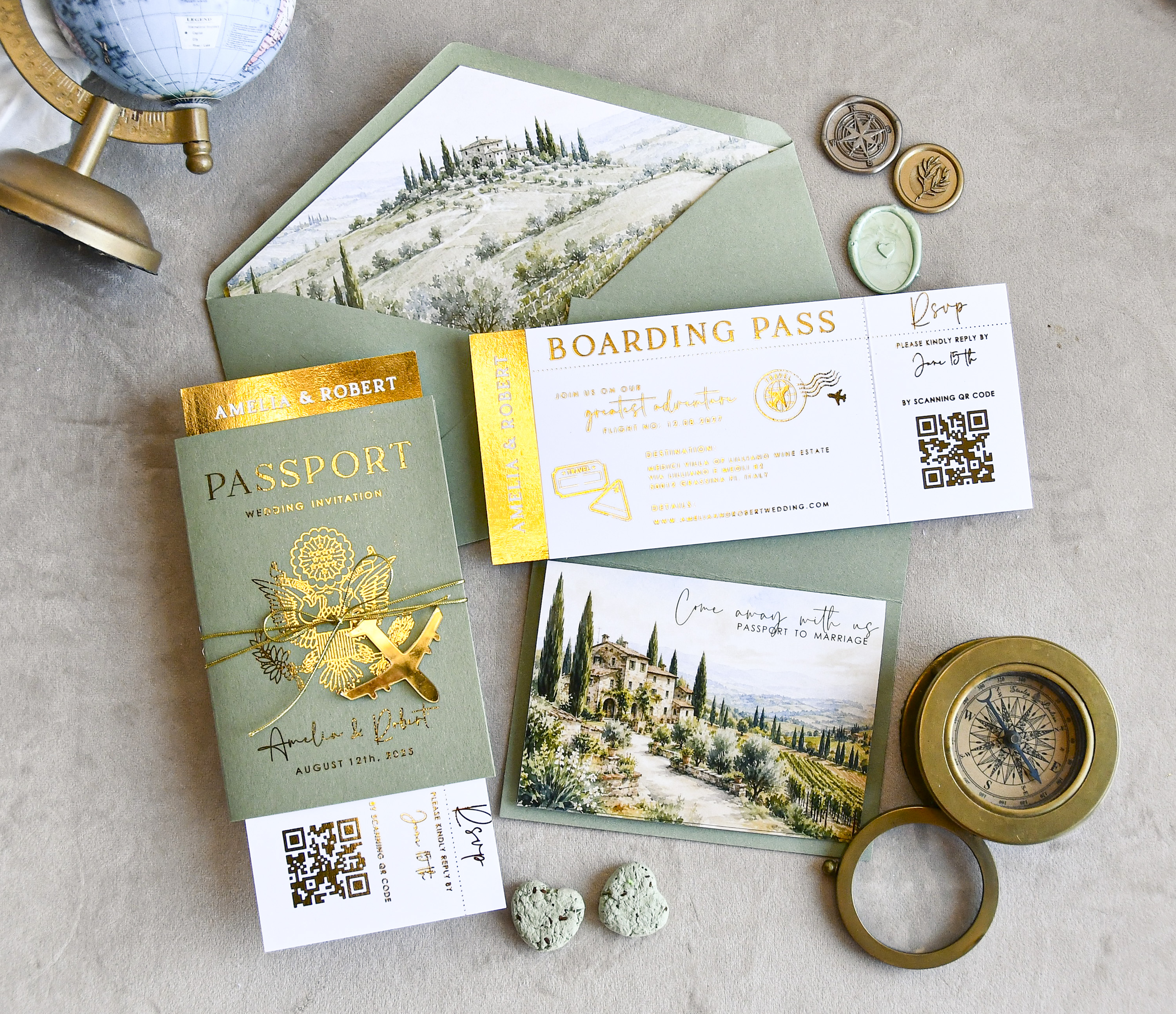
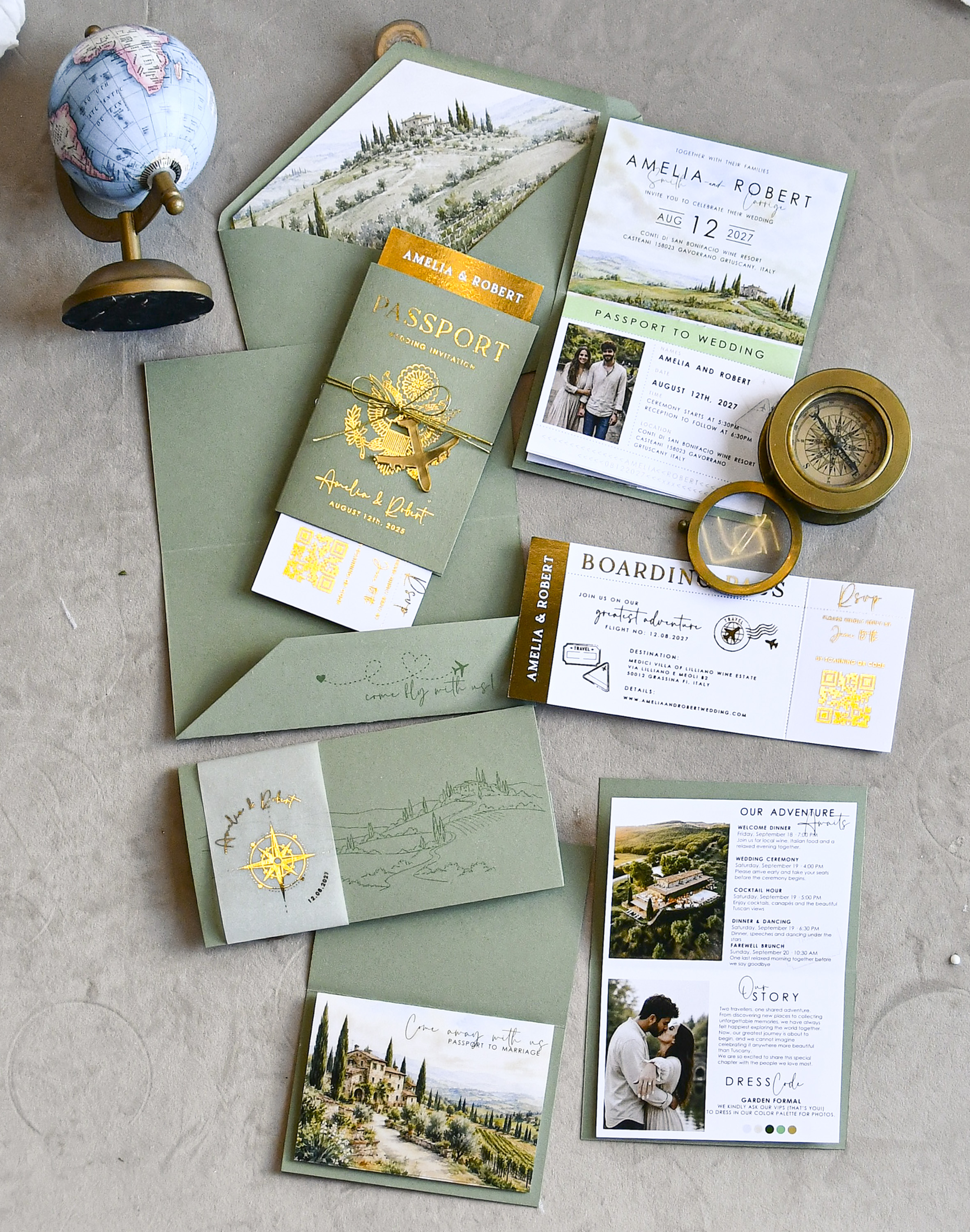
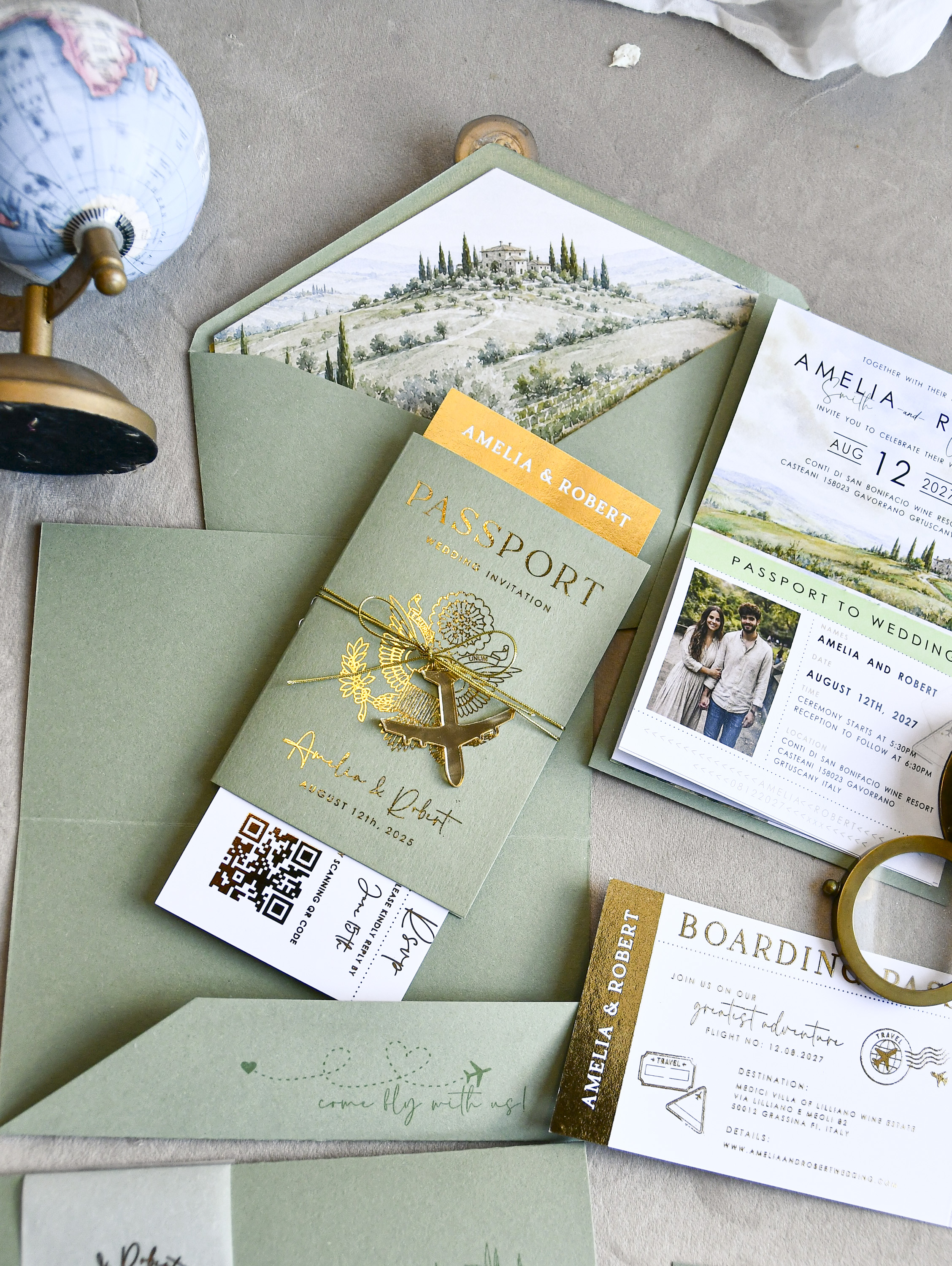
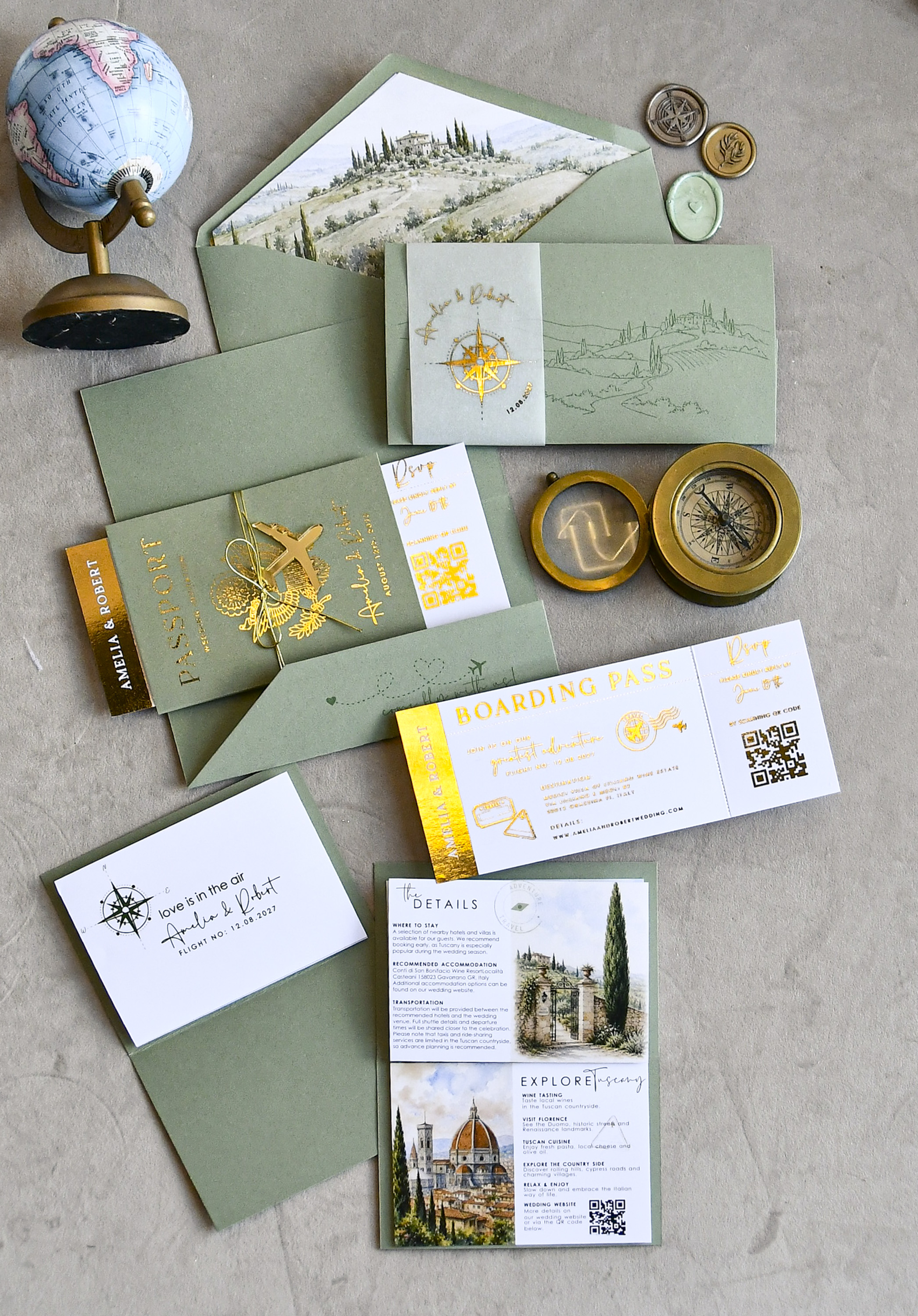
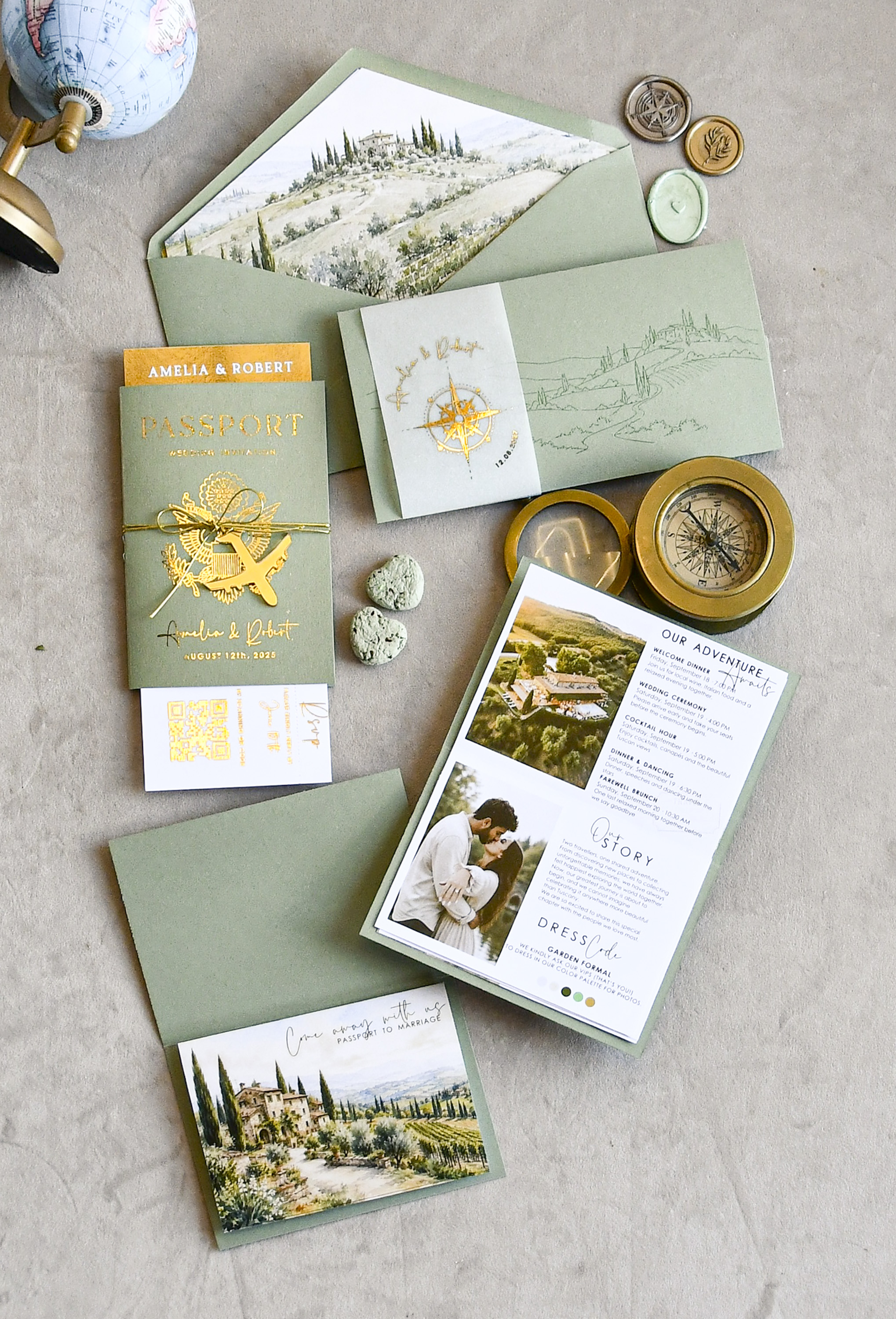
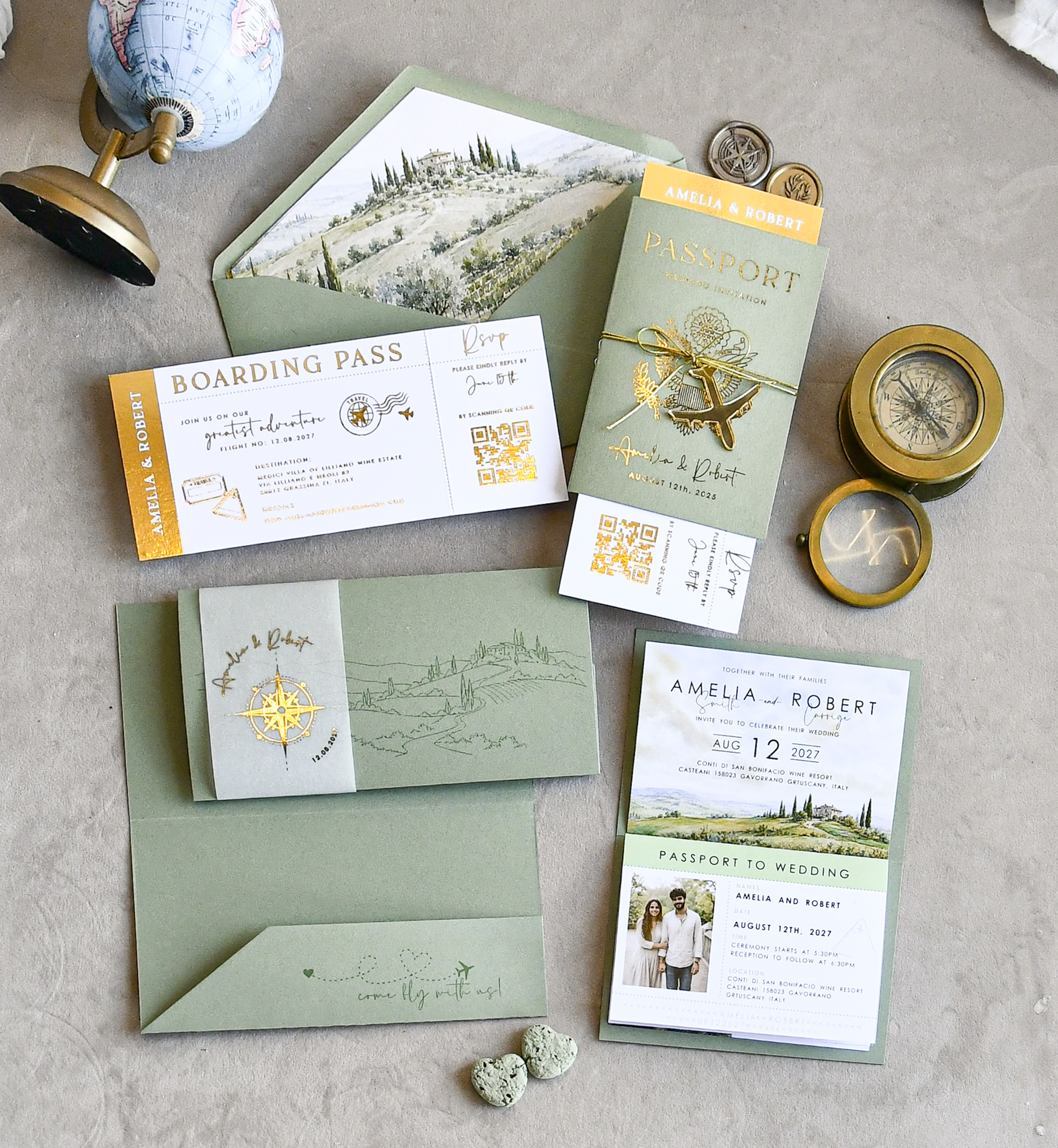
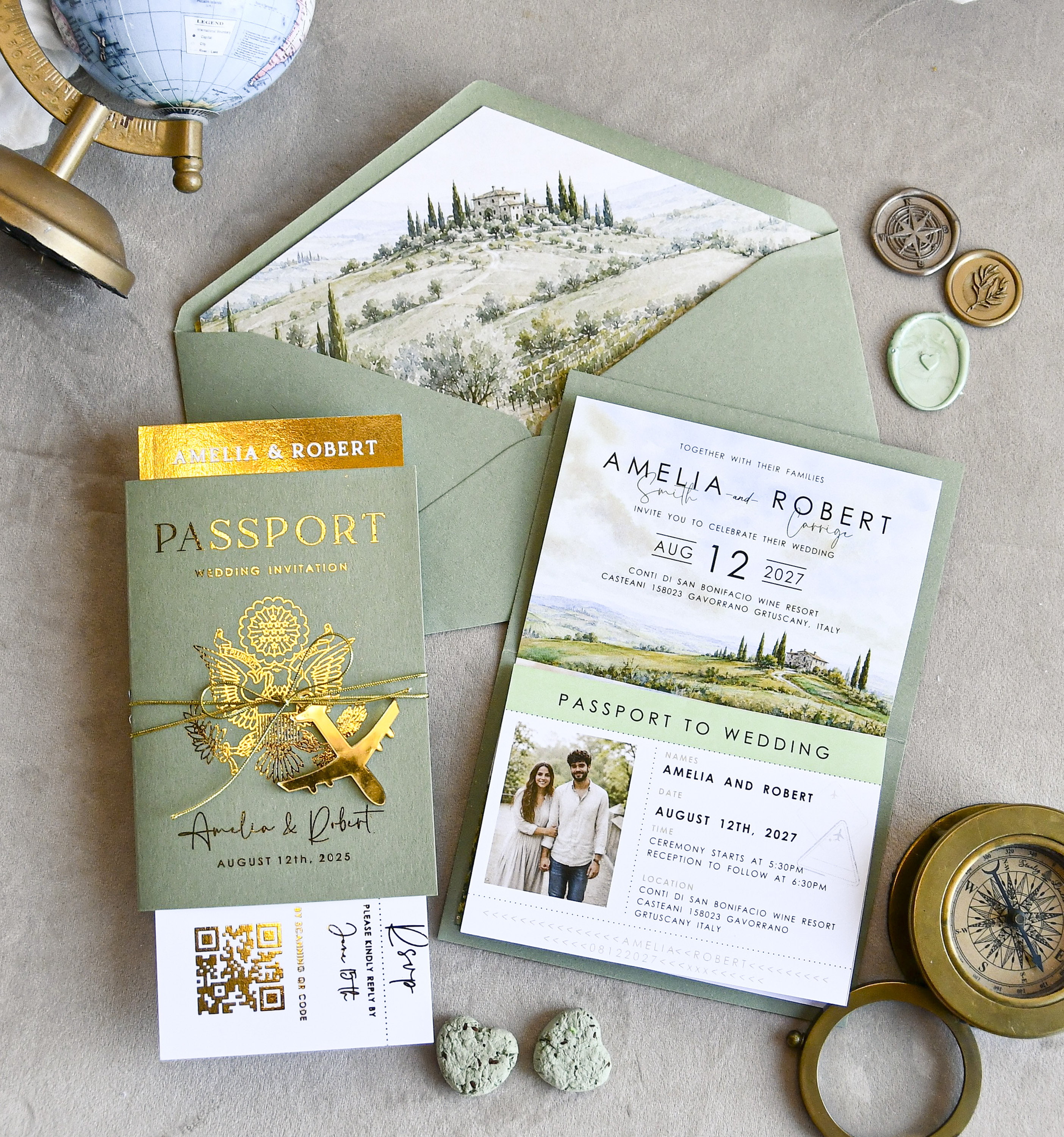
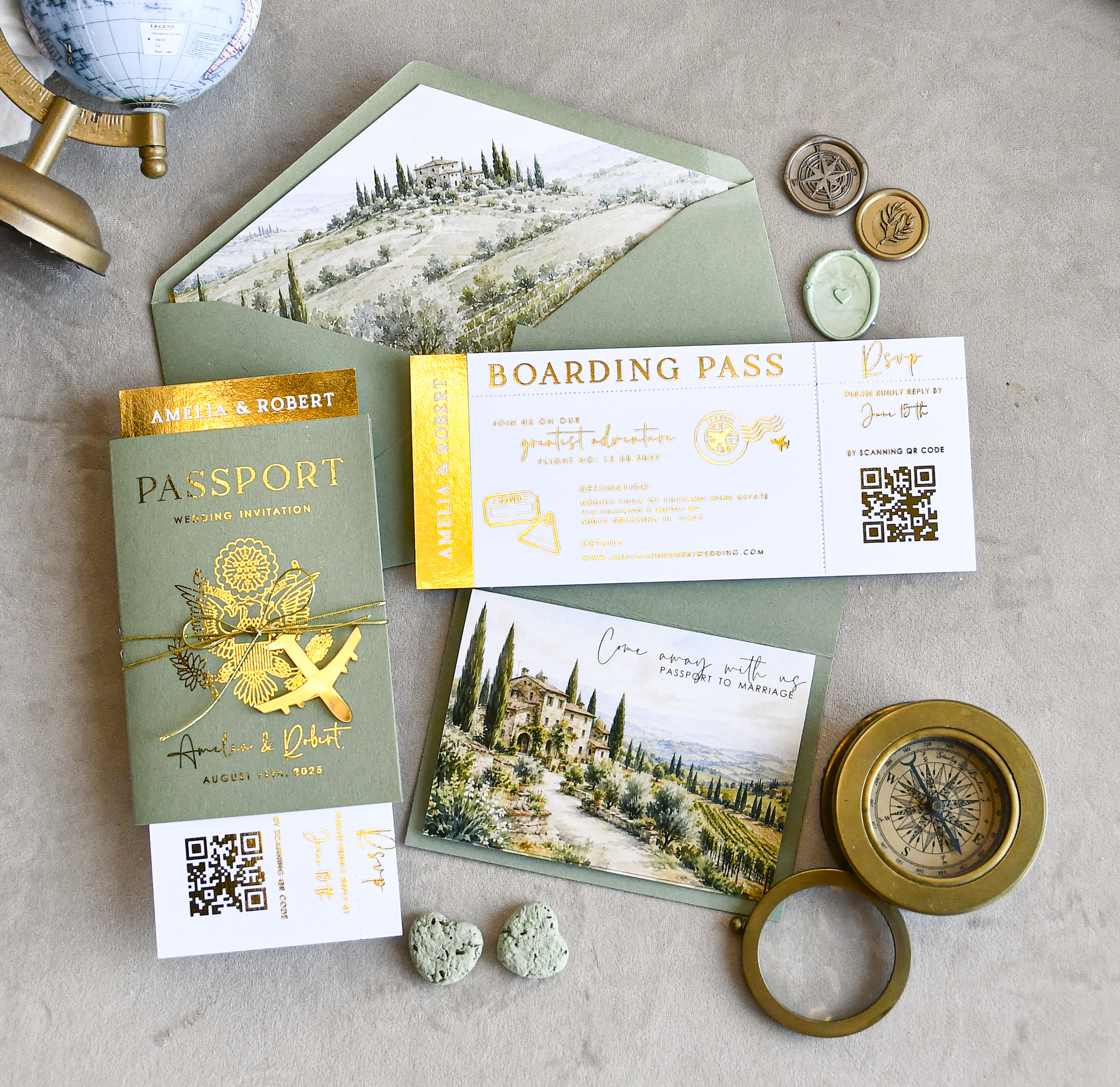
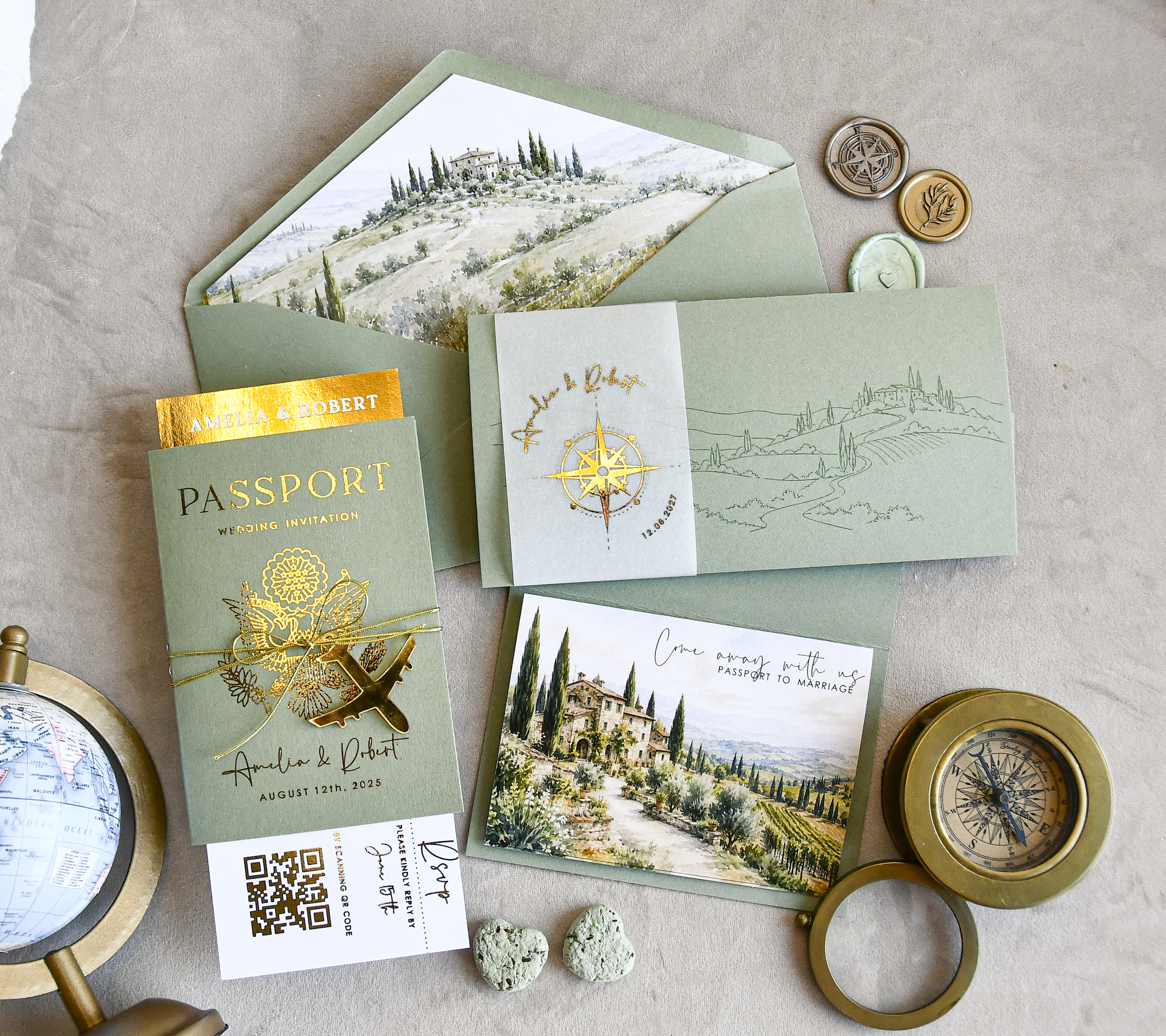
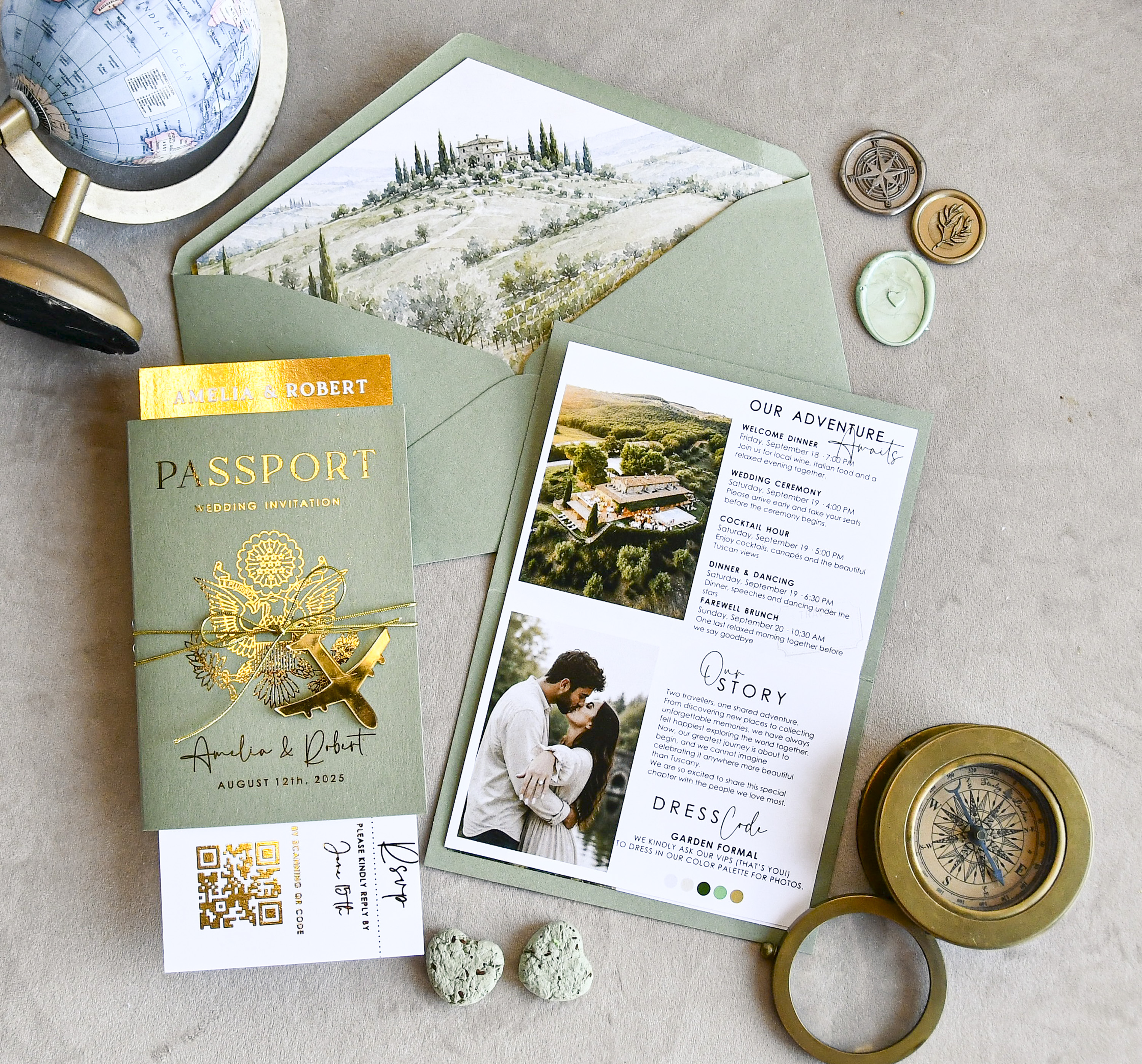
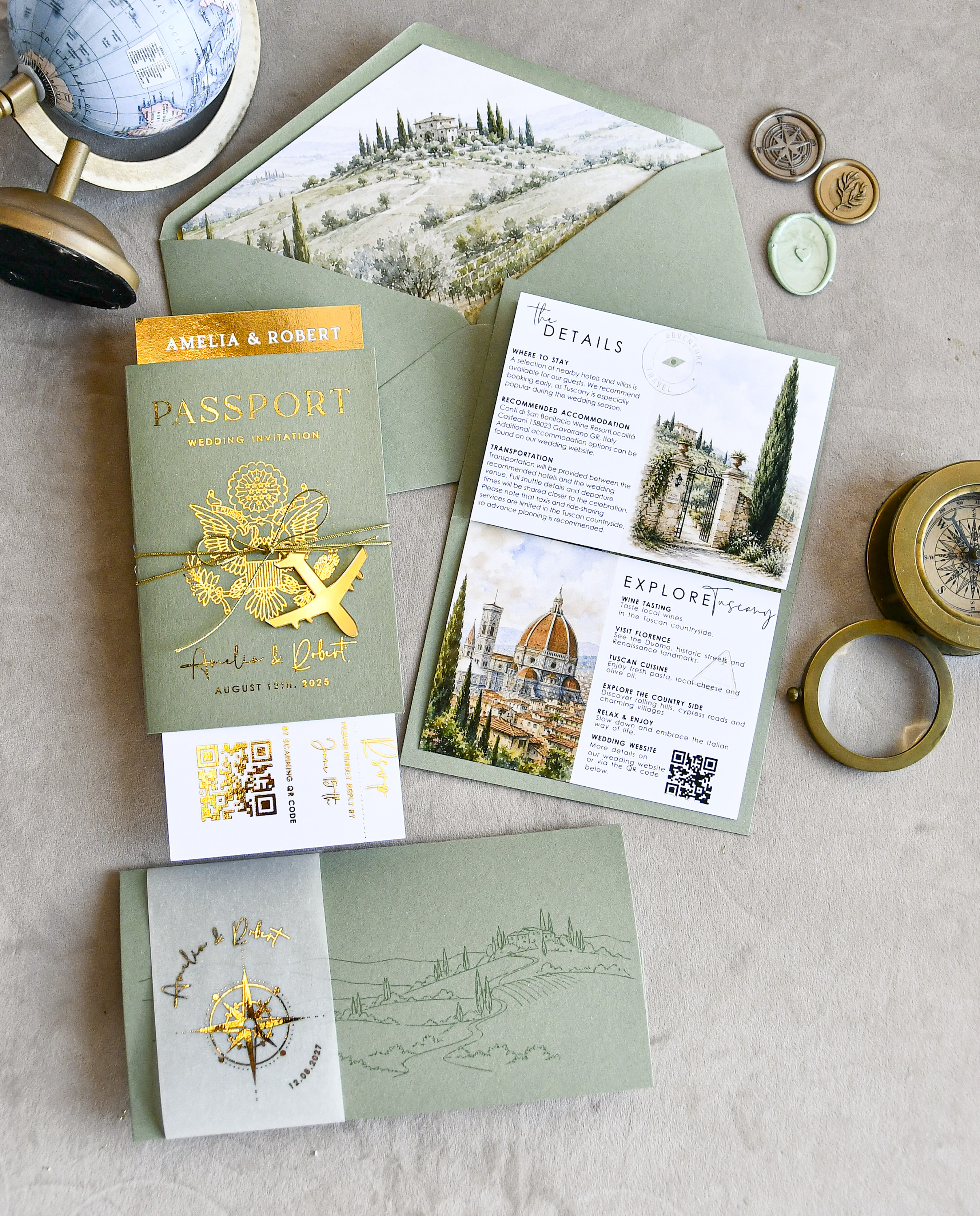
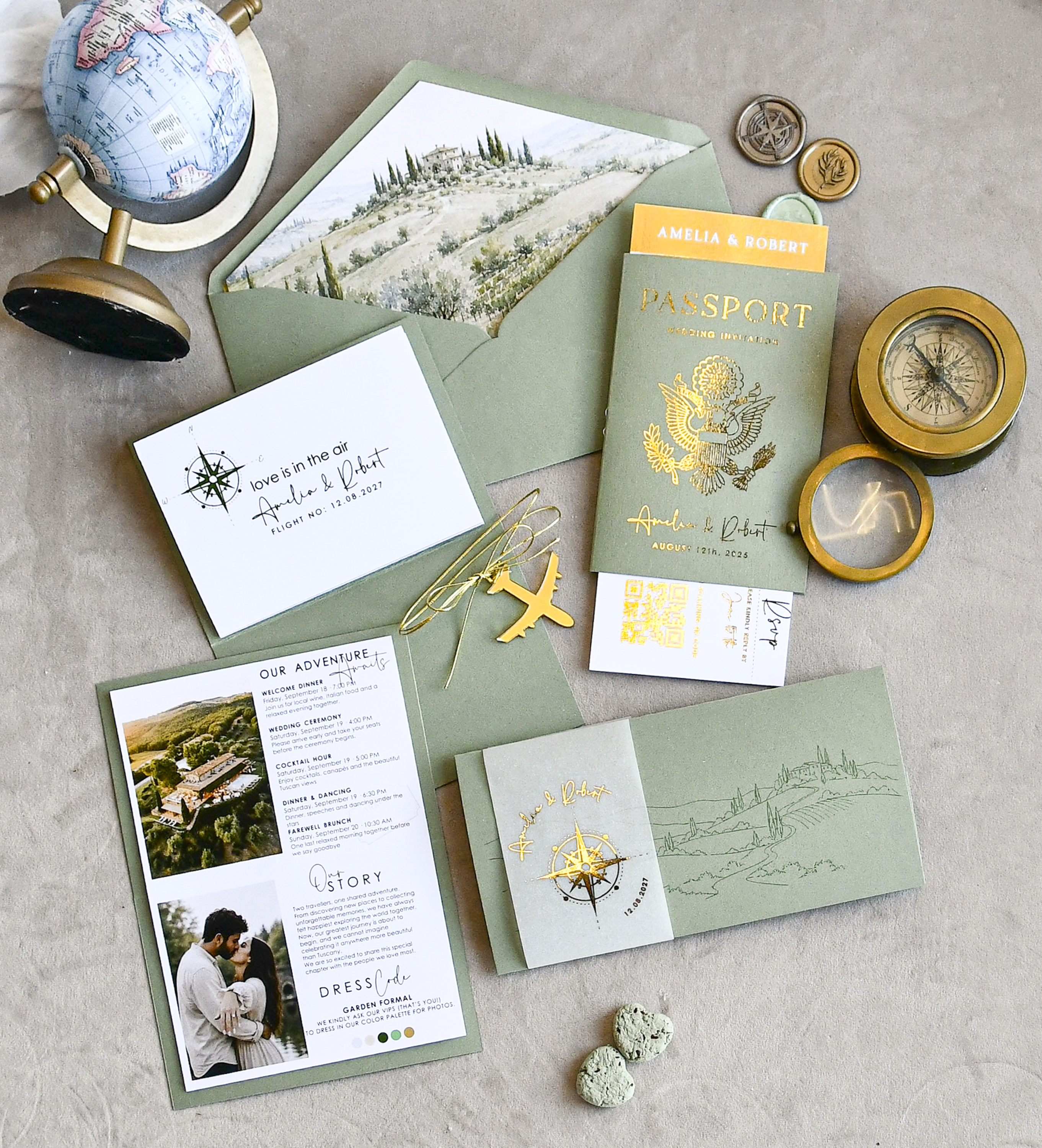
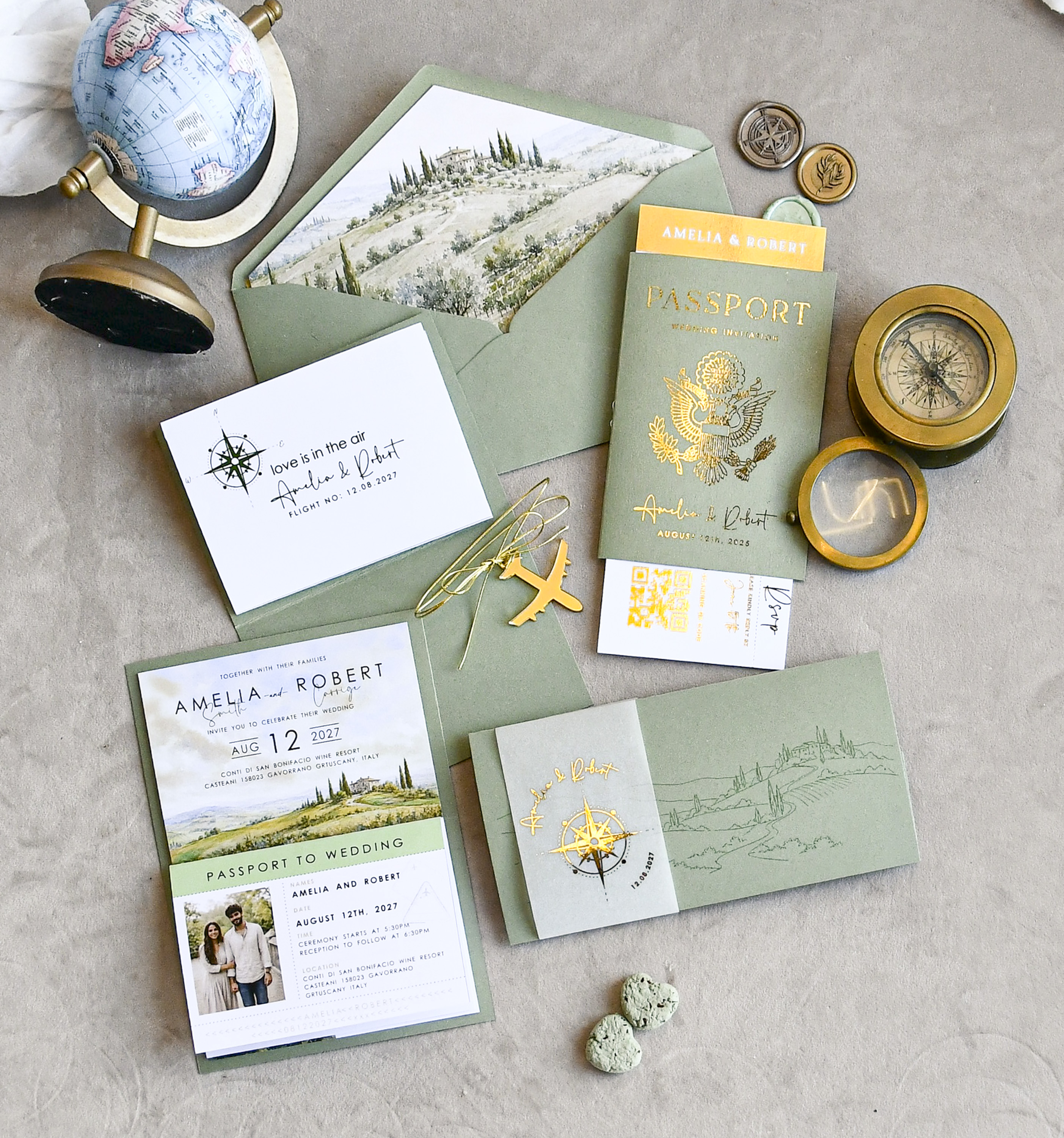
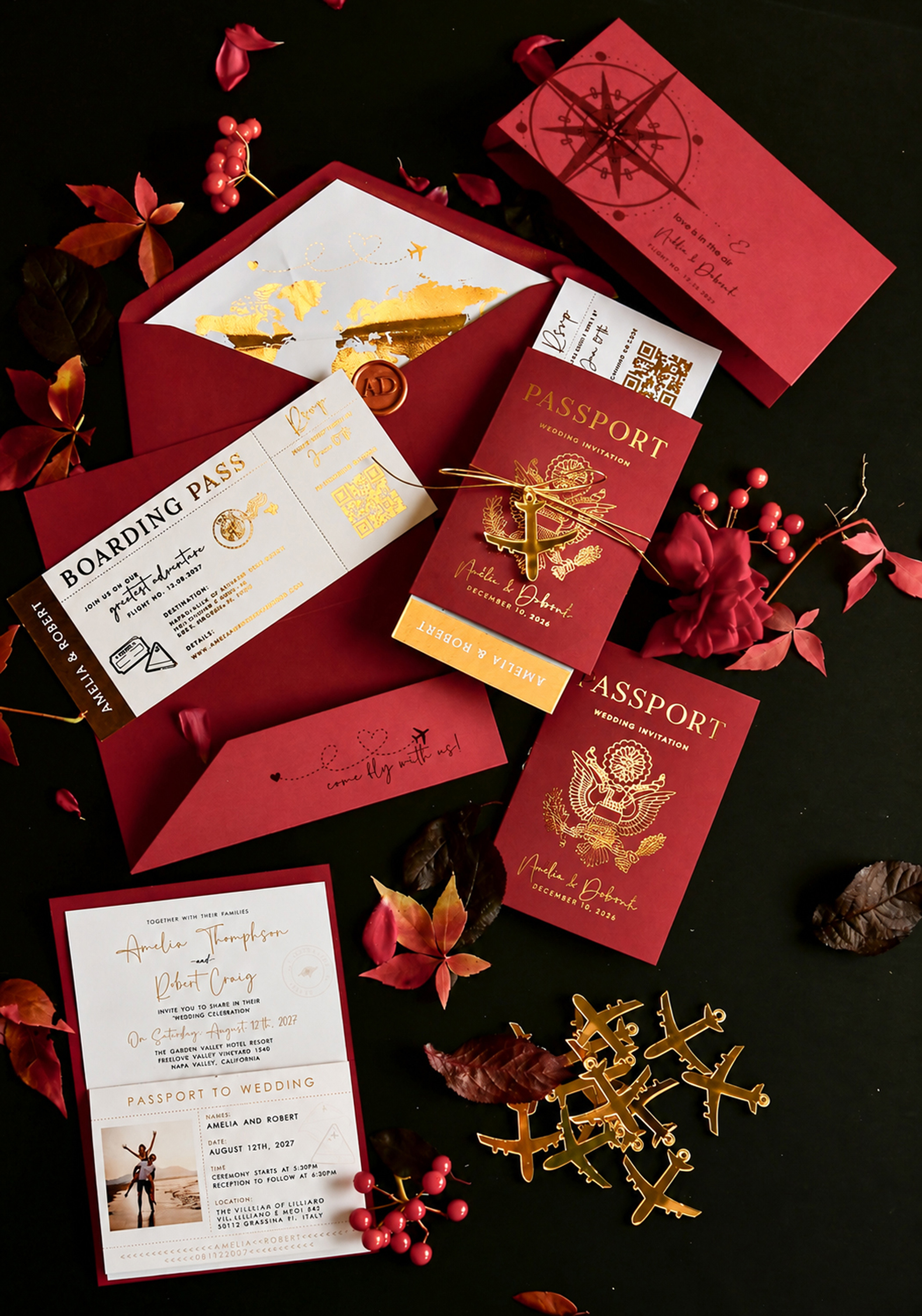
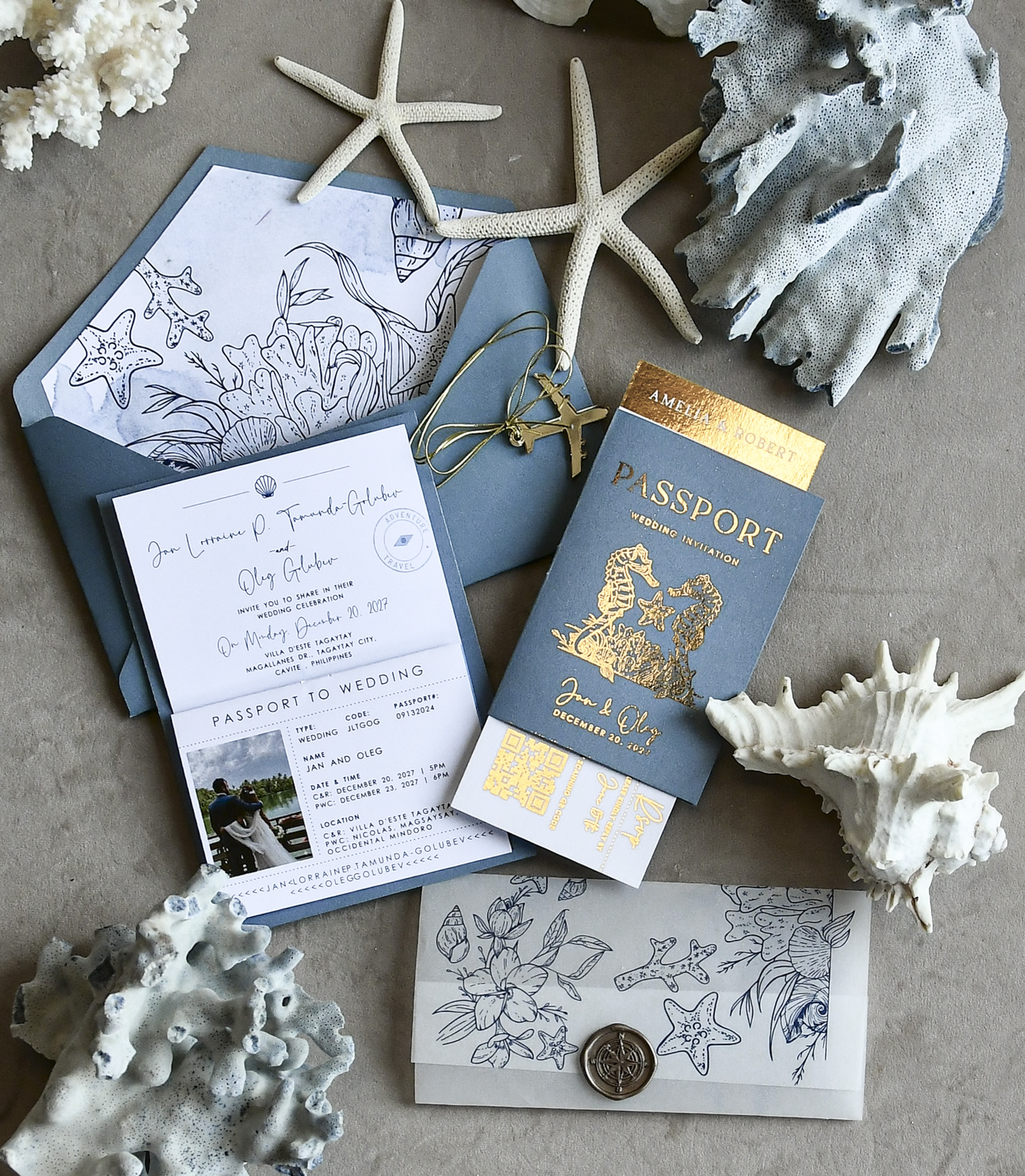
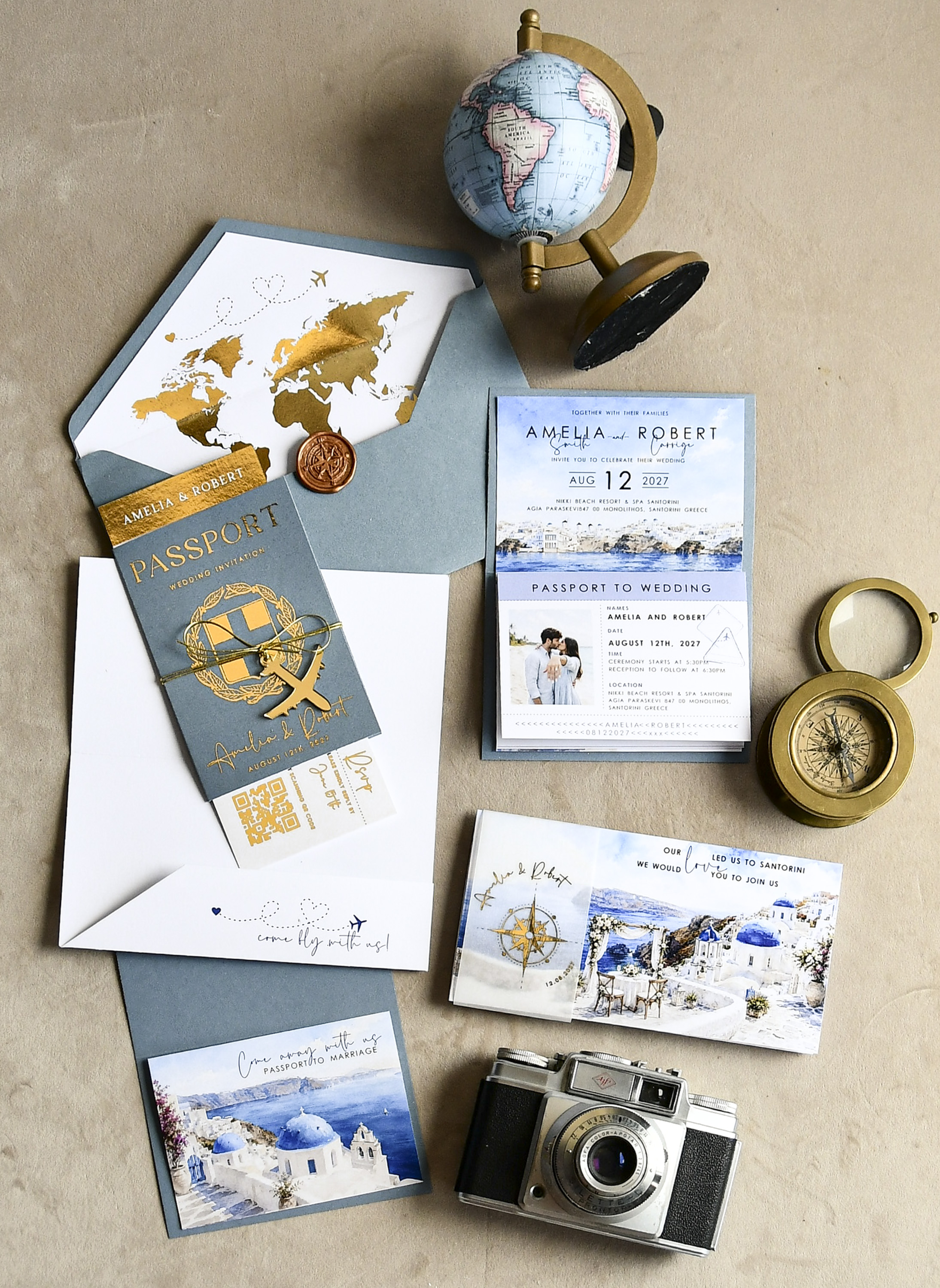
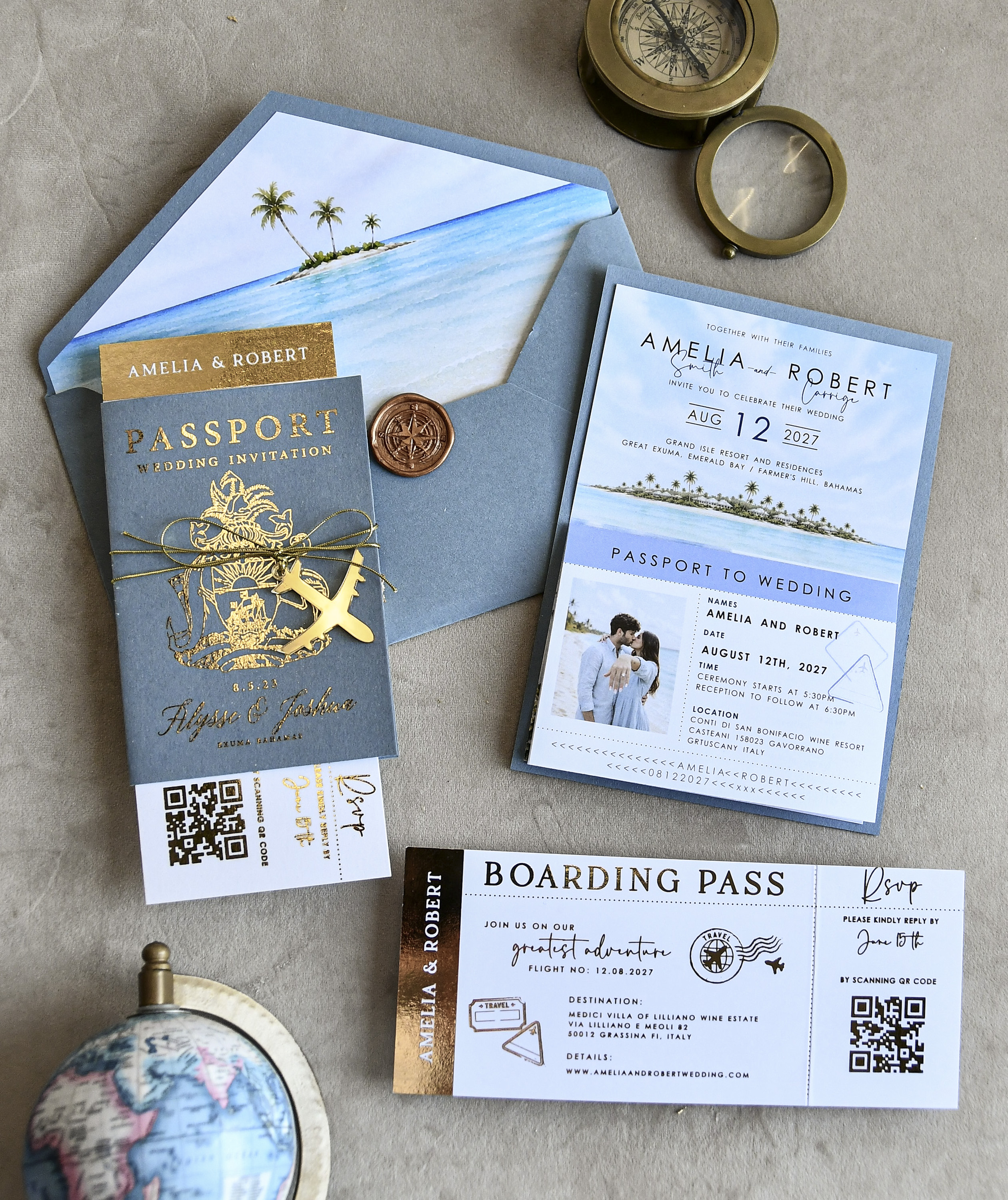
Inside the invitation, reinforce the message subtly. A line like "We have reserved ___ seat(s) in your honor" on the RSVP card is a classic, effective technique. It tells guests exactly how many spots are theirs without sounding cold or confrontational. If you're sending destination or beach wedding invites—like the passport-style 01/passH/z invitations from Margo&Bees—you can work this line directly onto the RSVP insert for a polished, cohesive look.
Use Your Wedding Website to Set Expectations Early
Your wedding website is the perfect place to address guest-list boundaries before anyone has a chance to assume. Add a short, friendly FAQ section that answers common questions. Something like this works well:
- "Are children invited?" — "Our ceremony and reception are adults-only. We hope this gives parents a fun night out!"
- "Can I bring a date?" — "Due to our venue's capacity, we're only able to accommodate the guests named on each invitation. We appreciate your understanding."
Posting this information publicly—but warmly—normalizes the boundary. Guests who might have felt awkward asking will find their answer without an uncomfortable conversation, and it reduces the number of direct inquiries you'll need to handle personally.
How to Respond When a Guest Asks Directly
Even with perfect invitation wording and a thorough wedding website, some guests will still ask. Have a gentle, consistent script ready so you don't get caught off guard:
- Acknowledge their ask warmly: "We're so glad you're excited to celebrate with us!"
- Give a brief, honest reason: "Our venue has a strict capacity limit, and we've had to keep the guest list very tight."
- Hold the line kindly: "We weren't able to extend plus-ones to everyone, so we hope you understand."
You do not owe anyone an elaborate justification. Budget, venue size, and intimacy are all completely valid reasons—and you don't need to explain which one applies. The key is to be warm, brief, and consistent. If you make an exception for one guest, word travels fast and you'll face the same conversation repeatedly.
Timing: When to Have the Conversation
Ideally, your invitation does the heavy lifting so you rarely need a direct conversation. But if you know certain guests are likely to push back—a family member who always brings their kids, or a friend in a new relationship—it's worth a proactive heads-up before the invitation arrives. A quick, casual phone call or text like "Hey, just a heads up—we're keeping the wedding really small, so the invite will just be for you" softens the message and avoids an awkward post-RSVP conversation.
If you send invitations 6–8 weeks before the wedding (the standard US timeline for local weddings), you'll have enough time to address any confusion before your final headcount is due to the caterer. For destination weddings, send 10–12 weeks out—guests need more planning time, and the earlier communication window gives you more breathing room to resolve any misunderstandings.
What to Do If a Guest RSVPs for More People Than Invited
It happens. You open your RSVP and find that a guest has checked "3 attending" when you only invited one. Don't ignore it hoping it resolves itself—reach out promptly and kindly:
"Hi Sarah! We're so excited you can make it. We noticed the RSVP showed three guests, but we only have one seat reserved for you due to our venue's capacity. We'd love to have you there—could you update your RSVP? So sorry for any confusion!"
Keep the tone light and blame the "confusion" rather than the guest. Most people will course-correct graciously. If someone pushes back or seems offended, stay calm and empathetic—but don't cave. Your venue's fire code, your caterer's headcount, and your budget are real constraints, not personal slights. The passport-style invitations from Margo&Bees include a customizable RSVP card where you can pre-fill the number of reserved seats, which helps prevent this scenario from the start.
Frequently Asked Questions
Not at all—venue capacity and budget are legitimate reasons to limit plus-ones, and most guests understand. The key is communicating the policy clearly and consistently so no one feels singled out.
Address it warmly and early—on your wedding website and in a line on your invitation. Framing it as "a fun night out for parents" rather than "children aren't welcome" goes a long way toward keeping feelings positive.
It's best to apply your policy consistently to avoid hurt feelings. If you do make exceptions—such as for guests who don't know anyone else at the wedding—keep it quiet and don't advertise the exception.
Brief your venue coordinator or a trusted point-of-contact ahead of time so they can handle it gracefully if it happens. They can politely explain that seating is pre-assigned and offer to check if any space is available, keeping you free to enjoy your day.
As soon as you know your guest list is firm—ideally when you send save-the-dates. The earlier guests understand the boundaries, the less awkward the conversation if they later ask directly.
"We have reserved ___ seat(s) in your honor" with the number pre-filled is the gold standard. It's polite, clear, and removes any ambiguity about how many people are included in the invitation.
See This Design Up Close

You May Also Like
More Wedding Planning Guides
- → Handling Last-Minute RSVP Changes: What Couples Need to Know
- → Who Actually Pays When the Guest List Grows?
- → When Kids Deserve Their Own Wedding Invitation: An Age-by-Age Guide
- → Navigating Stepparent Wedding Invitations: A Practical Guide
- → Your Aunt Remarried: Should Her New Husband Be on the Guest List?
- → The Graceful Art of Trimming Your Wedding Guest List
- → Inviting New Partners to Your Wedding: A Practical Guide for Couples
- → Uninvited Guests on the RSVP Card: How to Handle Extra Names Gracefully
- → Navigating the Awkward Guest List: Should You Invite Estranged Family?
- → How to Handle the 'Why Wasn't I Invited?' Conversation Gracefully
- → The Last Possible Moment to Mail Your Wedding Invitations (And How to Stay on Track)
- → The Complete Guide to Addressing Wedding Invitations Like a Pro
- → Cousins and the Guest List: What You're Actually Obligated to Do
- → When a Family Member Threatens to Skip Your Wedding Over the Guest List
- → Uninvited Plus-Ones and Tag-Alongs: How to Keep Your Guest List Intact
- → When Family Feuds Threaten Your Wedding Plans: A Practical Peacekeeper's Guide
- → Inviting an Estranged Brother or Sister: Finding Clarity Before You Seal the Envelope
- → Cousins, Invites, and Hard Choices: A Practical Guest List Guide