
Handling Last-Minute RSVP Changes: What Couples Need to Know
You've collected all your RSVPs, submitted your final headcount to the caterer, and finally exhaled — then your phone buzzes. A guest wants to change their answer. Whether someone who said yes is suddenly backing out, or a no is now a yes, last-minute RSVP changes are one of the most stressful parts of wedding planning. The good news: with the right approach, you can handle them calmly and keep your big day on track.
The Reality: Last-Minute Changes Happen to Almost Everyone
No matter how carefully you plan, expect that roughly 5–10% of your guest list will experience some kind of change after RSVPs are due. Life happens — jobs, illnesses, family emergencies, and travel snafus don't pause for wedding season. Knowing this in advance helps you build a realistic buffer rather than being caught off guard.
The most common scenarios you'll face:
- A "yes" becomes a "no" — a guest cancels days before the wedding due to illness or a conflict.
- A "no" becomes a "yes" — someone whose plans changed now wants to attend.
- A guest wants to add a plus-one — after you've already finalized seating.
Each situation is different, and your response can depend on how late the change comes and how it affects your vendor contracts.
Setting Expectations Before It Becomes a Problem
The best time to manage last-minute changes is before they happen. Your invitation wording and RSVP deadline do more work than most couples realize. Set your RSVP deadline at least three to four weeks before the wedding — this gives you a cushion to finalize numbers with your caterer and venue, which typically require a guaranteed headcount one to two weeks out.
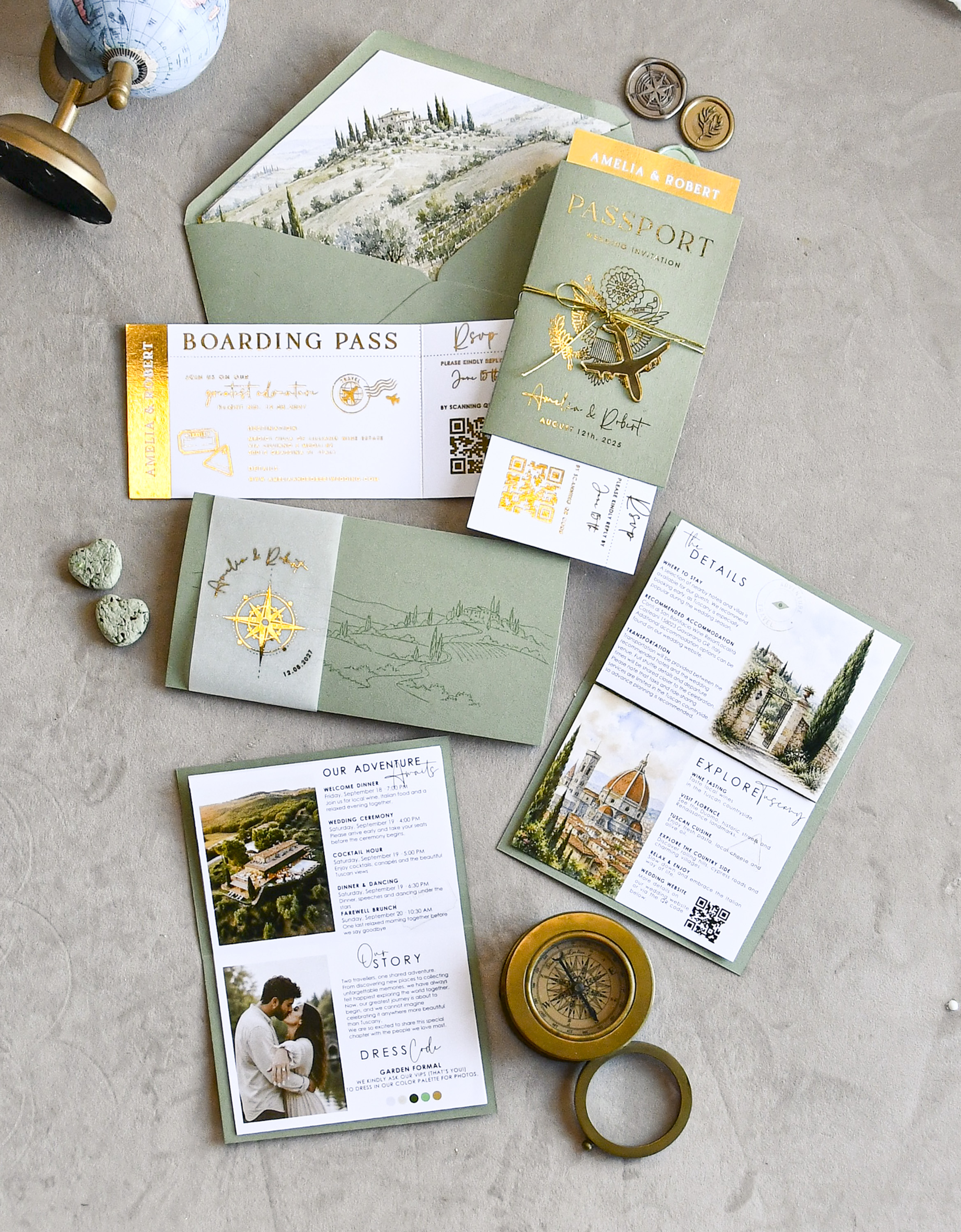
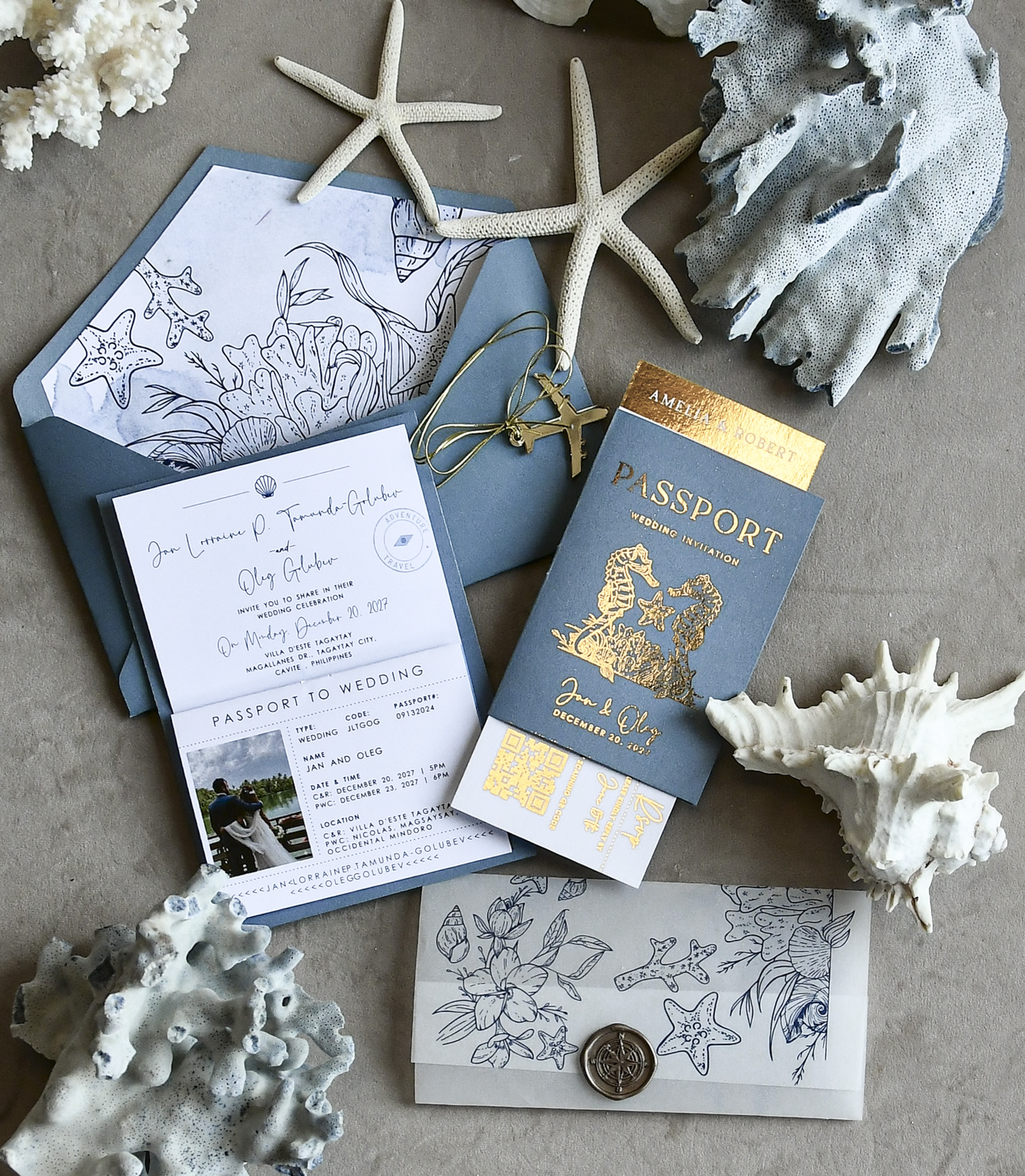
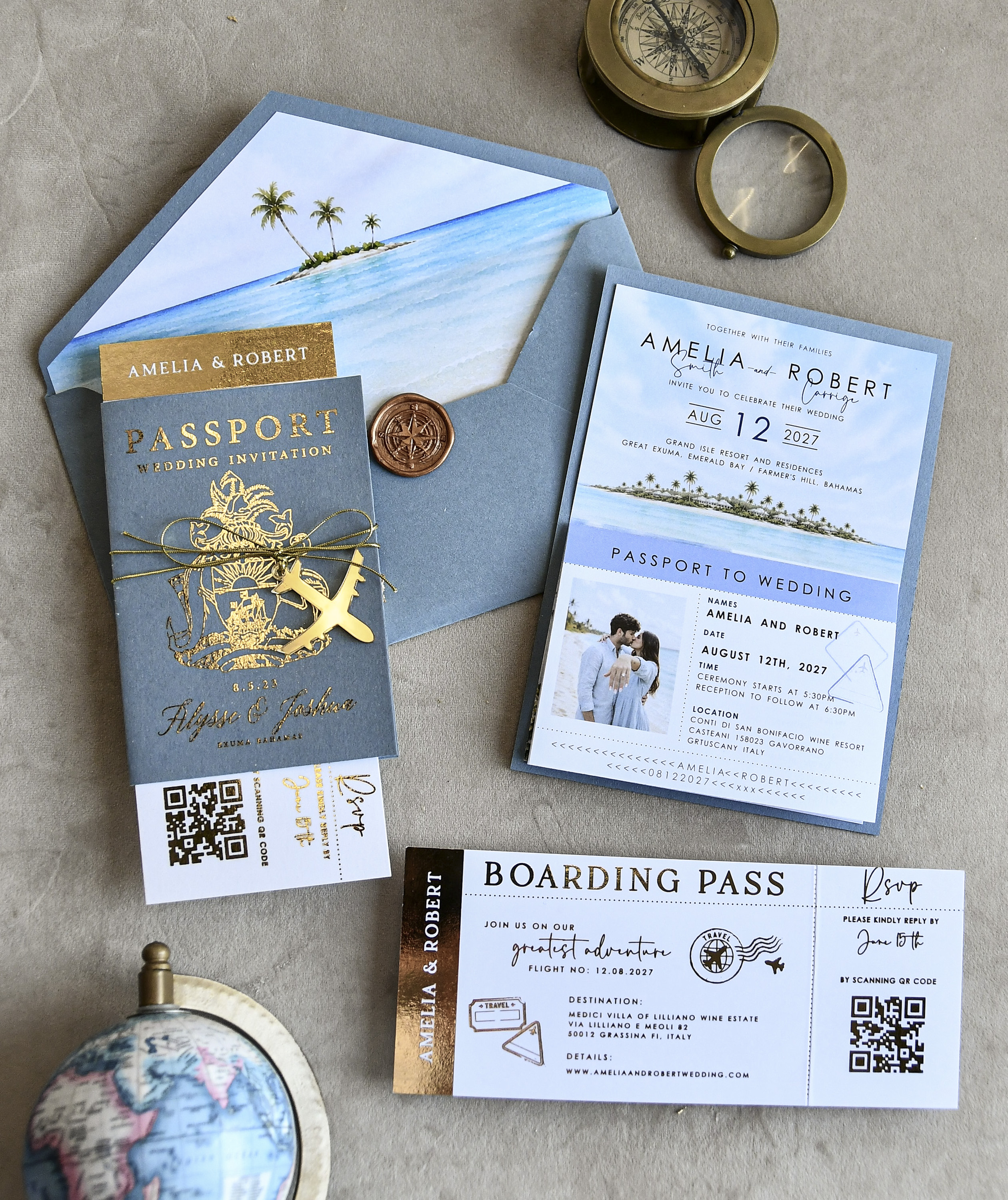
If you're sending destination or beach wedding invitations — like the passport-style 01/passH/z invites from Margo&Bees — consider including a brief note on the details card that specifies your RSVP deadline clearly and mentions that changes after a certain date may not be accommodated. Guests who receive a beautifully designed, destination-themed invitation tend to take the event more seriously and RSVP more thoughtfully.
You can also add a line like: "Kindly reply by [date]. We are unable to guarantee accommodations for changes requested after this date." This is polite but firm, and most guests will respect it.
When a 'Yes' Turns Into a 'No' Close to the Wedding
A cancellation within a week of the wedding is the most common last-minute change. Here's how to handle it gracefully:
- Acknowledge it kindly. A quick, warm reply — "We'll miss you so much, but we completely understand" — keeps the relationship intact without creating drama.
- Check your vendor contracts. Most caterers lock in a guaranteed minimum headcount 7–14 days before the event. If the cancellation comes after that, you'll likely still pay for that guest's meal. Accept this and move on — it's a small cost compared to the stress of chasing refunds.
- Decide whether to fill the seat. If you have a waitlist of people who originally couldn't attend, this is the moment to reach out. Keep it casual and low-pressure since they'll have very little notice.
Do not feel obligated to reseat the entire table or reorganize your floor plan over one cancellation. Your venue coordinator has seen this before and can help you adjust quietly.
When a 'No' Suddenly Becomes a 'Yes'
This is trickier. A guest who originally declined now wants to come — and you may or may not have the space. Before you respond, check three things:
- Your venue's capacity — are you at your maximum, or do you have flexibility?
- Your catering headcount — has your guaranteed number already been submitted?
- Your seating chart — is there a logical place for this guest to sit?
If all three allow it, welcoming them back is a lovely gesture. If adding them would push you over your catering minimum or disrupt your seating, it's completely acceptable to say: "We're so touched you can make it, but unfortunately we've already finalized our numbers with the venue and can't make changes at this point. We'd love to celebrate with you soon after!" You are not obligated to squeeze someone in at the expense of your planning.
Protecting Yourself: Practical Tips for Every Couple
A few simple habits can save you significant stress when last-minute changes arrive:
- Keep a running "B-list" of guests you'd love to invite if space opens up — this makes filling cancellations easy and intentional.
- Build a buffer of 3–5 seats into your catering order if your budget allows. This covers surprise additions without renegotiating contracts.
- Use a shared tracking document to log every RSVP change with the date it was requested — helpful if vendor disputes arise.
- Assign one point of contact for RSVP questions, whether that's you, your partner, or a trusted family member. Funneling changes through one person prevents confusion.
Most importantly, give yourself permission to hold the line. Your vendors, your venue, and your peace of mind all depend on a reasonably firm headcount. Guests who change their minds last minute are not entitled to accommodation — and saying so kindly is perfectly appropriate.
Frequently Asked Questions
Once you've submitted your final headcount to your caterer or venue — typically 7–14 days before the wedding — it's reasonable to stop accepting changes. Let guests know this deadline upfront in your invitation details so there are no surprises.
In most cases, yes. Caterers charge based on a guaranteed minimum, so a late cancellation usually means you'll still pay for that plate. Consider it the cost of having a firm plan, and don't let it sour your relationship with the guest.
Not at all — it's practical and expected. A warm, brief explanation that you've already finalized numbers with your vendors is completely acceptable. Most guests will understand once they realize the logistics involved.
You are not obligated to accommodate unplanned plus-ones, especially after your headcount is set. Politely explain that seating and catering are finalized, and offer to celebrate with them another time if needed.
Yes — a small B-list is a smart strategy, especially for larger weddings. If a spot opens up more than two weeks before the wedding, you have time to reach out and get a new RSVP without disrupting your plans.
Be specific and direct: "Kindly reply by [date]. We are unable to accommodate changes after this date." Including this on your details card or enclosure sets a clear, polite boundary from the moment guests receive your invitation.
See This Design Up Close













You May Also Like

More Wedding Planning Guides
- → Who Actually Pays When the Guest List Grows?
- → When Kids Deserve Their Own Wedding Invitation: An Age-by-Age Guide
- → Navigating Stepparent Wedding Invitations: A Practical Guide
- → Your Aunt Remarried: Should Her New Husband Be on the Guest List?
- → How to Kindly Let Guests Know Your Wedding Is Adults-Only or Strictly RSVPed
- → The Graceful Art of Trimming Your Wedding Guest List
- → Inviting New Partners to Your Wedding: A Practical Guide for Couples
- → Uninvited Guests on the RSVP Card: How to Handle Extra Names Gracefully
- → Navigating the Awkward Guest List: Should You Invite Estranged Family?
- → How to Handle the 'Why Wasn't I Invited?' Conversation Gracefully
- → The Last Possible Moment to Mail Your Wedding Invitations (And How to Stay on Track)
- → The Complete Guide to Addressing Wedding Invitations Like a Pro
- → Cousins and the Guest List: What You're Actually Obligated to Do
- → When a Family Member Threatens to Skip Your Wedding Over the Guest List
- → Uninvited Plus-Ones and Tag-Alongs: How to Keep Your Guest List Intact
- → When Family Feuds Threaten Your Wedding Plans: A Practical Peacekeeper's Guide
- → Inviting an Estranged Brother or Sister: Finding Clarity Before You Seal the Envelope
- → Cousins, Invites, and Hard Choices: A Practical Guest List Guide