
Navigating Stepparent Wedding Invitations: A Practical Guide

Blended families are beautifully common, and so is the question that comes with them: do you invite your stepparent to your wedding? Whether your parent remarried when you were five or fifty, this decision touches on loyalty, history, and the kind of day you want to create. There's no single right answer, but there is a thoughtful way to work through it — and that's exactly what this guide is here to help you do.
Start With Your Relationship, Not the Title
The word "stepparent" covers an enormous range of relationships. Some stepparents raised you from toddlerhood and feel more like a parent than a title suggests. Others entered the picture as adults and remain more like a friendly acquaintance. Before anything else, ask yourself honestly: what does this relationship actually look like day to day?
- Close and parental: If your stepparent attended school events, helped pay for college, or has been a consistent presence for years, they likely belong on your guest list without much debate.
- Cordial but distant: If you see them a few times a year and the relationship is warm but not deep, you can invite them as a courtesy — or keep the guest list tighter without guilt.
- Complicated or strained: If there is genuine conflict or hurt feelings between you and your stepparent (or between your stepparent and your other parent), that complexity deserves serious thought before you send an invitation.
Your wedding guest list is a reflection of the people who genuinely support your marriage. Start there.
Consider the Dynamics Between Your Parents
One of the trickiest parts of the stepparent question isn't about the stepparent at all — it's about how your biological parents interact. If your mom and stepdad are both invited, will your dad be comfortable? Will seating them in the same room create visible tension that affects your day?
Here are a few scenarios and how to handle them:
- Divorced parents who are amicable: Lucky you — invite everyone and seat them thoughtfully. Make sure no one feels like an afterthought by assigning seats with care.
- High-conflict divorce: Consider whether you need to have a direct conversation with one or both parents before sending invitations. Setting clear expectations early prevents drama later.
- New stepparent your biological parent dislikes: This is where you may need to hold a gentle but firm boundary. You are allowed to invite who you choose. A quiet one-on-one conversation with the affected parent can go a long way.
Remember: you are not responsible for managing your parents' emotions, but you can plan proactively to reduce friction on your wedding day.
How to Handle the Invitation Itself
Once you've decided to invite your stepparent, the invitation wording matters. If your stepparent is not playing a formal role in the wedding (like walking you down the aisle or being listed as a host), they typically receive an invitation as a guest — addressed to your parent and their spouse.
For example: Mr. David Larson and Mrs. Karen Larson — your parent's name first, then your stepparent's. This is standard etiquette and feels natural without overcomplicating things.
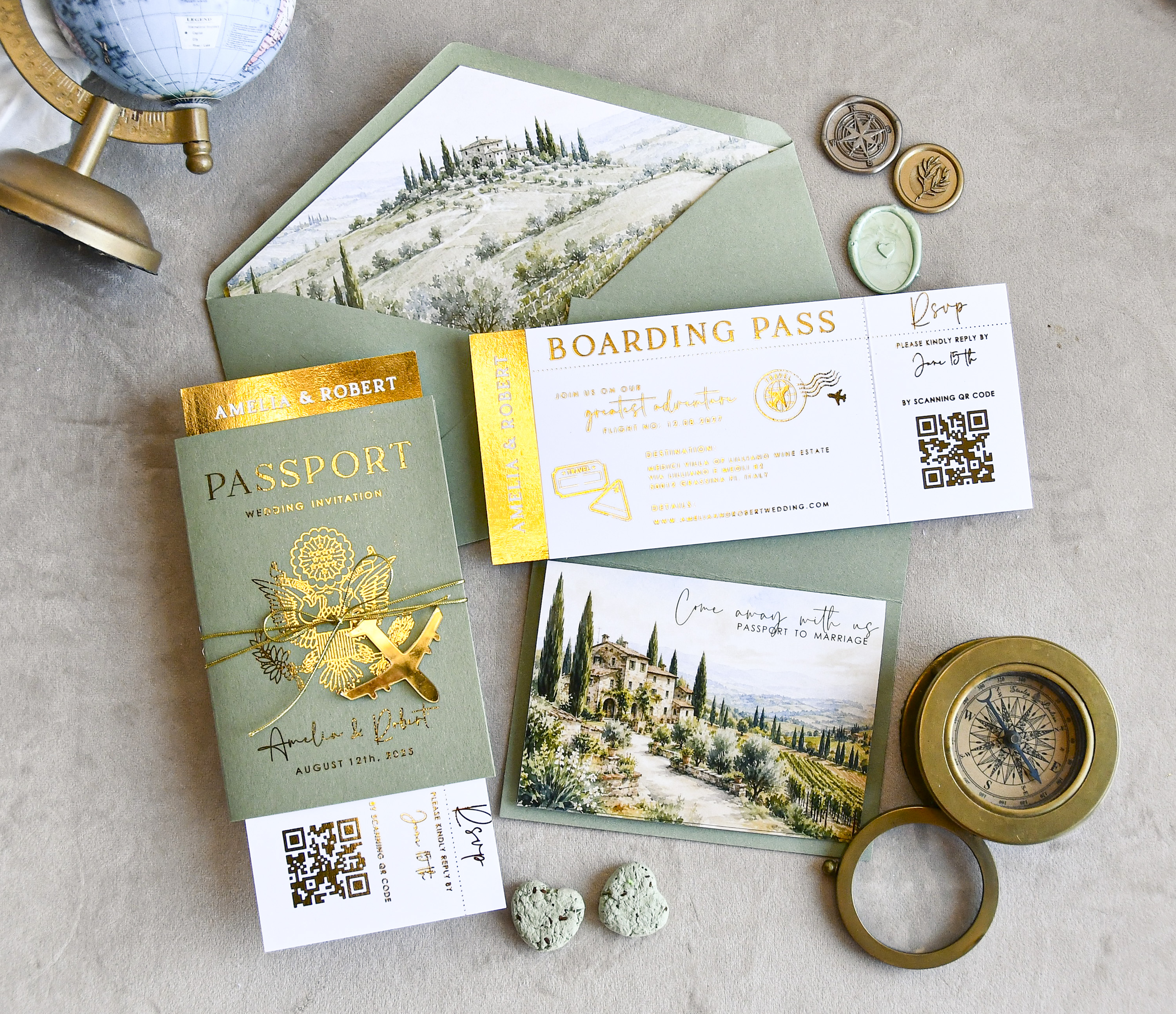
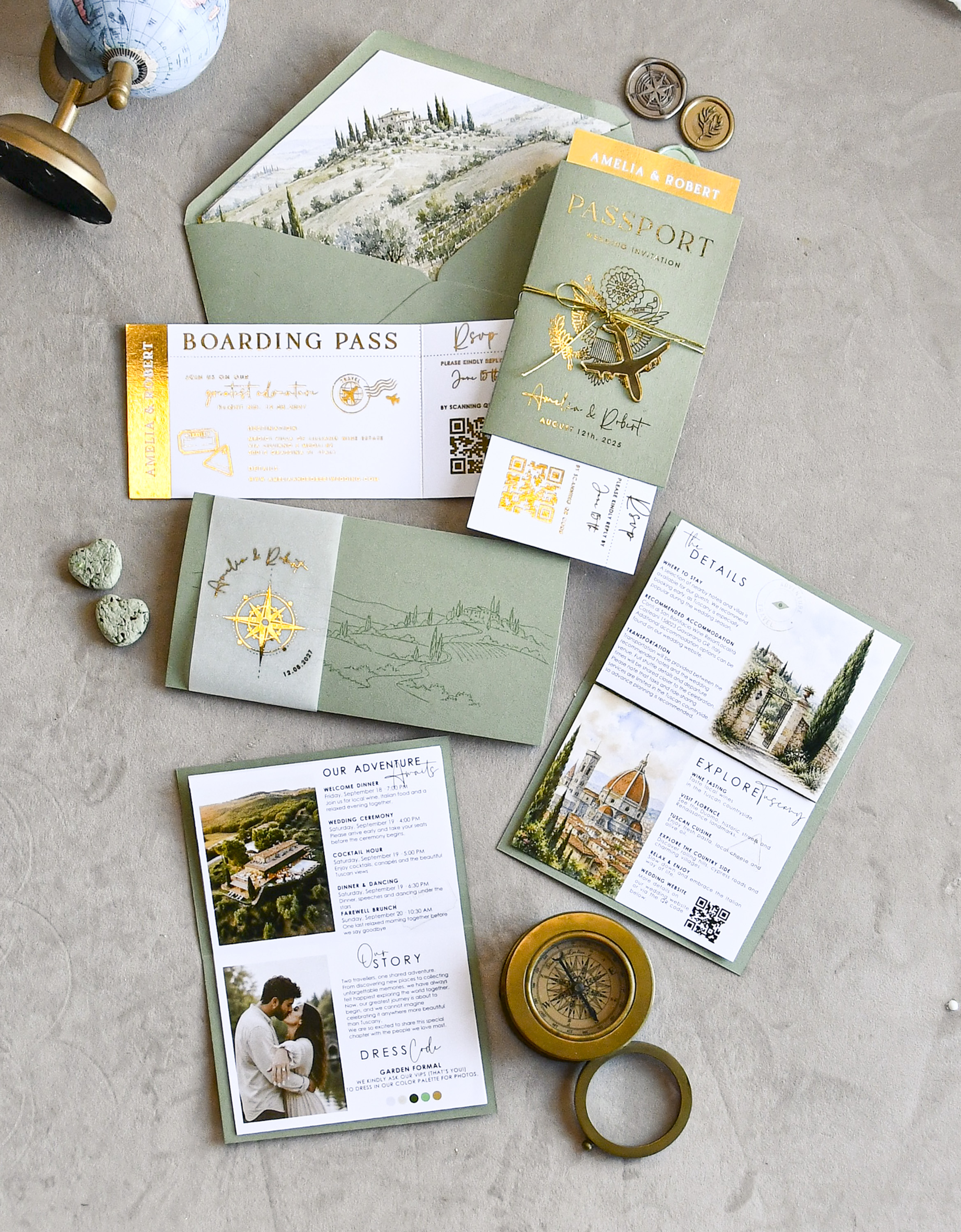
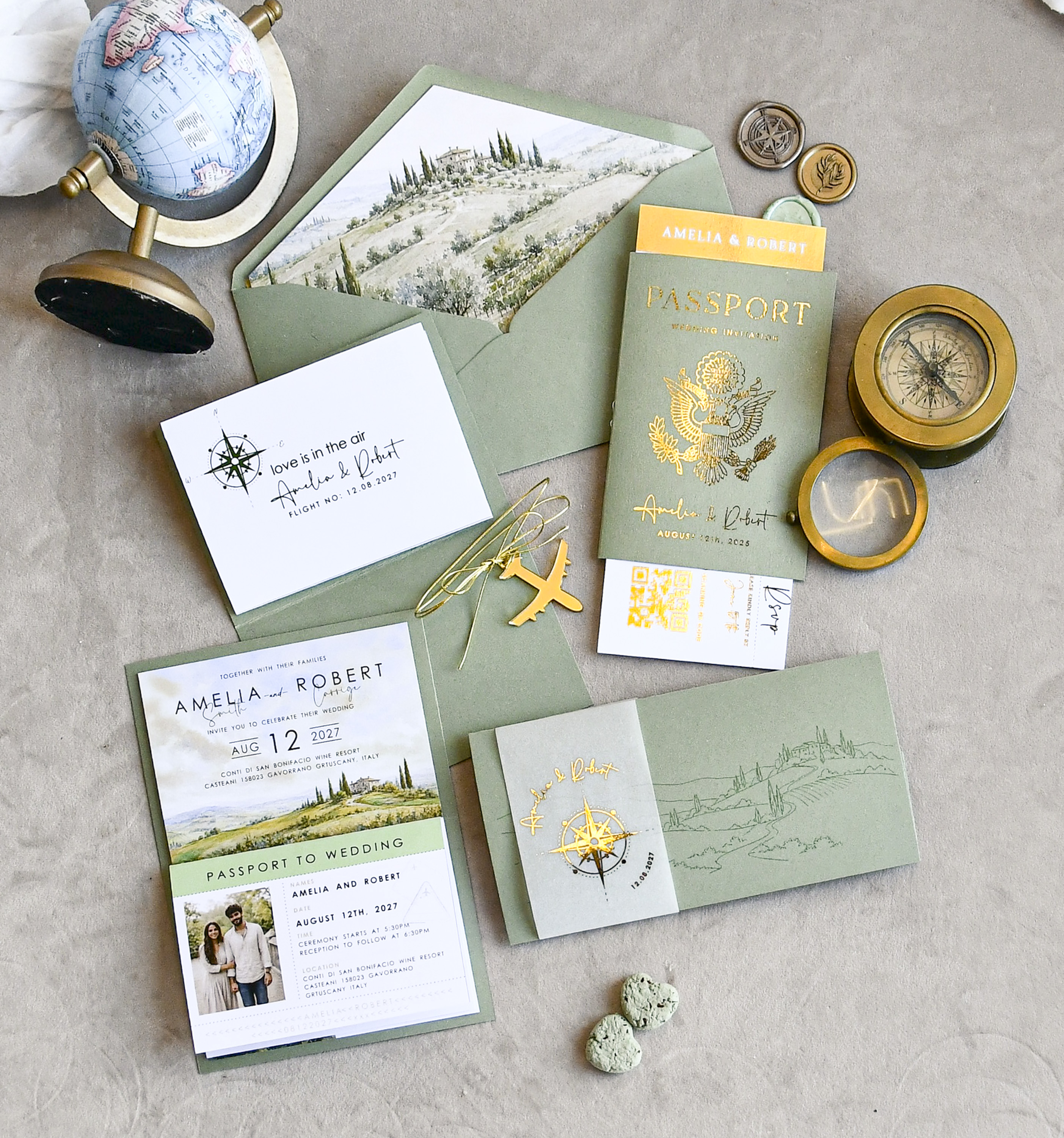
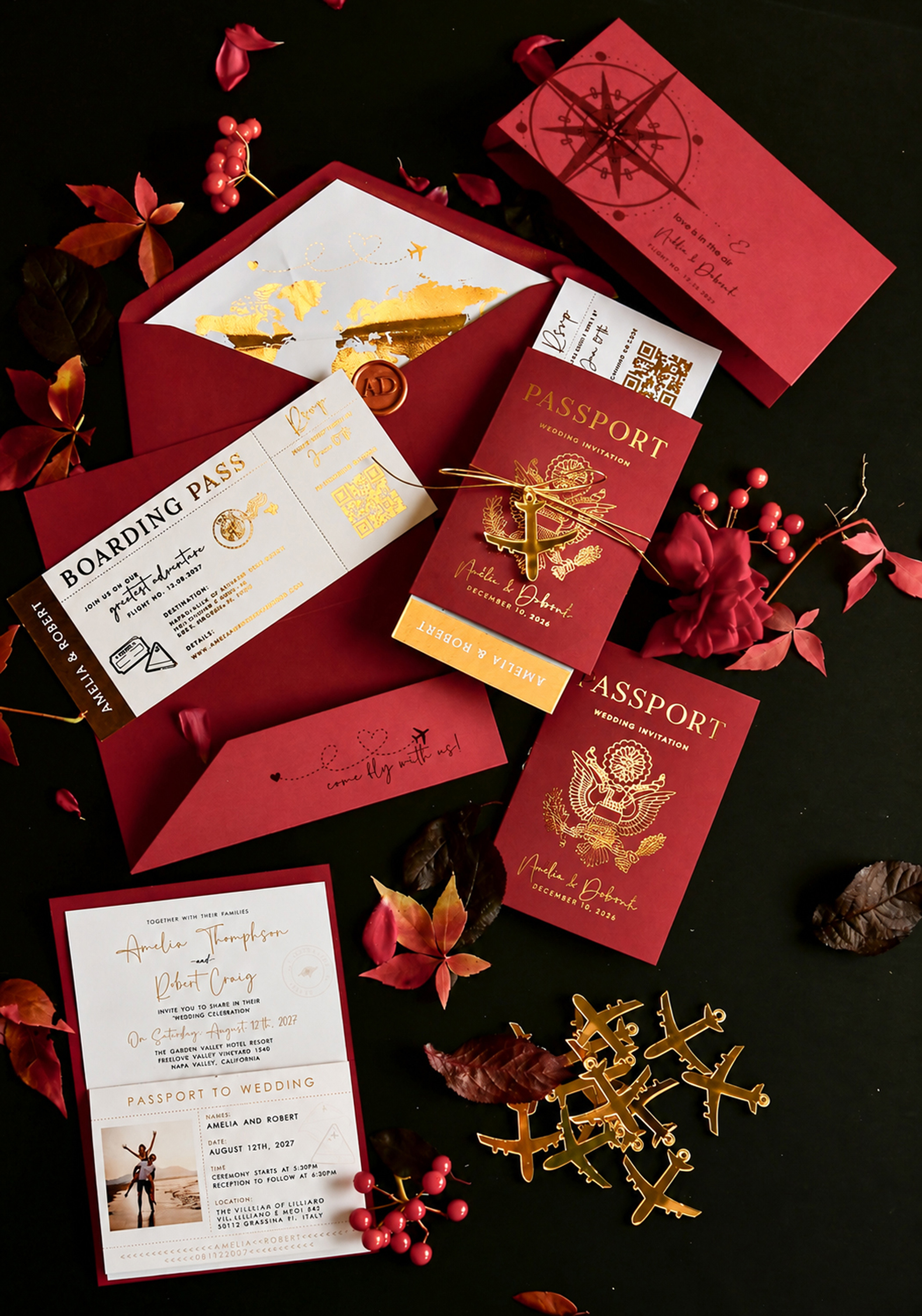
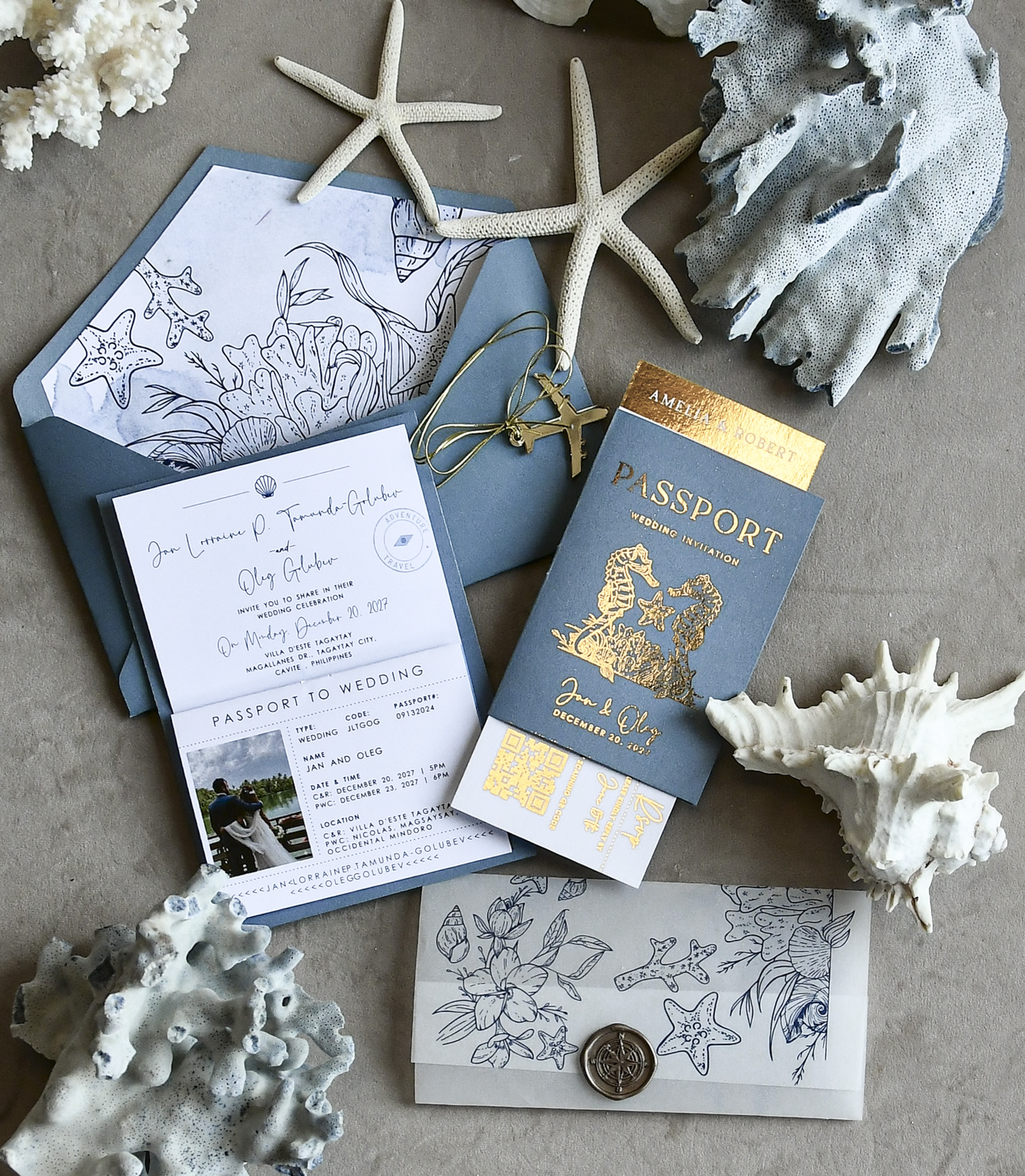
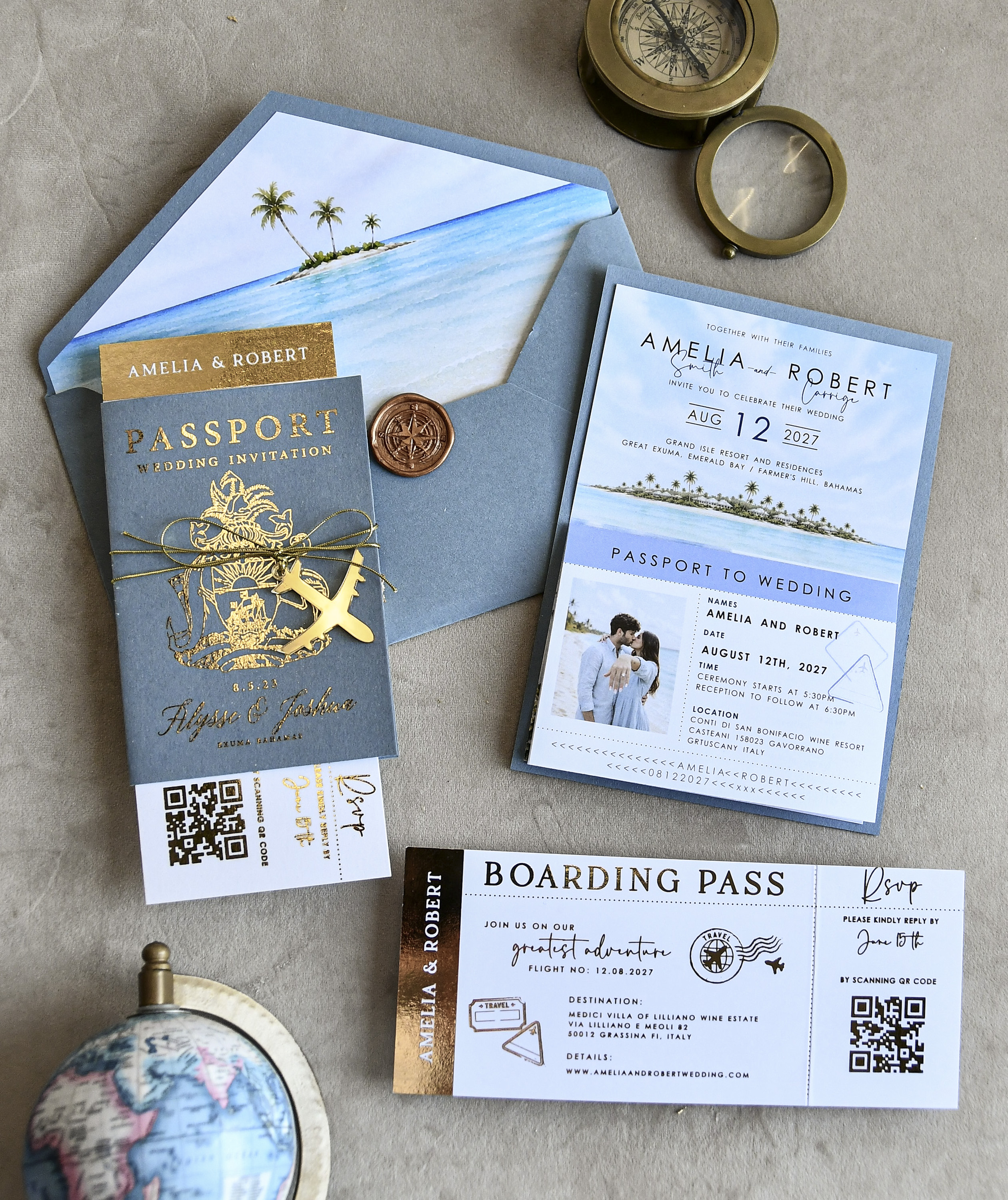
If your stepparent is hosting the wedding alongside your parent, they may be listed on the invitation itself. Work with your stationer to word this in a way that feels true to your family structure. Our 01/passH/z passport-style wedding invitations offer a beautiful, customizable format that makes it easy to reflect your unique family without awkwardness — perfect if you're planning a relaxed beach celebration where the tone is already warm and inclusive.
Tip: Address the outer envelope formally and the inner envelope more casually if you're using a two-envelope system. This gives you flexibility in how you name everyone involved.
When You Decide Not to Invite a Stepparent
Choosing not to invite a stepparent is a valid decision, and you don't owe anyone an elaborate explanation. However, how you handle it can make a real difference in preserving family relationships after the wedding.
- Be consistent: If you're keeping the guest list very small — immediate family only — that rule needs to apply across the board, including on your partner's side.
- Tell your parent privately first: Don't let your parent find out through the grapevine. A brief, kind conversation — "We're keeping the wedding very intimate, just parents and siblings" — is far better than silence.
- Offer an alternative: Consider including them in a rehearsal dinner, post-wedding brunch, or engagement celebration if the relationship warrants it. This shows goodwill without changing your wedding guest list.
If the reason you're not inviting a stepparent is more personal — estrangement, past harm, or active conflict — you are allowed to protect your peace. You do not have to invite someone simply because they share a household with a parent you love.
Frequently Asked Questions
No — there is no hard rule that requires it. That said, if your parent and stepparent are married and you have a reasonable relationship with the stepparent, excluding them can create lasting hurt feelings. Weigh the relationship honestly before deciding.
This is entirely your call and doesn't have to match your invitation decision. Many couples do a "blended family" photo that includes stepparents alongside biological parents, which can feel inclusive without requiring a formal role. Talk to your photographer in advance so they know who to gather.
This is an unfair position to put a couple in, and it's okay to name that gently. Let your parent know that you love them and hope they'll be there, but that you are making guest list decisions based on your relationships — not ultimatums. Most parents come around when they realize the alternative is missing their child's wedding.
Traditionally, the front rows are reserved for immediate family. Seat each parent (with their spouse or partner) on their respective sides — mom's family on one side, dad's on the other. If that feels too divided for your family, assigned seats anywhere in the front few rows works just as well.
Not at all — roles in a wedding should reflect the actual relationship, not just the title. It's completely appropriate for a biological parent to walk you down the aisle while a stepparent attends as a cherished guest. What matters is that everyone feels respected.
Ideally, settle this before you finalize your guest list — at least four to six months before your wedding. This gives you time to have any necessary conversations and ensures your stationer has the correct names for addressing envelopes and any formal invitation wording.
See This Design Up Close











You May Also Like

More Wedding Planning Guides
- → Handling Last-Minute RSVP Changes: What Couples Need to Know
- → Who Actually Pays When the Guest List Grows?
- → When Kids Deserve Their Own Wedding Invitation: An Age-by-Age Guide
- → Your Aunt Remarried: Should Her New Husband Be on the Guest List?
- → How to Kindly Let Guests Know Your Wedding Is Adults-Only or Strictly RSVPed
- → The Graceful Art of Trimming Your Wedding Guest List
- → Inviting New Partners to Your Wedding: A Practical Guide for Couples
- → Uninvited Guests on the RSVP Card: How to Handle Extra Names Gracefully
- → Navigating the Awkward Guest List: Should You Invite Estranged Family?
- → How to Handle the 'Why Wasn't I Invited?' Conversation Gracefully
- → The Last Possible Moment to Mail Your Wedding Invitations (And How to Stay on Track)
- → The Complete Guide to Addressing Wedding Invitations Like a Pro
- → Cousins and the Guest List: What You're Actually Obligated to Do
- → When a Family Member Threatens to Skip Your Wedding Over the Guest List
- → Uninvited Plus-Ones and Tag-Alongs: How to Keep Your Guest List Intact
- → When Family Feuds Threaten Your Wedding Plans: A Practical Peacekeeper's Guide
- → Inviting an Estranged Brother or Sister: Finding Clarity Before You Seal the Envelope
- → Cousins, Invites, and Hard Choices: A Practical Guest List Guide