
How to Handle the 'Why Wasn't I Invited?' Conversation Gracefully
You've agonized over your guest list, made the hard cuts, and finally sealed your envelopes—then someone corners you at brunch and asks, "So… why wasn't I invited?" It's one of the most uncomfortable moments in wedding planning, but it happens to nearly every couple. The good news: with a little preparation and a lot of grace, you can handle it without damaging the relationship or spiraling into guilt.
Understand That This Conversation Is Normal (and Not Your Fault)
First, take a breath. Guest list decisions are almost always driven by venue capacity, budget, or a desire to keep the day intimate—not by how much you value a particular person. Most people intellectually understand this, even if their feelings are temporarily hurt. You are not obligated to justify every seat at your wedding, and feeling guilty doesn't mean you did anything wrong.
The key mindset shift: you're not explaining yourself, you're acknowledging their feelings. There's a big difference between defending a decision and owning it warmly.
What to Actually Say in the Moment
Keep your response short, honest, and kind. Here are a few scripts you can adapt:
- For a small venue or budget cap: "We honestly had to cap the list at [number] people—it was one of the hardest parts of planning. I really wish things were different."
- For a destination or beach wedding: "We kept it to immediate family and our closest circle because of the travel involved. It wasn't a reflection of how much I care about you."
- For a coworker or acquaintance: "We kept the wedding to close friends and family. I hope you understand—it was a really tough call."
Notice what all three have in common: they name a reason (not an excuse), they validate the person's feelings, and they don't over-apologize or promise things you can't deliver. Avoid saying "You were on the B-list" or "We ran out of room"—even if true, those phrases sting unnecessarily.
Proactive Steps That Prevent Awkward Conversations Before They Start
The best time to manage expectations is before invitations go out. If you know someone is likely to expect an invitation, a brief, casual heads-up can save a lot of hurt feelings. A simple text or phone call that says, "Hey, we're keeping our wedding really small—I wanted you to hear it from me before invites go out," goes a long way.
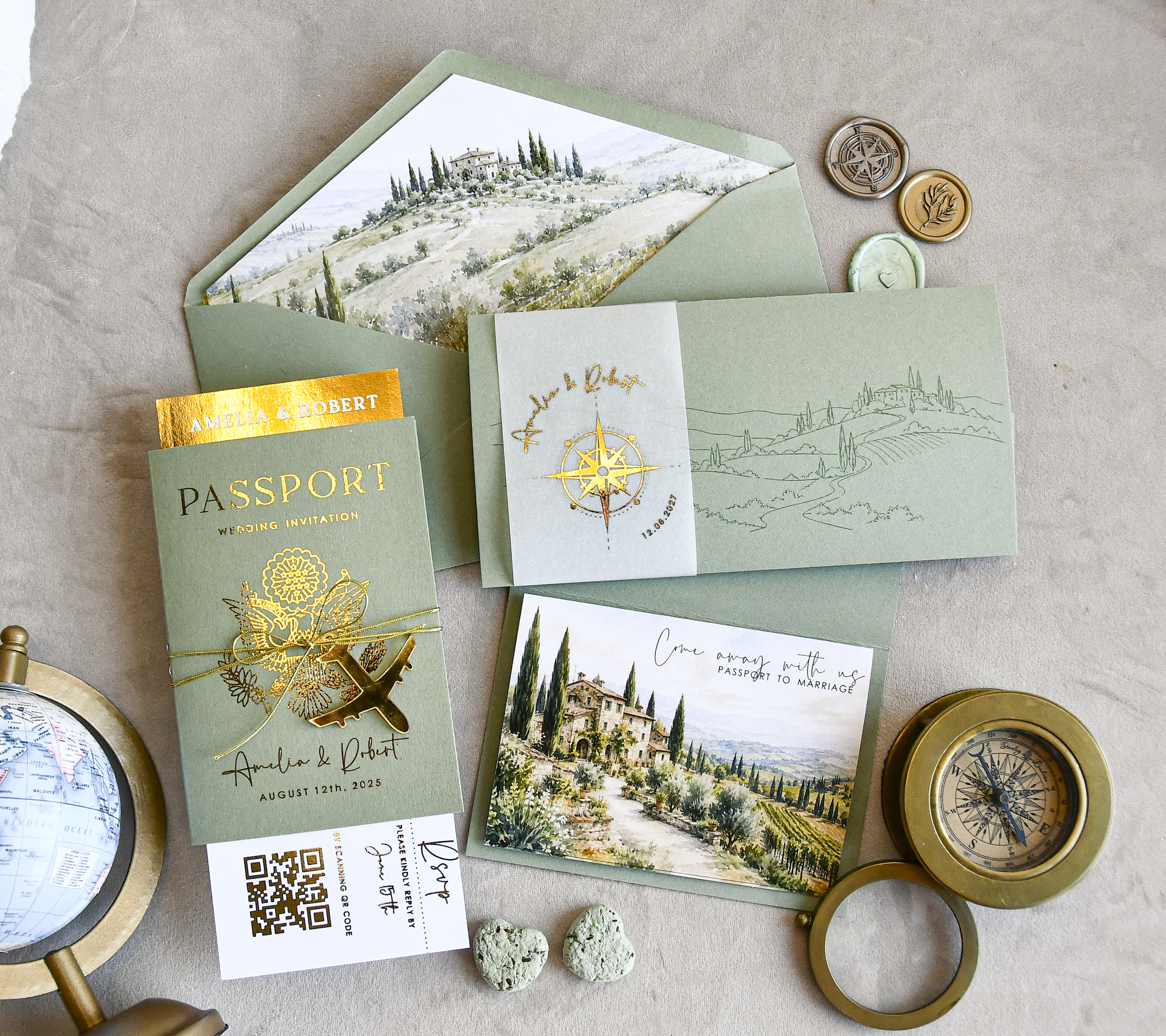
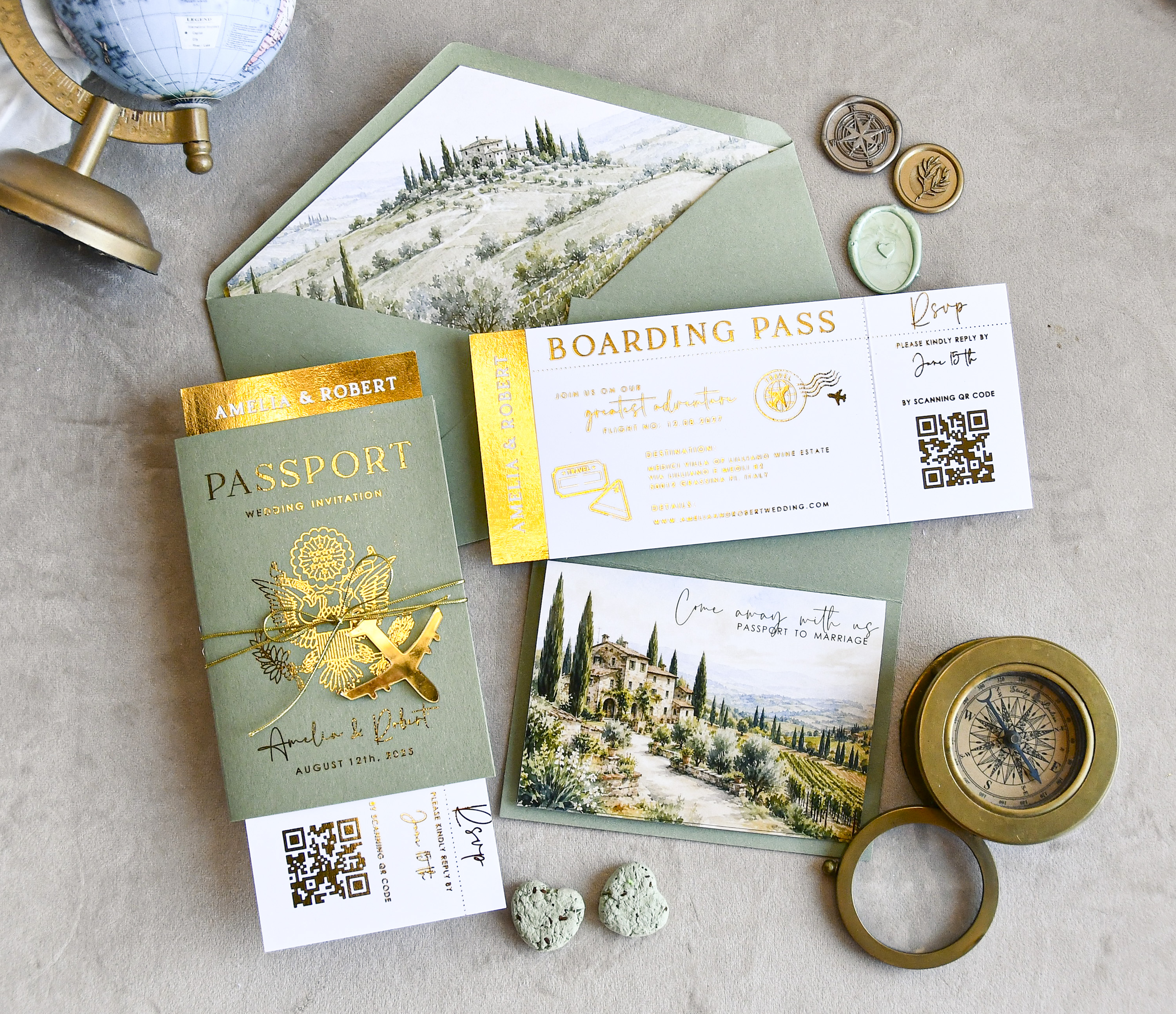
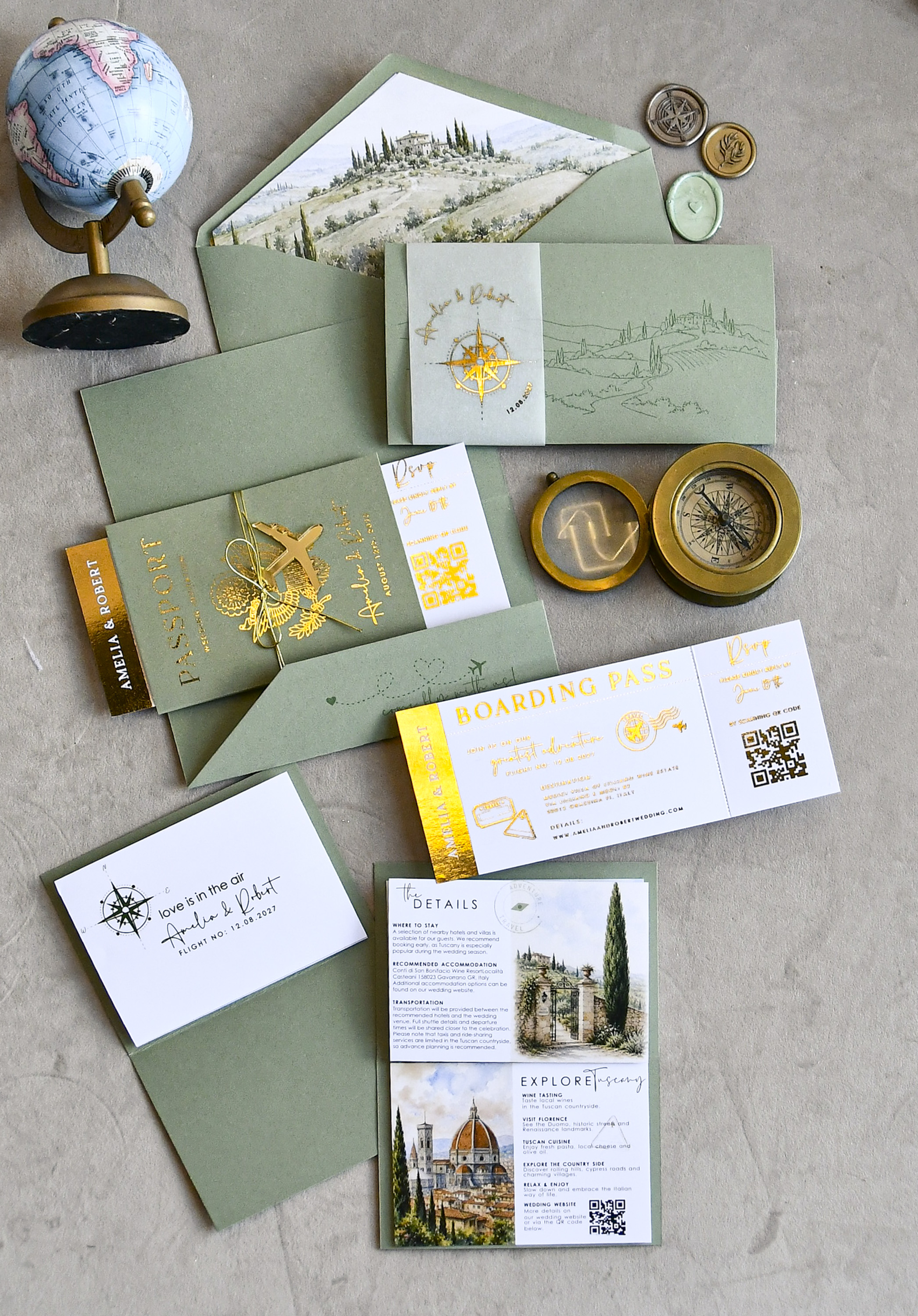
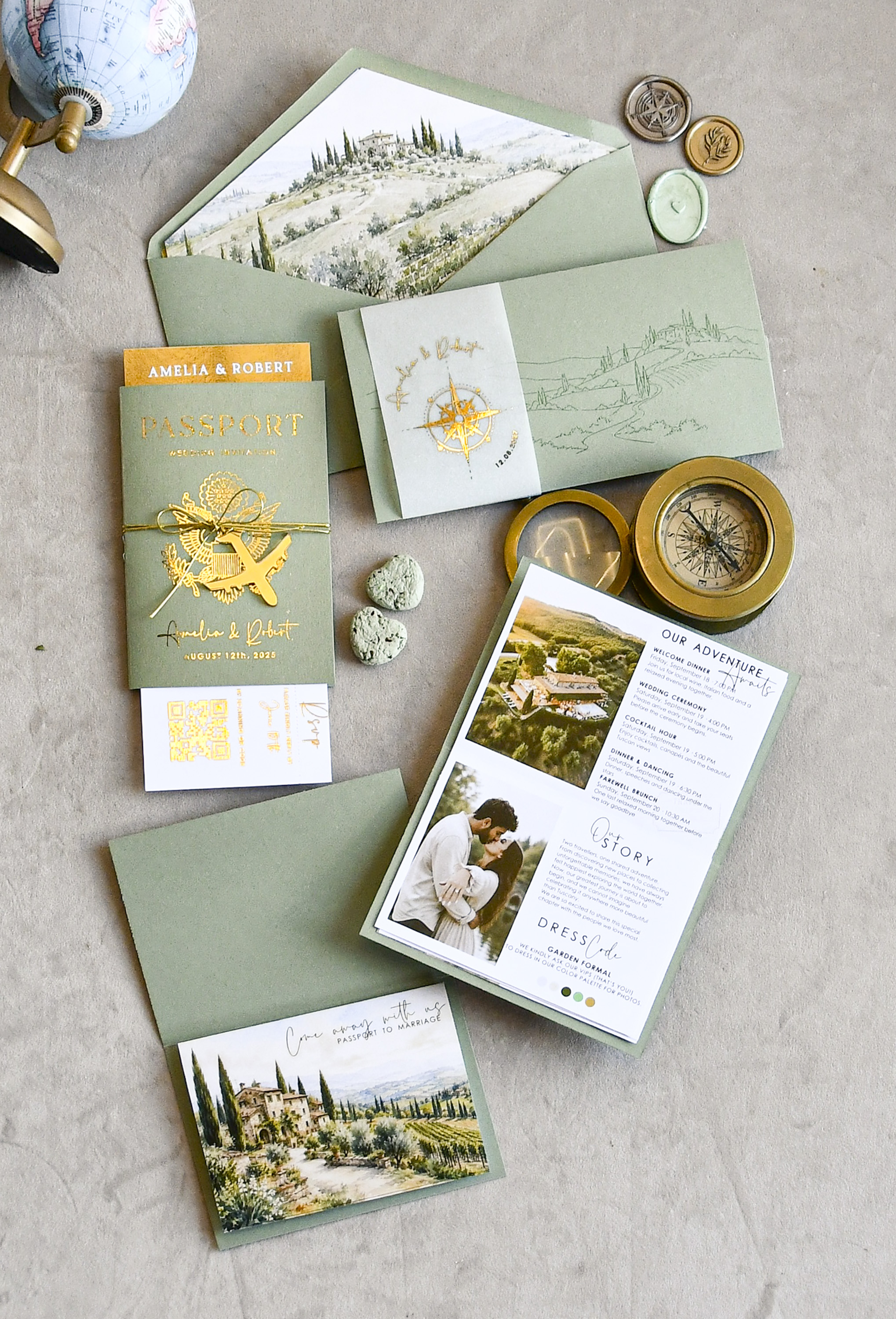
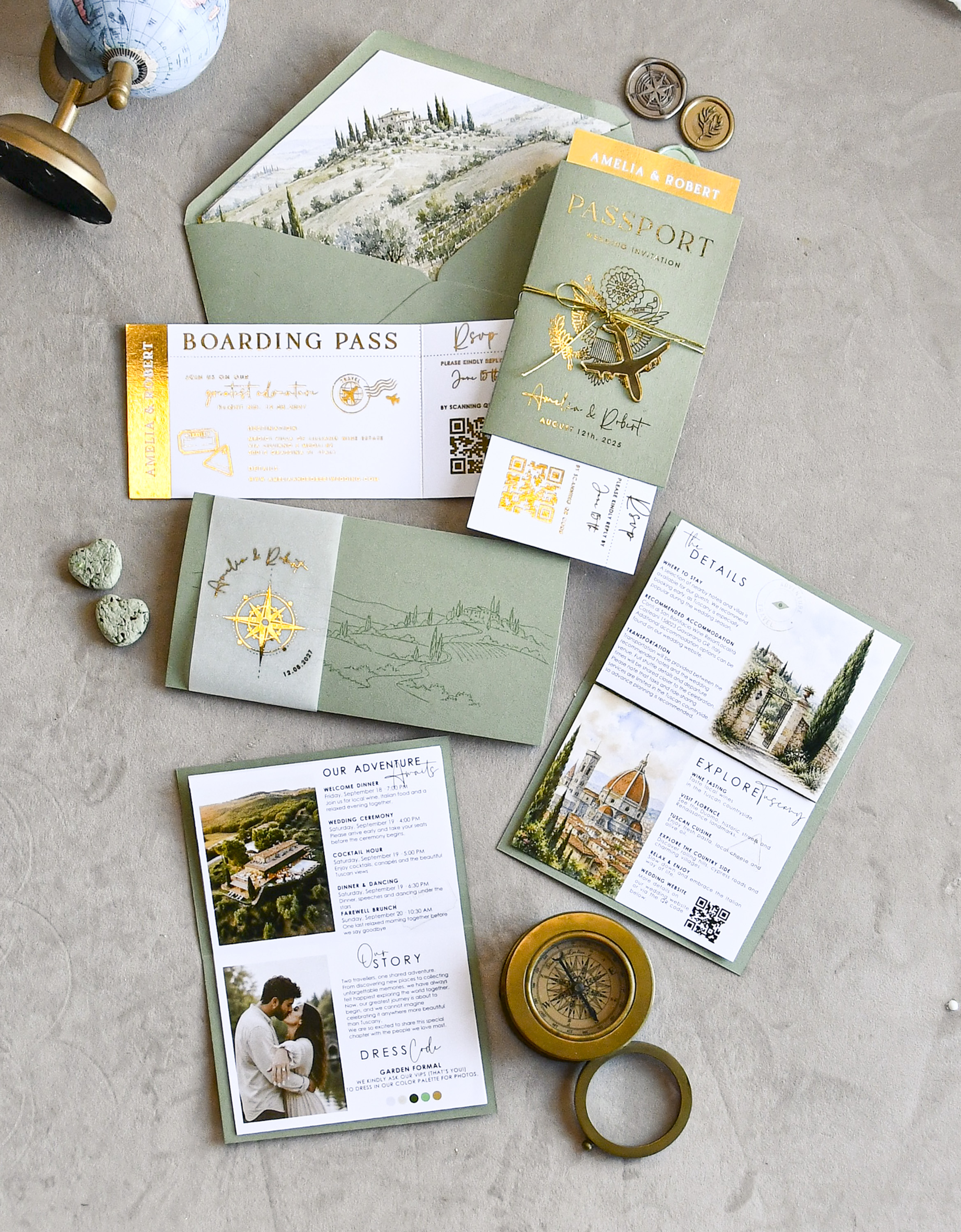
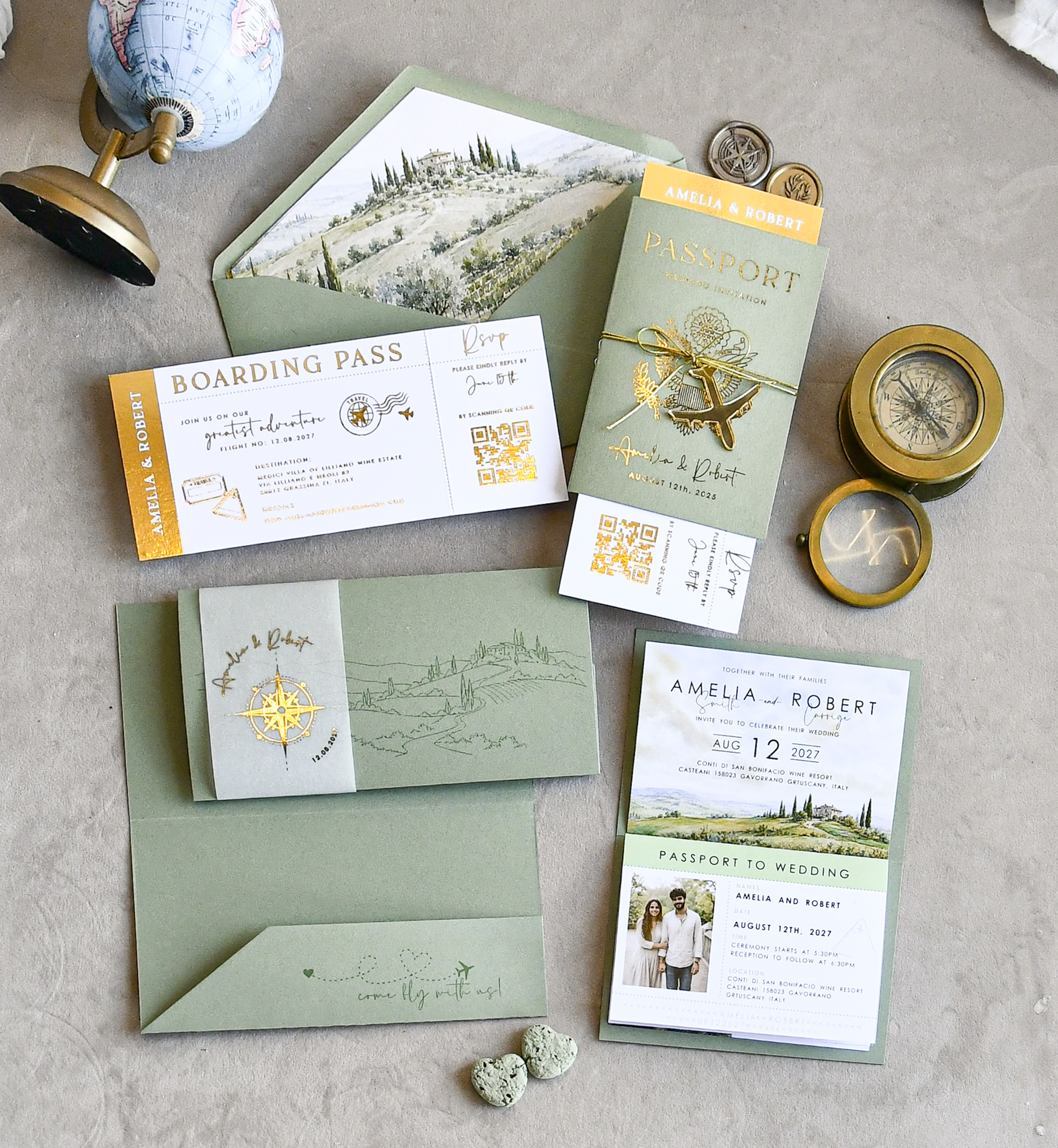
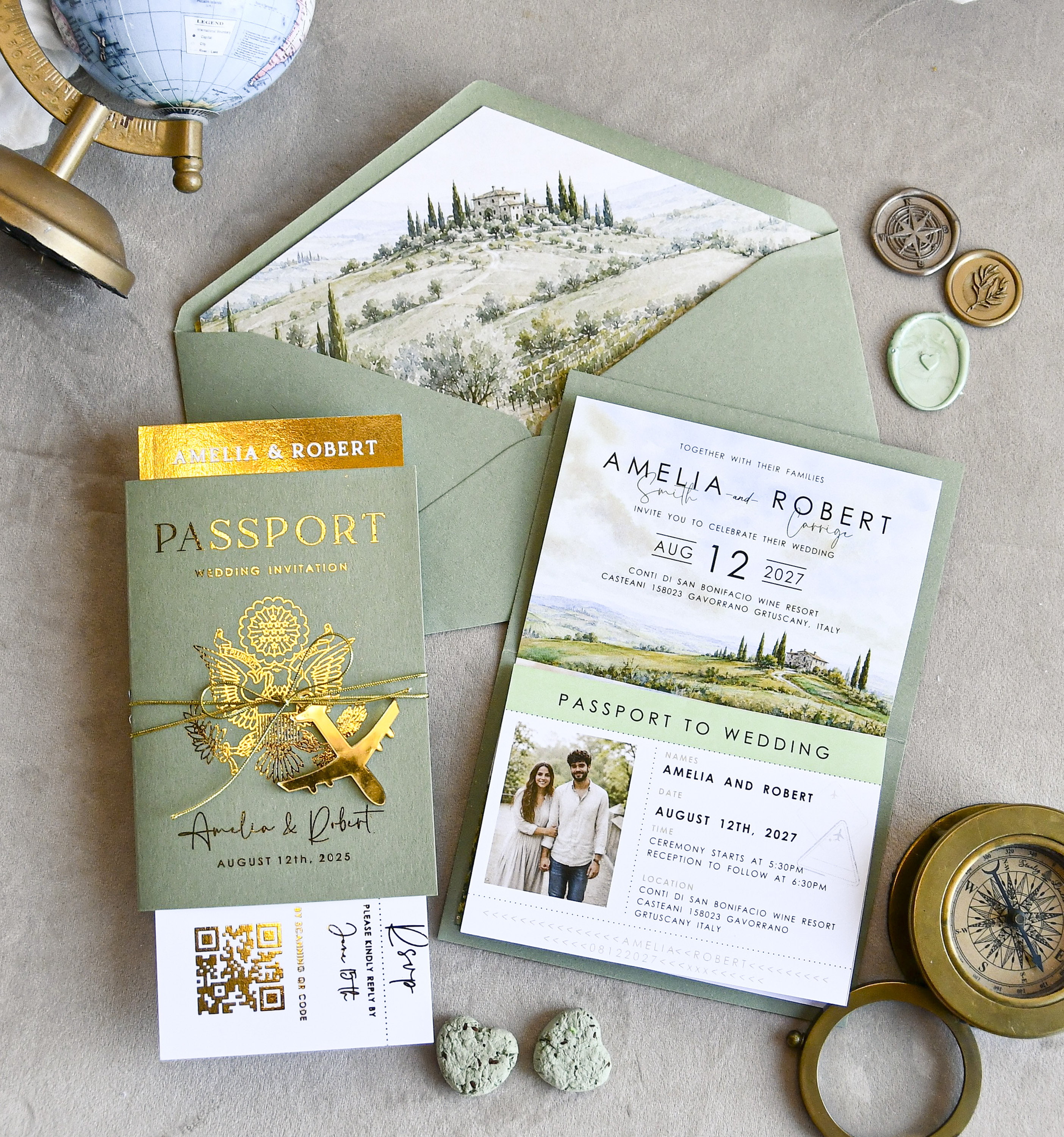
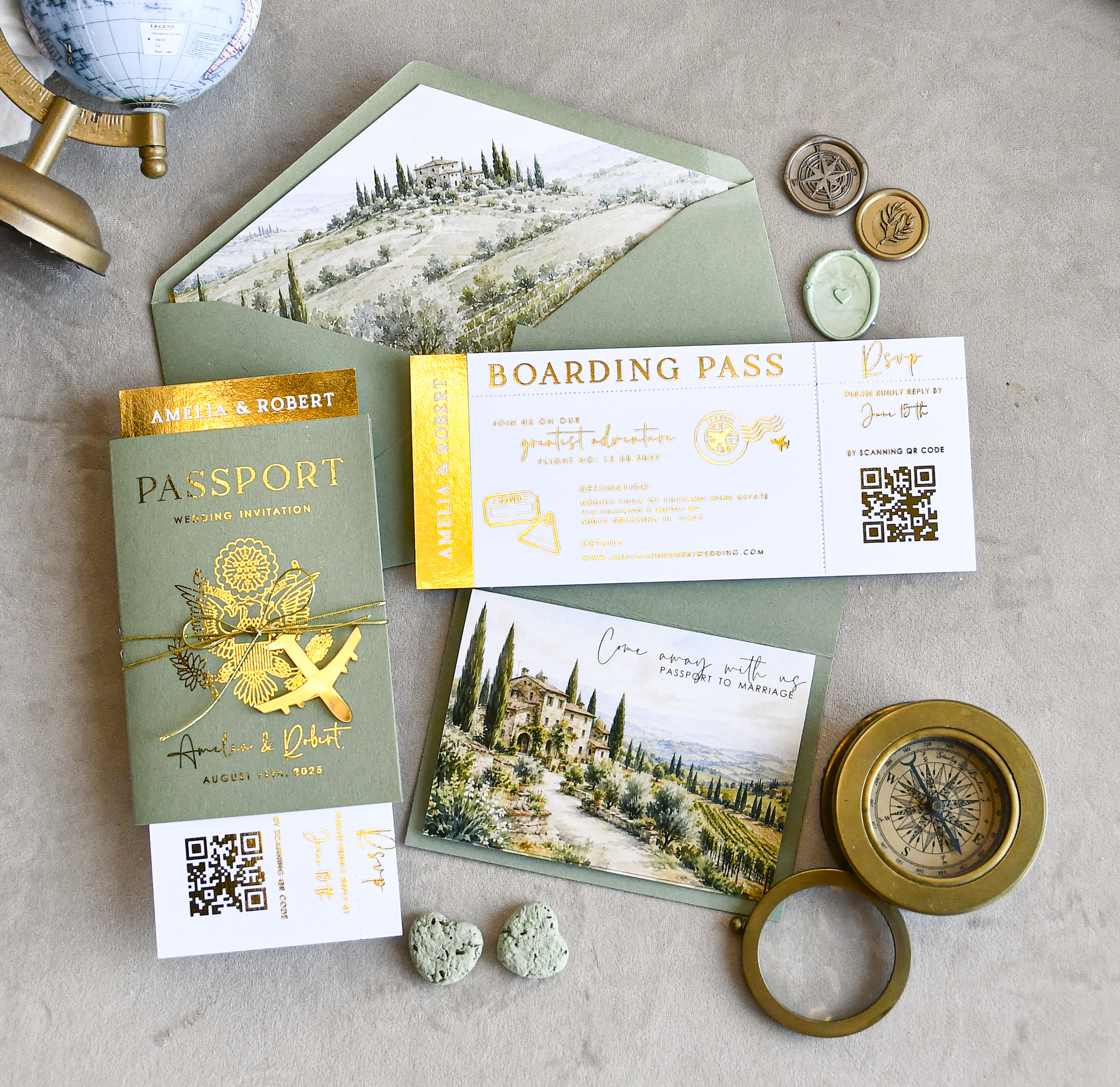
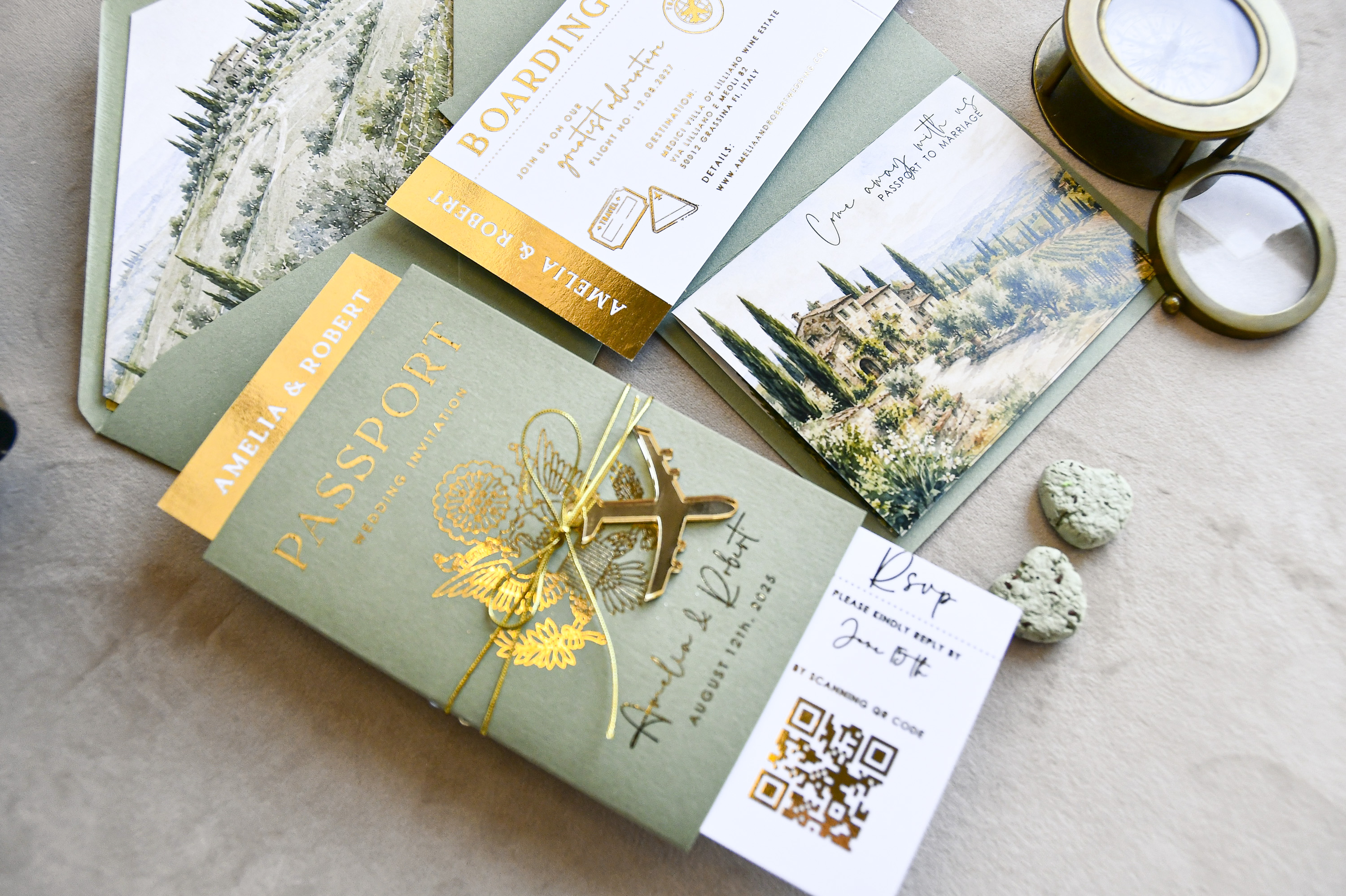
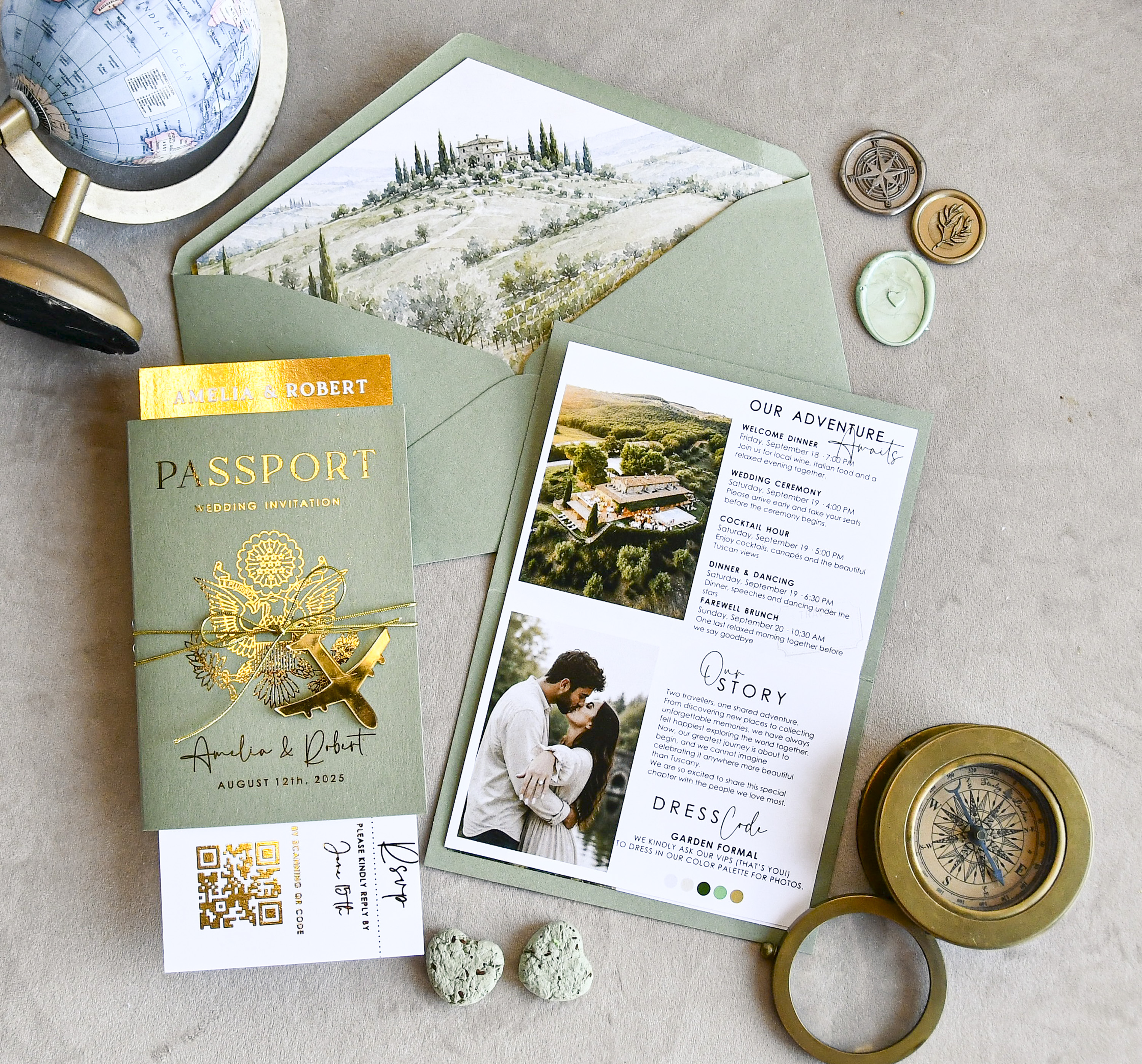
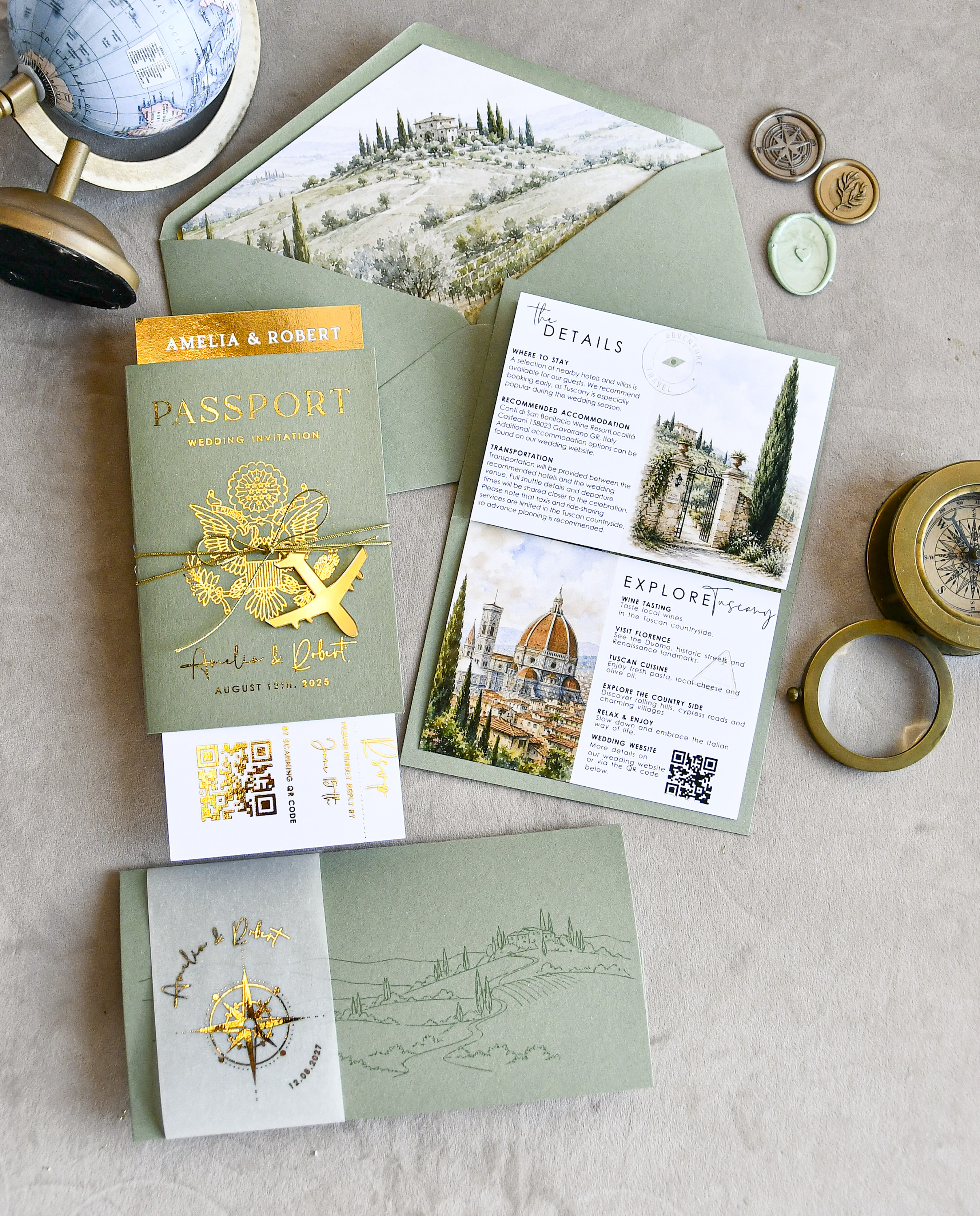
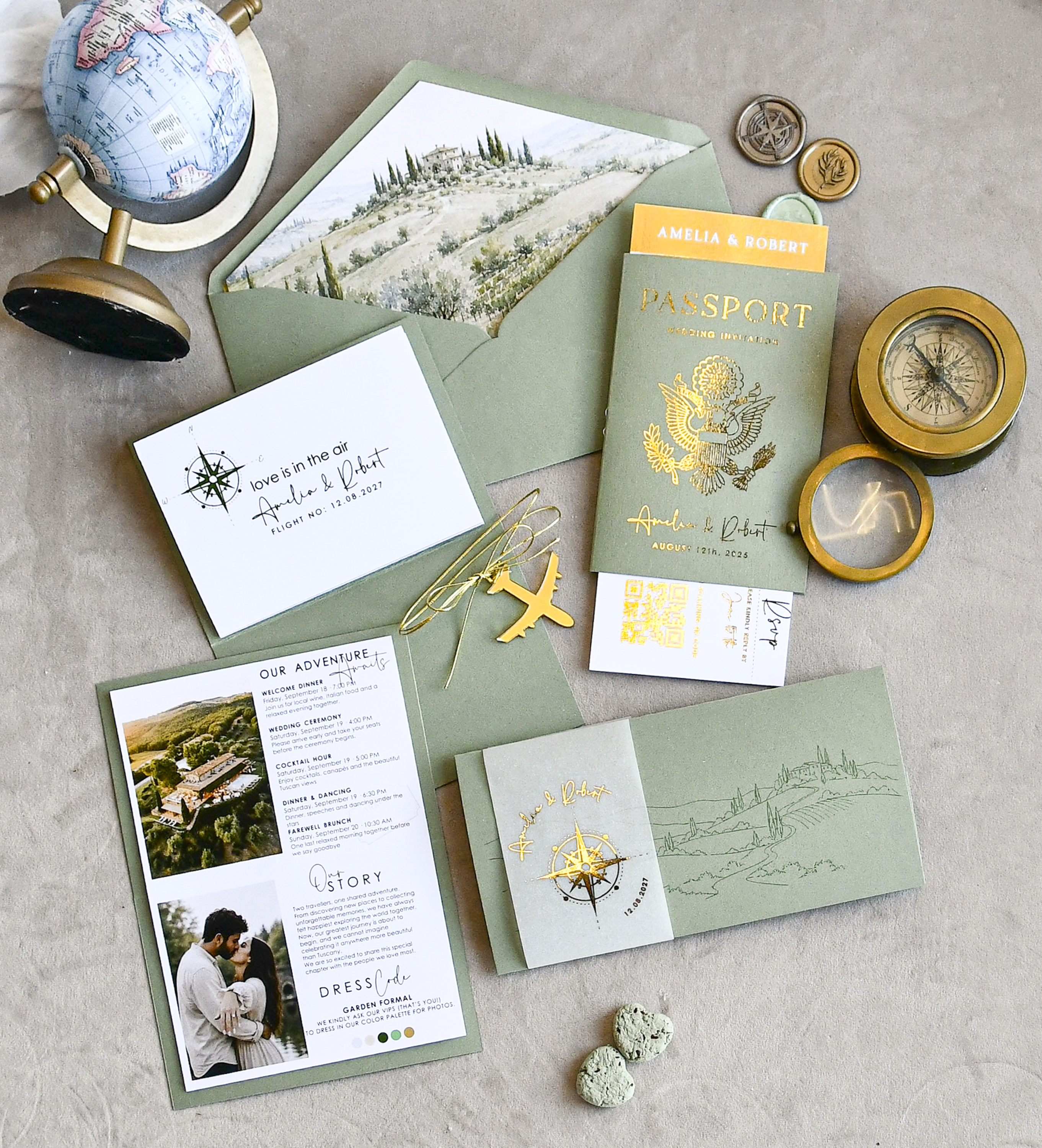
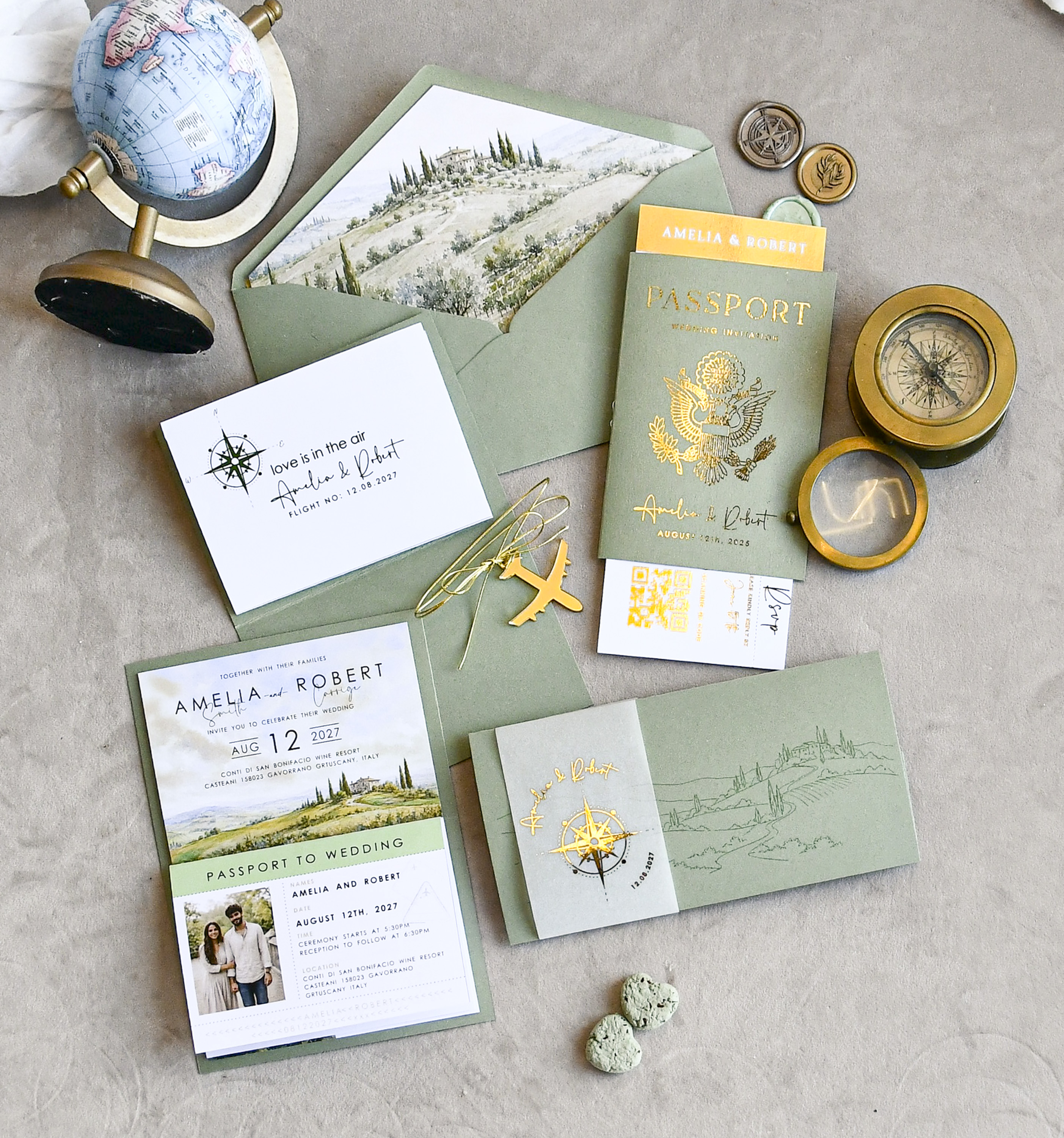
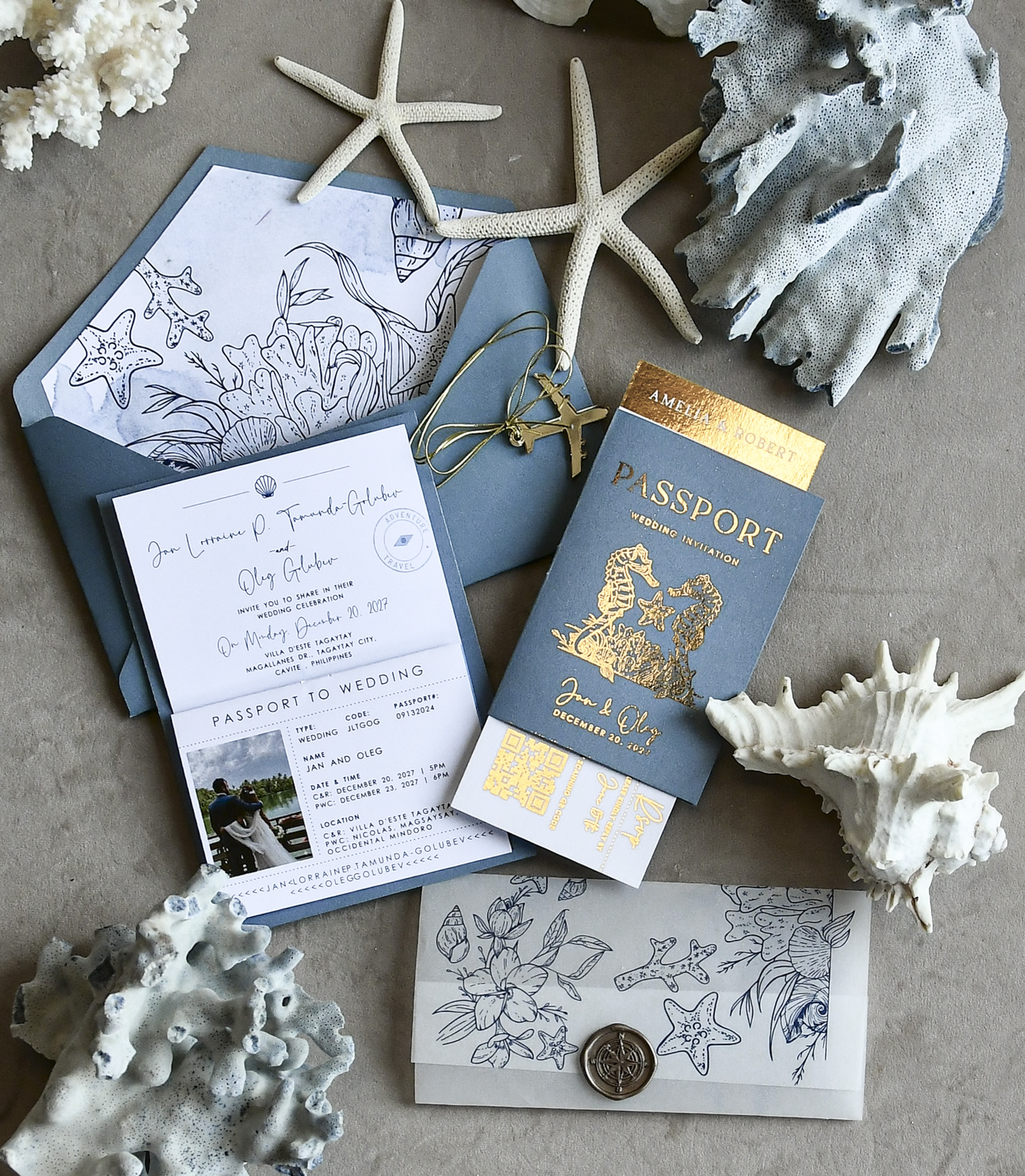
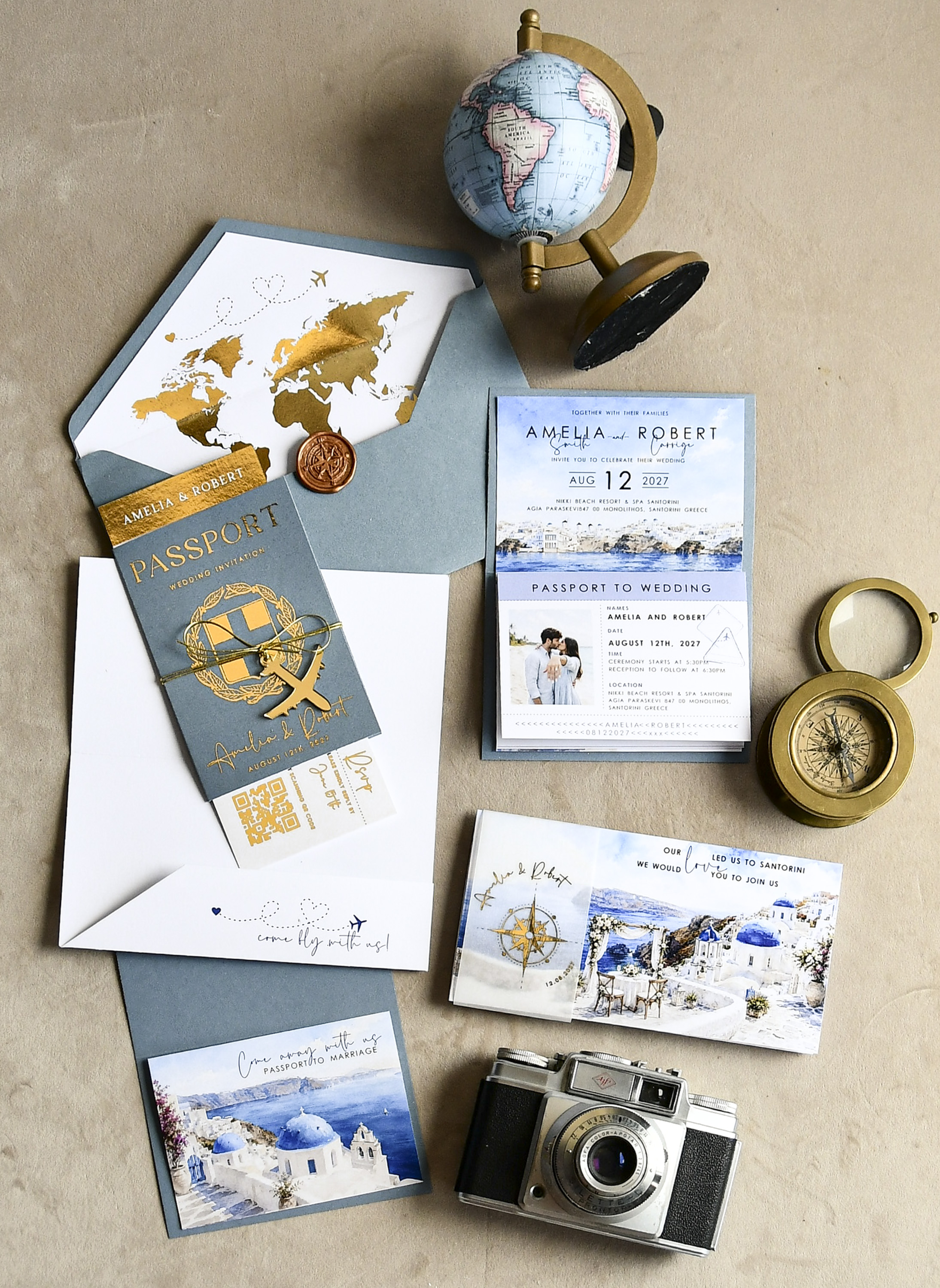
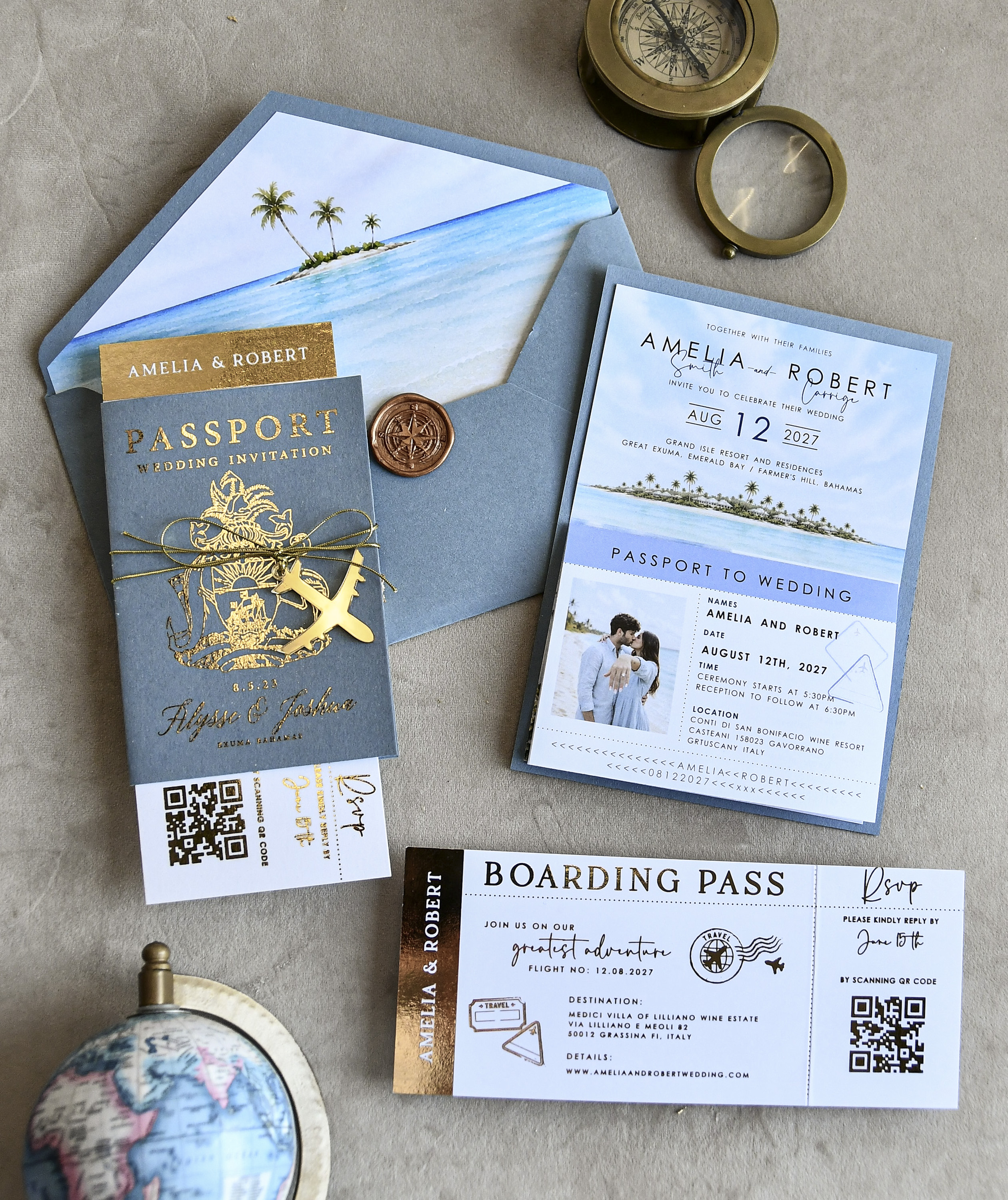
Timing matters too. Once you've mailed your invitations—like the beautifully designed beach-destination passport invites from the Passport to Love collection—word travels fast. People notice when mutual friends receive invites and they don't. Getting ahead of it feels awkward in the moment but almost always preserves the friendship better than silence does.
When Someone Pushes Back or Gets Upset
Sometimes a simple explanation isn't enough, and the person expresses genuine hurt or even anger. Here's how to handle escalation without caving or getting defensive:
- Acknowledge, don't argue. "I completely understand why that stings, and I'm sorry you're hurting" is more powerful than any justification.
- Hold the line calmly. You don't owe anyone an invitation. Repeating your reasoning once is enough—you don't need to keep defending it.
- Offer something genuine. If you truly value the relationship, suggest celebrating together another time: a dinner, a drinks night, or sharing photos after the wedding. Only offer this if you mean it.
If someone gives you an ultimatum or becomes hostile, that's a reflection of their boundaries, not a failure on your part. Stay kind, stay firm, and give them space to process.
Use Your Invitation Design to Set the Tone Early
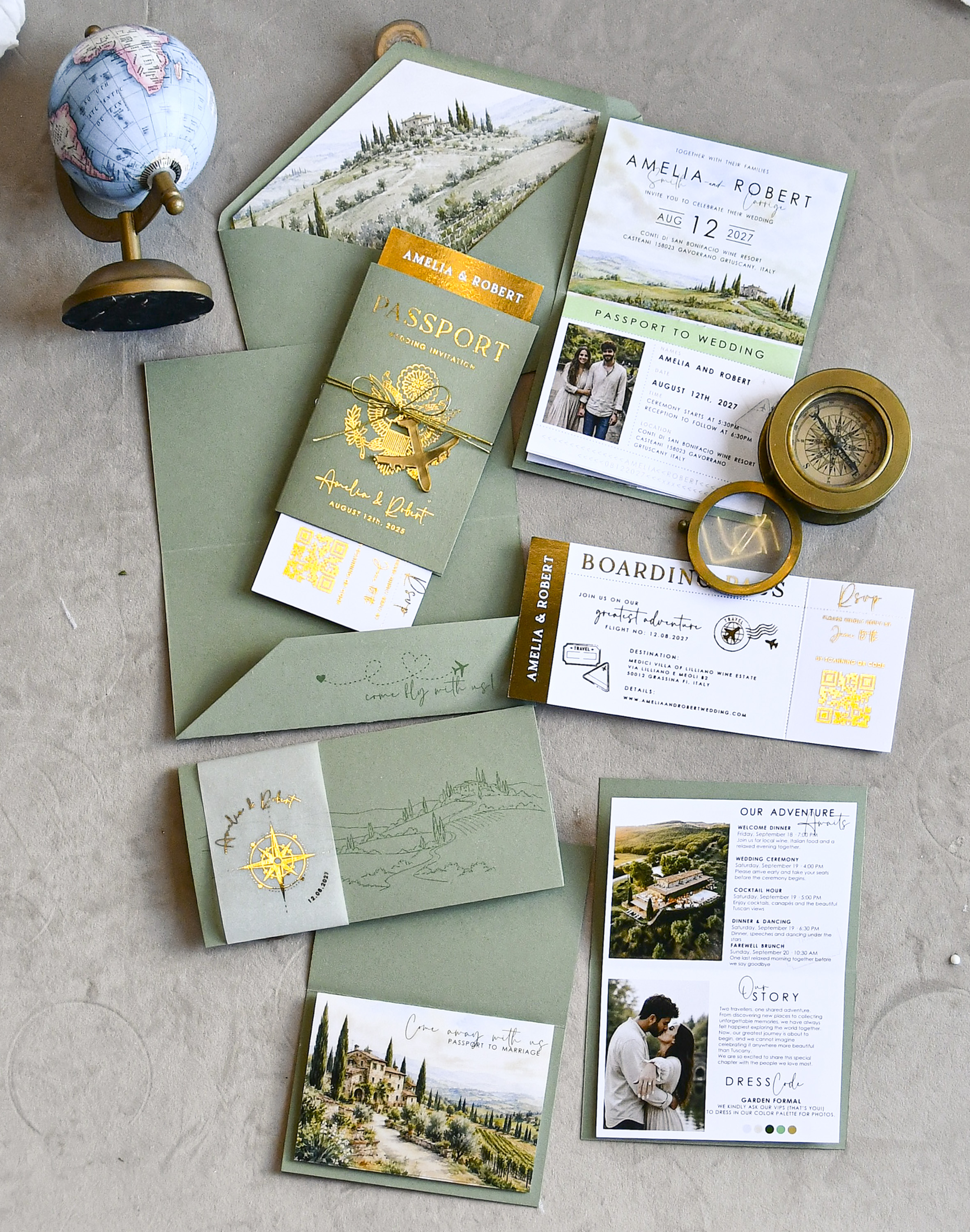
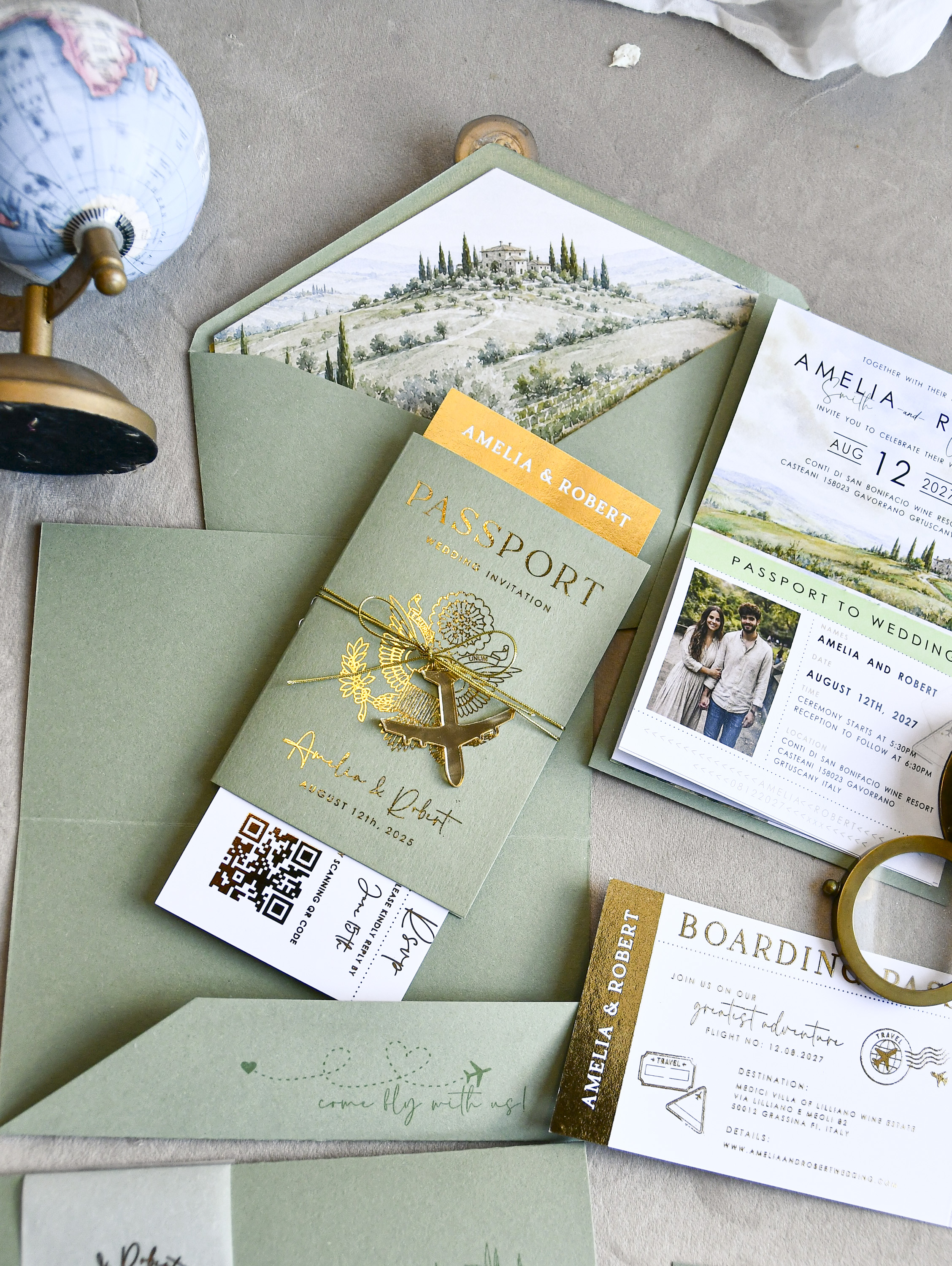
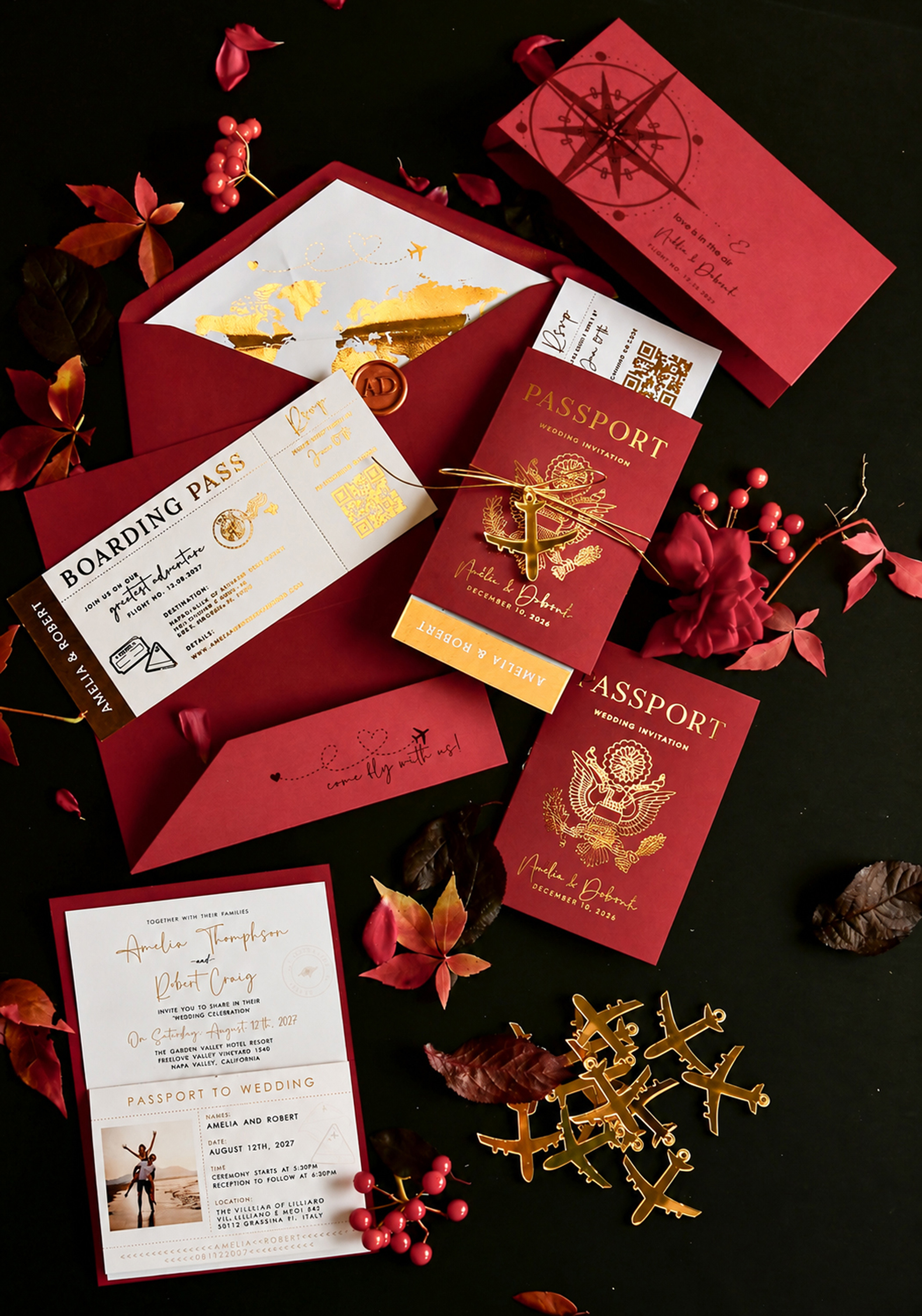
One underrated way to soften the guest list conversation is letting your invitation itself communicate the vibe. A destination-style or beach wedding invite—like those in the Passport to Love collection, starting at just $8.00—signals immediately that this is a specific, intentional event with a particular atmosphere. When people see a passport-style invite, they understand intuitively that the wedding has a defined theme and likely a curated guest experience. It reframes the conversation from "why wasn't I included" to "oh, this is clearly a special, intimate trip."
The design choices you make send a message before a single word is spoken. Lean into that.
Frequently Asked Questions
No—you're not obligated to give a detailed explanation to every person who asks. A brief, warm response that acknowledges their feelings and names a general reason (venue size, budget, intimate gathering) is more than enough. You don't owe anyone a seat-by-seat accounting of your wedding.
Not necessarily. Reciprocal invitations are a kindness, not a contract. If your guest list is genuinely constrained by budget or venue capacity, it's okay to explain that warmly and move on. Most people understand when the reasoning is honest.
Gently remind them that your guest list reflects your relationships, not theirs. You can acknowledge that it's disappointing without changing your decision. Staying consistent and kind is the most effective approach.
It's not rude, but it's worth being thoughtful about timing. Waiting until after the wedding day to post widely gives uninvited friends a little buffer. Most people are genuinely happy for couples once the day has passed and the initial sting has faded.
Keep it simple and professional: "We kept it to close friends and family—it was a really small wedding." You don't need to elaborate beyond that at work. Avoid discussing guest list details with colleagues who were invited, which prevents unnecessary comparisons.
Yes, and this is a common solution for couples with a small ceremony venue. Be upfront about the structure when you invite them—"We're having a small ceremony, but we'd love for you to join us at the reception" lands much better than letting them discover the distinction on their own.
See This Design Up Close
You May Also Like
More Wedding Planning Guides
- → Handling Last-Minute RSVP Changes: What Couples Need to Know
- → Who Actually Pays When the Guest List Grows?
- → When Kids Deserve Their Own Wedding Invitation: An Age-by-Age Guide
- → Navigating Stepparent Wedding Invitations: A Practical Guide
- → Your Aunt Remarried: Should Her New Husband Be on the Guest List?
- → How to Kindly Let Guests Know Your Wedding Is Adults-Only or Strictly RSVPed
- → The Graceful Art of Trimming Your Wedding Guest List
- → Inviting New Partners to Your Wedding: A Practical Guide for Couples
- → Uninvited Guests on the RSVP Card: How to Handle Extra Names Gracefully
- → Navigating the Awkward Guest List: Should You Invite Estranged Family?
- → The Last Possible Moment to Mail Your Wedding Invitations (And How to Stay on Track)
- → The Complete Guide to Addressing Wedding Invitations Like a Pro
- → Cousins and the Guest List: What You're Actually Obligated to Do
- → When a Family Member Threatens to Skip Your Wedding Over the Guest List
- → Uninvited Plus-Ones and Tag-Alongs: How to Keep Your Guest List Intact
- → When Family Feuds Threaten Your Wedding Plans: A Practical Peacekeeper's Guide
- → Inviting an Estranged Brother or Sister: Finding Clarity Before You Seal the Envelope
- → Cousins, Invites, and Hard Choices: A Practical Guest List Guide