
Inviting Your Boss and Coworkers to Your Wedding: What You Actually Need to Know

Your guest list is one of the first real tests of wedding planning, and the work question almost always comes up: Do you invite your boss? What about your work friends? What if you like some colleagues but not others? There's no single right answer, but there are clear principles that make the decision a lot easier. Here's how to think it through without the stress.
Start With Your Real Relationship, Not Your Job Title
The most important rule is simple: invite people you genuinely want there, not people you feel obligated to include because of their professional rank. Your boss being your boss is not a reason to send an invitation. Ask yourself honestly — would you grab coffee or dinner with this person outside of work? Do you talk about life beyond the office? If yes, they probably belong on your list. If your relationship is purely transactional, an invitation can actually create more awkwardness than leaving them off.
The same logic applies to coworkers. Your work best friend who has heard every detail of your engagement? Absolutely invite them. The colleague you nod to in the hallway? Probably not. Wedding invitations are personal, not professional courtesies.
The All-or-None Rule for Teams and Departments
Here's where things get politically tricky. If you work closely with a small team of four or five people, inviting two and leaving out three can make Monday morning uncomfortable for everyone. In tight-knit teams or open-plan offices, word travels fast. A useful guideline: if you're inviting more than half a department or team, strongly consider inviting the whole group to avoid hurt feelings.
On the flip side, if you're only close with one or two people in a large department of twenty, it's completely reasonable to invite just those individuals. The gap is wide enough that exclusion doesn't feel personal. Use your judgment based on how much overlap and daily interaction exists among the group.
How to Handle the Boss Question Specifically
Inviting your direct manager deserves its own consideration because the power dynamic is real. If you invite your boss and they attend, be thoughtful — they'll be mingling with your family and friends in a personal setting, which can feel like blending two very separate worlds. Some couples love this; others find it changes how they relax on their wedding day.
If you decide not to invite your boss, you don't owe a lengthy explanation. A simple, warm comment like "We're keeping it to close family and friends" is completely acceptable and true in spirit. Most managers understand that weddings have budget and venue constraints. What you want to avoid is making promises you don't keep — don't say "small wedding" and then invite half the office.
Budget and Venue Size Are Your Best Excuses (and They're Real Ones)
Guest list decisions are almost always shaped by capacity and cost, and that's not something to be embarrassed about. The average US wedding costs roughly $150–$300 per guest when you factor in catering, seating, and favors. Every additional coworker you add is a real line item. If you're working with a venue that holds 80 people and you have 60 family members alone, the math makes the decision for you.
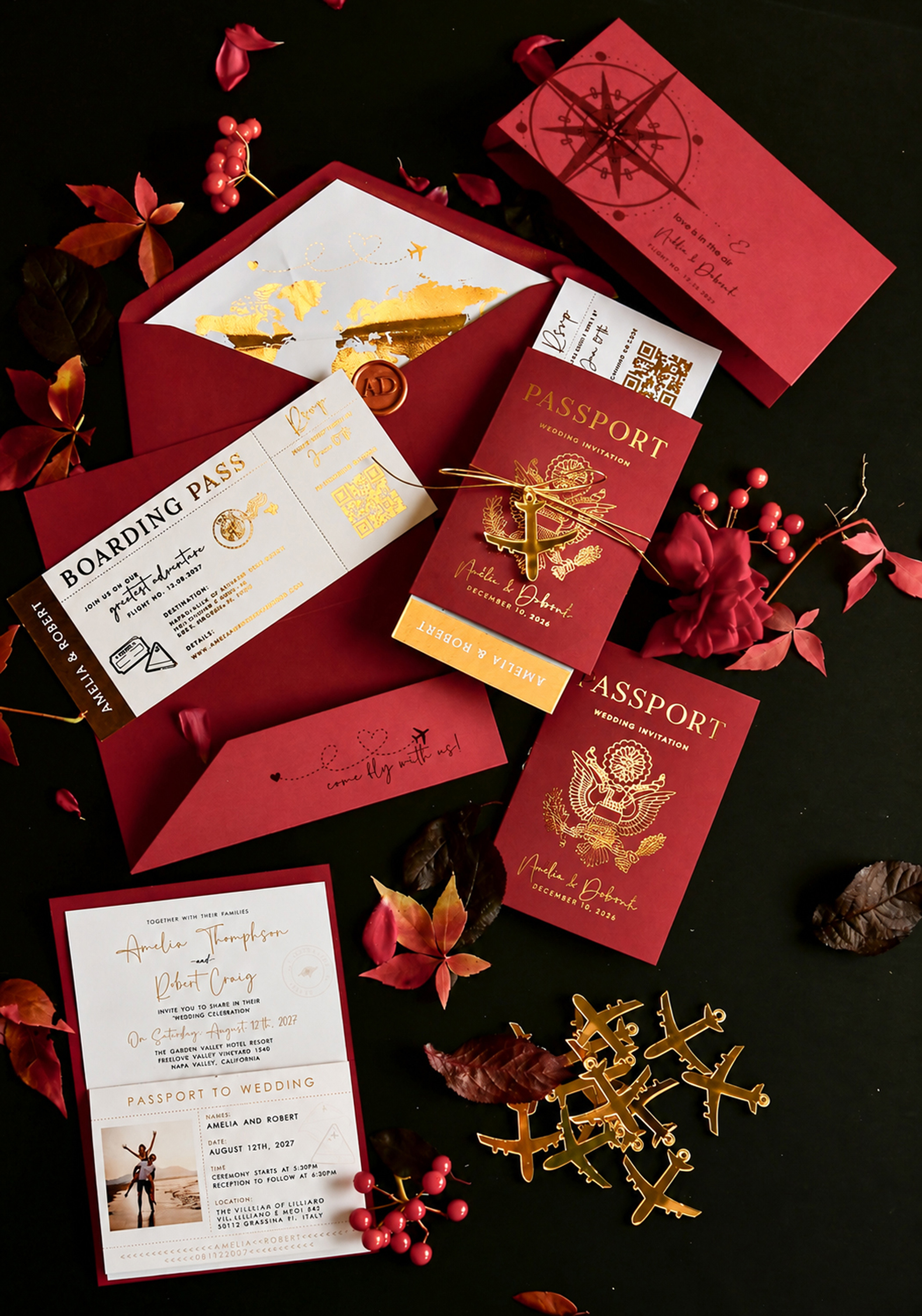
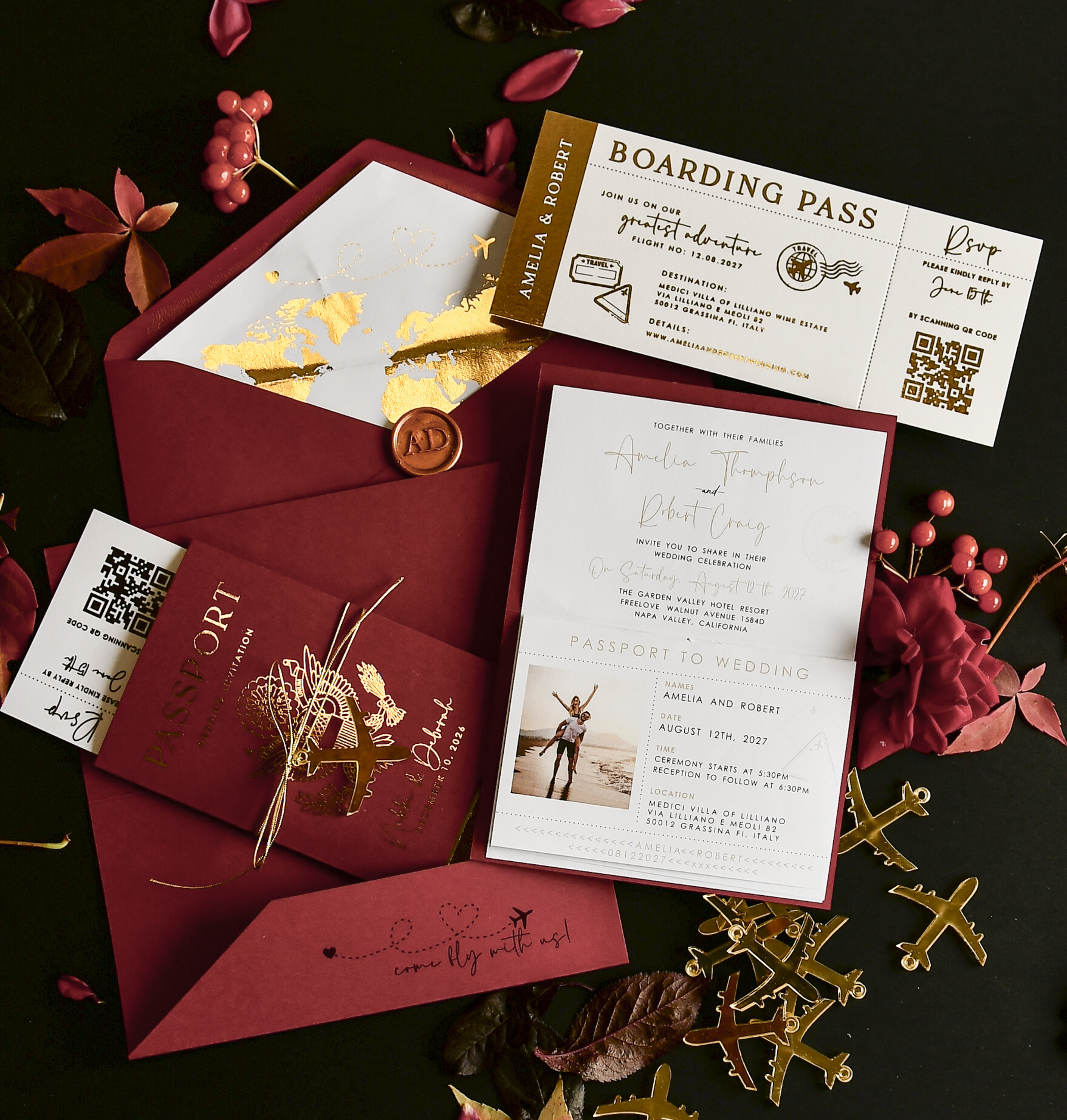
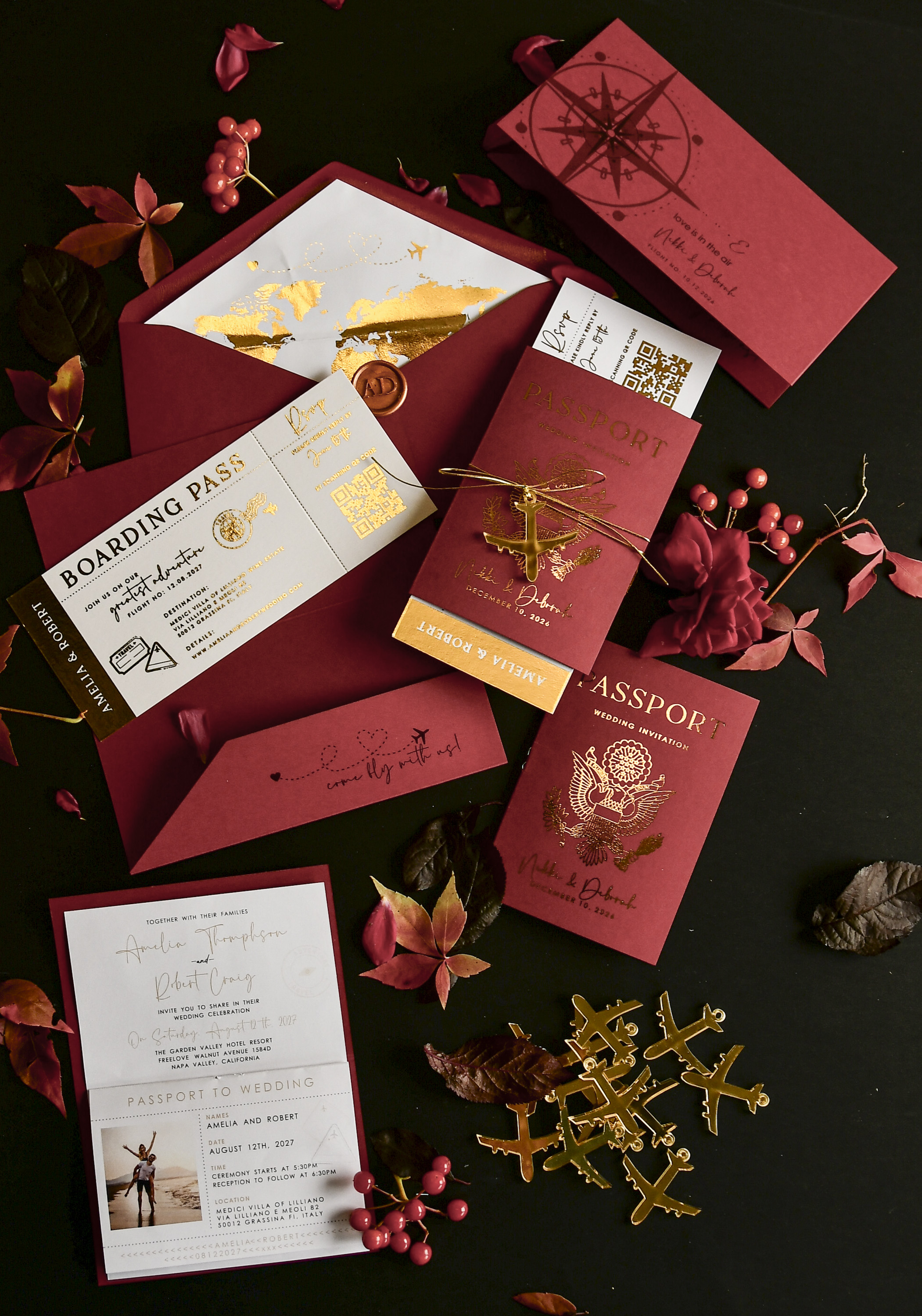
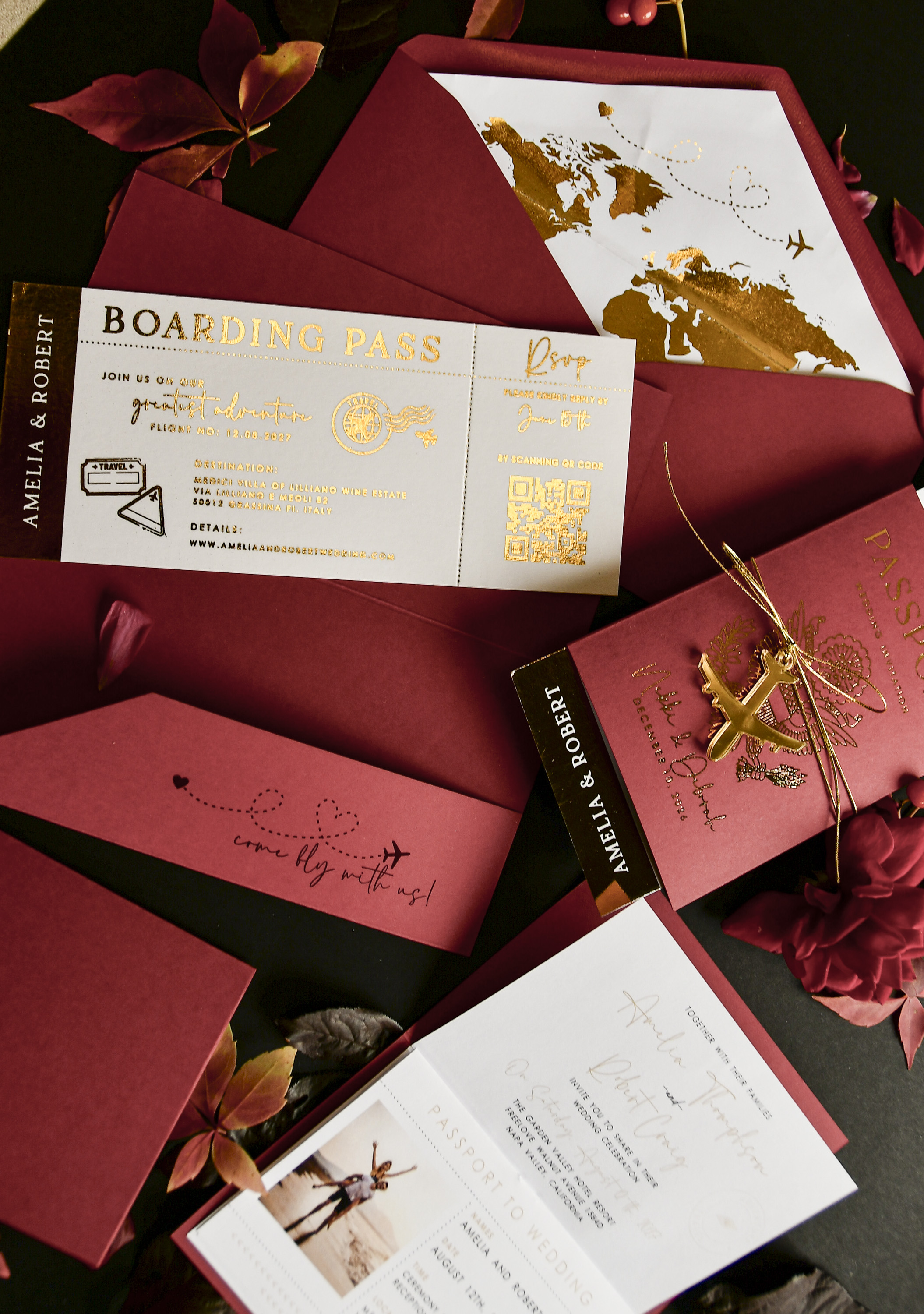
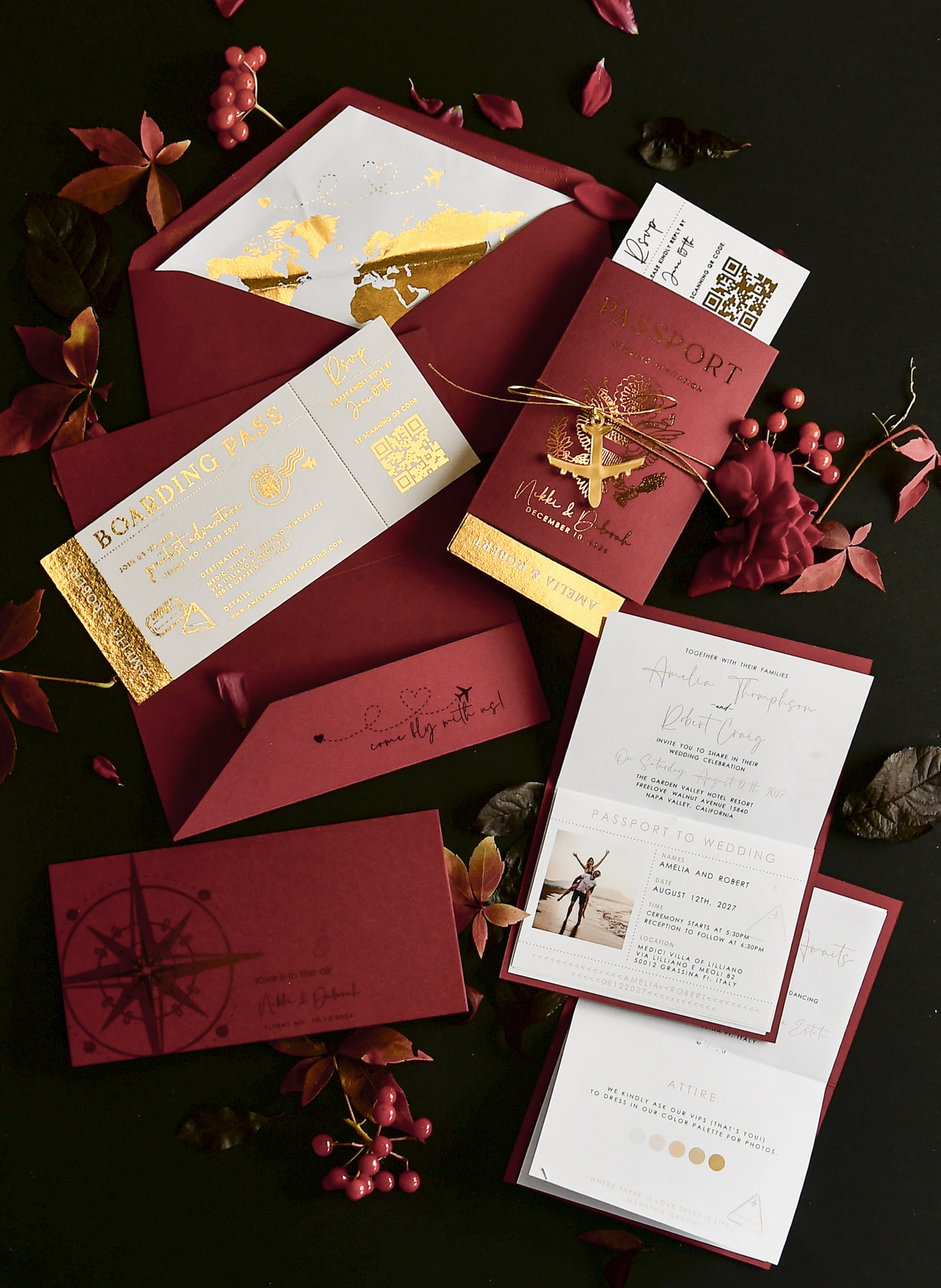
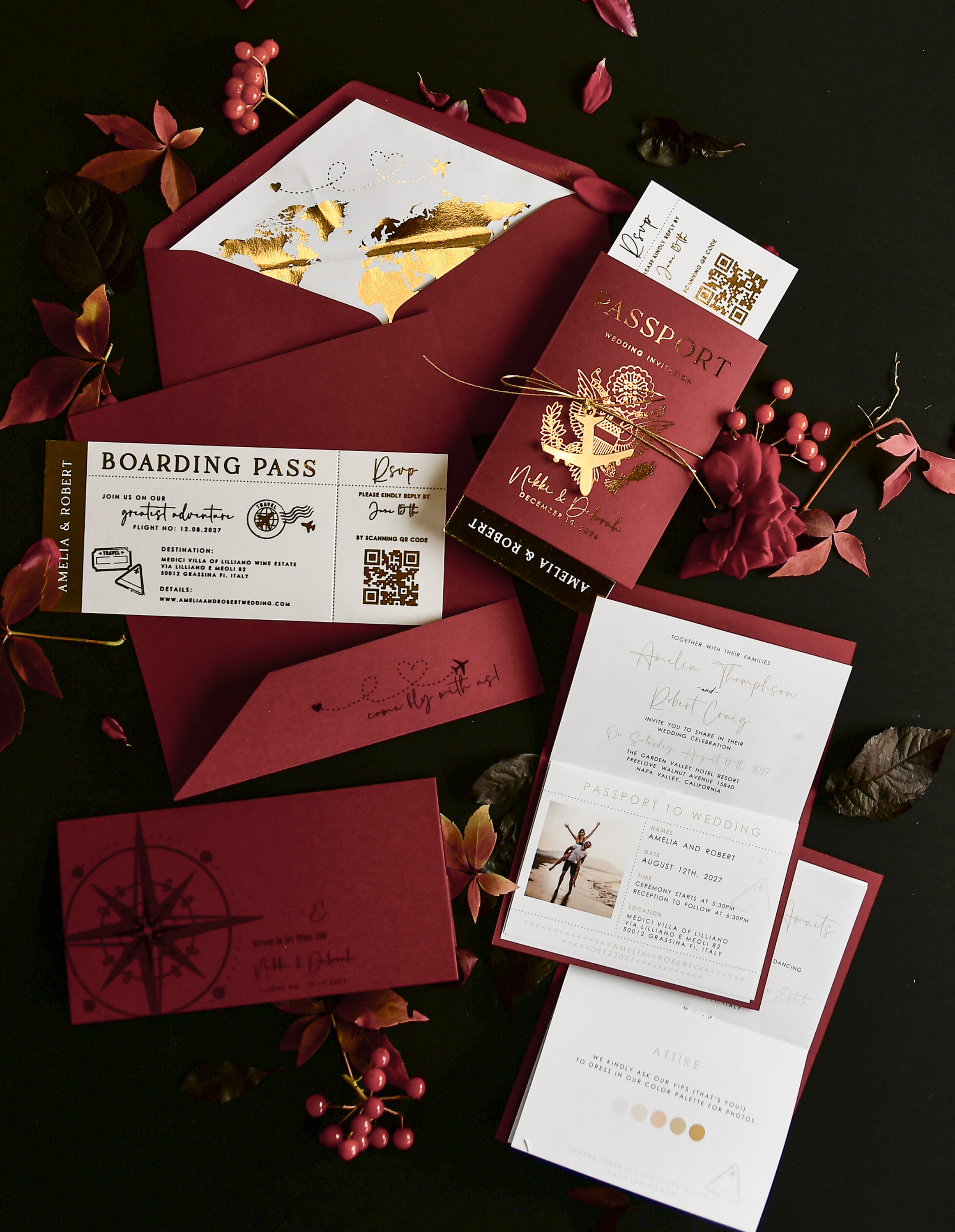
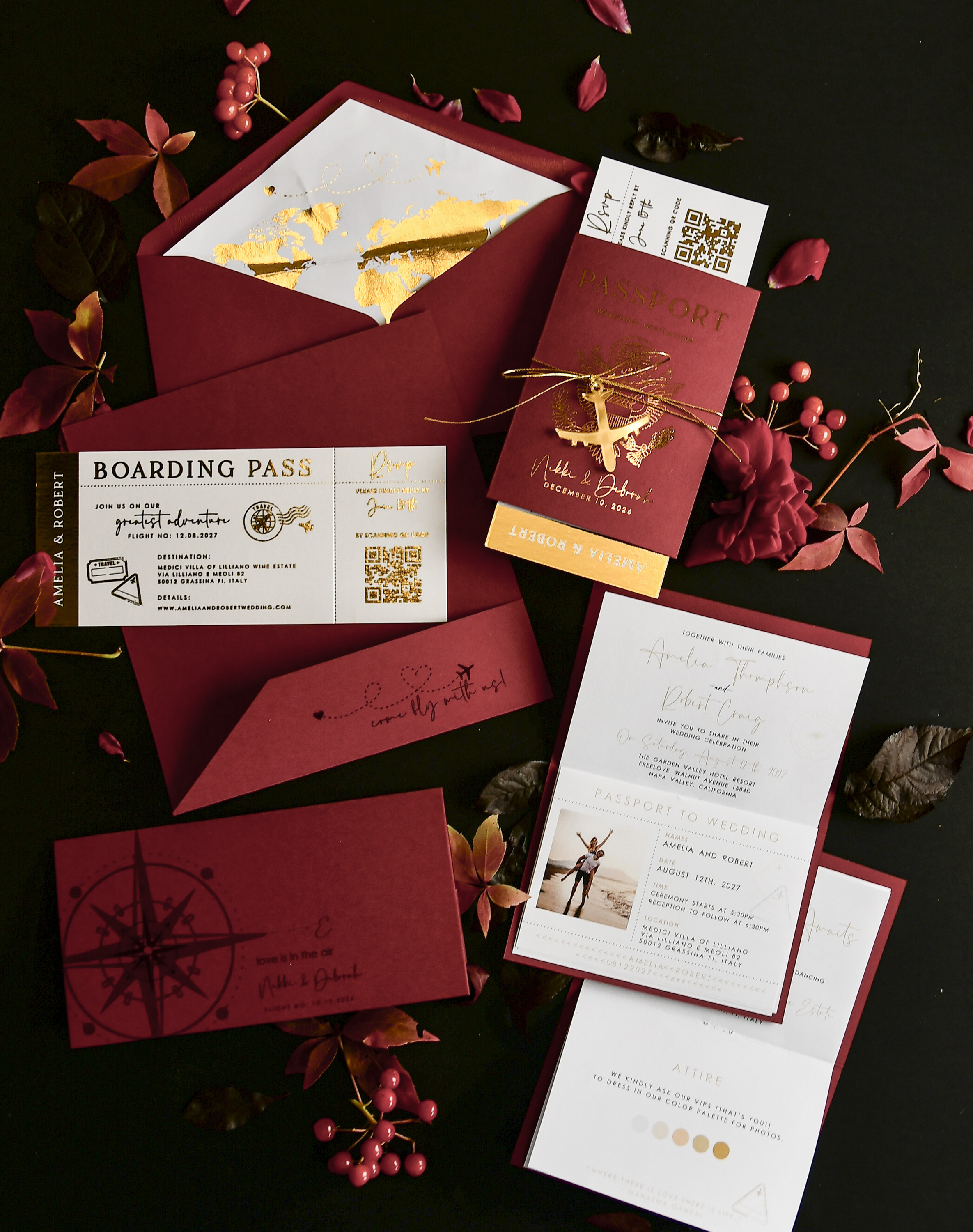
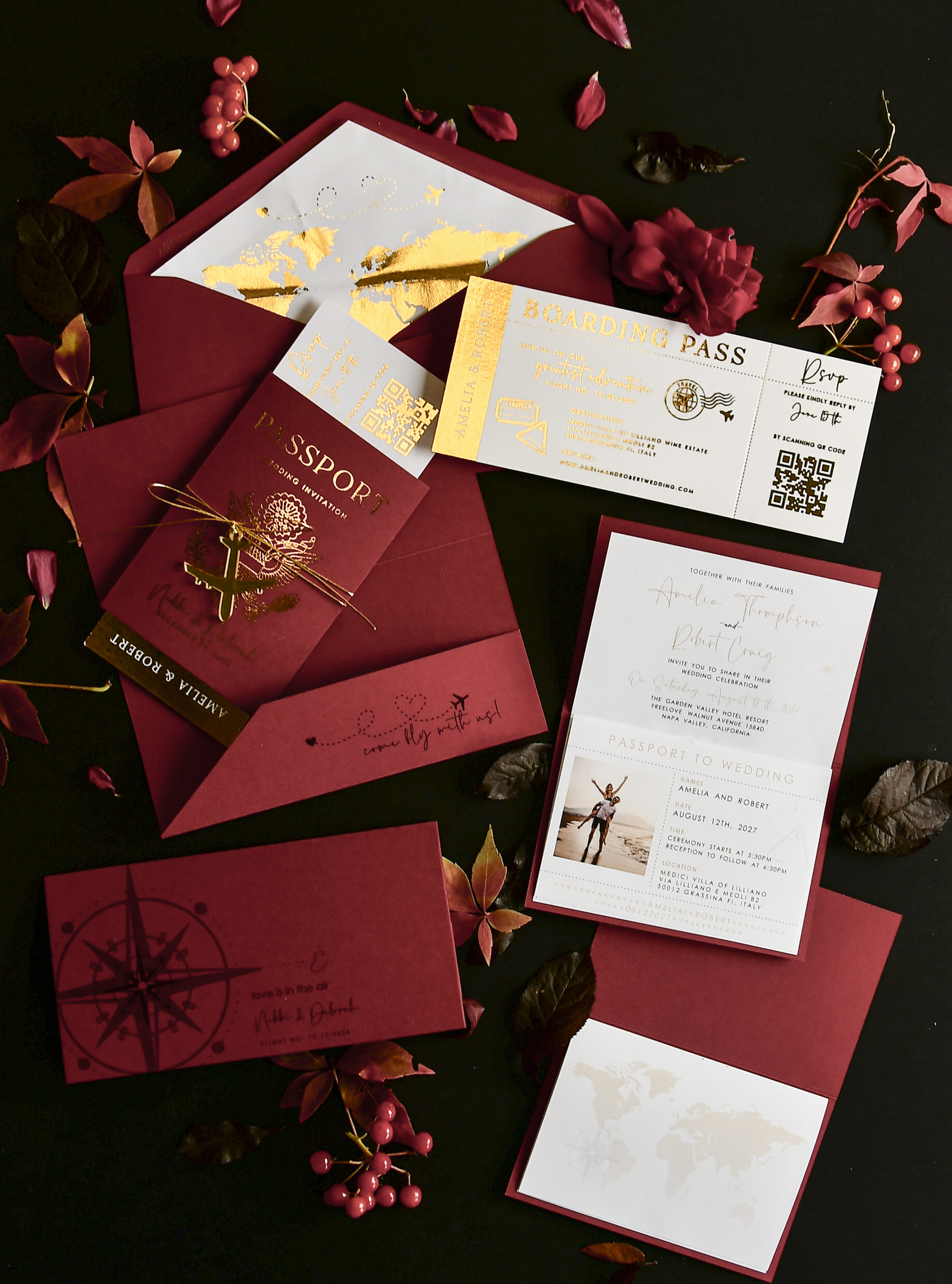
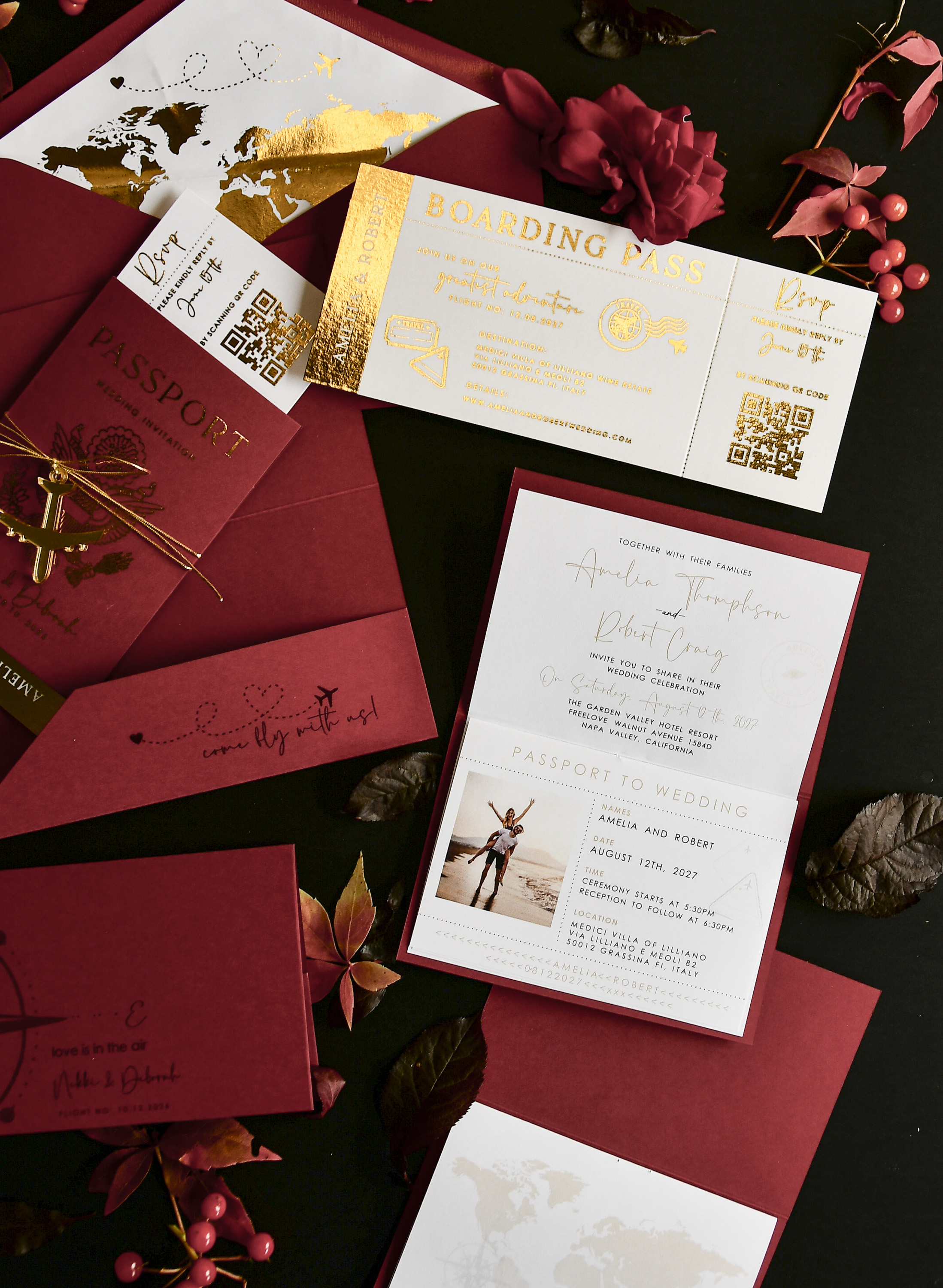
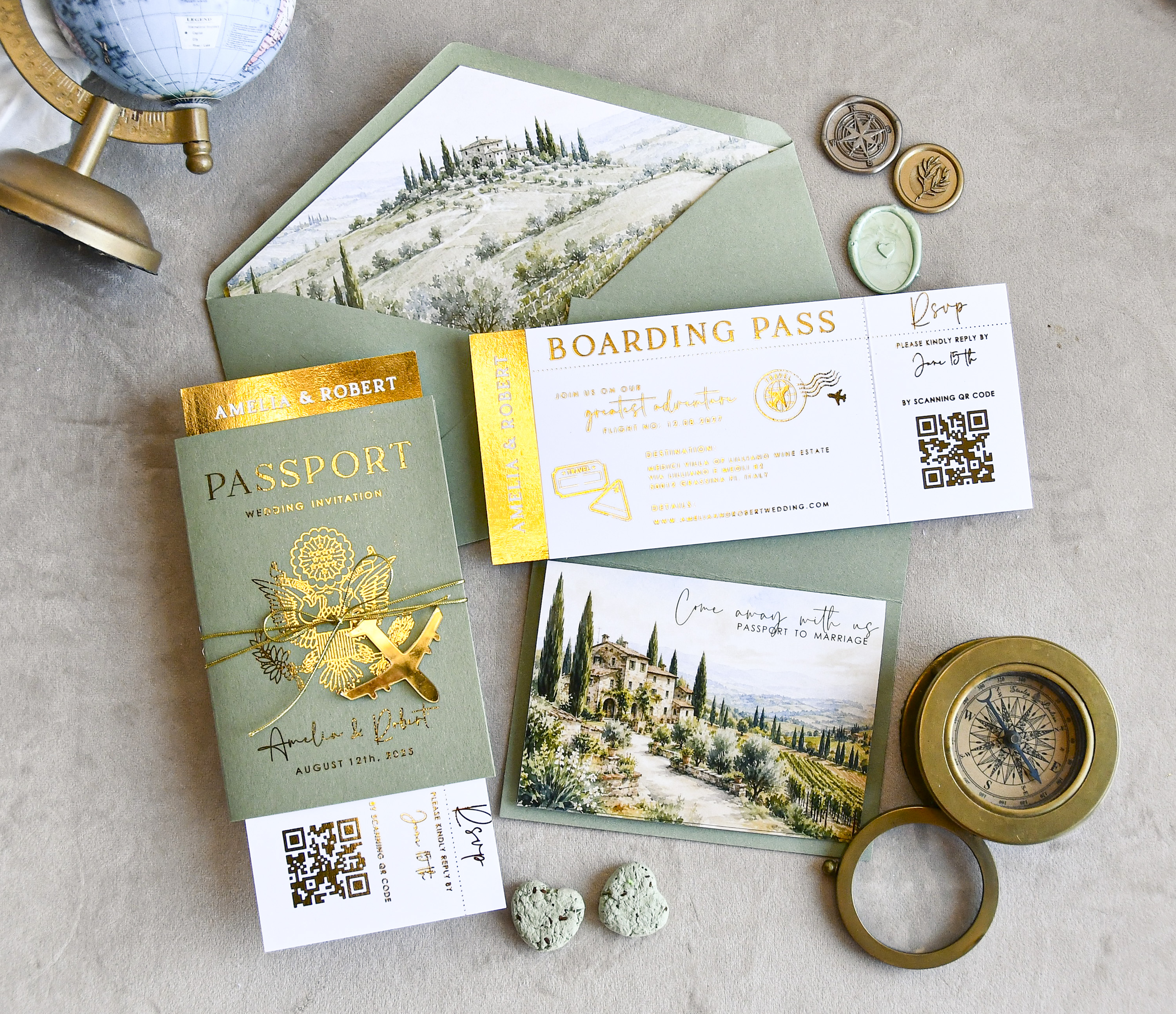
If budget is your primary constraint, lean into beautifully designed invitations that signal the intimacy of the event. Our 14/passFG/z passport-style beach wedding invitations are a perfect example — a polished, destination-inspired design that sets a warm, intentional tone for the guests who do make the cut, starting from just $8.00.
What to Do After the Wedding With People You Didn't Invite
If you didn't invite coworkers to your wedding, handle the aftermath gracefully. Don't bring up wedding details constantly in the office, share every photo in group chats, or make colleagues who weren't there feel like they missed something they should have been part of. A simple, friendly "It was a beautiful day, thank you for the well-wishes" is the right register.
If someone asks directly why they weren't invited, be honest and kind: venue limits, immediate family focus, or a destination setting are all truthful and non-offensive answers. Most people will respect a clear, calm explanation far more than vague deflection. The goal is to return to normal working relationships quickly and without lingering tension.
Frequently Asked Questions
No, it is not rude. Your boss is not automatically entitled to an invitation just because of their role. As long as you're consistent and not inviting most of the office while leaving them out, keeping your wedding to personal relationships is completely appropriate.
A wedding invitation is not a social contract requiring reciprocation. You can attend their wedding warmly without feeling obligated to include them on your own guest list, especially if your circumstances (venue size, budget, intimacy level) are different.
This is an option some couples use, but proceed carefully. Ceremony-only or reception-only invitations can feel like a tiered system that signals who matters more. If you go this route, be consistent and frame it warmly in how you communicate it.
Yes, a brief and honest explanation goes a long way. Saying you're keeping it to immediate family and close friends is truthful and prevents hurt feelings. Avoid saying "small wedding" if you're actually inviting a large group from work.
Gently clarify as early as possible rather than letting the assumption grow. A kind, direct message — "We're keeping our guest list very tight, but I so appreciate your excitement" — is kinder than letting them plan around an invitation that won't come.
A quick, casual mention a few weeks before invitations go out is thoughtful, especially if you work closely together. This gives them time to arrange travel or accommodations, and it makes the arrival of a beautifully designed invitation like our <strong>14/passFG/z passport-style wedding invites</strong> feel even more special.
See This Design Up Close





You May Also Like



More Wedding Planning Guides
- → The Complete Plus One Rulebook for Your Wedding Guest List
- → When Family Feels Like Strangers: Navigating Distant Relatives on Your Guest List
- → Adults-Only Wedding: How to Let Guests Know Without the Drama
- → Ordering Wedding Invitations: The Smartest Way to Get Your Numbers Right
- → Adding More Guests to Your Wedding: Who Owes What?
- → Your Pre-Wedding Survival Guide to Family Conflict
- → What to Do When a Guest Shows Up With Someone You Didn't Invite
- → In-Laws Want to Invite Their Friends? Here's How to Handle It
- → Navigating Plus-Ones for Single Guests: A Couples' Guide to Getting It Right
- → Extra Names on Your RSVP Card: How to Respond Without the Stress
- → The Honest Guide to Including a Stepparent on Your Wedding Guest List
- → When Saying No to a Plus One Is Perfectly Okay
- → Should Kids Come to Your Wedding? How to Think It Through and Decide
- → Navigating Divorced Parent Seating at Your Wedding Reception
- → Uninvited Plus-Ones and Tag-Alongs: How to Keep Your Guest List Intact
- → When Family Feuds Threaten Your Wedding Plans: A Practical Peacekeeper's Guide
- → Inviting an Estranged Brother or Sister: Finding Clarity Before You Seal the Envelope
- → Cousins, Invites, and Hard Choices: A Practical Guest List Guide