
What to Do When a Guest Shows Up With Someone You Didn't Invite

You carefully counted every seat, balanced your budget to the last place setting, and addressed every invitation with intention — then someone walks through the door with a date you've never heard of. It happens more often than couples expect, and it can feel like a gut punch on one of the most carefully planned days of your life. The good news: there are clear, kind ways to prevent it and to handle it if it happens anyway.
Why This Happens (and Why Clear Invitations Matter)
Most uninvited guests aren't the result of bad intentions. They're the result of ambiguity. When an invitation isn't crystal clear about who is and isn't included, people fill in the blanks themselves. A guest who has been in a relationship for six months may assume their partner is welcome. A family member may decide at the last minute to bring a sibling who was left off the list.
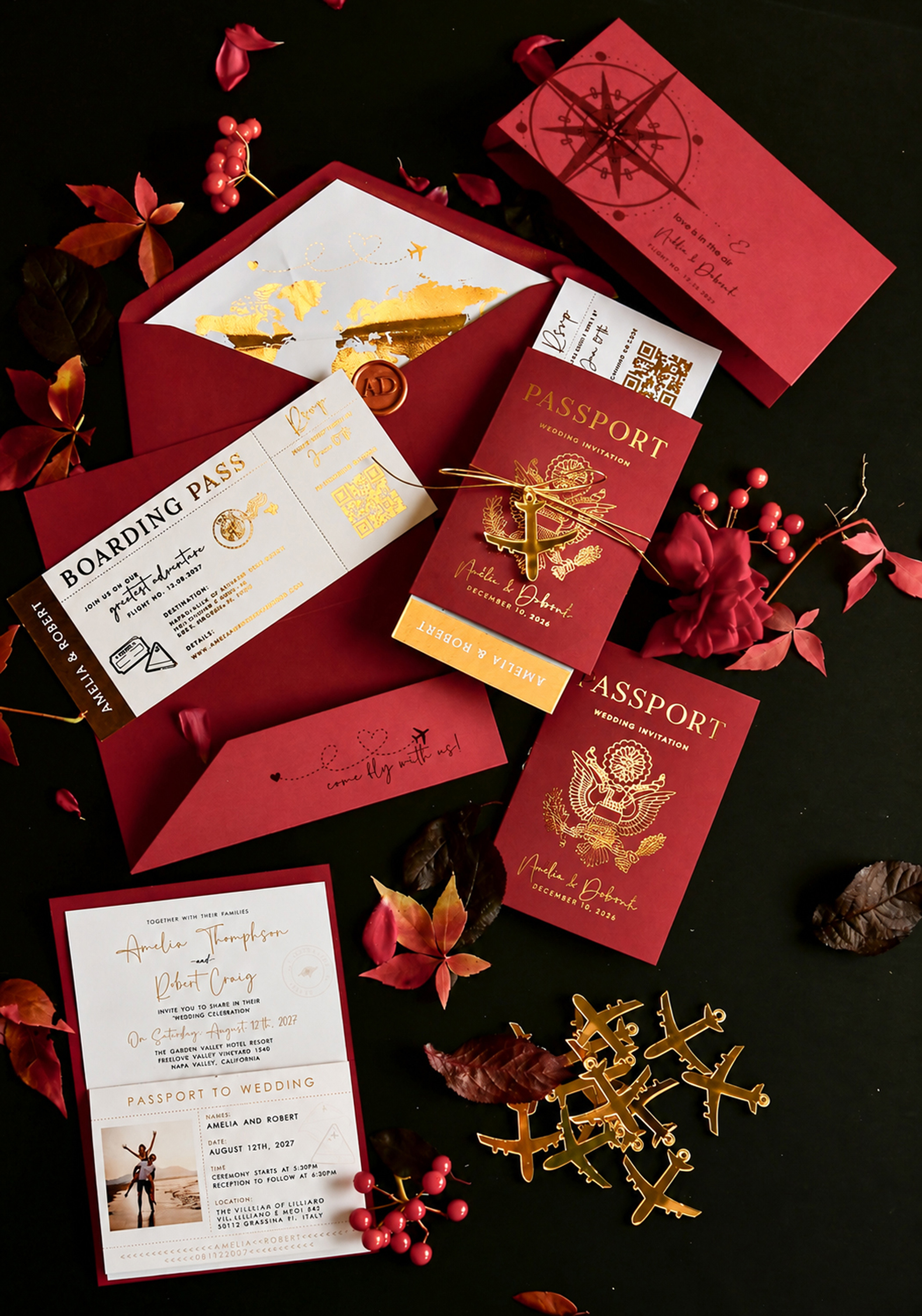
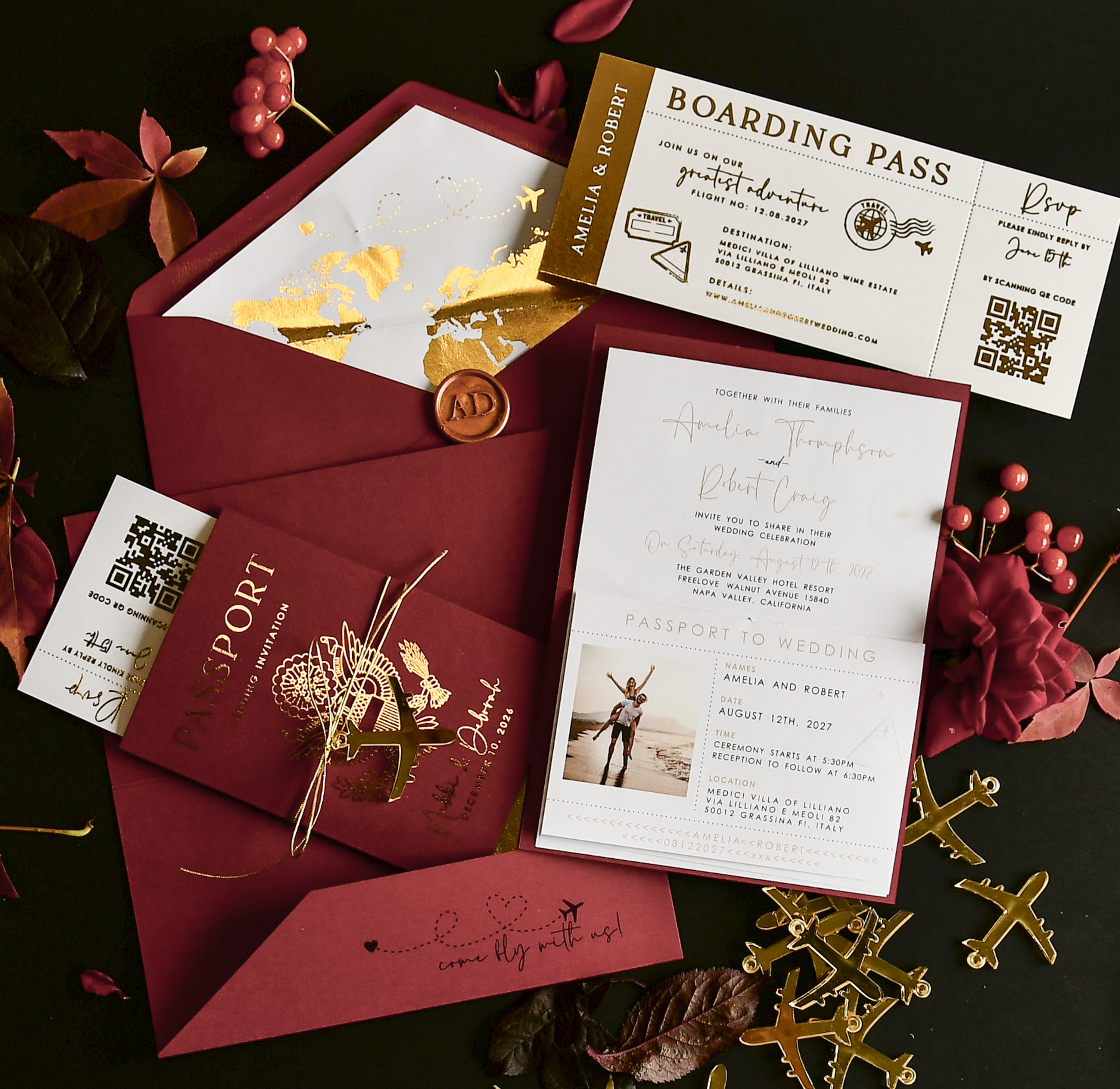
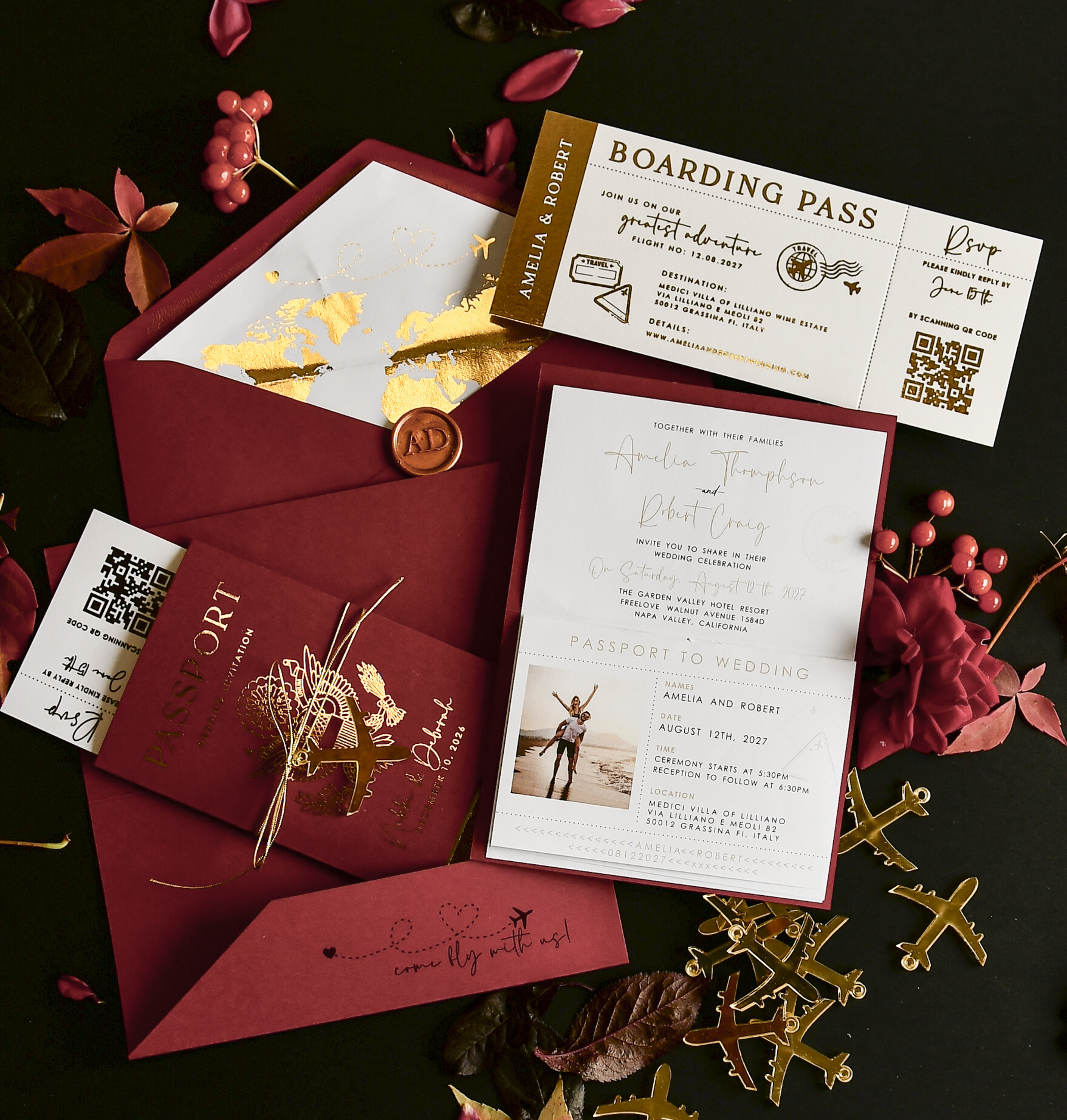
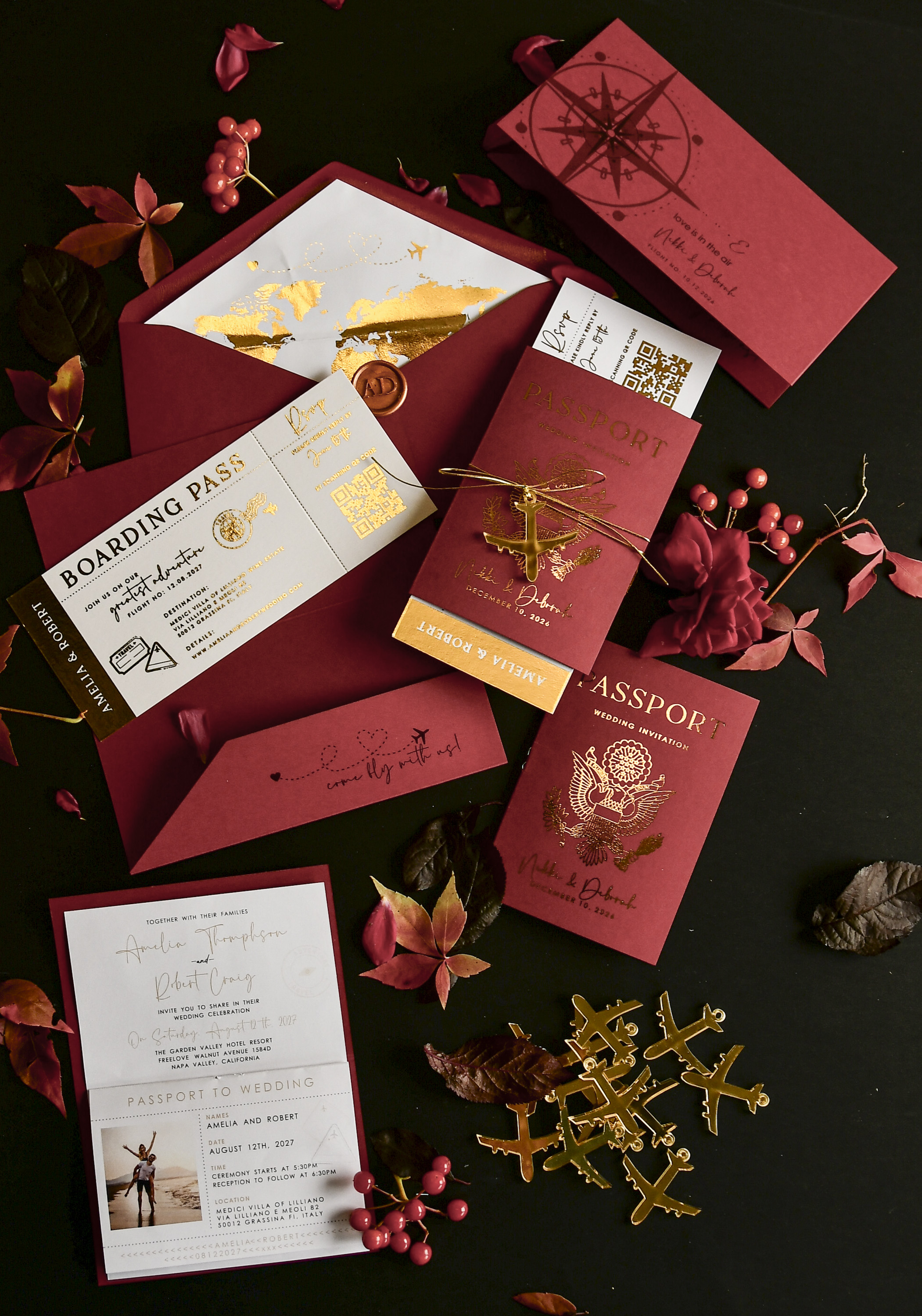
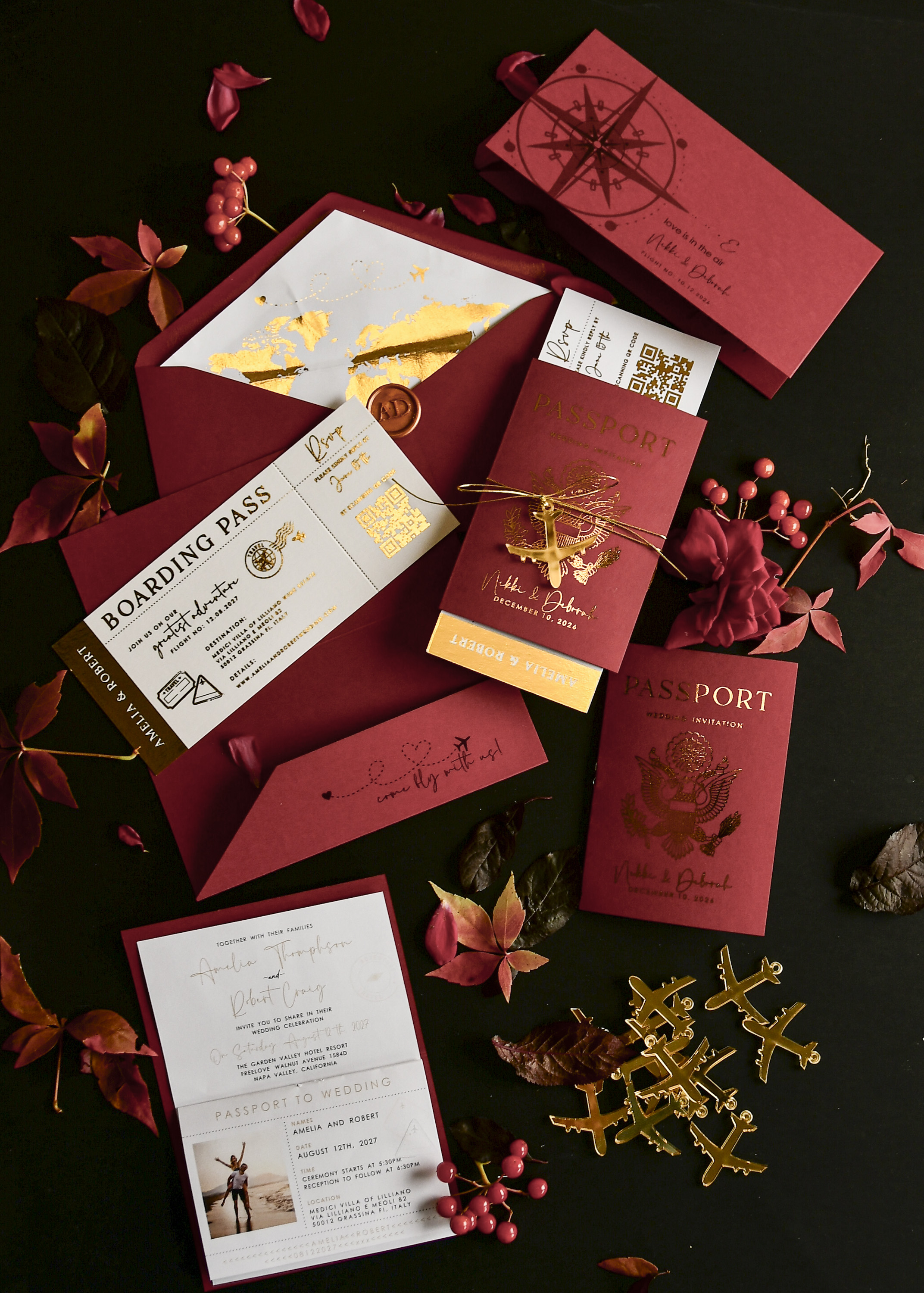
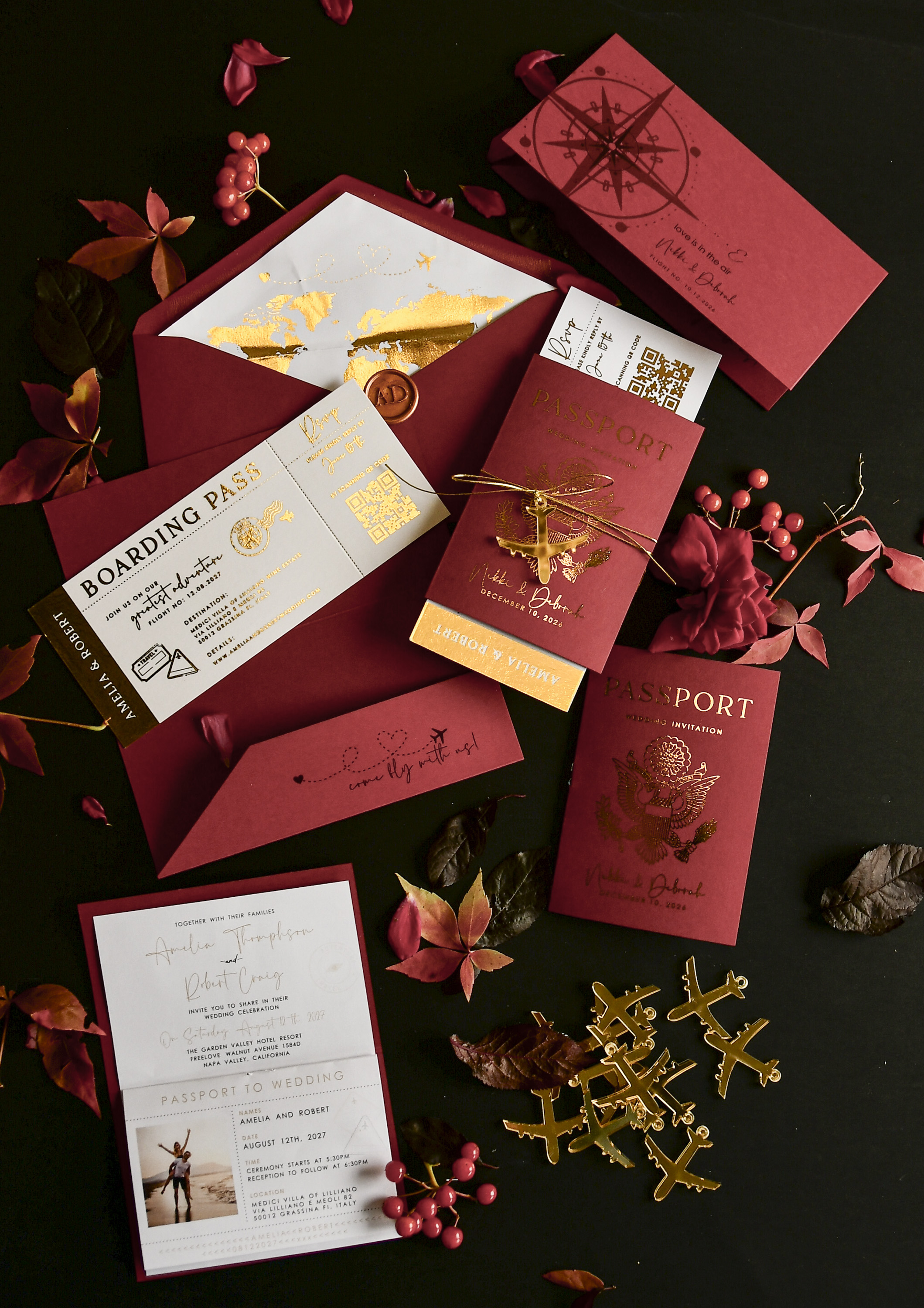
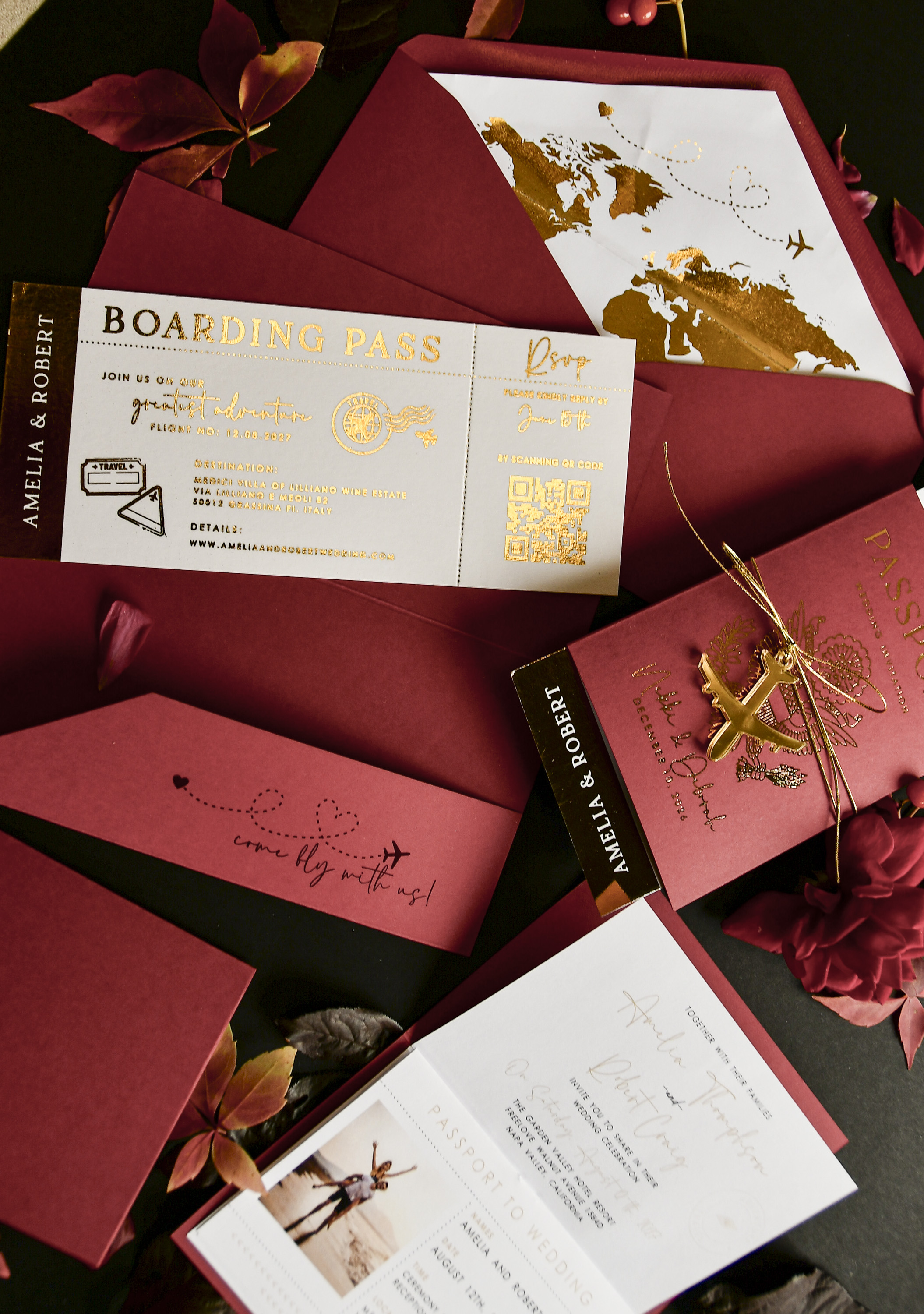
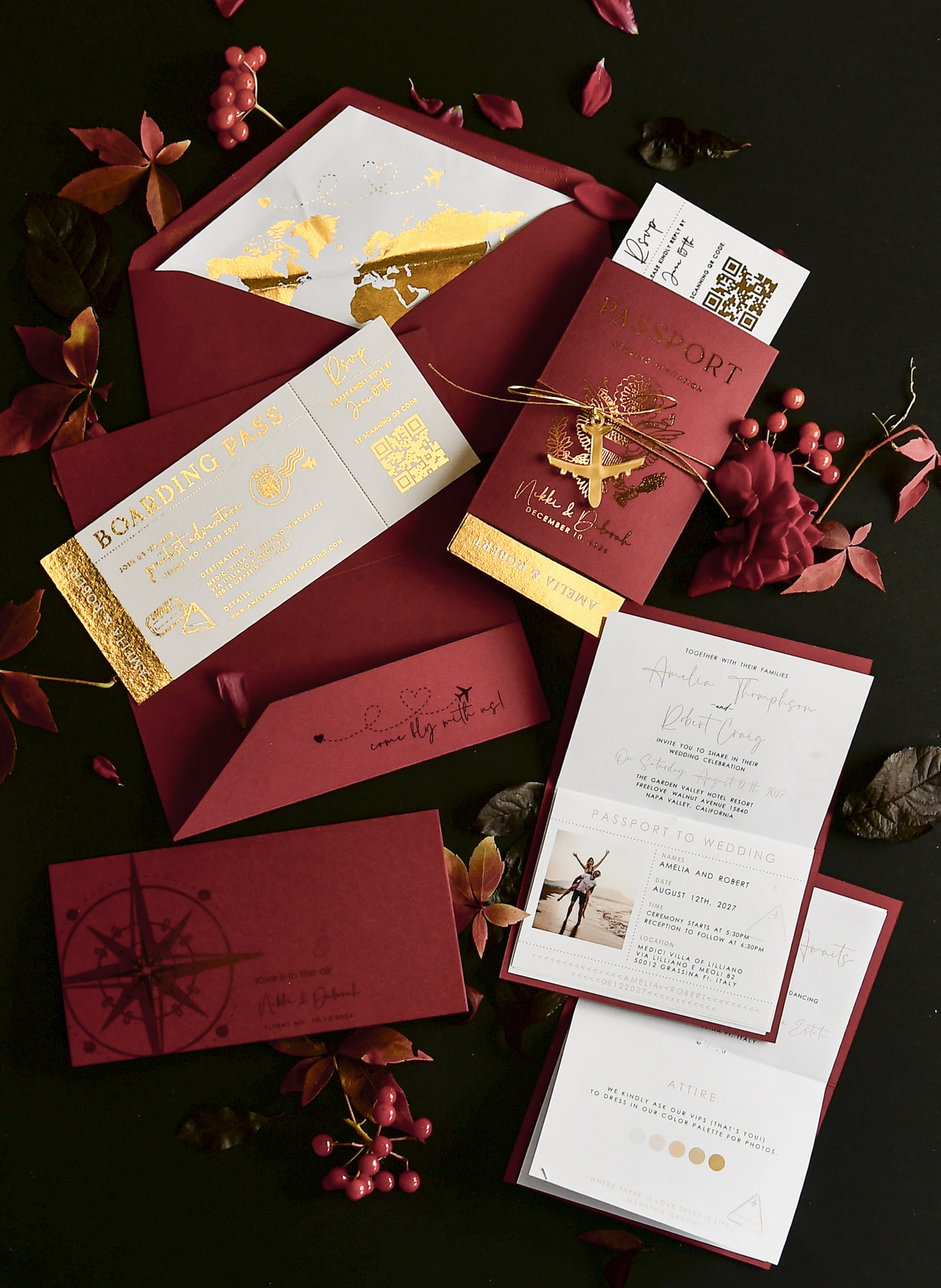
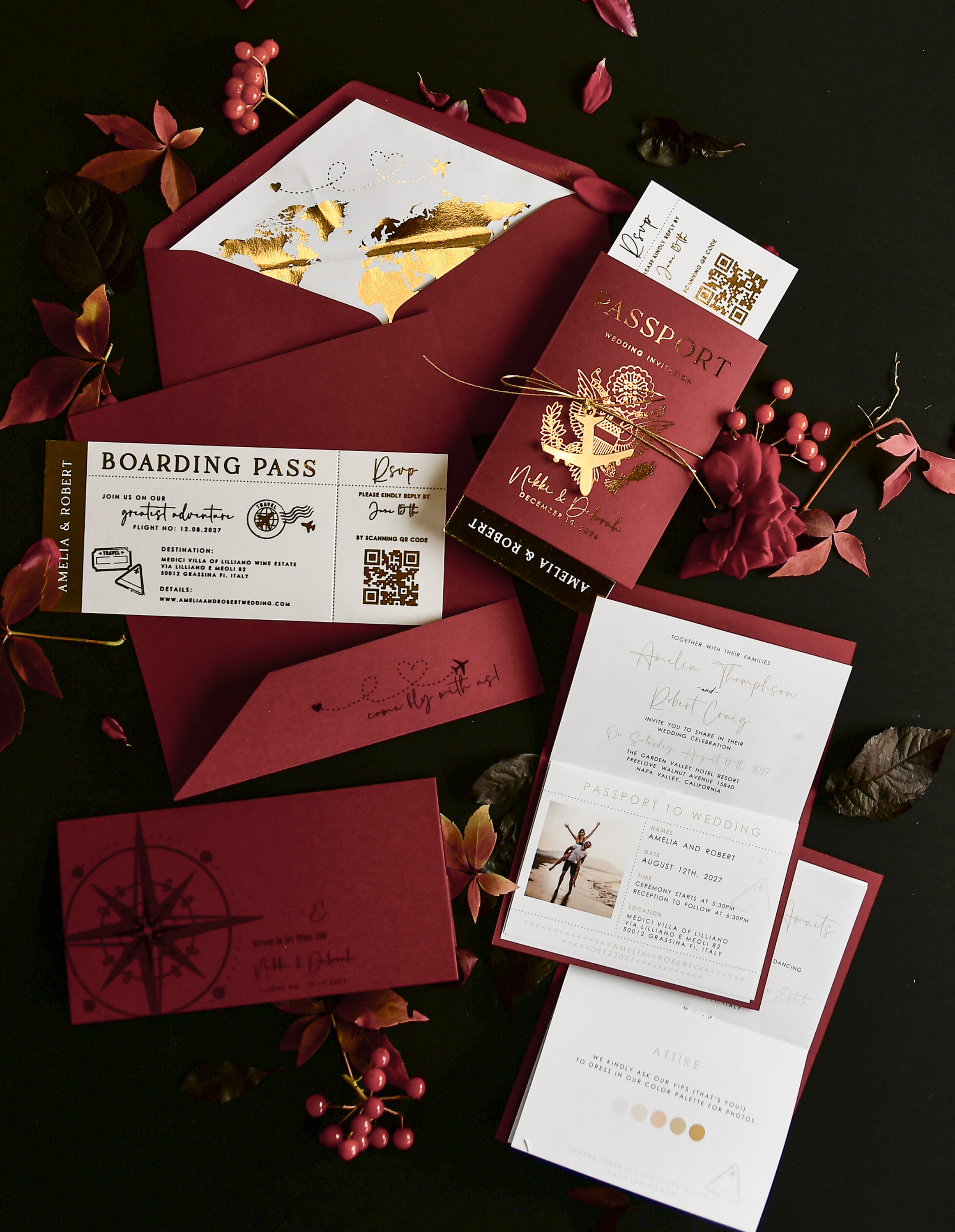
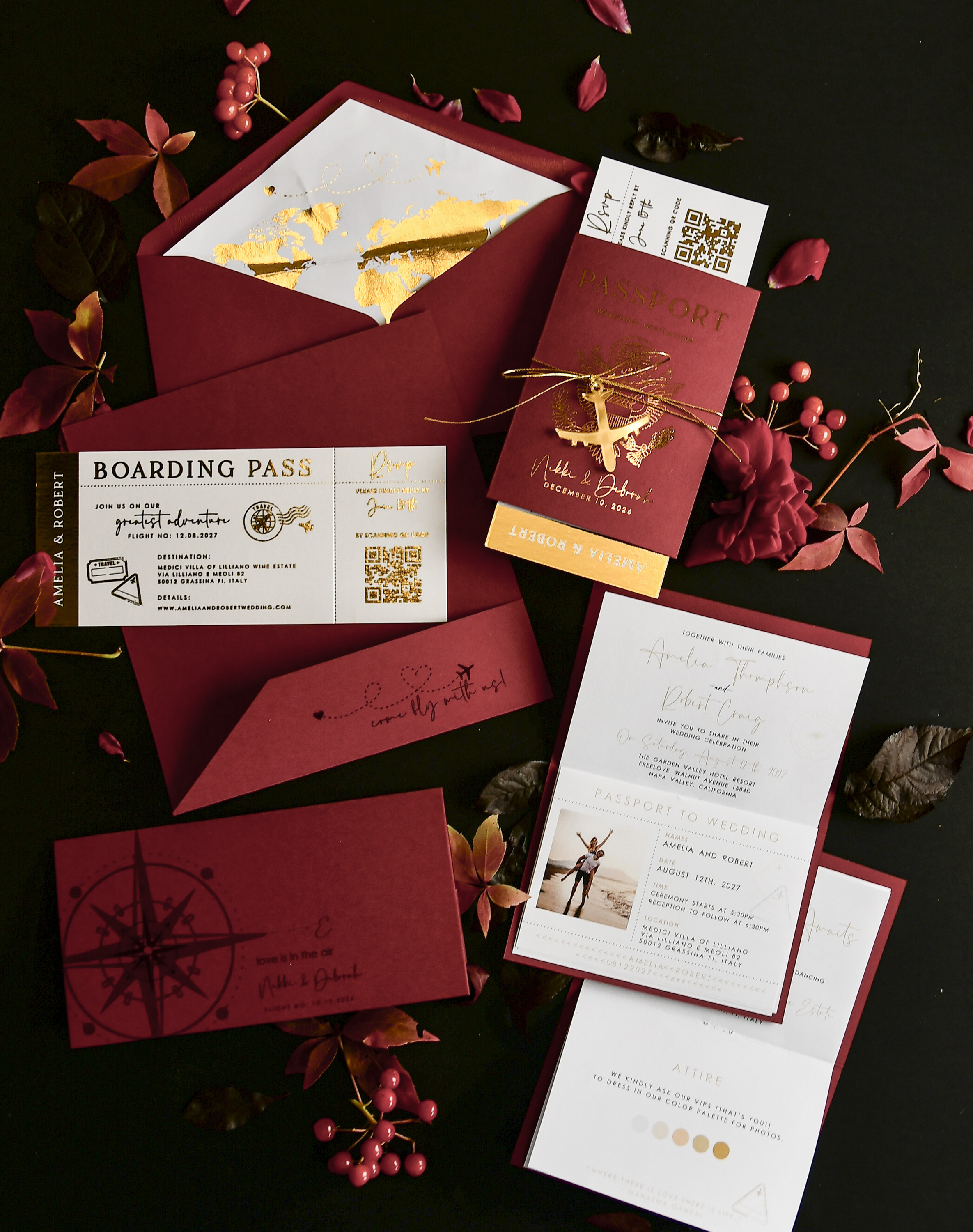
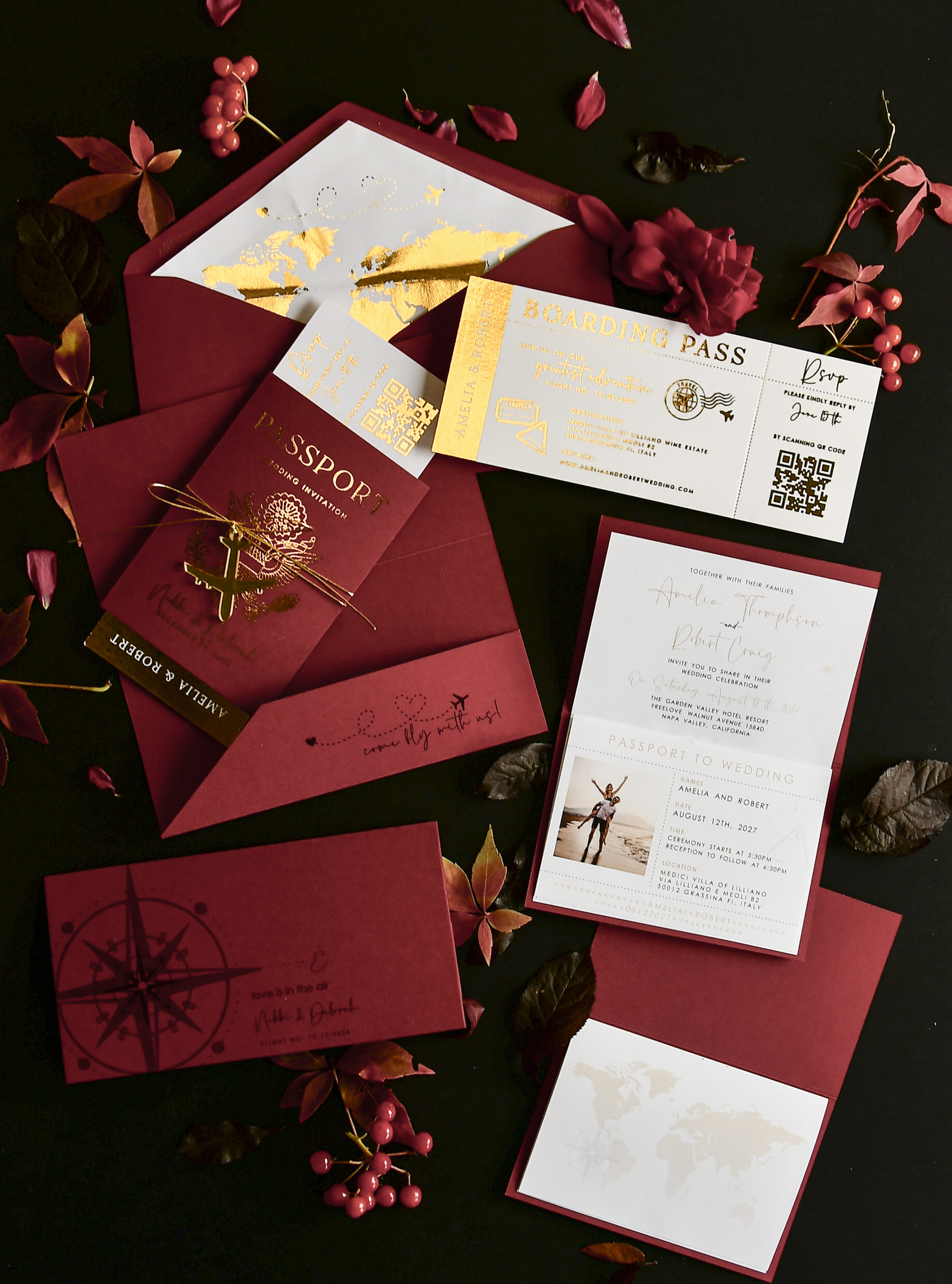
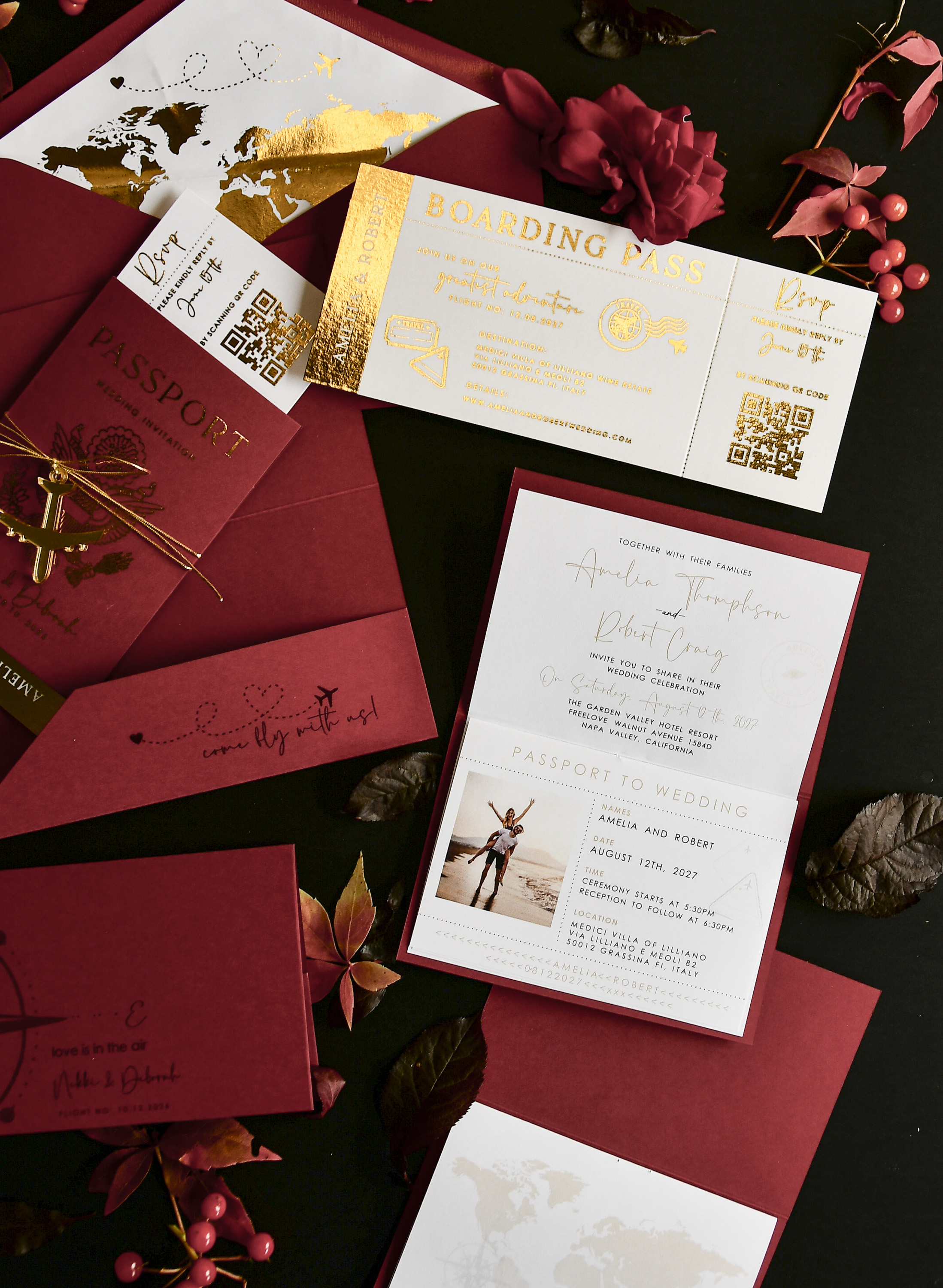
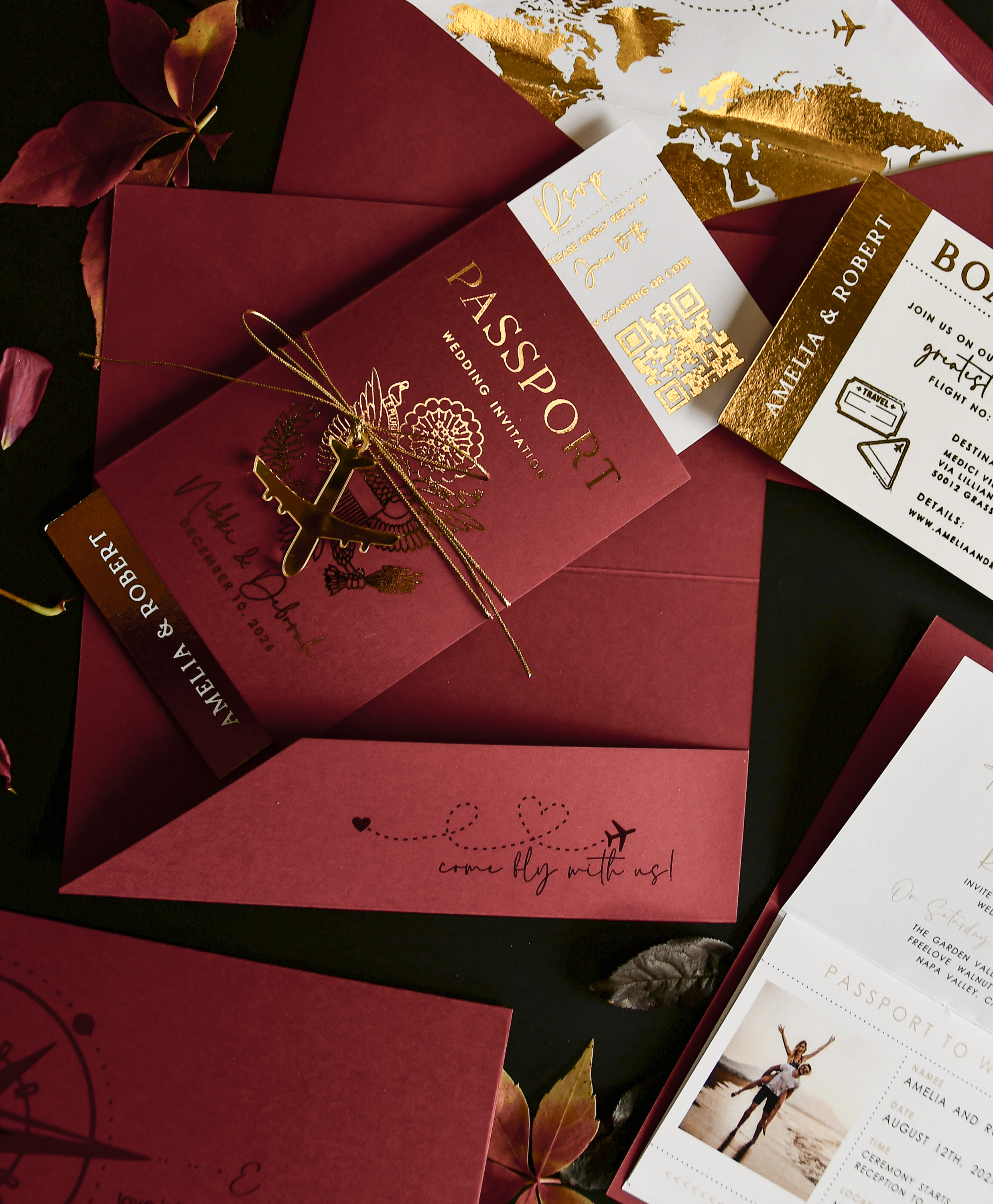
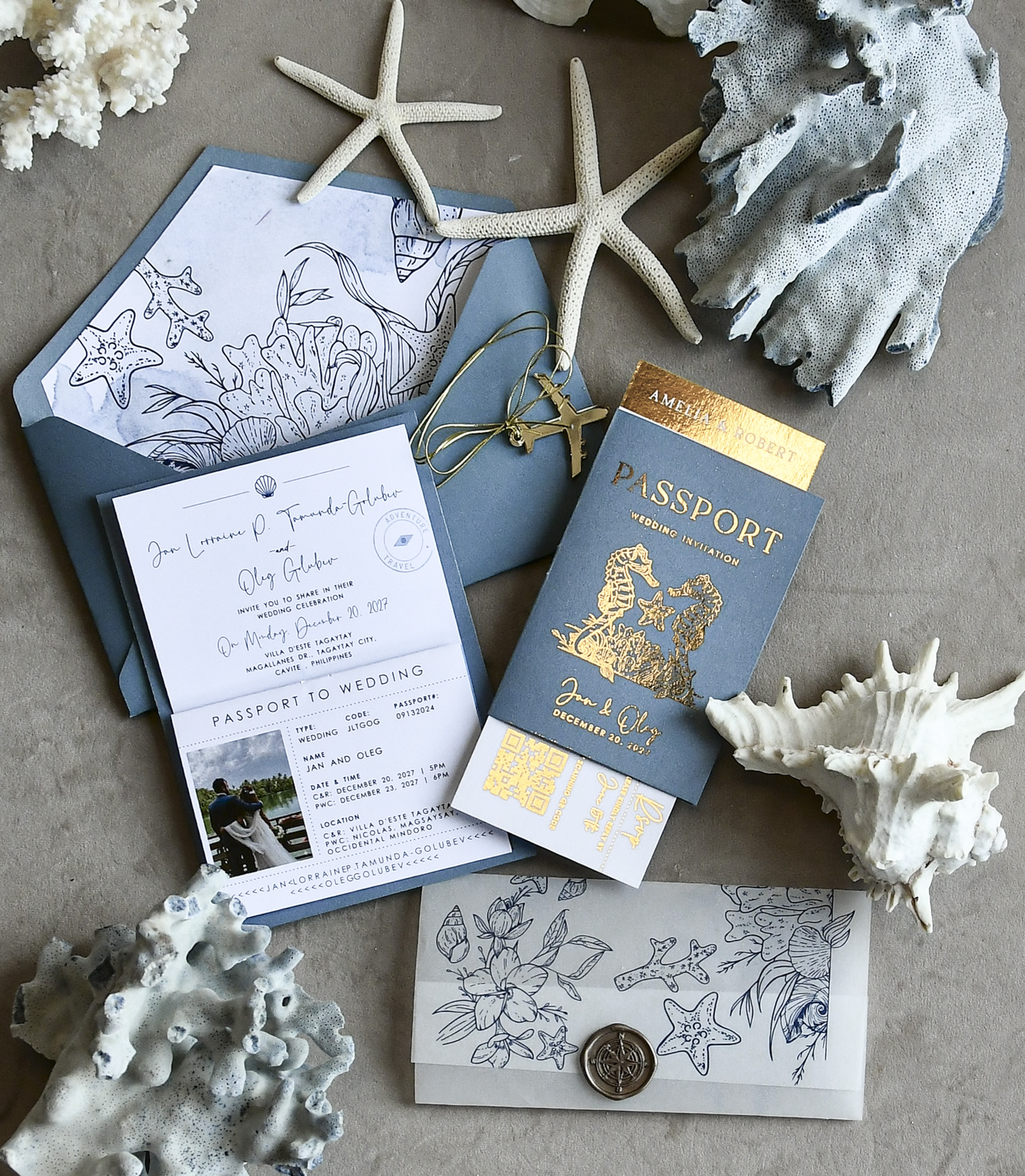
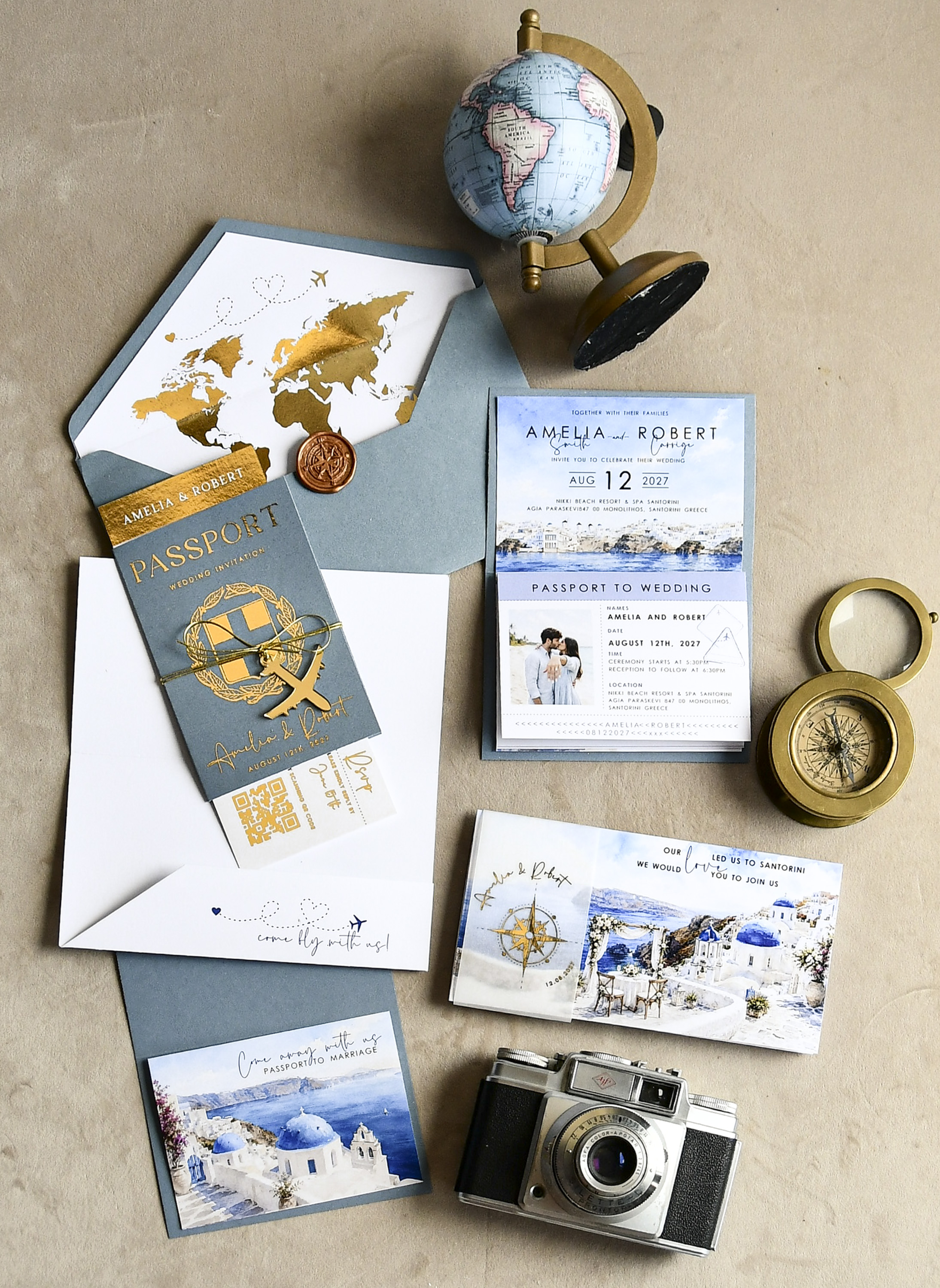
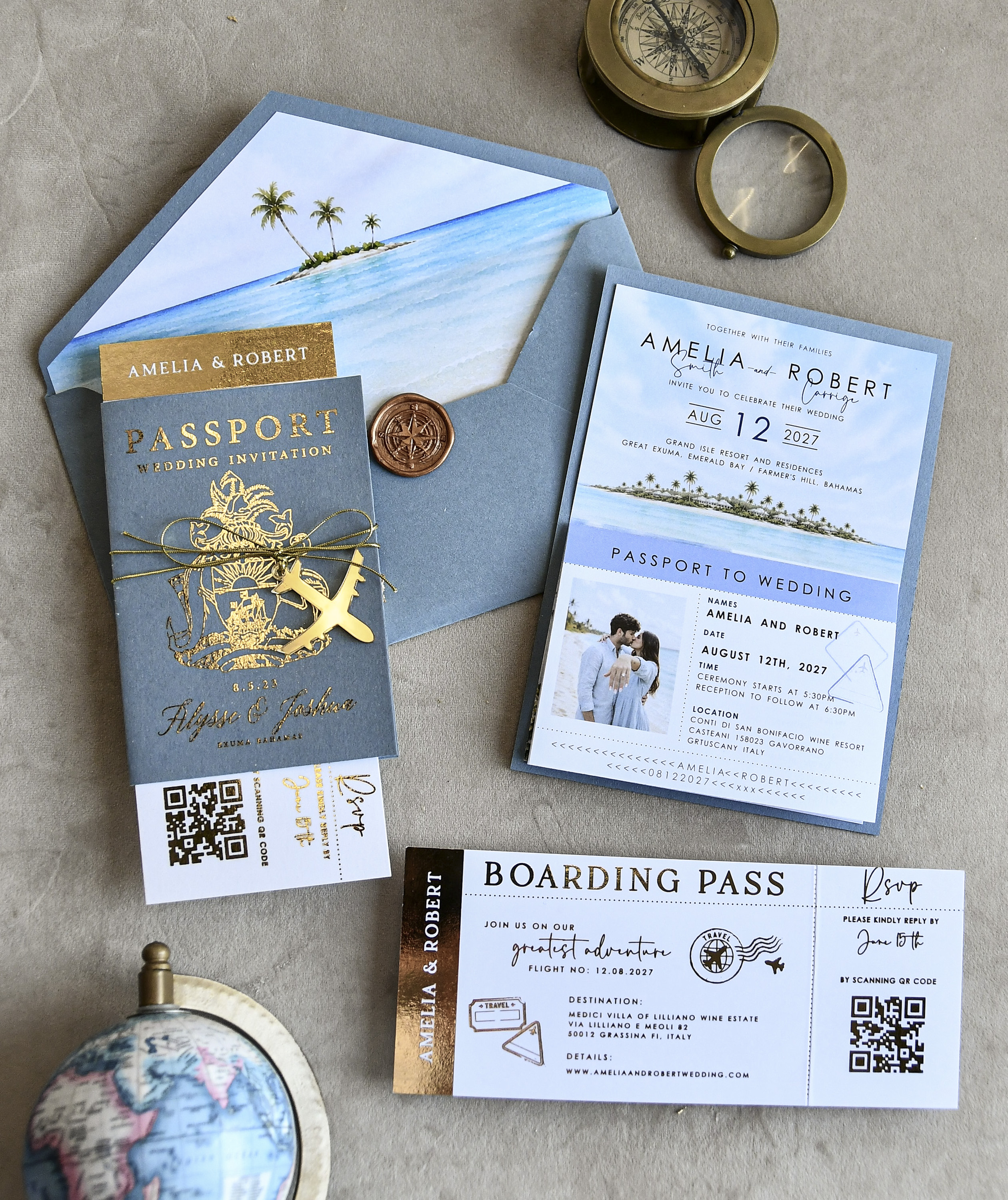
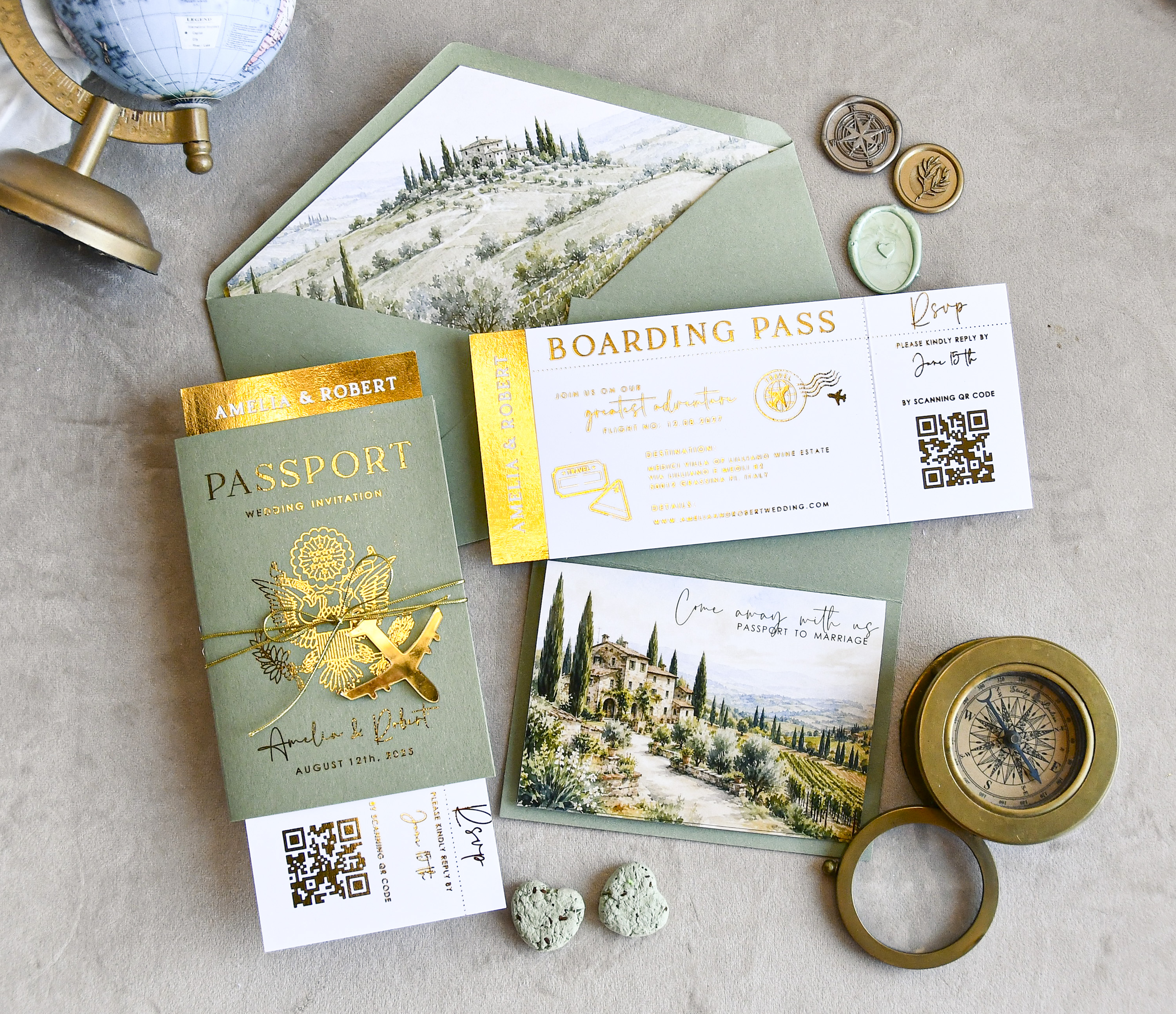
The single best preventive measure is a precisely addressed invitation. Address the outer and inner envelopes to the exact people invited — "Mr. James Okafor" rather than "James Okafor and Guest." If someone does have a plus-one, spell it out explicitly. Passport-style wedding invitations — like the 14/passFG/z from Margo&Bees' Passport to Love collection — are a great example of stationery that creates a polished, formal impression from the moment it arrives, setting a tone that signals this is a carefully curated event, not an open-door party.
Your RSVP card is your second line of defense. Print the number of seats reserved directly on the card: "We have reserved 1 seat in your honor." This removes all guesswork and gives you a paper trail to reference if a conversation becomes necessary.
How to Address It Before the Wedding Day
If someone RSVPs for more people than you invited, handle it before the wedding — not at the door. A phone call is warmer than a text and avoids misunderstandings. Keep it simple and kind:
- "We're so glad you're coming! I noticed the RSVP had two names — our venue has a strict headcount, so we're only able to accommodate you on this one. We can't wait to celebrate with you!"
Most guests will understand immediately and appreciate the heads-up. If a guest pushes back, hold your boundary warmly but firmly. You are not obligated to expand your guest list or your budget because someone assumed. If adding the extra person is genuinely possible — there's an open seat and the caterer can accommodate — and you want to extend the invitation, you can do so graciously. But you are never required to.
If you learn through the grapevine that someone plans to bring an uninvited guest, reach out proactively. It is far easier to correct the expectation two weeks out than at the venue entrance.
What to Do If It Happens on the Day
Despite your best planning, someone may still show up with an uninvited person. Here's how to handle it without derailing your day:
- Designate a point person. Ask your wedding coordinator, a trusted family member, or your venue's event manager to handle seating logistics. You should not be managing this at the door on your wedding day.
- Have a plan for extra seats. If your venue has a cocktail hour or a flexible floor plan, your coordinator may be able to quietly add a chair or direct the extra guest to a less disruptive spot.
- If there truly is no room, your point person can explain warmly: "We're so glad you came to celebrate — unfortunately the venue has a strict capacity and we weren't able to add seats. Let me see what we can work out." In extreme cases, a guest who arrives without a reservation may need to understand they cannot be seated for dinner.
The most important thing: do not let this moment steal your attention or joy. Brief your point person thoroughly in advance so you never have to think about it again once you arrive.
After the Wedding: If It Still Stings
If a guest's behavior genuinely disrupted your plans — added unexpected catering costs, caused a seating crisis, or created stress — it is completely valid to feel frustrated. You don't need to address it unless it rises to the level of a real conversation, such as if the guest expects you to cover a vendor bill for their uninvited addition.
In most cases, the kindest path forward is to let it go. People who bring uninvited guests rarely intend harm. A quiet note to yourself that this is someone who needs very explicit instructions in the future is enough. Your marriage matters far more than one awkward wedding-day moment.
Frequently Asked Questions
You don't need to state it explicitly on the invitation itself — precise addressing does the work for you. If you're getting questions, your wedding website is a natural place to note that seating is limited and invitations are extended to named guests only.
Unexpected children are one of the most common surprises at weddings. If your wedding is adults-only, note it on your wedding website and, if needed, mention it gently when guests RSVP with children's names. A simple "We love your little ones, but our venue has an adults-only policy for the evening" is clear and kind.
Yes — venues with strict capacity limits can and sometimes must enforce headcounts. Coordinate with your venue manager in advance so staff know what to do if someone arrives without a place card or seat assignment.
This is the trickiest scenario because family dynamics are involved. If there's time before the wedding, a private conversation with the family member is the best route. If it happens on the day, your point person can handle it discreetly while you stay focused on celebrating.
Most caterers set a final headcount deadline one to two weeks before the wedding and charge per head above that number. An uninvited guest who is seated and served at dinner could result in an added charge — another reason to address the situation before the day if at all possible.
A calm, private conversation is not rude — it's necessary. The key is to address it before the wedding day when emotions are lower and logistics are still manageable. Frame it around venue constraints rather than personal feelings to keep the tone neutral and constructive.
See This Design Up Close

You May Also Like
More Wedding Planning Guides
- → The Complete Plus One Rulebook for Your Wedding Guest List
- → When Family Feels Like Strangers: Navigating Distant Relatives on Your Guest List
- → Adults-Only Wedding: How to Let Guests Know Without the Drama
- → Ordering Wedding Invitations: The Smartest Way to Get Your Numbers Right
- → Adding More Guests to Your Wedding: Who Owes What?
- → Your Pre-Wedding Survival Guide to Family Conflict
- → In-Laws Want to Invite Their Friends? Here's How to Handle It
- → Navigating Plus-Ones for Single Guests: A Couples' Guide to Getting It Right
- → Extra Names on Your RSVP Card: How to Respond Without the Stress
- → The Honest Guide to Including a Stepparent on Your Wedding Guest List
- → When Saying No to a Plus One Is Perfectly Okay
- → Should Kids Come to Your Wedding? How to Think It Through and Decide
- → Navigating Divorced Parent Seating at Your Wedding Reception
- → Inviting Your Boss and Coworkers to Your Wedding: What You Actually Need to Know
- → Uninvited Plus-Ones and Tag-Alongs: How to Keep Your Guest List Intact
- → When Family Feuds Threaten Your Wedding Plans: A Practical Peacekeeper's Guide
- → Inviting an Estranged Brother or Sister: Finding Clarity Before You Seal the Envelope
- → Cousins, Invites, and Hard Choices: A Practical Guest List Guide