
Should Kids Come to Your Wedding? How to Think It Through and Decide
One of the most common — and most loaded — decisions you'll make while planning your wedding is whether to invite children. There's no single right answer, and whatever you choose, someone in your family will probably have a feeling about it. The good news: if you think it through carefully and communicate your decision clearly, you can make a choice that works for your wedding and your guests.
Start With Your Vision and Your Budget
Before you factor in anyone else's preferences, get clear on what kind of celebration you want. A black-tie evening reception in a formal venue has a very different vibe than a laid-back beach wedding, and your guest list should reflect that atmosphere. Children laughing and running around can feel joyful and natural at a casual outdoor celebration — and genuinely disruptive at an intimate candlelit dinner.
Budget is just as real a factor. Every child over a certain age (typically 12 and up, depending on your caterer) counts as a full guest seat. If you're working with a tight guest count or a per-head catering cost, inviting 20 kids can meaningfully affect who else makes the list. Do the math before you commit either way.
Common Policies — and How to Apply Them Fairly
Most couples land on one of these approaches:
- All children welcome: Every guest, regardless of age, is invited. This is the most inclusive option and works especially well for family-centered or daytime celebrations.
- Immediate family only: You invite the children of siblings and perhaps very close family friends, but draw the line there. This is a reasonable middle ground but requires clear communication so cousins or coworkers don't feel singled out.
- No children under 12 (or 16): Older kids who can sit through a ceremony and dinner are welcome; younger ones are not. Age cutoffs feel less personal than name-by-name exclusions.
- Adults only: No guests under 18. This is a completely legitimate choice, especially for evening receptions or destination weddings.
Whatever policy you choose, apply it consistently. Exceptions — even well-intentioned ones — almost always get noticed and create hurt feelings. If the rule is no children, that means your maid of honor's toddler stays home too.
How to Communicate Your Policy Without Awkwardness
The invitation itself is your clearest tool. Address envelopes specifically — Mr. and Mrs. Nguyen rather than The Nguyen Family — so guests understand who is and isn't invited. If you're going adults-only, you can add a line on your details card such as: We respectfully request an adults-only celebration. Keep it warm and brief; no lengthy explanation needed.
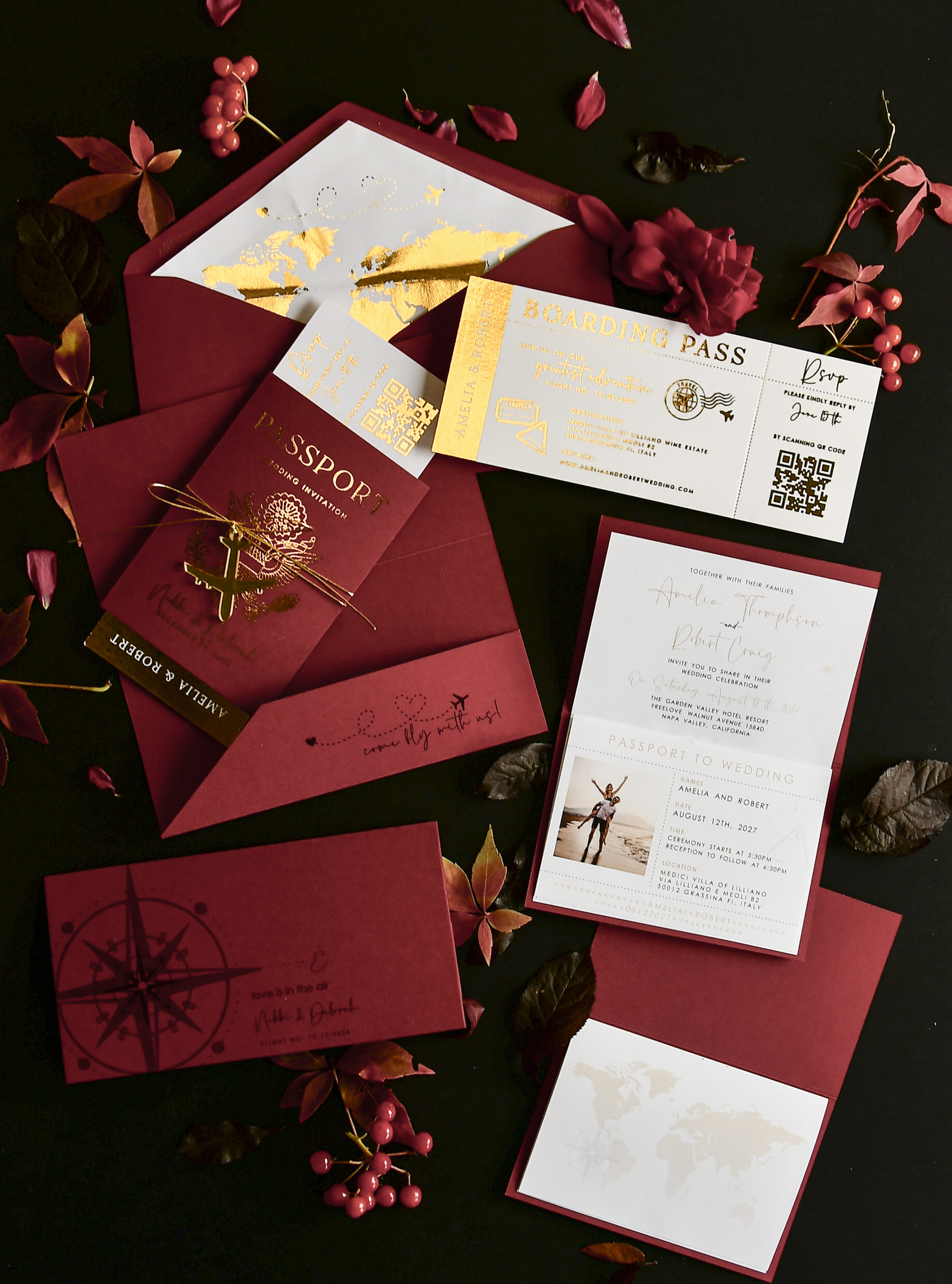
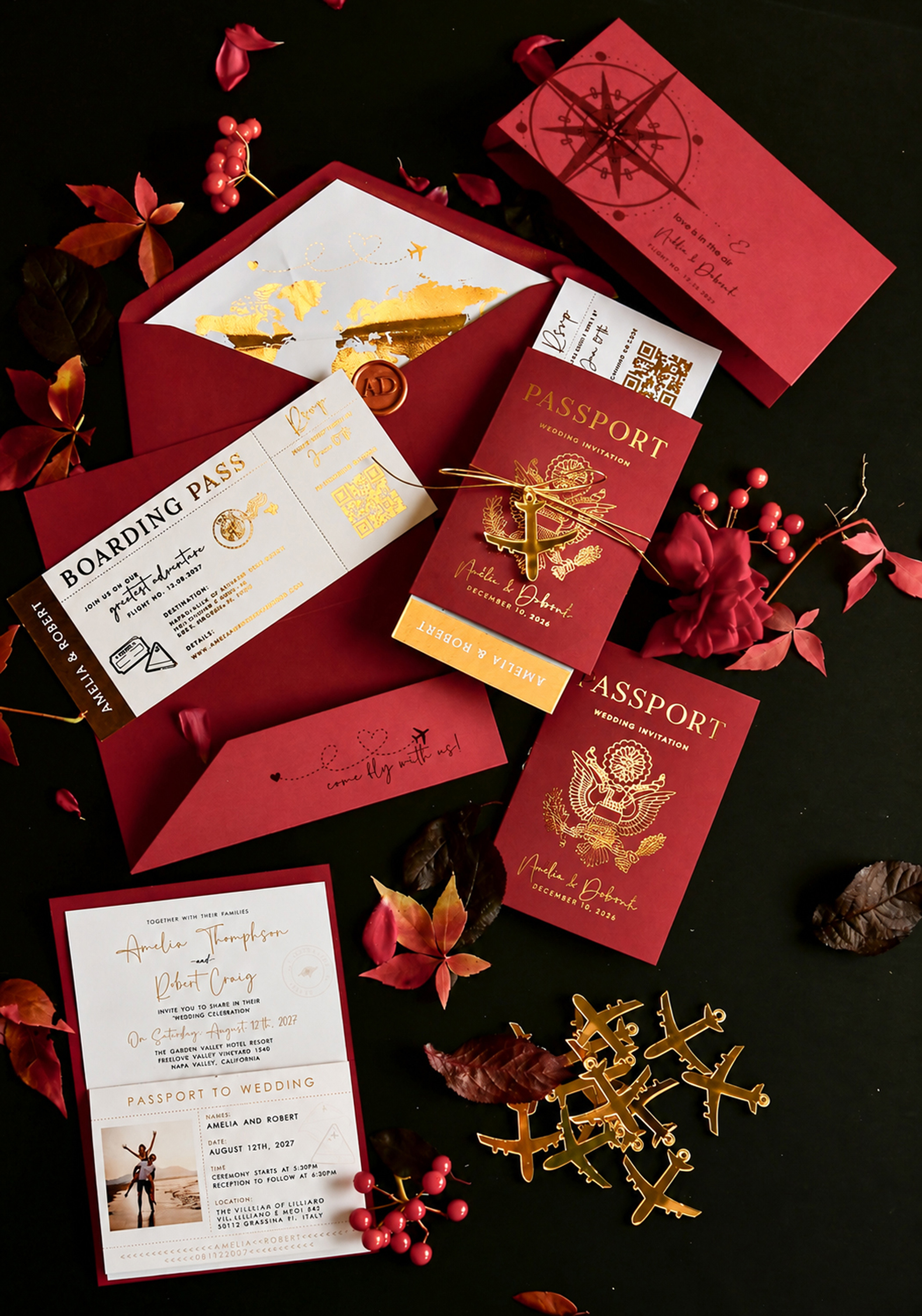
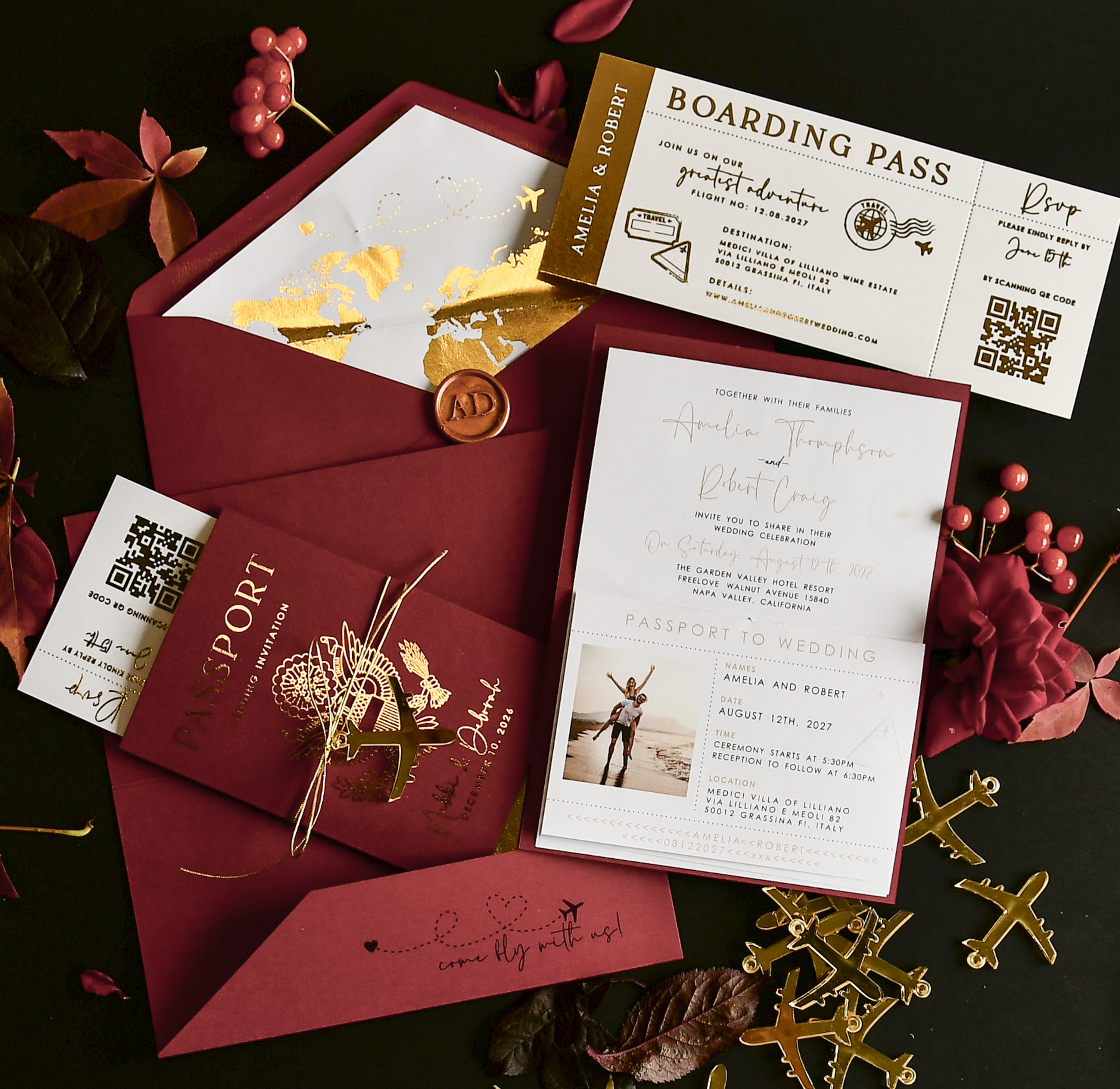
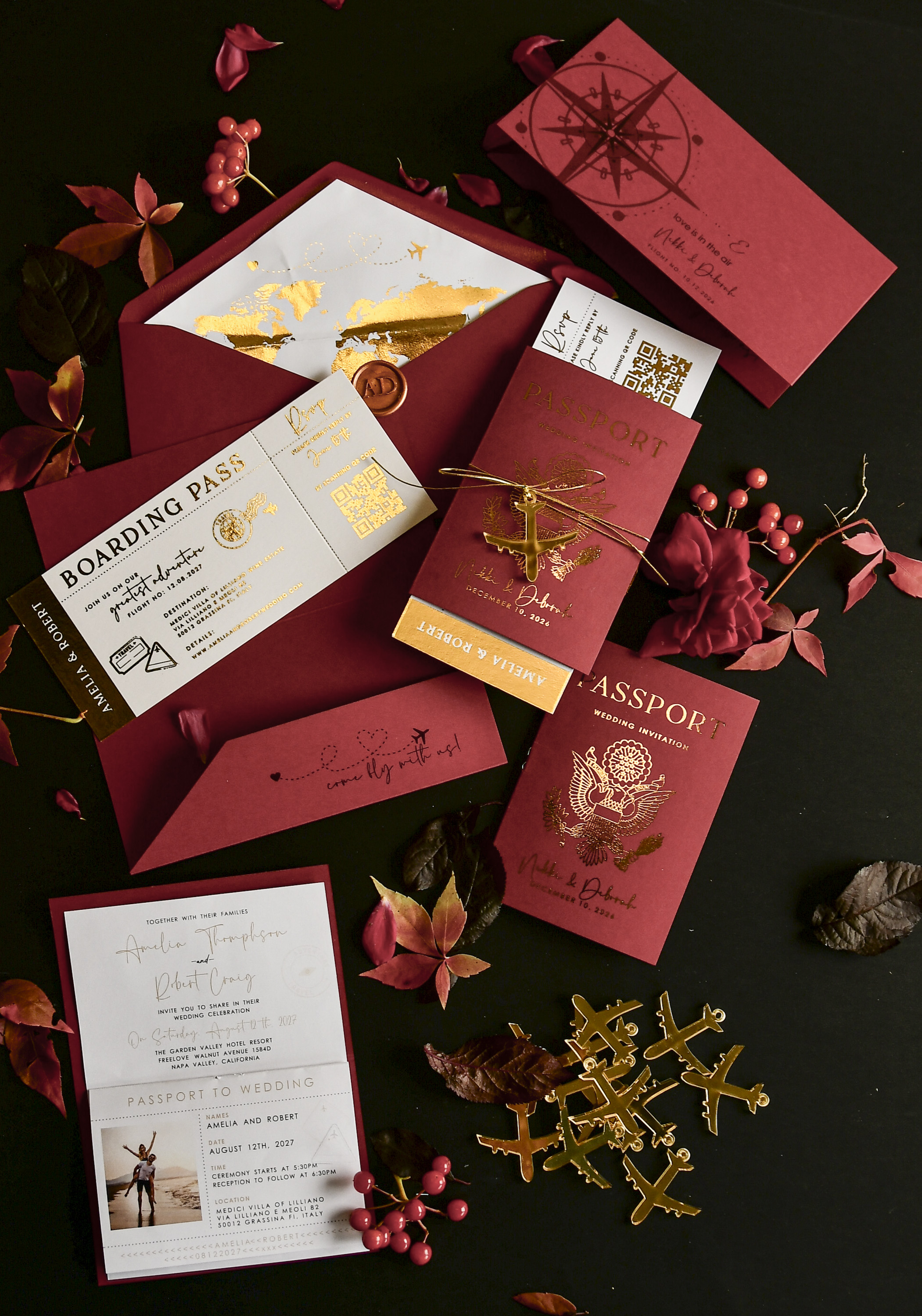
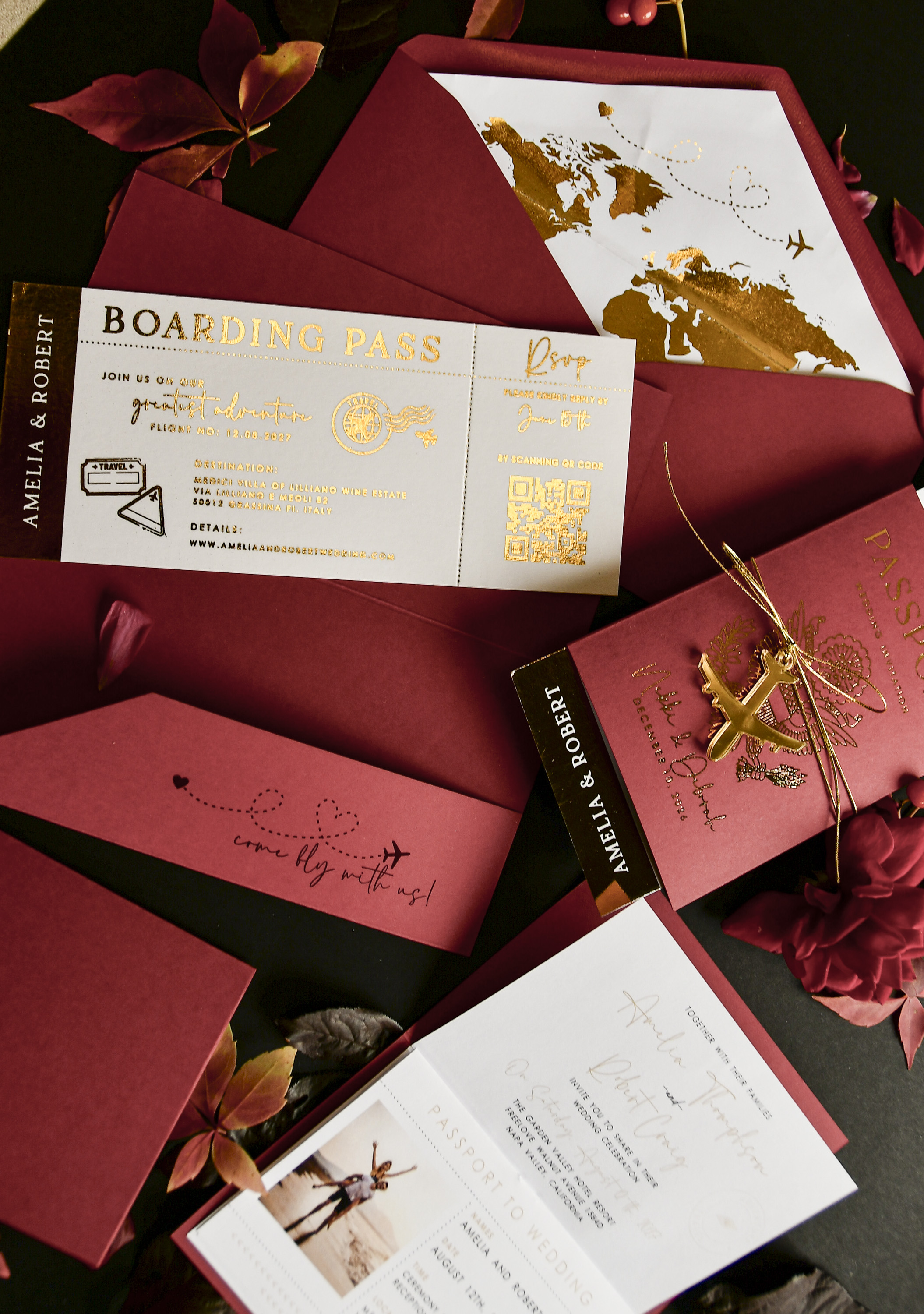
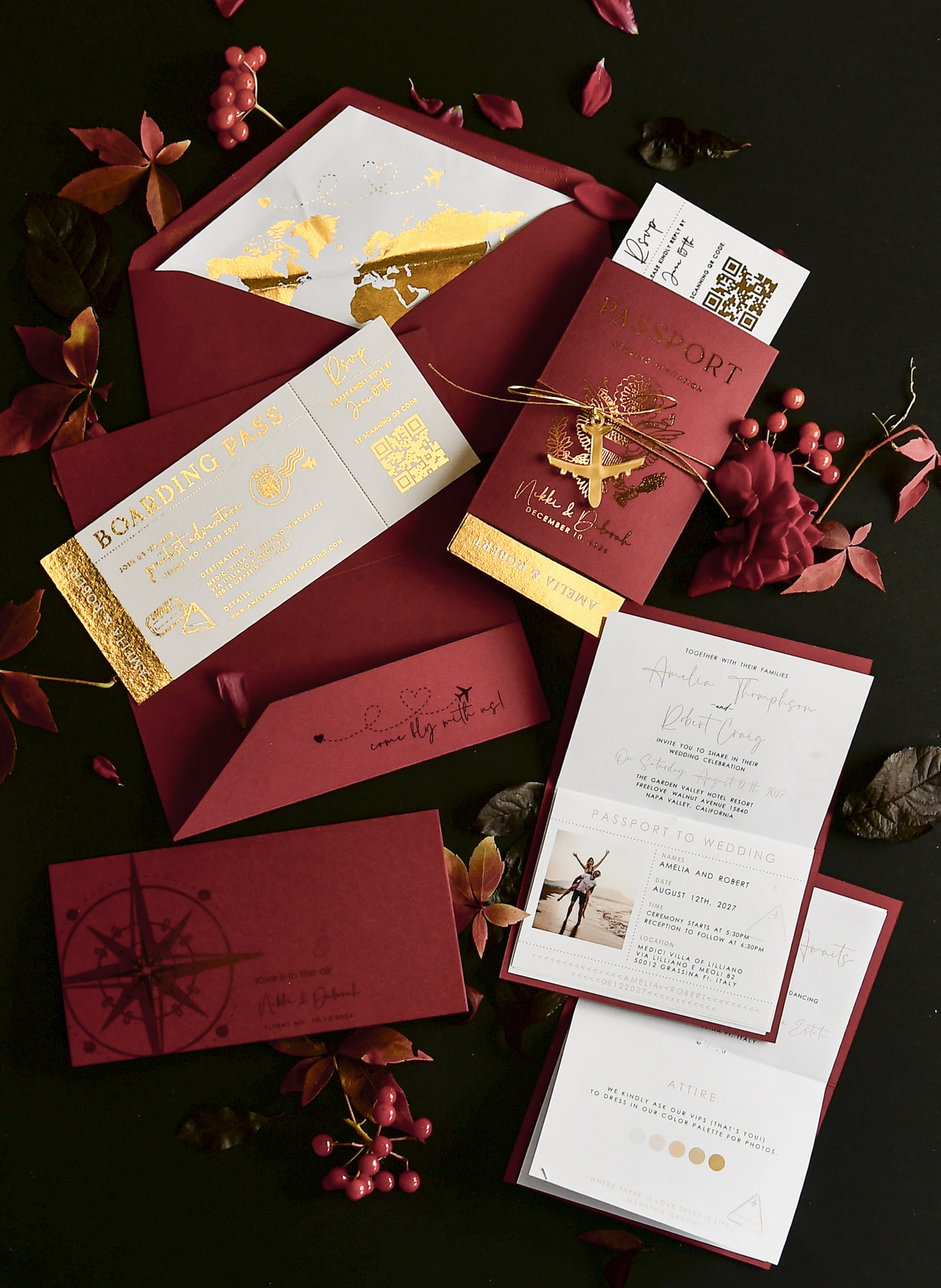
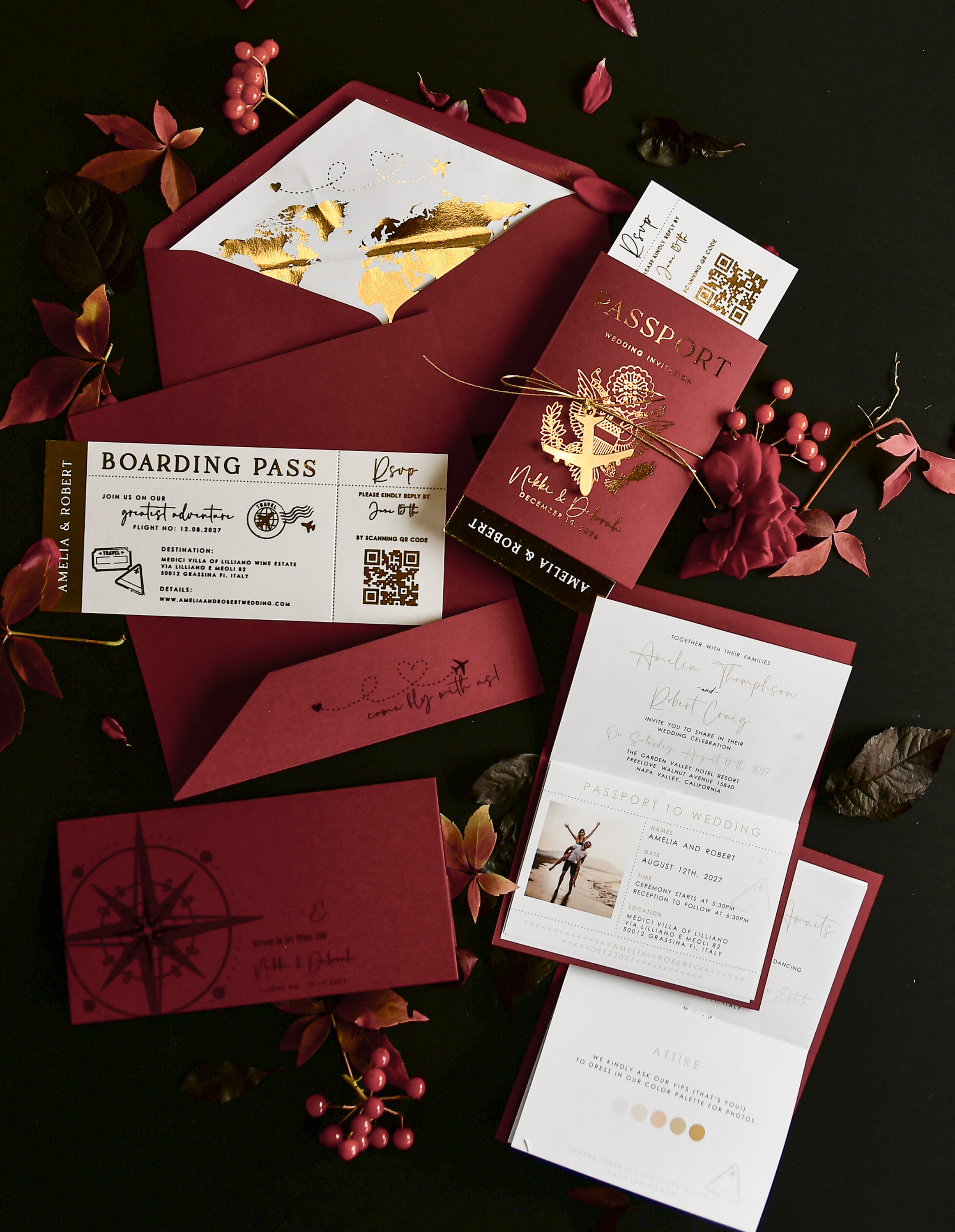
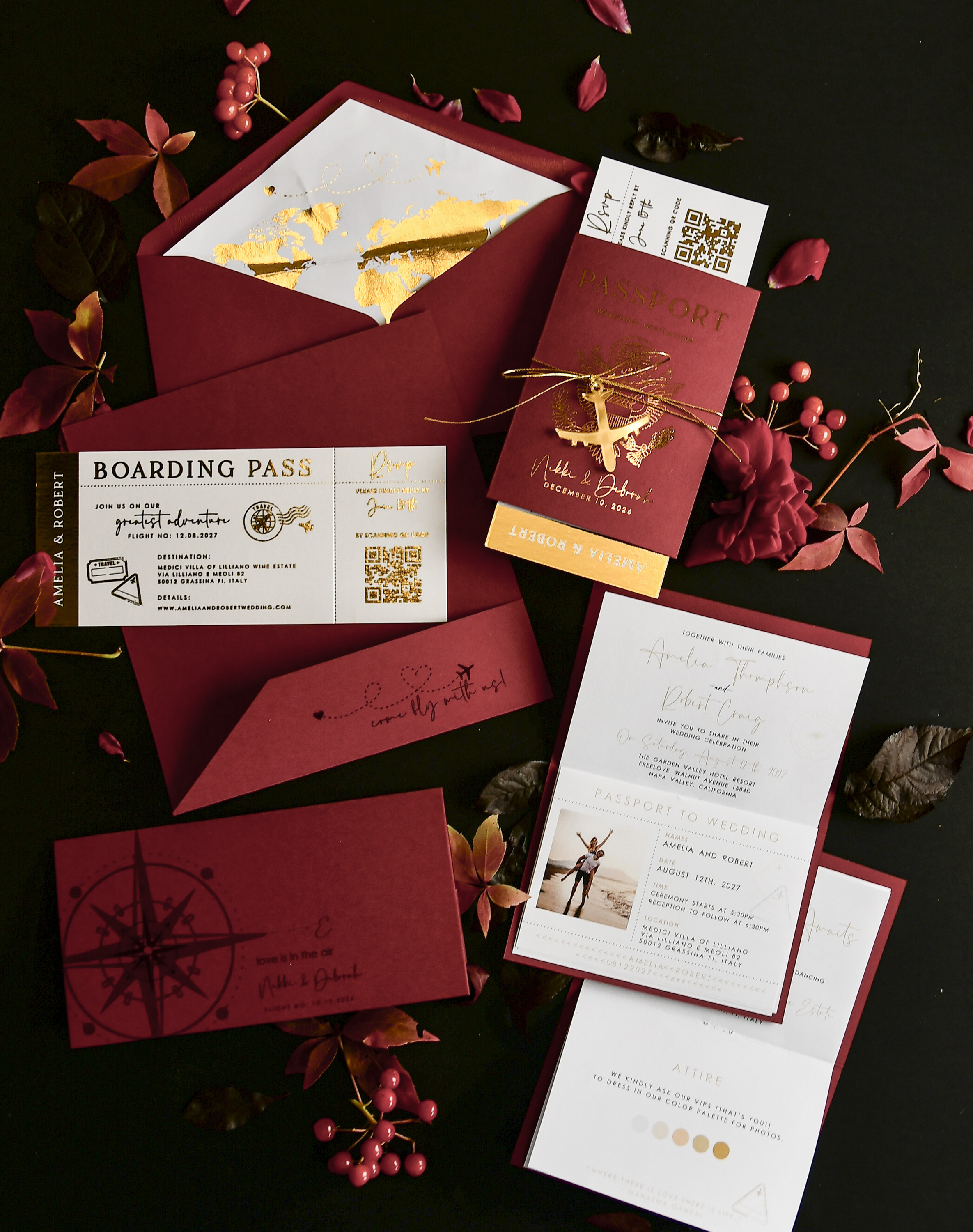
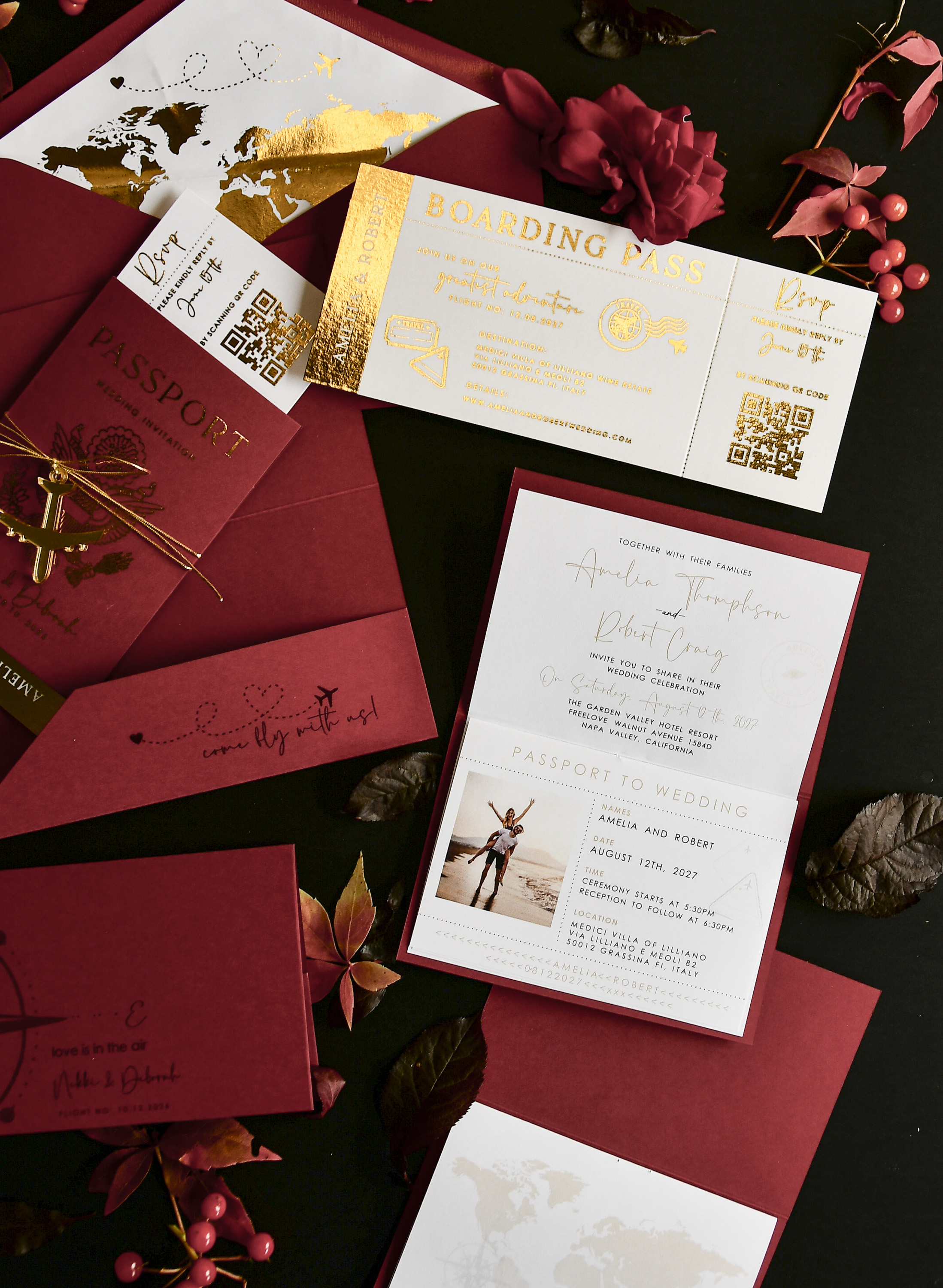
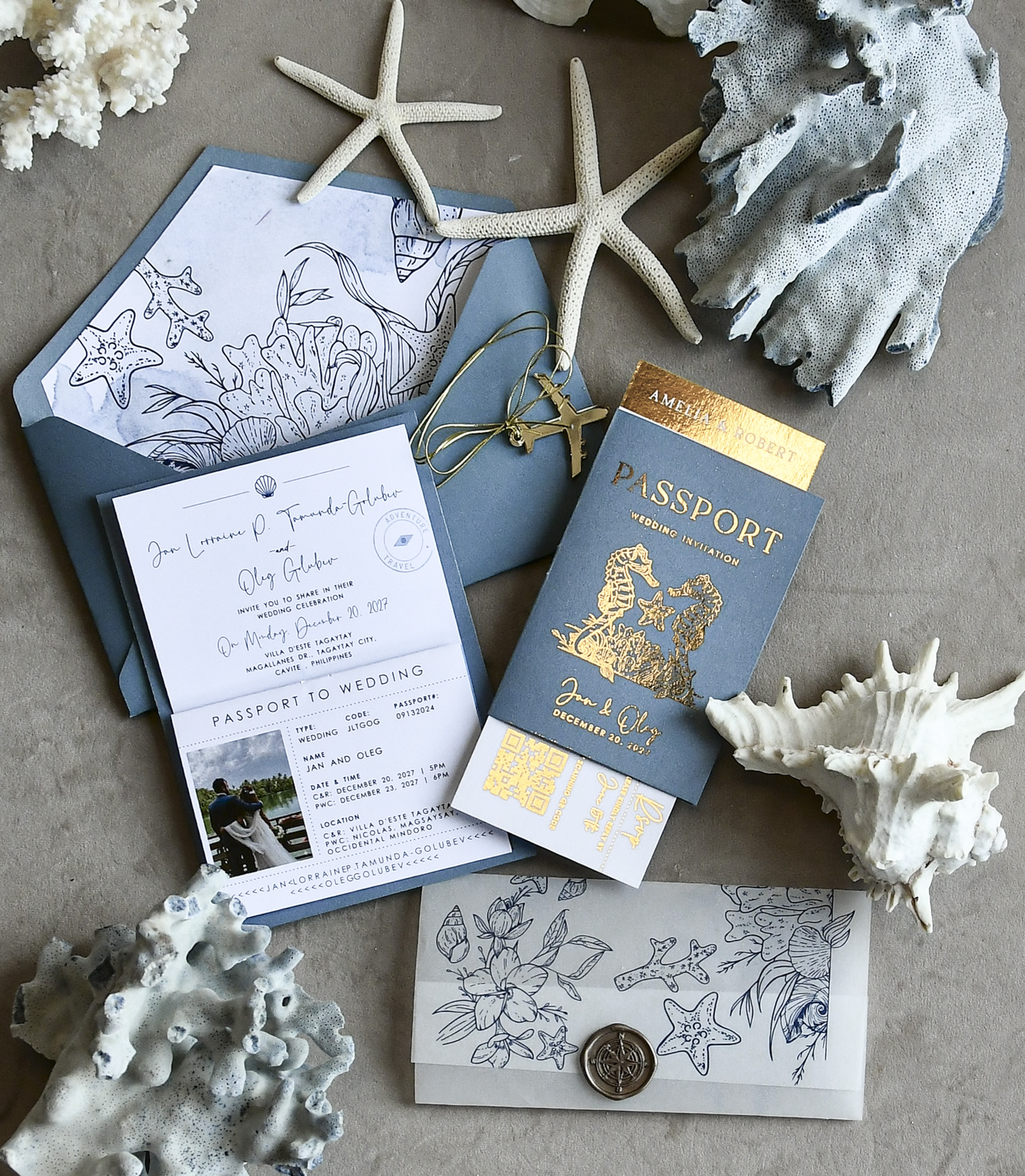
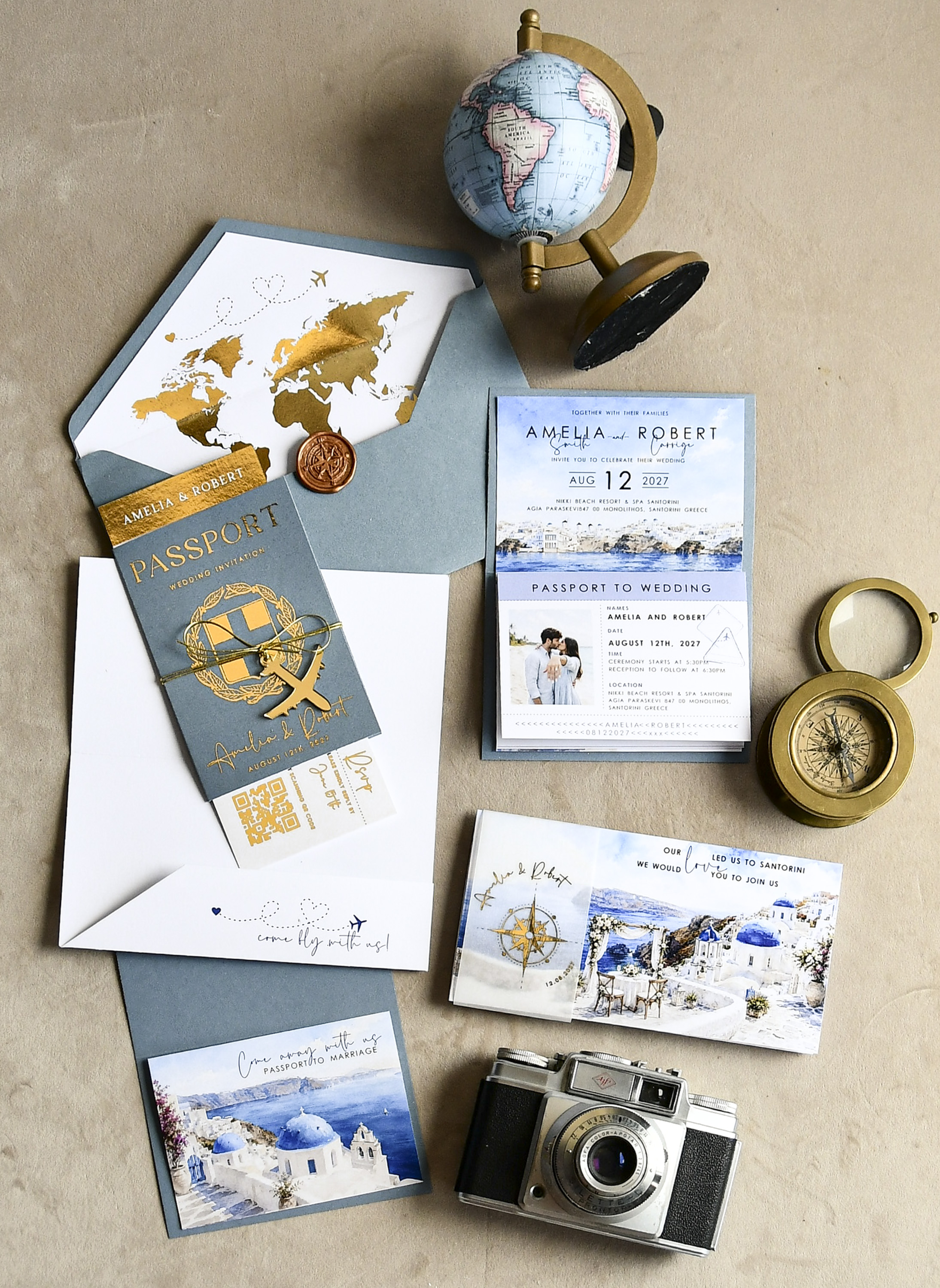
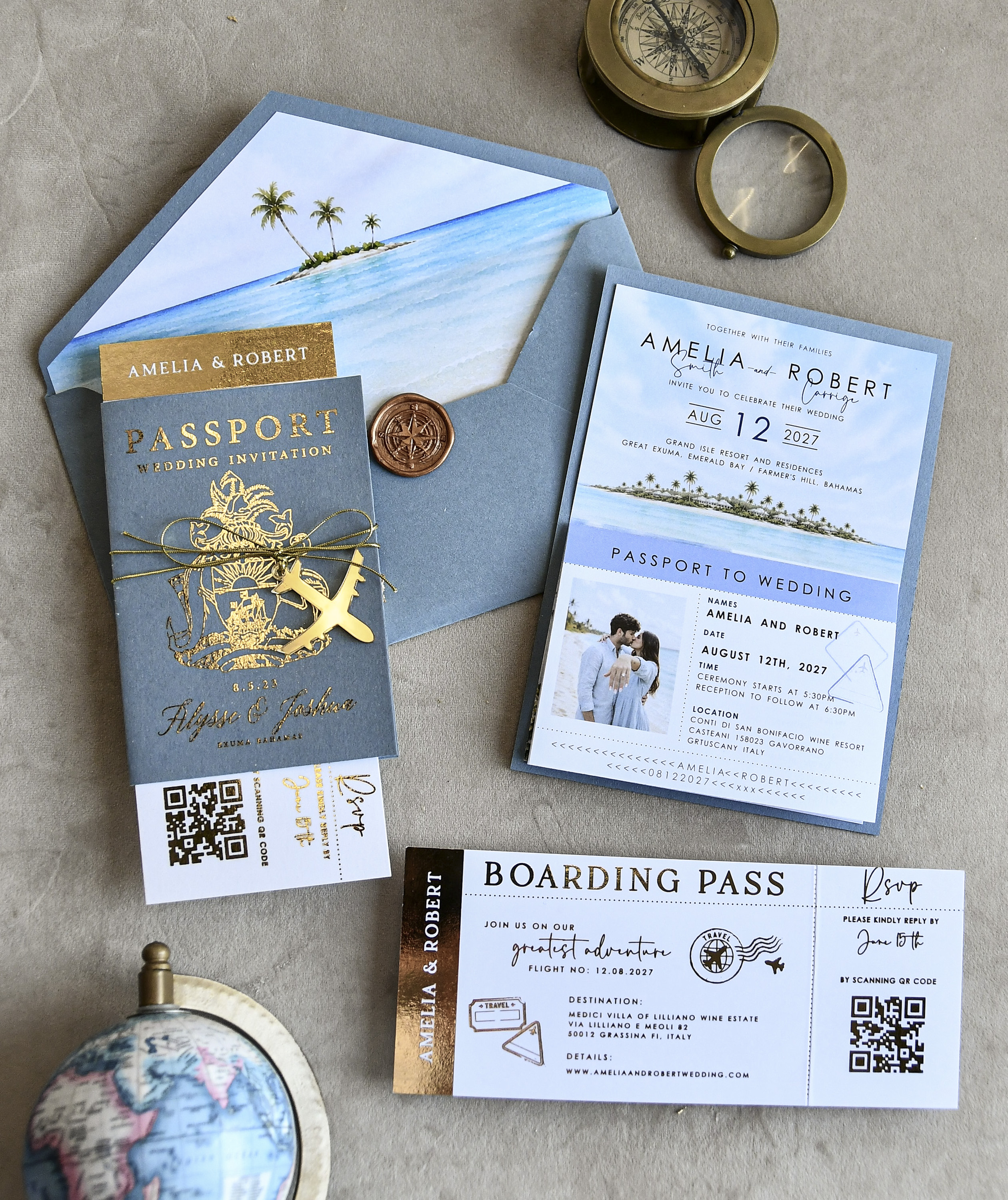
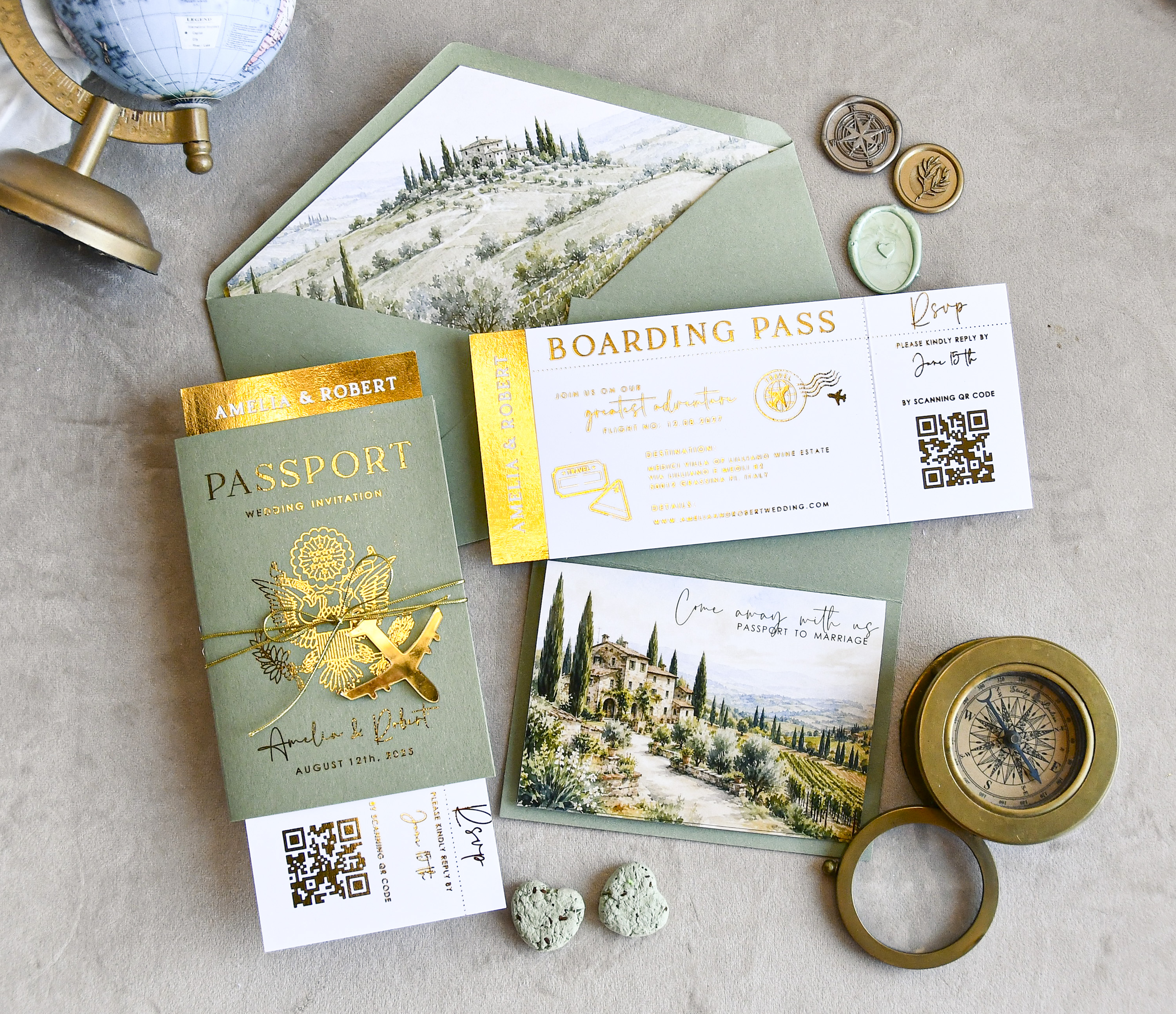
Your wedding website is another great place to spell out the policy in a friendly, matter-of-fact way. Something like: We love your little ones, but we've chosen to keep our reception adults-only so everyone can relax and celebrate. If you're sending destination or beach wedding invites — like our 14/passFG/z passport-style invitations — the travel theme naturally signals a more grown-up, adventure-focused event, which can make an adults-only note feel even more cohesive.
For close family members who might push back, have a brief, kind script ready: We're keeping it adults-only across the board, but we'd love to celebrate with you and the kids separately before the wedding. Hold the line gently but firmly.
Making It Work for Guests With Kids
If you're going adults-only, help your guests with children actually attend by giving them lead time. Send save-the-dates early — at least 6 months out for local weddings, earlier for destination events — so parents can arrange childcare. Consider including a list of local babysitting agencies or trusted sitters on your wedding website.
Some couples go further and hire an on-site babysitter or rent a nearby hotel suite as a supervised kids' room during the reception. This option works especially well when several families are traveling from out of town. It costs extra, but it can be the difference between a beloved aunt attending or staying home.
If children are invited, think through the logistics: a kids' meal option, a quiet corner with coloring books and activities, and an early send-off time for families with little ones all make the evening smoother for everyone.
Trust Your Decision Once You've Made It
You will not be able to please everyone, and that's okay. What matters is that you make a thoughtful, consistent choice and communicate it with warmth. Couples who second-guess their policy mid-planning — making exceptions here and there — tend to create far more confusion and hurt feelings than those who hold a clear line from the start.
Once the invitations go out, let the decision stand. Most guests, even those who initially grumble, will appreciate the clarity and show up ready to celebrate with you.
Frequently Asked Questions
Keep it simple and warm: <em>We respectfully request an adults-only celebration</em> on your details card is clear and gracious. You don't need to over-explain — most guests will understand and appreciate the heads-up.
No — if your policy is adults-only, it applies to everyone, including your bridal party's kids. Having an honest conversation with your wedding party early in the planning process helps avoid surprises and hurt feelings later.
This is entirely up to you, but common cutoffs are under 12, under 16, or under 18. Whatever age you choose, apply it consistently across all guests so no one feels targeted.
Yes — your wedding website is a great place to spell it out clearly and kindly, especially since not everyone reads the details card closely. A brief, friendly note answers the question before guests have to ask.
You can, but it gets complicated fast. The cleanest policies are ones based on a clear rule — immediate family only, age cutoff, or adults-only — rather than individual decisions that can feel arbitrary or hurtful to excluded families.
At least 4–6 months for a local wedding, and 8–12 months for a destination event. Sending save-the-dates early and noting the adults-only policy right away gives parents the best chance of making arrangements and actually attending.
See This Design Up Close






You May Also Like
More Wedding Planning Guides
- → The Complete Plus One Rulebook for Your Wedding Guest List
- → When Family Feels Like Strangers: Navigating Distant Relatives on Your Guest List
- → Adults-Only Wedding: How to Let Guests Know Without the Drama
- → Ordering Wedding Invitations: The Smartest Way to Get Your Numbers Right
- → Adding More Guests to Your Wedding: Who Owes What?
- → Your Pre-Wedding Survival Guide to Family Conflict
- → What to Do When a Guest Shows Up With Someone You Didn't Invite
- → In-Laws Want to Invite Their Friends? Here's How to Handle It
- → Navigating Plus-Ones for Single Guests: A Couples' Guide to Getting It Right
- → Extra Names on Your RSVP Card: How to Respond Without the Stress
- → The Honest Guide to Including a Stepparent on Your Wedding Guest List
- → When Saying No to a Plus One Is Perfectly Okay
- → Navigating Divorced Parent Seating at Your Wedding Reception
- → Inviting Your Boss and Coworkers to Your Wedding: What You Actually Need to Know
- → Uninvited Plus-Ones and Tag-Alongs: How to Keep Your Guest List Intact
- → When Family Feuds Threaten Your Wedding Plans: A Practical Peacekeeper's Guide
- → Inviting an Estranged Brother or Sister: Finding Clarity Before You Seal the Envelope
- → Cousins, Invites, and Hard Choices: A Practical Guest List Guide