
Should You Mail or Hand-Deliver Your Wedding Invitations? A Couple's Guide

You've chosen your stationery, addressed your envelopes, and now you're staring at a stack of beautiful wedding invitations wondering: do these go to the post office, or do I drop them off in person? It's a more nuanced decision than it sounds. Both options have real advantages, and the right choice often depends on your guest list, your timeline, and the kind of experience you want to create. Here's everything you need to know to make the call confidently.
Why Mailing Is the Standard—and Still the Smart Choice for Most Couples
Mailing your wedding invitations through USPS is the traditional approach for good reason: it's reliable, scalable, and keeps things consistent for every guest. Whether your aunt lives two blocks away or your college roommate is across the country, everyone receives the same beautiful envelope in their mailbox at roughly the same time.
For couples sending invitations to 80 or more guests, mailing is almost always the practical winner. Hand-delivering that volume is a serious time commitment that can quickly become stressful in the weeks leading up to your wedding.
A few mailing best practices to keep in mind:
- Take one assembled invitation suite to the post office for hand-canceling and exact postage. Thick or square envelopes often require extra postage, and running them through a machine can damage them.
- Send invitations 6–8 weeks before the wedding (8–12 weeks for destination weddings or holiday weekends).
- Request a certificate of mailing if you want peace of mind that your batch was accepted.
When Hand-Delivering Makes Perfect Sense
Hand delivery isn't outdated—it's a genuinely lovely gesture in the right circumstances. If a meaningful portion of your guest list lives nearby, personally handing over an invitation can feel warm, intentional, and memorable. It also eliminates any risk of postal damage or loss for those specific guests.
Hand delivery works especially well for:
- Immediate family and wedding party members — presenting an invitation in person adds a special touch to people who are already central to your day.
- Elderly guests who may not always check the mail regularly or who would genuinely appreciate the visit.
- Local guests you see regularly anyway, making the delivery feel natural rather than performative.
- Very small weddings (under 30 guests) where a personal delivery round is actually feasible.
Keep in mind that hand delivery still means your invitation needs to be in perfect condition when it arrives. Use a protective outer envelope or a rigid mailer sleeve if you're carrying a delicate design.
The Hybrid Approach: Mail Most, Deliver a Few
Many couples land on a hybrid strategy, and it's often the most sensible route. Mail the bulk of your invitations, then hand-deliver to a small circle of people who are especially close to you or who live nearby. This keeps your workload manageable while still allowing for meaningful personal moments.
If you go this route, aim to complete both the mailing and the hand deliveries on the same day or within the same week. You don't want your maid of honor to receive her invitation two weeks after your college friends got theirs—it can unintentionally signal a difference in priority.
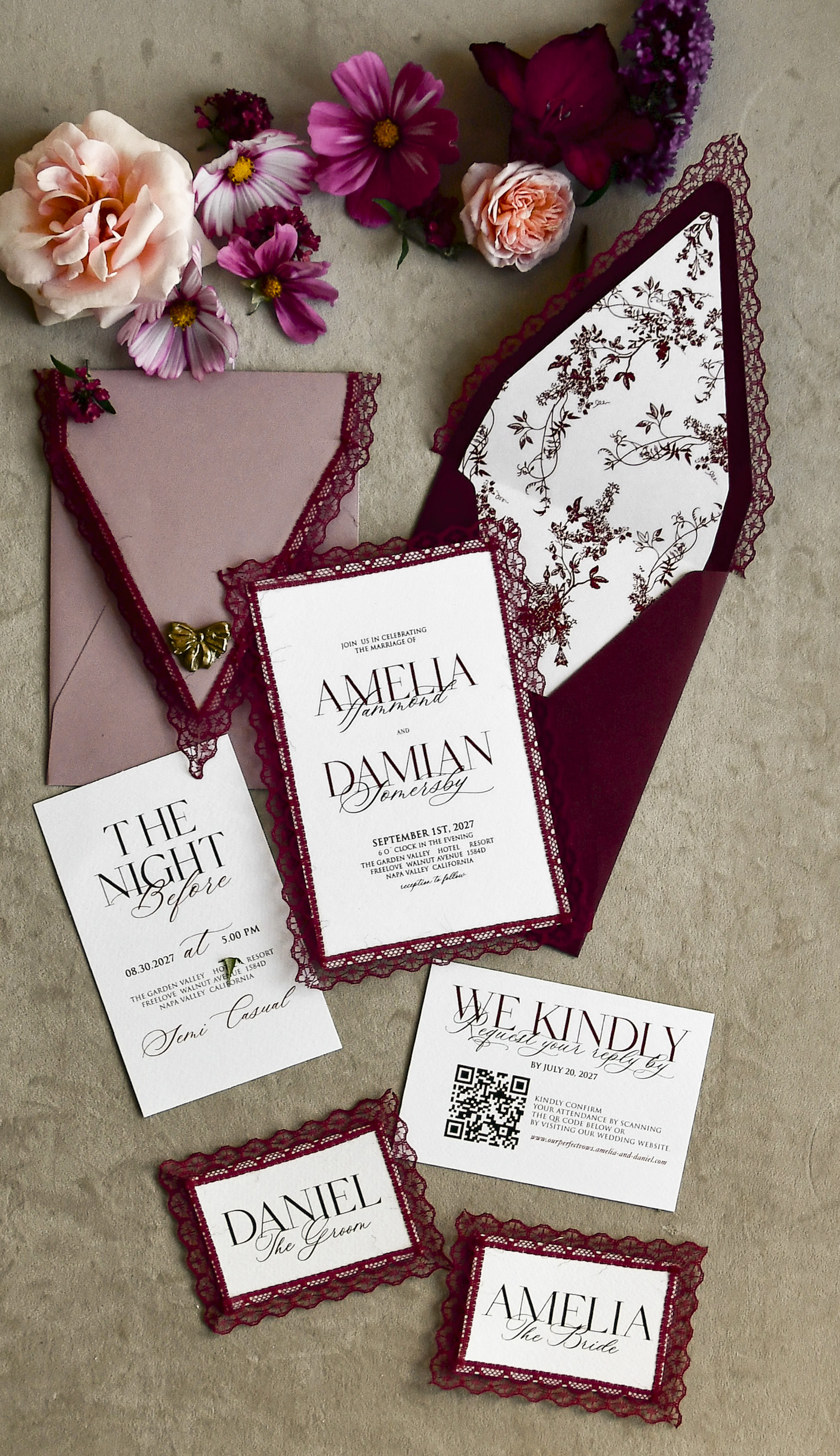
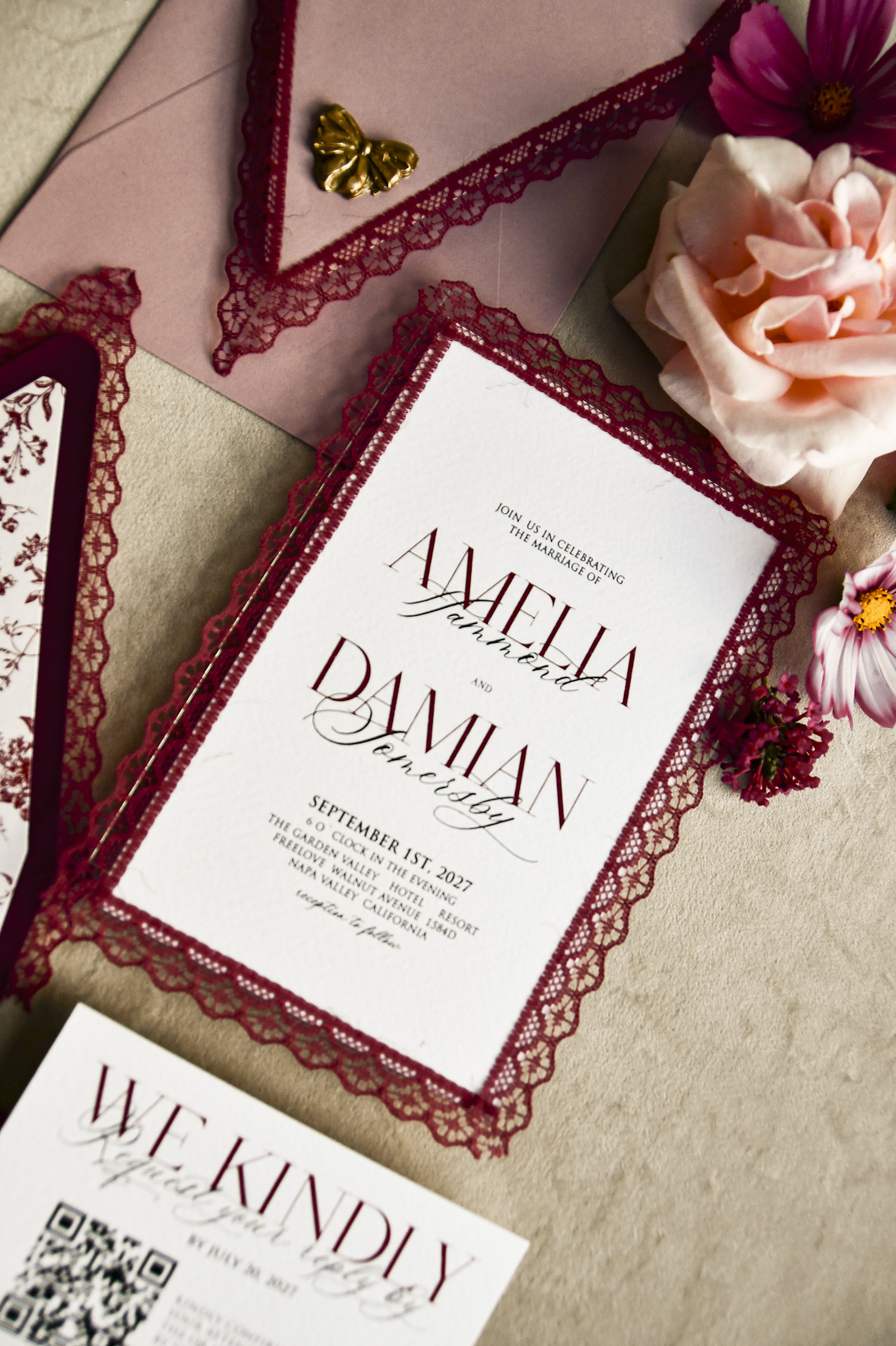
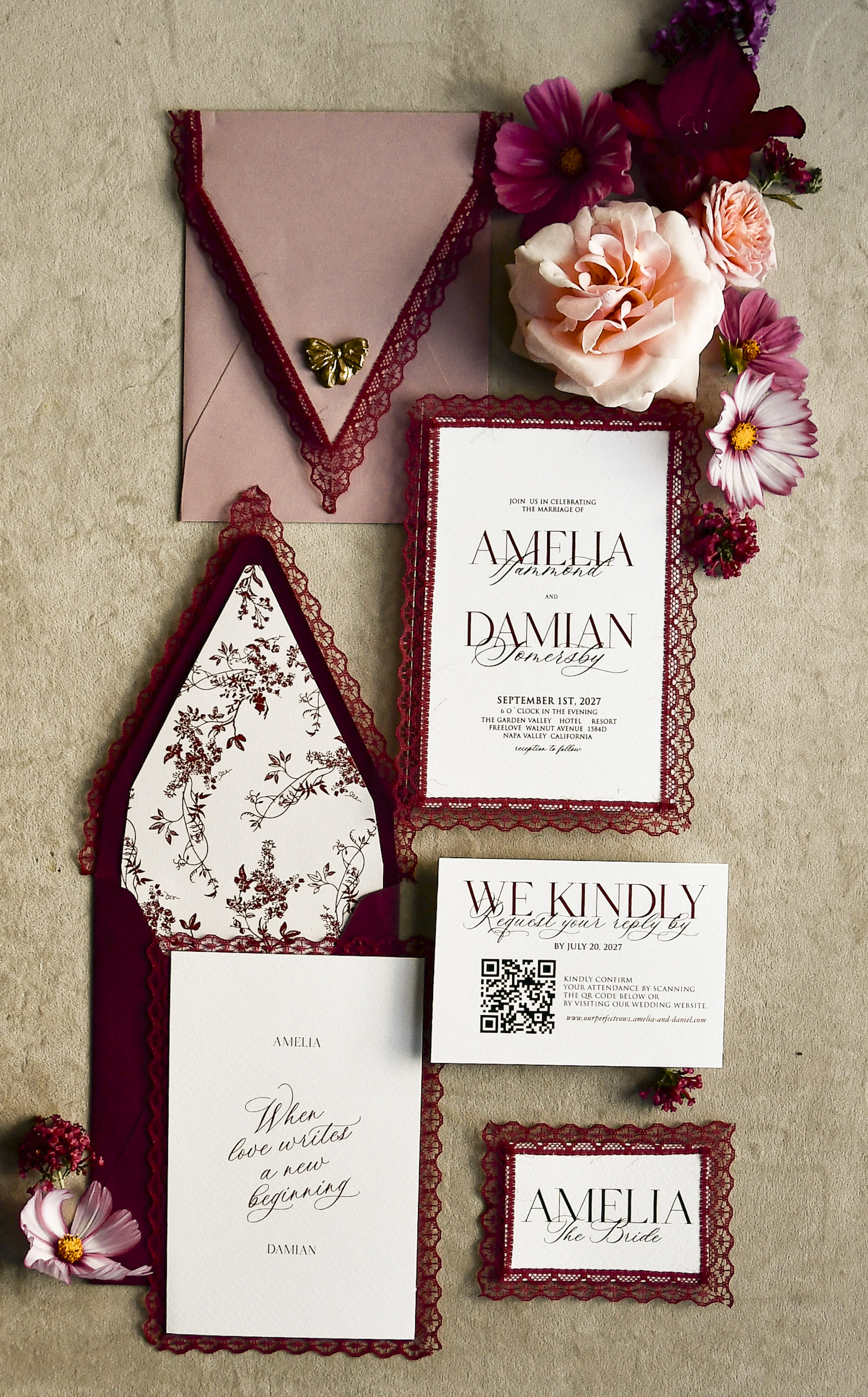
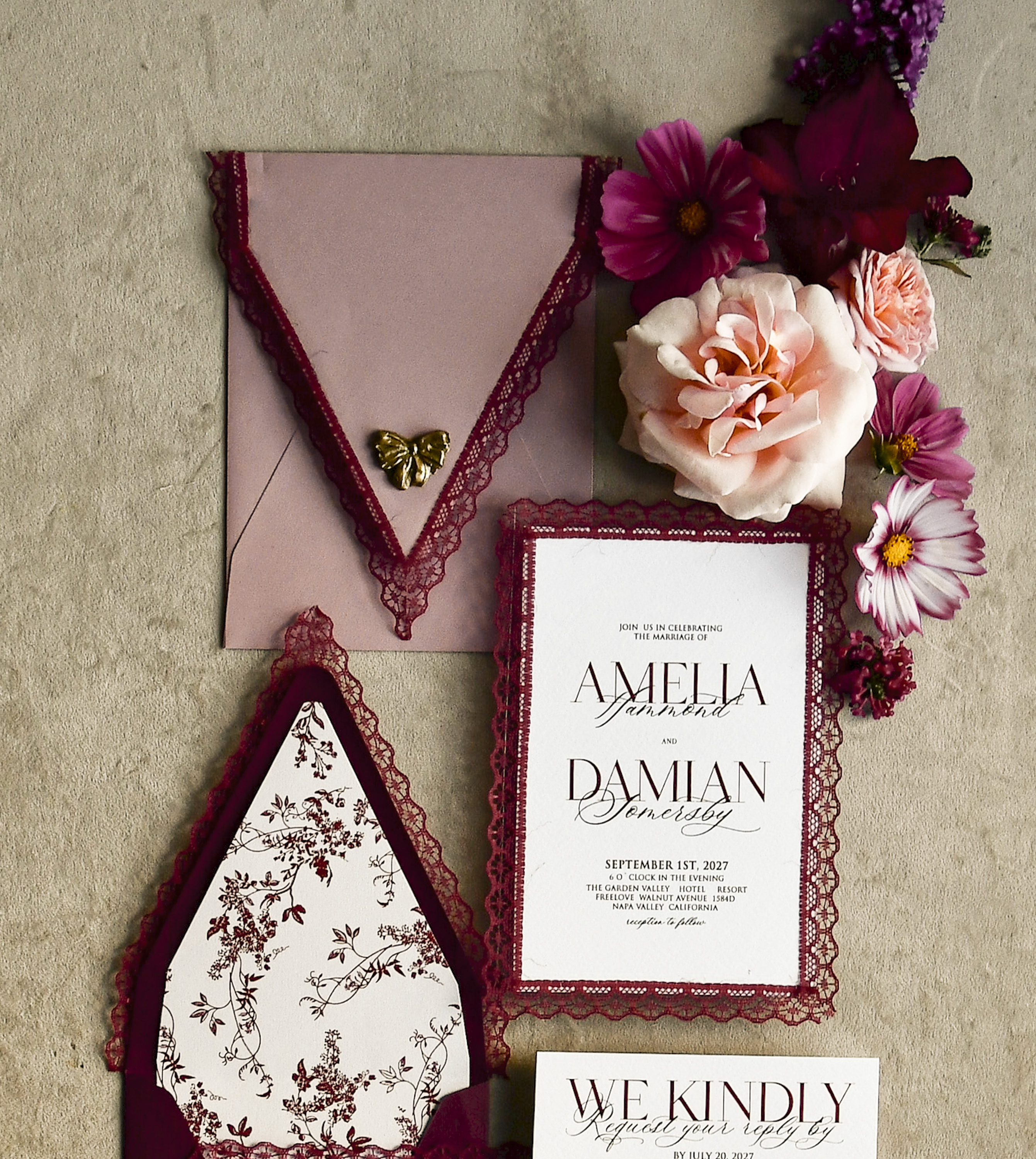
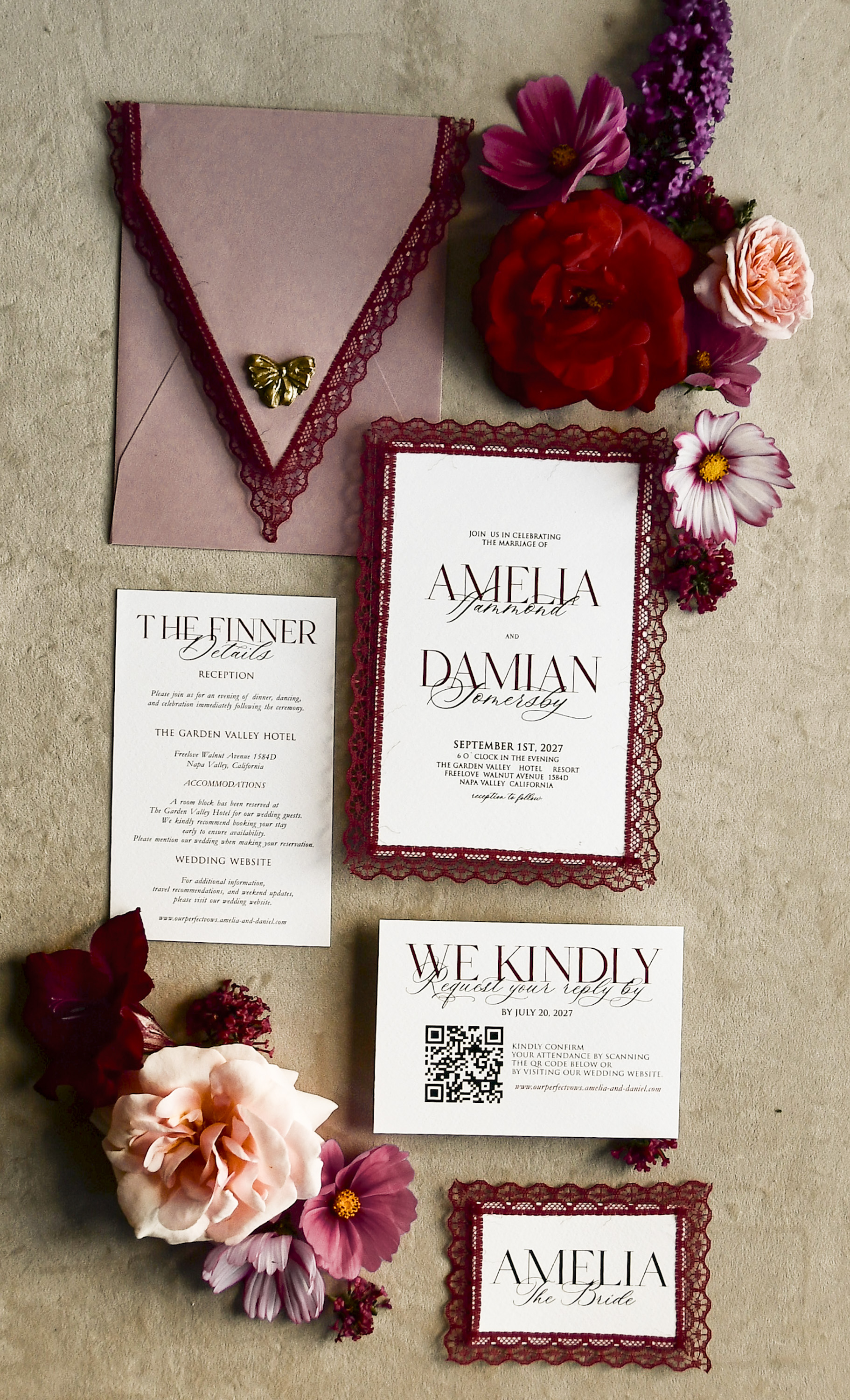
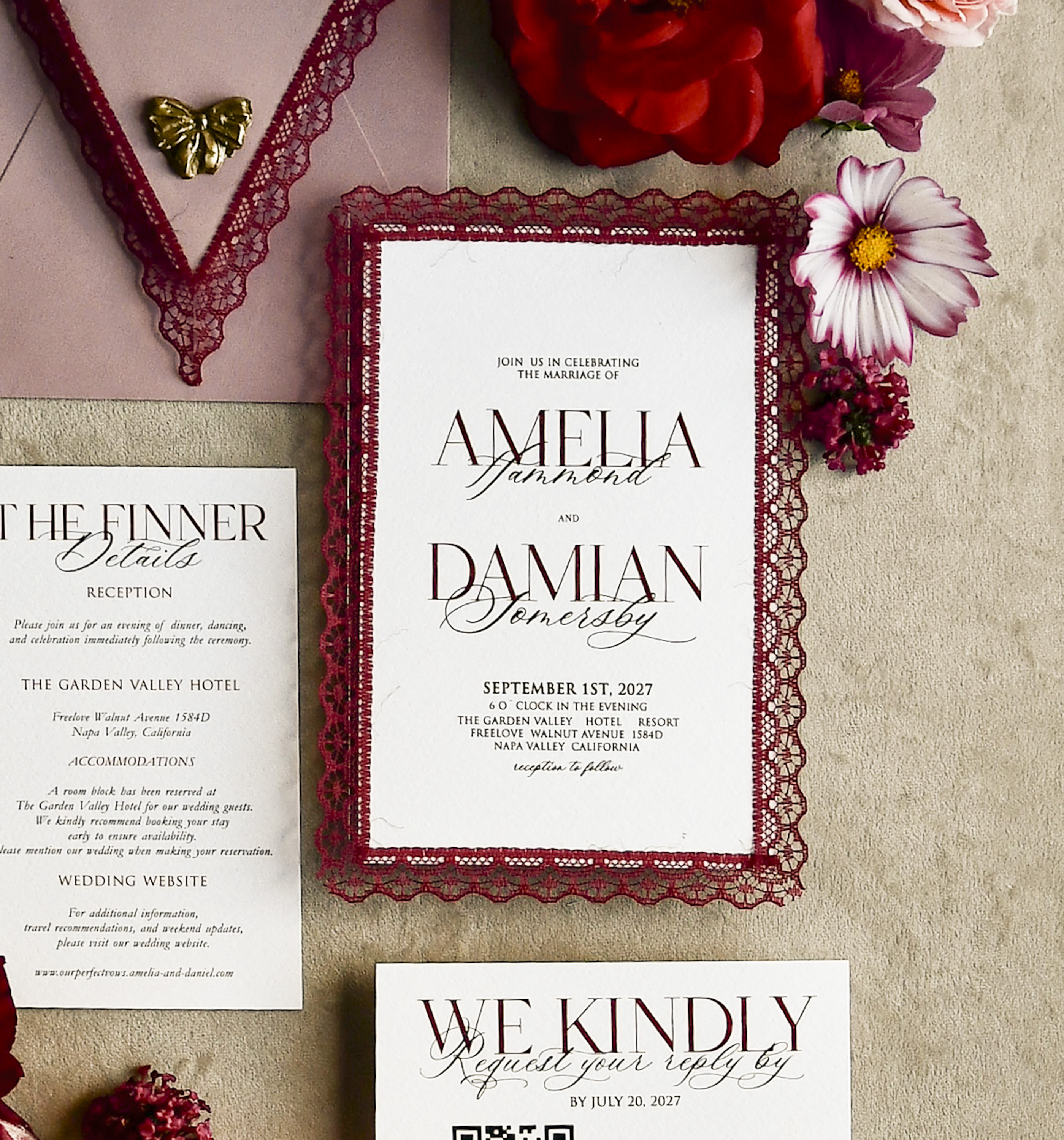
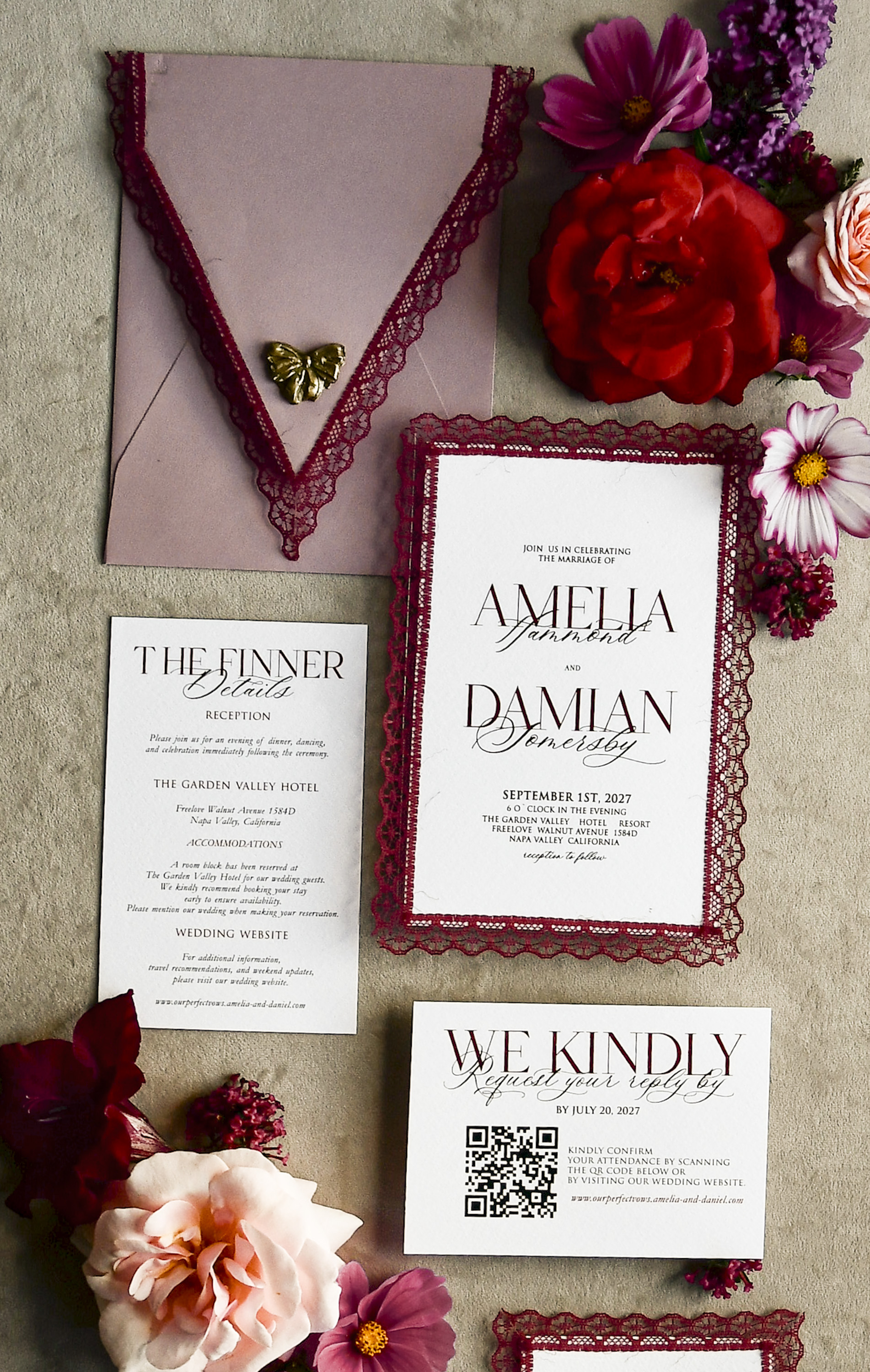
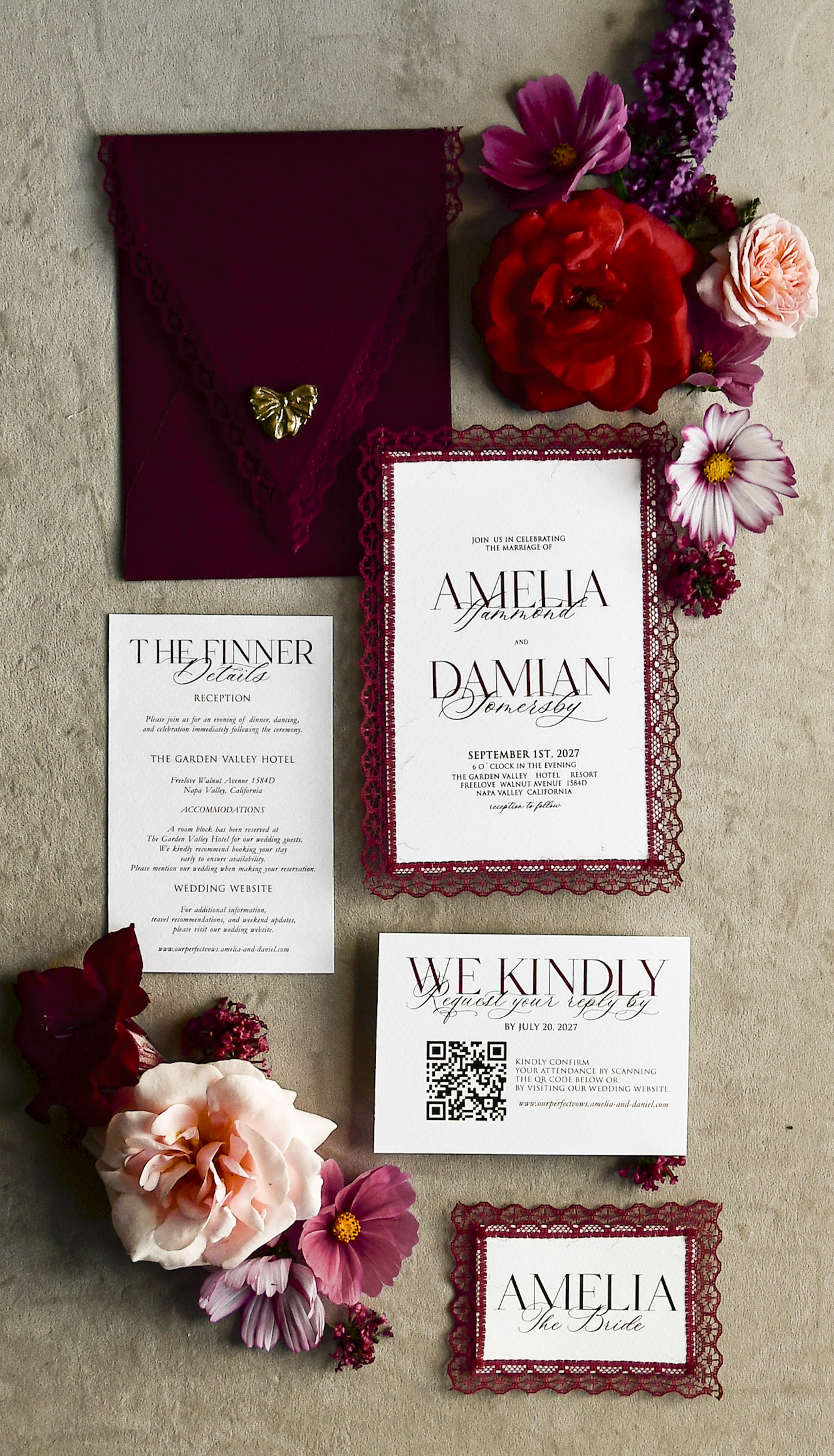
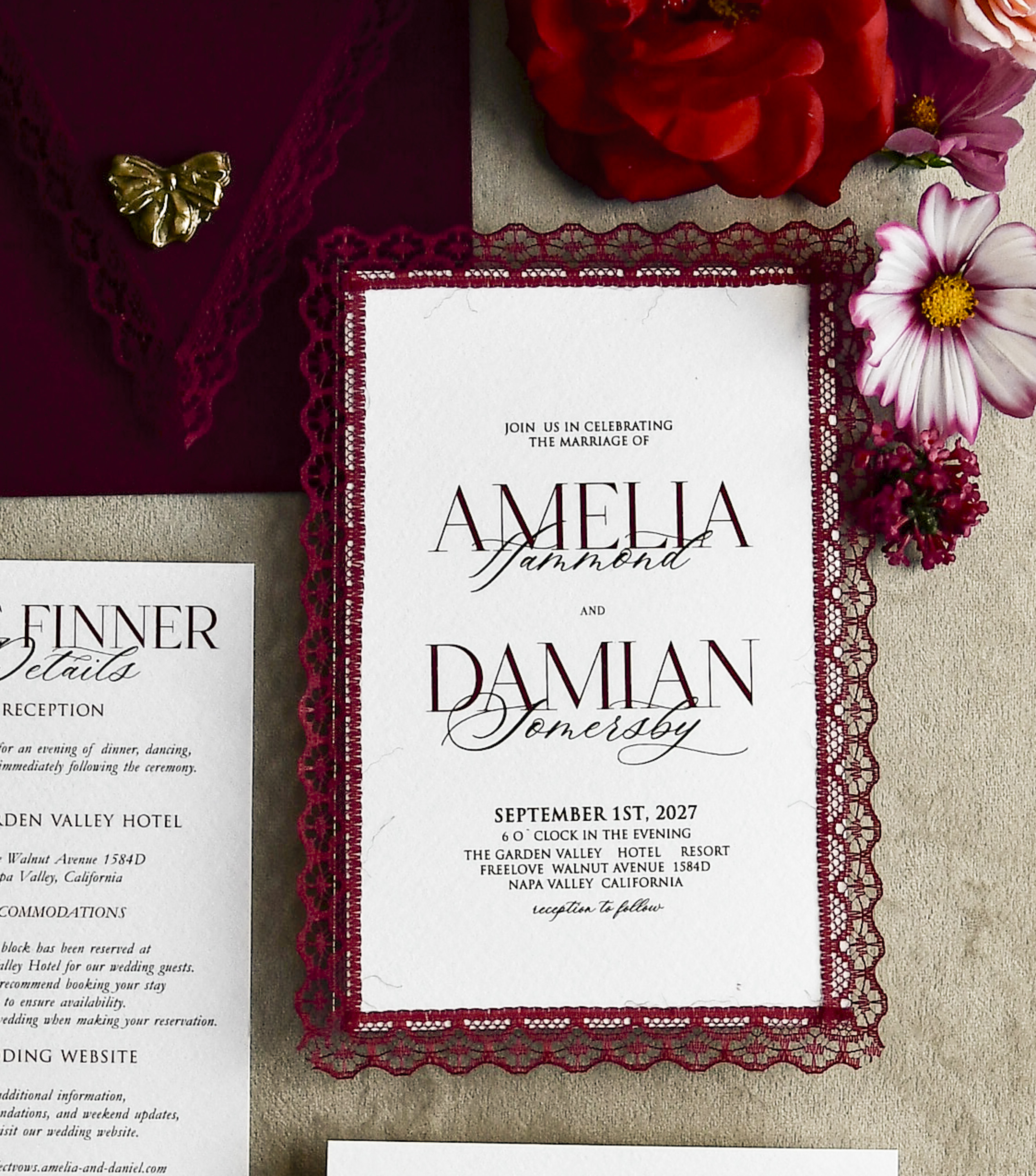
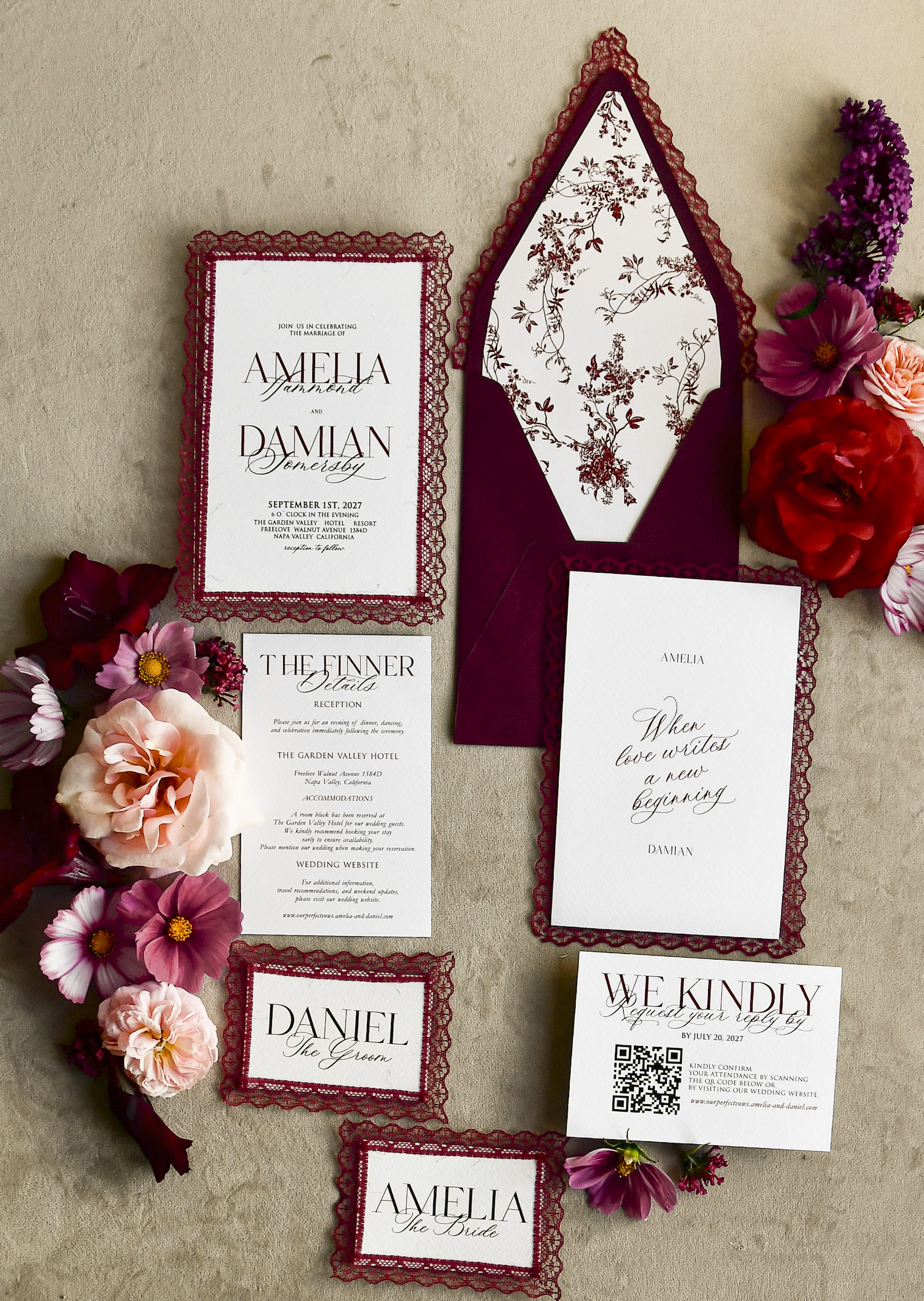
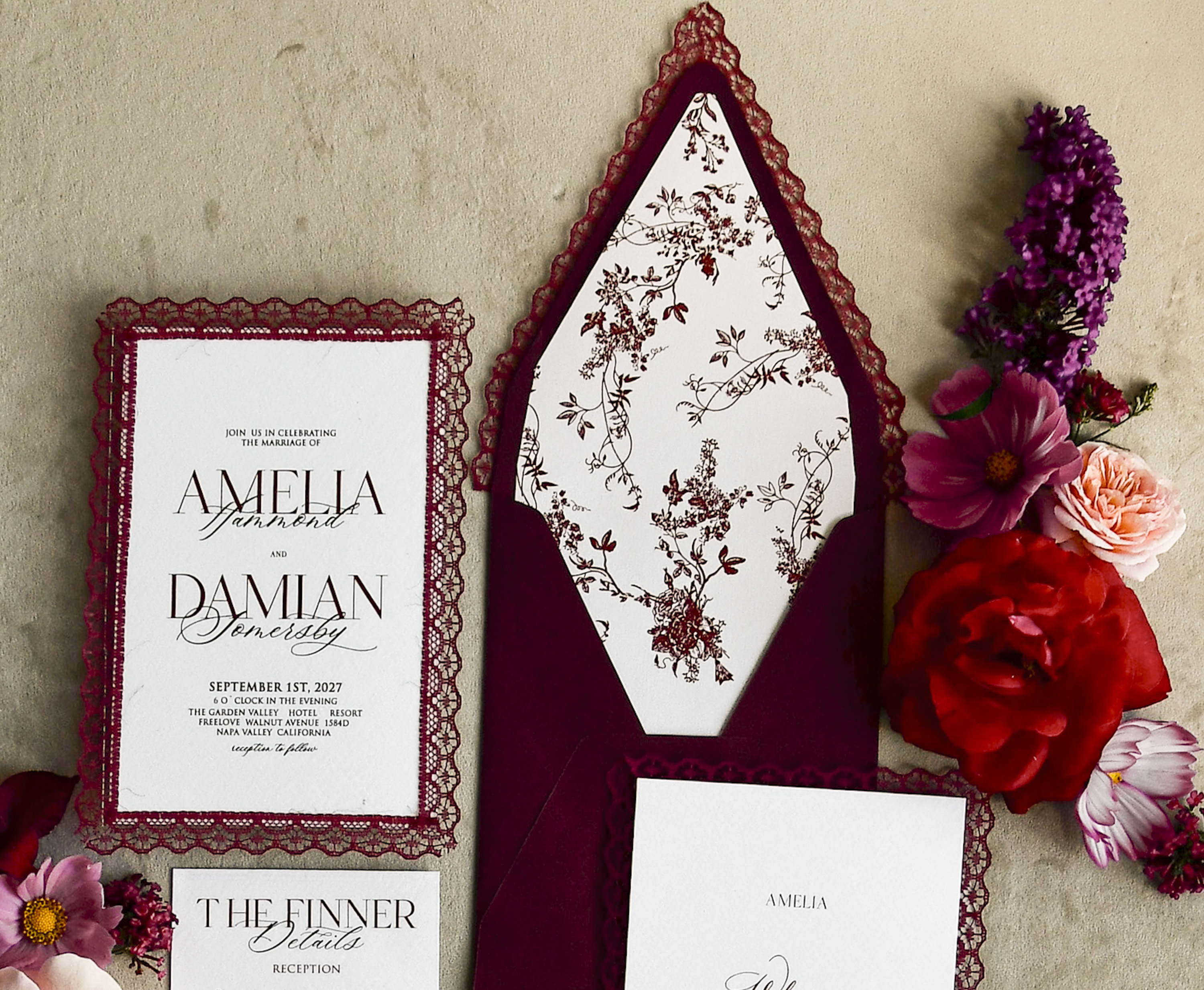
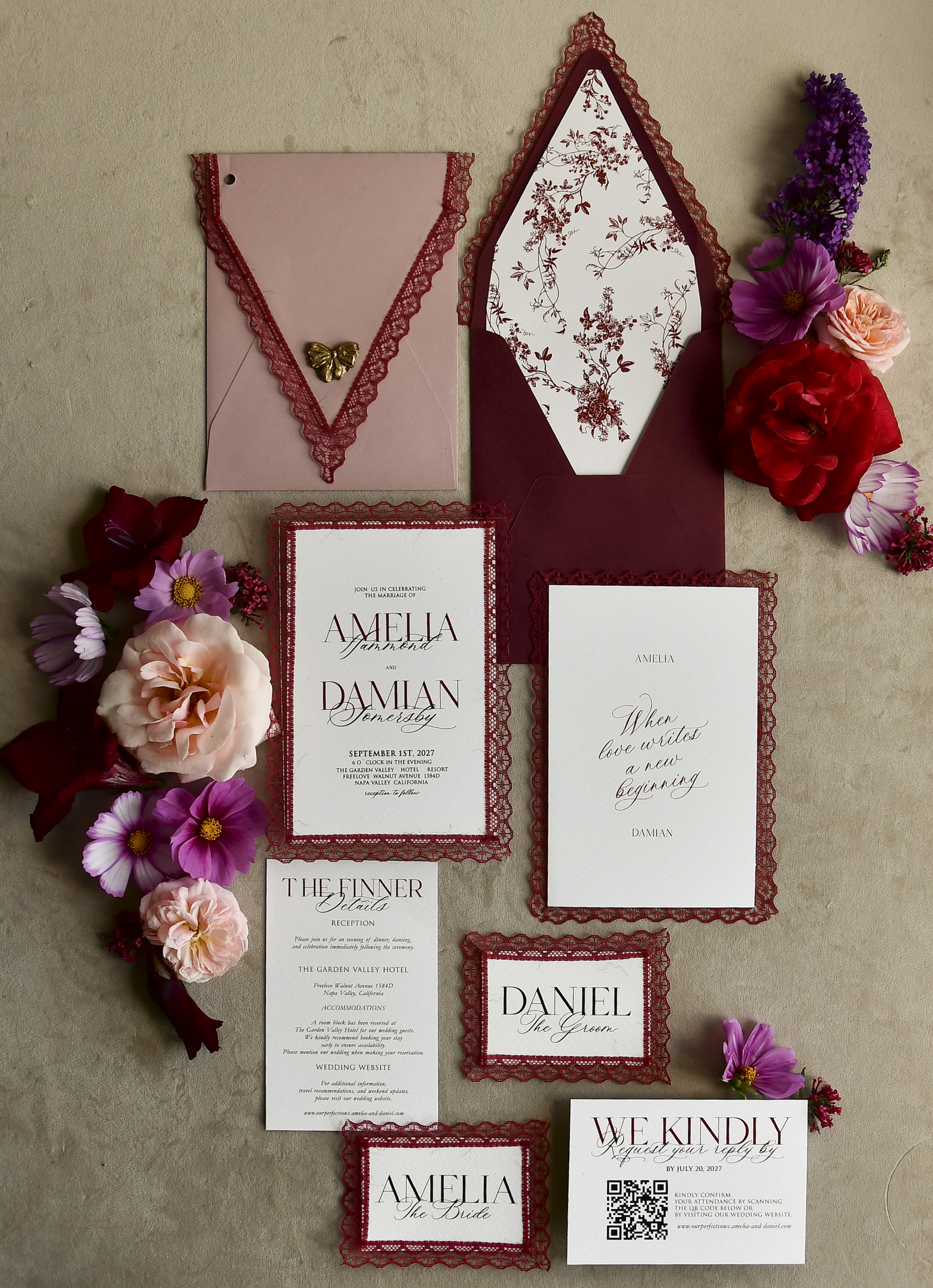
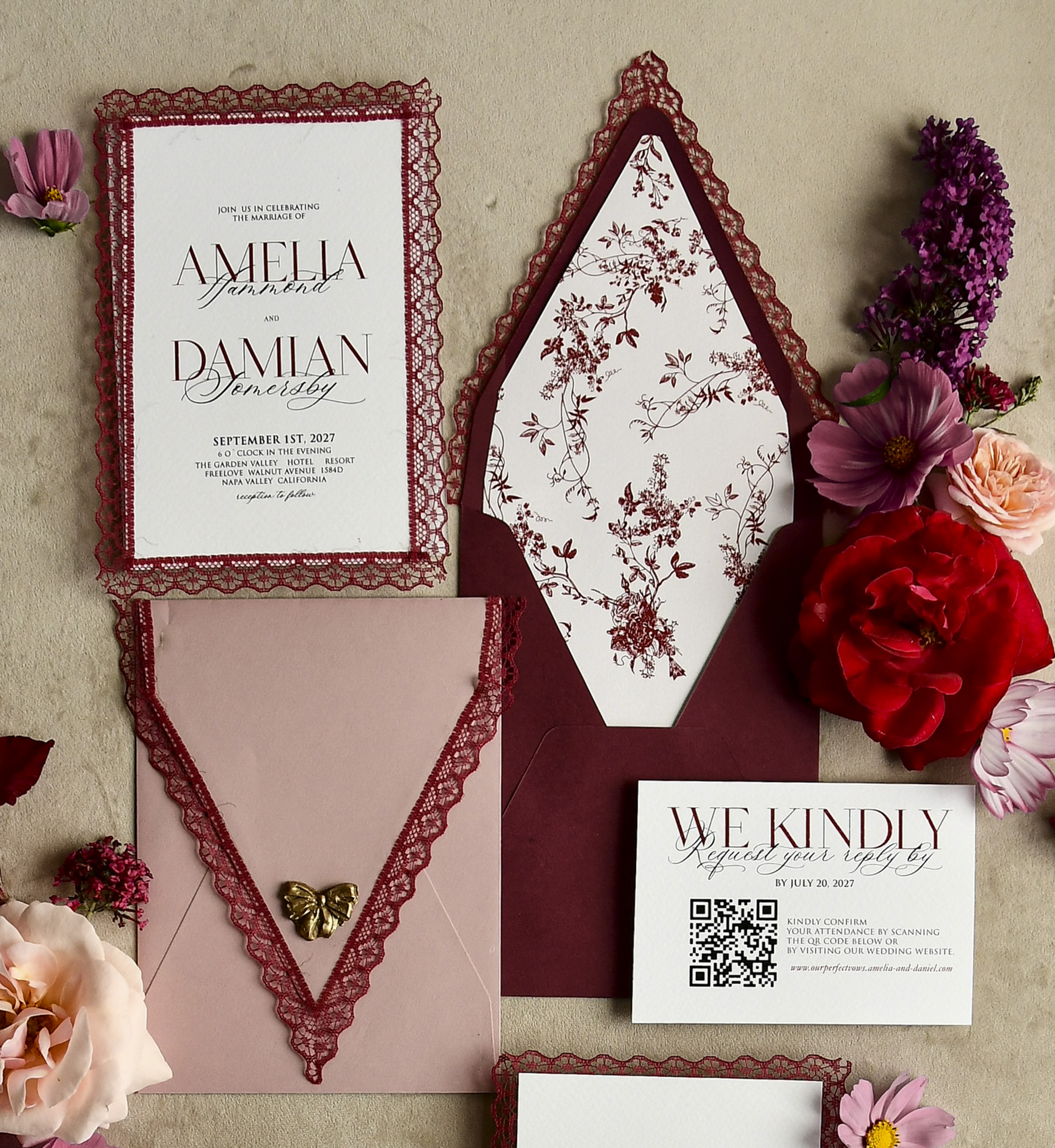
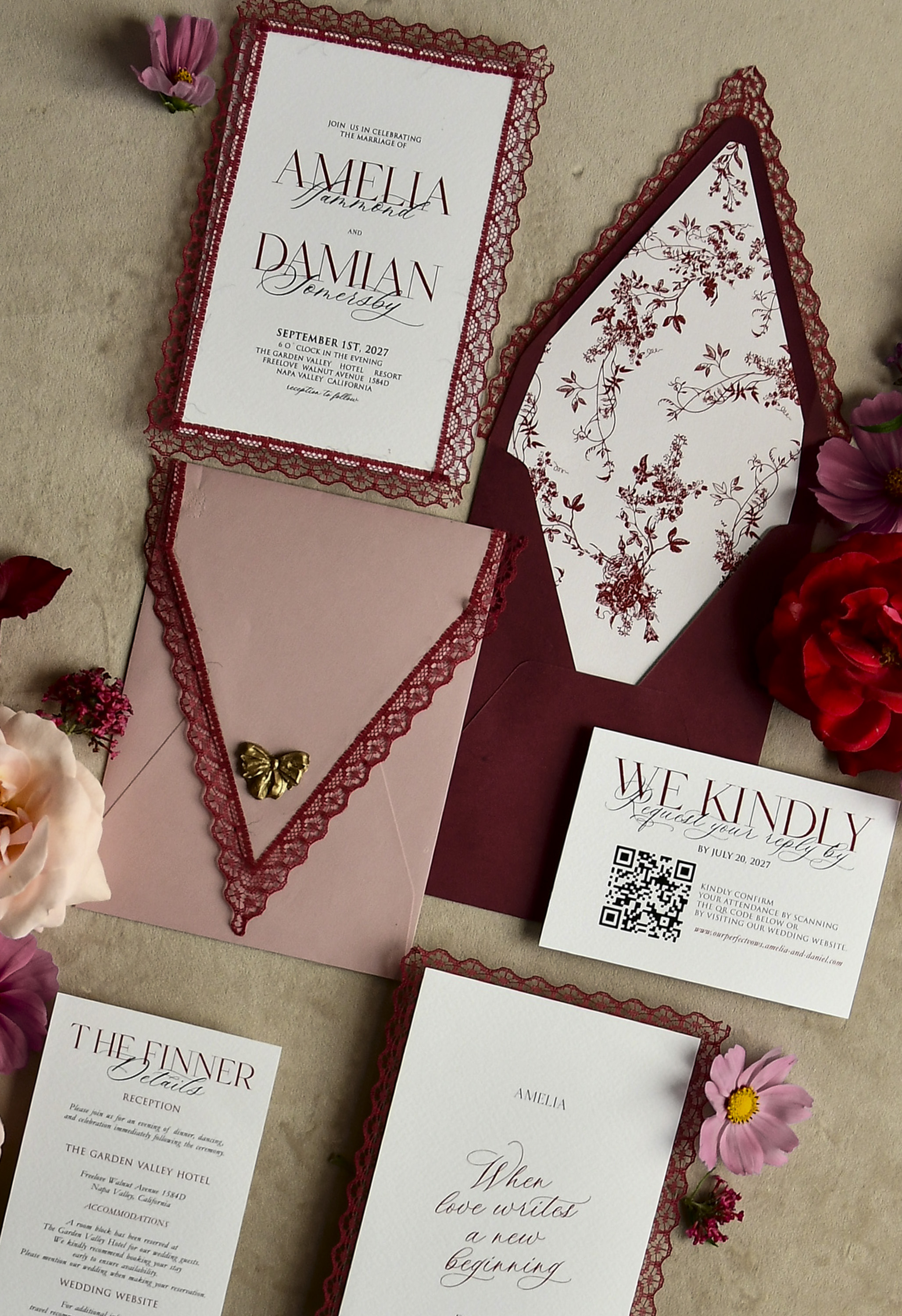
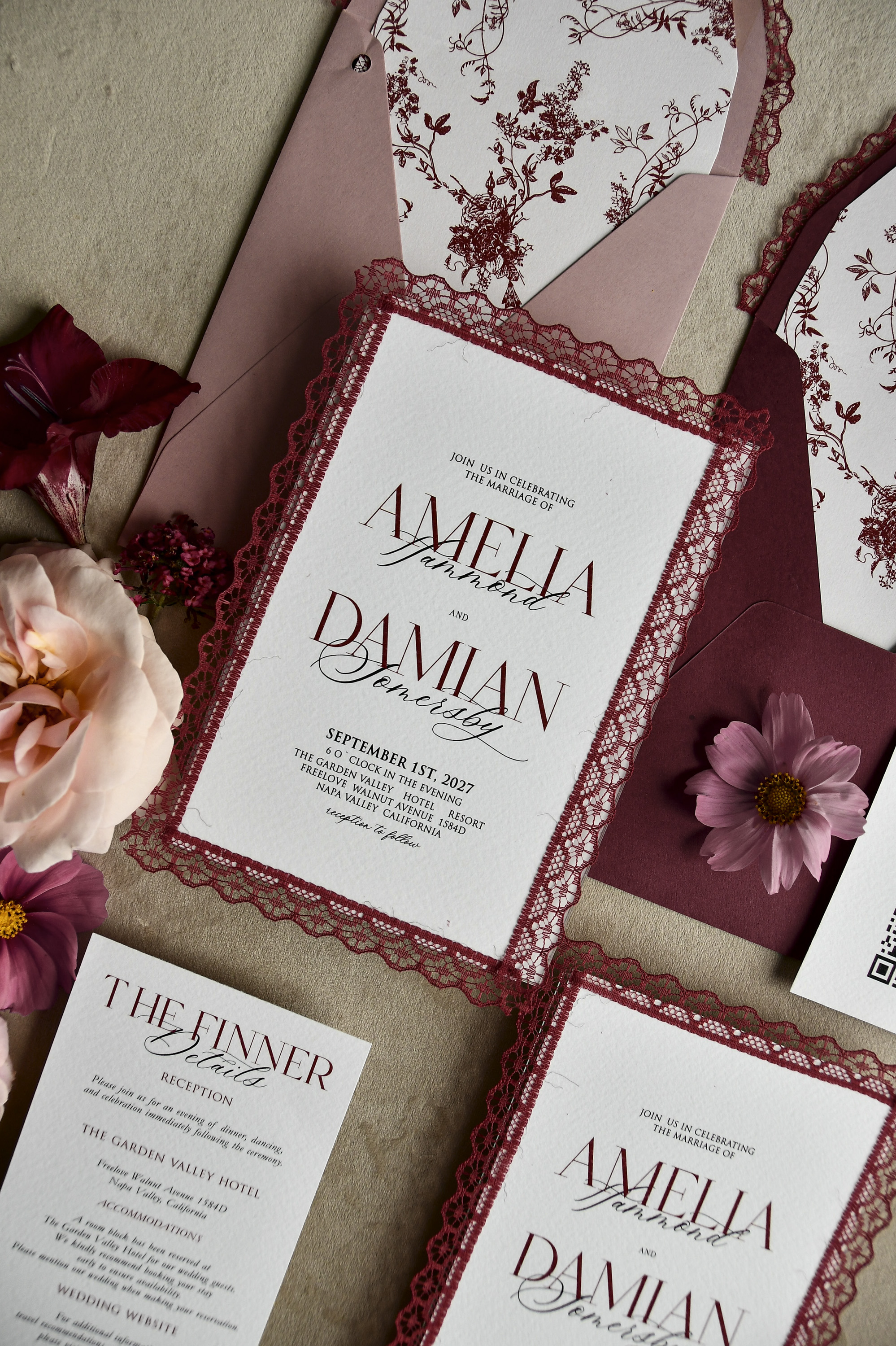
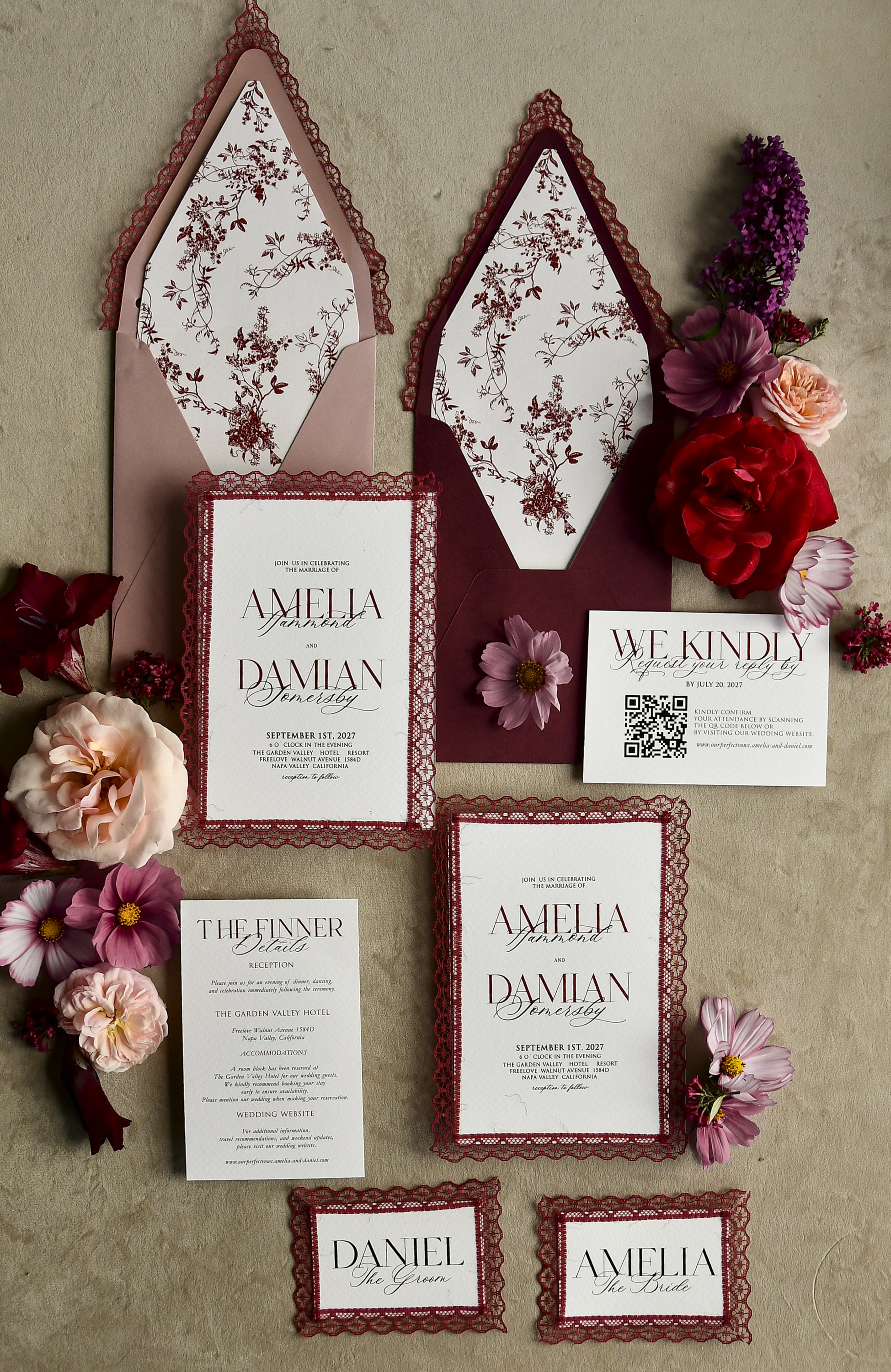
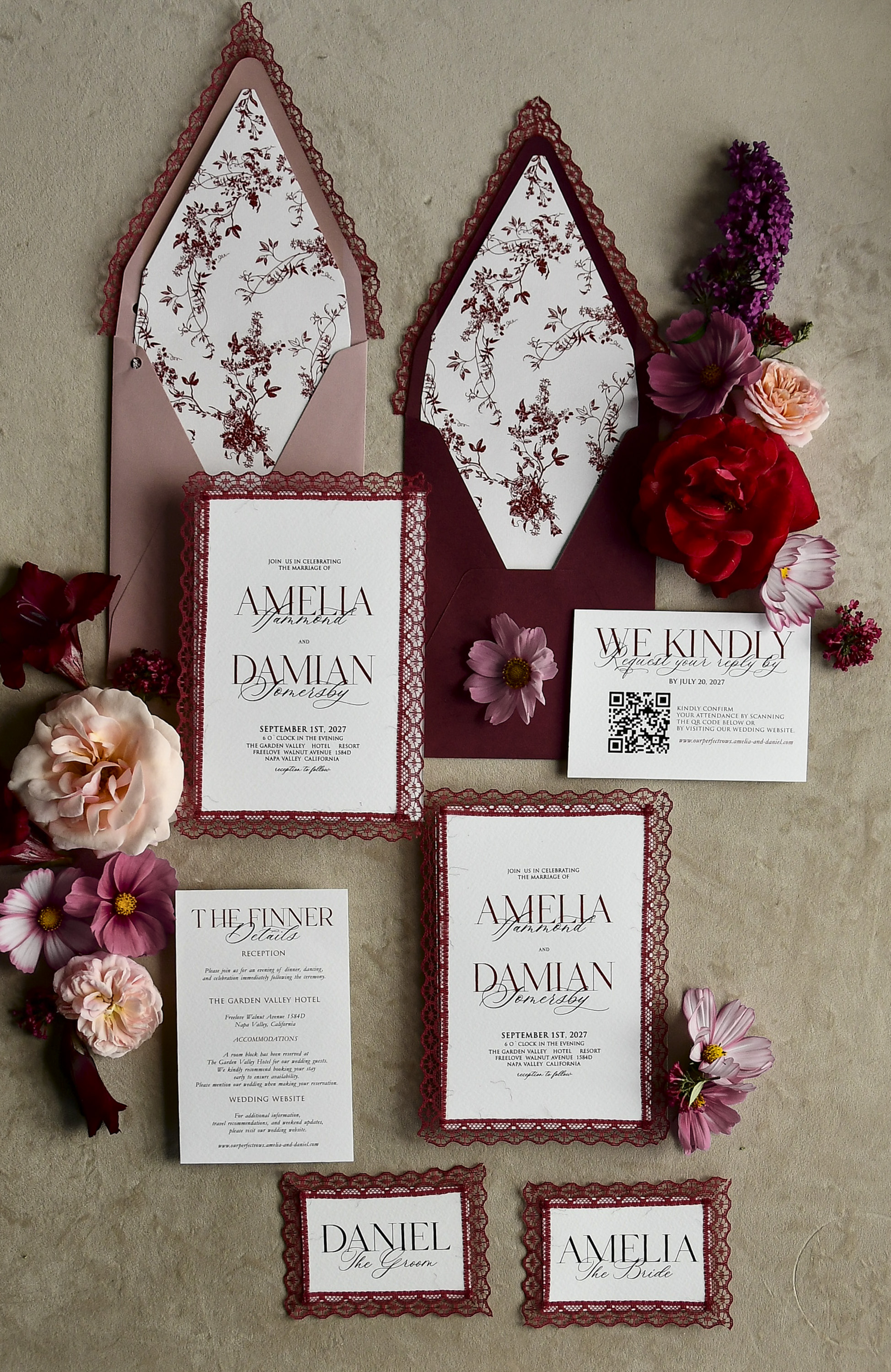
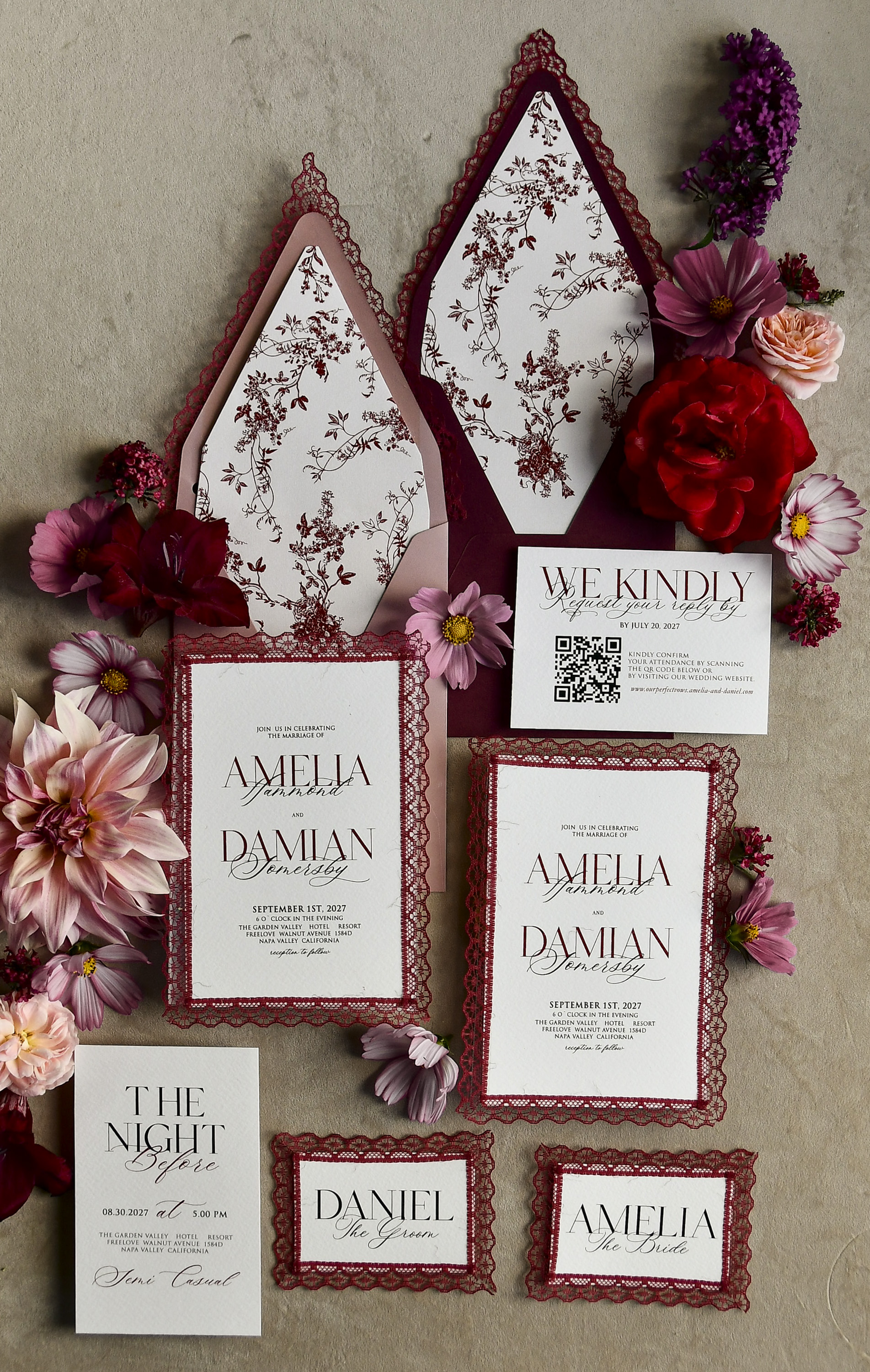
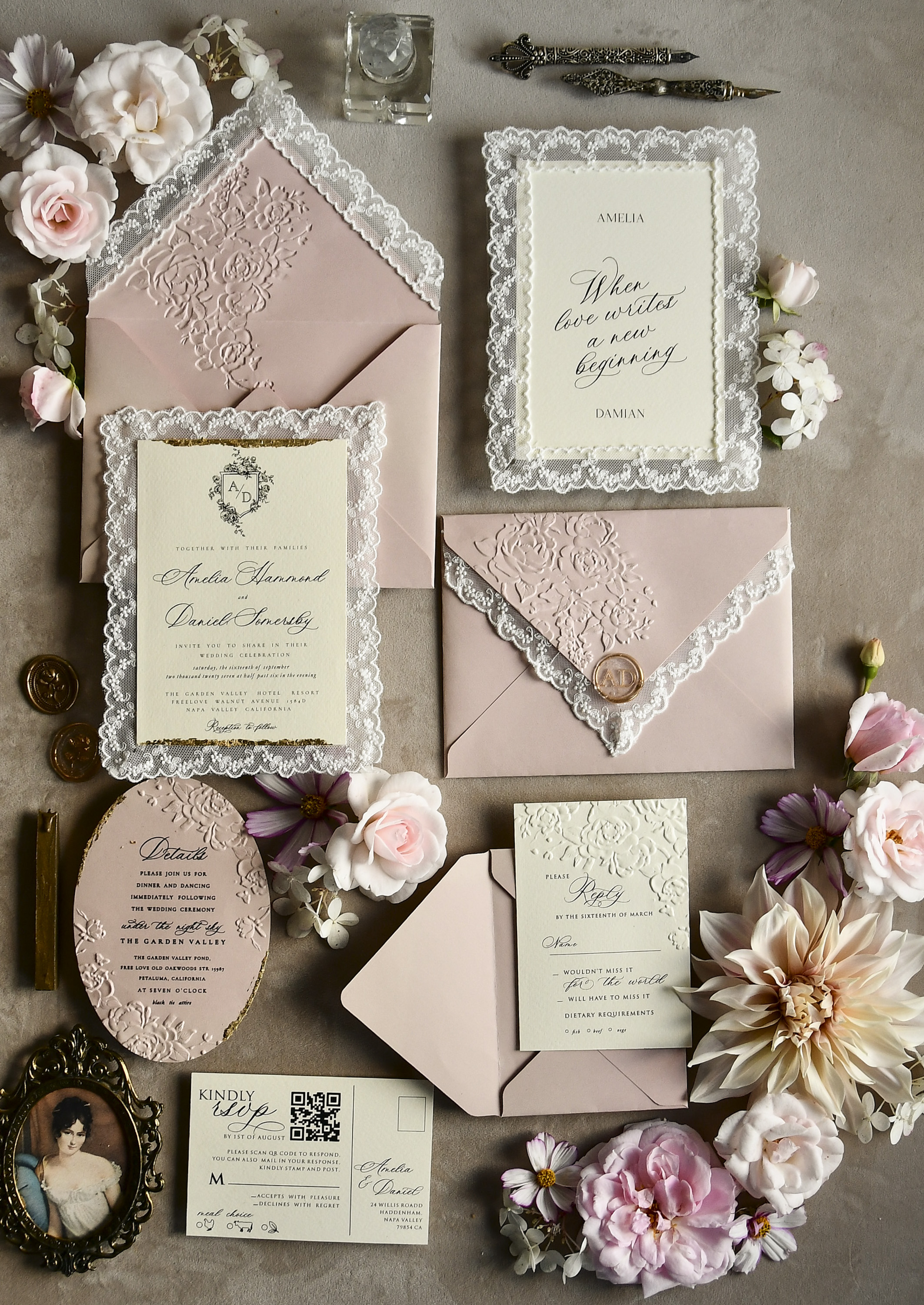
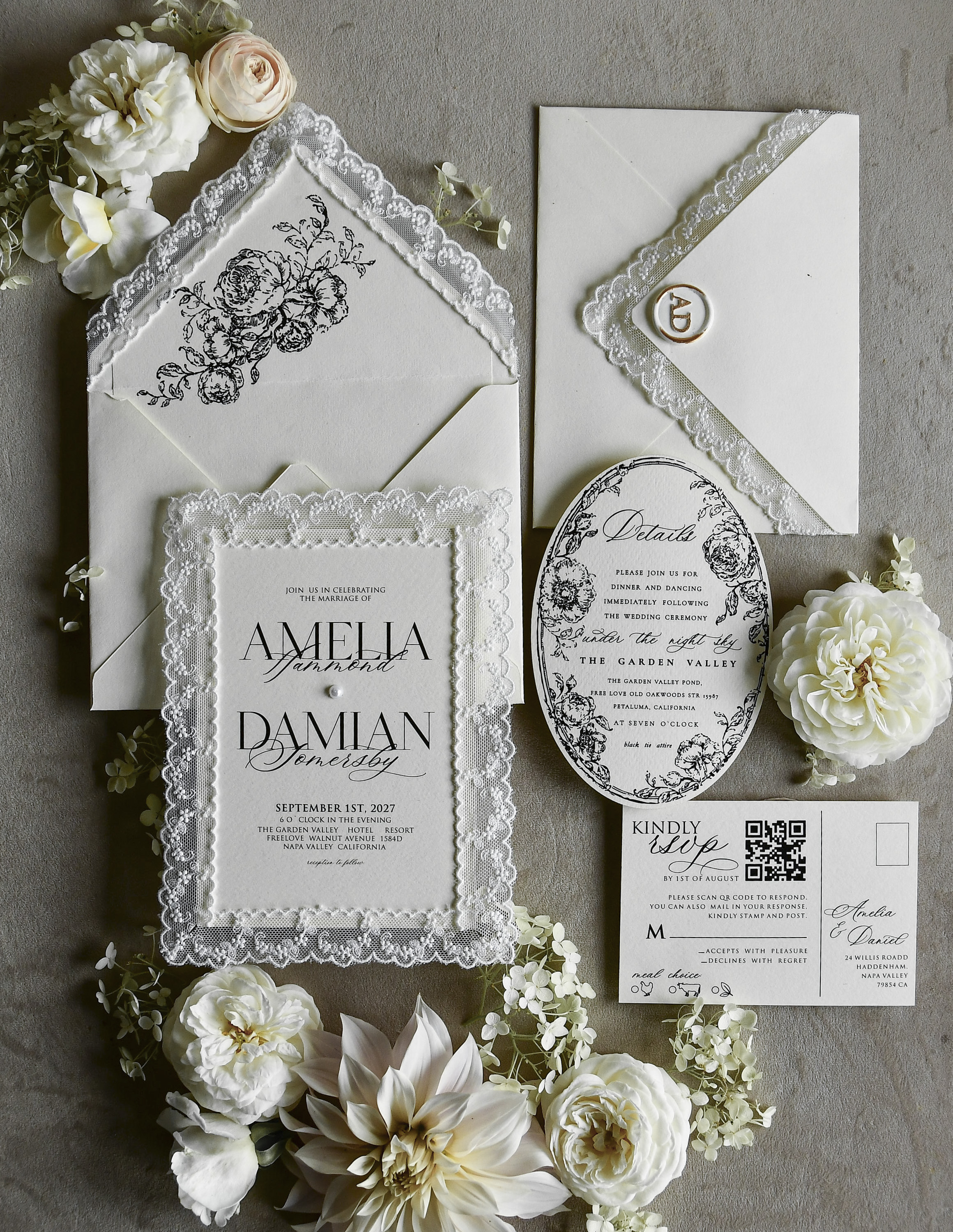
A vintage-style suite like the 03/laceD/z from Margo&Bees is a great example of an invitation worth delivering carefully either way—its delicate lace detailing deserves to arrive pristine, whether it travels by mail or hand.
Etiquette Tips to Keep in Mind Either Way
Regardless of your delivery method, a few etiquette rules apply universally:
- Always include a stamped reply envelope so guests can RSVP without any friction.
- Never hand-deliver an invitation as a way to avoid inviting someone's partner — if you're delivering to a couple, address the envelope to both.
- Don't ask guests to "save a stamp" by emailing their RSVP unless you've explicitly set up a digital RSVP system that's clearly communicated on the invitation itself.
- Follow up with any guests who haven't responded within a week of your RSVP deadline, regardless of how the invitation was delivered.
The 03/laceD/z invitation suite, starting from $7.50, pairs beautifully with coordinating RSVP cards and envelope liners that make the full package feel cohesive and polished—exactly what you want guests to open, whether from their mailbox or your hands.
Frequently Asked Questions
Standard first-class postage starts around $0.68, but most wedding invitation suites with multiple enclosures require additional postage—often $1.00–$1.50 per envelope. Always have your assembled suite weighed at the post office before purchasing stamps in bulk.
Yes, but make sure the invitation is protected during transport—use a sleeve or deliver it inside a small bag to prevent bending or smudging. If the design is particularly delicate, an outer envelope is still the safest option.
Not at all, as long as all invitations go out around the same time. The delivery method itself isn't a social statement—what matters is that every guest receives their invitation with equal care and within the same general window.
Contact your stationer as soon as possible to order a replacement—most print-on-demand services can turn around a reprint quickly. In the meantime, reach out to the guest personally so they know they're invited and aren't waiting on something that may never arrive.
Hand-canceling (having postal workers stamp each envelope by hand rather than running them through a machine) is strongly recommended for wedding invitations. It significantly reduces the risk of damage to wax seals, vellum wraps, or embellishments, and most post offices will do it for free if you ask.
Six weeks before the wedding is the absolute minimum for local guests; eight weeks is the standard recommendation. For destination weddings or events around major holidays, send 10–12 weeks out to give guests time to make travel arrangements.
See This Design Up Close
You May Also Like
More Wedding Planning Guides
- → How to Handle a Guest List Ultimatum Without Losing Your Mind (or Your Wedding)
- → Your Fiancé Doesn't Want Your Family at the Wedding — Here's How to Navigate It
- → Wedding Invitation Addressing: Who Gets What Line and Why
- → Should You Invite Someone Just Because Mom Asked? Here's How to Decide
- → The Single Guest Plus-One Question: What Every Couple Should Know
- → Handling the 'Why Wasn't I Invited to Your Wedding?' Question
- → Save the Dates vs. Wedding Invitations: A Clear Guide to What Goes Out When and Why
- → Uninvited Plus-Ones and Tag-Alongs: How to Keep Your Guest List Intact
- → When Family Feuds Threaten Your Wedding Plans: A Practical Peacekeeper's Guide
- → Inviting an Estranged Brother or Sister: Finding Clarity Before You Seal the Envelope
- → Cousins, Invites, and Hard Choices: A Practical Guest List Guide