
Should You Invite Someone Just Because Mom Asked? Here's How to Decide

Your guest list is one of the most personal decisions you'll make as a couple — and one of the most contested. If your mom has handed you a list of names you barely recognize, you're not alone. Almost every engaged couple faces some version of this conversation: "We have to invite the Hendersons. I've known them for thirty years." Before you cave out of guilt or dig in out of frustration, take a breath. There's a thoughtful way through this — and it starts with asking the right questions.
Understand Why Mom Is Asking
Before you say yes or no, it helps to understand what's driving the request. In most cases, your mom isn't trying to hijack your wedding — she's navigating her own relationships and, sometimes, social obligations she's carried for decades. A few common reasons she might push for a certain guest:
- Reciprocity: The Garcias came to your cousin's wedding; not inviting them feels like a snub.
- Family politics: Leaving out a distant aunt could cause a rift that lasts years.
- Pride and community: She wants to celebrate this milestone with people who have been part of her life.
None of these are automatically good reasons to add someone to your list — but understanding the motivation helps you respond with empathy instead of defensiveness.
Ask Yourself the Key Questions
Once you know why she's asking, run the potential guest through a simple filter. Be honest with your answers:
- Have you met this person more than once? If you genuinely don't know them, that matters.
- Would their absence cause real, lasting harm to an important relationship? There's a difference between mild awkwardness and a genuine family rupture.
- Do you have the budget and venue space? Every extra guest has a real cost — typically $100–$200 per head at the average US wedding.
- Is your mom contributing financially to the wedding? If she's helping pay, some compromise on the guest list is reasonable — just set clear limits upfront.
If the answers point in different directions, that's normal. The goal isn't a perfect formula; it's a decision you can feel good about.
How to Have the Conversation Without the Drama
The way you respond to your mom matters as much as the answer itself. A few approaches that work:
- Set a number, not a name-by-name battle. Instead of debating each person, tell your mom she has a set number of spots — say, ten — to fill however she'd like. This gives her autonomy while protecting your overall vision.
- Explain your reasoning calmly. "We're keeping it to close family and friends we see regularly" is a complete sentence. You don't owe a lengthy justification.
- Offer an alternative. If someone truly can't make the guest list, suggest including them in a post-wedding celebration or sending them an announcement card so they still feel acknowledged.
- Loop in your partner. Presenting a united front — "We've decided together" — takes the target off you and makes the decision feel less personal.
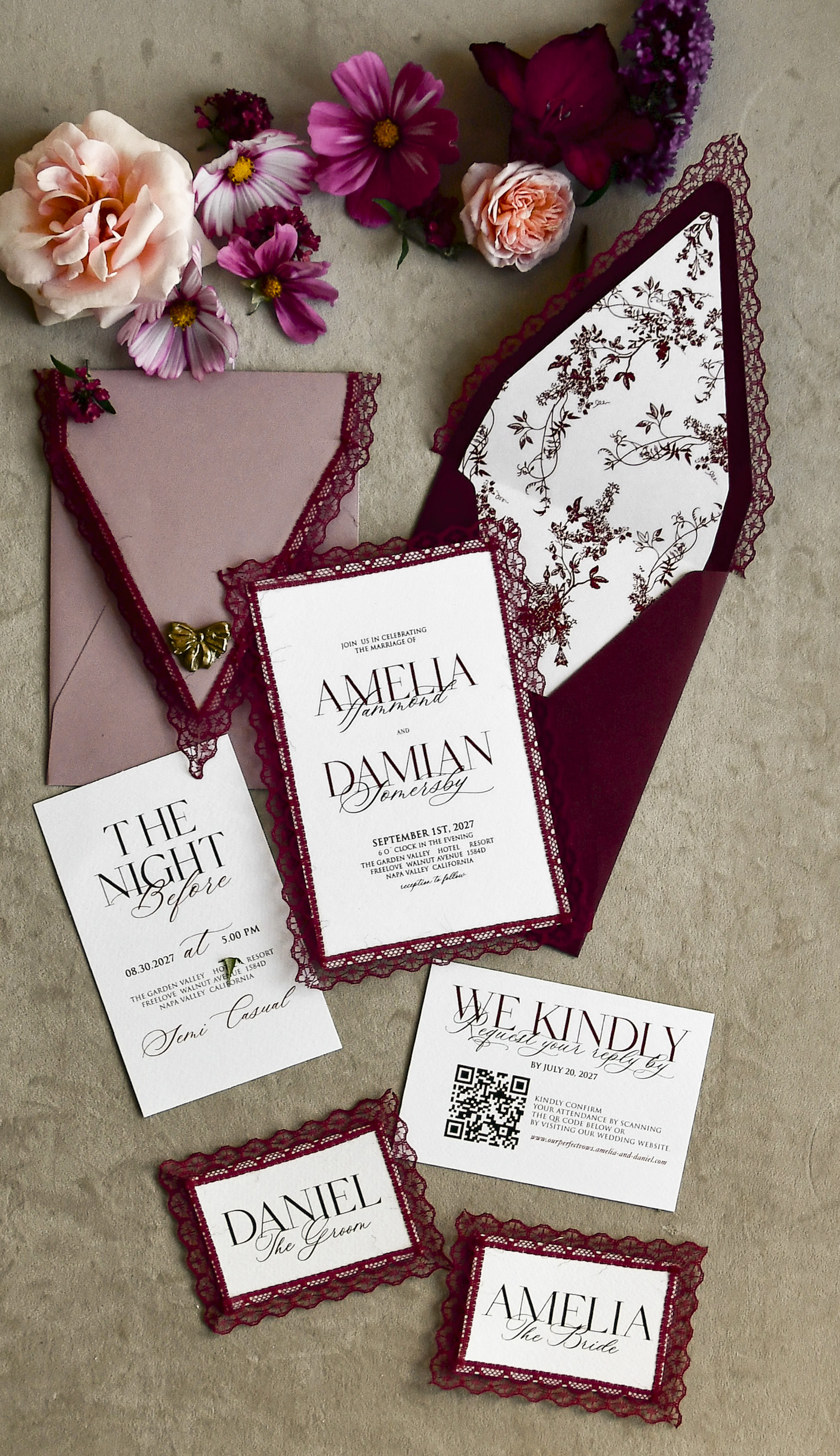
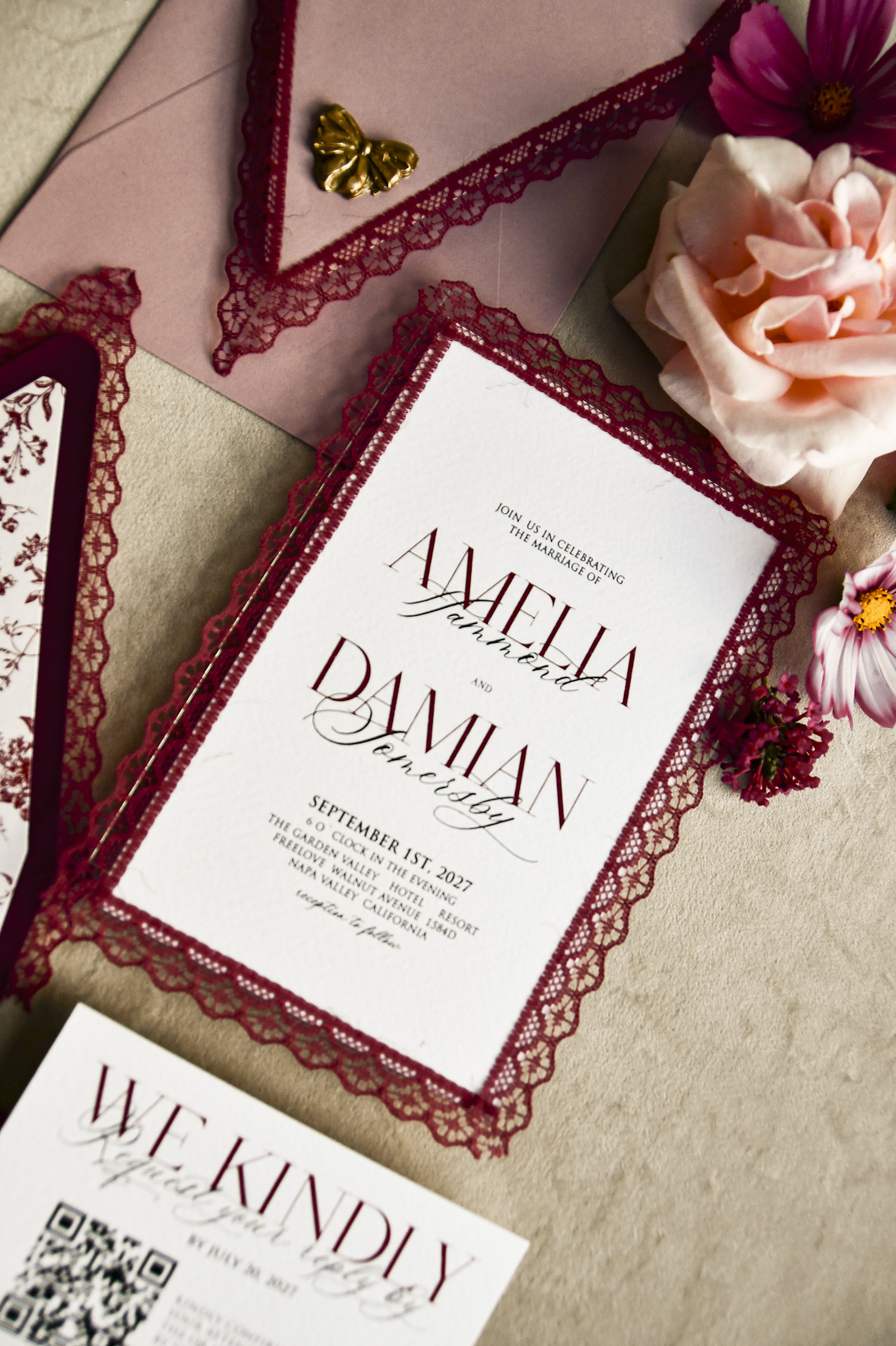
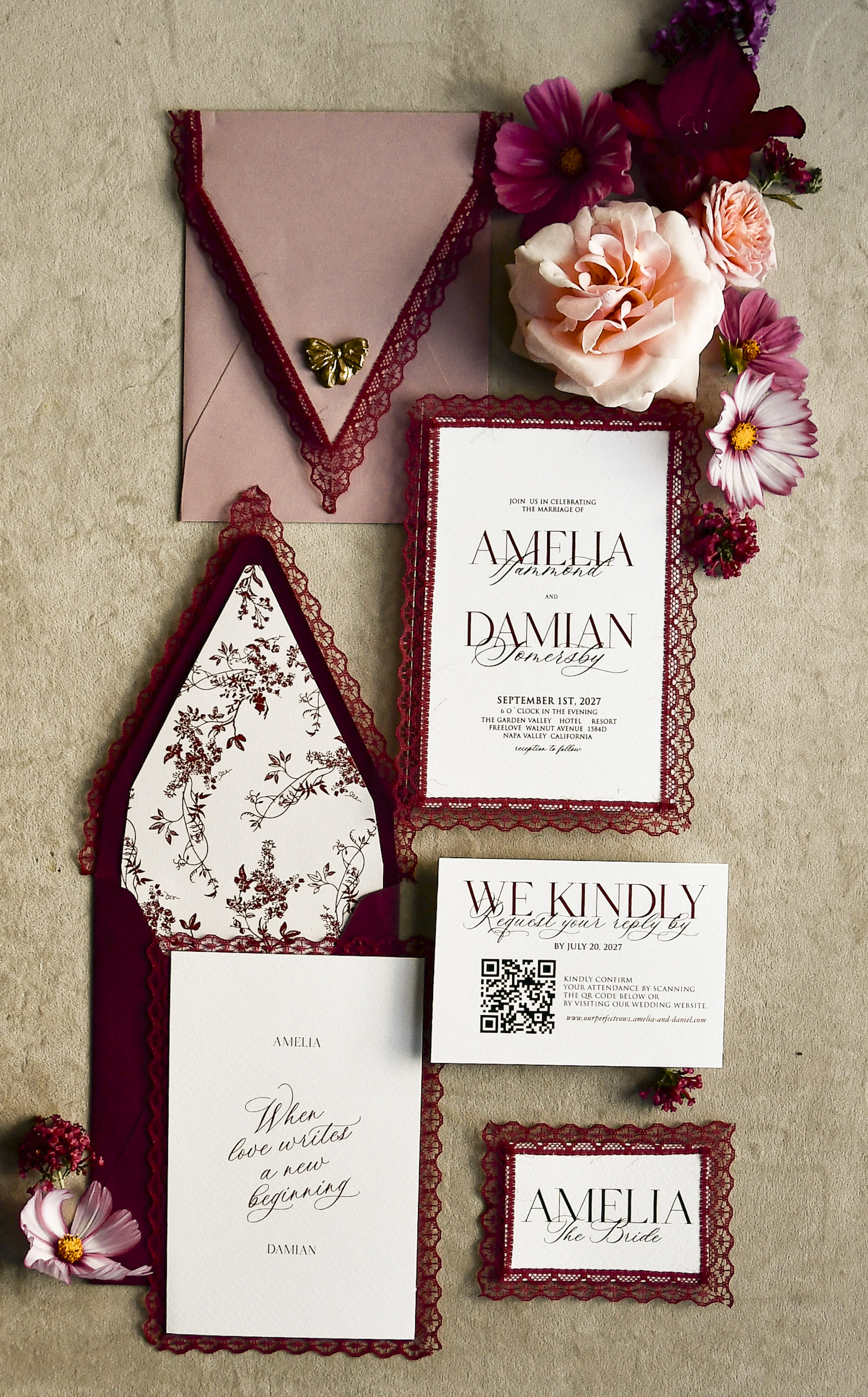
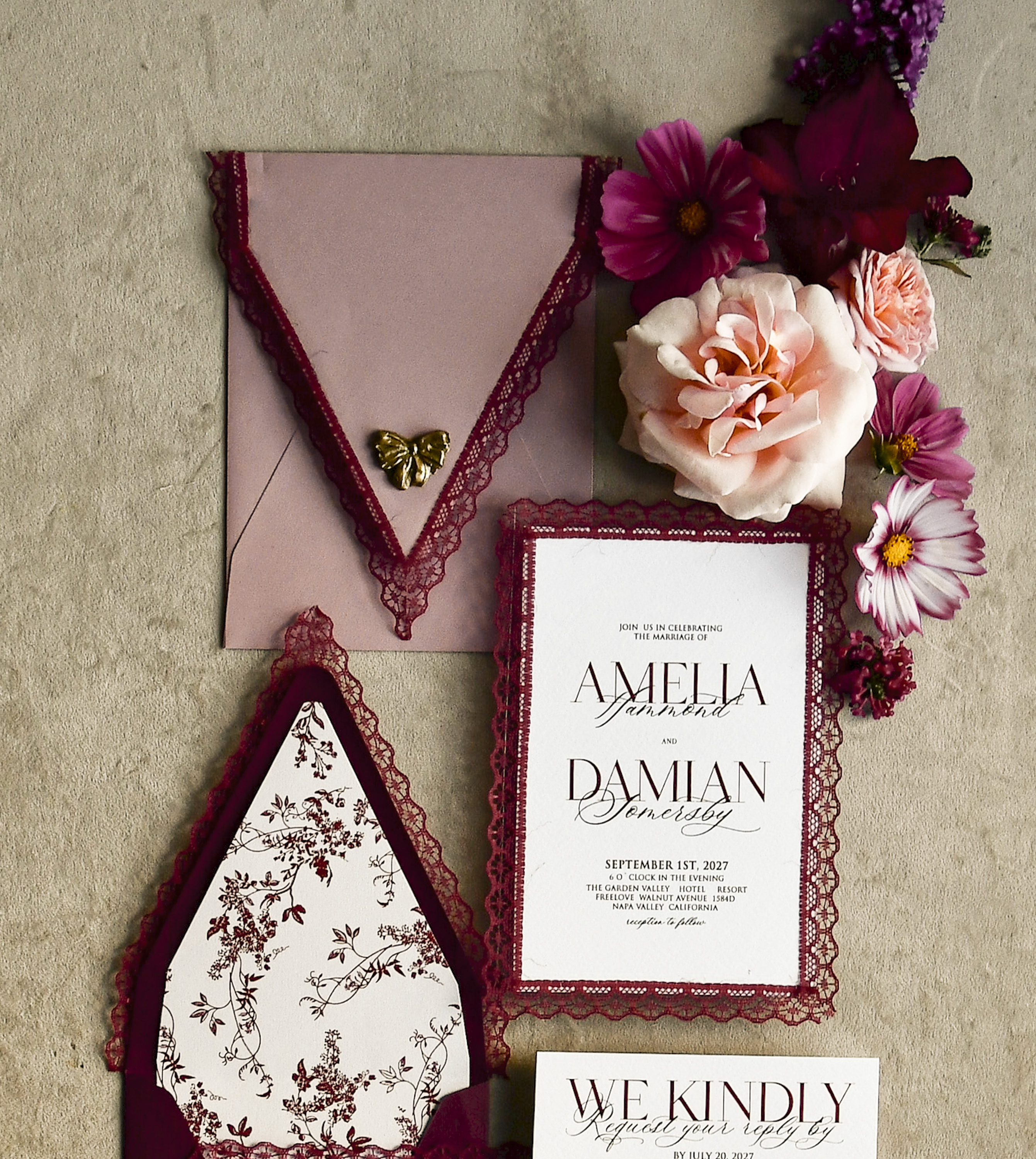
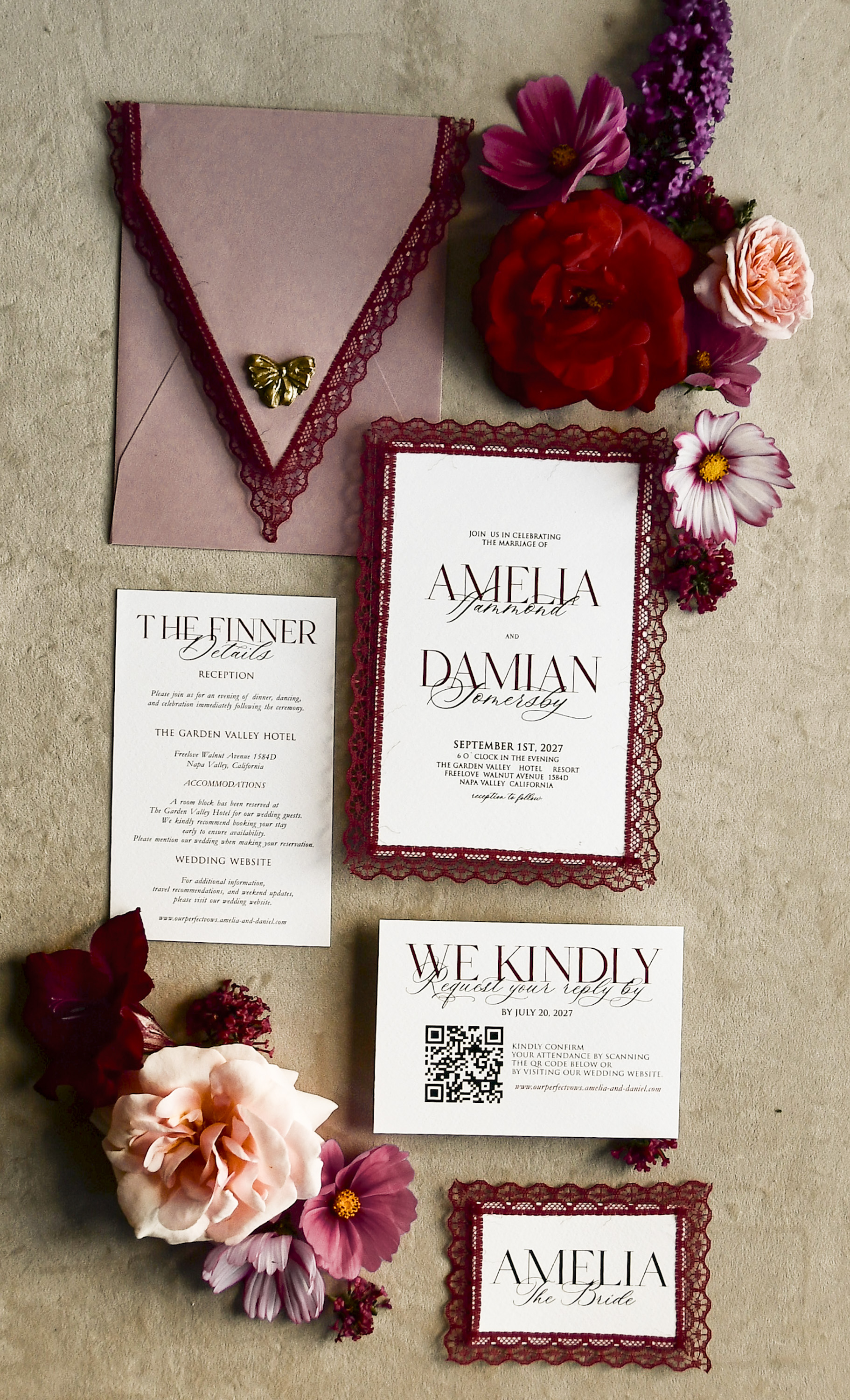
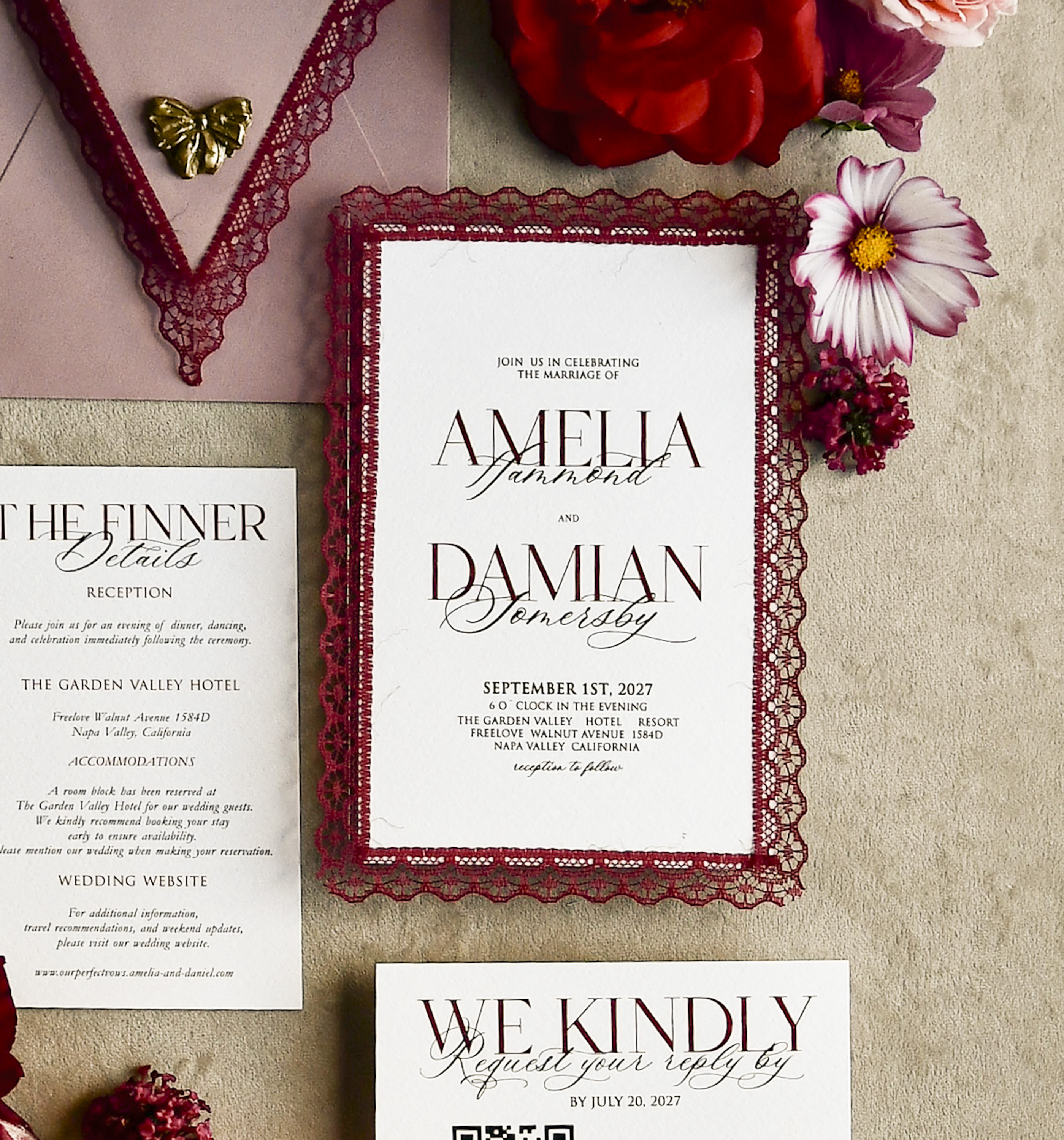
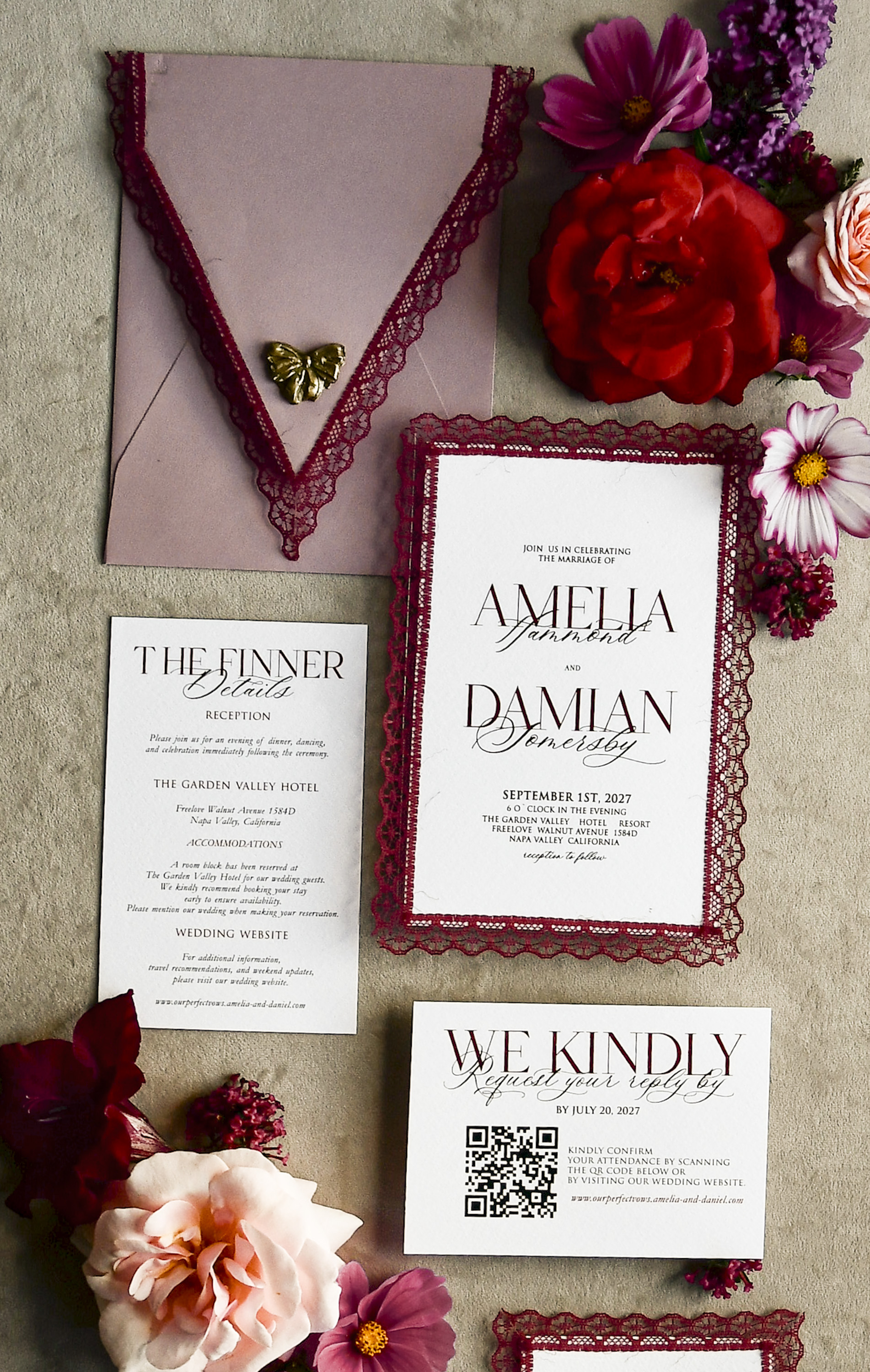
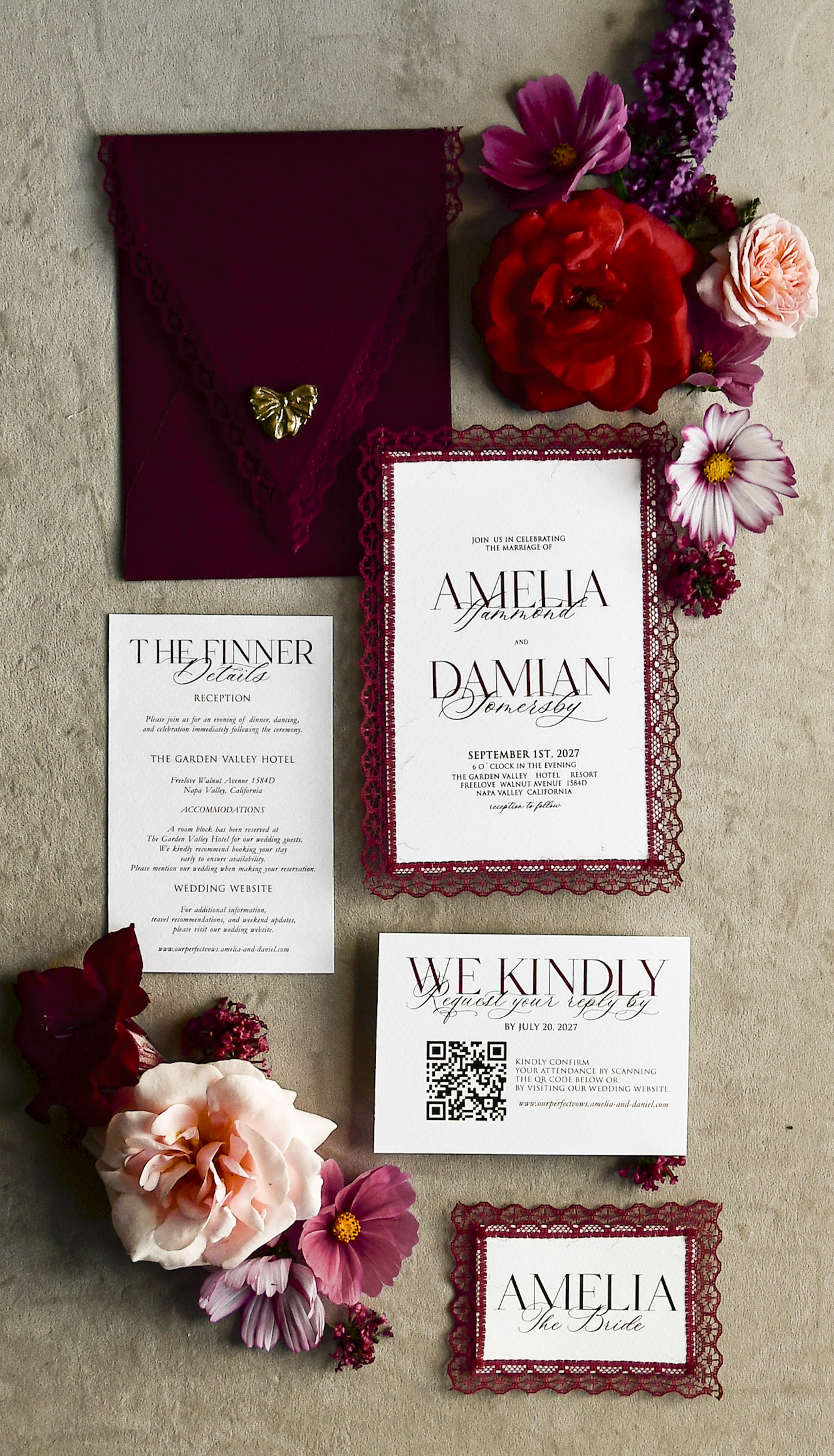
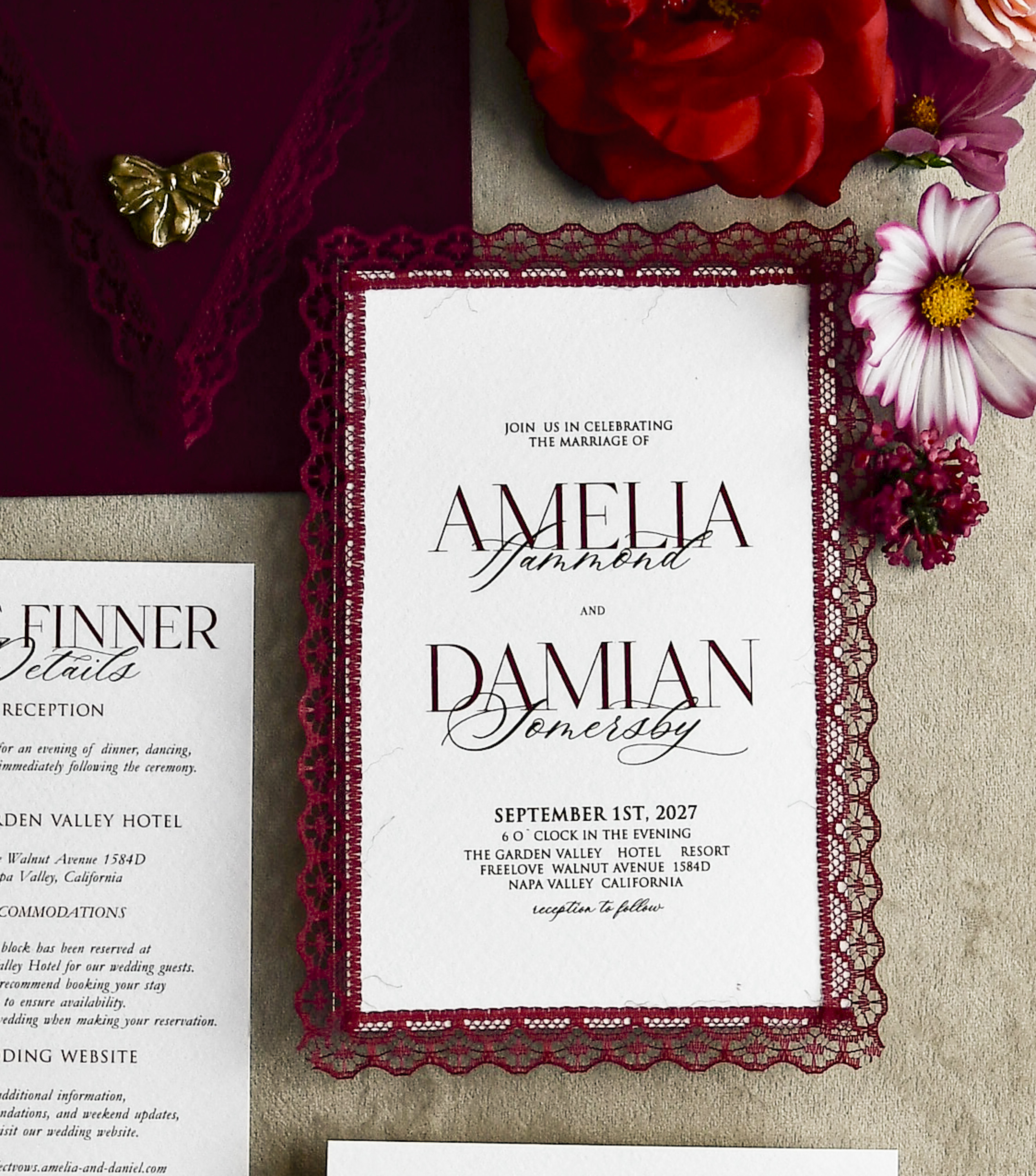
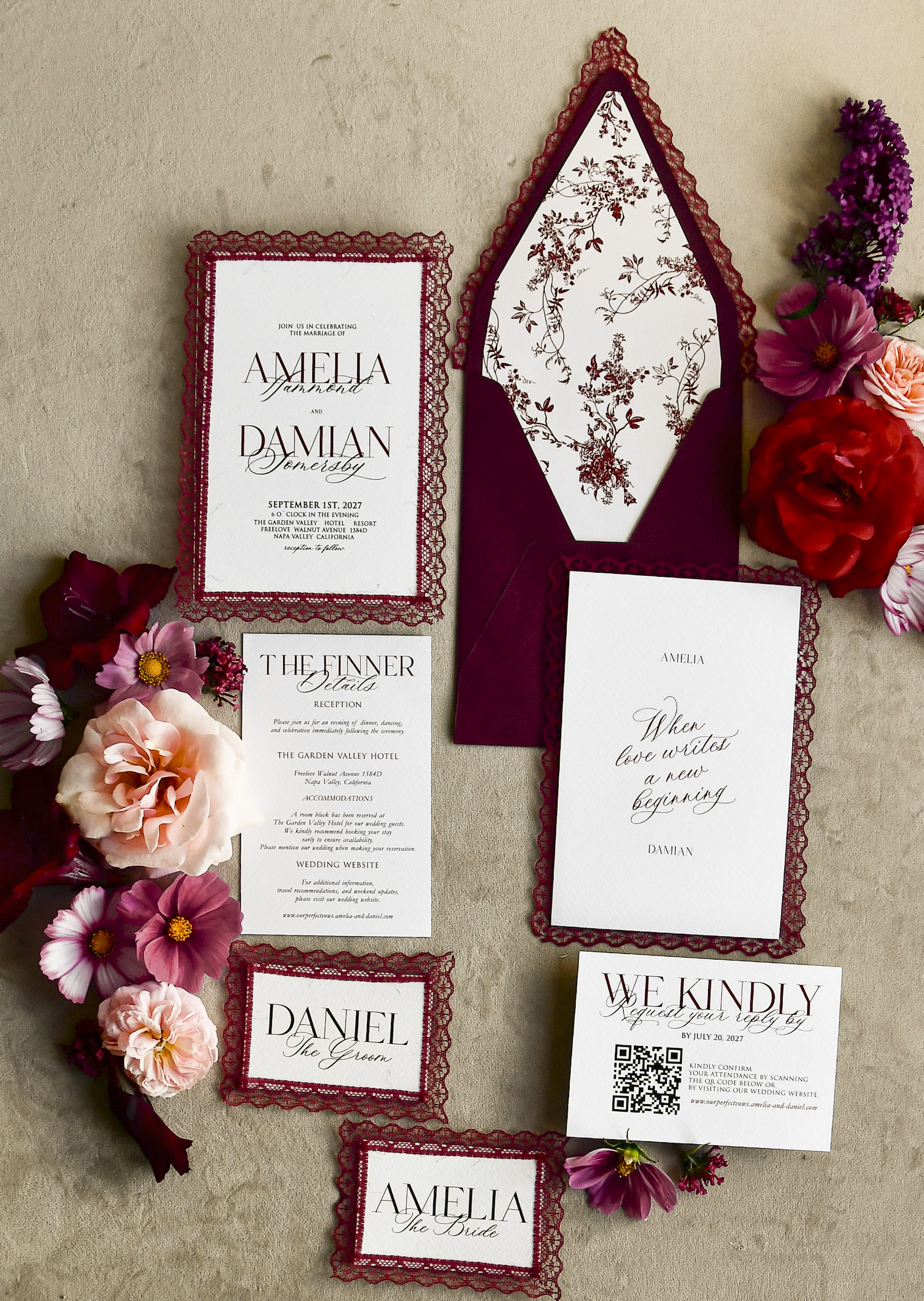
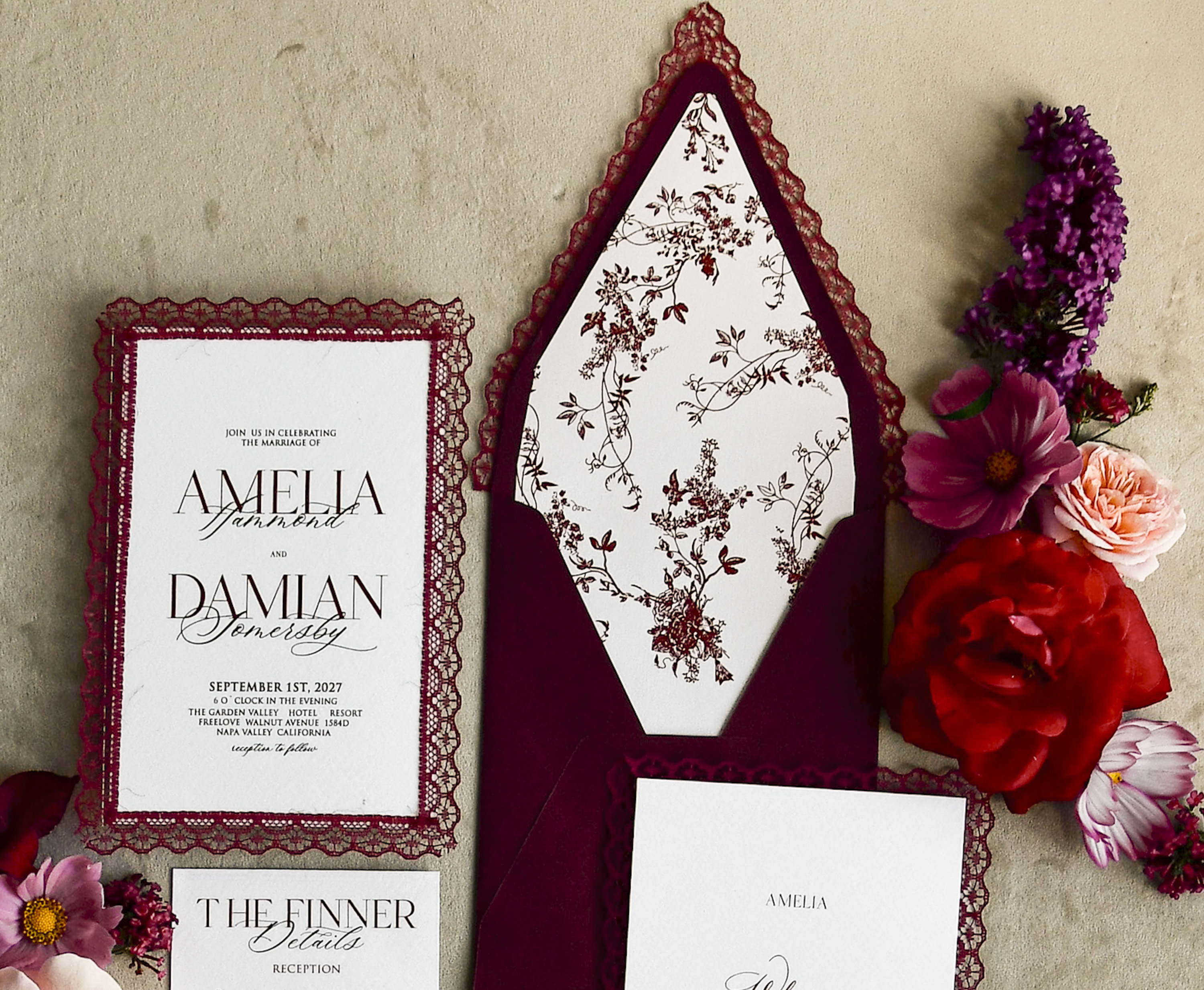
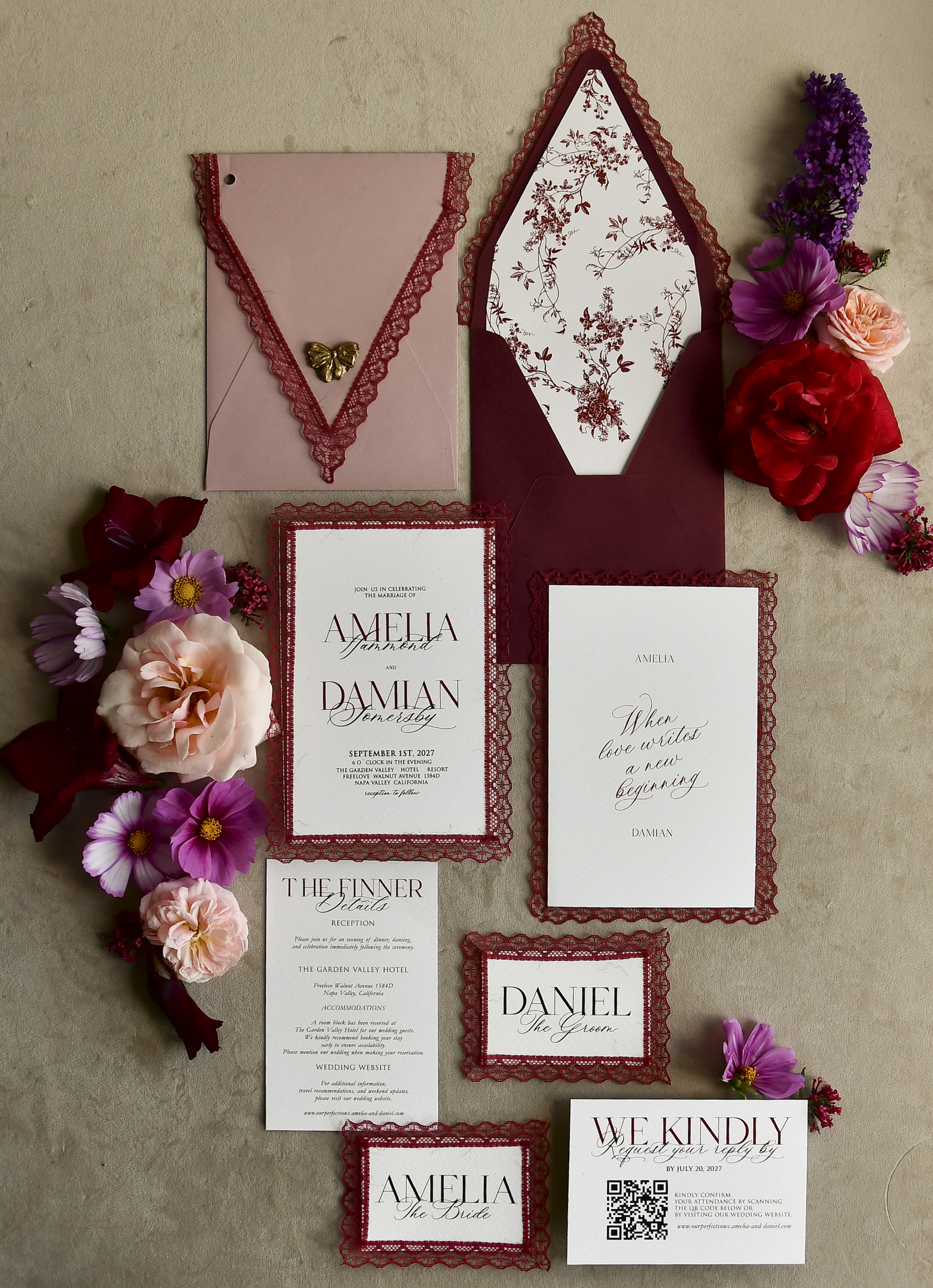
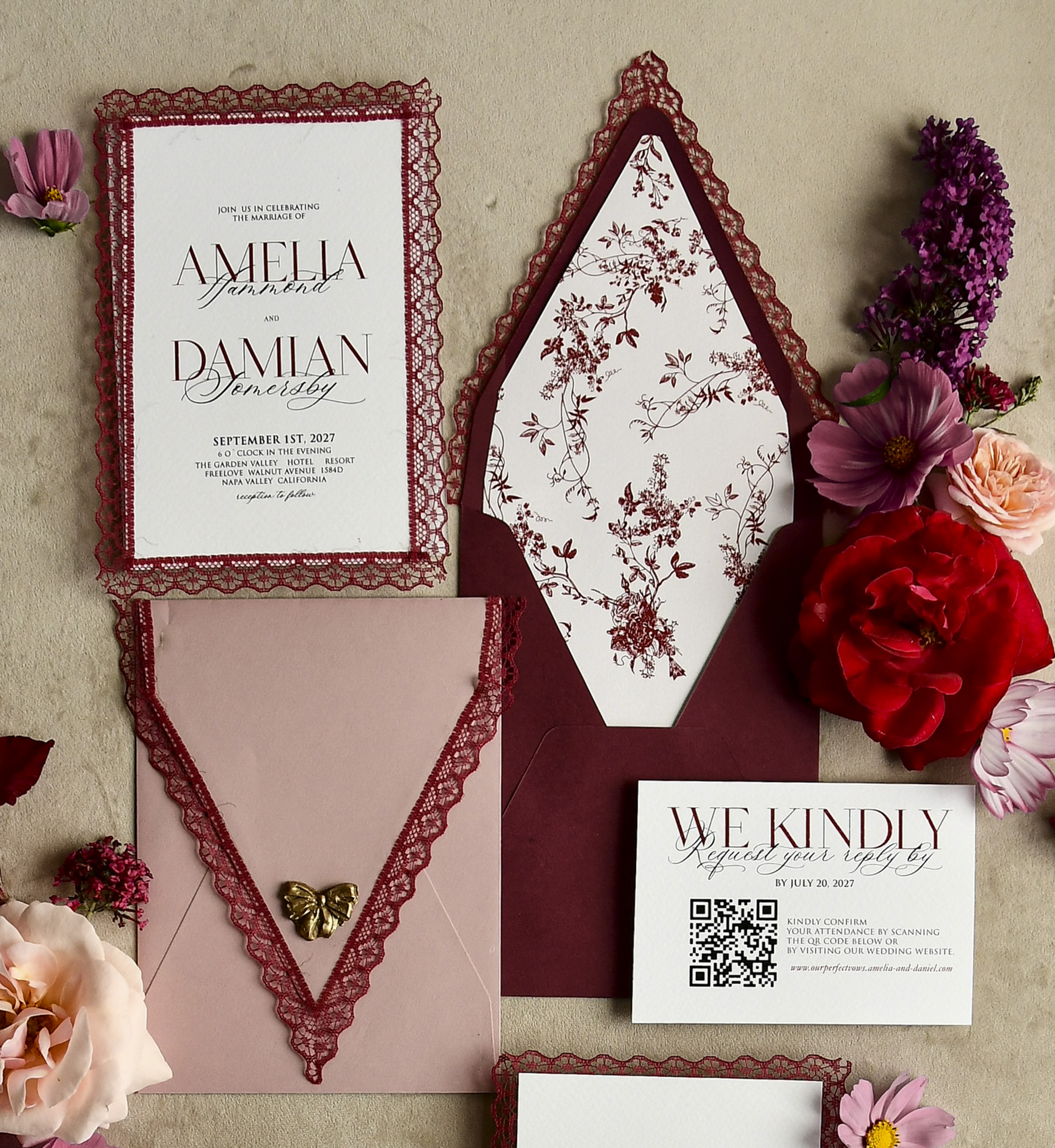
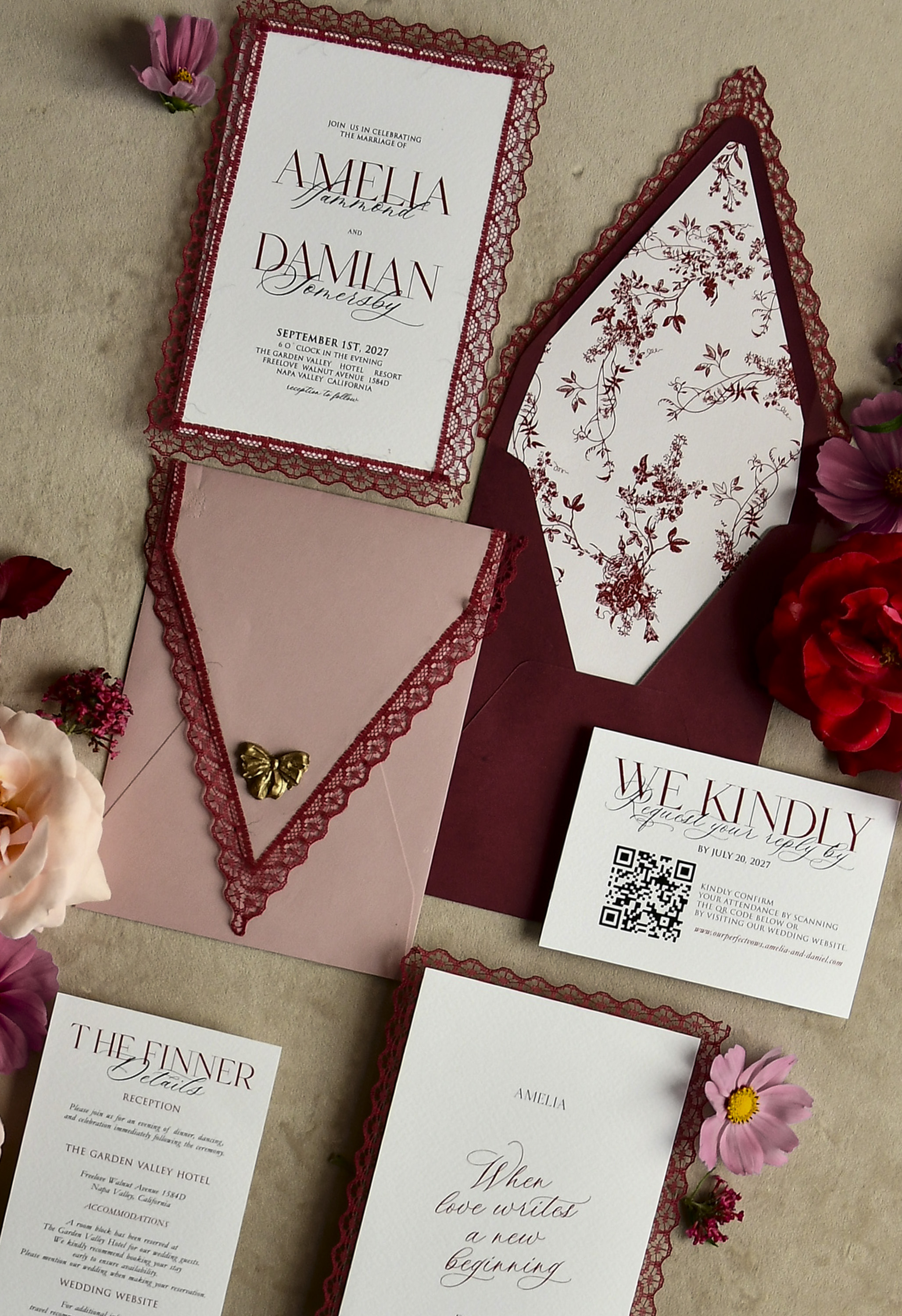
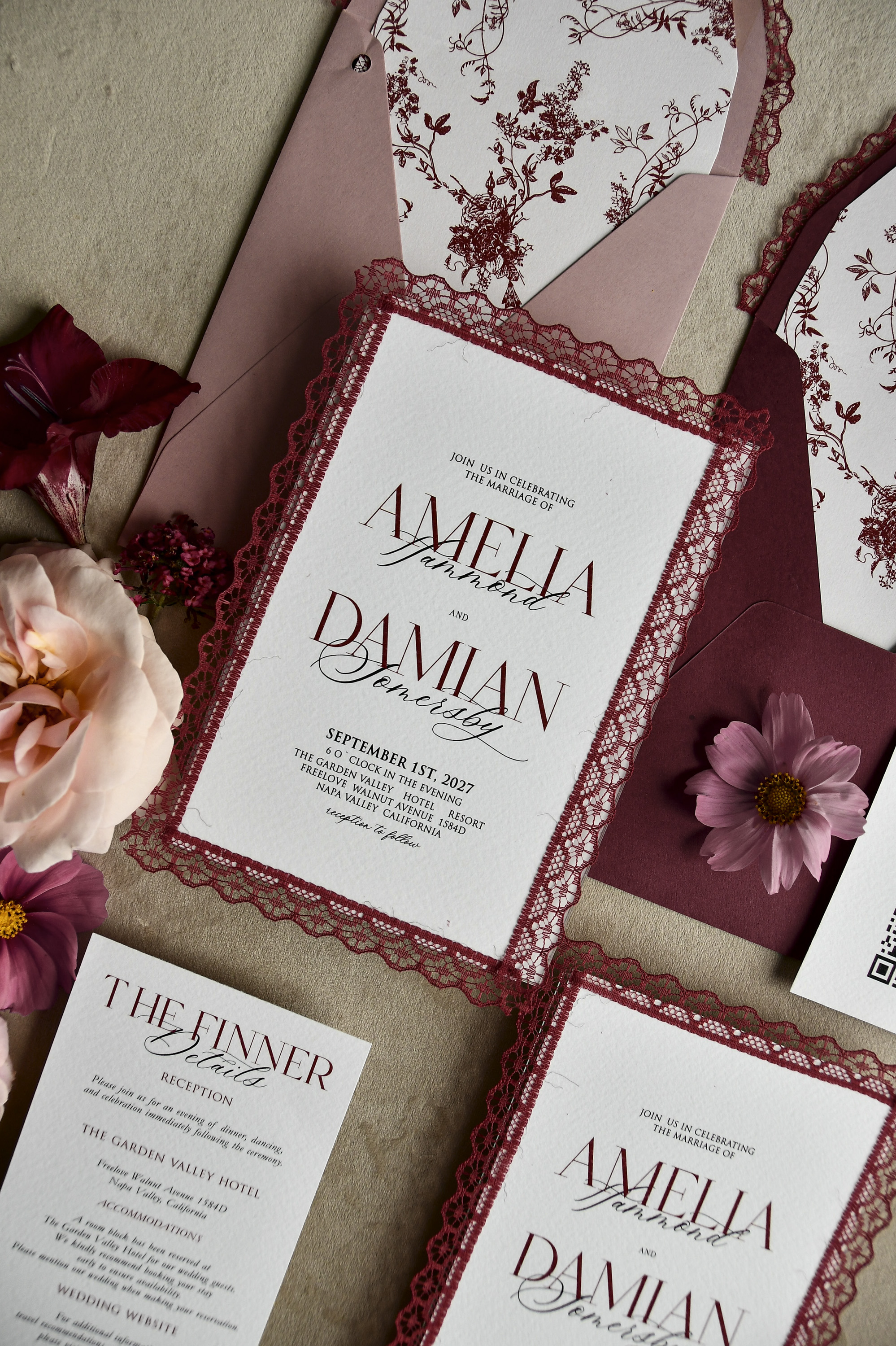
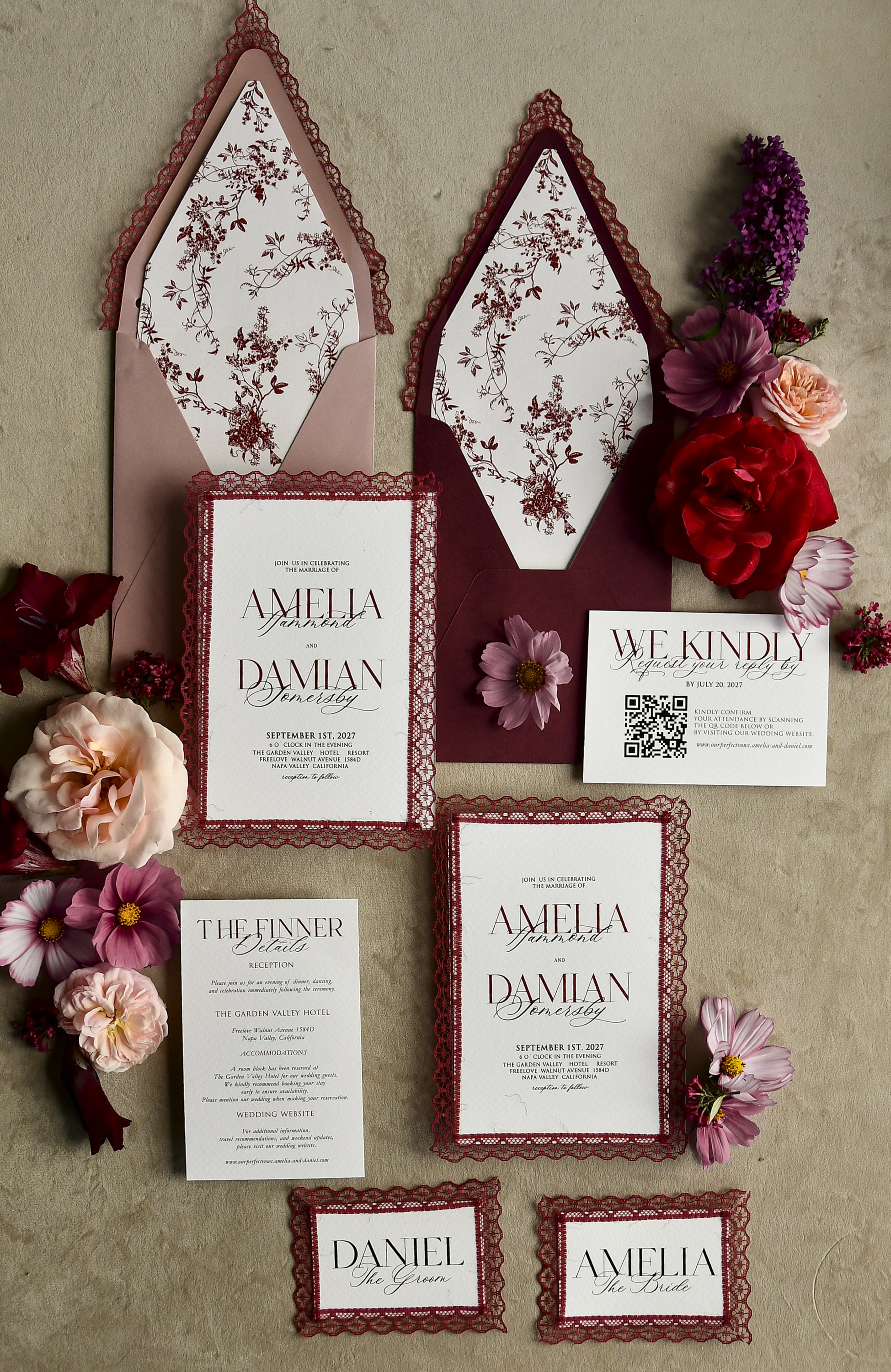
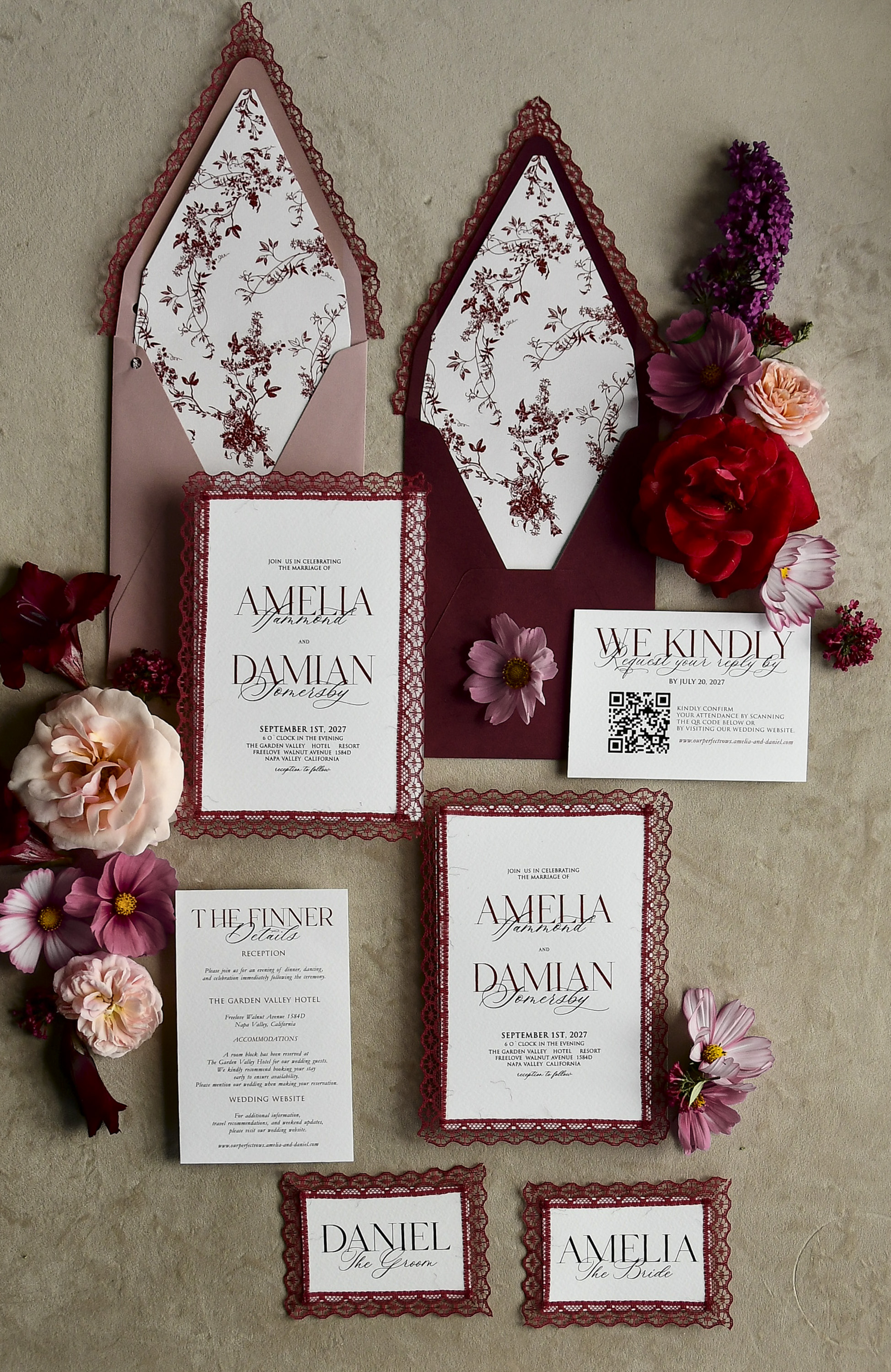
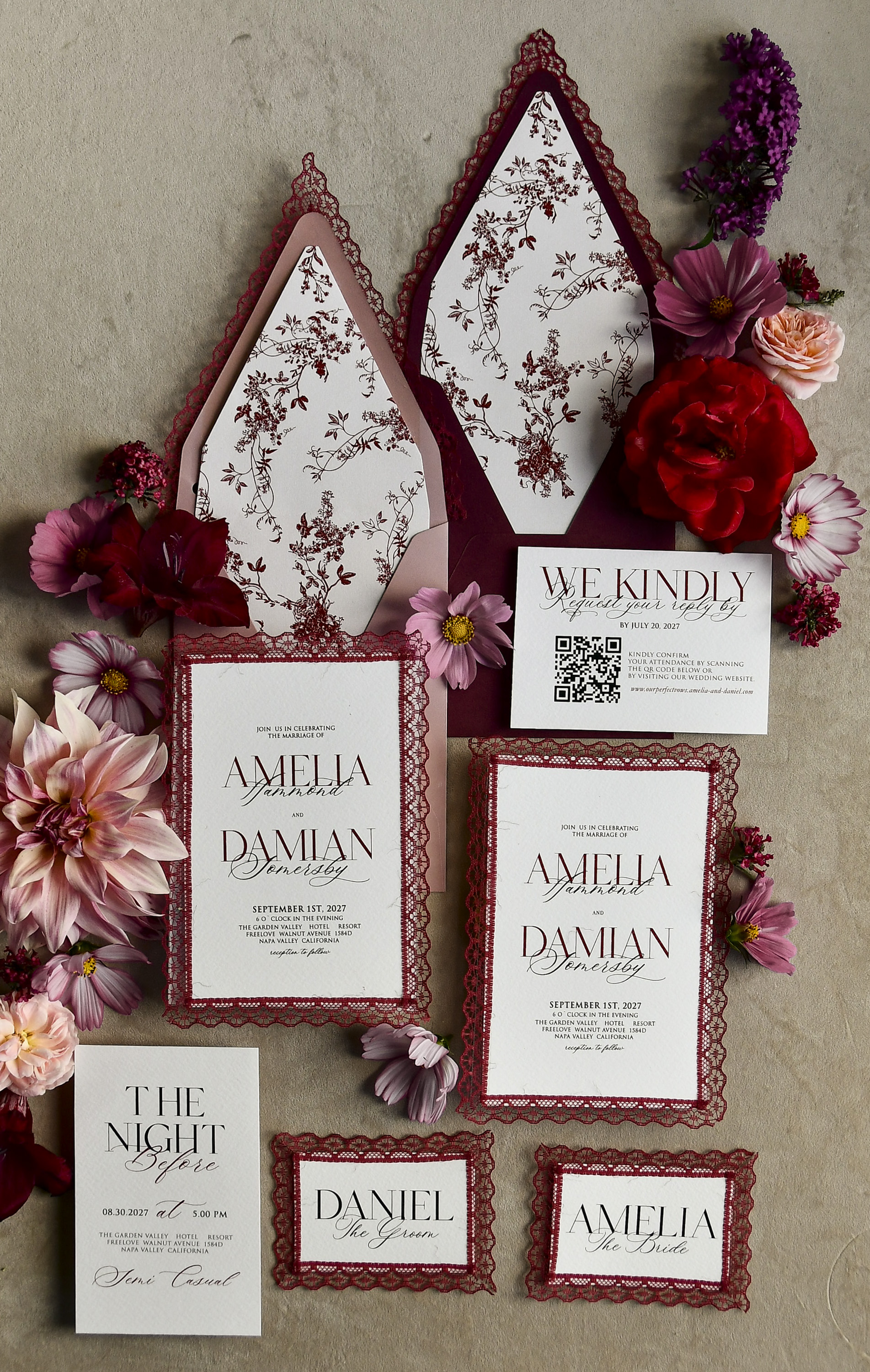
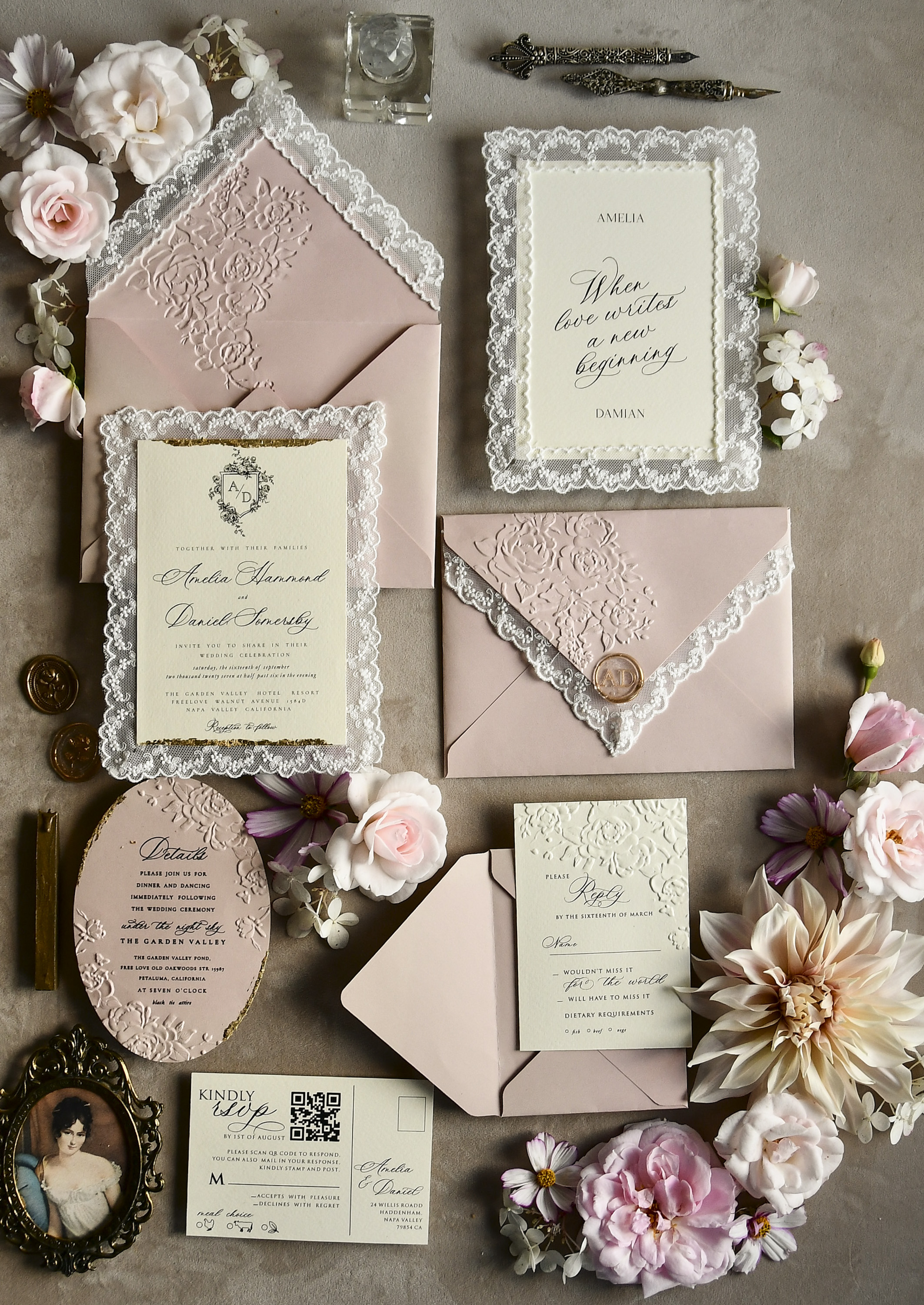
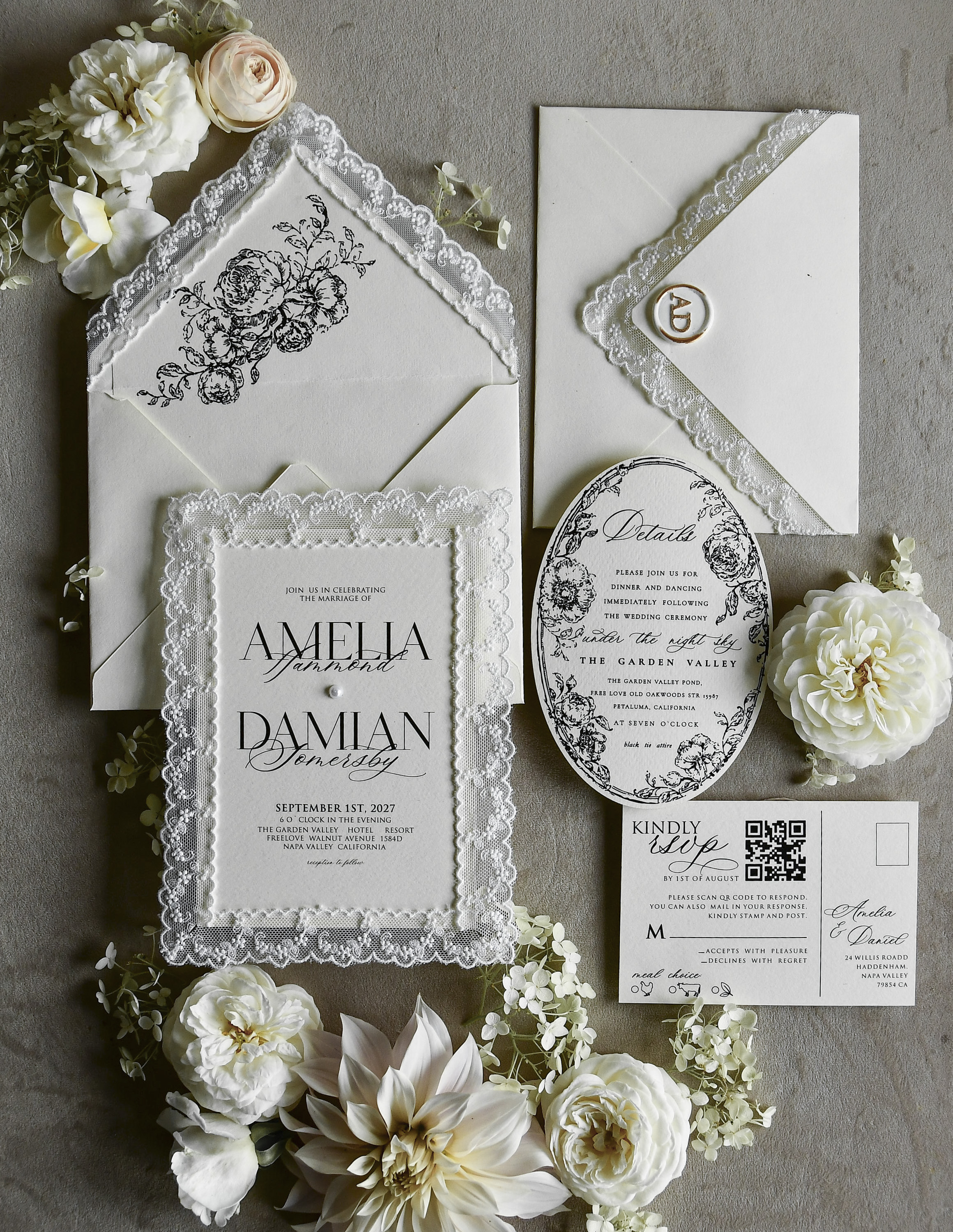
These conversations are easier when you've already locked in your stationery vision. Knowing exactly how many invitations you're sending (down to the suite) makes the numbers feel concrete and non-negotiable. Our 03/laceD/z vintage lace wedding invitations, starting at $7.50, are a beautiful way to set that elegant, intentional tone — and having your order in mind gives you a clear, natural cap to point to.
When It's Okay to Say Yes — and When to Hold Firm
Sometimes adding mom's guest is genuinely the right call. Say yes when:
- The person is a meaningful part of your extended family or community, even if you're not close.
- Your mom is contributing significantly to the wedding and this is one of very few requests.
- The relationship cost of saying no is disproportionately high.
Hold firm when:
- Adding the guest would push you over budget or venue capacity.
- You have a history with this person that makes their presence uncomfortable.
- Saying yes to one person opens the door to ten more similar requests.
Remember: this is your wedding day. You are allowed to prioritize the people who are genuinely part of your life. Being thoughtful doesn't mean being a pushover.
Protect Your List Early to Avoid Last-Minute Pressure
The best defense against guest list battles is a clear plan from the start. Agree with your partner on a firm headcount before either family gets involved. Divide the list into tiers — immediate family, close friends, extended family, work colleagues — and decide in advance how many spots each tier gets. Share these numbers with both sets of parents early, framing it as a practical constraint rather than a personal rejection. When everyone knows the rules upfront, individual lobbying has far less traction. And when your 03/laceD/z lace wedding invitations are ordered and addressed, that final number becomes official in the best possible way.
Frequently Asked Questions
There's no hard rule, but social reciprocity is a real consideration — especially within tight-knit communities or extended families. If not inviting them would genuinely damage an important relationship, it's worth weighing. That said, your guest count and budget are legitimate reasons to make different choices than past generations did.
Financial contribution does come with some reasonable expectation of input, including on the guest list. The key is to set clear limits before any money changes hands — for example, agree that her contribution comes with a set number of guest spots she controls. This keeps the arrangement fair without giving up full control of your day.
Lead with appreciation before delivering the answer: "I know how much the Hendersons mean to you, and I completely understand why you'd want them there." Then be honest and firm about your constraint — venue size, budget, or a decision to keep the event intimate. Offering an alternative, like a post-wedding dinner, can soften the disappointment.
Aim to have your guest list finalized at least four to five months before your wedding date. This gives you time to order invitations, address envelopes, and send save-the-dates without rushing. Locking in the list early also cuts off opportunities for last-minute additions to creep in.
This is exactly why a firm, communicated headcount is so important. Once you've told both families "we have X total guests and every spot is accounted for," individual requests become much easier to deflect. Refer back to the number rather than debating each name individually.
Not at all — intimate weddings are completely valid and increasingly common. The key is consistency: if you're keeping it to immediate family and close friends across the board, most people will understand. Sending a wedding announcement after the fact is a thoughtful way to include people in the celebration without adding to your headcount.
See This Design Up Close
You May Also Like
More Wedding Planning Guides
- → How to Handle a Guest List Ultimatum Without Losing Your Mind (or Your Wedding)
- → Your Fiancé Doesn't Want Your Family at the Wedding — Here's How to Navigate It
- → Wedding Invitation Addressing: Who Gets What Line and Why
- → The Single Guest Plus-One Question: What Every Couple Should Know
- → Should You Mail or Hand-Deliver Your Wedding Invitations? A Couple's Guide
- → Handling the 'Why Wasn't I Invited to Your Wedding?' Question
- → Save the Dates vs. Wedding Invitations: A Clear Guide to What Goes Out When and Why
- → Uninvited Plus-Ones and Tag-Alongs: How to Keep Your Guest List Intact
- → When Family Feuds Threaten Your Wedding Plans: A Practical Peacekeeper's Guide
- → Inviting an Estranged Brother or Sister: Finding Clarity Before You Seal the Envelope
- → Cousins, Invites, and Hard Choices: A Practical Guest List Guide